What defines the most trendy sofa ideas for 2026, and how can homeowners choose pieces that elevate both comfort and aesthetics? As interiors continue shifting toward flexibility, sustainability, and expressive design, sofas have become the centerpiece of modern living spaces. In this article, I will explore the most influential trends shaping the sofa market in 2026, explaining why each style matters and how it enhances the overall home environment. Whether you prefer minimalism, bold statements, or eco-smart choices, the following insights will help you understand which designs deliver both style and practicality this year.
1. Modern Minimalist Sofa Designs
I often begin any project by focusing on clean, simple forms, and modern minimalist sofas have become essential for creating a peaceful and visually balanced space. In 2026, these pieces embrace neutral palettes, softly structured silhouettes, and open floor plans that highlight function over unnecessary detail. By placing a minimalist sofa in a room with natural light, smooth flooring, and cohesive textures, I find that the entire space feels more intentional and easier to navigate daily.
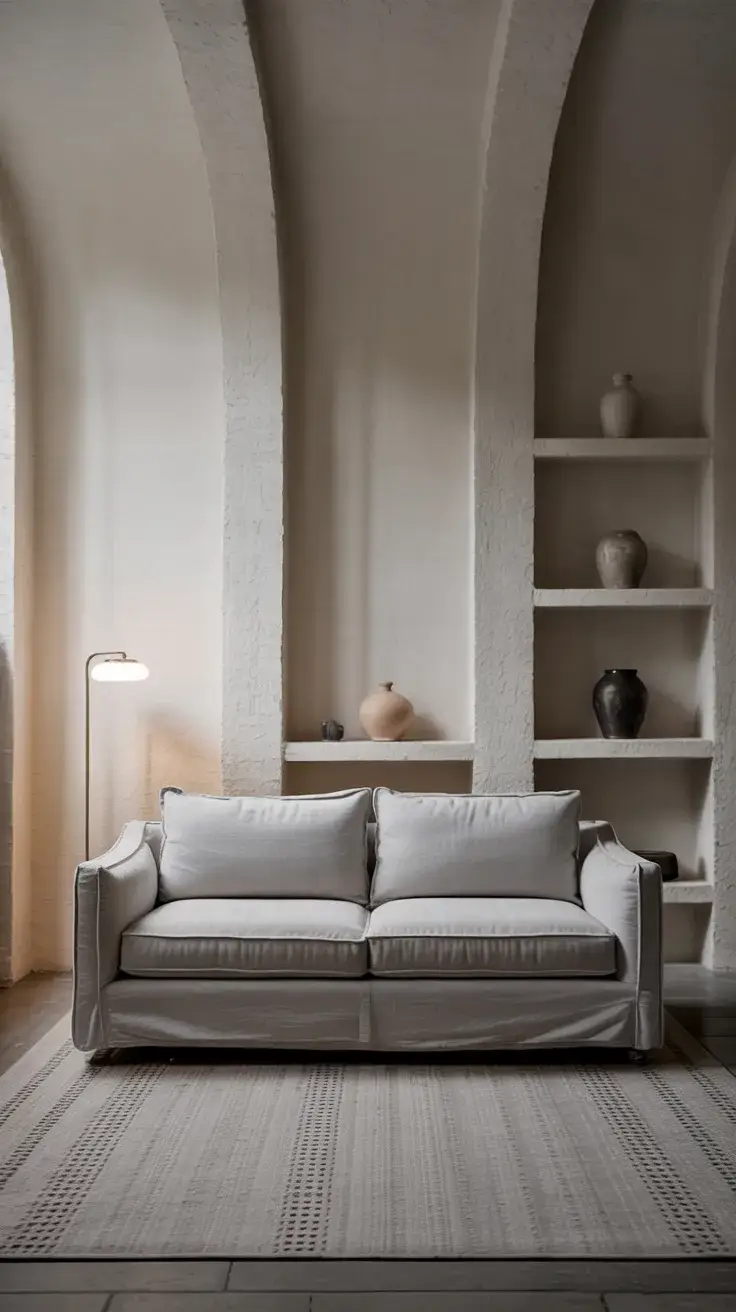
When selecting furniture for this type of interior, I focus on items that highlight the sofa’s simplicity while increasing usability. Low rectangular coffee tables, tonal rugs, slim metal floor lamps, and uncluttered shelving all contribute to a harmonious aesthetic. I choose pieces with matte finishes or organic textures because they complement the calming energy that minimalism provides and help keep the home visually serene.
In my experience, design editors at Architectural Digest often emphasize that minimalist living isn’t about owning less but choosing better. Following that principle, I always prioritize craftsmanship and comfort when selecting these sofas, knowing they will remain stylish for years without overwhelming the room.
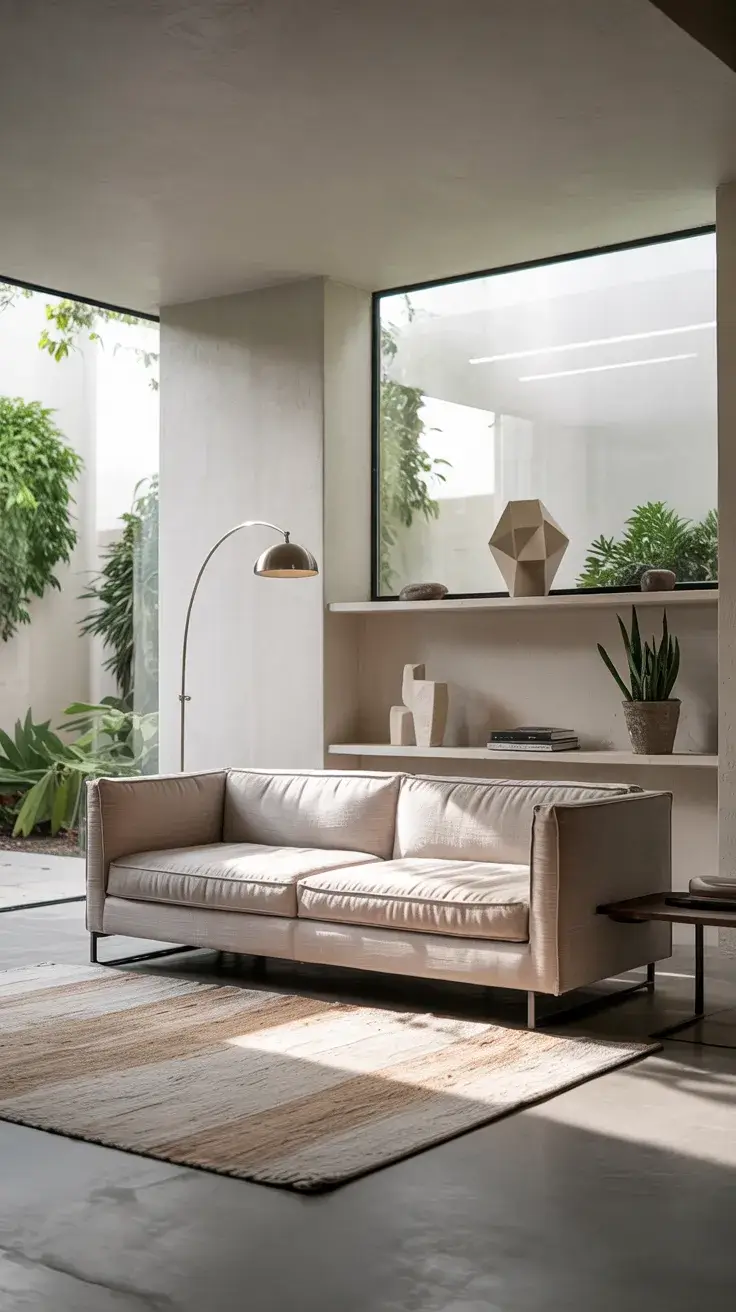
I would also add that incorporating one accent material, such as brushed steel or light wood, helps refine the space and prevents the design from feeling flat. It’s a small addition, but it completes the overall concept beautifully.
2. Curved Silhouette Sofas for Contemporary Homes
Curved silhouette sofas have emerged as a defining feature of contemporary interiors for 2026, and I appreciate how their organic shapes soften a room instantly. When I design with these forms, especially in open-concept homes, the curves create gentle visual movement and encourage conversation. Paired with ambient lighting and rounded accessories, these sofas add a sculptural presence that feels inviting and modern.
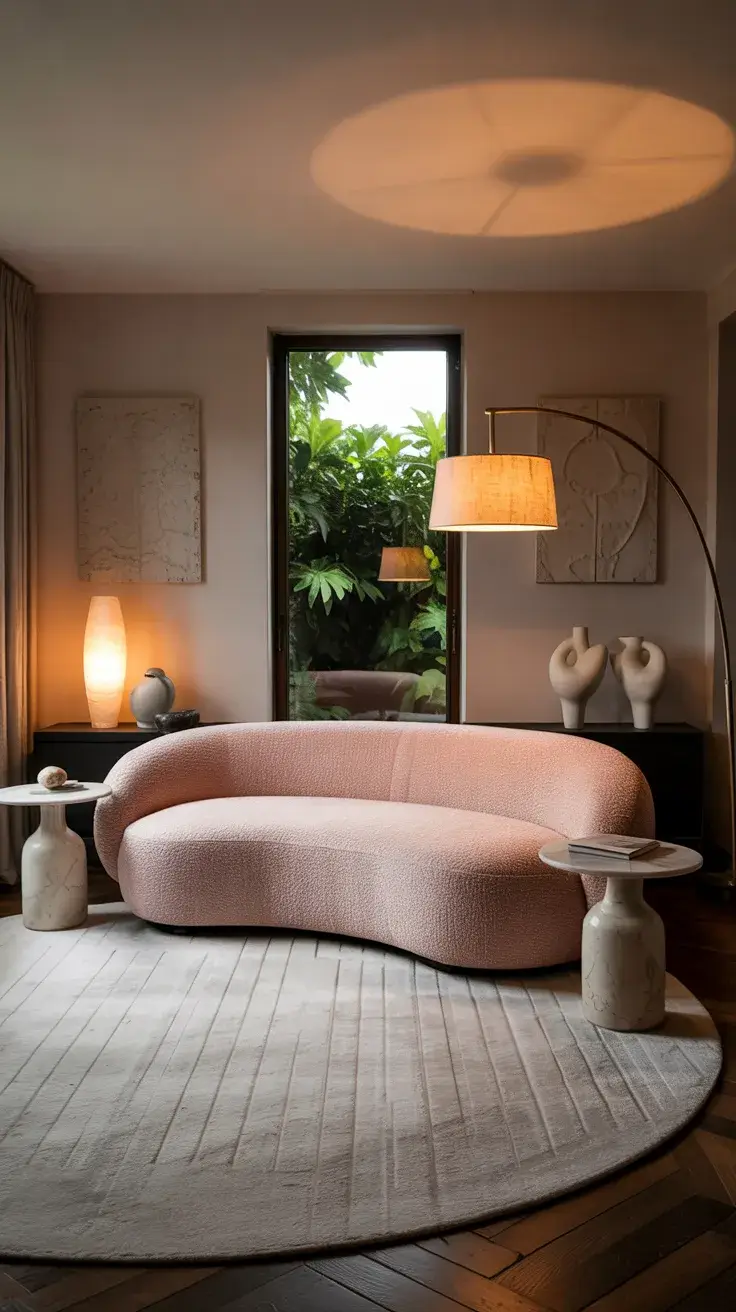
Every furniture item in a curved setting must echo the softness of the silhouette. I typically select circular side tables, arched floor lamps, and rounded ottomans to maintain rhythm throughout the space. Materials like boucle, velvet, or textured weaves enhance the fluid design language, while warm neutral or pastel color palettes add a sophisticated softness.
From my perspective, incorporating a curved sofa is also a practical approach to breaking up rigid architectural lines. Experts at Elle Decor have often noted that curves create a sense of flow in compact rooms, and I’ve found that to be true, especially when the space benefits from additional visual openness.
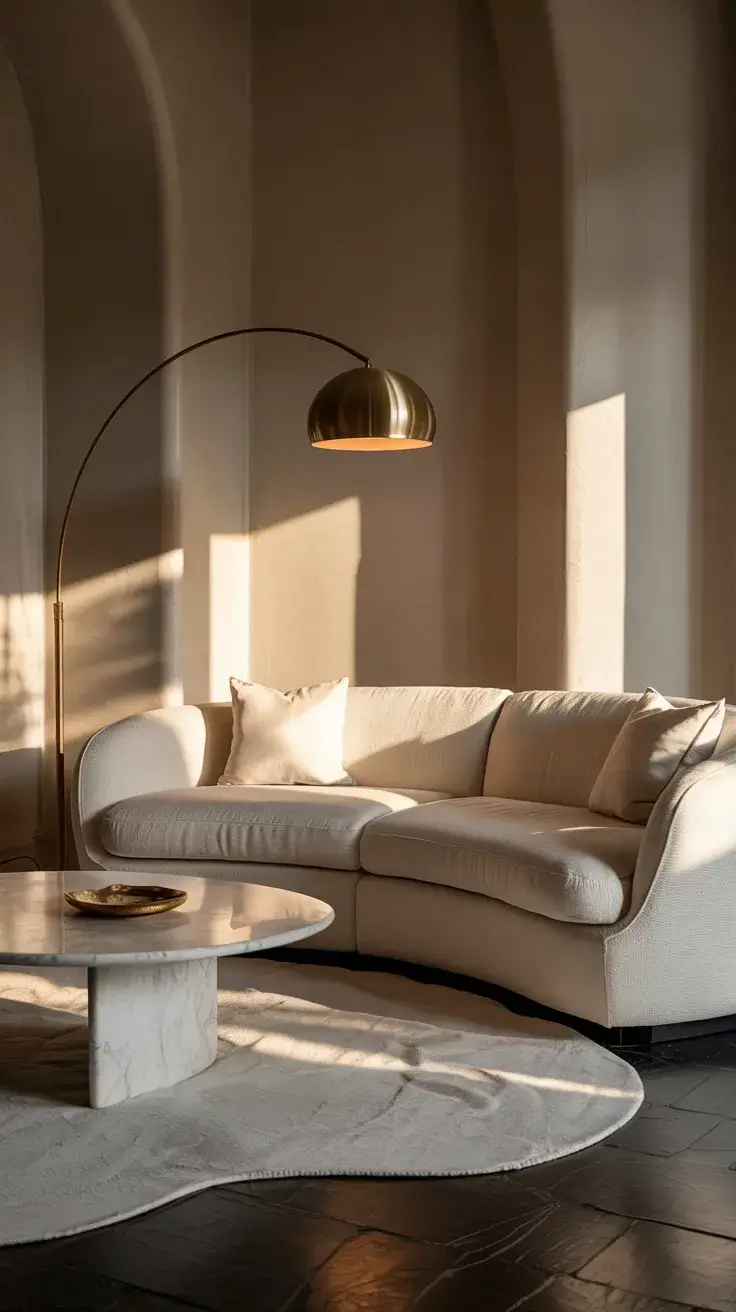
To make this section more complete, I would add that an asymmetrical rug works especially well here, grounding the arrangement without conflicting with the sofa’s geometry.
3. Modular Sofa Systems for Flexible Living
I regularly recommend modular sofas to clients seeking adaptability, as these systems perfectly support the multifaceted lifestyle trends of 2026. With living rooms now doubling as workspaces, relaxation zones, and entertainment areas, modular setups allow the user to reconfigure sections easily. I often incorporate them into large open rooms, arranging the pieces to define zones naturally.
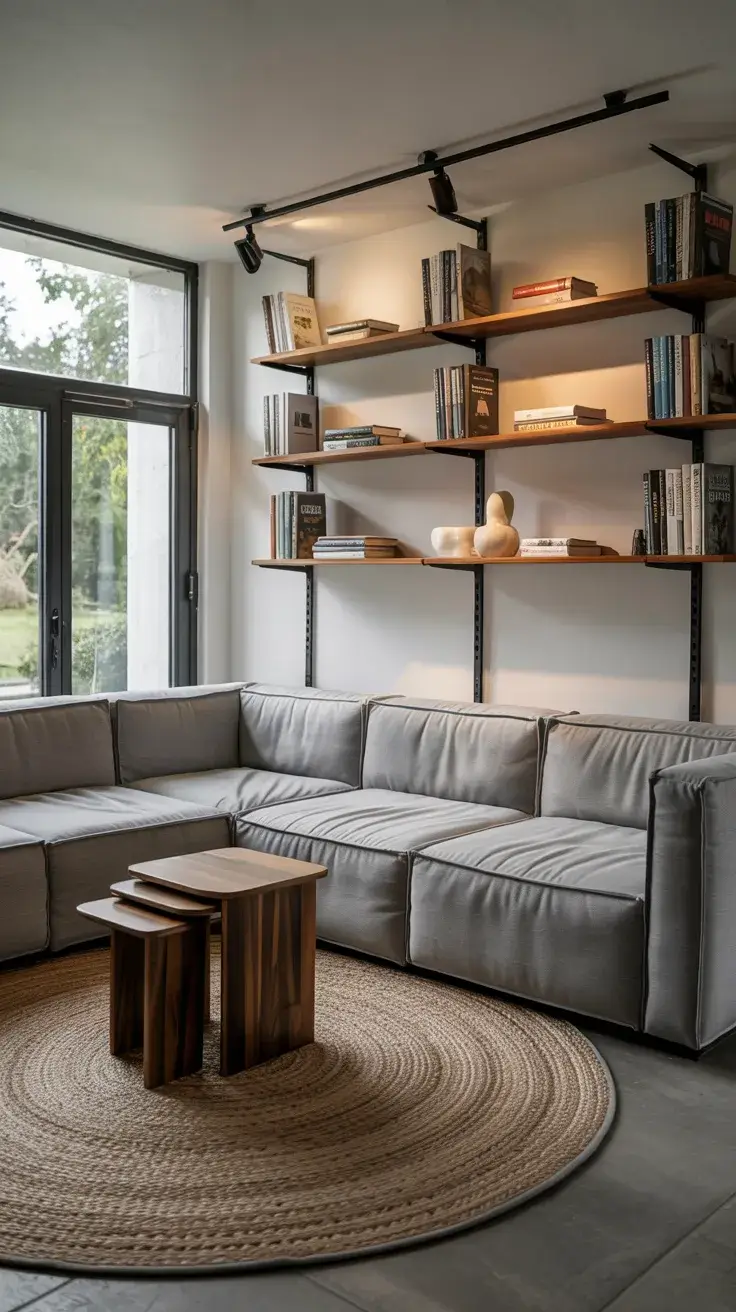
In terms of furniture pairing, modular sofas call for lightweight accessories and movable pieces. I often select nesting tables, adjustable lighting, and open storage units to support the sofa’s flexible function. Upholstery options like performance fabrics, wool blends, and stain-resistant textures enhance durability, especially in homes with children or pets.
From my experience, many designers from Dwell highlight how modular layouts empower homeowners to personalize their environment. I share that belief, as these systems offer the freedom to adapt the arrangement without purchasing new furniture.
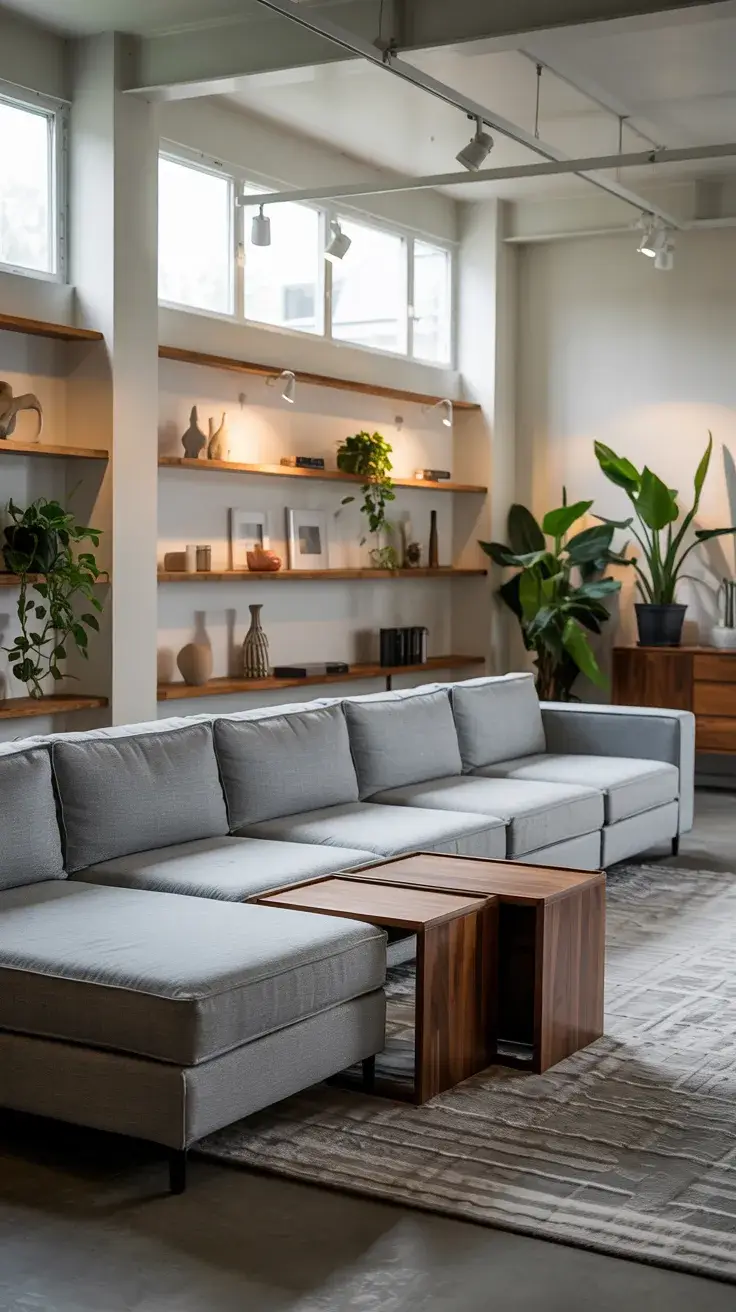
An element I would add is a selection of multifunctional poufs or ottomans. They complete the modular system while providing additional seating or surface space as needed.
4. Low Profile Sofas for Sleek Interiors
Low profile sofas have become one of my preferred solutions for achieving sleek, contemporary spaces. Their lower height creates a visual horizon that instantly makes a room appear larger, which is especially useful in compact apartments or minimalist homes. When placed near wide windows or beneath elongated artwork, these sofas enhance a sense of openness.
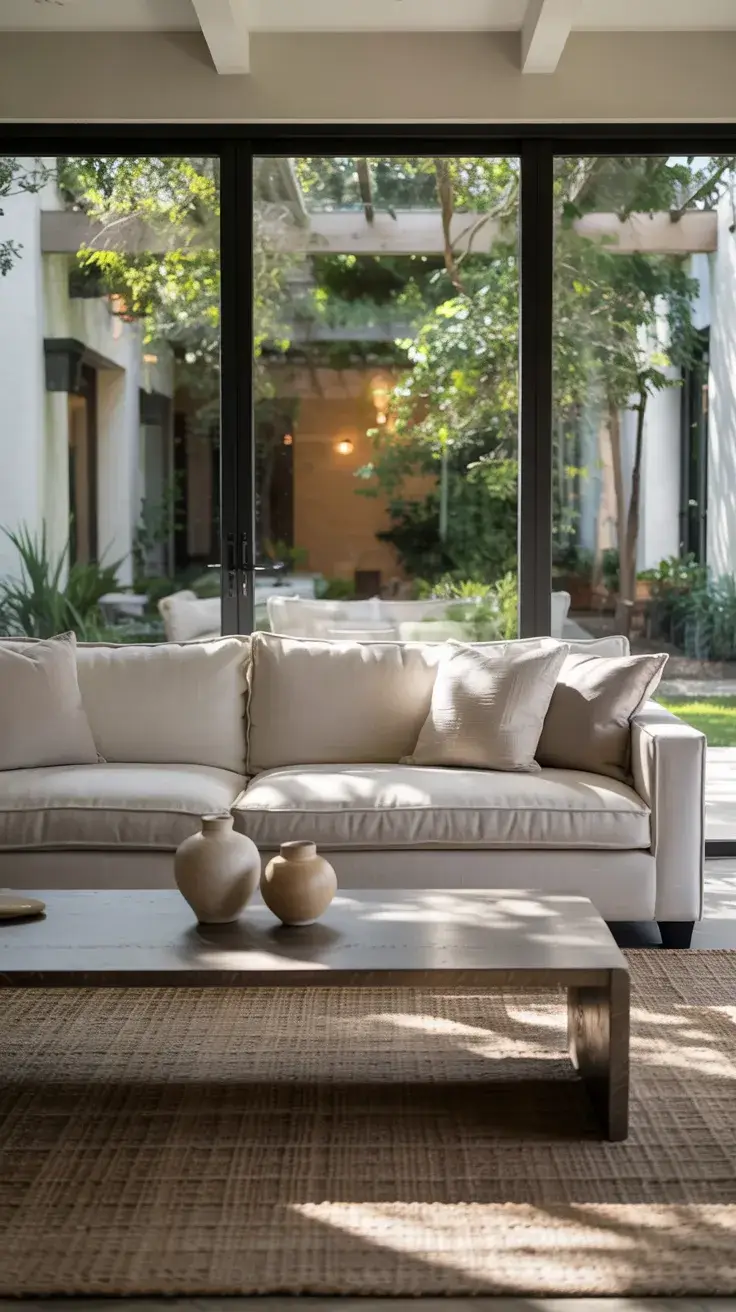
Every component in a low-profile setting must complement its horizontal emphasis. I usually choose long coffee tables, slim console units, and wall-mounted lighting instead of bulky floor lamps. Neutral color schemes, stone surfaces, and expansive rugs help reinforce the refined aesthetic while maintaining balance within the space.
I often rely on advice from California-based interior designers who emphasize the importance of proportion when working with low-profile furniture. By maintaining a coherent visual line, the room feels thoughtful and cohesive rather than disjointed.
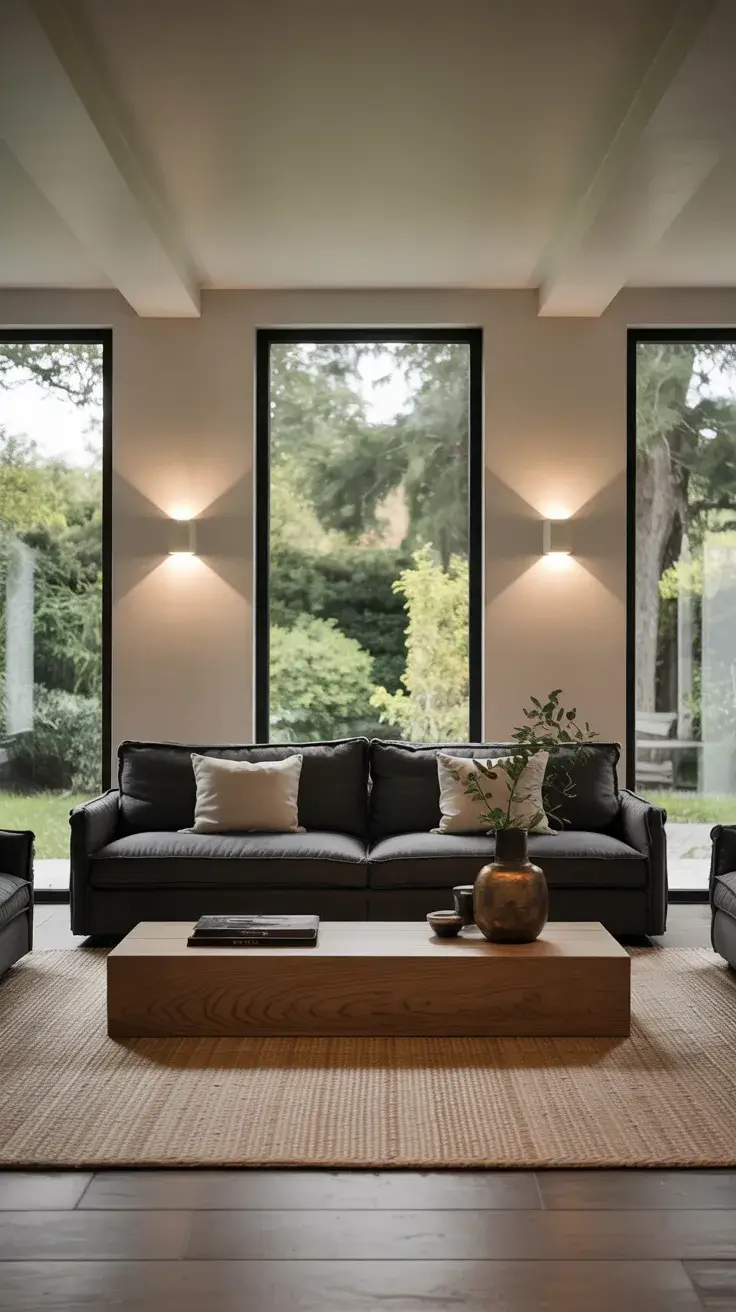
I would suggest adding one statement material such as polished wood or matte black metal to anchor the design and prevent overstated simplicity.
5. Sustainable Sofa Materials for Eco Friendly Homes
Sustainability plays a central role in trendy sofa ideas for 2026, and I increasingly prioritize eco-conscious materials when curating interiors. Sofas crafted from FSC-certified wood, natural latex, recycled fabrics, and plant-based foams offer a healthier environment while reducing environmental impact. These pieces create a warm and honest atmosphere that resonates beautifully with biophilic design.
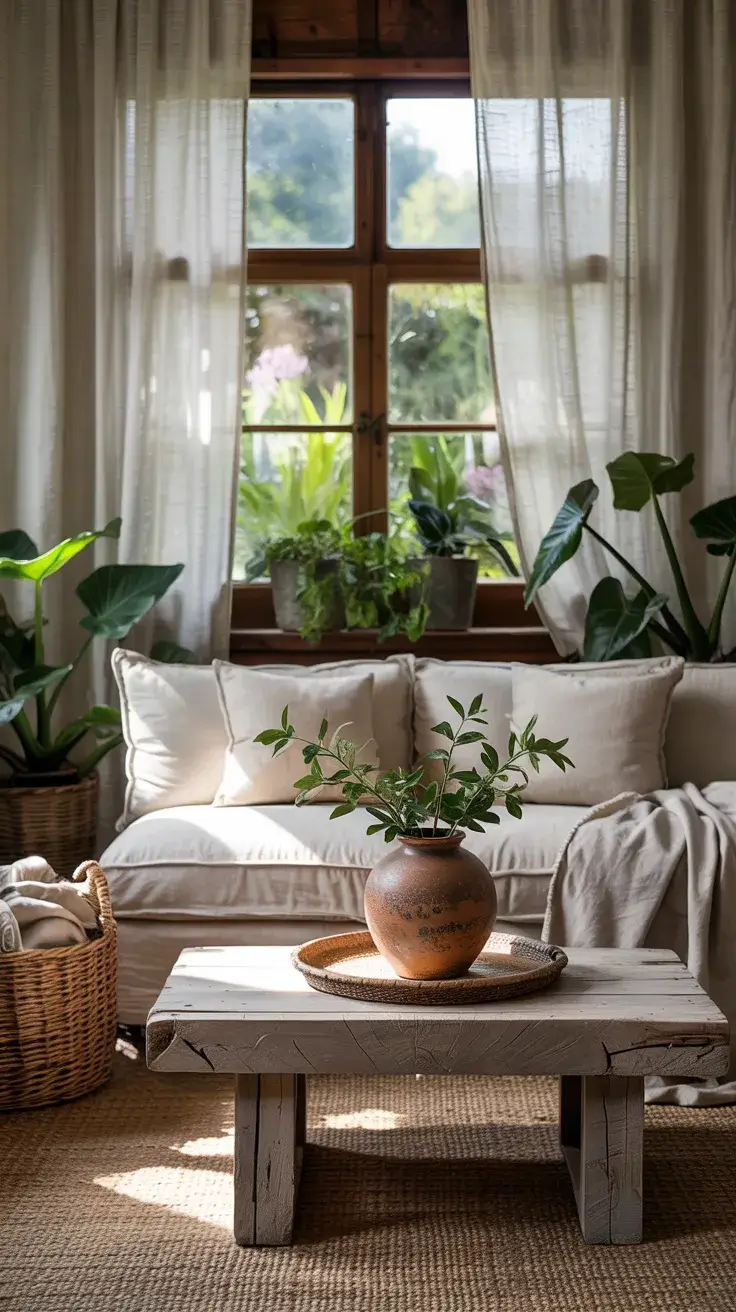
To support this style, I choose furniture and accessories that echo natural textures. Woven baskets, linen curtains, reclaimed wood tables, and stone planters pair perfectly with sustainable sofas. Soft earthy tones blend seamlessly with these materials, and I find that indoor plants help complete the look by reinforcing the connection to nature.
In my work, I’ve seen growing guidance from industry experts promoting low-VOC materials. Publications like House Beautiful often highlight how sustainable interiors can improve well-being, and I fully agree based on my own experience.
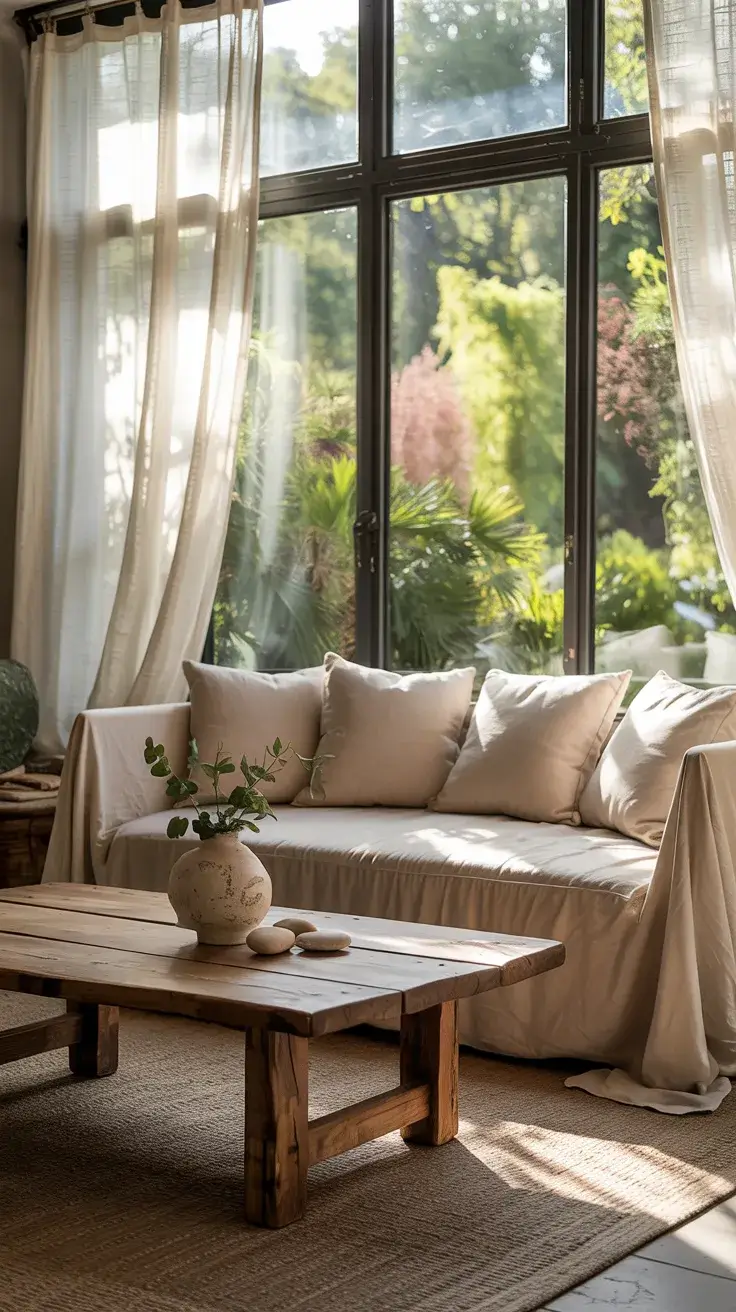
I would also add organic-shaped lighting made from bamboo or papier-mâché, which enhances the eco-friendly concept while adding artisanal charm.
6. Bold Color Sofas Making a Statement in 2026
Bold color sofas are an exciting trend this year, and I often use them to bring energy and personality into a home. Jewel tones, saturated terracottas, deep blues, and modern greens instantly transform a neutral interior into a dynamic space. When designed intentionally, these sofas serve as a striking focal point without overwhelming the room.
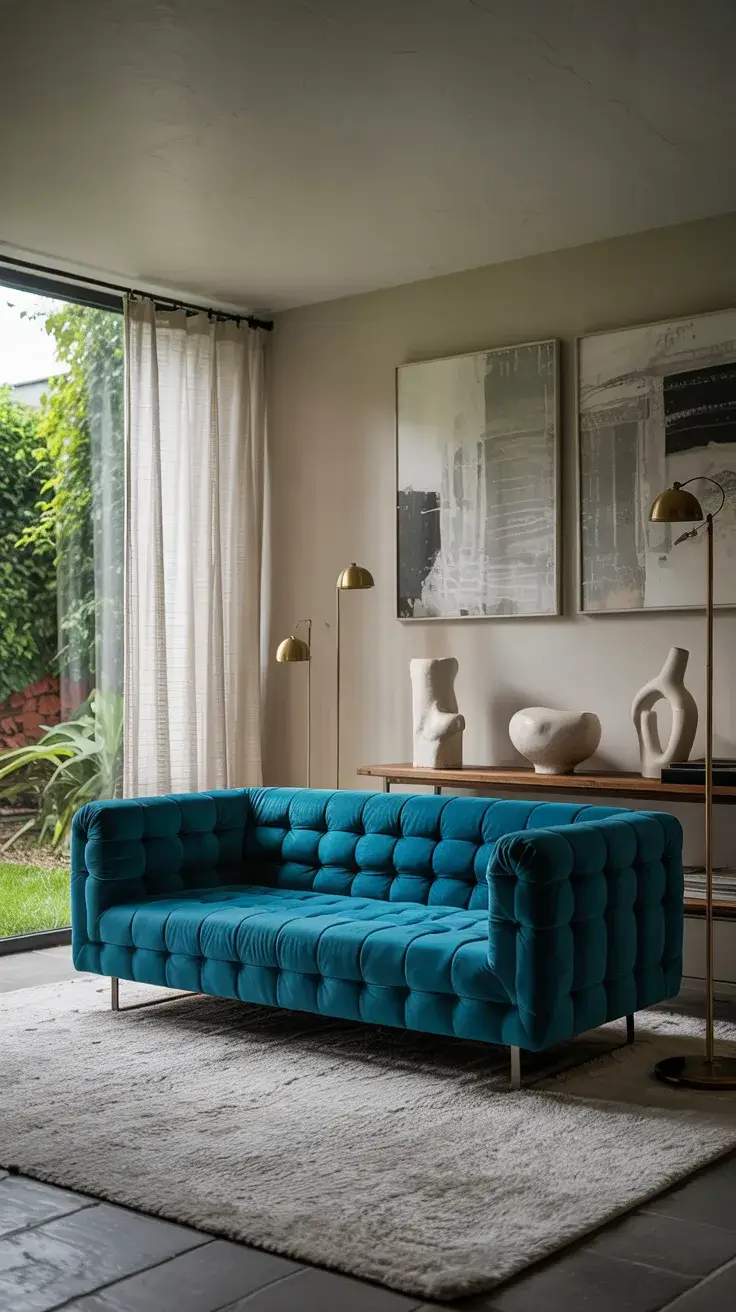
To support such a vivid centerpiece, I carefully select complementary furniture. Neutral rugs, minimalist shelves, brass or black metal accents, and soft lighting help frame the sofa without competing visually. I typically avoid busy patterns and instead rely on texture to balance the boldness of the color.
Design professionals at Vogue Living often mention that embracing color is a form of self-expression in modern interiors. My personal experience aligns with this; bolder tones often make a home feel more curated and memorable.
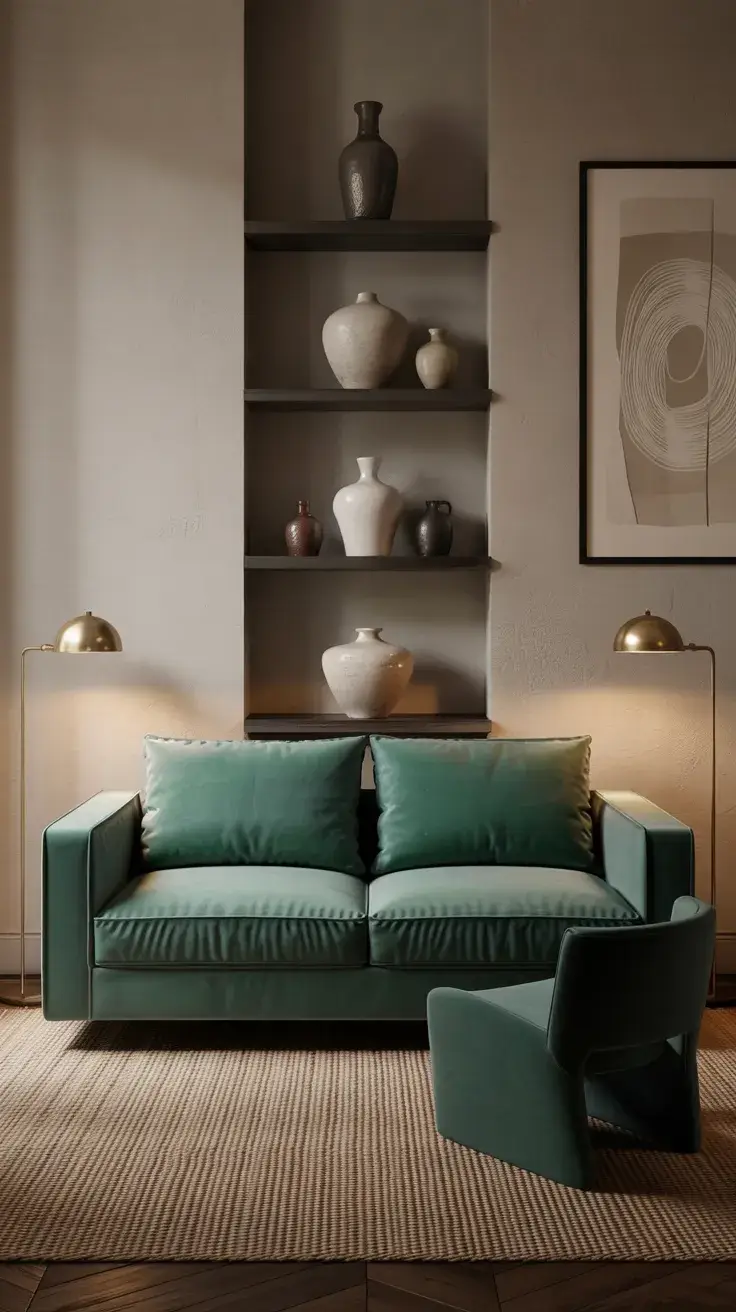
To complete this section, I would include one or two subtle art pieces that echo the sofa’s tone. This creates visual harmony and enhances the design narrative.
7. Textured Fabric Sofas Adding Visual Depth
Textured fabric sofas are essential for adding dimension and richness to modern interiors. When I include these in my projects, I find that materials like boucle, chenille, woven cotton, or ribbed upholstery elevate even the simplest room. These sofas work beautifully in spaces that rely on monochromatic or neutral palettes, bringing depth without requiring dramatic color changes.
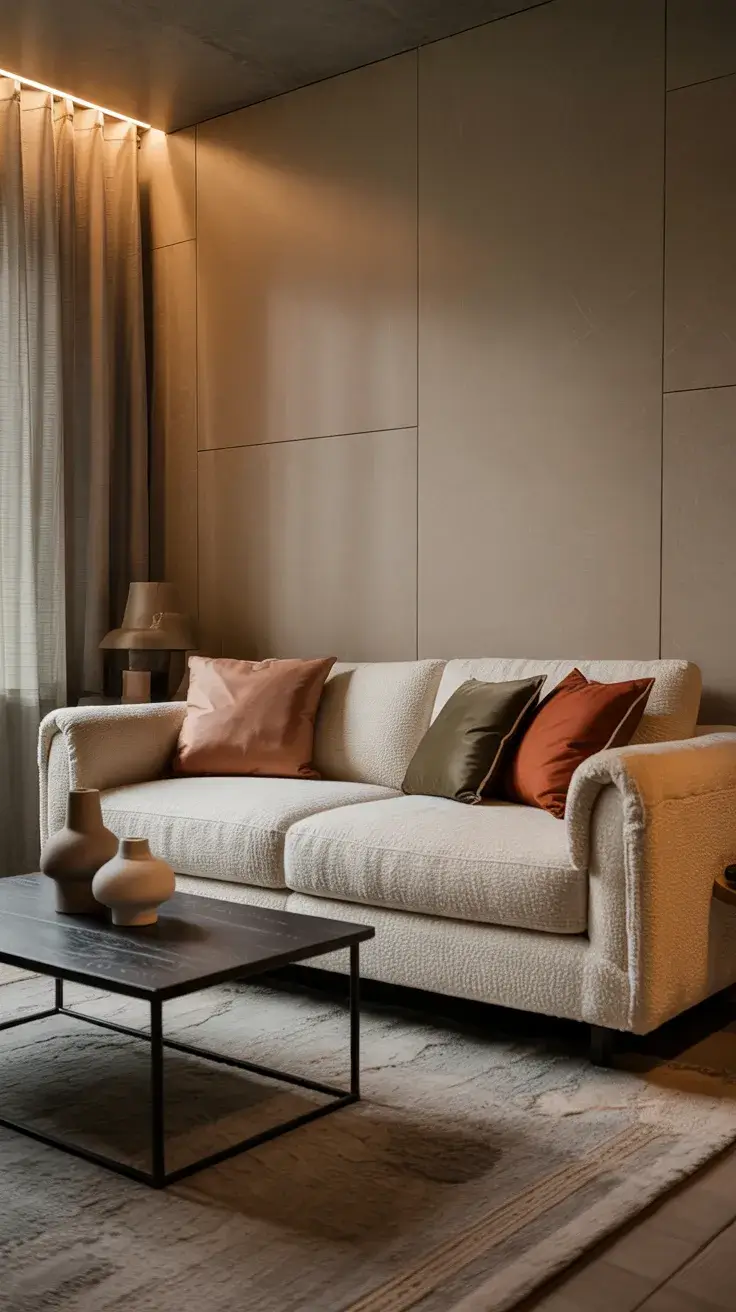
Furniture selection plays a crucial role here. I typically choose matte surfaces, smooth metal tables, or minimalist shelving to contrast the texture. Soft ambient lighting highlights the tactile appeal, while layered rugs or knitted throws enhance the sense of comfort.
I often reference guidance from designers featured in Architectural Digest, who emphasize mixing textures to create more engaging and tactile environments. My own design practice supports this idea, as textured fabrics make the interior feel more luxurious and thoughtfully composed.
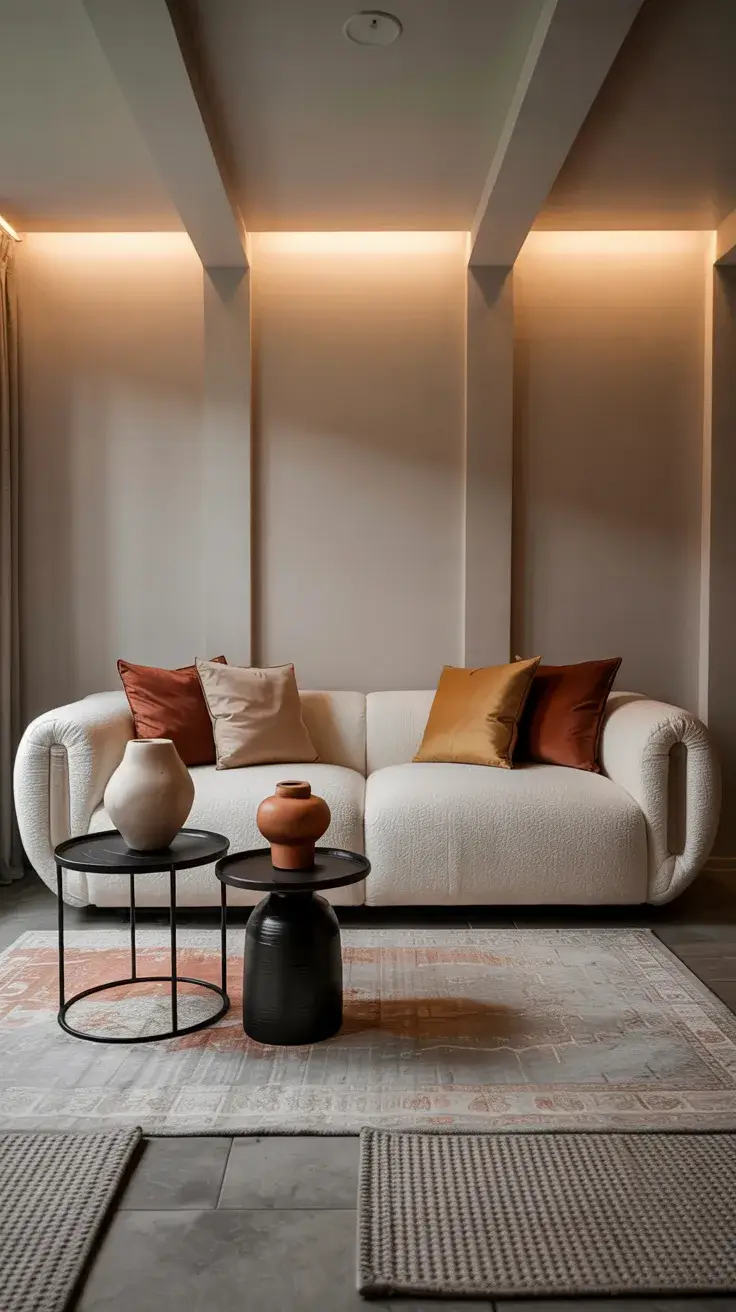
To complete this section, I would add a set of accent pillows made from complementary textures. They enrich the composition without overpowering the overall design.
8. Oversized Lounge Sofas for Relaxed Living
Oversized lounge sofas have become one of my favorite approaches for achieving a relaxing, inviting environment, especially in homes where comfort is the top priority. I often select these deep, spacious designs for open living rooms because they encourage gathering, lounging, and long conversations. Their generous proportions create a welcoming visual softness that transforms a room into a true haven, making them ideal for families and those who love casual, cozy interiors.
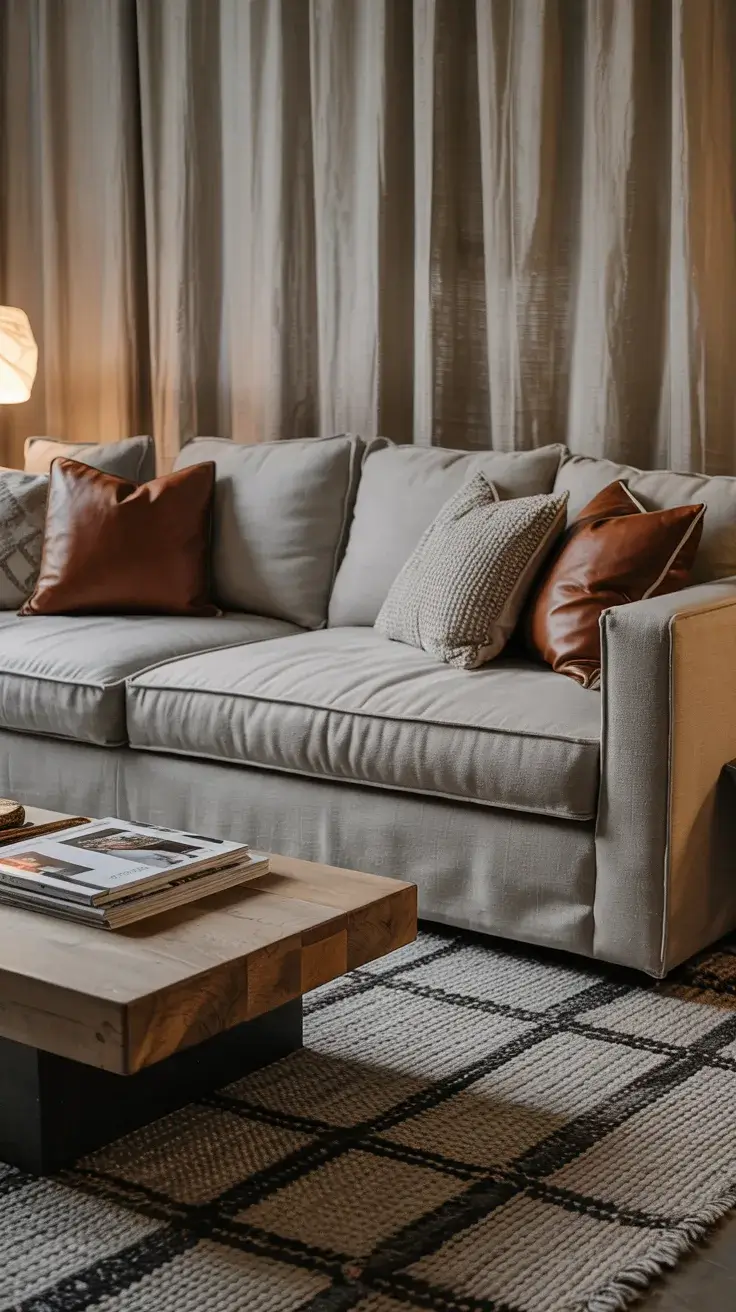
When designing around an oversized sofa, I focus on pairing elements that balance its scale. Low coffee tables, large area rugs, and wide-format artwork help maintain harmony in the space. I often include textured blankets, soft throw pillows, and warm ambient lighting to strengthen the cozy appeal. These accessories not only complement the sofa’s size but also enhance its purpose by creating a layered, comfortable atmosphere.
From my experience, editors at House Beautiful frequently highlight the importance of proportion when working with oversized furniture. I completely agree, as I’ve seen how crucial it is to maintain visual balance so the sofa doesn’t overwhelm the room. By carefully curating surrounding pieces, the design stays inviting instead of heavy.
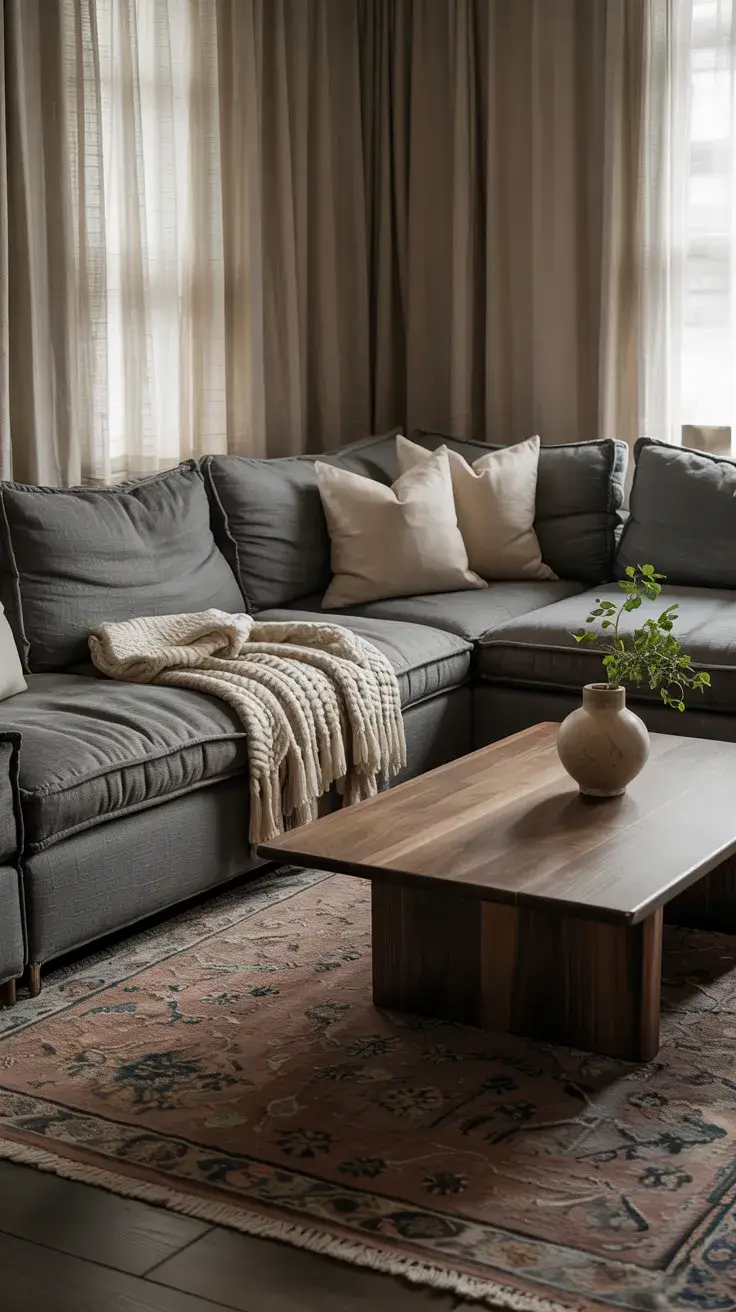
I would also add that modular oversized ottomans work beautifully here, giving the layout flexibility while reinforcing the relaxed style.
9. Multifunctional Sofas for Compact Spaces
As compact living continues to grow in popularity, multifunctional sofas have become essential for maximizing space without sacrificing comfort. I often recommend these designs for small apartments or modern studios because they seamlessly combine seating, storage, and sometimes even sleeping solutions. This versatility allows the room to adapt to daily routines, from hosting guests to unwinding after work, all while maintaining a clean visual aesthetic.
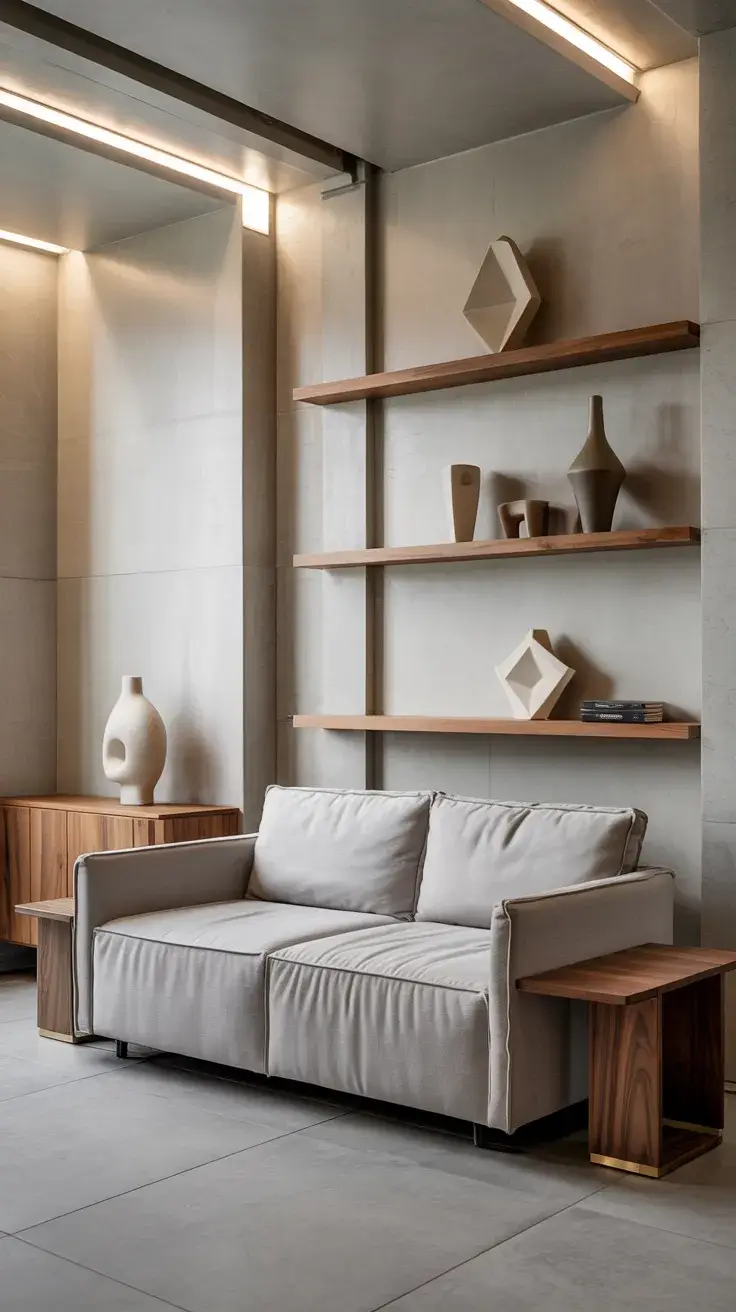
To optimize the functionality of these sofas, I incorporate furniture pieces that support smart use of space. Narrow side tables, wall-mounted shelves, and adjustable lighting help free up the floor area, making the layout feel open and practical. I prefer choosing sofas with hidden compartments, durable fabrics, and streamlined silhouettes that contribute to an efficient and organized environment.
In my design practice, I’ve seen how multifunctional solutions have been praised by publications like Apartment Therapy, which often highlight the value of flexibility in small homes. I share this perspective, as I’ve witnessed how a well-chosen multifunctional sofa can completely transform the livability of a compact interior.
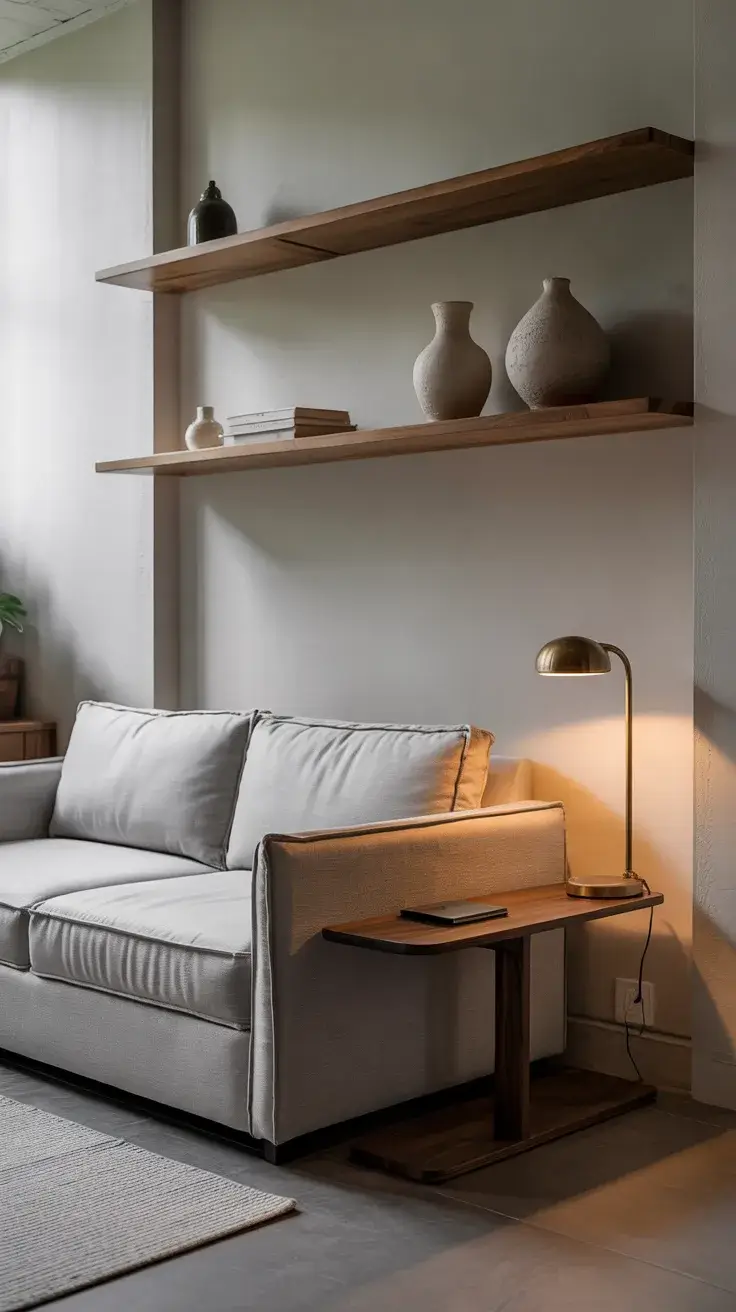
I would also add a foldable coffee table or nesting set, which enhances functionality without crowding the space.
10. Neutral Tone Sofas for Timeless Appeal
Neutral tone sofas remain one of my favorite recommendations for achieving a timeless and harmonious interior. Shades like cream, taupe, sand, and warm gray create a calm foundation that works effortlessly with different styles. I appreciate how these sofas allow the room to breathe visually while offering endless flexibility for future décor updates.
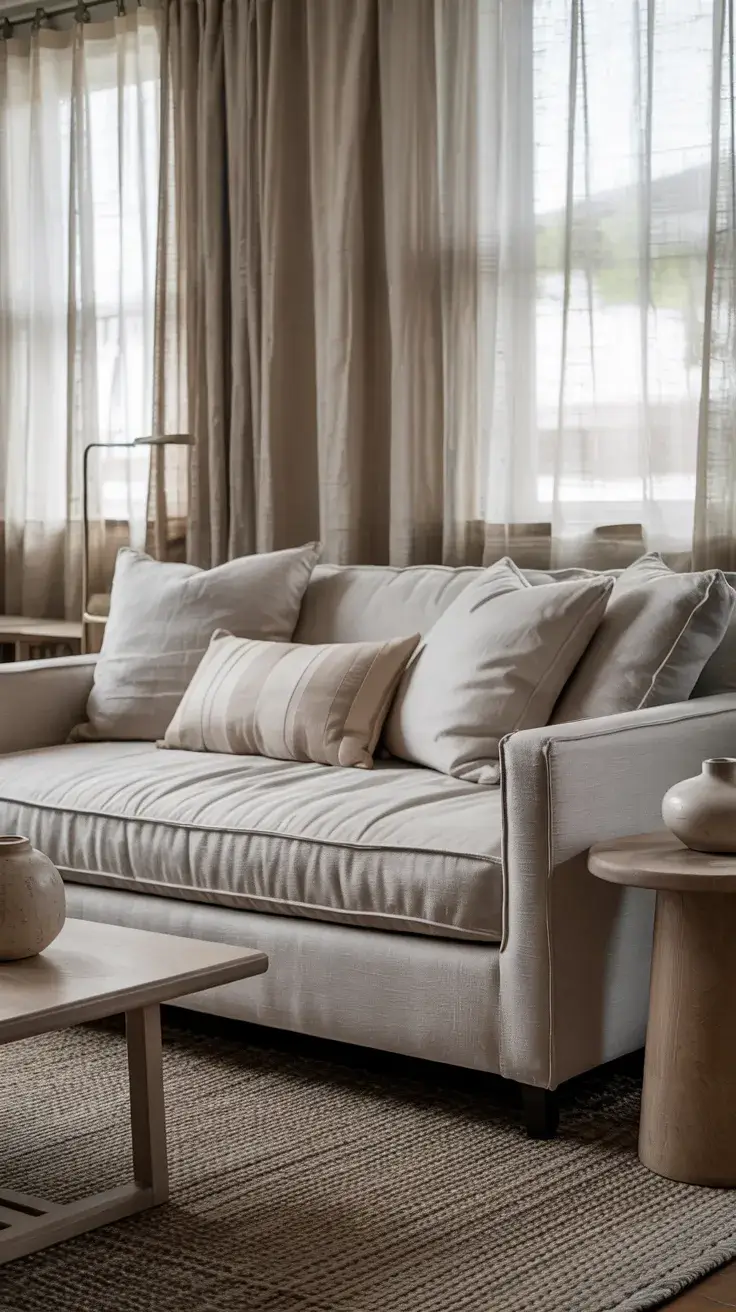
When building a space around neutral seating, I focus on layering subtle variations in texture and tone. Light wood furniture, soft fabric rugs, ceramic décor, and minimalist metal lighting help reinforce a serene and cohesive palette. These elements support the sofa’s quiet elegance while adding depth and personality to the room.
Interior stylists at Elle Decor often emphasize the longevity of neutral furniture, noting how it adapts to evolving trends. I completely agree, as I’ve seen how homeowners benefit from the versatility of neutrals when refreshing their décor without replacing major pieces.
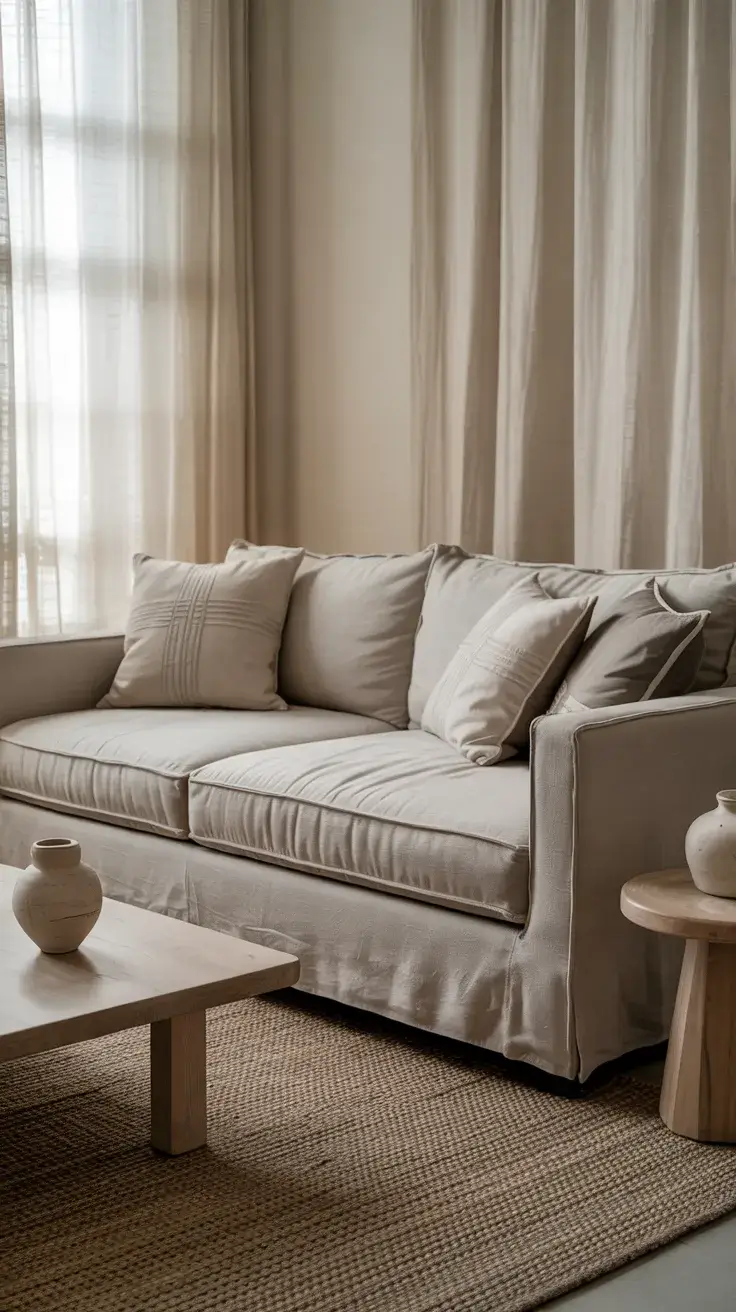
To further enhance this concept, I would add one standout natural texture such as boucle pillows or a stone coffee table, which elevates the entire design without disrupting the calm aesthetic.
11. Retro Inspired Sofas with a Modern Twist
Retro inspired sofas are making a remarkable return in 2026, and I enjoy incorporating them into interiors that aim for personality and character. These designs often feature bold shapes, wooden accents, or mid-century silhouettes that immediately create visual interest. I find that they bring a refined sense of nostalgia while still feeling current when paired with contemporary décor.
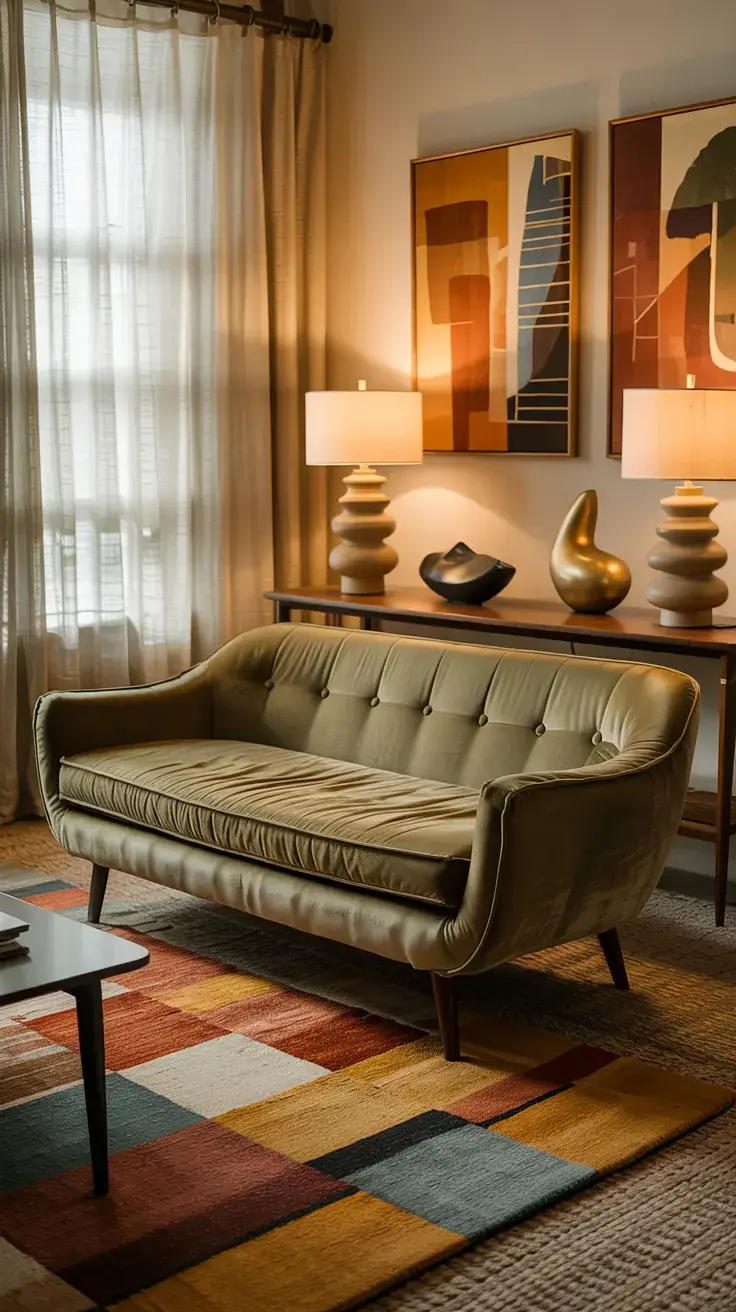
To highlight the charm of a retro inspired sofa, I usually select accent pieces that echo mid-century themes. Rounded wooden coffee tables, sculptural lamps, geometric rugs, and brass accessories help create a cohesive style. I also choose fabrics such as velvet or textured weave that elevate the vintage influence without appearing outdated.
From what I’ve observed, many experts from Architectural Digest mention that blending retro elements with modern clean lines results in a sophisticated yet playful interior. I’ve applied this advice often, and it consistently produces environments that feel curated and expressive.
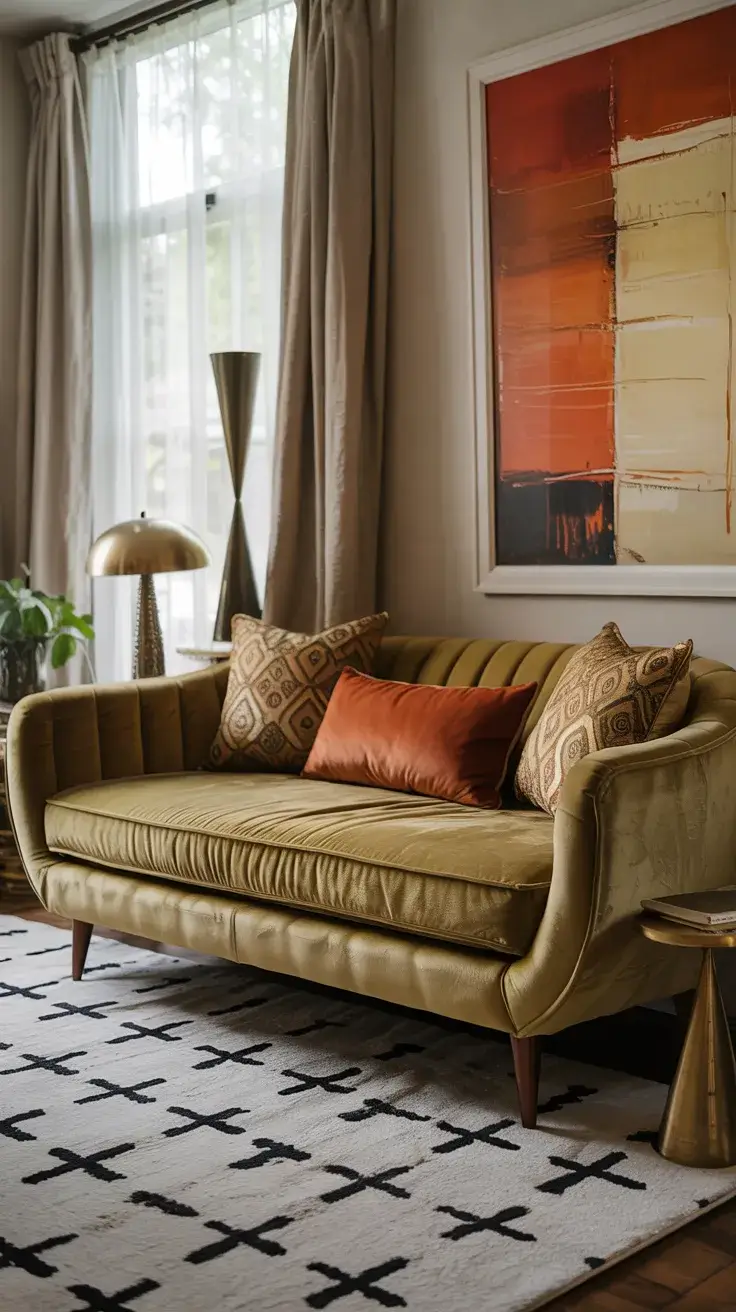
I would add one artistic statement object, like a ceramic vase or abstract wall art, to complete the retro-modern fusion.
12. Luxury Velvet Sofas for Elegant Interiors
Velvet sofas remain a standout choice for homeowners seeking an elegant and luxurious atmosphere. I often use these pieces in formal living rooms, boutique-style apartments, or spaces where texture plays a major role in the visual narrative. Velvet adds richness through its depth and softness, and in 2026 we continue to see jewel tones, warm neutrals, and muted pastels dominating this trend.
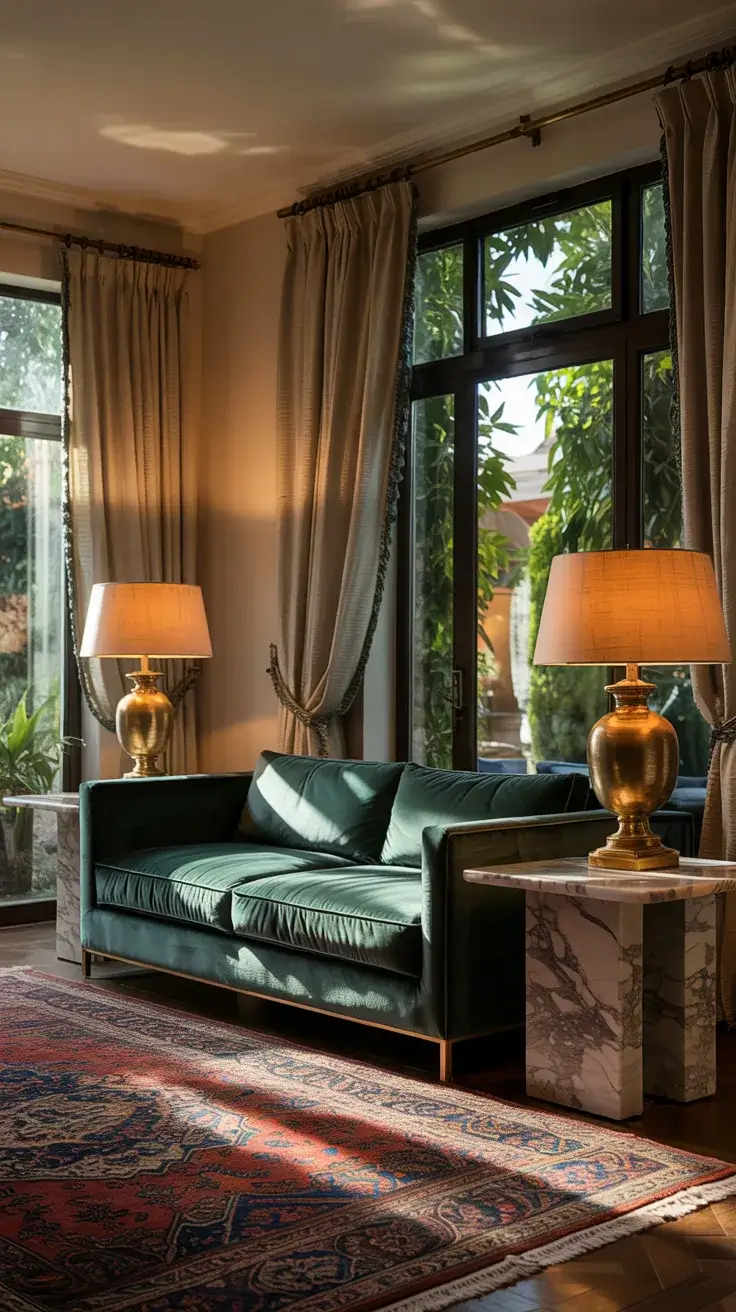
To support the elegance of velvet, I include refined furniture elements such as marble side tables, metallic lighting accents, and tailored drapes. These components enhance the tactile quality of the sofa and contribute to a cohesive, sophisticated look. I also rely on layered lighting, as velvet responds beautifully to both natural and ambient illumination.
Designers frequently cited in Veranda emphasize the importance of mixing textures when working with velvet to avoid visual heaviness. I follow this principle closely, adding smooth finishes or lightly patterned rugs to balance the richness of the fabric.
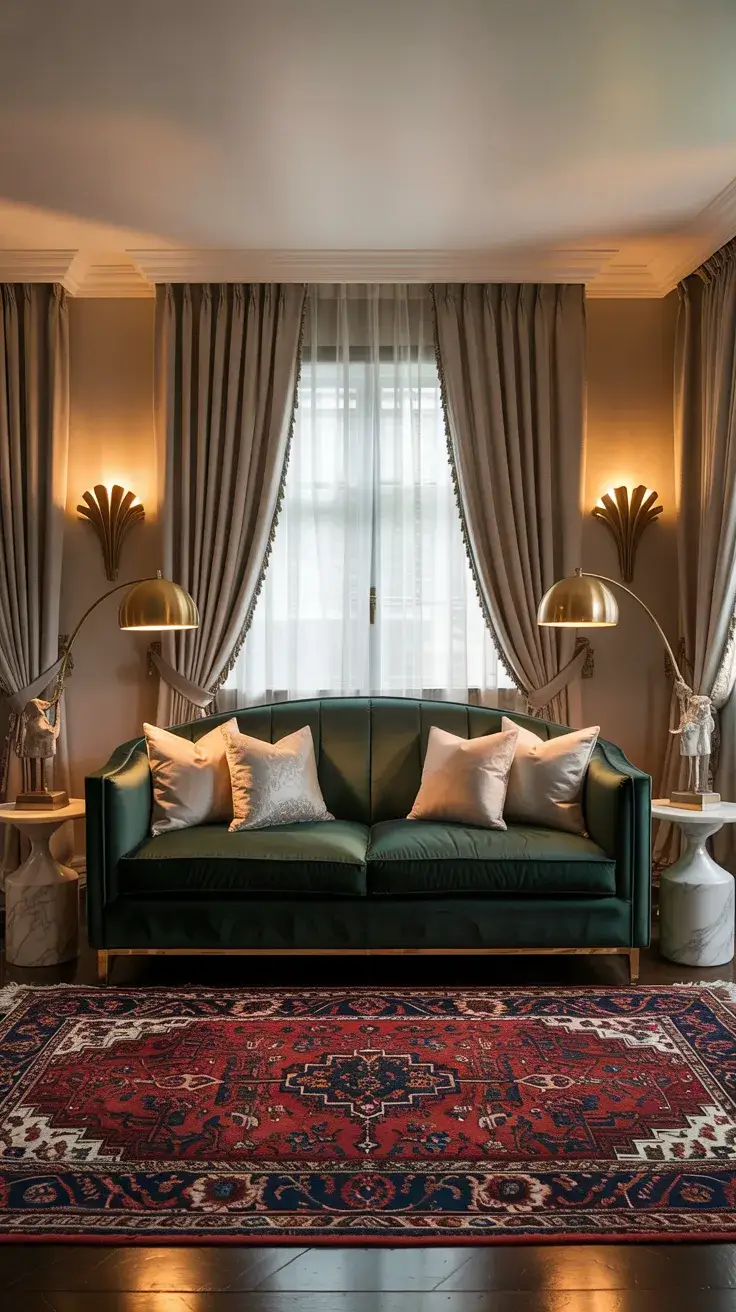
I would also add that velvet sofas look especially striking when paired with high-quality decorative pillows in complementary tones.
13. Scandinavian Style Sofas for Soft Minimalism
Scandinavian style sofas continue to thrive in 2026, and I often recommend them for clients seeking soft minimalism and functional beauty. These sofas are characterized by light wood frames, simple silhouettes, and comfortable materials that create a calm and airy environment. When placed in a room with natural light, they immediately make the space feel open and uplifting.
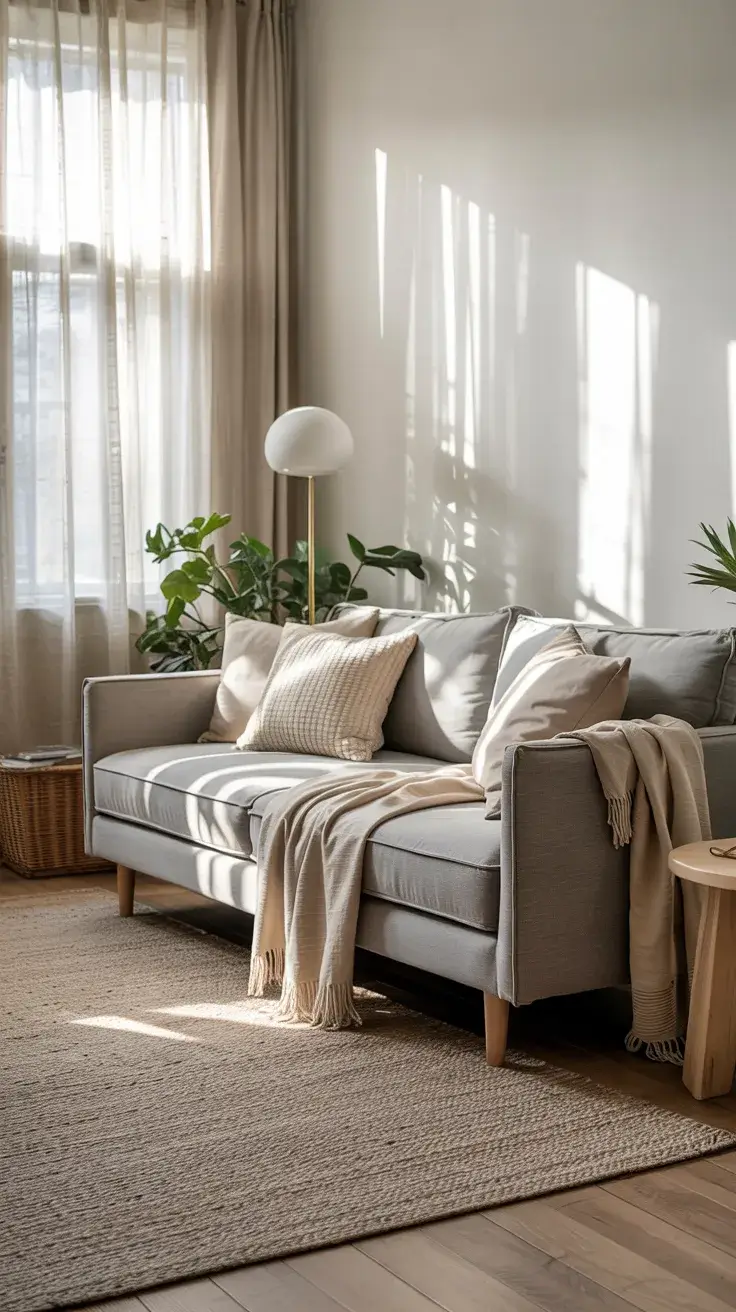
To complement this design style, I incorporate neutral rugs, organic textures, and understated décor. I typically choose matte finishes, wool throws, and minimalist floor lamps that enhance the simplicity and warmth of the Scandinavian aesthetic. Every element works together to create a space that feels purposeful yet relaxed.
Professionals frequently featured in Dwell emphasize the importance of balancing comfort and clarity in Scandinavian interiors. I agree fully, as I’ve seen how a thoughtful selection of textures and tones keeps the space grounded without clutter.
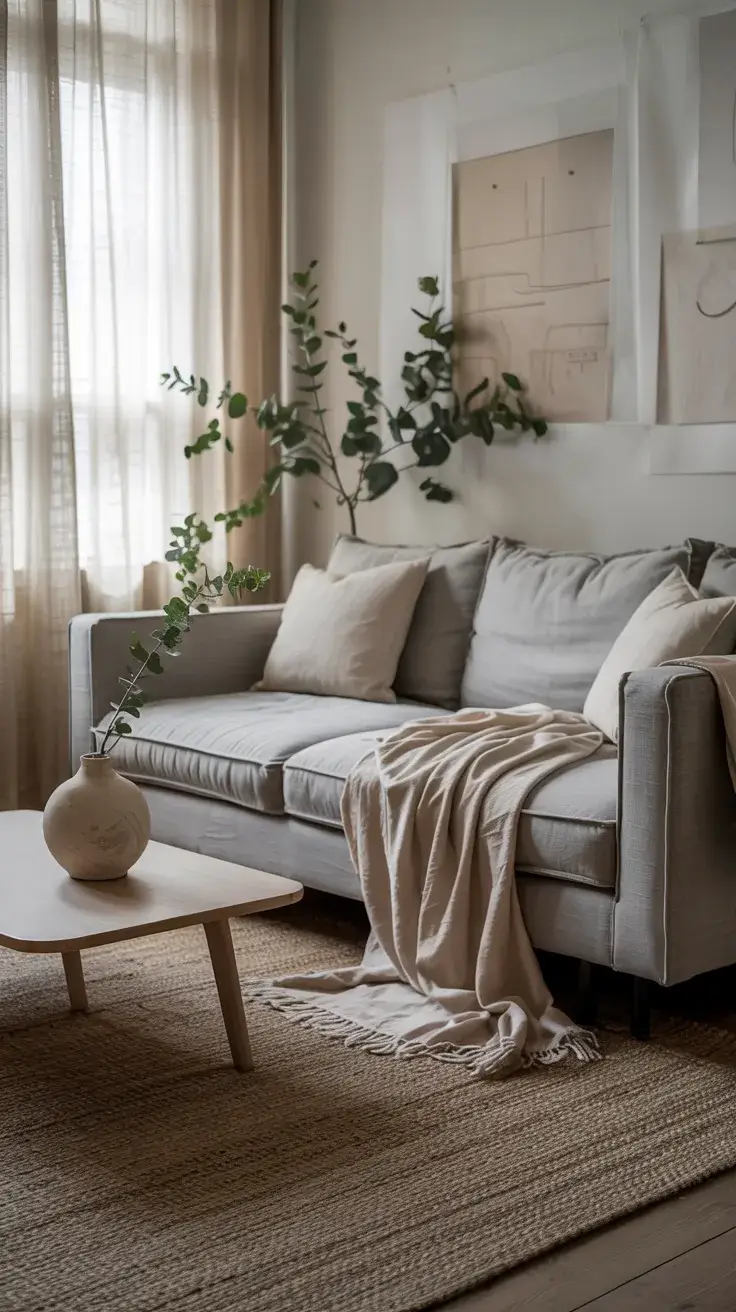
To complete this section, I would add greenery or a simple ceramic vase, which reinforces the connection to nature this style embodies.
14. Smart Technology Sofas for Connected Living
Smart sofas have emerged as one of the most exciting trendy sofa ideas for 2026, blending innovation with comfort. I enjoy incorporating these options in contemporary homes where seamless connectivity plays an important role. With features such as built-in charging ports, adjustable headrests, LED accents, and hidden storage, smart sofas elevate both convenience and modern appeal.
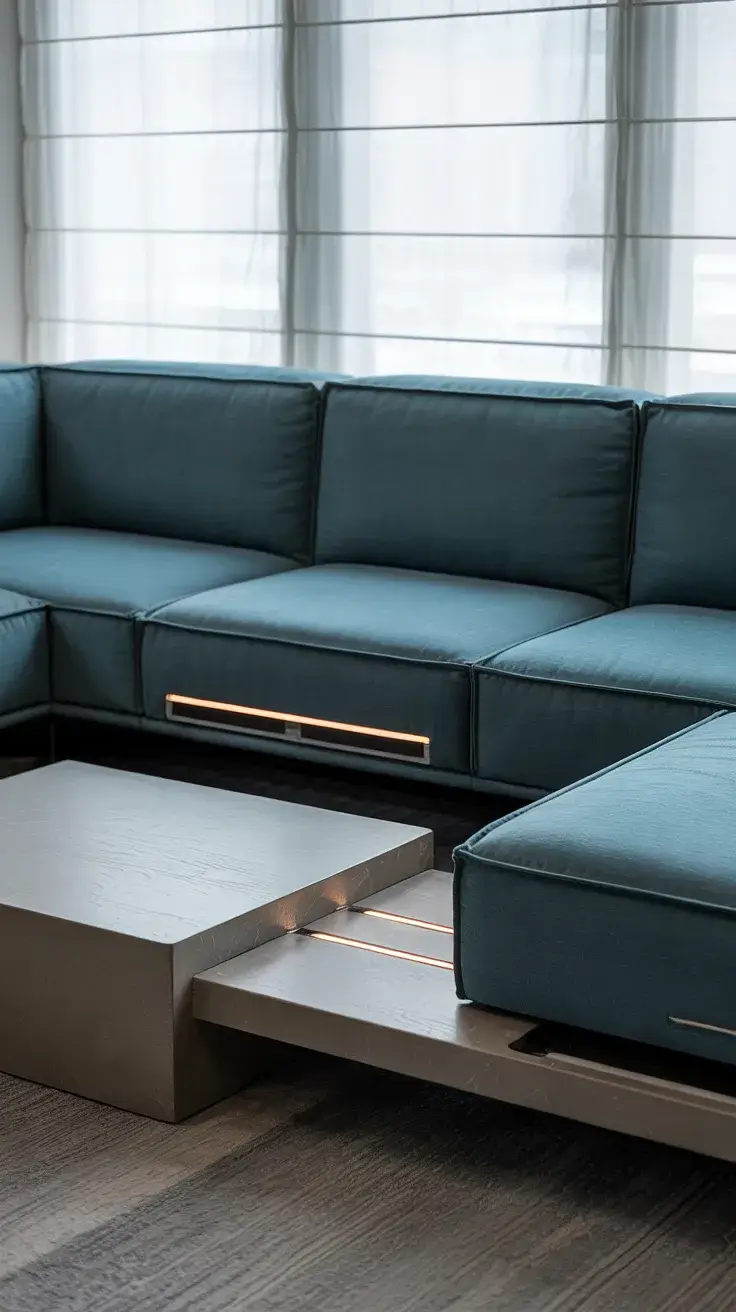
When working with this trend, I select furniture that complements the technological aspect without overwhelming the space. Sleek coffee tables, minimalist shelving, soft-toned rugs, and subtle lighting help maintain a clean environment. I also prioritize upholstery materials that are durable and complement the high-tech aesthetic, such as performance fabrics or smooth leather.
Technology reporters and design experts often point out the growing importance of furniture that adapts to lifestyle needs. I’ve seen how smart sofas make daily routines easier, especially in homes where work, entertainment, and relaxation merge into one environment.
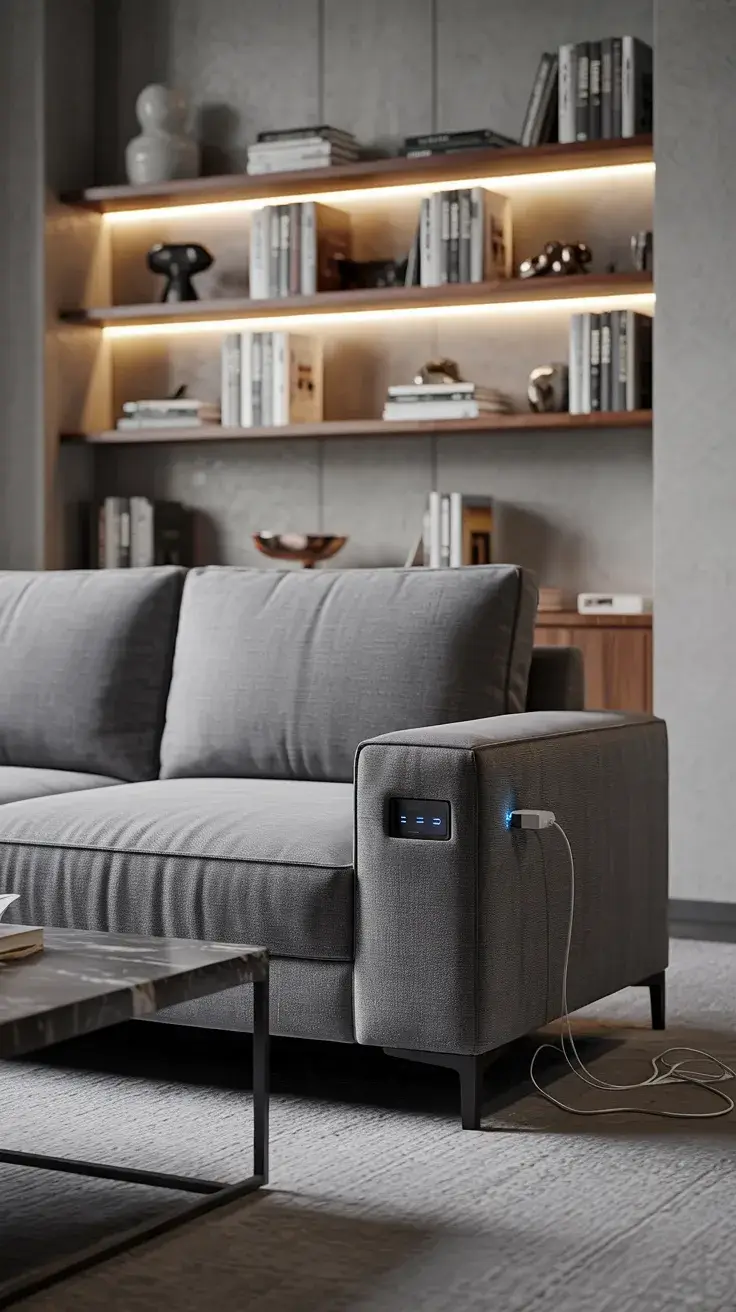
I would suggest adding wireless charging side tables or discreet cable-management systems to strengthen the convenience and efficiency of this setup.
15. Organic Shape Sofas for Fluid Interiors
Organic shape sofas have become one of my preferred choices for creating fluid, calming interiors that mimic natural movement. I often use these designs in rooms where I want to soften architectural lines, because their flowing forms introduce a sense of visual harmony. Their rounded edges and sculptural curves feel especially practical in family homes, as they reduce sharp corners and give the space a more relaxed, welcoming appearance.
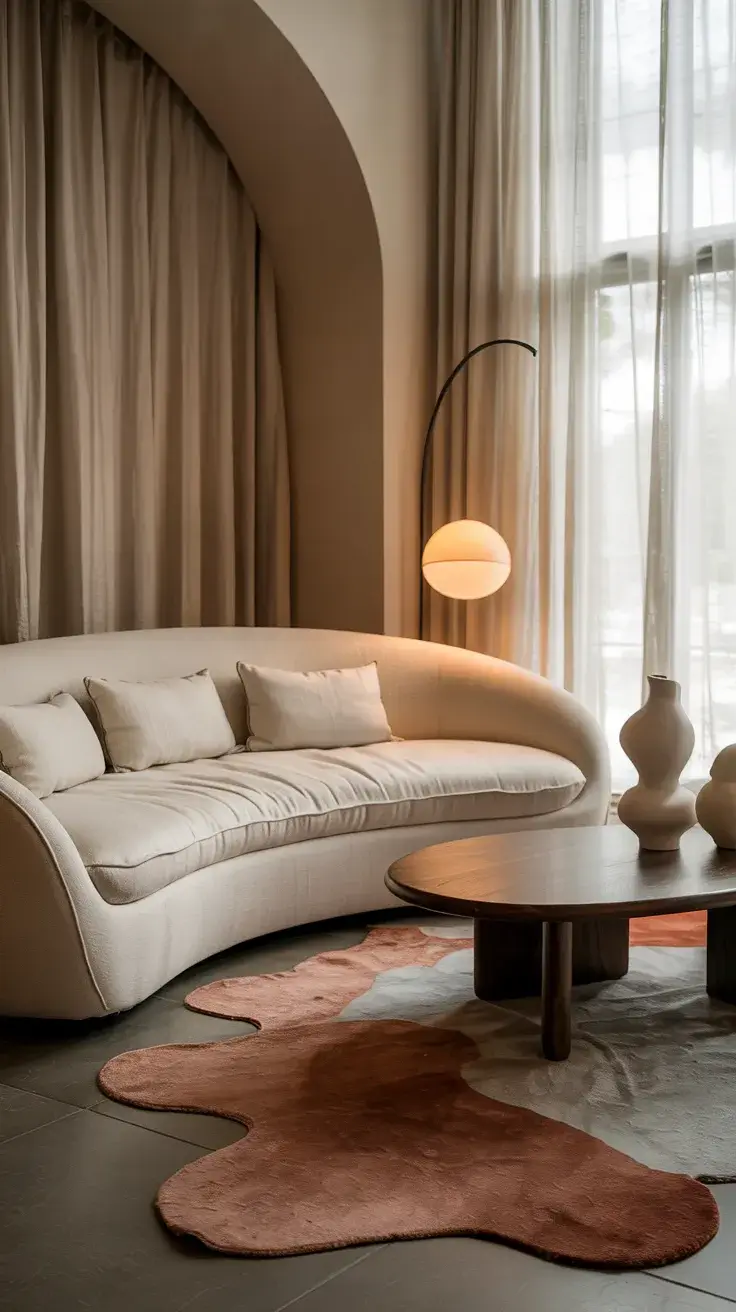
When designing around an organic sofa, I choose pieces that echo or complement its contours. Rounded coffee tables, soft arched lamps, asymmetrical area rugs, and textured side chairs support the visual rhythm of the room. I also recommend earthy materials like wool, boucle, or textured cotton because they highlight the softness of these shapes and create a cohesive environment.
Design professionals frequently featured in Architectural Digest advocate for curved furniture as a way to bring movement and warmth into contemporary interiors. I’ve seen the same impact in my work; these sofas instantly elevate the room by creating a sculptural centerpiece that feels modern yet soothing.
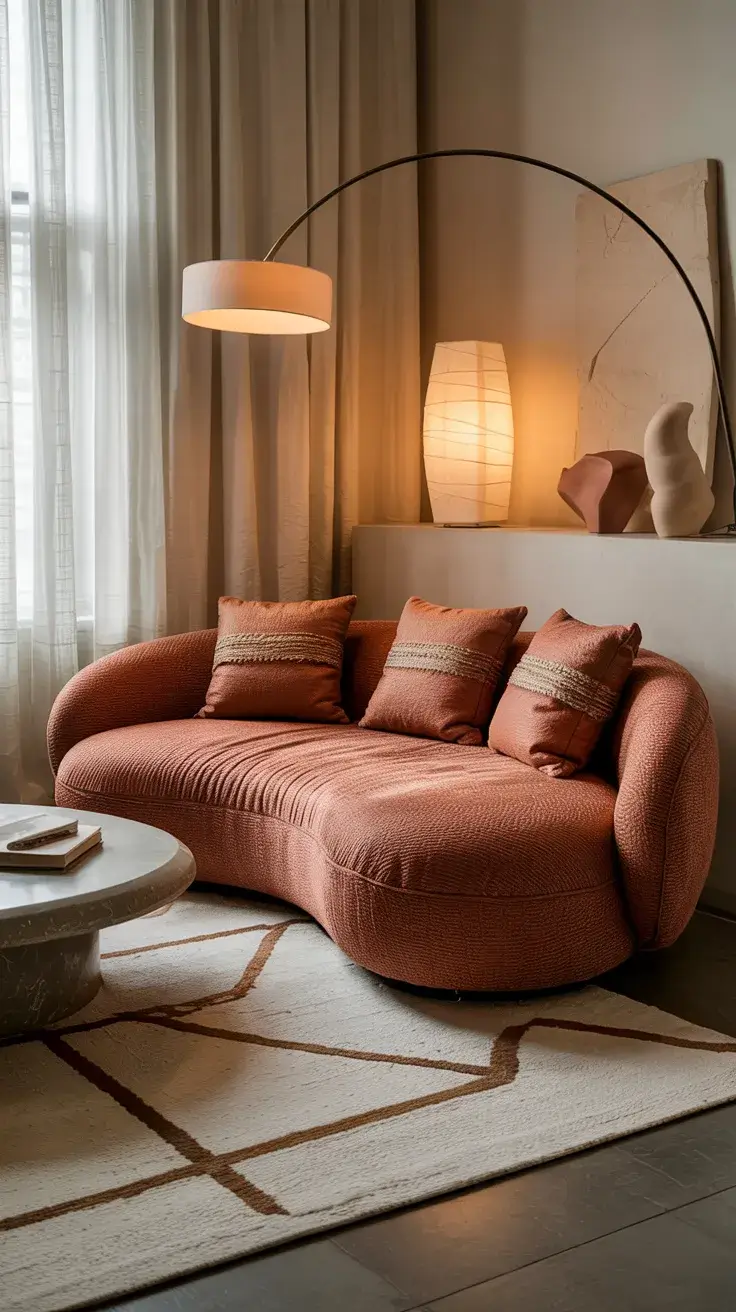
To complete this section, I would add one organic accent object such as an abstract ceramic vase or a freeform wall art piece to reinforce the fluidity of the design.
16. Convertible Sofa Beds with Elevated Design
Convertible sofa beds have shifted dramatically in 2026, moving from purely functional pieces to elevated, stylish designs suitable for modern living. I often choose these sofas for homes where flexibility is essential, especially for multiuse rooms that serve as living spaces, guest quarters, or home offices. Their practicality doesn’t compromise aesthetics, as newer models feature sleek silhouettes, premium upholstery, and smooth transformation mechanisms.
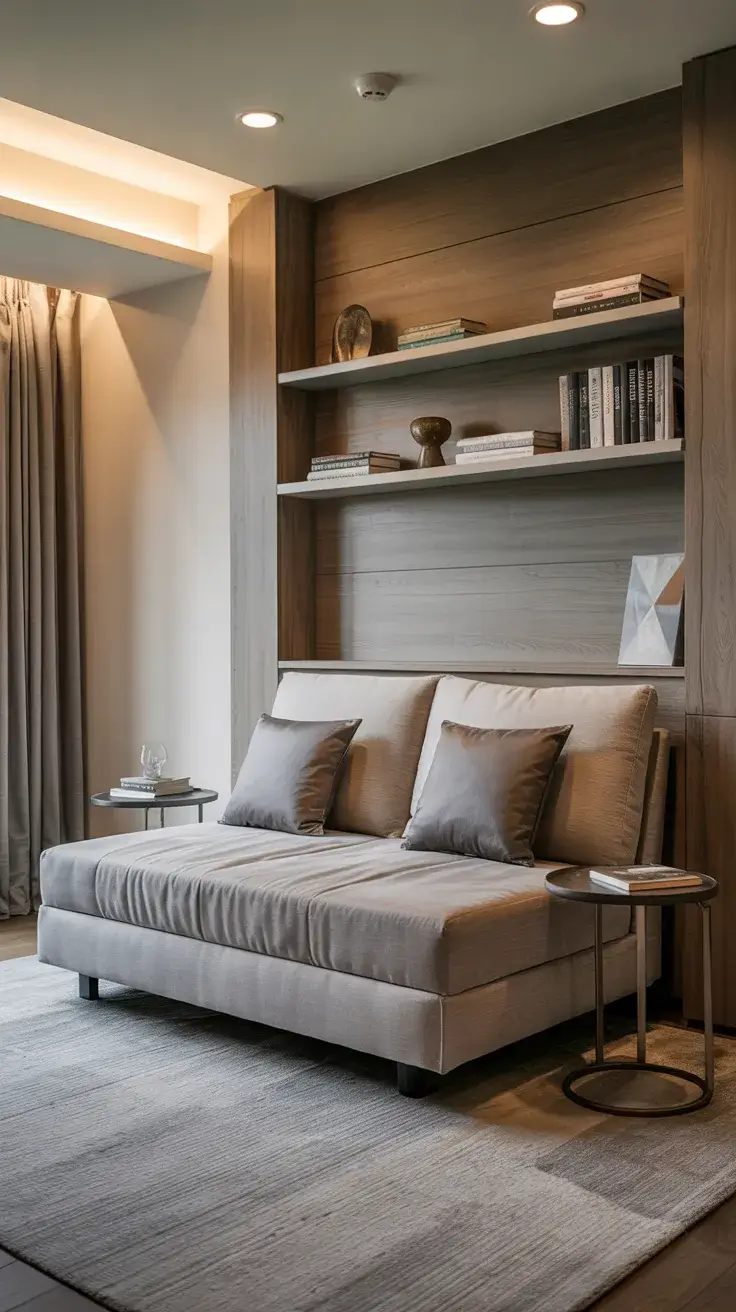
To complement these versatile sofas, I prefer incorporating furniture that maximizes efficiency. Slim side tables, soft lighting, wall-mounted shelves, and neatly integrated storage units help maintain a spacious feel while supporting functionality. I also select durable fabrics and supportive cushioning to ensure comfort in both seating and sleeping modes.
Editors at Apartment Therapy frequently highlight the rising demand for stylish multifunctional furniture, and I completely agree based on what I see in homeowner requests. A well-designed convertible sofa bed can dramatically enhance space usability while maintaining a cohesive aesthetic.
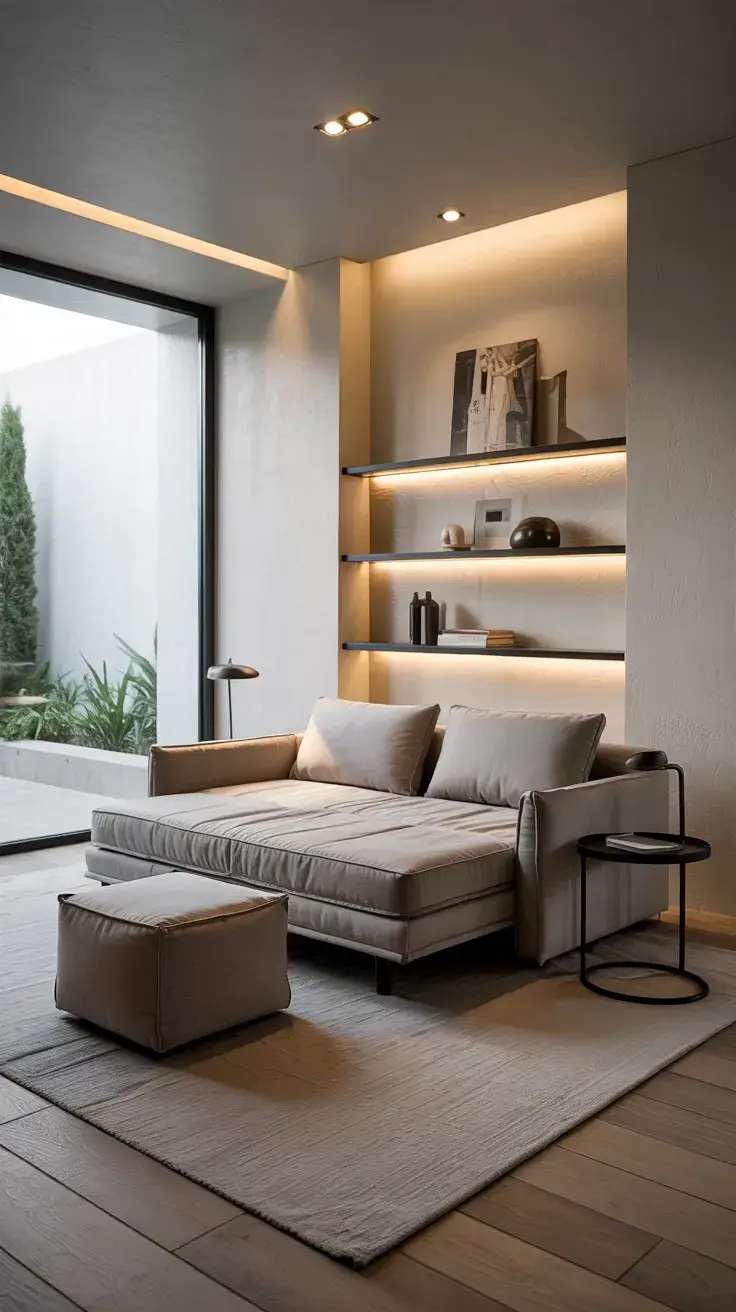
I would suggest adding a discreet foldable serving table or compact ottoman, which further boosts practicality without sacrificing the room’s visual balance.
17. Performance Fabric Sofas for Active Lifestyles
Performance fabric sofas have become essential for active households, and I often rely on them in homes with children, pets, or frequent guests. These fabrics, engineered for durability and easy maintenance, allow the sofa to maintain its appearance even with daily wear. In 2026, performance materials have become more stylish, offering refined textures and elevated color options that blend seamlessly with modern interiors.
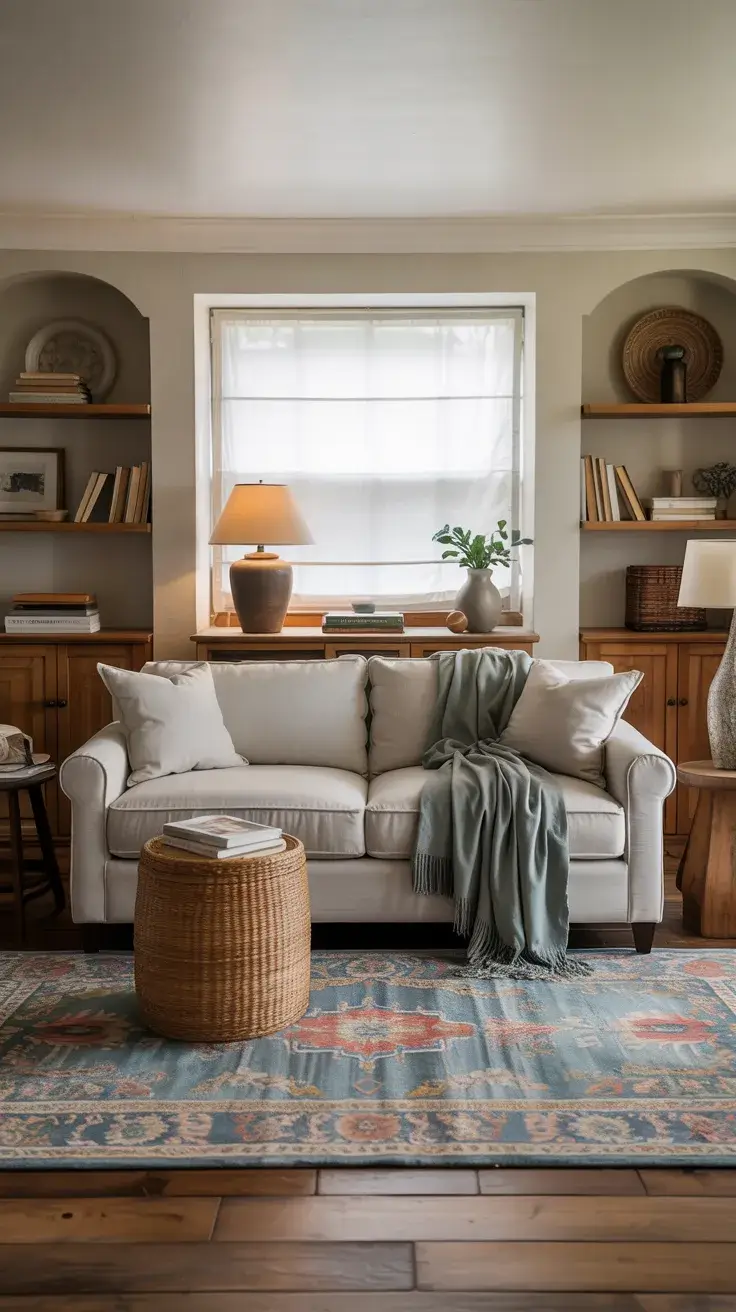
When working with performance fabrics, I choose furniture that reinforces the room’s practical yet stylish purpose. Stain-resistant rugs, scratch-resistant side tables, and washable throw blankets pair perfectly with these sofas. I also include sleek storage units to help maintain an uncluttered look, ensuring the space feels polished despite high activity.
Publications like House Beautiful often highlight the value of performance textiles for long-term durability. I share this view, as I’ve watched many homeowners appreciate how effortlessly these sofas withstand everyday use while retaining their aesthetic quality.
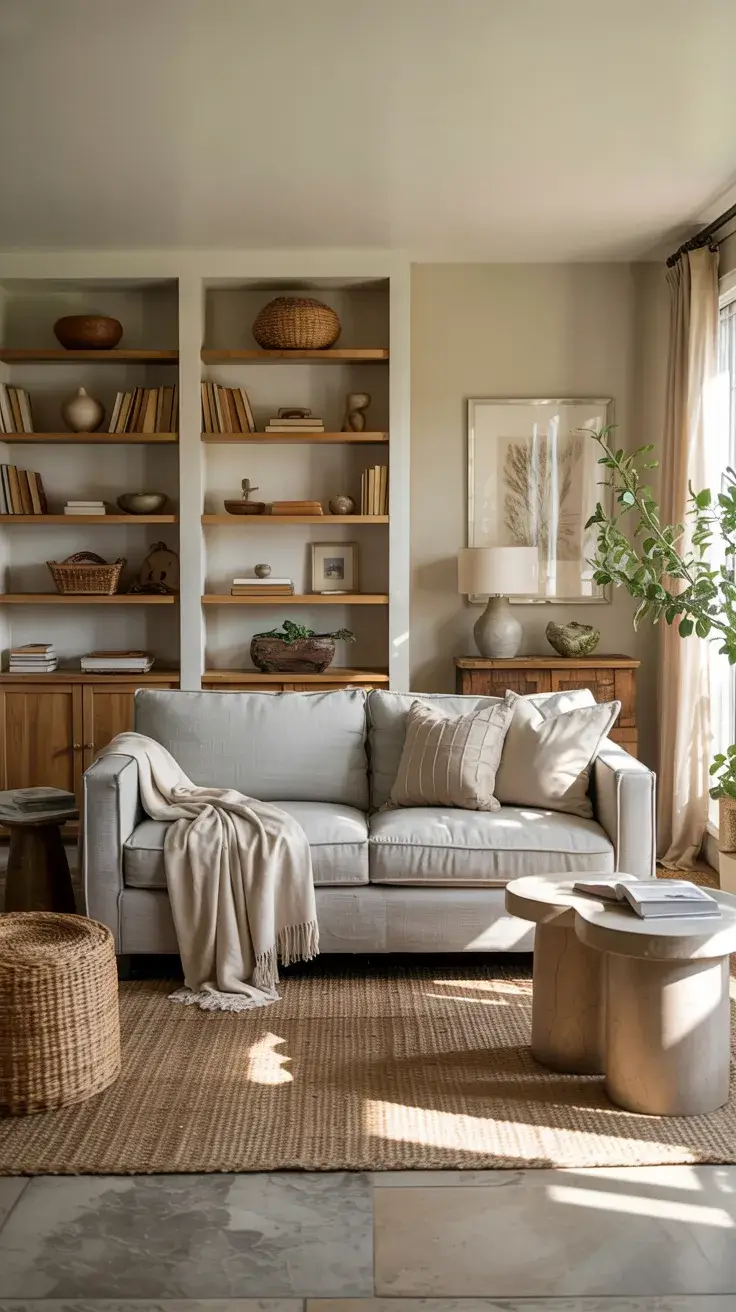
To complete this design approach, I would add one contrasting but resilient texture, such as a woven ottoman, to soften the layout without compromising functionality.
18. Deep Seating Sofas for Ultimate Comfort
Deep seating sofas have become increasingly sought-after for creating luxurious comfort zones in 2026. I enjoy using these designs in larger living rooms where relaxation is the priority. Their generous depth allows for lounging, stretching out, or layering plush cushions, making them ideal for homes that value cozy downtime and inviting social spaces.
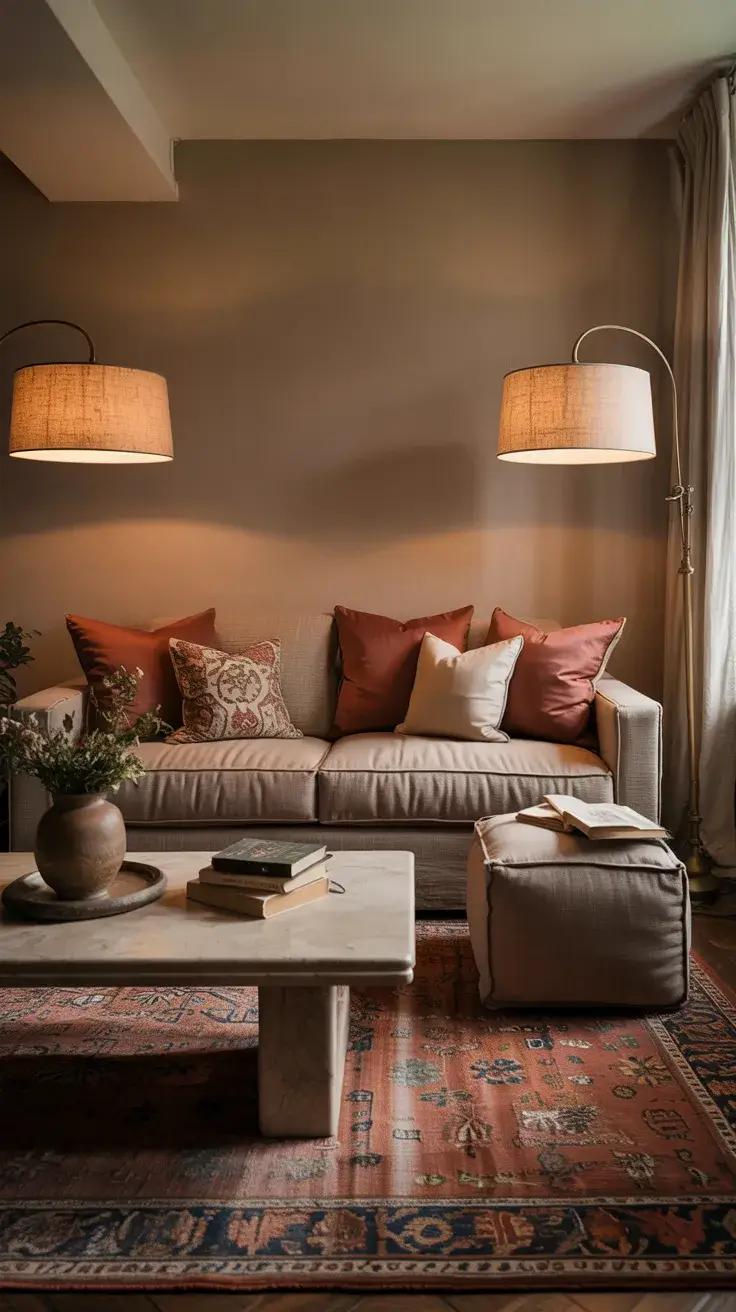
To complement a deep seating sofa, I incorporate wide-format coffee tables, oversized rugs, tall floor lamps, and soft throw textiles that match the sofa’s scale. These larger pieces help ground the room and prevent the sofa from appearing visually heavy. I also lean into warm neutrals or soft earthy tones to create a serene retreat-like atmosphere.
Design writers at Dwell often emphasize the importance of proportion in comfort-driven interiors. I agree wholeheartedly: deep seating sofas require thoughtfully sized accessories so the room maintains balance without feeling overcrowded.
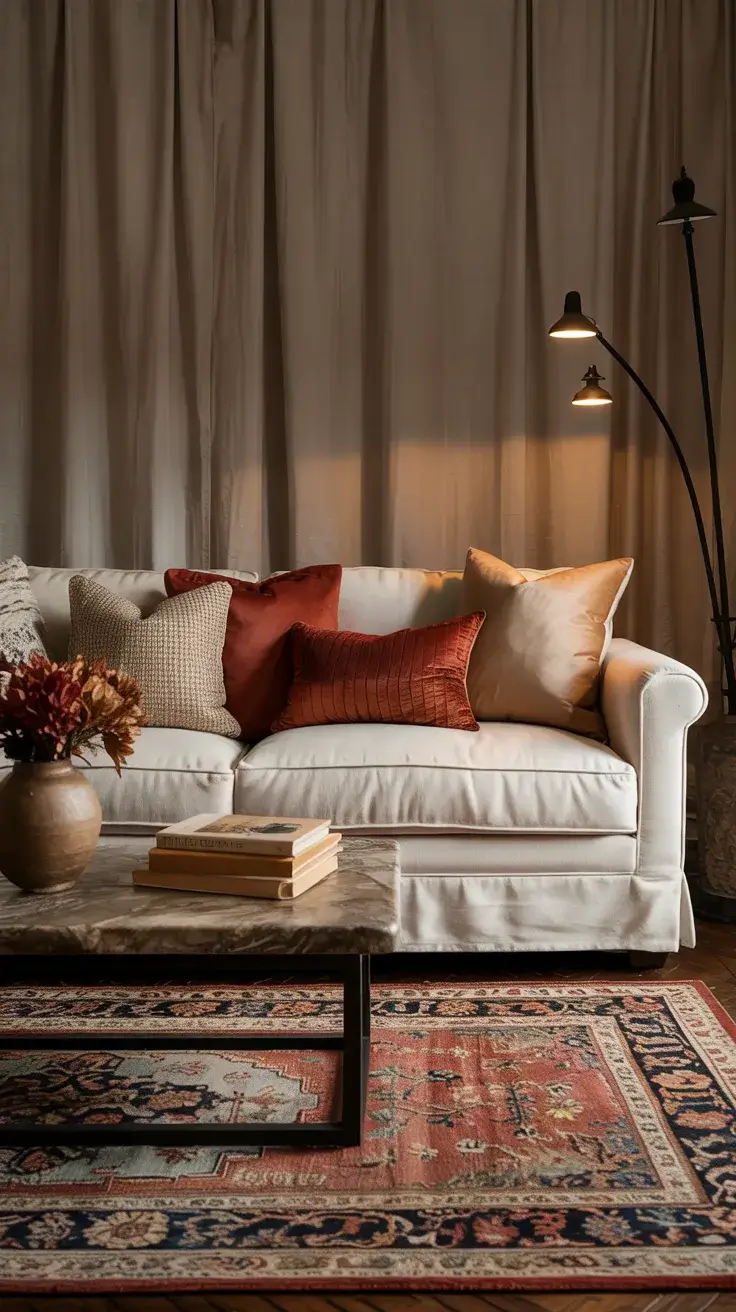
I would also add modular ottomans for enhanced lounging capability, ensuring the layout stays flexible and cohesive.
19. Two Tone Sofas for Artistic Impact
Two tone sofas have become a creative trend in 2026, and I enjoy using them to bring artistic flair into modern interiors. These designs often combine contrasting colors or materials, creating a bold visual statement without overpowering the room. They work especially well in contemporary homes where the goal is to achieve a stylish, curated look.
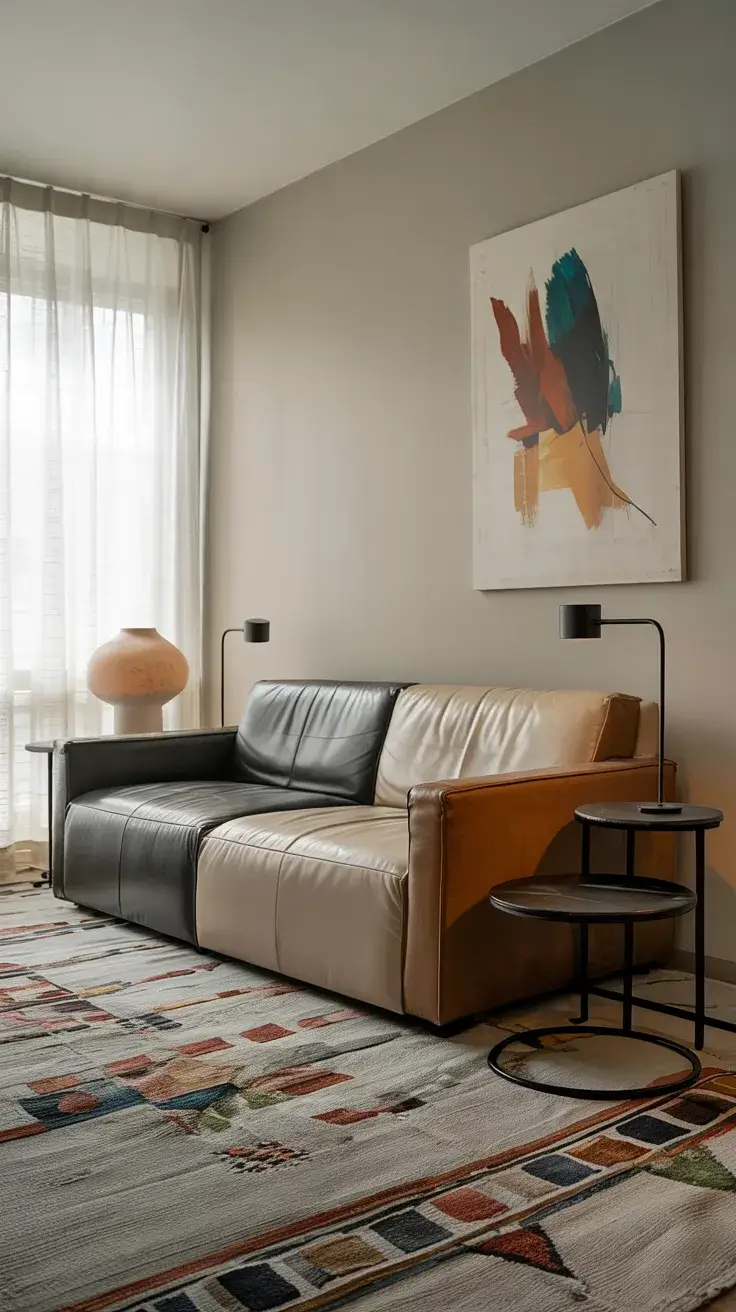
When designing around a two tone sofa, I select complementary pieces that enhance the contrast, such as simple metal side tables, modern accent chairs, or minimalistic shelving. Neutral flooring and subtle wall décor help anchor the design, allowing the sofa to become the center of attention. I also use throws and pillows sparingly so they don’t distract from the sofa’s unique design.
Interior experts from Elle Decor often emphasize the importance of balance when incorporating bold furniture. I’ve found that to be true; the key to success with two tone pieces is creating enough breathing room so the aesthetic feels intentional rather than chaotic.
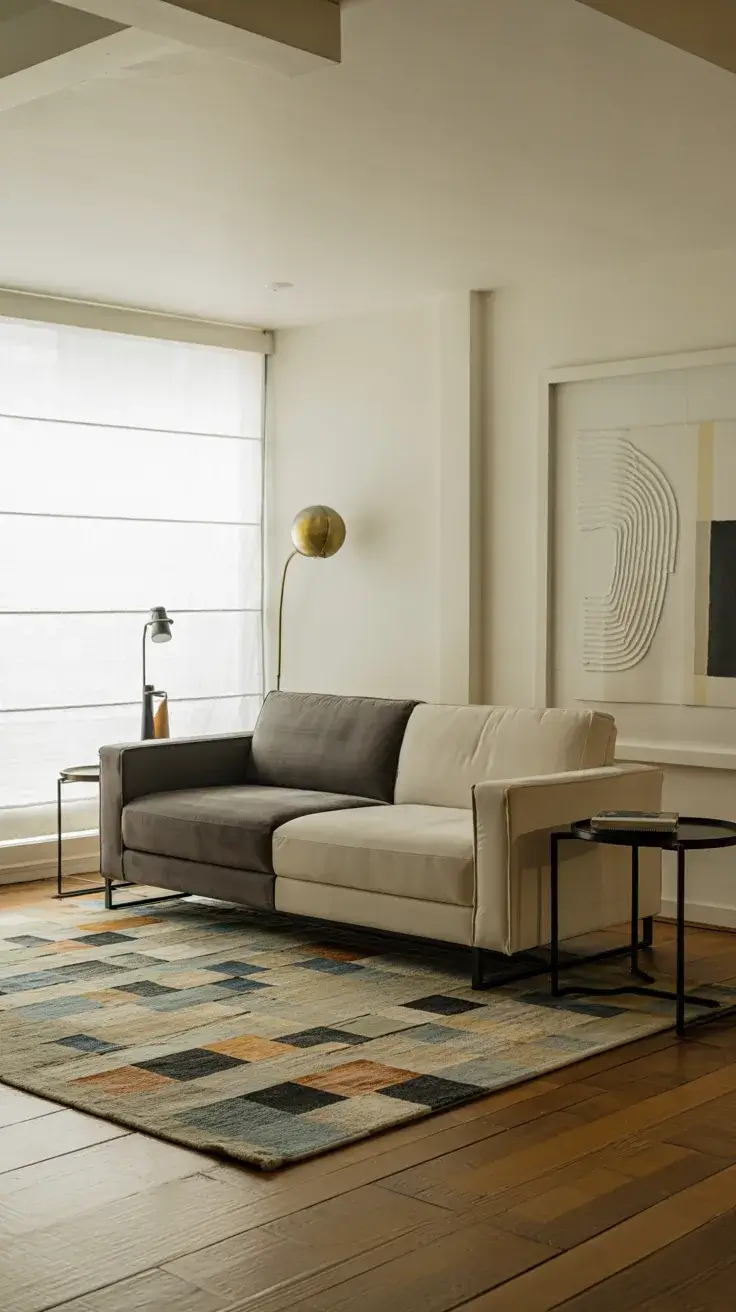
To complete this look, I would include an abstract painting or sculptural lamp that echoes the sofa’s color palette for cohesive visual storytelling.
20. Leather Alternative Sofas for Modern Aesthetics
Leather alternative sofas offer a stylish and ethical way to achieve a modern aesthetic, and I increasingly incorporate them in interiors that aim for sophistication without the maintenance concerns of genuine leather. These materials, including vegan leather and advanced synthetics, are more durable and visually refined than ever, making them perfect for busy or design-conscious households.
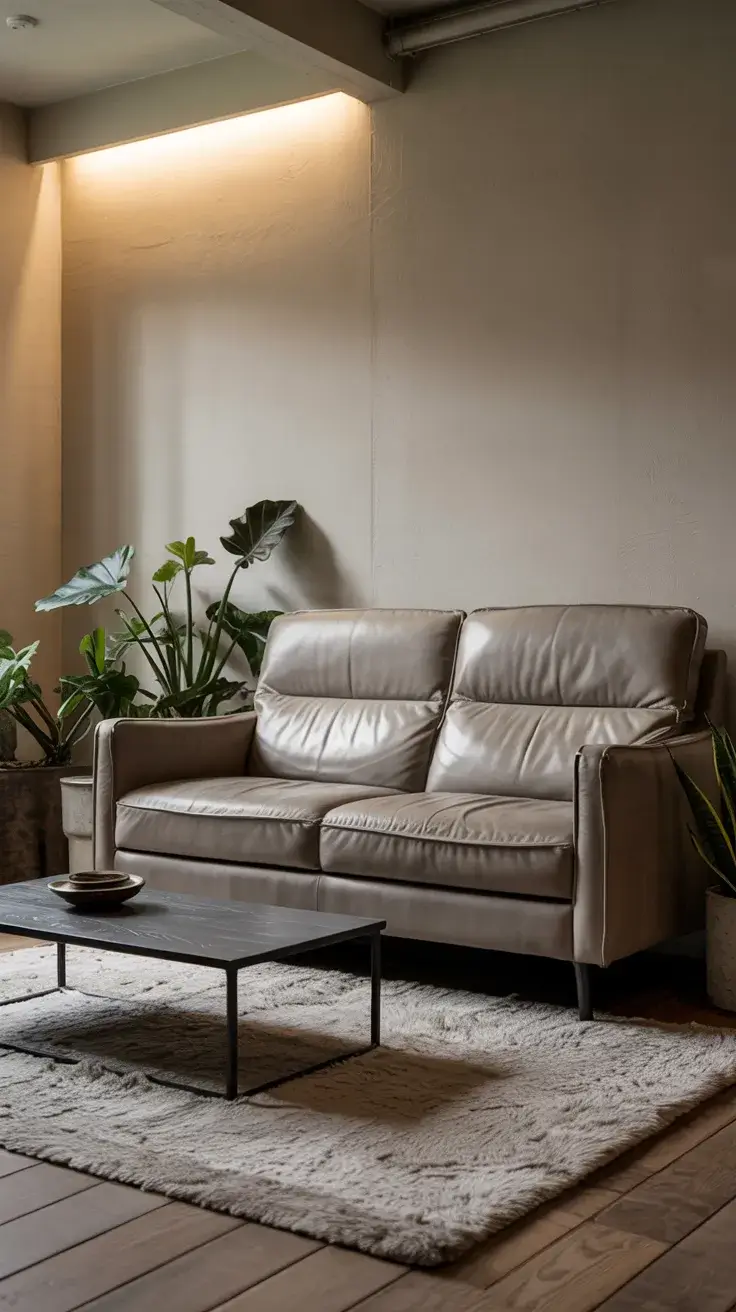
To enhance the appeal of leather alternative sofas, I combine them with smooth surfaces like matte black metal, glass tables, and structured shelving. These pieces reinforce the sleek, modern atmosphere without appearing cold. I also like adding soft textiles, such as wool rugs or fabric cushions, which balance the polished appearance.
Experts frequently cited in Vogue Living recommend blending contrasting textures to create more inviting modern spaces. I follow this advice closely, and in my projects, the mix of smooth synthetic leather with softer accents produces beautifully balanced interiors.
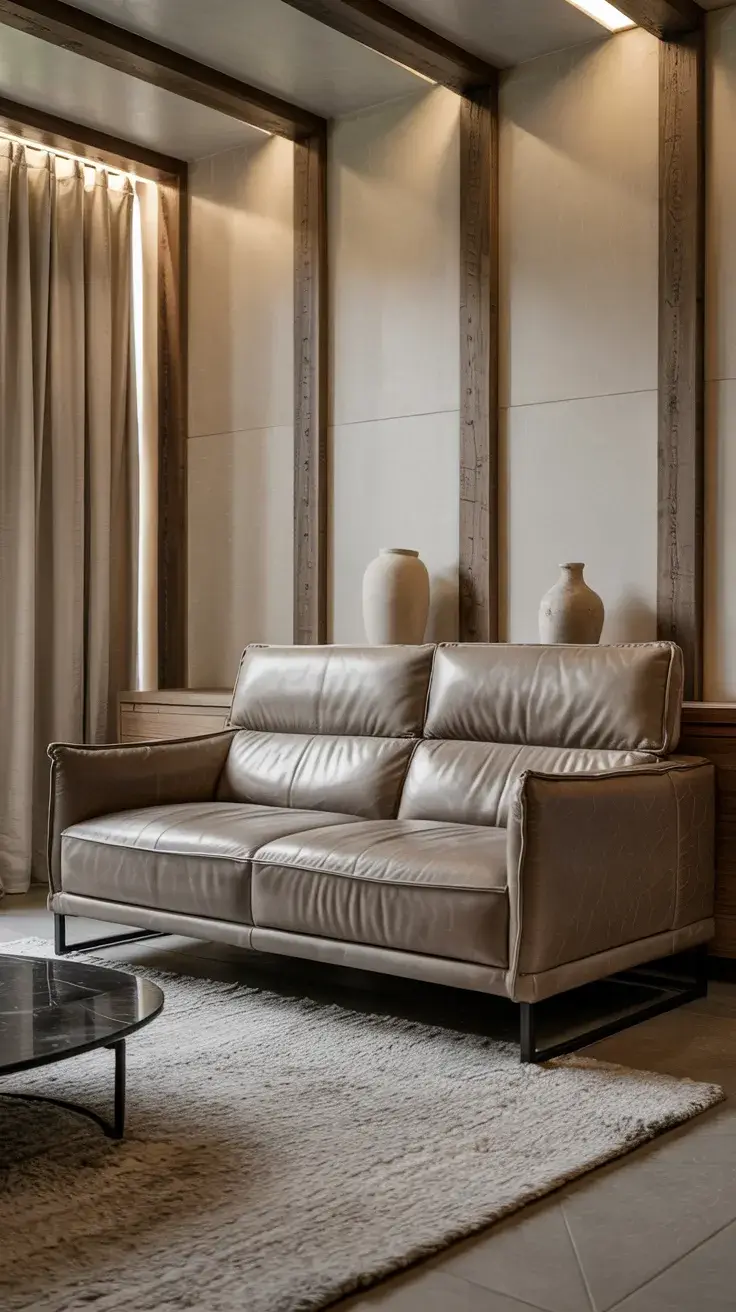
I would suggest introducing warm lighting fixtures or natural wood accessories to soften the aesthetic and add dimension.
21. Floating Frame Sofas for Airy Spaces
Floating frame sofas have become one of the most visually striking trendy sofa ideas for 2026, and I enjoy using them to create interiors that feel open and airy. Elevated on slim legs or recessed bases, these sofas give the illusion of more floor space, making them ideal for both small apartments and minimalist interiors. Their light appearance keeps the room from feeling crowded while maintaining a modern, architecturally refined presence.
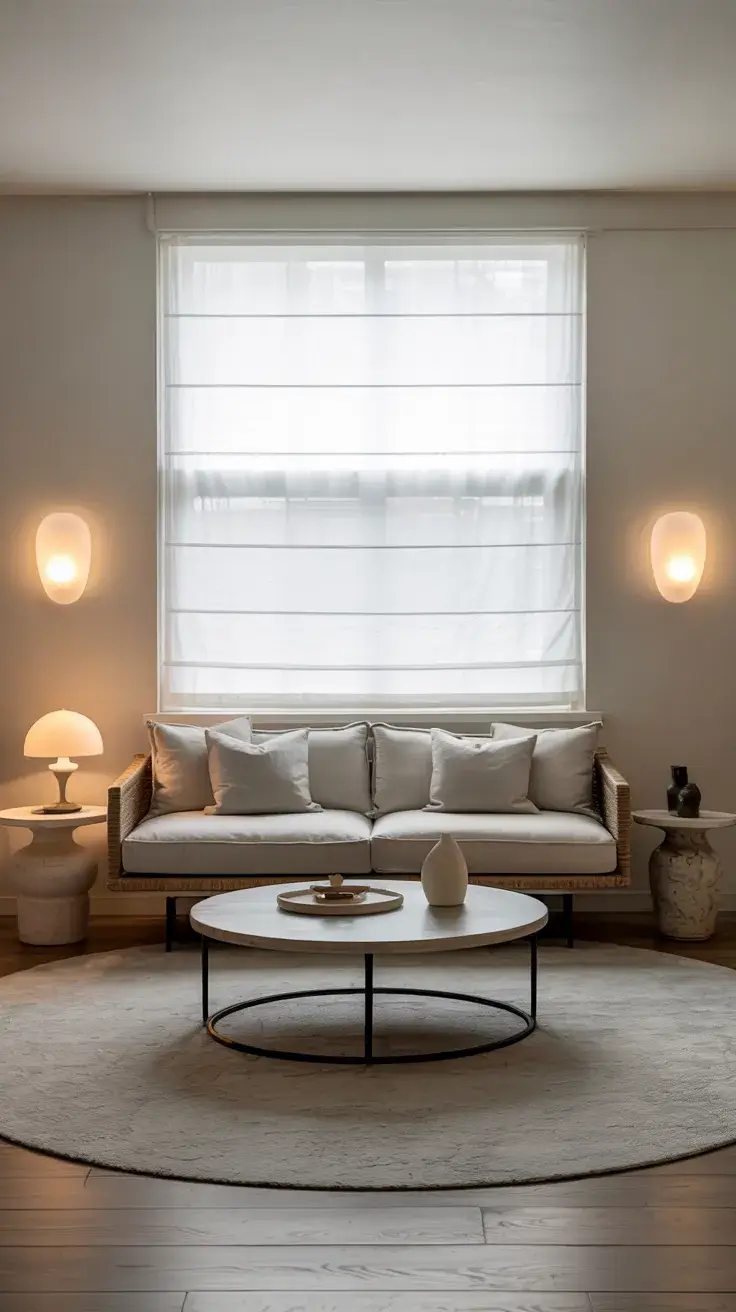
When I design around floating sofas, I lean toward furniture that enhances their weightless quality. Low coffee tables, translucent décor pieces, light rugs, and discreet wall-mounted lighting all work together to preserve the openness. I choose muted or monochromatic palettes to ensure the composition remains clean and cohesive.
Professionals often referenced in Architectural Digest point out how elevated furniture improves spatial flow. I have seen this repeatedly; floating designs help rooms feel structured yet breathable, reinforcing a contemporary elegance.
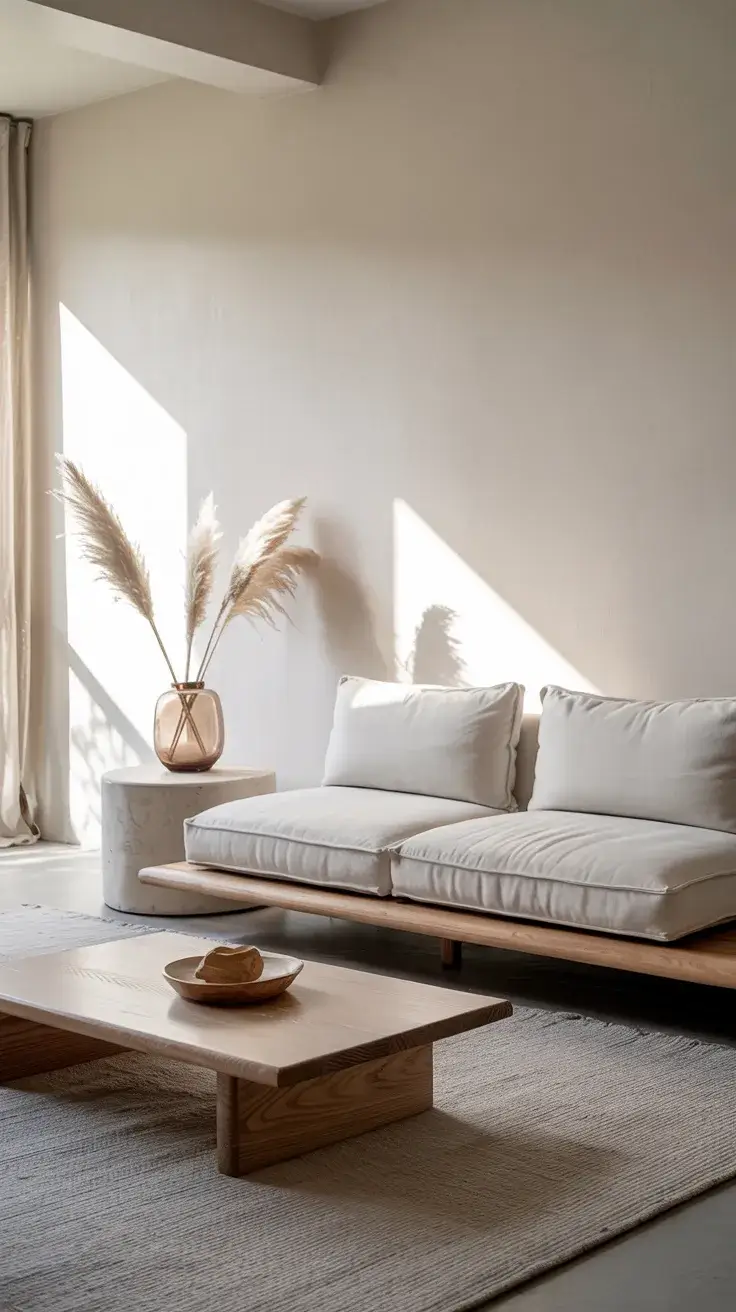
To complete this section, I would incorporate one statement floor lamp or sculptural side table that keeps the airy concept intact while adding a touch of personality.
22. Tufted Sofa Designs Returning in Style
Tufted sofa designs have made a strong return in 2026, and I enjoy incorporating them into interiors that aim for sophisticated character while maintaining modern functionality. Their structured upholstery and elegant button detailing create a timeless look that works beautifully in both contemporary and classic environments. I often select tufted sofas when I want the room to feel refined yet welcoming, as the craftsmanship immediately elevates the space.
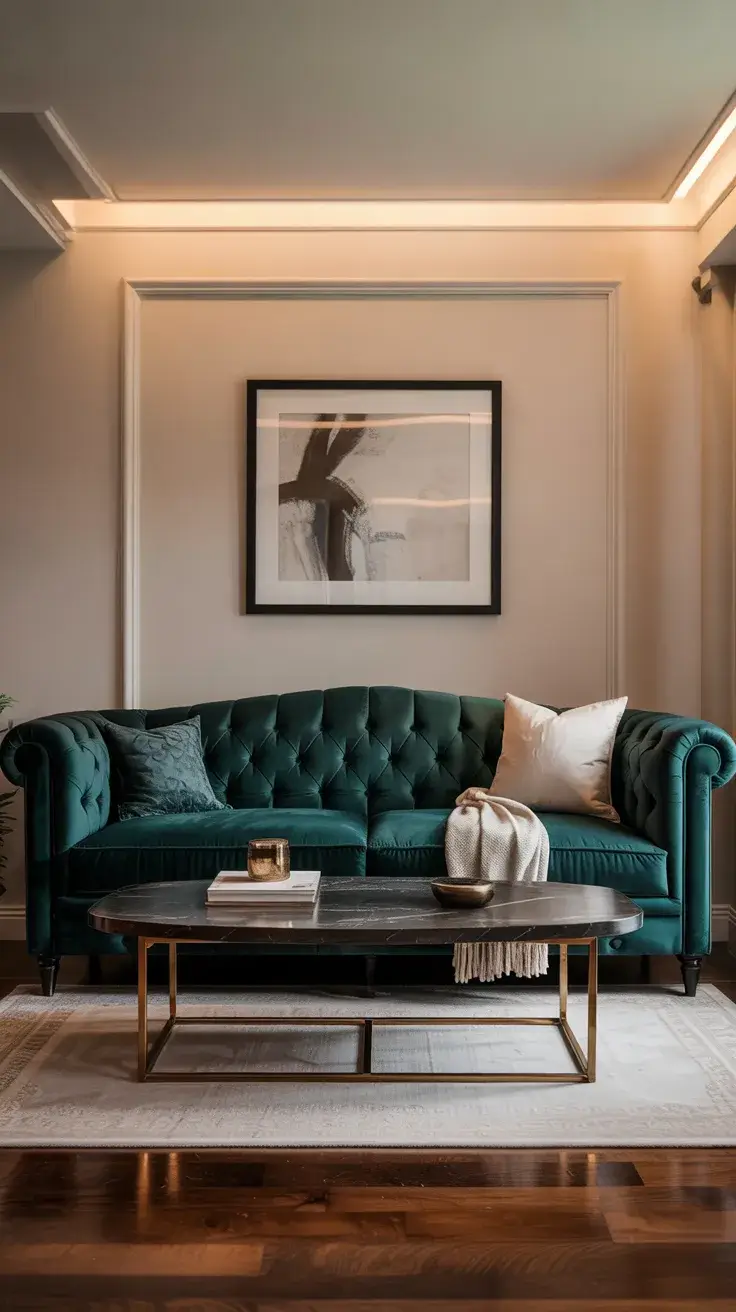
When designing around tufted seating, I choose furniture that complements its sculptural qualities. Sleek coffee tables, minimalist sideboards, metallic accents, and rich textiles such as velvet or woven throws help create a balanced composition. I also rely on warm ambient lighting to highlight the depth and texture of the tufting, making the sofa the visual centerpiece of the room.
Experts frequently featured in Veranda note that tufted furniture brings a sense of heritage into modern interiors. I fully agree; even in ultramodern homes, tufted sofas add personality and a curated feel. I’ve seen this trend help homeowners appreciate a blend of comfort and refinement.
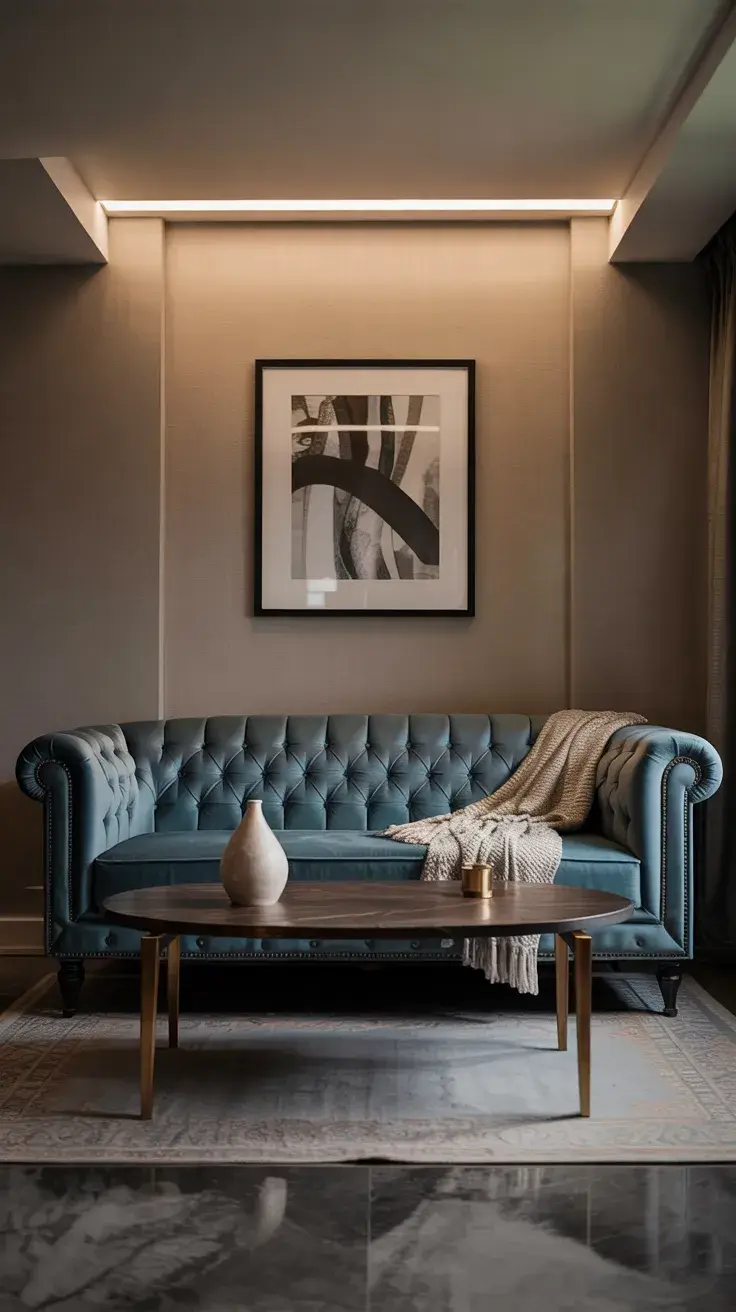
I would suggest adding a large framed artwork or an elegant floor lamp to complete the traditional-meets-modern aesthetic.
23. Compact Armless Sofas for Small Apartments
Armless sofas have become one of my favorite solutions for compact apartments because they maximize seating without overwhelming limited floor space. Their clean silhouettes create an open, breathable layout that works well in studios or modern micro-lofts. I often use them in transitional spaces because they help maintain flow and contribute to an uncluttered visual environment.
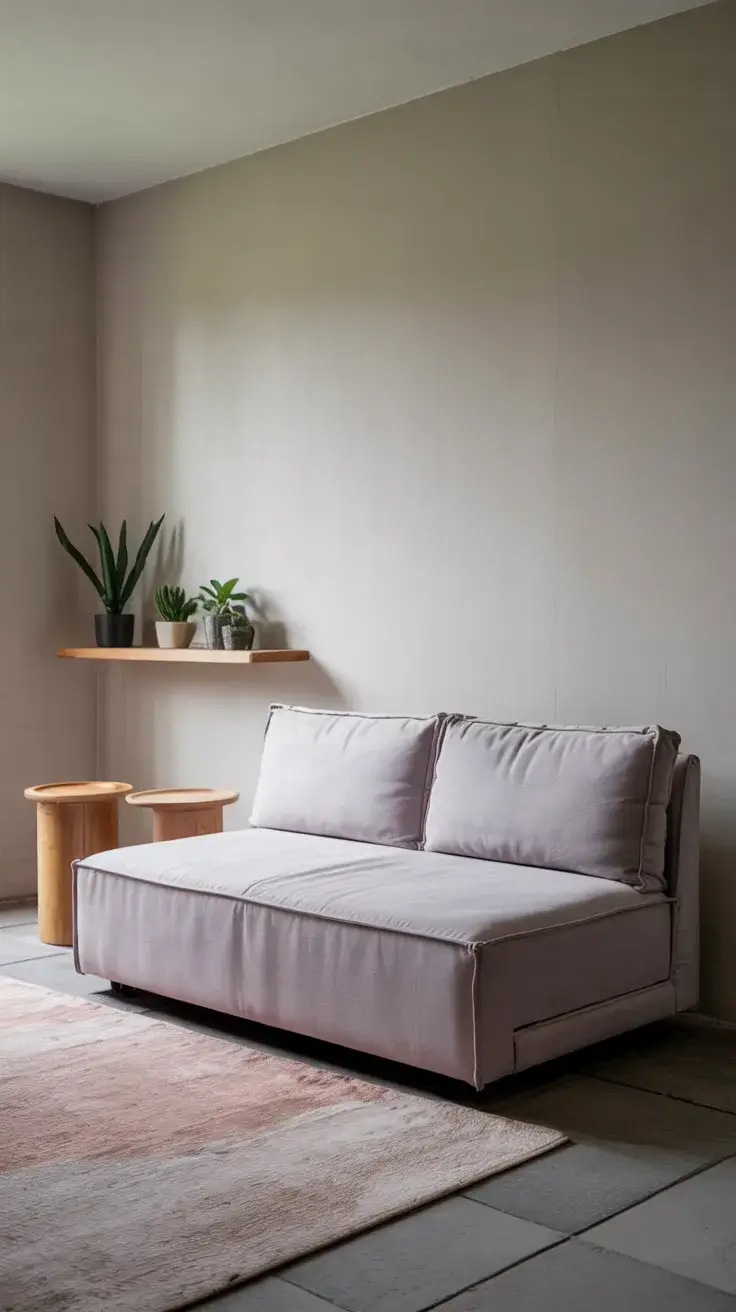
To support this minimalist concept, I pair armless sofas with narrow side tables, lightweight coffee tables, floating shelving, and soft area rugs. These elements help maintain balance and ensure the room feels functional rather than crowded. I also select upholstery in neutral tones or soft pastels to expand the sense of openness.
Designers frequently quoted in Apartment Therapy highlight that armless seating contributes significantly to spatial efficiency. I’ve found this especially true when arranging furniture in small urban homes where every centimeter must be used thoughtfully.
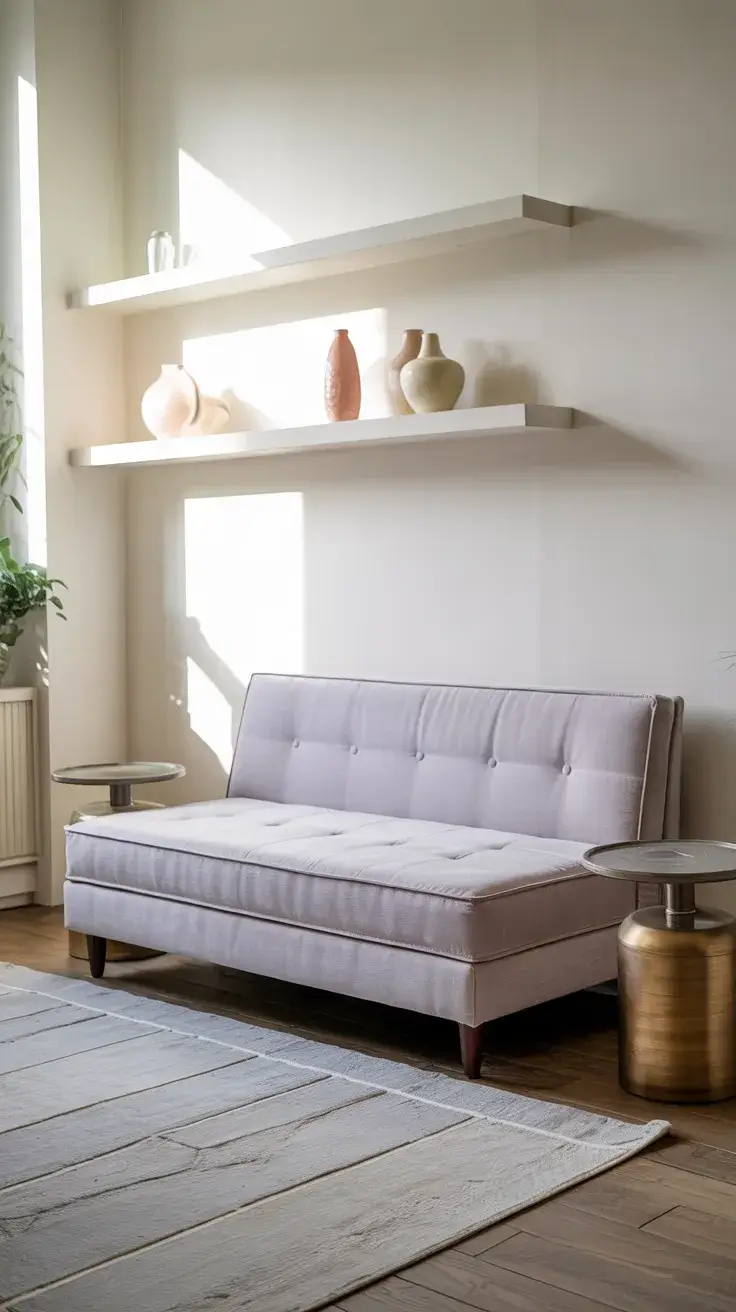
To complete this look, I would introduce one compact ottoman or pouf that offers additional seating without affecting the minimalist layout.
24. Artisan Crafted Sofas with Unique Details
Artisan crafted sofas have grown in popularity among homeowners seeking designs that celebrate craftsmanship and authenticity. I often choose these pieces when creating interiors with character, as they feature hand-carved frames, intricate stitching, or custom upholstery that transforms the sofa into a work of art. These sofas bring soul and individuality into the home, reflecting a thoughtful and curated living environment.
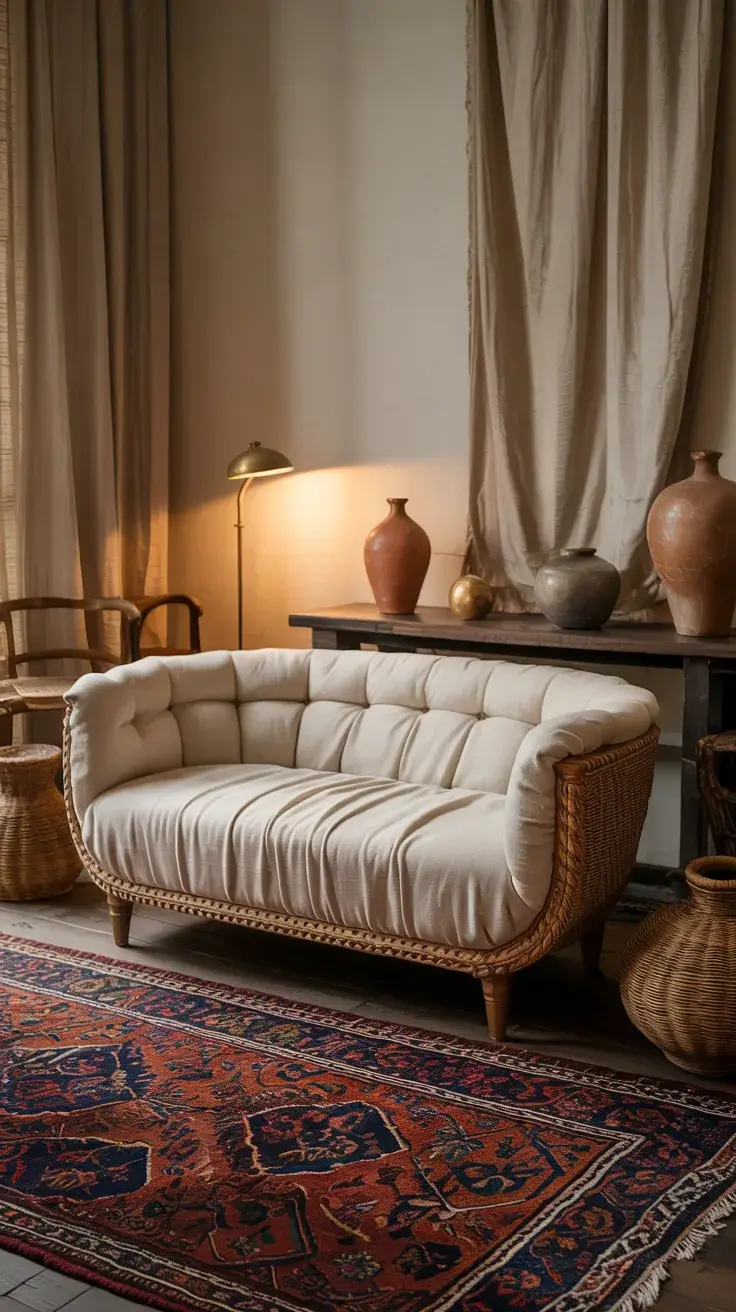
When designing around an artisan sofa, I prefer pairing it with natural materials such as stone tables, solid wood shelving, ceramic décor, and woven textiles. These accessories highlight the handcrafted details and reinforce the organic, intentional feel. I also incorporate warm, directional lighting to accentuate the artistry in the sofa’s structure.
According to industry voices often featured in Architectural Digest, hand-crafted furniture adds emotional value to interiors, creating a more meaningful connection between the homeowner and their space. I share this perspective; I’ve seen how these one-of-a-kind pieces anchor a room in a way mass-produced furniture cannot.
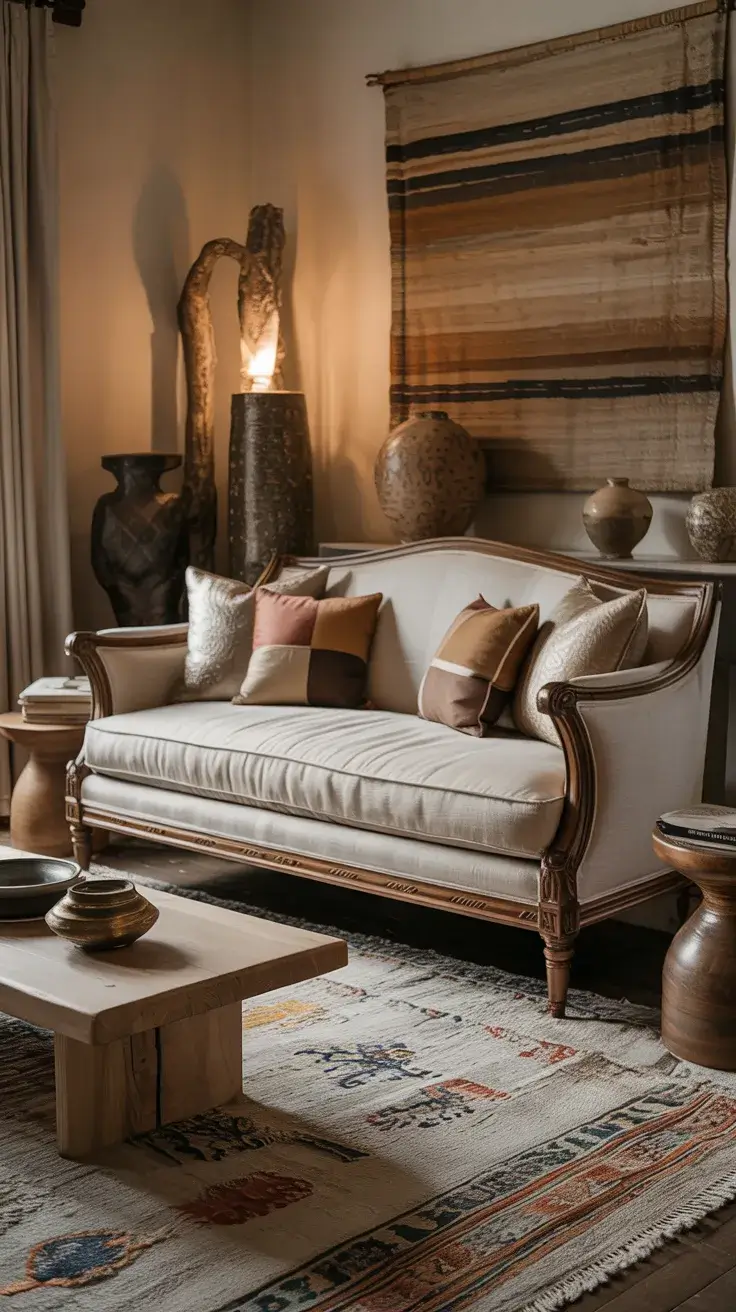
To further enrich this section, I would add a handmade rug or artisanal wall sculpture that echoes the craftsmanship of the sofa.
25. Monochrome Sofas for Chic Interiors
Monochrome sofas have become a major design trend this year, and I enjoy using them to create harmonious and polished interiors. By sticking to a single color palette, the room feels cohesive and intentionally styled. I prefer monochrome seating in homes aiming for contemporary minimalism or calm, elegant spaces.
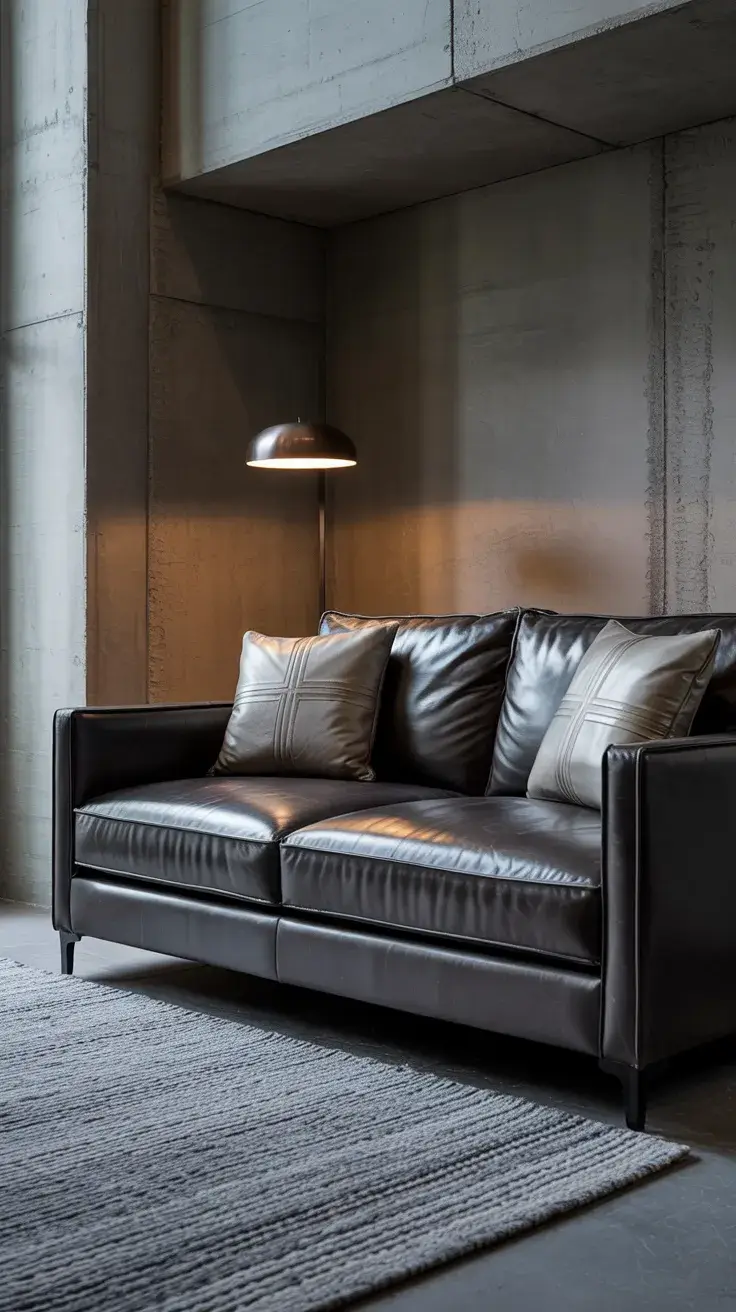
When building a monochrome environment, I select furniture and décor that follow the same tonal range. Matching rugs, complementary throw pillows, subtle ceramics, and sleek lighting fixtures help unify the aesthetic. Monochrome does not mean flat; instead, I mix textures to introduce depth and dimension while respecting the unified palette.
Design editors at Elle Decor often highlight how monochrome furniture creates a sense of visual serenity. In my experience, this approach works exceptionally well in rooms that need clarity and structure, especially in open-plan homes.
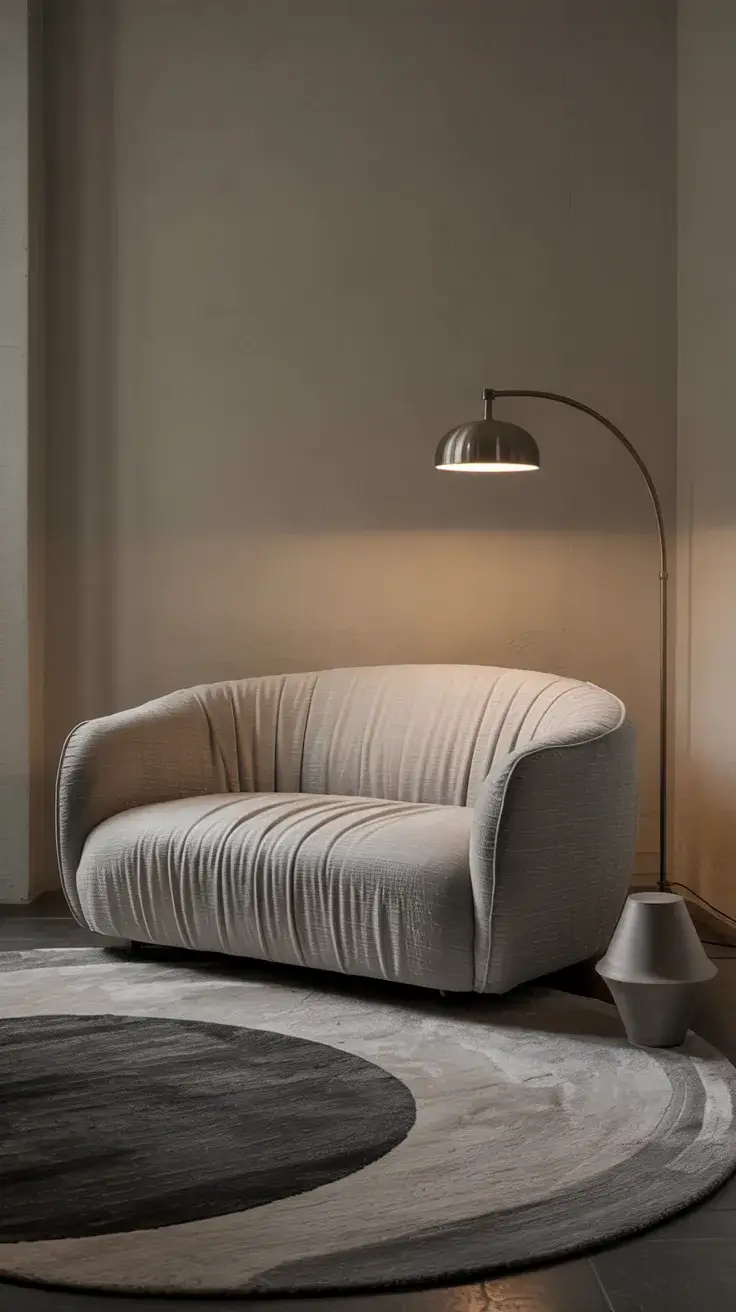
To complete the look, I would incorporate one contrasting material, like brushed metal or matte stone, to subtly elevate the monochrome concept.
26. Coastal Inspired Sofas for Serene Spaces
Coastal inspired sofas offer a relaxed, airy atmosphere perfect for homeowners who want a serene living space. I enjoy using light fabrics, soft blues, sandy neutrals, and natural fibers in these designs because they immediately evoke the feeling of a gentle seaside retreat. This style works beautifully in both coastal homes and city apartments that crave tranquility.
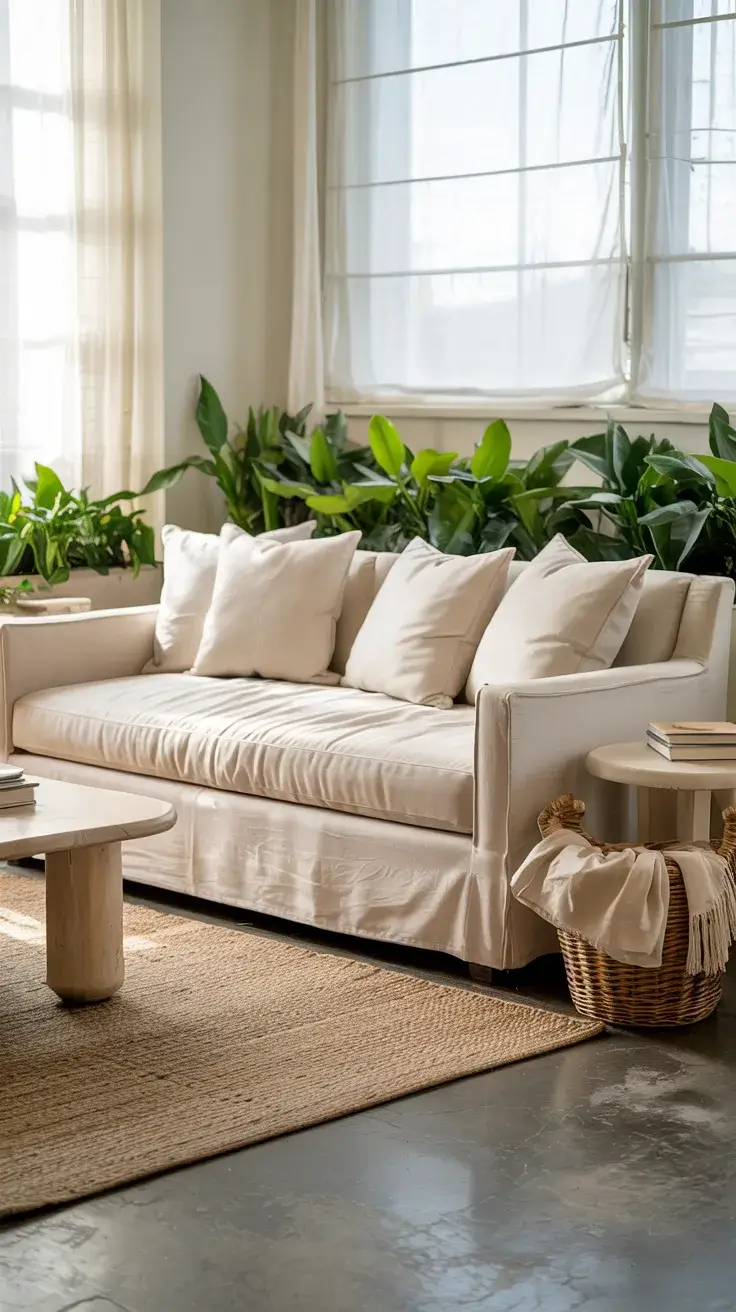
When styling around a coastal sofa, I incorporate woven baskets, light wood tables, airy curtains, organic planters, and textured rugs. These items strengthen the calm and refreshing mood of the space. I also rely on ample natural light and soft ambient fixtures to maintain brightness and warmth.
Design experts from House Beautiful often emphasize the emotional impact of coastal interiors, noting how they promote relaxation and well-being. I’ve experienced this firsthand; clients appreciate how this palette lifts their mood and softens the overall atmosphere of their home.
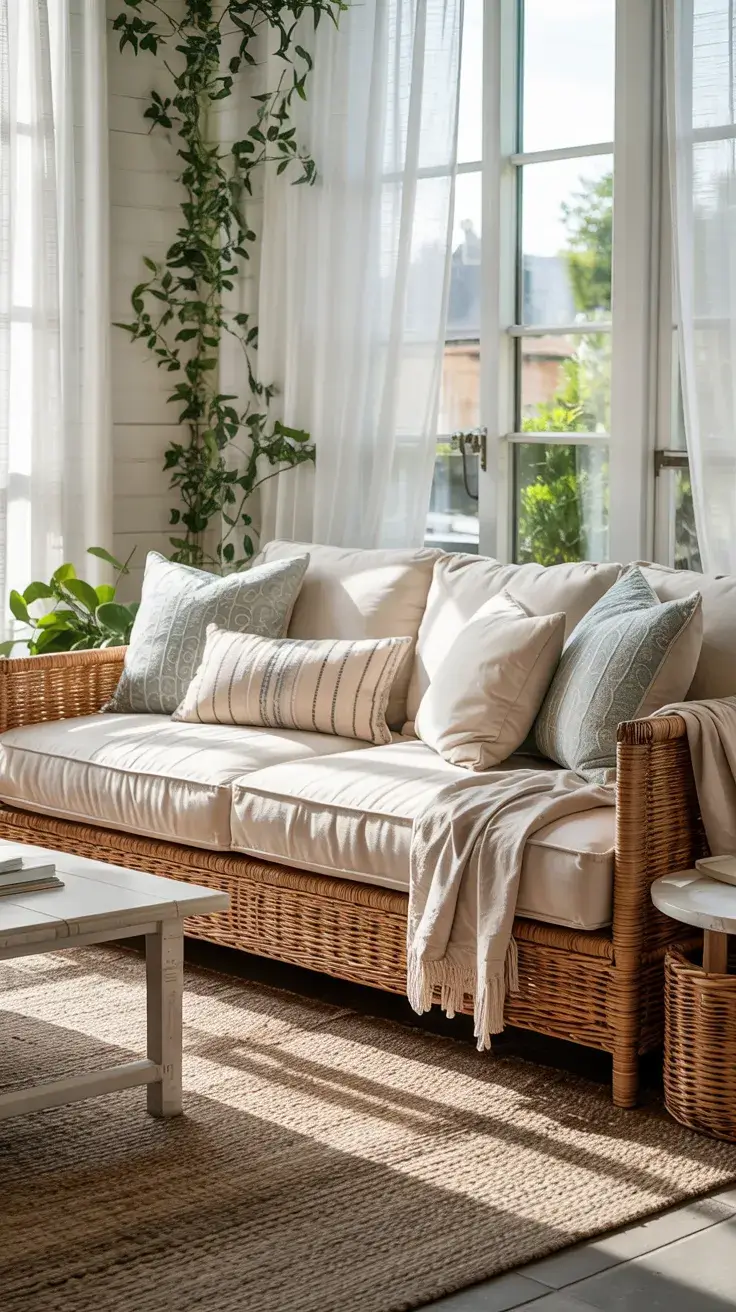
To complete this section, I would add one ocean-inspired decorative element such as a ceramic wave sculpture or a subtle abstract print.
27. Asymmetrical Sofa Designs for Avant Garde Homes
Asymmetrical sofa designs have become a hallmark of avant-garde interiors in 2026. I use them when I want to make a room feel artistic, unexpected, and uniquely modern. Their unconventional lines and uneven forms break traditional layout rules, making them perfect for homeowners who want a bold statement piece.
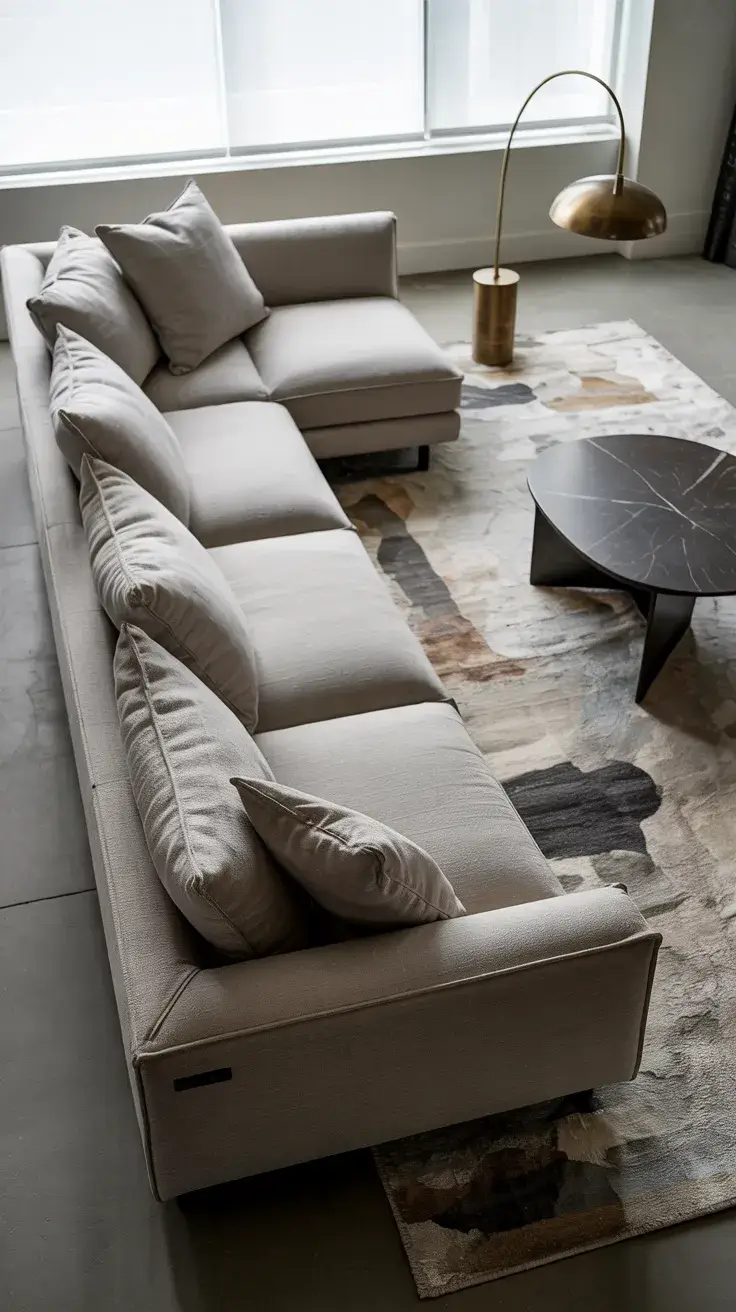
To support an asymmetrical sofa, I choose equally expressive or sculptural elements such as abstract rugs, angular coffee tables, minimalist shelving, and dramatic lighting. These pieces enhance the creative nature of the space without overwhelming the room. I also prefer a restrained color palette, allowing the sofa’s shape to be the primary focal point.
Architectural Digest frequently discusses the rise of experimental furniture in modern design, especially in creative households. My experience aligns with this, as asymmetrical sofas consistently bring a sense of innovation and individuality to interiors.
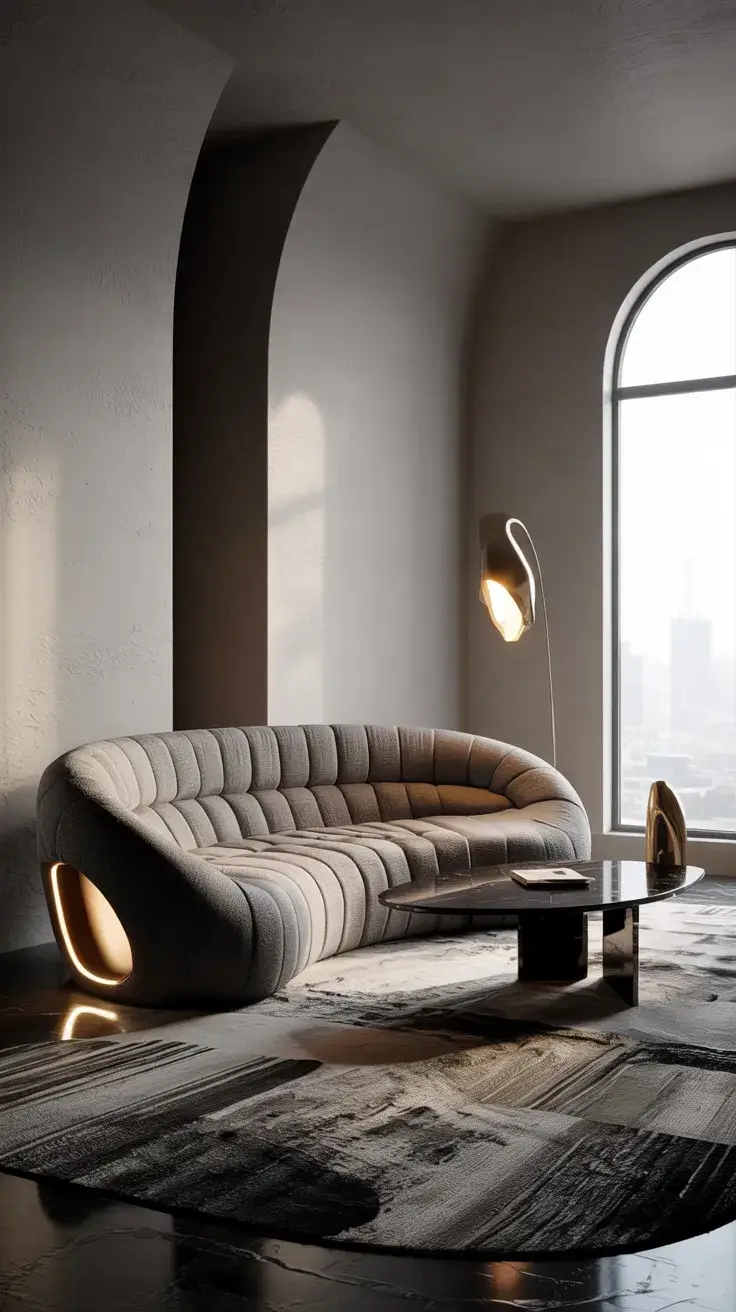
To complete the design, I would add one striking wall art piece that echoes the sofa’s unconventional silhouette.
28. Outdoor Indoor Hybrid Sofas for Versatile Living
Outdoor indoor hybrid sofas are becoming essential in homes that embrace fluid living between interior and exterior spaces. I often use these designs in sunrooms, covered patios, and open living areas because they withstand temperature changes while still offering comfort and style. Their practical materials make them ideal for busy households or homes that welcome frequent guests.
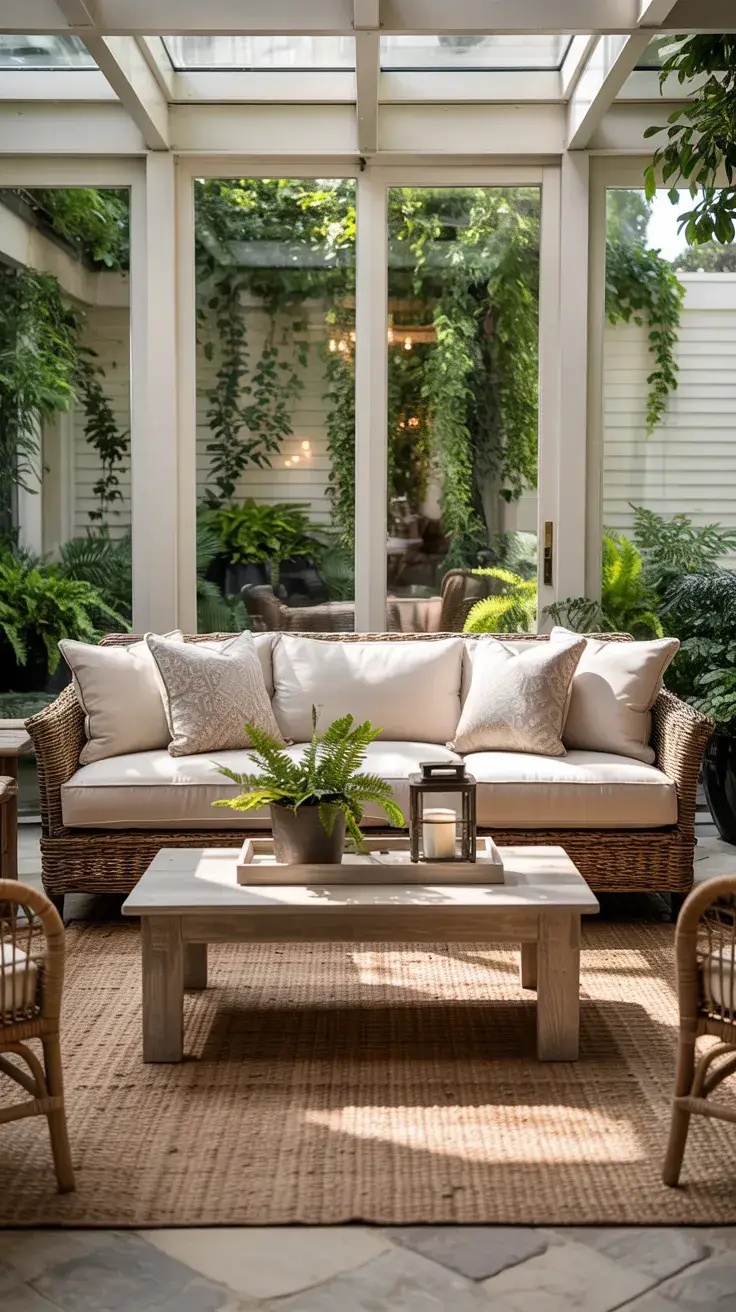
To style these hybrid sofas, I pair them with natural fiber rugs, sturdy coffee tables, weather-resistant side chairs, and plenty of greenery. These pieces help unify the indoor and outdoor elements. I also choose cushions made from performance fabrics that resist fading and moisture, ensuring longevity.
Design professionals often noted in Dwell emphasize versatility as a key factor in modern homes. I agree fully; hybrid sofas allow homeowners to adapt their spaces and enjoy more seamless transitions between environments.
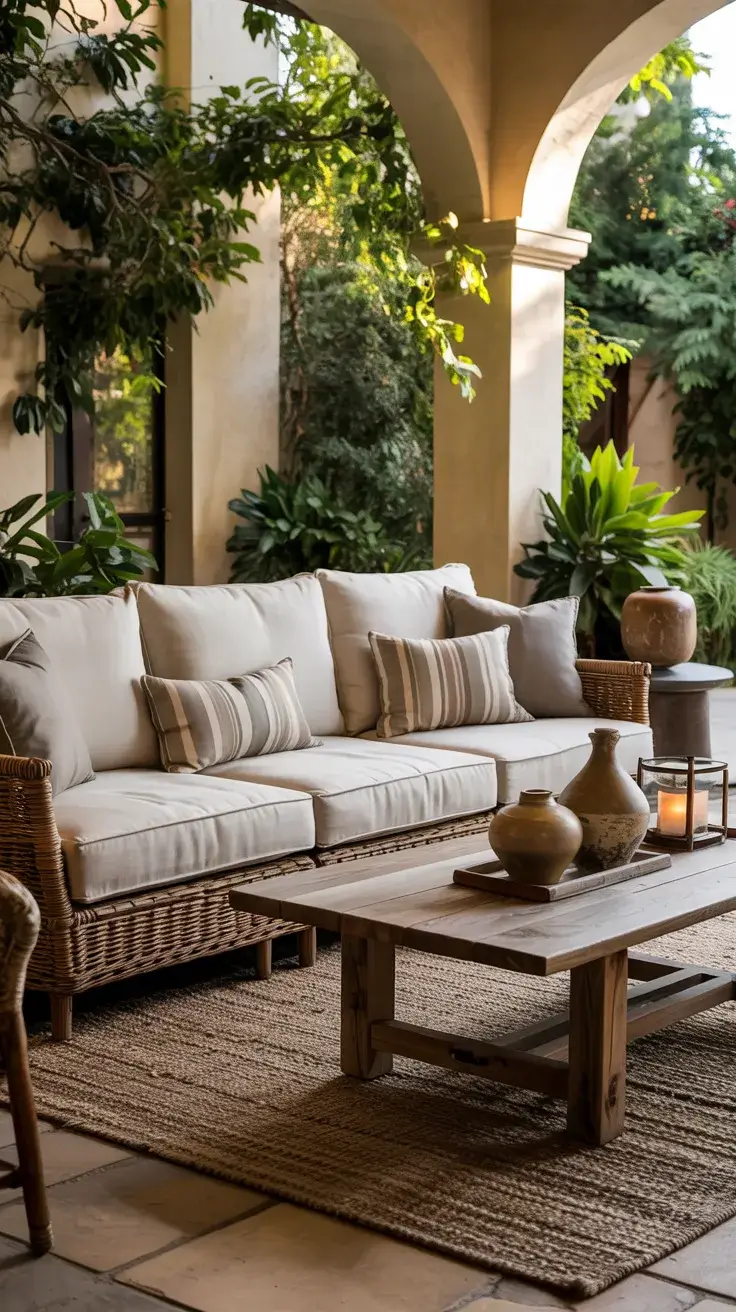
To complete this section, I would introduce ambient outdoor lighting or lantern-style fixtures that enhance the hybrid atmosphere.
29. Plush Bouclé Sofas Defining Soft Luxury
Plush bouclé sofas have become one of the signature trendy sofa ideas for 2026, especially for homeowners seeking soft luxury and tactile comfort. I often use these sofas when I want to create a warm, inviting atmosphere with a contemporary twist. Their textured fabric instantly adds depth to the room while maintaining a refined, cloud-like softness that feels both modern and timeless.
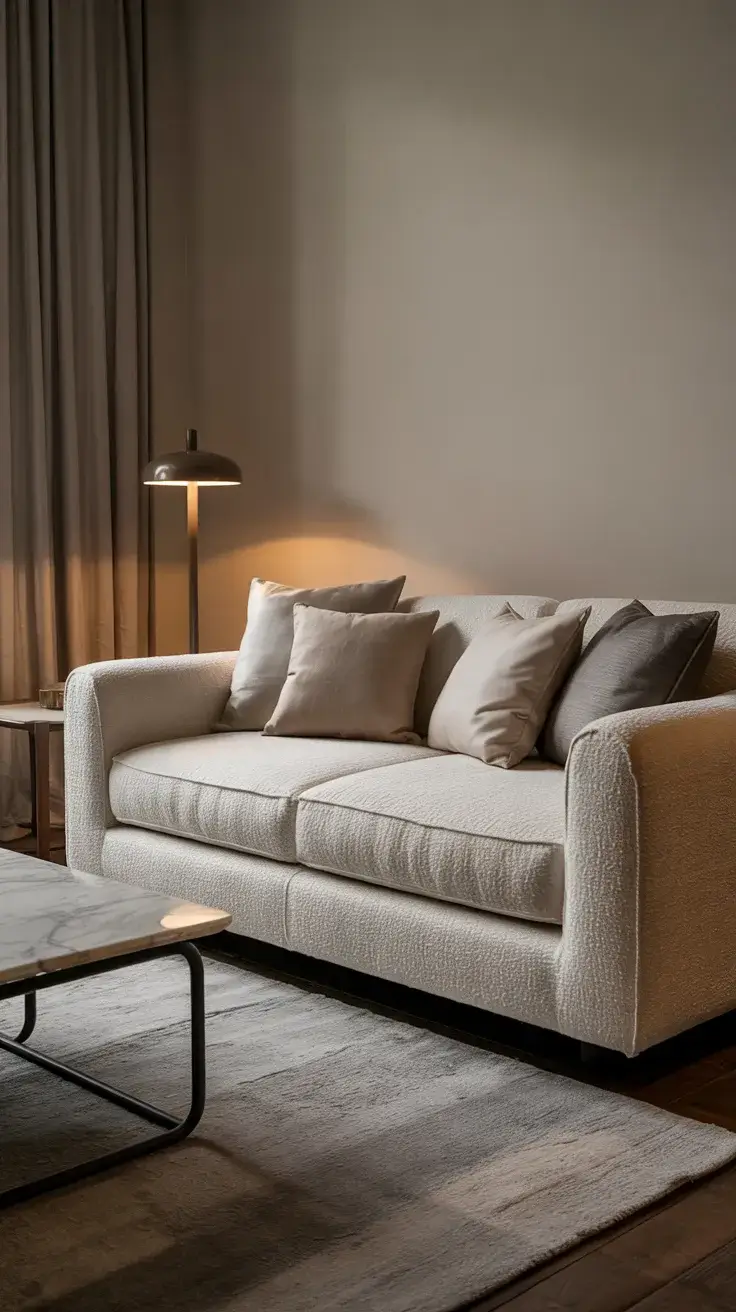
When designing around a bouclé sofa, I pair it with smooth, contrasting surfaces to highlight the richness of the texture. Marble or glass coffee tables, matte metal lighting, natural wood accents, and layered rugs all complement the sofa’s tactile appeal. I also prefer a neutral palette, which enhances the fabric’s sculptural look without overwhelming the senses.
Design editors at Architectural Digest frequently note bouclé’s ability to elevate minimalist interiors through texture alone. I’ve noticed the same effect in my projects; a bouclé sofa can completely transform even the simplest space into a thoughtfully curated environment filled with softness and visual interest.
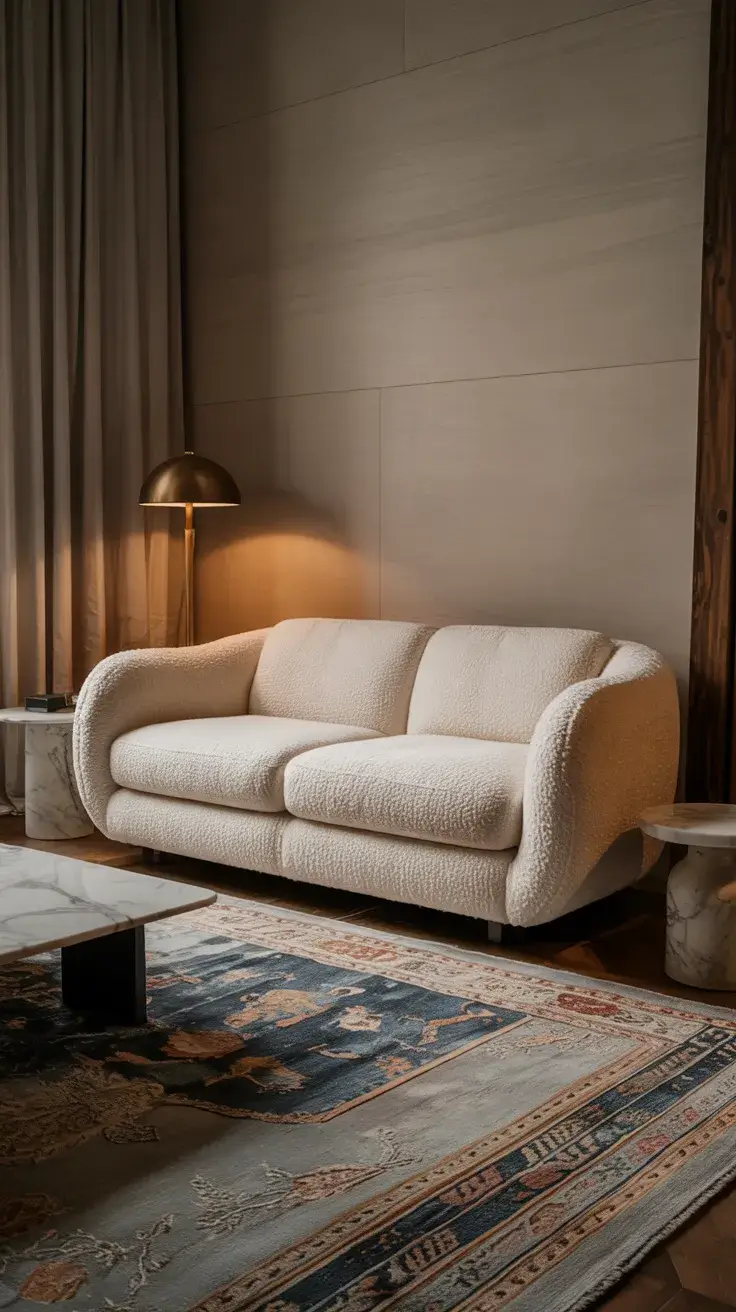
To strengthen this concept, I would add a sculptural side table or soft ambient floor lamp that enhances both the texture and the overall sense of warmth.
30. High Back Sofas Offering Superior Support
High back sofas are gaining renewed attention in 2026 for their ergonomic benefits and elevated presence in the room. I often recommend these designs in homes where comfort and posture support are priorities, especially for reading corners, formal living rooms, or family spaces. Their taller silhouettes help anchor the layout and make the seating area feel substantial and well-defined.
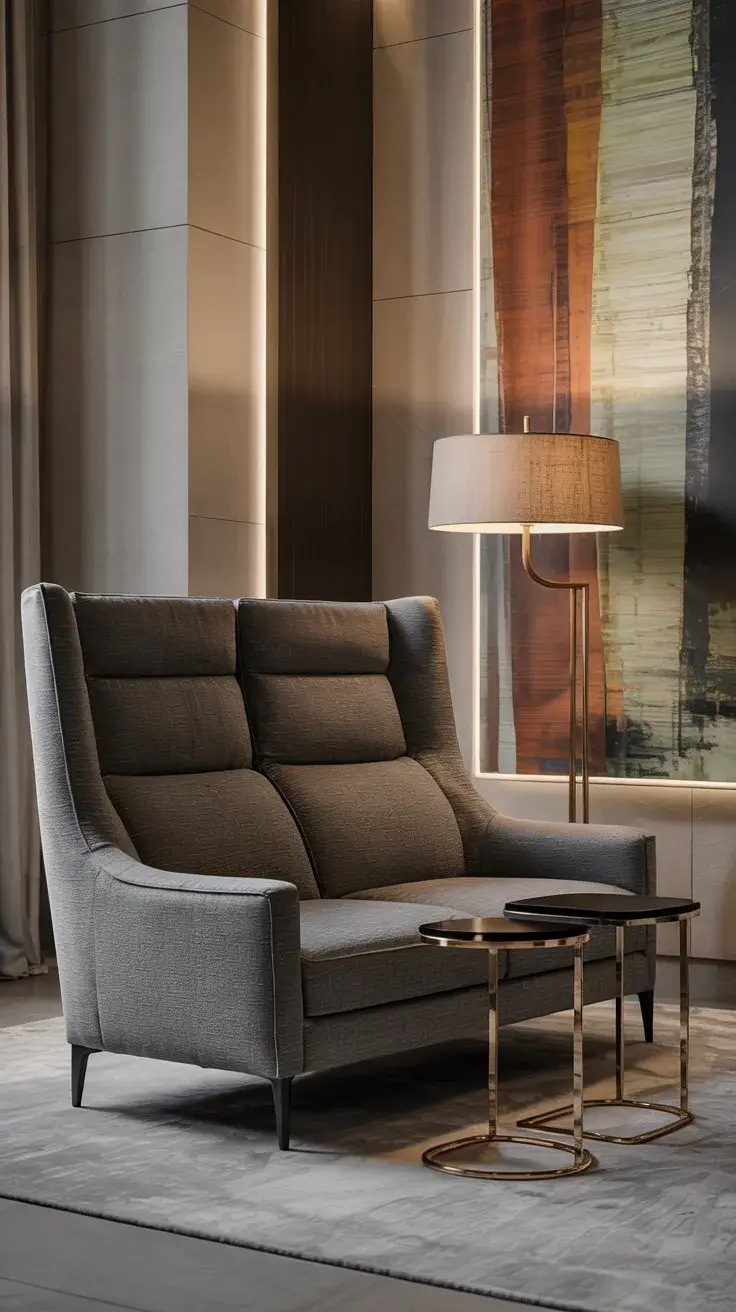
To complement a high back sofa, I incorporate tall floor lamps, elongated artwork, vertical shelving, and structured side tables that mirror the sofa’s upright posture. These pieces help maintain proportional harmony while creating a cohesive and visually comfortable setting. Upholstery options like wool blends or performance fabrics provide durability without compromising elegance.
Industry professionals featured in Dwell often emphasize the importance of ergonomic furniture in modern homes. I share this perspective, as I’ve witnessed how clients appreciate the enhanced support that high back seating offers for both relaxation and long conversations.
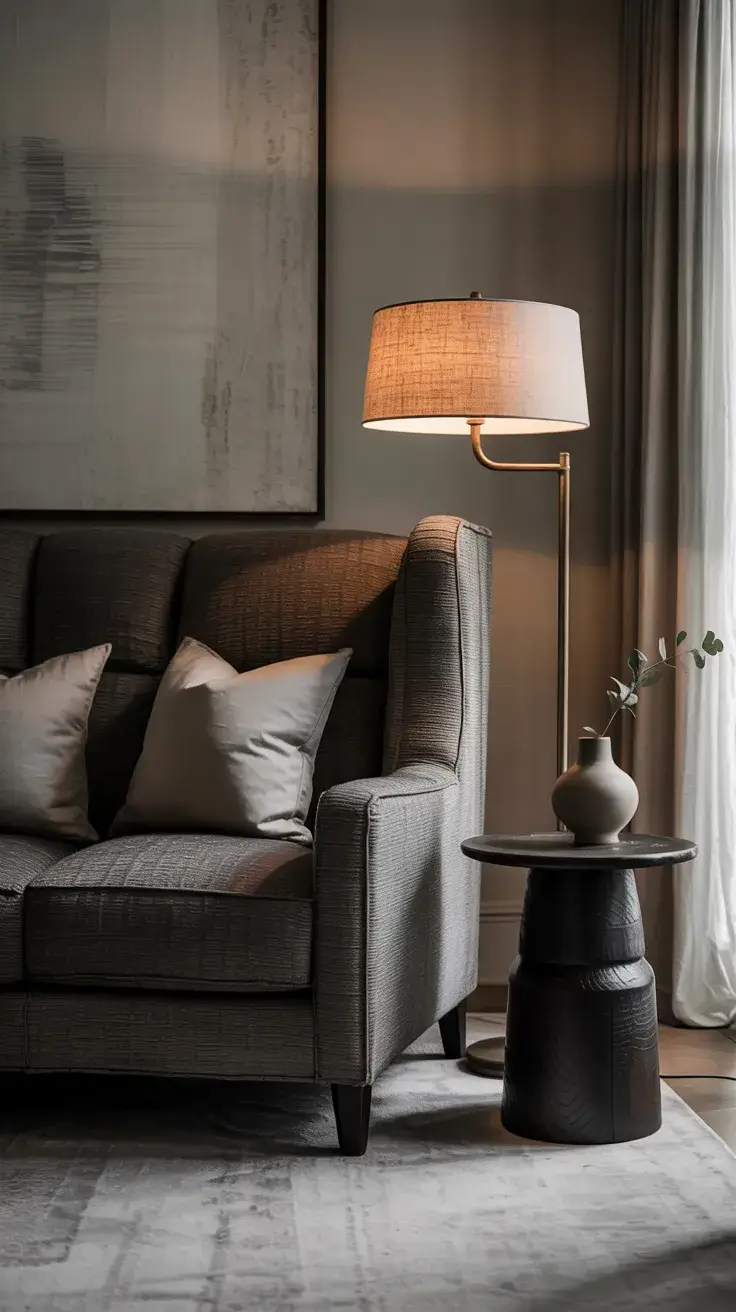
To complete this section, I would add a small lumbar pillow set or a textured throw, which subtly reinforces comfort without distracting from the sofa’s architectural form.
31. Earth Tone Sofas for Grounded Interiors
Earth tone sofas continue to dominate interiors in 2026, and I use them frequently to create grounded, serene living spaces. Colors like terracotta, olive, clay, and warm beige evoke a connection to nature, which makes the room feel balanced and comforting. These tones work especially well in homes where the goal is to promote tranquility and organic warmth.
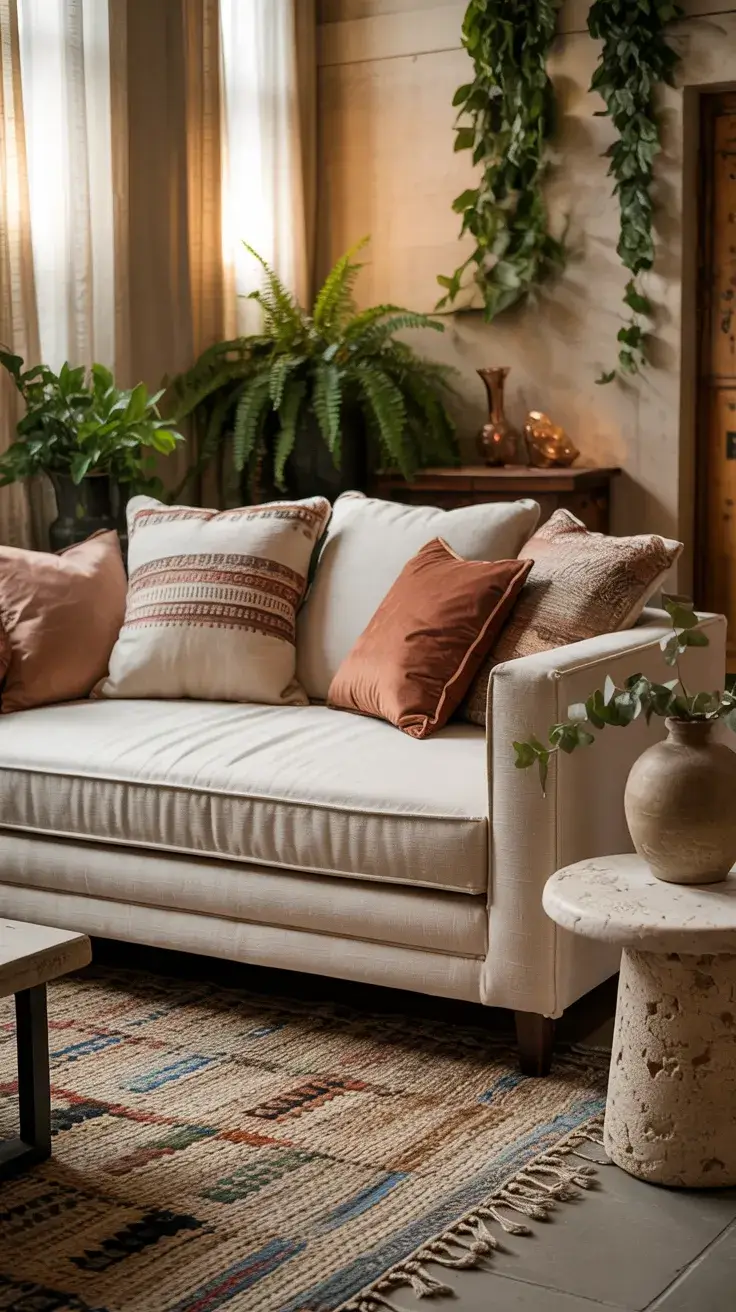
When selecting supporting décor, I choose natural materials such as stone tables, woven rugs, ceramic accessories, and wooden furniture. These elements enhance the earthy palette and create a cohesive environment. I also incorporate soft lighting and greenery to strengthen the natural ambiance and maintain a welcoming atmosphere.
Experts commonly highlighted in House Beautiful note that earth tones help reduce visual stress and make interiors feel more connected to nature. I’ve seen how effective this is in practice, especially for clients who want their home to feel like a peaceful retreat.
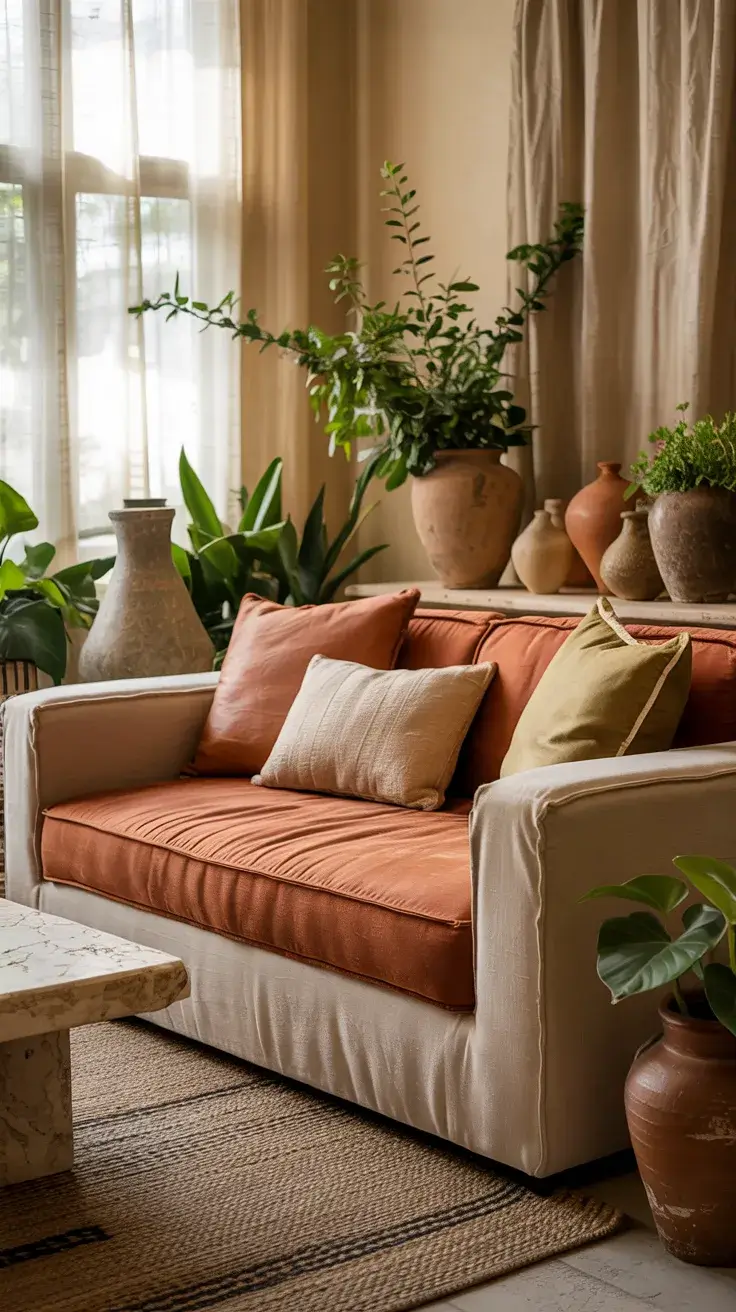
To complete this section, I would add a textured throw or a handcrafted vase that echoes the room’s organic inspiration.
32. Statement Sectional Sofas for Large Living Areas
Statement sectional sofas are ideal for large living areas where personalization and comfort are key priorities. I enjoy using these expansive designs because they define the layout of spacious rooms, making them feel structured yet inviting. In 2026, sectionals feature bold shapes, generous proportions, and modular flexibility, allowing homeowners to adapt the seating arrangement to their lifestyle.
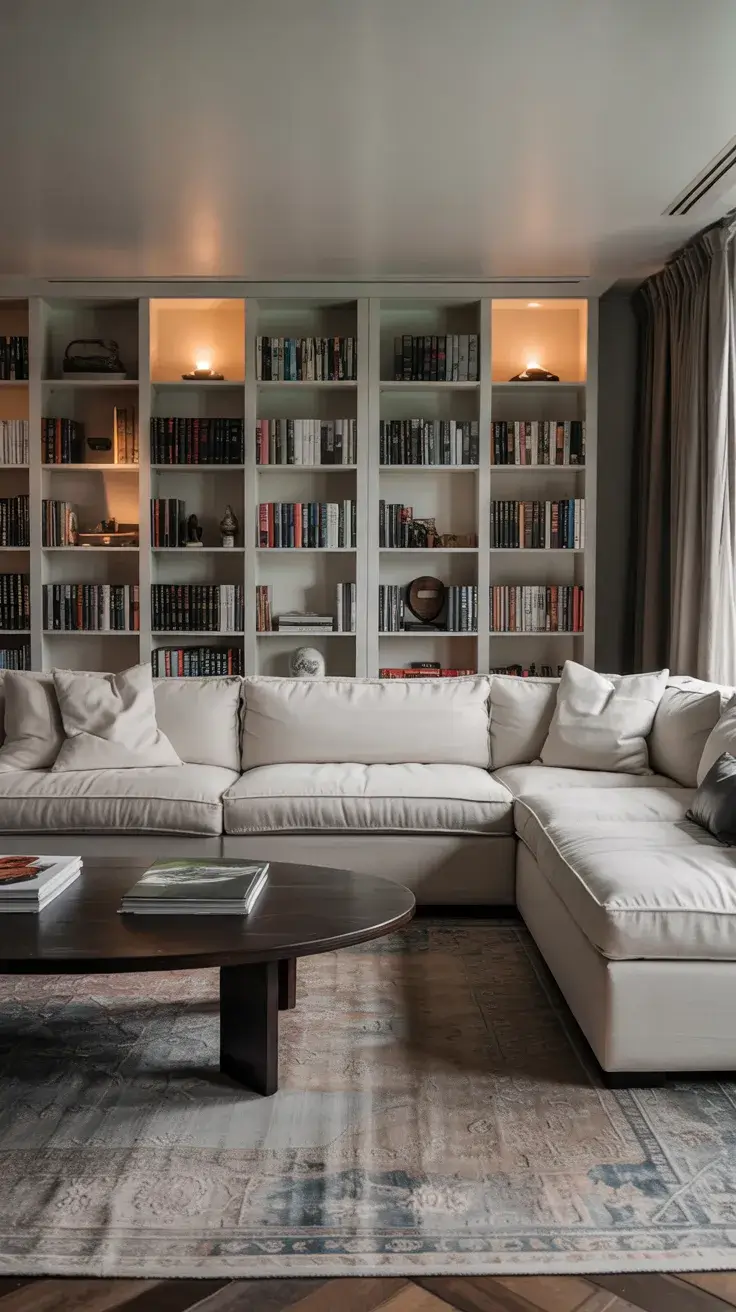
To support a statement sectional, I select large-scale furniture pieces that balance its presence. Oversized coffee tables, expansive rugs, floor-to-ceiling shelving, and dramatic lighting fixtures all help create a cohesive environment. I also incorporate mixed textures and layered throws to soften the overall aesthetic and add visual richness.
Designers regularly featured in Elle Decor often emphasize the importance of scale in large living spaces. I agree completely; choosing the right sectional ensures the room feels intentional instead of empty or disjointed.
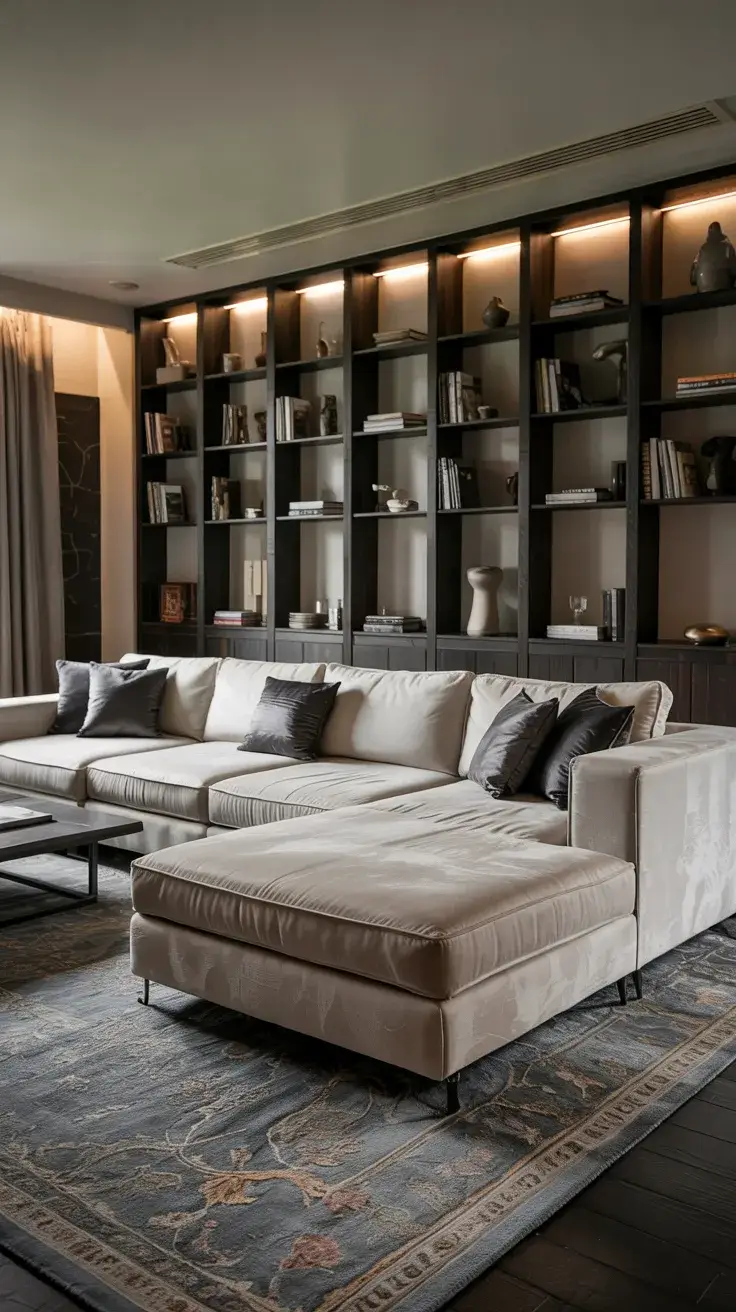
To complete this layout, I would add a set of modular ottomans or side tables that can move freely around the seating area, enhancing both function and style.