Designing a small living room today requires a fresh approach, and the rise of tiny living room design 2026 trends makes this challenge more exciting than ever. Homeowners are asking themselves how to create stylish, functional spaces without sacrificing comfort or personality. In this article, I explore the most effective strategies for maximizing small spaces while keeping interiors modern, beautiful, and livable.
I focus on real solutions, practical design ideas, and tested layout techniques that work in compact homes, apartments, and micro-living environments. Each section breaks down a specific design method and explains how to apply it effectively. My goal is to give you the clarity and confidence to redesign your tiny living room with both style and intention.
Throughout this guide, I share insights from my own experience, along with recommendations supported by respected interior design publications like Architectural Digest and House Beautiful. These principles have been proven to elevate small interiors without overwhelming them.
Let’s dive into the strategies shaping tiny living room design 2026, exploring how thoughtful styling can truly transform even the smallest spaces.
1. Maximizing Vertical Space Solutions
When working with a compact living area, I always begin by evaluating the vertical potential of the room. In tiny living room design 2026, vertical solutions are essential for creating an illusion of openness and better functionality. Tall shelving, wall-mounted storage, and elongated décor elements help draw the eye upward, making the entire room feel more expansive. By using the walls as active design components, I can create a balanced space that accommodates storage without overcrowding the floor.
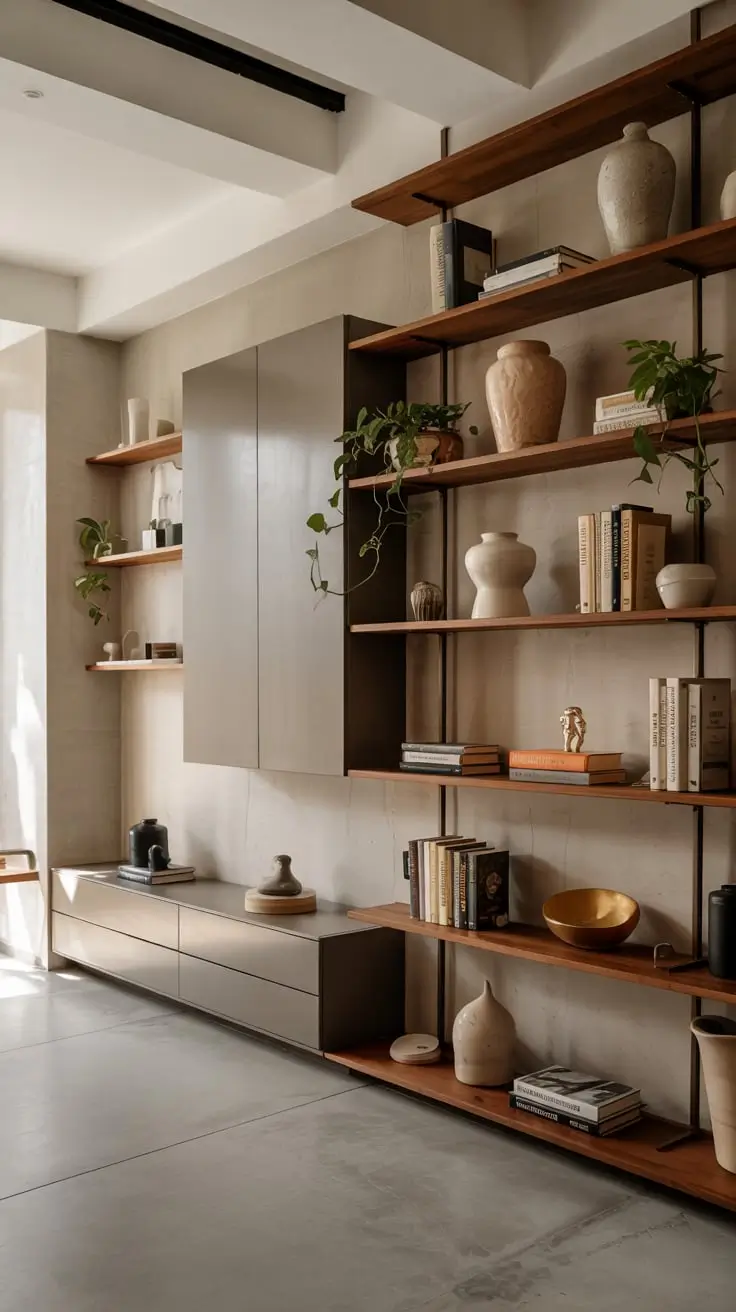
I often include floating shelves, tall bookcases, and wall-mounted media units because they keep the floor clean while adding height and structure. These elements not only maximize storage but also allow decorative items to enhance the style of the room without contributing to clutter. Choosing slim yet tall furniture pieces ensures the room maintains an elegant form while utilizing every inch effectively.
From my experience, vertical design transforms even the smallest rooms into visually impressive spaces. Designers at House Beautiful frequently emphasize the importance of height in tiny interiors, recommending layered shelving and multifunctional wall units to increase utility while keeping things sleek. I have found that once the vertical strategy is in place, the rest of the room becomes significantly easier to organize and style.
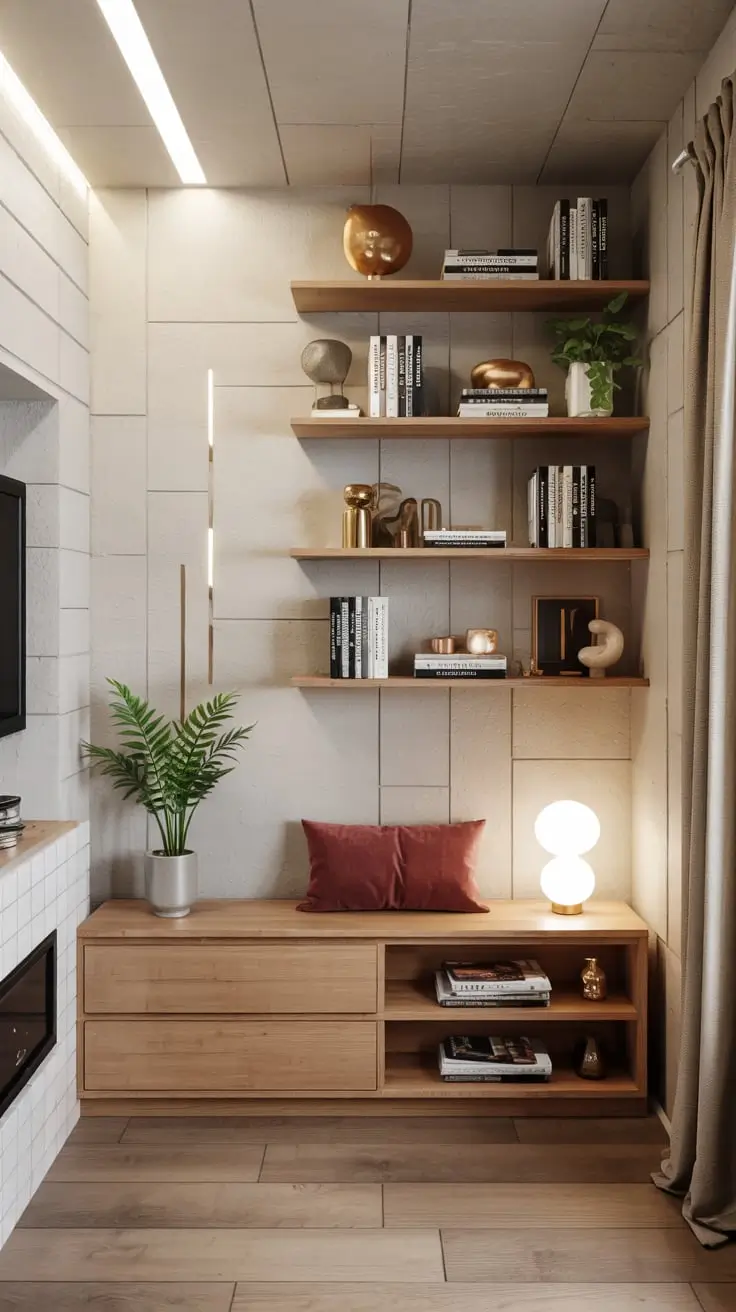
To complete this section, I would also incorporate vertical lighting such as wall sconces or tall floor lamps that accentuate height and provide even illumination across the room.
2. Light Driven Minimalist Concepts
Minimalism powered by natural and artificial light is one of the most influential trends shaping tiny living room design 2026. When I apply this concept, I focus on reducing unnecessary visual noise and enhancing the brightness of the space. Allowing light to flow freely across the room helps small living areas feel larger, more calming, and more intentional. Clean lines, uncluttered surfaces, and soft visual transitions support a serene environment that feels effortlessly modern.
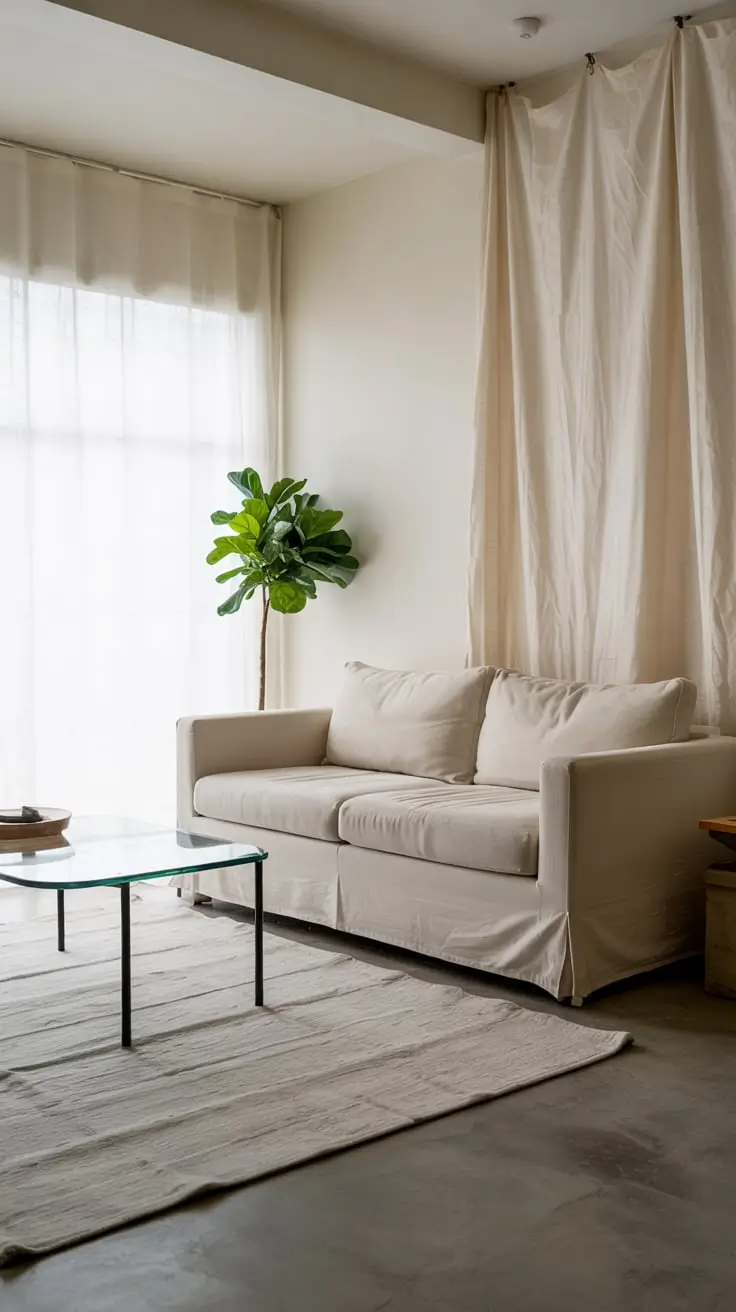
Furniture for this style typically includes low-profile sofas, narrow-legged tables, and translucent materials such as glass or acrylic. These pieces prevent visual heaviness while maintaining functionality. Neutral walls and light fabrics help bounce light around the room, reinforcing the airy atmosphere. I prefer integrating matte finishes because they soften the overall effect and ensure that every element contributes to clarity and comfort.
In my experience, minimalist interiors thrive when light is treated as a design tool. Architectural Digest often highlights minimalist homes that rely on layered lighting—ambient, task, and accent—to create depth without clutter. I have learned that thoughtful lighting placement can completely redefine a small room, making it feel more dynamic and inviting.
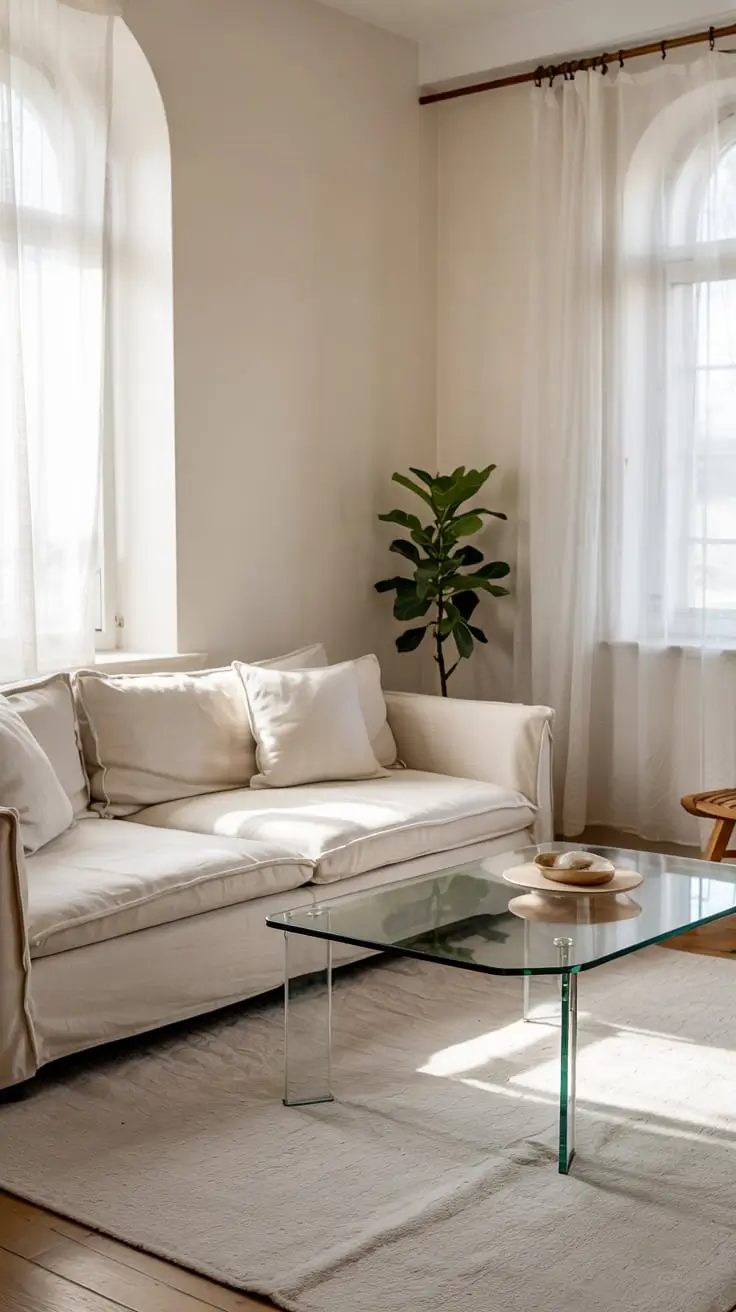
To refine this section further, incorporating sheer curtains and reflective décor pieces would enhance the minimalist aesthetic without adding complexity.
3. Multi Functional Furniture Strategies
When approaching tiny living room design 2026, multifunctional furniture has become one of my most trusted solutions. Every item in the room must serve multiple purposes to maximize space and maintain flexibility. I focus on selecting furniture that adapts to different needs—storage ottomans, sofa beds, nesting tables, and modular consoles are among my preferred options. These designs allow the living room to evolve throughout the day without feeling cramped.
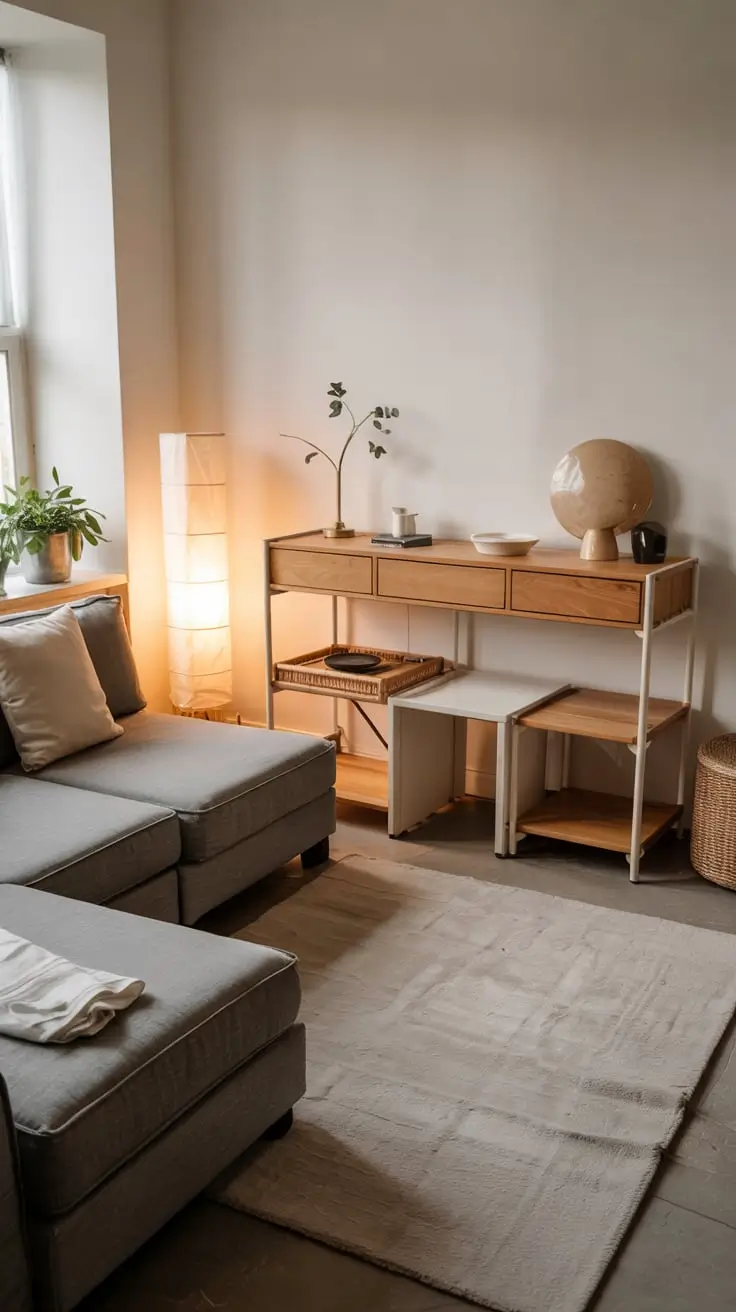
I often include coffee tables with concealed compartments, sectionals with hidden storage, or stools that double as side tables. Choosing pieces like these ensures that every object contributes to the overall functionality without increasing clutter. The key is to prioritize craftsmanship and proportion so that the furniture blends seamlessly with the scale of the room.
Through my experience, multifunctional pieces significantly enhance usability, especially in micro-apartments or studios where one room must perform several roles. Well-known designers like Nate Berkus often recommend investing in fewer but higher-quality multipurpose items, as they streamline the environment and keep it visually cohesive. I have found this approach particularly effective when clients want versatility without sacrificing style.
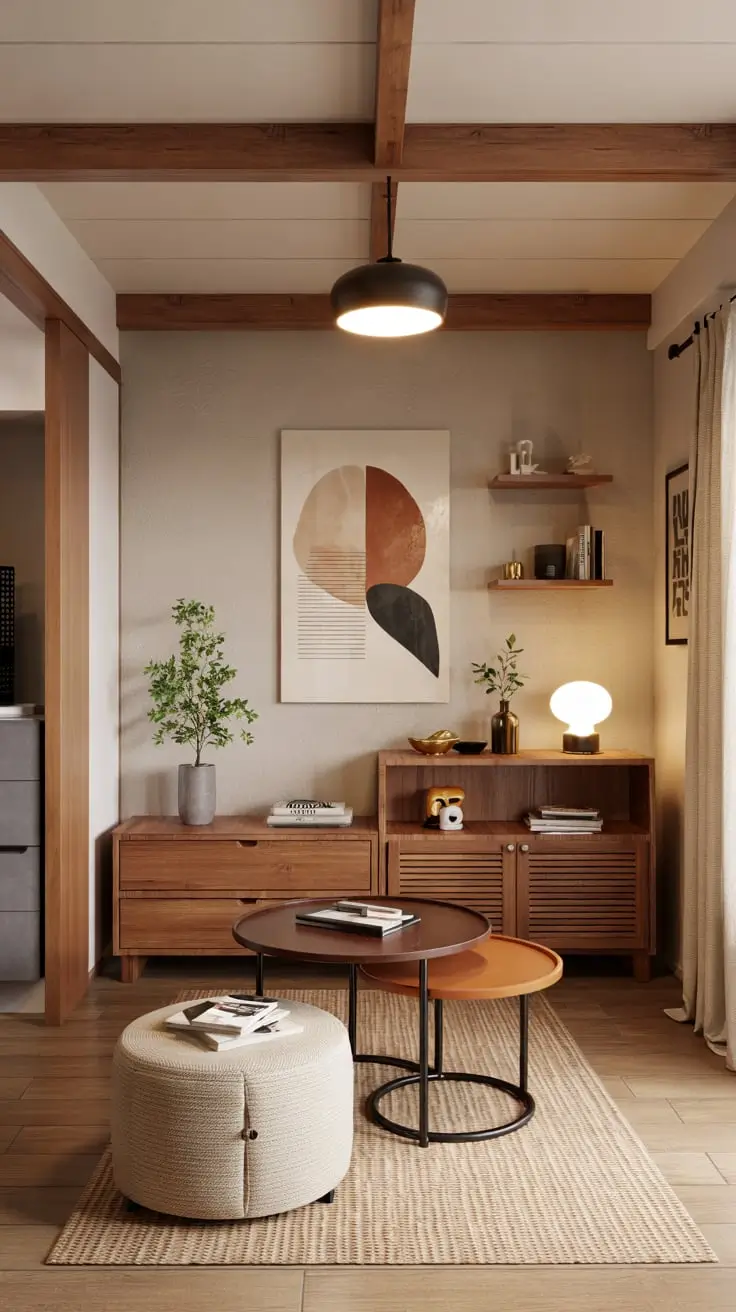
To strengthen this concept, I would also add wall-mounted foldable desks or convertible wall units, as they support flexible living in even the smallest spaces.
4. Soft Neutral Palette Inspirations
Soft neutrals dominate tiny living room design 2026, and I often use them to create visually open and soothing environments. Light beige, warm white, soft gray, and muted taupe tones provide a timeless foundation that enhances natural light and reduces visual congestion. These colors also create continuity across the room, making it easier to integrate furniture and décor without overwhelming the limited space.
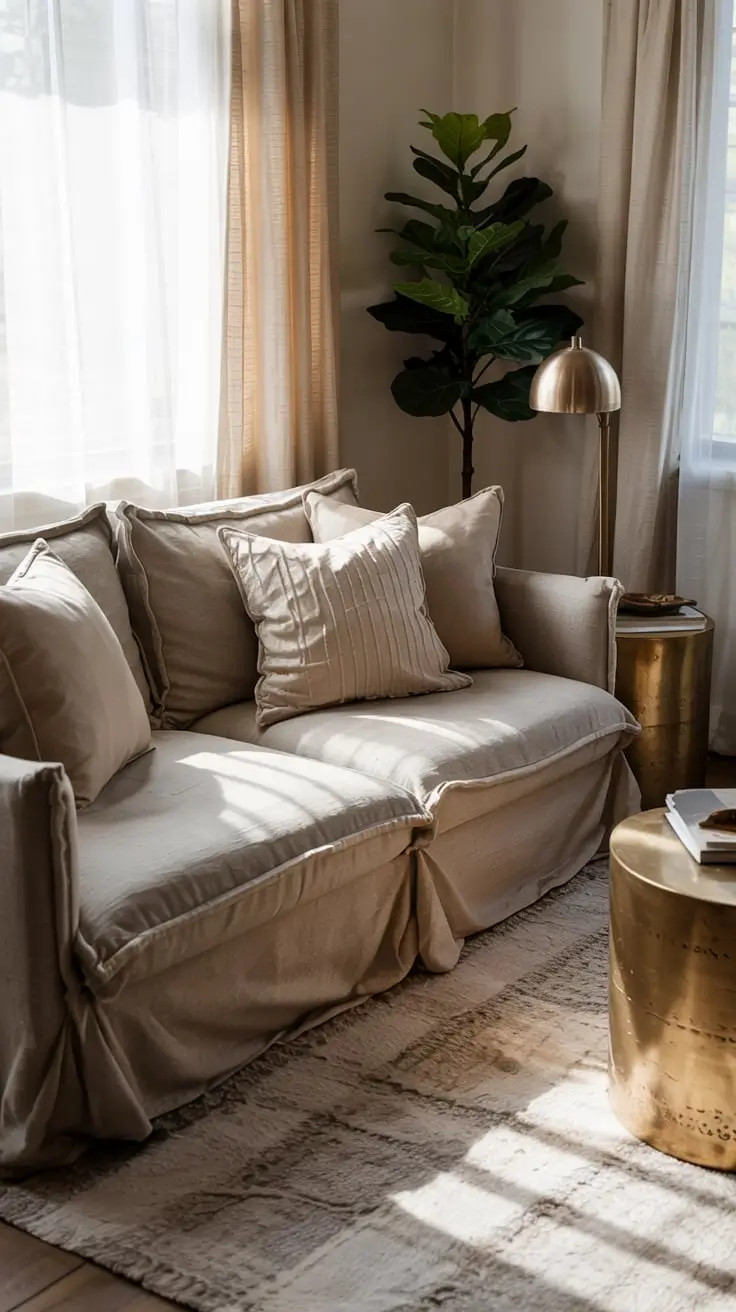
When choosing furniture and accents, I typically pair neutral backdrops with natural textures like linen, wool, and wood. These materials bring warmth and depth to the palette without compromising the airy effect. A soft-toned sofa, a textured rug, and understated artwork can balance the room while maintaining a calm, unified mood.
From my experience, neutral palettes significantly increase the perceived openness of a small living room. Leading design magazines like Elle Decor recommend subtle tonal layering to add sophistication without clutter. I’ve seen how even slight variations of similar colors can elevate a space while keeping it cohesive.
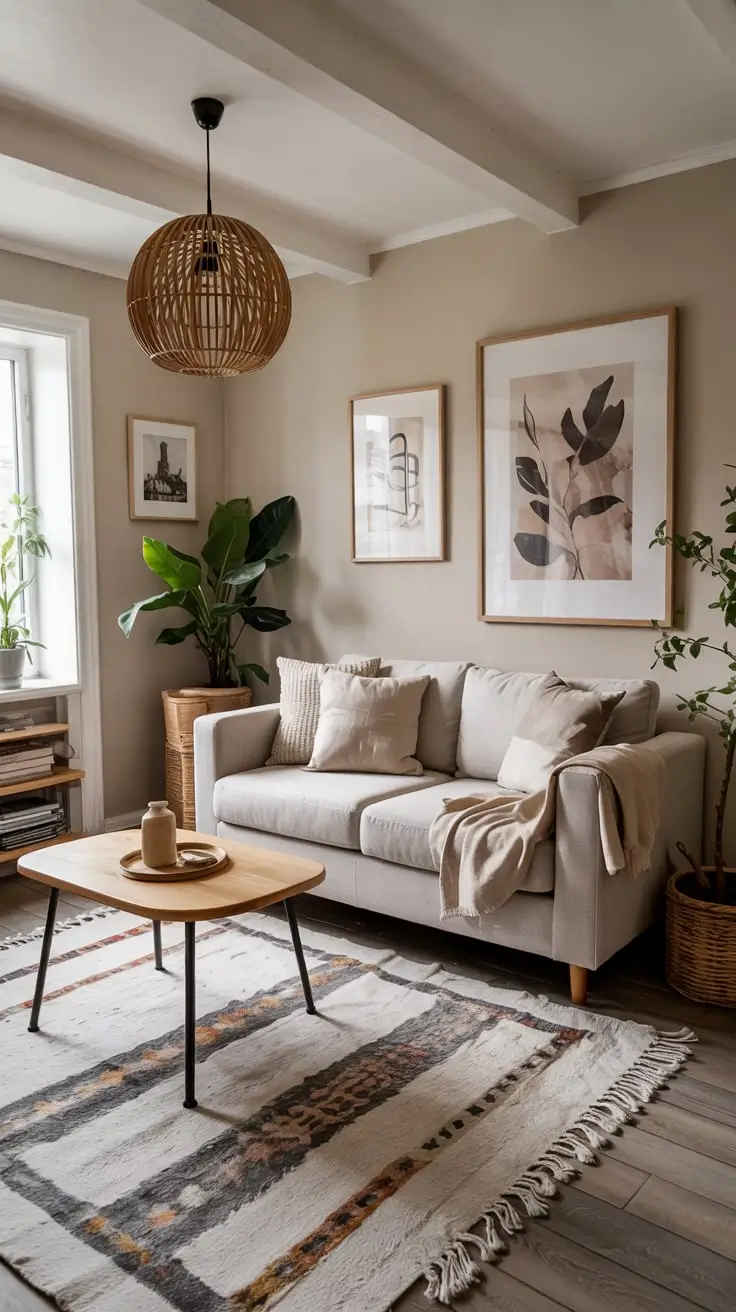
To complete the palette, adding warm metallic accents like brushed brass or soft gold can introduce refinement without detracting from the light, neutral foundation.
5. Space Expanding Mirror Techniques
Mirrors are one of the most powerful visual tools in tiny living room design 2026, and I frequently use them to enhance light and enlarge the perceived dimensions of a room. Positioned strategically, mirrors create depth and reflect both natural and artificial lighting, transforming tight areas into more open and dynamic spaces. Oversized mirrors or mirrored panels are particularly effective in narrow or window-limited rooms.
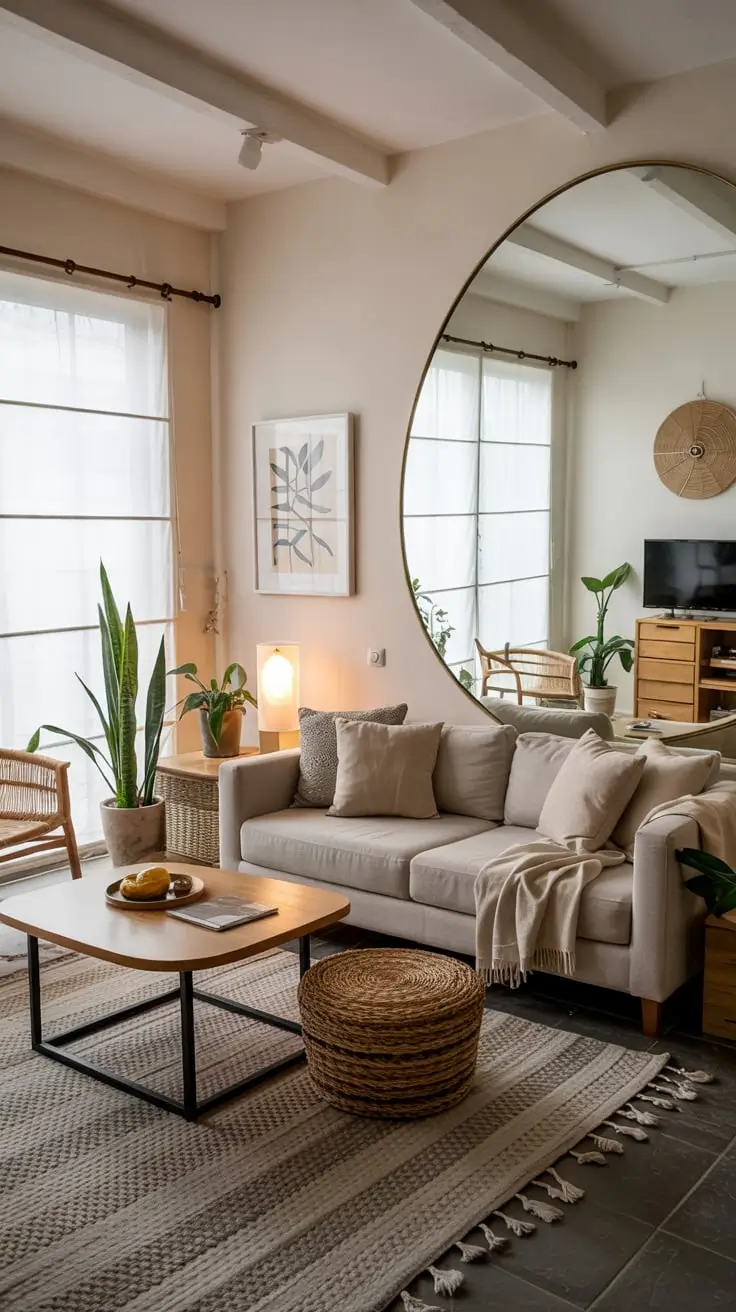
I often incorporate full-length wall mirrors, mirrored cabinets, or decorative mirror clusters depending on the style of the room. These reflective surfaces serve both aesthetic and functional purposes—brightening dark corners and adding architectural interest. Selecting frames that match the room’s tone ensures consistency while preventing distraction.
In my experience, mirror placement is more important than size. Designers at Apartment Therapy emphasize placing mirrors opposite windows to maximize brightness and create expansive visual effects. I’ve applied this recommendation successfully in many small remodels, and the change is always remarkable.
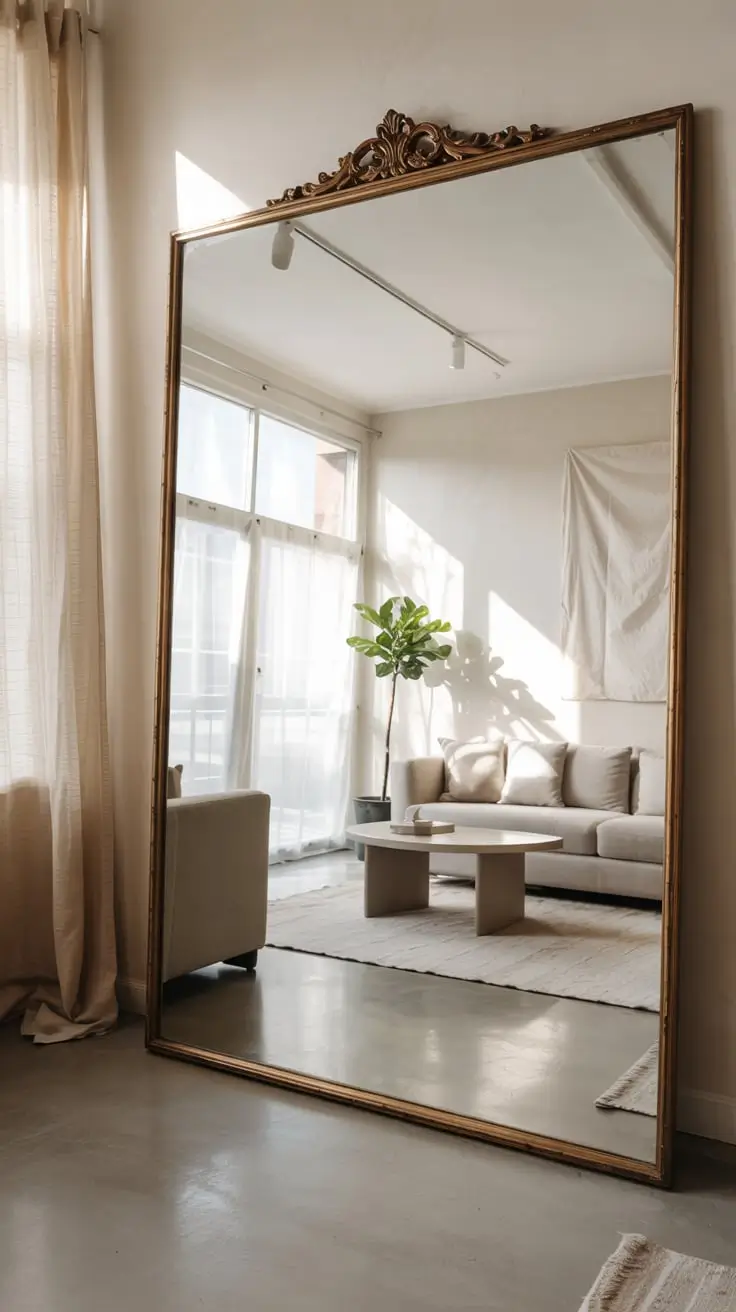
If expanding this section, I would also explore mirrored furniture accents such as console tables or sideboards, as they subtly magnify space without appearing flashy.
6. Hidden Storage Integration Ideas
Hidden storage plays a crucial role in tiny living room design 2026, helping maintain a clean and organized space without sacrificing functionality. When I design small rooms, I look for ways to incorporate storage into structural elements—benches, ottomans, wall niches, and built-in cabinetry all provide smart solutions. This approach allows the room to feel open while offering practical, everyday organization.
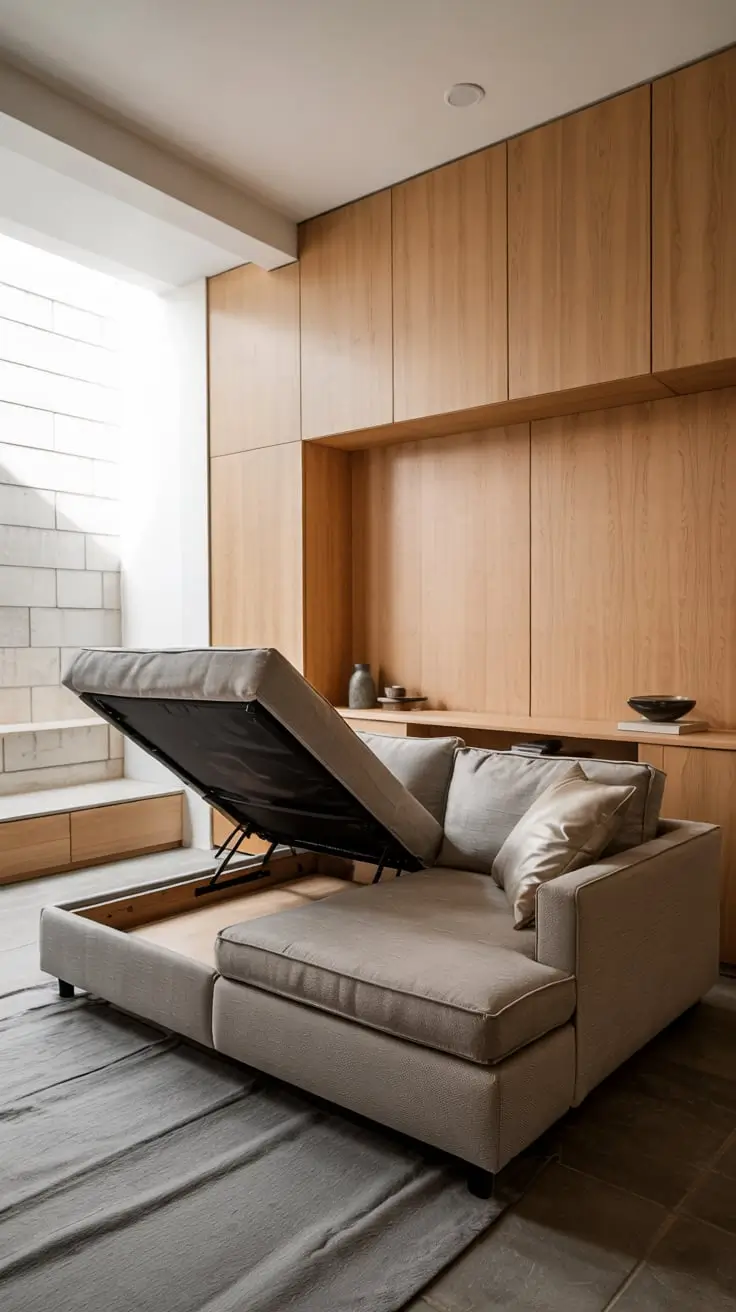
I often include media consoles with concealed compartments, sofas with lift-up chaise storage, and coffee tables with hidden drawers. These elements keep essentials tucked away, ensuring the room feels uncluttered and intentional. By choosing furniture that blends seamlessly with the walls and flooring, the storage remains discreet and aesthetically pleasing.
From my experience, hidden storage can significantly reduce stress for homeowners who struggle with limited space. Experts at Real Simple often highlight the importance of multifunctional storage pieces in compact homes. I have seen how integrating hidden compartments can improve daily routines and enhance the overall living experience.
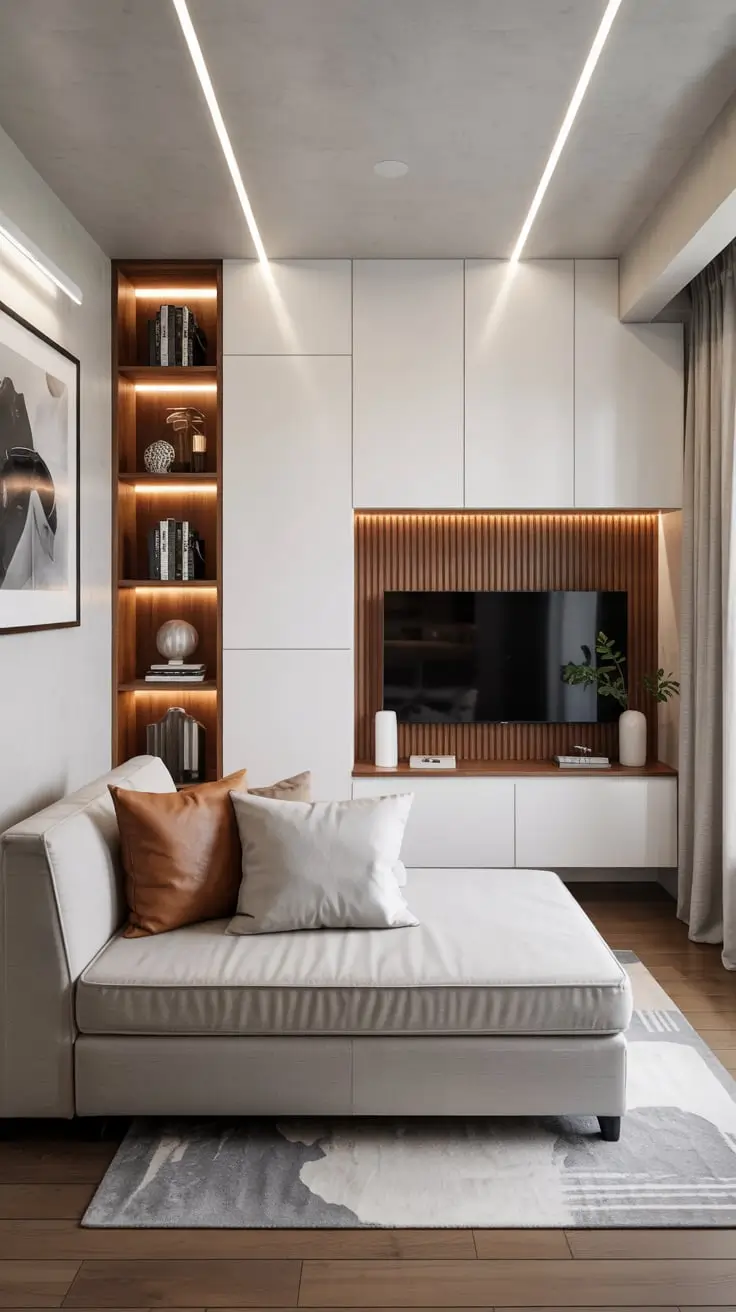
To round out this concept, I would also consider adding built-in wall units that frame the TV or entryway, providing ample storage without imposing on the room.
7. Modular Seating For Small Spaces
Modular seating has become a defining feature of tiny living room design 2026, offering unmatched flexibility and adaptability. I frequently use modular sectionals and rearrangeable seating because they allow the room to shift according to the homeowner’s needs—hosting guests, relaxing alone, or creating more open floor space. The versatility of these systems makes them ideal for small interiors.
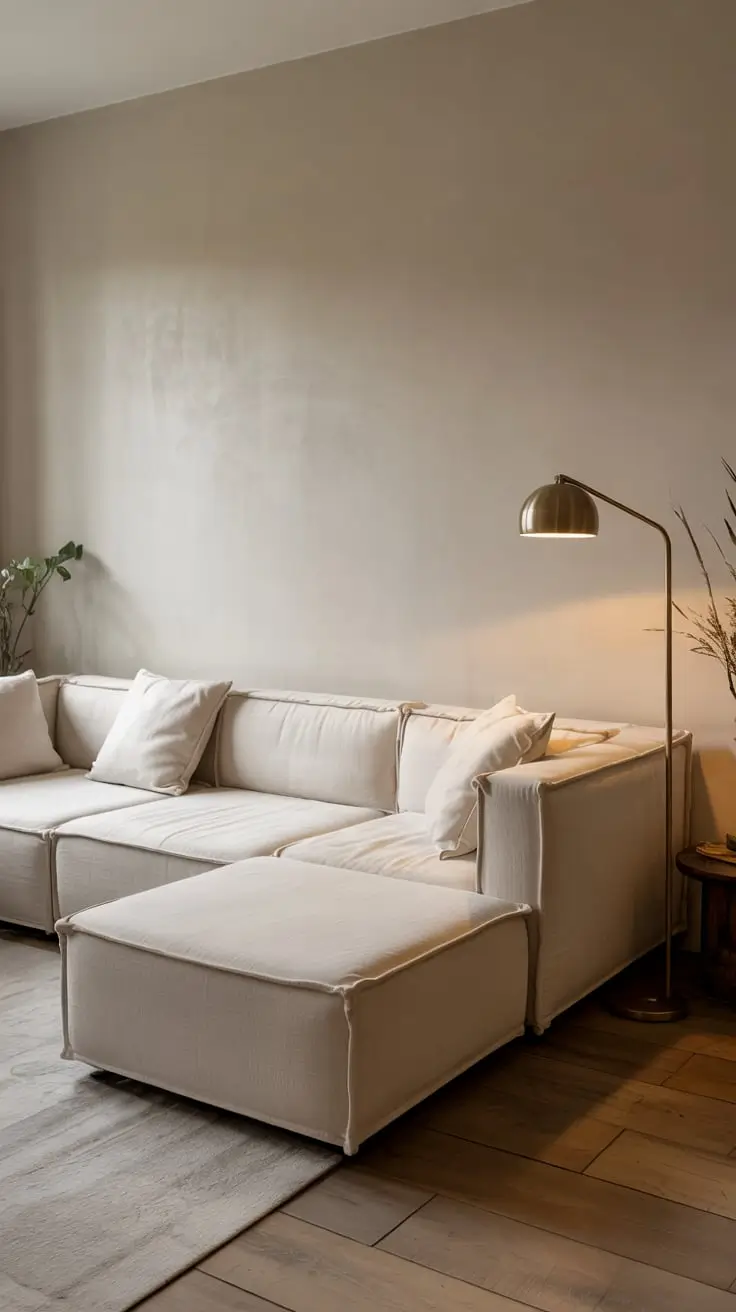
I typically select modular pieces with slim arms, compact depths, and neutral upholstery, ensuring they fit comfortably within tight layouts. Additional ottoman modules can act as footrests, extra seating, or surface space when needed. Lightweight construction allows users to rearrange the setup easily, making the room feel custom-designed for each activity.
From my experience, modular seating is especially valuable in long, narrow living rooms where a fixed sofa may feel restrictive. Interior designers featured in Dwell magazine often emphasize modularity as a key solution for modern small-space living, supporting a lifestyle that adapts to changing needs.
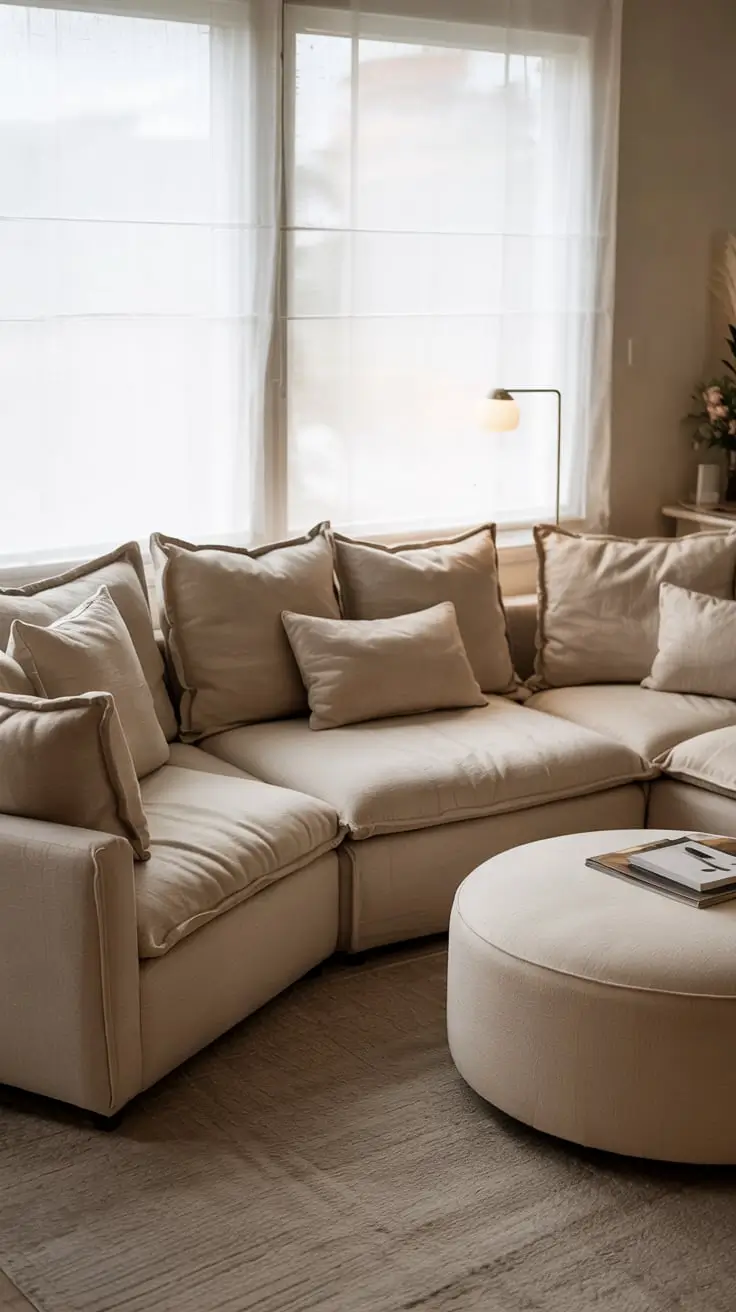
To enhance this section further, I would also incorporate modular shelving systems that mirror the adaptability of the seating arrangement for a more cohesive design.
8. Compact Layout Planning Essentials
When working with limited square footage, I approach layout planning as the foundation of the entire design. In tiny living room design 2026, thoughtful layout decisions determine whether a room feels harmonious or cramped. I begin by identifying the room’s natural focal point—whether it’s a window, a TV wall, or an architectural detail—and build the arrangement around that element. This approach ensures smooth traffic flow and prevents the space from becoming visually heavy.
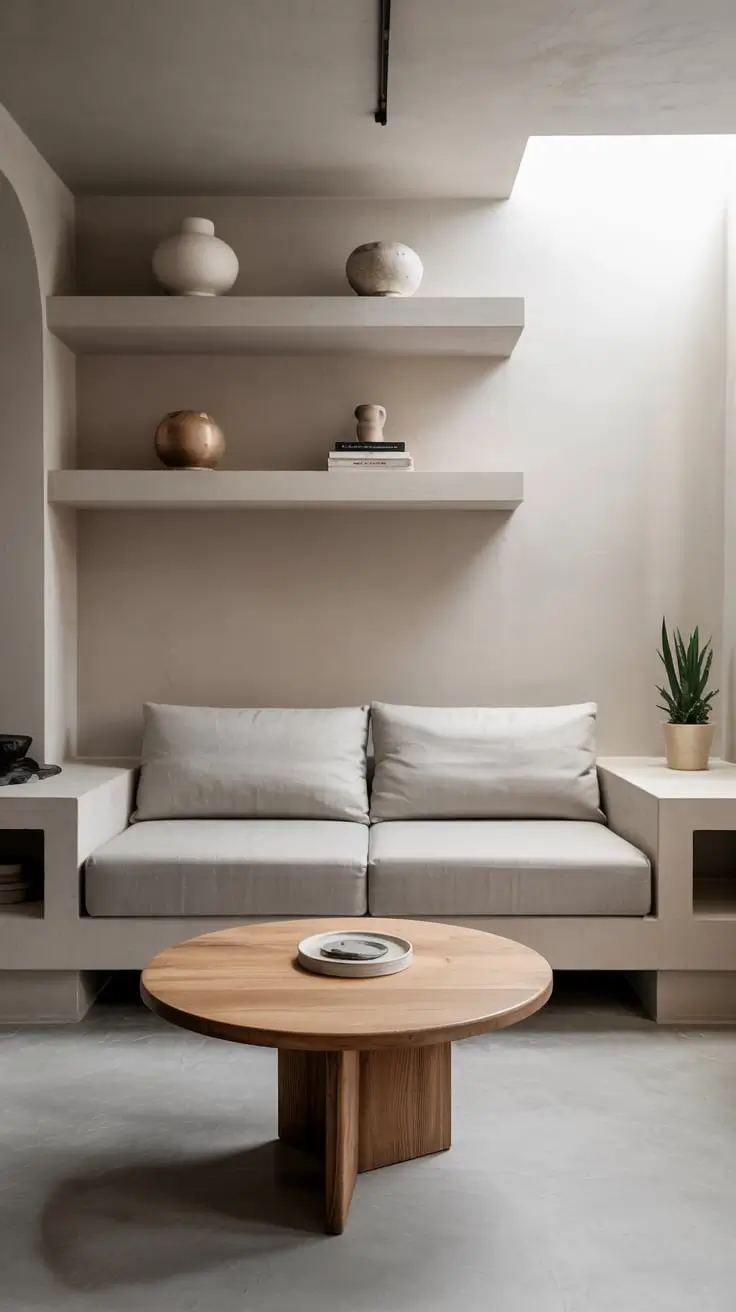
I prefer using compact furniture with clean lines, narrow depths, and lightweight frames because they allow the layout to remain open and flexible. Placing seating at the correct distance, using slim coffee tables, and aligning storage along one wall helps maintain balance while maximizing functionality. Measuring carefully and avoiding oversized items is essential to achieve a composition that doesn’t overwhelm the room.
In my professional experience, compact layout planning is most successful when each piece has a deliberate purpose. Designers interviewed by Architectural Digest consistently recommend prioritizing negative space to give small living rooms room to breathe. I’ve found this advice crucial because even a few inches of extra circulation space can transform how the room feels and functions.
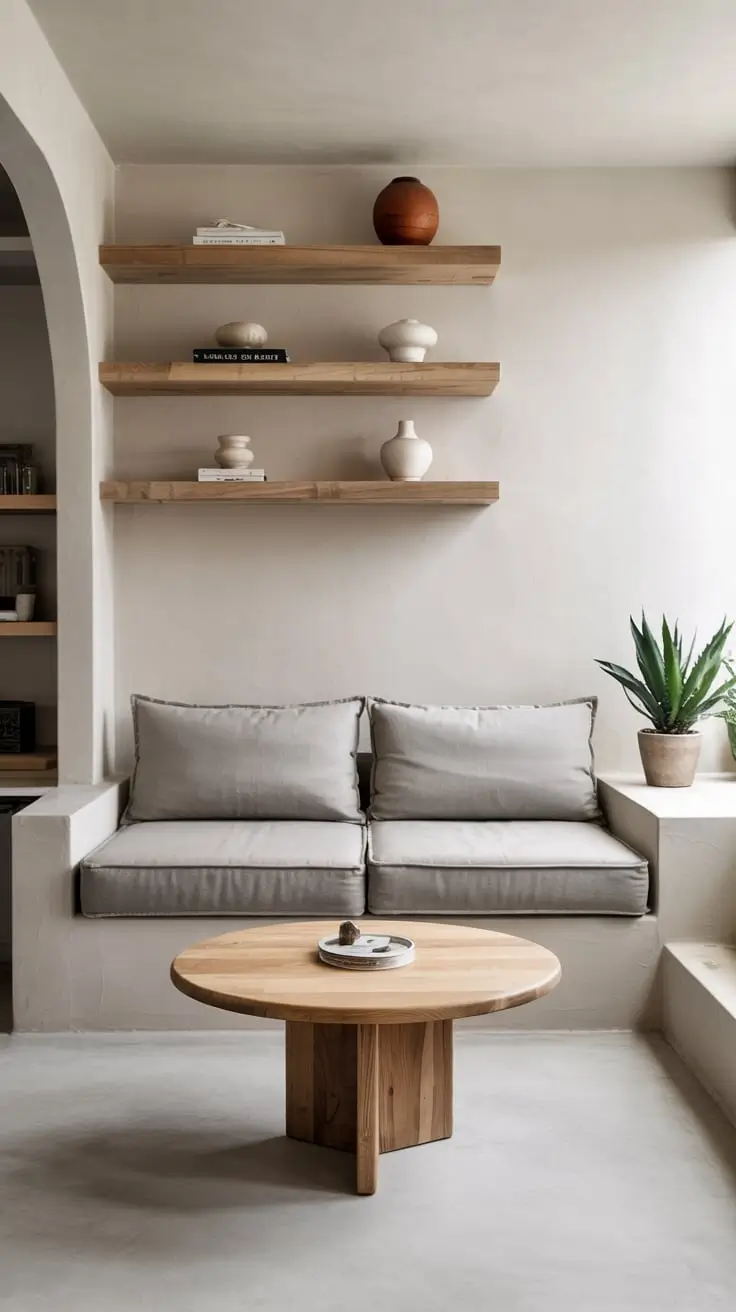
To refine this section further, I would also incorporate wall-mounted elements—such as sconces or floating side tables—to free valuable floor space.
9. Modern Scandinavian Micro Living
Scandinavian-inspired design has always supported small-space living, and in tiny living room design 2026, this style evolves into a modern micro-living version. I focus on creating a light, cozy, and functional environment where simplicity and comfort coexist. The combination of natural textures, light woods, and airy neutral palettes creates a welcoming space that feels larger than it is.
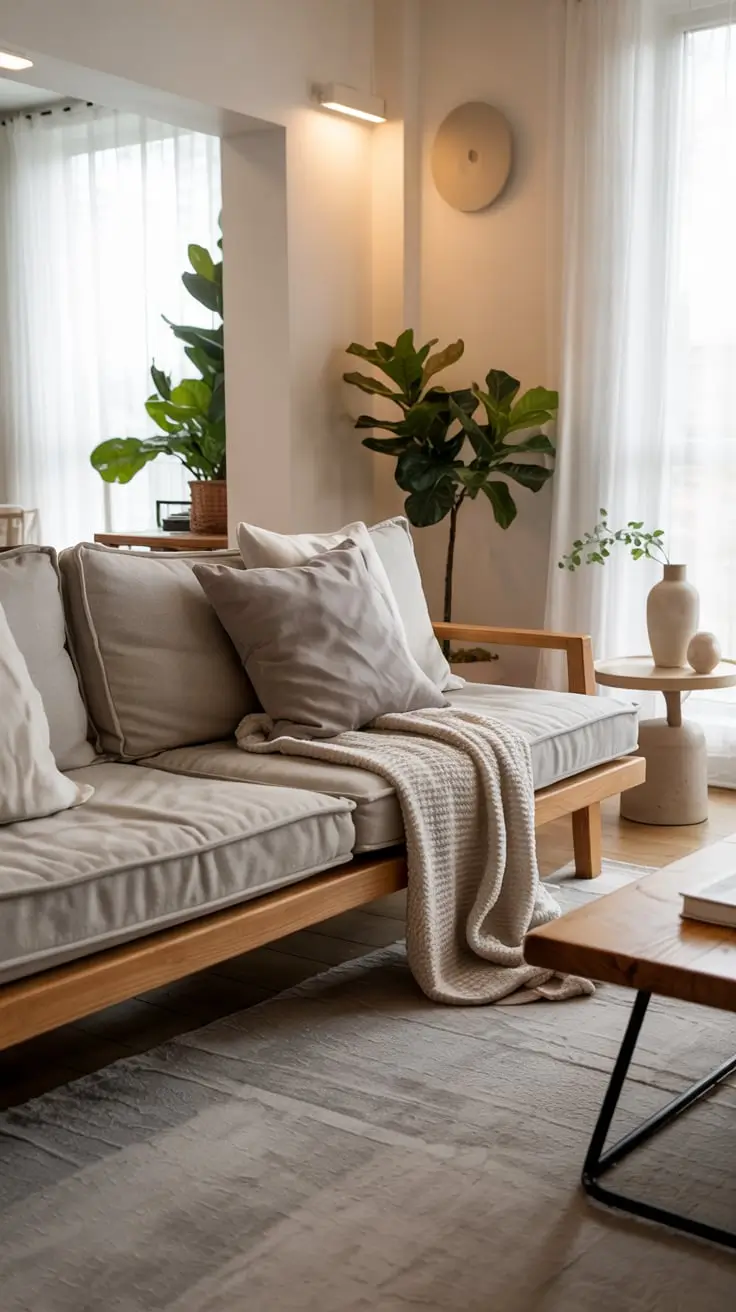
I typically incorporate clean-lined wooden furniture, soft woven throws, low-profile seating, and handcrafted décor pieces. These items add warmth without adding clutter. The use of pale oak, wool rugs, and minimalist shelving keeps the look grounded while allowing the room to maintain an open, breathable aesthetic. Scandinavian interiors rely on practicality, so each piece is carefully selected for both beauty and function.
Having worked with clients who love Scandinavian style, I’ve found that micro-living adaptations enhance the charm of the design even further. Well-known Nordic designers emphasize the “less but better” philosophy, which encourages intentional selection of each item. This principle aligns perfectly with small living spaces, helping them feel curated rather than crowded.
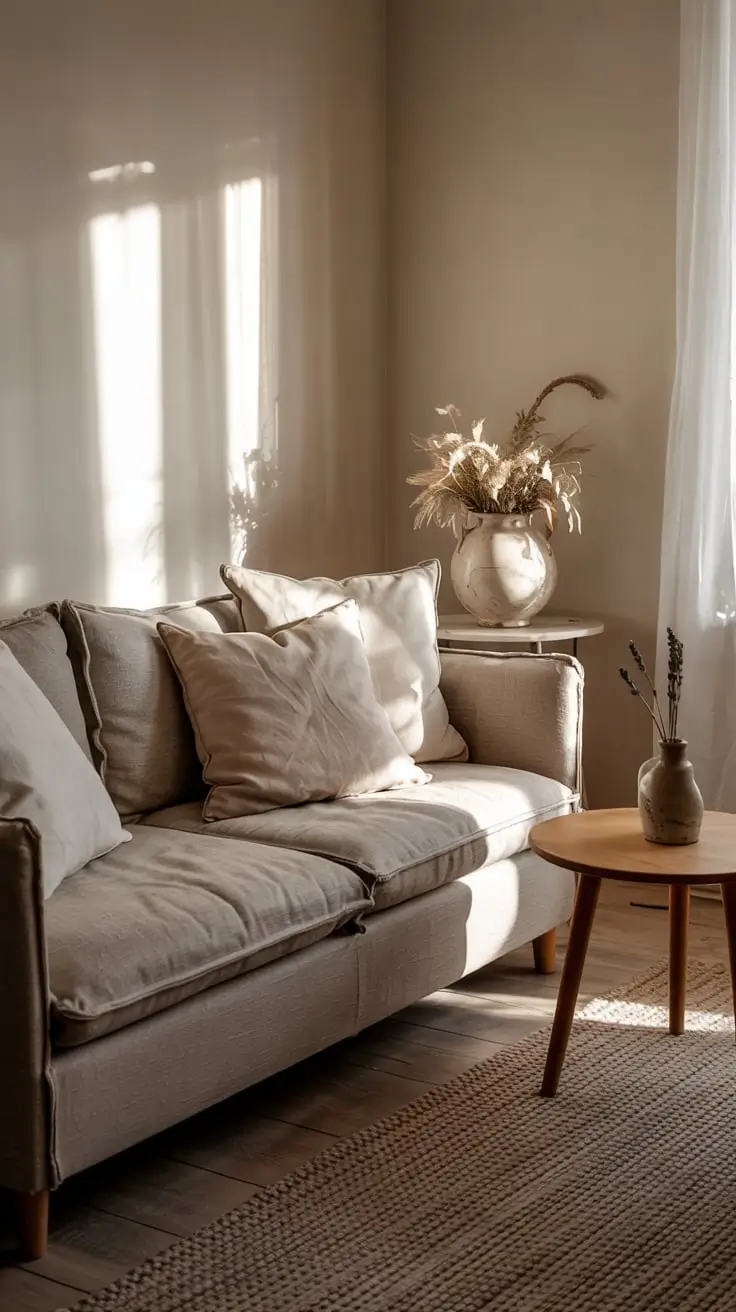
To complete this section, I would also consider adding warm ambient lighting like soft-glow floor lamps or linen-shaded table lamps to enrich the Scandinavian atmosphere.
10. Cozy Textures For Small Interiors
In tiny living room design 2026, texture is one of the most effective tools for enhancing comfort without overwhelming the room visually. I use layered textures to add warmth, depth, and personality, creating a cozy environment that still feels spacious. By combining fabrics such as boucle, linen, wool, and cotton, I bring tactile richness to a small interior without relying on heavy colors or excessive décor.
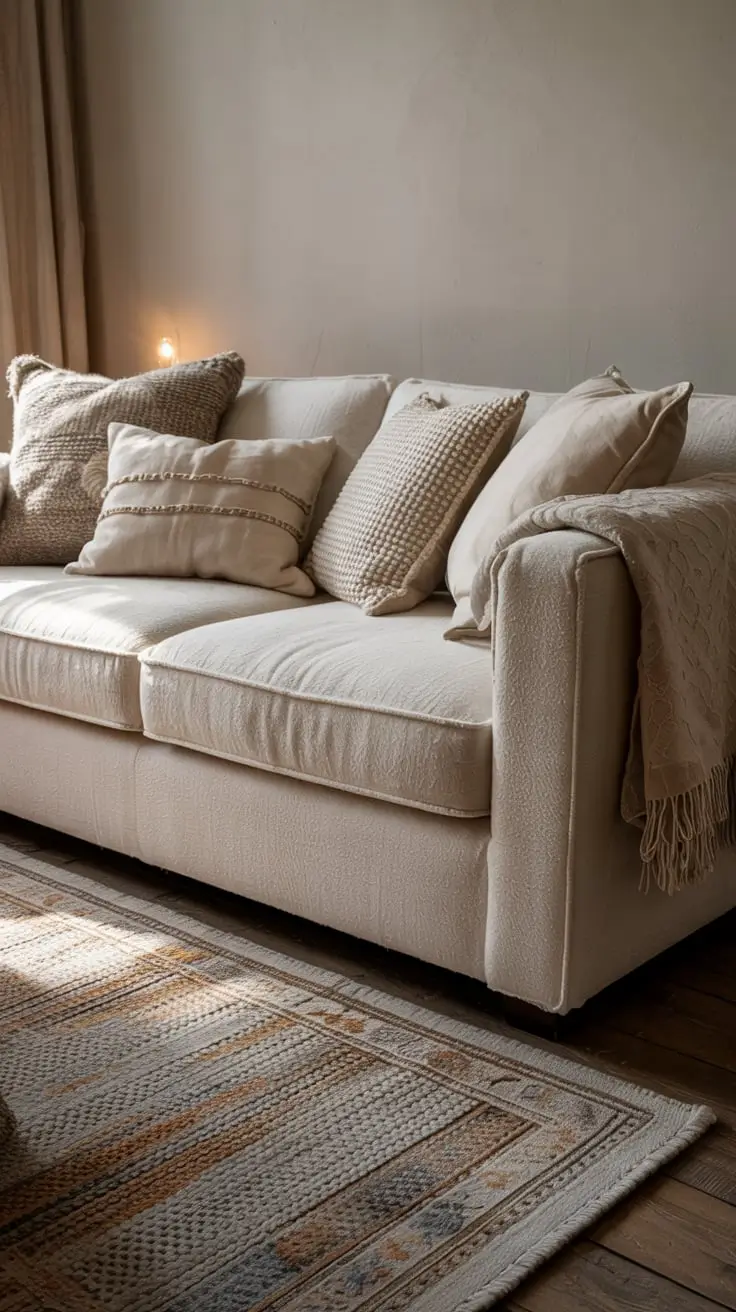
Selecting the right furniture and textiles is crucial. I often pair a soft-textured sofa with a woven rug, plush throw blankets, and a mix of smooth and rough materials in accent pieces. These elements give the room dimension while maintaining a cohesive aesthetic. Natural fibers also help create a welcoming atmosphere that elevates the overall living experience.
Through my work, I’ve seen how texture can make even the most compact spaces feel inviting. Designers at House Beautiful frequently highlight the importance of mixing subtle textures to achieve a layered yet uncluttered look. I’ve applied this method many times and found it helps create a more luxurious impression in small living rooms.
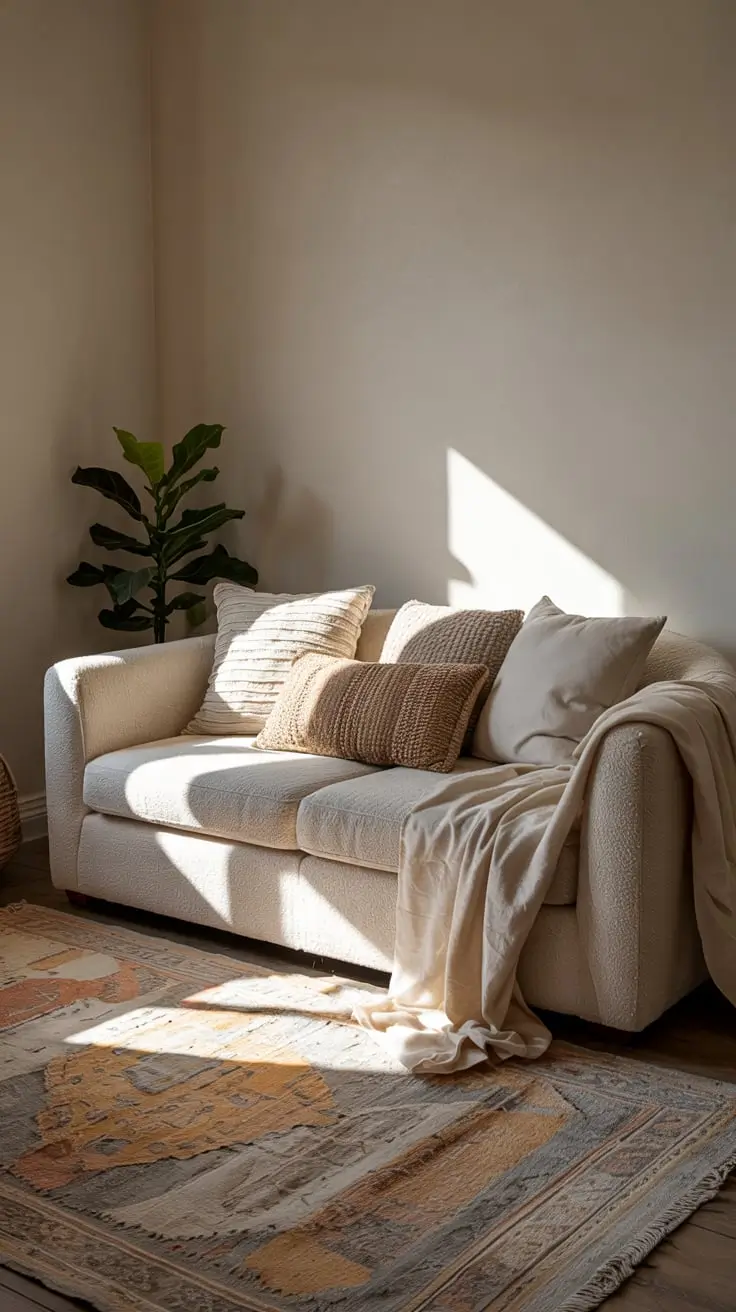
To further enhance this section, adding textured wall art or a softly patterned cushion collection would complete the cozy, well-balanced design.
11. Smart Lighting For Tiny Spaces
Lighting is a transformative element in tiny living room design 2026, and I use it intentionally to shape how a small room looks and feels. A strong lighting plan helps expand the sense of space, highlight design features, and create an inviting atmosphere. I incorporate a layered lighting approach by combining ambient lighting, focused task lighting, and subtle accent lighting.
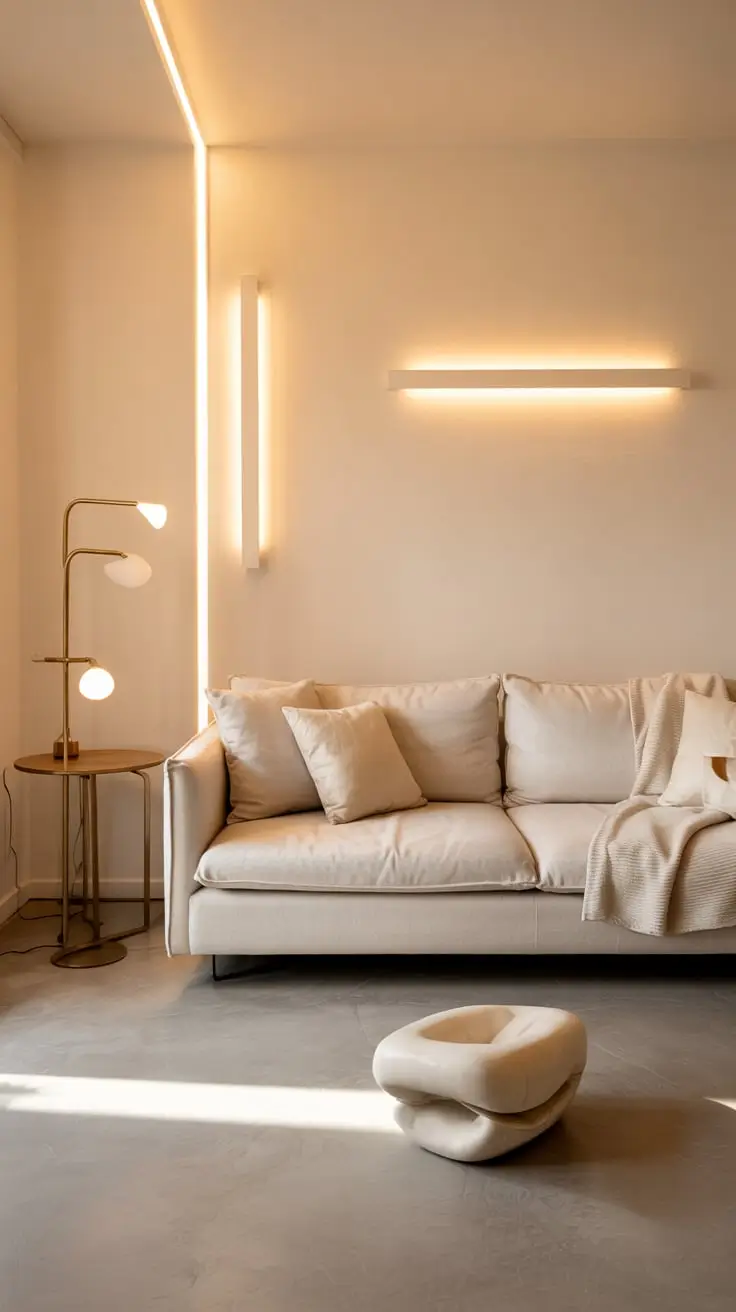
I often integrate slim LED floor lamps, wall-mounted sconces, and compact table lamps to avoid crowding the room with bulky fixtures. Adjustable lighting is especially valuable in small interiors because it allows the room to transition from bright and energizing during the day to warm and relaxing in the evening. I also prefer warm white bulbs to create a soft, flattering glow that enhances the room’s colors and textures.
From my experience, lighting can dramatically improve functionality in small spaces. Designers featured in Dwell frequently recommend indirect light sources—such as LED strips behind furniture or under shelving—to gently illuminate the room without drawing attention to the fixture itself. This technique is perfect for tiny living rooms where discretion and efficiency matter.
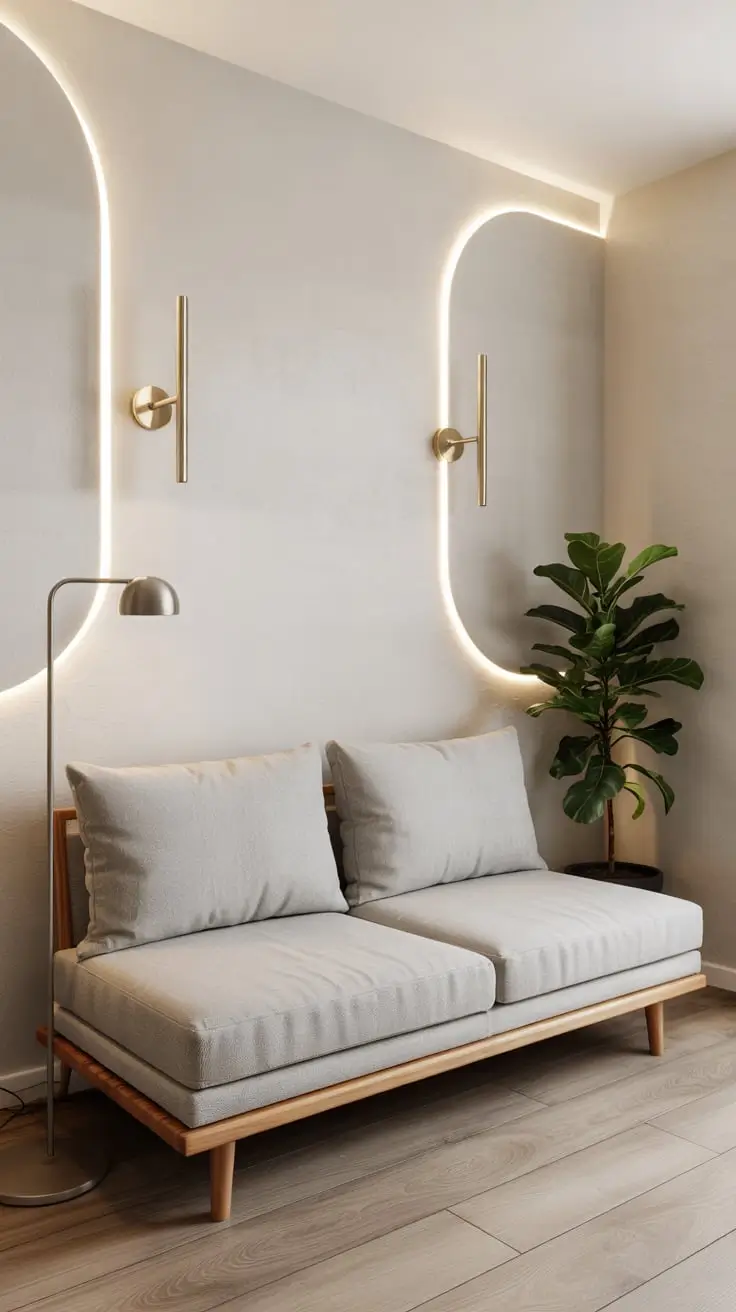
To strengthen this concept, I would add dimmer controls to give homeowners the flexibility to tailor the lighting to different moods and activities.
12. Open Flow Design Approaches
Open flow principles are essential in tiny living room design 2026, especially when the goal is to create a seamless, breathable, and versatile space. I focus on removing unnecessary barriers and using design techniques that encourage visual continuity. This approach helps small living rooms feel larger by reducing visual fragmentation and allowing furniture to interact more naturally with the architecture.
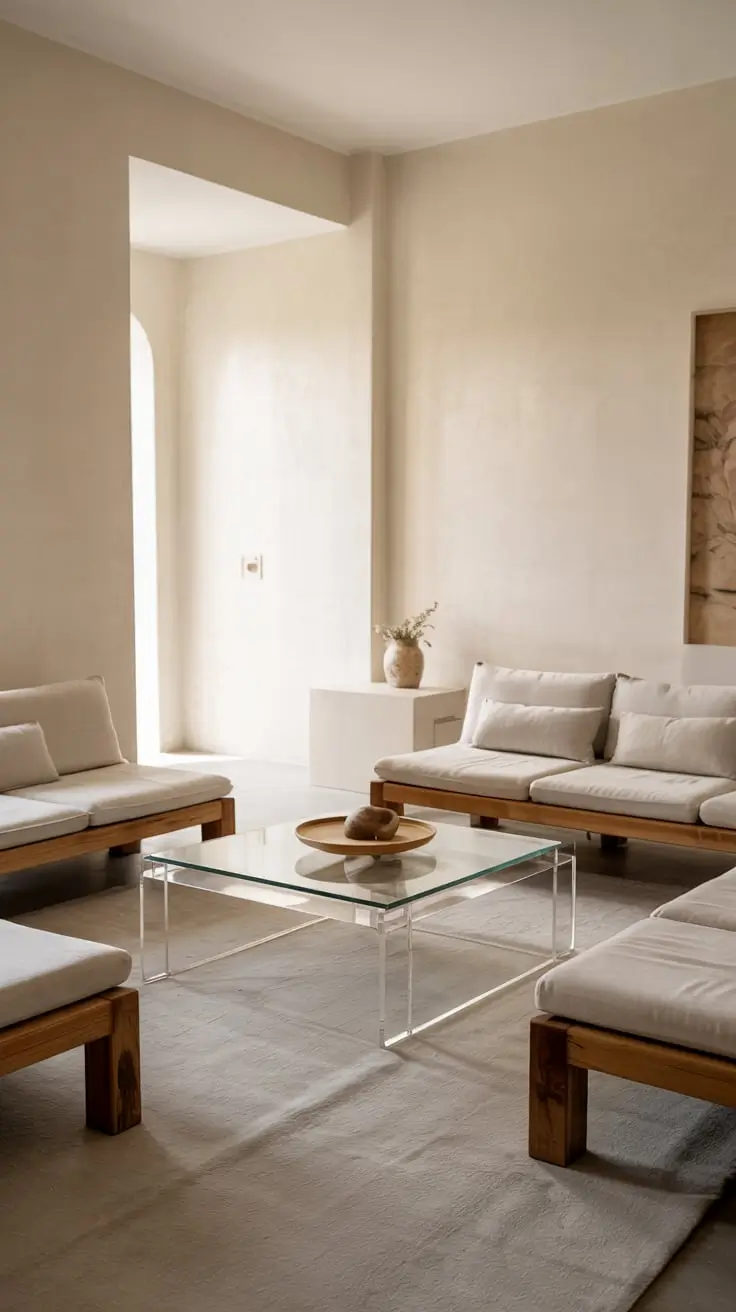
I typically select low-profile furniture, open-leg seating, lightweight materials, and neutral color schemes to support an open layout. Transparent or translucent elements—such as glass coffee tables or airy shelving—also contribute to the free-flowing atmosphere. When arranging the room, I avoid blocking pathways and ensure that each piece enhances rather than restricts circulation.
In my experience, open flow design dramatically improves how homeowners use their living rooms daily. Designers at Apartment Therapy often stress the importance of eliminating unnecessary walls or partitions when possible, as openness encourages a more flexible lifestyle. Even subtle adjustments, like aligning furniture with architectural lines, can noticeably improve flow.
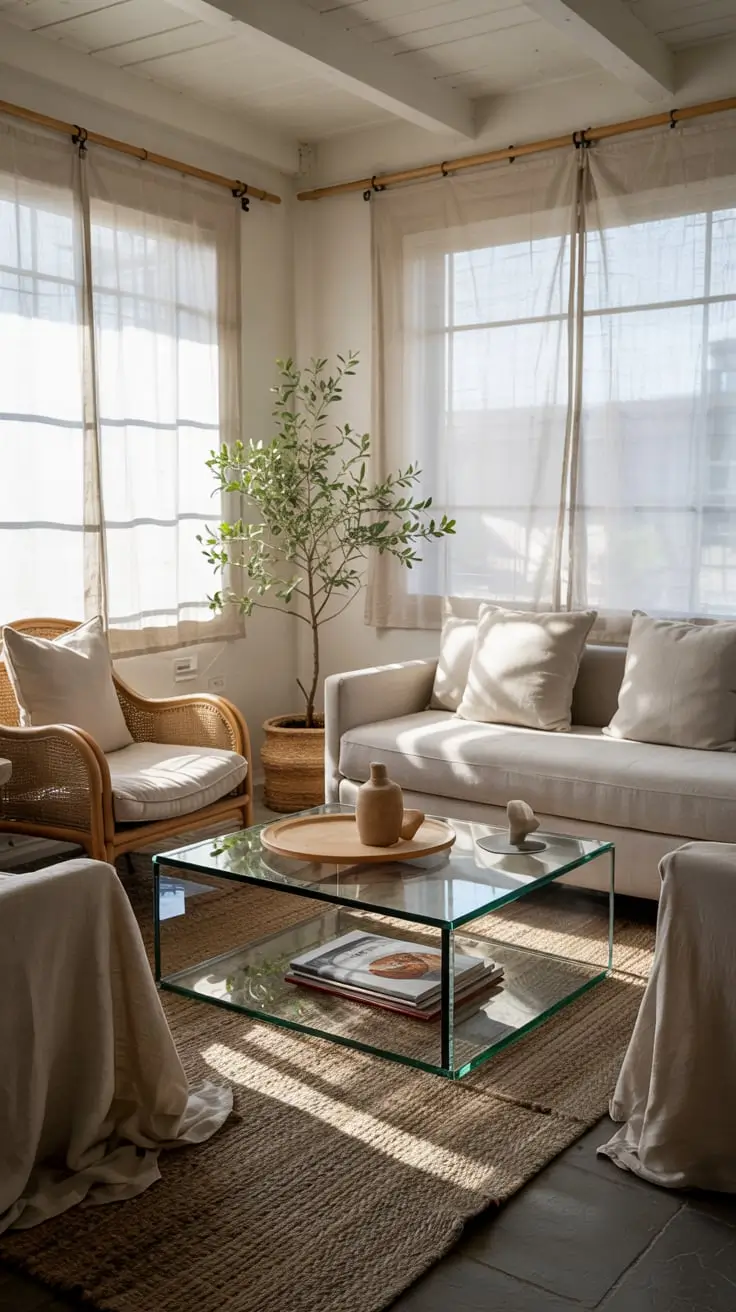
To expand this section, I would include sliding or pocket doors, which maintain privacy when needed while preserving open visuals.
13. Slim Profile Furniture Trends
I rely heavily on slim-profile furniture in tiny living room design 2026, as these pieces provide style and comfort without overwhelming the space. Slim silhouettes, tapered legs, and compact proportions allow the room to breathe while supporting essential functions. This trend aligns perfectly with the growing demand for modern, lightweight, and unobtrusive interiors.
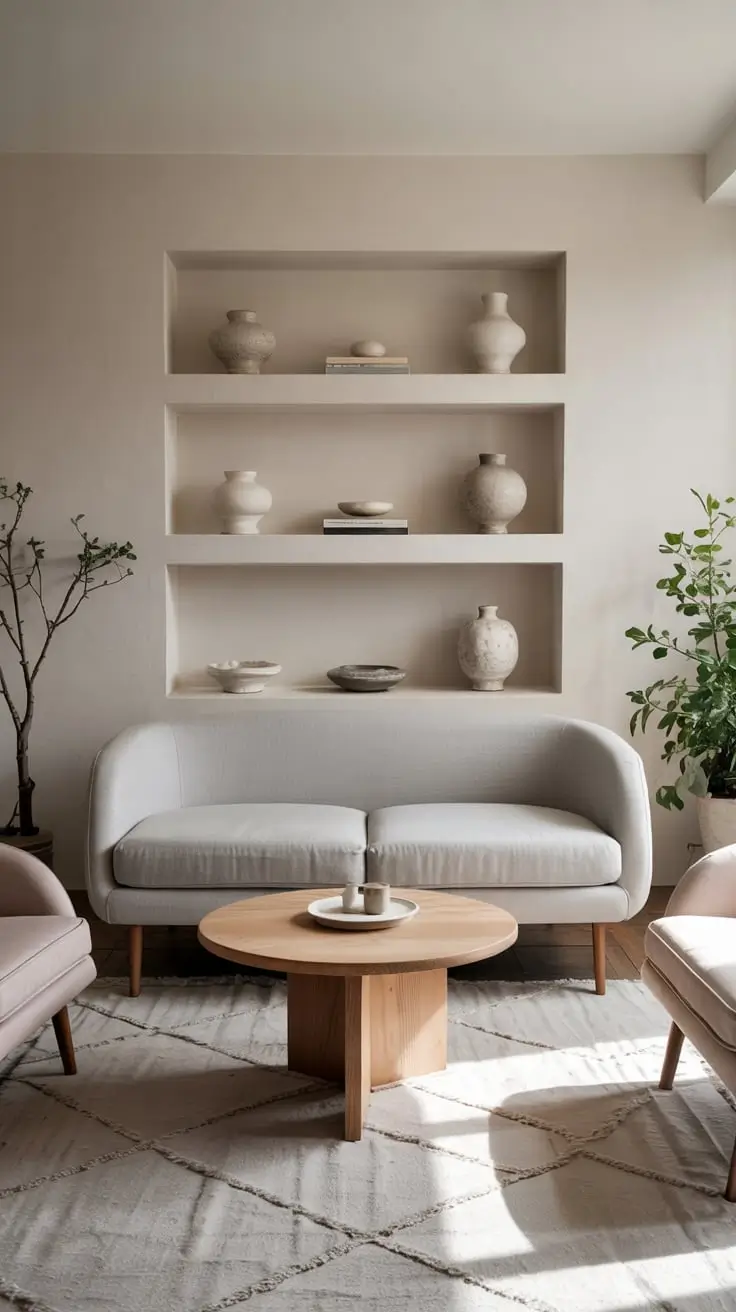
I often select narrow-arm sofas, petite accent chairs, slim coffee tables, and wall-mounted shelving systems. Choosing pieces with raised legs helps expose more flooring, making the room feel larger. Lightweight materials such as metal, acrylic, and thin wood frames keep the design contemporary and open. These pieces also pair well with minimalist and Scandinavian aesthetics.
From years of designing small interiors, I’ve found that slim-profile furniture is especially effective in apartments with unconventional layouts or limited floor space. Interior experts in Elle Decor frequently highlight the importance of scale in small rooms, and this trend makes proper scaling much easier to achieve.
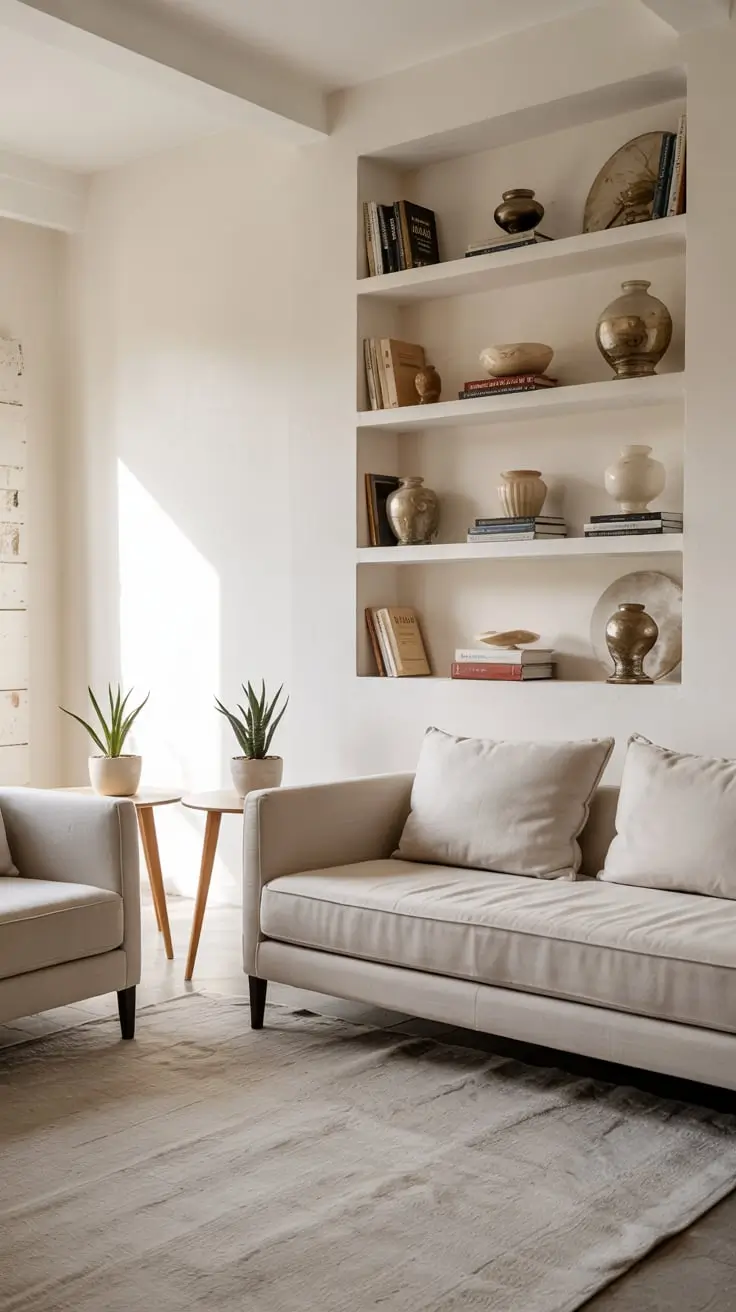
To complete this concept, I would also incorporate slim media consoles or floating TV shelves, which keep the décor cohesive and efficient.
14. Natural Materials In Small Designs
Incorporating natural materials is a growing priority in tiny living room design 2026, as they create a warm, organic, and visually calming environment. I use textiles and surfaces like natural wood, stone, rattan, clay, and linen to bring life into compact interiors. These materials add depth and authenticity while helping the room feel grounded and balanced.
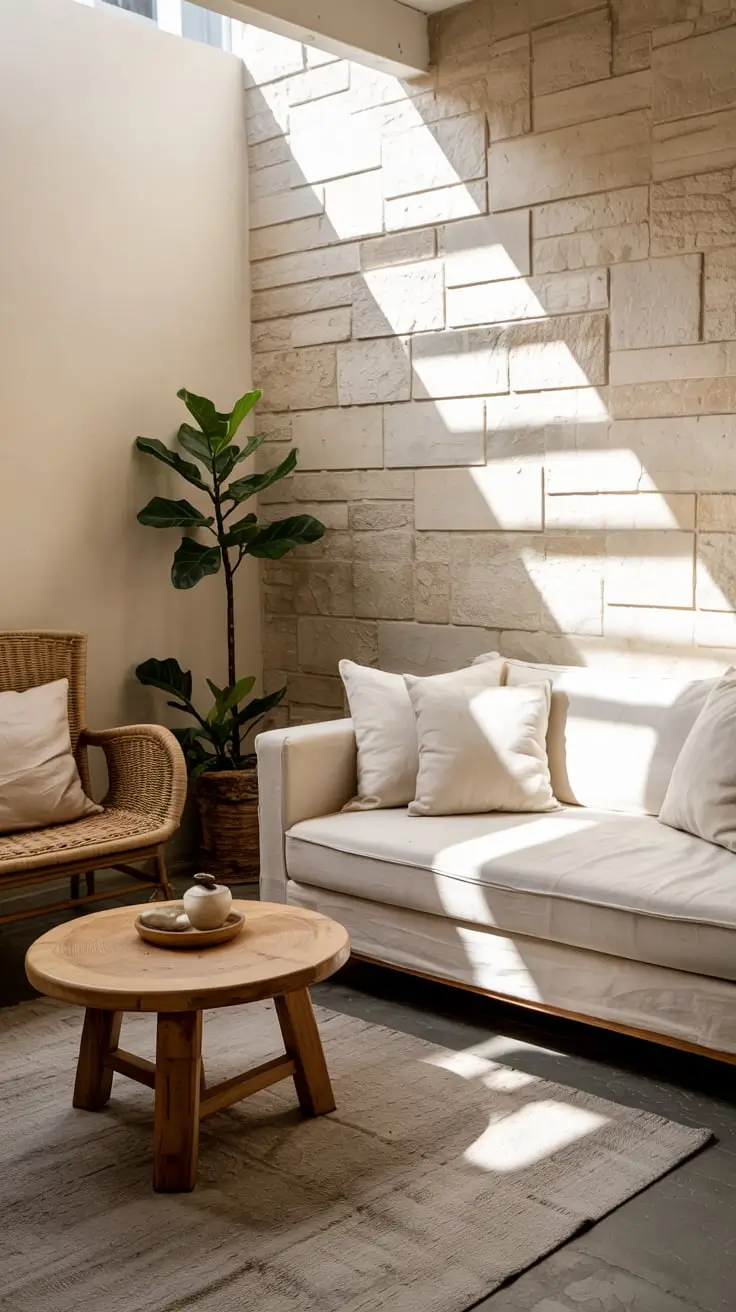
I often pair wooden side tables, woven baskets, textured rugs, and stone or ceramic décor pieces to create harmony between nature and modern design. Natural materials tend to have softer tones and tactile qualities that work beautifully in small spaces. By integrating earthy elements, I ensure that the living room stays inviting without feeling busy.
From my experience, natural materials enhance emotional comfort as much as visual appeal. Many designers featured in Architectural Digest recommend grounding small interiors with organic elements to create a sense of tranquility. I’ve used this approach in numerous compact spaces and consistently found that it increases both visual charm and livability.
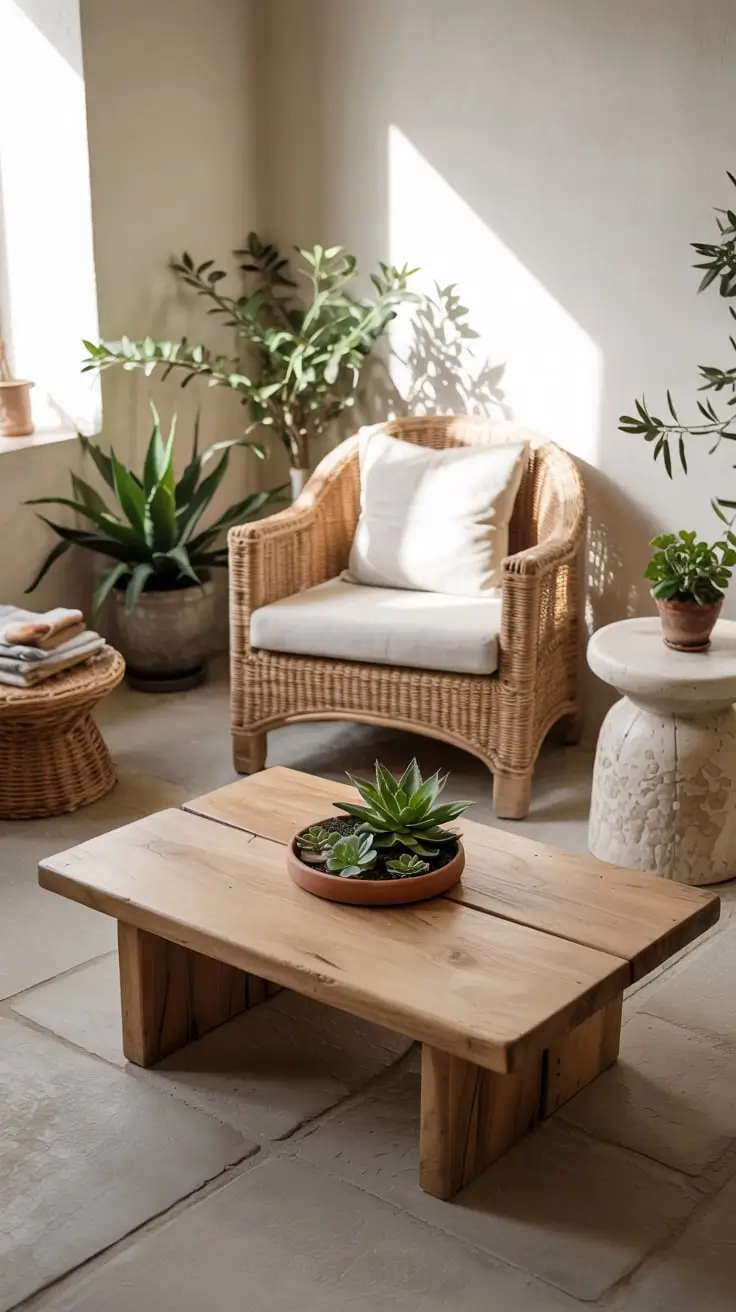
To expand this section, I would incorporate subtle greenery or dried botanical arrangements, which reinforce the natural theme without taking up significant space.
15. Flexible Room Divider Concepts
In tiny living room design 2026, flexible room dividers play a crucial role in shaping multifunctional spaces without closing them off. When I design for small interiors, I prioritize solutions that help define zones while maintaining an open atmosphere. Sliding panels, lightweight screens, and semi-transparent dividers are especially effective because they allow the layout to adapt to different needs throughout the day.
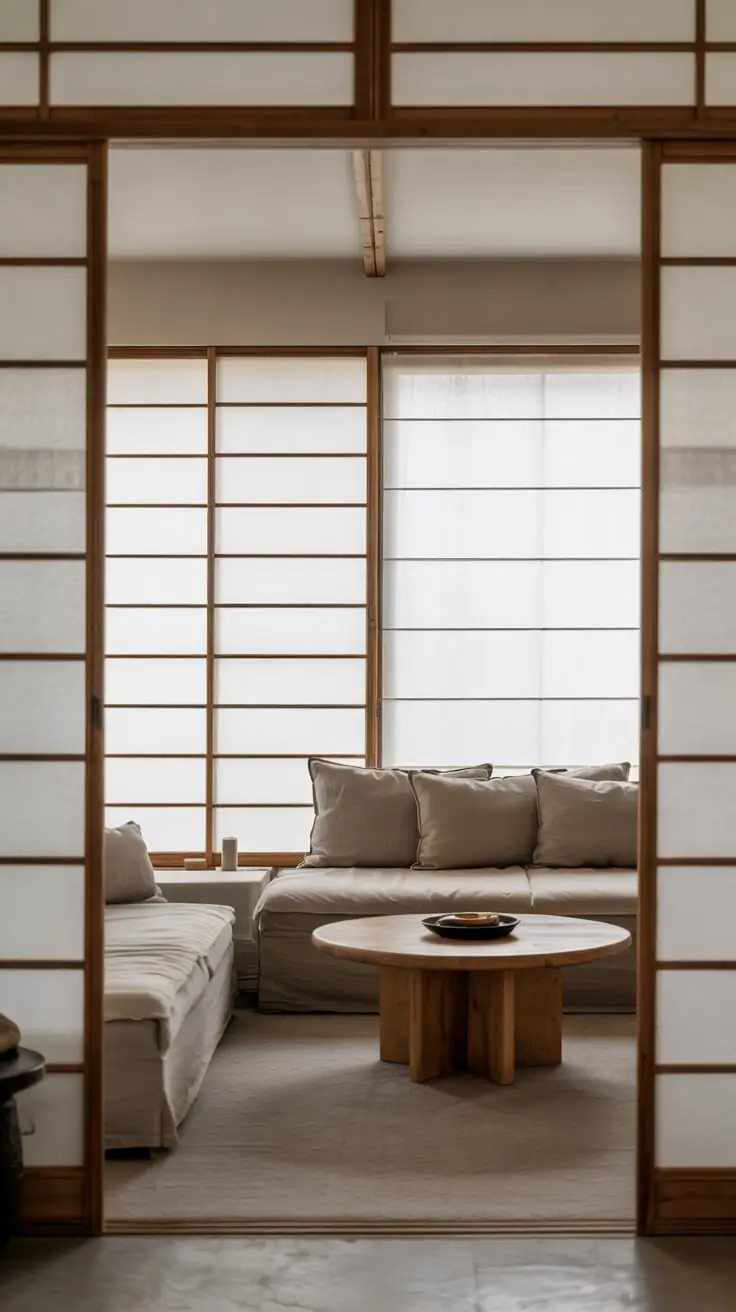
I often incorporate folding wooden screens, glass partitions with matte finishes, or fabric room dividers that add soft texture. These pieces separate the living area from dining or workspace zones without making the room feel confined. Their portability and visual lightness ensure long-term practicality, especially in micro-apartments where every inch of space matters.
From my experience, choosing the right divider can dramatically enhance the flow and functionality of a small living room. Many designers featured in Elle Decor emphasize using dividers not as barriers but as sculptural accents that complement the overall aesthetic. I have adopted this approach and found that it helps maintain visual cohesion while providing flexibility.
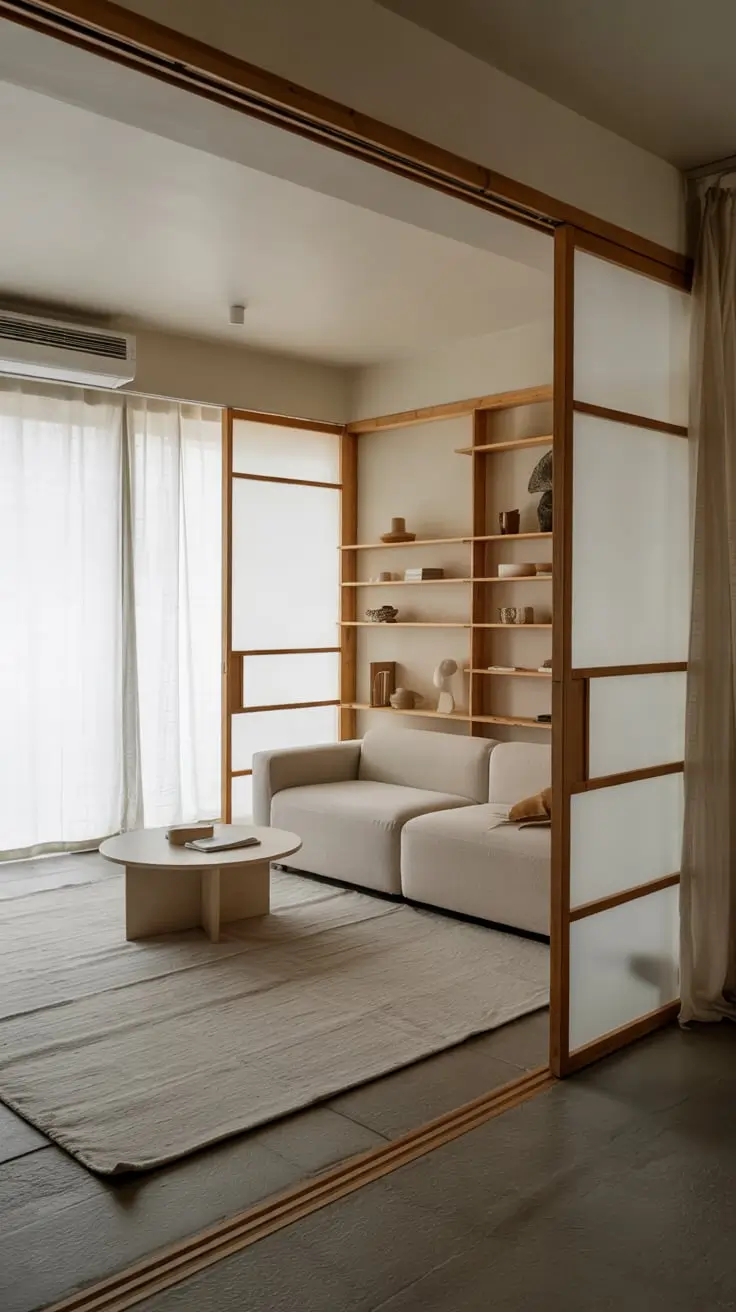
If expanding this idea, I would also consider ceiling-mounted sliding tracks, which allow dividers to be tucked away seamlessly when not in use.
16. Small Space Color Theory Updates
Color theory continues to evolve, and in tiny living room design 2026, it plays a vital role in shaping moods and perceptions. I carefully select hues that enhance spaciousness while adding sophistication. Instead of relying solely on whites and neutrals, I integrate soft pastels, muted greens, and gentle blues to enrich the room without overwhelming it. These tones help create depth and visual interest while keeping the environment tranquil.
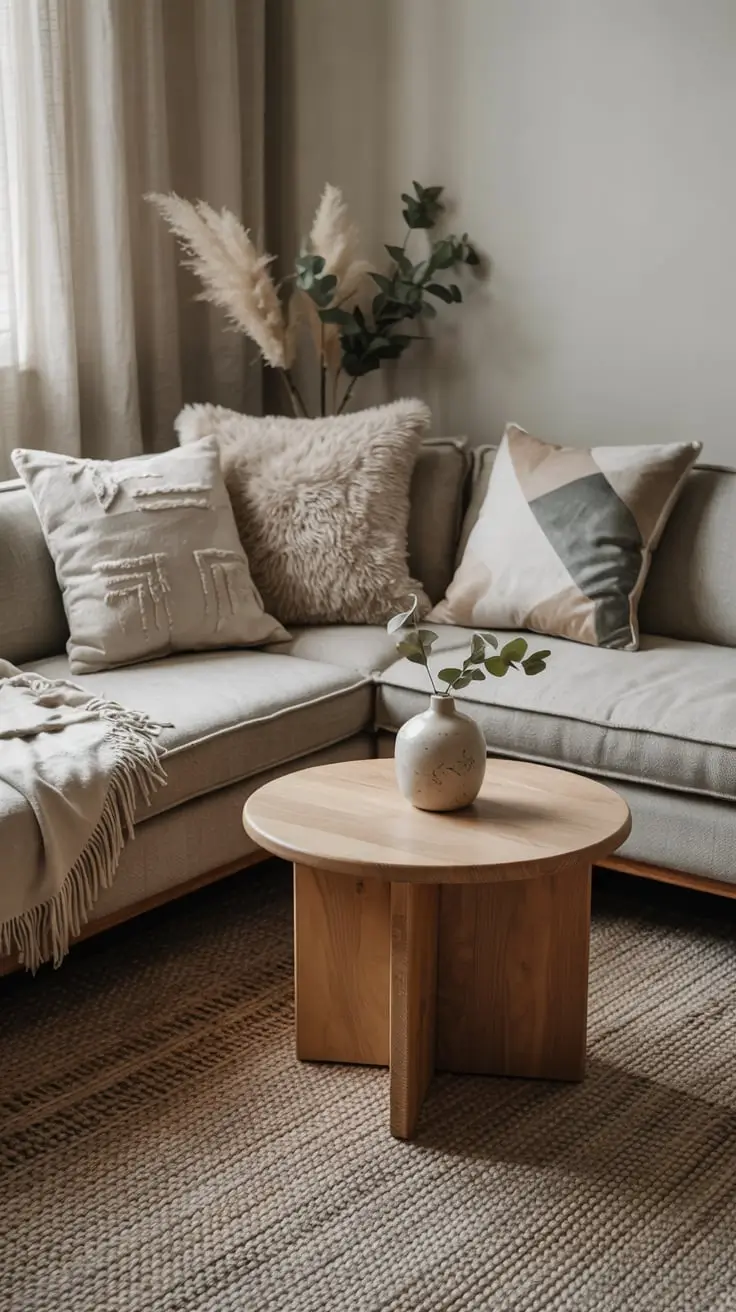
Furniture and décor choices follow these color principles as well. I often pair low-saturation wall colors with warm-toned wood, textured fabrics, and soft metallic accents to maintain harmony. Accent pillows, throws, and artwork allow subtle pops of color that personalize the space without adding heaviness. Consistency in undertones is essential to avoid visual clutter.
Over the years, I’ve seen how the right color strategy can completely transform a small room. Experts in House Beautiful frequently advise leaning toward cooler undertones to visually expand space, while still incorporating warmth through natural materials. I’ve successfully applied this combination to help homeowners achieve a balanced and uplifting aesthetic.
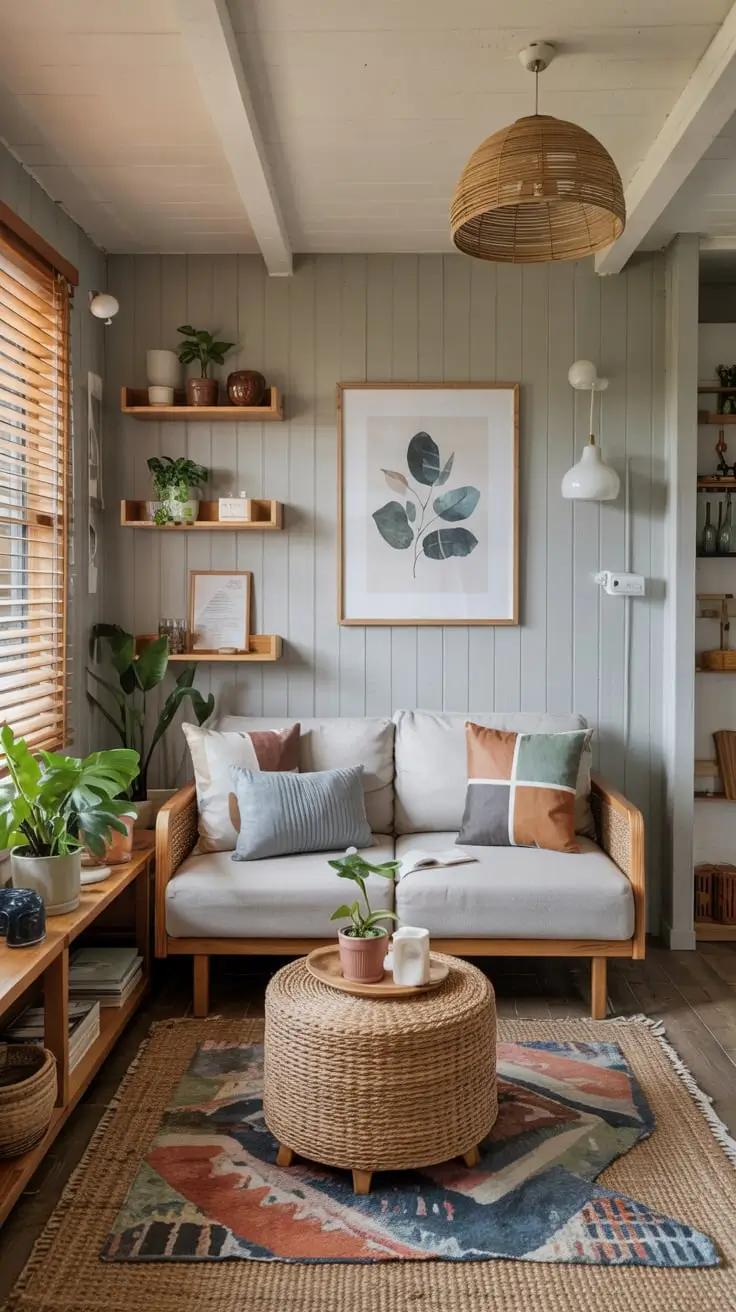
To enhance this section further, I would recommend experimenting with tone-on-tone palettes that subtly layer shades of the same color for a refined and cohesive look.
17. Layered Lighting Atmosphere Building
Creating atmosphere through layered lighting is one of the most influential elements in tiny living room design 2026. I often build lighting plans that incorporate three components: ambient lighting for general illumination, task lighting for focused activities, and accent lighting to highlight architectural or decorative details. This multi-dimensional approach turns even the smallest living rooms into dynamic, inviting environments.
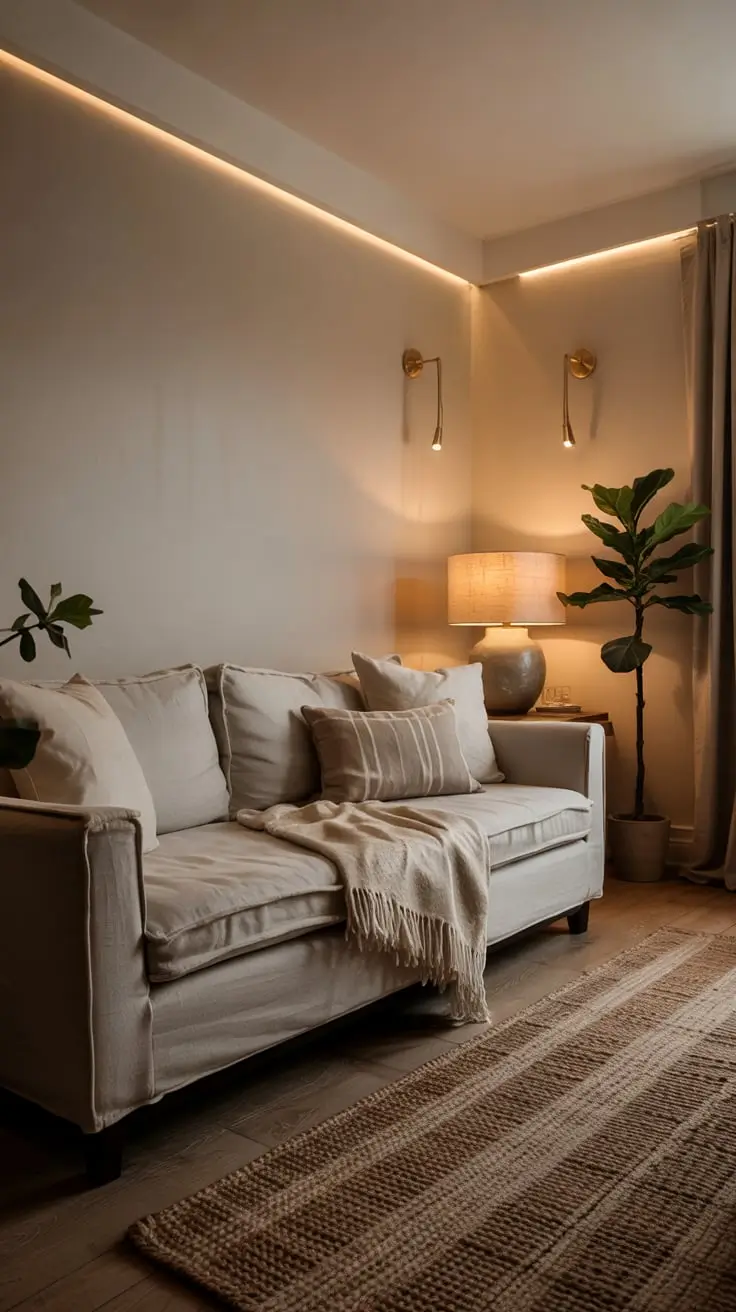
My typical lighting selections include compact ceiling fixtures, slim floor lamps, adjustable sconces, and LED strip lights. By combining these sources, I can craft depth and create visually rich scenes. For example, soft under-shelf lighting illuminates décor while wall sconces widen the room by lifting the light upward.
From my professional experience, layered lighting dramatically enhances functionality. Lighting experts and interior designers featured in Architectural Digest frequently suggest varying light levels to bring warmth and sophistication to compact rooms. I’ve found that clients appreciate the ability to shift the atmosphere from bright and social to soft and relaxing.
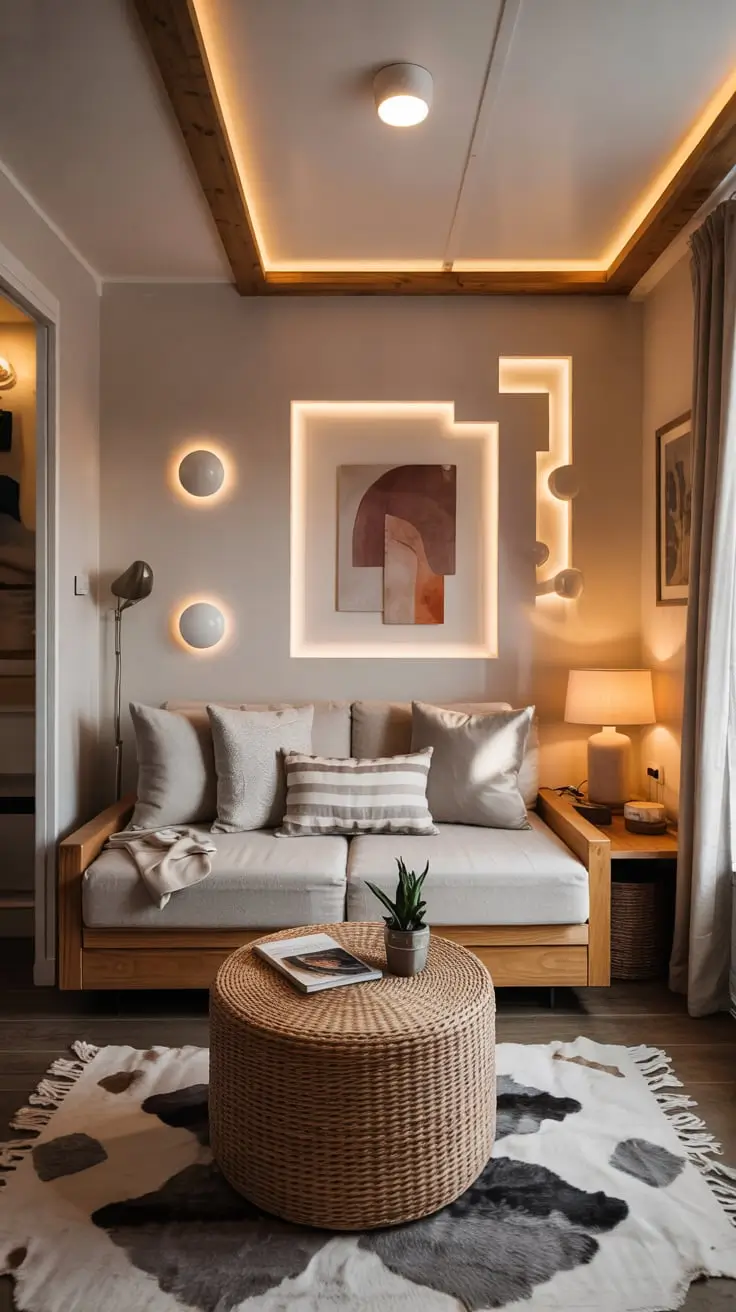
To complete this concept, I would incorporate smart dimmable bulbs that allow precise control over intensity and hue, supporting different moods throughout the day.
18. Minimal Clutter Lifestyle Approach
A minimal-clutter approach is essential for tiny living room design 2026, helping maintain a clean and visually open environment. When designing small spaces, I encourage careful curation of furniture and décor to ensure that every item has a reason to exist. This lifestyle emphasizes function, simplicity, and intentional styling rather than excess.
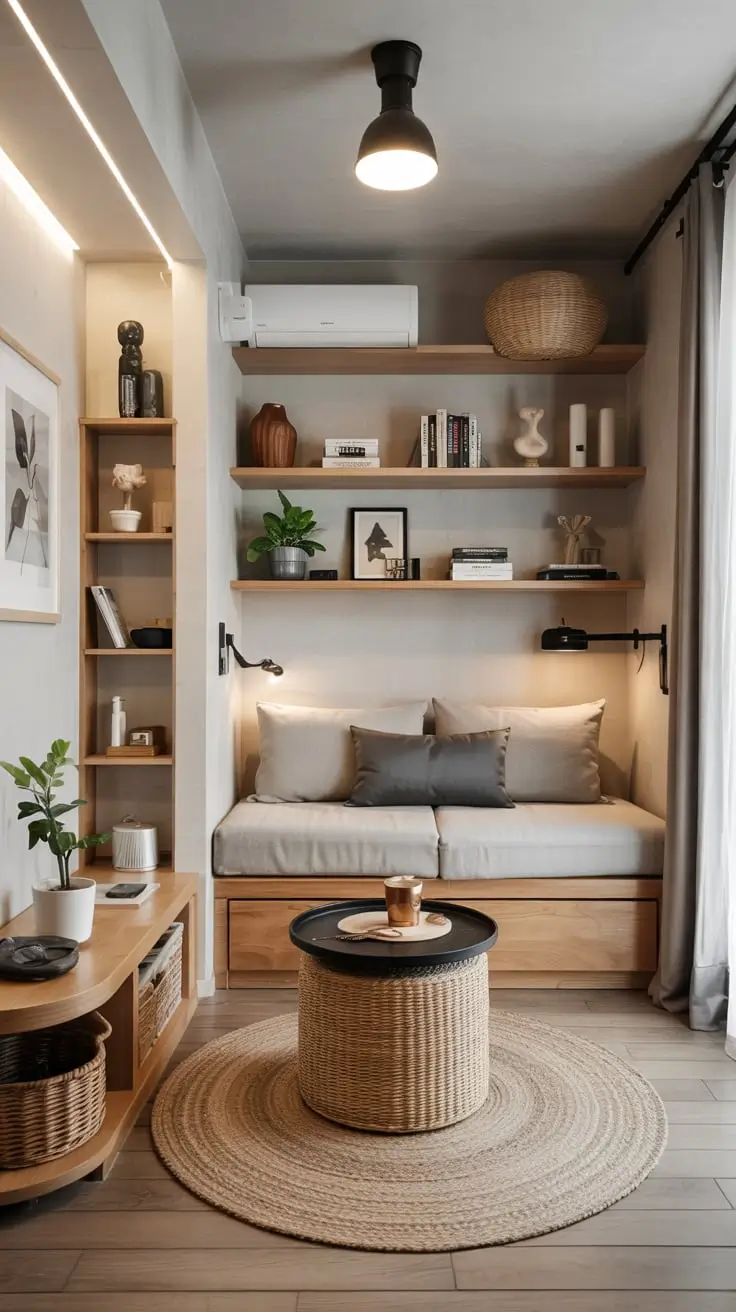
I typically recommend choosing furniture with hidden storage, limiting decorative objects, and keeping surfaces clear. Built-in shelving with closed compartments works especially well because it provides organization without displaying every item. I also suggest rotating seasonal décor rather than accumulating everything at once.
In my experience, adopting a minimal-clutter mindset improves both the appearance and usability of small living rooms. Publications like Real Simple highlight the psychological benefits of reducing visible clutter, noting that it helps people feel calmer and more in control of their space. I’ve noticed that clients who embrace this approach enjoy their rooms more and find daily life significantly easier.
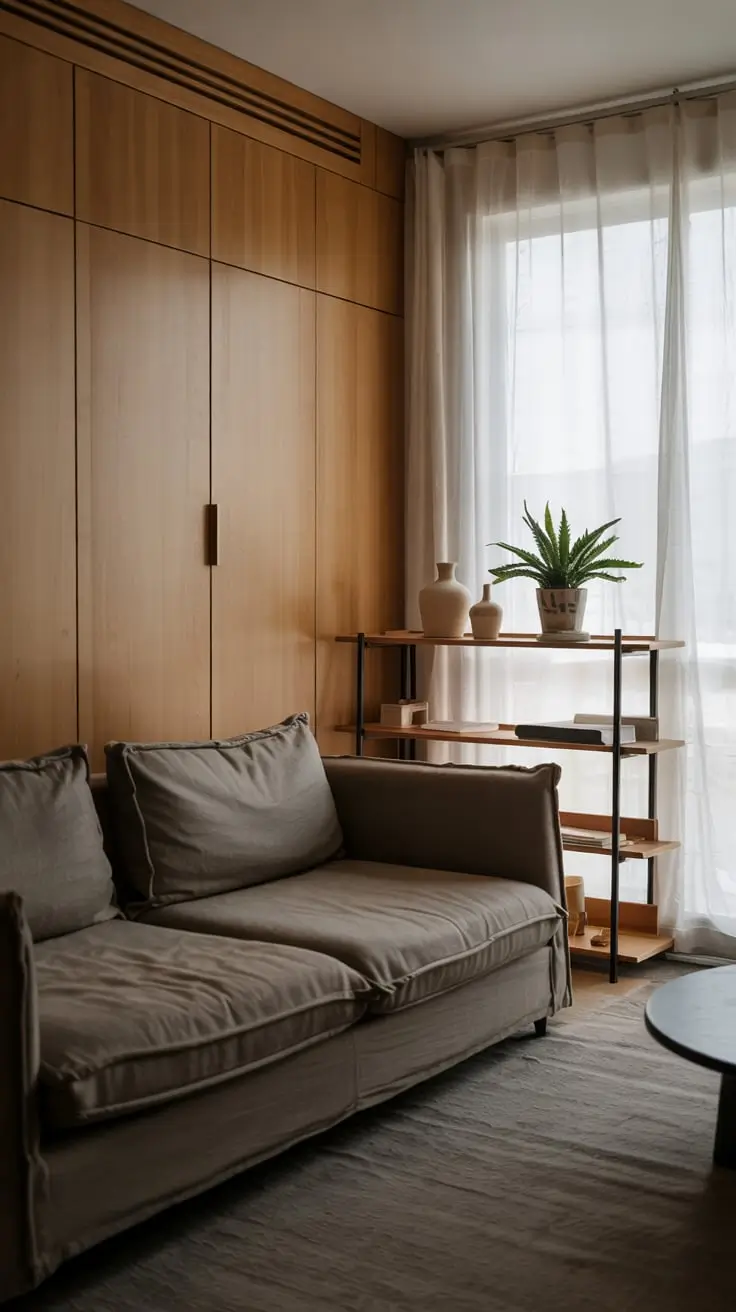
To enhance this concept, I would also integrate digital organization habits—like avoiding physical stacks of books or magazines—to keep the room streamlined.
19. Built In Shelving For Micro Rooms
Built-in shelving is one of my favorite solutions for tiny living room design 2026, because it optimizes vertical and horizontal surfaces without consuming valuable floor space. I often design built-ins that frame a television, outline a seating nook, or integrate with architectural features of the home. These custom solutions provide both storage and display opportunities while maintaining a consistent, tailored appearance.
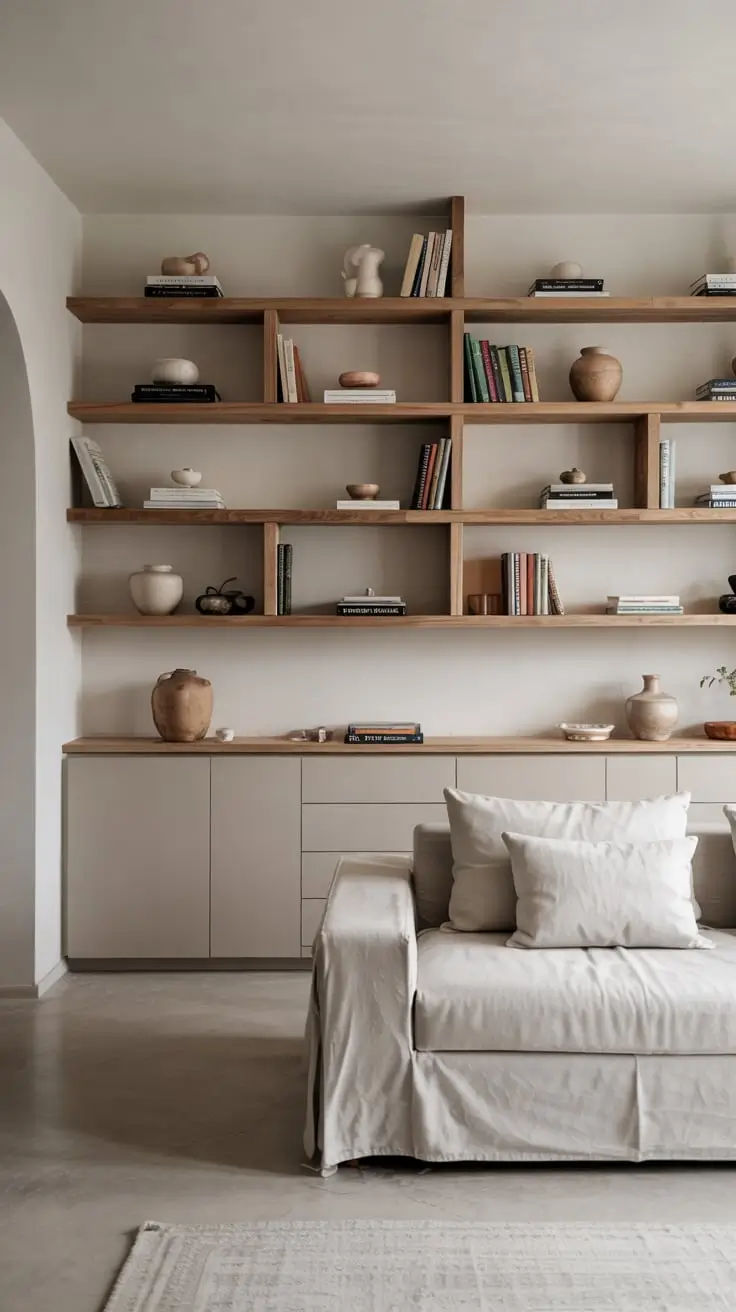
I choose clean-lined cabinetry, slim shelves, and materials that match the room’s existing finishes. Built-ins can house books, décor, media equipment, and everyday items without creating clutter. Since they are integrated into the structure, they reduce bulk and help maintain a streamlined look.
From my experience, built-in shelving elevates a small living room with a level of sophistication and cohesion that freestanding units often can’t achieve. Designers in Dwell magazine frequently highlight built-ins as essential for micro-living environments due to their efficiency and versatility. I’ve applied this method many times and seen how it transforms both aesthetics and functionality.
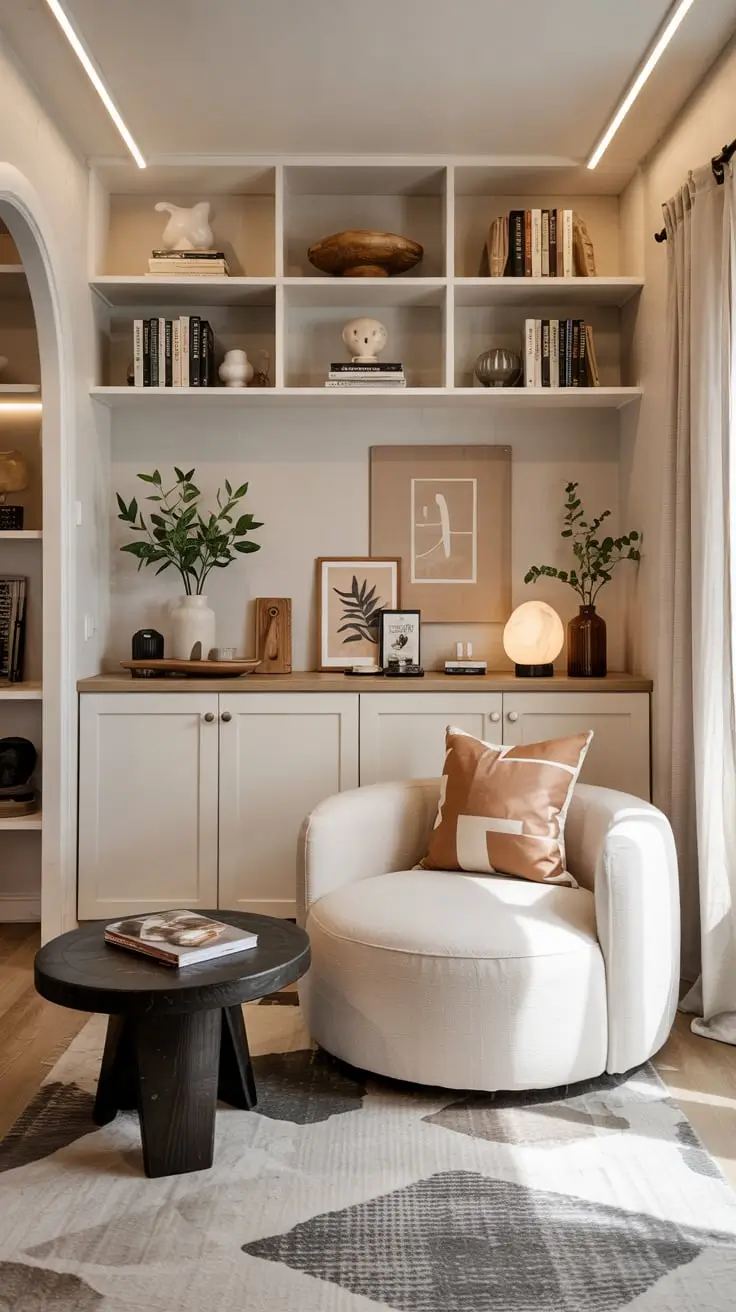
To complete this idea, I would also incorporate integrated LED lighting within the shelving to softly highlight decorative objects without taking up additional space.
20. Transparent Furniture For Airy Looks
Transparent furniture is a powerful tool in tiny living room design 2026, helping create a sense of openness without reducing functionality. I often use acrylic coffee tables, glass side tables, or clear dining chairs because they take up physical space while appearing visually lightweight. This trick allows the room to feel more expansive, especially in tight or narrow layouts.
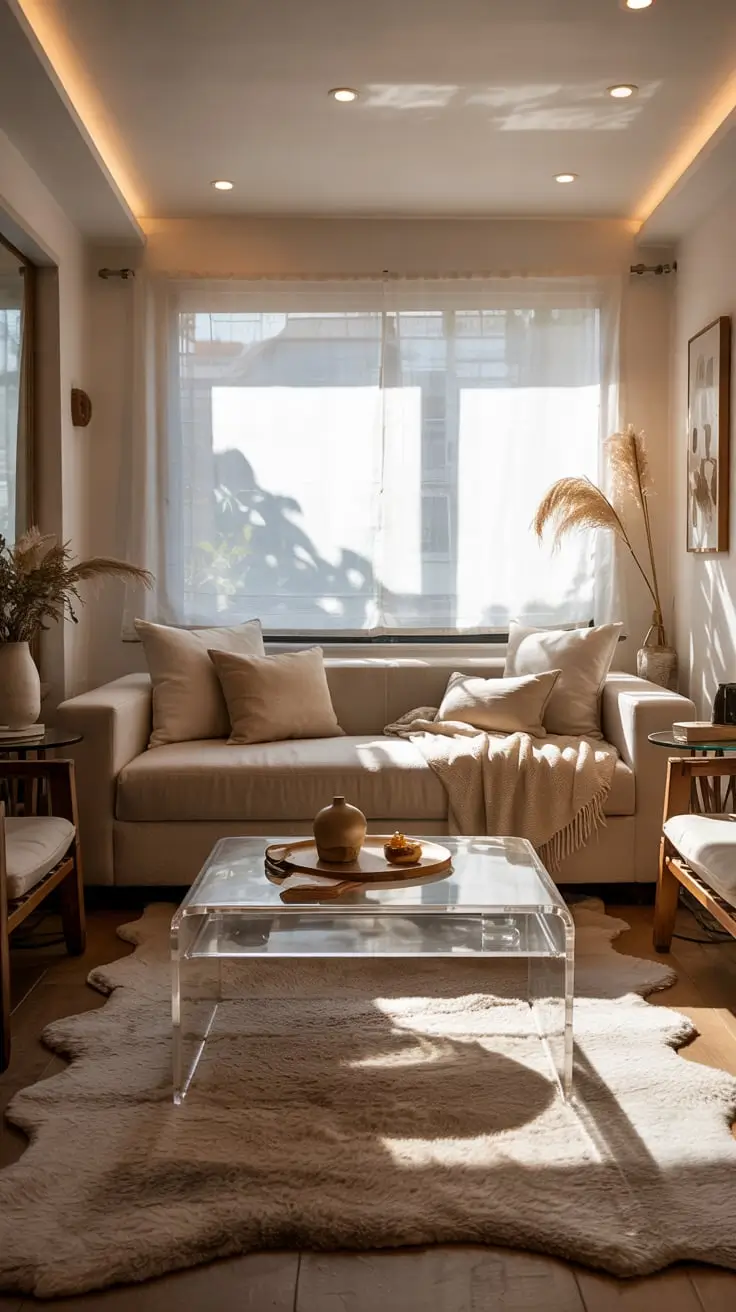
I typically pair transparent furniture with soft textiles and warm wood tones to balance the coolness of glass or acrylic. These pieces work particularly well in minimalist, modern, or Scandinavian-inspired interiors. By keeping sightlines unobstructed, transparent furniture maintains natural flow and contributes to a clean, airy aesthetic.
In my experience, this approach is especially beneficial in rooms where furniture must sit in central locations. Transparent pieces ensure functionality without creating visual barriers. Many designers interviewed by Apartment Therapy note that see-through furniture is ideal for small living rooms seeking a modern, lightweight feel.
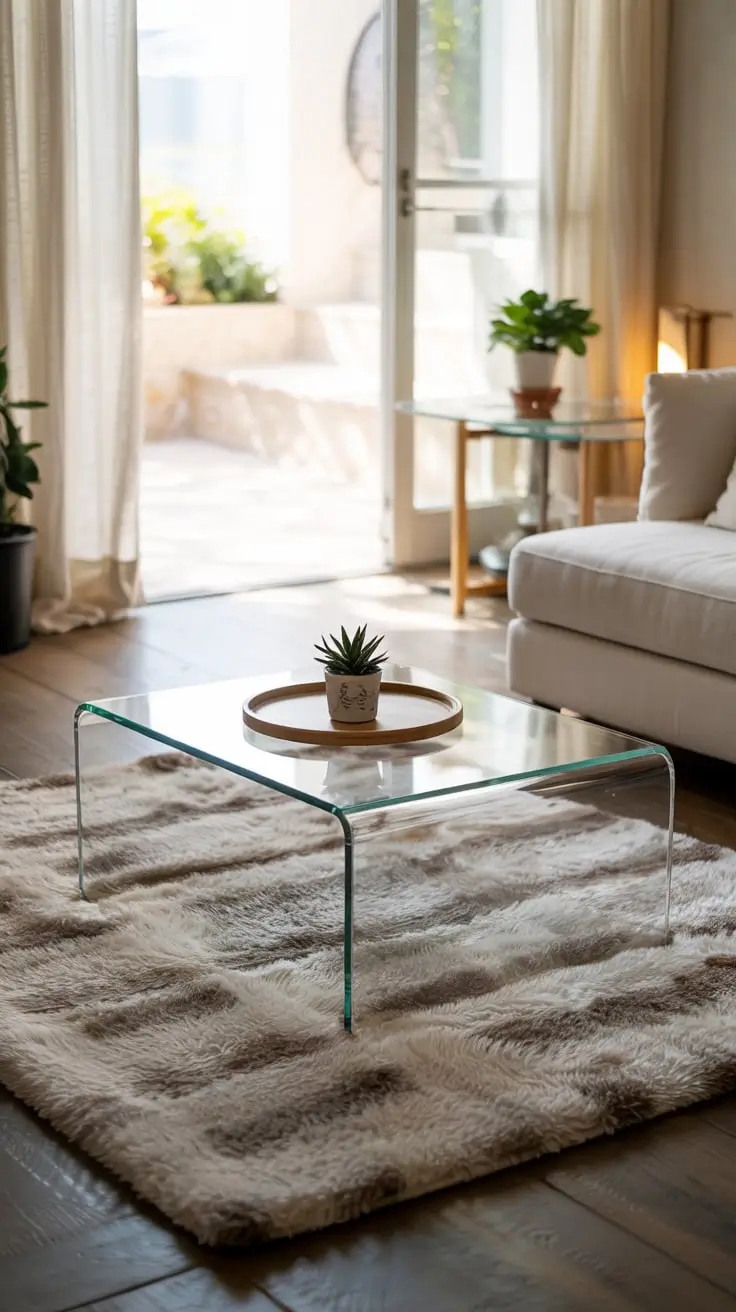
To enhance this concept, I would also consider integrating transparent shelving or accent pieces to extend the airy effect across the entire room.
21. Clever Corner Utilization Methods
Corners are often overlooked, yet they hold incredible potential in tiny living room design 2026. When I evaluate small spaces, I always consider how corners can contribute to function and style. From custom shelving to compact seating nooks, corner-based solutions help reclaim valuable room area while adding purposeful design elements.
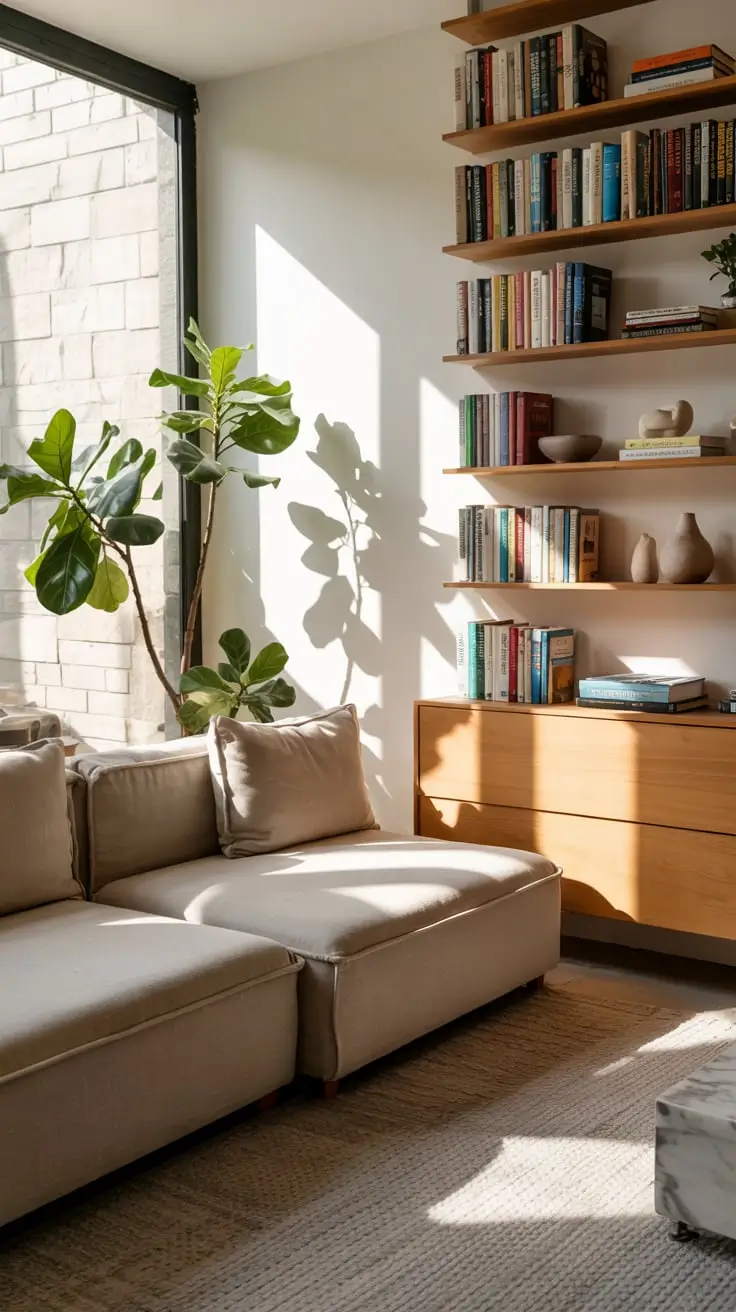
I often incorporate corner shelves, angled cabinets, or L-shaped seating arrangements that make use of every inch. Tall plants, standing lamps, or corner side tables also bring height and balance to the room. These additions ensure that no space feels wasted while contributing to the overall harmony of the design.
Throughout my experience, I’ve noticed that corner utilization often becomes a turning point in compact living rooms. Experts at House Beautiful frequently highlight how corners can create additional storage, display opportunities, or secondary seating areas. Clients appreciate how these small adjustments make the room feel more complete and efficient.
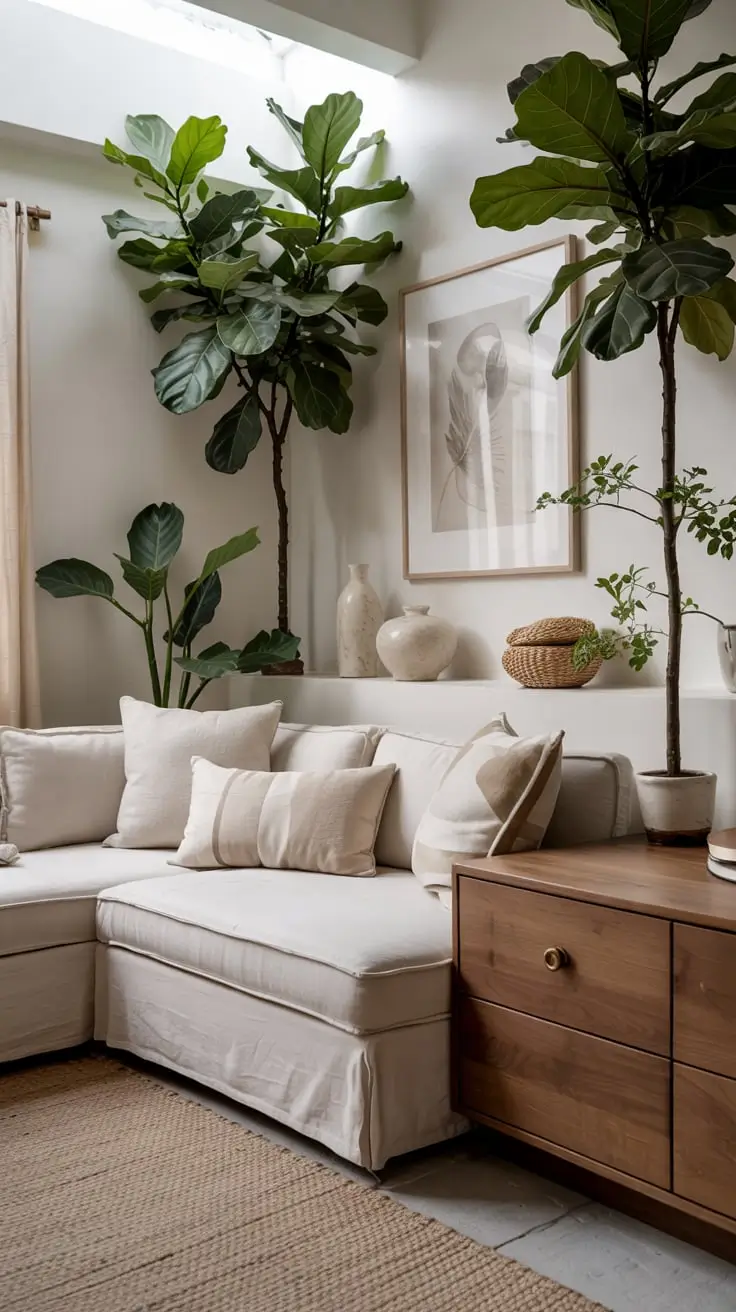
To expand this idea further, I would integrate floating corner desks or small reading nooks for homeowners who work or relax within their living room spaces.
22. Multi Zone Functionality Techniques
In tiny living room design 2026, creating multiple functional zones within a single compact space is essential. I often begin by studying the room’s natural flow and identifying areas that can serve dual purposes, such as combining a seating space with a work zone or integrating a dining nook into the living area. Thoughtful zoning ensures that small interiors can support everyday activities without feeling overcrowded.
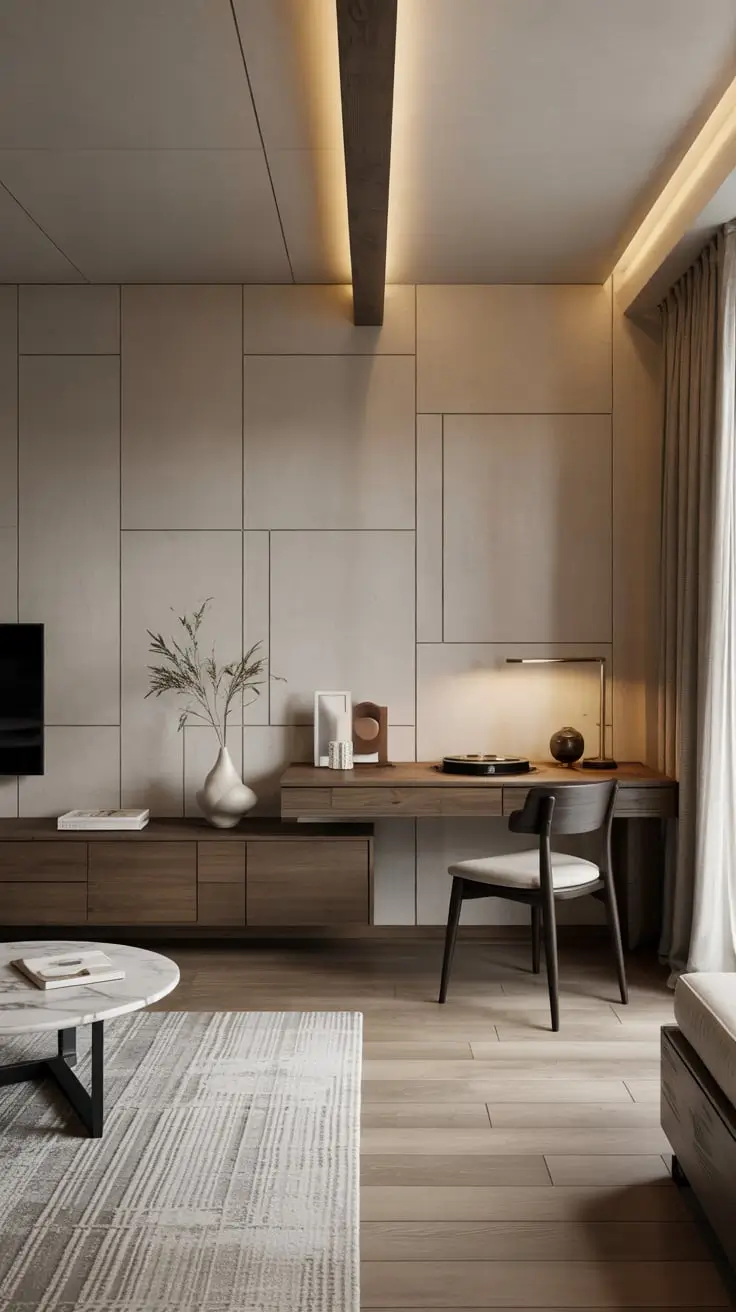
To achieve this, I use low-profile rugs, different lighting levels, and compact furniture arrangements to subtly separate areas. A slim console behind a sofa can double as a workspace, while a fold-out table can serve as both a dining and entertainment surface. Selecting items that visually anchor each zone helps maintain clarity and structure.
From my experience, multi-zone strategies dramatically improve the usefulness of small rooms. Designers featured in Architectural Digest often recommend this approach for modern micro-living because it maximizes flexibility while maintaining a cohesive aesthetic. I’ve implemented zoning techniques for clients who work from home, host guests, or need adaptable layouts, and the results consistently exceed expectations.
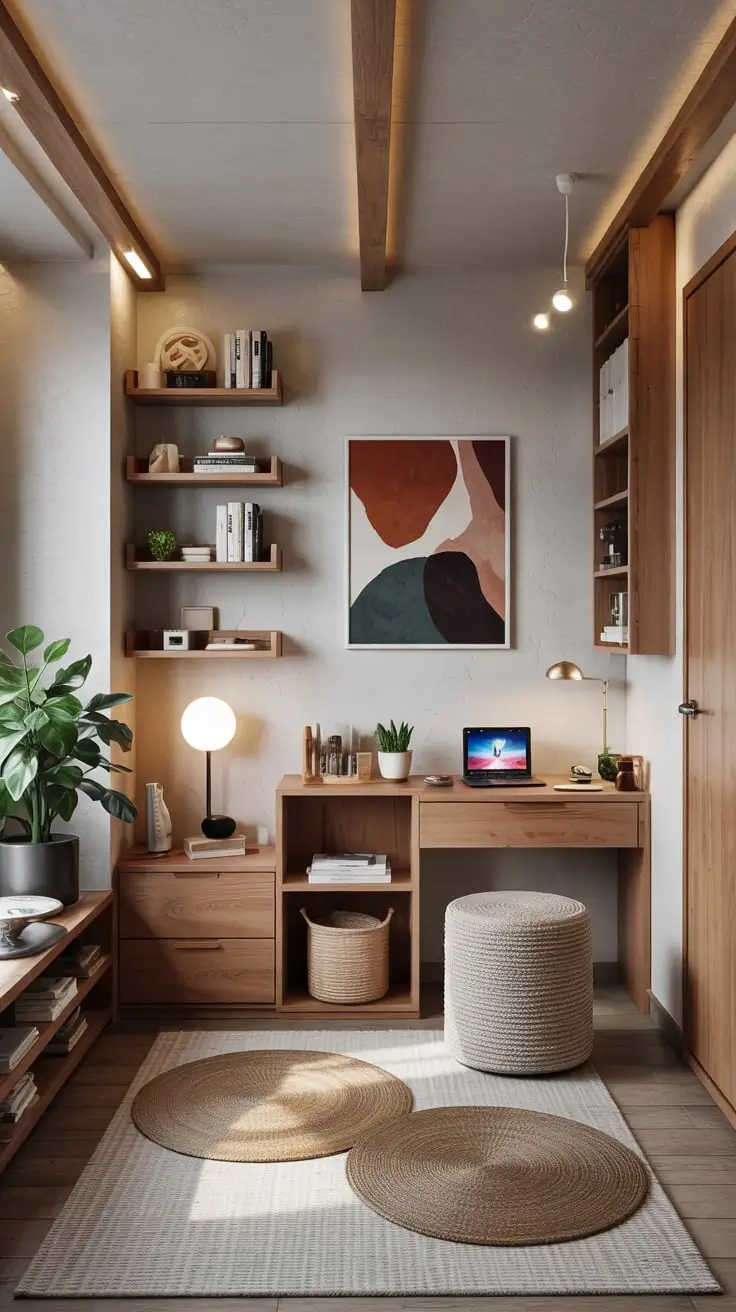
To refine this concept further, I would also consider installing sliding partitions or movable shelving systems that allow zones to transform as needed.
23. Warm Earthy Tone Living Designs
Warm earthy tones are increasingly important in tiny living room design 2026, creating a comforting environment that feels grounded and harmonious. When I incorporate terracotta, caramel, warm taupe, and muted clay shades, the room adopts a natural warmth that softens its compact size. These tones help small spaces feel more inviting while adding subtle depth and character.
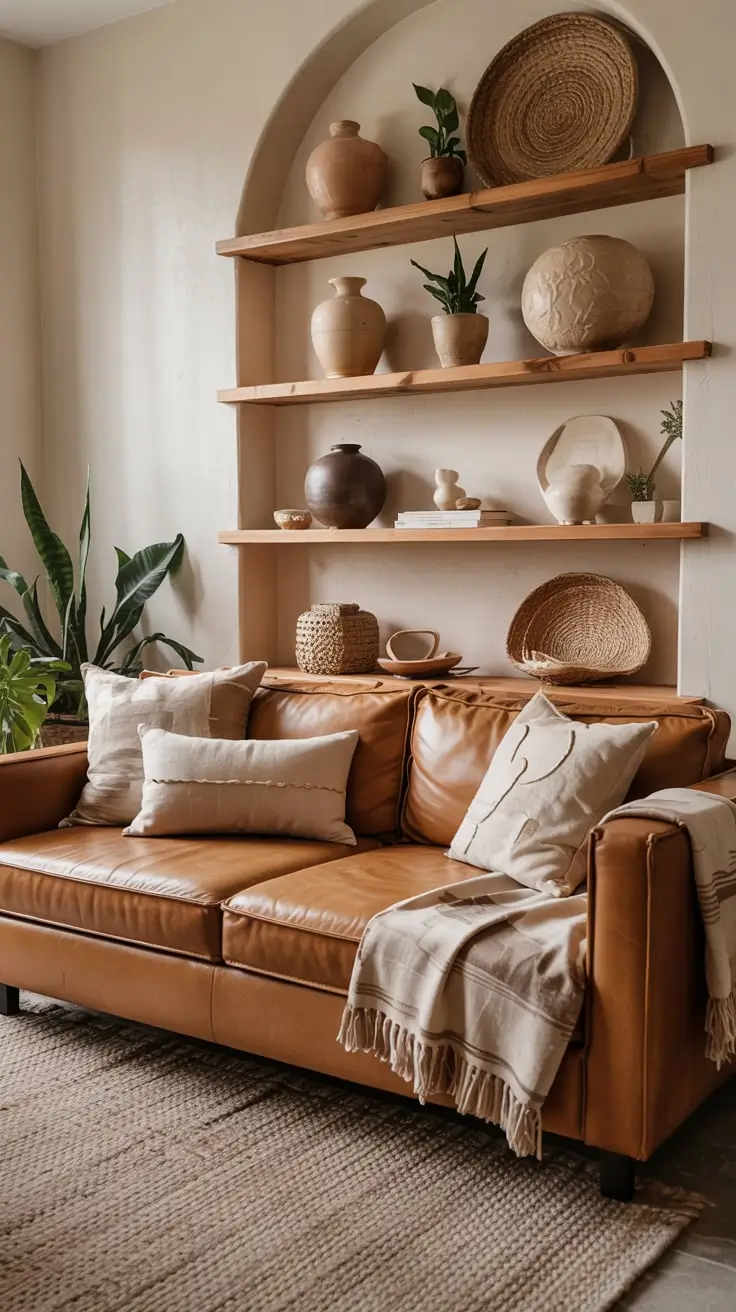
I often pair earthy colors with wood accents, textured fabrics, and organic décor elements. A caramel-toned sofa, clay-colored throw pillows, and warm wood shelving can instantly elevate the room’s personality. Earthy tones also complement greenery and natural materials, creating a cohesive, nature-inspired palette.
From my professional work, I’ve found that earthy colors reduce the starkness that sometimes accompanies small modern spaces. Interior experts in House Beautiful often emphasize the calming effect of earth-inspired shades, especially in urban apartments where residents crave a sense of warmth and grounding. I’ve seen clients respond positively to these tones because they make the room feel both cozy and timeless.
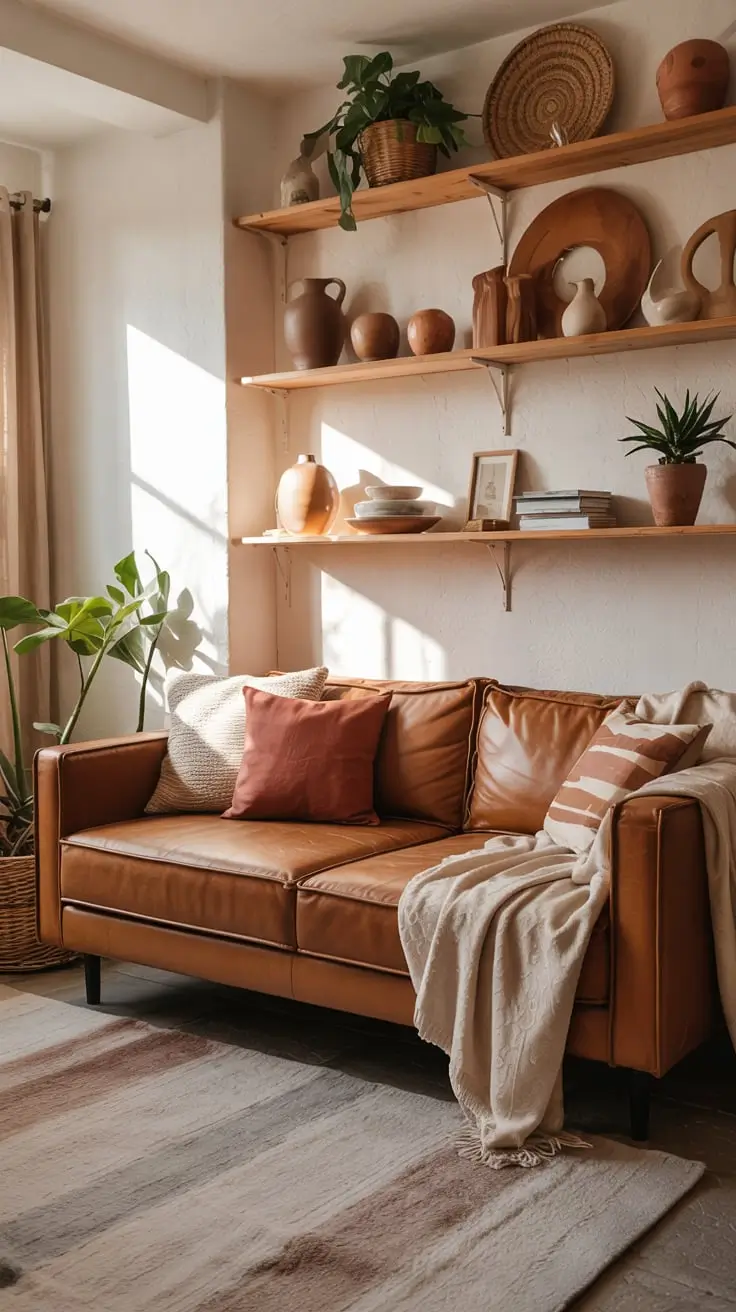
To enhance this section, I would also incorporate textured ceramics, woven baskets, or terracotta planters to fully embrace the earthy aesthetic.
24. Compact Entertainment Setup Ideas
Designing entertainment setups for tiny living room design 2026 requires creativity and careful planning. I focus on solutions that support modern entertainment habits without overwhelming the available space. Wall-mounted TVs, slim soundbars, and built-in storage systems create a sleek arrangement that doesn’t compete with seating or circulation.
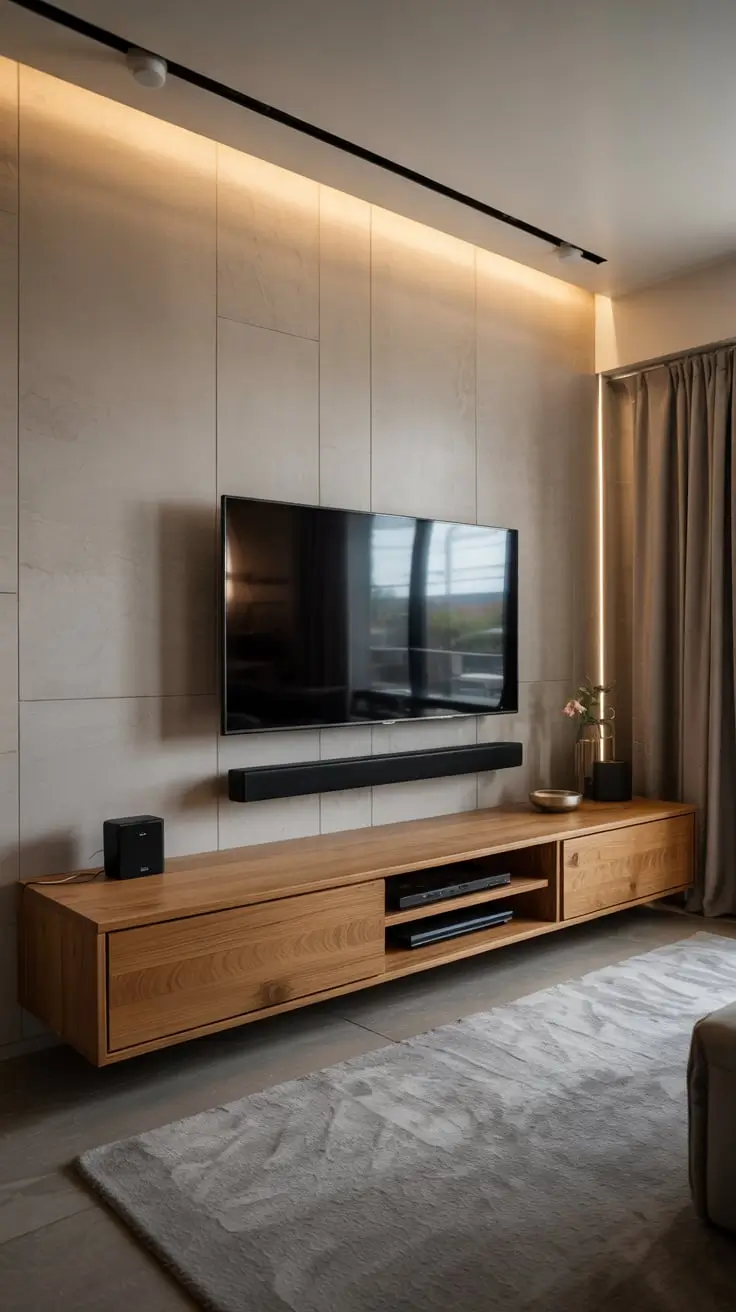
I often choose floating media consoles, compact shelving units, or recessed niches to house devices and accessories. These elements keep cables hidden and maintain a clean visual flow. Multifunctional furniture—like ottomans that store gaming accessories or coffee tables with compartments—helps organize the entertainment area efficiently.
From my experience, the most effective small entertainment setups prioritize simplicity and convenience. Technology experts and interior stylists frequently recommend avoiding bulky entertainment centers, as they consume valuable floor space. I’ve seen how minimalist arrangements not only enhance the room’s aesthetic but also improve usability during movie nights or gaming sessions.
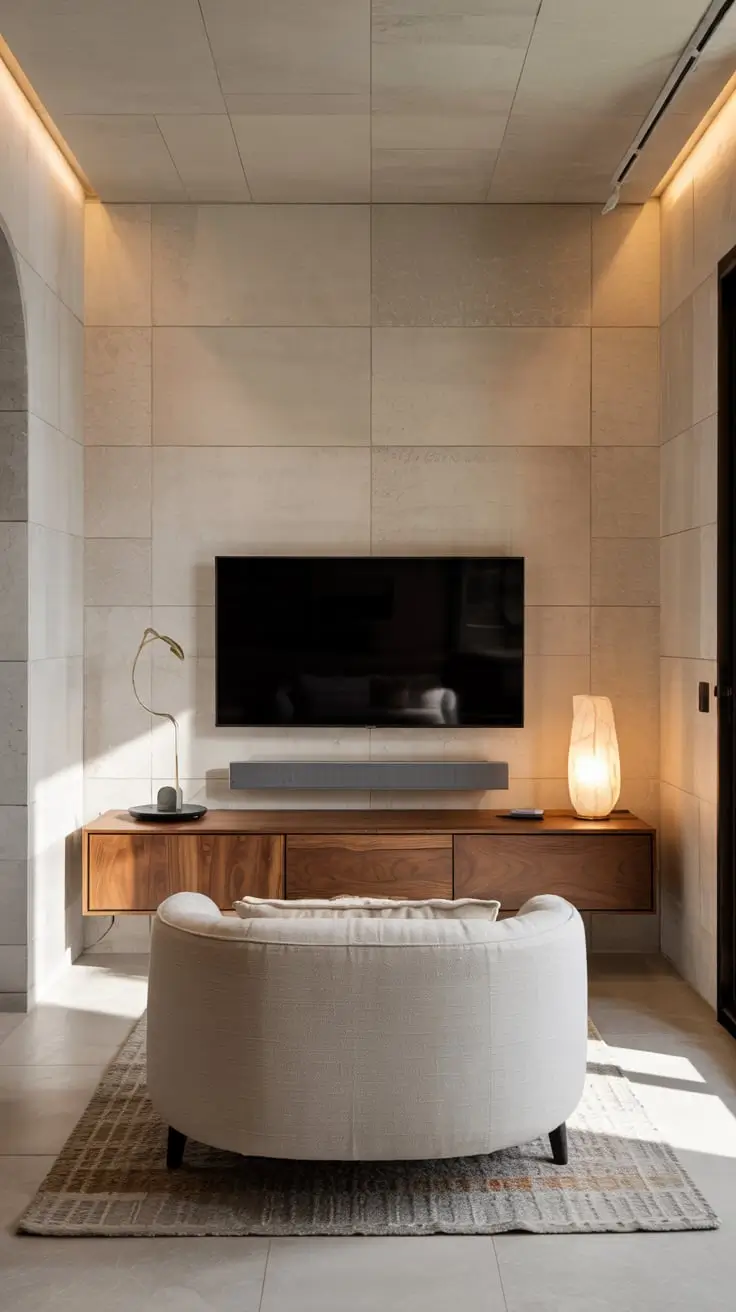
To complete this idea, I would integrate soft ambient lighting behind the TV wall to reduce eye strain and create a cozy viewing atmosphere.
25. Luxe Small Living Room Aesthetics
A luxurious feel is entirely achievable in tiny living room design 2026, even without abundant square footage. I often elevate small rooms using refined materials, thoughtful lighting, and well-chosen statement pieces. Luxury in compact spaces is less about quantity and more about intentional selection. Even a single high-quality item can create a strong impression.
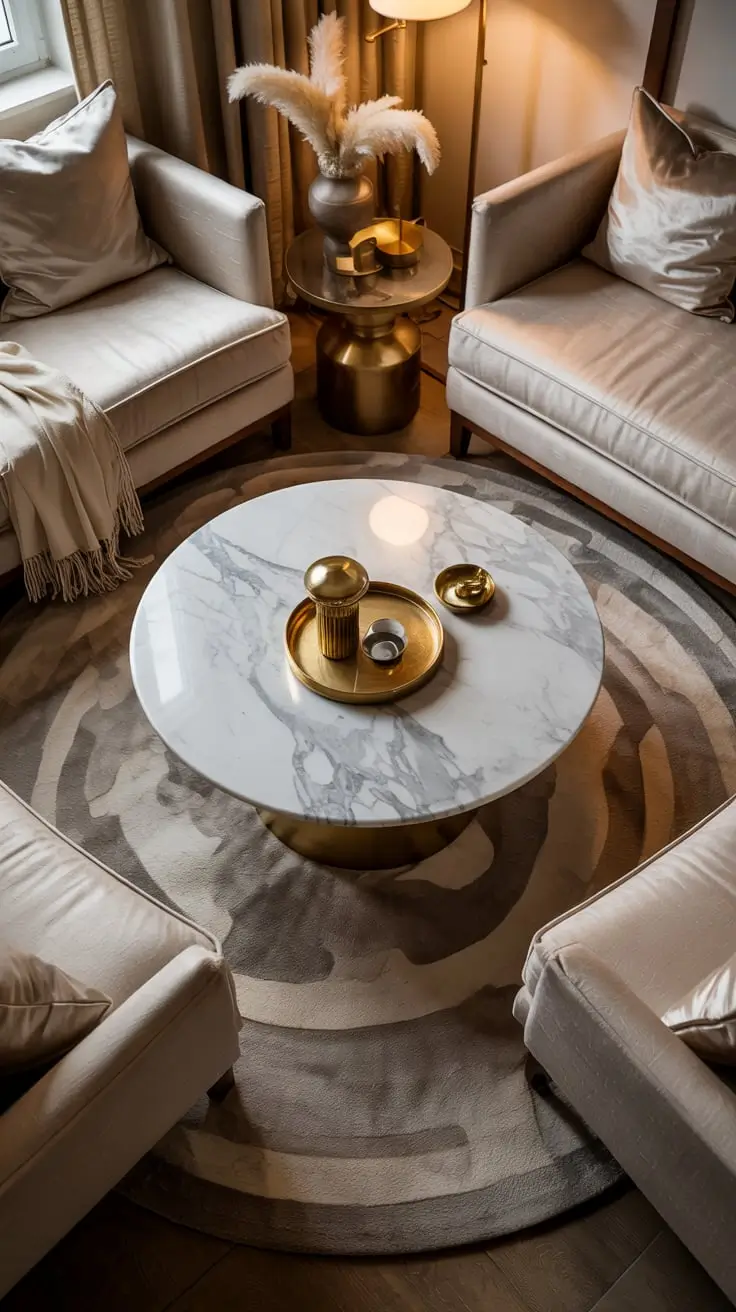
I typically incorporate velvet cushions, marble-topped tables, brass finishes, and soft layered textiles. A plush area rug paired with elegant wall lighting can instantly shift the room’s mood toward sophistication. Choosing compact yet refined furniture ensures the space remains functional while still feeling indulgent.
Drawing from my experience, luxury works best when combined with restraint. Designers featured in Elle Decor often note that scaled-down luxury pieces—like miniature chandeliers or petite sculptural chairs—add dramatic flair without overwhelming small spaces. I’ve used this strategy frequently, and clients are often surprised at how opulent their room becomes with just a few thoughtful upgrades.
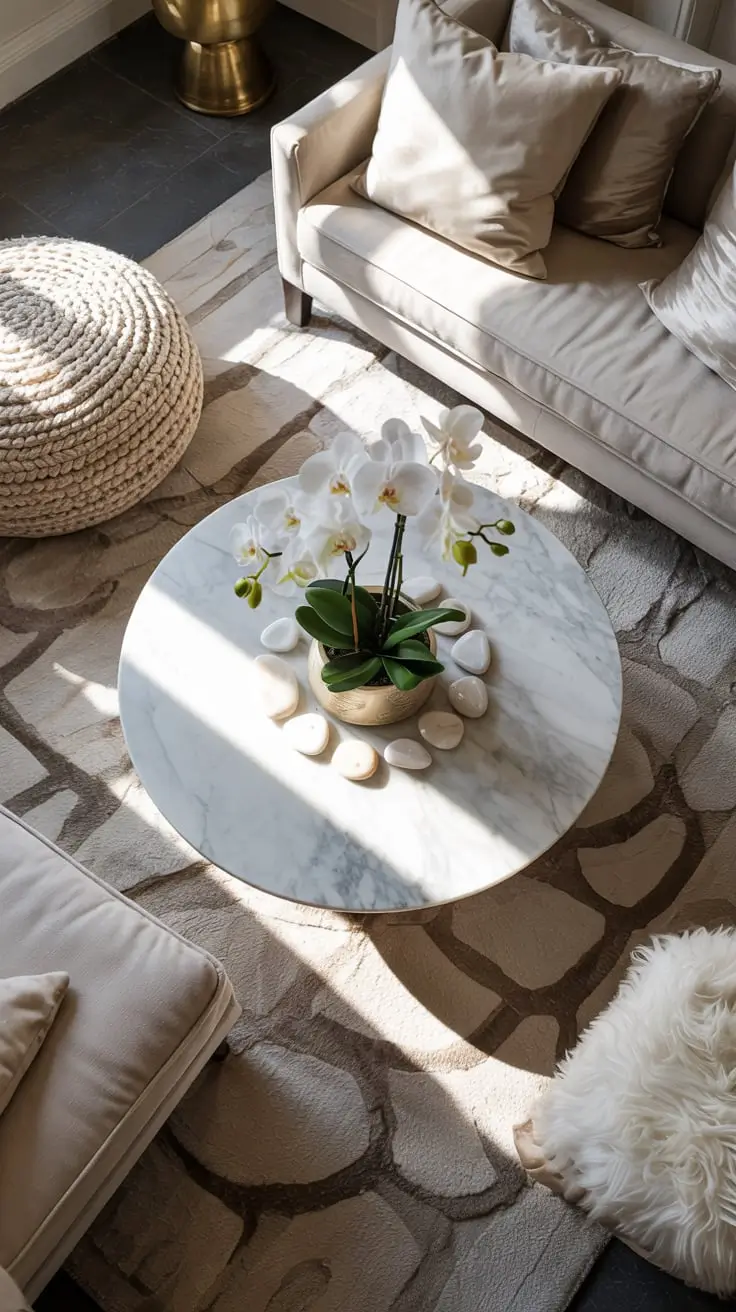
If expanding this idea, I would incorporate high-quality art prints or small statement sculptures that enhance the luxurious atmosphere without adding clutter.
26. Artistic Accents For Tiny Spaces
Art plays a major role in shaping personality within tiny living room design 2026, and I use artistic accents to create style without overcrowding. Small interiors benefit from carefully curated pieces that elevate the visual interest of the room while maintaining its airiness. A single bold artwork or a series of small coordinated prints can dramatically transform the space.
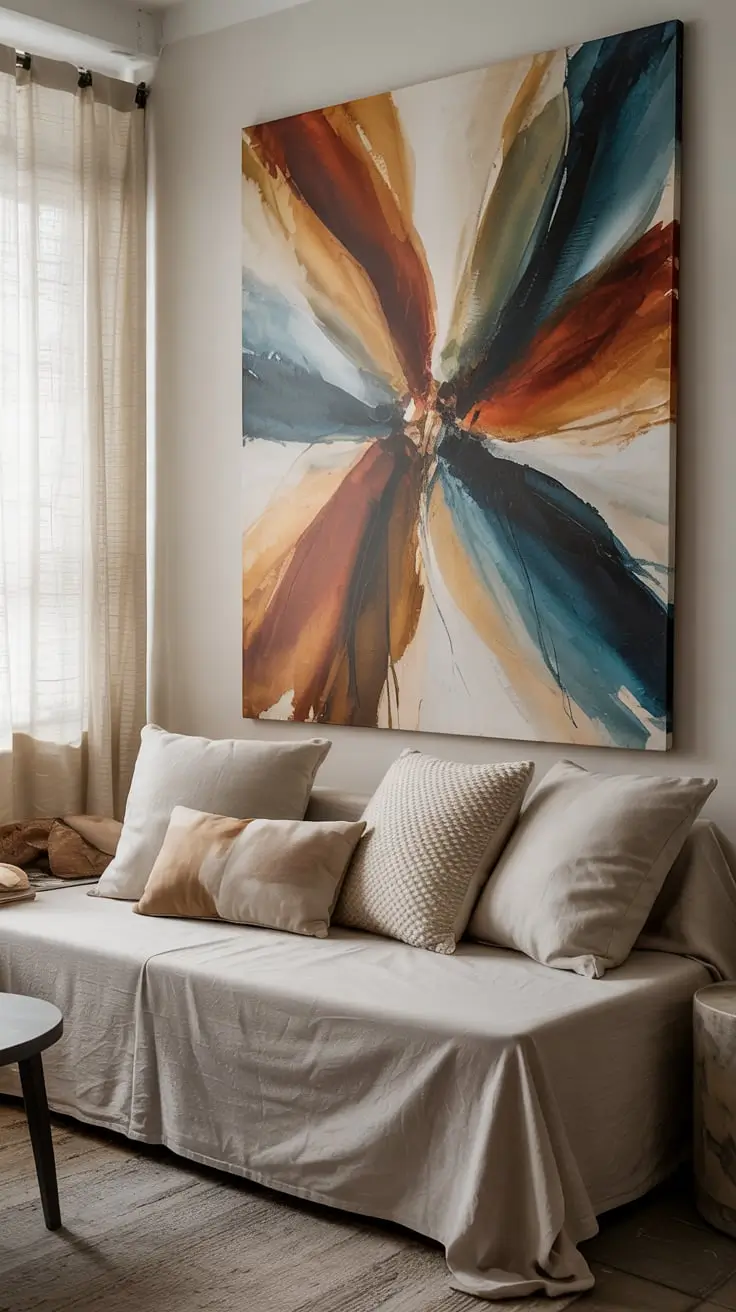
I often incorporate sculptural objects, minimalist wall art, or artistic textiles. Leaning frames, ceramic accents, and patterned cushions can add color and depth without overwhelming the layout. Selecting artwork with soft tones or abstract designs helps maintain balance, especially in rooms with neutral palettes.
From my experience, art can be the defining feature of a small living room when chosen thoughtfully. Many designers in Architectural Digest emphasize the power of large-scale art in tiny spaces because it reduces visual clutter compared to multiple small pieces. I’ve followed this guidance in numerous projects, using oversized art to anchor the room and create cohesive style.
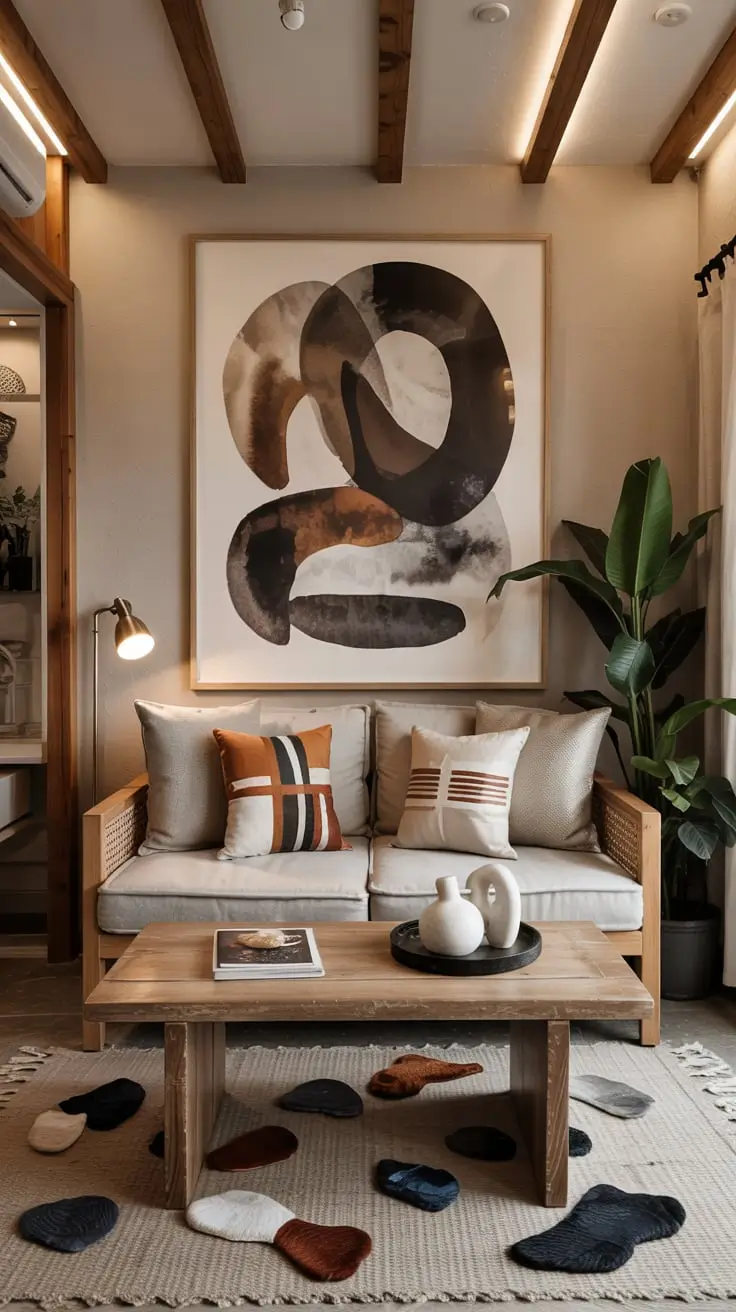
To complete this concept, I would also integrate artistic lighting fixtures or sculptural plant pots to introduce creative flair in subtle ways.
27. Urban Boho Micro Living Concepts
Urban boho is a vibrant and expressive style that fits beautifully within tiny living room design 2026. I enjoy working with this concept because it allows for creativity while still achieving comfort and functionality. Urban boho emphasizes layered textures, eclectic décor, warm colors, and natural materials—elements that create a cozy, inviting environment in small spaces.
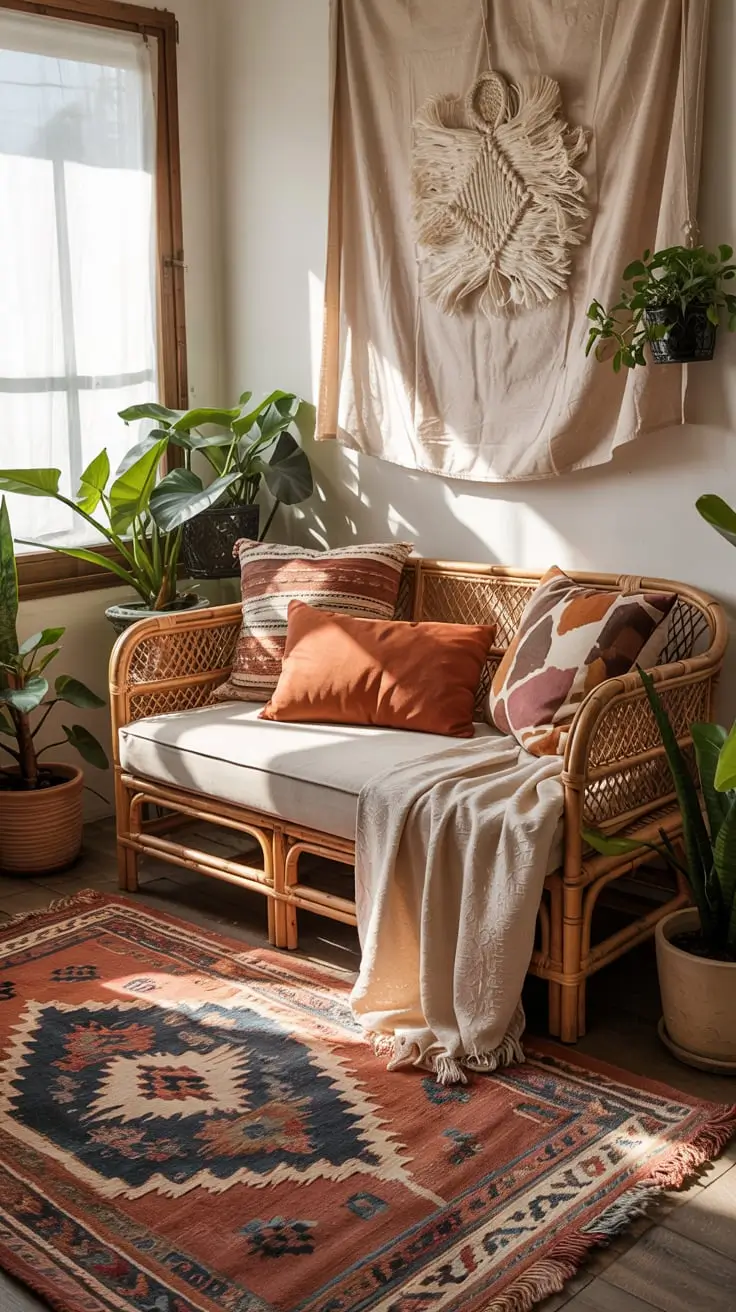
I typically integrate woven rugs, patterned cushions, rattan furniture, macramé wall hangings, and terracotta décor accents. Plants also play a major role, adding life and energy to the room. To prevent the boho style from overwhelming the space, I choose compact furniture with light frames and balance bold patterns with plenty of neutral elements.
Drawing from my experience, micro-living adaptations of boho design create an intimate and personalized space without clutter. Experts in House Beautiful often highlight the value of grounding eclectic décor with a cohesive color palette, which I’ve found crucial in tiny interiors. This approach keeps the design expressive but controlled.
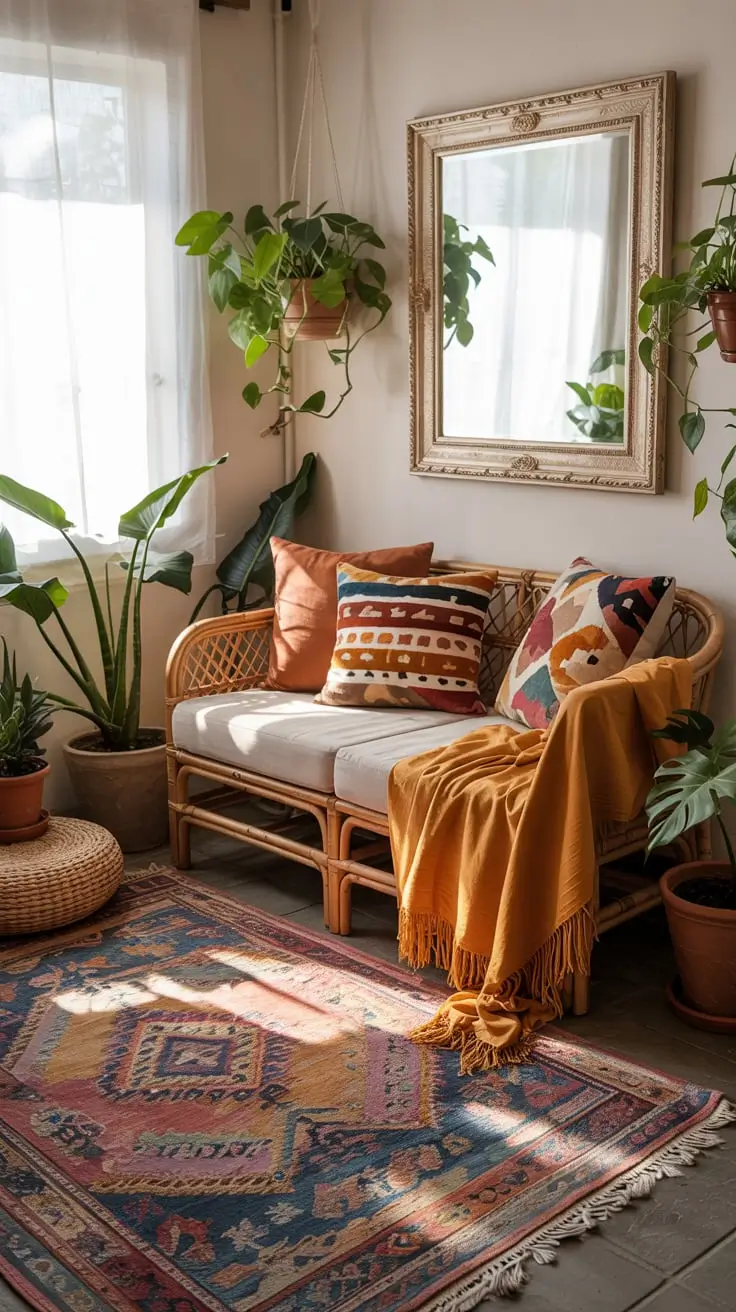
To elevate this concept, I would include soft ambient lighting, such as lantern-style lamps or warm-toned string lights used sparingly.
28. Futuristic Space Saving Innovations
The future of tiny living room design 2026 brings exciting new innovations that redefine what small spaces can achieve. I often explore forward-thinking solutions such as transformable furniture, collapsible systems, and smart-integrated features. These innovations allow living rooms to shift seamlessly between entertainment, relaxation, and work functions.
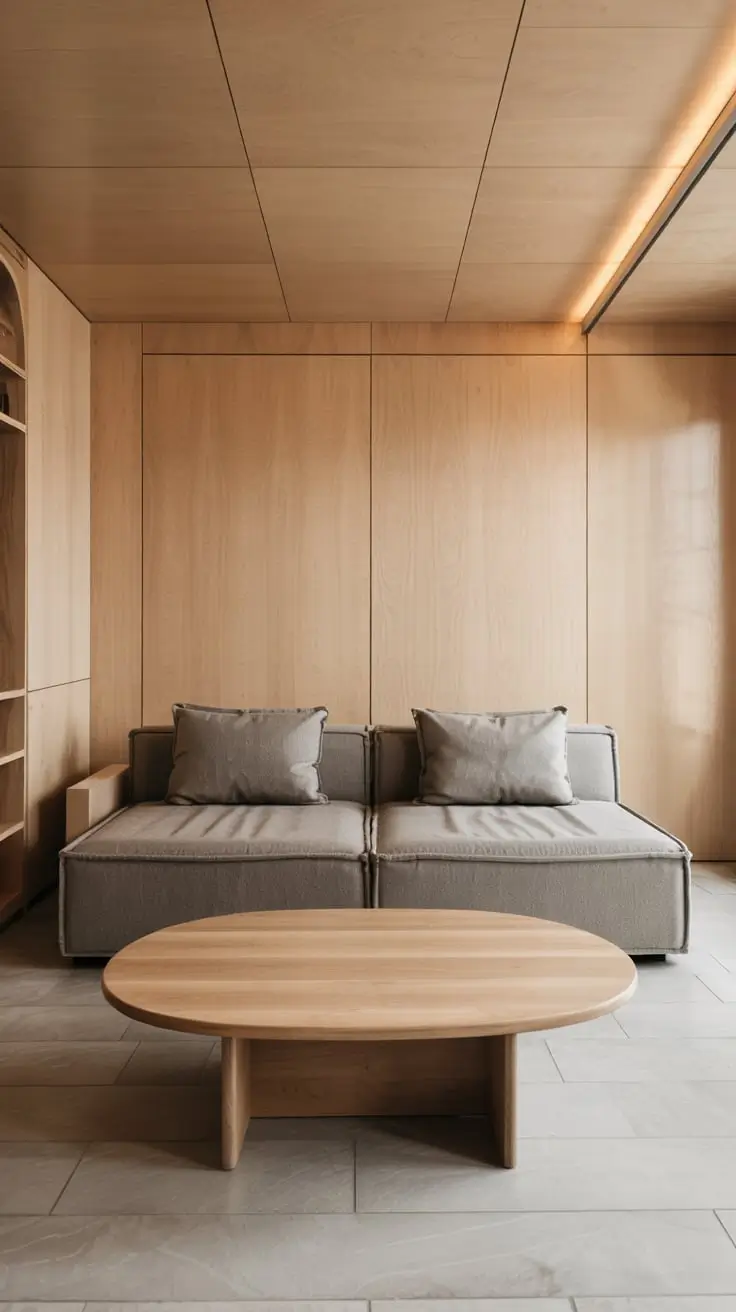
I frequently select automated storage units, modular robotic furniture, or convertible seating that adapts with the push of a button. Foldaway tables, lift-up consoles, and space-saving wall beds can completely transform the layout within seconds. These high-tech solutions create a level of convenience that traditional furniture cannot match.
In my professional experience, futuristic innovations significantly improve functionality—especially for homeowners living in dense urban environments. Technology-focused designers featured in Dwell often highlight AI-powered furniture systems that reconfigure themselves depending on user needs. I’ve seen how these advancements make small living rooms feel more open, adaptable, and high-performing.
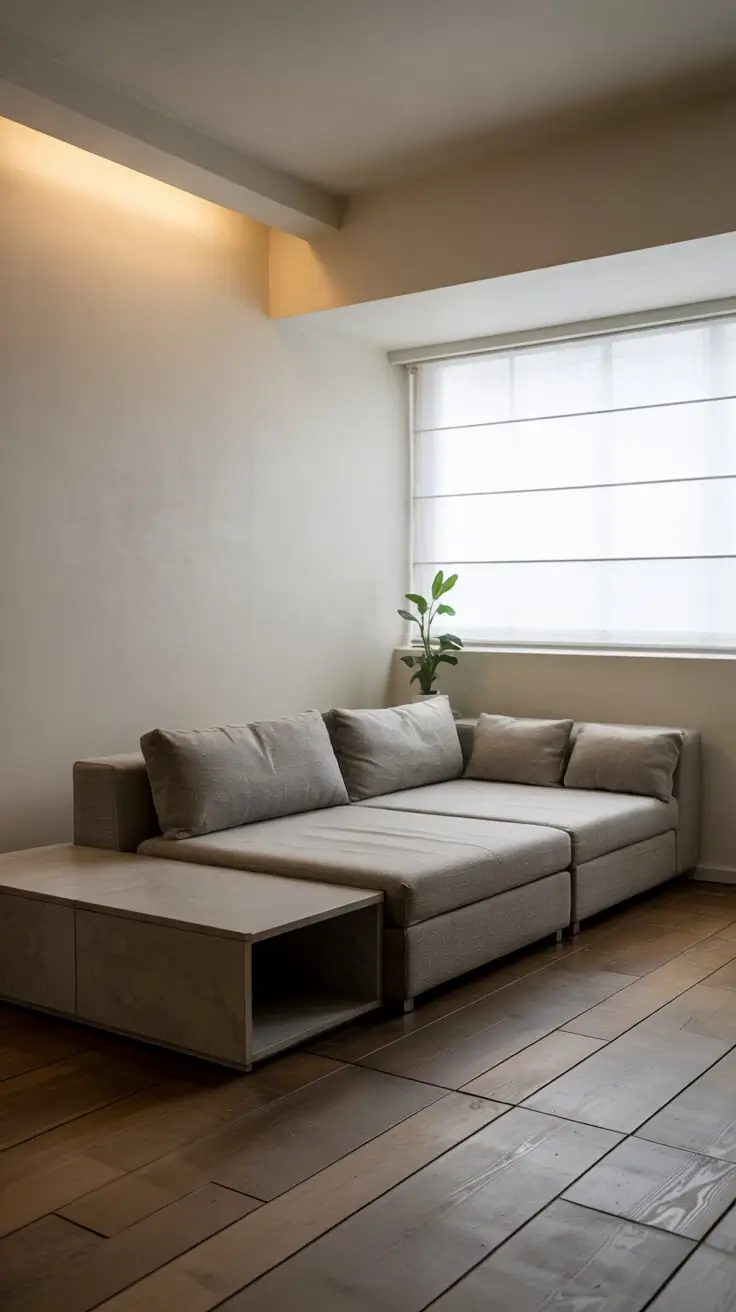
To complete this section, I would also consider integrating smart lighting controls and hidden charging stations for a seamless, uncluttered design.
29. Cozy Minimalist 2026 Design Mood
In the context of tiny living room design 2026, I often begin with a cozy minimalist approach that focuses on clarity, warmth, and mindful simplicity. This style relies on neutral palettes, tactile textures, and streamlined silhouettes that make the room feel open while remaining inviting. I use soft beige tones, warm greige walls, and a mixture of matte surfaces to create a calming background that visually expands the space. The combination of minimal forms and warm ambiance ensures that the room feels airy rather than sparse.
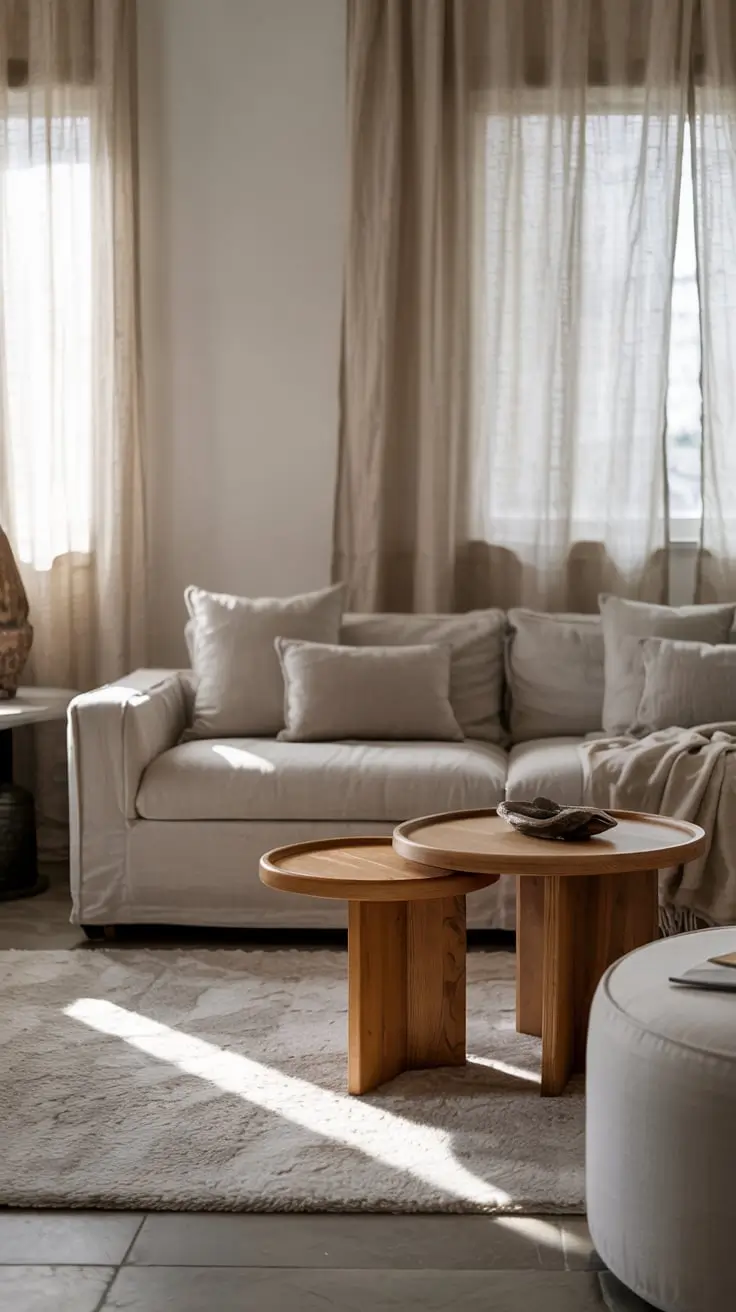
When designing such a room, I choose compact, low-profile furniture to avoid visual heaviness: a slim sofa with rounded edges, a small nesting-table set, and a lightweight media console. Soft upholstery—bouclé or linen—adds comfort without overwhelming the senses. I integrate warm lighting through wall sconces or discreet floor lamps, avoiding bulky fixtures that take up valuable visual space. Every piece contributes to comfort and practicality while maintaining the clean minimalist mood.
Professionally, I’ve seen how cozy minimalism transforms small rooms by removing excess visual noise. Well-known US designers highlighted by Architectural Digest emphasize the power of “intentional simplicity,” noting that sensory comfort is now a priority in small home environments. I find this approach particularly effective for tiny rooms because it provides emotional ease and clarity without sacrificing style. My clients consistently appreciate how soft minimalism helps them recharge after busy urban days.
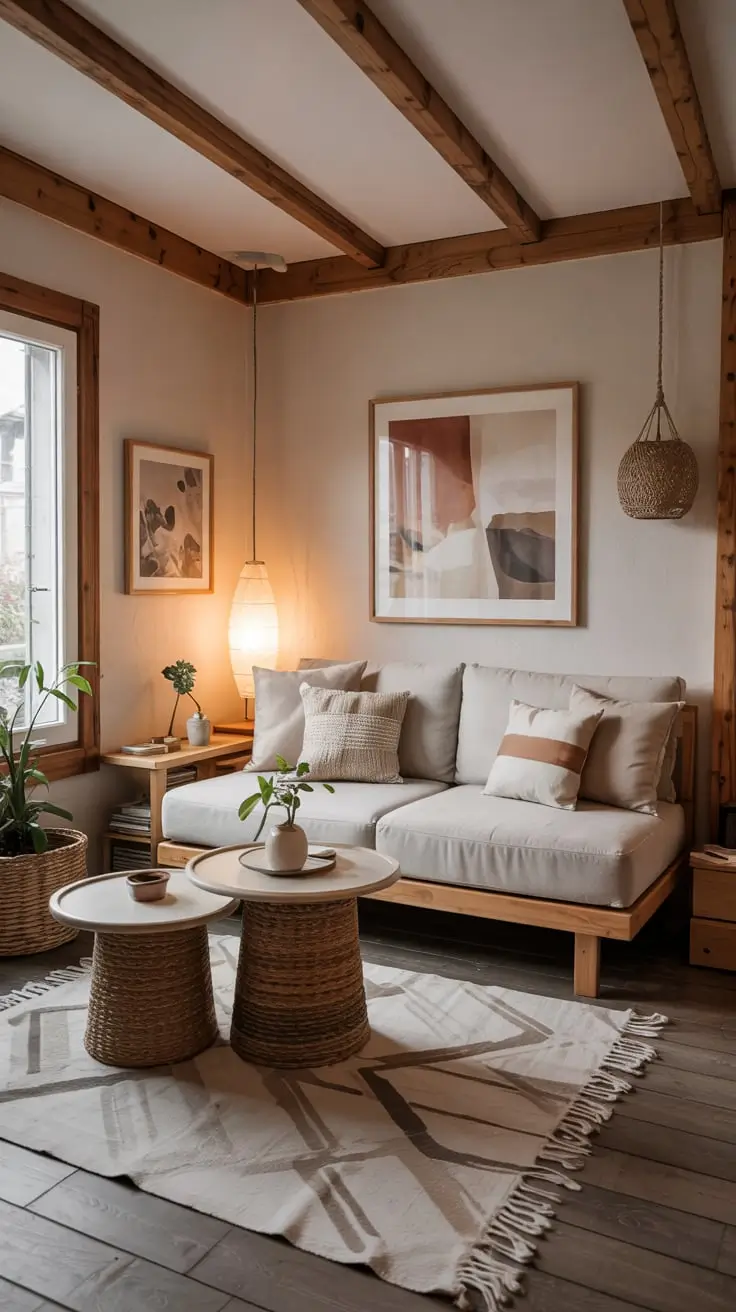
To make this section even more complete, I would add a handcrafted ceramic vase, a textured throw, or a subtle natural fiber rug. These tactile accents introduce personality while maintaining the room’s light, uncluttered feel.
30. Indoor Greenery For Small Rooms
Integrating greenery into tiny living room design 2026 allows me to soften architectural lines and introduce natural vitality into small spaces. Plants create depth, color contrast, and a sense of airiness that visually enlarges the room. I usually incorporate greenery at different heights to build vertical interest, which is critical in compact interiors. Even one tall plant placed strategically in a corner can lift the entire atmosphere and prevent the room from feeling boxy.
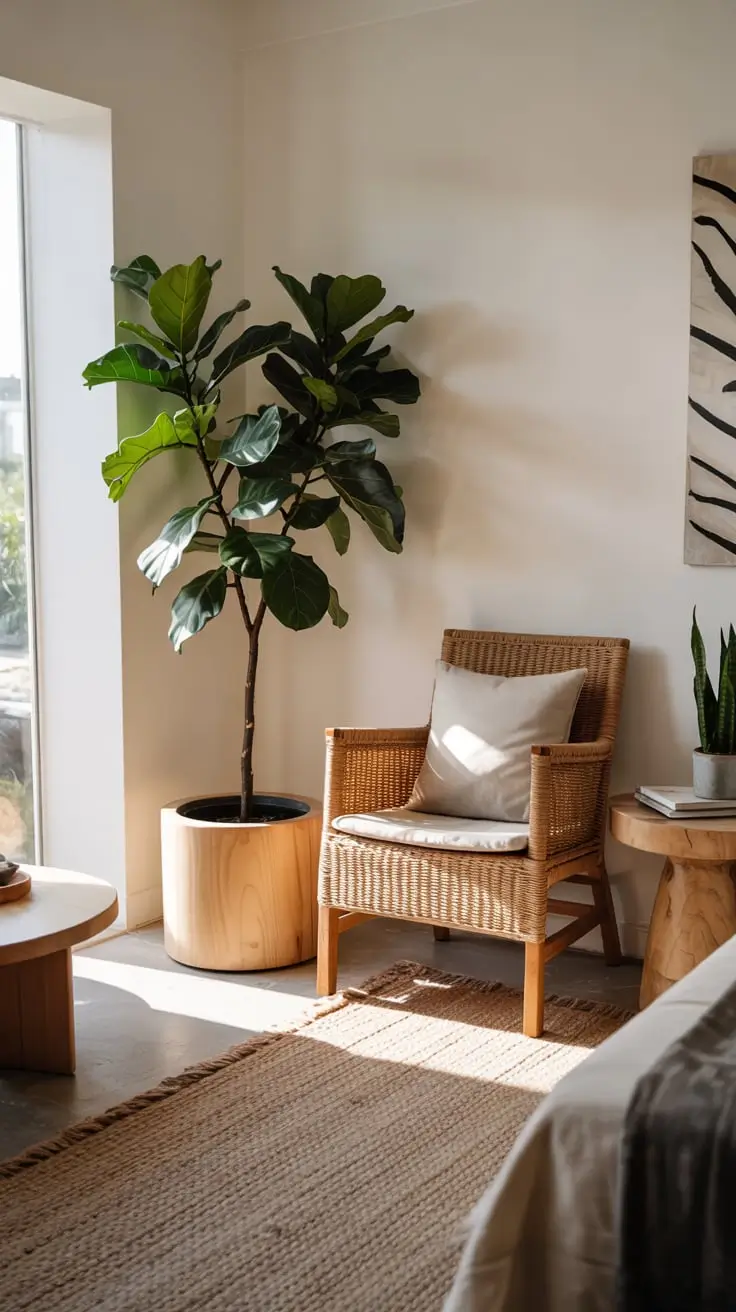
When choosing plants, I focus on low-maintenance species that thrive indoors, such as pothos, ZZ plants, or snake plants. To minimize clutter, I use slim metal plant stands, wall-mounted planters, and narrow window-sill arrangements. These pieces fit easily into tight layouts and add decorative value. A small wooden side table or floating shelf becomes an ideal display surface, while natural materials—terracotta, light wood, textured clay—reinforce the organic aesthetic.
In my experience, greenery does more than refresh the interior: it improves air quality and creates emotional comfort. Experts from Better Homes & Gardens frequently recommend incorporating plants into small rooms to balance proportions and break up rigid lines. I’ve found this advice extremely effective, especially when dealing with narrow living rooms that need softness and visual rhythm. Even minimal greenery makes a noticeable difference.
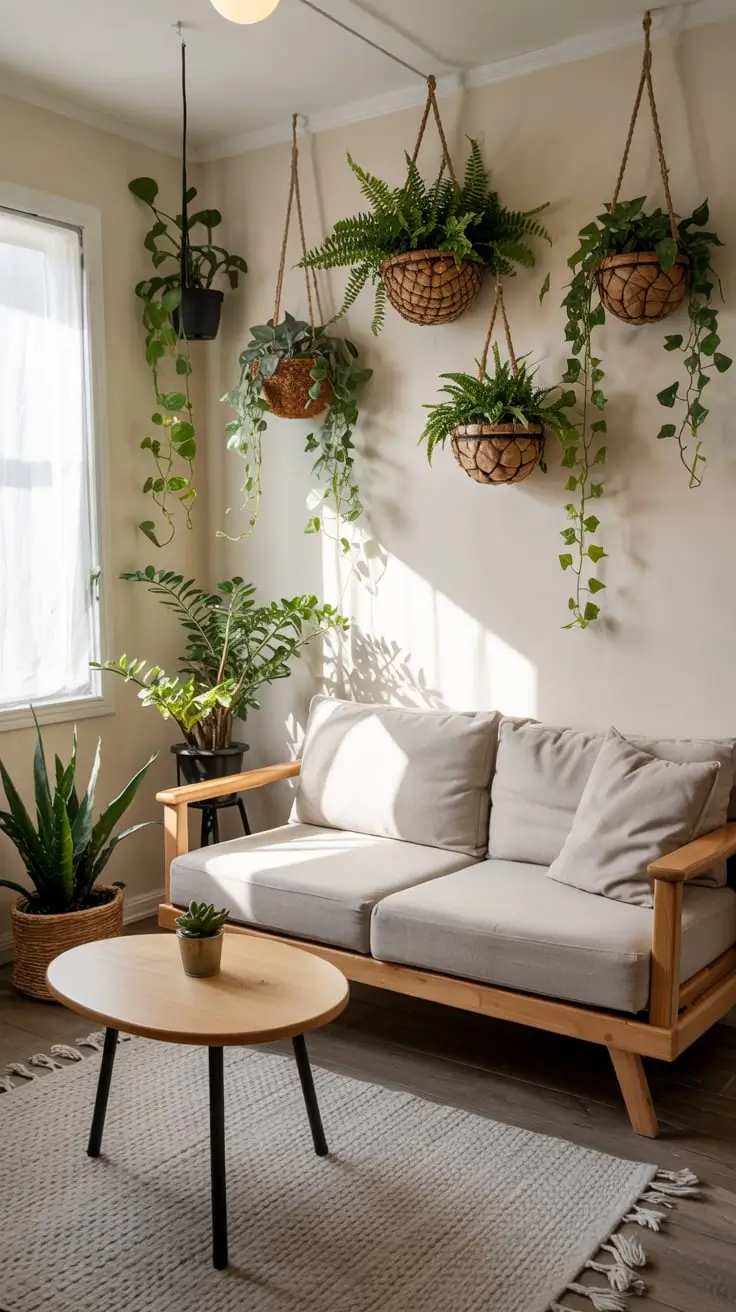
For an even stronger composition, I would add decorative pebbles at the base of pots, matching woven baskets for plant storage, or a small vertical garden installation. These details enhance the cohesive, refreshing atmosphere of the space.
31. Micro Apartment Living Inspirations
When working on tiny living room design 2026, I often draw inspiration from micro apartments, where every centimeter must serve a purpose. This concept encourages an inventive mindset: flexible zoning, multifunctional furniture, and clever built-in solutions. I focus on creating a room that transitions smoothly between relaxation, work, and social activities. With thoughtful choices, even a micro-sized living room can feel complete, stylish, and surprisingly spacious.
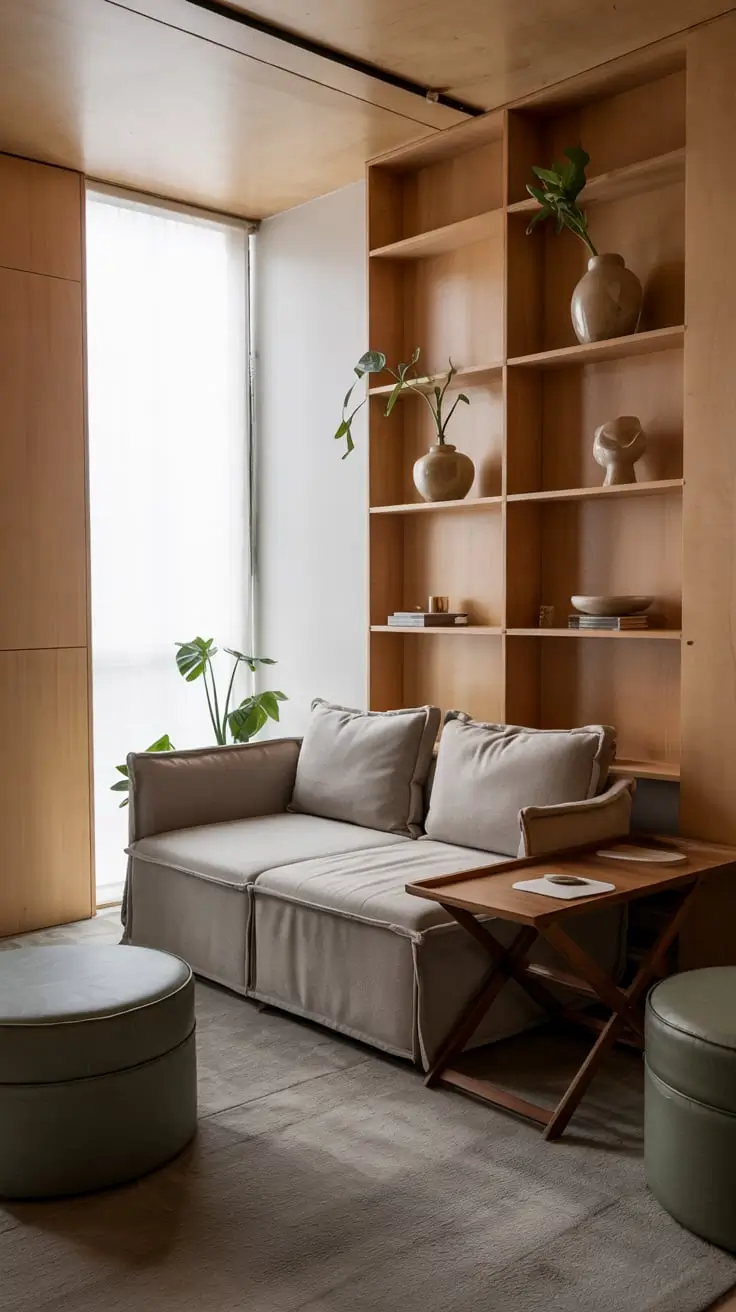
I typically incorporate modular seating, a foldable wall-mounted table, and ottomans with internal storage. These pieces allow the layout to adapt as needed without overcrowding the room. Sliding doors or lightweight curtains often replace traditional dividers to maintain fluidity. I use matte finishes, soft neutrals, and subtle metal accents to preserve an airy, modern look that suits micro-living aesthetics.
Professionally, I appreciate how micro-apartment design encourages a conscious and efficient lifestyle. Publications like Dwell frequently highlight the importance of multifunctional furniture and minimal material waste in 2026 interiors. I fully support this trend, as I’ve repeatedly seen how high-efficiency layouts help small homes feel more uplifting and manageable. Clients often remark that micro-living philosophies reduce stress and increase organization.
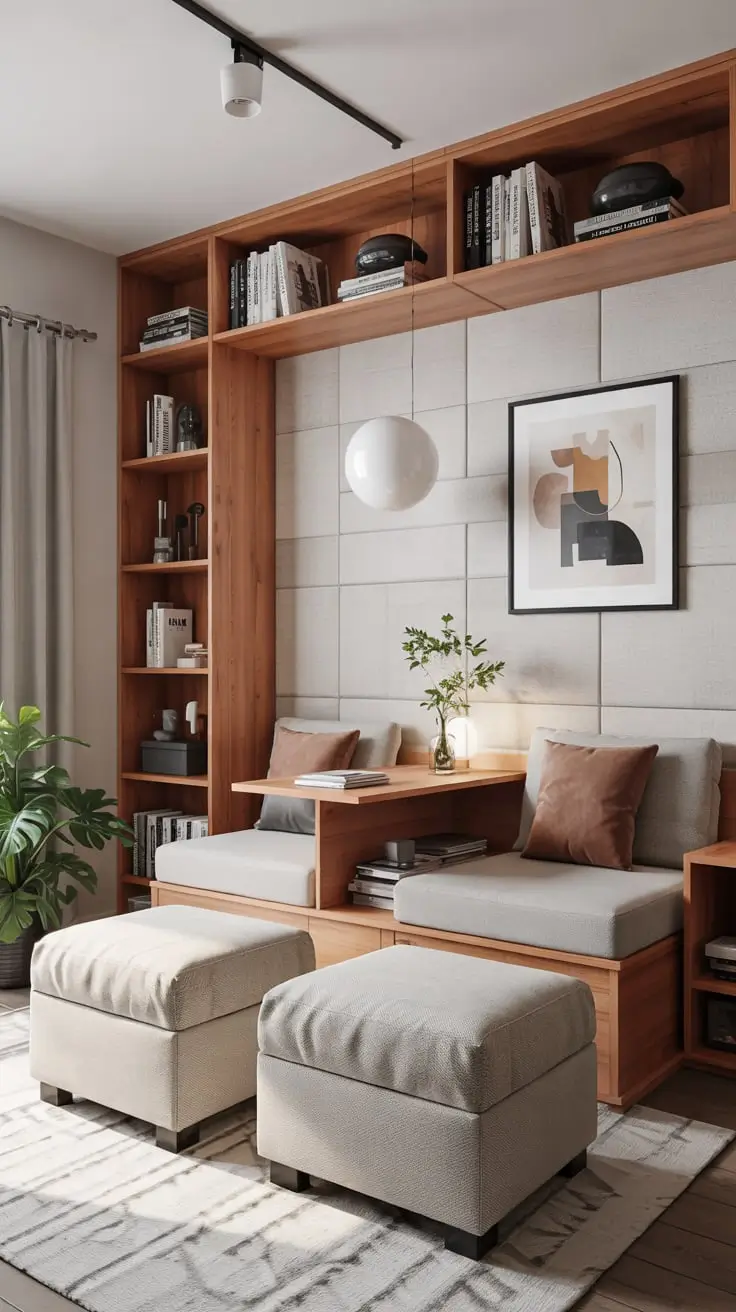
To enhance this section further, I would add slim wall shelves for vertical storage. They maintain visual order while maximizing height, an essential element in making small rooms feel significantly larger.
32. Personalized Tiny Space Styling
Personalizing a tiny living room design 2026 allows me to combine functional minimalism with meaningful individuality. Small spaces especially benefit from intentional styling, since even subtle accents can dramatically shift the atmosphere. I start by identifying color preferences, textures, and motifs that reflect the homeowner’s lifestyle. This ensures the room feels expressive and inviting without compromising efficiency.
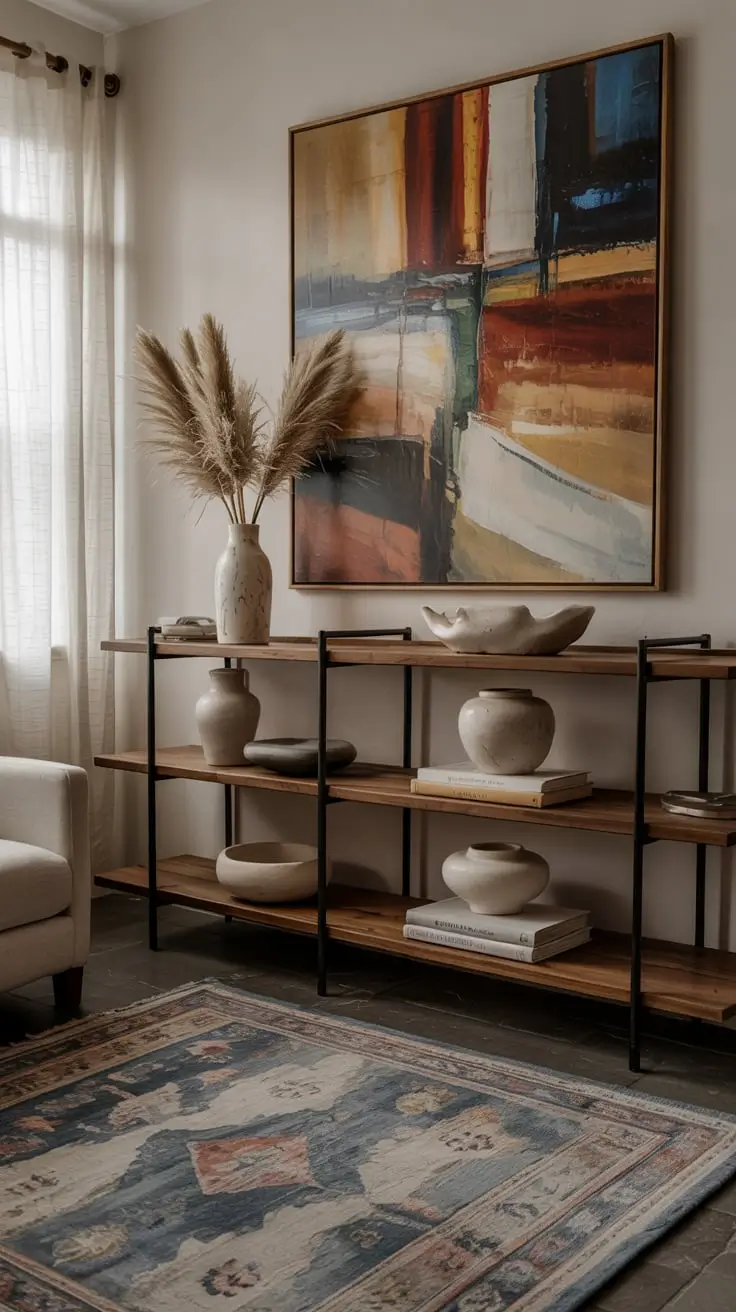
When selecting decor items, I work with curated groupings instead of numerous scattered pieces. A single statement artwork mounted above a compact sofa, a soft patterned rug, or a minimal gallery wall with coordinated frames often sets the tone. Slim shelves, wall-mounted lamps, and compact accent tables add personality without overwhelming the footprint. Each item is intentionally chosen for both emotional value and practicality.
From my professional experience, personalization transforms tiny rooms into meaningful, human-centered environments. Designers featured by House Beautiful often say that “a small room should tell a polished, intentional story,” and I completely agree. A carefully chosen rug, curated art, or bespoke cushion set can make a compact living area feel far more sophisticated. My clients often express how personalized details make their small homes feel truly their own.
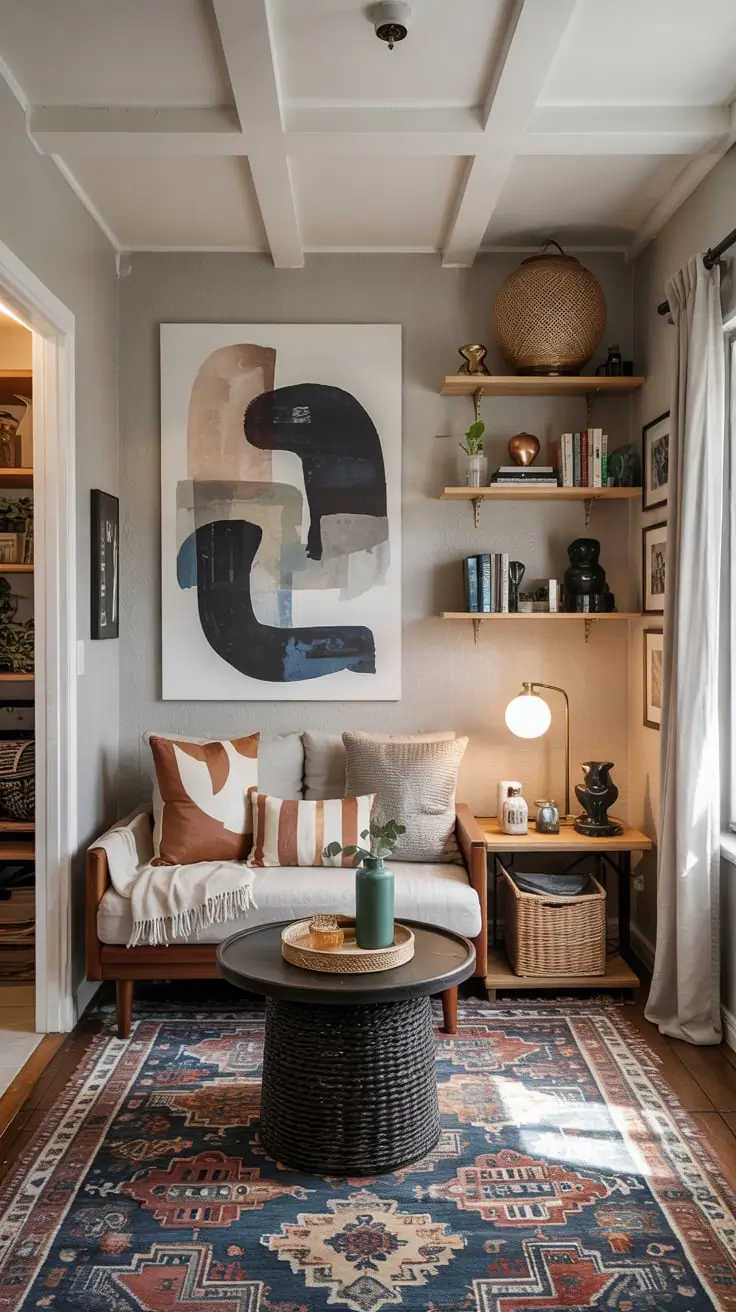
To complete this section, I would add a compact media gallery or a small stack of aesthetically coordinated books on a floating shelf. These simple elements bring warmth and reflect the occupant’s character perfectly.