Designing a compact outdoor space becomes far more achievable with modern Small garden ideas 2026, which prioritize functionality, style, and sustainability. How can a small balcony, courtyard, or backyard be transformed into a sophisticated retreat? What strategies help maximize limited space without sacrificing comfort? In this article, I will explore solutions that help small gardens reach their full potential through intentional planning, clever layout choices, and thoughtful design features.
As I walk you through each concept, I will share practical techniques that I personally rely on when designing compact outdoor environments. These ideas showcase how even the tiniest areas can incorporate greenery, seating, décor, and ambiance in ways that feel refined and highly functional. Let’s reimagine how small garden spaces can be transformed into vibrant, modern havens.
1. Compact Urban Garden Retreat
I often begin designing a compact urban retreat by evaluating how to make the area feel secluded and inviting despite its limited size. With Small garden ideas 2026, I focus on layered greenery, warm materials, and subtle privacy elements that soften the surrounding cityscape. I use verticality strategically, adding tall planters and climbers to introduce depth and dimension without overwhelming the footprint.
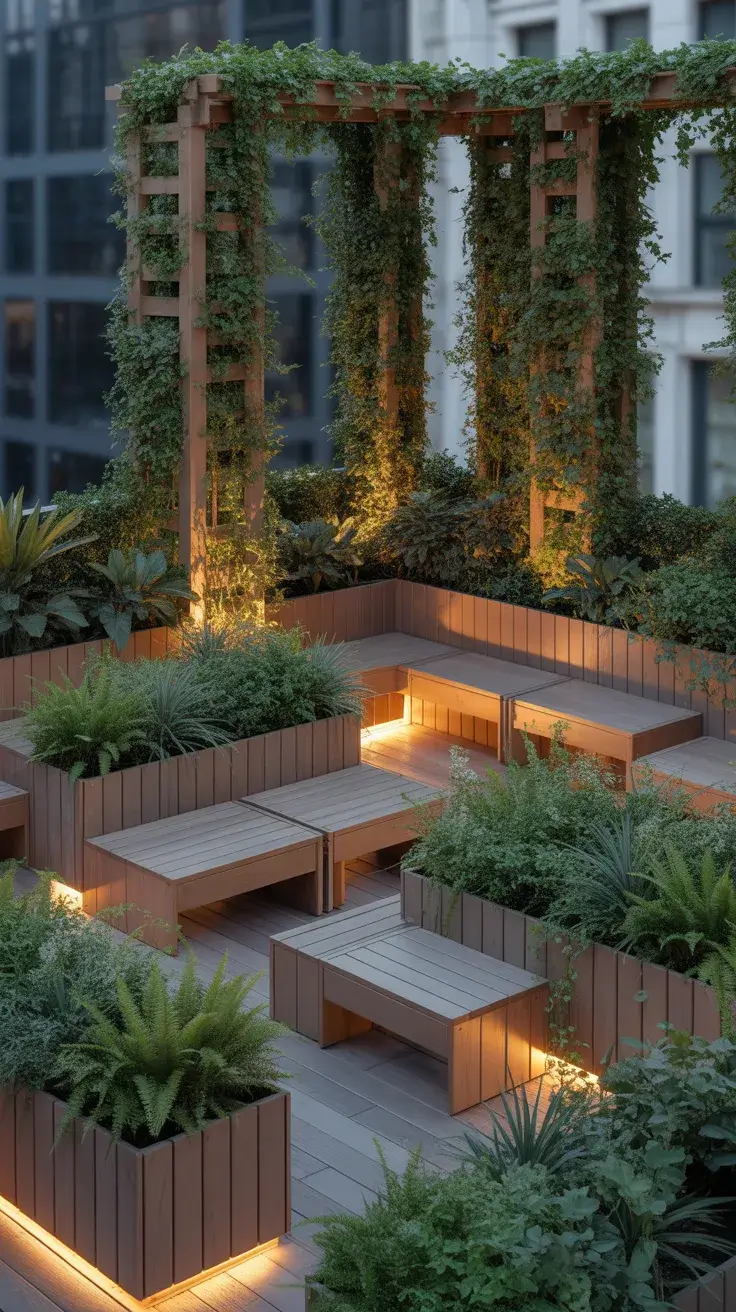
When selecting furniture, I choose modular seating, integrated benches with storage, and lightweight chairs that can be repositioned as needed. I also rely on plant stands and space-saving containers to add height variety while keeping the garden functional. Each item serves a purpose, ensuring the layout feels intentional and uncluttered.
From my experience, small urban gardens benefit immensely from sensory details like soft lighting or gentle water features. Many designers recommend blending natural textures with modern finishes, and I find this combination especially effective in compact spaces. It helps balance structure with softness.
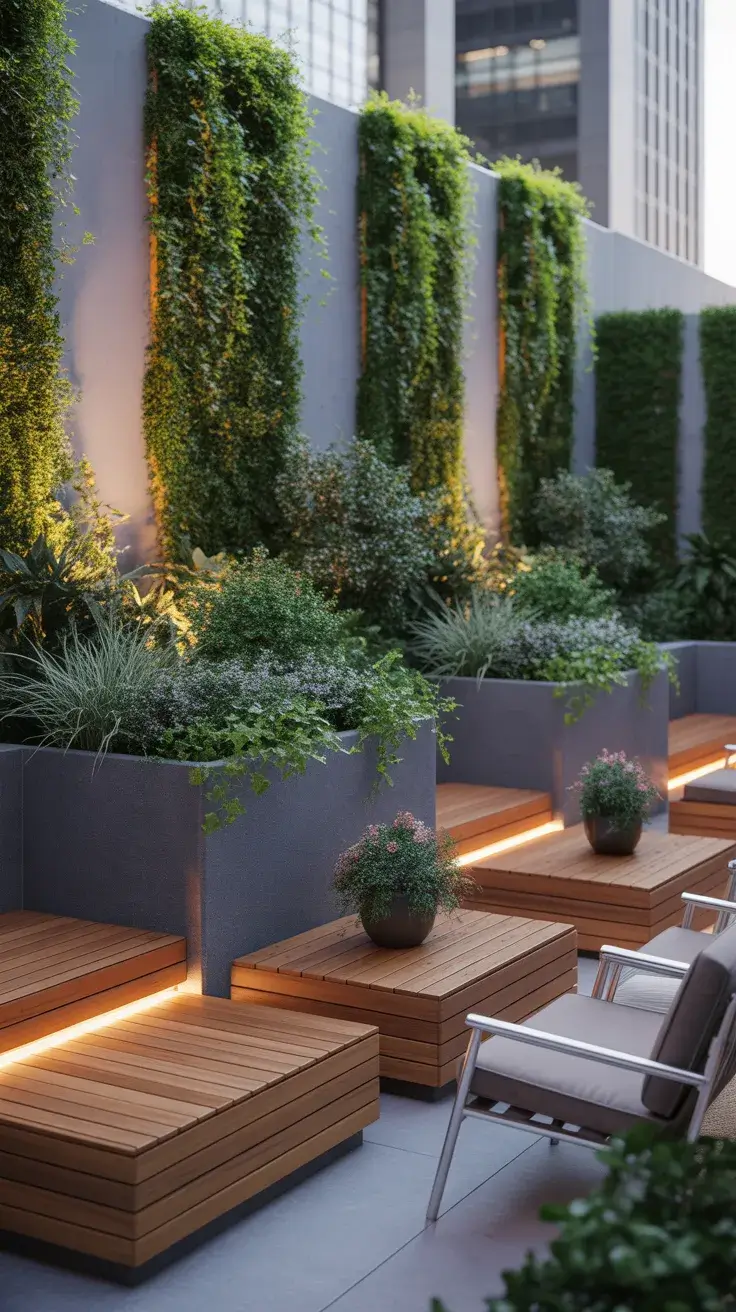
To elevate this section further, I would include a few movable planters that allow seasonal rearranging for added flexibility.
2. Modern Minimalist Courtyard Oasis
When designing a minimalist courtyard, I focus on creating a calm, structured environment defined by clean lines and intentional simplicity. Small garden ideas 2026 encourage minimal plant palettes and streamlined materials that help the courtyard feel expansive and uncluttered. This approach allows even the smallest space to feel sophisticated and airy.
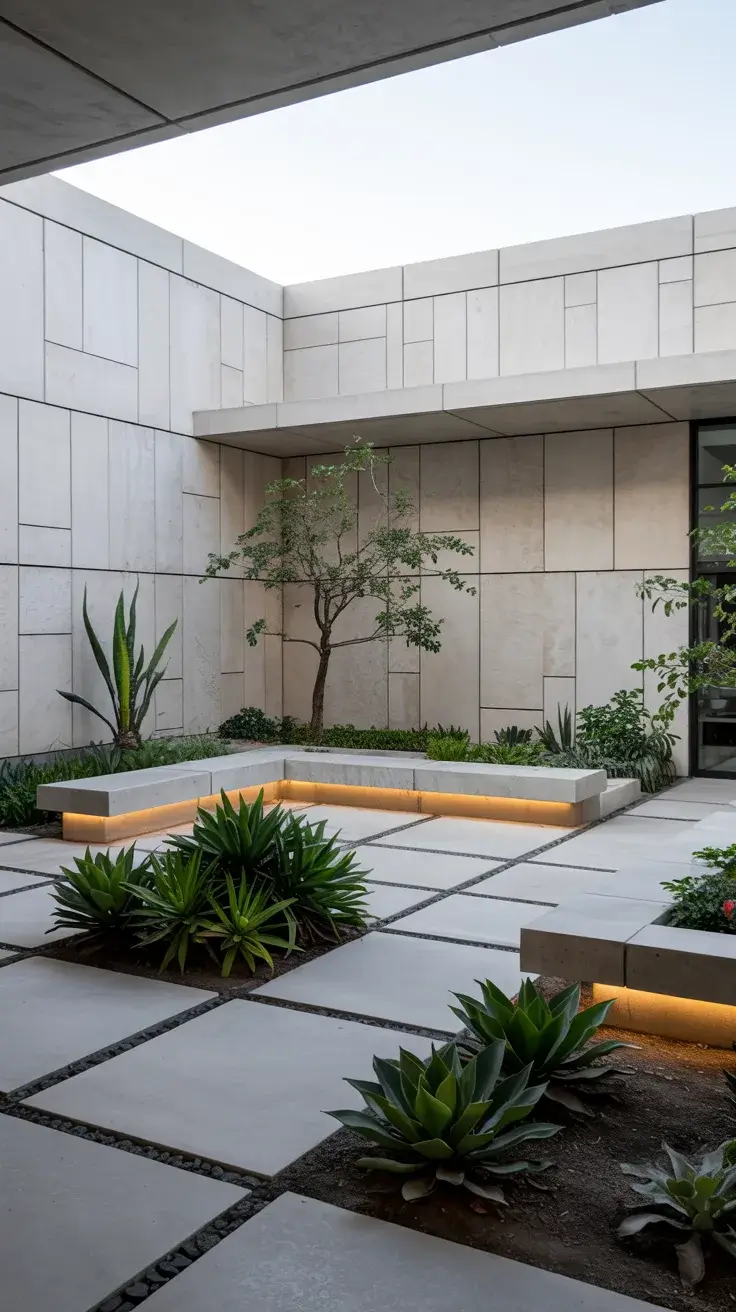
For furniture, I choose pieces with geometric silhouettes—built-in benches, concrete or teak elements, and smooth pavers that reduce visual noise. Sculptural greenery such as olive trees or Japanese boxwood often becomes the focal point. Every element is chosen for function and aesthetic clarity, ensuring the environment remains serene.
I’ve found that homeowners appreciate the timeless feel of minimalist spaces. Publications like Architectural Digest recommend limiting the material palette to avoid distractions, and I follow this guideline consistently. Soft integrated lighting can further enhance the tranquil mood.
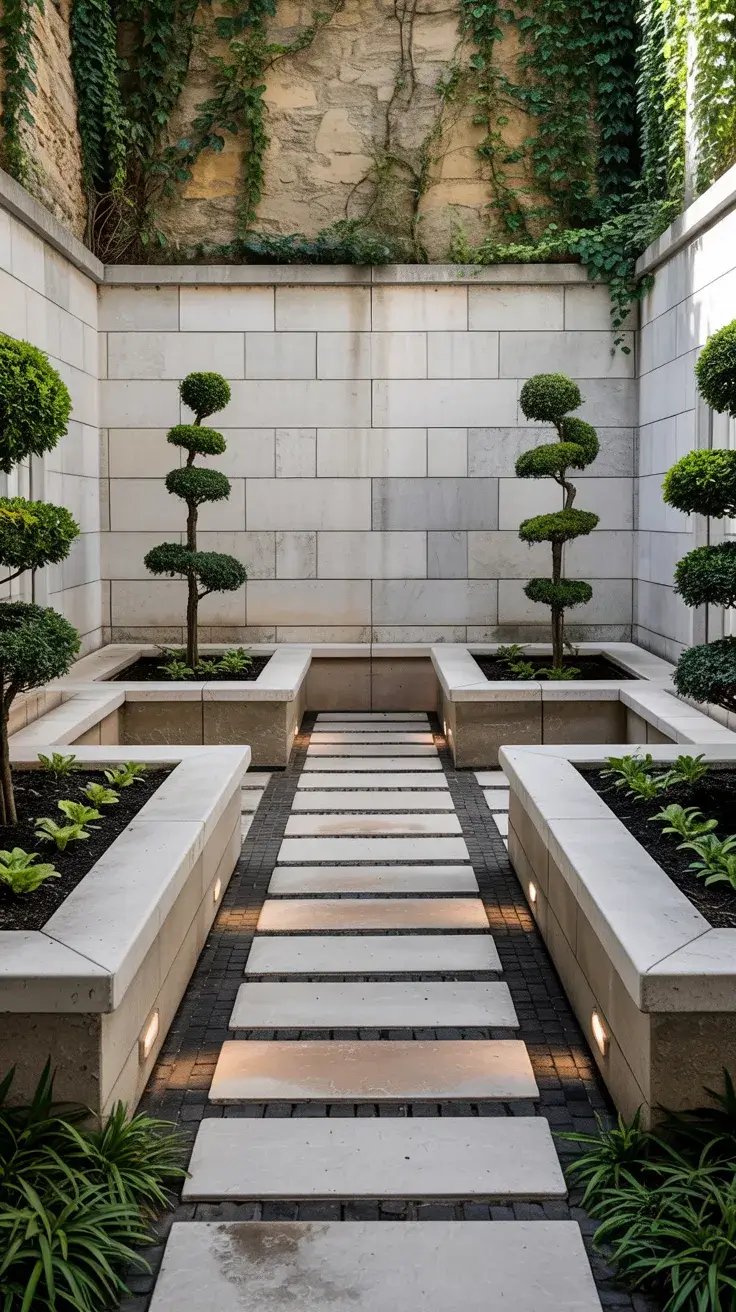
Adding a single reflective element, such as a still water bowl, could enrich this design without compromising its simplicity.
3. Vertical Green Wall Inspirations
Vertical green walls are one of my preferred solutions for maximizing greenery in compact gardens. They embody the spirit of Small garden ideas 2026 by transforming unused wall space into lush living art. Vertical plantings also create a sense of depth and bring refreshing natural texture to tight environments.
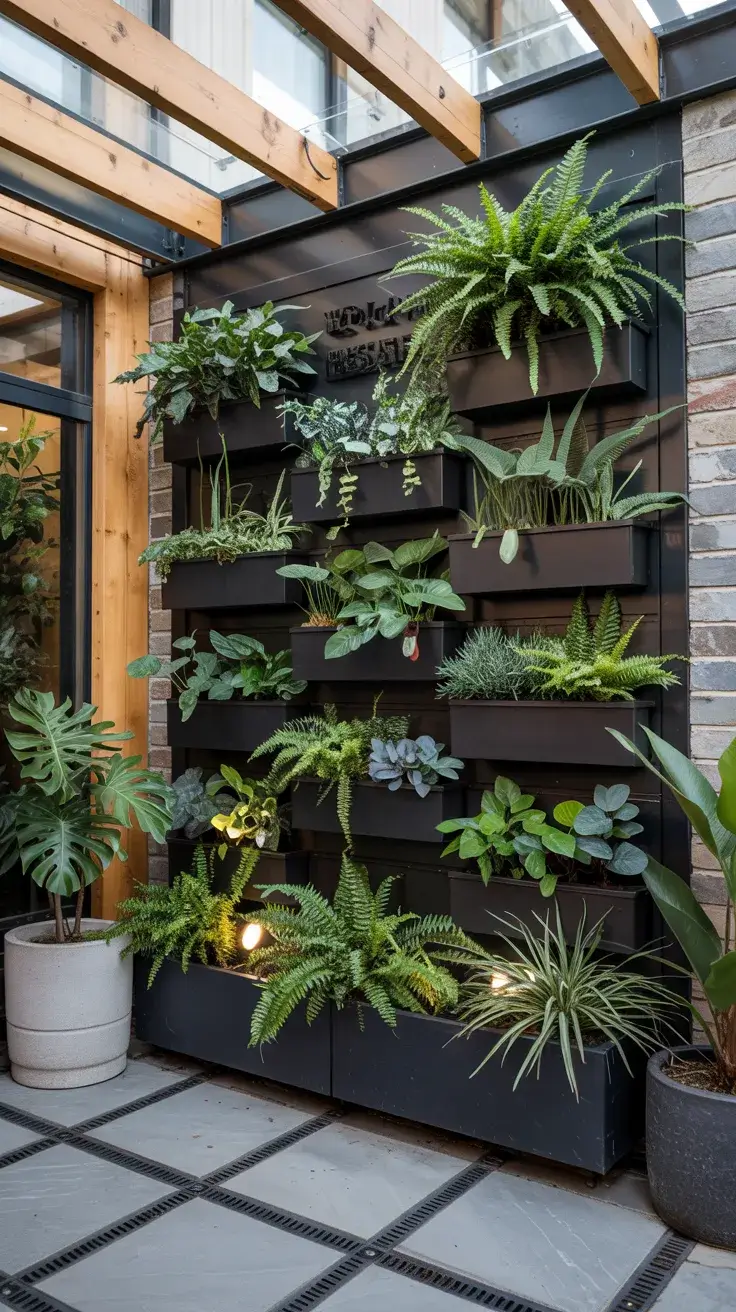
For these installations, I often use modular systems with integrated irrigation to ensure easy maintenance. I select a mix of ferns, succulents, and trailing plants for variety while keeping the design cohesive. Framing the wall with matte black steel or warm timber adds architectural refinement.
I’ve observed that vertical walls dramatically change the perception of space. Designer Jamie Durie often speaks about the transformative power of vertical gardening, and I fully agree. These installations turn even narrow patios into verdant retreats that feel immersive.
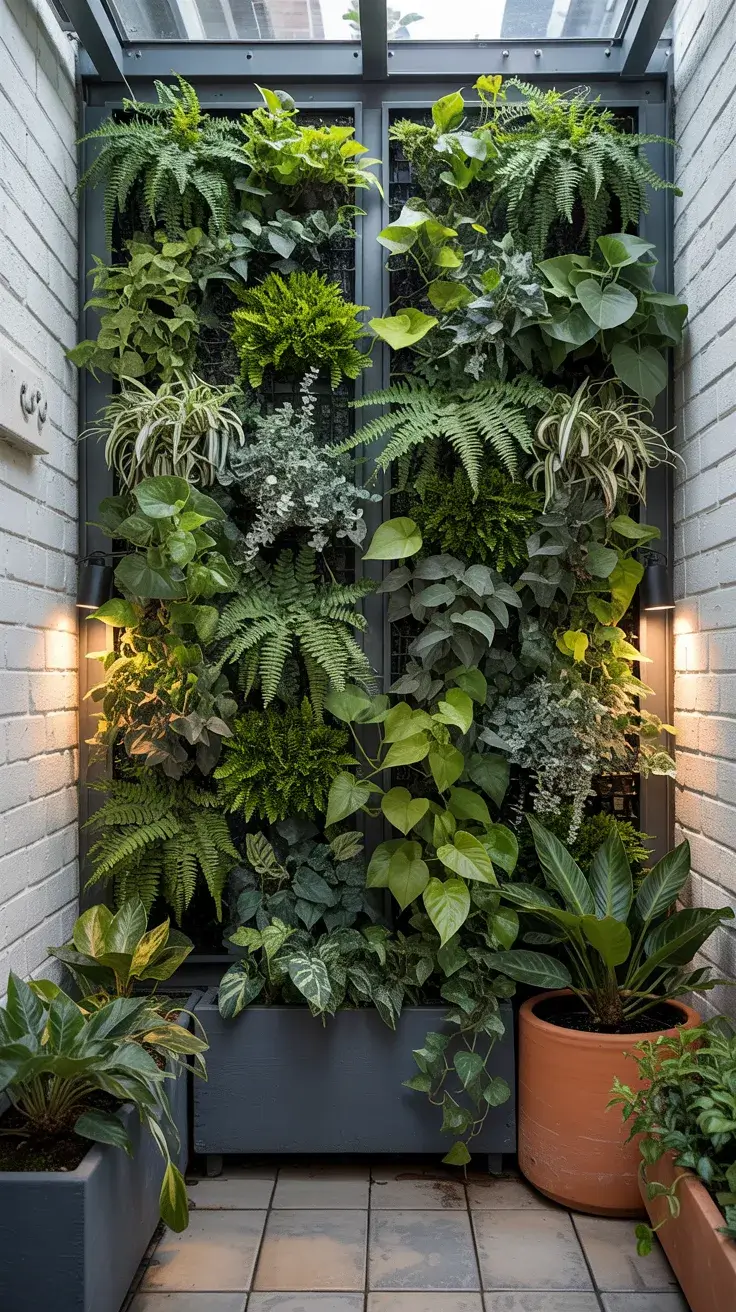
If needed, I would also add subtle uplighting to highlight the shape and texture of the plant varieties.
4. Small Space Edible Garden Concepts
Designing a compact edible garden begins with organizing planting zones for herbs, greens, and container-friendly fruiting plants. With Small garden ideas 2026, many homeowners prefer versatile systems like stackable planters and balcony-friendly raised beds that allow them to grow fresh produce regardless of available space.
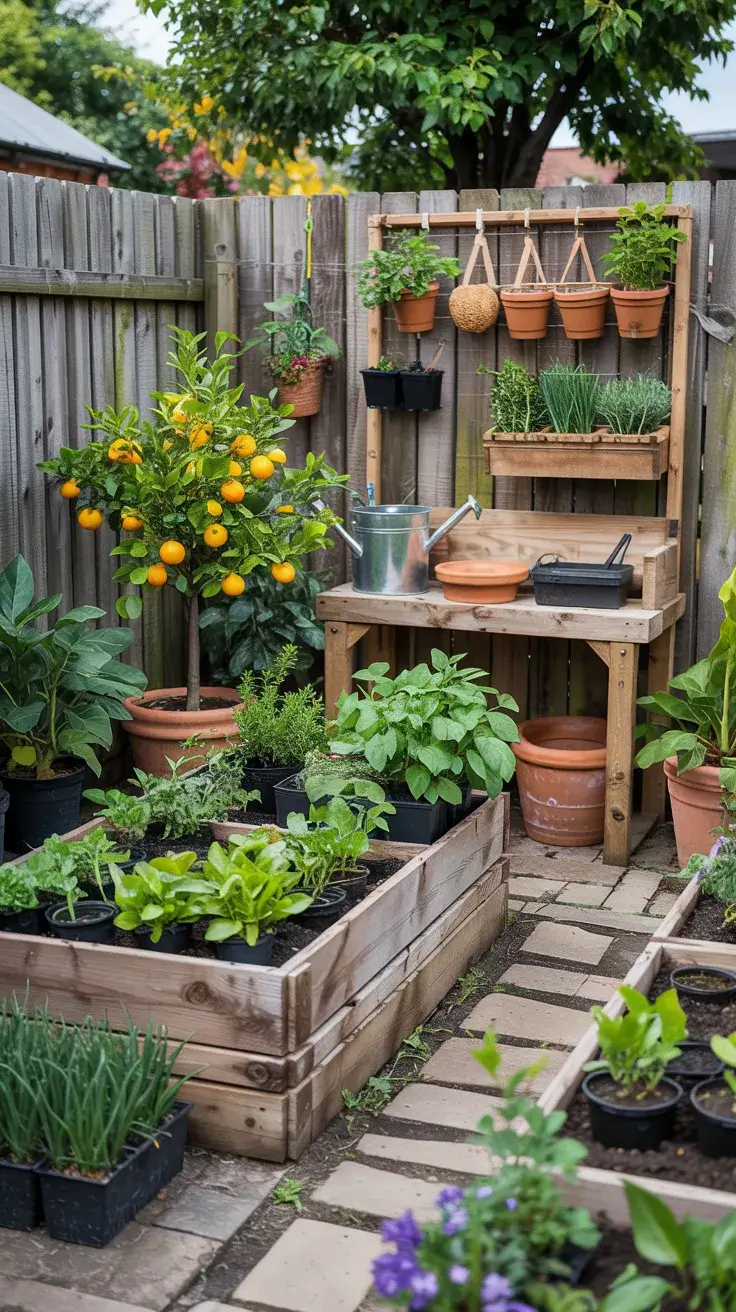
I often incorporate terracotta pots, galvanized beds, vertical herb racks, and dwarf fruit trees that thrive in containers. A lightweight potting bench helps streamline the process, while drip irrigation or self-watering planters support easier maintenance. Each element is chosen for both efficiency and aesthetic appeal.
From my own experience, edible gardens add meaningful daily enjoyment to small spaces. Experts frequently recommend choosing compact or multiseason varieties for high yield, and I have found this advice especially helpful when designing microgardens.
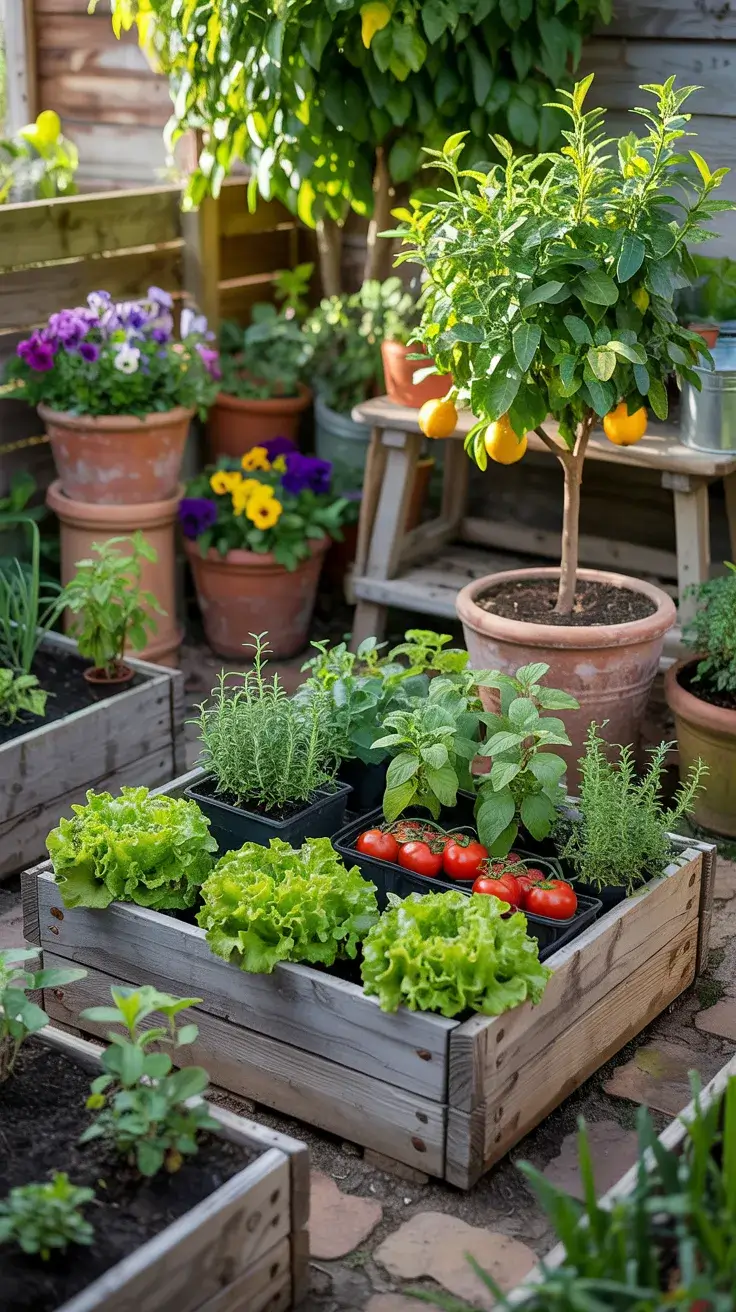
A small composting system or folding gardening stool would further enhance functionality without taking up much room.
5. Balcony Botanical Haven
Balconies offer tremendous opportunities to create lush, calming environments even with minimal floor space. When applying Small garden ideas 2026, I emphasize vertical layering, railing planters, and airy plant arrangements that prevent the balcony from feeling crowded. This helps form a natural, botanical escape within an urban setting.
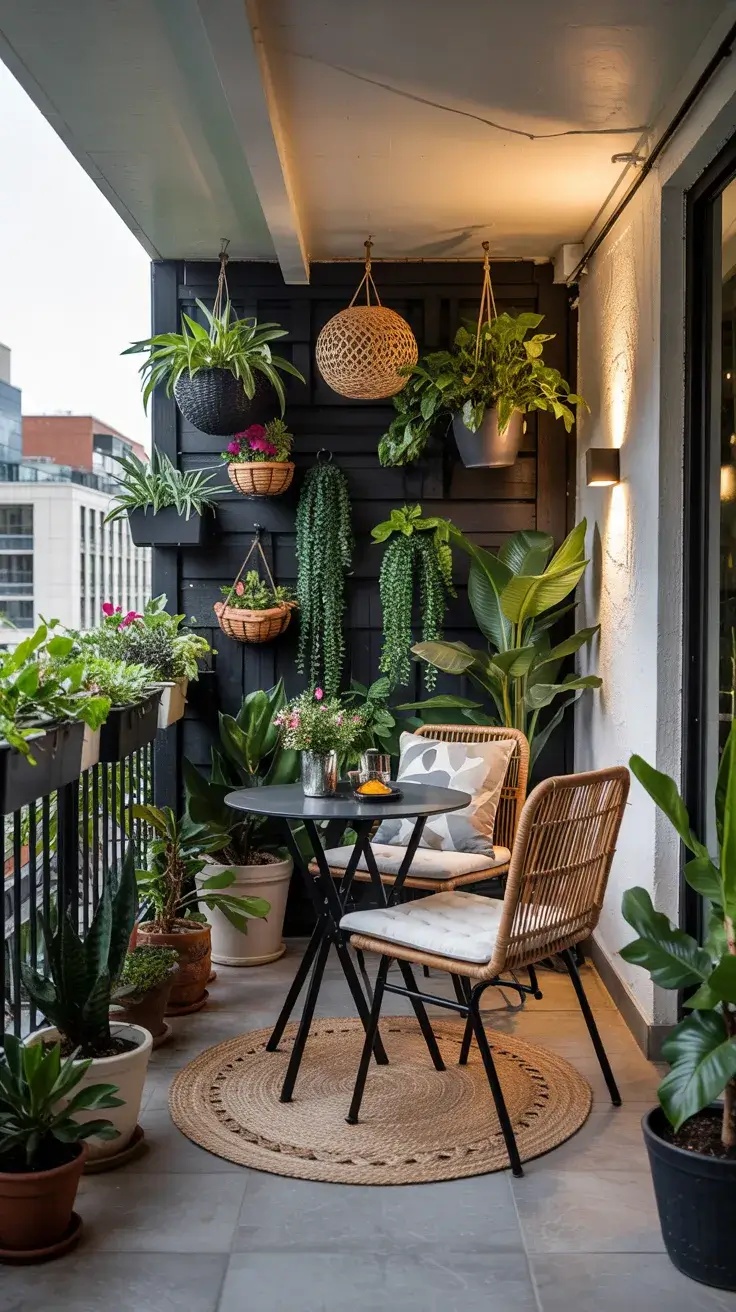
I typically choose slim planters, hanging baskets, and compact bistro seating to preserve mobility. Incorporating outdoor textiles like cushions or woven rugs softens the overall look and creates a more welcoming atmosphere. Durable materials such as acacia wood and powder-coated metal ensure longevity.
In my practice, strategically layered plant heights make a balcony feel immersive and dynamic. Some designers recommend reflective accents to amplify natural light, and I use this technique when working with shaded balconies.
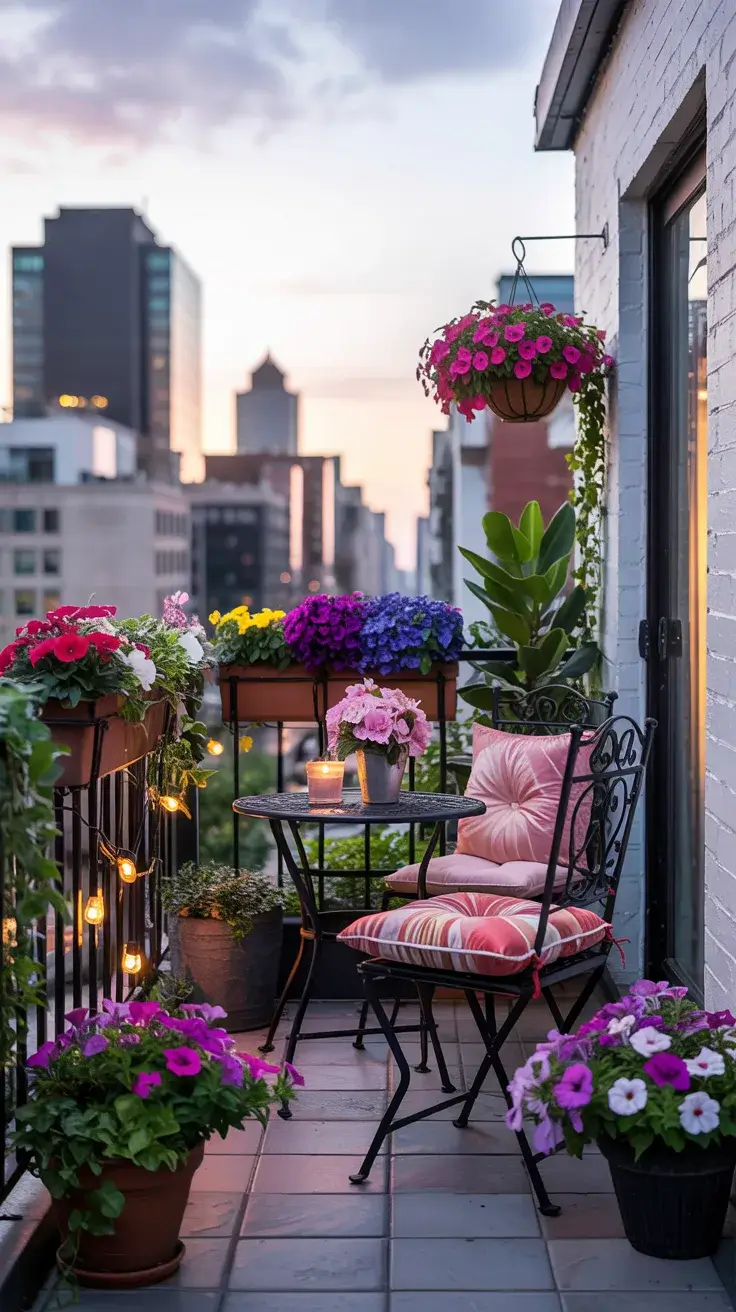
To further complete this concept, a narrow plant shelving unit would add both structure and versatility.
6. Tiny Backyard Zen Sanctuary
When designing a Zen-inspired sanctuary in a tiny backyard, I prioritize simplicity, tranquility, and strong natural elements. Small garden ideas 2026 highlight calm environments that promote relaxation through textured stone, greenery, and harmonious layouts. I keep the color palette neutral and the design restrained to evoke a meditative feel.
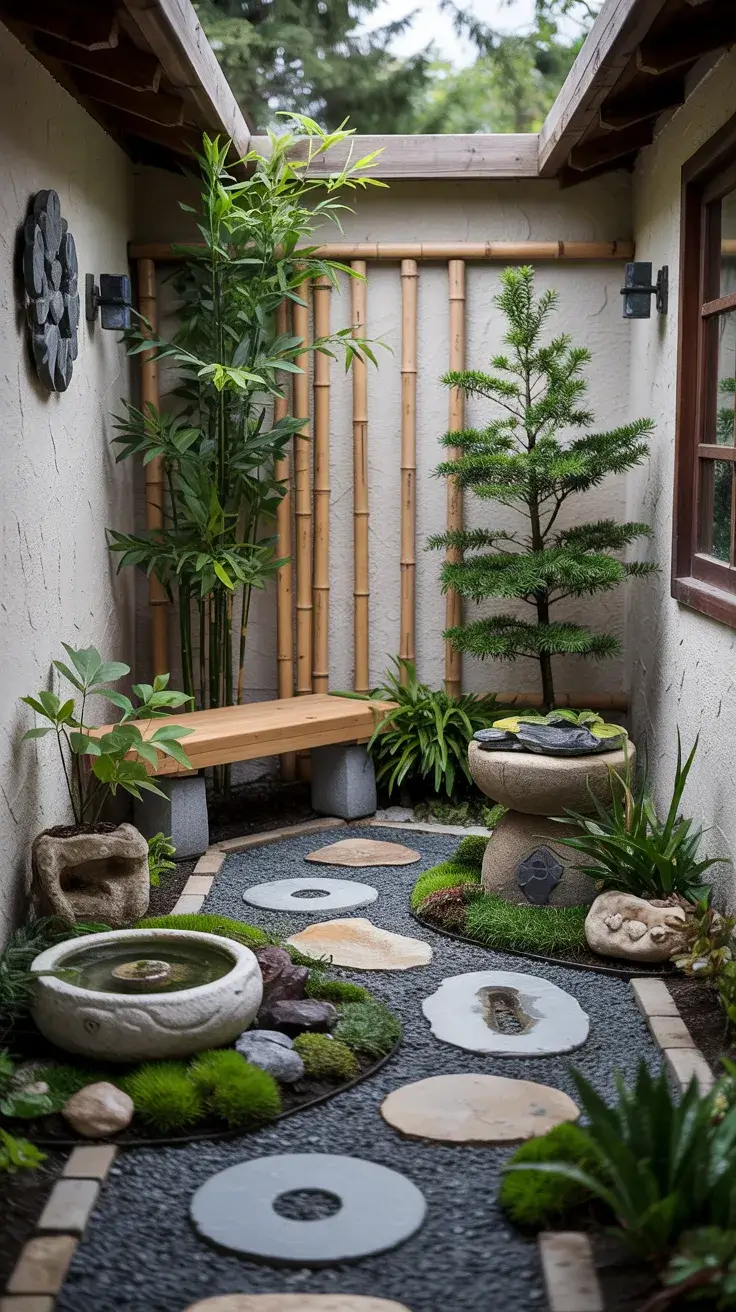
Elements such as gravel paths, bamboo screens, and low benches help define the sanctuary without overcrowding it. Water bowls or miniature fountains introduce soft sound, contributing to a soothing ambiance. Plant choices often include moss, Japanese maple, and ornamental grasses for subtle elegance.
Based on my experience, maintaining negative space is essential. Landscape experts like Marc Peter Keane emphasize the importance of emptiness in Japanese garden design, and I apply this principle consistently. It brings clarity and balance to even the smallest Zen settings.
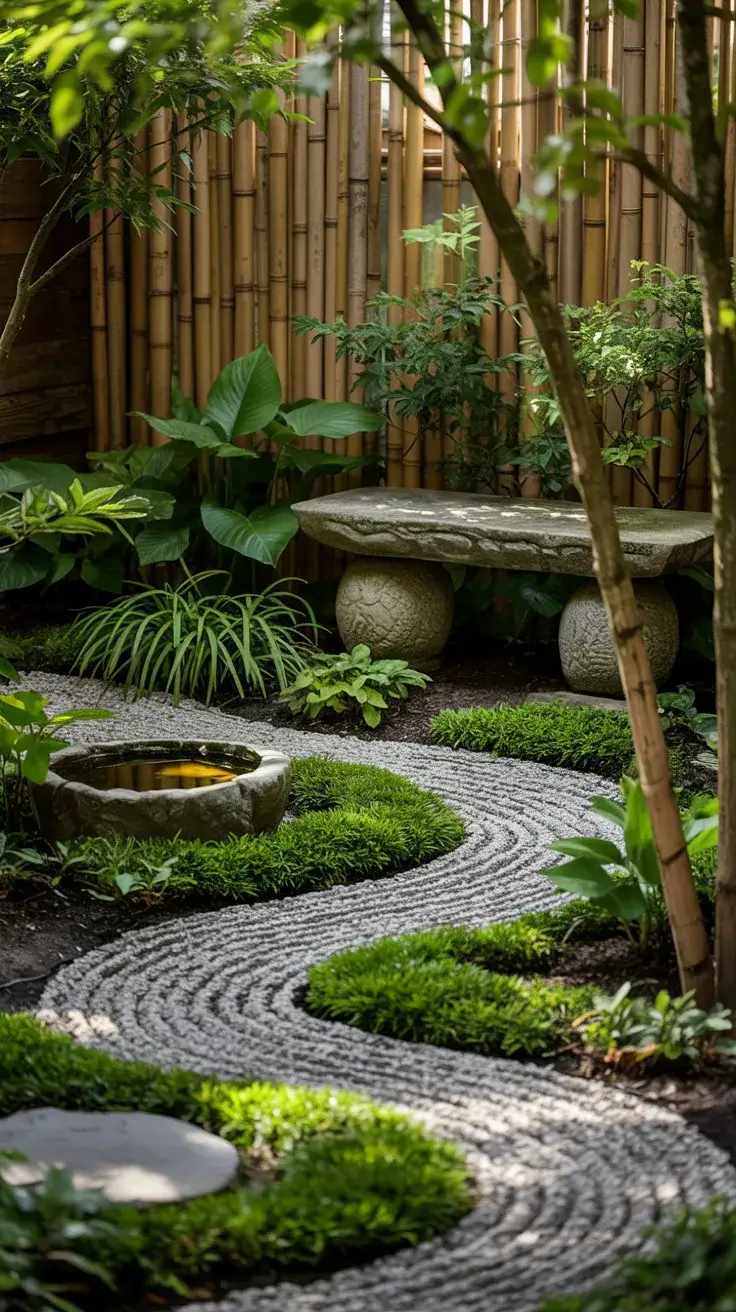
A discreet lantern or soft ground-level lighting could provide additional warmth while maintaining serenity.
7. Colorful Container Garden Ideas
Container gardens are one of the most flexible and expressive ways to bring color into compact outdoor areas. Small garden ideas 2026 embrace bold combinations of flowers, foliage, and pottery that create vibrant focal points in both modern and traditional settings. Containers allow seasonal creativity and easy rearrangement.
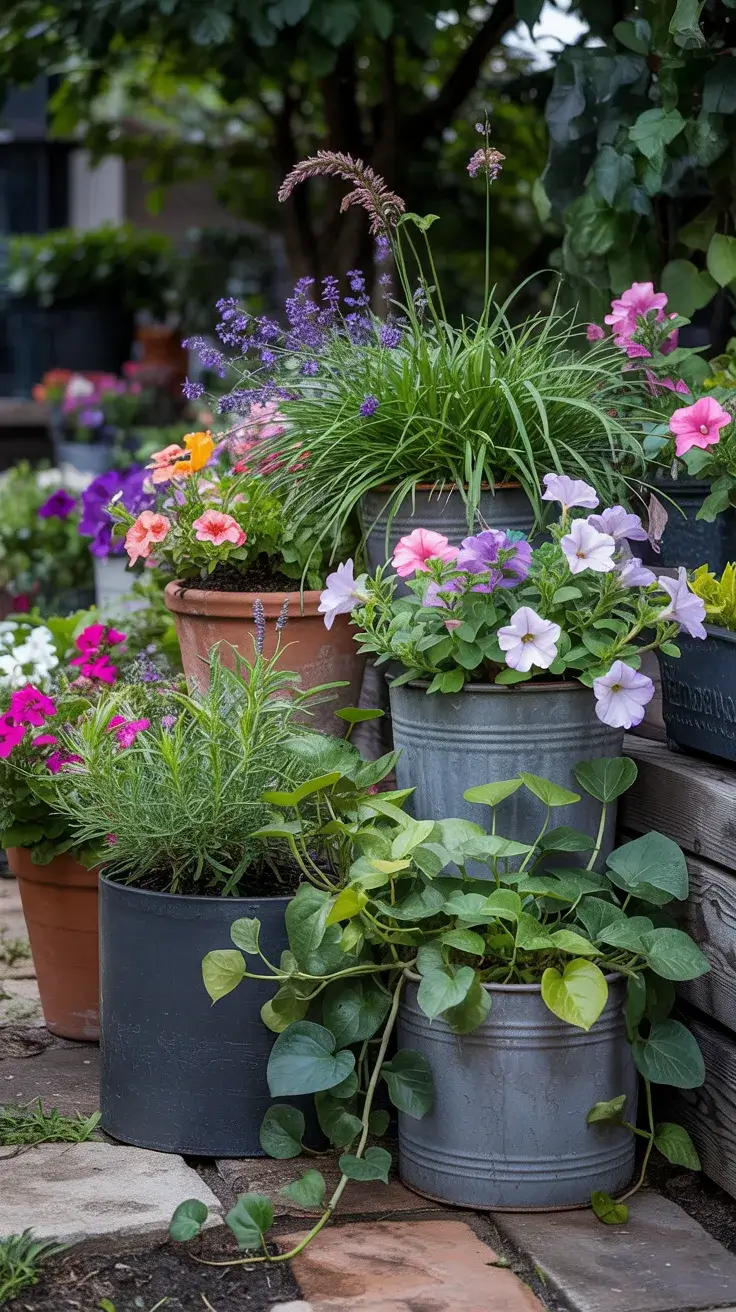
I like to mix ceramic, stone, and metal planters in varied heights and shapes. Vibrant annuals, dwarf shrubs, trailing vines, and ornamental grasses create dynamic contrast and depth. Self-watering containers are especially helpful for reducing maintenance demands.
In my experience, grouping pots in odd-number clusters provides better visual balance. Many garden experts recommend using one statement planter as an anchor, and I often follow this advice in compact spaces to avoid visual chaos.
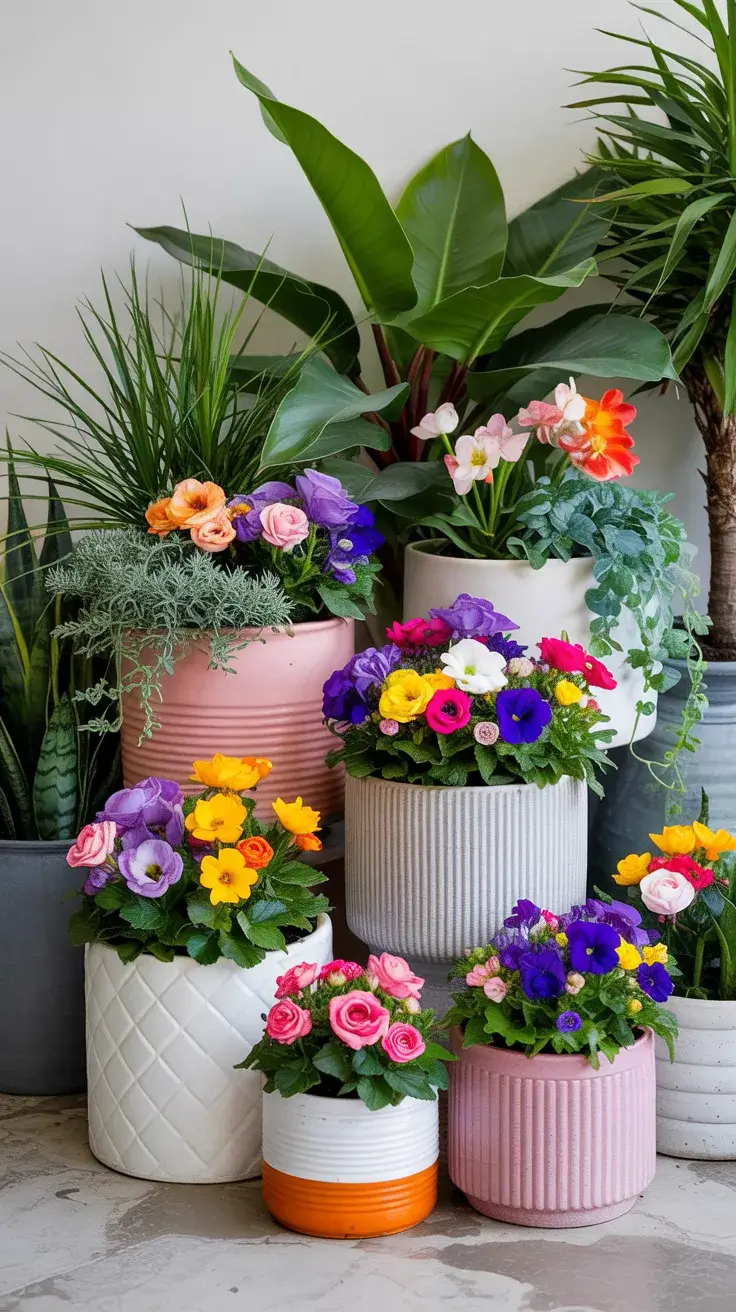
Adding a tiered plant stand would further enhance height variety and expand the display area.
8. Space Saving Raised Bed Designs
When I design raised beds for compact spaces, I focus on maximizing growing capacity without overwhelming the layout. In Small garden ideas 2026, raised beds are becoming slimmer, taller, and more modular, making them ideal for patios, rooftops, and narrow yards. I often use vertical stacking, tiered formations, or corner placements to free up movement while still offering ample planting room.
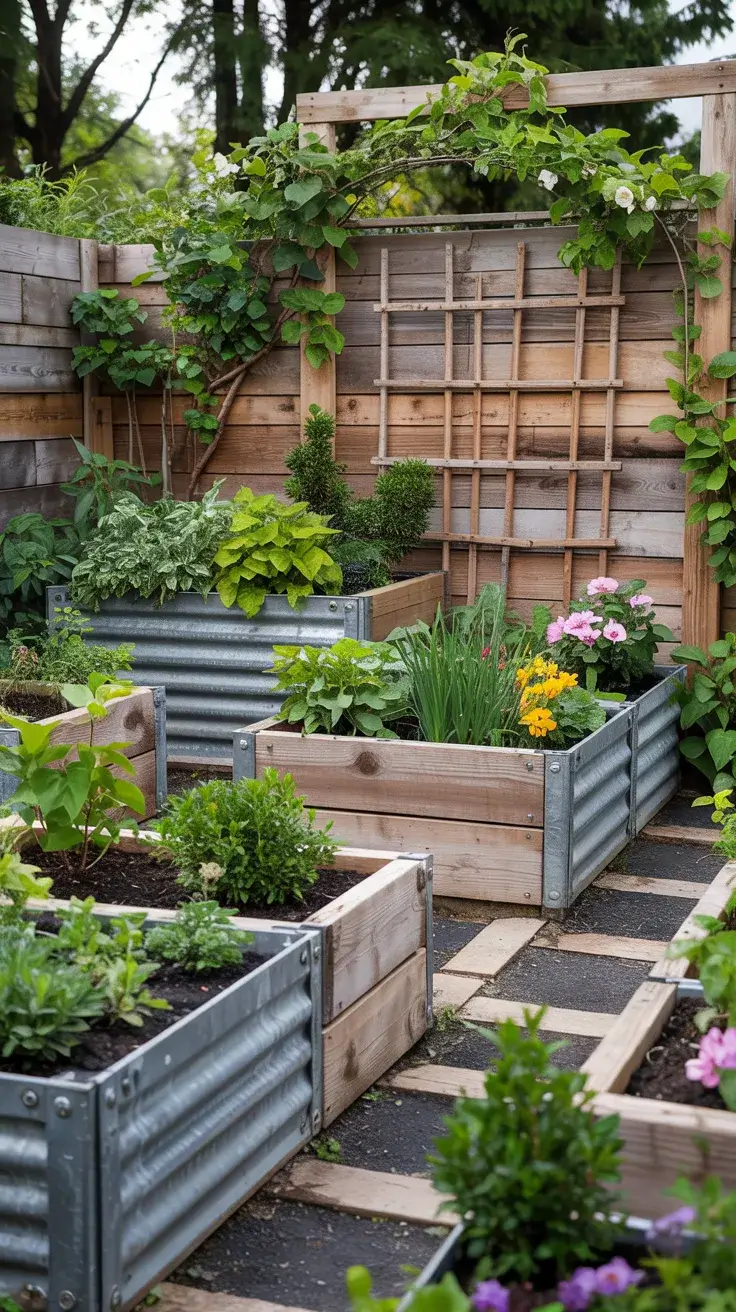
For materials, I select galvanized steel, cedar, or composite boards for durability and a clean, modern look. I include built-in edging, narrow tool shelves, or integrated trellises to enhance function without occupying extra space. Taller beds reduce back strain and improve drainage, making them particularly practical for everyday use.
From my experience, raised beds visually structure a small garden and prevent it from feeling chaotic. Gardening experts often recommend choosing elevated beds to warm the soil faster in spring, which improves yield in compact edible gardens. This benefit becomes especially valuable in limited outdoor areas.
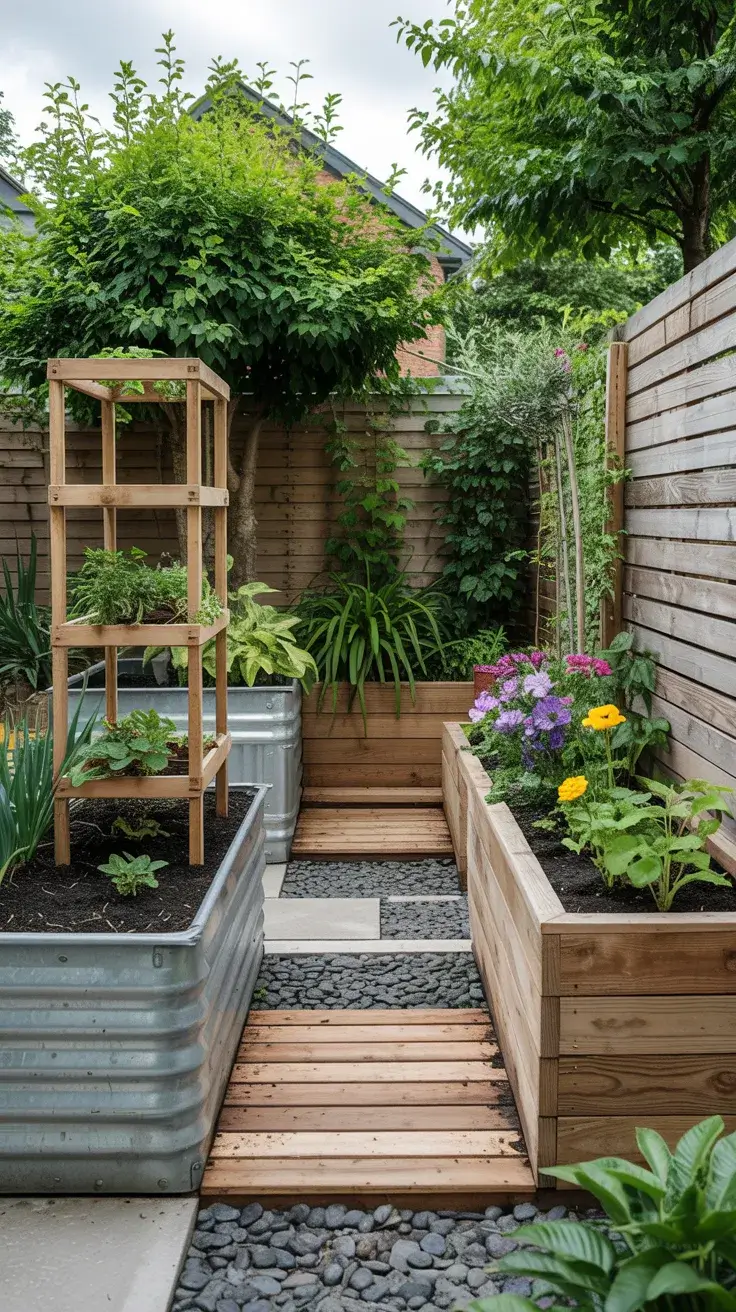
To elevate this design further, I would include narrow drip irrigation lines to simplify watering and support plant health.
9. Miniature Wildlife Friendly Garden
Creating a wildlife-friendly garden in a very small space is entirely possible when the layout prioritizes layered planting and natural habitats. With Small garden ideas 2026, I incorporate pollinator-friendly flowers, native grasses, and compact shrubs that attract bees, butterflies, and small birds. Even microgardens can support biodiversity when thoughtfully designed.
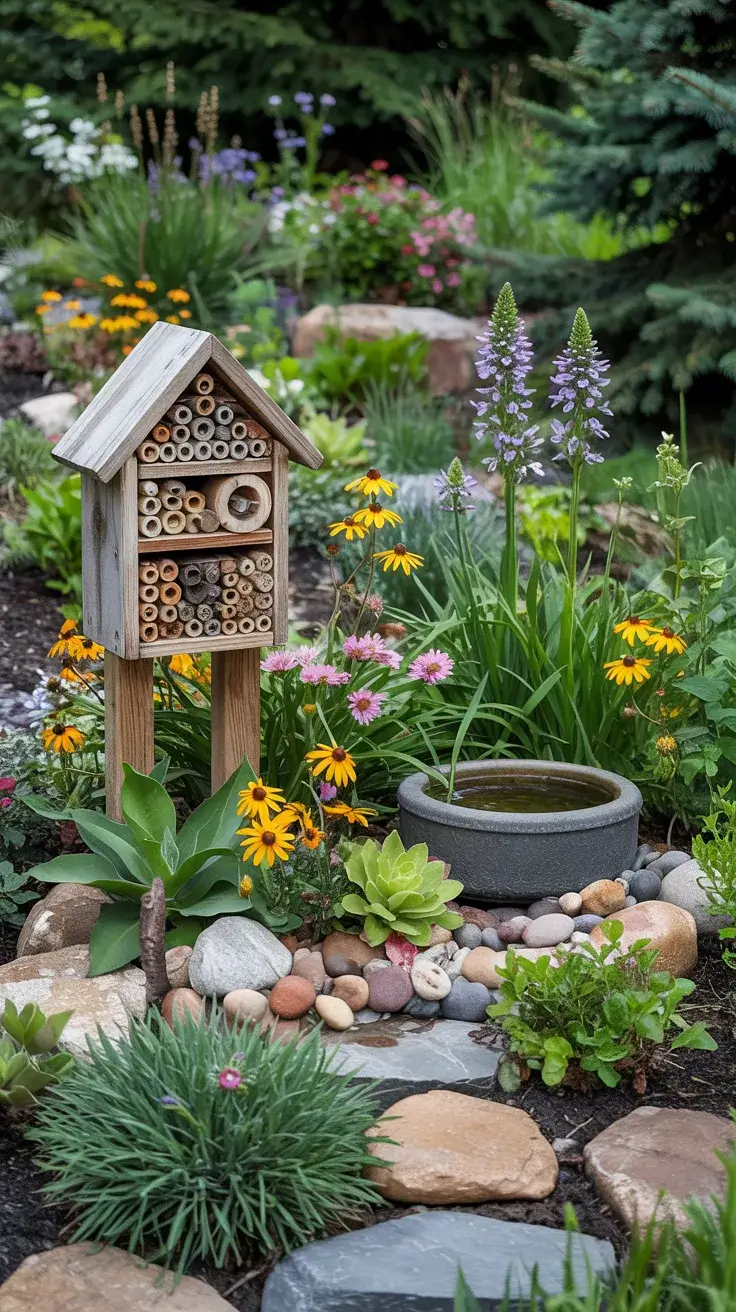
I choose shallow water bowls, small rock clusters, insect hotels, and dense flowering plants to provide both shelter and nourishment. Native plant varieties require less maintenance and better support local ecosystems. I intentionally place these elements near seating areas so visitors can enjoy observing wildlife activity.
In my professional work, I’ve seen how wildlife gardens create emotional value far beyond their size. Organizations like the National Wildlife Federation encourage even small homeowners to include nectar plants and water sources, and I apply this advice in my designs.
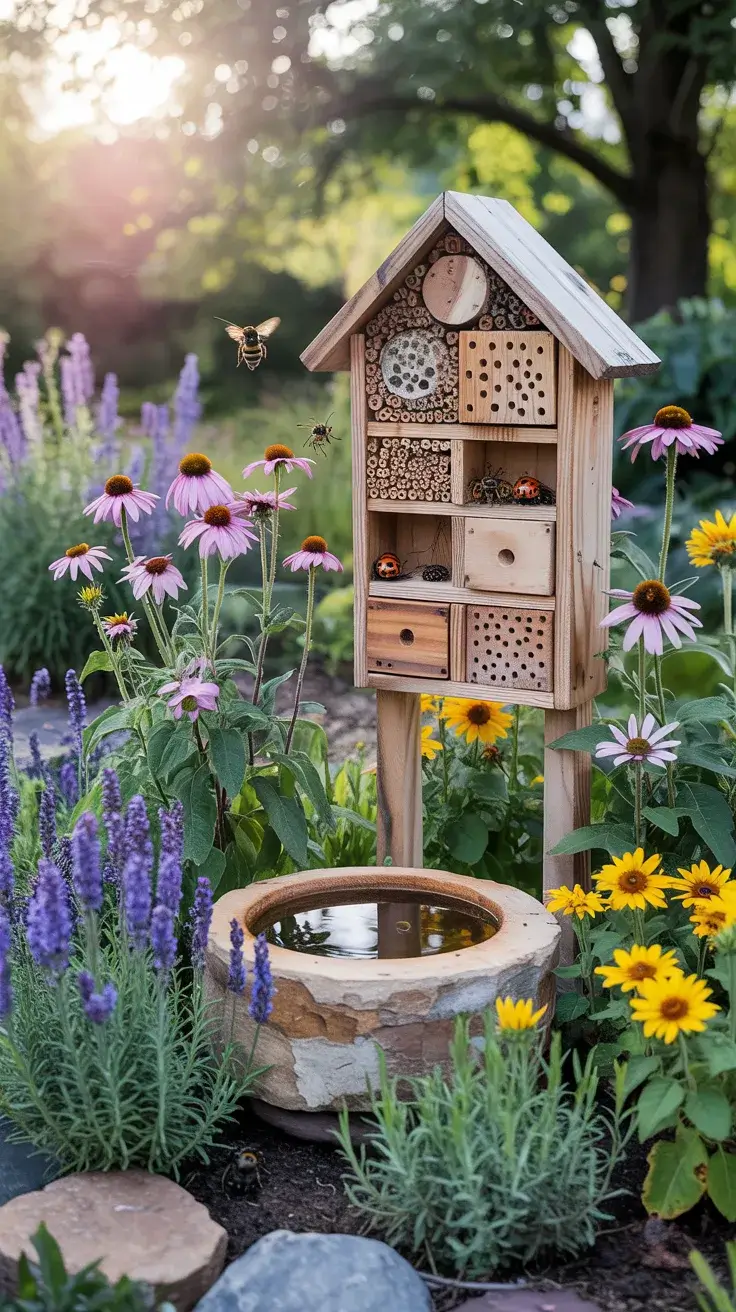
A tiny log pile or a vertical pollinator tower could further enrich this garden type without consuming space.
10. Low Maintenance Modern Garden Style
A low-maintenance modern garden is ideal for homeowners seeking beauty without intensive upkeep. According to Small garden ideas 2026, this design emphasizes evergreen structure, durable materials, and simplified plant palettes. I rely on clear geometry and repetition to maintain an uncluttered, contemporary feel.
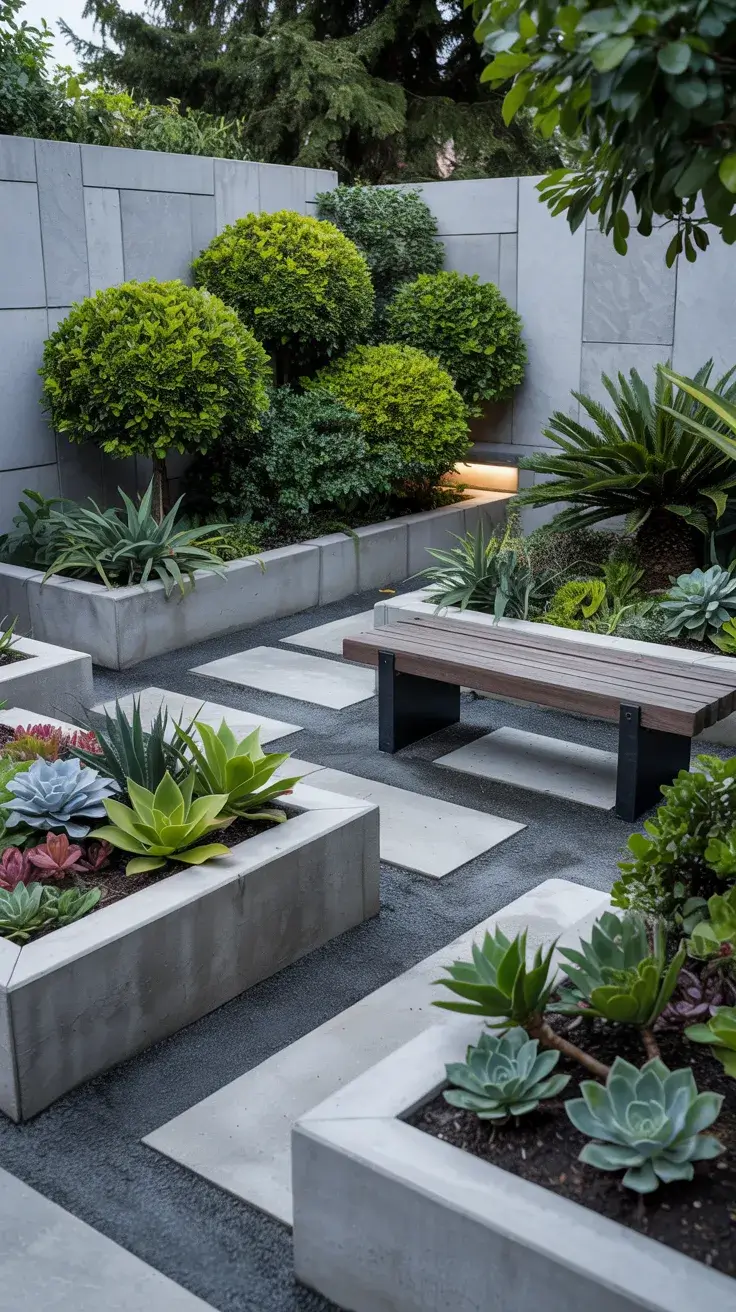
I often include architectural shrubs, gravel or concrete pathways, and raised planters with slow-growing species. Furniture choices lean toward weather-resistant materials such as powder-coated metal or composite wood. Decorative features like sculptural pots or minimalist fountains provide focal points without adding complexity.
My experience shows that low-maintenance gardens thrive when irrigation and lighting are automated. Many design publications suggest using drought-tolerant plants like lavender or agave for effortless upkeep, and these have proven successful in my projects.
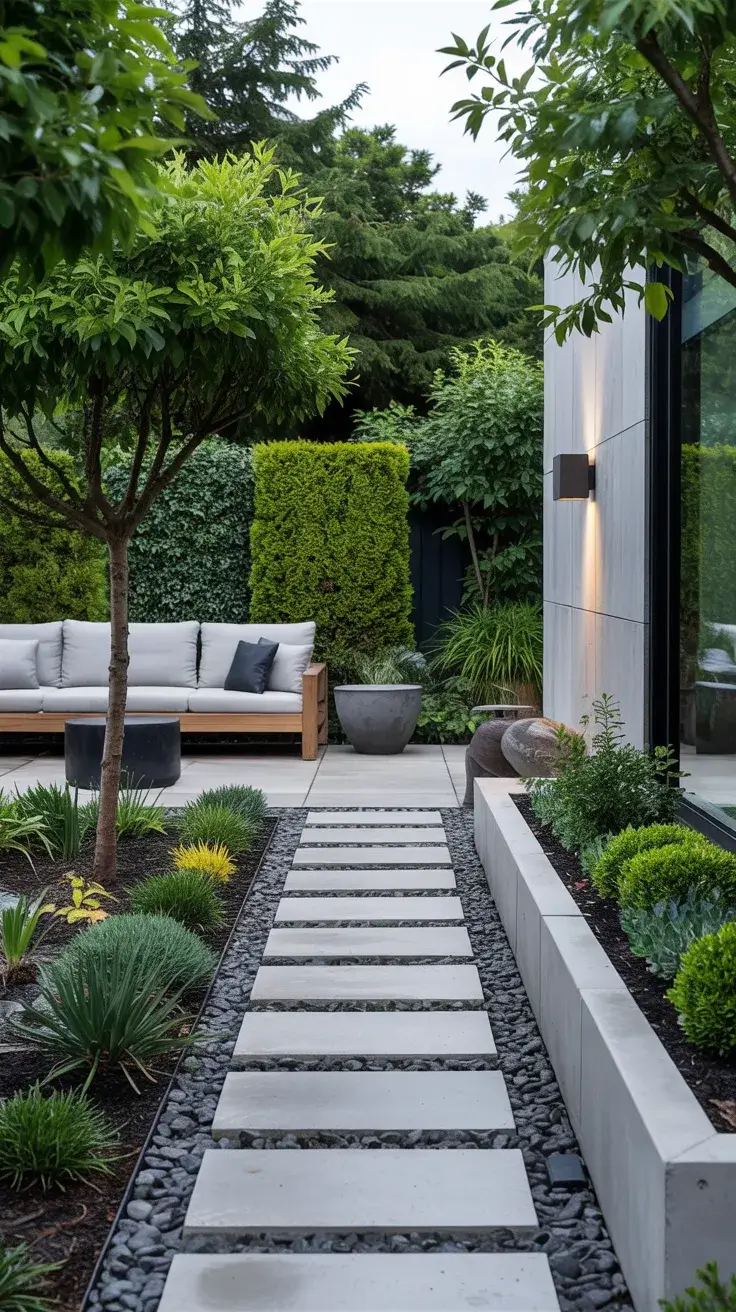
To round out this concept, I would add a storage bench to conceal tools and maintain the garden’s clean appearance.
11. Creative Pathways For Small Gardens
Pathways shape how small gardens feel and function. In Small garden ideas 2026, pathways are designed to guide movement while enhancing the sense of space through curves, patterns, or contrasting materials. I use pathways strategically to create flow and visually elongate compact areas.
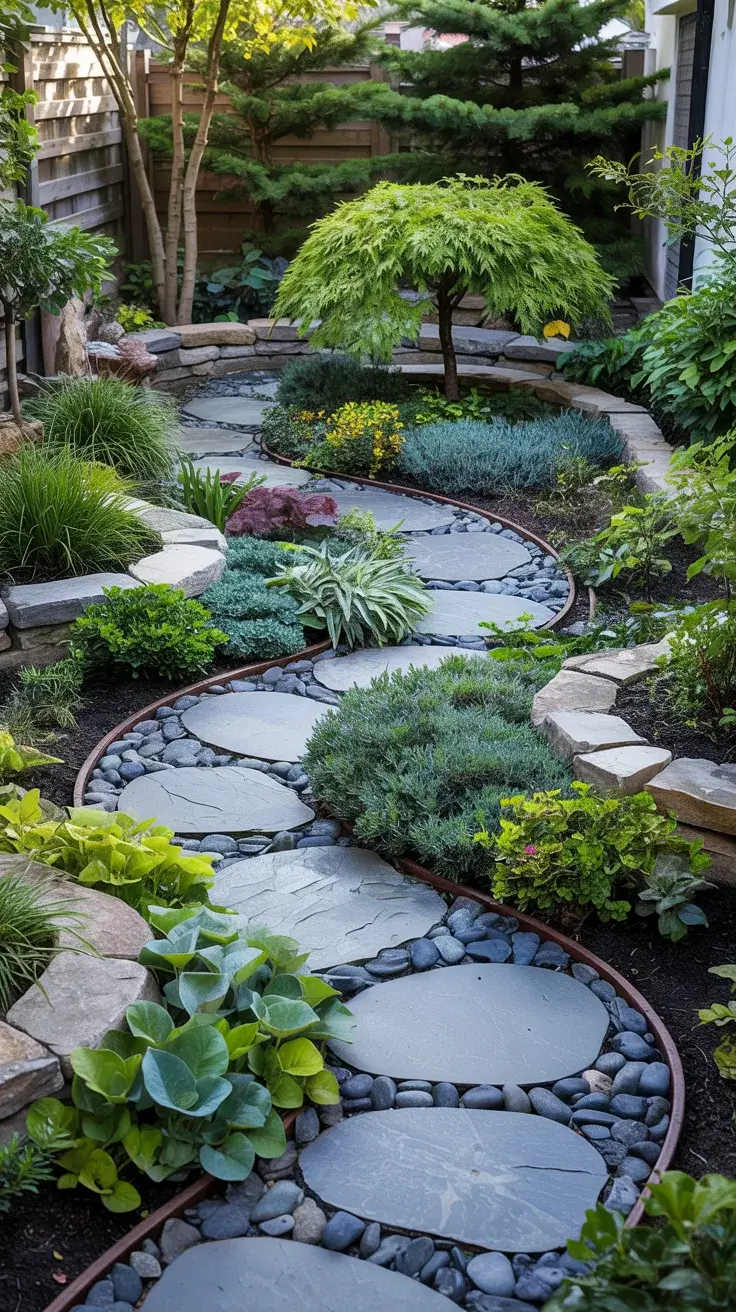
I incorporate stepping stones, narrow pavers, gravel ribbons, or geometric tile arrangements depending on the garden’s overall aesthetic. Materials like slate, limestone, and pea gravel offer both durability and style. I often border pathways with low plantings or groundcovers to soften edges and create a natural transition.
From my experience, designing an interesting path adds personality to small gardens and keeps them from feeling static. Landscape experts frequently recommend diagonal or curved layouts to make tight spaces appear larger, a technique I use often.
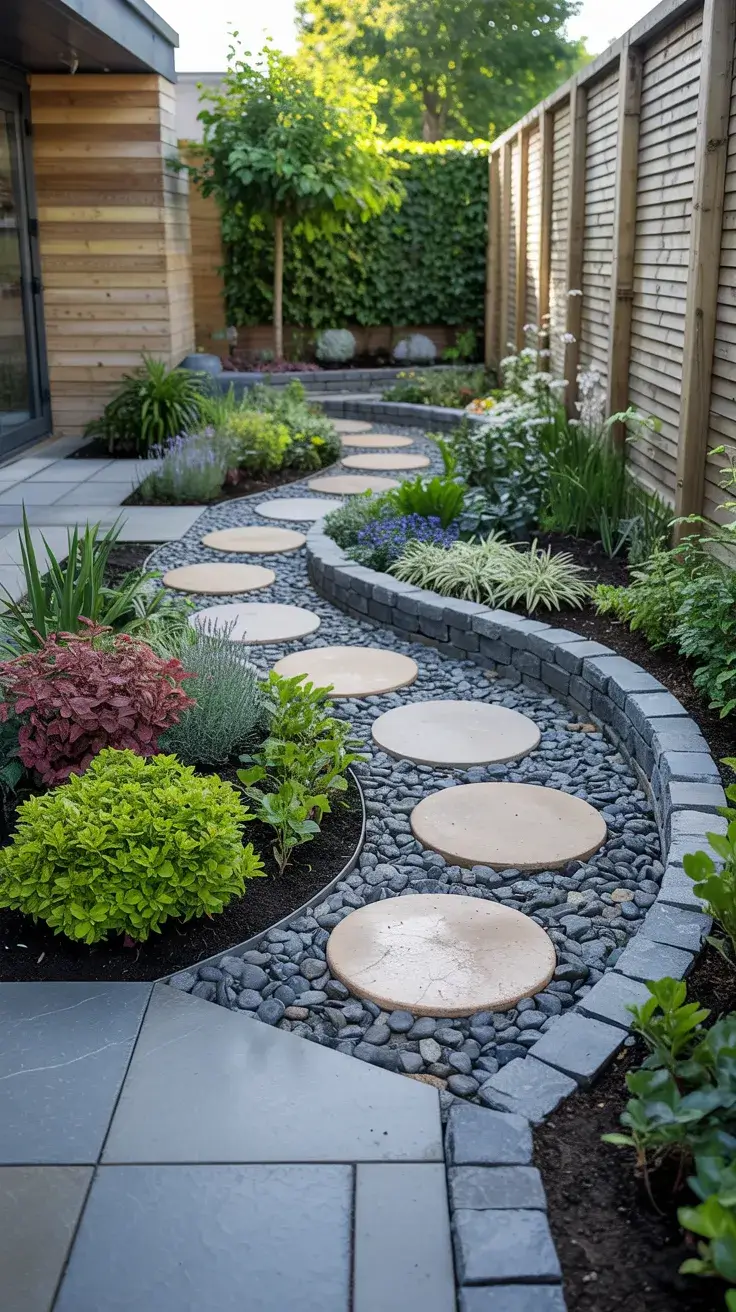
A subtle lighting line or recessed pathway lights would complete this concept beautifully.
12. Multifunctional Seating In Small Yards
Seating plays a central role in small gardens, and I always aim for multifunctionality. As emphasized in Small garden ideas 2026, seating must be compact, adaptable, and stylish. I use pieces that combine comfort with smart storage or structural integration to avoid visual clutter.
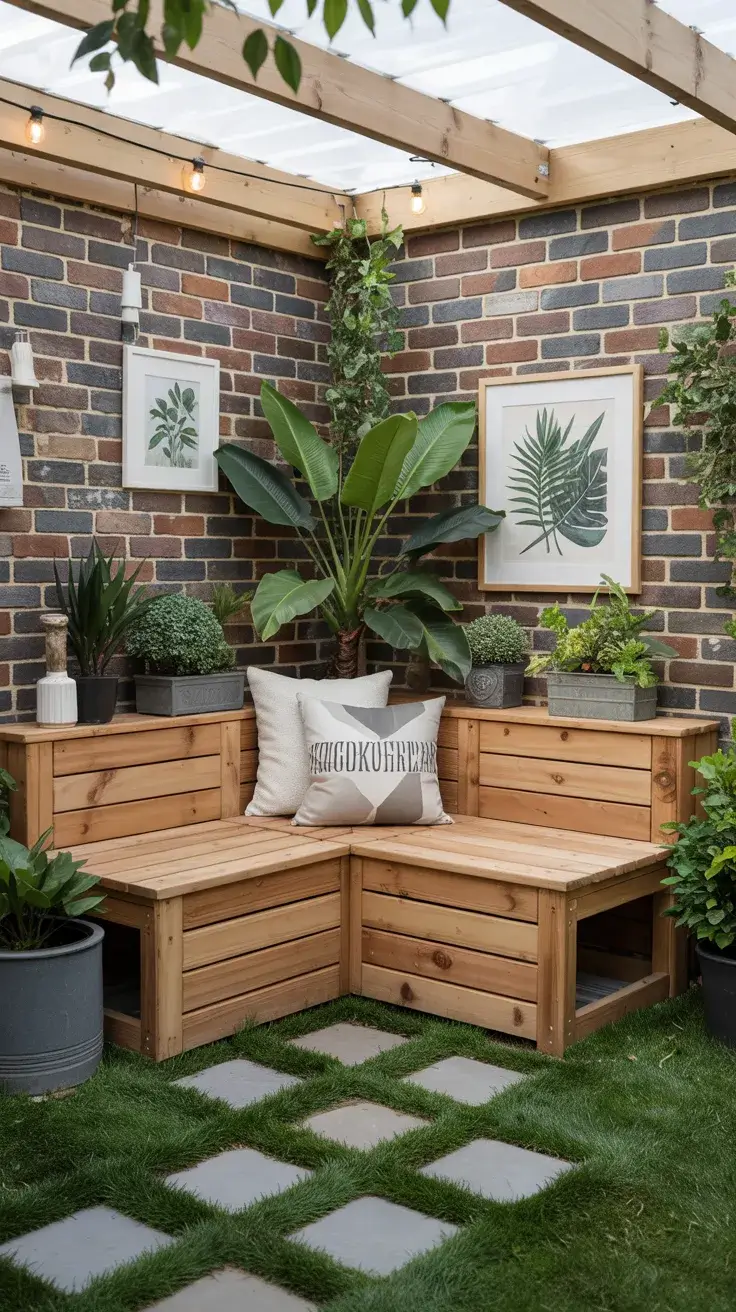
Built-in corner benches, foldable chairs, storage seats, and narrow bistro sets work particularly well. I choose durable materials like teak, aluminum, or resin to withstand weather exposure. Adding cushions or textiles in muted tones enhances comfort while maintaining a cohesive design.
In my professional practice, multifunctional seating significantly improves the livability of small outdoor spaces. Many design experts highlight the value of built-ins for maximizing efficiency, and I find this to be especially true in narrow or awkward layouts.
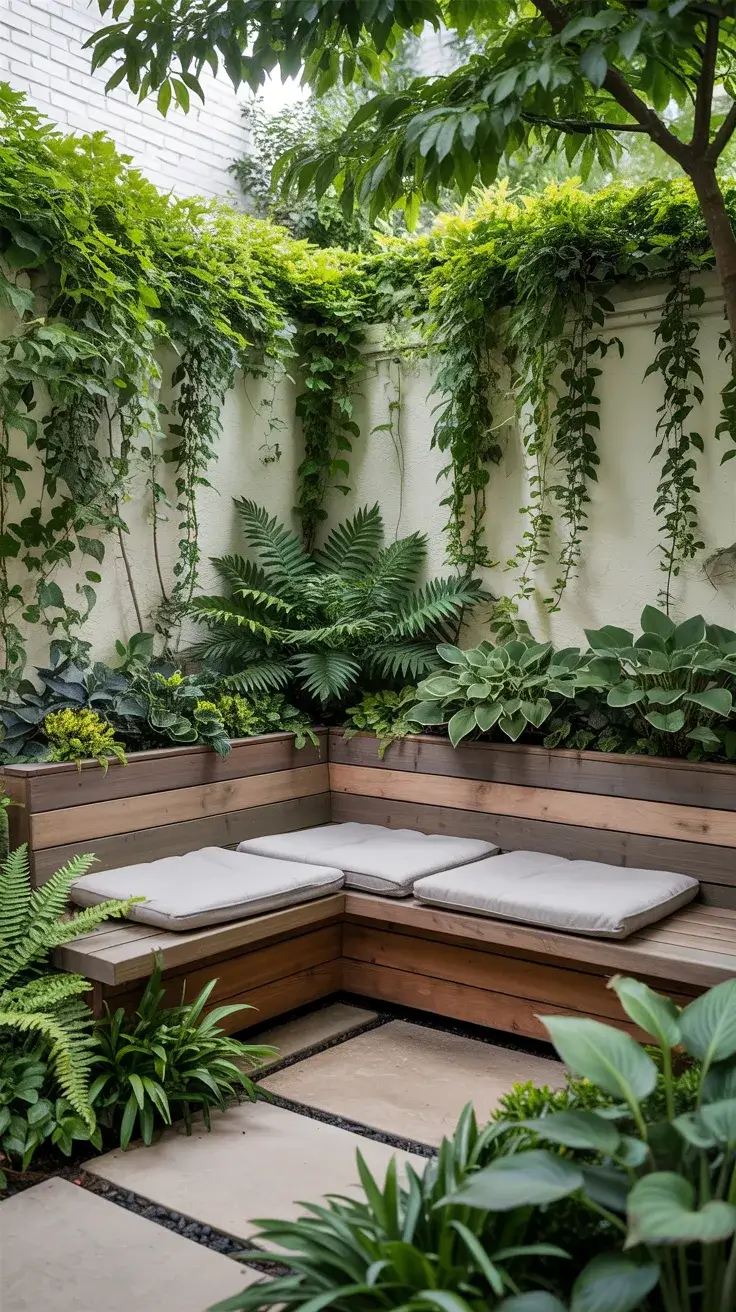
A slim side table or movable ottoman could further boost functionality without overwhelming the yard.
13. Shade Loving Small Garden Solutions
Shaded gardens require a tailored approach to thrive. In Small garden ideas 2026, shade-loving designs emphasize texture, contrast, and subtle color. I often rely on layered plantings that bring richness to low-light environments, transforming them into lush, peaceful retreats.
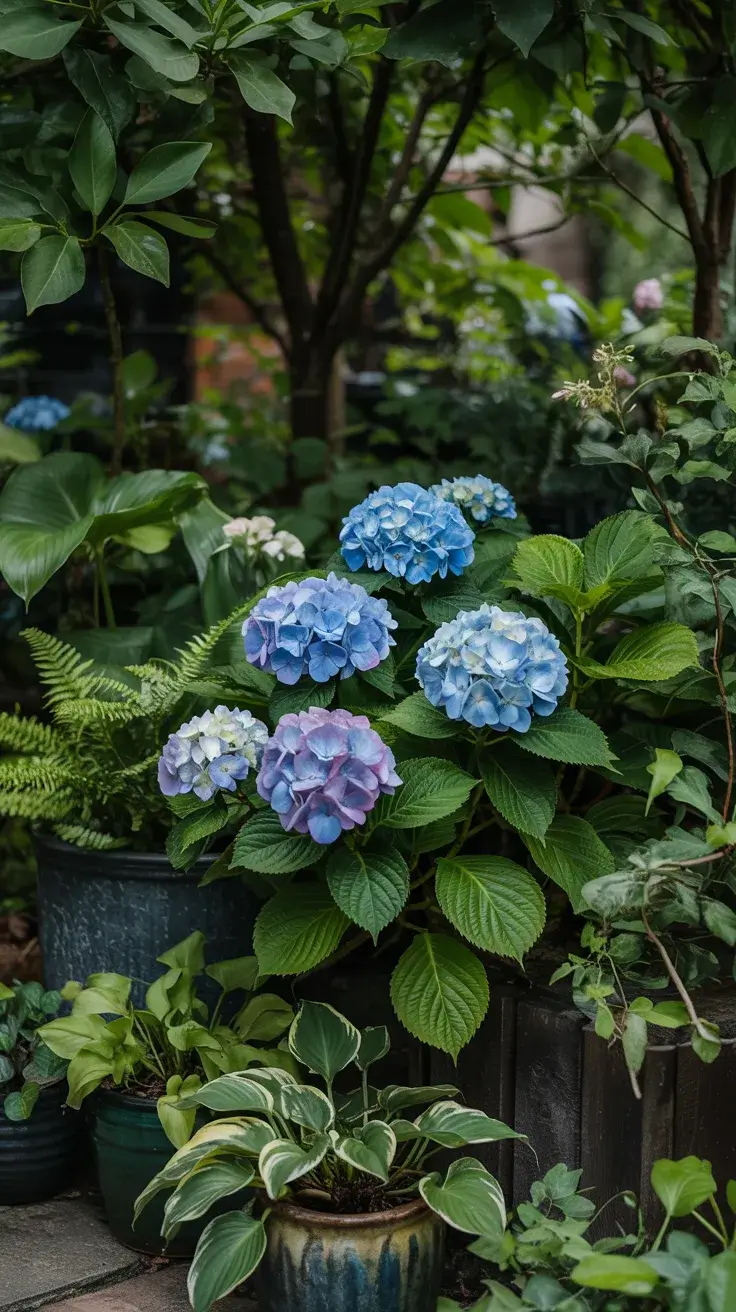
I select ferns, hostas, hydrangeas, and shade-tolerant grasses to create visual interest. Hardscape materials such as stone, dark wood, or textured pavers complement the plant palette. To brighten shadowed corners, I incorporate reflective pots or soft ambient lighting.
From experience, shaded gardens benefit from emphasizing leaves over blooms, since foliage thrives more consistently in low light. Designers often suggest mixing matte and glossy foliage for dynamic contrast, which I find exceptionally effective.
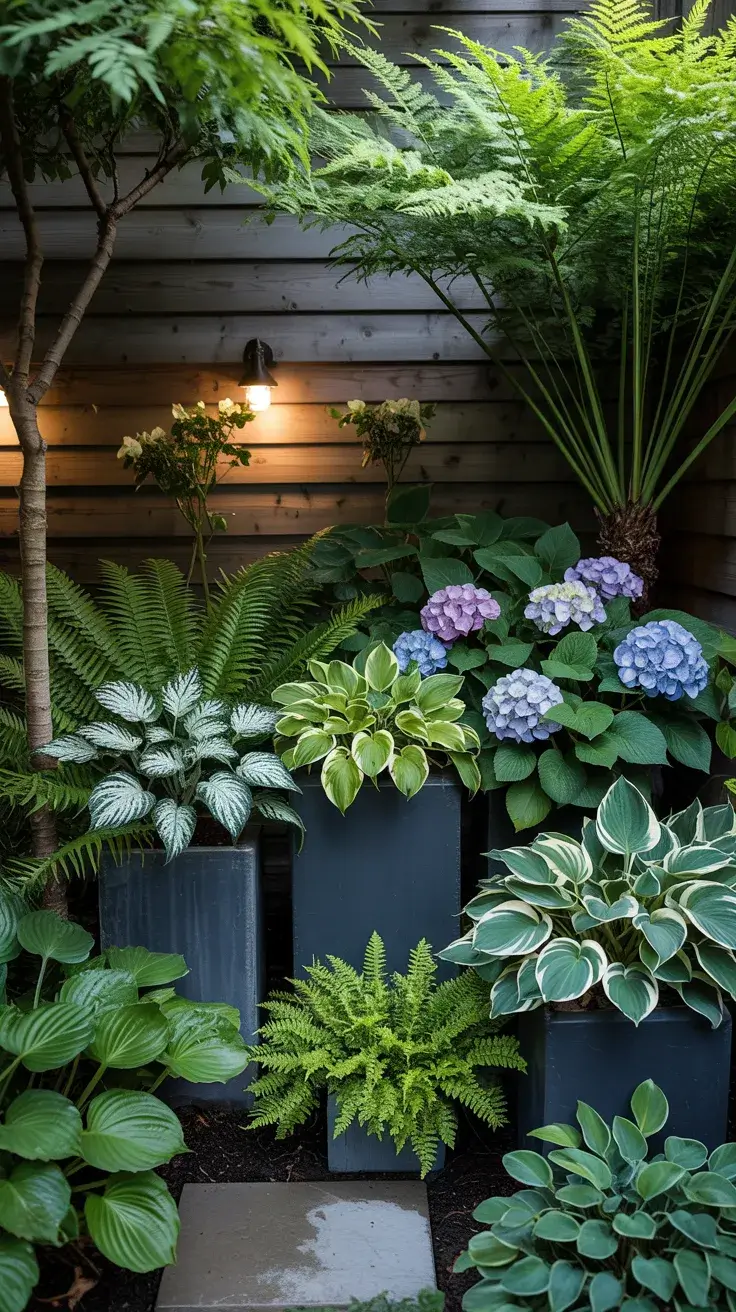
Adding a small shade-tolerant vertical trellis or wall planter could deepen the visual layering.
14. Sun Drenched Patio Planting Ideas
For sunny patios, I design layouts that celebrate bold, vibrant plantings capable of thriving under strong light. Small garden ideas 2026 encourage mixing Mediterranean species, heat-tolerant perennials, and architectural shrubs to create lively, sun-soaked outdoor rooms. I focus on resilience and color that lasts from late spring through early fall.
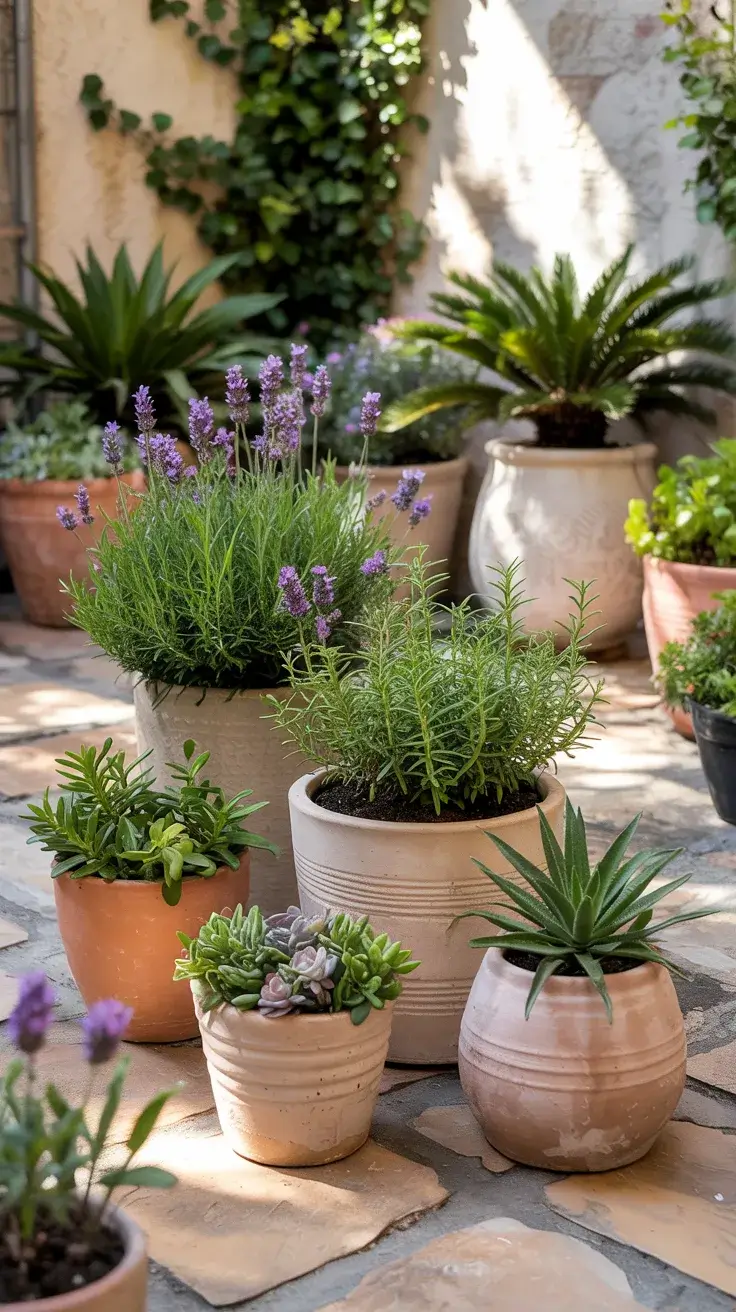
I typically incorporate terracotta planters, raised containers, and gravel mulching to maintain soil moisture. Plants like lavender, rosemary, dwarf palms, and flowering succulents perform exceptionally well. Sleek patio furniture in light materials provides balance and comfort in high-sun settings.
Through my work, I’ve noticed that sun-friendly plants instantly brighten and energize a small space. Many garden experts recommend using reflective surfaces to enhance light distribution, a technique that works particularly well on sunny patios.
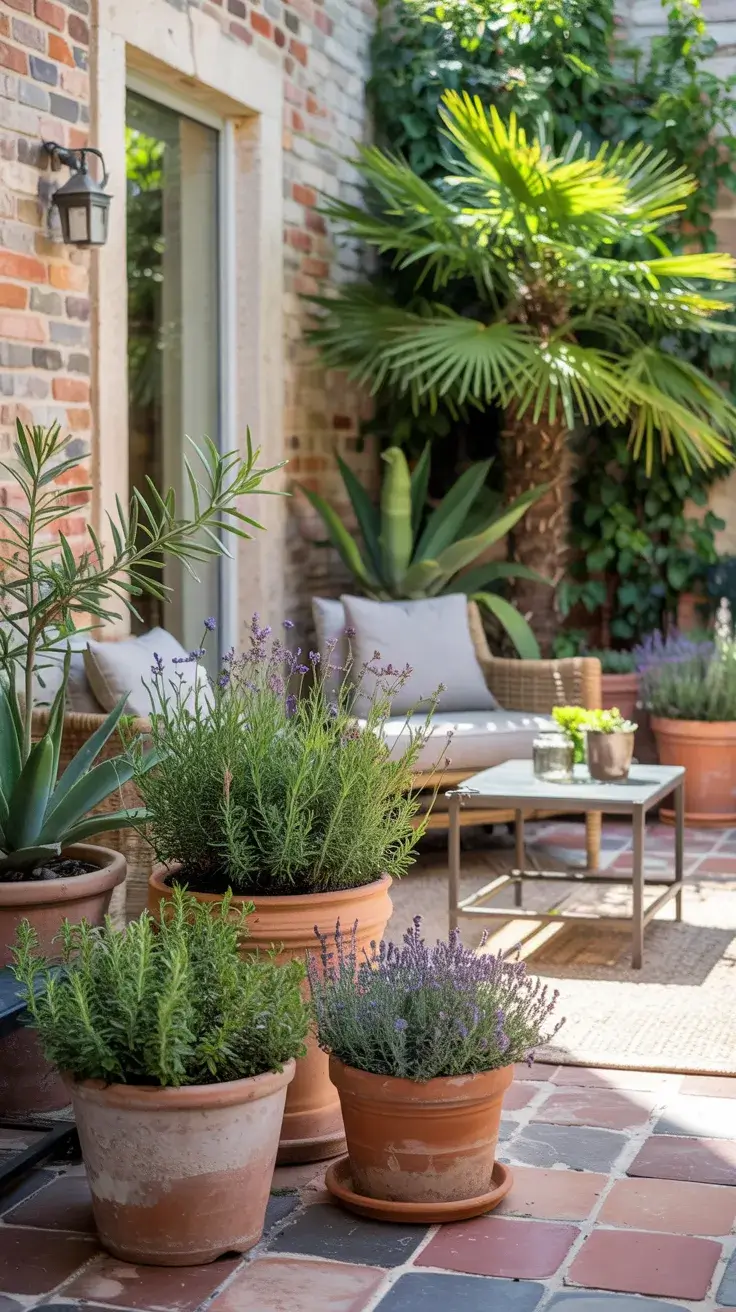
To enhance this concept further, I would add a retractable shade sail to offer comfort during peak sun hours.
15. Pocket Herb Garden Inspirations
I find pocket herb gardens to be one of the most effective Small garden ideas 2026 because they combine practicality with visual charm. When designing a small garden, I often incorporate vertical or modular solutions that allow herbs to be grown close to the kitchen without taking up ground space. The overall layout typically includes tiered planters, wall-mounted pots, or slim freestanding herb towers arranged to maximize sunlight and airflow. This approach creates a lush, fragrant feature that enhances daily living while keeping the garden low-maintenance.
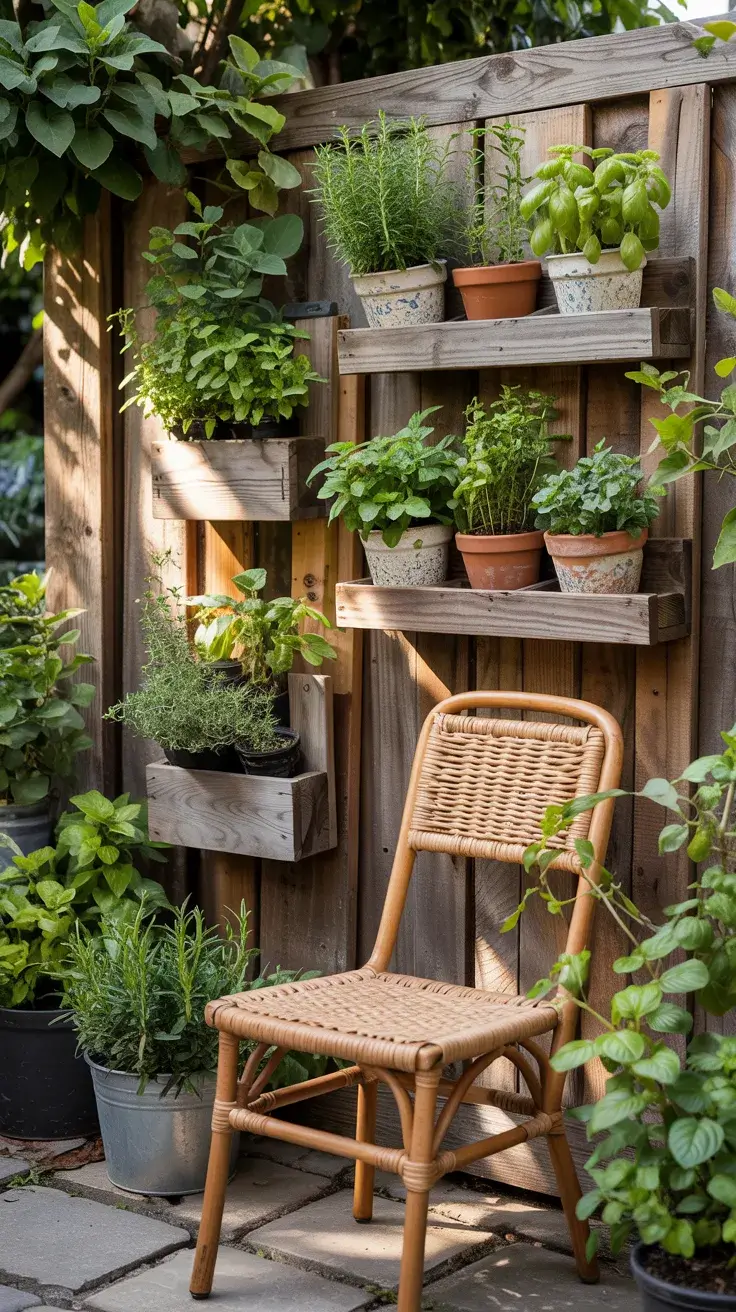
In each pocket herb garden, I carefully select containers that coordinate with the surrounding design—often matte ceramic pots, galvanized metal tiers, or wooden wall shelves that provide warmth and texture. I also prioritize easy-to-grow herbs such as rosemary, thyme, mint, and basil, not only for their culinary value but for their aesthetic benefits. Small seating elements, like a compact bistro chair or a narrow bench, can complement the setup without cluttering the space.
From experience, I believe pocket herb gardens add personality and rhythm to a small outdoor area. Well-known landscape designers in the US often recommend grouping herbs with similar watering needs and choosing sunlight-friendly placement for longevity. This ensures the system thrives and becomes both a decorative and functional highlight.
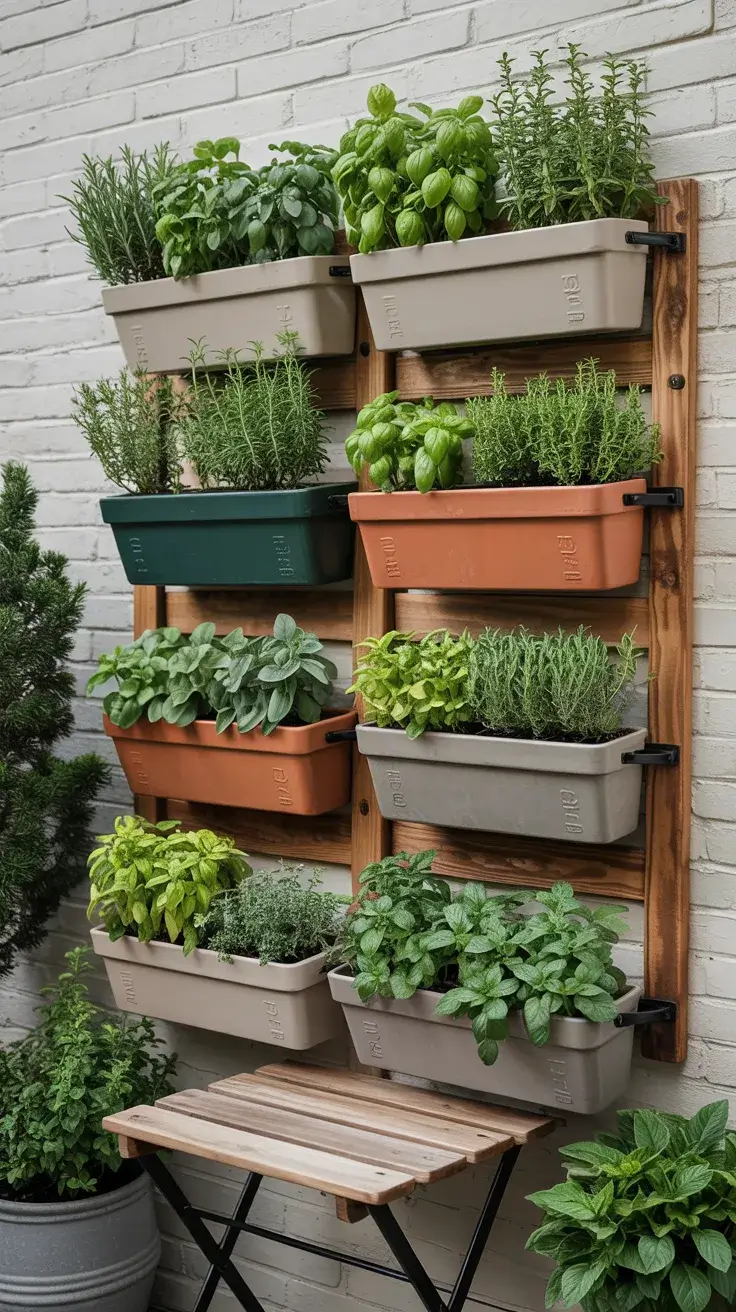
I would add adjustable irrigation drippers to this section, as they help maintain steady moisture without overwatering, especially in compact vertical systems.
16. Micro Orchard Concepts For Small Areas
When working with extremely limited outdoor square footage, I often suggest micro orchard concepts. These miniature orchards rely on dwarf fruit trees, espaliered varieties, or columnar trees that grow vertically instead of spreading outward. The design centers on creating a simple grid or linear arrangement that supports airflow while giving the garden structure and a sense of abundance. This concept aligns beautifully with modern Small garden ideas 2026, providing homeowners the chance to enjoy fresh fruit without requiring a full-size yard.
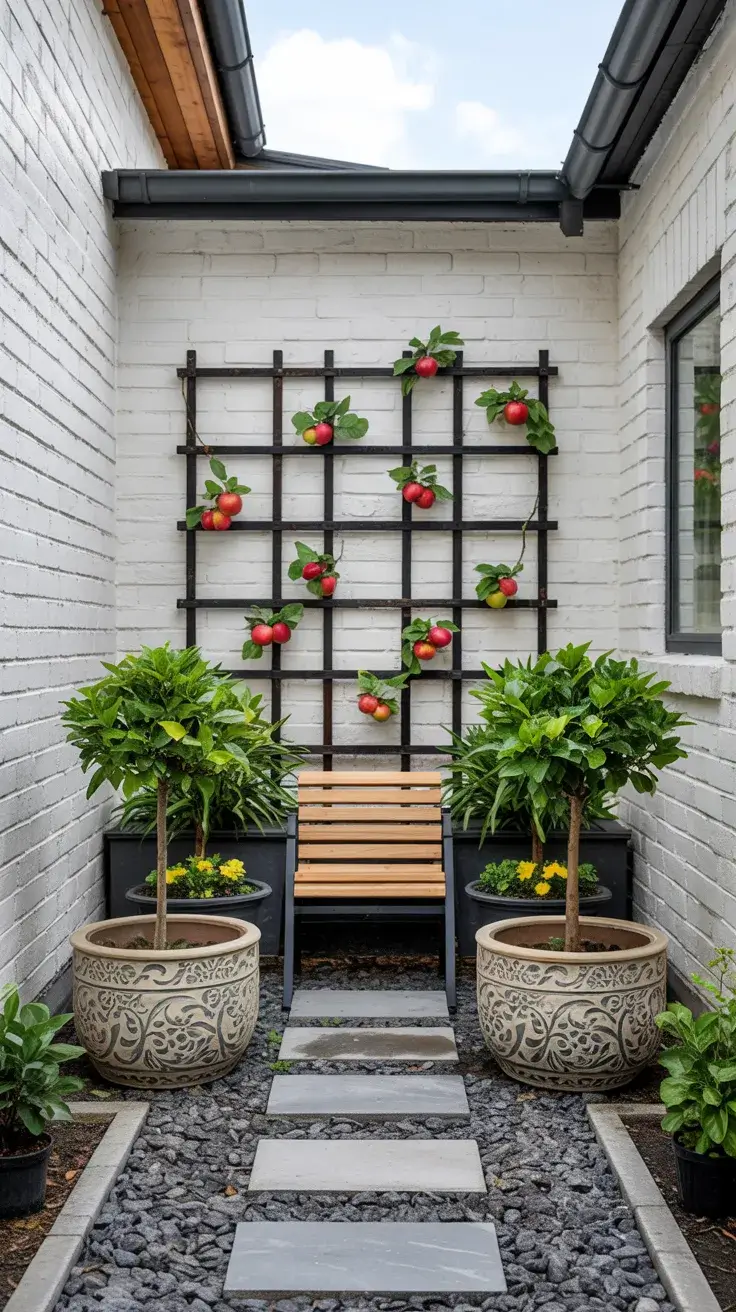
Choosing the right elements is essential. I typically include dwarf apple or pear trees in decorative containers, a slim trellis system for espaliered trees, and gravel or hardwood mulch beneath them for clean visual lines. Compact seating or a single sculptural planter may also appear in the composition to maintain balance without overwhelming the space.
In my professional opinion, a micro orchard brings a sense of calm and purpose to compact outdoor environments. Many US horticultural experts suggest selecting self-fertile varieties for small gardens to simplify maintenance and boost yields. Following this advice ensures even first-time gardeners enjoy success.
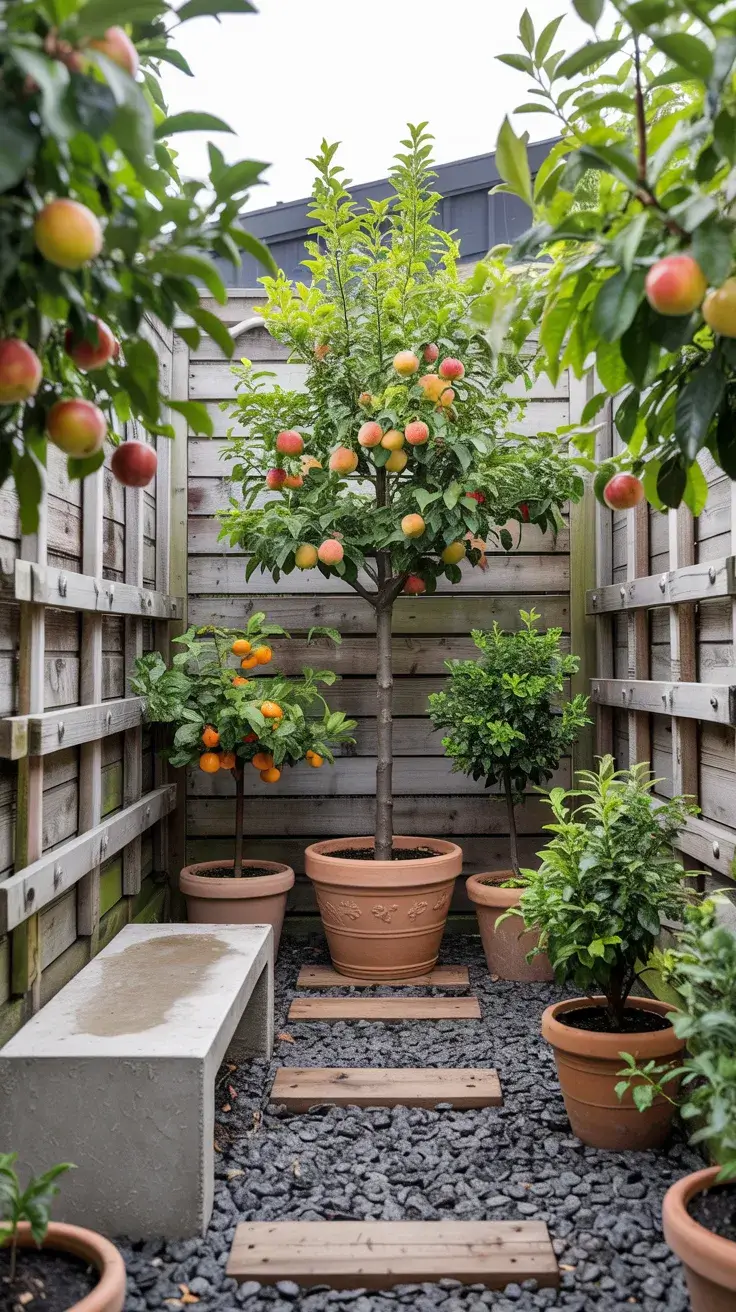
This section could also benefit from adding seasonal underplanting—such as low-growing herbs or flowers—to create layers and protect soil moisture.
17. Smart Water Features For Tiny Spaces
As I plan Small garden ideas 2026, I notice that compact water features have become increasingly popular for their calming effect and modern appeal. In small areas, I tend to use narrow wall fountains, tabletop water vessels, or small self-contained bubbling pots that fit naturally into corner spaces. These elements introduce movement and sound without dominating the overall layout, making them perfect for tiny gardens or balcony settings.
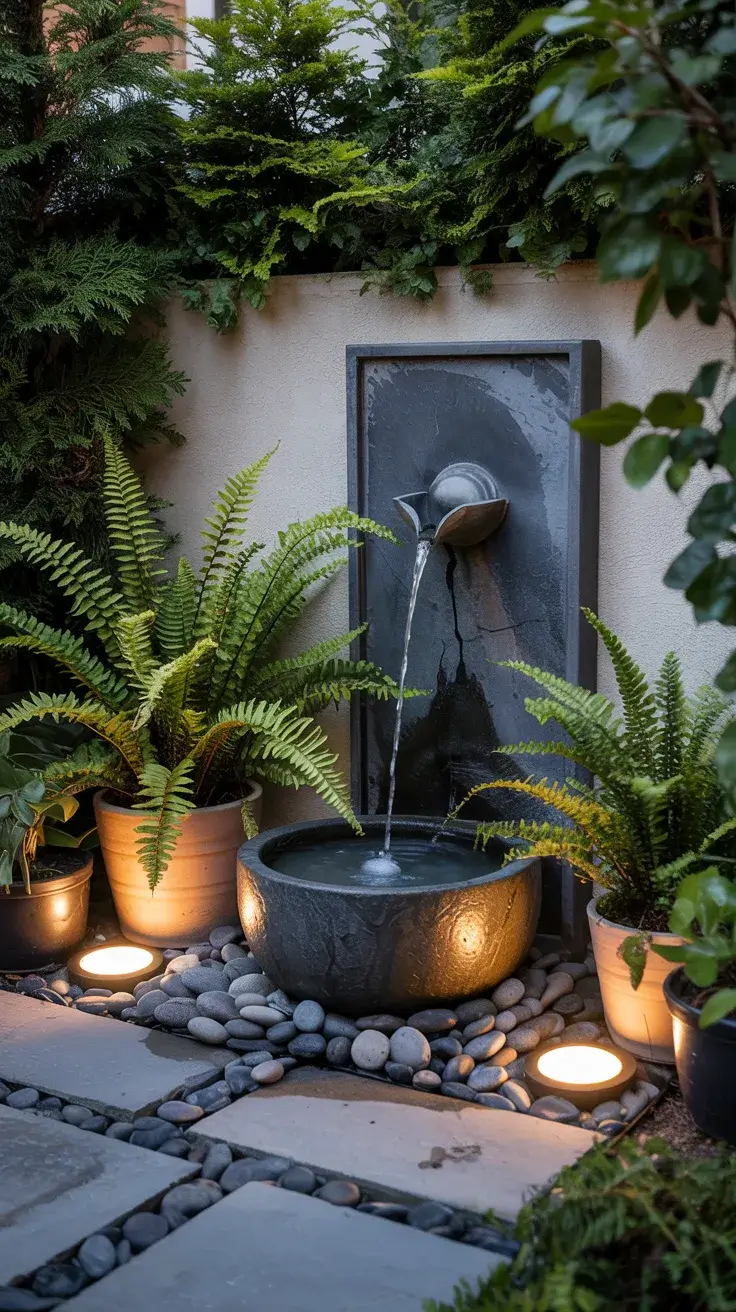
When selecting components, I focus on lightweight materials like fiberglass or stone-look composites to ensure the water feature can be repositioned easily if needed. I also incorporate surrounding elements—such as river stone beds, potted ferns, or minimalistic LED uplighting—to frame the fountain and create cohesion. Choosing a pump with adjustable flow is essential to fine-tune sound levels for comfort.
From my experience, small water features transform the ambiance of compact gardens, acting as sensory anchors that encourage relaxation. Outdoor stylists featured in major US design publications often emphasize the importance of subtle lighting and complementary greenery to elevate these installations.
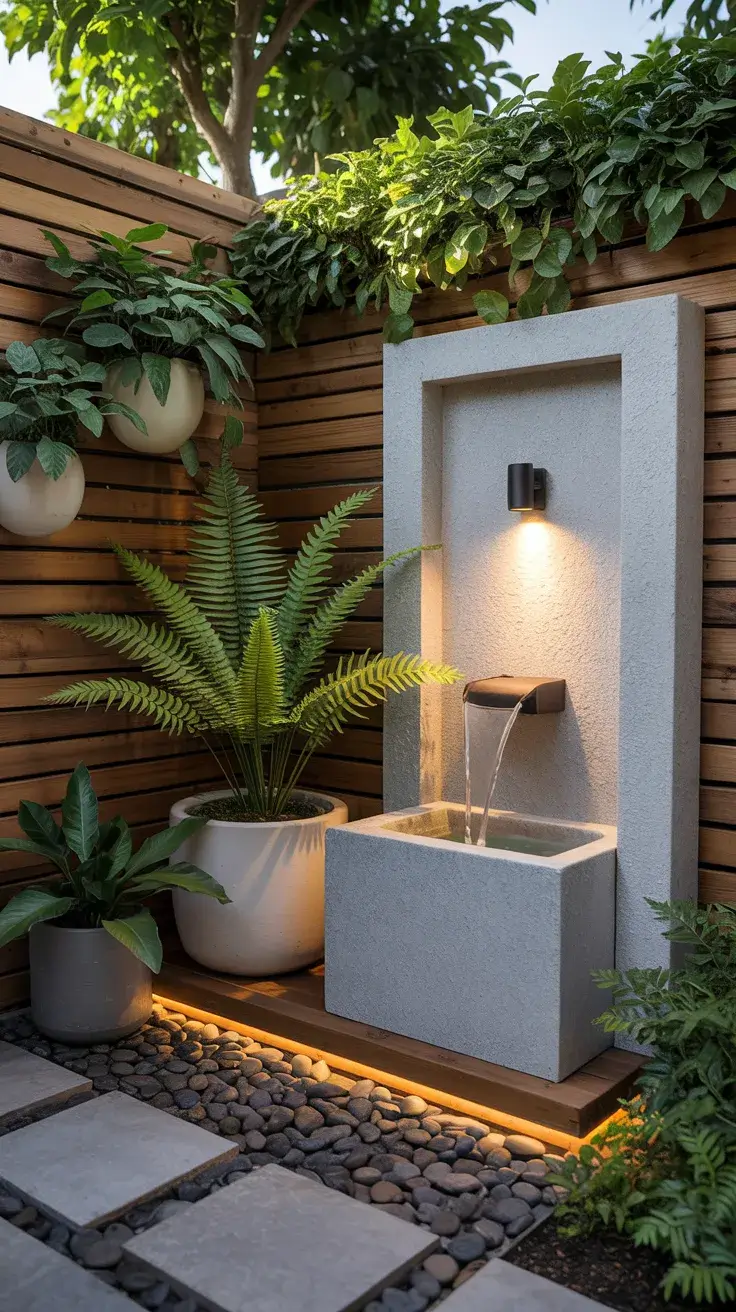
I would add a waterproof power management box to ensure neat cable organization and maintain safety in moisture-rich environments.
18. Sustainable Small Garden Practices
I always incorporate sustainability into Small garden ideas 2026, especially when designing small spaces that benefit from efficient systems. This usually includes rainwater collection barrels, composting solutions, drought-tolerant plants, and soil-building techniques. The layout often prioritizes resource efficiency, using permeable surfaces, mulching, and strategic plant groupings to ensure long-term garden health.
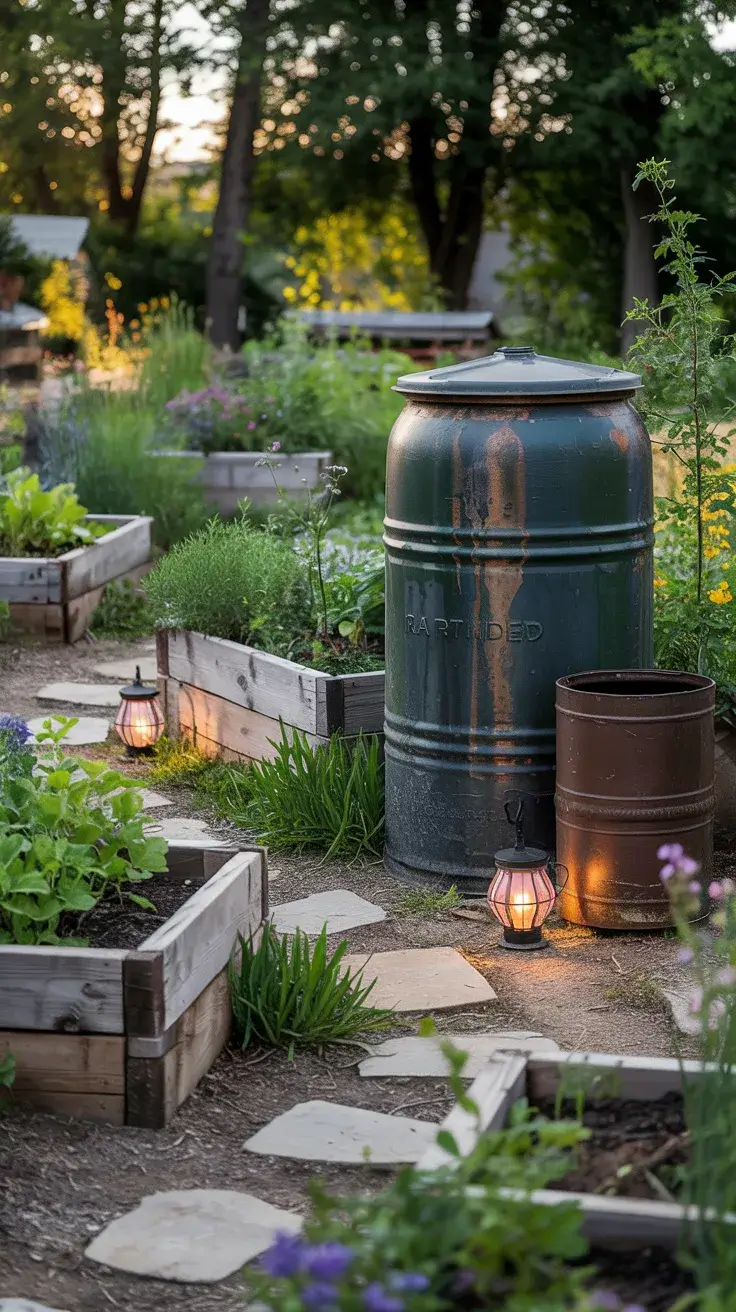
Each sustainable feature plays a meaningful role. Rain chains guide water into collection vessels, while compact tumbling composters break down kitchen scraps efficiently. Raised beds made from recycled materials offer clean lines while reducing waste. I tend to include native plants because they require less care and naturally support local ecosystems.
I believe sustainable design makes any small garden more resilient and rewarding. Many US environmental garden experts recommend integrating micro-habitats—such as leaf piles or native grasses—to help pollinators thrive. Following this advice elevates sustainability from a trend to a long-lasting strategy.
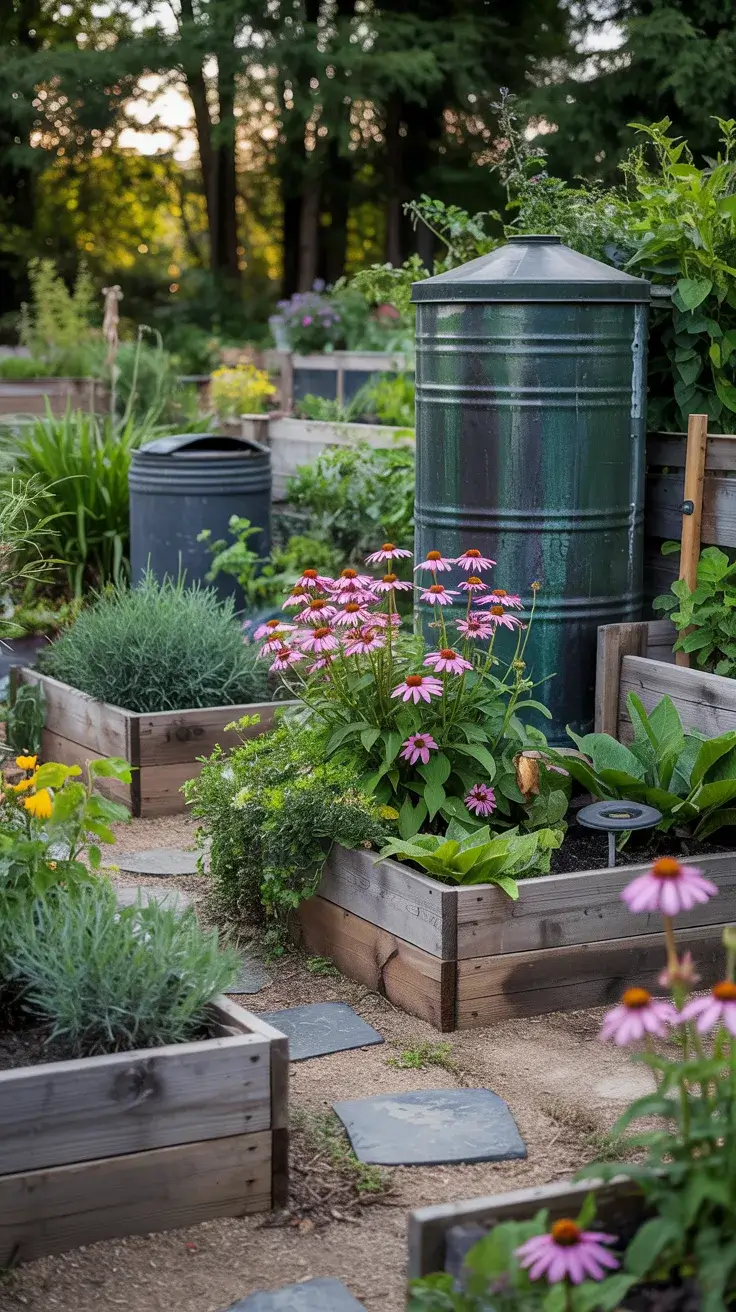
This section could also include solar-powered lighting solutions for reducing energy use even further.
19. Compact Greenhouse Possibilities
In recent Small garden ideas 2026, compact greenhouses have become a favorite for gardeners who want year-round growing opportunities. I like using slim walk-in mini-greenhouses, tiered shelving greenhouses, or lean-to glass structures that attach directly to walls or fences. These setups allow efficient climate control and expand planting capacity without demanding much floor area.
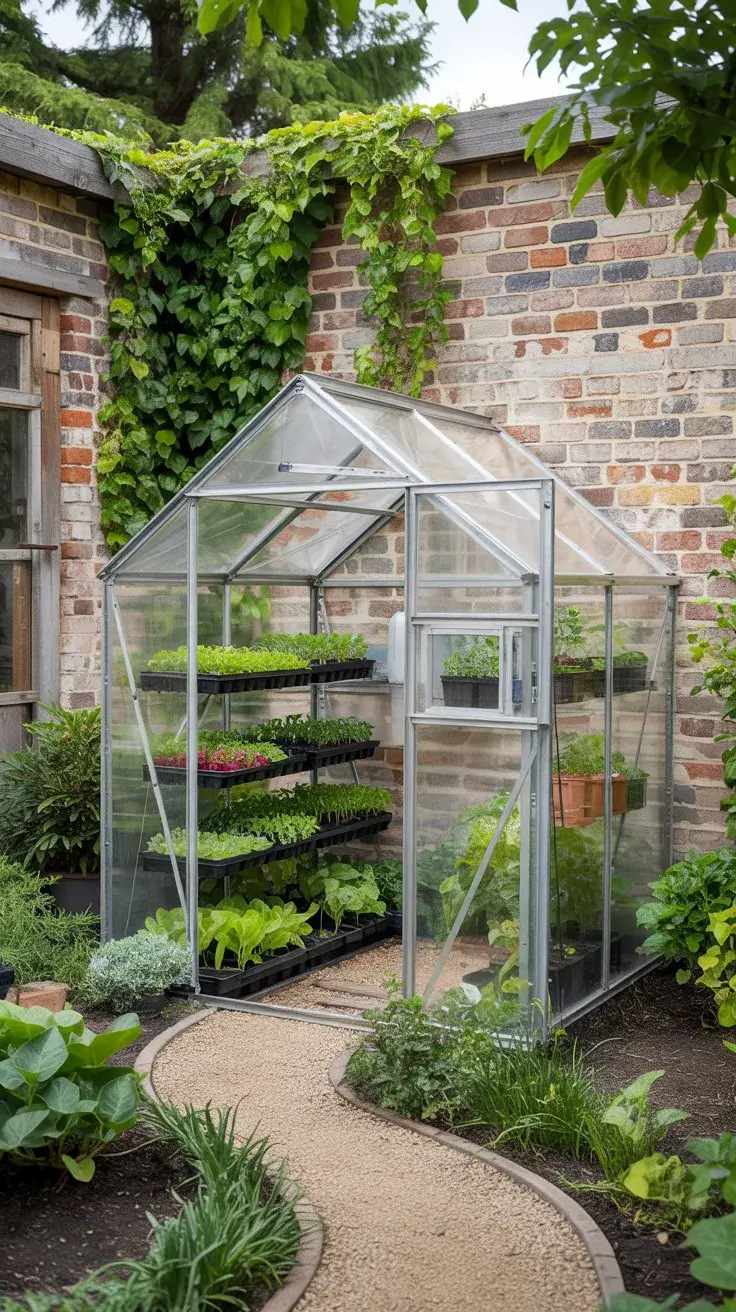
When assembling a compact greenhouse, I choose durable polycarbonate panels, powder-coated steel frames, and adjustable shelves for flexible growing. I usually add small ventilation windows, a thermally controlled fan, and organized seed trays to maintain order. A narrow pathway with pavers or gravel completes the structure visually and functionally.
In my view, compact greenhouses foster creativity and experimentation. Gardening educators across the US often advise rotating crops and using reflective insulation panels during colder months to maintain stable temperatures. These techniques help maximize production even in tight spaces.
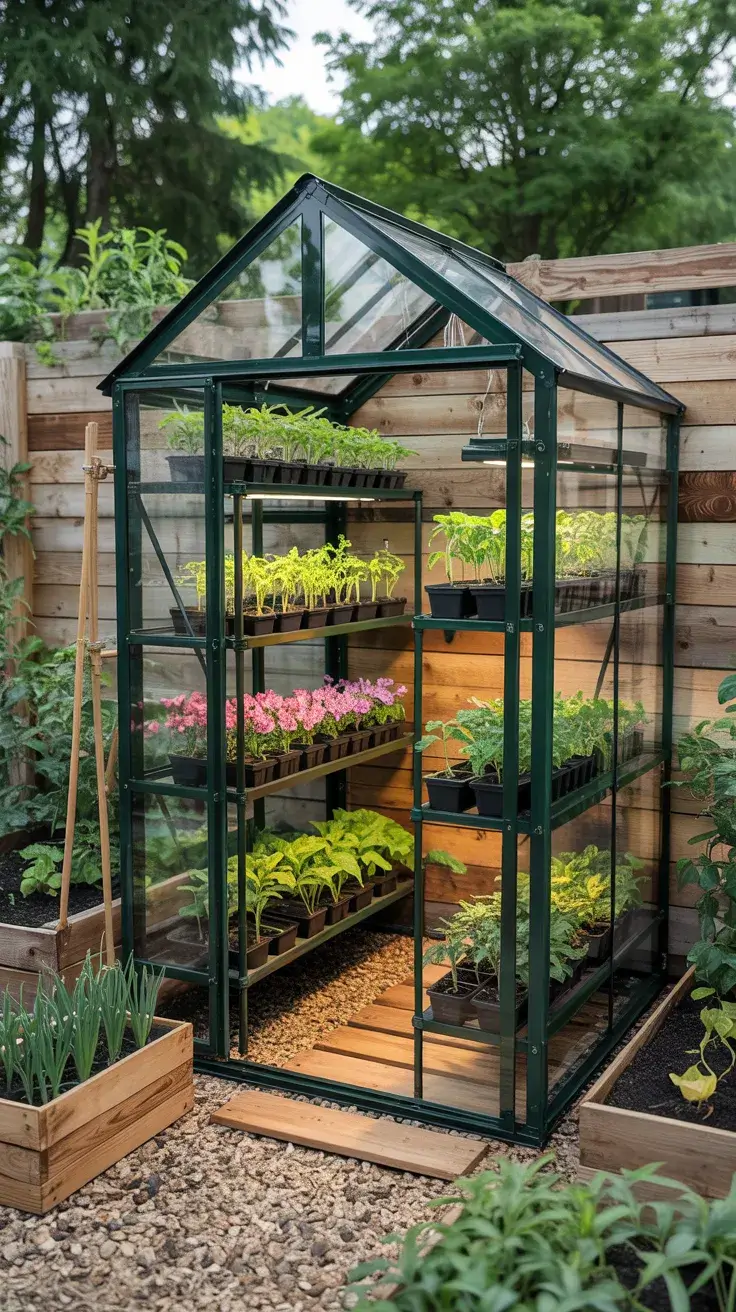
Consider adding automatic misting systems if frequent watering is difficult, especially for people with busy schedules.
20. Artistic Garden Focal Points
One of my preferred Small garden ideas 2026 is incorporating artistic focal points that bring personality to tight outdoor areas. Whether it’s a sculptural planter, a modern metal art piece, or a geometric topiary, a strong focal element anchors the garden visually and prevents the space from feeling chaotic. I typically place these items at natural sight lines, such as the end of a path or opposite a seating area.
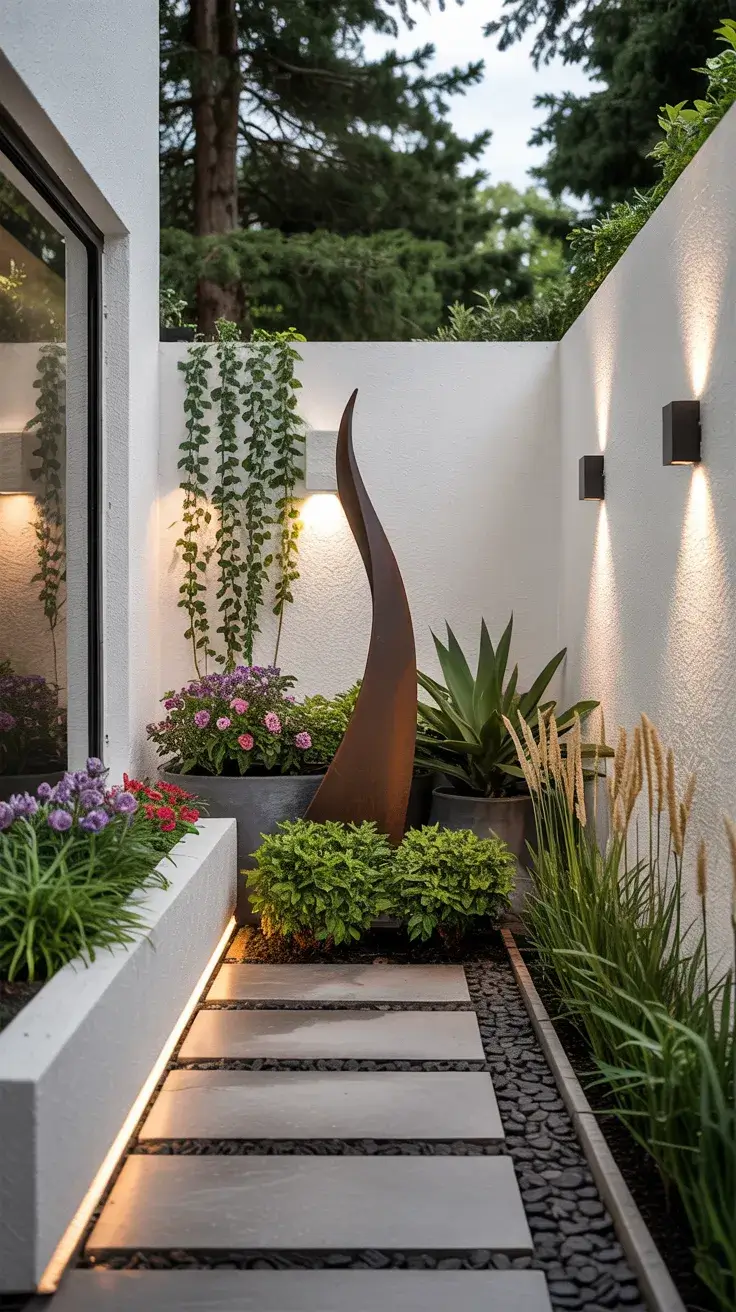
The choice of materials matters. I often select weather-resistant steel sculptures, textured ceramic planters, or hand-crafted stone pieces that harmonize with surrounding plants. I might complement the focal point with ornamental grasses, simple LED ground lights, or structured hedging to enhance depth while keeping the area feeling calm.
From experience, a thoughtfully positioned art feature elevates any small garden, giving it identity and emotional resonance. Many respected US garden stylists recommend using only one major focal point in small spaces to avoid overwhelming the design.
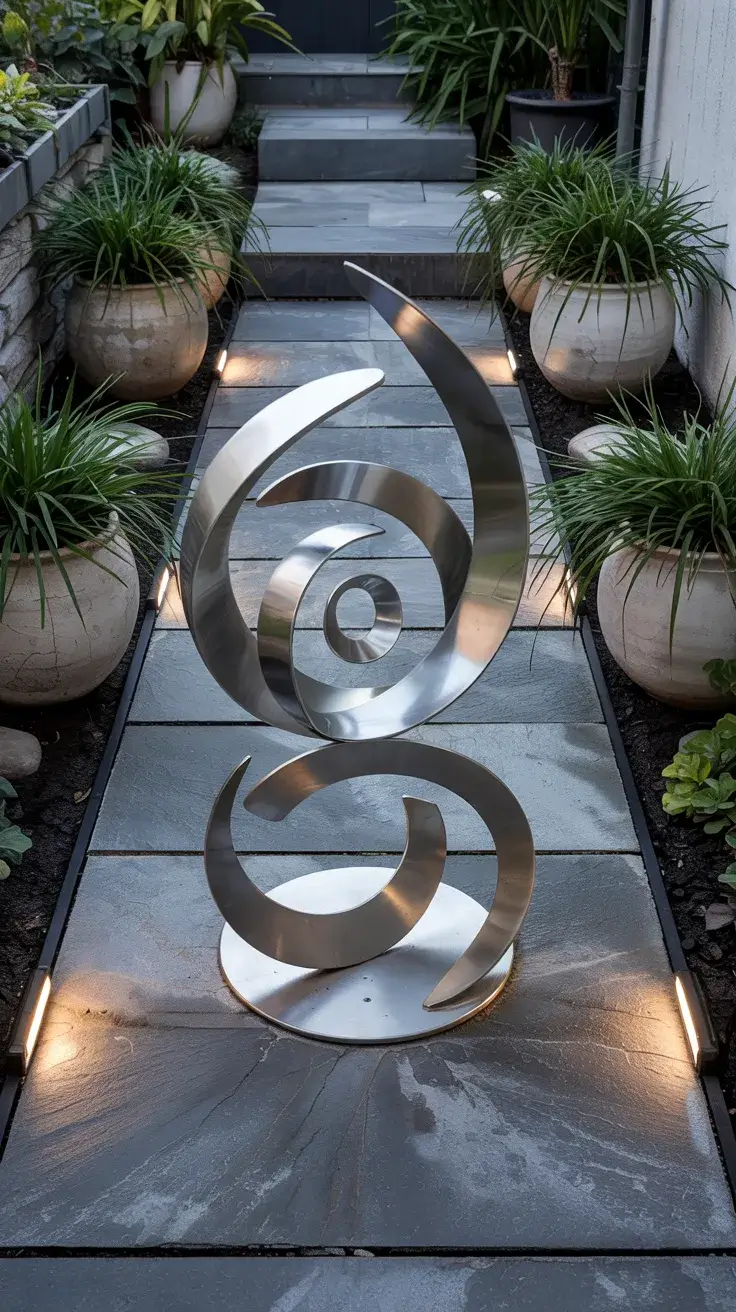
Adding a contrasting ground cover, such as creeping thyme or low moss, would complete this section visually.
21. Seasonal Planting Ideas For Small Gardens
Seasonal planting cycles are essential in crafting dynamic Small garden ideas 2026, and I often design small gardens with rotating color and texture in mind. I arrange plant beds or container groups that shift through spring blossoms, summer greenery, autumn foliage, and winter evergreens. This keeps compact gardens visually active throughout the year without requiring complicated redesigns.
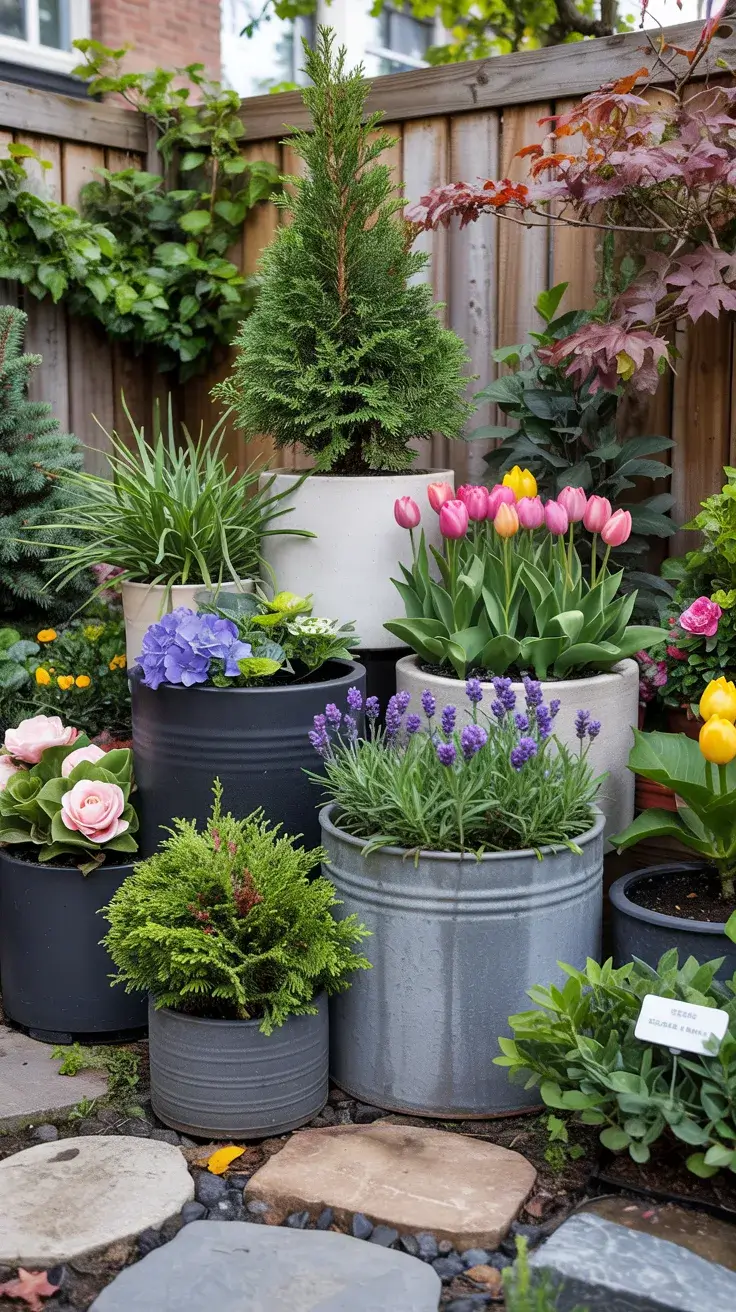
Key elements include modular planters, quick-swap pots, and species chosen for staggered blooming times. I often use tulips, violas, and hyacinths for spring; lavender and dwarf hydrangeas for summer; compact maples or asters for fall; and hardy conifers or hellebores for winter. A slim vertical rack can hold seasonal pots awaiting their turn.
Personally, I find seasonal planting rewarding because it keeps the garden fresh and inspiring. Many US horticulture publications highlight the value of using perennial anchors—such as evergreen shrubs—to stabilize shifting seasonal displays.
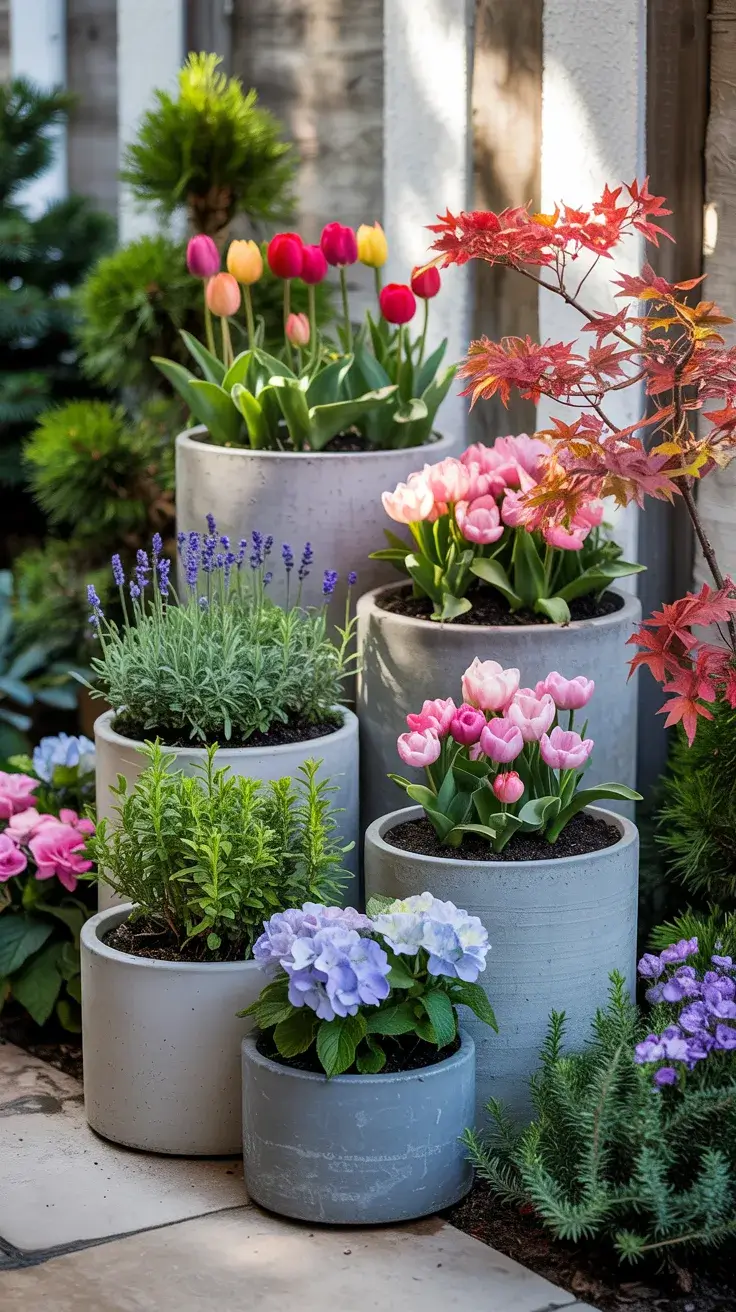
A weather-proof plant storage bench could be added for easier off-season rotation and tool organization.
22. Cozy Fire Pit Corners For Small Yards
When designing Small garden ideas 2026, I often incorporate cozy fire pit corners because they create intimate gathering zones without requiring much space. I usually position the fire feature in a recessed nook or at the edge of the yard to maximize functionality. The surrounding layout typically includes compact seating, heat-resistant flooring materials like stone pavers, and layered plantings that soften the structure while ensuring safety.
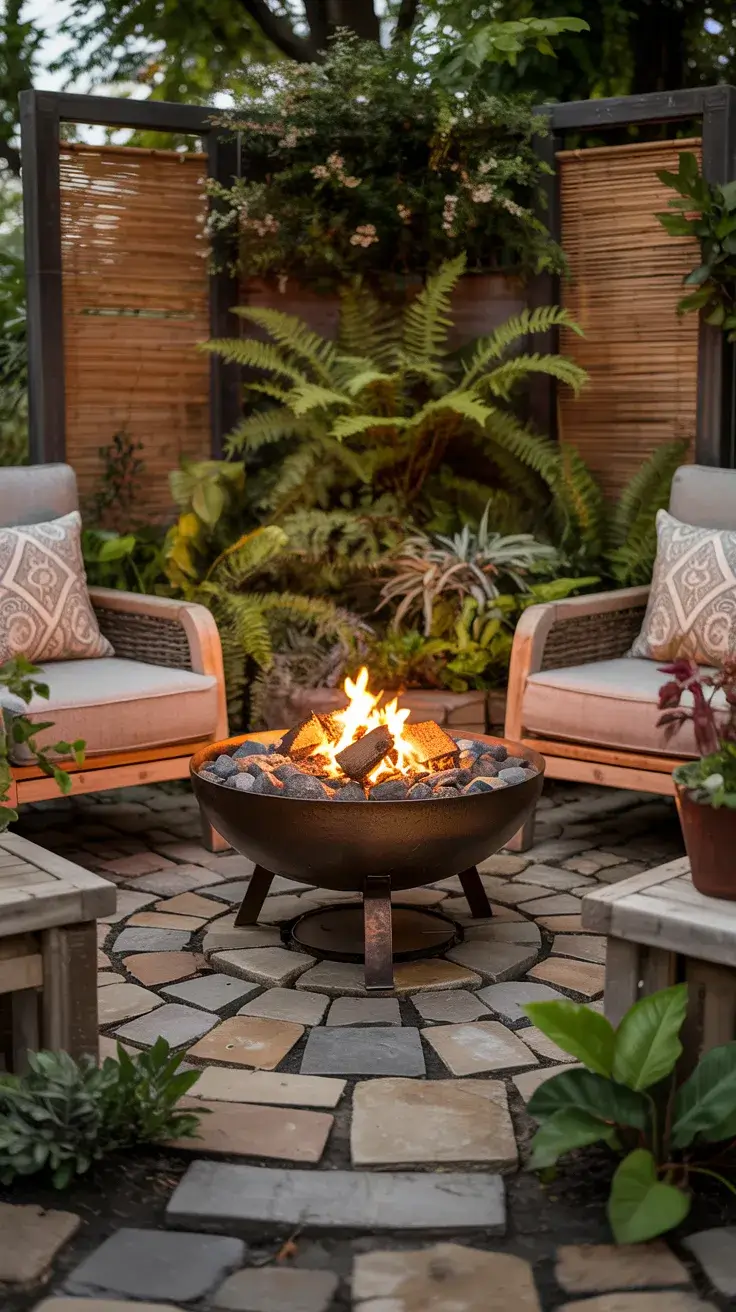
In these spaces, I prefer using small-scale gas fire bowls or compact metal fire pits since they provide warmth and ambiance without overwhelming the garden. Low-profile lounge chairs, a narrow side table, and weather-resistant cushions help form a comfortable environment. I also like adding perimeter lighting or integrated bench seating to make the area feel cohesive and welcoming.
From my experience, fire pit corners work especially well in small yards because they transform underused spaces into year-round relaxation spots. Many US outdoor living specialists recommend choosing smokeless fire pit designs for compact areas to enhance comfort and reduce maintenance.
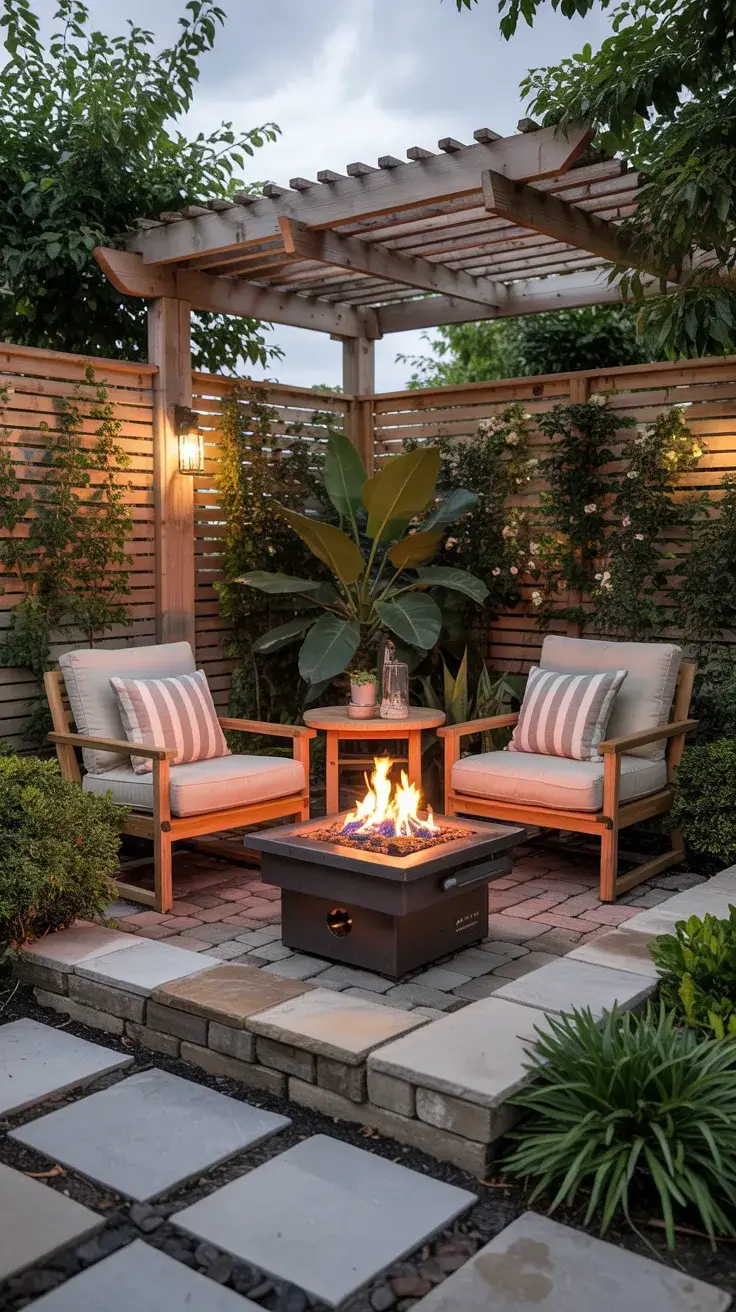
A wind-blocking privacy panel or vertical trellis with climbing plants would be a great addition to help shelter the seating area from drafts.
23. Garden Lighting For Small Outdoor Areas
Thoughtful lighting design plays a key role in modern Small garden ideas 2026, particularly in compact outdoor spaces that benefit from layered illumination. In my projects, I emphasize ambient, task, and accent lighting to create depth and extend usability after dark. I often integrate LED path lights, wall-mounted sconces, and subtle uplighting to highlight architectural features or plant textures.
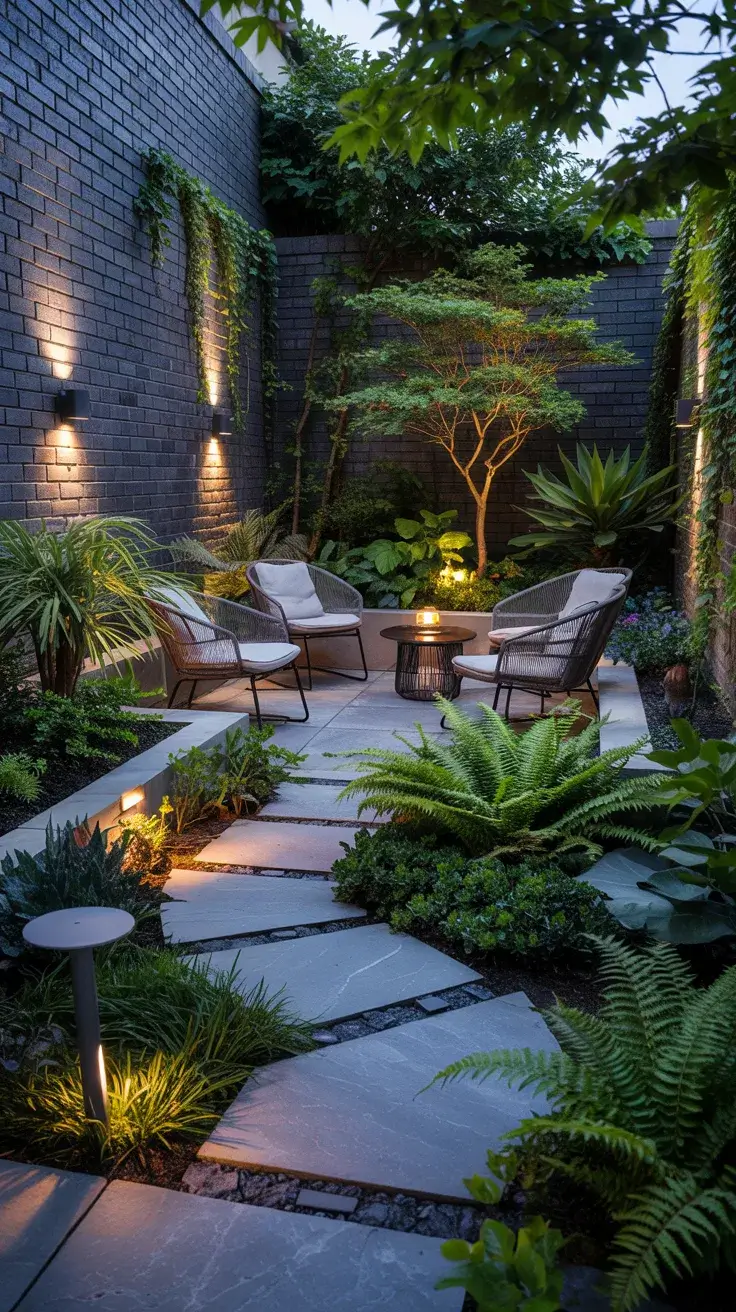
For every lighting scheme, I choose durable, energy-efficient fixtures that blend seamlessly with the garden’s style. Slim bollard lights define pathways, micro spotlights illuminate focal points, and flexible string lights add softness to seating zones. When working in tight spaces, I ensure lights are positioned to avoid harsh glare and to create a calm, inviting glow.
I find that good lighting transforms even the smallest garden into a functional extension of the home. Well-known outdoor designers in the US encourage using warm-toned LEDs to maintain a cozy ambiance while preserving nighttime visibility.
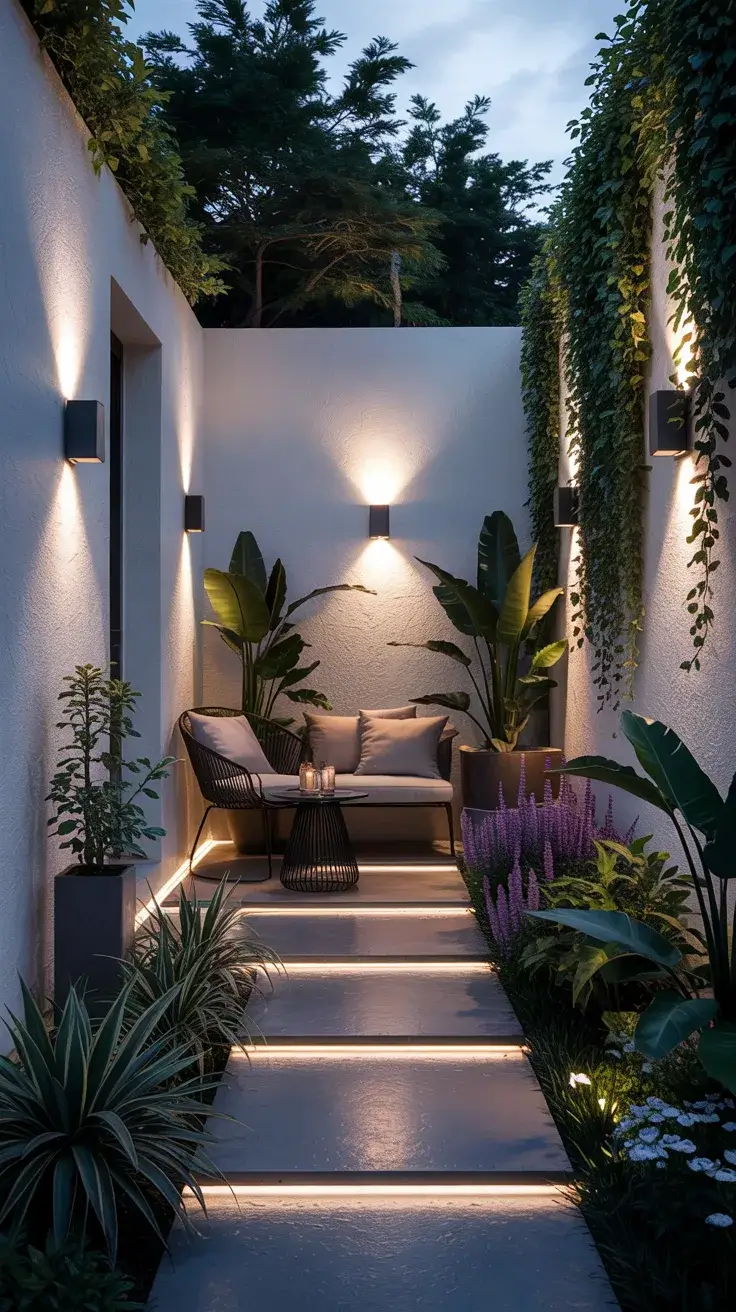
A timer or solar-powered system could be added to this section for improved energy efficiency and reduced manual operation.
24. Small Garden Storage Innovations
One of the most practical Small garden ideas 2026 involves clever storage innovations that maintain order while keeping the design visually appealing. I typically incorporate slim storage benches, wall-mounted cabinets, under-seat compartments, or vertical pegboard systems to hold tools, cushions, and seasonal items. These solutions help small gardens remain uncluttered and relaxing.
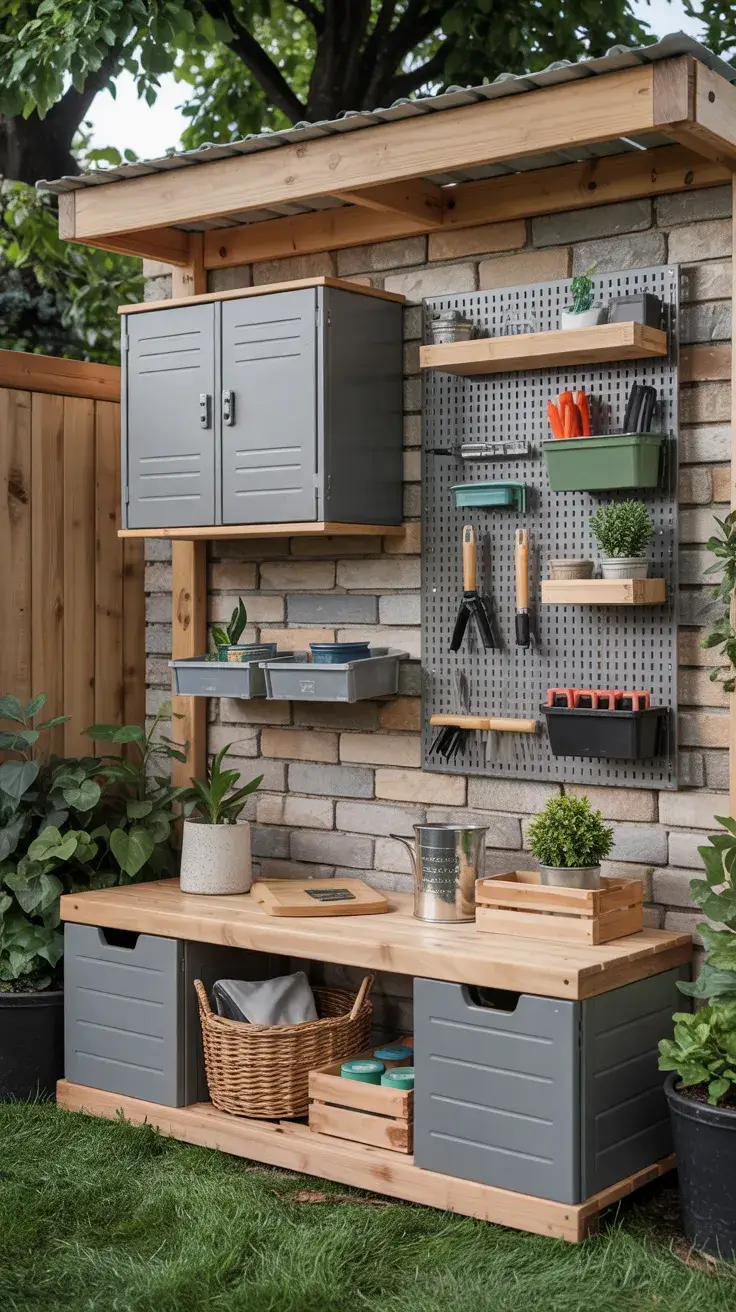
The material selection is essential. I often choose powder-coated metal cabinets for durability, hardwood benches with concealed storage, or resin-based units that withstand varying weather conditions. Hooks, modular baskets, and stackable bins maximize usability while maintaining a polished look.
In my experience, efficient storage directly influences how enjoyable a small yard becomes. US home improvement experts often emphasize customized storage layouts because every garden has unique needs and traffic patterns.
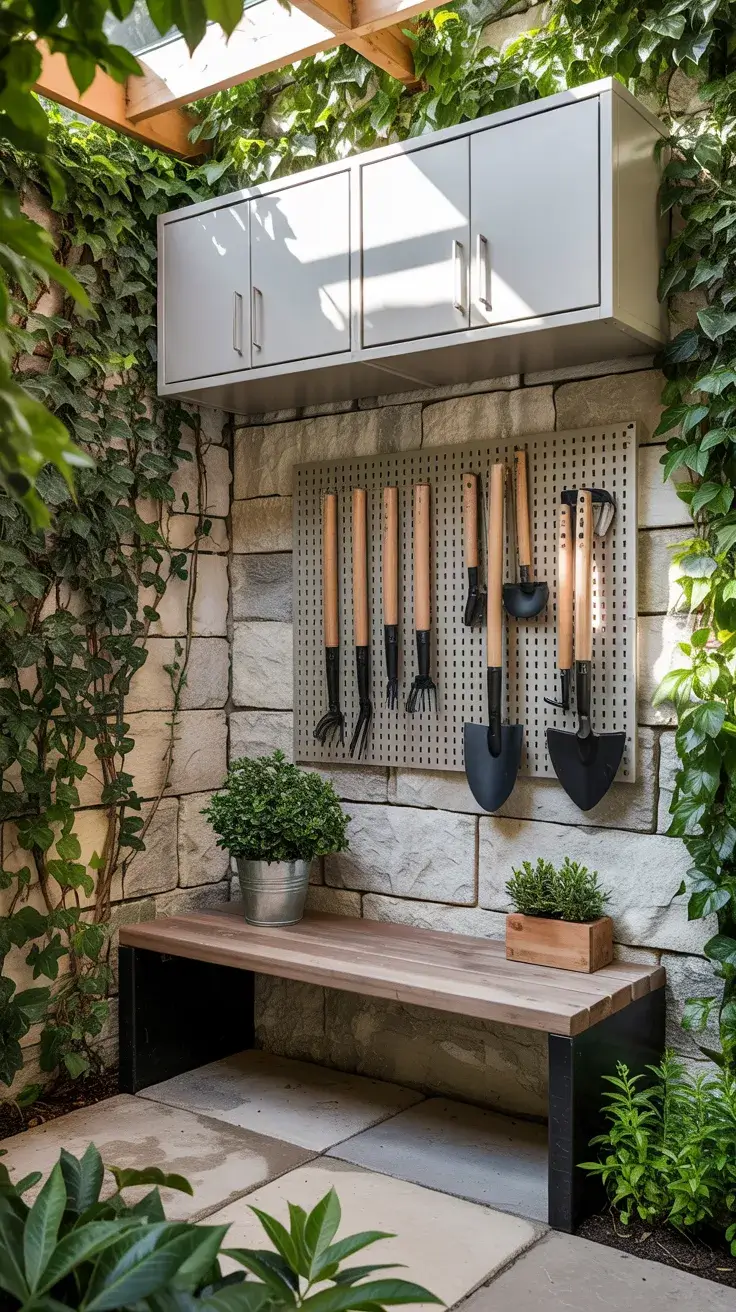
I would add a multipurpose foldable potting table for extra workspace when needed without permanently taking up space.
25. Sculptural Plants For Compact Spaces
In curating Small garden ideas 2026, I often include sculptural plants because they contribute architectural form without requiring extensive square footage. Their bold silhouettes offer instant visual interest, making them ideal for compact gardens where every element must have impact. I typically use a combination of columnar shrubs, clipped topiaries, or dramatic succulents to create rhythm and structure.
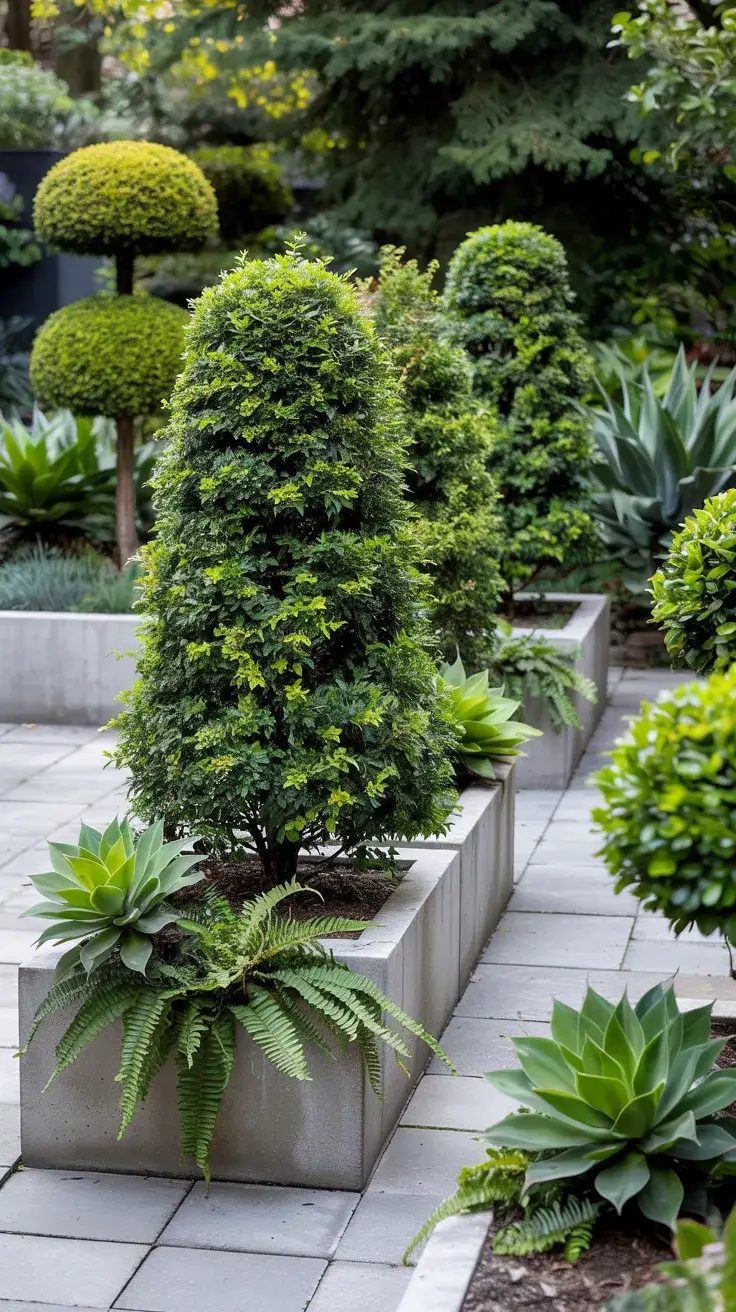
Each plant choice serves a purpose. Columnar evergreens define boundaries, spherical topiaries add elegance, and sculptural agaves or yuccas provide striking contemporary contrast. I frequently place these plants in minimalist planters to emphasize their shape and maintain a clean, modern atmosphere.
Sculptural planting has always appealed to me because it brings a refined, curated quality to small spaces. Many US garden design publications highlight the importance of choosing slow-growing varieties to maintain shape and reduce long-term maintenance.
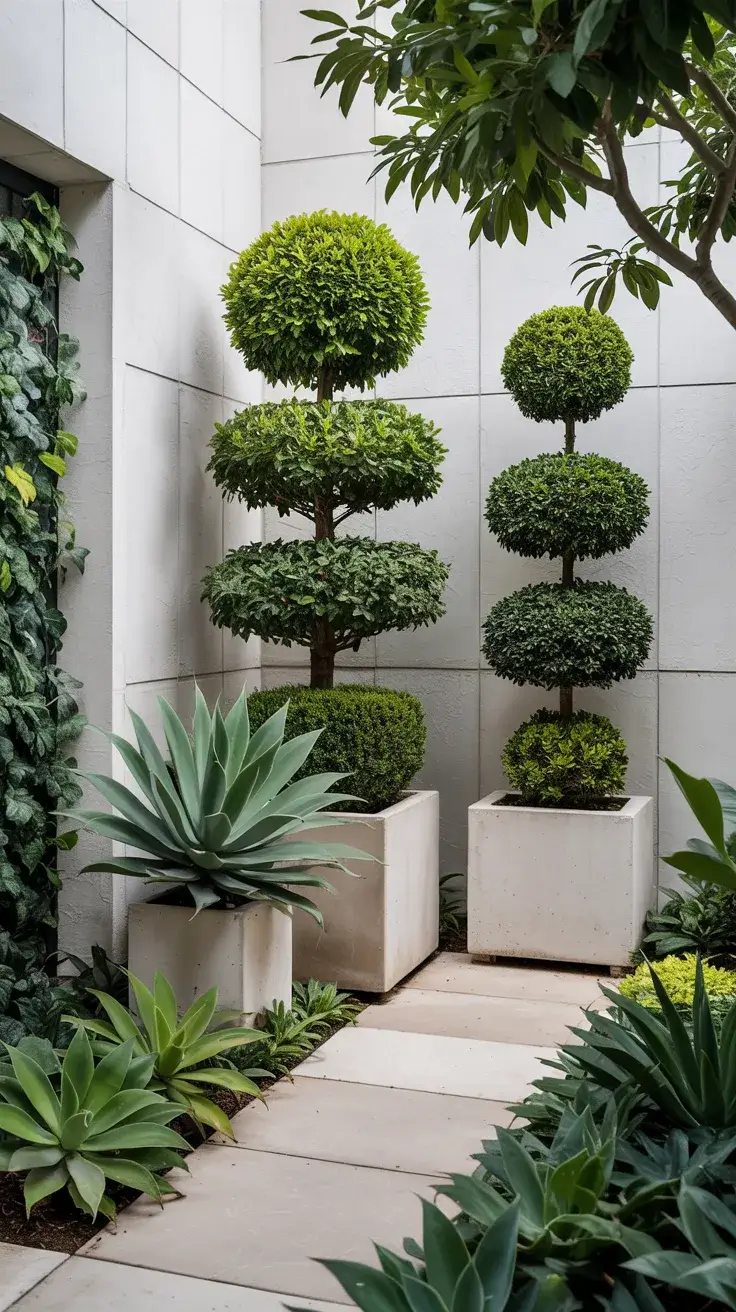
This section would benefit from adding ground-level companion plants, such as low grasses or creeping ground covers, to soften the edges and create layered depth.
26. Indoor Outdoor Flow Garden Concepts
I often explore indoor-outdoor flow when designing Small garden ideas 2026, as it blurs boundaries and visually enlarges compact spaces. By aligning patio flooring with interior finishes, using wide glass doors, and creating seamless sightlines, I help homeowners experience a continuous, open environment. Positioning greenery near interior thresholds further enhances this connection.
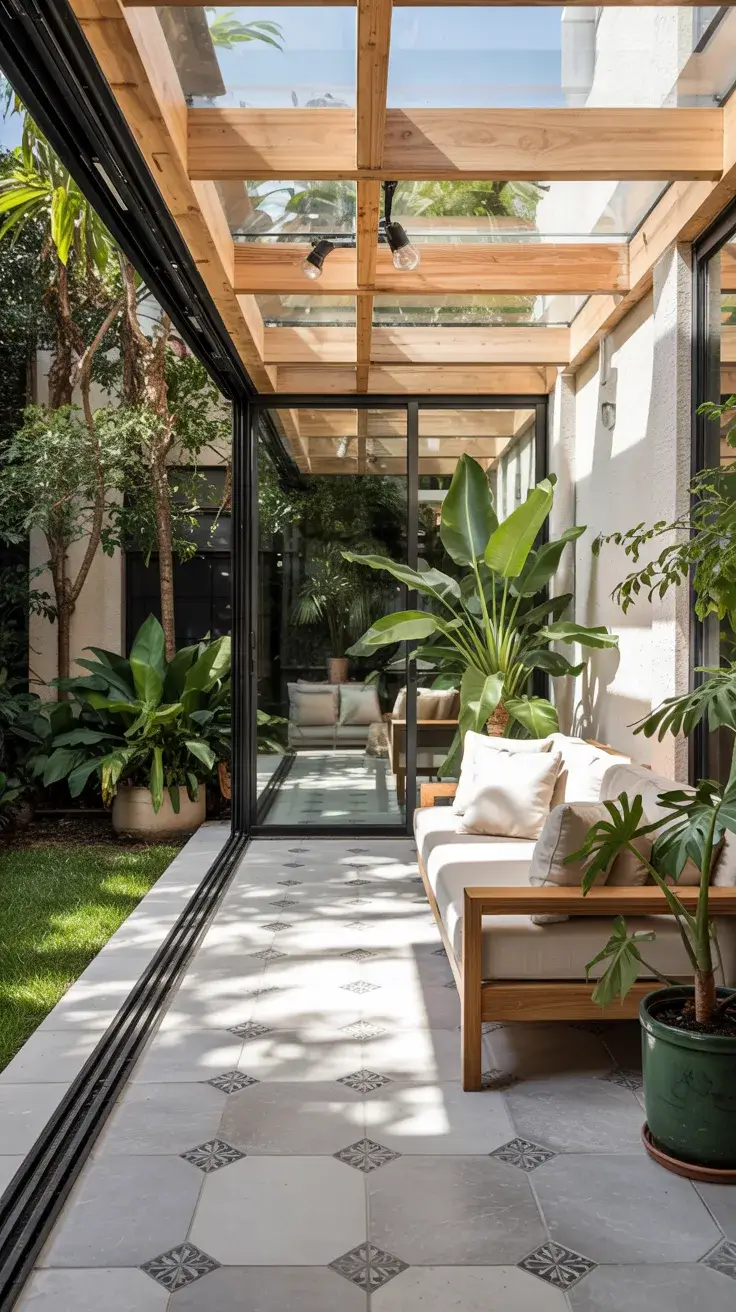
In these settings, I usually include slim outdoor sofas, matching interior-exterior rugs, and potted plants that mirror indoor styling. Coordinated color palettes and repeated textures strengthen the sense of unity. Lighting alignment—such as placing pendant lights inside and lanterns outside—also reinforces the flow.
Professionally, I find this approach transformative. Many US architectural designers recommend using consistent materials to create a unified look that expands perceived space, especially in small homes.
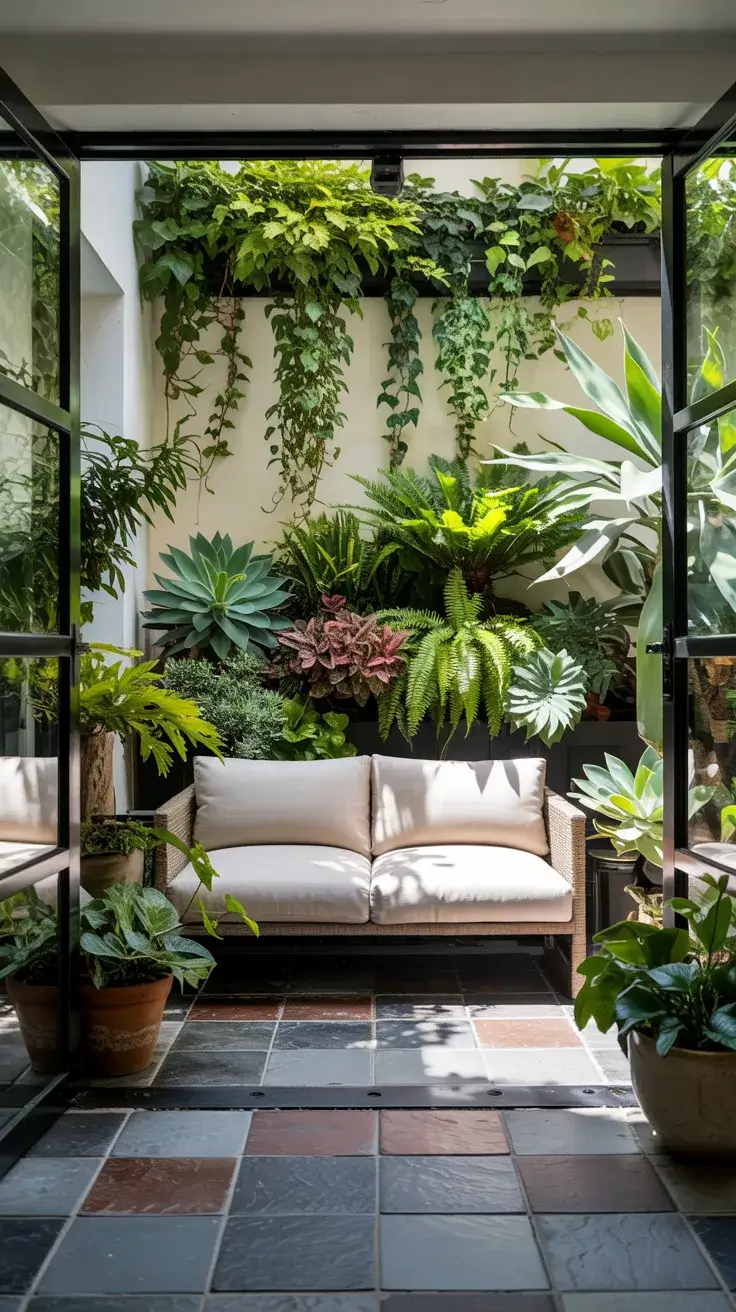
Adding retractable shading or a compact pergola would increase usability by improving comfort during hot or rainy weather.
27. Textured Planting For Depth And Interest
When developing Small garden ideas 2026, I frequently rely on textured planting to build depth in small outdoor environments. This involves layering fine, medium, and coarse textures to establish visual contrast and dimension. I often group feathery grasses with broad-leafed perennials and spiky architectural plants to create dynamic compositions.
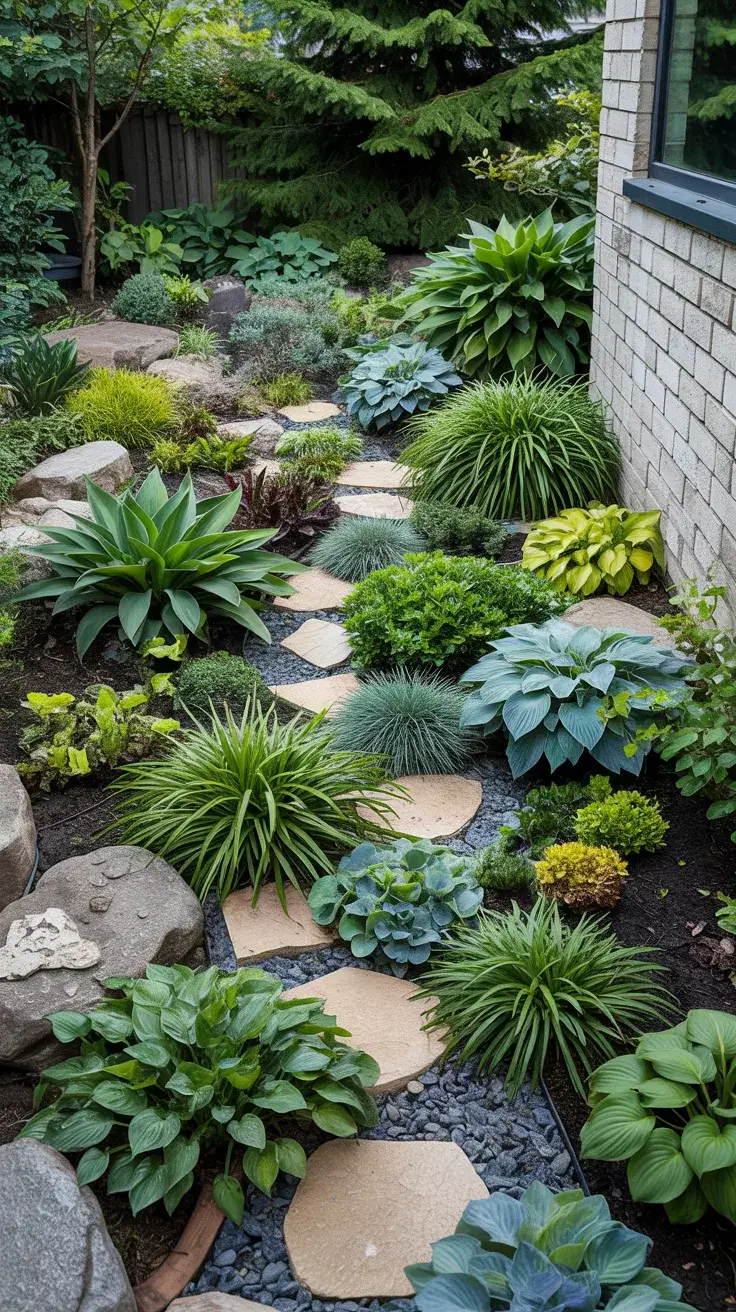
The choice of plants is deliberate. I may use Japanese forest grass for softness, hostas for bold leaves, and dwarf ornamental grasses or yuccas for structure. Decorative mulch, gravel, or bark chips add further texture and help define planting layers. A small seating zone or narrow pathway incorporated within this scheme enhances movement and flow.
I genuinely appreciate textured planting because it creates richness without requiring a large footprint. Landscape experts in major US publications suggest using at least three contrasting textures to achieve balance and prevent monotony in compact designs.
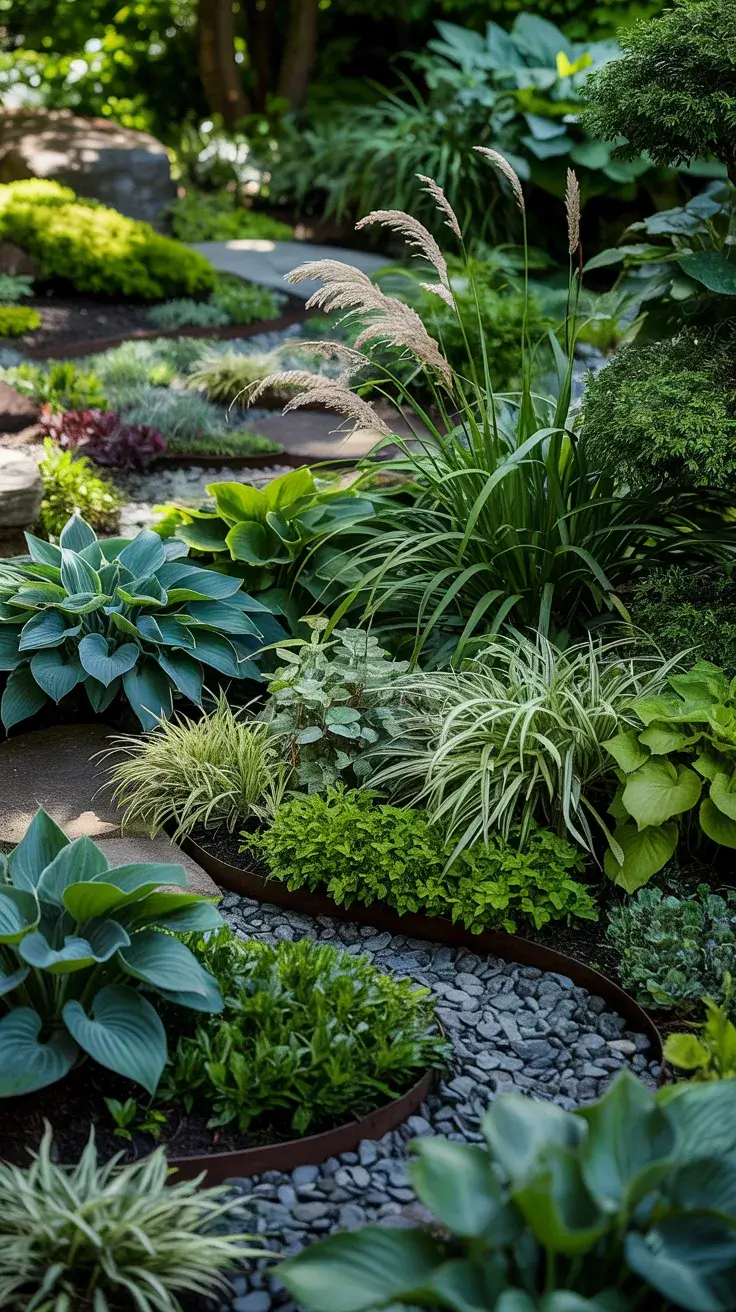
A low border edging or stone outline could be added to frame planting beds more clearly.
28. Wildlife Habitat Features For Small Spaces
Incorporating wildlife-friendly features is an important shift within Small garden ideas 2026, especially for eco-conscious homeowners. I design these gardens with small-scale habitats that attract pollinators and beneficial insects without overwhelming the space. Elements may include shallow birdbaths, bee hotels, native flower patches, and compact water dishes.
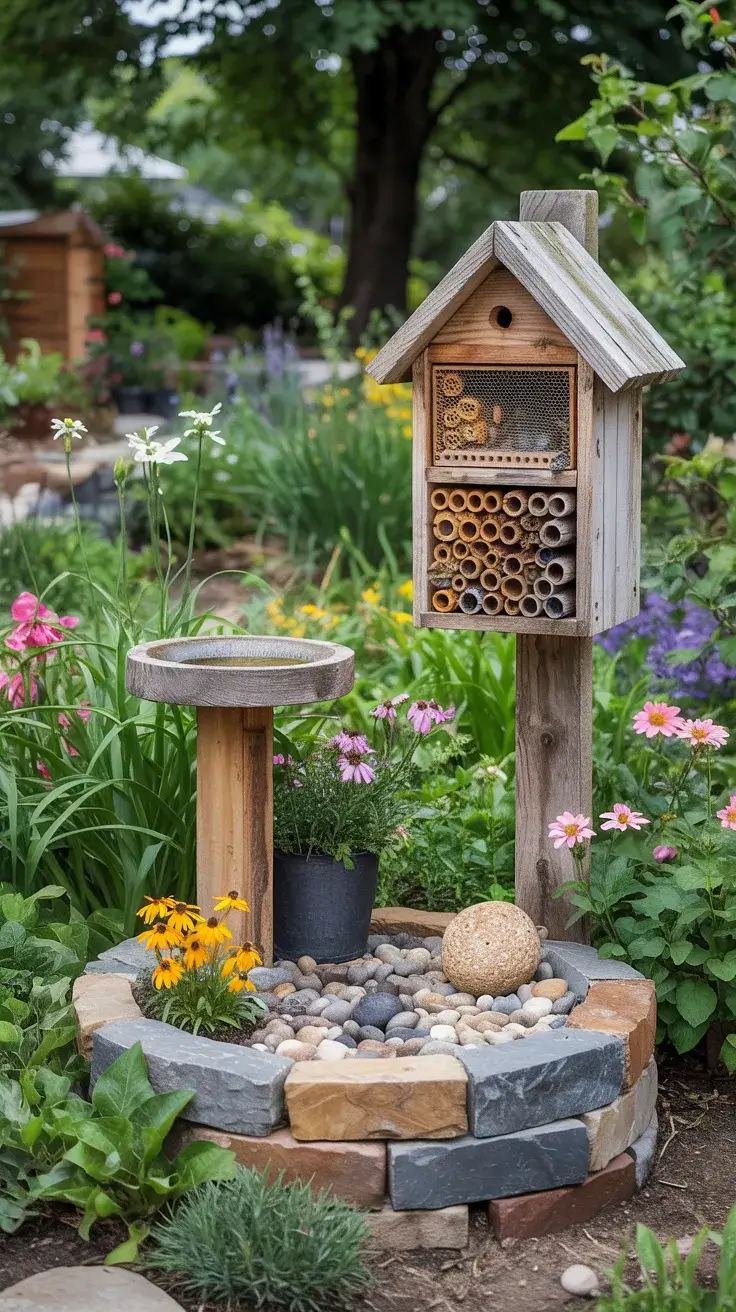
For materials, I use untreated wood bee houses, stone or ceramic birdbaths, and native plant groupings such as coneflowers, asters, and milkweed. I sometimes include a small log pile in a discreet corner to encourage biodiversity naturally. These features coexist effortlessly with modern aesthetics when arranged thoughtfully.
Personally, I find wildlife-focused gardens deeply rewarding because they contribute to local ecology while enhancing outdoor enjoyment. US environmental organizations recommend selecting native species specifically adapted to the area to offer optimal food sources and shelter.
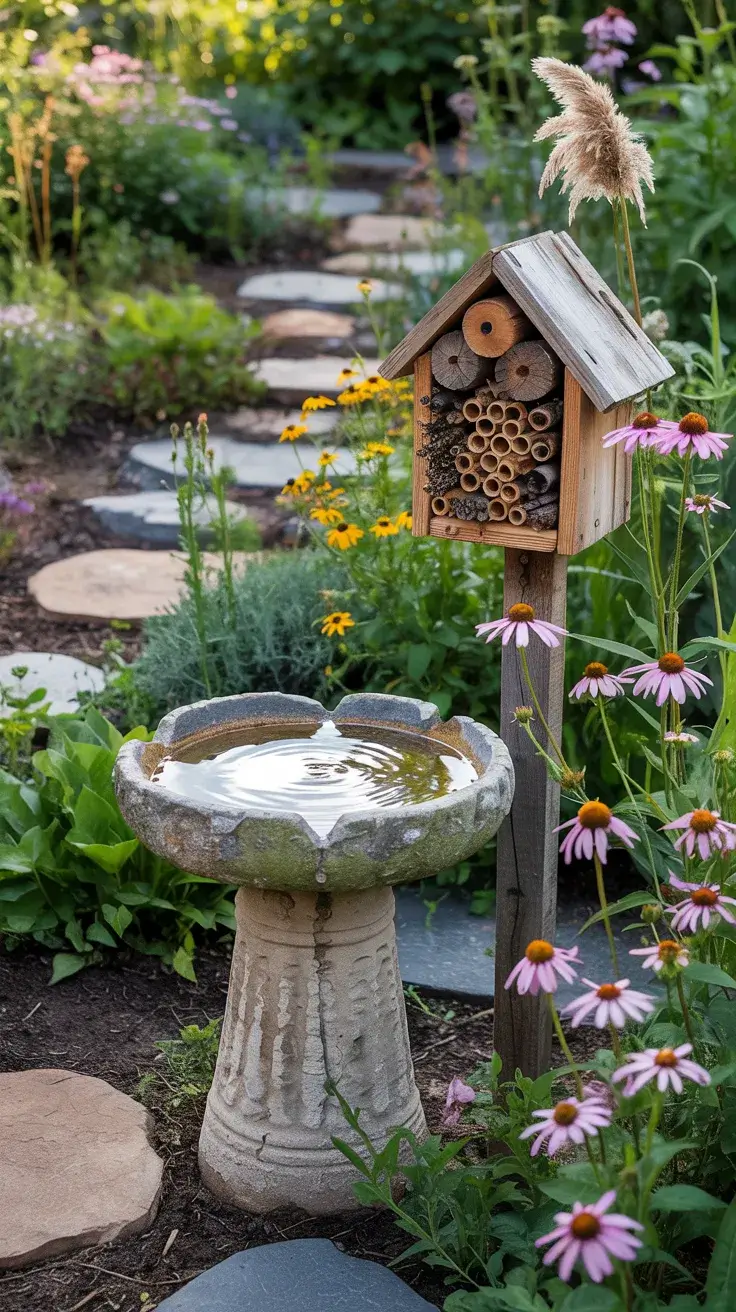
A small drip irrigation emitter near native plant beds could be added to support consistent moisture and healthier growth.
29. Rustic Charm In Small Garden Design
When creating Small garden ideas 2026, I often explore rustic charm because it brings warmth, nostalgia, and natural beauty into compact outdoor spaces. In small gardens, rustic style works exceptionally well by pairing weathered materials with organic textures, creating an inviting and timeless atmosphere. I typically use reclaimed wood accents, vintage-style planters, and natural stone pathways to build a cohesive rustic look that feels both relaxed and intentionally crafted.
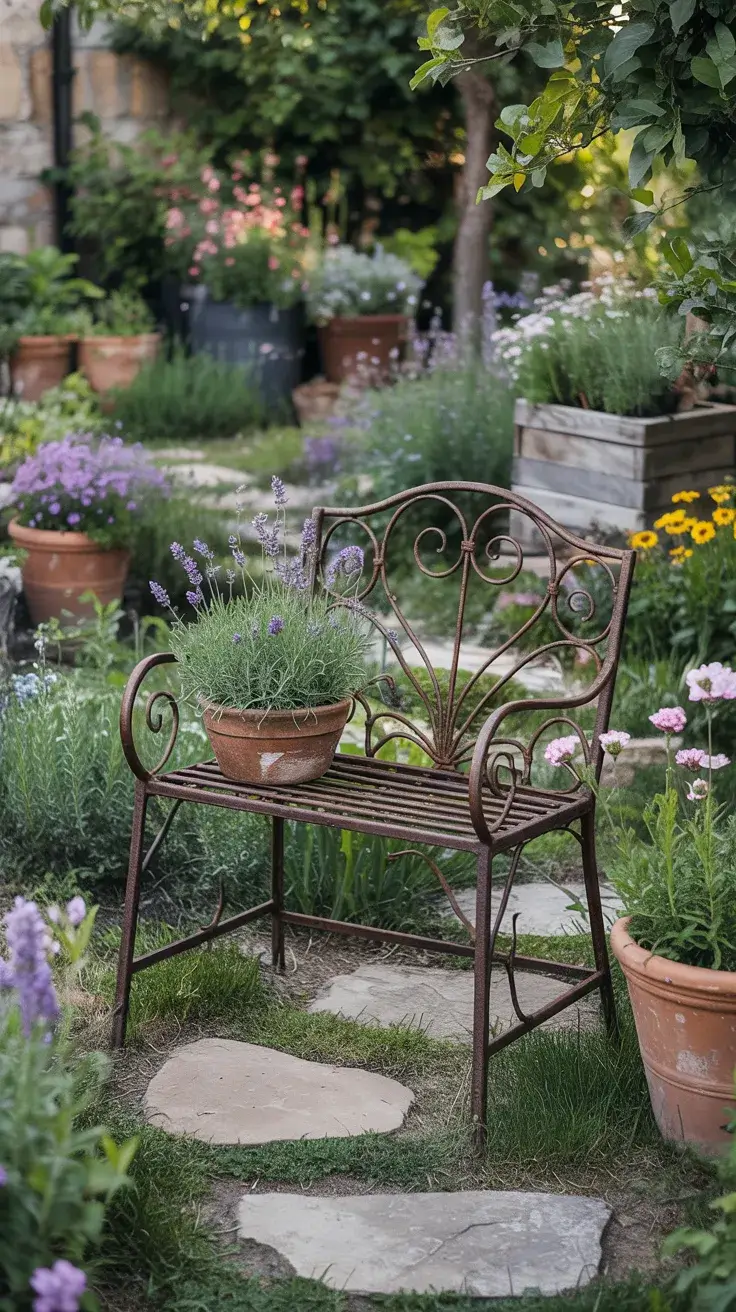
For furniture and elements, I prefer wrought-iron benches, rough-hewn wooden stools, terracotta pots, and woven baskets arranged neatly but casually. I also incorporate climbing vines, lavender, and soft meadow-style plantings to enhance the rustic mood. These selections help anchor the space and provide an authentic, romantic character without overwhelming limited square footage.
From my professional experience, rustic charm resonates deeply with homeowners who want a calming outdoor retreat reminiscent of countryside living. US garden magazines often emphasize layering textures and mixing patinas to achieve a convincing rustic aesthetic.
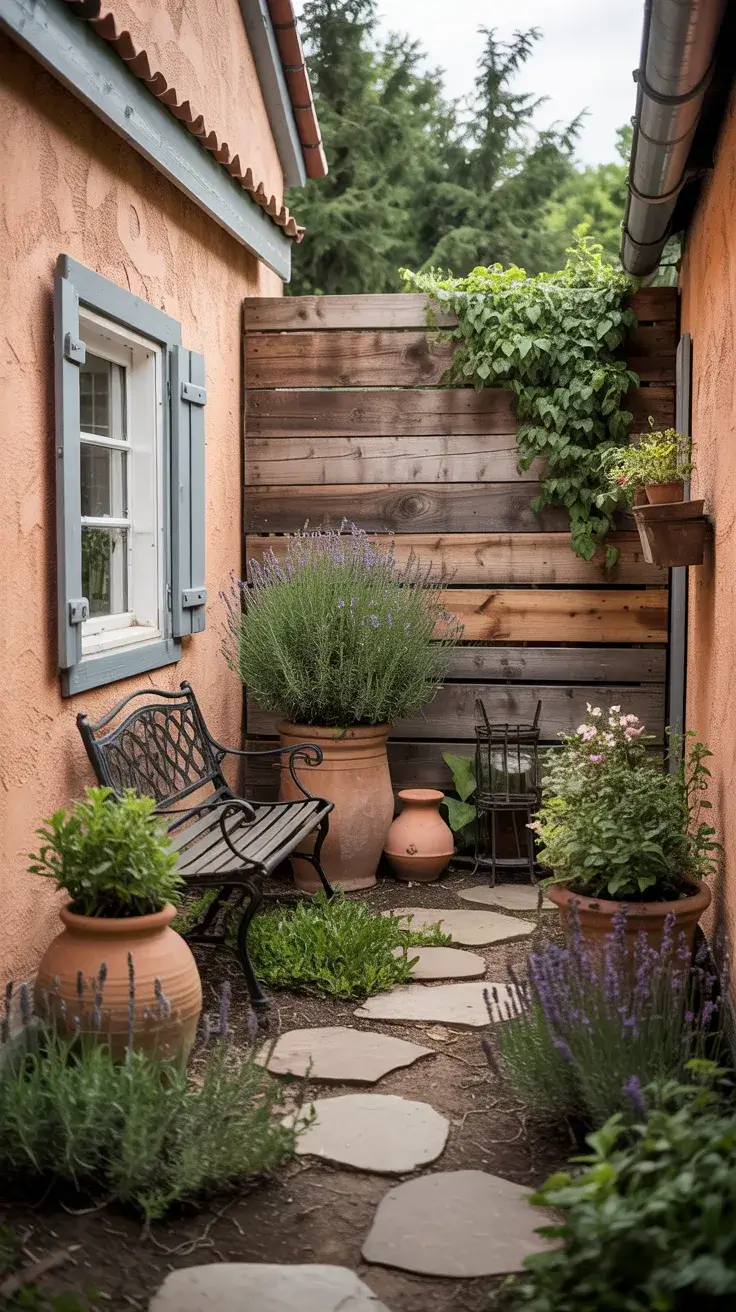
Adding a small wooden tool crate or a vintage watering can would enhance the authenticity of this section even further.
30. Mediterranean Inspired Tiny Garden
Mediterranean-inspired themes remain highly relevant in Small garden ideas 2026, especially because they emphasize warmth, color, and drought-tolerant plants well-suited for compact areas. I typically design these spaces using sun-loving species, terracotta finishes, and crisp architectural shapes. This combination creates a fresh and airy garden environment, even in the smallest yards or balconies.
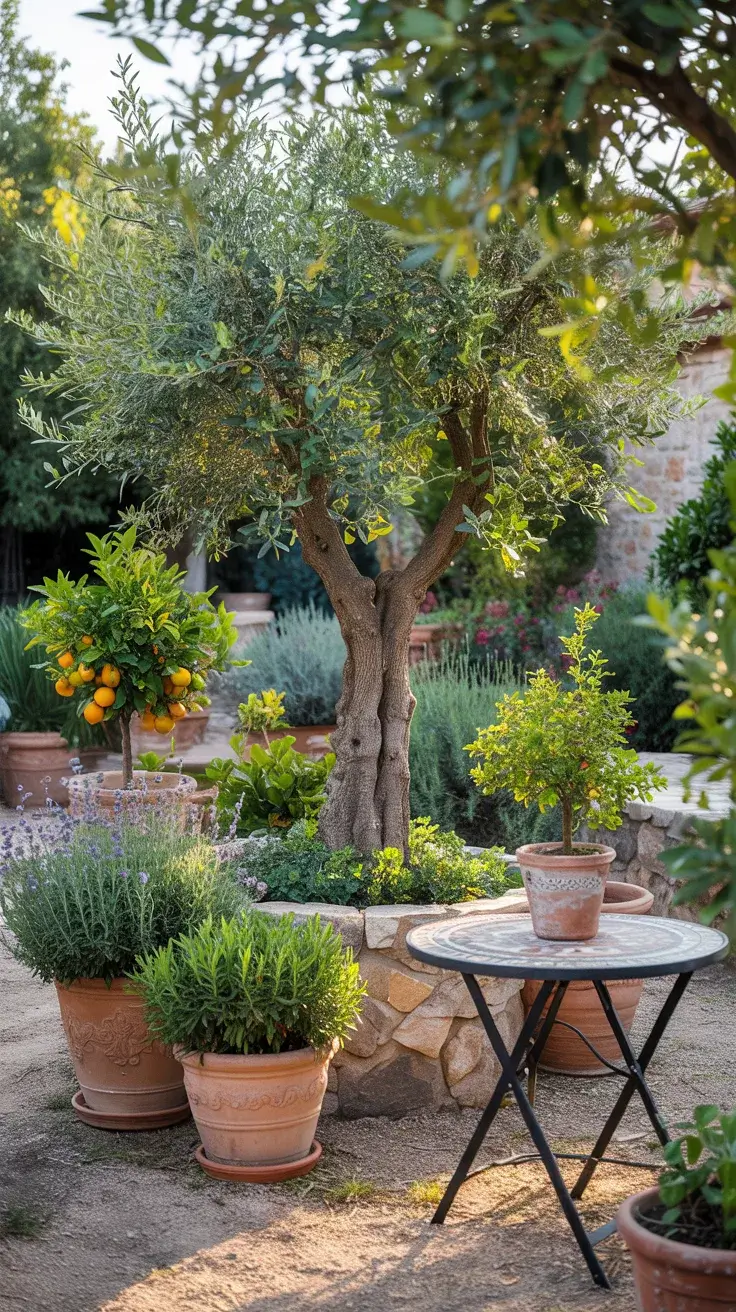
For furnishings and decor, I often select whitewashed pots, mosaic-tiled tables, and wrought-iron chairs paired with olive trees, rosemary, lavender, and citrus in containers. Gravel ground cover and stone accents help reflect light and maintain an authentic Mediterranean feel. Adding a small water bowl or ceramic fountain reinforces the sensory experience.
Personally, I enjoy Mediterranean tiny gardens because they create a vacation-like atmosphere at home. US design experts frequently recommend using warm-toned neutrals and natural materials to preserve the charm of this style.
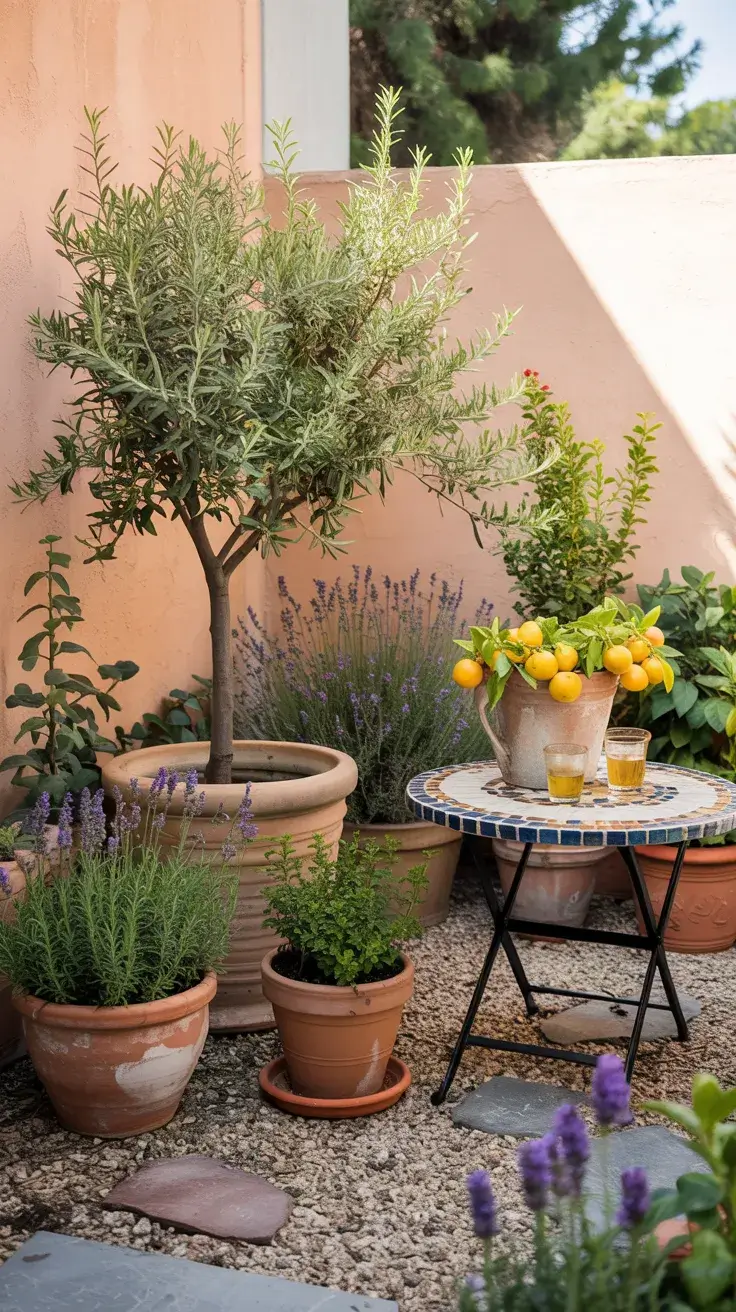
A narrow pergola with climbing bougainvillea would complete the Mediterranean aesthetic beautifully.
31. Cottage Style Small Garden Influences
Cottage-style design offers softness and romance within the world of Small garden ideas 2026, making it ideal for small gardens that crave charm and personality. I usually create this look using layered planting, curved pathways, and a blend of decorative and edible plants. In compact areas, a carefully arranged mix of blooms adds depth without becoming chaotic.
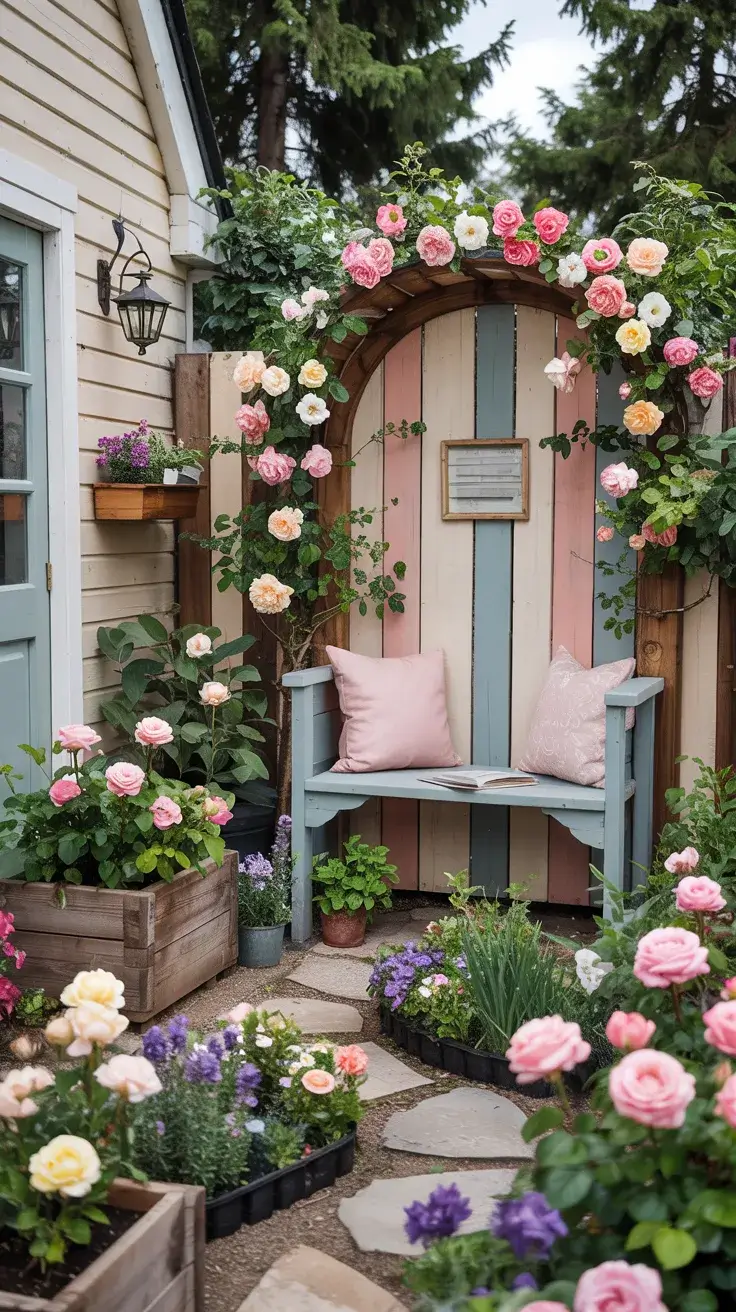
To support this aesthetic, I select wooden planters, distressed metal watering cans, compact garden arches, and pastel furniture pieces. Plant choices often include roses, daisies, delphiniums, and herbs interwoven for a lush, storybook feel. A small seating nook with cushions in soft patterns ties the setting together.
From experience, cottage gardens excel in tiny plots because they transform them into intimate, immersive sanctuaries. US garden stylists highlight repetition of color and form as key to preventing clutter in small cottage-themed gardens.
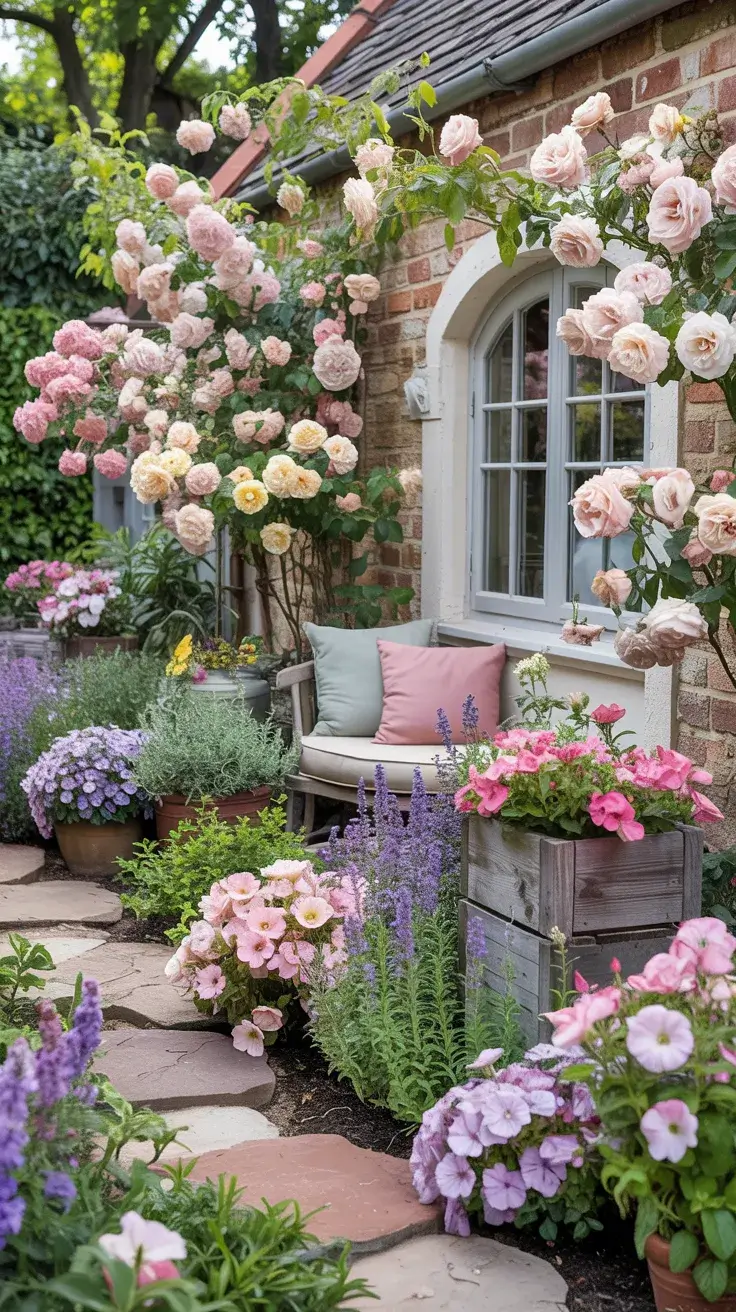
Adding a miniature birdhouse or low picket edging would enhance structure while retaining the whimsical appeal.
32. Contemporary Courtyard Greenery
When curating Small garden ideas 2026, contemporary courtyard greenery is one of the most polished and sophisticated design paths. I prefer using crisp lines, monochromatic palettes, and sculptural plant choices to create a minimalist yet expressive garden environment. In small courtyards, this approach delivers clarity and order that make the space feel larger and more intentional.
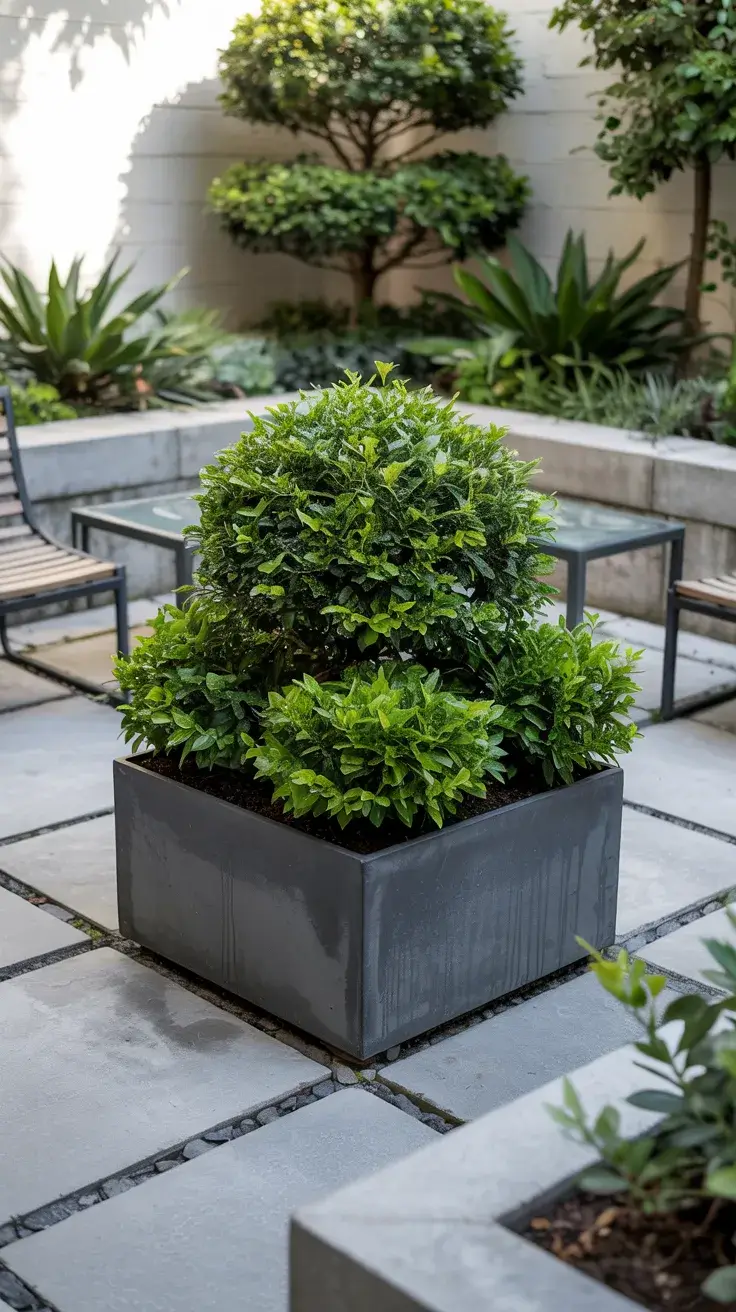
Furniture and decor selections include streamlined metal seating, rectangular planters, smooth concrete pavers, and structured evergreens such as boxwood or bamboo. I often incorporate water bowls, vertical green panels, or geometric gravel patterns to maintain visual interest. Every element is chosen to reflect simplicity and function.
I appreciate contemporary courtyard designs because they provide a calm retreat with an architectural edge. Many US design publications stress reducing clutter and choosing high-quality materials to elevate modern outdoor spaces.
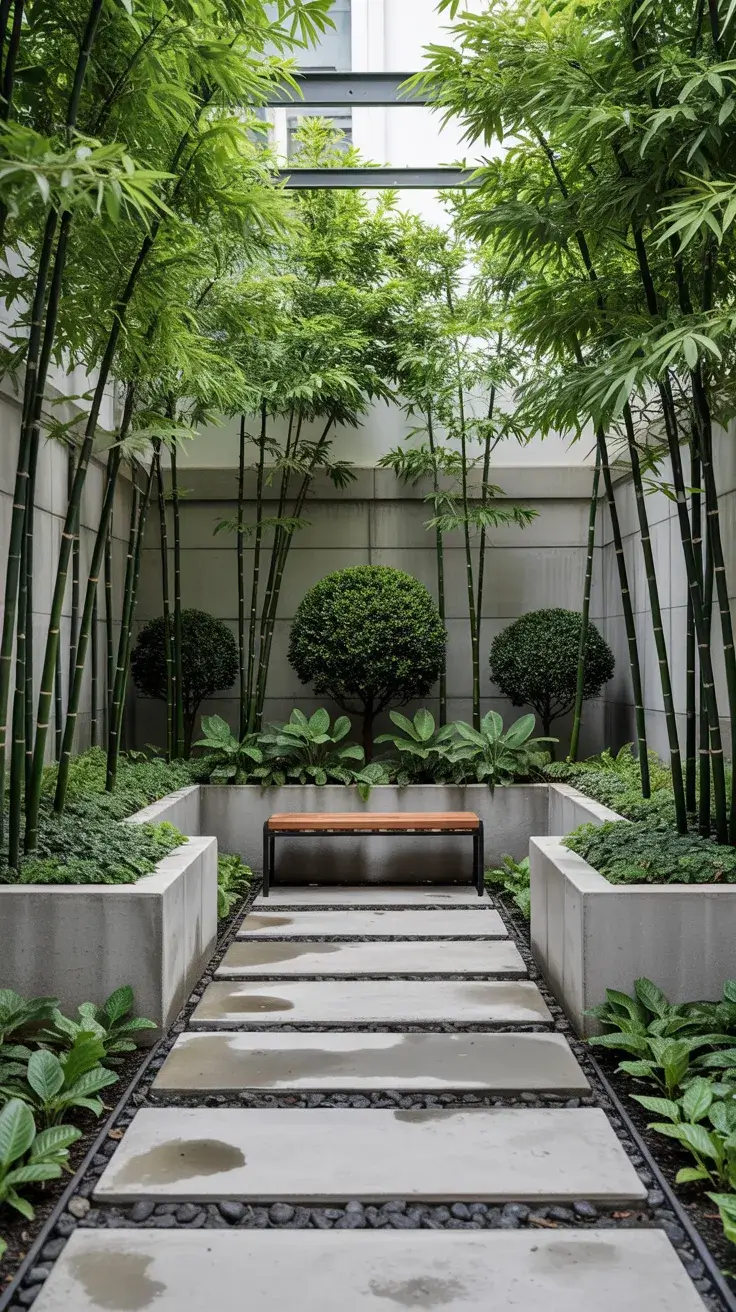
A wall-mounted lighting strip or minimalist outdoor lantern could further strengthen the cohesive, contemporary atmosphere.