Designing a garden pond has become one of the most transformative ways to elevate outdoor living, and Pond Ideas in garden 2026 are shaping up to be more innovative, calming, and visually compelling than ever. How can a modern garden pond redefine the character of your outdoor space? What design principles matter most when creating a pond that is both beautiful and functional? In this article, I will explore the latest ideas, trends, and expert-backed approaches shaping pond design for 2026, helping you choose a style that reflects your vision while enhancing the natural harmony of your garden.
1. Tranquil Garden Pond Inspirations
I often begin designing a tranquil garden pond by focusing on soft, organic shapes that blend effortlessly into the surrounding landscape. In 2026, quiet compositions that highlight natural stone, gentle water movement, and layered greenery continue to rise in popularity. I find that a well-balanced tranquil pond not only enriches the garden visually but also becomes a meditative focal point where homeowners instinctively gravitate for relaxation.
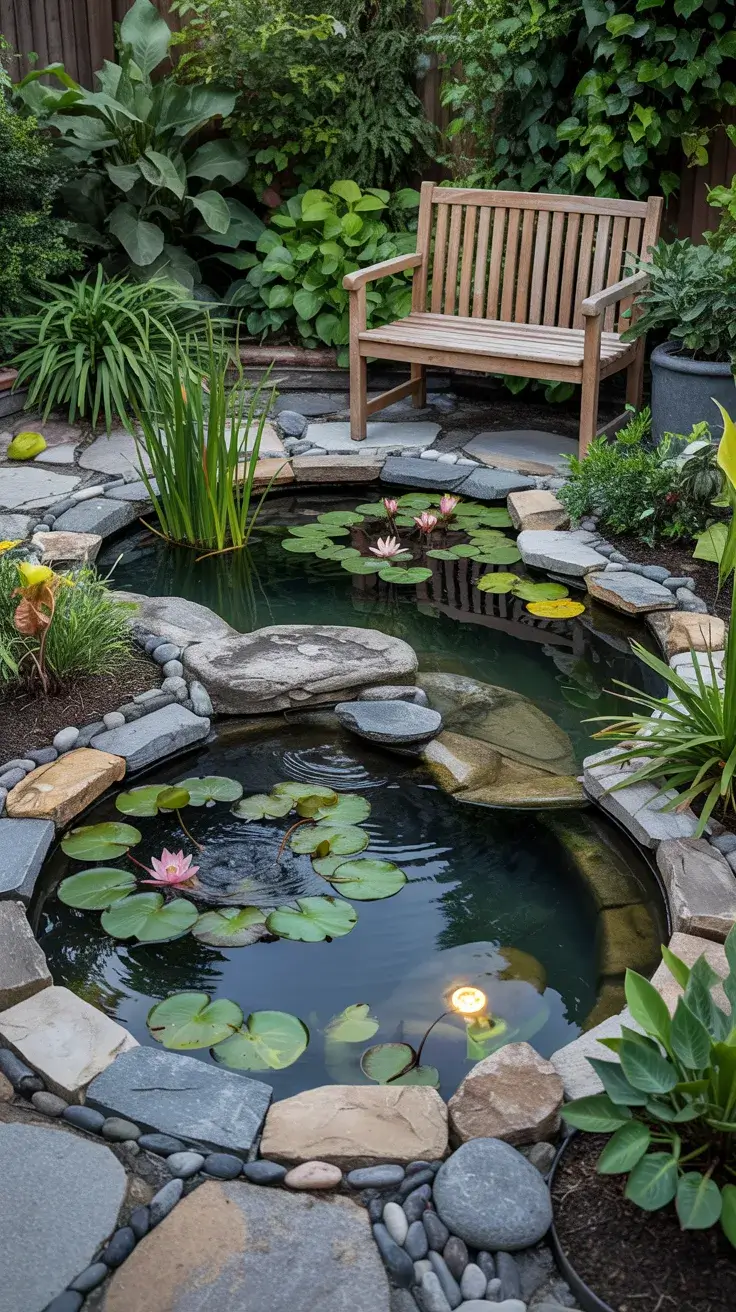
When selecting the right features, I typically incorporate river stones, smooth-edged seating elements, and minimal lighting to maintain the soft ambiance. Choosing furnishings like a curved teak bench or a low-profile stone ledge can make the space usable without disrupting the natural aesthetic. I personally find that adding plants such as water lilies or reeds helps unify the environment and enhances the calming effect.
From my experience, many reputable landscape designers in the US, including experts cited by Better Homes & Gardens, emphasize the importance of layering textures when creating tranquil garden ponds. I agree with this approach because varied textures give the space depth without overwhelming the serenity.
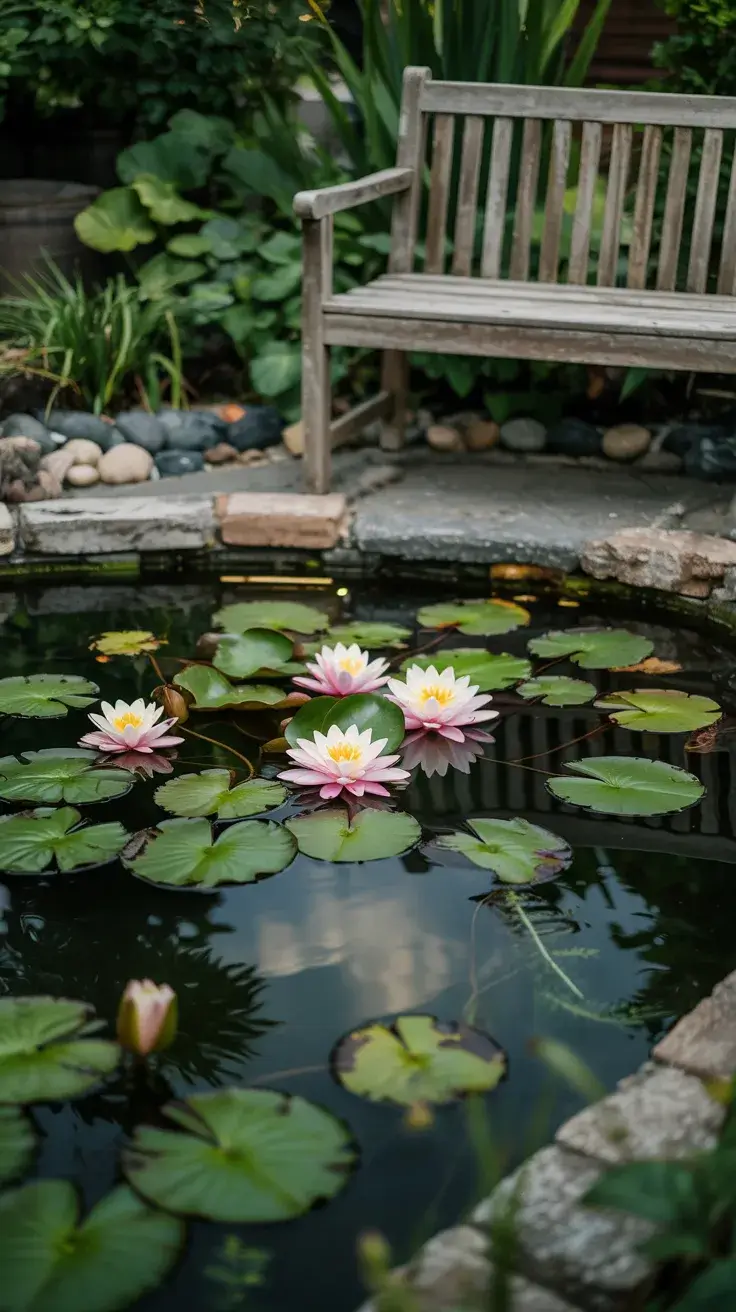
To strengthen this concept, I would add subtle underwater lighting or a small, slow-moving bubbler feature to enhance nighttime ambiance and create gentle sensory movement.
2. Modern Minimalist Pond Concepts
When I work on a minimalist pond concept, I focus on sharp geometry, clean lines, and simplified materials that evoke a modern architectural presence. In 2026, minimalist garden ponds are especially favored for contemporary homes where symmetry and order define the outdoor design. I find that using concrete, steel edging, and smooth stone surfaces helps create a crisp, uncluttered aesthetic.
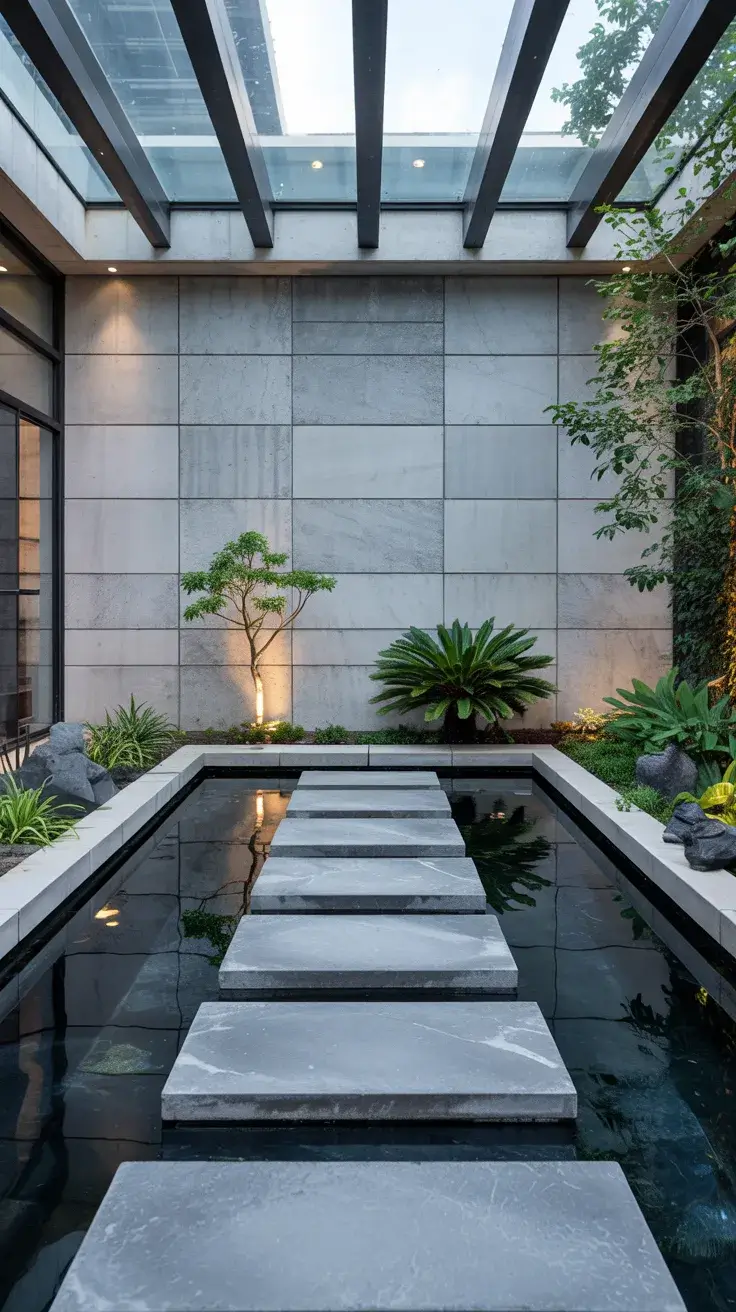
I typically include elements such as rectangular ponds, floating concrete stepping pads, or slim LED lighting to emphasize form and structure. A single sculptural plant—like a Japanese maple or tall ornamental grass—can anchor the design without disrupting its intentional simplicity. These items ensure the pond feels curated rather than ornamental.
In my professional experience, minimalist ponds benefit from restraint. As designers from Architectural Digest often note, the power of modern design lies in editing, not adding. I apply the same rule by avoiding unnecessary décor and letting water and structure take center stage.
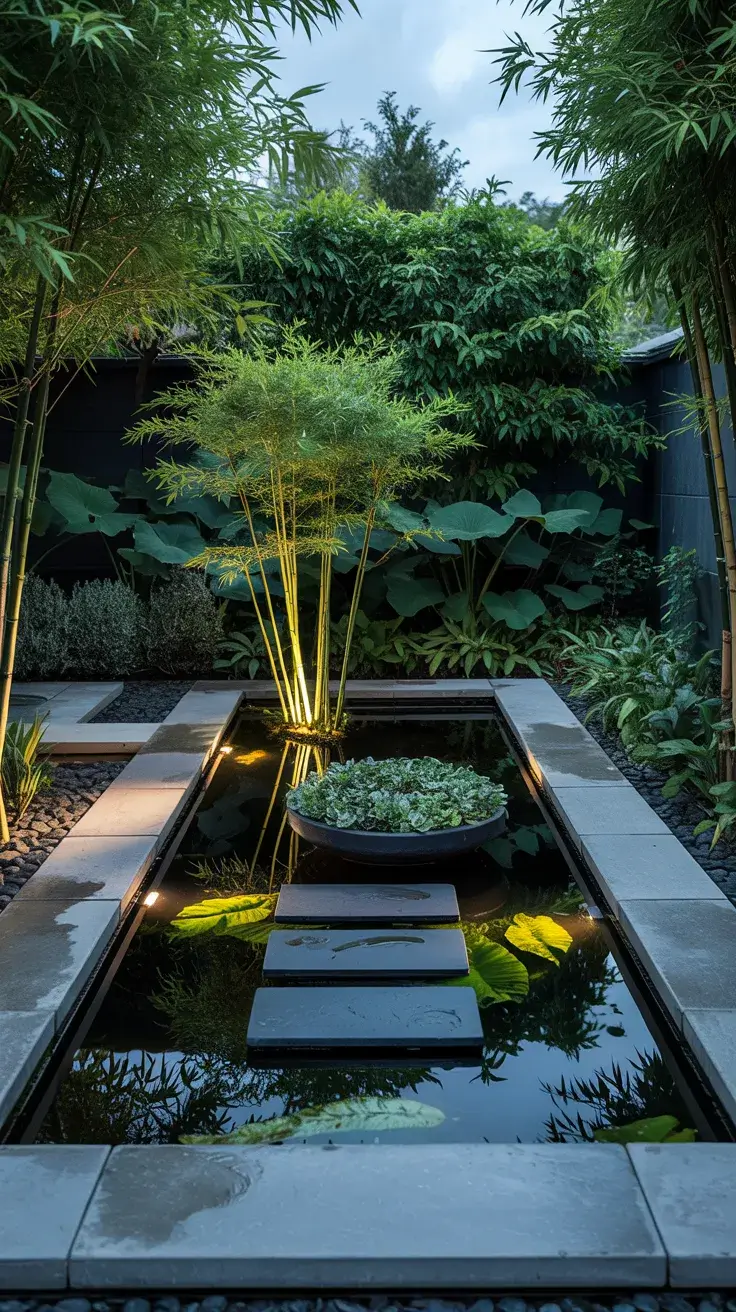
If I were enhancing this section further, I would add a matte stone seating slab or minimalist black planters to tighten the architectural theme and improve usability.
3. Natural Wildlife Friendly Pond Designs
When designing a wildlife-friendly pond, I prioritize ecological balance and encourage biodiversity. In Pond Ideas in garden 2026, natural ponds inspired by wild habitats are trending because they support pollinators, amphibians, and birds. I usually start with irregular shapes, shallow entry zones, and a mix of aquatic plants to make the pond hospitable for various species.
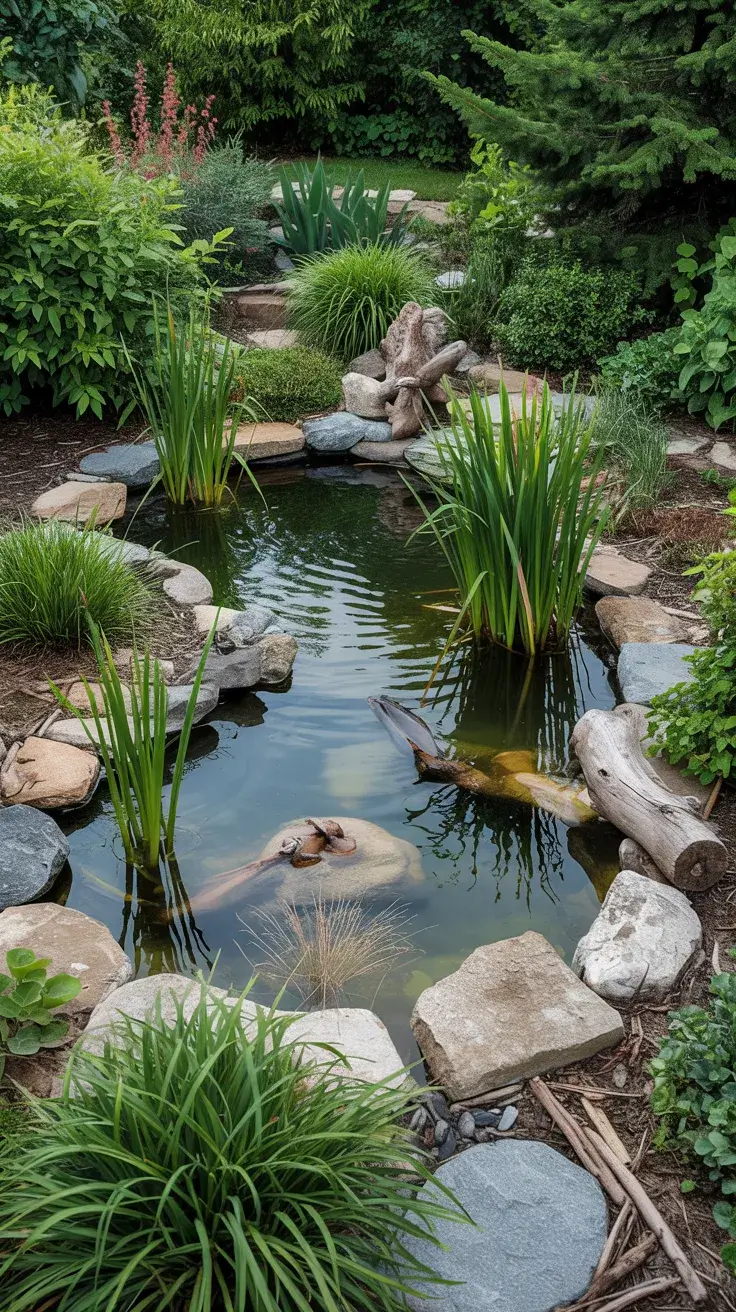
I incorporate flat stones for frog perching, densely planted edges for shelter, and driftwood accents to mimic natural wetland environments. I choose plants like cattails, pickerelweed, and native grasses to support wildlife without requiring constant intervention. These elements create a harmonious ecosystem that feels both functional and beautiful.
From my own work, I’ve seen how rewarding it is when a garden becomes a sanctuary for creatures. Many US ecological gardening experts stress avoiding chemicals and opting for native plantings, a practice I fully support for long-term success.
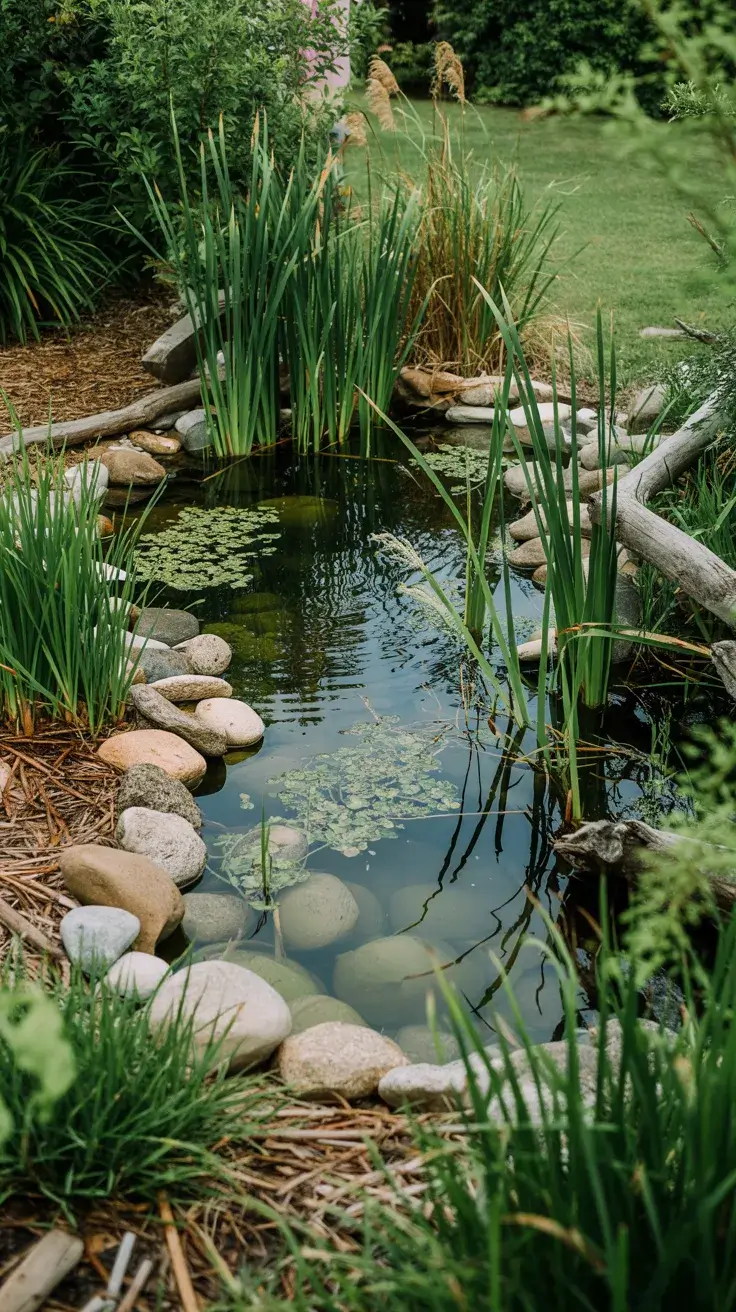
To enrich this pond style further, I would add a small shallow pebble beach for birds to drink and bathe safely.
4. Small Space Pond Solutions
Whenever I design ponds for compact spaces, I focus on maximizing visual effect without overwhelming the area. Small-space Pond Ideas in garden 2026 include container ponds, raised micro-ponds, or built-in corner water features that provide the tranquility of water without requiring large square footage. I find that even a modest pond can dramatically elevate a small garden when designed correctly.
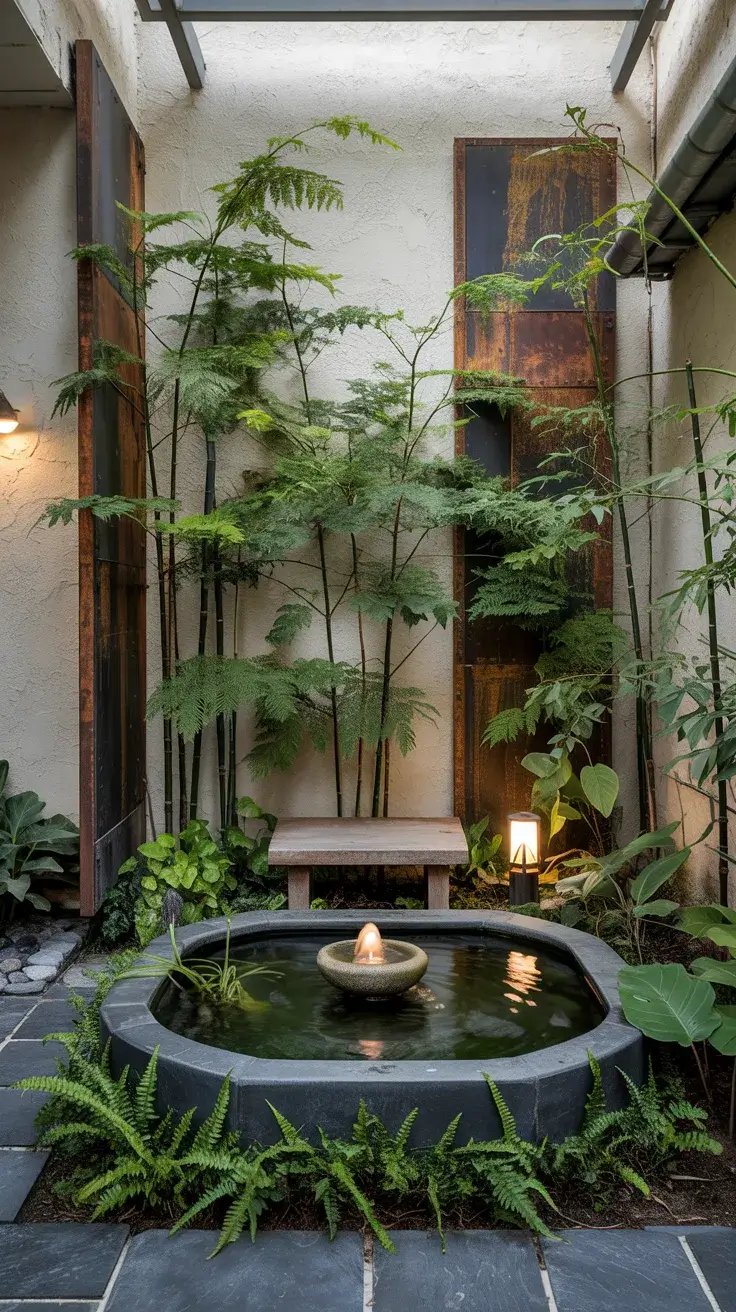
I choose items like ceramic basin ponds, narrow rectangular ponds along fences, or small tiered designs that fit tight layouts. Slim seating, vertical plantings, and compact furniture ensure usability while keeping the pond as the main visual anchor. Materials like corten steel or polished stone can help small designs feel intentional and refined.
In my experience, small ponds benefit greatly from thoughtful placement. Garden experts frequently advise positioning small water features where they can be viewed from indoors, maximizing impact. I’ve used this strategy many times to make compact yards feel more expansive.
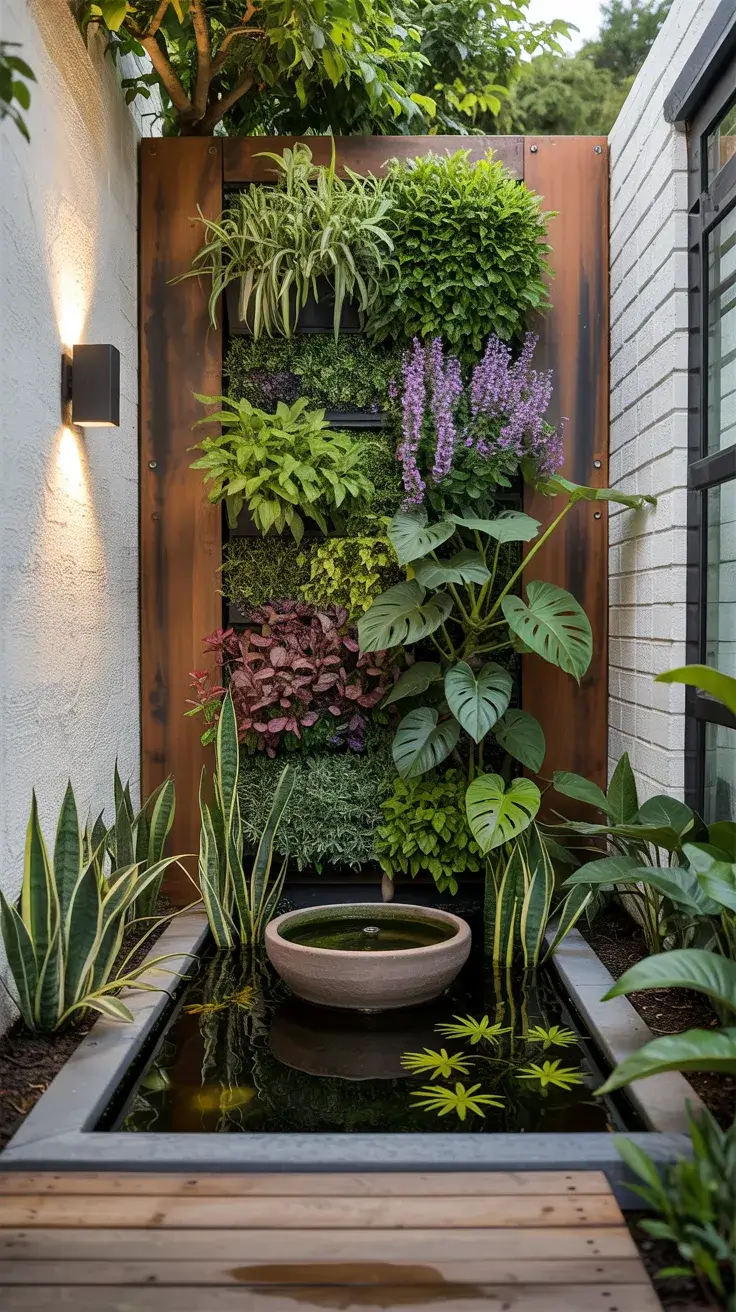
If I expanded this design, I would add wall-mounted lighting or a thin water spout to introduce gentle motion without requiring additional space.
5. Koi Pond Ideas For Contemporary Gardens
When I craft koi pond concepts, I aim for a balance between aesthetics and fish well-being. Modern koi ponds in 2026 lean toward streamlined shapes and advanced filtration systems that maintain water clarity. I often design deeper ponds with viewing ledges so the vibrant fish become moving artwork within the garden.
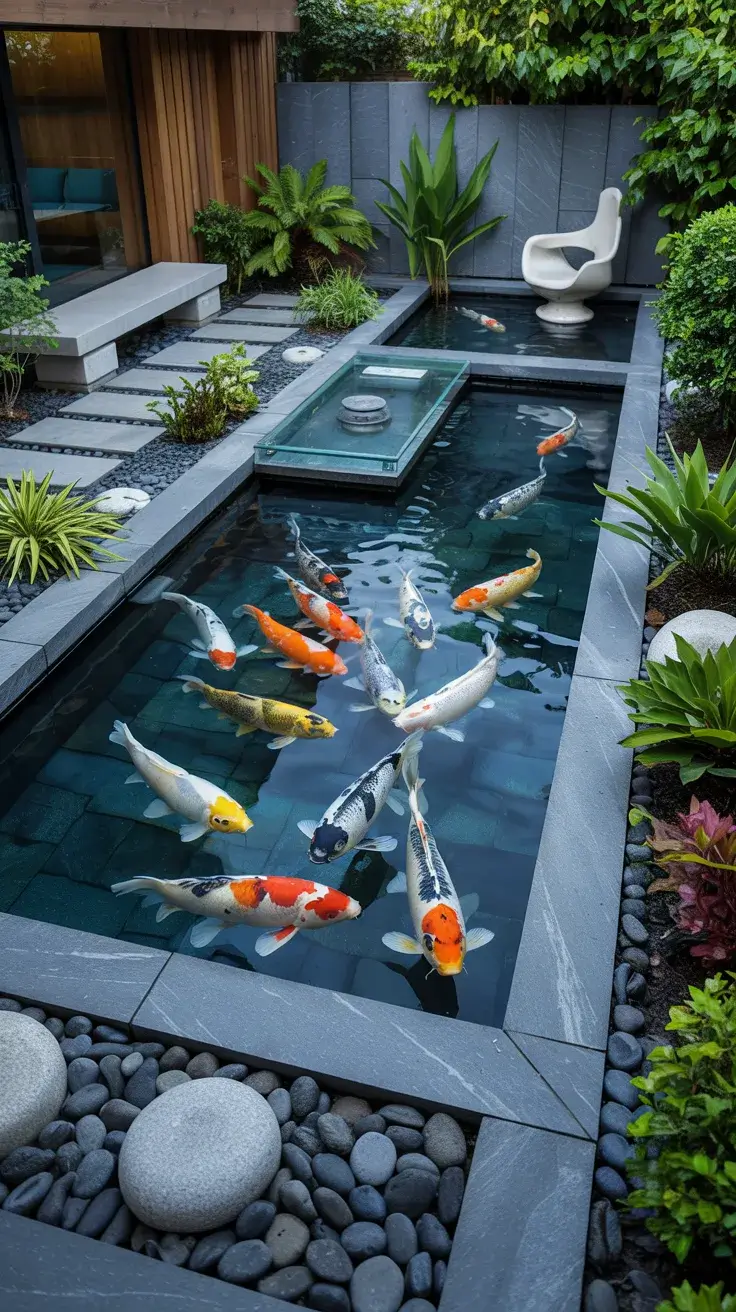
I add elements such as reinforced glass viewing panels, modern stone coping, and smooth interior finishes that protect the koi. Simple bridges, low-slung benches, or sculptural stones complete the contemporary environment. These features maintain visual interest while ensuring the pond supports healthy koi.
Over the years, I’ve learned that koi ponds require careful planning, and experts from specialized koi organizations often recommend stable water temperatures and shaded zones. Following these guidelines has helped me consistently create healthy, stylish koi habitats.
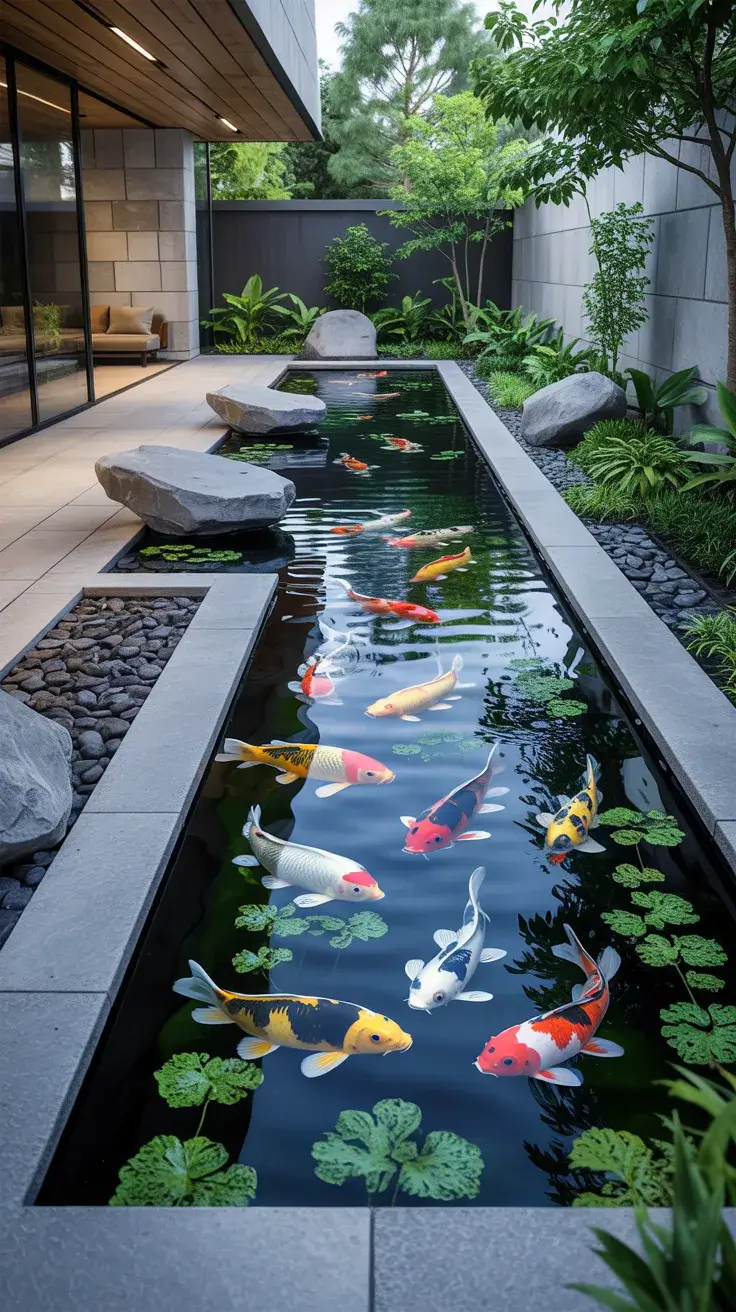
To enhance the design, I might include pergola-like shading or architectural planting clusters that frame the pond while protecting the fish.
6. Zen Pond Elements For Calm Spaces
I find Zen ponds especially fulfilling to design because they prioritize balance, quiet beauty, and spiritual calm. In Pond Ideas in garden 2026, Zen designs commonly use raked gravel borders, deliberate stone arrangements, and still water surfaces to evoke peaceful energy. I focus on creating a space that encourages slow, mindful experiences.
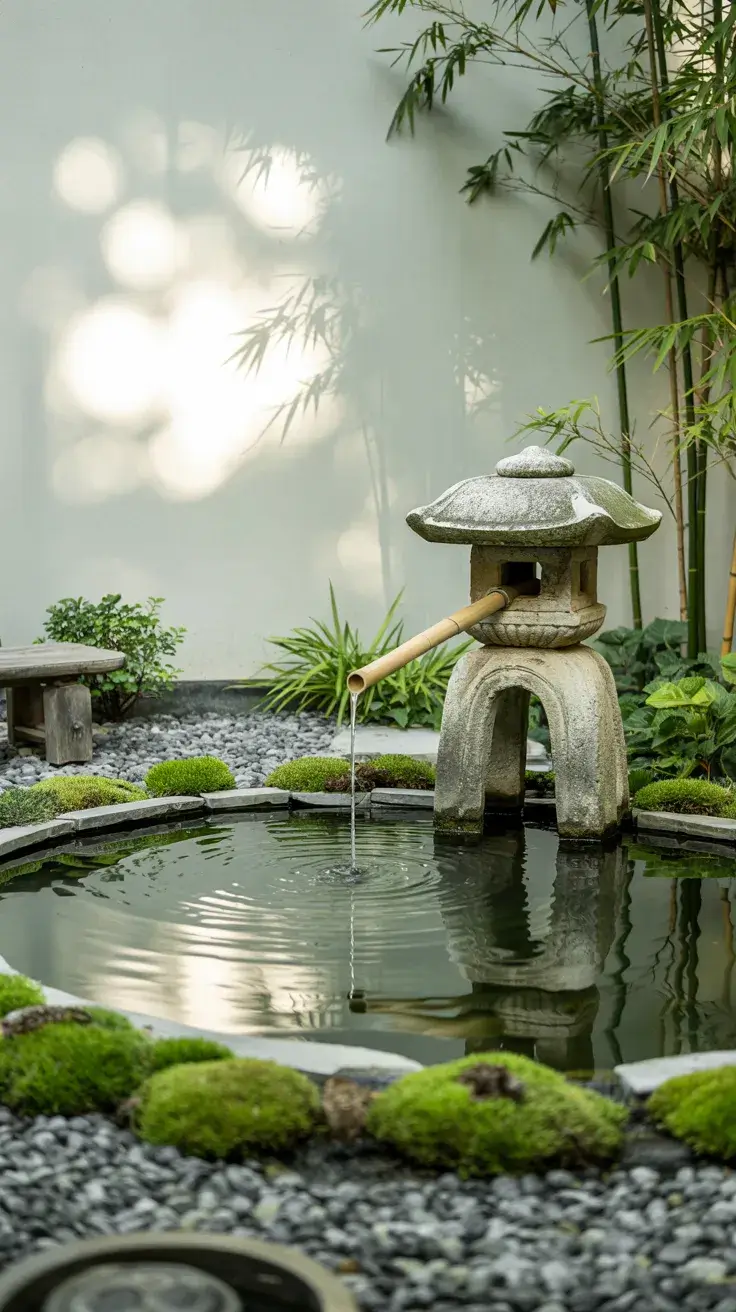
For furnishings, I include elements like bamboo spouts, stone lanterns, simple wooden benches, and mossy textures that soften the atmosphere. Water should move subtly—if at all—to reinforce tranquility. A monochromatic plant palette helps maintain clarity and calm throughout the garden.
Drawing from Japanese garden design principles, as often referenced by US landscape architects, I maintain simplicity and harmony by avoiding bold colors or overly decorative items.
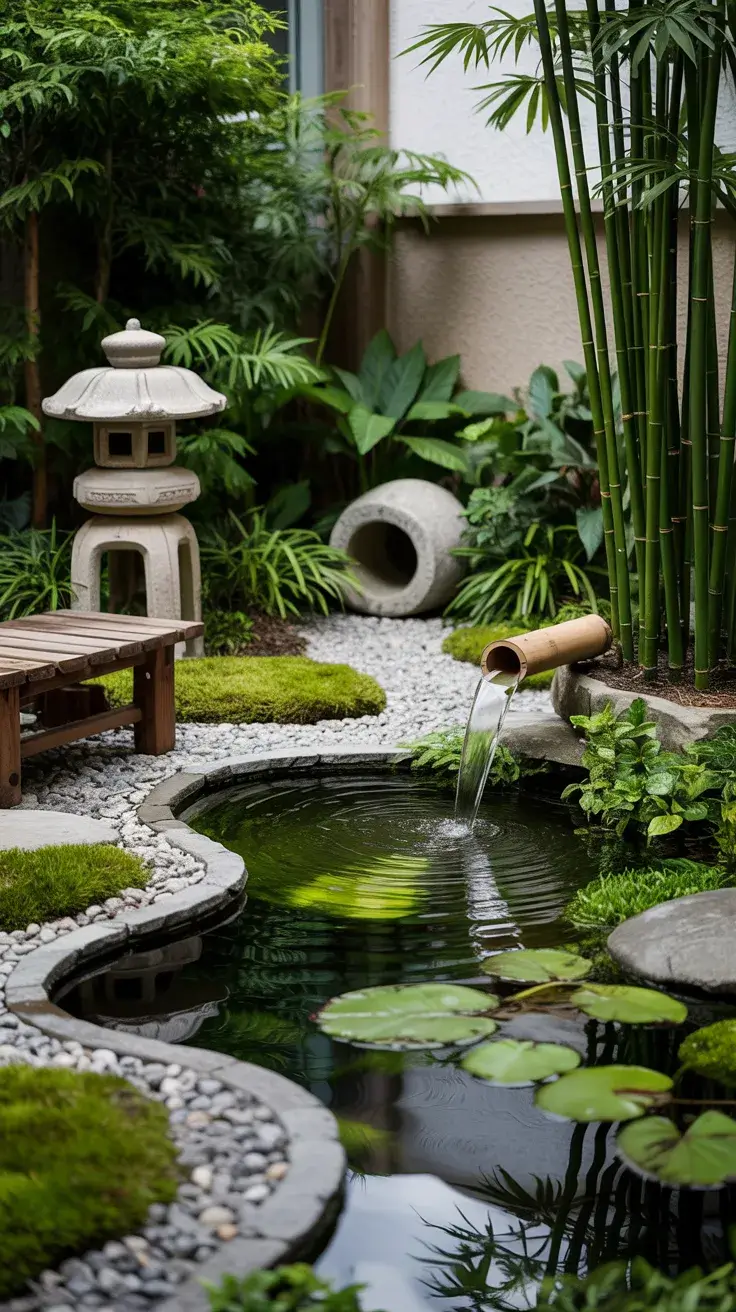
If expanding this concept, I would add a narrow stepping-stone path or a low cedar platform that allows visitors to sit close to the water.
7. Elevated Pond Designs For Visual Impact
When I design elevated ponds, I focus on height, structure, and visual drama. These raised ponds are ideal when homeowners want the water feature to stand out or to protect it from ground-level debris. In 2026, elevated pond styles often include retaining-wall integrations, built-in seating, and multi-level platforms.
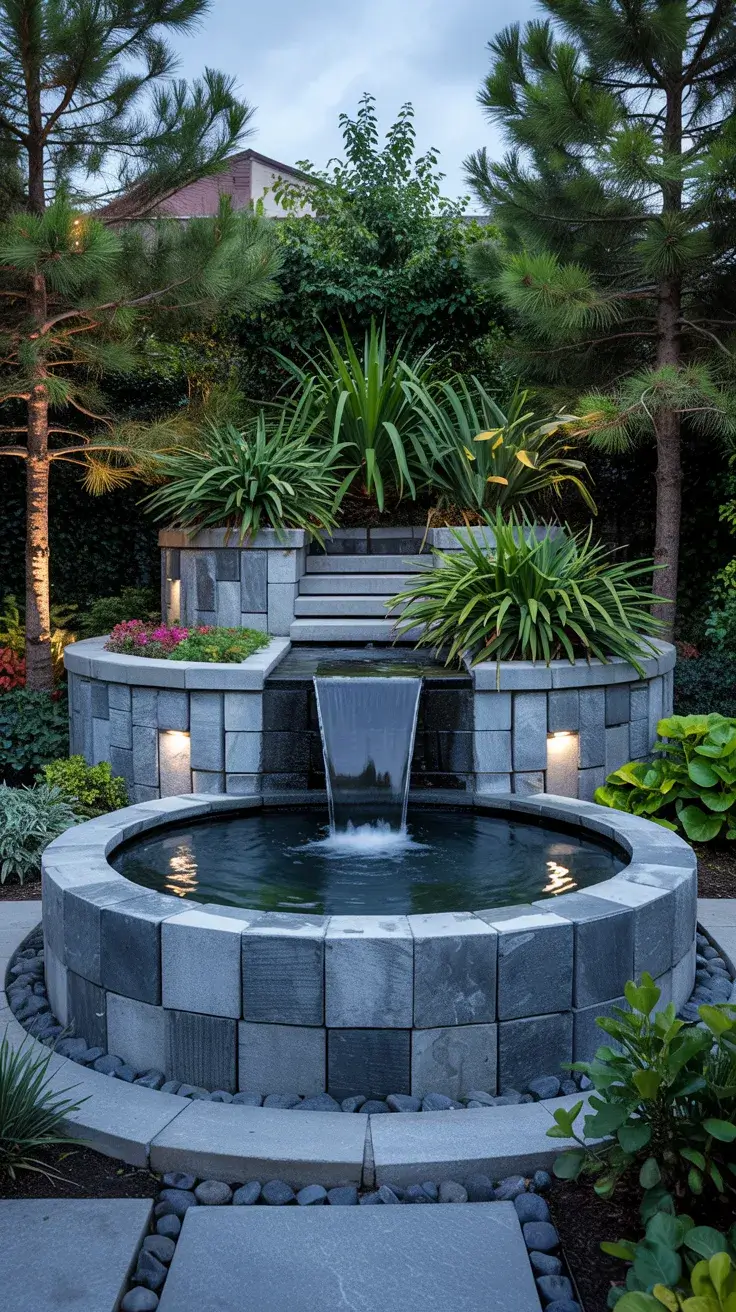
I incorporate materials like poured concrete, timber cladding, or stacked stone to create a raised boundary that doubles as seating. Plants such as tall irises or architectural succulents help anchor the structure visually. Adding minimalist steel spillways or hidden lighting can further highlight the elevation.
From my experience, raised ponds also create better visibility from patios and windows, something many garden designers recommend for functional outdoor planning.
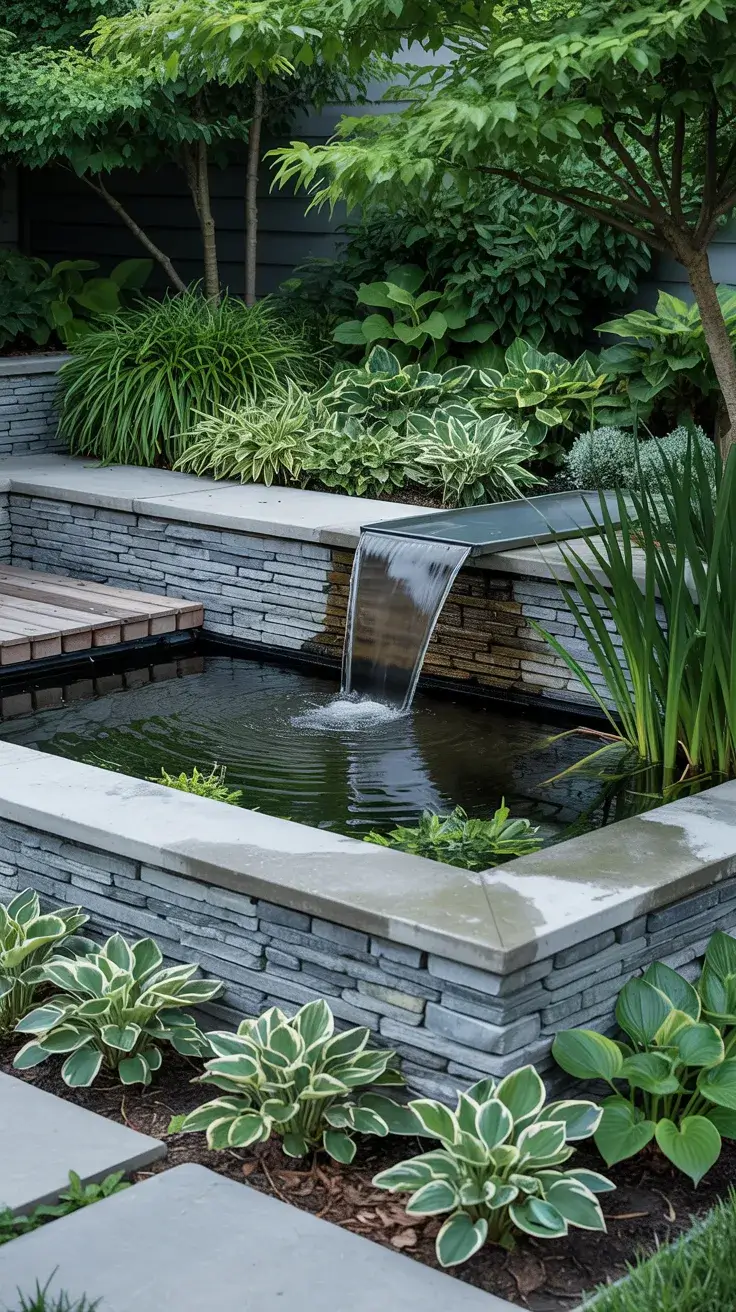
To build on this idea, I would add a floating deck edge or a perimeter planter to blend the height with surrounding landscaping.
8. Reflective Water Mirror Pond Ideas
When I design a reflective water mirror pond, my goal is to create a perfectly still surface that acts like a natural mirror within the garden. In 2026, these ponds are increasingly used to highlight architecture, nearby plantings, or sculptural elements. I prefer long, slim pond shapes because they help the water surface remain undisturbed, allowing the reflections to stay crisp and elegant.
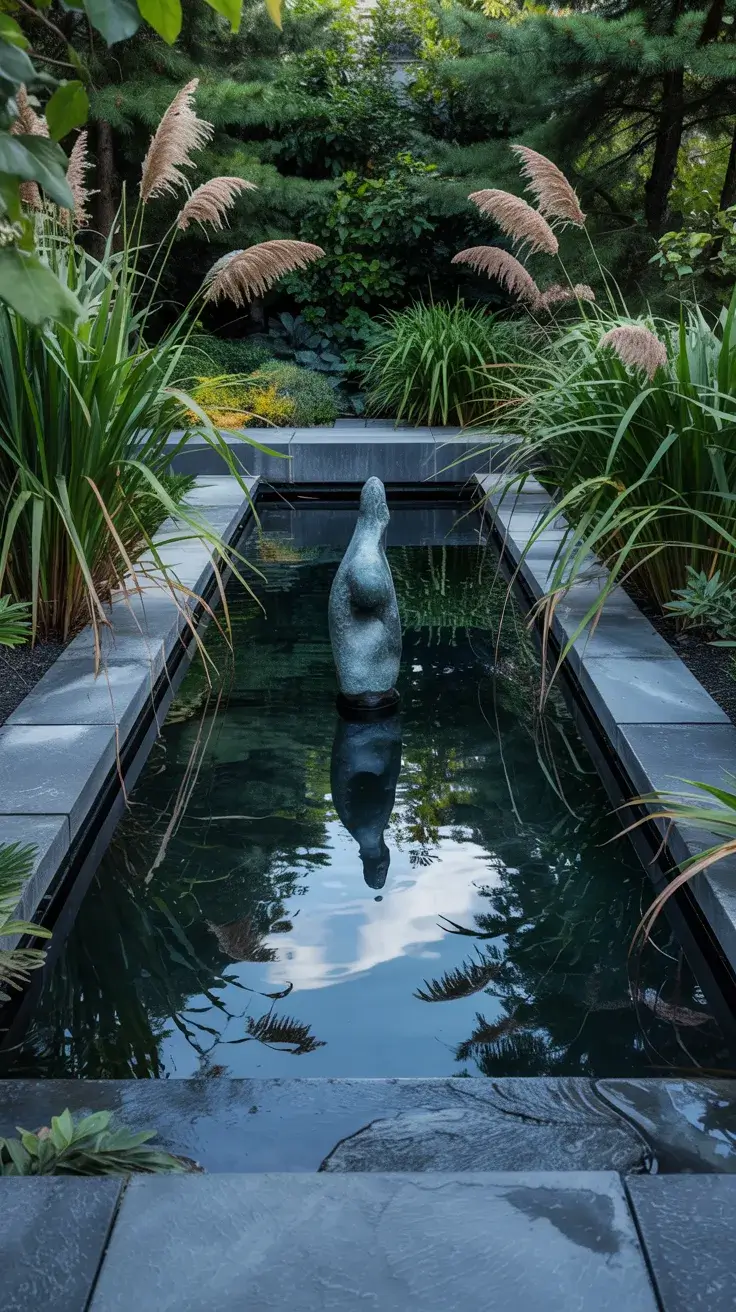
For features and furnishings, I often use black stone or dark concrete lining to intensify the mirror-like effect. Low, minimalist seating or simple platform edges ensure nothing interferes visually with the reflective plane. Surrounding plants are kept sparse and architectural—such as tall grasses or clipped shrubs—to avoid cluttering the mirrored view. These thoughtful choices ensure the pond remains the visual centerpiece.
From my experience, landscape experts frequently advise reducing water movement as much as possible for reflective ponds. I follow this principle closely by avoiding fountains or bubblers and instead using subtle edge overflow systems when necessary.
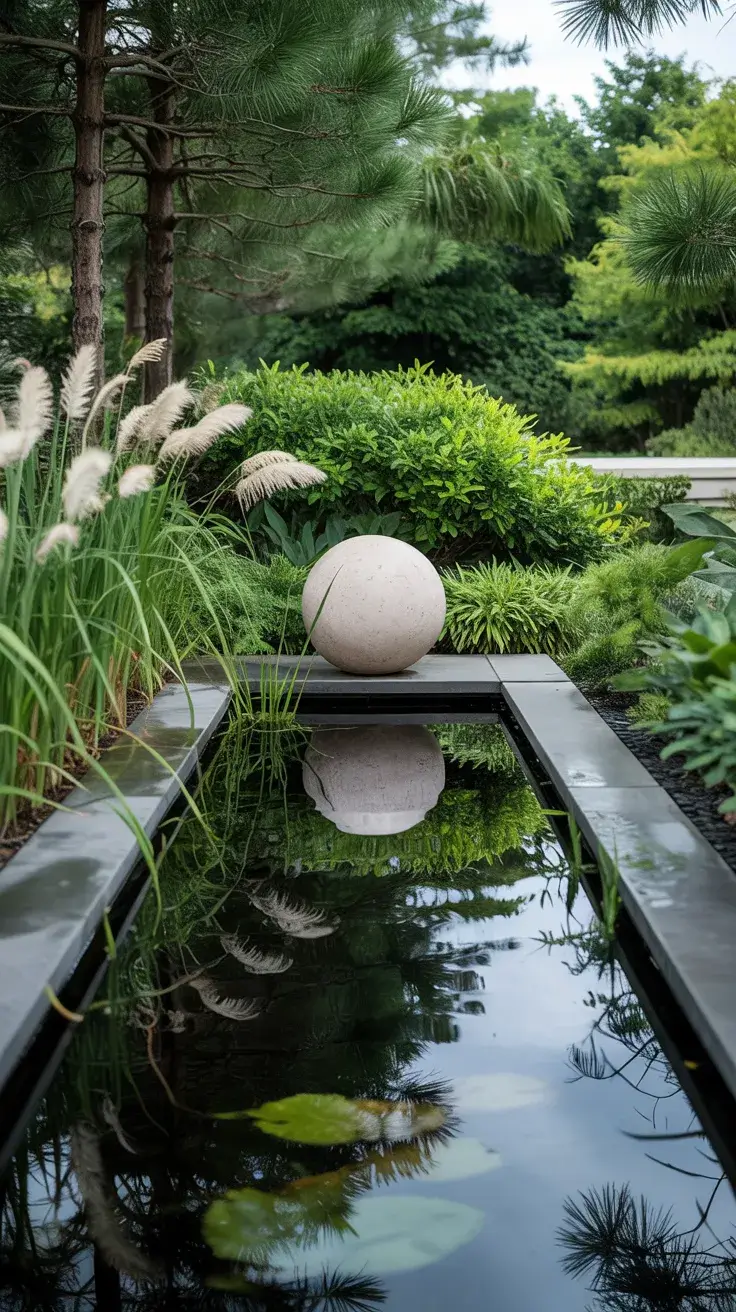
If I were enhancing this style further, I would add a sculptural focal element like a modern stone pillar reflected in the water for added drama.
9. Pond Concepts With Floating Features
When working on floating feature ponds, I enjoy the sense of novelty and motion they bring to the garden. Floating planters, stepping pads, or illuminated discs have become a trend in Pond Ideas in garden 2026 because they create an interactive, kinetic design experience. I focus on maintaining balance between aesthetics and functionality so the pond feels dynamic without appearing chaotic.
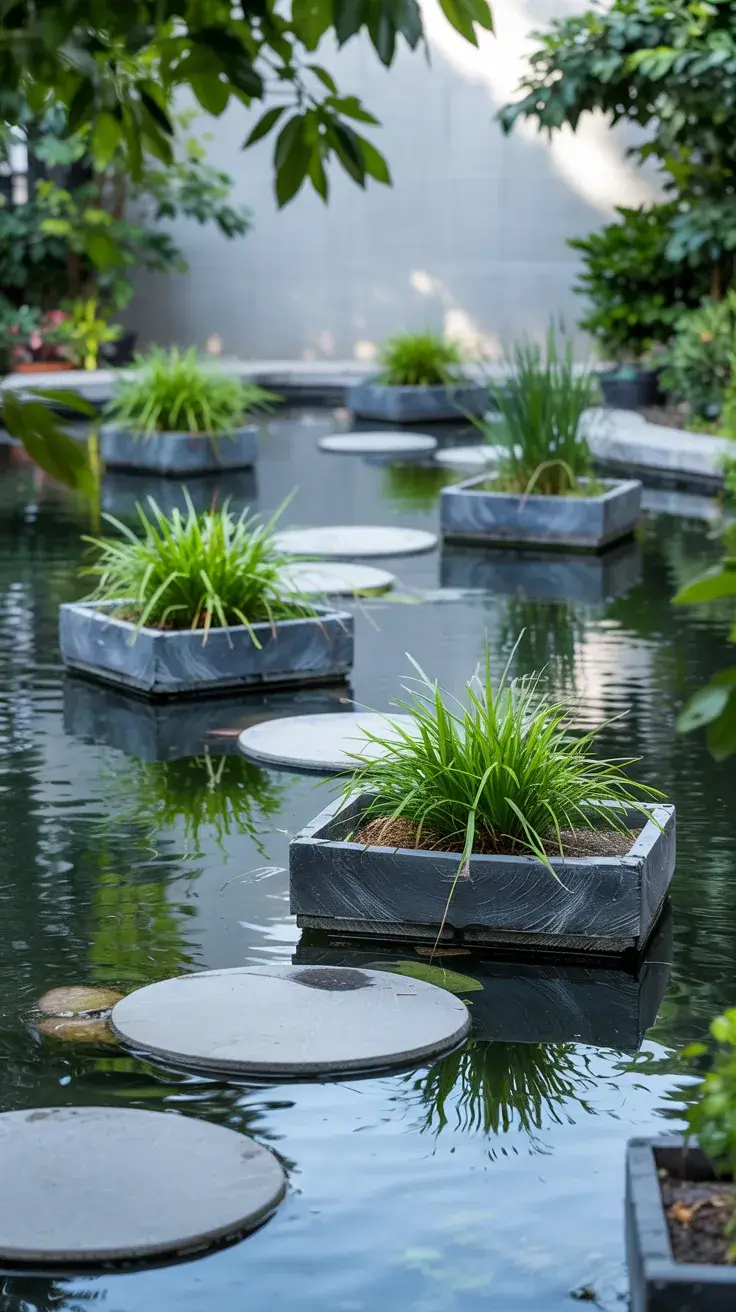
I usually incorporate floating platforms made from weather-resistant composites, circular planters with aquatic greenery, or sleek floating lanterns designed for outdoor use. These elements hover gently across the surface, creating engaging visual layers. I also pair these features with low-slung pond borders or seating that allow viewers to appreciate the movement.
I’ve found that experts from contemporary garden design publications often highlight the importance of stability and weight distribution in floating features. I follow their guidance by selecting lightweight yet sturdy materials designed for buoyancy.
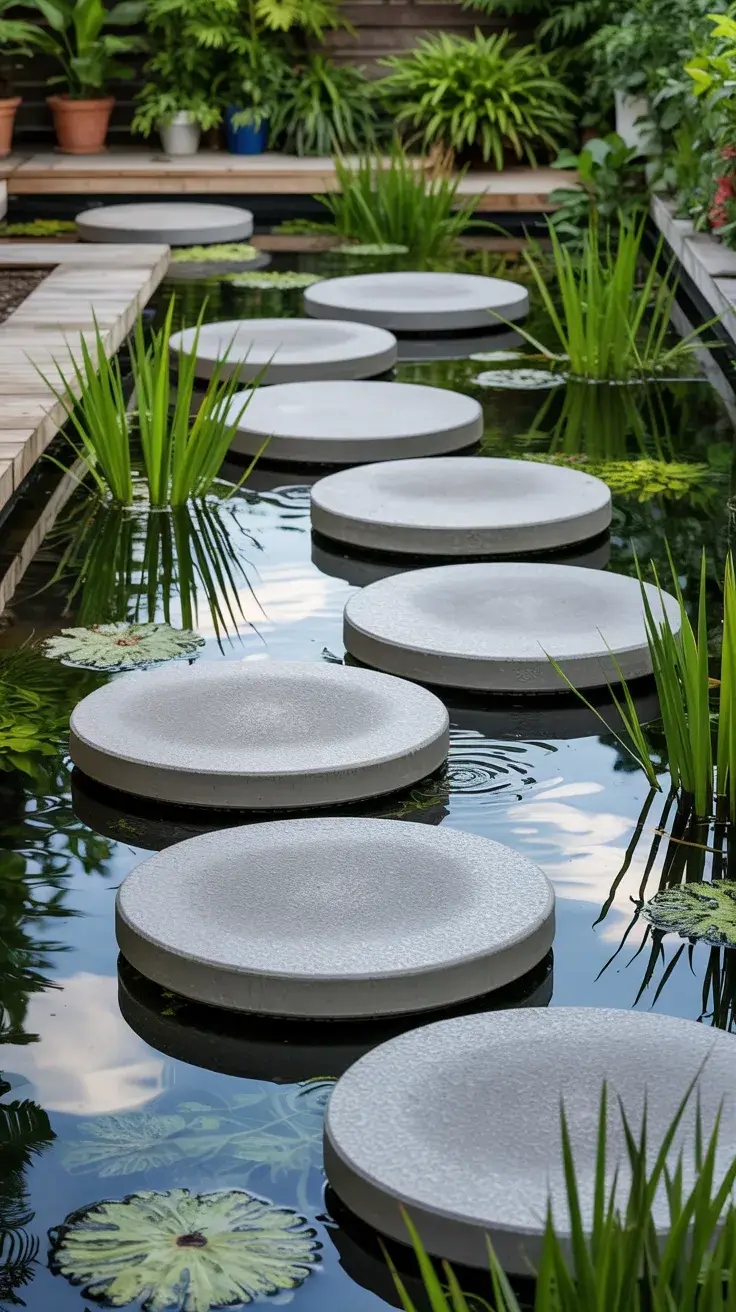
To improve this section further, I would suggest adding a small border planting of flexible grasses that echo the movement of floating pieces.
10. Eco Friendly Pond Ideas For Sustainability
In designing sustainable ponds, I always prioritize environmental balance and resource efficiency. In 2026, eco-friendly Pond Ideas in garden 2026 focus on low-maintenance ecosystems, natural filtration, and reduced water waste. I usually shape these ponds with gradual depth transitions and plant-rich margins that naturally filter water and support healthy biological cycles.
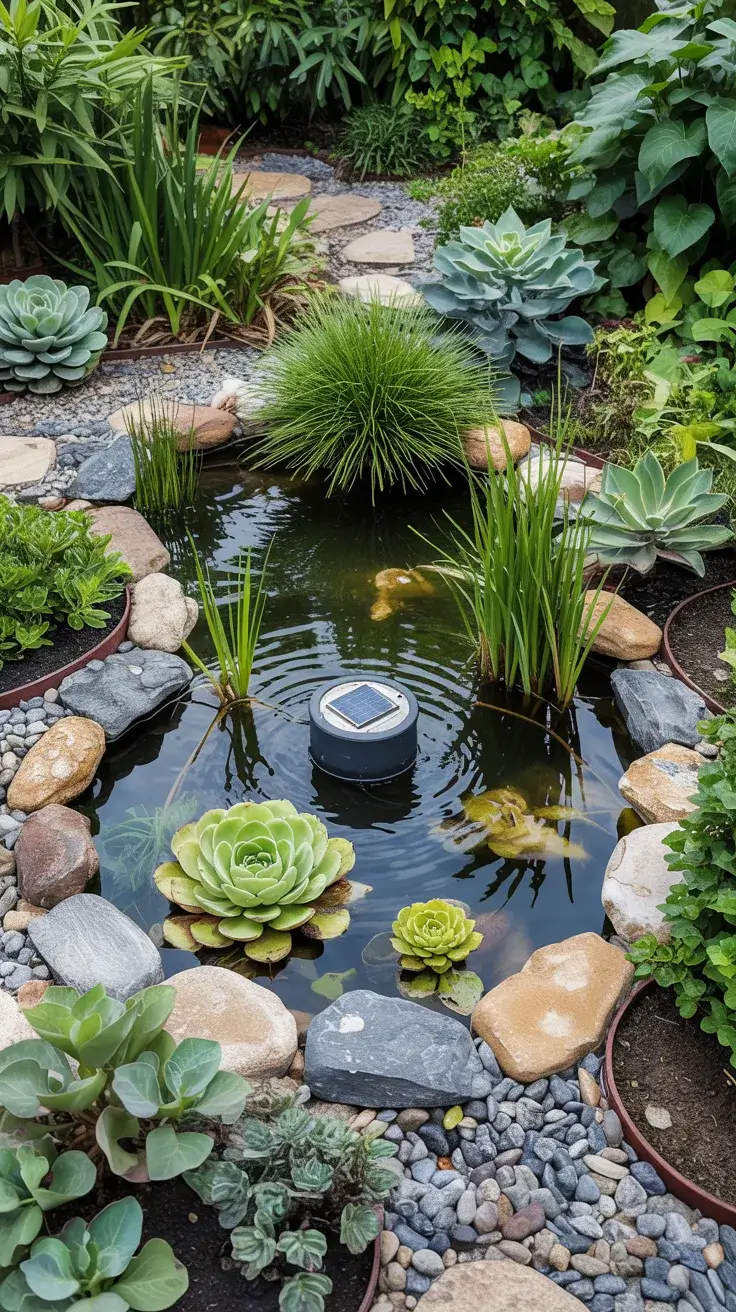
I incorporate elements like gravel beds, oxygenating aquatic plants, solar-powered pumps, and biofiltration zones. These items significantly reduce the need for chemicals or electrical systems. I often choose native plants and permeable stone pathways around the pond to enhance sustainability and reduce runoff.
From my professional experience, many landscape sustainability experts encourage homeowners to build ponds that function as micro-ecosystems rather than decorative features. I apply this principle by designing ponds that require minimal intervention once established.
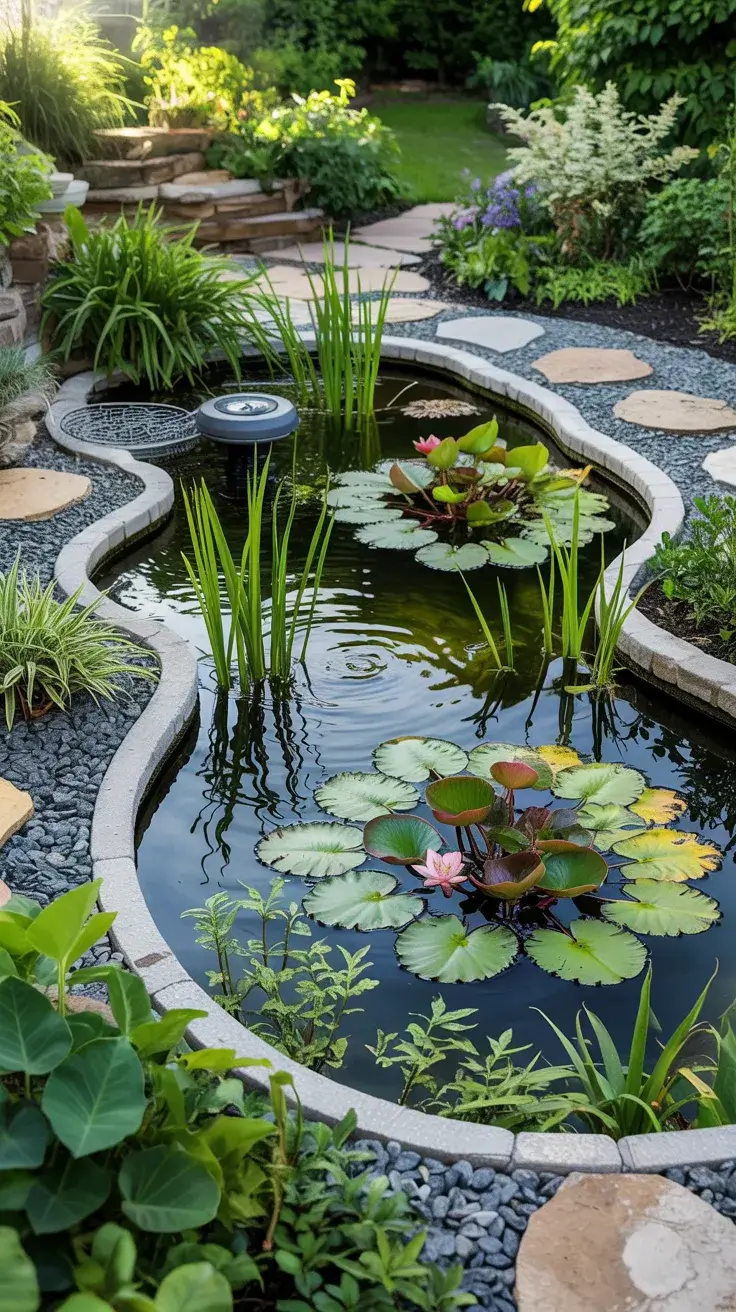
If needed, I would add a rainwater harvesting component to improve ecological efficiency even further.
11. Rock And Boulder Pond Creations
When designing rock and boulder ponds, I focus on rugged naturalism and timeless visual appeal. These ponds rely heavily on organic shapes and earthy materials, making them ideal for gardens where a naturalistic landscape is desired. I position the rocks carefully to influence water flow, create shadows, and provide resting spots for wildlife.
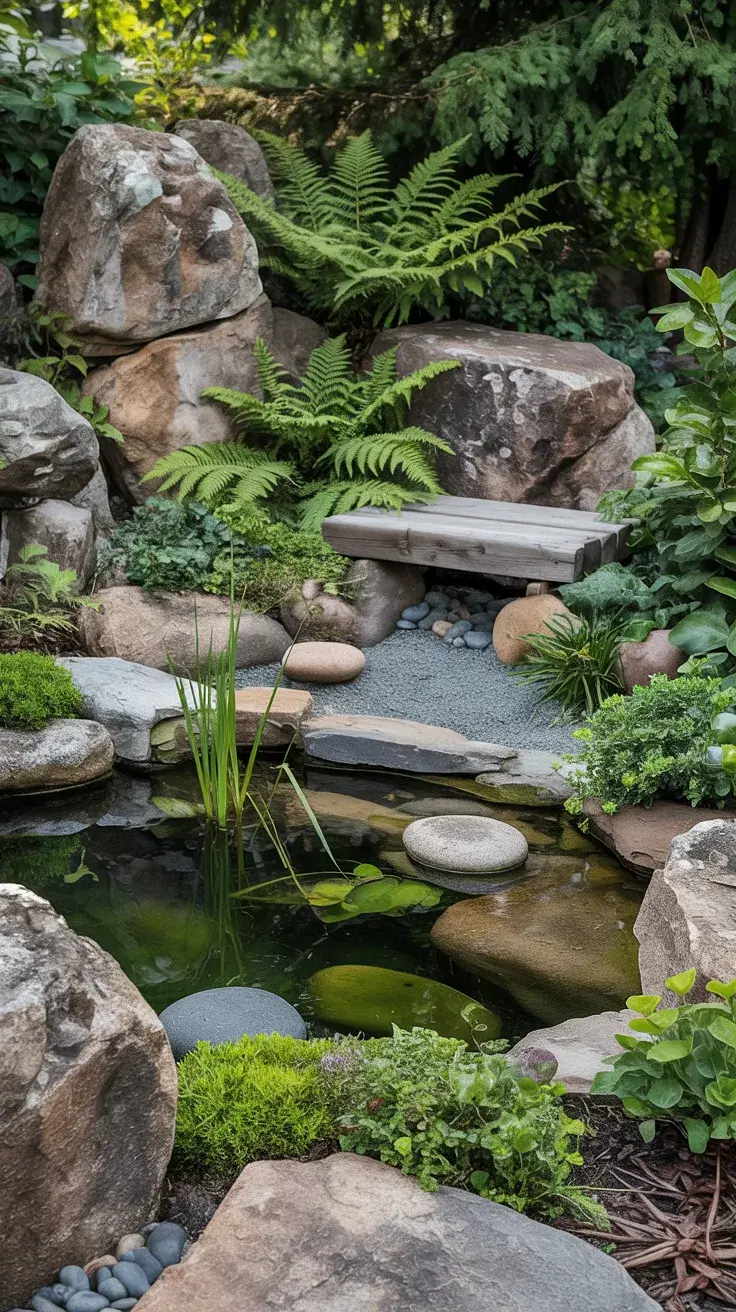
I typically use large anchor boulders, clusters of river stones, gravel shelves, and plant pockets to integrate greenery directly among the rocks. These elements help the pond feel carved from the landscape rather than constructed. Wooden seating or rustic stone benches complement the rugged character and provide functional viewing areas.
In my work, I’ve seen how garden specialists emphasize proportion and scale when using boulders. Following their guidance, I ensure that the rocks are varied in size and arranged in a visually cohesive formation.
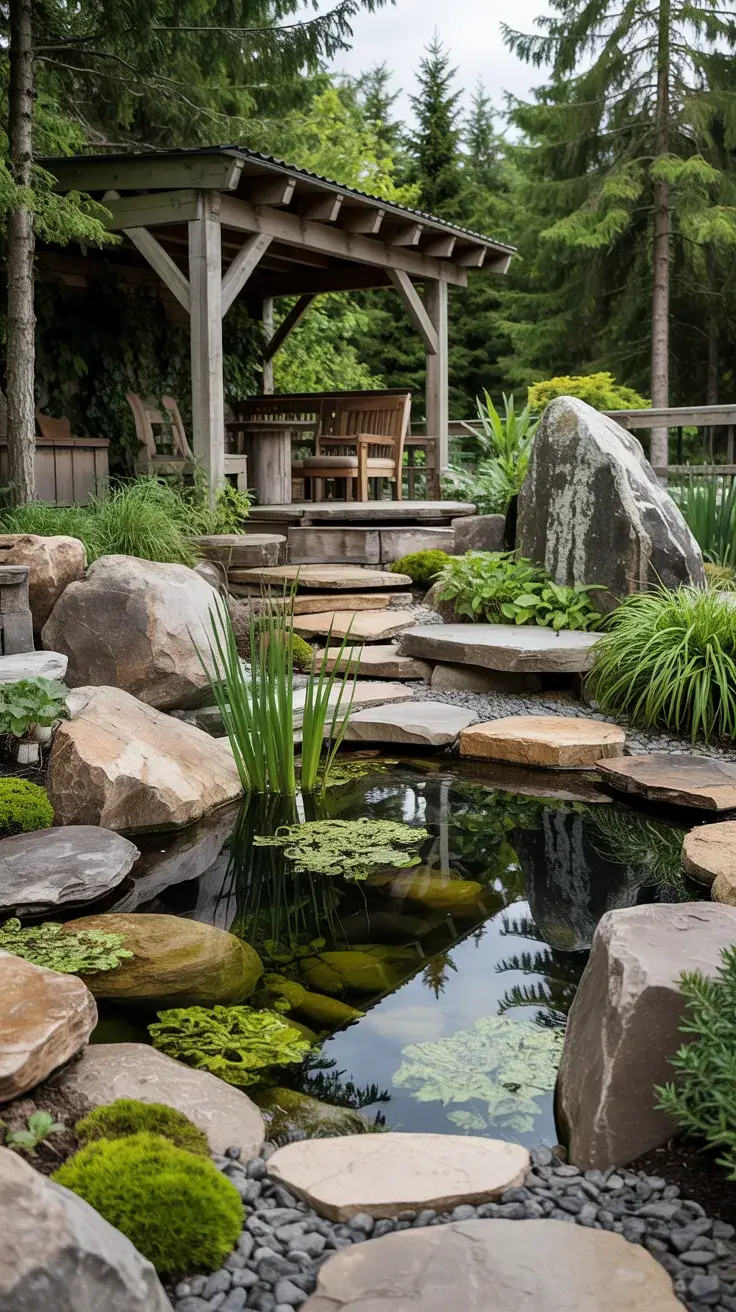
To strengthen this design further, I would add creeping groundcovers or mosses around the rock edges for softened transitions.
12. Waterfall Integrated Pond Designs
I find waterfall-integrated ponds especially captivating because they introduce sound, motion, and vibrancy into the garden. In Pond Ideas in garden 2026, waterfalls are designed to complement both modern and natural landscapes. I often integrate them into a raised mound or structural framework that allows the fall to cascade elegantly into the pond.
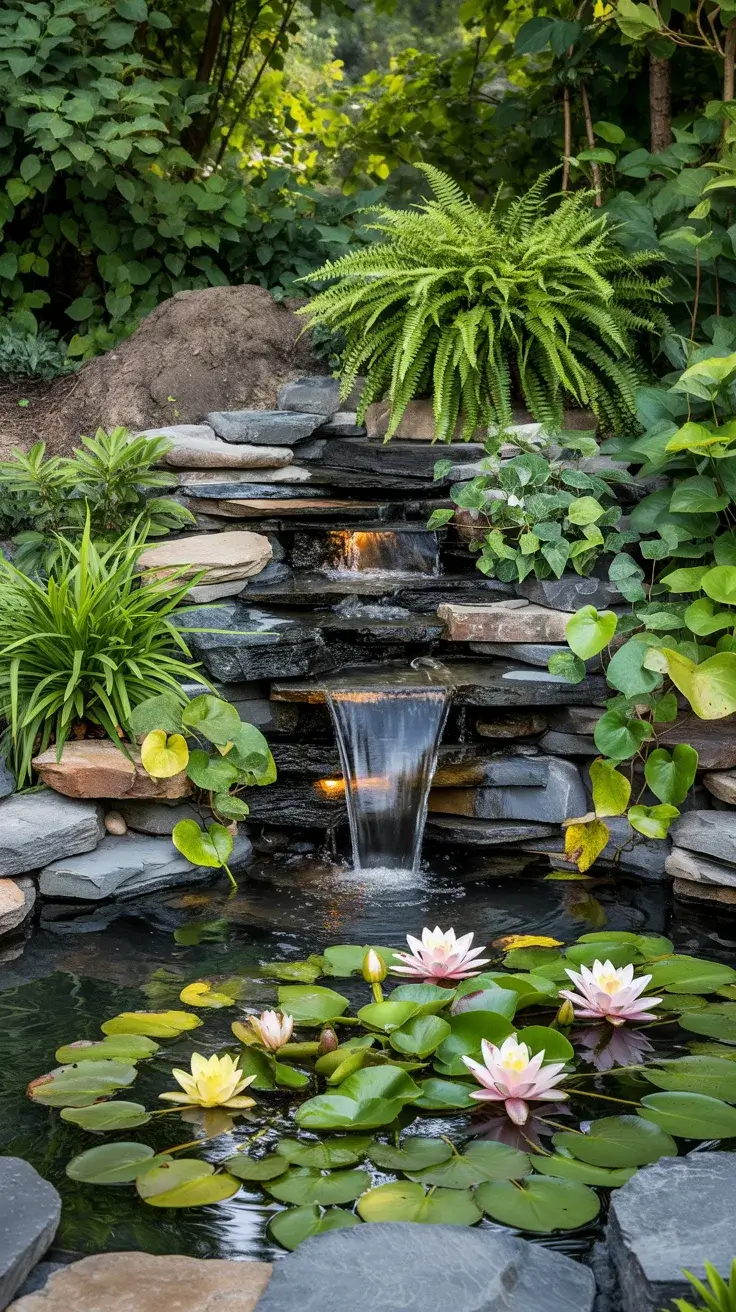
For features, I include stacked slate spillways, hidden LED strips, reinforced basins, and gently sloping plantings around the waterfall area. These items highlight the movement of the water while keeping the composition visually balanced. The sound of falling water also helps mask surrounding noise, enhancing tranquility.
Many US landscape architects stress that the scale of the waterfall must match the size of the pond. I apply this rule carefully to avoid overpowering the garden.
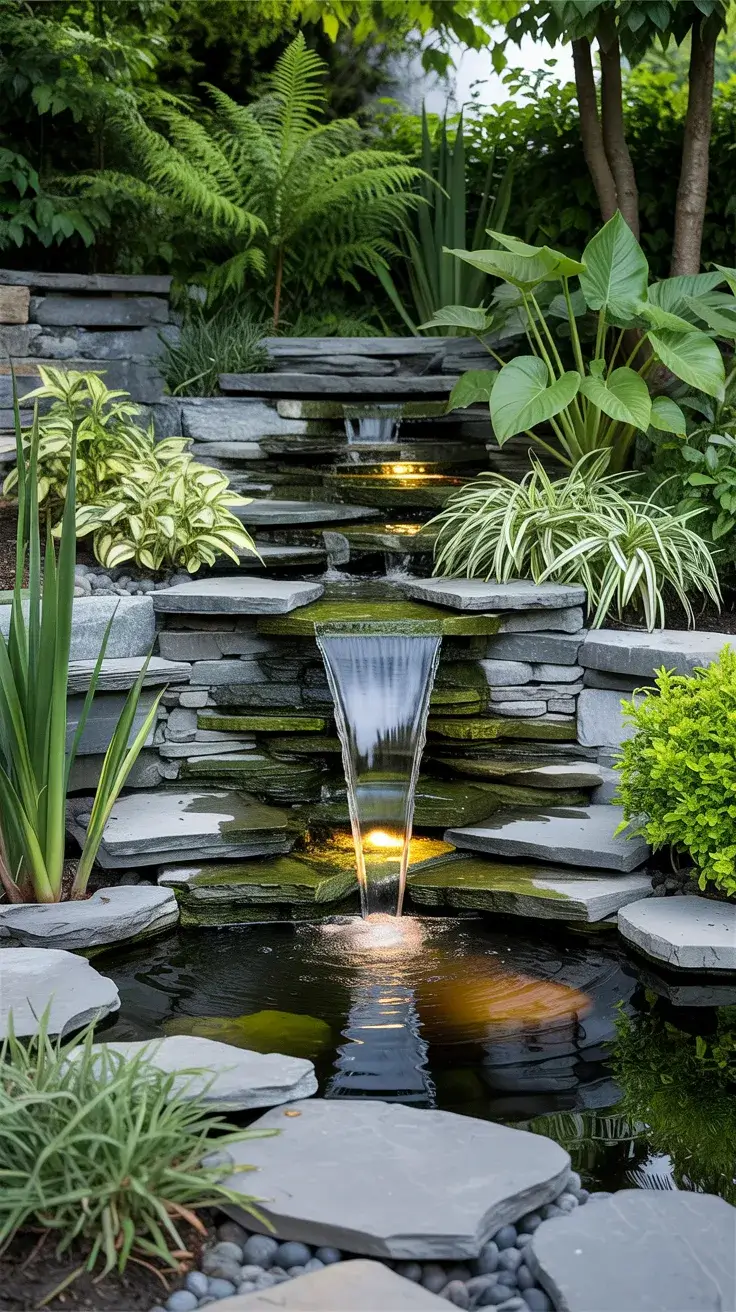
If enhancing this design, I would consider adding a secondary smaller cascade for layered audio and visual depth.
13. Cascading Stream Pond Concepts
When designing cascading stream ponds, I focus on designing a sense of natural flow and organic rhythm. Streams that wind through the garden before feeding into a pond create movement and connection throughout the space. I typically shape the streambed with curves that mimic natural waterways, ensuring a gentle descent.
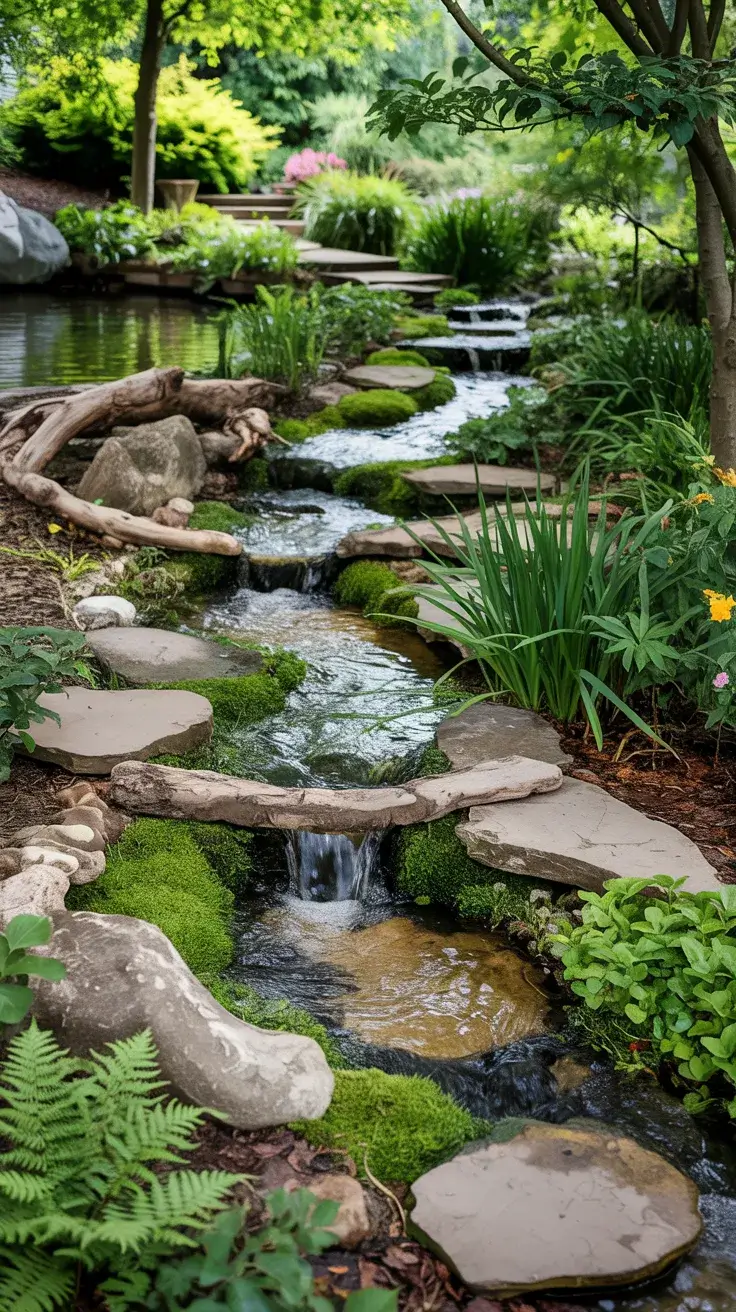
I use flat stones, textured gravel, driftwood, and lush plantings along the banks to make the stream feel authentic. Small footbridges or stepping stones help integrate the stream into the garden, giving visitors a chance to interact with the feature. These items are chosen specifically to maintain cohesive style and durability.
From experience, many garden design sources emphasize that streams must maintain consistent water flow without stagnation. I design them with thoughtful elevation changes to keep movement steady and visually appealing.
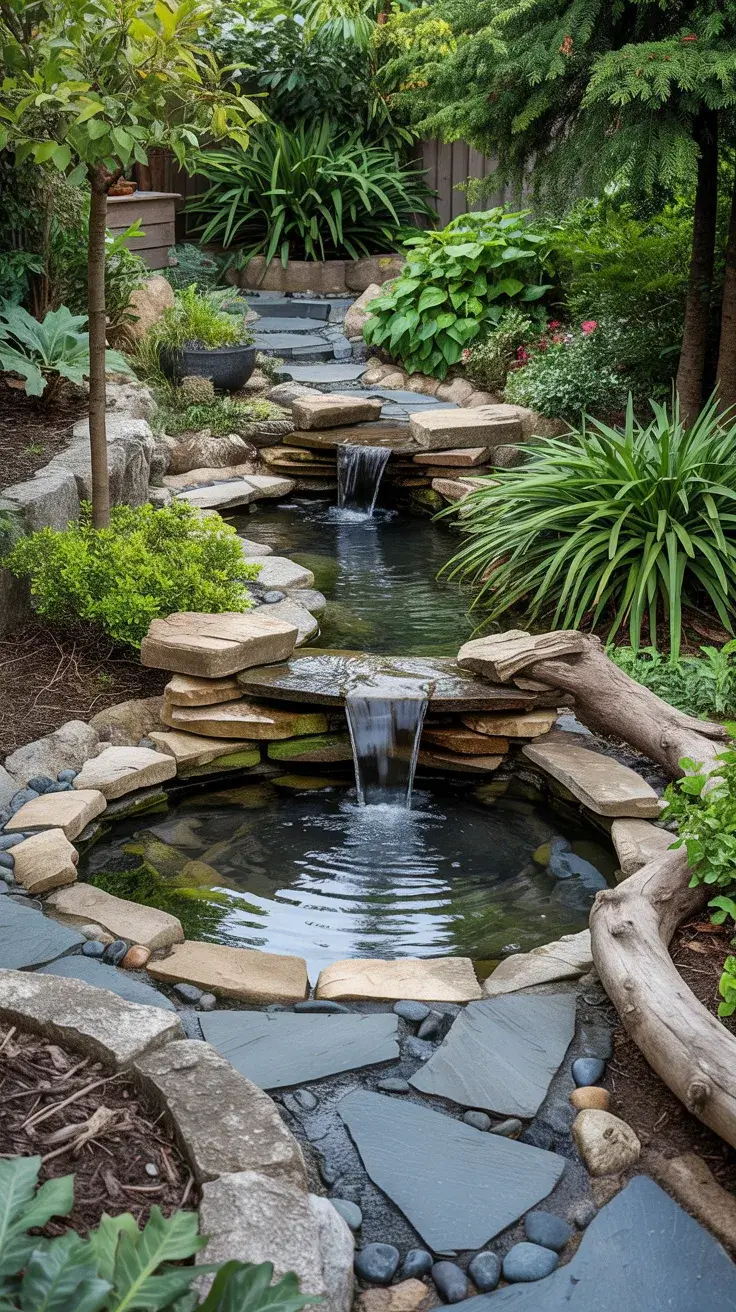
To further enhance this concept, I might add micro waterfalls or small pools along the stream’s path to create variety and visual rhythm.
14. Pond Ideas With Aquatic Plants
When I develop pond concepts centered around aquatic plants, I prioritize balance, color variety, and ecological health. In 2026, aquatic-plant-focused designs highlight biodiversity and natural beauty. I place floating, submerged, and marginal plants strategically to create depth, seasonal variation, and structural interest.
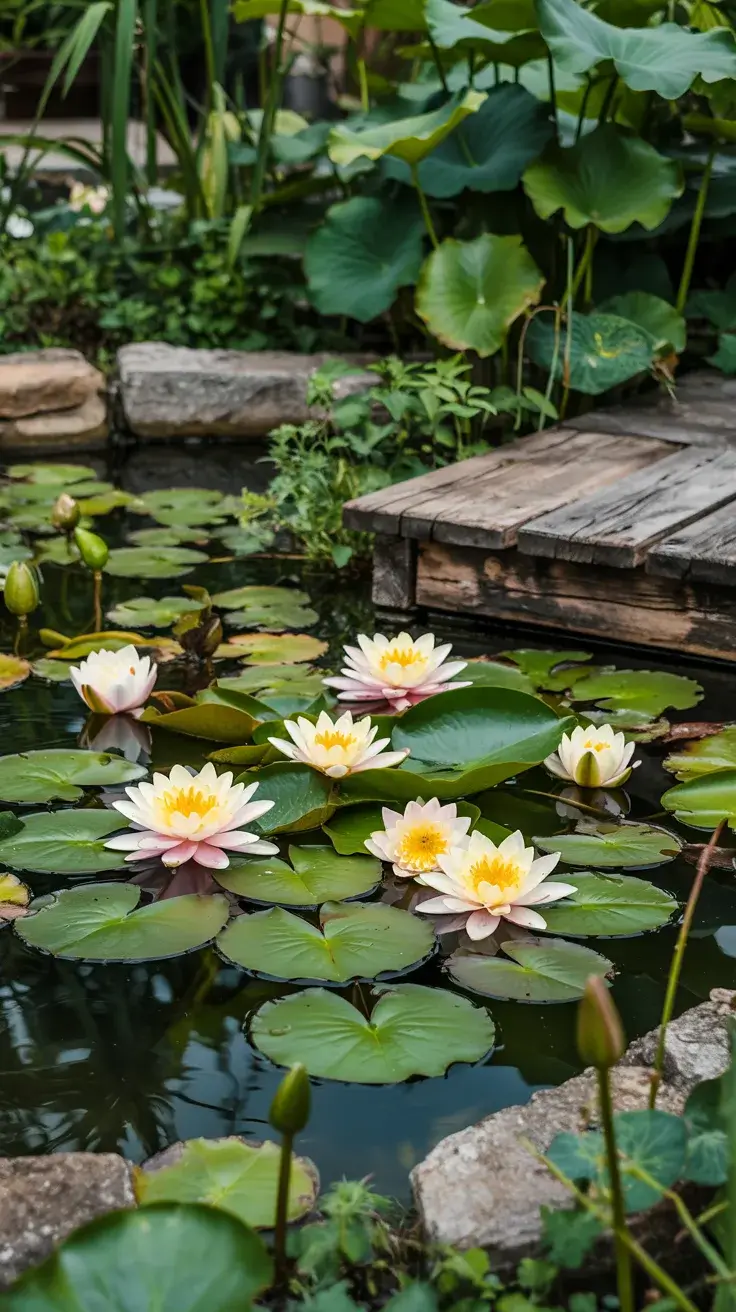
I typically include water lilies, lotus, pickerelweed, irises, and oxygenating plants arranged in layered compositions. Decorative features might include stone ledges, low wooden platforms, or simple benches that allow close observation of the plant life. These items support both aesthetics and function by creating habitats for beneficial pond organisms.
I often reference plant recommendations from trusted horticultural publications that emphasize matching species to pond depth and climate. This ensures long-term plant success and beauty.
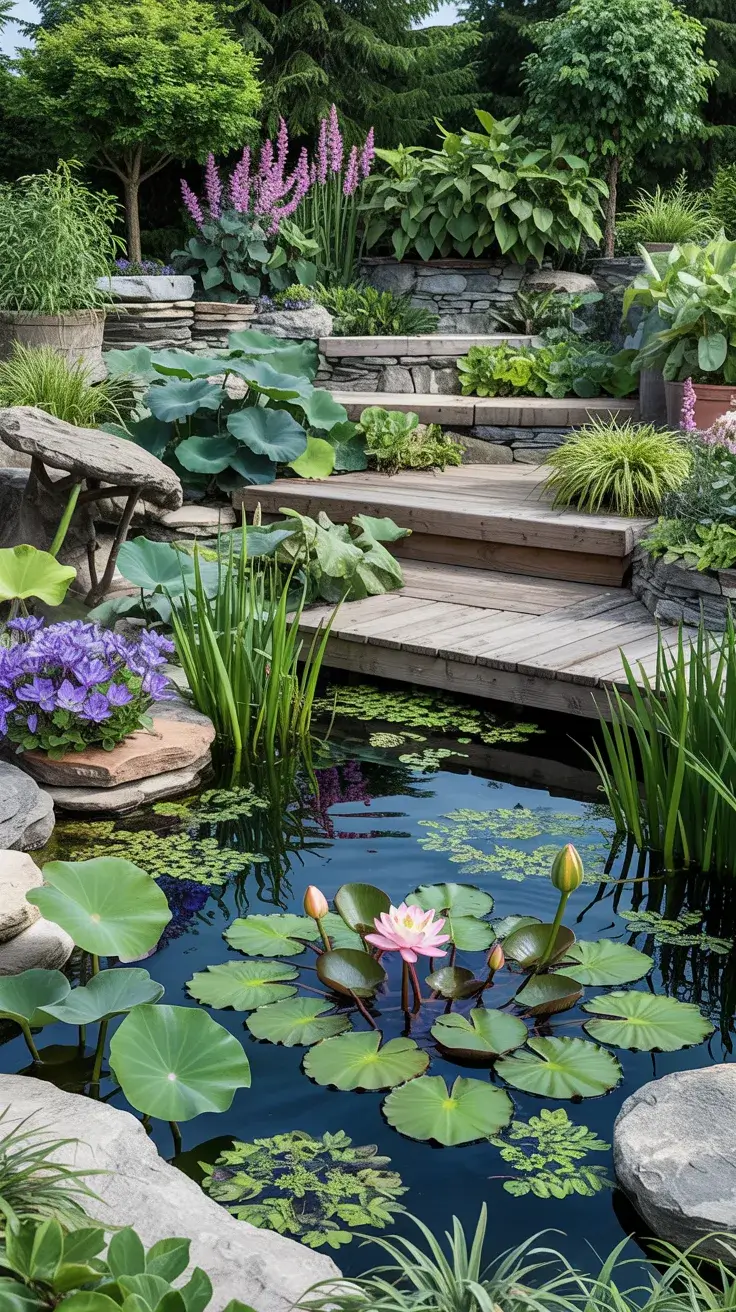
To expand this concept, I would include a small adjustable planting shelf system to allow seasonal changes or experimentation with new aquatic species.
15. Deep Water Pond Designs For Cooler Climates
I find deep water ponds ideal for colder regions because their depth helps stabilize temperatures and protect aquatic life during winter. Their structure allows fish and plants to survive beneath ice layers, and the pond’s vertical dimension adds visual drama. I typically design these ponds with reinforced edging and insulated liners to improve durability in freeze–thaw cycles.
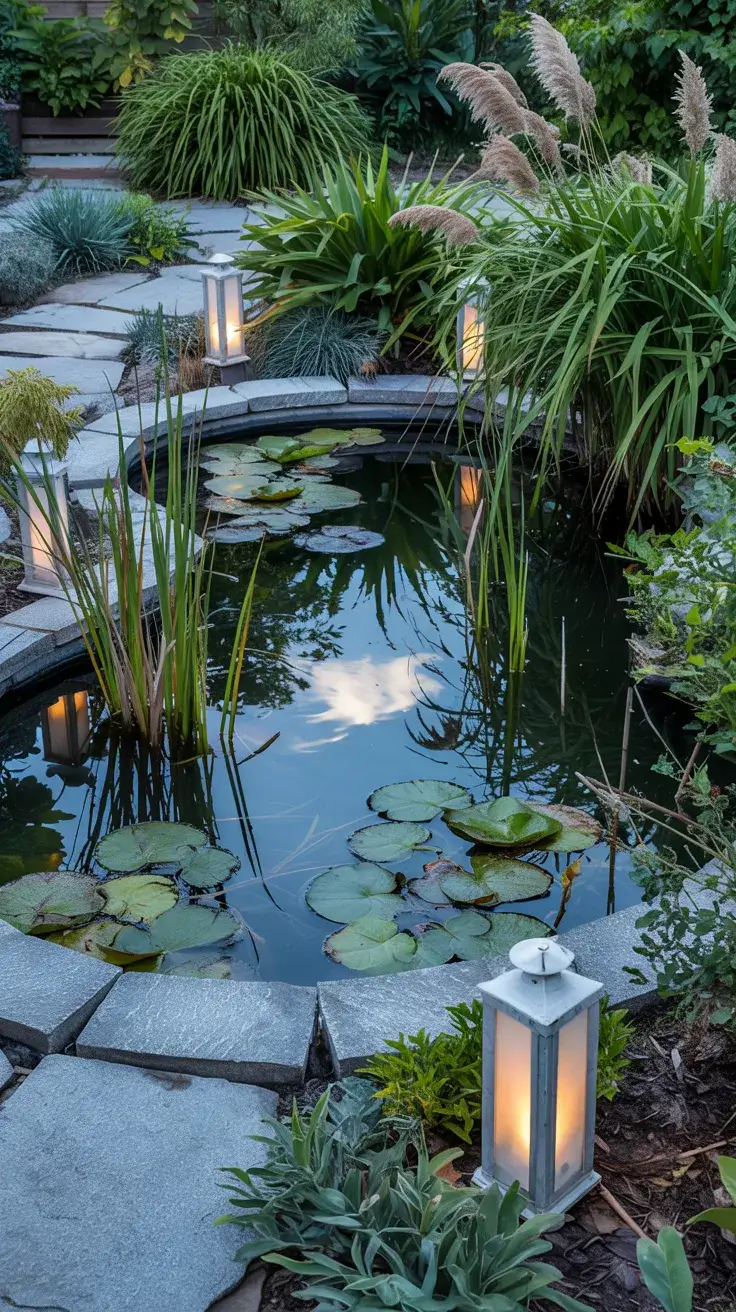
When I plan the interior landscape around a deep pond, I include hardy plants such as water lilies, submerged oxygenators, and tall grasses that visually balance the pond’s depth. I often integrate stone seating, frost-resistant lanterns, and textured pathways to create a cohesive environment. These details bring both functionality and year-round visual interest.
From my experience, designers like Ben Skinner from Garden Design Magazine emphasize that deep ponds should include proper aeration to avoid stagnant zones. Following this advice, I always incorporate bottom diffusers to keep the ecosystem healthy. It also helps maintain water clarity throughout the colder months.
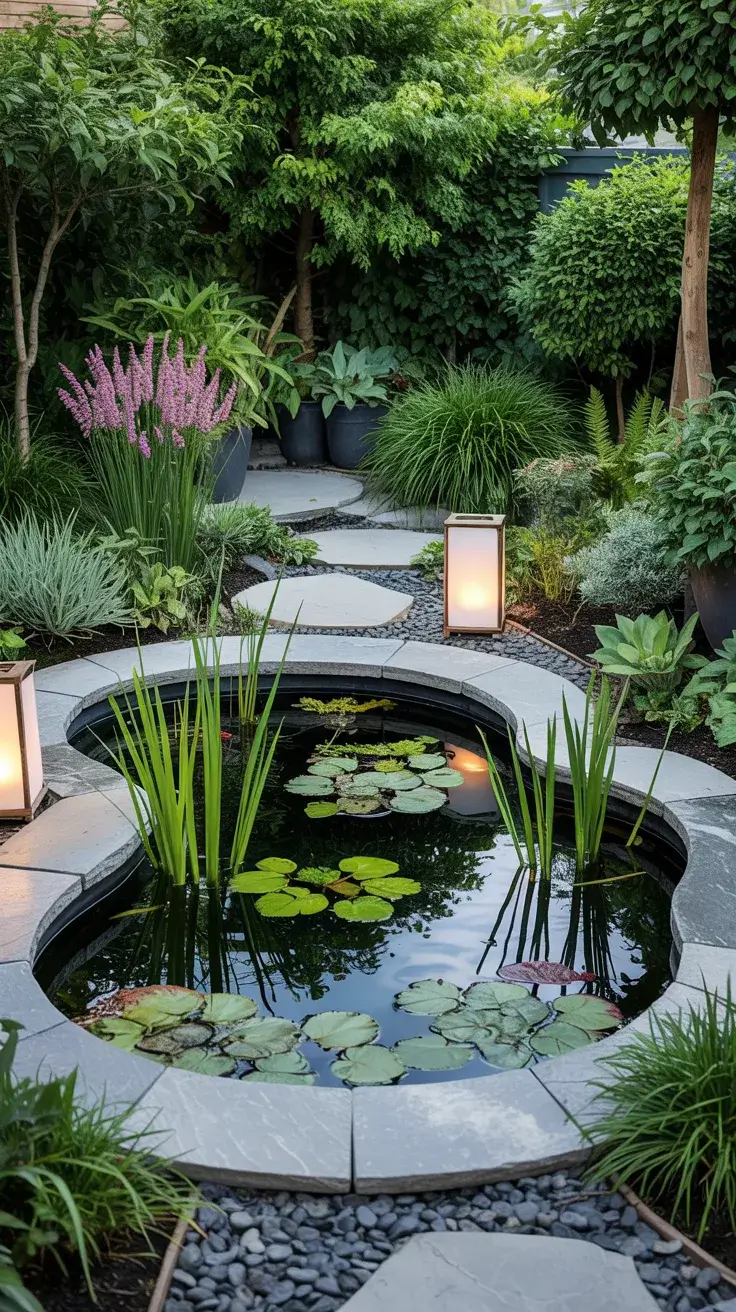
To deepen the value of this section, I would add recommendations for winter-safe pond liners and examples of commonly used insulating materials that extend the pond’s lifespan.
16. Shallow Pond Concepts For Warm Regions
I often recommend shallow ponds for warm climates because their open, sunlit surfaces naturally support diverse plant life and vibrant colors. These ponds stabilize quickly, encourage healthy ecosystems, and brighten garden layouts with sparkling reflections. Their reduced depth also makes them safe and easy to maintain.
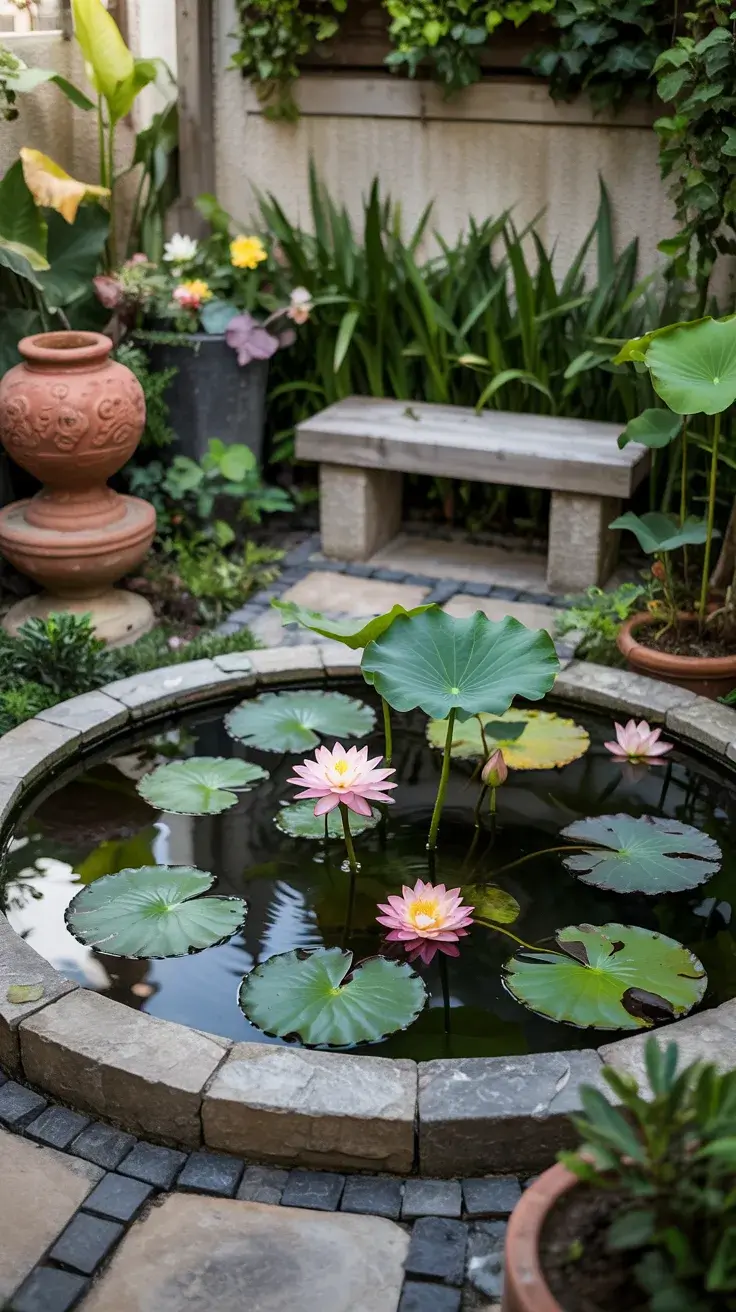
When designing shallow ponds, I select plants like lotus, marginal grasses, and floating blooms that thrive in warm temperatures. I might include low stone borders, ceramic pots, and compact benches to complement the relaxed, sun-soaked atmosphere. These items add personality while offering functional seating or decorative anchors.
In my experience, shallow ponds shine most when they blend seamlessly with surrounding patios or lounge spaces. Designers from Better Homes & Gardens often note that shallow ponds become visual focal points when paired with reflective surfaces or terracotta décor. I apply this idea by adding glazed tiles or natural sandstone to elevate the aesthetic.
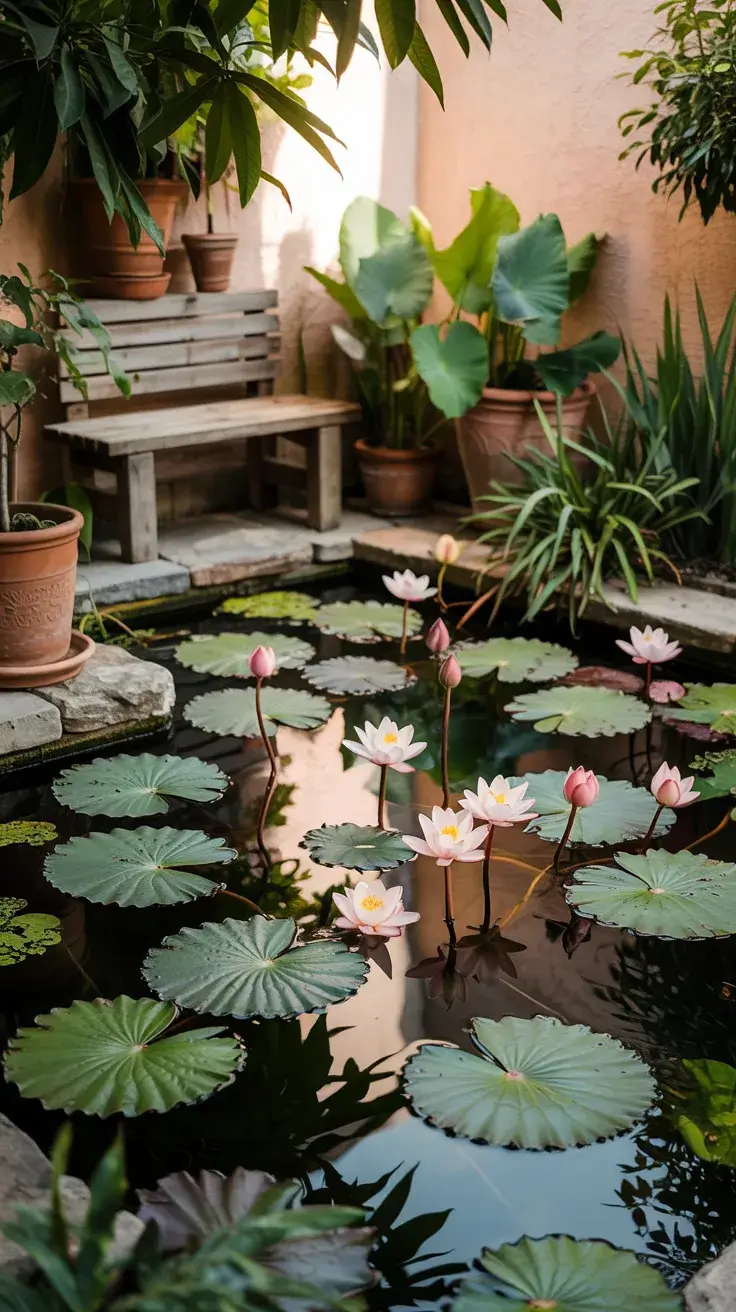
To enhance this block, I would include details about water circulation tools suitable for warm climates, such as solar-powered pumps and heat-tolerant aquatic plants.
17. Pond Lighting Ideas For Nighttime Ambience
I consider lighting one of the most transformative elements in garden design. When applied to ponds, it creates enchanting nighttime ambience and extends the usability of outdoor spaces. I typically use adjustable LED fixtures to illuminate key architectural elements while maintaining energy efficiency and water safety.
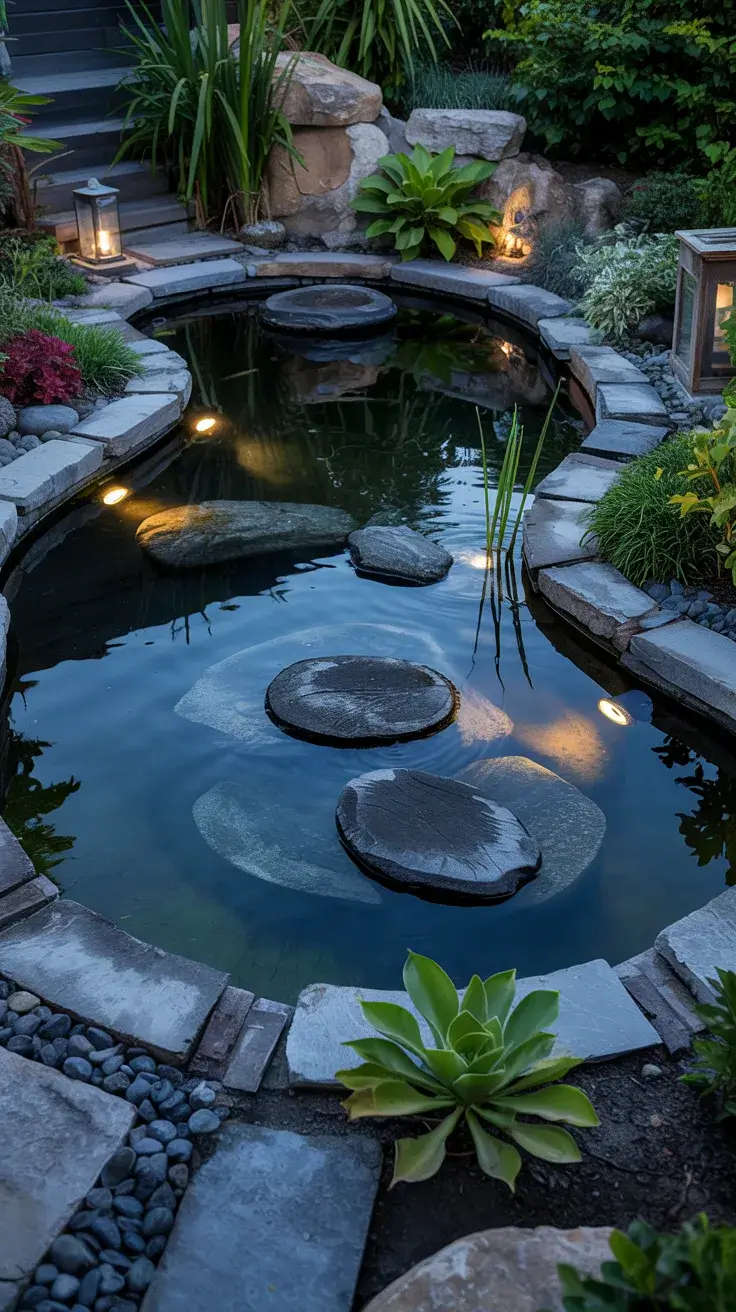
In practice, I choose underwater spotlights, perimeter lanterns, and subtle path lights that highlight stones, plants, and flowing water. Warm-white lighting enhances relaxation, while cooler tones emphasize modern edges. I often use shielded fixtures to reduce glare and maintain a natural look.
From a professional standpoint, I’ve noticed that outdoor lighting experts in Architectural Digest recommend layered lighting for dramatic effect. Following this guidance, I combine submerged beams with floating or recessed accents to draw attention to depth variations and surface movement.
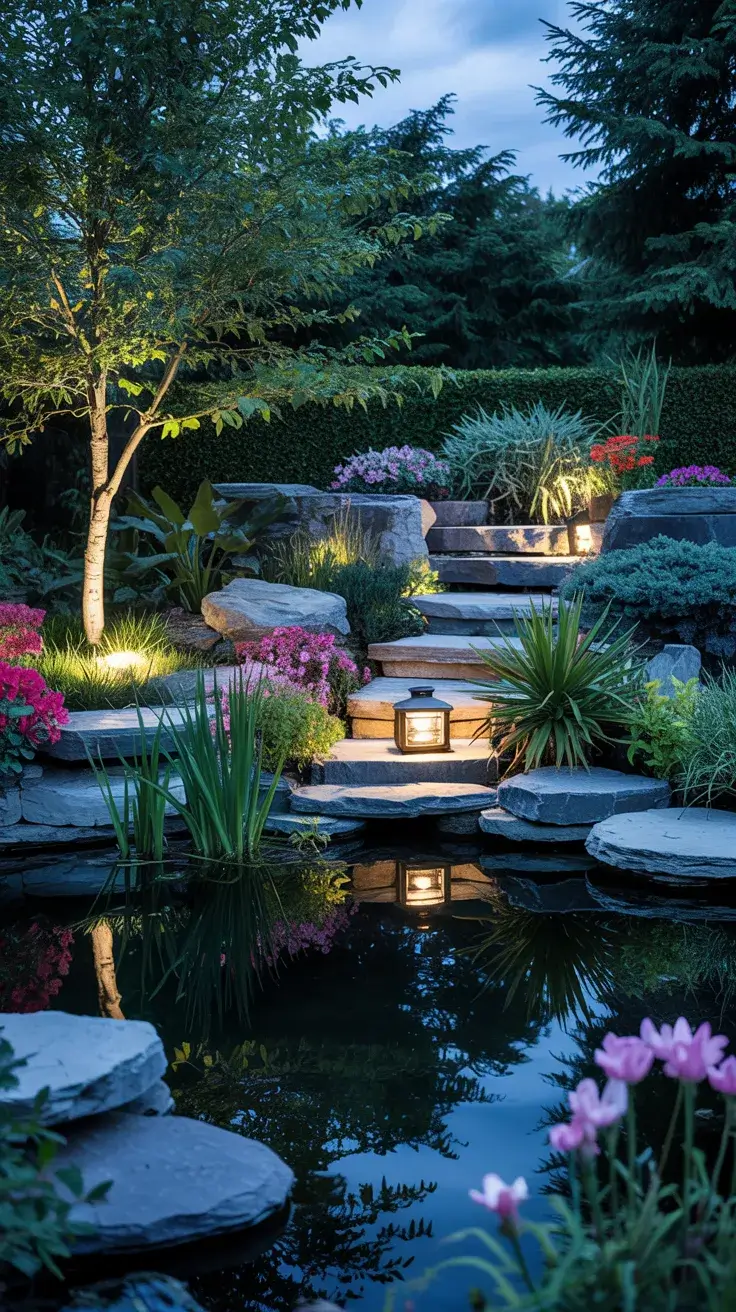
To complete this section, I would add suggestions for smart lighting controls that adjust brightness based on time of day or user preference.
18. Garden Paths Leading To Ponds
I find that thoughtfully designed garden paths create an inviting journey toward the pond, making the entire landscape feel purposeful and cohesive. These paths guide visitors while framing the pond as a destination. Gentle curves add visual interest and make the space feel more natural.
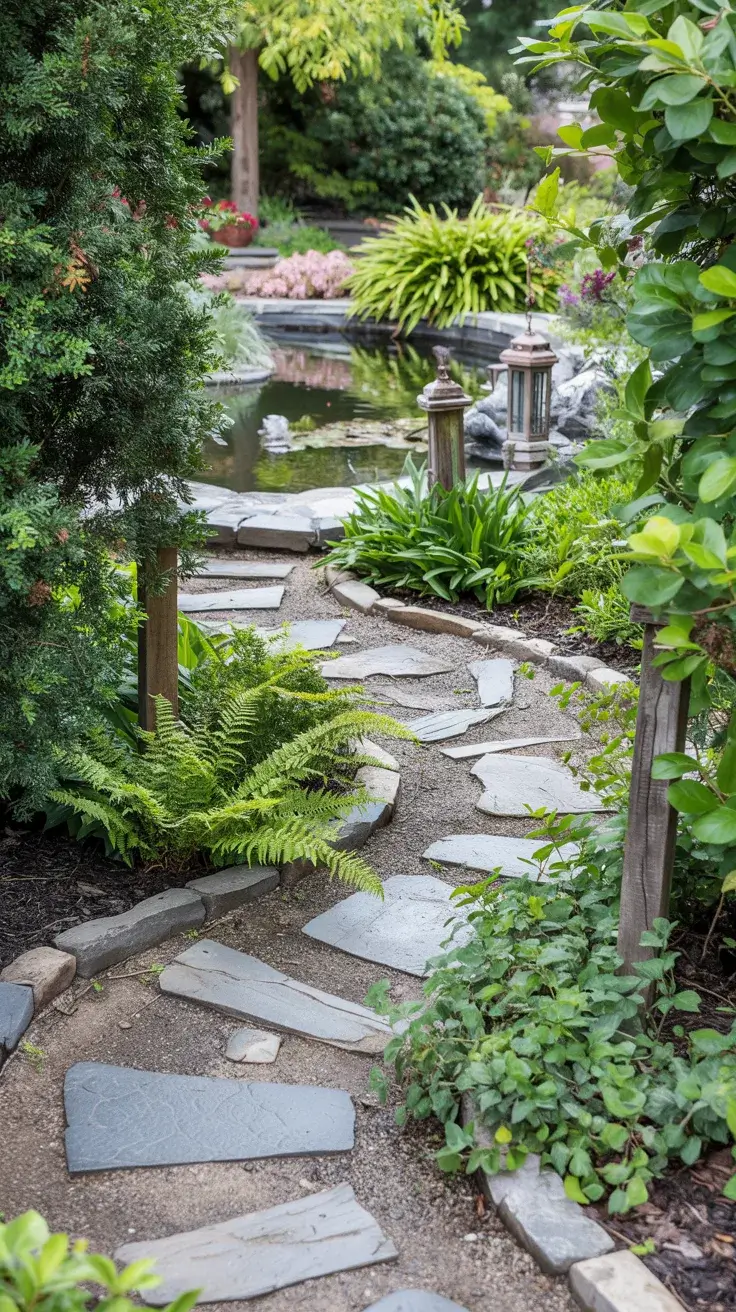
When designing paths, I use materials like gravel, flagstone, or wood planks depending on the garden’s overall theme. I add lantern stakes, low-growing plants, or small sculptural accents to enhance the walkway. Each of these elements adds character and helps transition the viewer’s eye toward the pond.
I’ve found that incorporating varying textures enhances accessibility and aesthetics simultaneously. As Landscape Architecture Magazine frequently notes, blending multiple materials provides better traction and visual contrast—a principle I rely on when designing upscale garden paths.
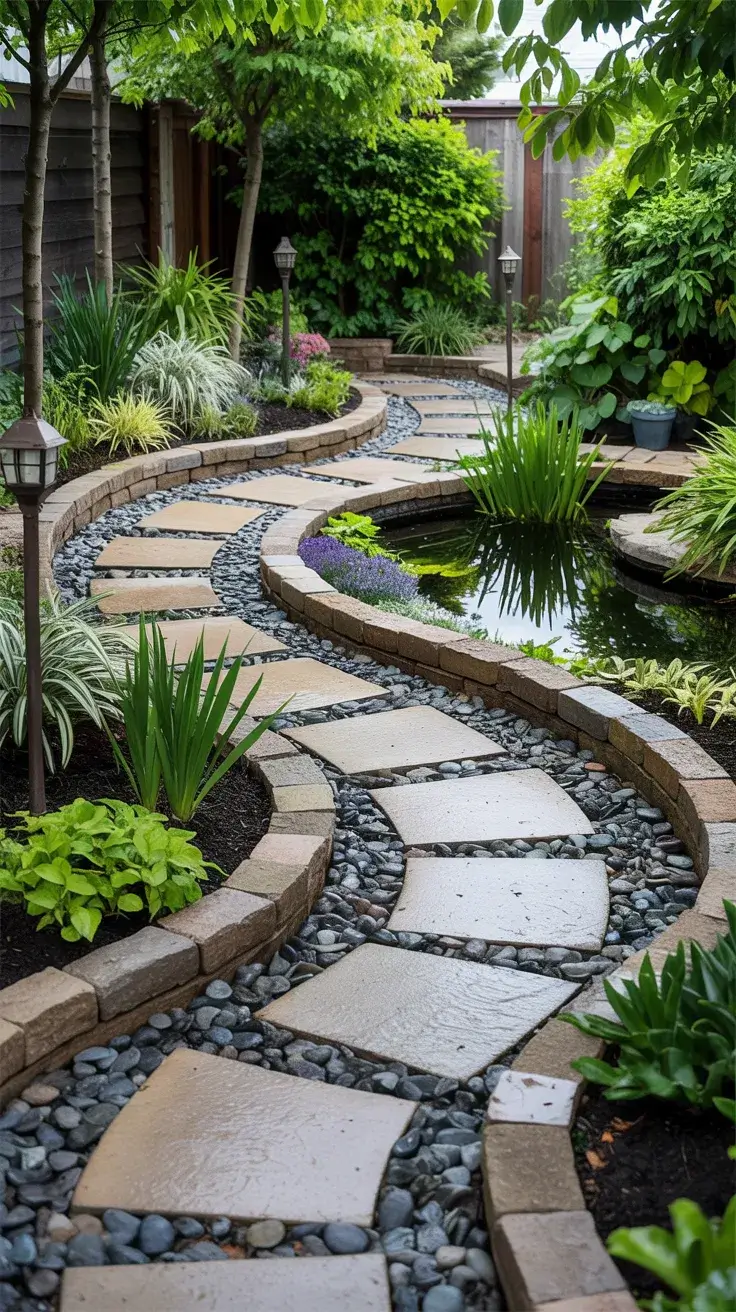
To fully round out this section, I would include advice on integrating solar lighting or aromatic plants along the walkway for added sensory appeal.
19. Pond Edge Landscaping Inspirations
I design pond edges with both structure and softness in mind. Thoughtful edge landscaping prevents soil erosion, supports aquatic life, and creates a polished, inviting look. Layered plantings help transition the pond into the surrounding garden naturally.
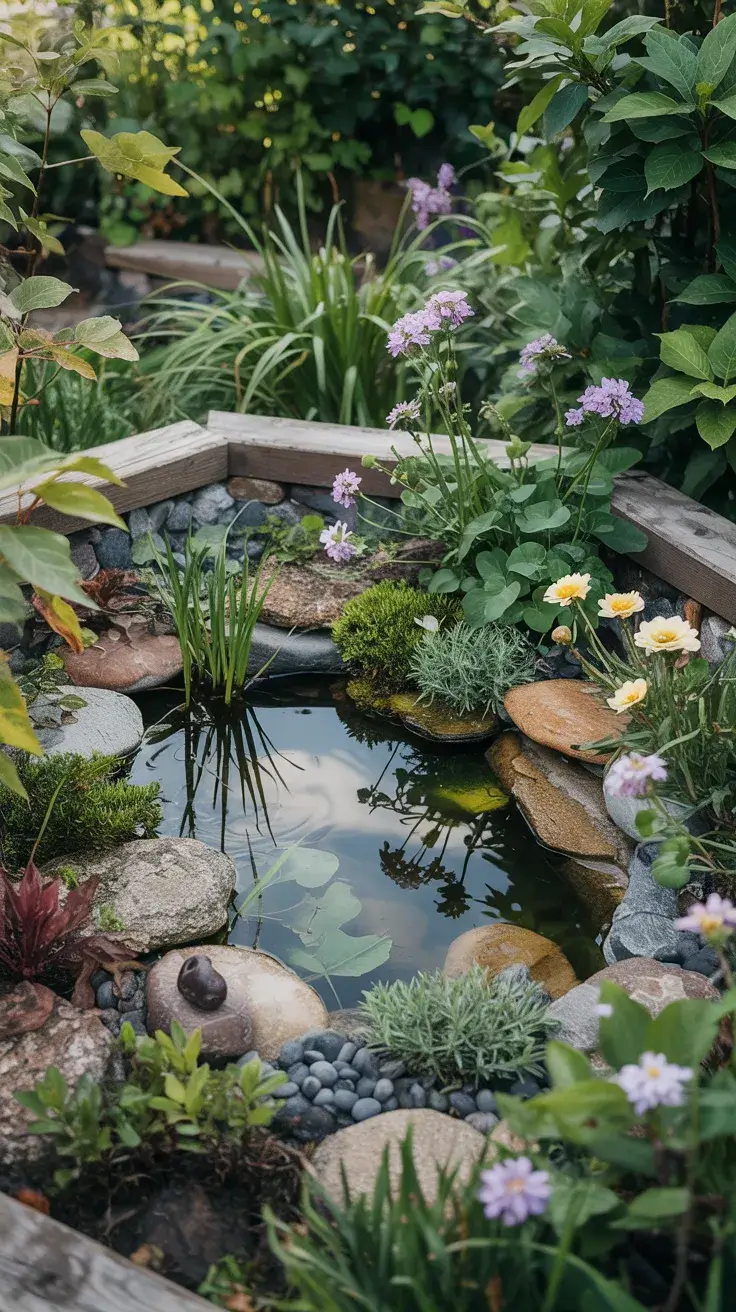
I often include decorative stones, moisture-loving plants like hostas or ferns, and handcrafted wooden edging. These items help define boundaries while elevating the pond’s visual appeal. In more modern spaces, I use sleek pavers or sculptural gravel for a cleaner finish.
From my professional experience, many horticultural experts suggest integrating native species along pond edges to promote local ecosystems. I follow this approach regularly because it reduces maintenance and supports biodiversity.
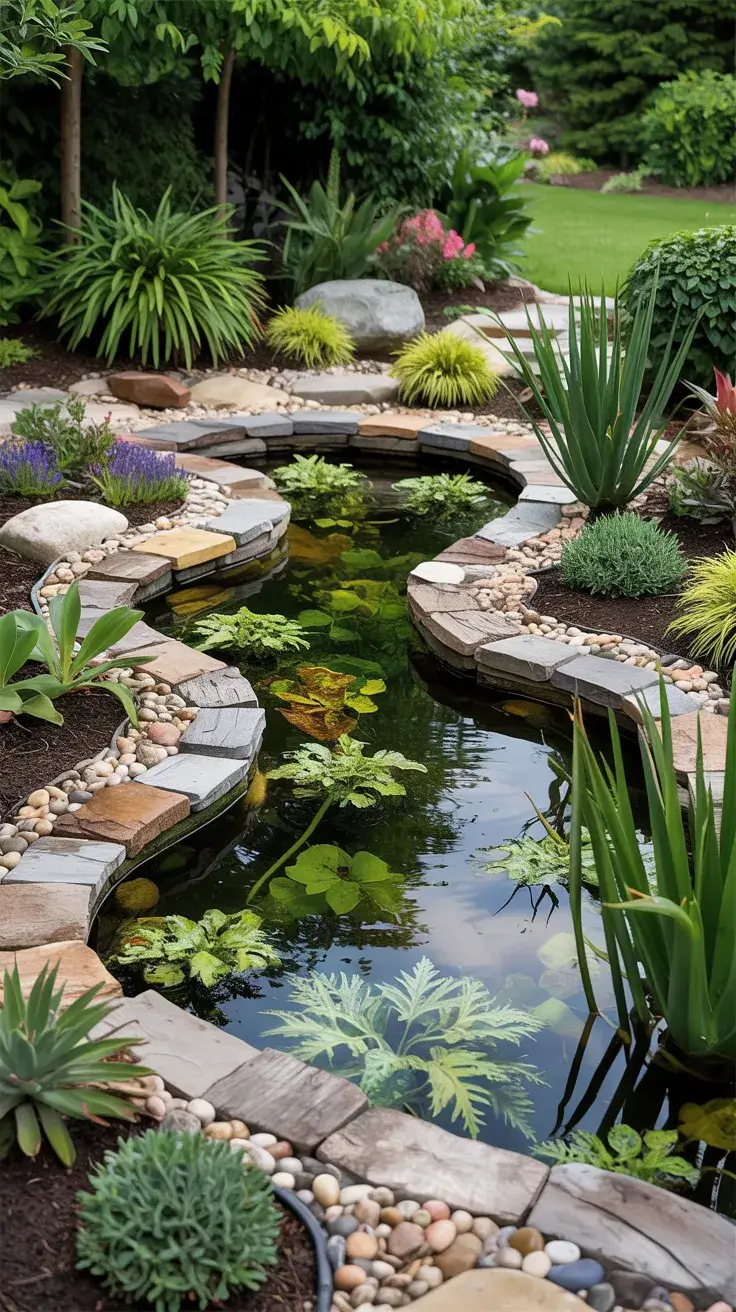
To finalize this section, I would add insights about drainage strategies and the importance of selecting edge materials that complement the rest of the garden.
20. Glass Sided Pond Concepts
I’m always fascinated by glass-sided ponds because they bring aquarium-like views into open-air gardens. This modern design choice allows visitors to see submerged life from the side, adding dynamic visual depth and artistic flair. These ponds are ideal for contemporary homes and structured landscapes.
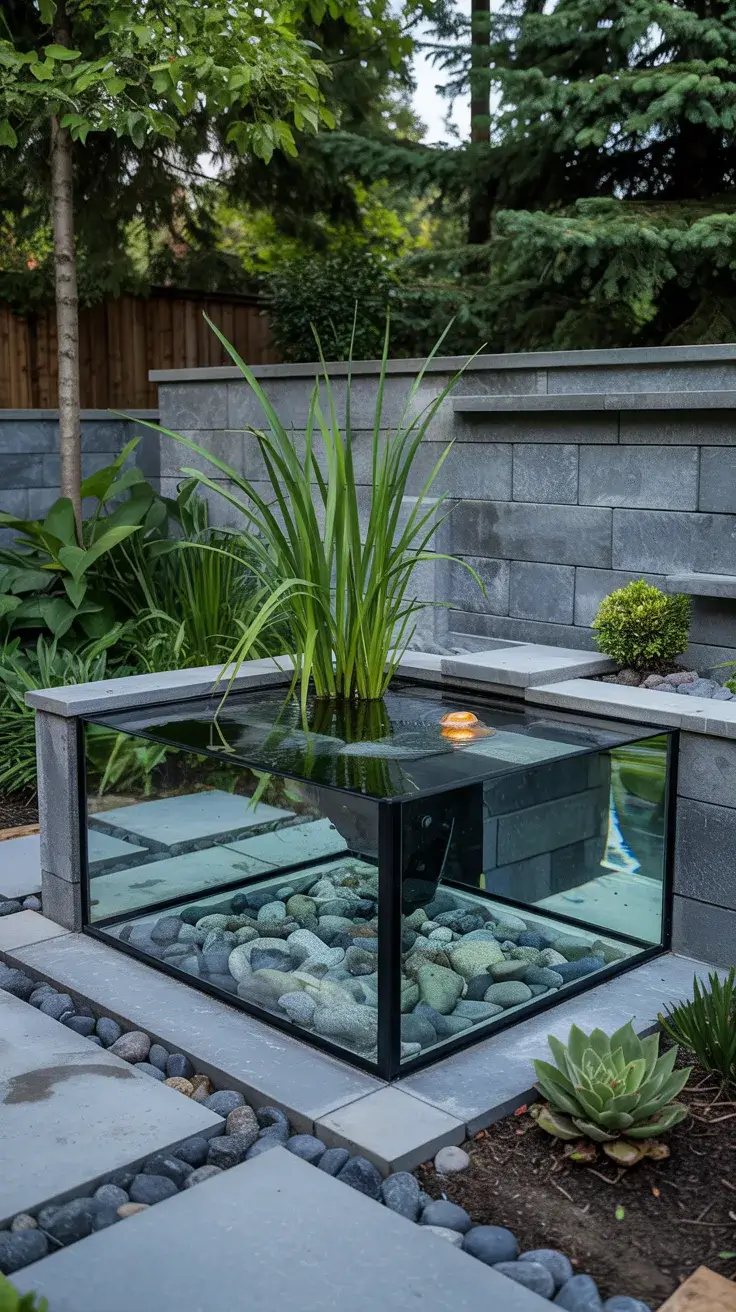
When creating glass-sided ponds, I use reinforced panels, concealed supports, and minimalist framing. I incorporate smooth pavers, polished concrete, or metal borders to match the sophisticated look. Underwater lighting further enhances visibility and emphasizes aquatic textures.
Professionals in modern architectural landscaping often highlight the importance of reinforced seals and premium-grade glass to prevent structural issues. I follow this guideline closely, ensuring that each installation remains safe and durable.
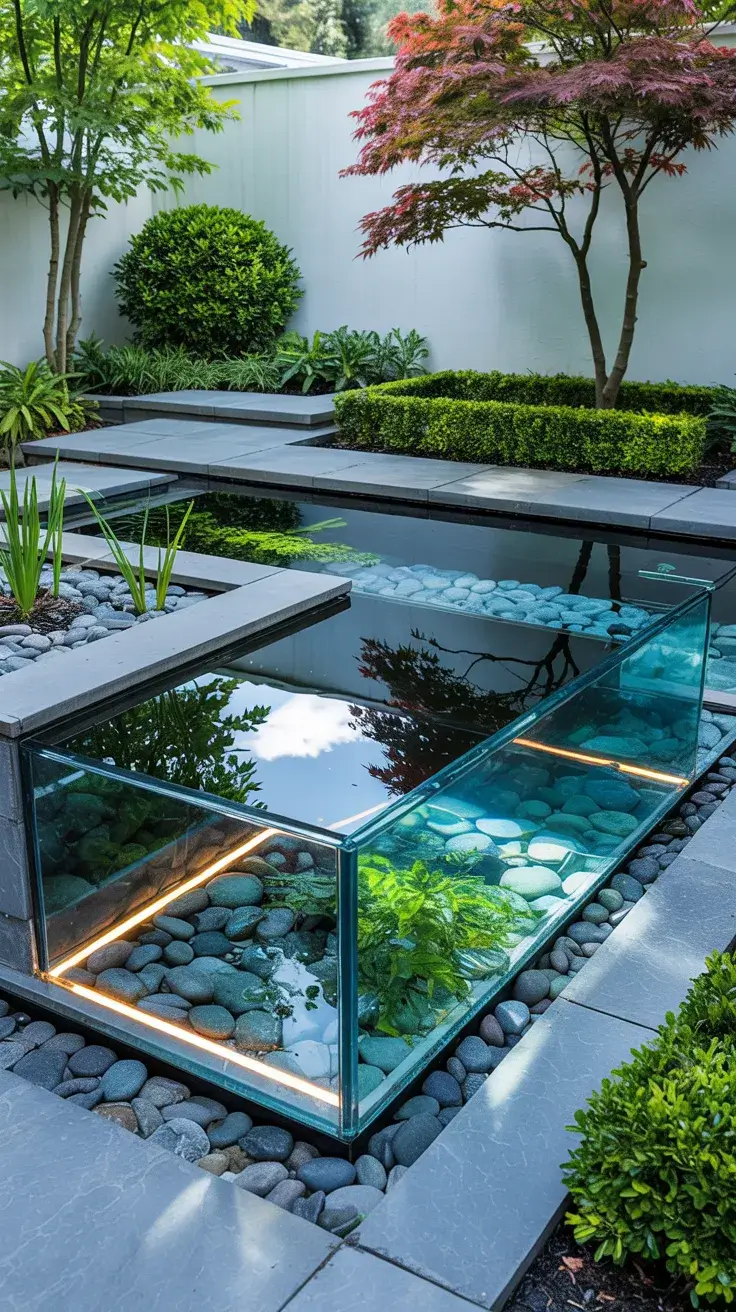
If expanding this section, I’d include maintenance tips specific to glass care and recommendations for plant species that thrive in visually open setups.
21. Infinity Edge Pond Ideas
I gravitate toward infinity edge ponds for clients seeking luxury and tranquility. These ponds feature a vanishing edge where water spills seamlessly into a lower basin, creating a modern, resort-style effect. They visually expand the garden and pair beautifully with minimalist design styles.
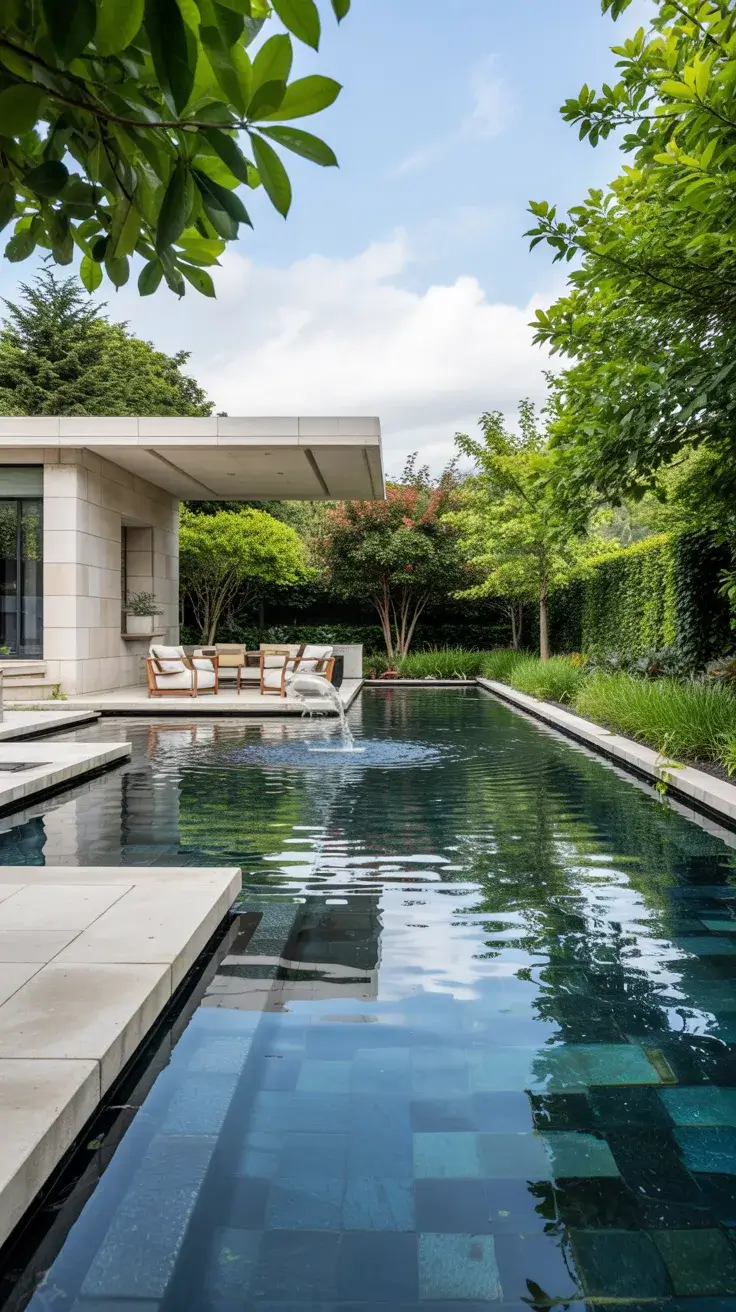
When building these ponds, I incorporate premium stone ledges, smooth retaining walls, and subtle catch basins. I also integrate streamlined seating or reflective decks to complement the clean lines. These choices allow the infinity effect to remain the focal point.
Experts in upscale exterior design often suggest positioning infinity edges where they overlook scenic views. I follow similar logic, carefully orienting the pond to blend with horizon lines or garden panoramas.
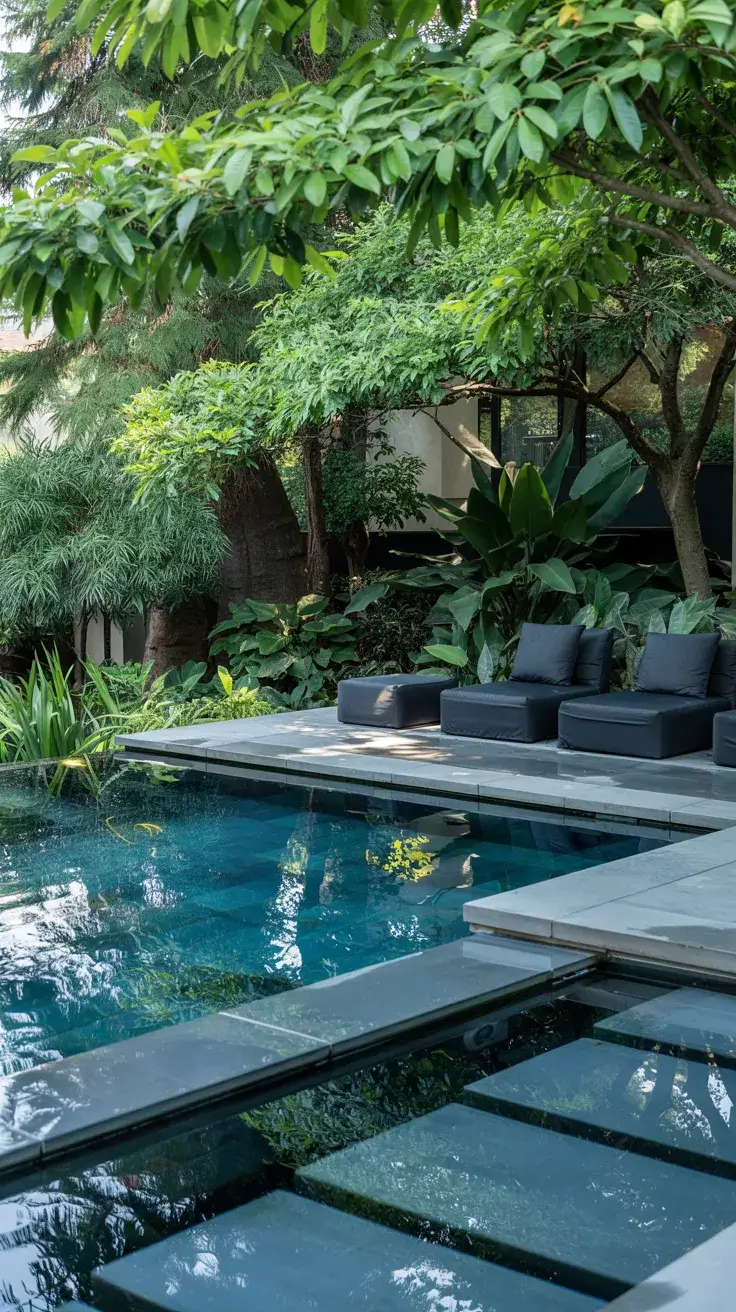
To strengthen this section, I would add considerations for pump systems required to maintain the continuous overflow effect.
22. Rustic Farmhouse Pond Inspirations
I often turn to rustic farmhouse pond designs when homeowners want a warm and nostalgic outdoor setting. These ponds typically feature organic shapes, natural stone edging, and plant groupings that blend effortlessly with the countryside aesthetic. I find that using weathered materials helps the pond feel rooted in its surroundings, creating a sense of timeless comfort.
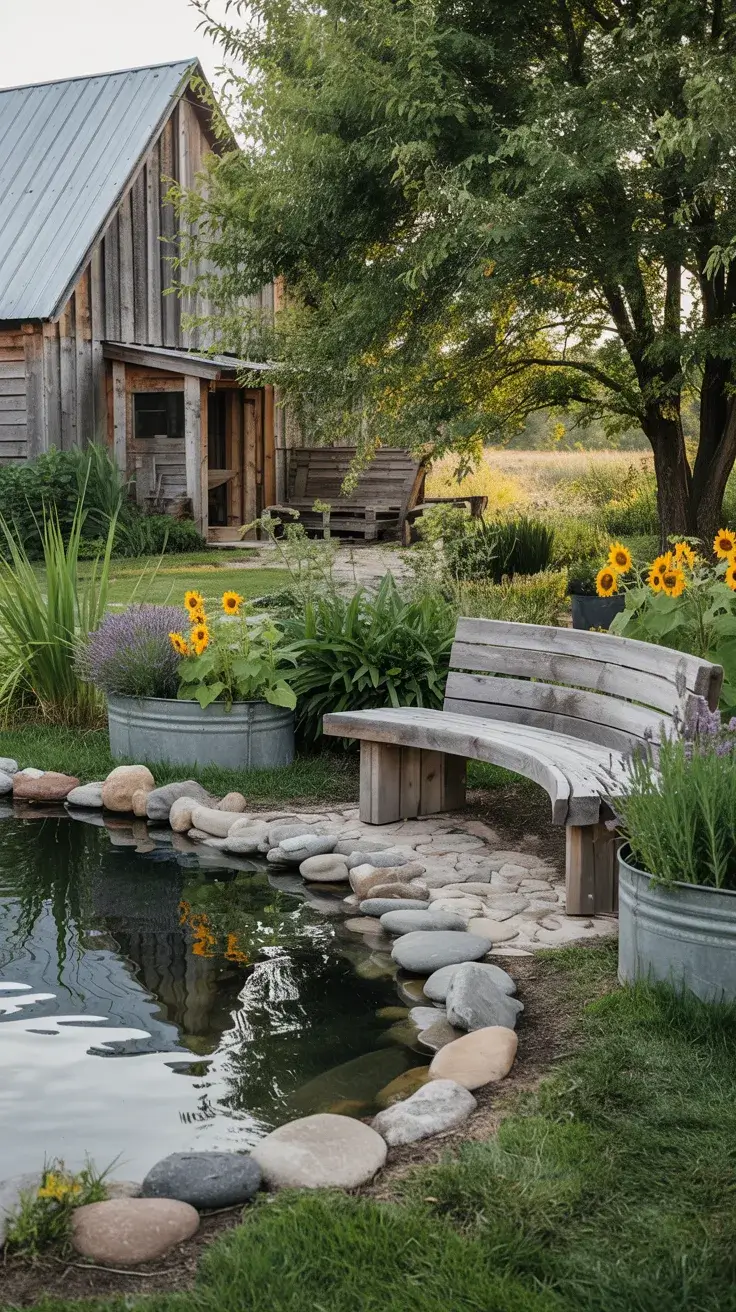
To complete the design, I add reclaimed wood benches, galvanized metal planters, woven baskets, and native meadow plants. These items complement the rustic character while maintaining practicality and durability. I typically use rounded river stones along the pond’s edge to enhance the farmhouse charm.
From my experience, many garden stylists across U.S. homestead-inspired publications emphasize using heirloom plant varieties and untreated natural wood for authenticity. I follow this approach because it reinforces the handcrafted look that defines farmhouse design.
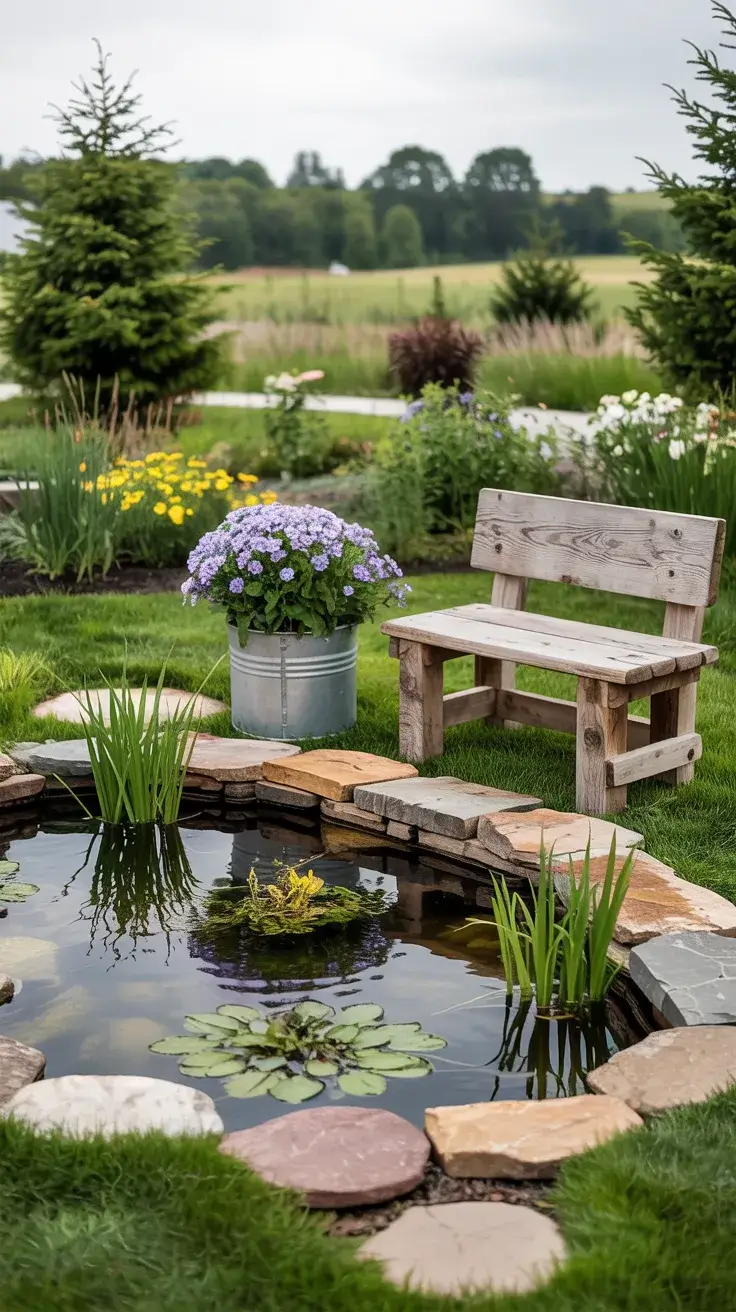
If I were to expand this section, I would include recommendations for drought-tolerant plants that match rustic aesthetics and require minimal maintenance.
23. Tropical Pond Concepts For Lush Gardens
I love tropical pond designs for their lush, vibrant atmosphere and immersive sensory appeal. These ponds include bold plant varieties, flowing water, and rich colors that transform a garden into a paradise-like retreat. Warm climates or greenhouse environments are perfect for maintaining this level of visual drama.
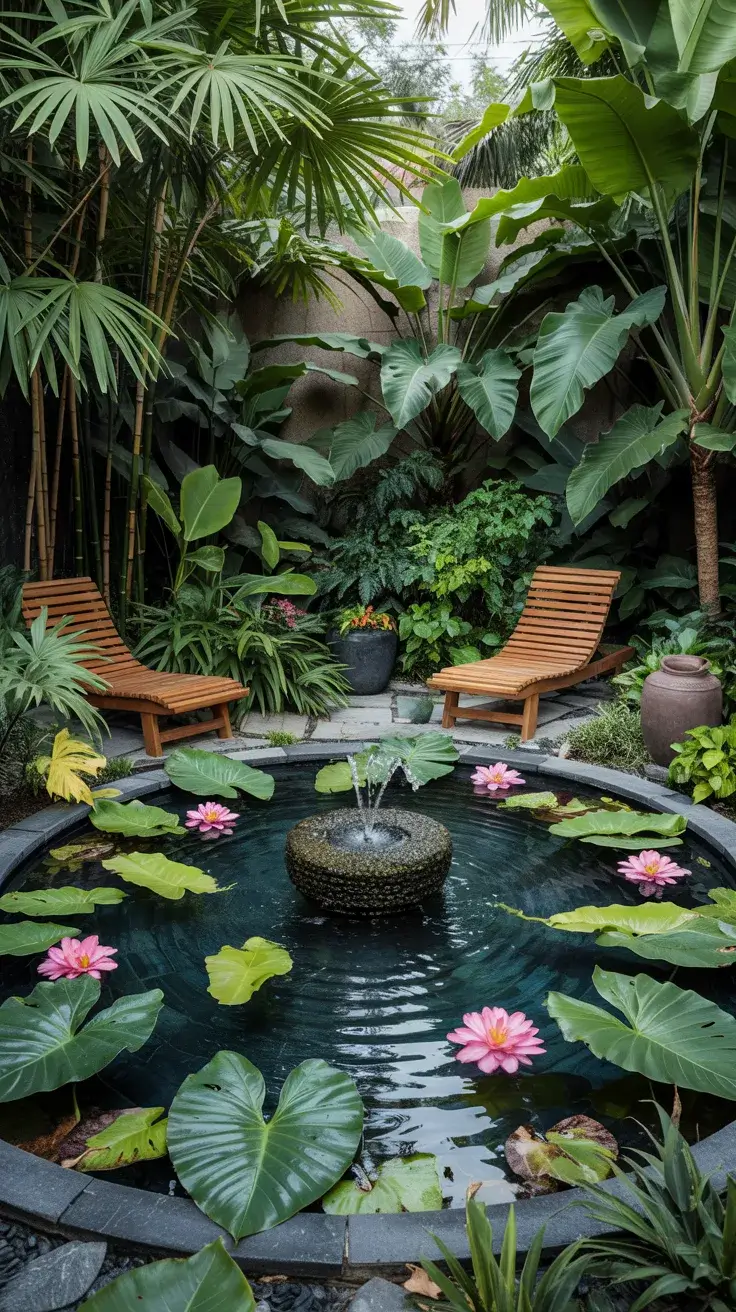
I enhance the design using large-leaf plants, bamboo clusters, smooth black stones, floating blooms, and fine misting fountains. I often introduce wooden loungers, bright ceramic pots, or carved decor pieces to further the tropical mood. These elements provide texture and warmth while supporting the theme.
Professionals featured in tropical landscape design journals often recommend layering foliage heights to achieve depth, which is advice I strongly support. I replicate this by arranging tall palms behind medium shrubs and low aquatic plants to create a true canopy effect.
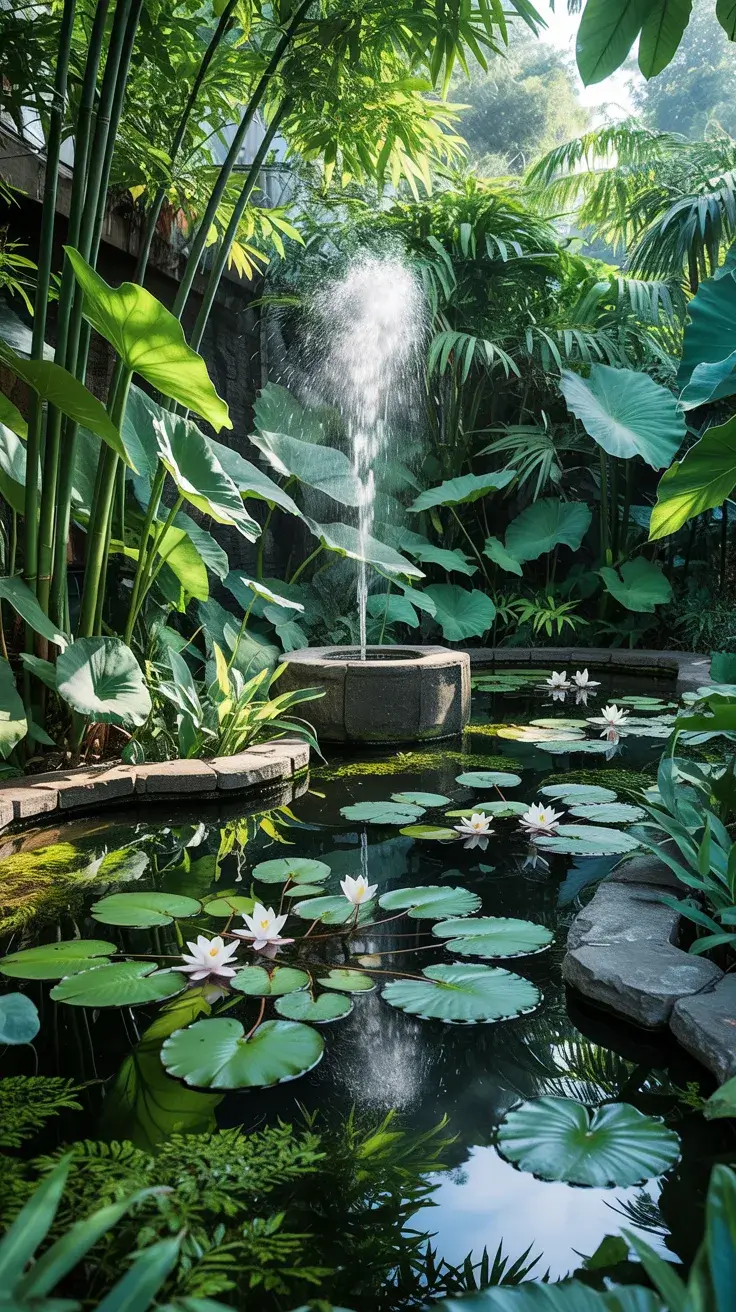
To round out this block, I’d add suggestions for maintaining humidity and tips on selecting non-invasive tropical species.
24. Urban Courtyard Pond Ideas
Urban courtyard ponds allow me to create serene hideaways even in compact city spaces. These designs prioritize clean lines, thoughtful proportions, and clever use of vertical elements. I find that focusing on simplicity helps the pond feel modern rather than overwhelming.
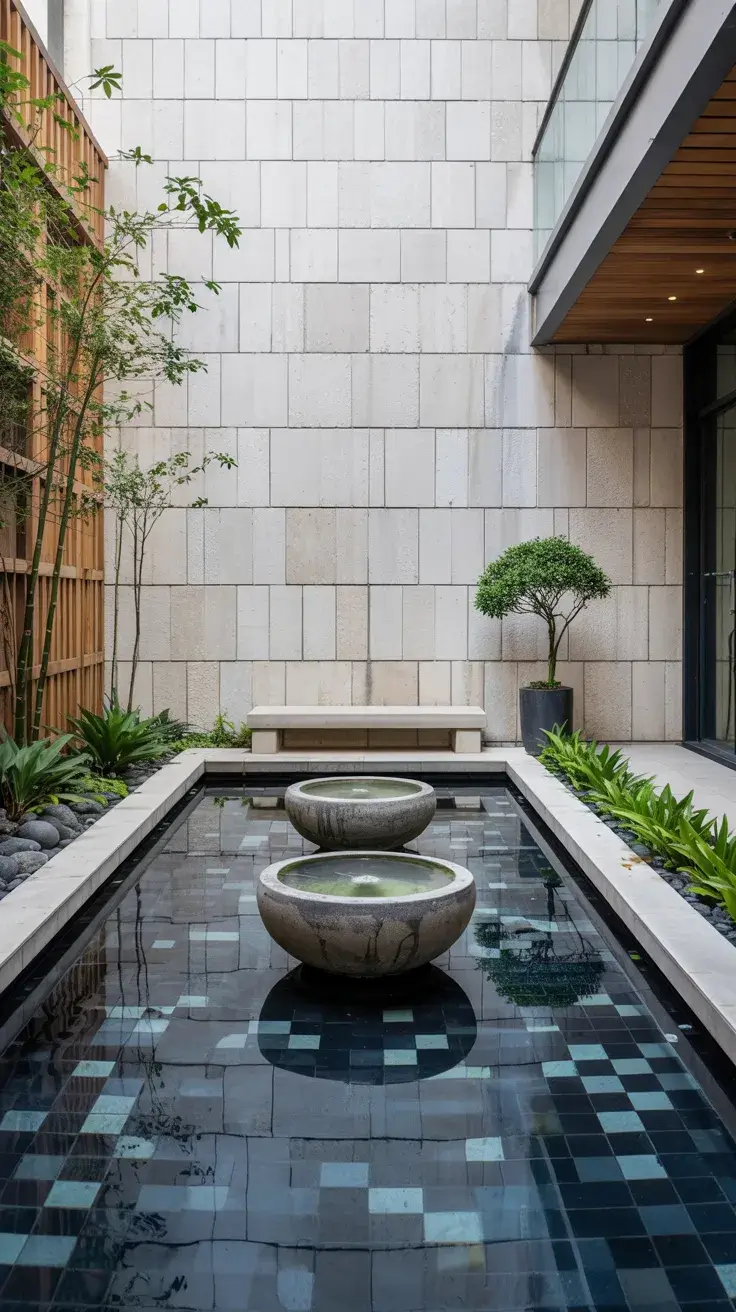
I incorporate materials such as porcelain tiles, narrow benches, bamboo screens, and sculptural planters to maximize style in small areas. Compact fountains or reflective water surfaces enhance calmness while maintaining a sophisticated tone. I often use geometric layouts to align with urban architecture.
Experts in metropolitan design frequently emphasize the importance of multifunctional features in small courtyards. Inspired by this, I select seating or storage-integrated planters that help conserve space while adding convenience.
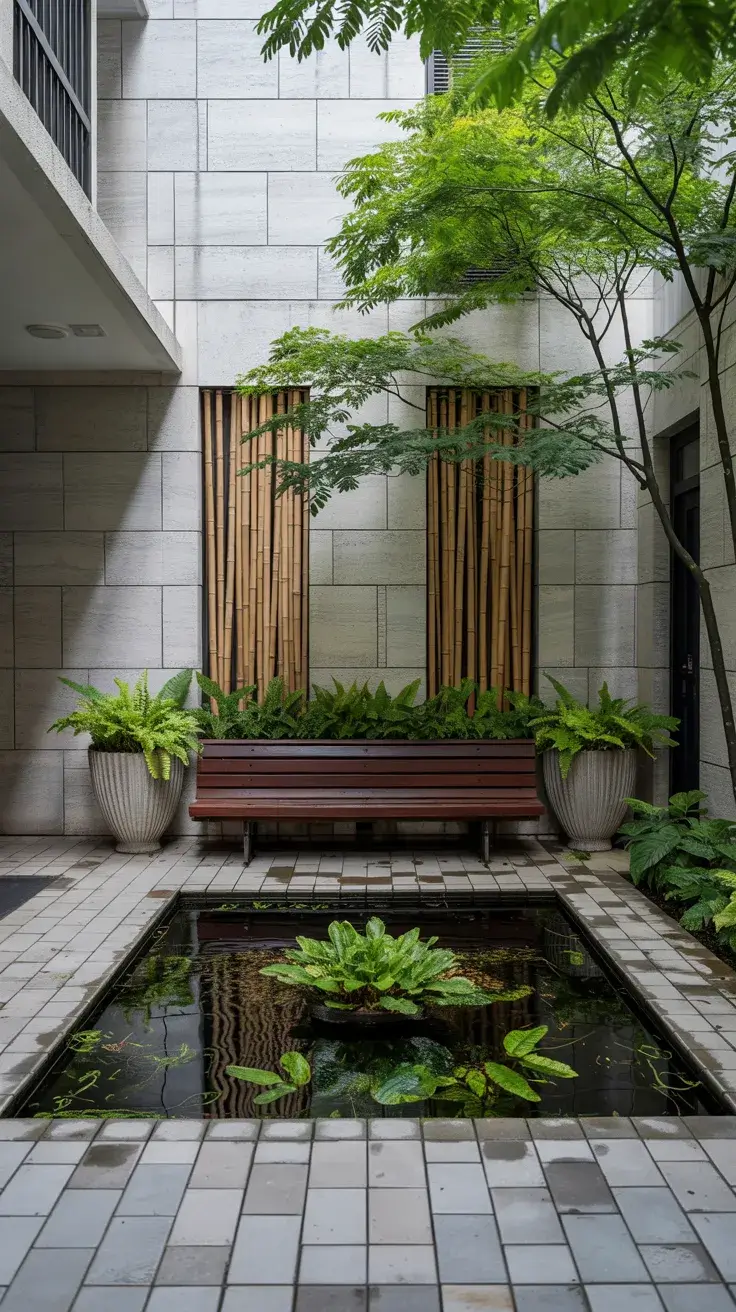
To further enrich this section, I would include guidance on water circulation systems made for compact ponds.
25. Multi Level Pond System Designs
I find multi-level pond systems fascinating because they create dynamic movement and sound through cascading water flows. These layered ponds offer a sculptural quality and work beautifully in sloped landscapes. Their tiered structure enhances water oxygenation and visual rhythm.
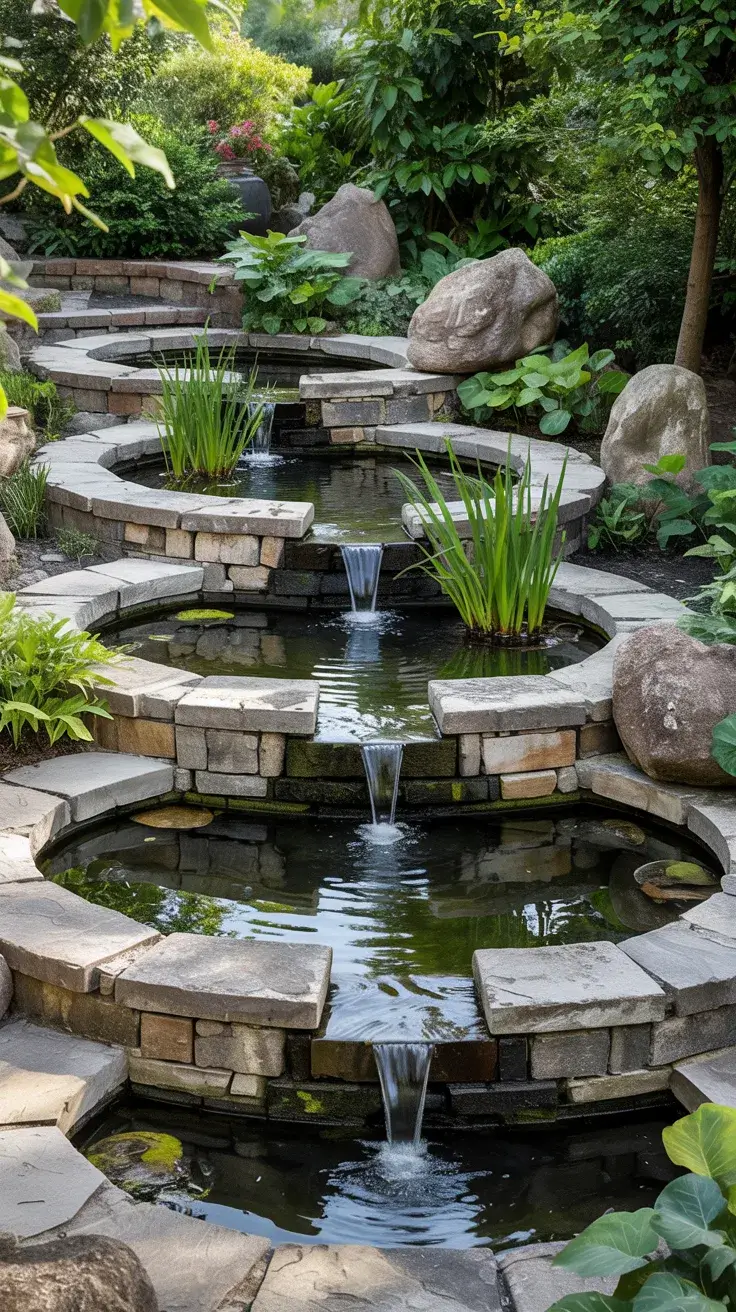
When designing these systems, I add stone terraces, retaining walls, aquatic platforms, and smooth connecting channels. I might also incorporate built-in seating areas or bridges that give visitors an intimate view of the cascading features. Natural boulders or custom-cut stone help define each level with clarity.
Water feature specialists in contemporary garden media often highlight the value of designing each tier with its own micro-ecosystem. I follow this advice, choosing specific plant species for each water depth to create biological balance.
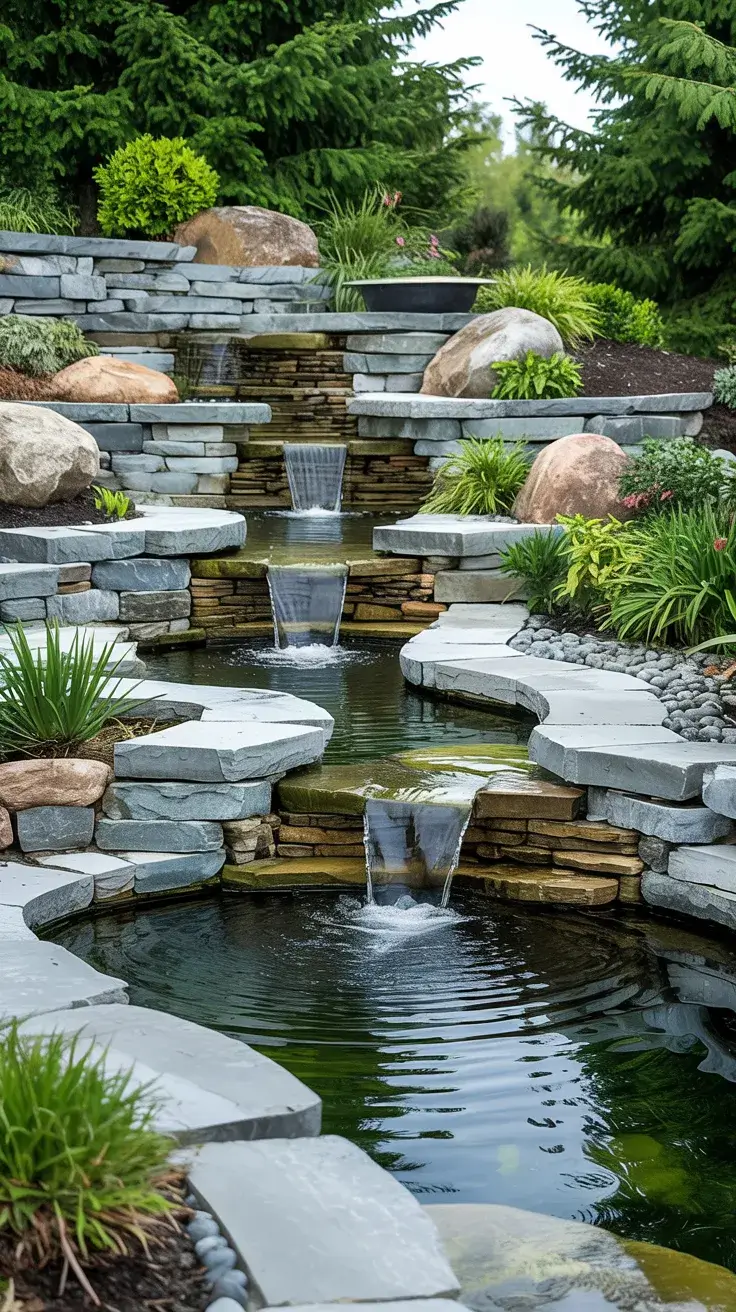
If needed, I would expand this block by including pump specifications and maintenance strategies unique to multi-tiered ponds.
26. Pond Ideas With Seating Integration
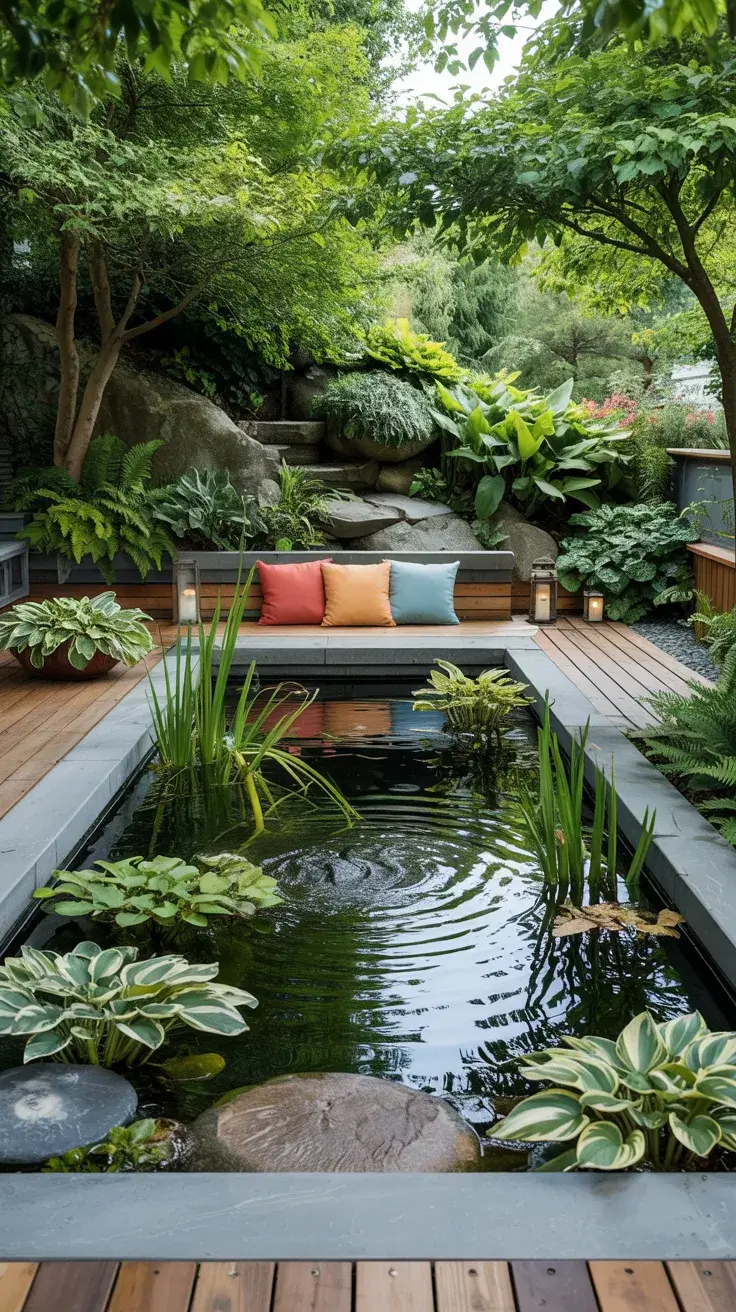
I enjoy designing ponds with integrated seating because they encourage visitors to linger and engage with the space. These ponds often feel immersive, bringing people closer to the calming effects of water. Built-in seating creates both functionality and a sculptural focal point.
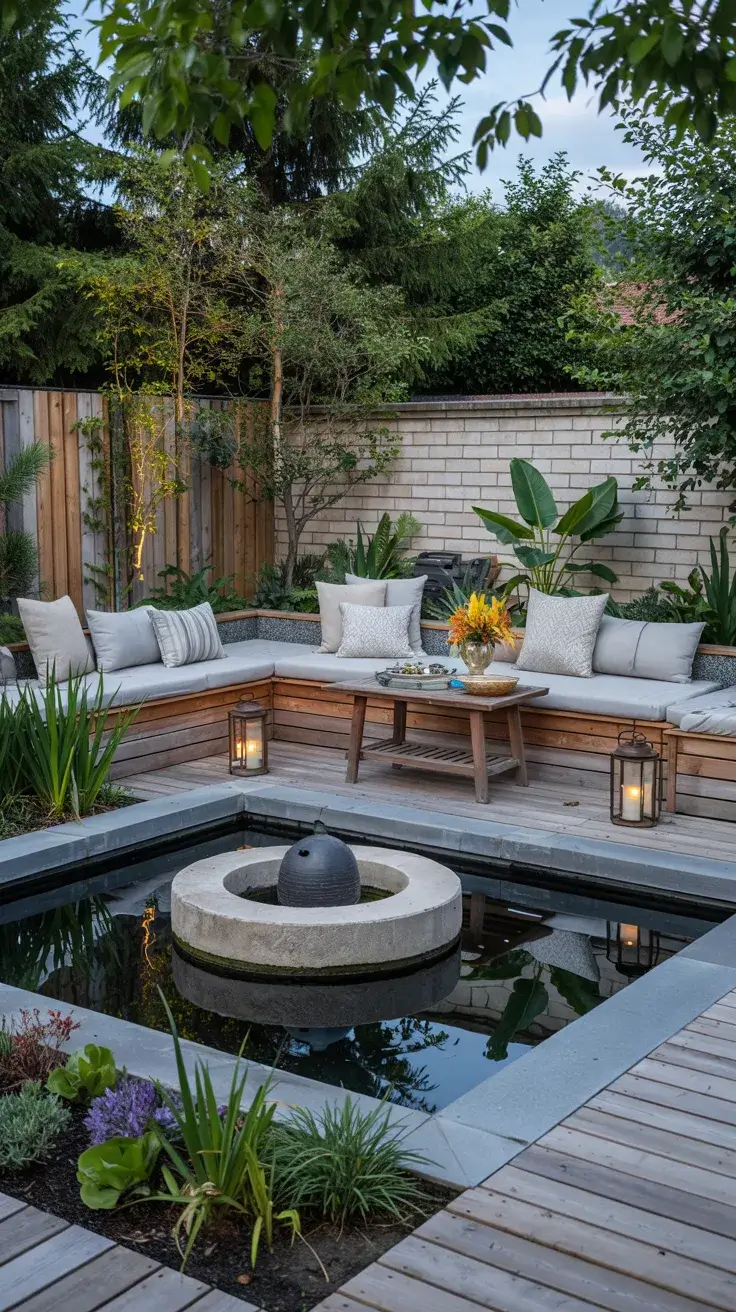
I typically incorporate stone benches, wooden decks, or cantilevered platforms positioned along the pond’s perimeter. Cushions made of outdoor-safe materials help soften the look while providing comfort. I sometimes add small side tables or lanterns to complete the gathering area.
Renowned designers in outdoor living trends often advise aligning seating with the best pond viewpoints. I follow this principle by orienting benches toward waterfalls, plant clusters, or reflective surfaces to enhance enjoyment.
To add depth to this section, I would include recommendations for weather-resistant seating materials suitable for wet environments.
27. Sculpture Enhanced Pond Concepts
I enjoy adding sculptural elements to ponds because they establish visual identity and elevate the garden from functional to artistic. Sculptures provide a focal point that unifies the entire landscape, especially when placed thoughtfully in relation to water movement and surrounding greenery.
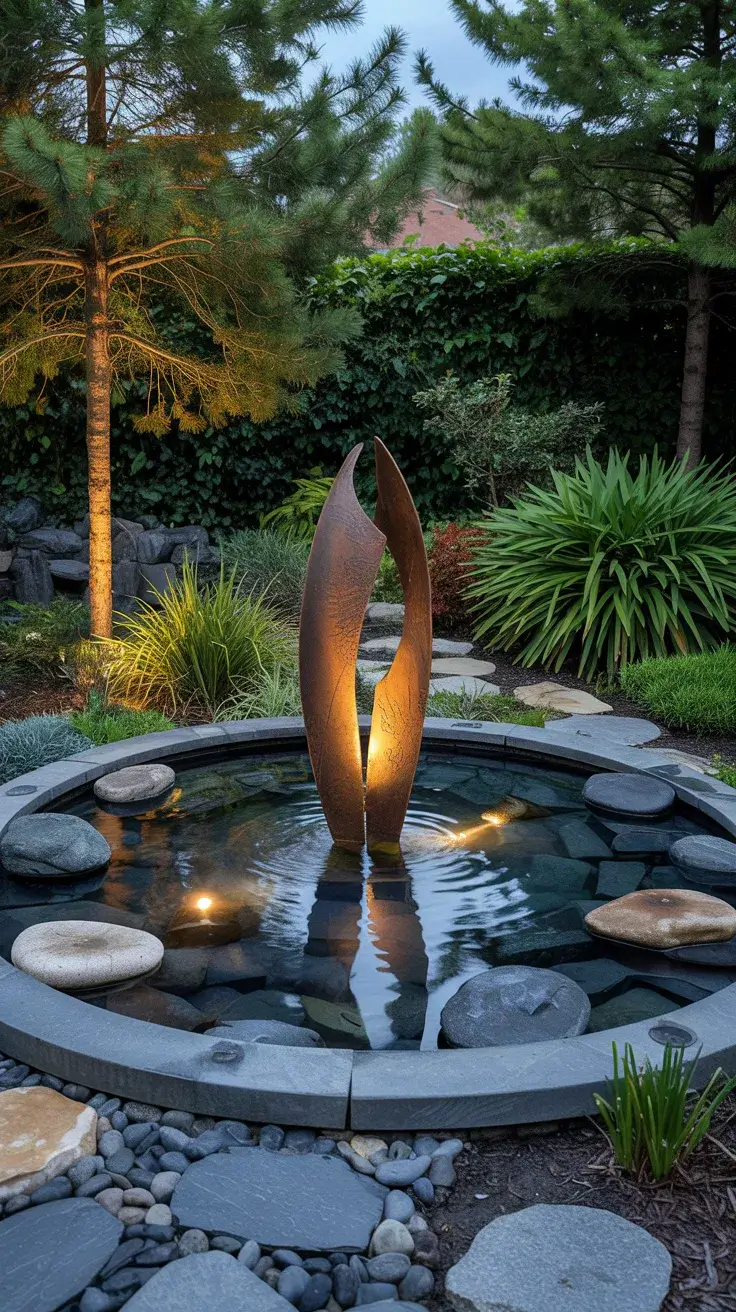
I select materials like bronze, stone, or corten steel depending on the garden’s overall tone. Freestanding statues, carved basins, or abstract metal forms pair beautifully with still or flowing water. Lighting beneath or around these sculptures enhances depth and emphasizes texture.
Many experts in art-integrated landscaping highlight the importance of scale and proportion when choosing outdoor sculptures. I follow this guideline by selecting pieces that complement rather than overpower the pond.
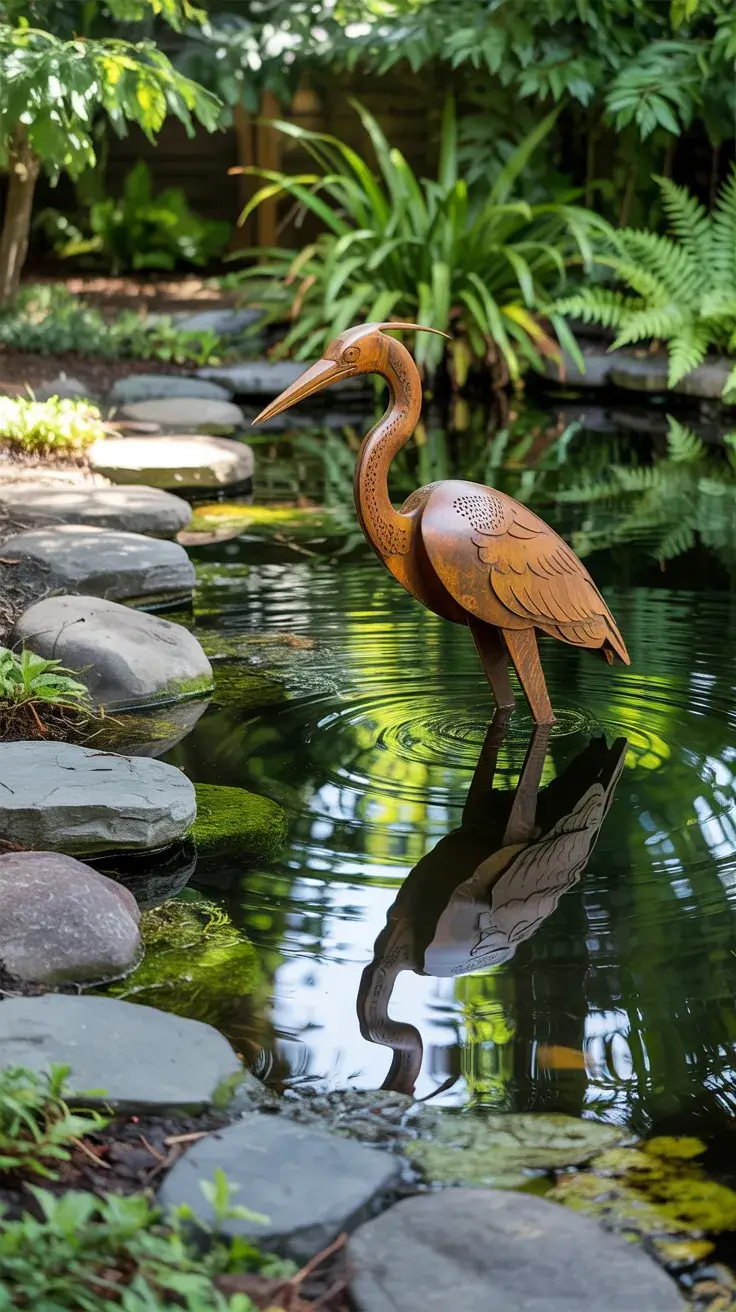
For further development, I would include advice on weatherproof finishes and long-term structural stability.
28. Pond Bridges For Decorative Impact
I appreciate the decorative and functional impact that small garden bridges bring to pond areas. Bridges guide foot traffic while introducing charming architectural detail. Whether arched or flat, they help establish a sense of transition within the landscape.
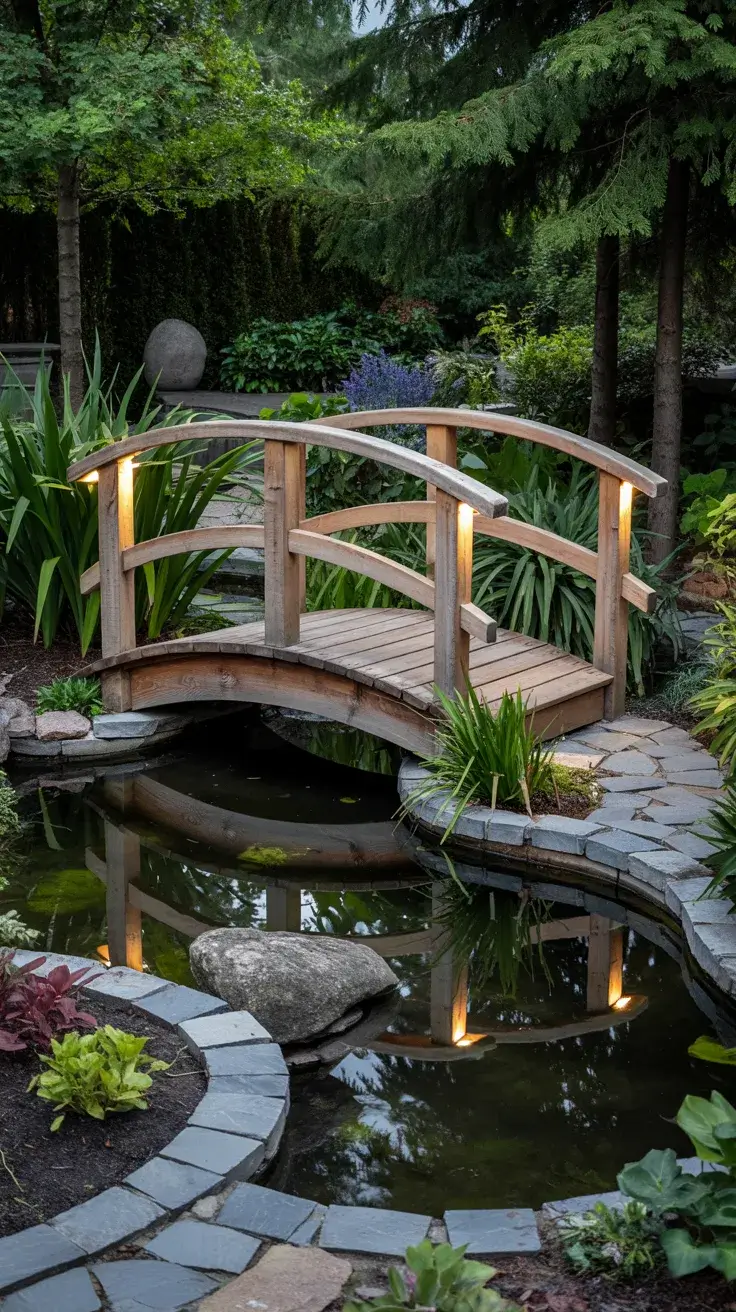
I use materials such as natural wood, composite boards, stone slabs, or metal railings depending on the overall design style. I might add subtle lighting along the rails or integrate planting pockets beside the bridge to anchor it visually. These additions make the bridge feel intentional and inviting.
Garden architecture experts often recommend aligning bridges with sightlines to create expectancy and draw attention. I follow this principle, positioning bridges where they enhance viewing angles and connect pathways logically.
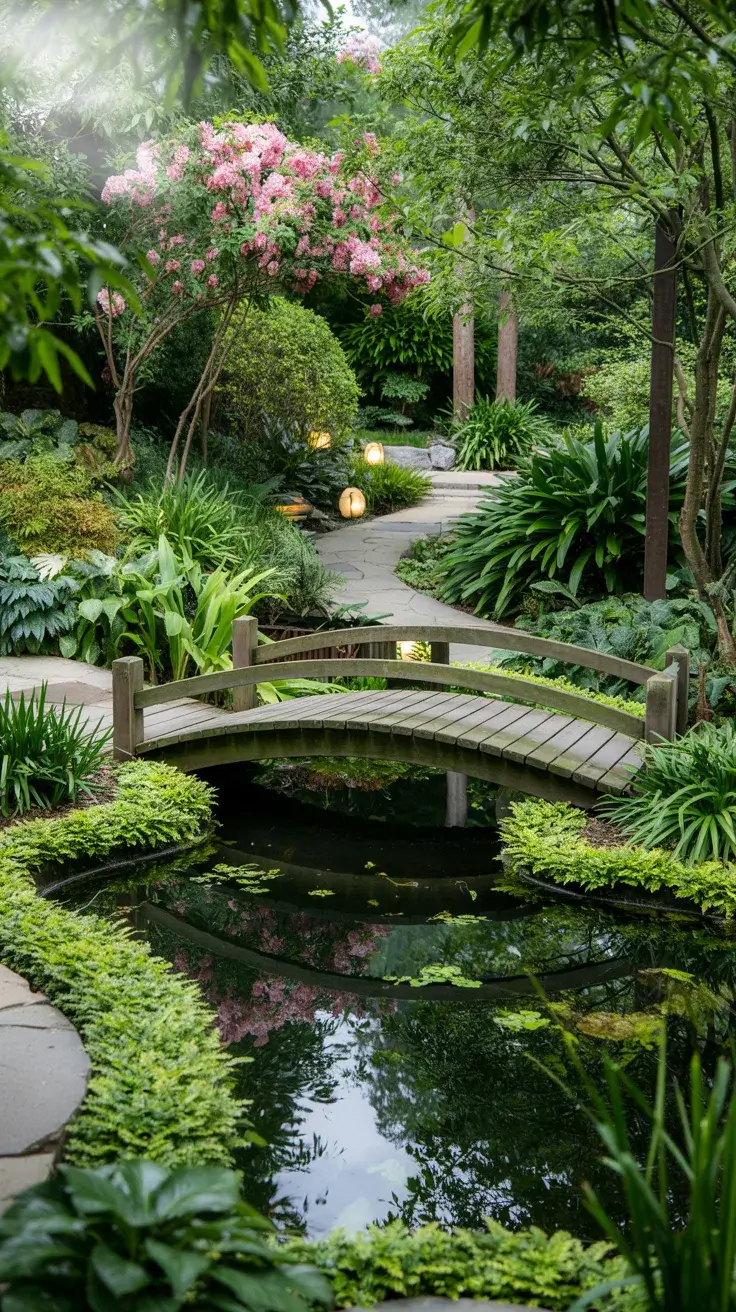
If expanding this section, I would add structural considerations for bridge safety and weather durability.
29. Natural Filtration Pond Ideas
I value natural filtration ponds because they create clean, balanced ecosystems without relying heavily on mechanical systems. These ponds use beneficial bacteria, plant roots, and gravel beds to maintain crystal-clear water. I find that this approach not only reduces maintenance but also enhances the authenticity of a garden environment.
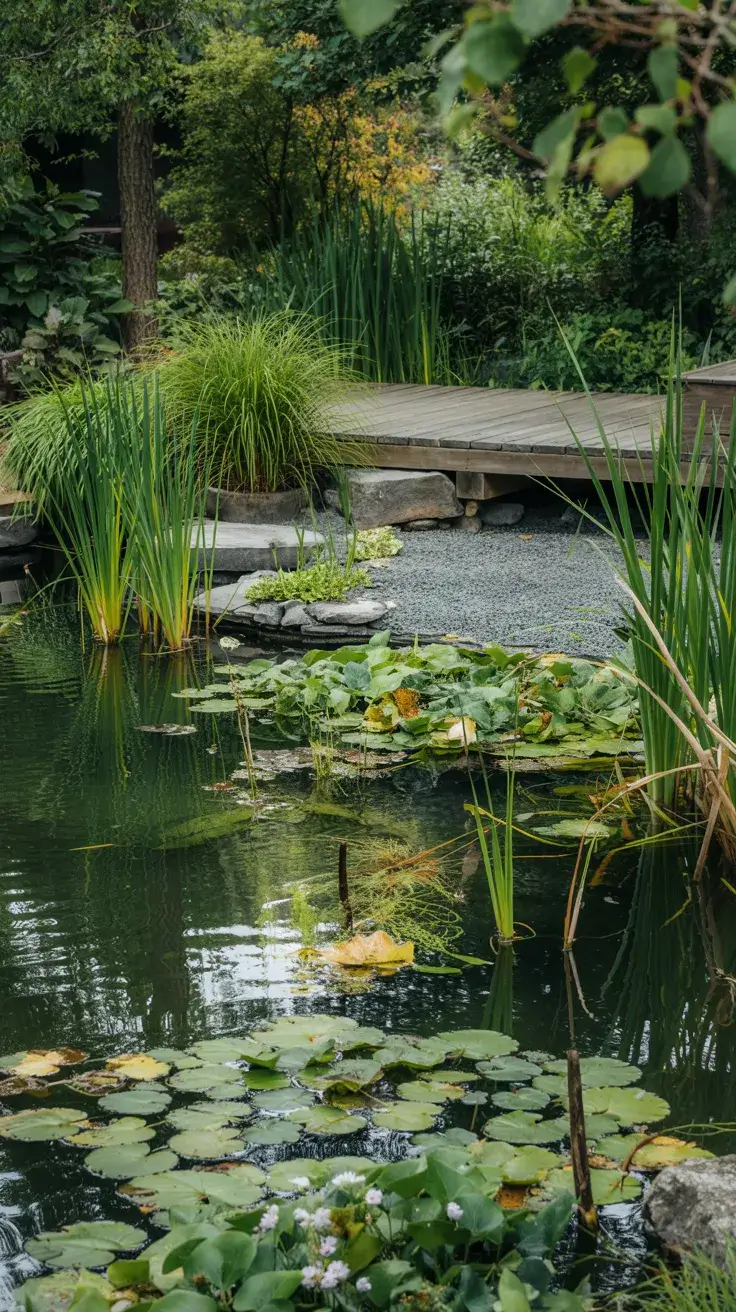
To support natural filtration, I choose plants like water hyacinth, reeds, and submerged oxygenators. I include biofiltration zones filled with layered gravel, floating wetlands, and shallow shelf areas where plants can thrive. These features act as living filters that constantly cleanse the water. Decorative stones and simple wooden platforms help finish the design while keeping it grounded in nature.
Environmental experts across U.S. sustainable landscaping publications often recommend natural filtration systems for reducing energy use and supporting wildlife. I fully agree with this philosophy and frequently implement it in modern garden projects.
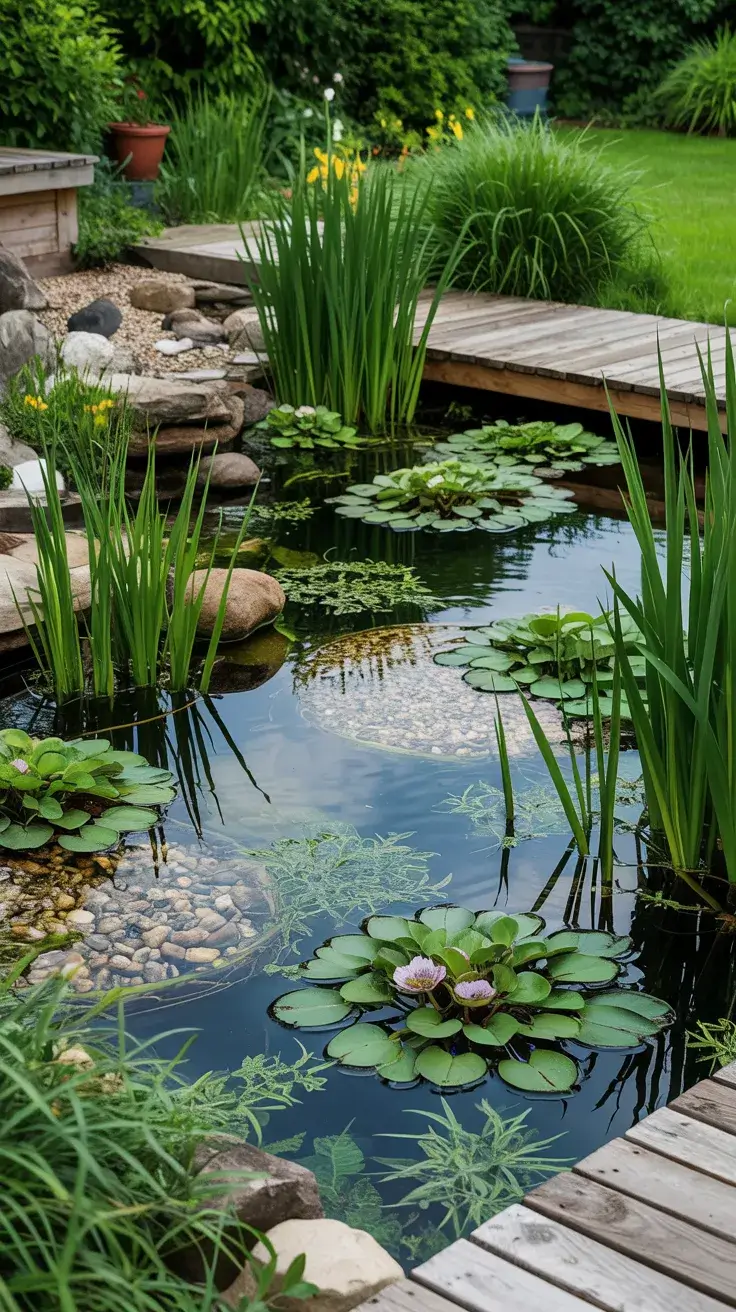
If expanding this block, I would add suggestions for optimizing water flow patterns to improve filtration efficiency.
30. Wildlife Habitat Pond Concepts
I enjoy designing wildlife-friendly ponds because they bring life, movement, and ecological value to gardens. These ponds are created to attract birds, frogs, insects, and beneficial pollinators. I find that enhancing biodiversity makes the outdoor space feel more dynamic and connected to the natural world.
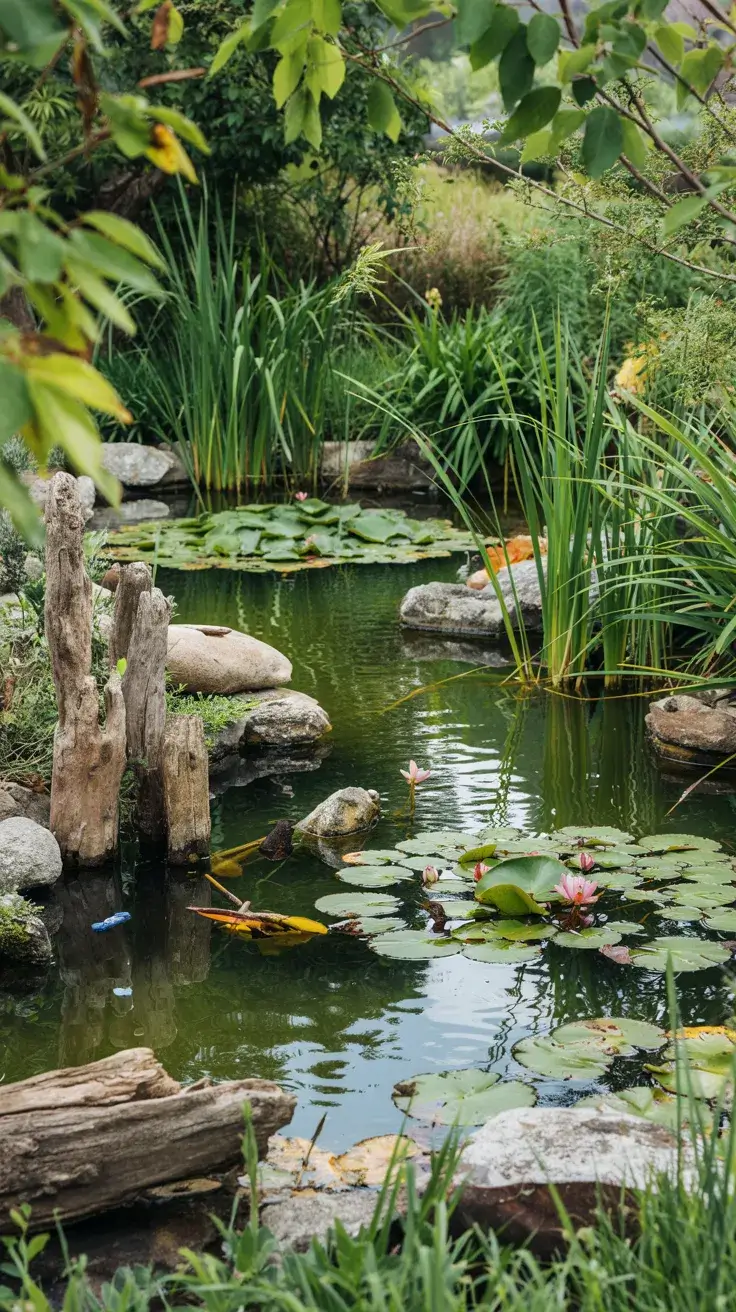
To achieve this, I add sloped shorelines, shallow shelves, native aquatic plants, and small rock clusters that provide hiding places for animals. I incorporate logs, driftwood, and gentle water access points to make the habitat more comfortable for various species. These elements support breeding, feeding, and sheltering behaviors.
Well-known wildlife conservation specialists emphasize the importance of eliminating chemicals and providing clean water sources. I follow these principles closely when planning ponds for ecological enrichment.
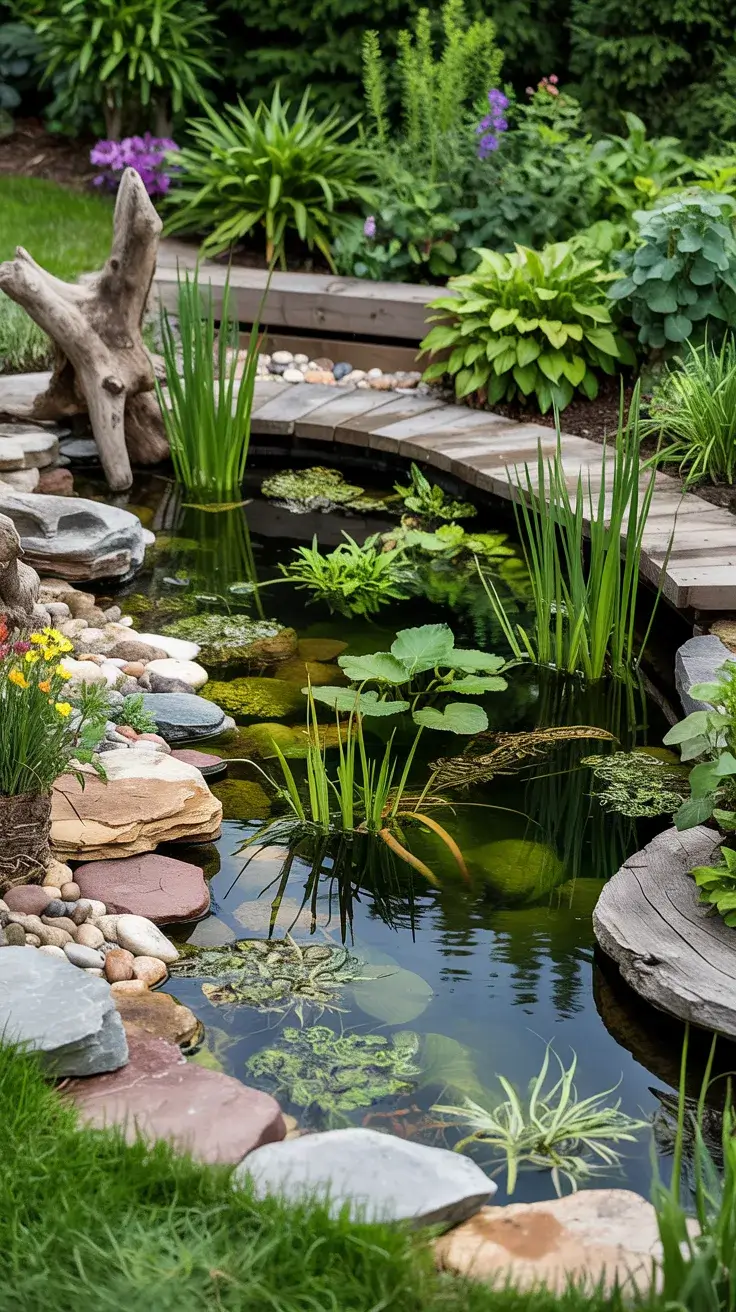
To develop this section further, I would include advice on selecting plant species that offer long-term seasonal support for local wildlife.
31. Seasonal Pond Decor Inspirations
I find seasonal pond décor inspiring because it allows homeowners to refresh their outdoor spaces throughout the year. These ponds adapt beautifully to changing seasons, offering visual interest with each transition. I appreciate designs that incorporate flexible decorations and multi-season plantings.
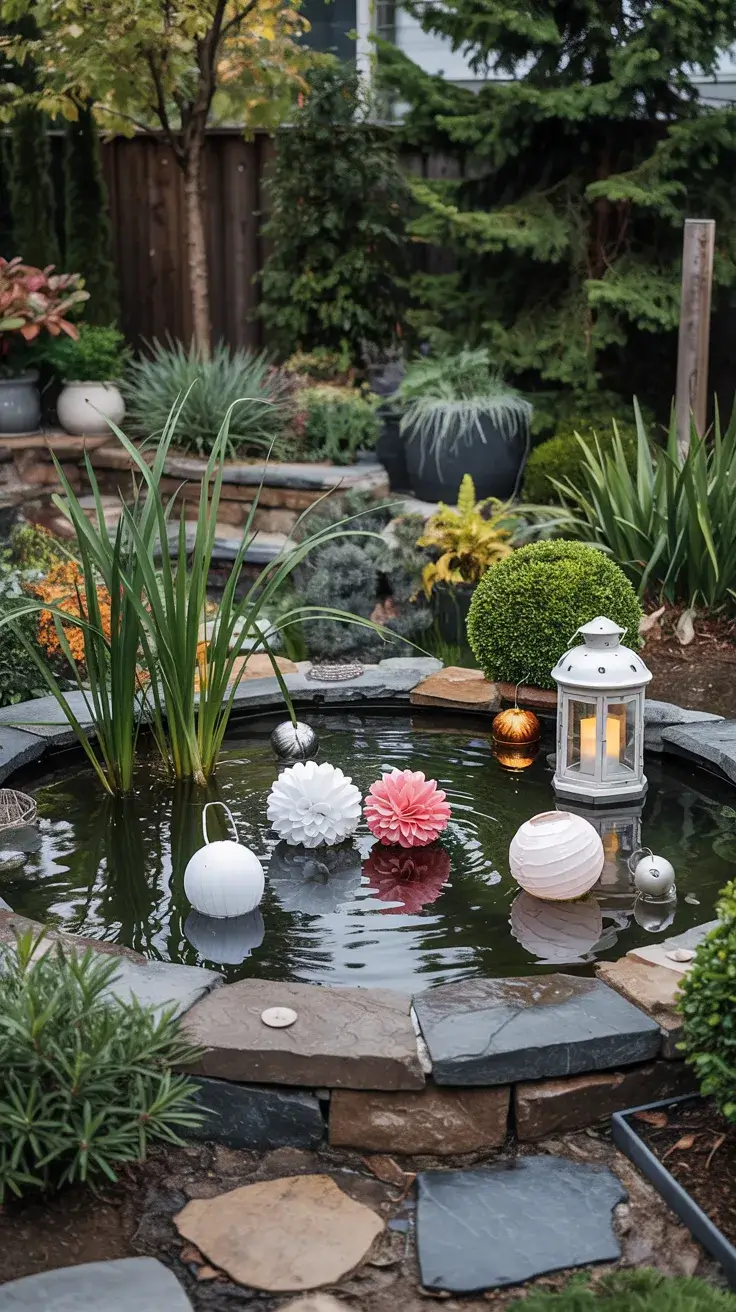
For seasonal styling, I add lanterns, floating ornaments, decorative branches, or color-coordinated plant baskets that can be updated as the year progresses. In spring and summer, I favor bright blooms, while autumn and winter call for evergreen accents or subtle lighting. Each decorative component helps express the personality of the garden.
Experts from lifestyle garden publications often suggest selecting décor that remains weather-resistant and easy to rotate. This is advice I frequently apply, as it helps homeowners enjoy a fresh look without unnecessary complexity.
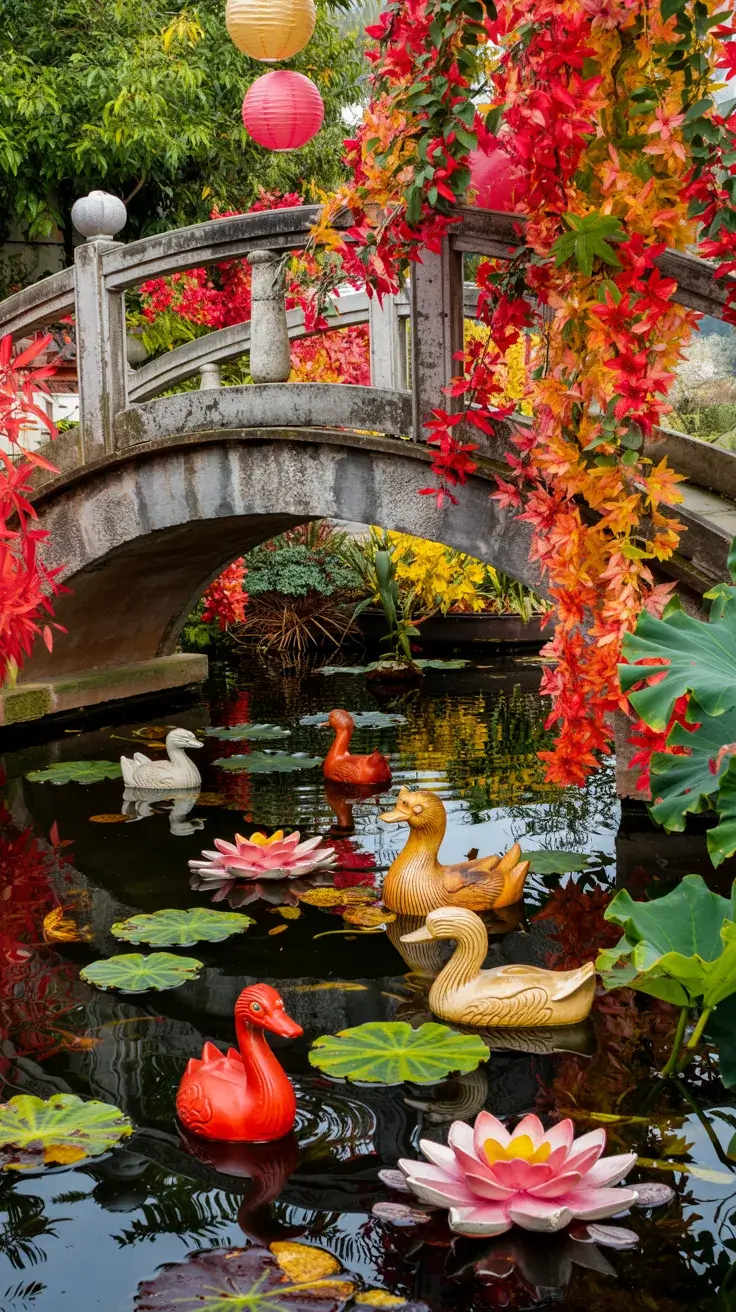
If adding more detail, I would include tips on storing seasonal décor and choosing hardy accessories that withstand outdoor exposure.
32. Smart Technology Pond Solutions
I am impressed by how smart technology is reshaping garden pond design. Modern systems allow homeowners to automate water flow, monitor water quality, and control lighting remotely. I find these innovations especially useful for maintaining a healthy pond with minimal effort.
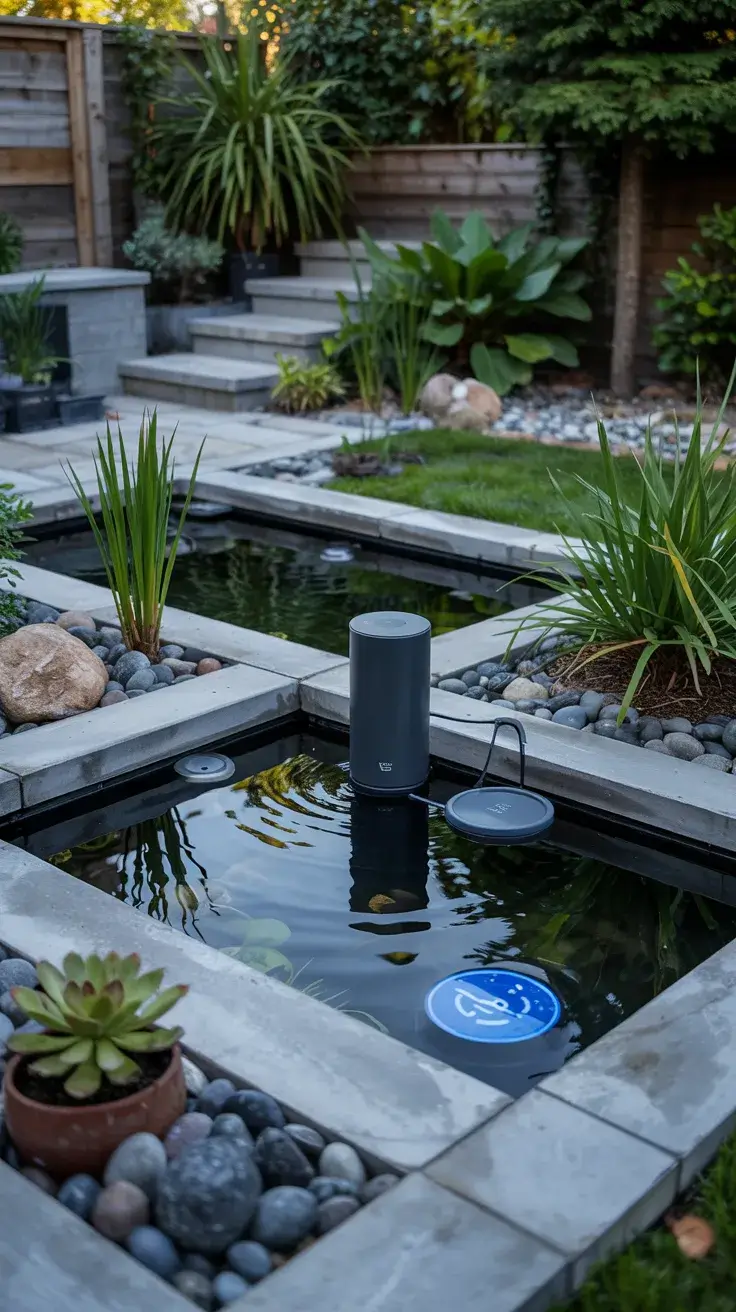
To integrate smart systems, I use app-controlled pumps, Wi-Fi-enabled lighting, automatic feeders, digital pH meters, and filtration sensors. These components work together to keep the pond stable and visually appealing. I design housing units or concealed compartments to protect devices while preserving the garden’s natural aesthetics.
Tech experts in outdoor automation consistently highlight the benefits of connectivity in simplifying maintenance tasks. Following their recommendations, I often incorporate real-time monitoring tools to give homeowners full control over their ponds.
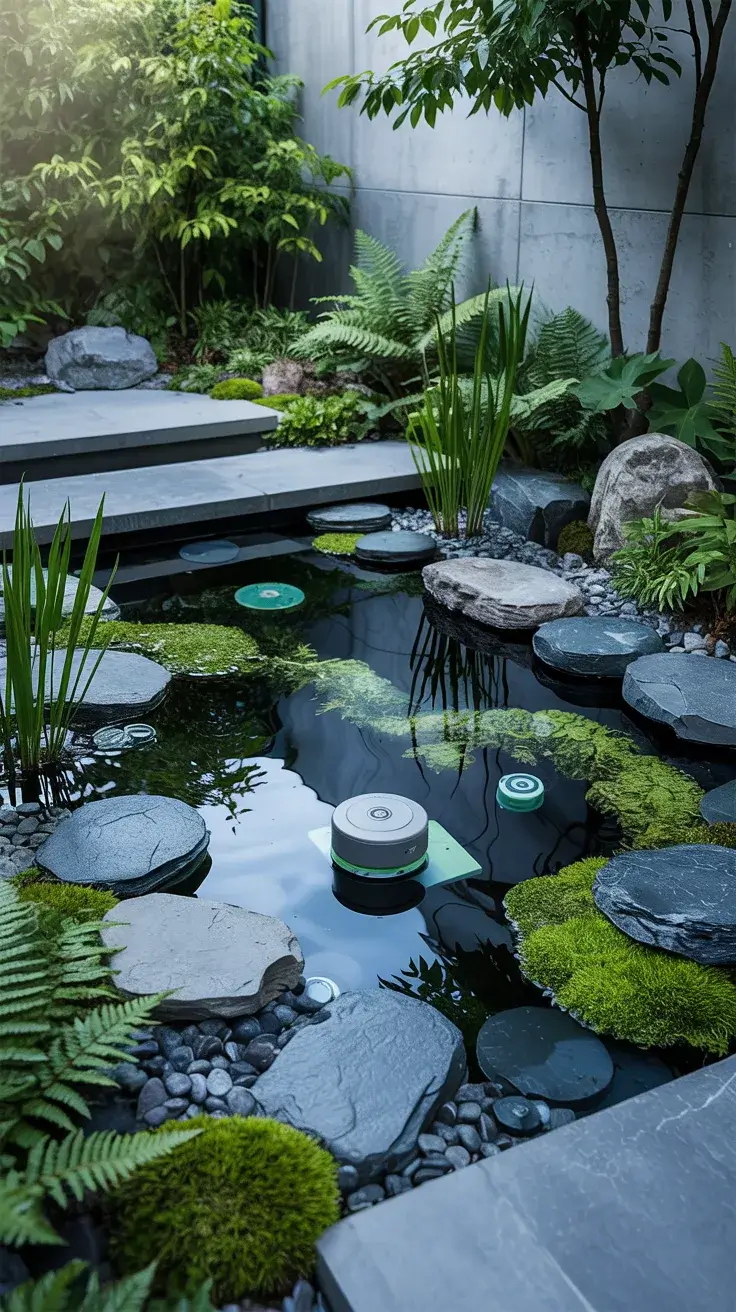
If expanding this topic, I would include guidance on energy-efficient smart components and their compatibility with eco-friendly pond systems.