When homeowners start planning their outdoor lighting ideas 2026, they often ask how to balance beauty, safety, and energy efficiency in a single cohesive design. I’ve noticed a growing interest in solutions that feel modern yet timeless, and this article explores the most innovative concepts shaping the outdoor lighting landscape this year. How can updated technologies transform a garden, patio, or pathway without overwhelming the natural environment? Below, I break down the latest trends and explain how each can elevate your exterior spaces with both style and function.
1. Modern LED Pathway Innovations
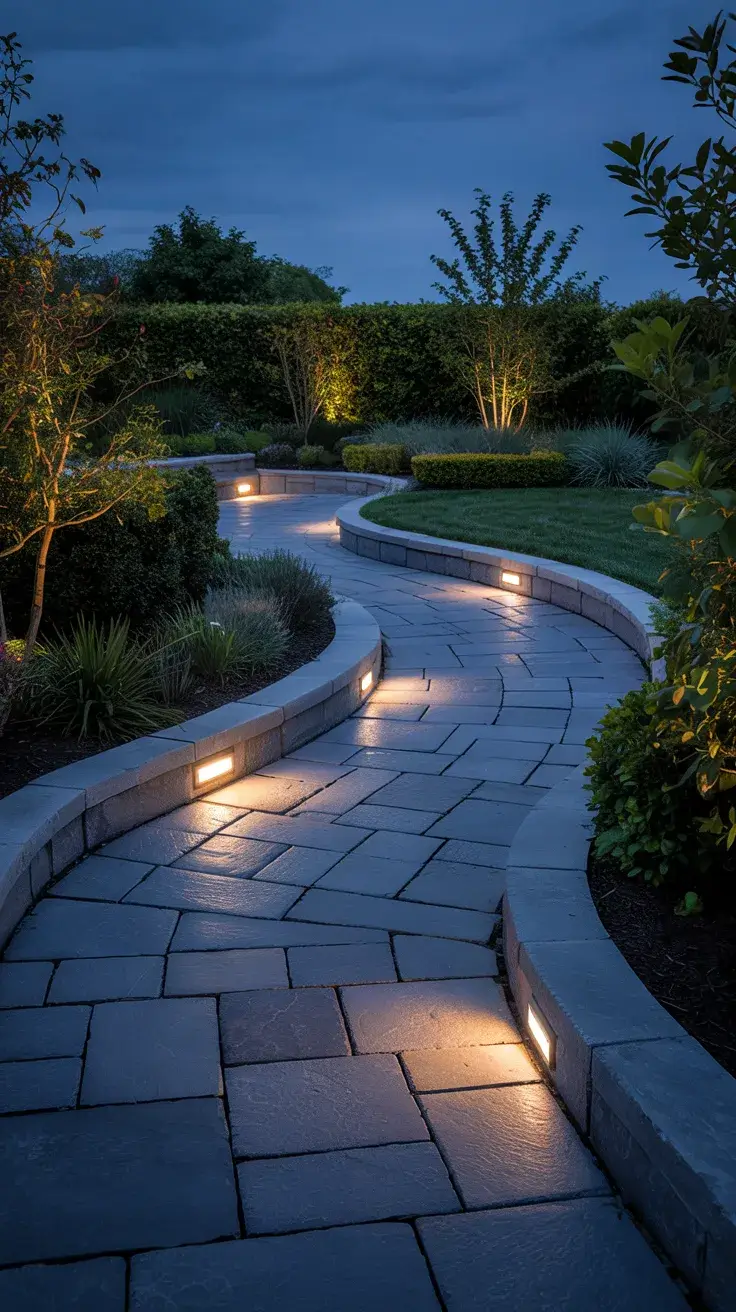
I’ve seen LED pathway lighting evolve dramatically, and in 2026 the trend is moving toward minimal profiles paired with high-output, low-glare illumination. When I design a walkway layout, I consider fixtures that blend smoothly into the landscape while guiding movement with precision. Modern LED systems offer adjustable brightness and directional control, which helps shape the visual flow of an outdoor environment and improves nighttime navigation. This level of customization makes them highly practical for homeowners wanting long-term efficiency.
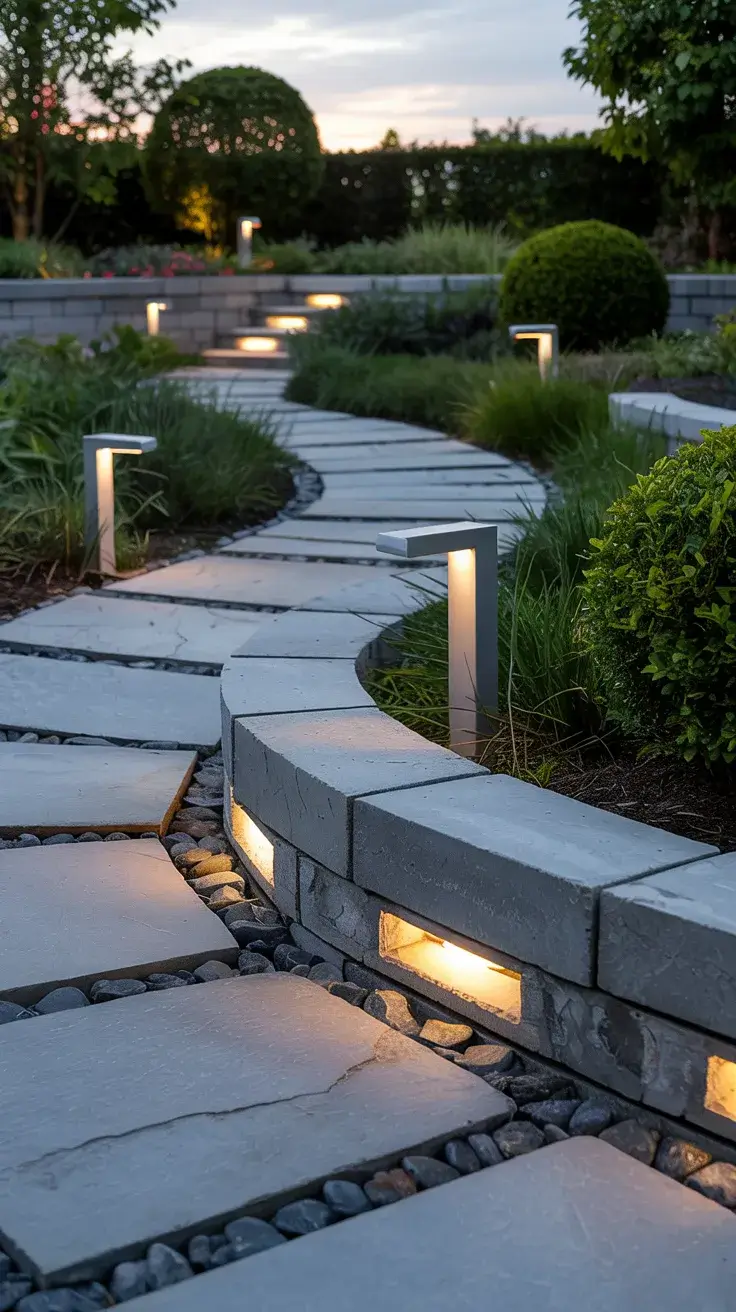
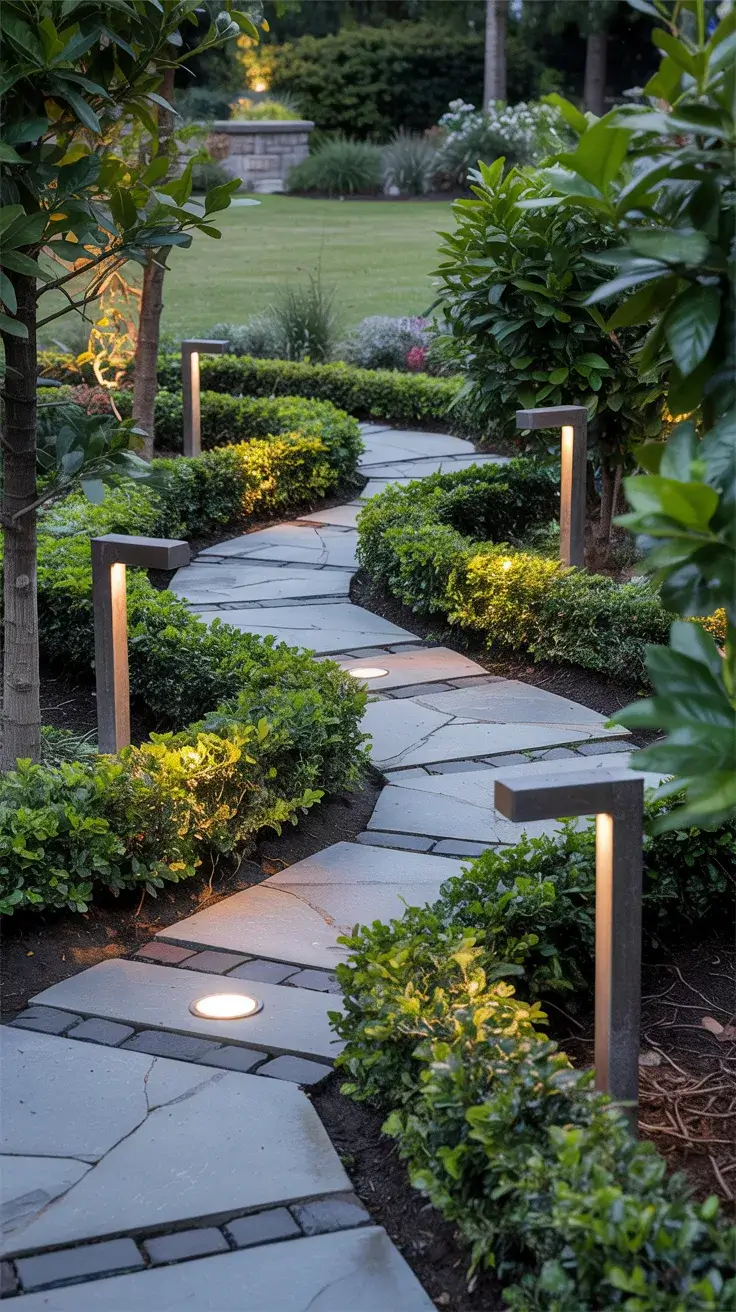
In my practice, I usually select slim, powder-coated metal stakes, recessed brick lights, or linear LED strips embedded along stone walkways. Each piece serves a functional purpose while preserving the clean aesthetic of modern outdoor design. The brightness control allows me to fine-tune how these elements interact with surrounding plants, edging materials, and architectural lines. Because the LEDs remain cool to the touch, they are also safe for gardens with dense foliage or narrow pedestrian zones.
Professionals from outlets like Architectural Digest often emphasize layered landscape lighting, and I fully agree. Creating subtle transitions between shadows and highlights enhances depth and gives even a modest yard a curated feel. Personally, I always aim for consistency: if the home’s exterior features contemporary materials such as brushed steel or smooth concrete, I continue that theme into the pathway fixtures.
To complete this section, I would add recommendations for choosing beam angles based on pathway width. I often select narrow beams for compact walkways and wide beams for open garden paths to ensure balanced lighting without hotspots.
Prompts will be placed after all seven subheadings.
2. Solar Powered Garden Accents
Solar garden accents have become a staple in outdoor lighting ideas 2026, especially as manufacturers refine panel efficiency and battery capacity. When designing a garden space, I appreciate how solar fixtures eliminate wiring challenges and give homeowners the freedom to reposition elements seasonally. These lights add a decorative touch while offering dependable illumination that automatically adapts to changing daylight cycles.
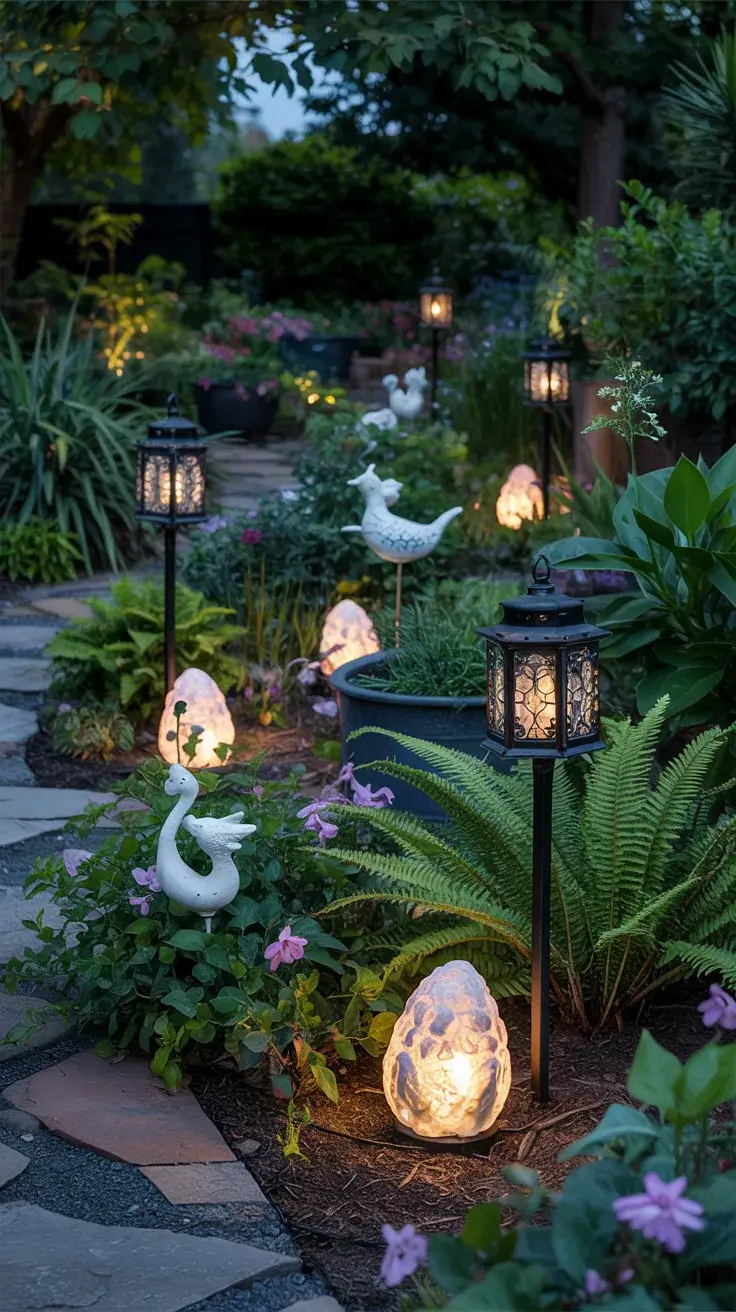
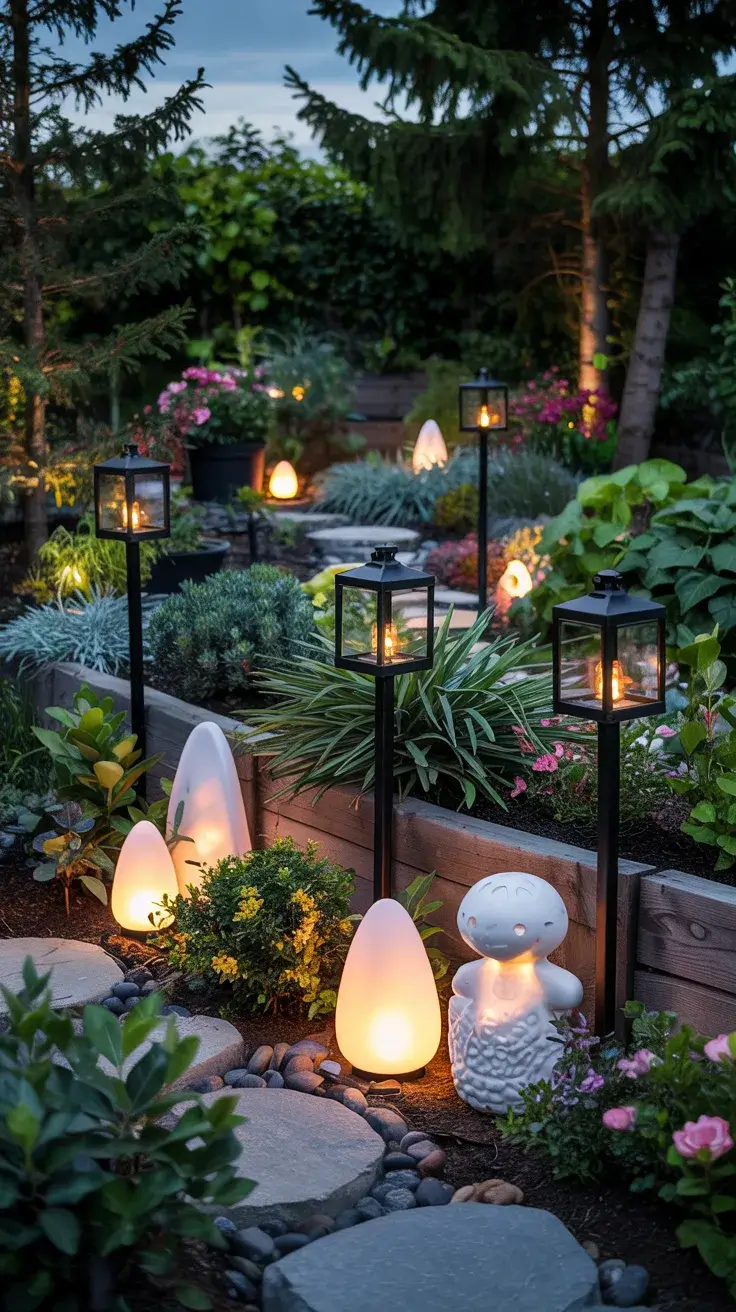
I often incorporate solar lantern stakes, illuminated garden sculptures, or soft-glow pebble lights around plant beds, seating areas, and transitional zones. Their shapes and finishes range from matte black metal to frosted resin, which helps me integrate them into both modern and rustic landscaping themes. Because they require no electrical infrastructure, I can experiment more freely with spacing, height variation, and focal point placement.
From my own experience, solar lighting works best when paired with reflective surfaces such as water, light stone mulch, or metallic planters. Experts in Better Homes & Gardens consistently highlight the importance of maximizing solar exposure, and I follow the same principle by ensuring panels face unobstructed sunlight. When arranged thoughtfully, these accents add texture and personality without disrupting the natural flow of the garden.
If expanding this section, I would add guidance on seasonal maintenance, such as cleaning solar panels and checking battery health to prolong performance.
3. Smart Motion Sensor Illumination
Smart motion-activated lighting has become essential for homeowners who value security paired with modern convenience. As part of outdoor lighting ideas 2026, these systems integrate seamlessly with home automation platforms, giving me the ability to customize detection zones and brightness settings for specific areas. This prevents over-lighting while still offering reliable coverage in high-traffic sections like driveways, entrances, and side yards.
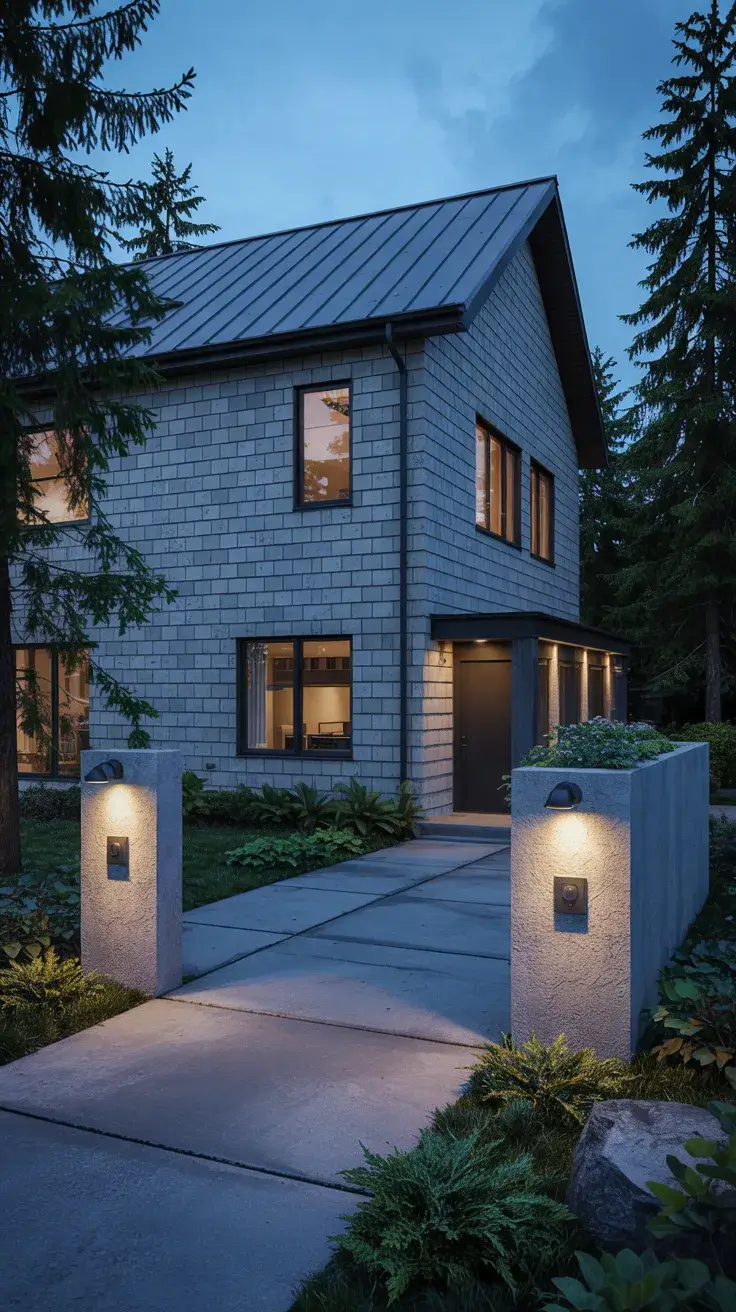
The fixtures I typically select combine sleek housings with adjustable heads, allowing me to direct beams exactly where needed. Many include ambient sensors that adapt output to surrounding light levels, keeping the illumination subtle rather than harsh. I often choose neutral finishes—black, graphite, or brushed metal—to maintain a cohesive exterior style while ensuring the fixtures remain functional.
Speaking from personal experience, motion-sensor solutions give homeowners peace of mind and reduce energy waste. Security experts interviewed by House Beautiful emphasize placing sensors at staggered angles for better detection, which aligns with my own approach. I’ve found that even a small adjustment in fixture tilt can dramatically improve performance without compromising aesthetics.
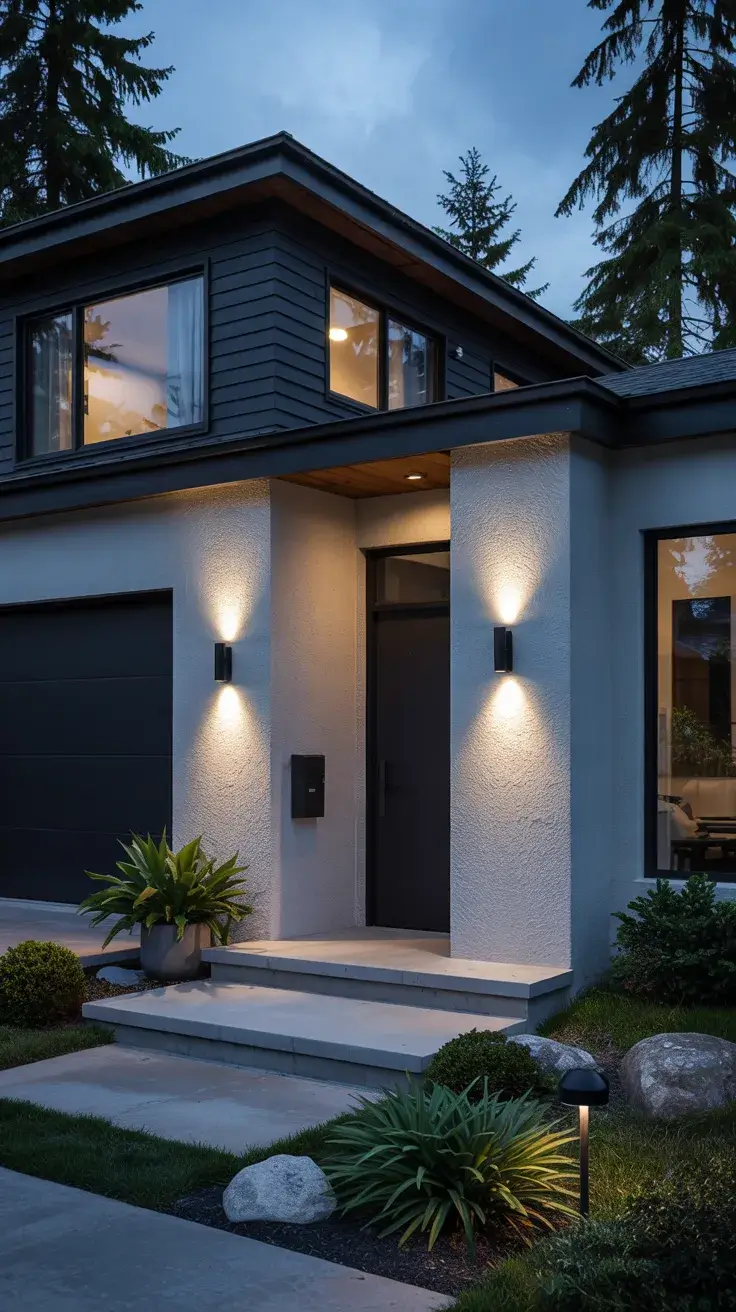
To complete this section, I’d also add advice on pairing motion lighting with smart cameras or doorbell systems for a fully integrated exterior security layout.
4. Low Voltage Landscape Highlights
Low-voltage lighting remains one of the most versatile components in modern landscape design. In outdoor lighting ideas 2026, I often turn to low-voltage systems when I need reliable illumination with precise control and minimal energy consumption. These systems allow me to highlight shrubs, architectural features, or elevation changes with subtle, elegant touches that never overpower the environment.
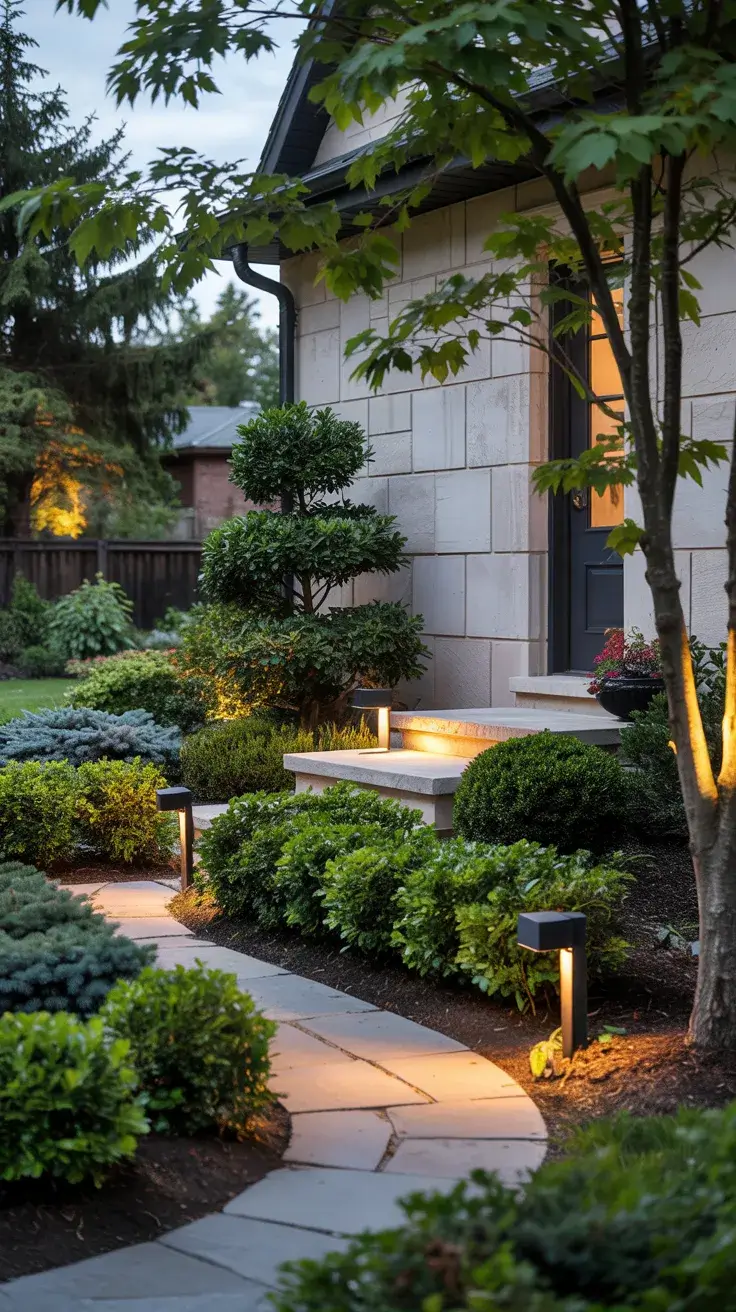
In my projects, I use adjustable spotlights, in-ground well lights, and small flood units to sculpt the visual composition of a yard. Their soft radiance lets me create layers—foreground, mid-ground, and background—much like designing a staged photograph. The fixtures often come in corrosion-resistant metals, making them ideal for long-term outdoor conditions. Pairing them with warm or neutral white bulbs helps maintain a welcoming tone, especially near seating areas or garden paths.
I’ve learned that the key to low-voltage excellence lies in transformer placement and balanced load distribution. Many lighting specialists, including those featured in Landscape Architecture Magazine, stress the importance of symmetrical wattage planning to prevent dimming. I follow these principles and adjust wiring routes to maintain consistent brightness across the property.
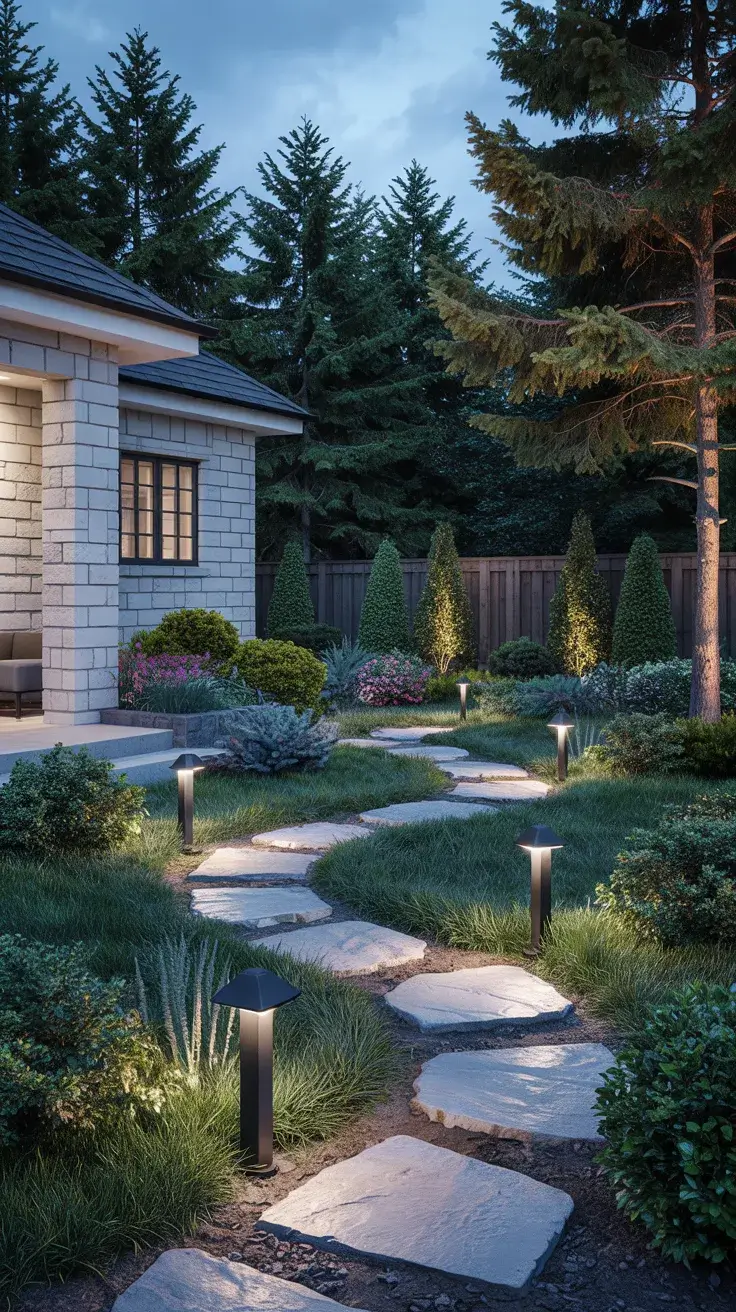
For completeness, I would add recommendations on choosing lens filters or light shields to fine-tune output and reduce glare in sensitive areas.
5. Architectural Facade Uplighting
Facade uplighting is one of the most transformative elements in exterior design. When I work with outdoor lighting ideas 2026, I use uplighting to highlight a home’s structure, emphasizing vertical elements and textural details such as stone, wood slats, or metal cladding. This technique adds evening drama and enhances curb appeal while requiring surprisingly few fixtures.
I usually install narrow-beam uplights at the base of walls, columns, or pillars, choosing fixtures with adjustable brightness and durable aluminum or stainless housings. These create striking light patterns that guide the eye upward and define the home’s silhouette. When paired with darker architectural finishes, uplighting introduces dimension and balance, making the structure more visually dynamic at night.
From my own perspective, uplighting works best when executed sparingly. Designers at Houzz often recommend a “less is more” strategy, which I fully support. Proper spacing prevents hotspots and keeps the effect elegant rather than theatrical. I also aim to blend fixtures into surrounding landscaping materials so the light, not the lamp, becomes the focus.
To expand this section, I might add notes on balancing uplighting with soft downlighting near entryways to avoid overly bright elevations.
6. Ambient Deck And Patio Glow
Deck and patio lighting plays a key role in outdoor living, especially as homeowners seek inviting spaces for evening relaxation. In outdoor lighting ideas 2026, the focus is on layered ambient lighting—subtle fixtures that create warmth without overwhelming the eye. When I design a deck environment, I emphasize soft illumination that supports dining, reading, or conversation.
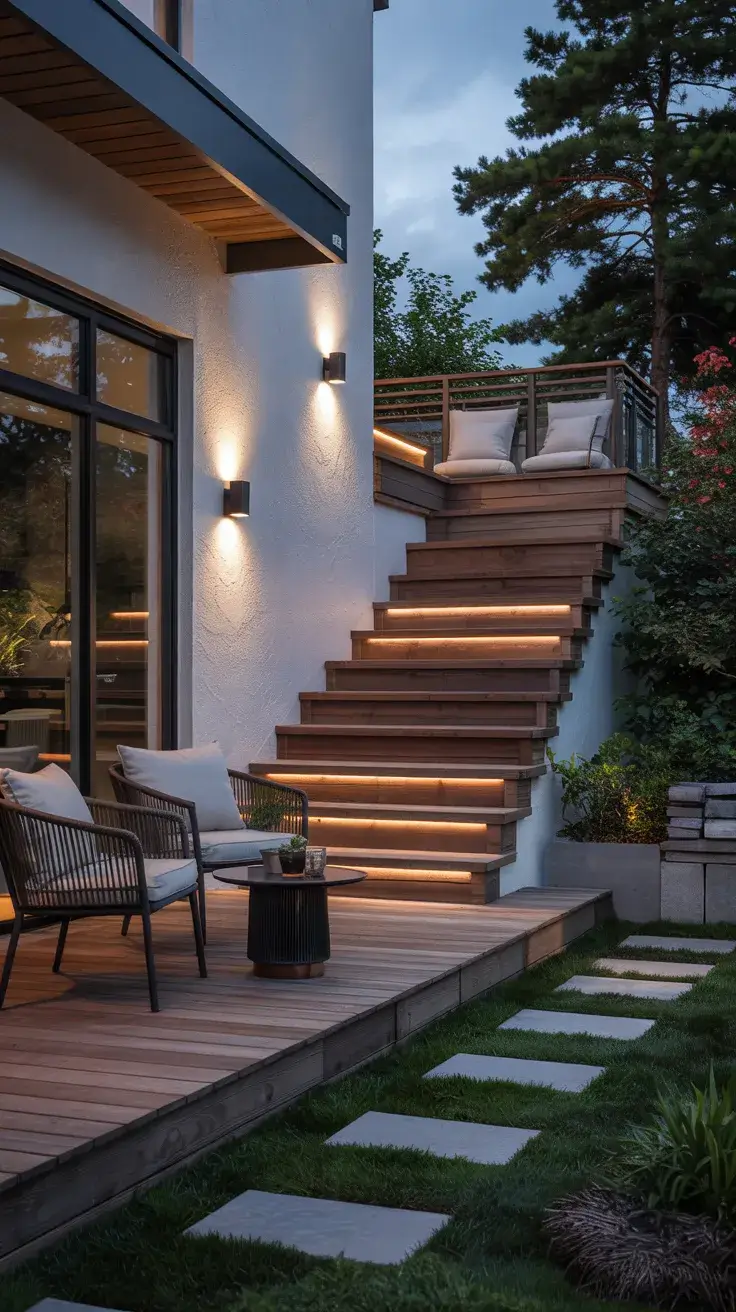
I incorporate recessed stair lights, under-rail LED strips, and low-glare overhead sconces to form a cohesive lighting system. The materials I choose—weatherproof metals, frosted acrylic diffusers, and modern geometric shapes—ensure that each element contributes to the deck’s overall harmony. By distributing light evenly, I eliminate harsh contrasts and make the space feel naturally extended beyond the home.
My personal experience confirms that indirect lighting is essential for comfort. Experts from Sunset Magazine suggest prioritizing diffused outputs around seating zones, which aligns with how I approach human-centric outdoor design. It makes the space feel warmer and more welcoming, especially during gatherings.
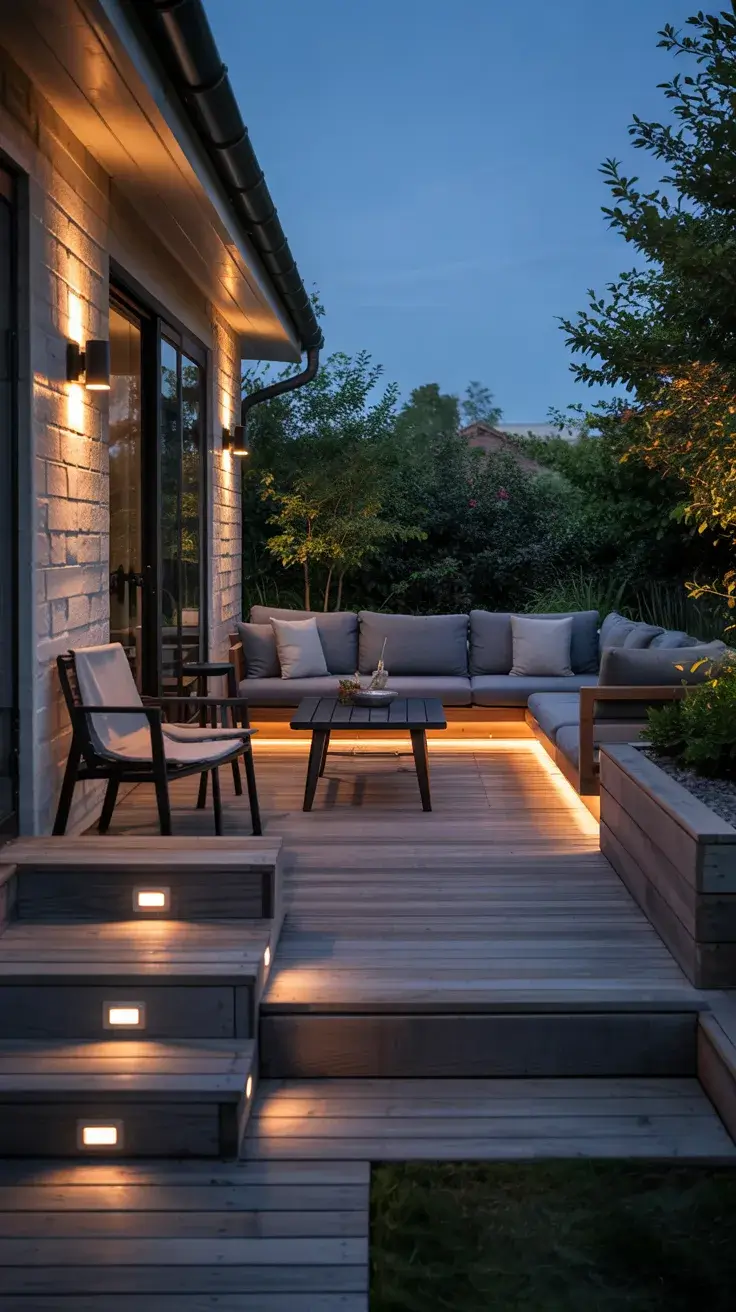
To complete the section, I’d add advice on choosing dimmable systems so homeowners can change the atmosphere depending on activity or season.
7. Weather Resistant Coastal Fixtures
Coastal environments demand lighting that withstands salt, humidity, and strong winds while maintaining aesthetic appeal. In creating outdoor lighting ideas 2026 for seaside properties, I always choose marine-grade materials such as powder-coated aluminum, stainless steel, or solid brass. These ensure longevity and preserve the clean lines and modern finishes that coastal design typically embraces.
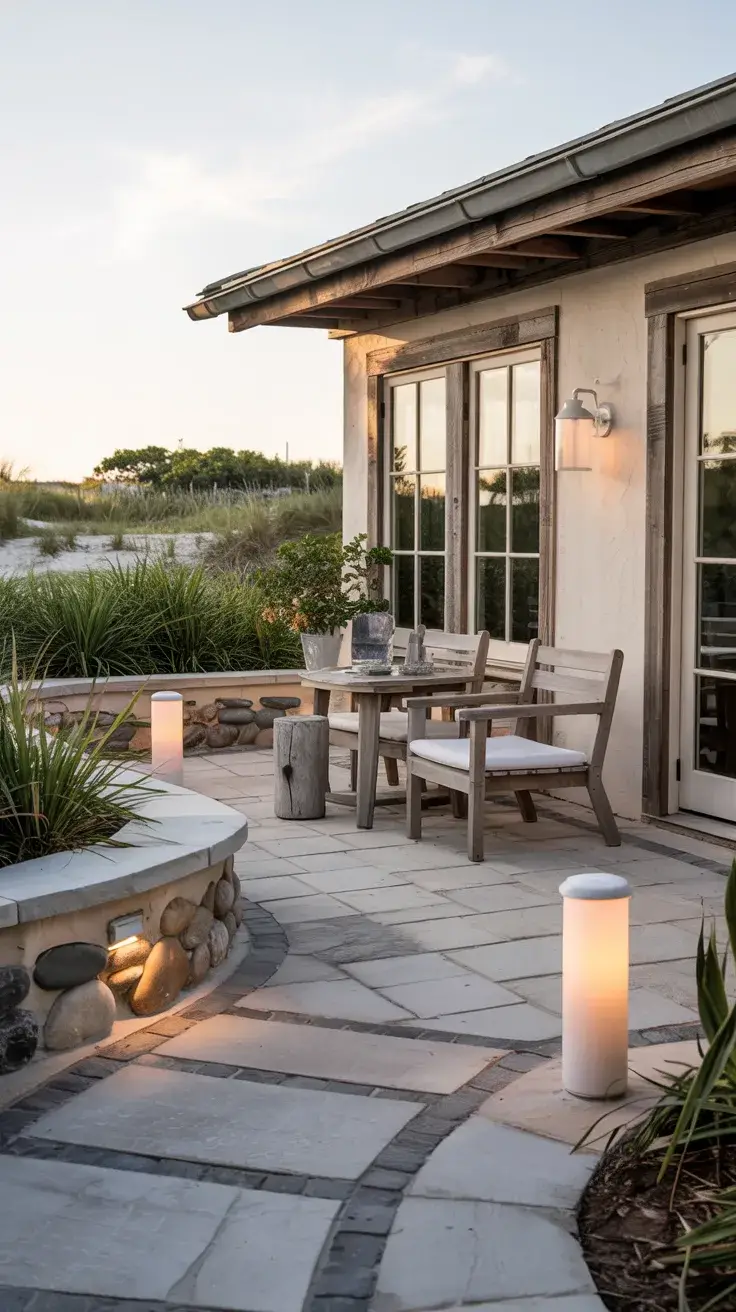
I often select bulkhead sconces, dome-shaped wall lights, or cylindrical bollards for pathways and patios. Their sealed constructions prevent corrosion, and their shapes complement the calm, breezy look associated with coastal architecture. Soft white or warm white tones enhance natural textures like driftwood, stone, and sand while providing safe visibility during nighttime hours.
In my personal experience, coastal lighting should feel effortless and organic. Coastal designers interviewed by Coastal Living frequently recommend layering ambient and task lighting to maintain a gentle atmosphere despite harsh climate conditions. I follow similar principles, integrating fixtures that balance practicality with soft visual rhythm.
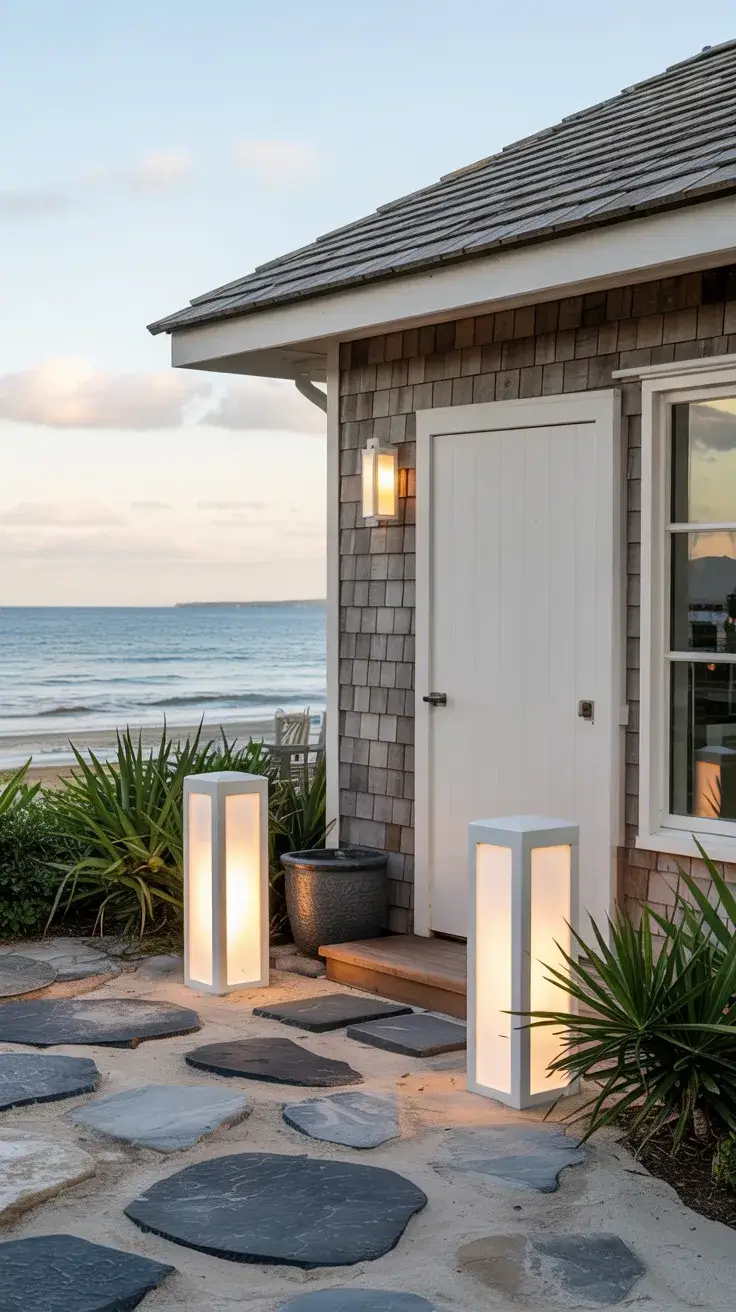
To refine this section further, I would add guidance on routine cleaning and waxing for brass fixtures to prevent patina buildup in highly exposed coastal zones.
8. Color Changing RGB Outdoor Concepts
When exploring outdoor lighting ideas 2026, color-changing RGB systems offer a dynamic way to personalize outdoor environments. I use these concepts when homeowners want flexibility and dramatic visual transformations for gatherings, holidays, or everyday ambience. RGB installations allow me to shift the entire character of a yard with a single adjustment, making them one of the most adaptable solutions available today.
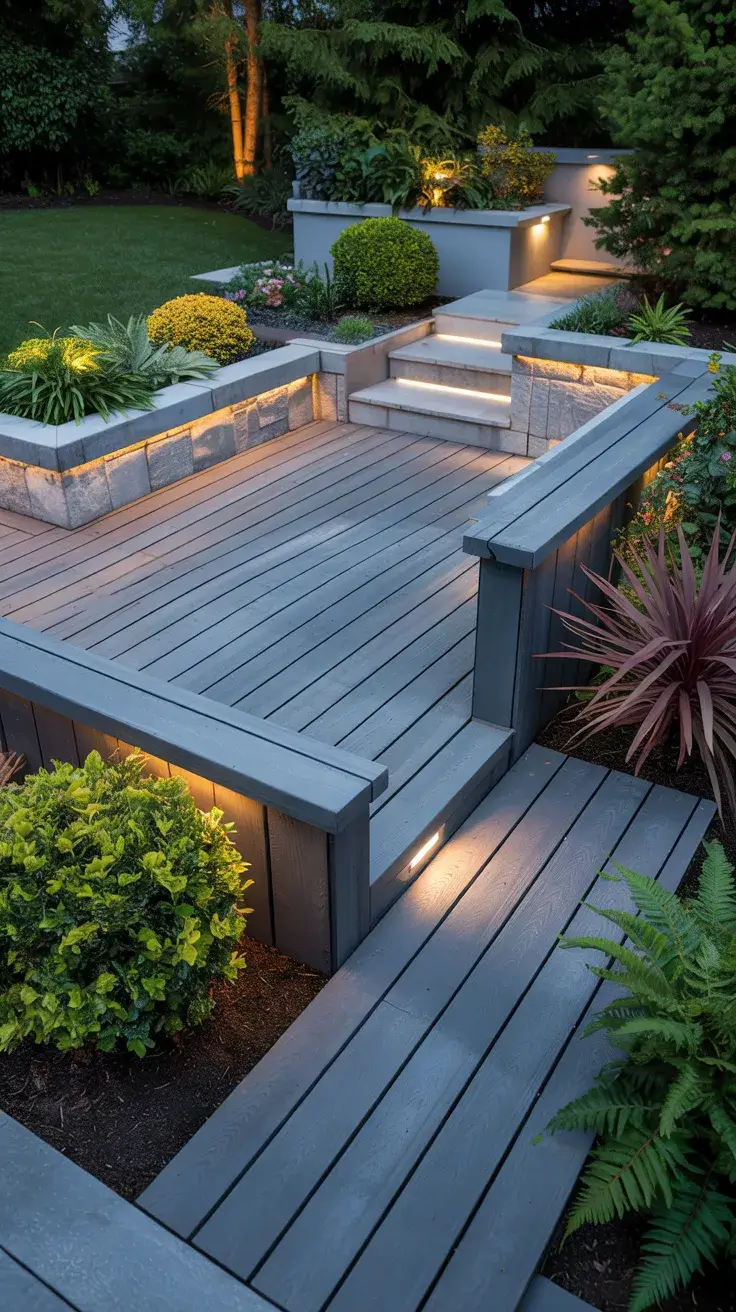
In my designs, I incorporate RGB strip lights along deck rails, recessed RGB spotlights in garden beds, and compact RGB flood units near feature walls. Each component serves a purpose: the strips create a continuous glow, the recessed lights highlight landscaping, and the flood units add architectural drama. I prefer fixtures with smooth blending capabilities because they prevent the harsh banding that older systems produced.
From my experience, RGB lighting works best when used sparingly. Experts in lighting design, including contributors at Lighting Magazine, recommend balancing bold colors with neutral architectural tones to avoid visual overstimulation. I follow similar principles by choosing RGB elements as accents rather than primary illumination, allowing the colors to enhance rather than dominate the outdoor palette.
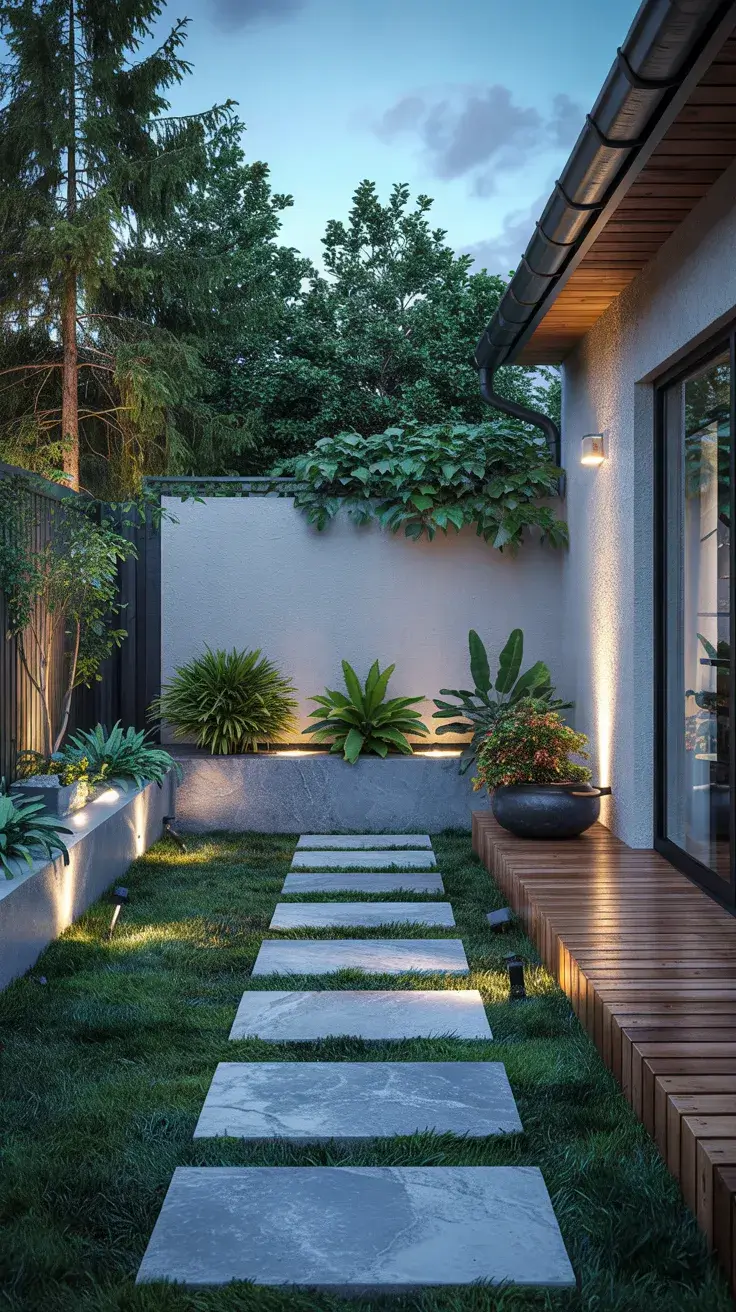
To complete this section, I would add a brief note about choosing app-controlled RGB systems with preset scenes, as they offer quick customization for entertaining.
9. Minimalist Scandinavian Yard Lighting
Scandinavian-inspired lighting has become a major part of outdoor lighting ideas 2026, especially for homeowners who appreciate clean lines and functional beauty. I love designing with Scandinavian principles because they emphasize simplicity, natural textures, and soft illumination that complements the outdoor environment rather than competing with it. The result is a yard that feels calm, balanced, and timeless.
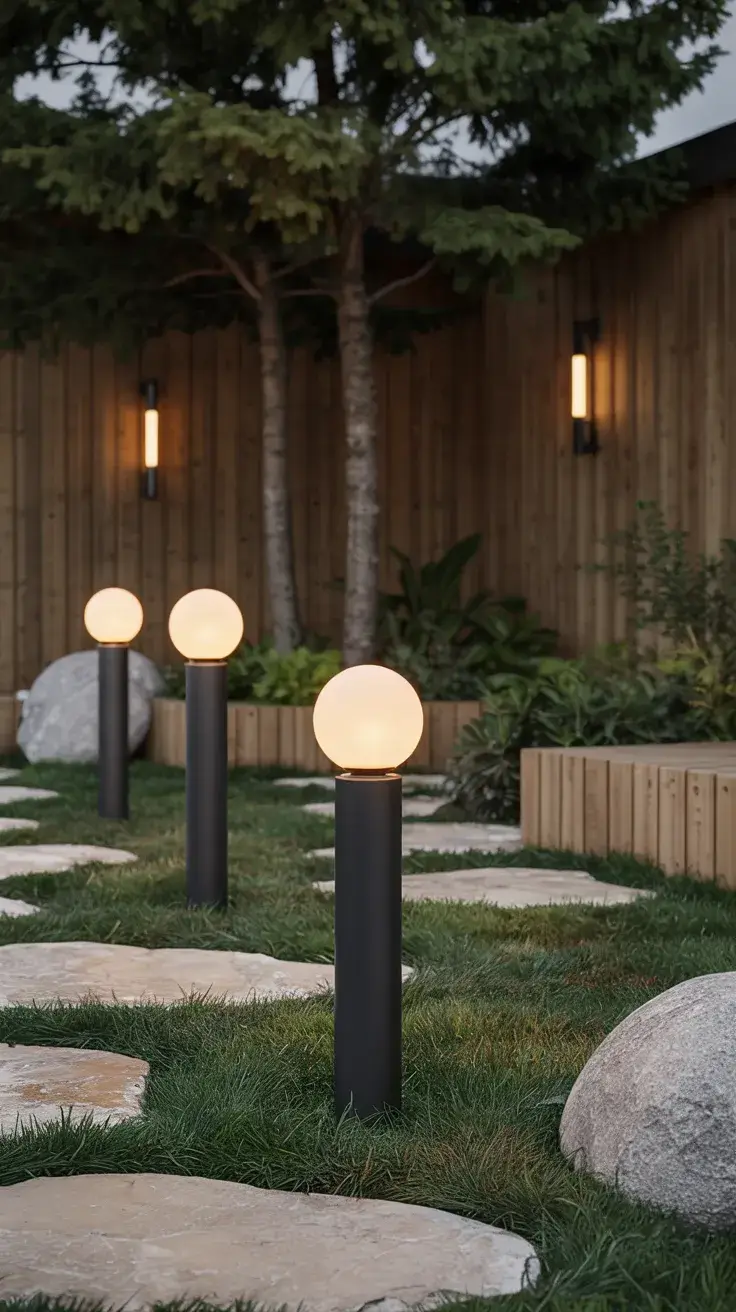
I typically select matte black bollards, frosted globe stake lights, and narrow-beam wall sconces crafted from natural-looking materials. These pieces highlight pathways, entryways, and garden clusters without overwhelming the landscape. By keeping shapes geometric and finishes understated, I maintain the minimalist identity essential to Scandinavian style. The warm, diffused glow also enhances outdoor seating areas, making them feel serene and welcoming.
From my experience, Scandinavian lighting succeeds when contrast is low and harmony is high. Professionals interviewed by Dwell often suggest pairing warm light with organic materials like softwood, stone, and textured concrete, which aligns with my own approach. The goal is to create a gentle rhythm of light that enhances the outdoor architecture’s simplicity.
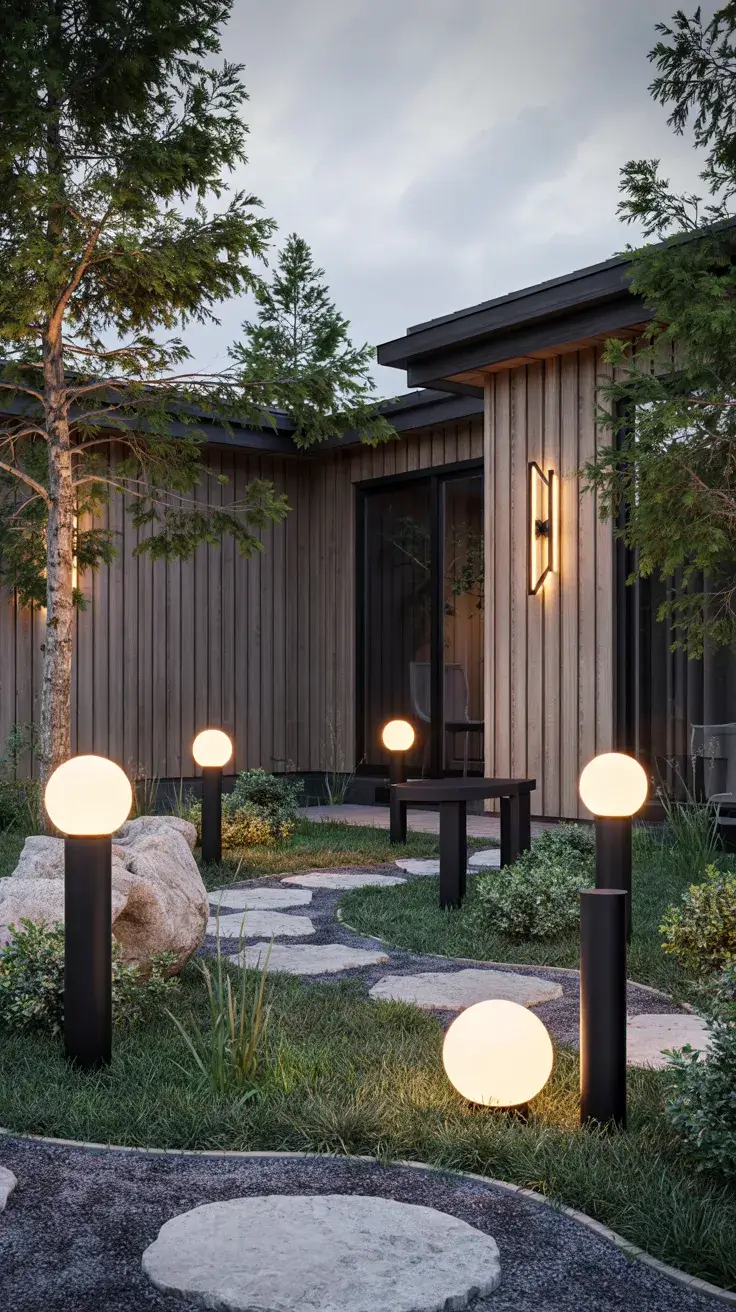
To round out this section, I might add the suggestion of integrating hidden solar elements to maintain the minimalist aesthetic while maximizing sustainability.
10. Warm White Cozy Courtyard Ambience
Warm white lighting continues to dominate outdoor lighting ideas 2026, particularly for courtyards meant to feel intimate and restorative. When I design these spaces, I focus on creating a layered glow that softens architectural edges and enhances the natural warmth of stone, brick, and wood. This type of lighting is ideal for evening relaxation or small gatherings.
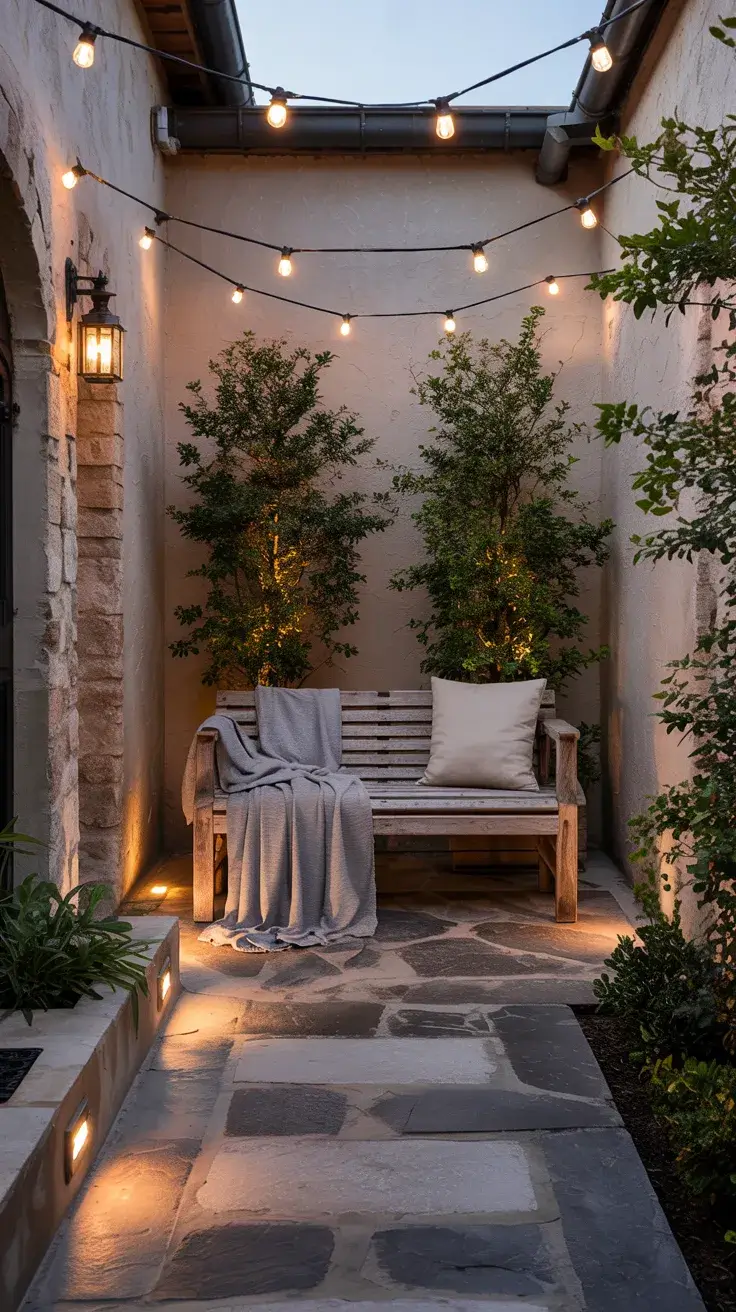
My go-to elements include string lights with shatterproof bulbs, recessed step lights, and soft-beam wall lanterns. Together, these pieces create a balanced environment that feels inviting but refined. I often install dimmable systems that allow homeowners to adjust the tone depending on mood or season. Low-contrast lighting also helps define cozy nooks within the courtyard for reading or dining.
From my own practice, I know that warm white tones offer psychological comfort, which many clients value. Publications like Sunset Magazine emphasize that warm light helps outdoor spaces feel like extensions of indoor living rooms, and I completely agree. The right combination brings visual comfort that encourages longer evenings outside.
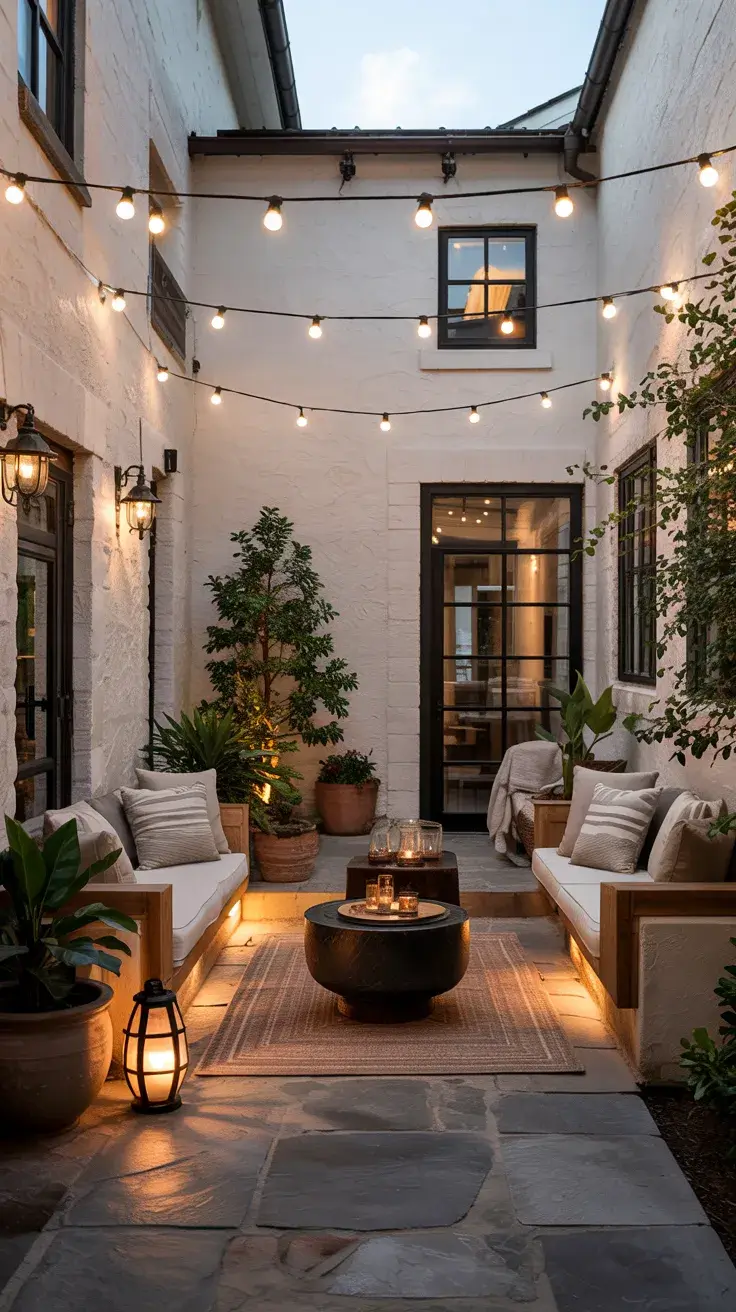
To enhance this section, I’d add a recommendation to incorporate weather-resistant textiles and planters that reflect warm light, further enriching the courtyard atmosphere.
11. Illuminated Water Feature Designs
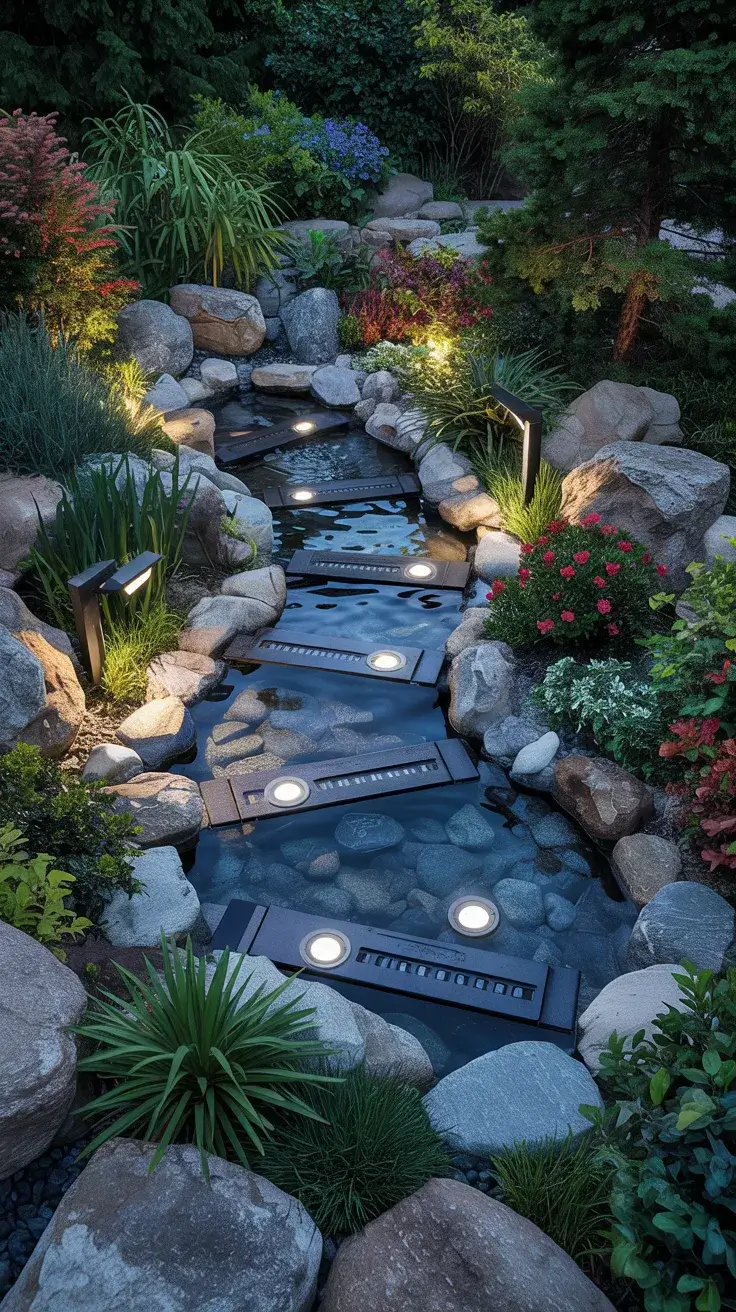
Illuminating water features remains one of the most captivating elements in outdoor lighting ideas 2026. I use lighting to enhance the movement, texture, and reflective qualities of fountains, ponds, and small waterfalls. Well-placed fixtures help turn water surfaces into focal points that remain stunning even after sunset.
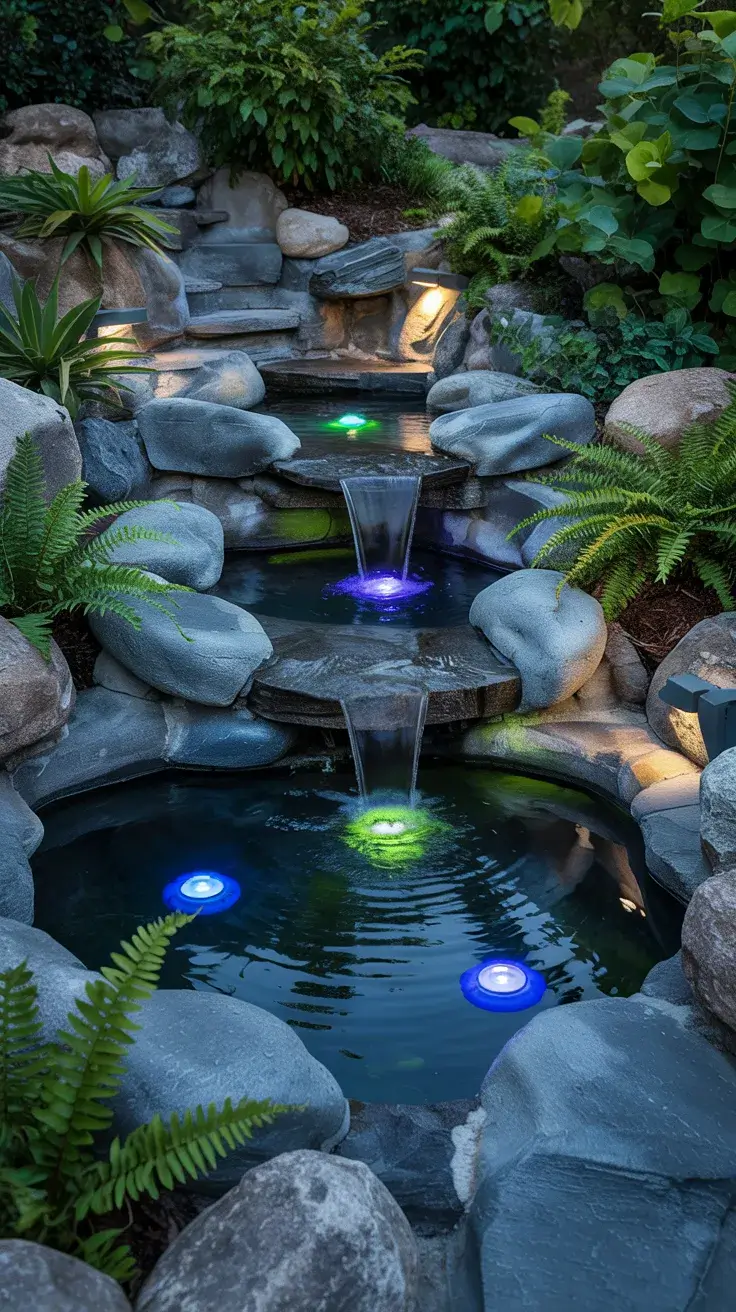
In my designs, I use underwater LED pucks, submerged linear strips, and angled spotlights positioned behind rocks or plantings. These create shimmering light patterns and emphasize water motion. Clear or neutral white tones maintain natural clarity, while subtle hues can add dramatic flair when desired. I also choose fixtures with sealed, corrosion-resistant housings to ensure longevity.
From experience, lighting and water must be balanced carefully. Experts at Garden Design Magazine recommend using hidden sources to keep the magic intact, which is exactly how I approach these installations. When the fixtures disappear and only the visual effect remains, the space feels more luxurious and thoughtfully crafted.
To complete this section, I’d add advice about maintaining clear water and keeping lenses free of algae to preserve lighting quality.
12. Energy Efficient Tree Canopy Lighting
Tree canopy lighting adds depth and vertical dimension, making it a standout part of outdoor lighting ideas 2026. I love using this technique to highlight branching patterns and create soft, theatrical shadow play across lawns and pathways. It’s a subtle way to make a yard feel larger and more immersive at night.
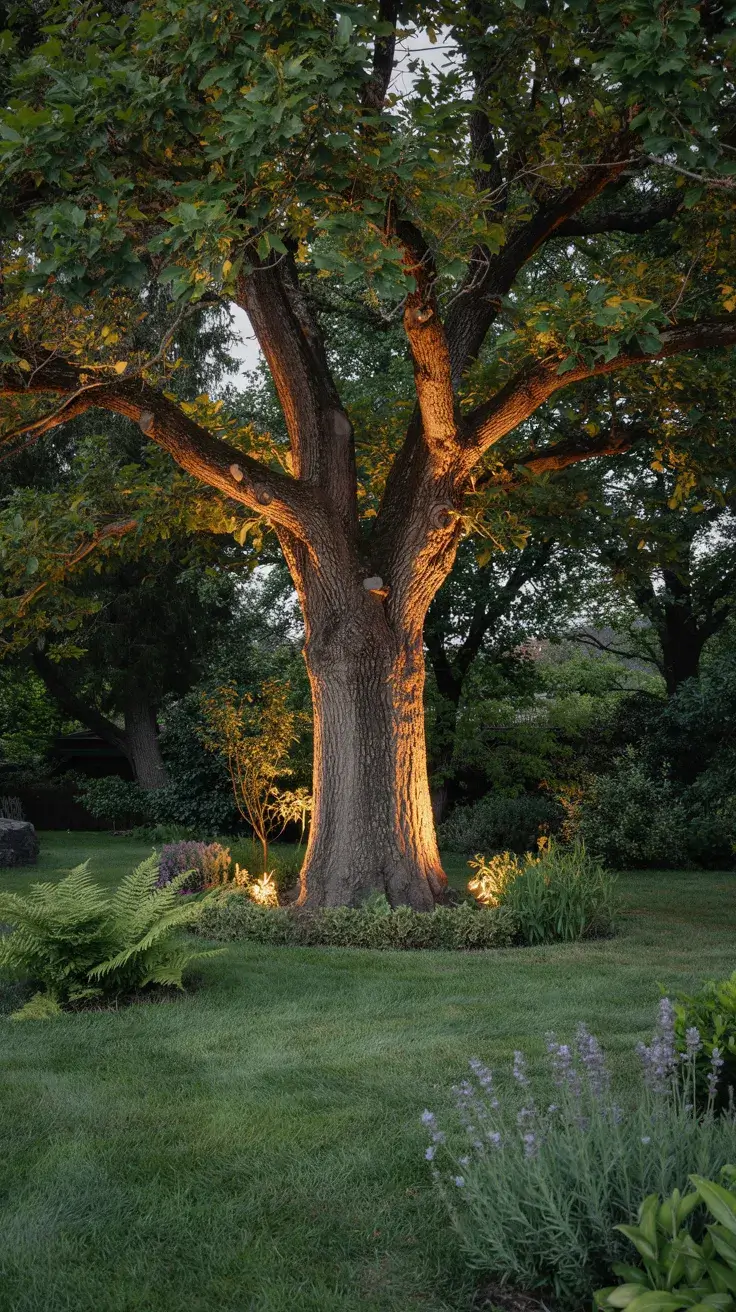
My typical setup includes long-range uplights at tree bases, mini spotlights installed mid-trunk, and soft downlights nestled high in branches. These elements create a multi-directional lighting scheme that feels organic. Warm tones accentuate bark textures, while cooler tones bring out leaf detail. Choosing low-heat, energy-efficient LEDs prevents damage to delicate foliage.
From my direct experience, downlighting—often called “moonlighting”—is especially effective. Landscape architects featured in Gardenista often endorse this technique for its natural appearance, and I use it frequently because it mimics the look of soft moonlight filtering through leaves. It transforms even simple trees into sculptural nighttime features.
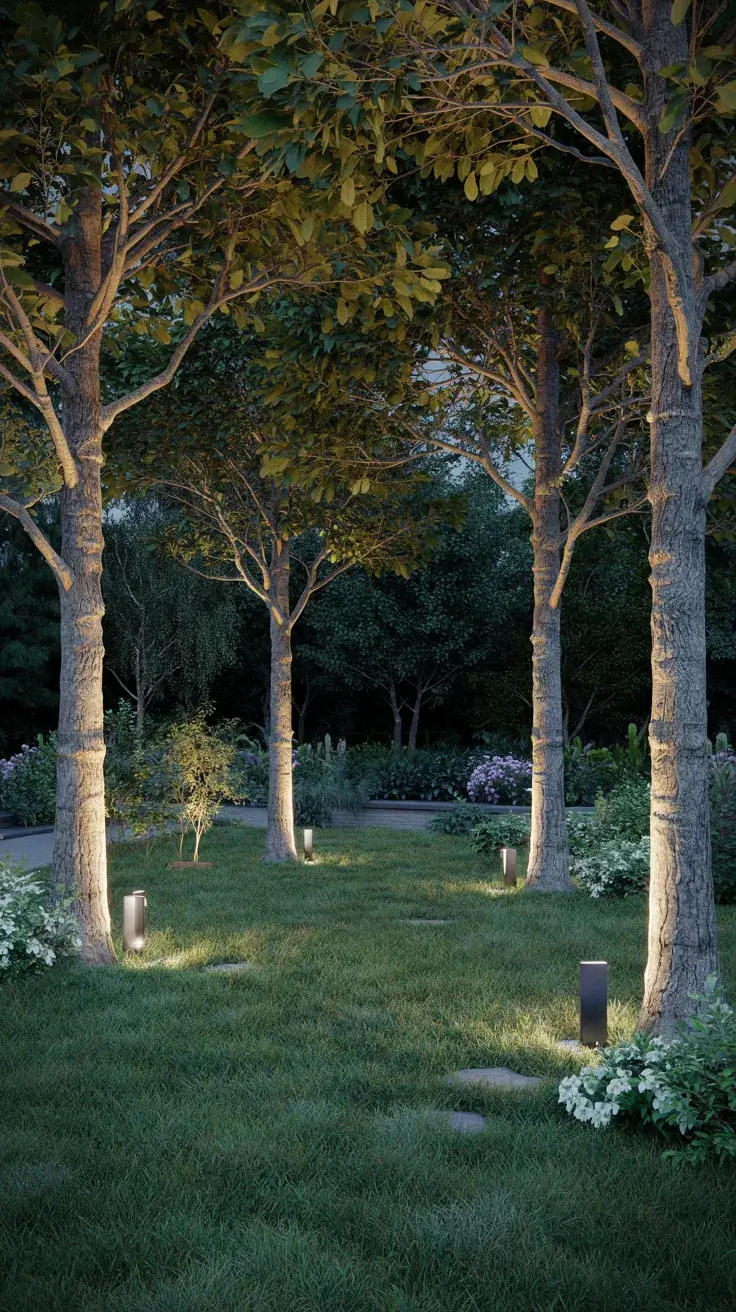
For completeness, I would add advice on selecting adjustable mounting brackets so lights can be repositioned as trees grow.
13. Contemporary Pergola Light Styling
Pergolas present some of the most exciting opportunities in outdoor lighting ideas 2026, as their structure naturally accommodates layered illumination. When I design pergola lighting, I aim to highlight the architectural framework while enhancing the usability of the seating or dining area beneath it.
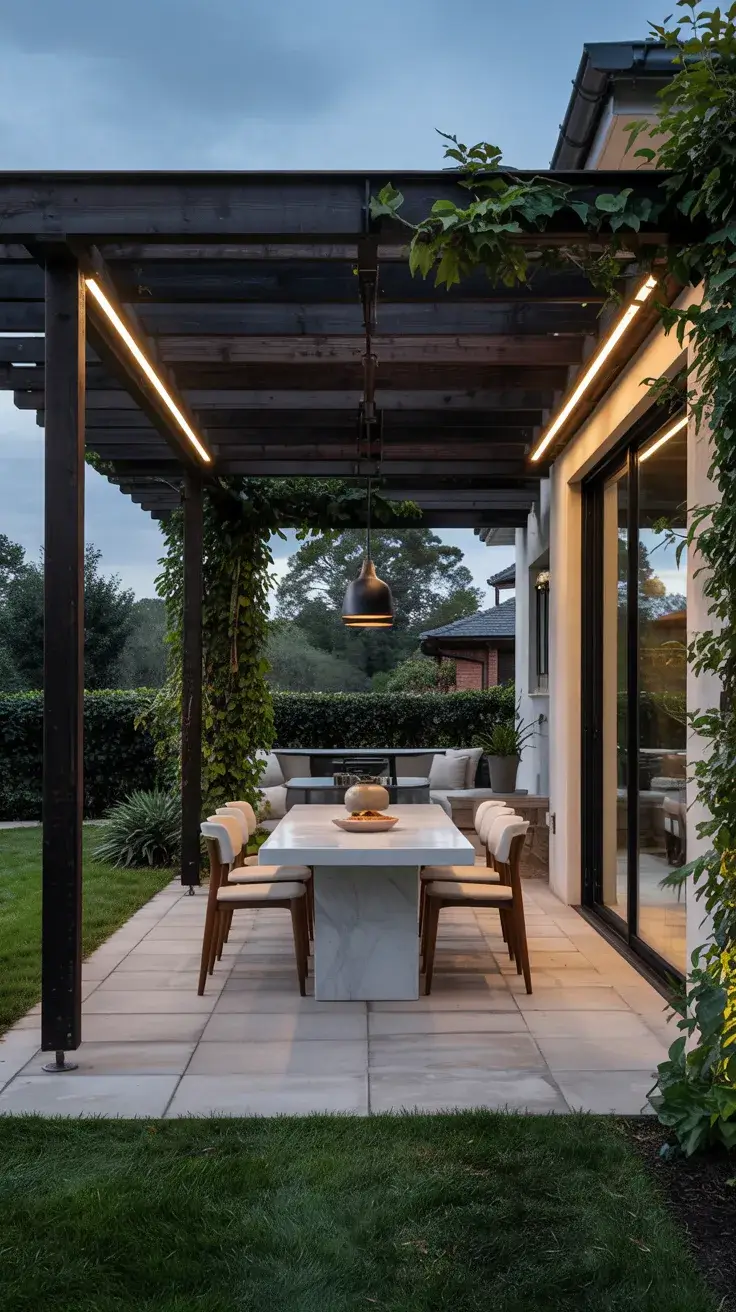
I incorporate linear LED strips along rafters, recessed spot modules in the beams, and pendant-style outdoor fixtures above dining tables. These elements create a mix of direct and indirect lighting that makes the pergola functional and visually appealing. Using warm or neutral tones keeps the atmosphere comfortable, while weather-resistant metal or resin housings ensure durability.
In my experience, the best pergola lighting blends architecture with ambience. Professionals cited by Architectural Digest often recommend diffused lighting to soften harsh shadows under pergola slats, which matches my own approach. The interplay between structure and illumination is what makes pergola lighting feel cohesive.
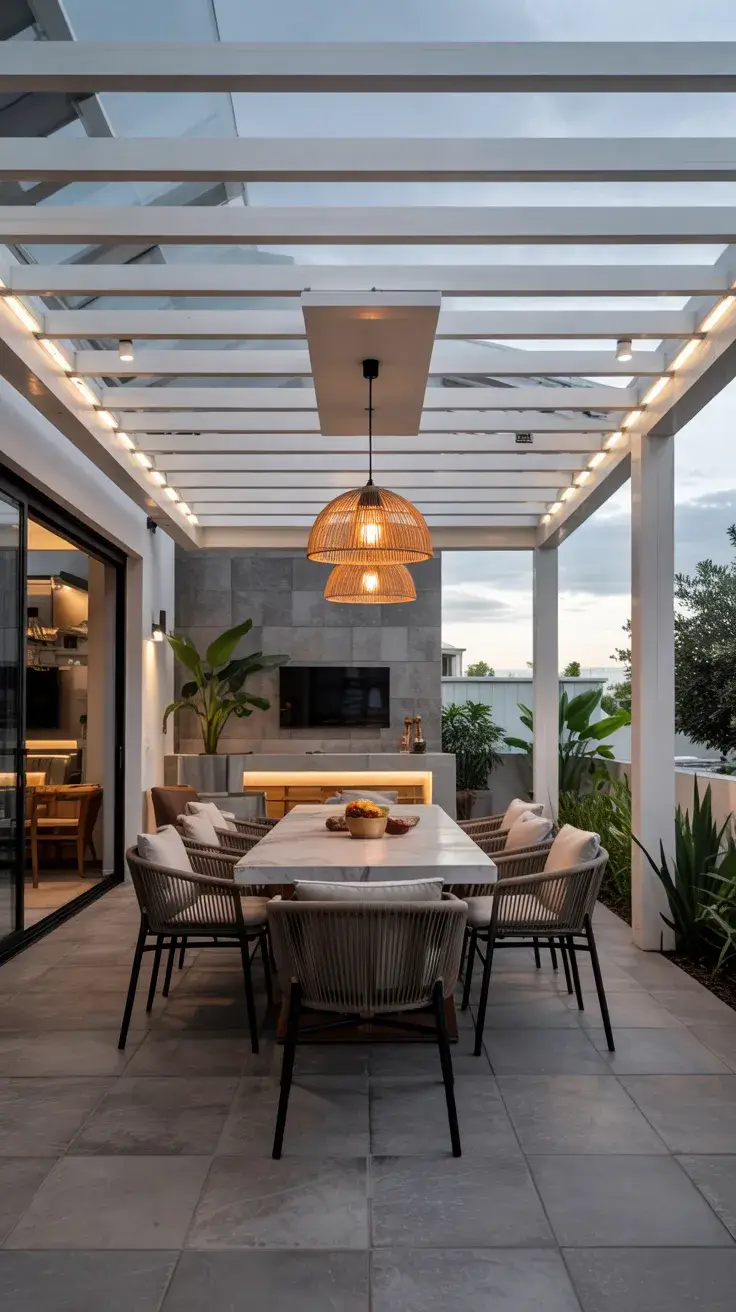
If expanding this section, I’d add guidance on incorporating smart dimmers to adjust brightness depending on time of day or event type.
14. Wireless Rechargeable Lantern Solutions
Wireless lanterns have become an essential part of outdoor lighting ideas 2026 thanks to their flexibility and clean look. I use them to add charm and mobility to patios, decks, and garden seating areas. Their portability allows homeowners to shift lighting as needed without the constraints of wiring.
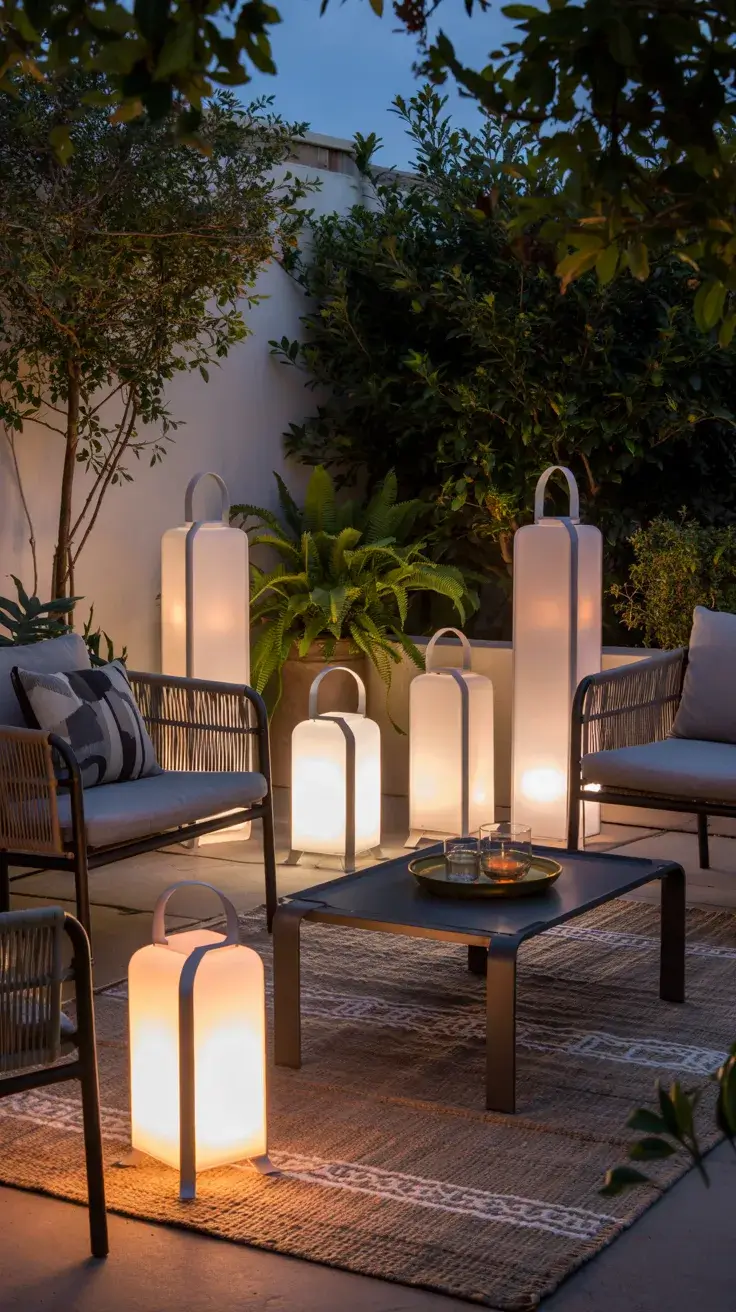
The lantern styles I choose vary from frosted-glass cylinders to matte metal cubes and woven resin baskets. Each lantern offers a different character, but all provide soft, diffused illumination ideal for intimate settings. Rechargeable bases and long-life LED modules make them practical for everyday use, and many include adjustable color temperature options.
From my experience, wireless lanterns shine when grouped in clusters or arranged along pathways. Designers mentioned in Real Simple often highlight the value of layering lantern heights to create visual interest, which aligns with my own styling methods. Because they’re cordless, these lanterns integrate effortlessly into changing layouts throughout the season.
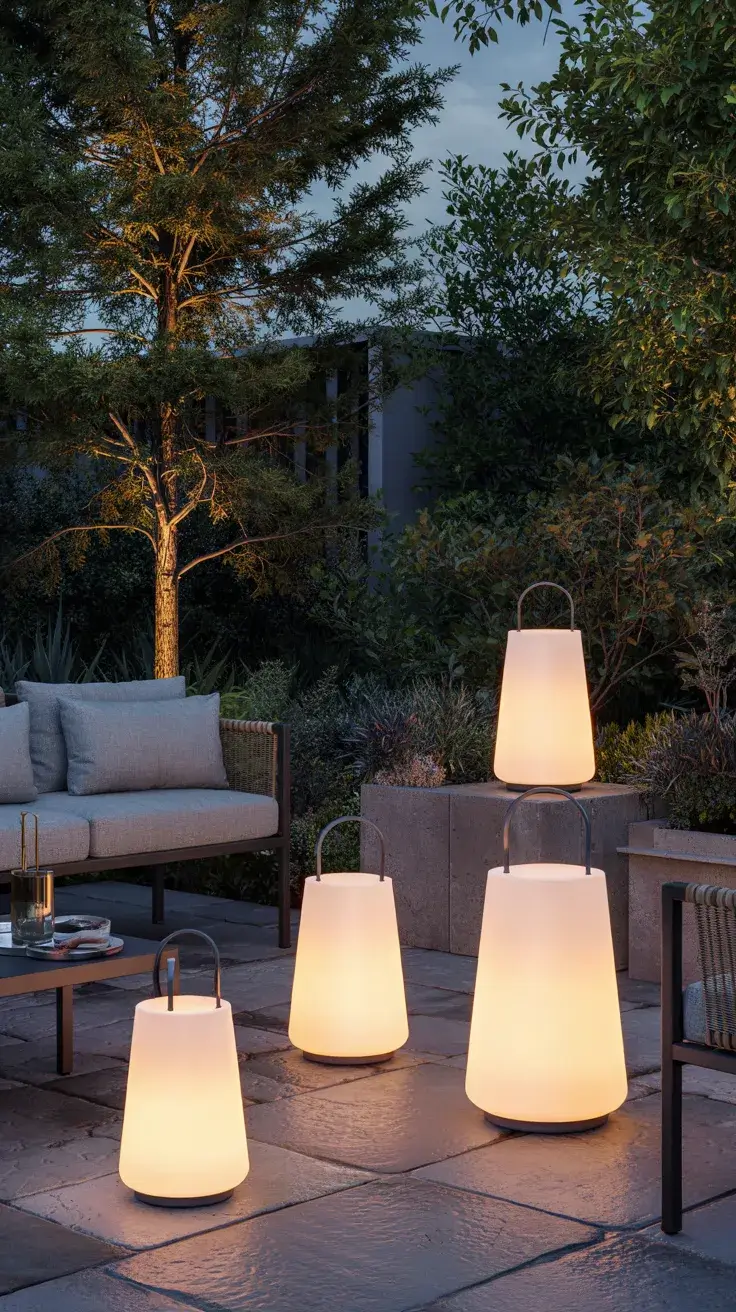
To complete this section, I would add a note encouraging homeowners to choose models with water-resistant charging ports for safer outdoor use.
15. Artistic Shadow Casting Techniques
When I incorporate artistic shadow casting into outdoor lighting ideas 2026, I focus on how light interacts with nature and architecture to create patterns that feel intentional and visually captivating. I often use this technique along walls, fences, and sculptural elements where organic shapes like foliage or lattice structures can project intricate shadows. This approach not only adds drama but also transforms basic outdoor surfaces into expressive nighttime canvases.
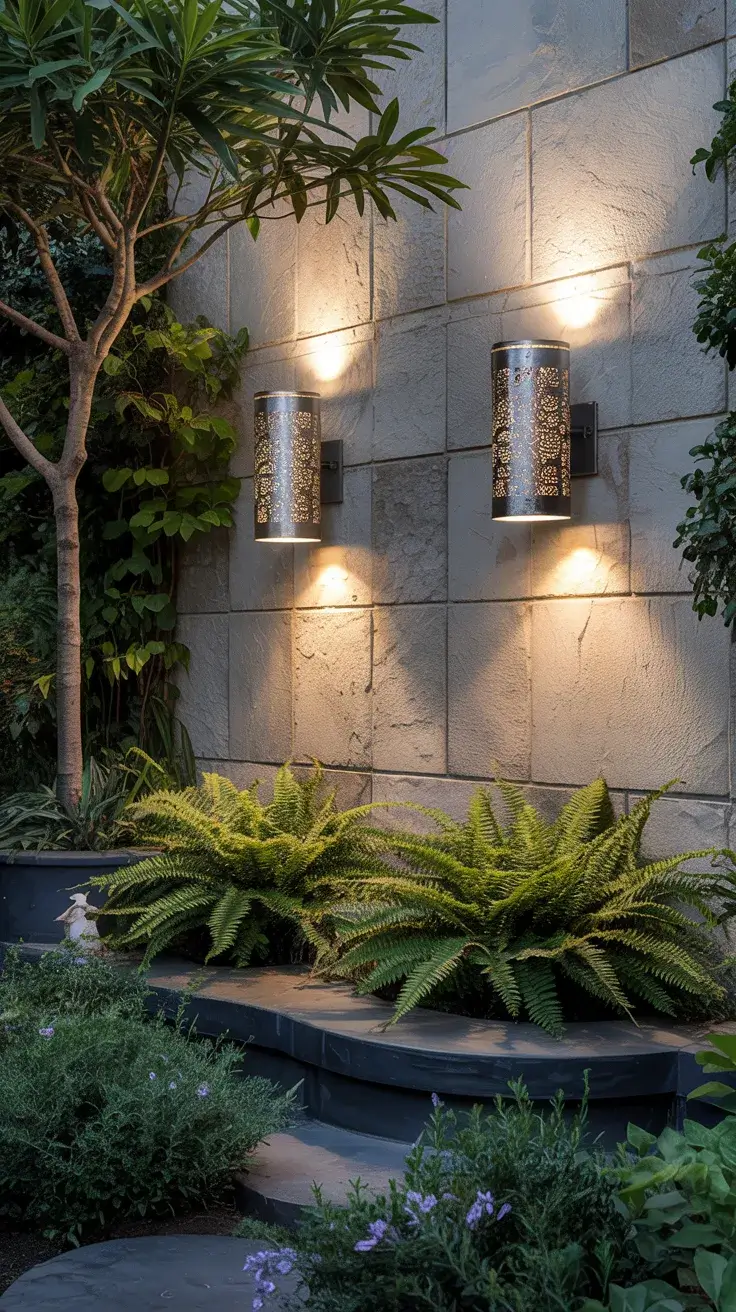
In practice, I tend to select narrow-beam spotlights, perforated metal sconces, or patterned lanterns that produce controlled, crisp shadows. Each fixture contributes to the sculptural effect differently: the spotlights emphasize specific plants, the patterned lanterns create repeatable motifs, and the metal sconces offer bold, architectural statements. Placement is critical, and I position each light at angles that maximize shadow length and clarity while keeping glare out of seating areas.
From my experience, artistic shadowing benefits from subtle contrast rather than overpowering brightness. Professionals referenced in Landscape Architecture Magazine often advise choosing warmer light temperatures to maintain softness in residential settings, which aligns with how I implement this style. Shadows should feel atmospheric rather than theatrical, especially in small yards.
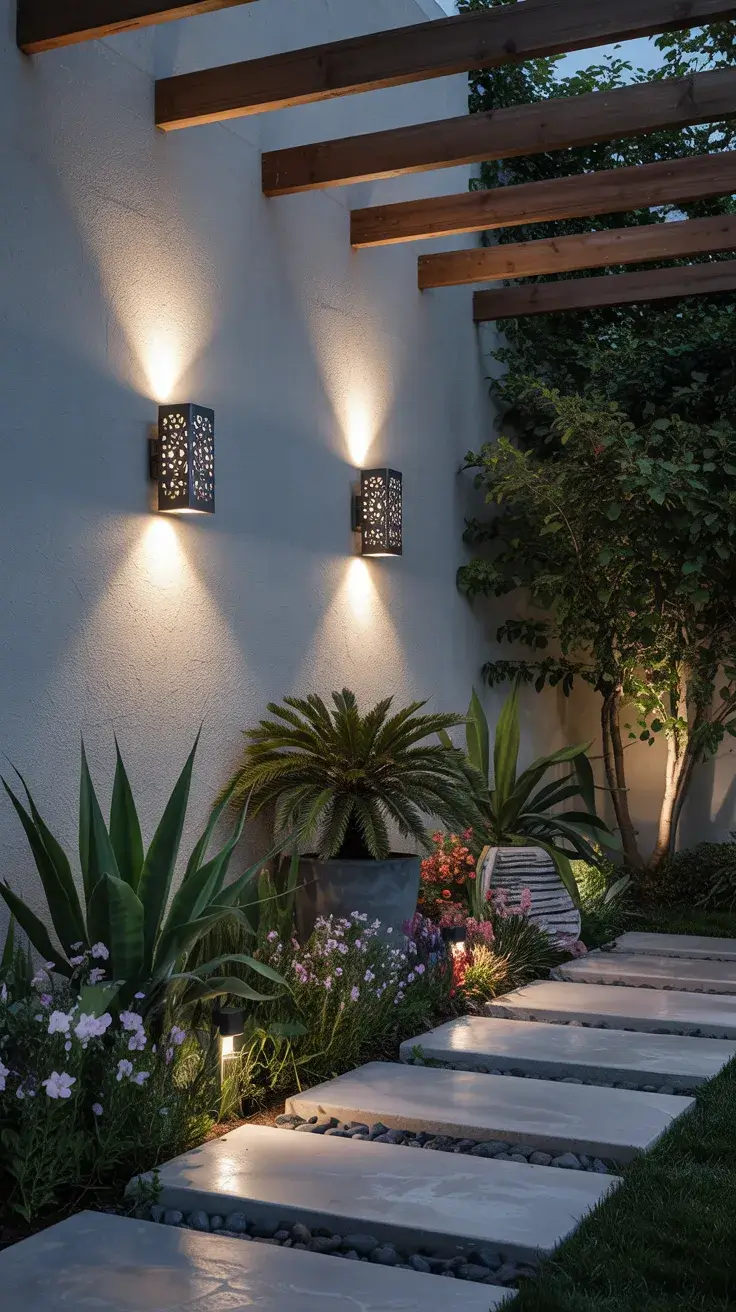
To expand the section, I would also add guidance about adjusting intensity through dimmers, allowing homeowners to vary the shadow depth depending on the occasion.
16. Neon Inspired Outdoor Accent Ideas
Neon-inspired lighting has emerged as an unexpected yet striking element in outdoor lighting ideas 2026. I enjoy using neon-style LED tubes to bring a sense of modern playfulness to patios, garden walls, or entertainment zones. These accents work especially well when homeowners want a bold artistic statement rather than a traditional ambiance.
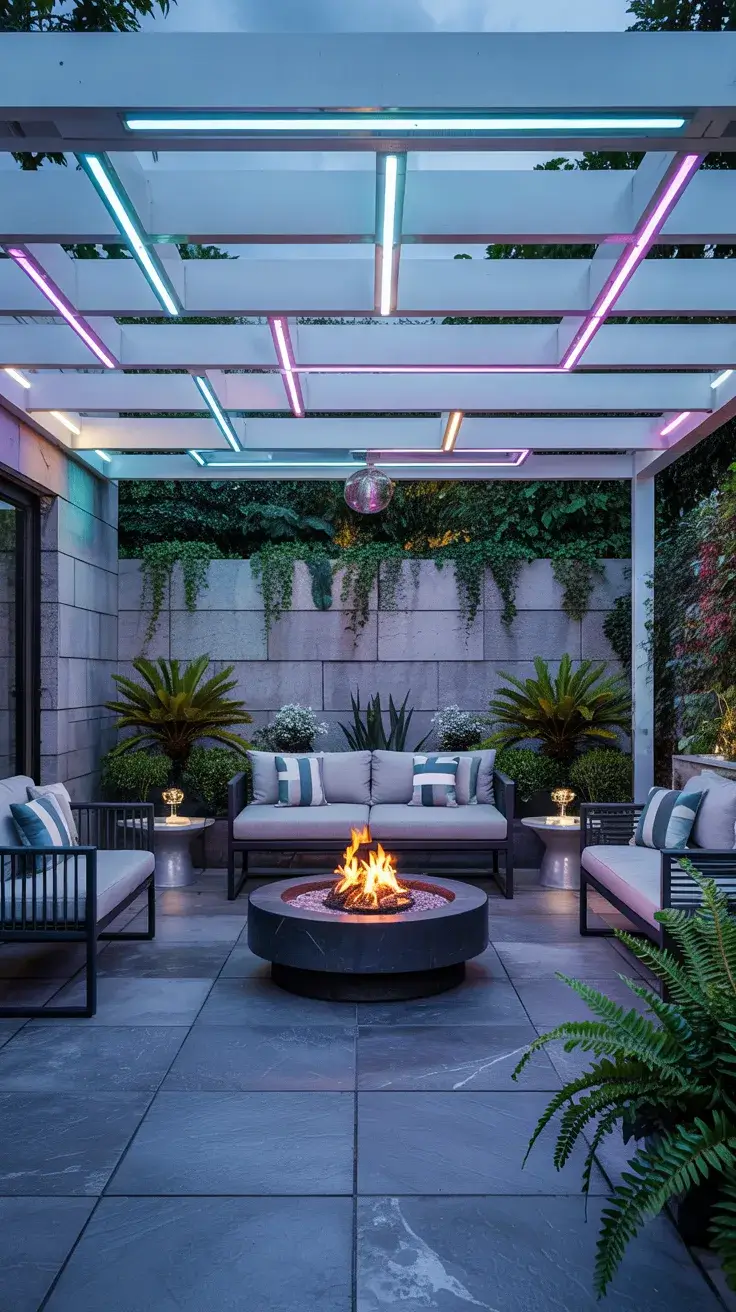
In my designs, I incorporate flexible LED neon strips along pergola beams, colorful frame outlines around outdoor art pieces, or curved neon arcs placed strategically near seating areas. These pieces mirror the glow of classic neon signs but maintain the durability and energy efficiency necessary for outdoor use. Their diffused glow offers even illumination without distracting hotspots.
Personally, I find neon-inspired accents most effective when paired with contemporary furniture and clean architectural lines. Experts writing for Dwell emphasize the importance of using neon as a design focal point rather than scattered throughout the landscape, and I follow that principle closely. The color should complement the home’s palette and landscape materials while adding artistic contrast.
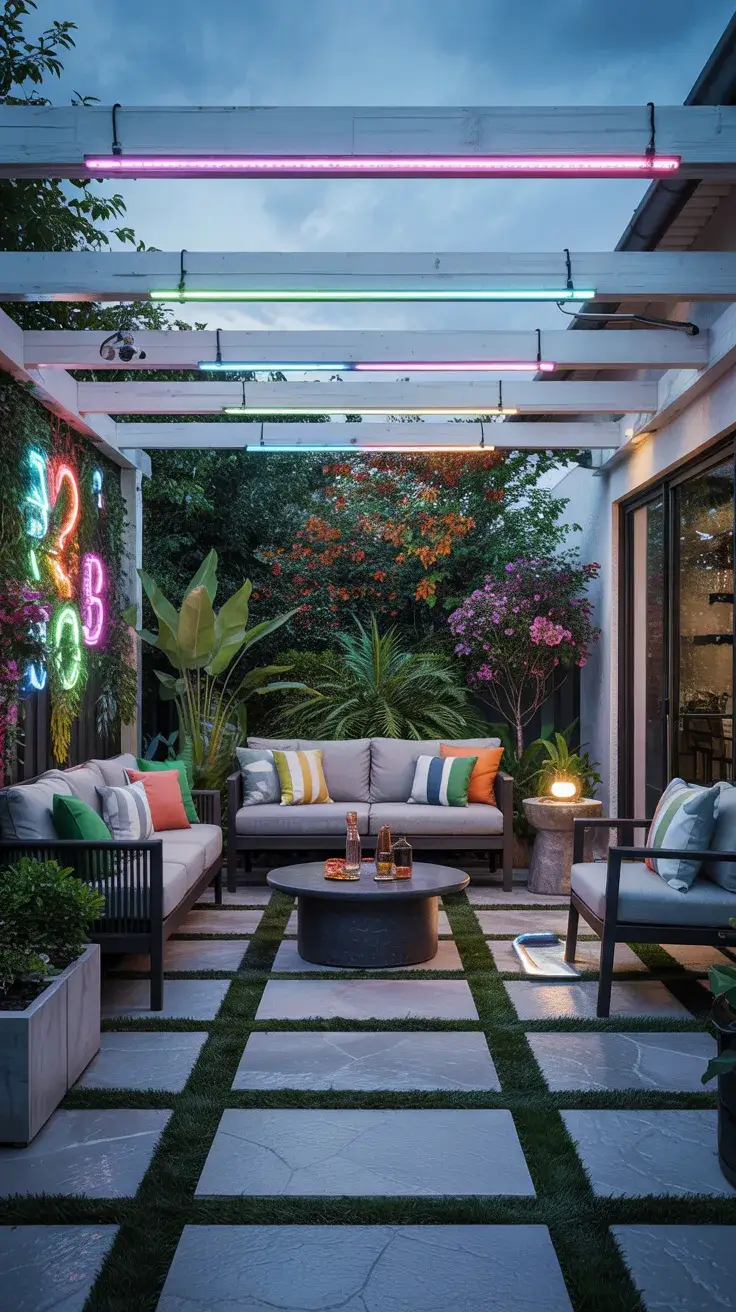
As an additional recommendation, I would include advice on weatherproof casing for neon strips to maintain consistent color output in varying climates.
17. Rustic Farmhouse Exterior Lighting
Rustic farmhouse lighting remains a timeless category within outdoor lighting ideas 2026, offering warmth, simplicity, and traditional charm. When I design with farmhouse inspiration, I emphasize natural materials, warm light temperatures, and fixtures that evoke a handcrafted character. This style enhances porches, barns, patios, and garden paths with a homey and welcoming feel.
I typically use galvanized metal sconces, lantern-style pendants, seeded glass wall lights, and wooden posts fitted with warm LEDs. These elements pair beautifully with stone walkways, reclaimed wood furniture, and metal planters. Their textures and finishes create a visually cohesive theme that feels authentic and grounded in heritage design.
From my experience, warm white bulbs work best for farmhouse exteriors because they highlight earth tones and architectural textures. Publications like Country Living often recommend mixing old and new elements, such as vintage-inspired lanterns with modern LED technology, which mirrors how I approach these layouts. The goal is to merge charm with efficiency.
To complete this section, I would add the suggestion of integrating soft string lights to provide additional ambience while remaining consistent with the rustic aesthetic.
18. Futuristic Geometric Light Displays
Futuristic geometric displays contribute a bold, forward-thinking dimension to outdoor lighting ideas 2026. I use these designs for clients who want their exterior spaces to feel architectural, sculptural, and innovative. Clean lines and sharp forms define the look, turning lighting into a standalone art installation rather than a background element.
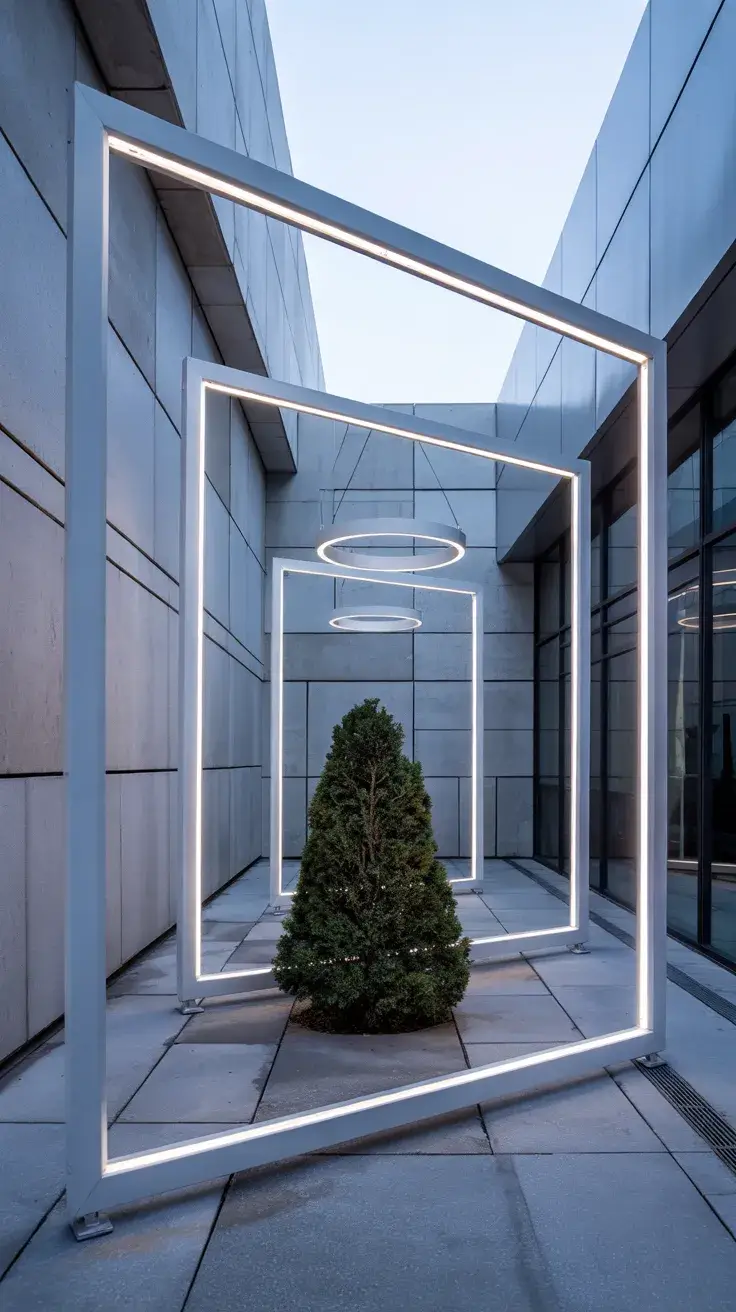
I often incorporate polygonal LED frames, angular wall panels with embedded lighting, and suspended geometric rings over patios. These installations pair well with minimalist landscaping, metallic furniture, and modern architectural styles. Each piece adds structure and rhythm, allowing the lighting to become part of the landscape’s visual architecture.
From my perspective, geometric lighting requires balance to avoid overwhelming the space. Experts from Architectural Digest frequently advise grounding bold lighting with neutral materials like concrete, stone, or matte metal. I follow this guidance to ensure the final look feels intentional and polished rather than chaotic.
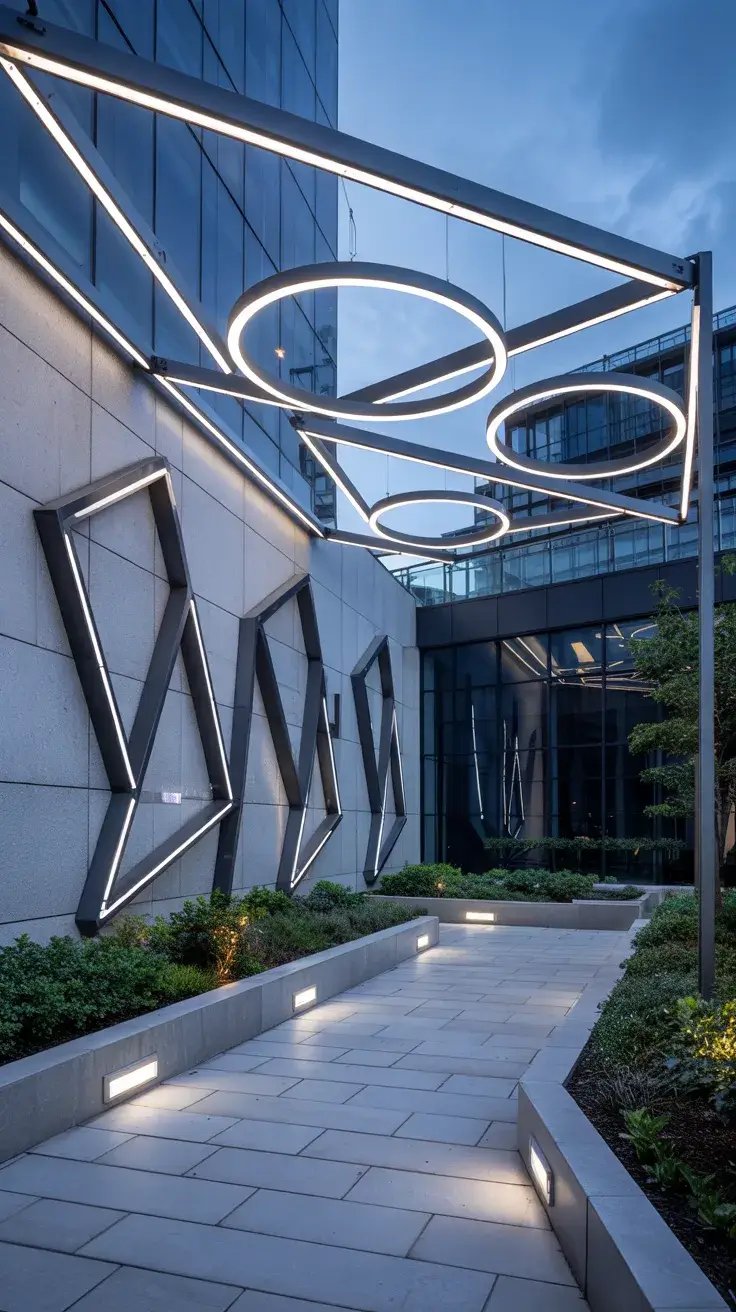
To enhance this idea, I would add a note encouraging homeowners to explore modular geometric fixtures that can evolve with future design updates.
19. Discreet Ground Level Marker Lights
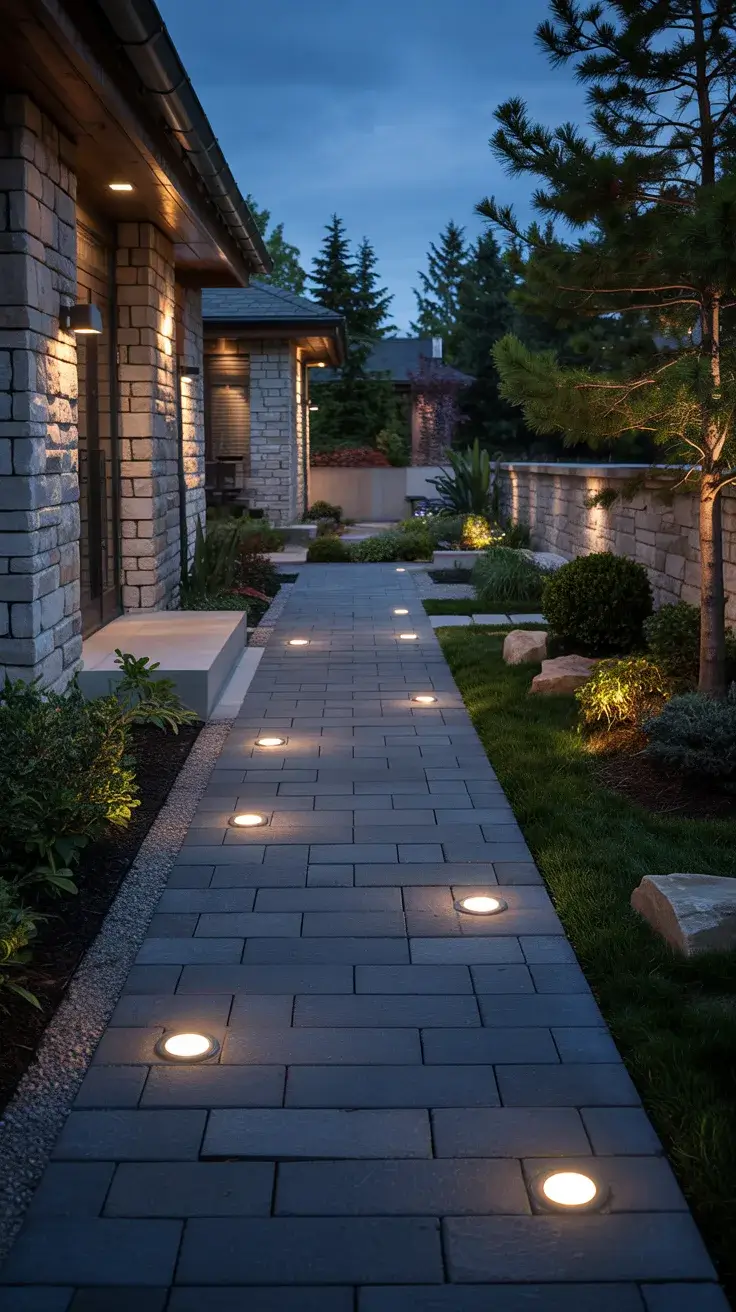
Ground-level markers are some of the most subtle yet impactful features in outdoor lighting ideas 2026. I rely on them when I want to guide movement through a space without drawing attention to the fixtures themselves. They’re perfect for pathways, driveways, garden edges, and transitional zones where visibility and safety are essential.
In my work, I use recessed LED dots, slim boundary lights, and low-profile paver-integrated markers. These fixtures create a clean, barely-there glow that outlines surfaces with precision. Their durability makes them ideal for high-traffic areas, and their discreet size ensures they won’t clash with landscaping or architectural styles.
From my experience, ground markers perform best when spaced evenly and installed flush with the surface. Lighting experts from Gardenista frequently note that ground lights should enhance navigation without creating glare, which matches my approach. They should quietly define the space while maintaining a sleek, modern look.
If adding more detail, I would include recommendations for choosing waterproof ratings that match local weather conditions for consistent long-term use.
20. High End Garden Bollard Installations
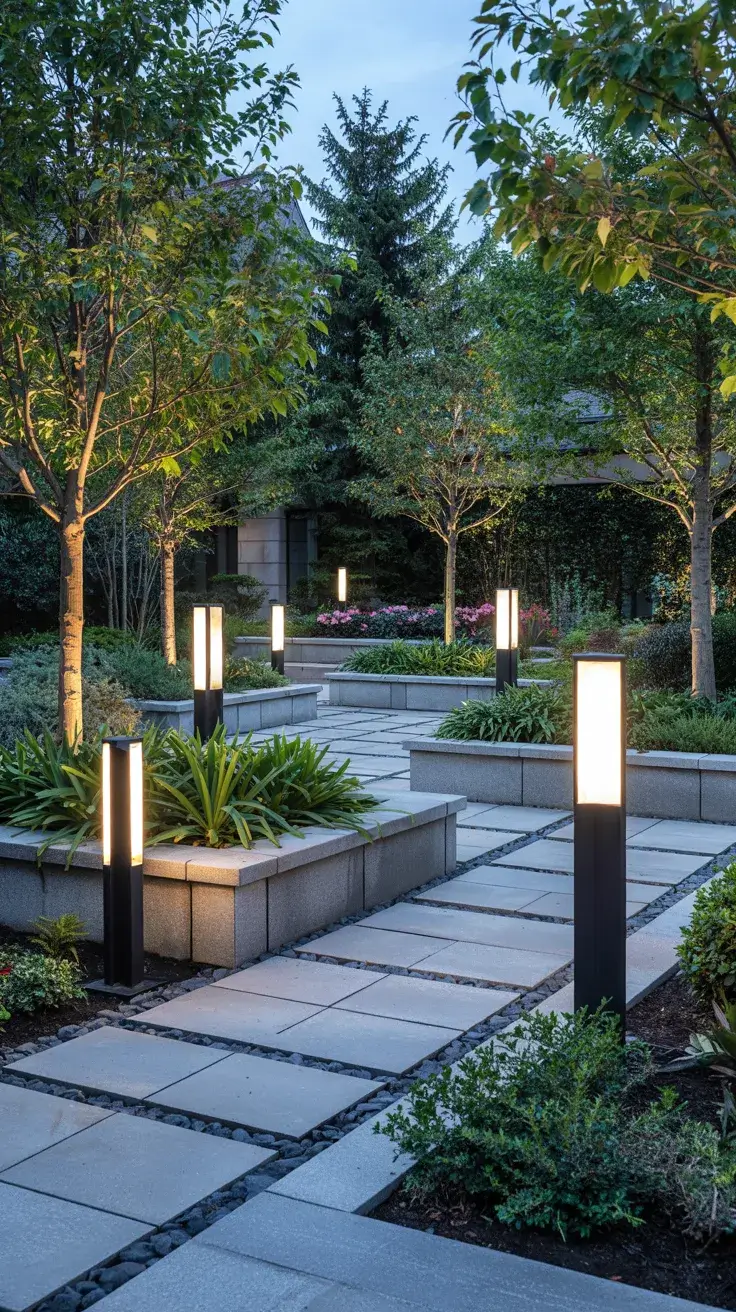
High-end garden bollards are becoming a defining feature in luxury outdoor lighting ideas 2026. I use them to bring sophistication and structure to garden pathways, large lawns, and sculptural plantings. Bollards provide both functional guidance and visual weight, making them ideal for layouts that benefit from clear architectural lines.
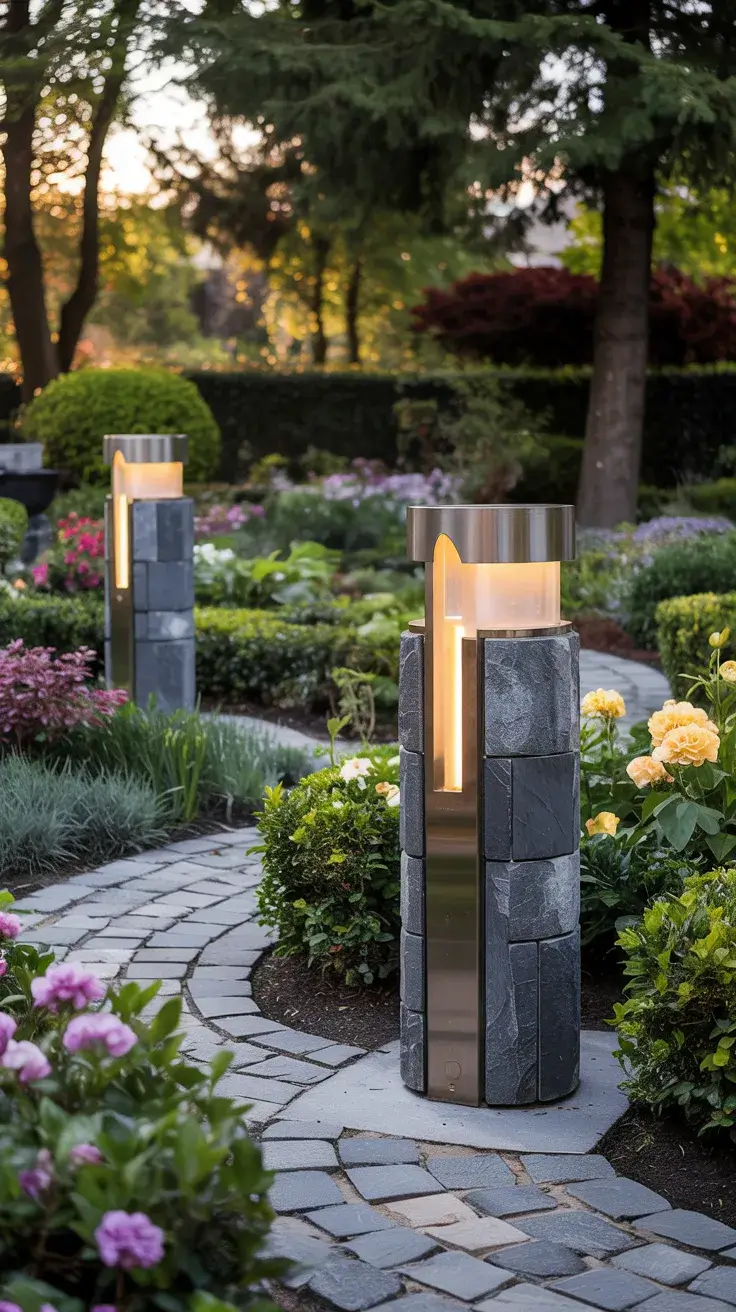
The bollards I select often feature powder-coated aluminum, textured stone sleeves, or narrow vertical apertures that cast elegant directional light. These refined materials allow the fixtures to complement upscale landscapes. Their height also offers a sense of grandeur, setting them apart from smaller path lights.
In my own projects, I’ve found that arranging bollards in rhythmic spacing adds a sense of order and elegance. Designers referenced by Luxe Interiors often note that high-end bollards work best when integrated with minimalist planting beds and curated hardscapes, which aligns with my experience. They create a curated, estate-like atmosphere that feels timeless.
To build on this section, I would add suggestions for integrating bollards with smart controls to adjust brightness according to time of day.
21. Decorative String Light Arrangements
Decorative string lights remain a beloved part of outdoor lighting ideas 2026, especially for patios, porches, and garden seating areas. I use them when I want to add charm, softness, and a welcoming mood with minimal installation requirements. Their versatility makes them suitable for nearly any outdoor style.
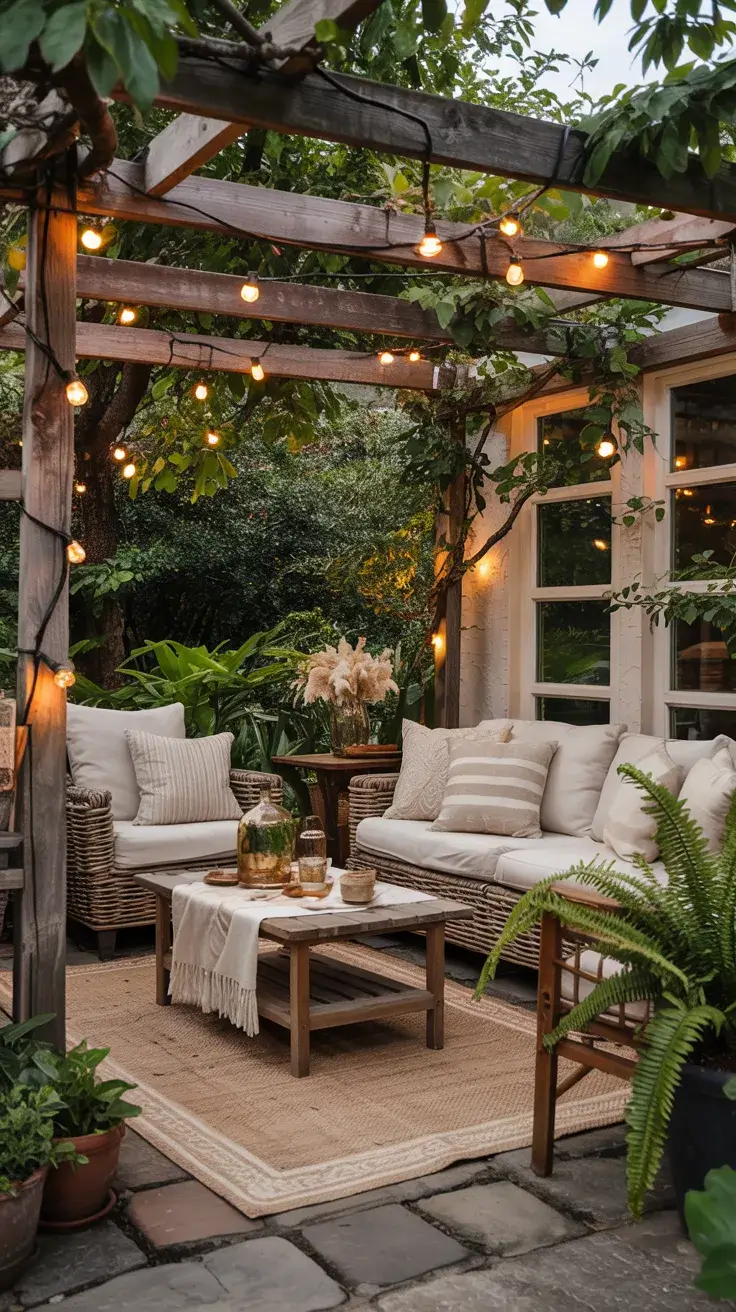
I often drape string lights across pergolas, suspend them between trees, or outline intimate courtyard seating areas. Shatterproof warm-white bulbs are my preferred choice, as they maintain comfort while ensuring durability. When paired with wooden furniture, potted greenery, or outdoor textiles, string lights elevate the overall feeling of warmth and cohesion.
From personal experience, string lighting is most effective when layered with subtle ground or wall lighting. Designers quoted by Better Homes & Gardens often recommend varying string height to add depth, which matches how I structure most installations. It keeps the space feeling curated rather than cluttered.
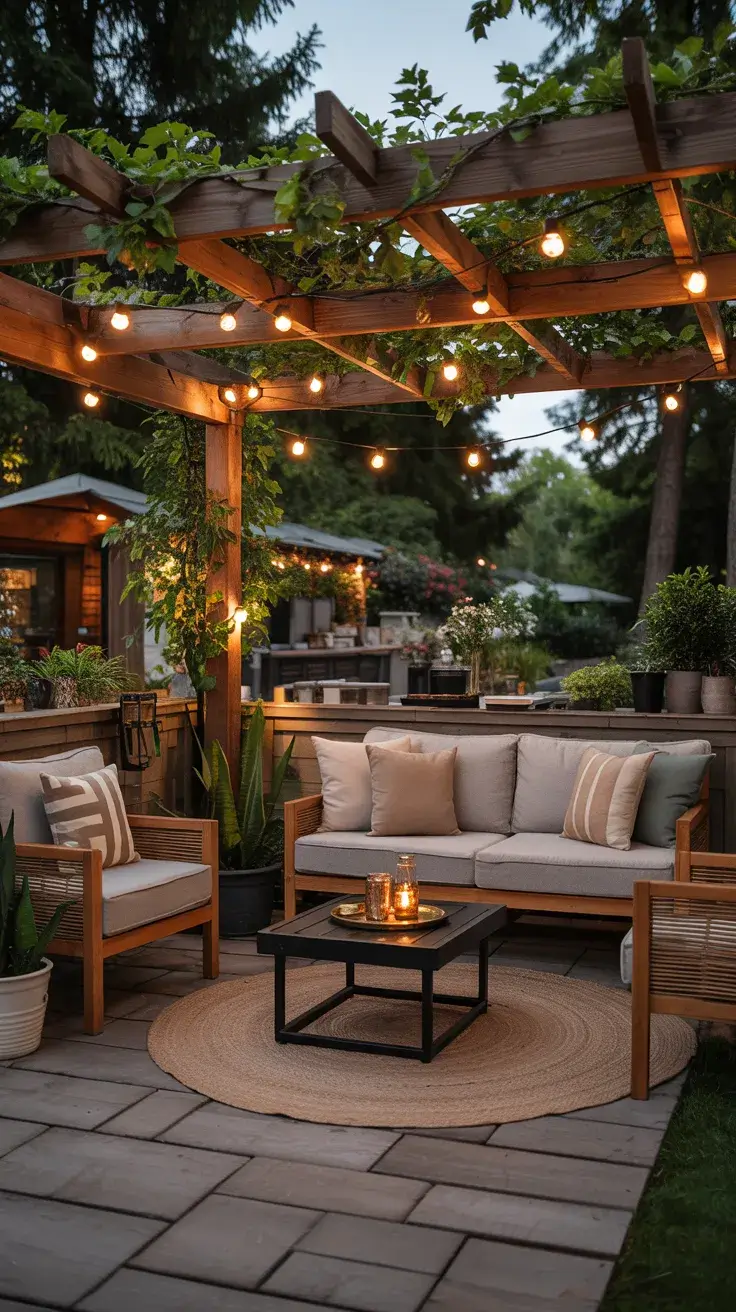
To complete this section, I would suggest adding dimmable systems so the lighting can shift from festive to serene depending on the gathering.
22. Outdoor Dining Area Mood Lighting
Creating an inviting dining environment is one of my favorite parts of working with outdoor lighting ideas 2026. When I design lighting for outdoor dining zones, I focus on warmth, balance, and intimacy so the area feels like a natural extension of the home’s interior. The goal is to create a welcoming glow that enhances meals, conversations, and seasonal gatherings without overwhelming the senses.
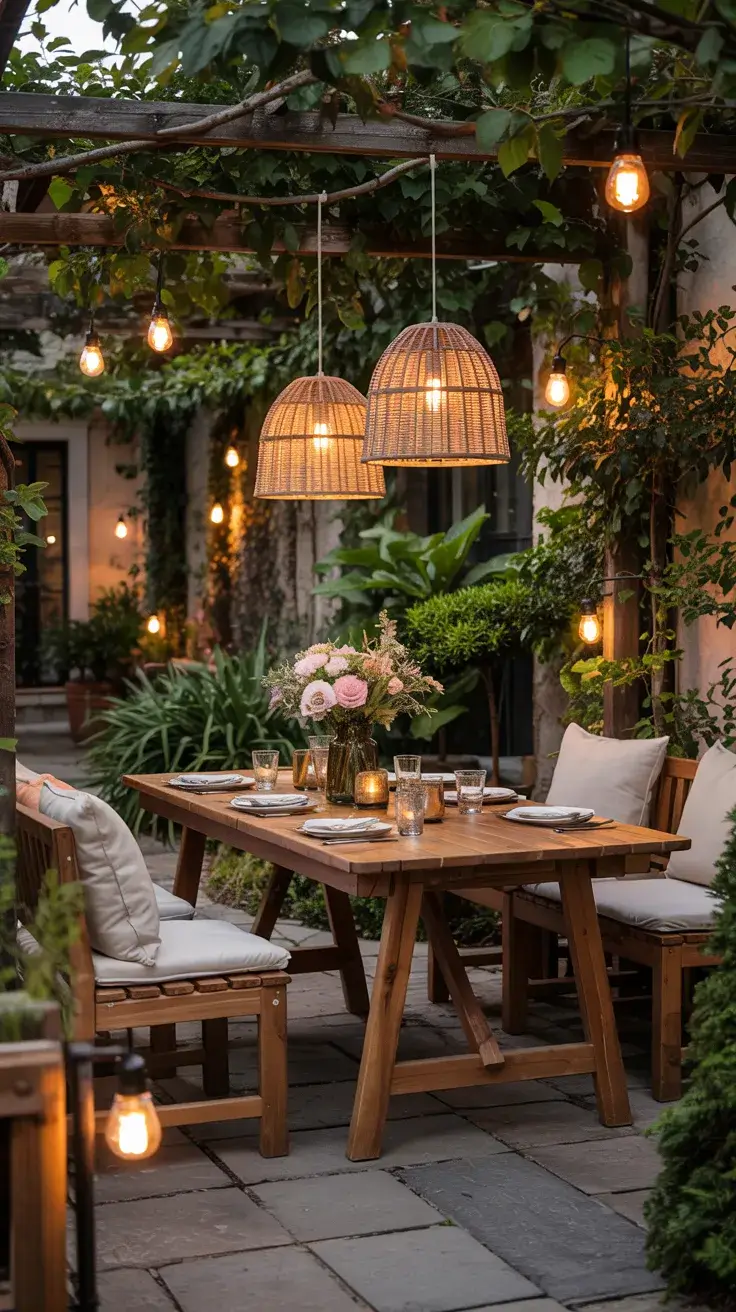
I typically use a combination of pendant-style fixtures, soft under-table LED accents, and surrounding wall sconces. These elements work together to provide layered illumination: the pendants serve as the focal point above the table, the under-table lights bring subtle atmosphere, and the sconces provide gentle diffusion around the perimeter. By integrating weather-resistant materials and dimmable features, I ensure the dining area remains adaptable to different types of evenings.
From my experience, proper lighting can transform even a simple table setting into an elegant outdoor retreat. Leading designers in Architectural Digest often recommend using warm color temperatures in dining spaces because they enhance natural food tones and create a sense of comfort. I consistently apply this advice, as warm lighting supports longer, more enjoyable outdoor meals.
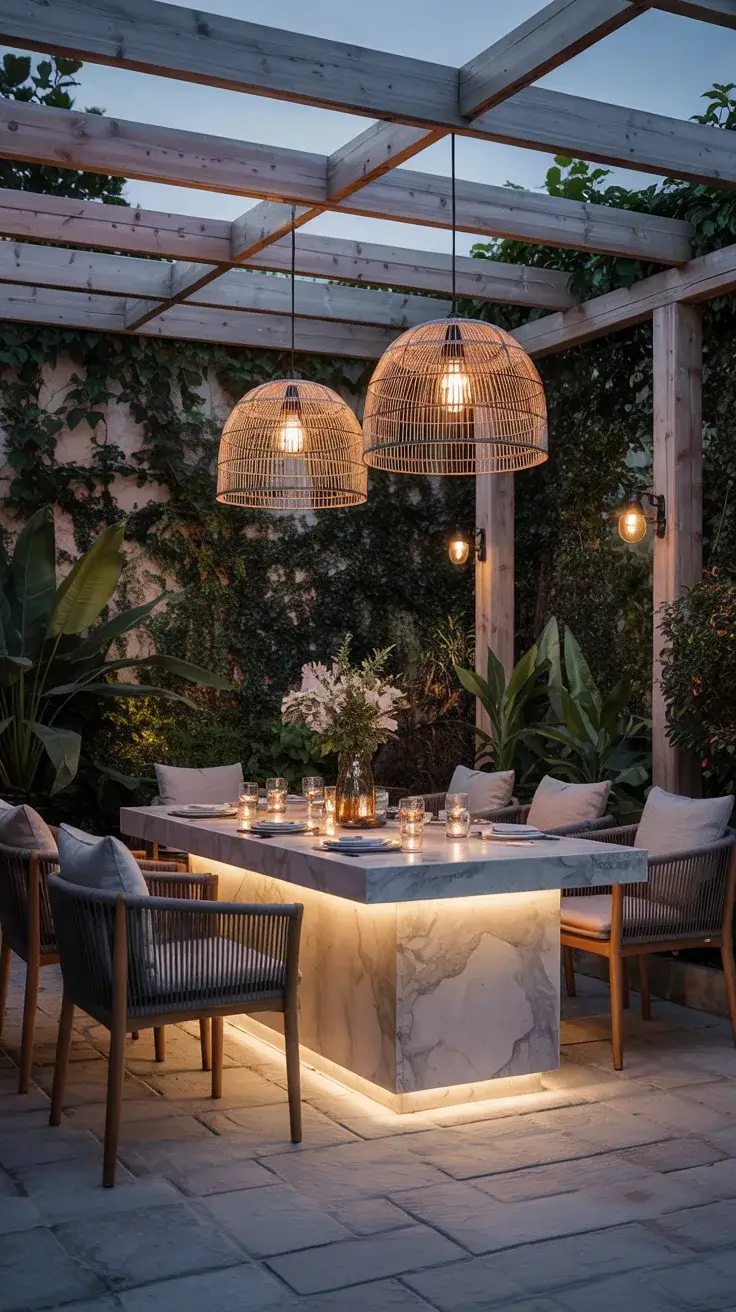
To complete this section, I would add suggestions for integrating candle-style LED accents to reinforce a cozy and intimate dining atmosphere.
23. Sustainable Bamboo And Wood Fixtures
Sustainability has become central to outdoor lighting ideas 2026, and bamboo or wood fixtures represent the perfect harmony of eco-conscious design and natural beauty. I use these fixtures when homeowners want lighting that blends organically into landscapes filled with greenery and earthy textures. Their soft forms and warm finishes help create a serene, nature-centered outdoor environment.
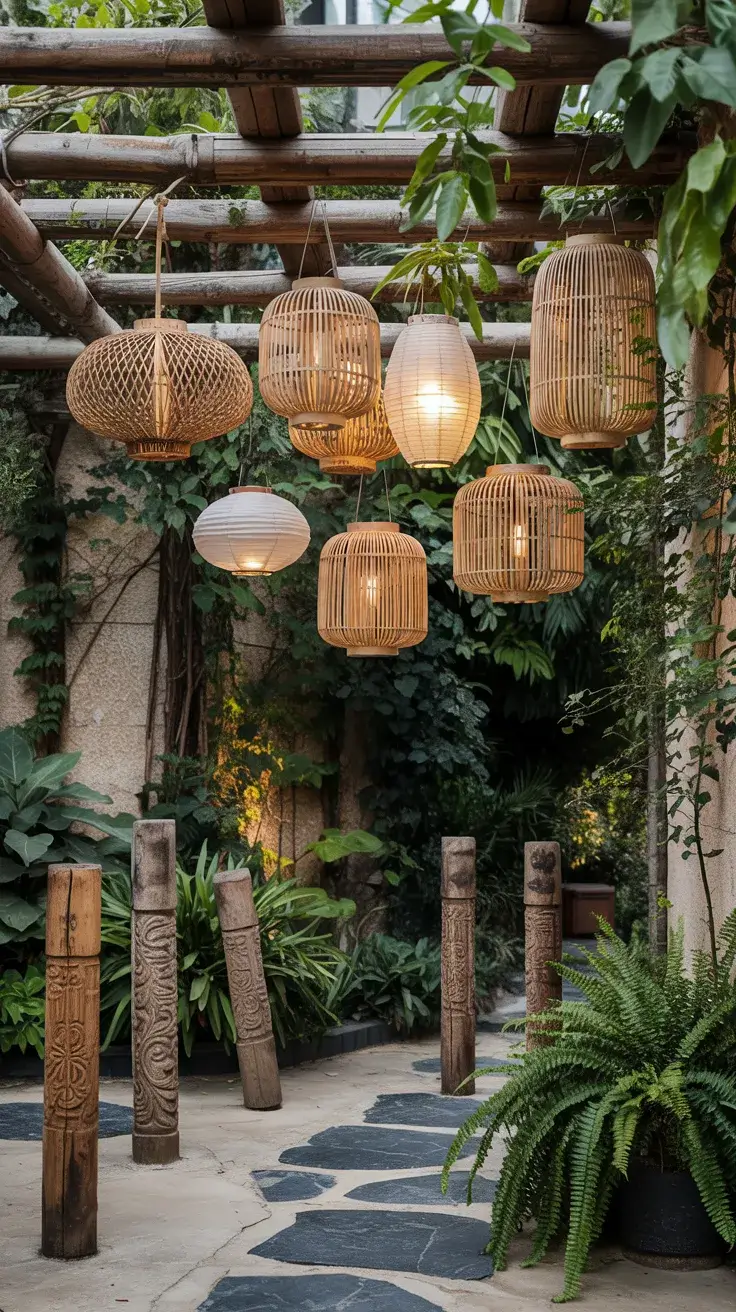
In my projects, I incorporate bamboo lanterns, wood-framed sconces, and carved wooden bollards. These fixtures complement plant-rich areas, wooden decks, stone patios, and garden lounge zones. Their natural textures add depth and tactile interest, and when paired with energy-efficient LED modules, they offer both style and sustainability.
From personal observation, wood-based lighting benefits greatly from protected placement. Many designers interviewed by Green Living Magazine note that bamboo and natural wood age best when installed under covered spaces or treated with outdoor-grade finishes. I follow these recommendations to ensure longevity while preserving the organic character of the materials.
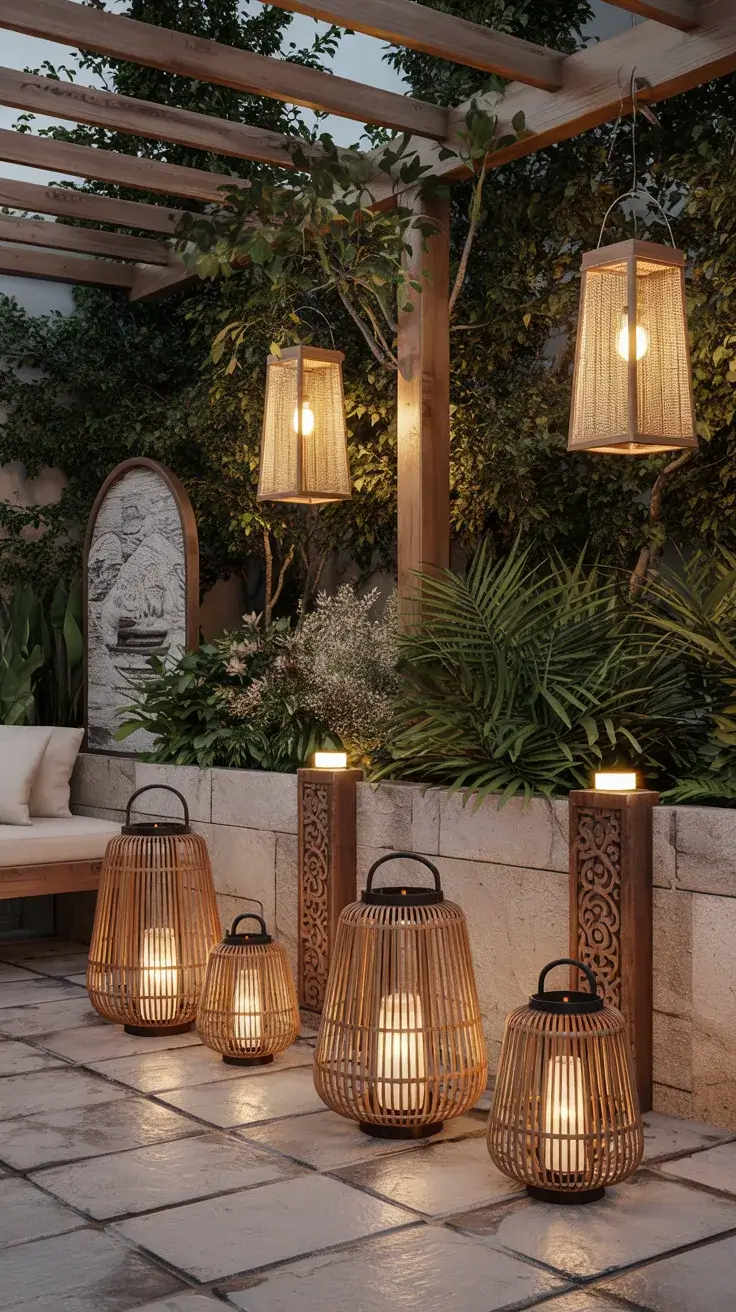
To refine this section, I would also add guidance on selecting ethically sourced wood to maintain environmental integrity across the project.
24. Bold Statement Wall Wash Lighting
Wall wash lighting is one of the most dramatic ways to elevate exterior architecture within outdoor lighting ideas 2026. When I use this technique, I aim to highlight textures like stone, stucco, or brick while giving the structure a refined, modern presence after sunset. The smooth, even glow produced by wall washing creates a gallery-like effect that transforms basic walls into luminous design elements.
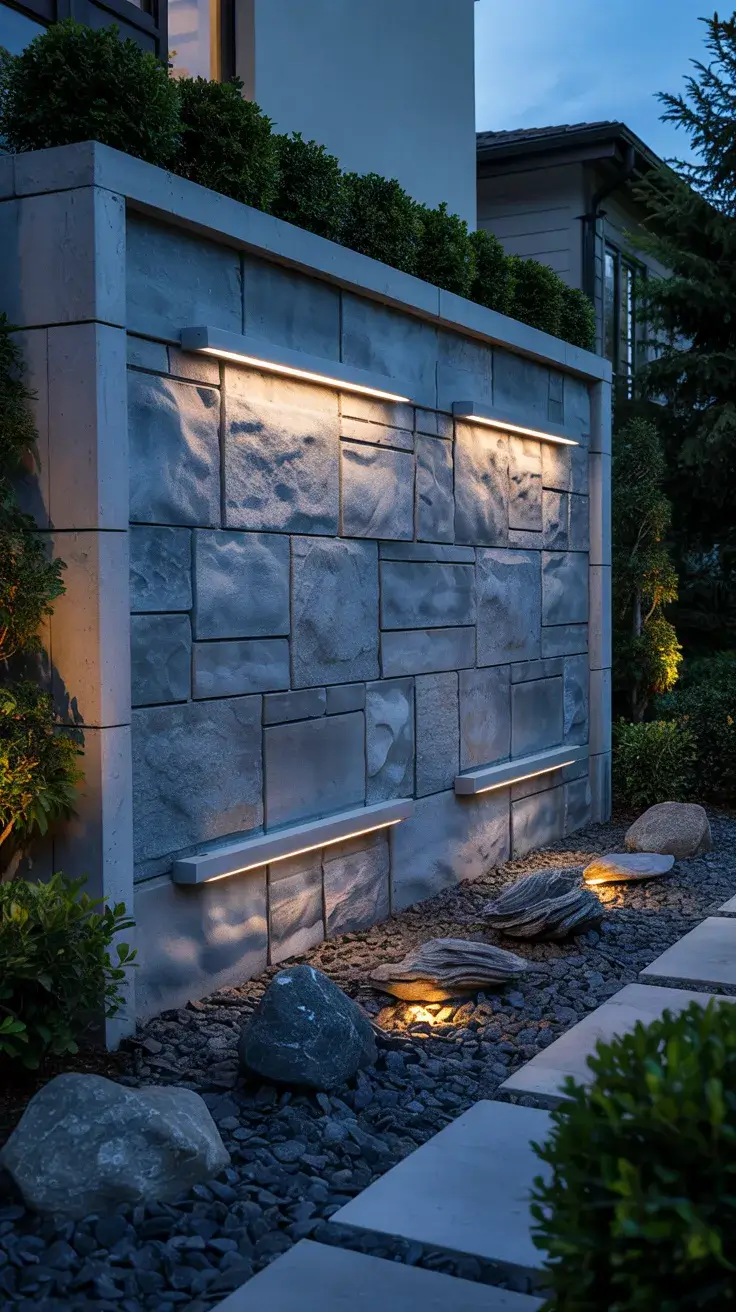
I usually select linear LED bars, adjustable wash lights, or recessed wall washers for this purpose. These fixtures spread wide, uniform illumination across surfaces and work beautifully with vertical gardens, large feature walls, and outdoor art pieces. Their sleek design ensures that the light effect—not the fixture—is the focus of attention.
From my experience, wall washing looks best when used sparingly to avoid visual overload. Experts quoted by Architectural Digest often stress that wall washing should highlight one or two key architectural zones, not the entire exterior. I follow this philosophy to maintain balance and sophistication.
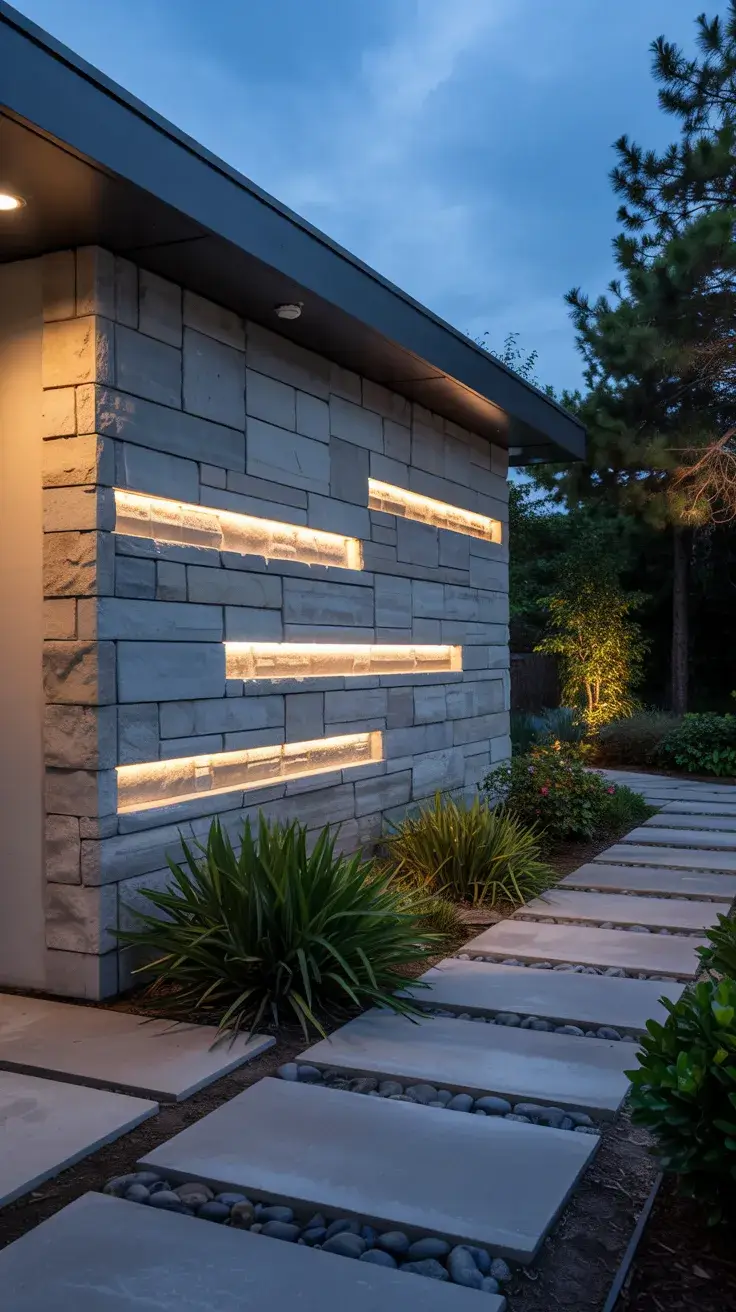
For additional enhancement, I would suggest adding soft ground uplights to provide contrast and dimension along the lower edges of the wall.
25. Subtle Perimeter Fence Illumination
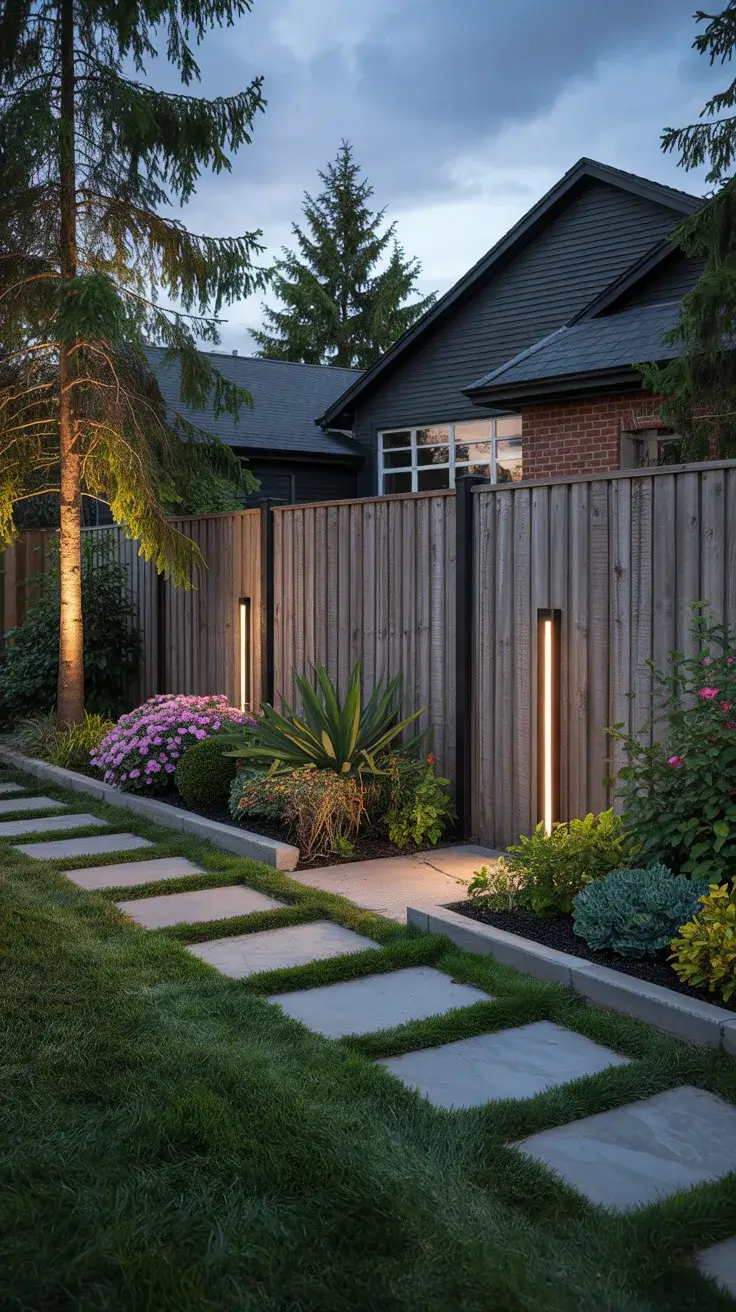
Subtle fence illumination is a practical yet atmospheric element in outdoor lighting ideas 2026. When lighting a fence line, I aim to create a soft glow that enhances boundary definition without drawing too much attention. This approach is ideal for homeowners who prefer understated elegance and uniform nighttime visibility around the yard.
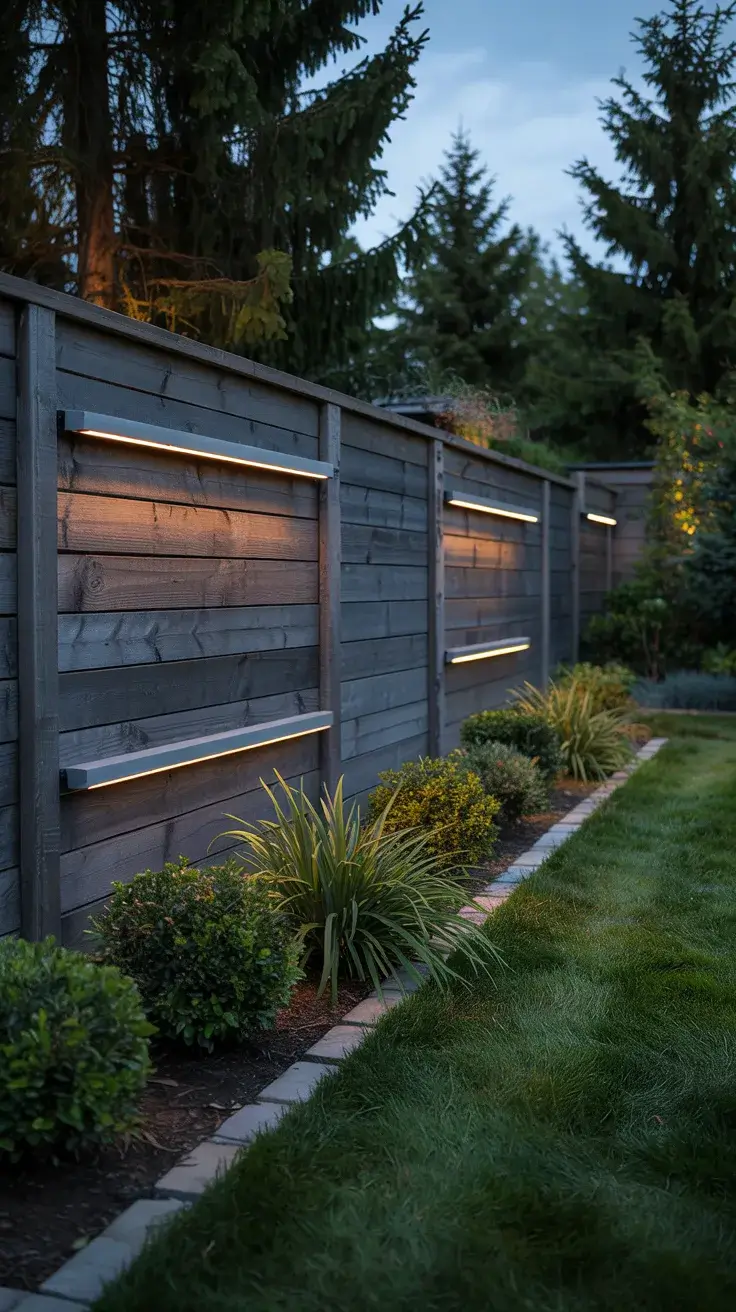
I often use linear fence-mounted LEDs, small post-mounted sconces, or low-profile side-emitters. These fixtures gently outline the perimeter while avoiding harsh brightness. Their warm or neutral tones work well with wood, vinyl, or metal fencing, and their discreet housings ensure minimal visual intrusion during the day.
In my experience, indirect lighting along fences functions best when paired with darker backdrops, which help the light reflect softly. Landscape professionals referenced in Garden Design Magazine advocate for hidden fixtures to create floating lines of illumination, and I often follow this guidance to achieve a polished, modern look.
If expanding this section, I would add a note about integrating smart timers to automate nighttime activation and promote energy efficiency.
26. Pathway Lights With Smart Timers
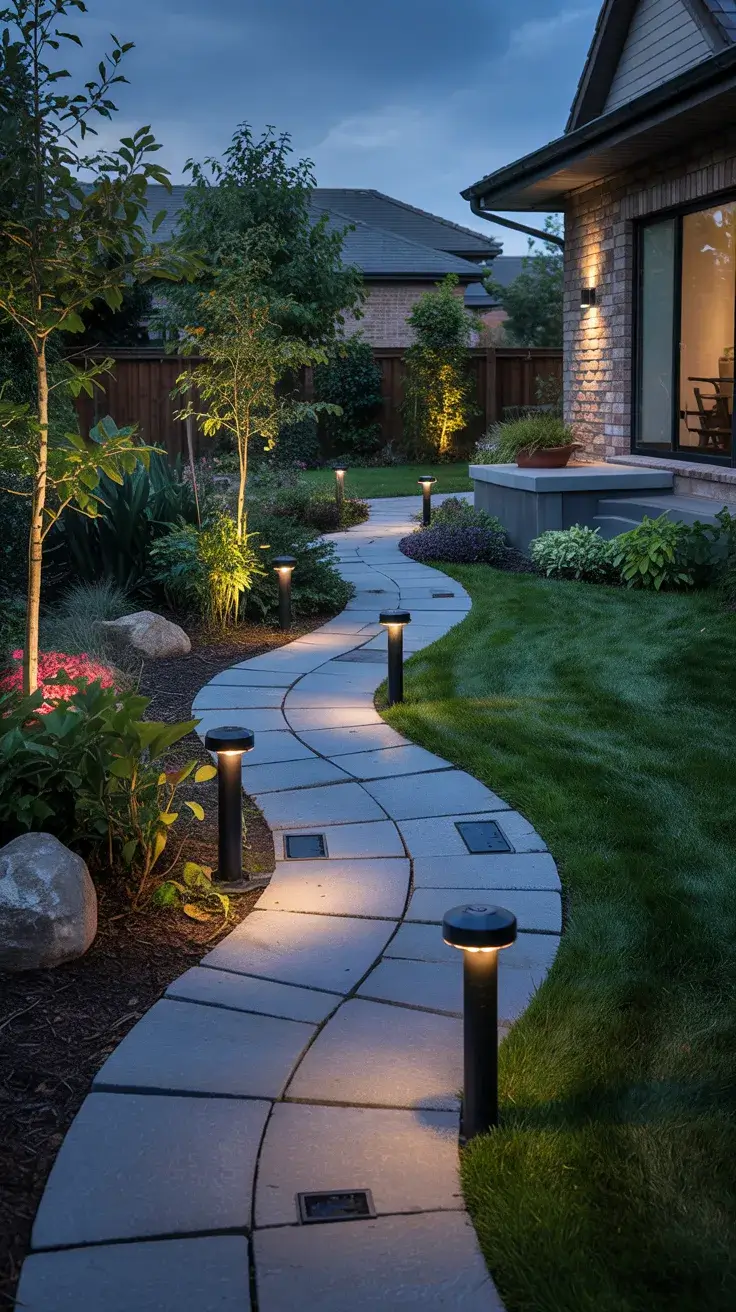
Pathway lighting is essential for safety and navigation, and integrating smart timers has become a key component of outdoor lighting ideas 2026. When designing pathways, I focus on ensuring consistent brightness while giving homeowners effortless control over when the fixtures operate. Smart timing features allow lights to follow evening schedules or seasonal adjustments automatically.
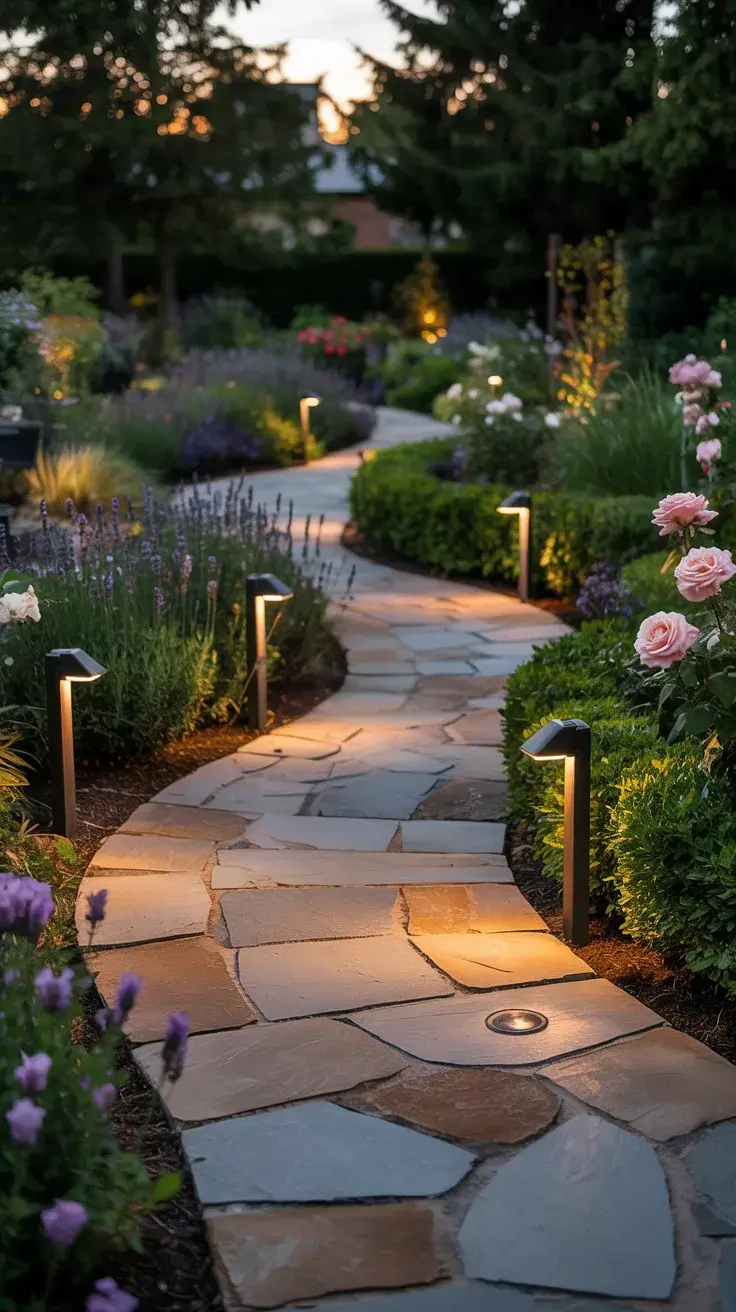
The fixtures I use include low-voltage path lights, slim LED stakes, and recessed paver-integrated lights. Each type contributes differently: stakes illuminate edges, recessed lights provide a modern flush look, and low-voltage fixtures offer reliable and even coverage across longer routes. Smart timers ensure the system turns on at dusk and off at a selected time, reducing energy consumption.
From my perspective, automation significantly enhances the practicality of pathway lighting. Lighting specialists writing for Home Lighting Magazine highlight the benefit of timer-based systems for consistent safety during late hours, and I fully agree with this advice. Automated control helps maintain a dependable and welcoming outdoor environment every night.
To complete this section, I would add recommendations for pairing smart timers with motion-boost features, which temporarily increase brightness when movement is detected.
27. Garden Sculpture Spotlighting
Spotlighting garden sculptures remains one of the most artistic components of outdoor lighting ideas 2026. When I illuminate sculptures, I treat them as three-dimensional works of art that require thoughtful angle selection and intensity control. The right lighting enhances material textures, shapes, and shadows, making each sculpture a true focal point.
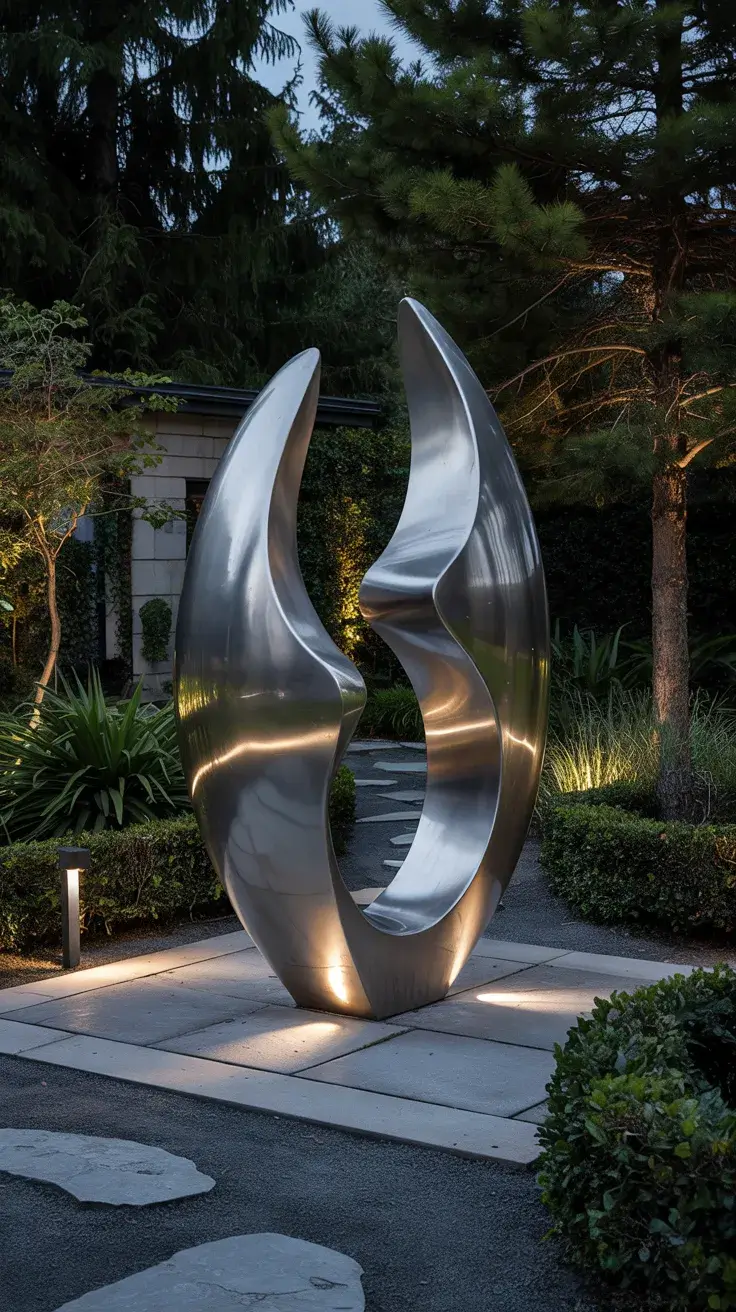
I commonly use narrow- to medium-beam spotlights installed at low angles or slightly behind sculptures to create depth and interest. Bronze pieces benefit from warm-light tones, while stone or metal sculptures often look best under neutral whites. I also choose adjustable fixtures so the beam can be fine-tuned if the sculpture is repositioned.
From experience, sculpture lighting is most successful when it blends with the landscape rather than isolating the artwork. Professional designers in Landscape Architecture Magazine emphasize using soft surrounding illumination to ground the sculpture within the environment. I adopt this technique because it creates a harmonious blend between art and nature.

To further enhance the section, I would include a suggestion for using multiple low-intensity fixtures to reduce harsh shadows and provide a balanced glow.
28. Poolside LED Strip Integration
Poolside lighting has become incredibly advanced in outdoor lighting ideas 2026, especially with the increased use of LED strip integration. I use these strips to define pool edges, illuminate water movement, and create a luxurious nighttime atmosphere. Their sleek form makes them almost invisible during the day while offering striking effects at night.
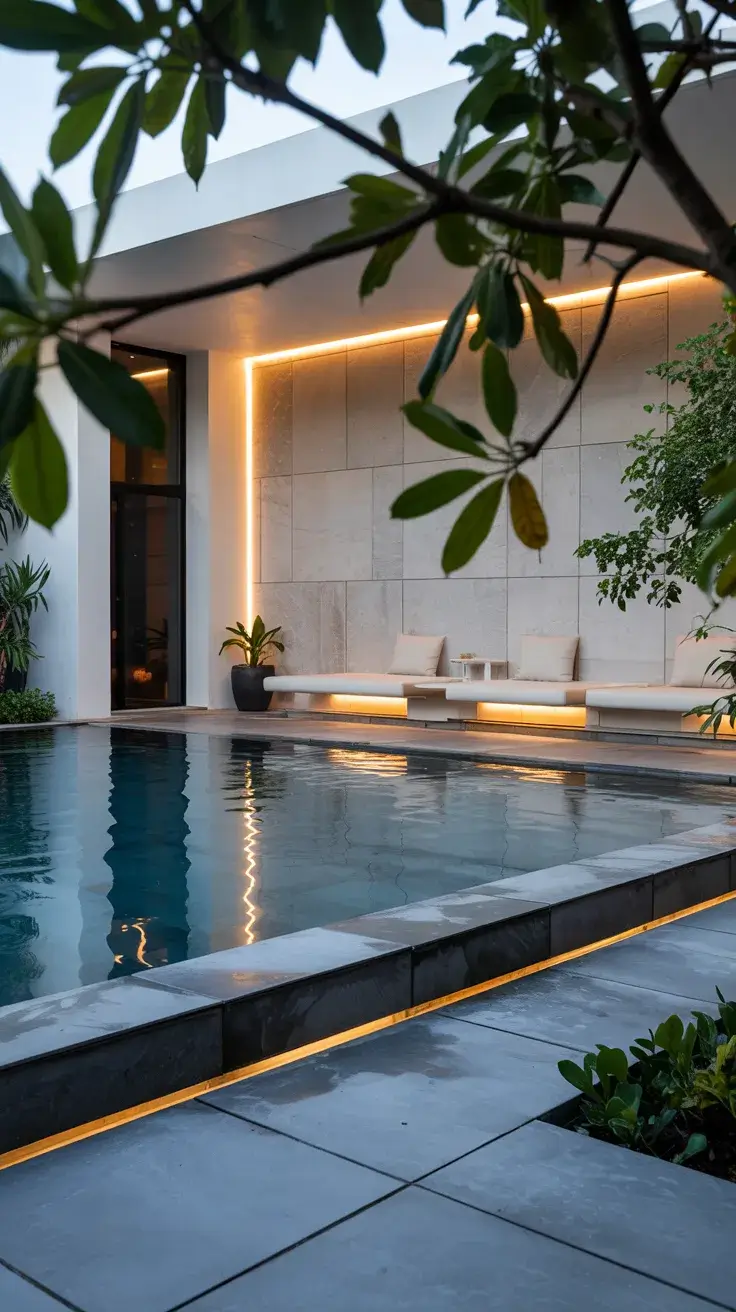
I install waterproof LED strips along coping lines, under poolside seating, or beneath raised planter edges. These placements enhance safety by marking edges clearly and add a modern glow that reflects beautifully across the water. Strips with adjustable color temperatures allow flexibility between relaxing warm tones and crisp cool whites.
In my experience, LED strips work best when paired with subtle landscape lighting so the pool becomes the main visual anchor. Articles in Pool & Spa Magazine often highlight that concealed LED strip lighting adds value and sophistication to outdoor recreation zones, and I agree completely. It creates a resort-like feeling even in modest backyards.
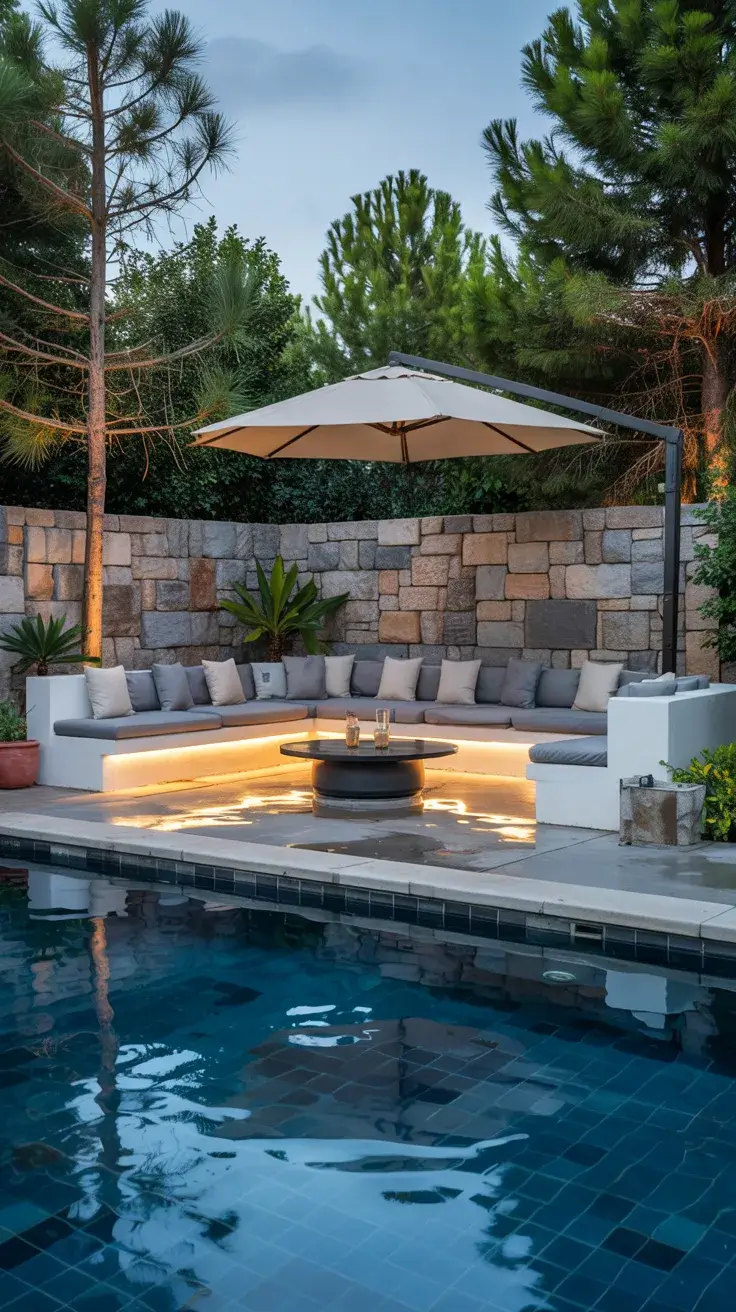
To complete this section, I would add guidance on ensuring all strip controllers and wiring remain shielded from moisture for long-term reliability.
29. Backyard Entertaining Zone Lighting
Designing a dedicated entertaining space is one of the most enjoyable aspects of working with outdoor lighting ideas 2026. When I create lighting plans for these zones, I focus on versatility and atmosphere so the area can transition seamlessly between lively gatherings and relaxed evenings. The goal is to make the backyard feel functional, inviting, and visually cohesive both day and night.
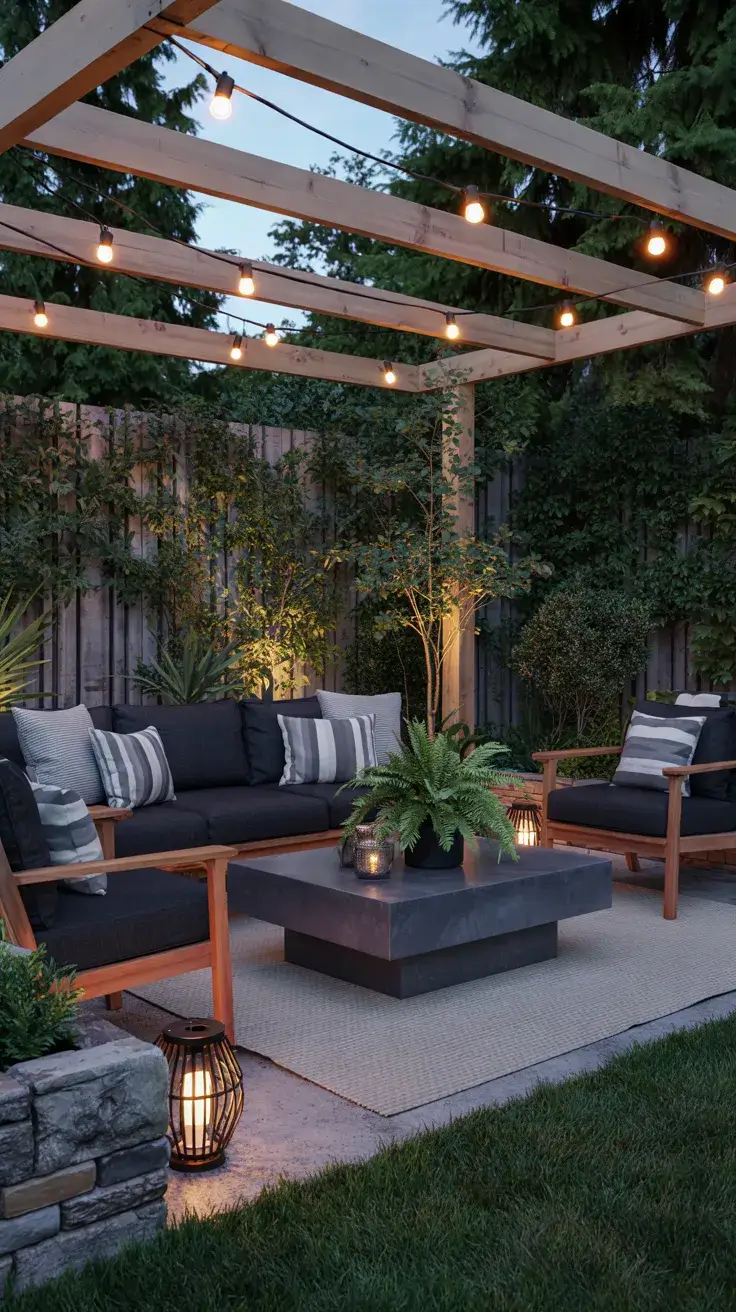
I typically combine overhead festoon lighting, integrated deck lights, architectural sconces, and accent lanterns. Each element plays a role: festoon lights set the mood for socializing, deck lights enhance safety, sconces shape the perimeter ambience, and lanterns offer mobile illumination for flexible layouts. Together, they create a layered lighting scheme that supports activities such as dining, lounging, or outdoor games.
From my experience, backyard entertainment lighting succeeds when the brightness is layered and adjustable. Experts featured in Houzz articles often emphasize the importance of dimmable lighting to shift the atmosphere depending on occasion. I follow this approach closely because it gives homeowners the freedom to adapt their backyard to movie nights, celebrations, or quiet evenings.
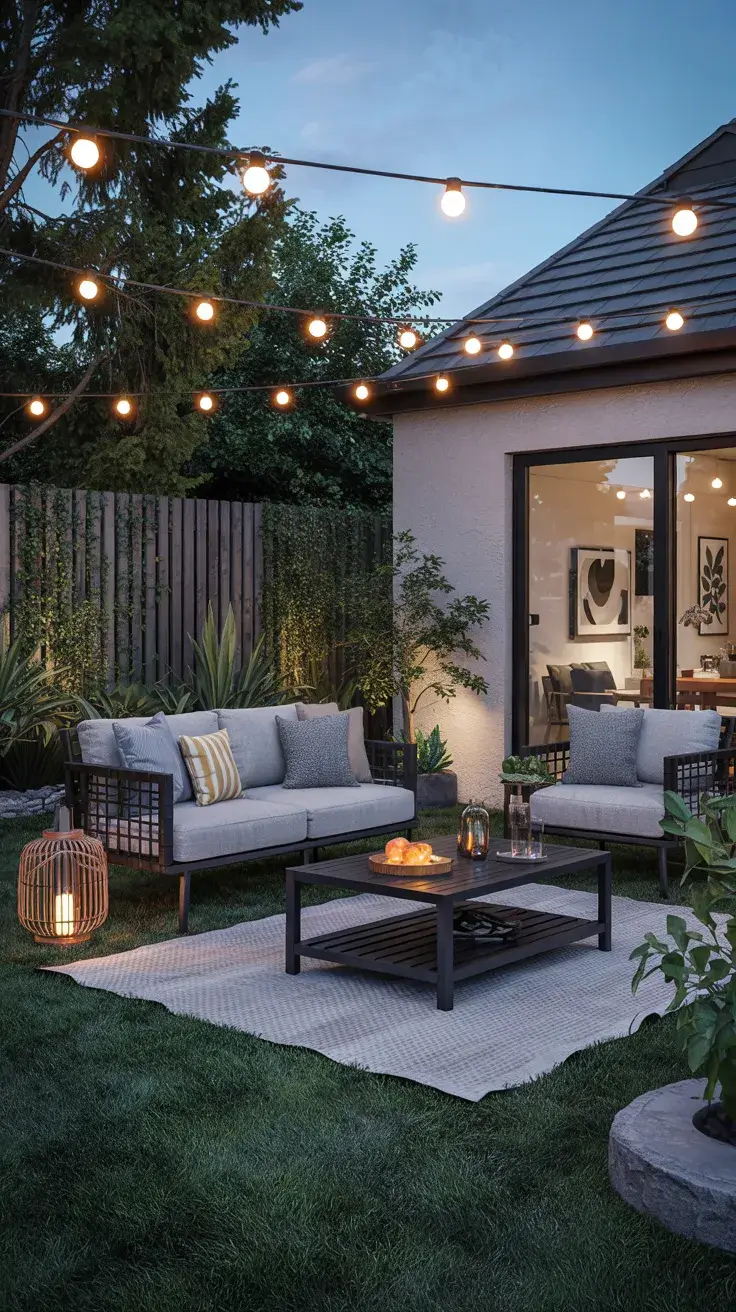
To complete this section, I’d also suggest adding integrated audio or subtle LED accents around landscaping borders to elevate the entertainment experience.
30. Solar Post Cap Enhancements
Solar post caps have become a staple of outdoor lighting ideas 2026, especially for homeowners wanting easy-to-install lighting that offers both decorative appeal and improved nighttime visibility. I like using solar caps because they integrate cleanly onto fences, decks, and railing systems, adding a uniform glow without requiring wiring or electrical access.
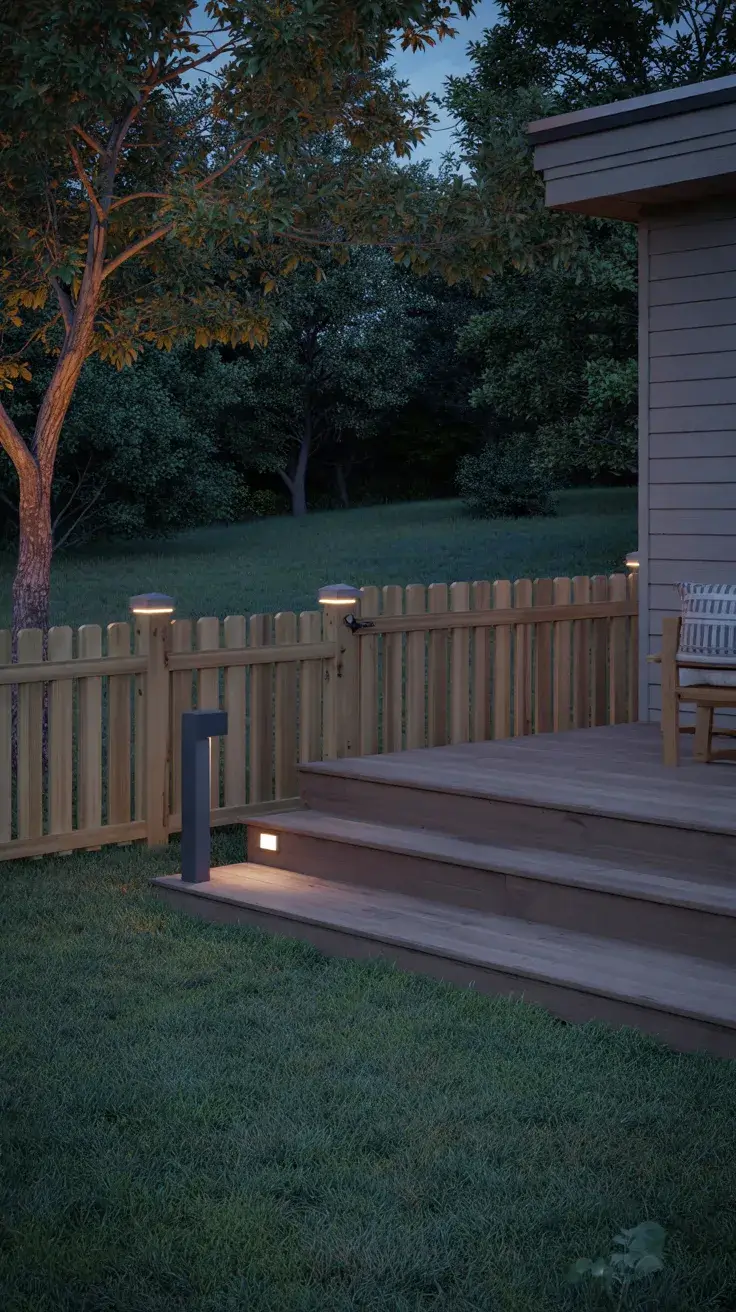
In my designs, I select post caps made of aluminum, resin, or natural wood, depending on the surrounding architecture. Their built-in solar panels collect energy during the day, allowing them to illuminate automatically at night. Warm or neutral white tones provide visibility along railings and boundaries while maintaining a visually comfortable glow. Their compact design ensures they blend into daytime environments seamlessly.
From personal experience, solar post caps are most effective when installed in open areas with direct sunlight. Professionals in Better Homes & Gardens often recommend choosing models with high-quality panels and long-life batteries to maximize performance, which aligns with how I evaluate these fixtures. With the right placement, they contribute both beauty and practical safety.
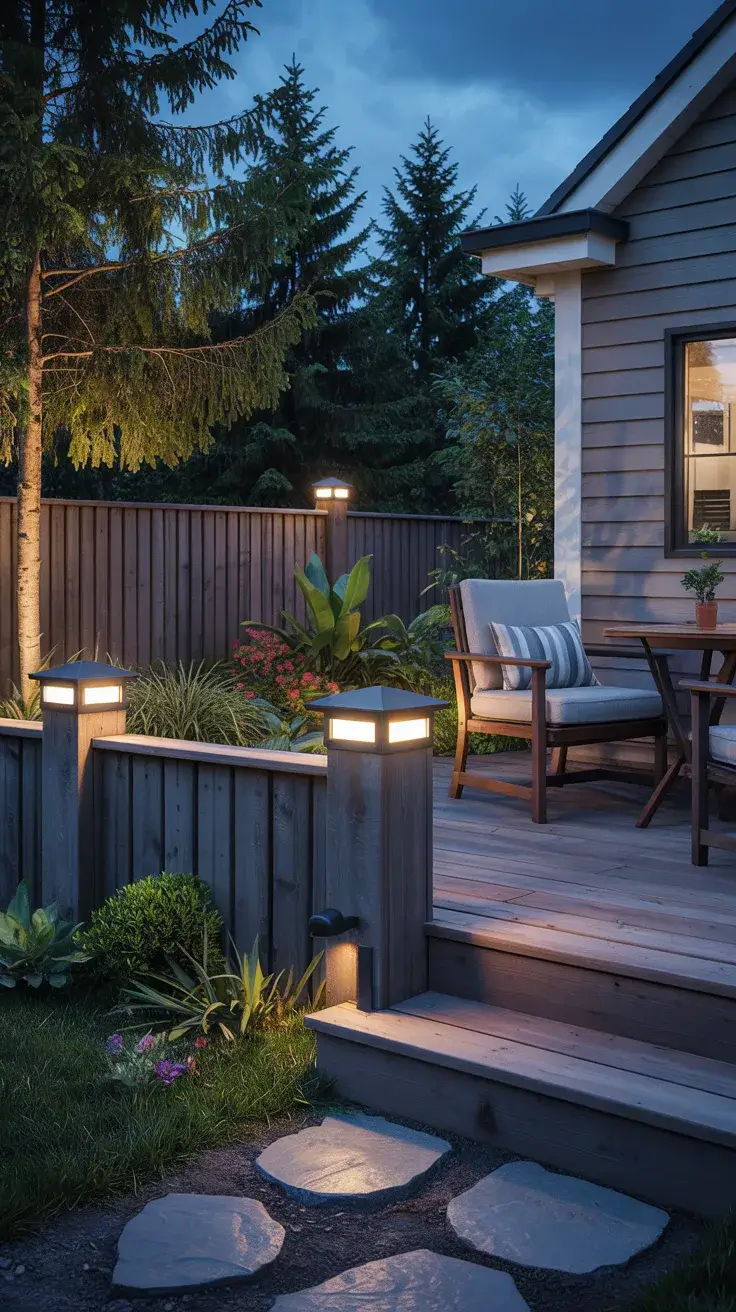
For additional enhancement, I might include guidance on mixing cap styles to create variation while keeping the overall look cohesive.
31. Modern Driveway Edge Lighting
Modern driveway lighting forms an important part of outdoor lighting ideas 2026, helping homeowners achieve both safety and refined curb appeal. When I illuminate driveways, I use clean, contemporary fixtures that reinforce architectural lines while ensuring clear vehicle and pedestrian navigation.
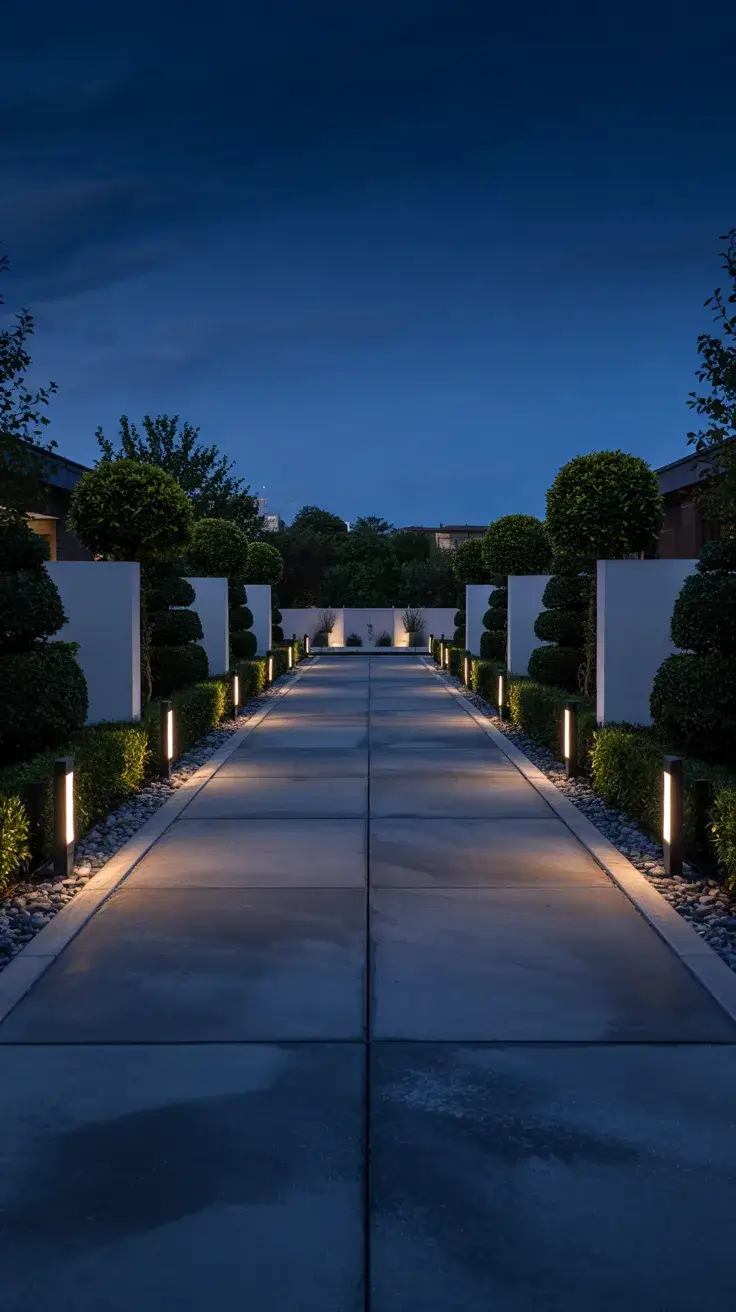
I often install low-profile LED edge markers, narrow bollards, or recessed strip lighting along the driveway’s borders. These fixtures enhance visibility without introducing glare that could distract drivers. Matte metal finishes, frosted lenses, and geometric shapes create a modern aesthetic that pairs well with minimalist home exteriors and structured landscaping.
From my experience, driveway lighting is most successful when symmetry and spacing are carefully considered. Lighting experts cited in Landscape Architecture Magazine recommend consistent fixture intervals to maintain balance, and I follow this rule closely. The result is a polished driveway design that feels intentional and complements the overall property.
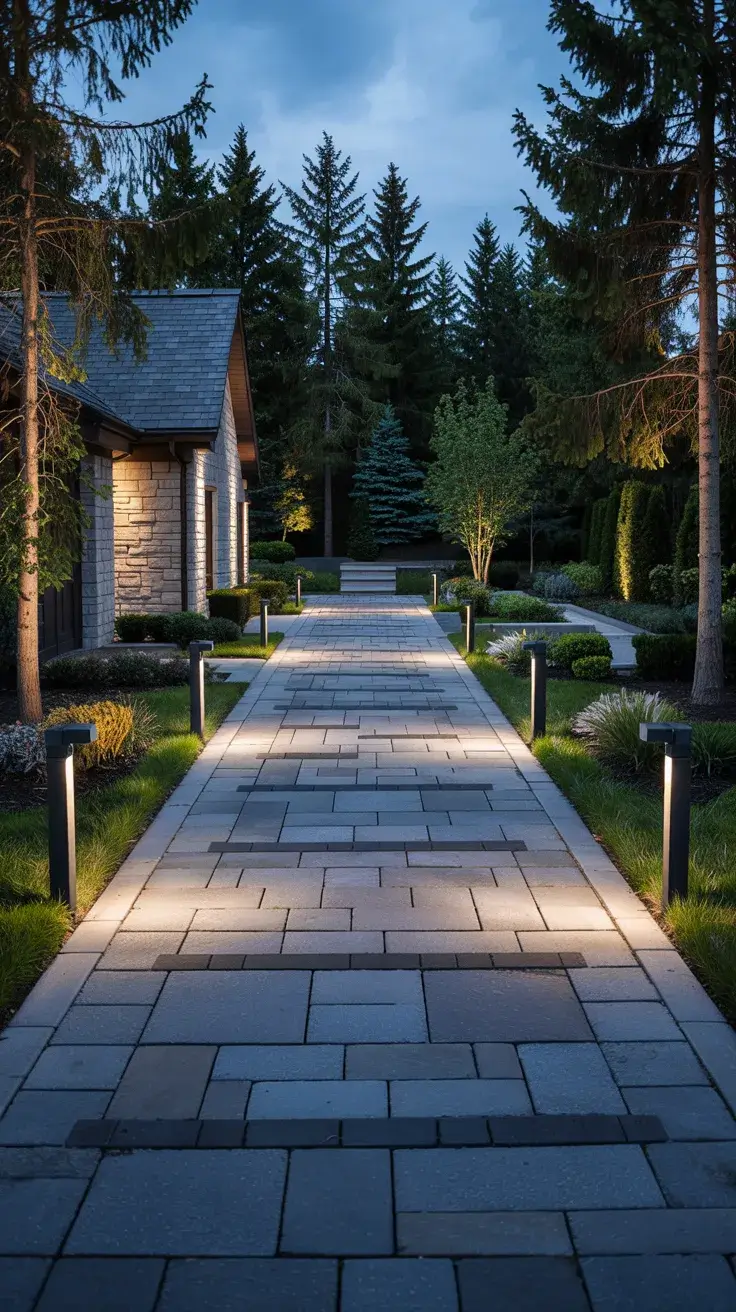
For an added layer of functionality, I sometimes advise incorporating motion-boost features that temporarily increase brightness when movement approaches.
32. All Weather Recessed Step Lights
Recessed step lighting has become essential in outdoor lighting ideas 2026, especially as homeowners seek safer and more visually appealing transitions across patios, porches, and terraced yards. When designing stair illumination, I aim to blend the fixture into the architecture so the glow feels natural and unobtrusive.
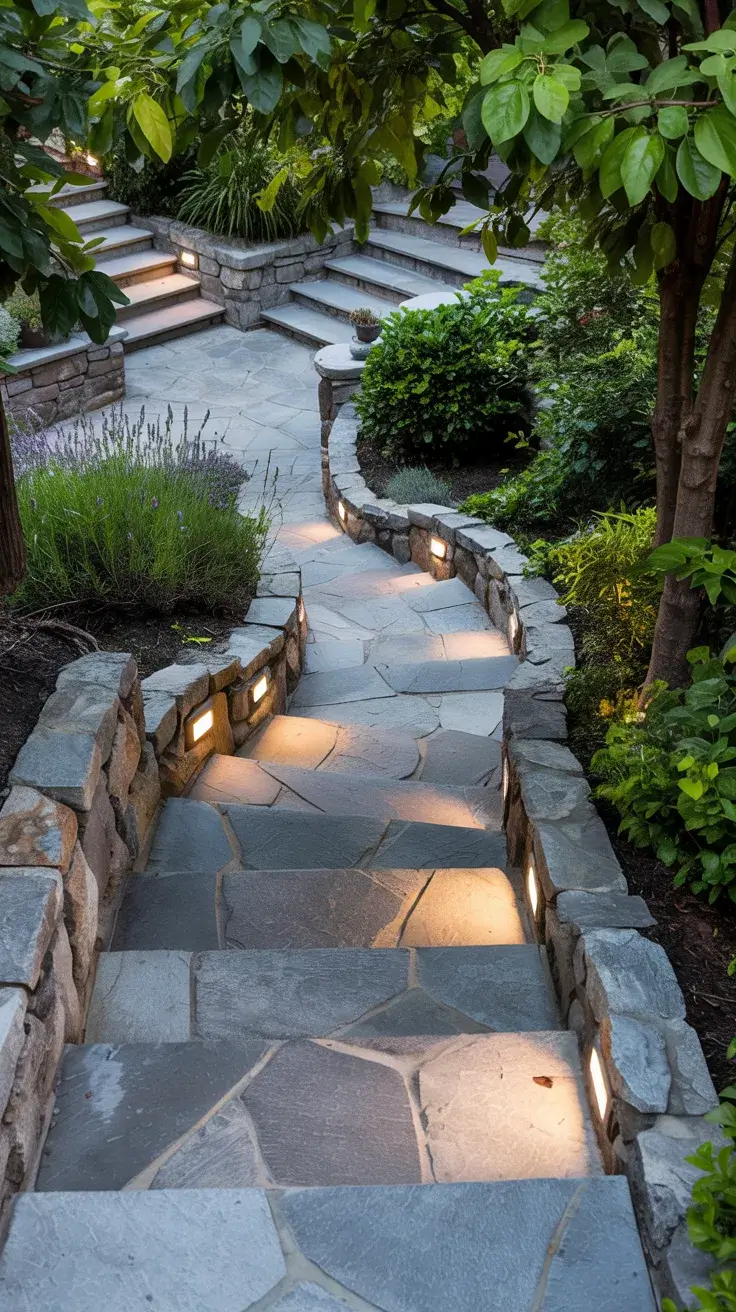
In my projects, I use slim linear step lights, compact recessed pucks, and angled LED modules embedded into risers. These fixtures produce soft, controlled illumination that marks each step clearly without spilling excessive light outward. Their weather-resistant construction ensures they withstand heavy rain, temperature shifts, and foot traffic without losing quality.
From my experience, recessed step lights are indispensable for enhancing safety, particularly in multi-level outdoor living areas. Interior and exterior specialists quoted in Sunset Magazine highlight their value in reducing nighttime accidents while adding elegant visual detail, which reflects exactly how I use them. The effect is subtle but transformative.
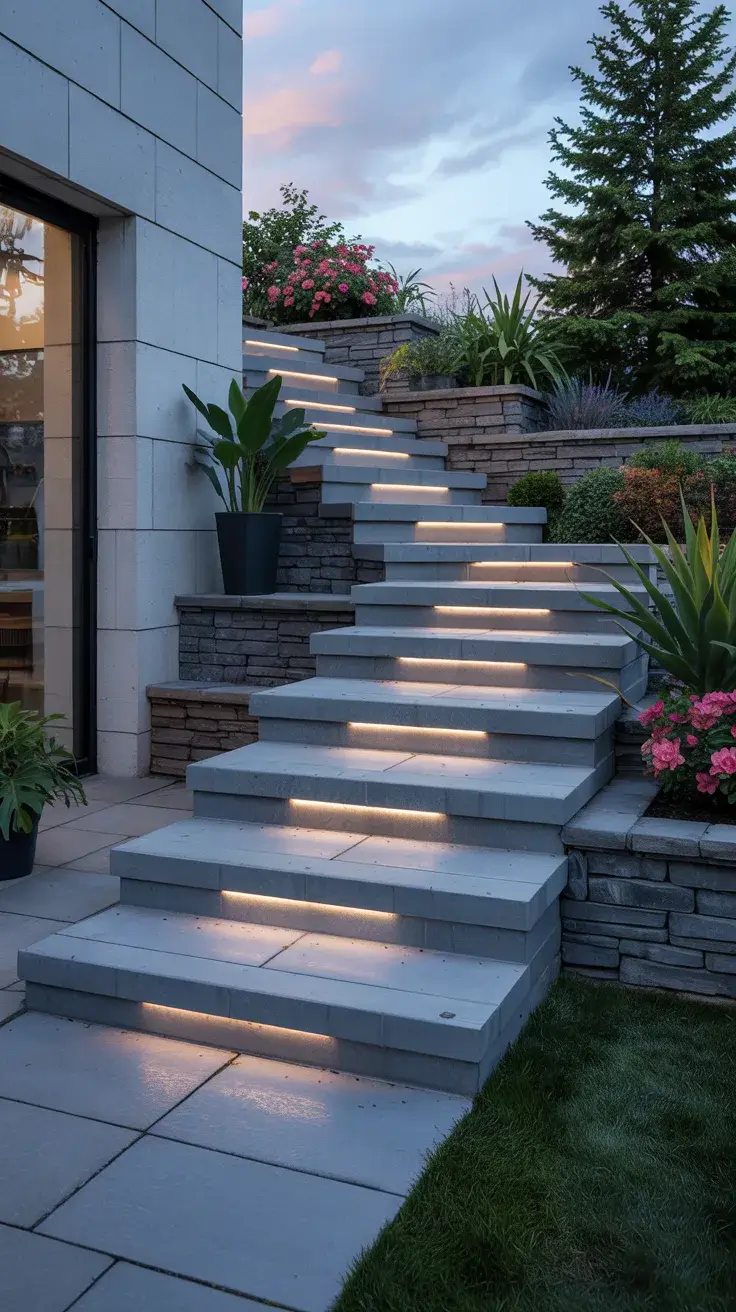
To complete this section, I would recommend choosing warm, diffused tones to keep stair illumination comfortable and inviting.