Designing an Indoor – outdoor living room 2026 raises exciting questions about how we can merge comfort, nature, and modern design into one seamless environment. How do we create spaces that feel open yet protected, luxurious yet practical, and connected yet private? In this article, I will explore the most relevant design strategies that define this innovative living style and explain how each concept can elevate your home. My goal is to guide you through the essential principles of structure, layout, materials, and atmosphere so you can confidently bring these transformative ideas to life.
1. Seamless Indoor Outdoor Living Room Concepts 2026
Creating a seamless flow between inside and outside is one of the most important features of the Indoor – outdoor living room 2026 concept. I focus on removing visual and physical barriers so the eye naturally travels from the living area to the outdoor lounge or garden. This includes matching flooring materials, coordinating color palettes, and using architectural lines that connect both areas into one holistic environment. When thoughtfully applied, the result feels effortless and enhances the way people relax and socialize in the space.
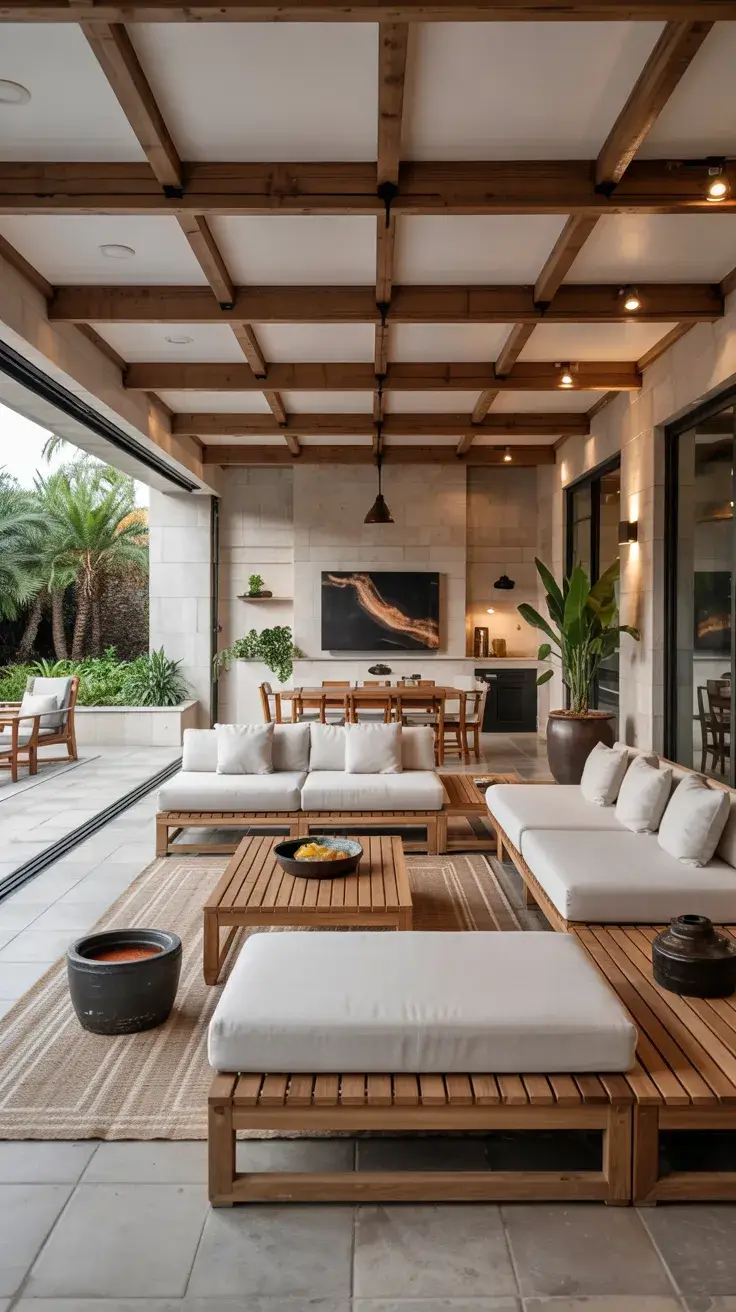
When selecting furniture, I choose pieces with similar textures and heights for both indoor and outdoor zones to maintain unity. Modular sofas, low-profile armchairs, and matching side tables help bridge the gap between spaces. I prefer using durable materials like teak, aluminum, or woven fibers outdoors because they align visually with natural wood or stone finishes indoors. Lighting fixtures, too, should complement each other, with soft warm tones that remain consistent across both environments.
From my experience, the most successful designs follow the principle often mentioned by Architectural Digest: “continuity builds comfort.” When the transition feels organic, the entire home seems larger and more inviting. I often advise clients to mirror the style and layout of the indoor living room on the patio or deck to maximize this effect.
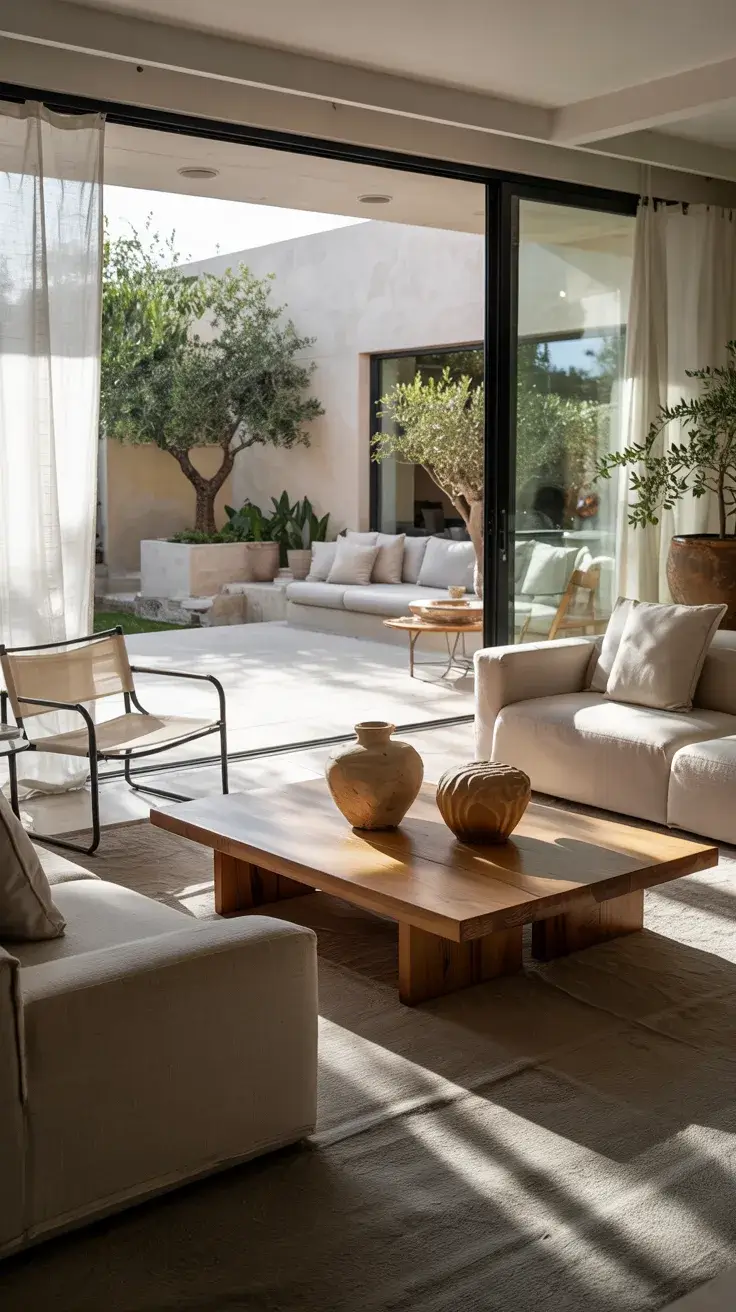
To complete this section, I would add a dedicated area for storage solutions that work in both climates, such as built-in benches or weather-safe cabinetry. This addition increases practicality without sacrificing style.
2. Modern Open Air Living Room Layouts
When designing modern open-air living layouts, I prioritize simplicity and functional clarity. The essence of the Indoor – outdoor living room 2026 approach is to create a breathable space where movement flows naturally. I
often rely on open sight lines, minimal walls, and clearly defined lounging zones that invite relaxation while emphasizing spaciousness.
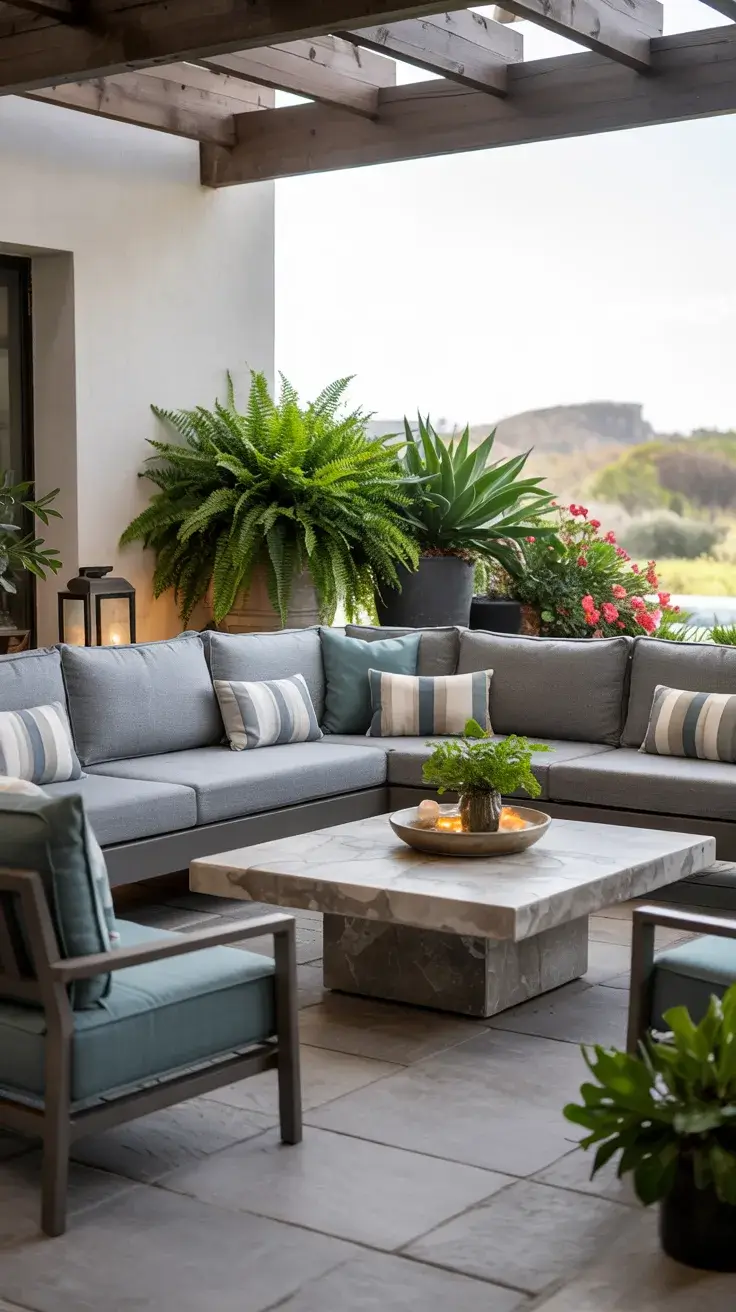
Furniture selection plays a crucial role. I often use sectional sofas with weather-resistant upholstery, central coffee tables made of stone or metal, and accent chairs that withstand outdoor conditions. Planters, rugs, and lantern-style lighting help define the layout without closing it off. Each item contributes to the space’s balance, making it both modern and welcoming.
From my perspective, open-air layouts succeed when every piece serves a purpose without crowding the environment. Designers at Dwell emphasize that “openness should never feel empty,” which aligns with my approach of layering subtle textures and functional accessories. The space should feel curated but not overdesigned.
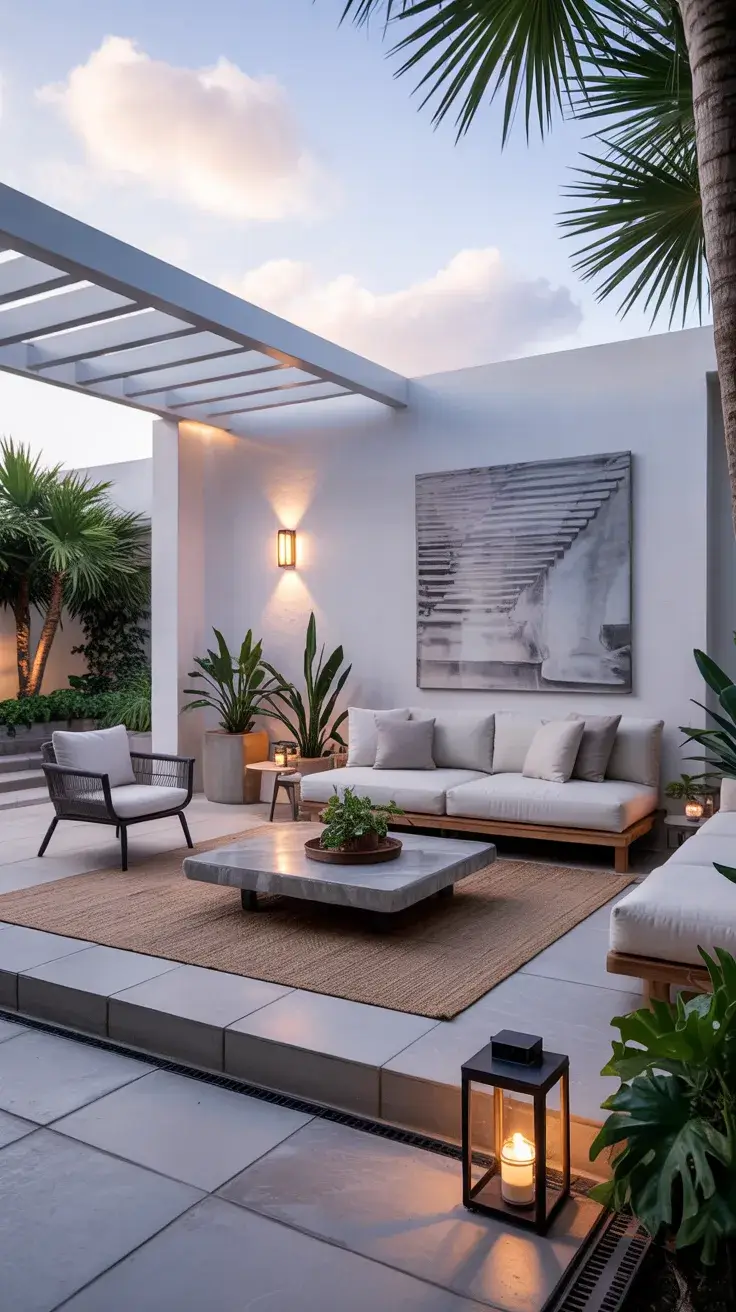
What could further enhance this section is a discussion about airflow planning, such as positioning seating to take advantage of natural breezes or installing outdoor ceiling fans for warmer climates.
3. Biophilic Design For Connected Living Spaces
Biophilic design is essential to the Indoor – outdoor living room 2026 aesthetic because it strengthens the human connection to nature. I integrate greenery, natural textures, and organic shapes into the living environment, ensuring that both indoor and outdoor zones feel alive and harmonious. Living walls, planter clusters, and natural stone accents are especially effective.
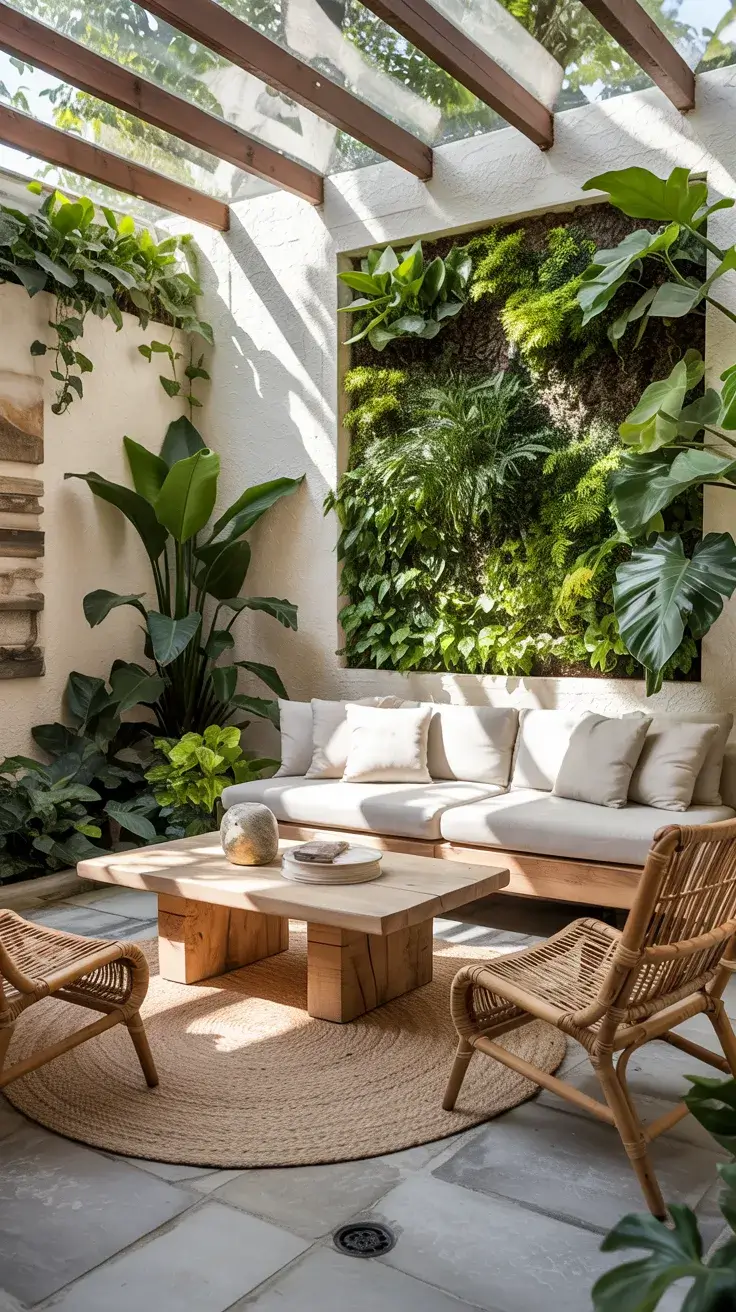
Furniture and décor choices complement this nature-inspired direction. I often select wooden coffee tables, rattan lounge chairs, linen cushions, and ceramic vases for warmth and texture. These elements blend effortlessly with the surrounding landscape, reinforcing the bond between architecture and nature. Indoor plants, such as fiddle leaf figs or monstera, echo the outdoor greenery and increase visual unity.
In my own work, I have found that biophilic design improves mood, acoustics, and air quality, making spaces feel healthier and more nurturing. Many studies referenced by House Beautiful affirm this emotional benefit, reinforcing my decision to integrate greenery generously.
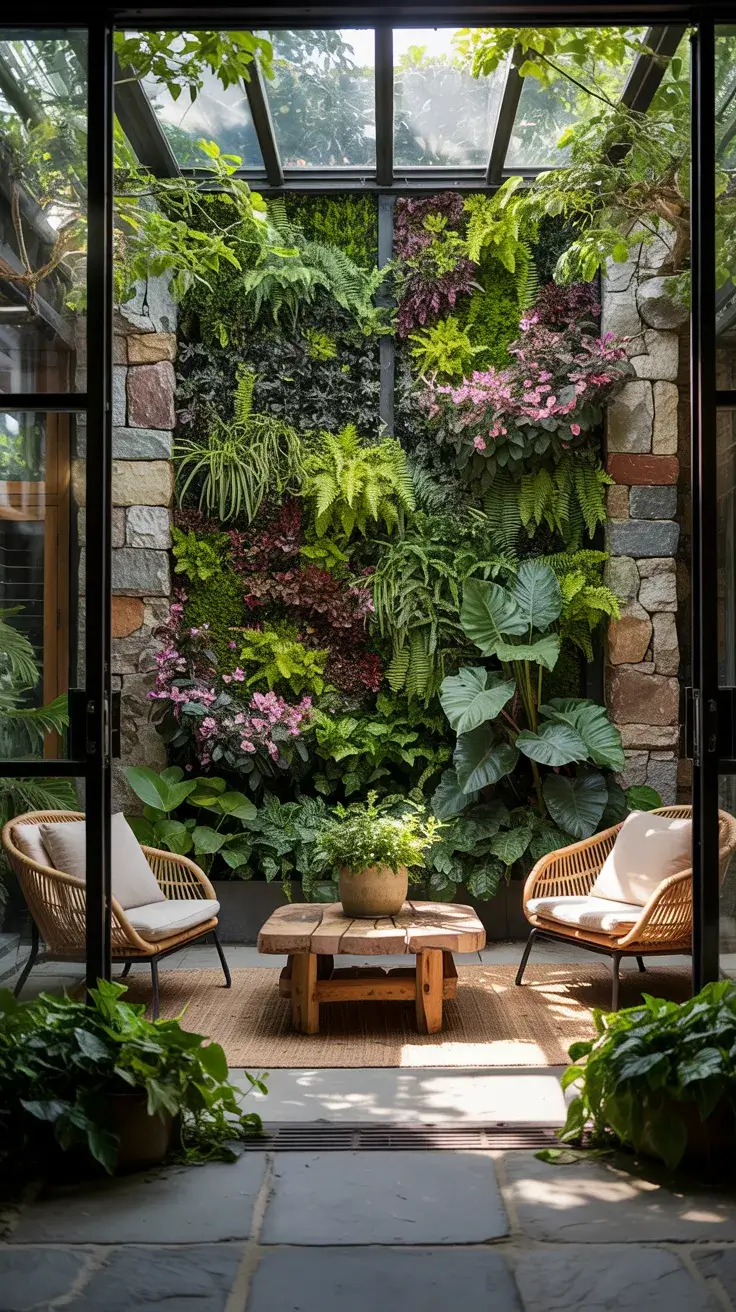
An additional section could include recommendations for low-maintenance plants that thrive in hybrid spaces, which would help homeowners achieve lasting results.
4. Expansive Glass Walls For Indoor Outdoor Flow
Expansive glass walls redefine the Indoor – outdoor living room 2026 style by allowing uninterrupted views and creating a sense of openness. I often use floor-to-ceiling glass panels or oversized picture windows that dissolve traditional boundaries and visually merge indoor comfort with outdoor scenery. This architectural feature dramatically enhances natural light and elevates the overall spatial experience.
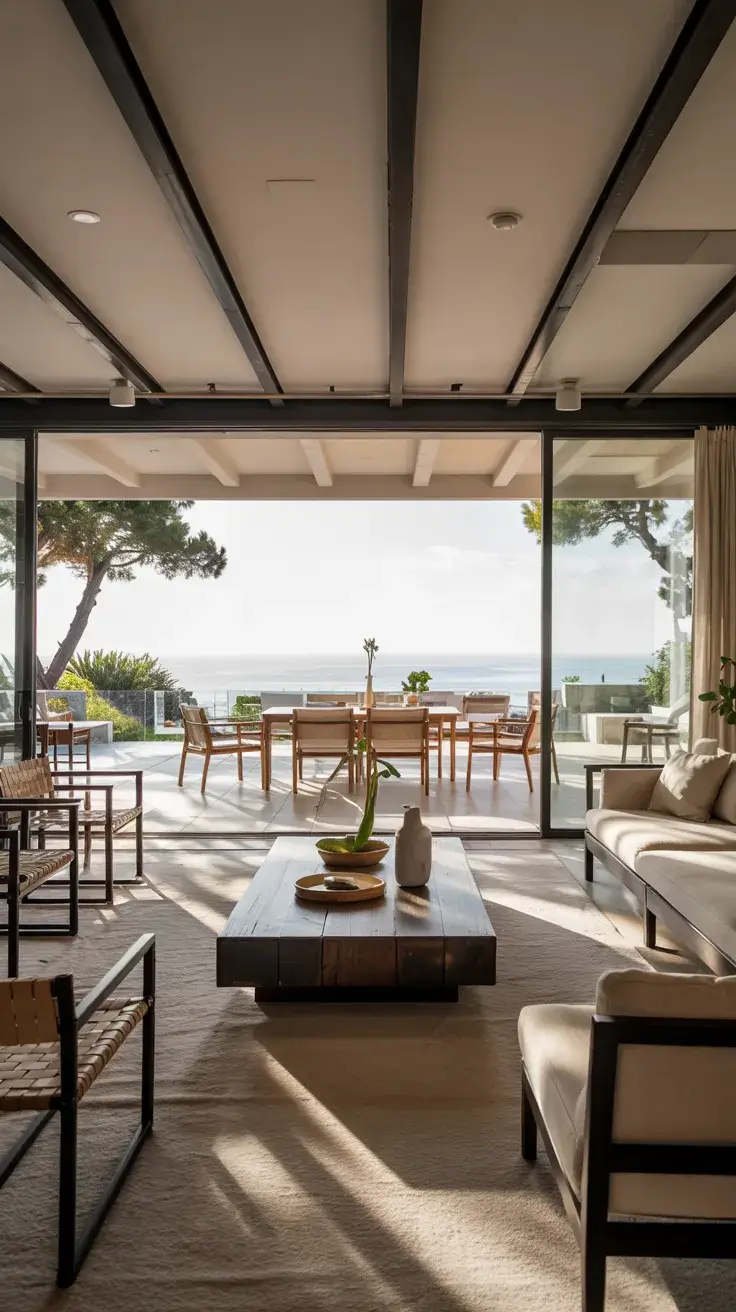
Selecting the right glass system matters. I usually recommend double- or triple-glazed panels for insulation, aluminum or slim steel frames for minimal visibility, and low-E coatings for energy efficiency. Glass walls pair beautifully with clean-lined furniture, such as minimalist sofas, sleek sideboards, and modern accent tables, because the simplicity highlights the vista beyond the walls.
In practice, I’ve noticed that clients feel more grounded when their living spaces maintain a strong visual connection with nature. Designers at Elle Decor often emphasize the psychological comfort that comes from seeing greenery and open skies throughout the day.
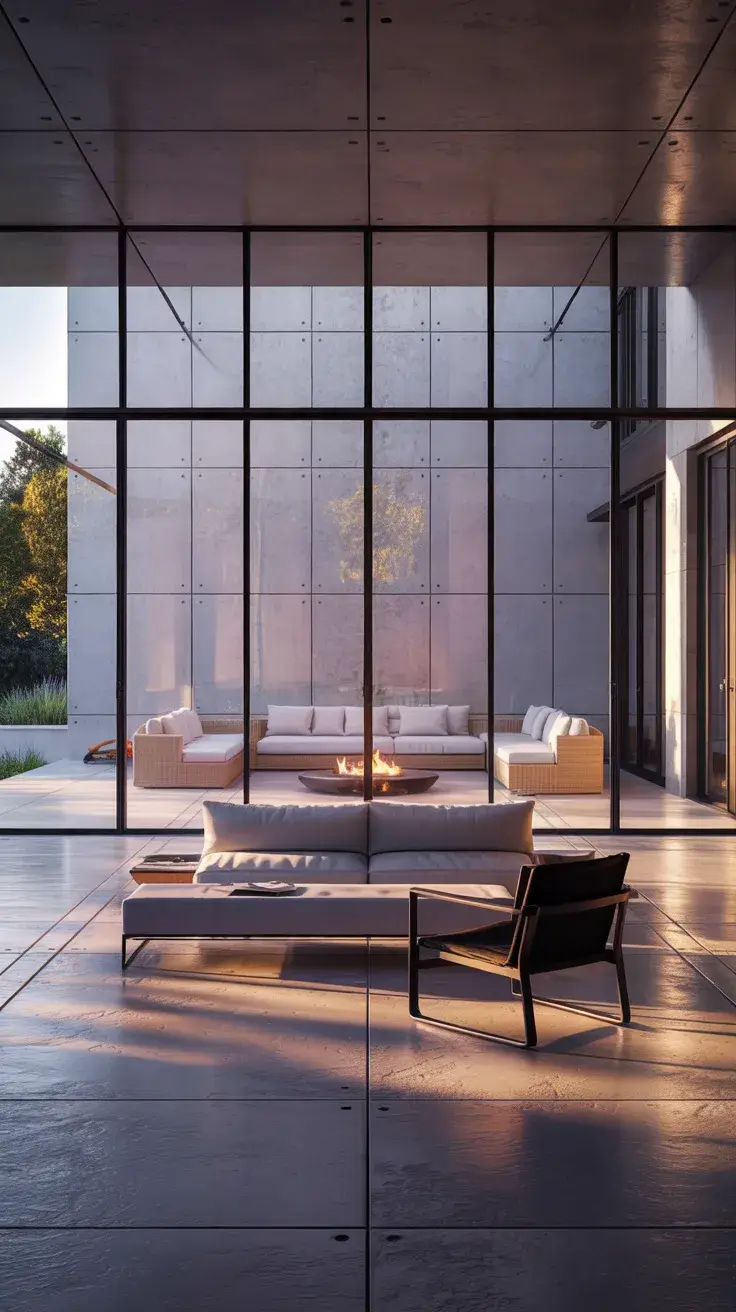
To make this section even stronger, I would include a note on privacy solutions, such as integrated blinds or exterior landscaping that allows light without sacrificing comfort.
5. Sliding Door Systems For Flexible Living
Sliding door systems are integral to achieving flexibility in an Indoor – outdoor living room 2026 design. I rely on wide-track sliding doors to open large sections of the wall, creating a versatile threshold between interior and exterior areas. This design allows homeowners to choose between an enclosed living room or a fully expanded entertainment zone depending on the weather and occasion.
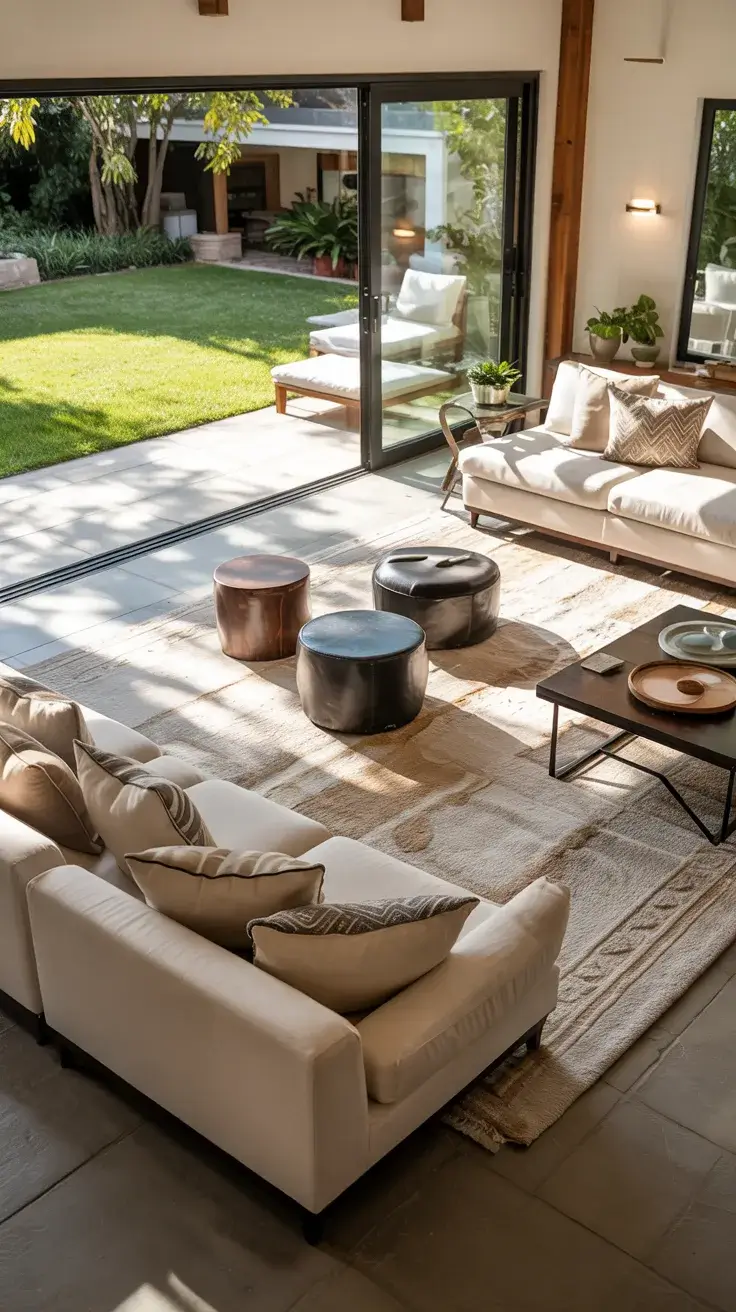
For durability and style, I choose doors made from aluminum, composite materials, or engineered wood. The handles, lock mechanisms, and frame colors are selected to match nearby furniture and architectural lines. I often integrate rugs, ottomans, and compact sideboards that remain functional in either configuration, maintaining the room’s cohesion even when the doors are open.
In my work, sliding doors have repeatedly proven to be one of the most cost-effective upgrades with the highest daily impact. Many U.S. remodeling experts confirm that sliding systems increase both visual appeal and resale value due to their practicality and sleek appearance.
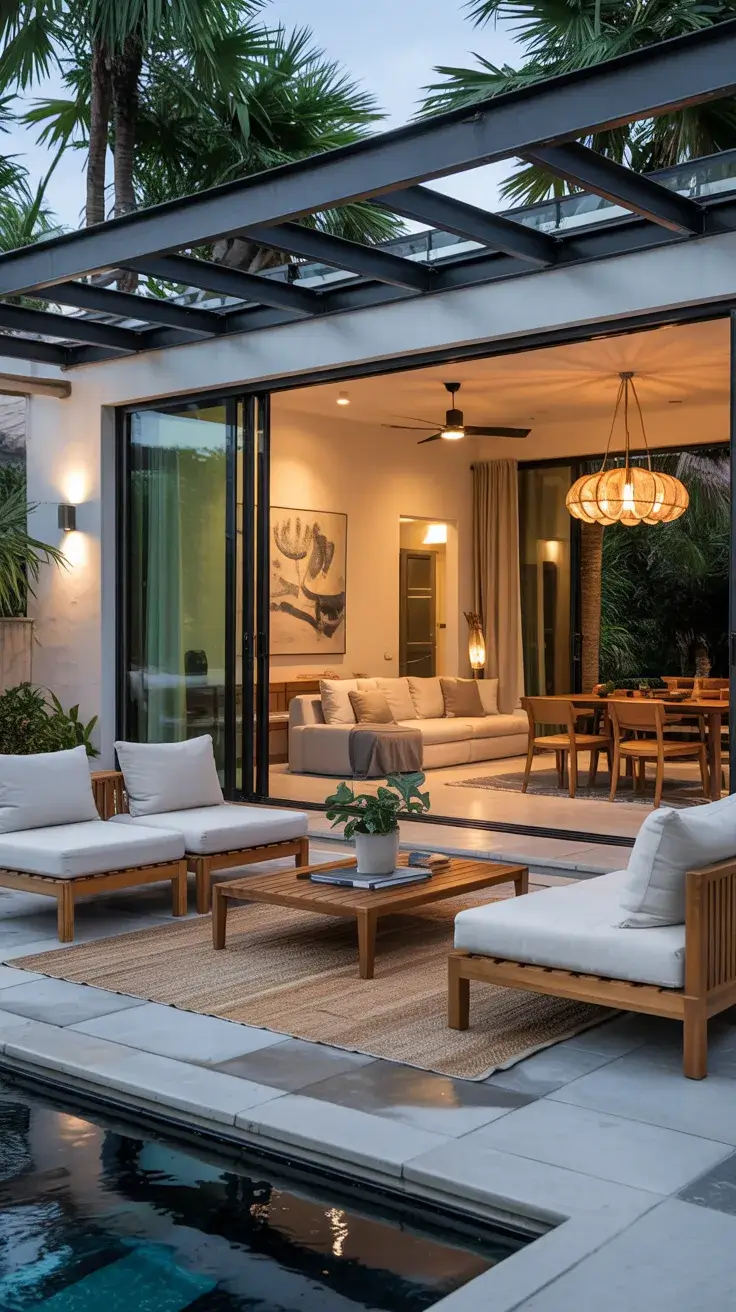
If I were to expand this section, I would add a guide on choosing appropriate track systems based on climate, usage, and architectural constraints.
6. Retractable Wall Solutions For Hybrid Rooms
Retractable walls offer a more dramatic transformation than sliding doors, making them a standout feature in the Indoor – outdoor living room 2026 framework. I use these systems when homeowners want maximum openness and the ability to convert a fully enclosed room into a breezy pavilion-style living area. This creates an adaptable space ideal for year-round enjoyment.
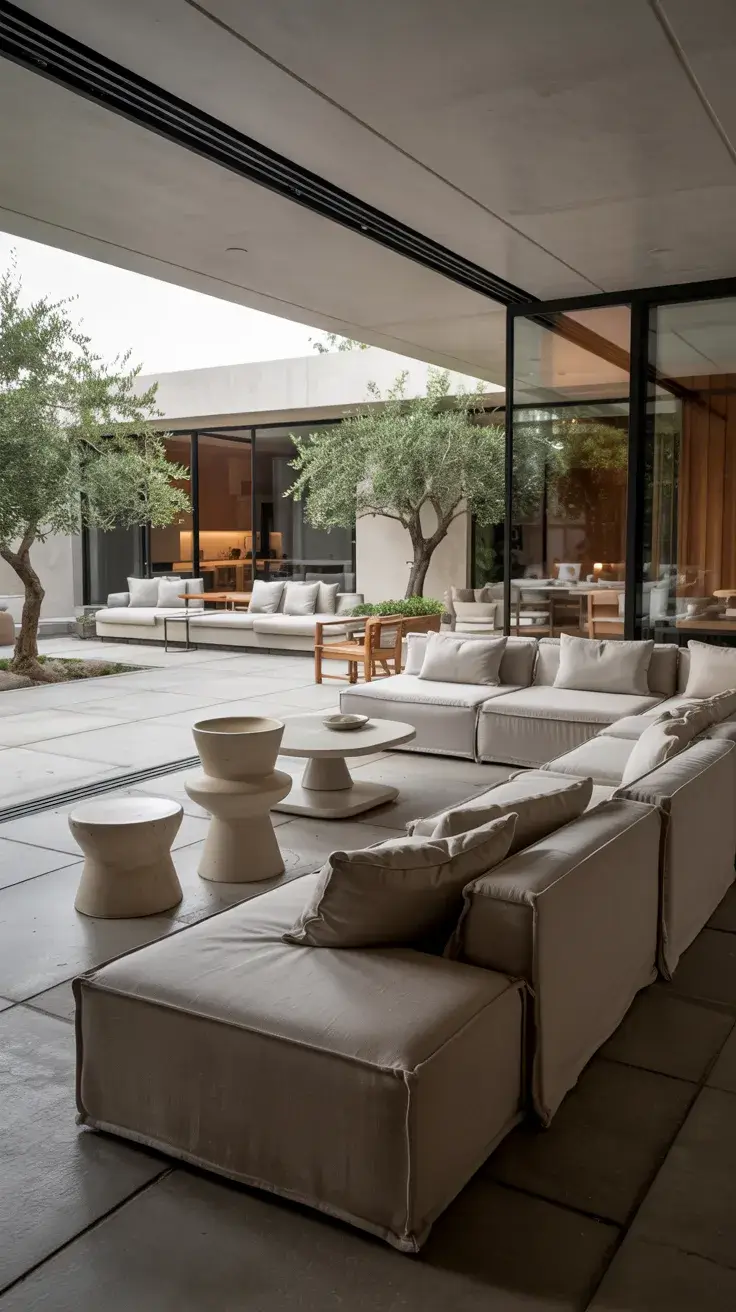
When selecting materials, I prefer insulated panels with weather-resistant seals and durable exterior finishes. The surrounding furnishings should be equally versatile, so I recommend modular sofas, stacking chairs, and lightweight tables to make rearrangement effortless. Neutral fabrics and textures support the shifting architecture and maintain balance when the walls retract.
Personally, retractable walls are among my favorite elements because they transform the energy of the space instantly. Publications like Sunset Magazine often highlight them as a modern essential for homeowners who love entertaining and appreciate architectural innovation.
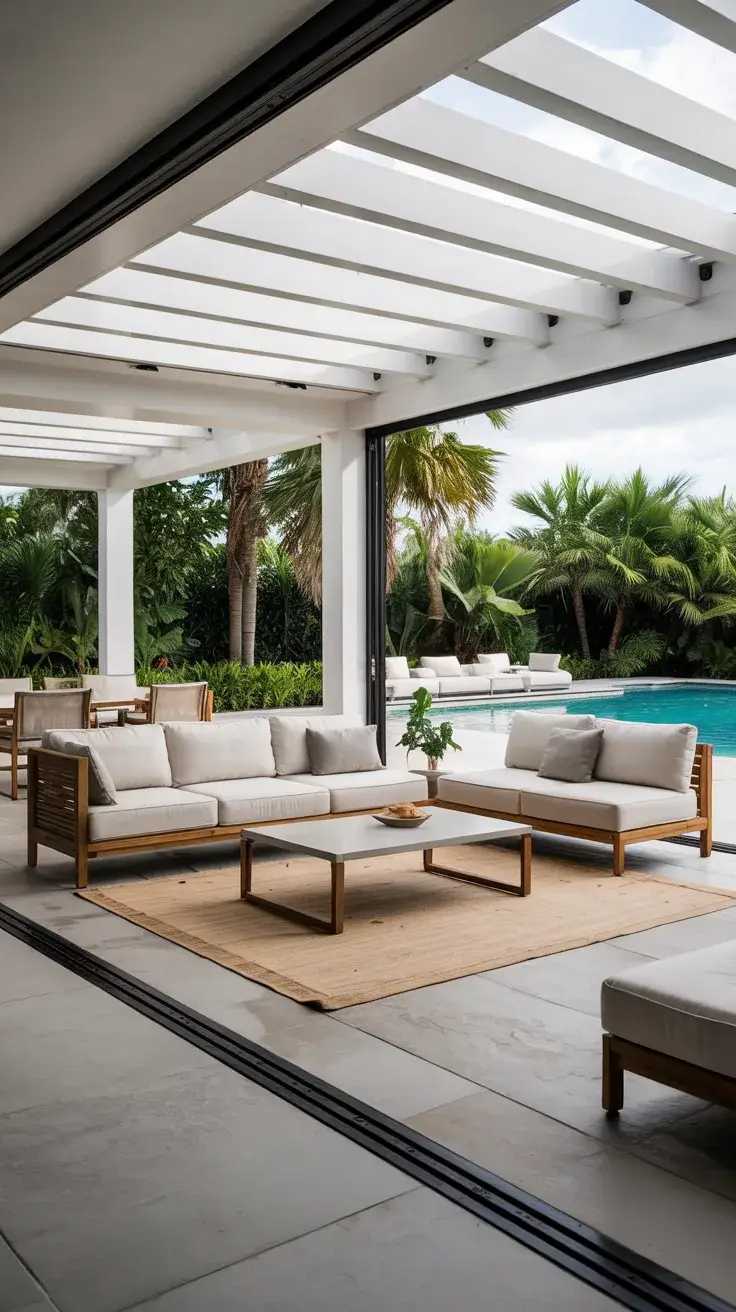
This section could be strengthened by adding a detailed explanation of motorized versus manual retractable wall systems, helping homeowners choose the best option.
7. Natural Light Optimization In Indoor Outdoor Rooms
Optimizing natural light is a critical part of the Indoor – outdoor living room 2026 design approach. I analyze how sunlight interacts with the home throughout the day and use architectural openings, reflective surfaces, and material choices to brighten both indoor and outdoor areas. The goal is to create a warm, inviting atmosphere that feels open and energizing.
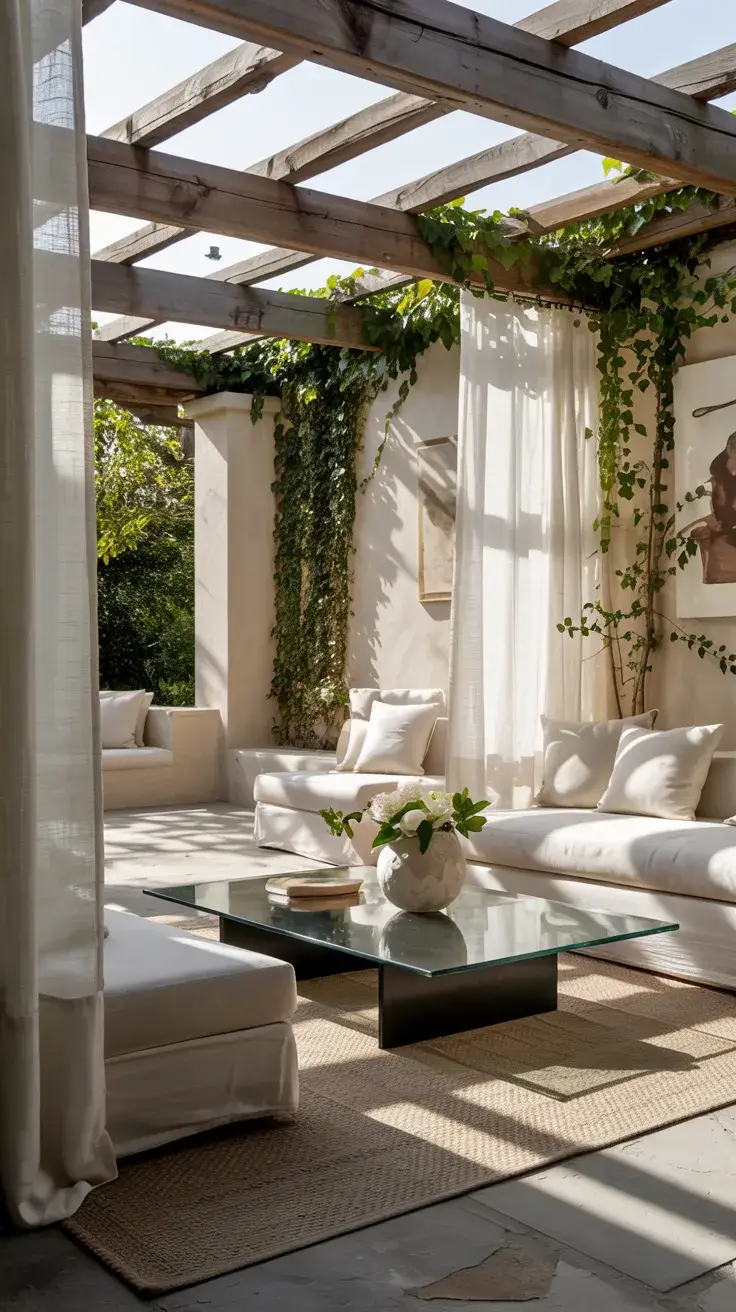
Furniture and décor help enhance natural light flow. I often select lighter upholstery, low-profile furniture, and translucent curtains to avoid visual heaviness. Mirrors, glass tables, and light-colored rugs help bounce light deeper into the room. Outdoors, pergolas or slatted shades provide comfort without blocking illumination.
From my experience, well-managed natural light reduces the need for artificial lighting and improves the user experience significantly. Designers frequently cited by Veranda note that light quality shapes mood, depth, and perceived spaciousness more than any other design element.
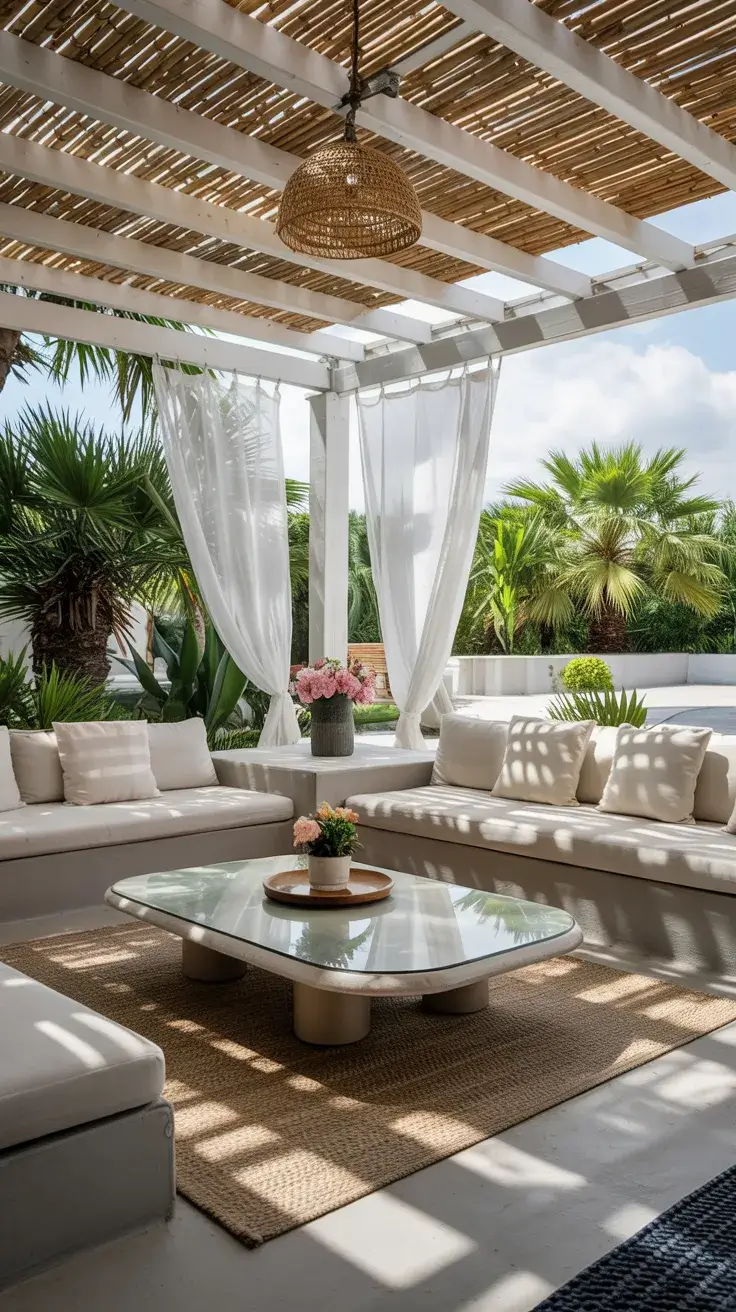
To deepen this section, I would add guidance on selecting window films or UV-protective finishes that preserve materials from sun damage while maintaining clarity.
8. Weather Resistant Outdoor Furnishings
Designing for durability is essential when creating a functional Indoor – outdoor living room 2026 environment. I focus on selecting furnishings that can withstand moisture, UV exposure, and temperature fluctuations while still looking stylish and comfortable. Weather-resistant pieces allow homeowners to treat outdoor areas with the same level of comfort and sophistication as interior spaces, eliminating the feeling of compromise that often comes with outdoor design.
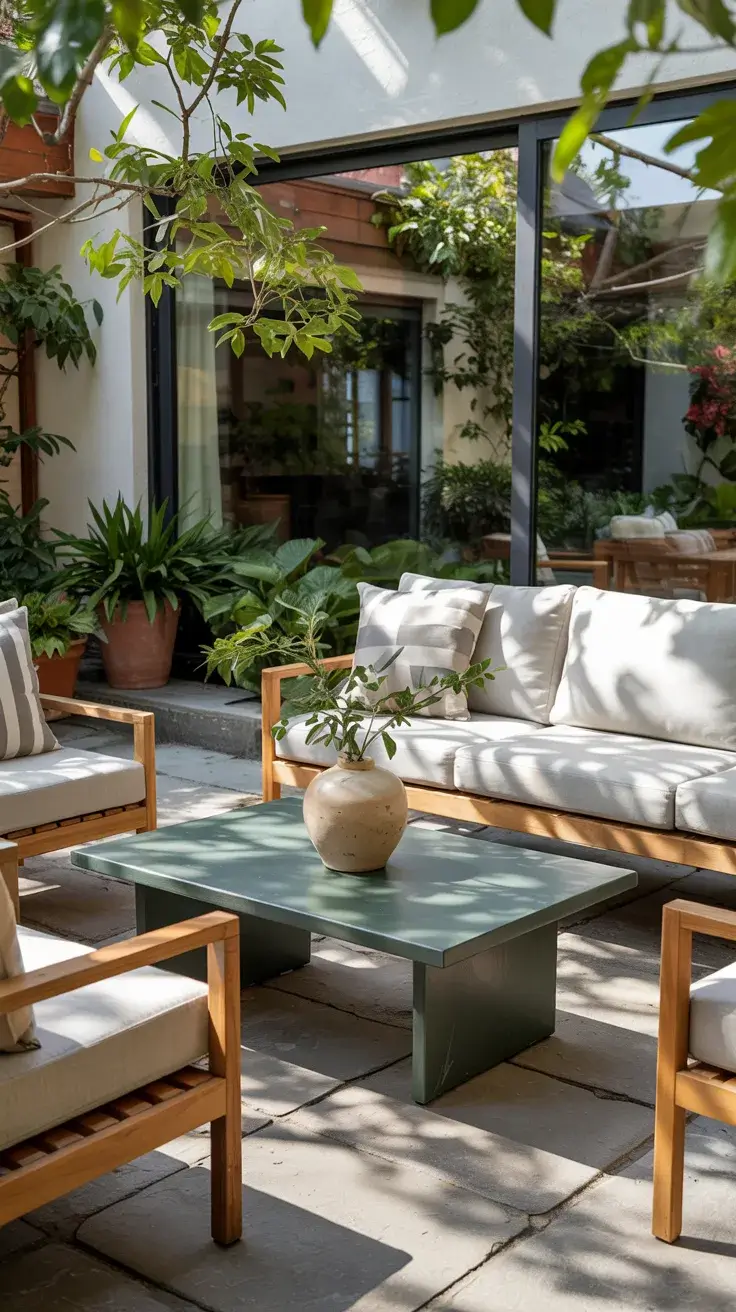
When choosing specific furniture, I look for aluminum frames, teak wood, resin wicker, and performance fabrics that resist fading and mildew. Sofas with removable cushions, mesh-backed chairs, and powder-coated tables all provide longevity without sacrificing visual appeal. I also incorporate storage-friendly accessories, such as waterproof ottomans and built-in deck boxes, enabling smooth transitions between seasons.
In my experience, investing in high-quality outdoor furnishings yields long-term benefits. Many design experts emphasize that materials like Sunbrella upholstery and kiln-dried teak maintain structural integrity even under heavy use. These pieces help homeowners maintain a cohesive look while minimizing maintenance concerns.
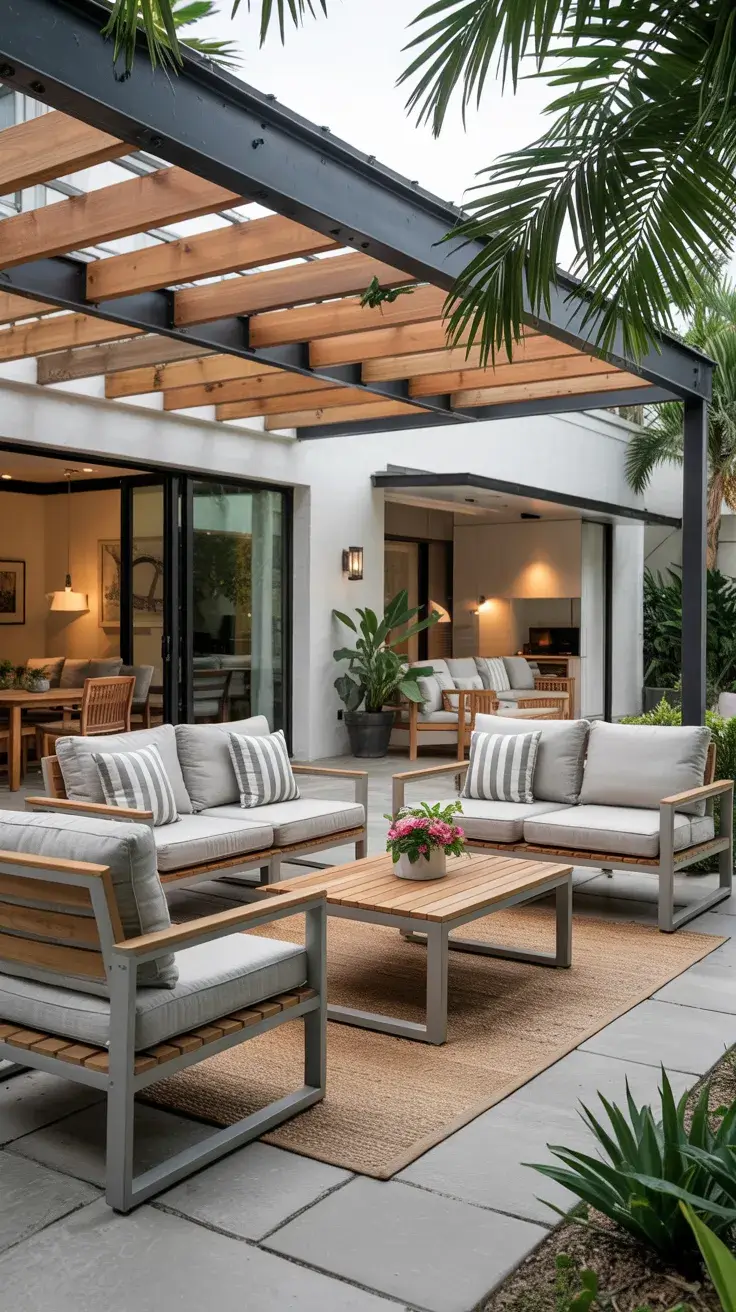
To enhance this section further, I would add guidance on seasonal upkeep and protective covers that extend the lifespan of outdoor furniture.
9. Sustainable Materials For Unified Living Areas
Sustainability plays a central role in the Indoor – outdoor living room 2026 design philosophy. I use materials that reduce environmental impact while offering performance and beauty. This often includes recycled composites, responsibly sourced hardwoods, reclaimed stone, and low-VOC finishes. These choices support a healthier living environment and create a strong visual connection between the natural world and modern architecture.
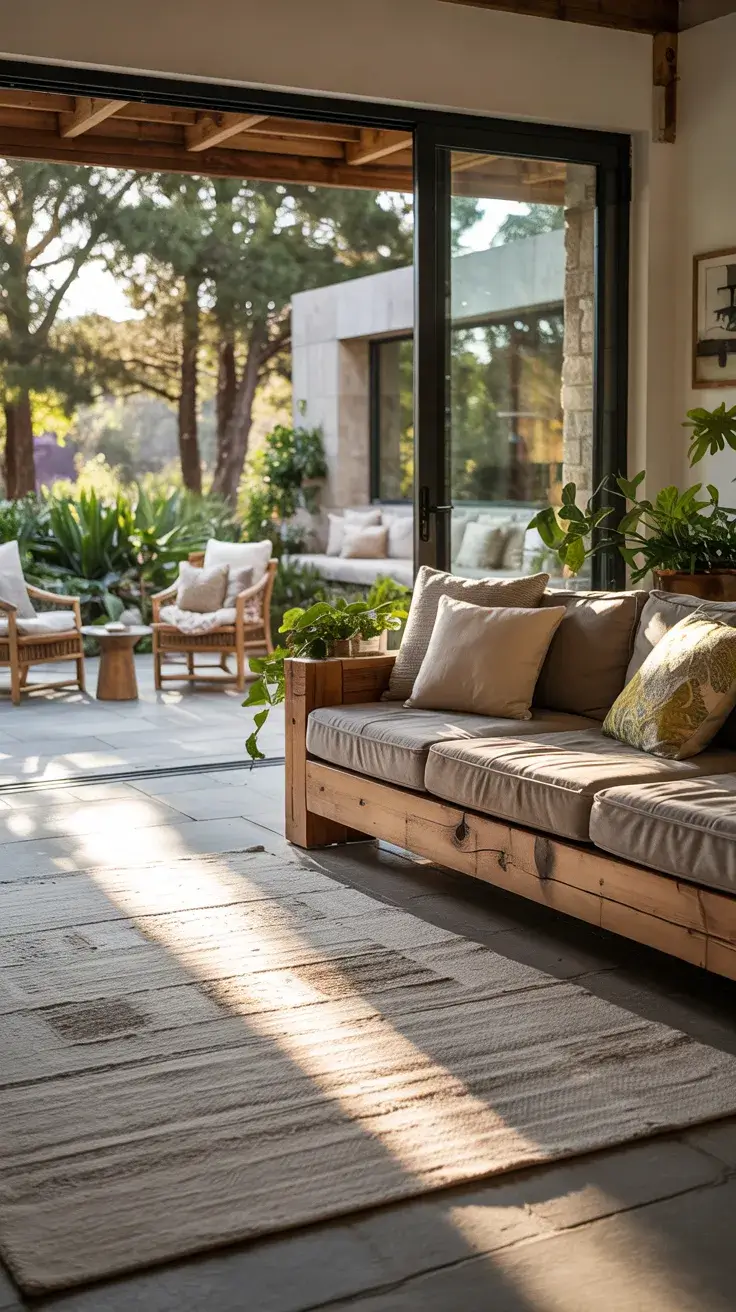
Individual elements contribute meaningfully to sustainability. Reclaimed wood coffee tables, bamboo accent chairs, and eco-friendly exterior decking provide warmth and authenticity. I also use clay tiles, natural wool rugs, and limewash paint indoors because they age gracefully and integrate naturally with outdoor textures. Each piece works together to produce a unified and environmentally mindful aesthetic.
In my practice, I’ve seen that clients appreciate the tactile, grounding qualities of sustainable materials. Publications like Green Building & Design often emphasize that eco-conscious selections also improve indoor air quality and promote mindful living.
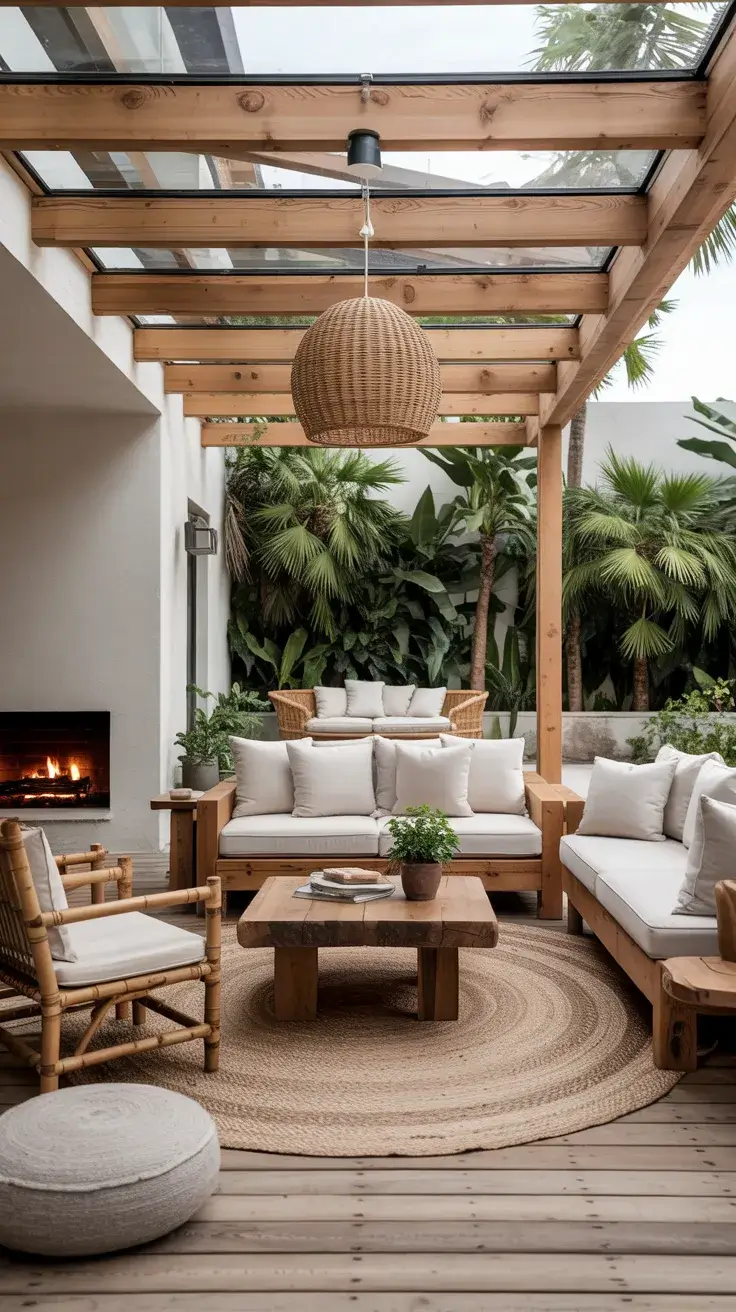
I could expand this section by adding a list of recommended material suppliers known for sustainability, helping homeowners make informed decisions.
10. Organic Color Palettes For Transitional Spaces
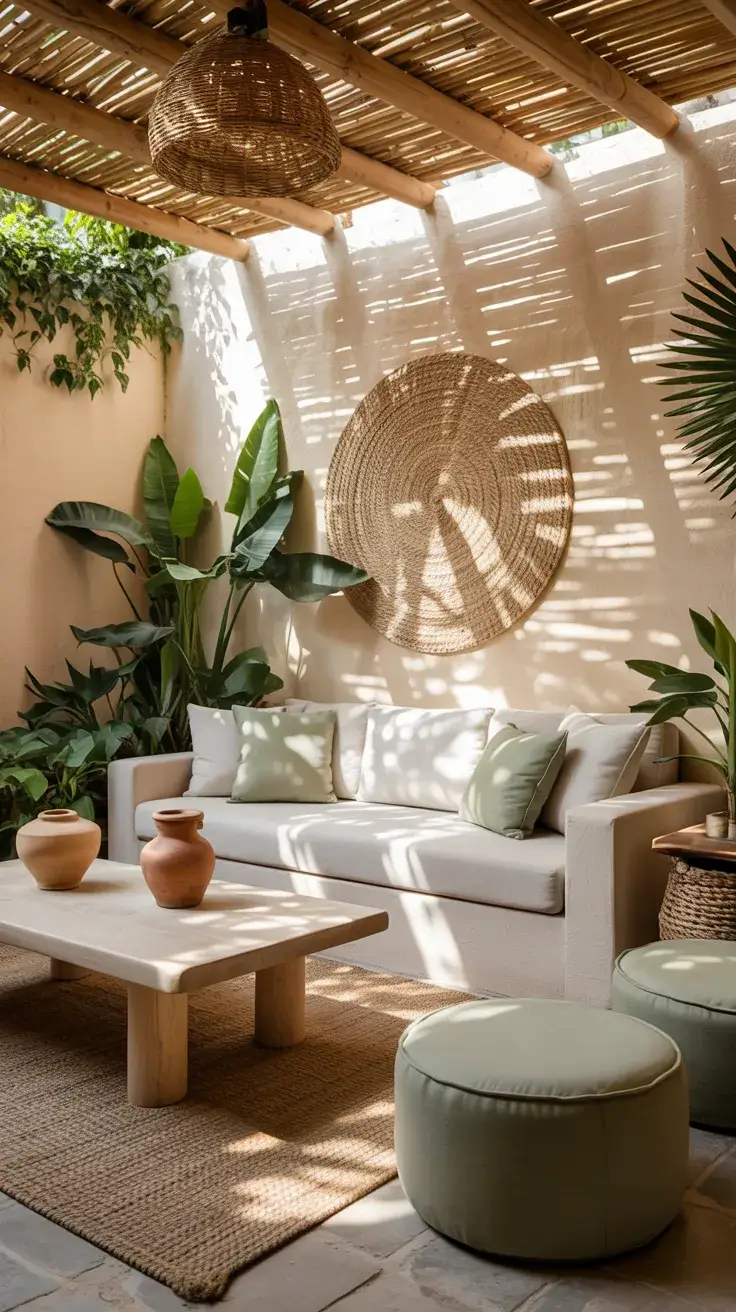
Color is one of the most accessible ways to unify an Indoor – outdoor living room 2026 layout. I choose organic palettes inspired by nature, such as warm sand tones, soft greens, muted terracottas, and stone-inspired neutrals. These colors help blur the boundary between indoors and outdoors, making the entire space feel serene and cohesive.
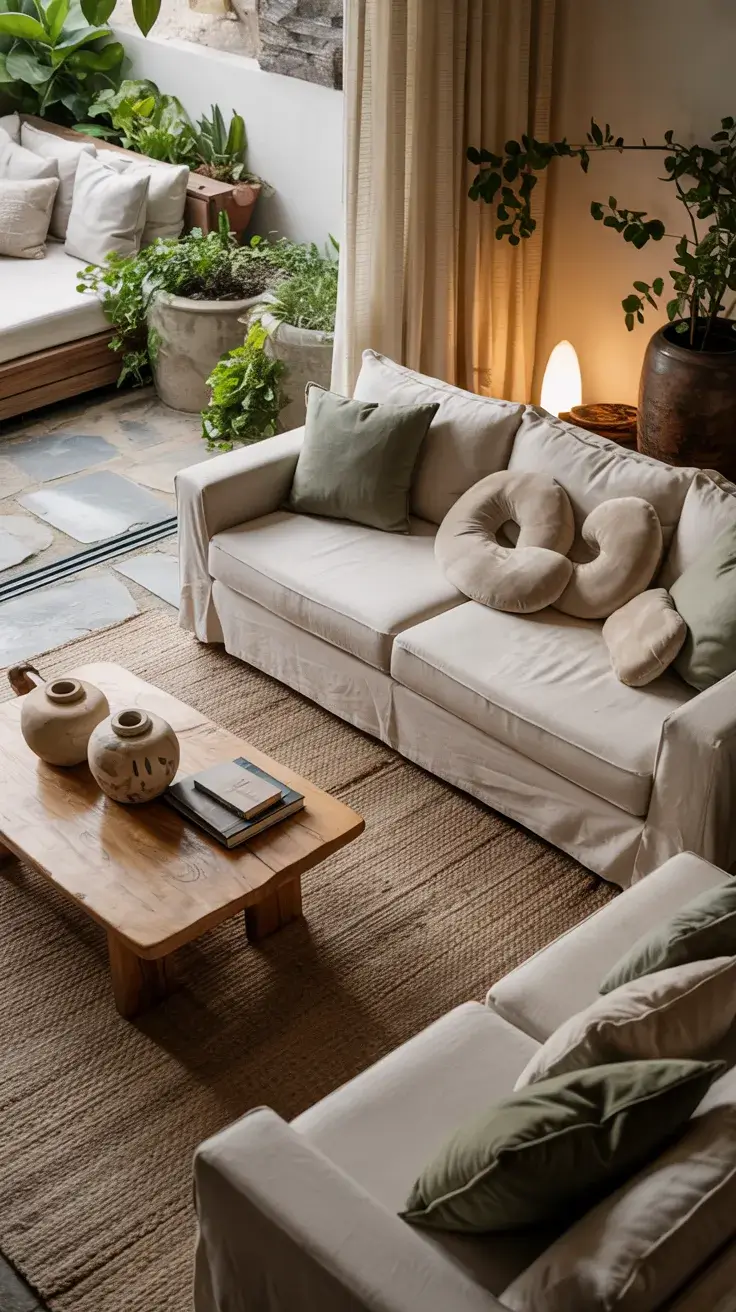
Furniture and décor should reflect these earthy tones. I often pair beige or taupe sofas with natural wood coffee tables, woven baskets, and ceramic décor in clay or sage shades. Outdoors, I repeat the same tones with cushions, planters, and rugs to maintain continuity. Even small touches, like eucalyptus-colored throw pillows or linen curtains, make a significant difference.
Based on my experience, organic palettes create a timeless backdrop that adapts effortlessly to seasonal changes. Many designers featured in Domino highlight how nature-inspired colors promote emotional calm and make transitional spaces feel more balanced.
To enrich this section, I would add advice on integrating accent hues, such as rust or olive, to introduce personality without breaking harmony.
11. Landscape Integration With Living Room Design
Integrating landscape design into an Indoor – outdoor living room 2026 space helps elevate the overall architectural impact. I carefully study the garden layout, views, and natural elements to ensure the outdoor environment complements the living room. When both areas speak the same design language, the home feels larger and more purposeful.
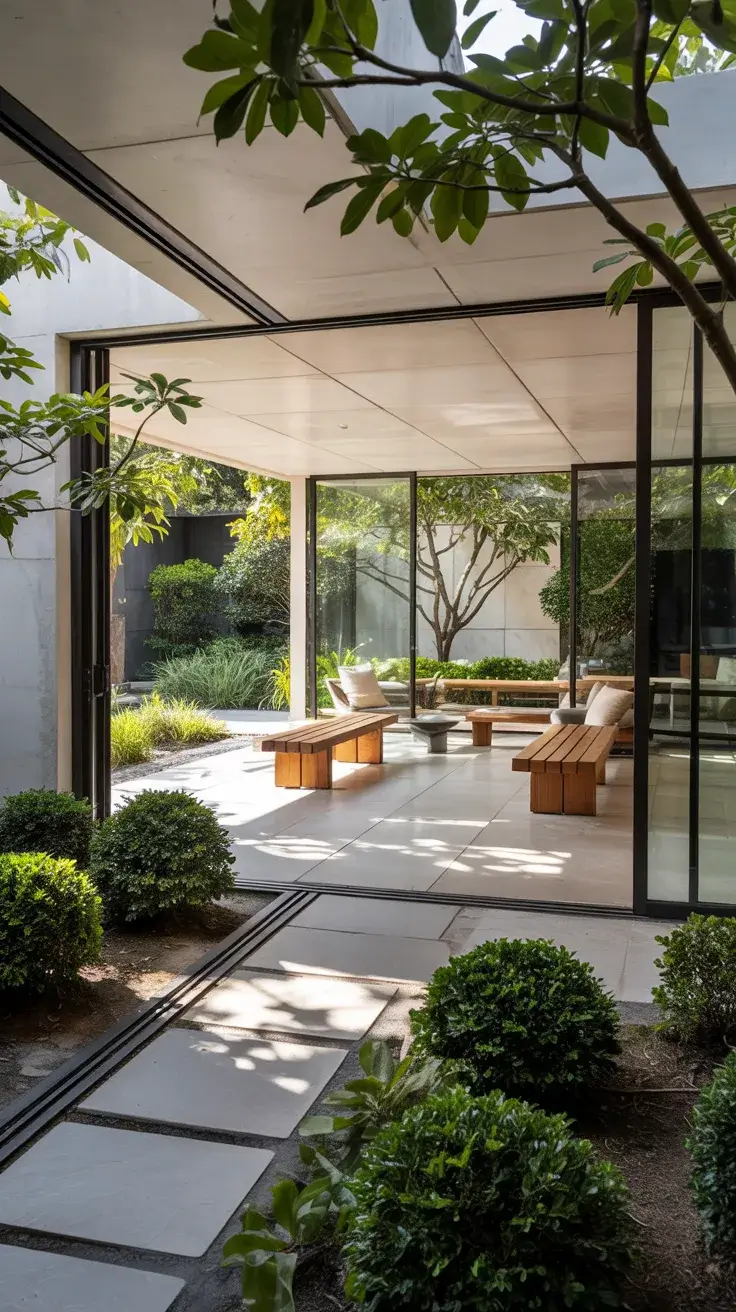
I incorporate native plants, sculptural shrubs, stone pathways, and water features to create a cohesive backdrop. Furnishings such as low outdoor sofas, teak benches, and nature-inspired lighting fixtures reinforce the connection. I also use greenery inside the home to mirror the landscape, visually extending the living space.
From my experience, people feel more at ease when their home aligns with the surrounding environment. Experts at Gardenista frequently emphasize using local plant species for better visual integration and easier maintenance.
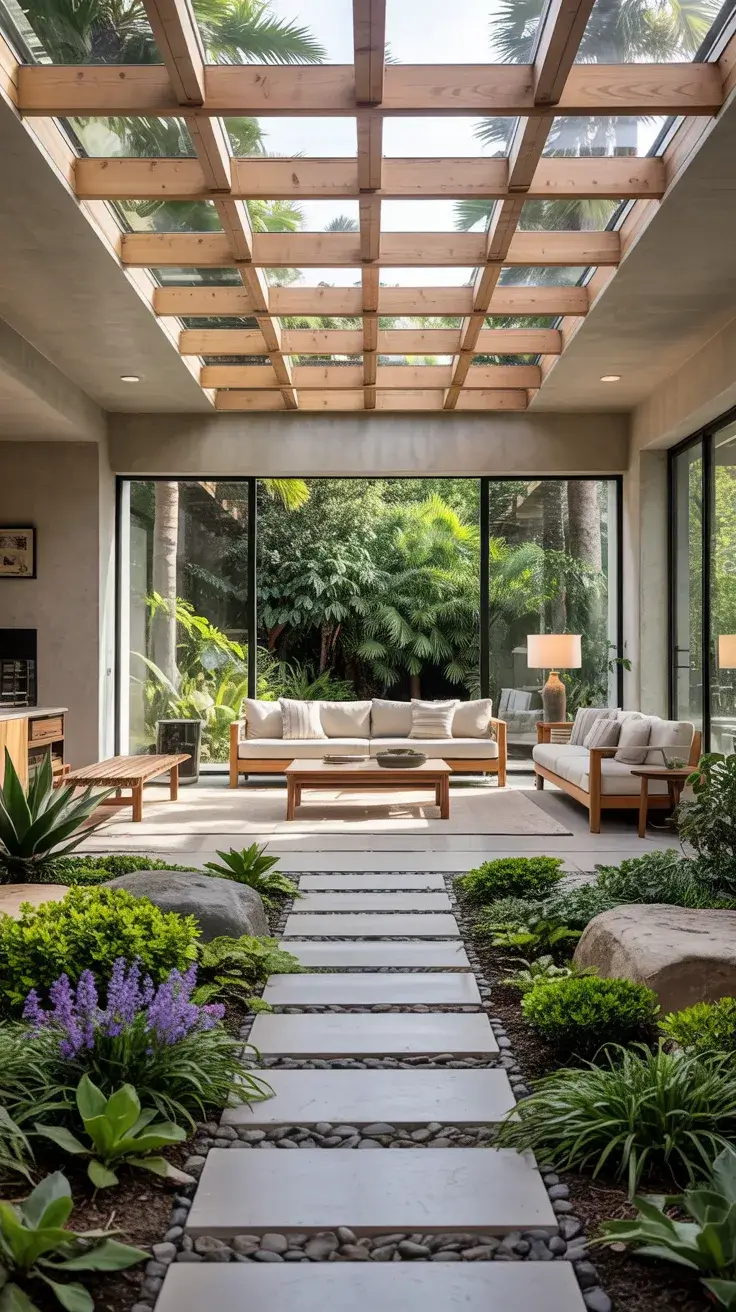
A valuable addition to this section would be a guide on framing views through architectural openings or curated landscaping to highlight focal points.
12. Multi Level Indoor Outdoor Living Zones
Multi-level layouts add dimension and functionality to an Indoor – outdoor living room 2026 design. I often use subtle elevation changes to separate lounging, dining, and relaxation areas without building full walls. Steps, platforms, or terraced decks create dynamic movement while maintaining an open feeling.
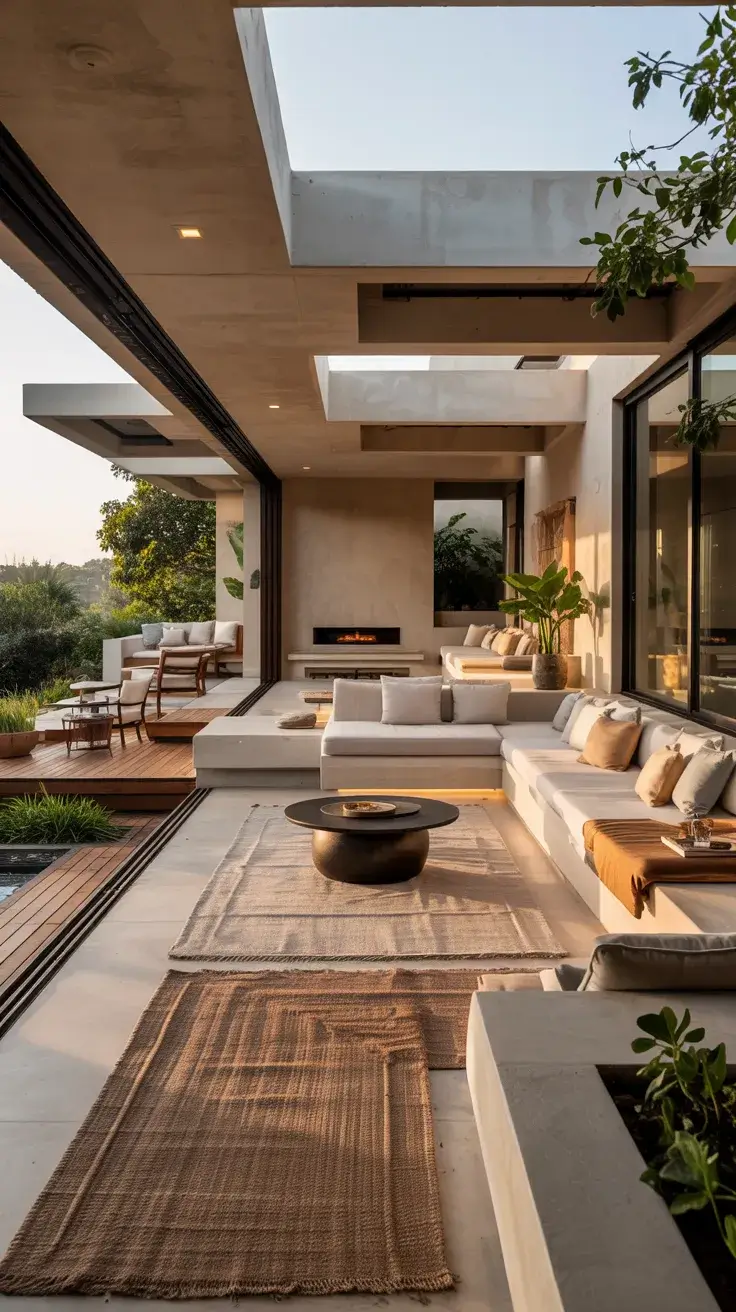
Furniture choices must support the spatial layout. I place built-in benches along elevated areas, low lounge seating on main levels, and compact dining sets on upper terraces. Outdoor rugs help define each area clearly, while railing-free transitions maintain openness. These pieces help the multi-level structure feel intuitive and carefully balanced.
In my work, multi-level designs encourage purposeful zoning while keeping visual unity. Many architectural experts agree that elevation changes can create interest and improve functionality without overwhelming the space.
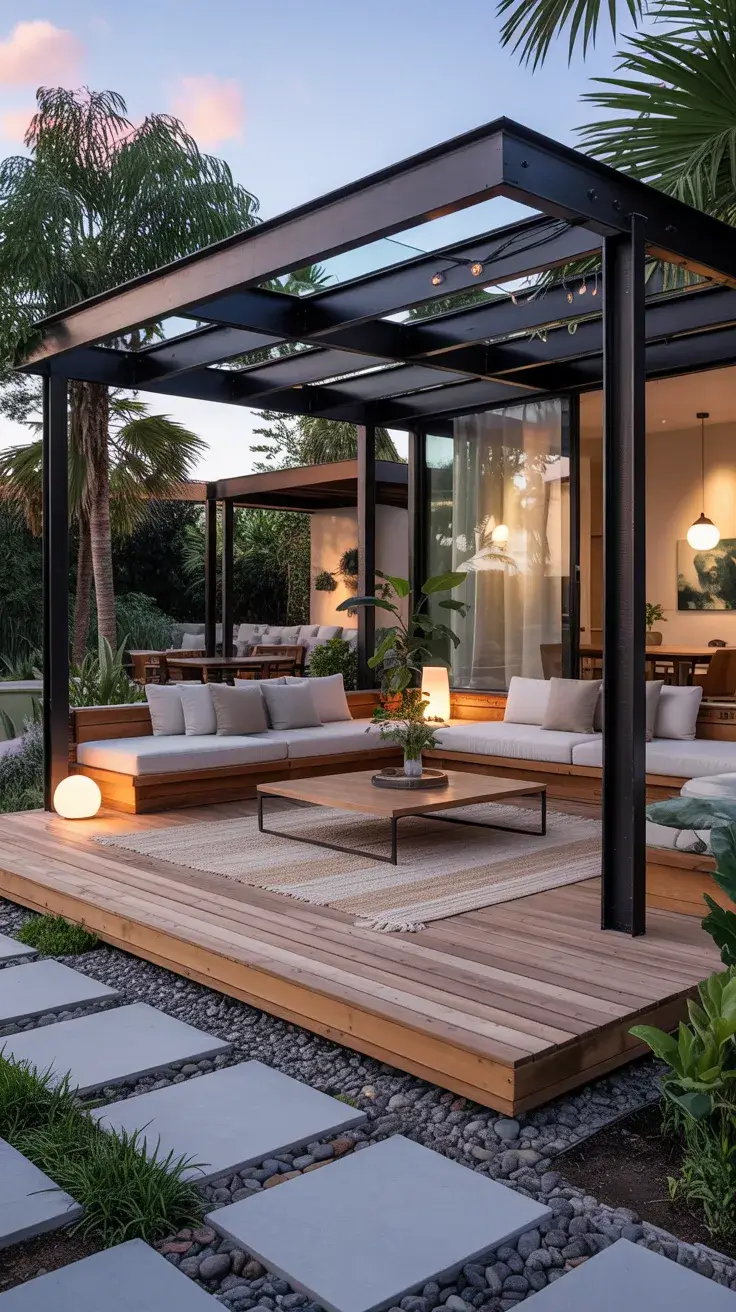
To expand this section, I could include tips on lighting placement across levels, ensuring safety and ambiance during evening hours.
13. Covered Patio Extensions For All Season Use
Covered patio extensions significantly increase the usability of an Indoor – outdoor living room 2026 space. I rely on pergolas, retractable awnings, or permanent roof structures to protect the area from sun, rain, and seasonal changes. These features ensure comfort while preserving the openness that defines indoor-outdoor design.
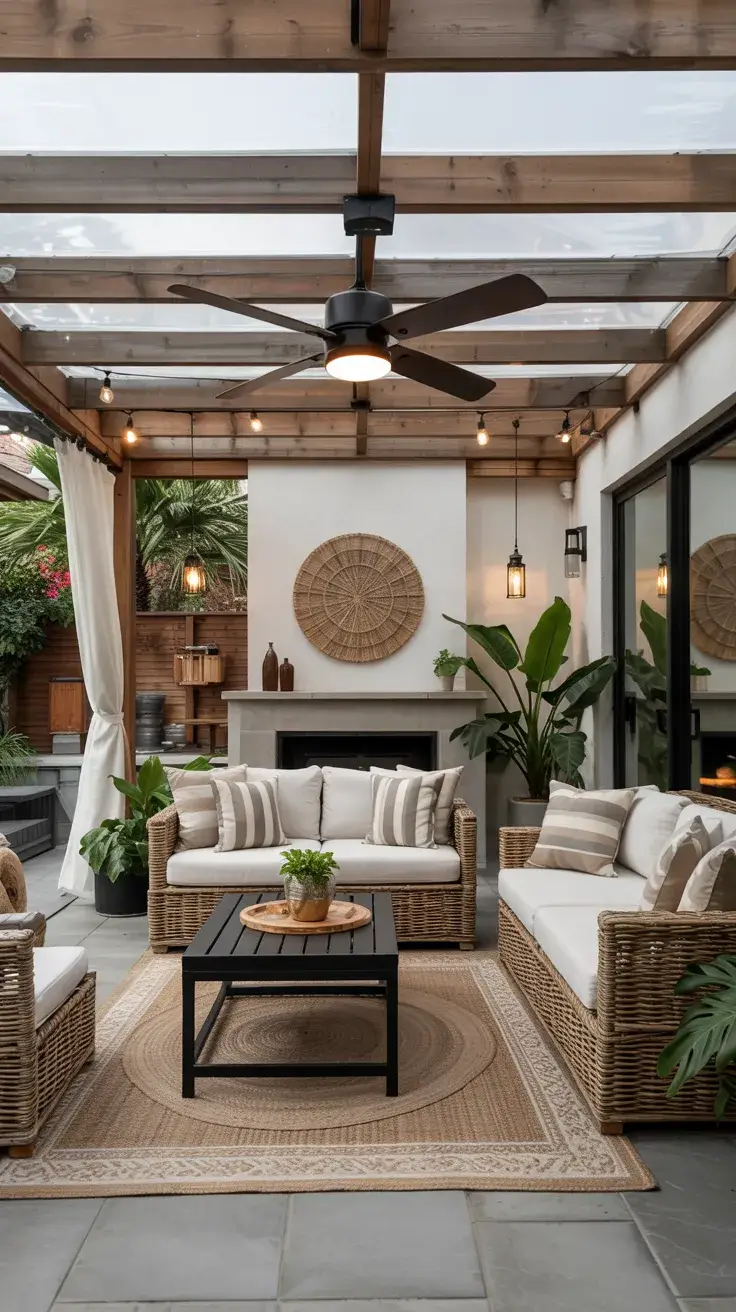
Furnishings for covered spaces typically include weather-resistant sofas, lounge chairs, and sturdy dining sets. I also integrate heaters, ceiling fans, and layered lighting such as sconces and pendant fixtures. Accessories like outdoor curtains, cushions, and rugs enhance comfort while keeping the area visually appealing.
In my experience, covered patios extend the home’s functionality year-round. Designers highlighted in Coastal Living often emphasize the value of shade structures in climates with strong sun or seasonal rains, noting that they add both beauty and reliability.
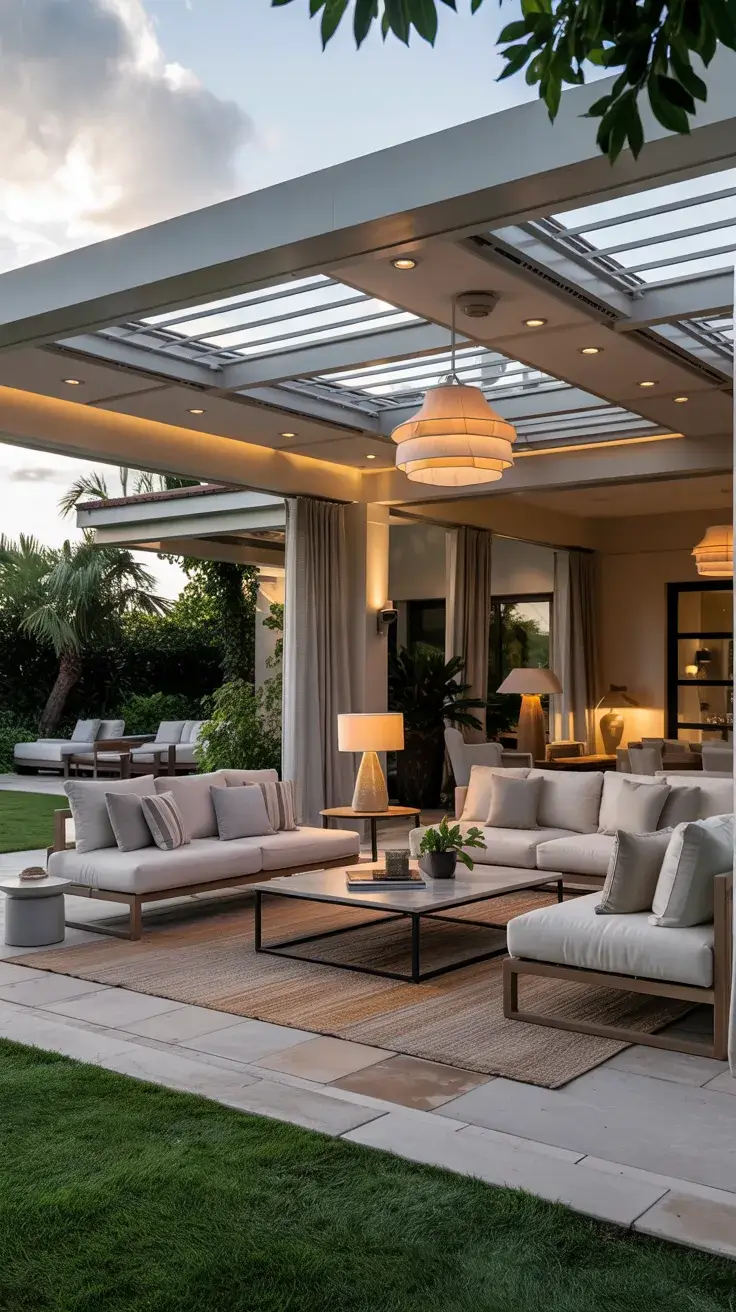
A useful addition to this section would be guidance on selecting roofing materials—polycarbonate, metal, or wood—depending on climate and architectural style.
14. Indoor Outdoor Kitchen And Lounge Combinations
An indoor-outdoor kitchen and lounge combination is one of the most dynamic features of an Indoor – outdoor living room 2026 design. I focus on creating continuity between food preparation, dining, and relaxation zones so homeowners can entertain effortlessly. Large pass-through windows, sliding walls, or unified flooring help bring these spaces together.
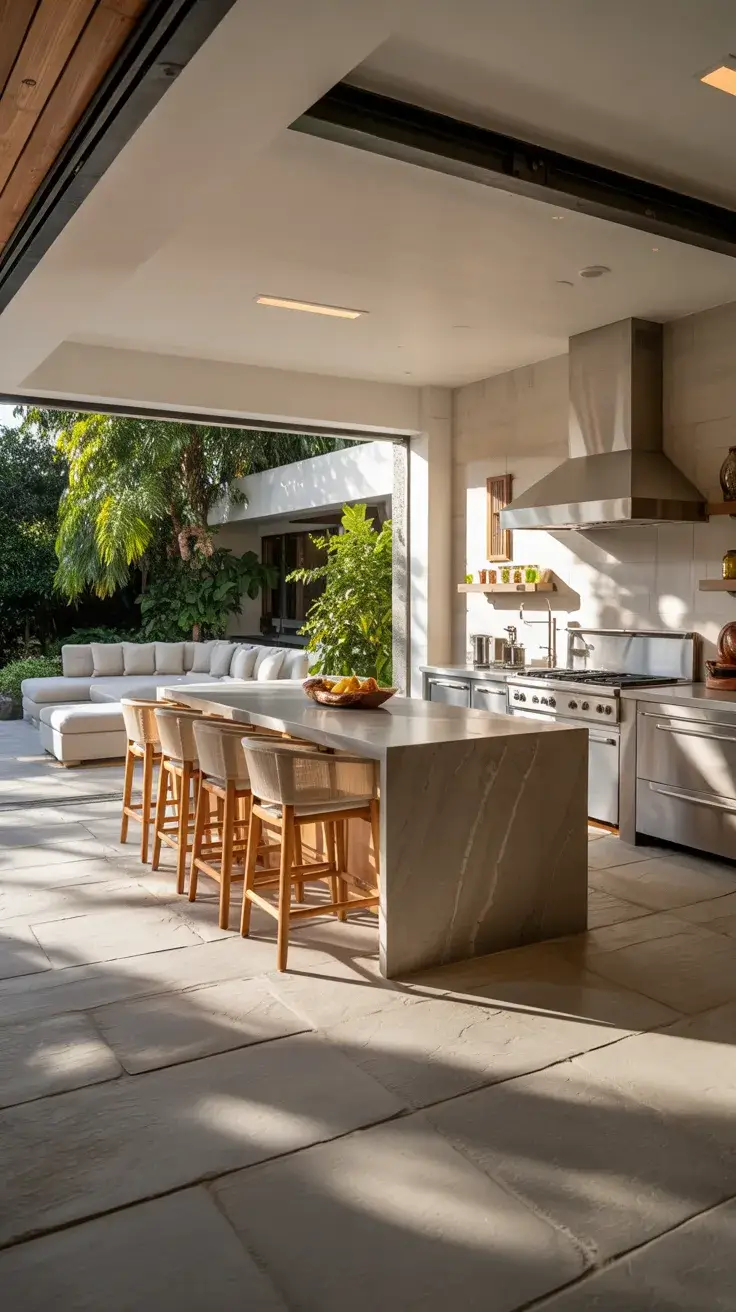
Key elements include durable stone countertops, stainless-steel appliances, bar seating, and lounge furniture such as sectional sofas or accent chairs. I incorporate storage for cookware and serveware, as well as outdoor-rated lighting and ventilation systems. Each component supports functionality while maintaining the welcoming atmosphere of the living room.
From my perspective, blended kitchen-lounge spaces significantly enhance social interaction. Many designers featured in Better Homes & Gardens note that these hybrid layouts foster a natural flow during gatherings and make cooking a more engaging experience.
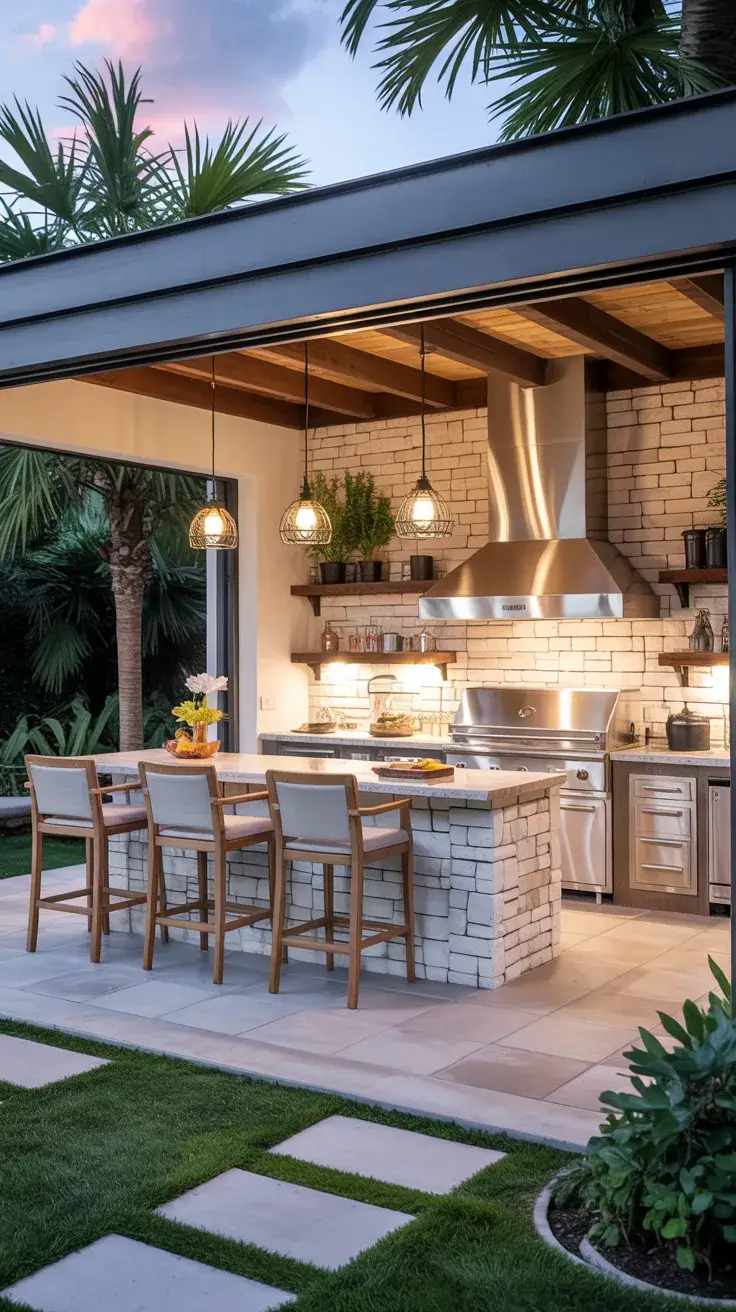
If expanding this section, I would add a recommendation for selecting weather-resistant cabinetry, which protects against humidity and temperature changes.
15. Fire Features For Year Round Comfort
Designing an Indoor – outdoor living room 2026 often begins with an element that encourages people to gather, and fire features deliver exactly that. I love incorporating a streamlined gas fireplace or a modern fire table because they instantly transform transitional zones into livable spaces throughout all seasons. When placed at the threshold between indoors and outdoors, these features visually anchor the area and extend comfort well into colder months.
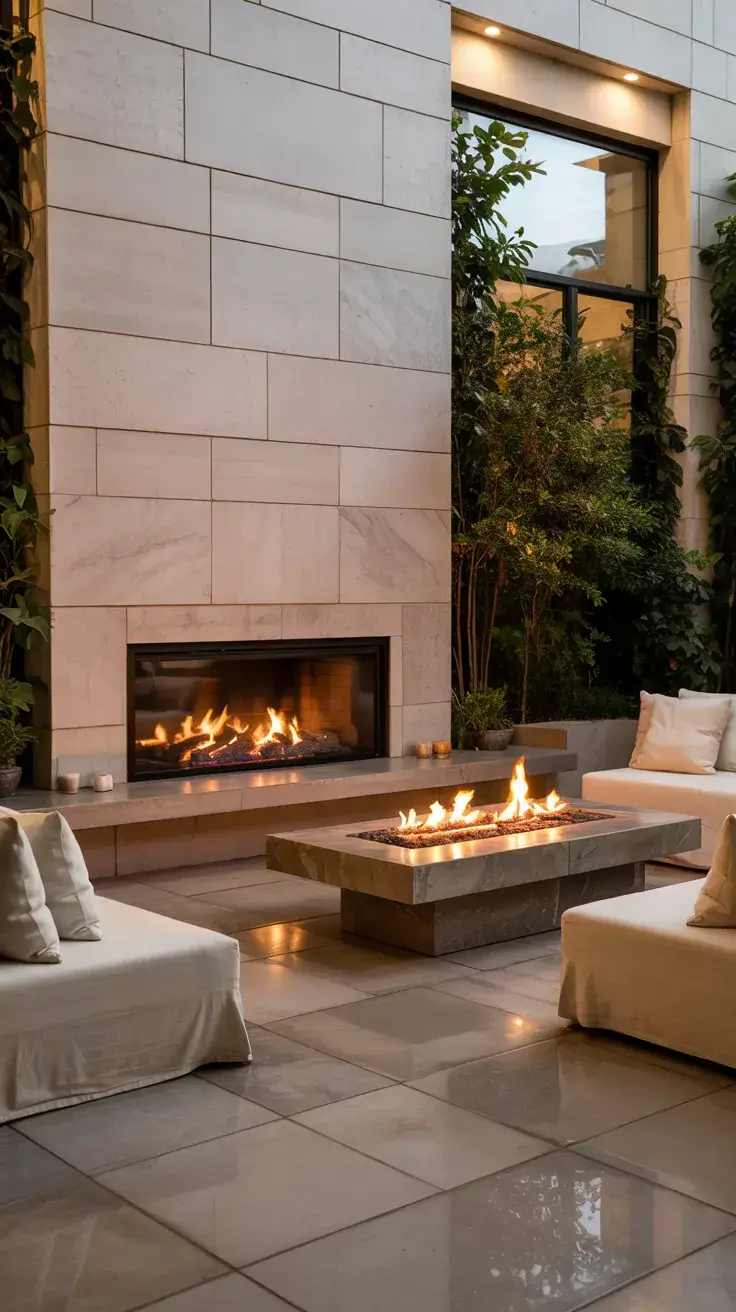
In my projects, I prefer using linear burners, stone fire tables, or built-in wall fireplaces surrounded by heat-resistant materials. These pieces complement both modern and organic design styles while creating a warm focal point. I also include durable seating, heat-safe textiles, and materials like concrete or porcelain tile that hold up beautifully around flame elements.
From my perspective, fire features add emotional value alongside function. Designers from Architectural Digest consistently emphasize that firelight encourages natural gathering and a sense of connection, which is exactly what homeowners want from hybrid living rooms. I have found that adding overhead heaters or inset radiant heating helps complete the comfort equation, especially in climates with strong seasonal changes.
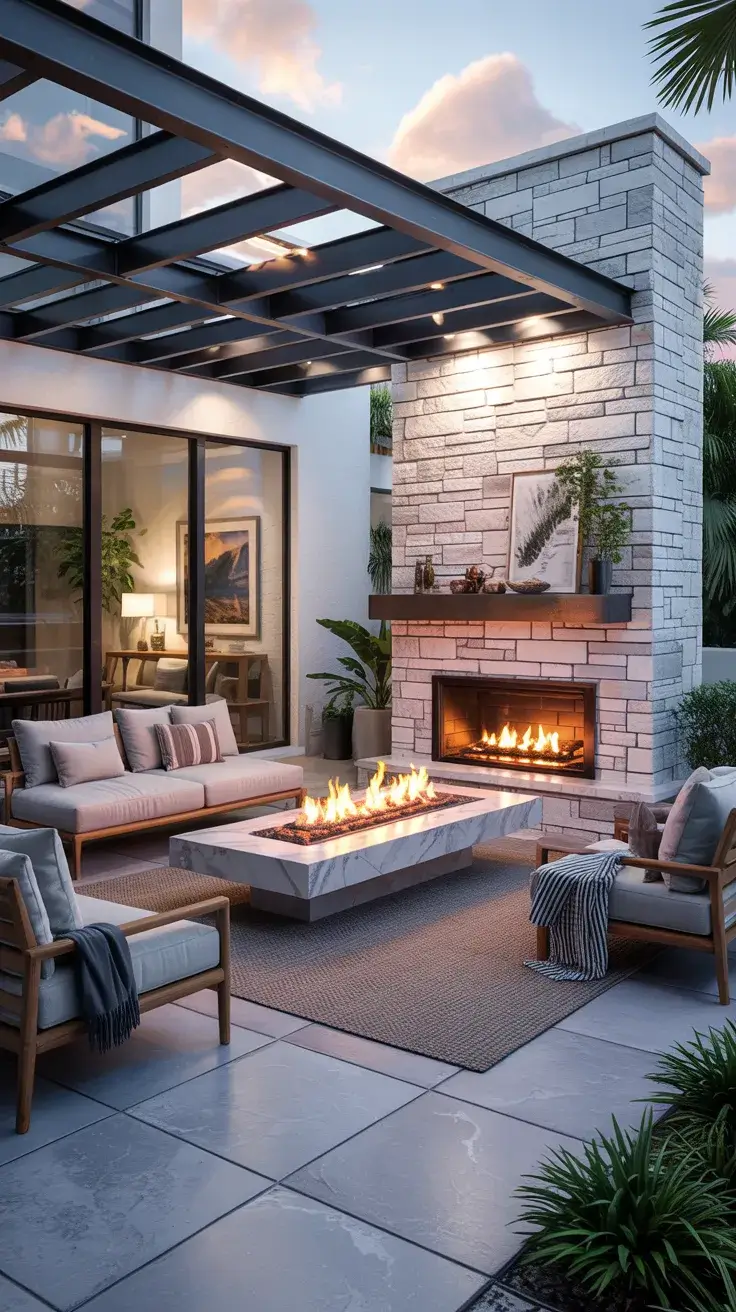
What I would add here is a secondary layer of safety features, such as tempered glass wind guards or smart-control shutoff systems, which make the space even more functional and secure.
16. Smart Home Systems For Dual Environment Living
For a fully modern Indoor – outdoor living room 2026, smart home integration is no longer optional. I always begin by planning how lighting, shading, climate control, and entertainment systems can communicate seamlessly across the two environments. Smart sensors that respond to natural light, temperature changes, and occupancy help maintain the perfect conditions without constant manual adjustments.
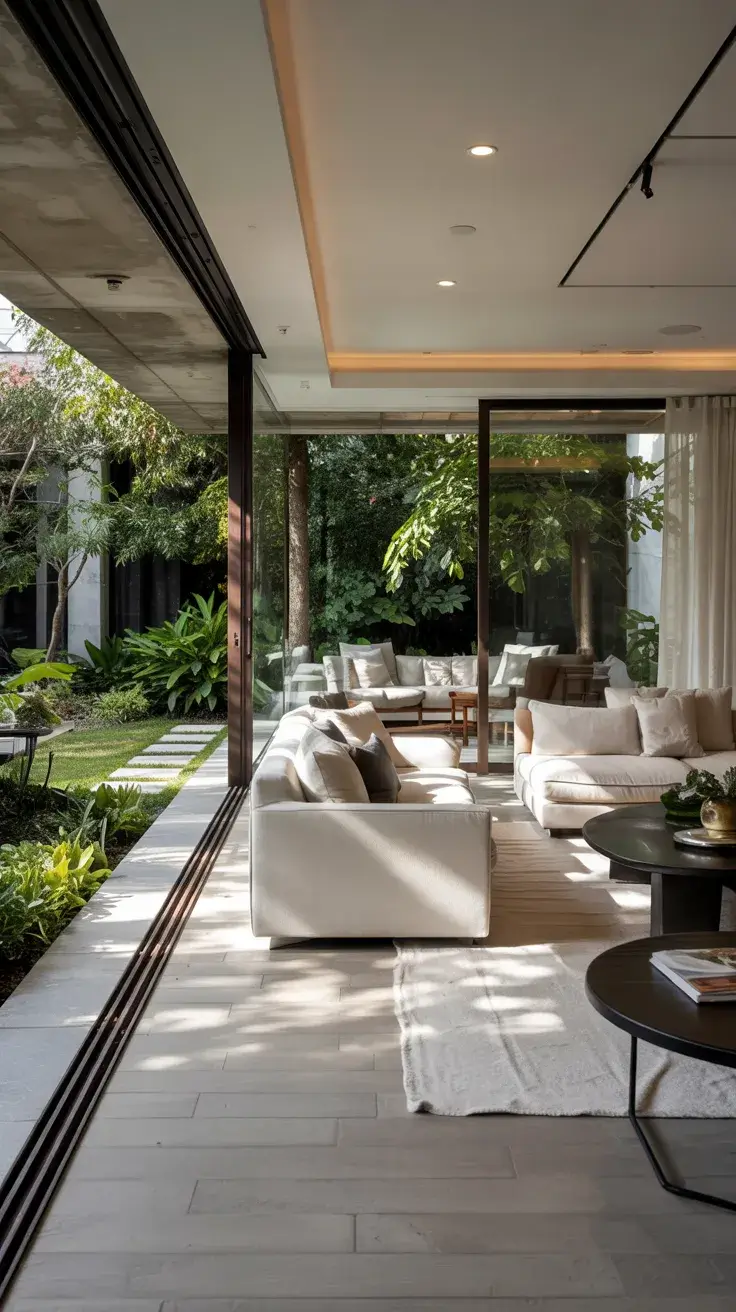
When I specify equipment for clients, I lean toward voice-controlled lighting scenes, automated louvers, retractable shades, and multifunctional switches that are outdoor-rated. Weather-resistant speakers, smart hubs, and smart security cameras also integrate naturally into this type of design. These systems allow homeowners to manage an entire indoor-outdoor area effortlessly, even when away.
In my experience, the most successful setups are those that remain invisible and intuitive. Designers from House Beautiful often mention that the best smart systems don’t feel “techy”; they simply enhance comfort. I agree wholeheartedly and often add hidden wiring or architectural niches to keep devices unobtrusive.
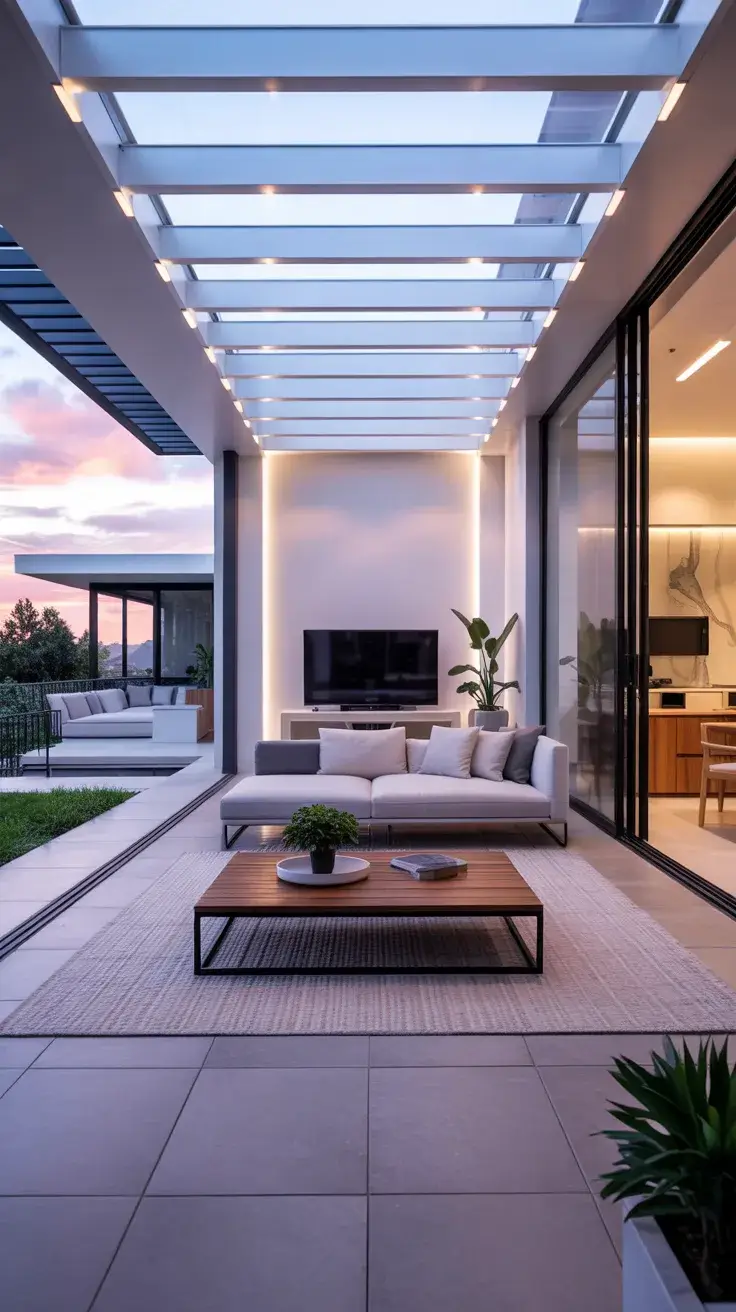
What I would add to this section is the importance of zoning—separating the indoor and outdoor controls for maximum flexibility so homeowners can create multiple moods within the same expanded space.
17. Climate Control Solutions For Transitional Rooms
Maintaining consistent comfort in an Indoor – outdoor living room 2026 requires thoughtful climate solutions. When designing hybrid areas, I start by considering insulation, airflow, and temperature balance between the two environments. Large retractable doors combined with well-placed vents or ceiling fans help equalize the climate without overwhelming mechanical systems.
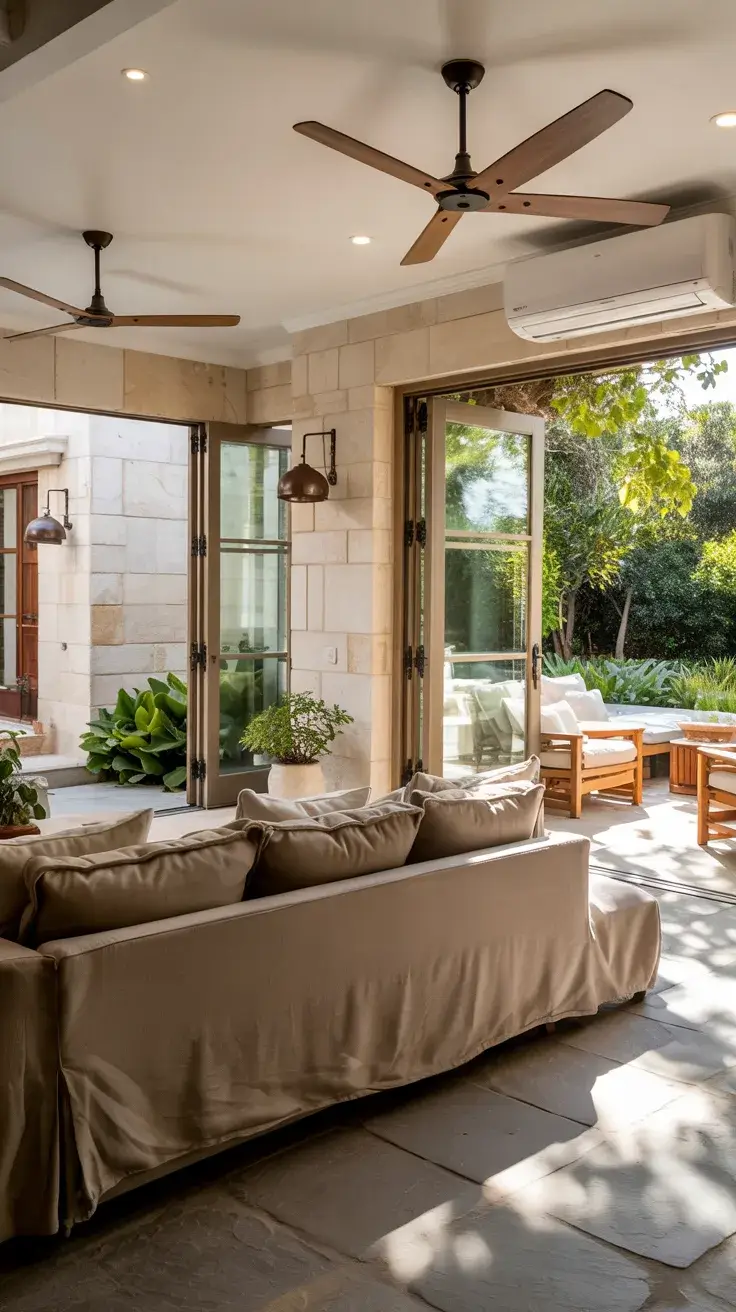
I often use energy-efficient mini-split HVAC units, radiant floor warming, and operable skylights that naturally regulate heat. Ceiling fans with moisture-rated finishes are another must, providing circulation while blending seamlessly into modern design aesthetics. I also choose high-performance windows and doors to preserve insulation when the space is closed.
Based on my own experience, the most comfortable hybrid rooms use layered climate strategies rather than depending on a single solution. Experts at HGTV have repeatedly emphasized that transitional rooms benefit most from adaptable systems that respond to changing weather conditions, and I see this proven every year in client projects.
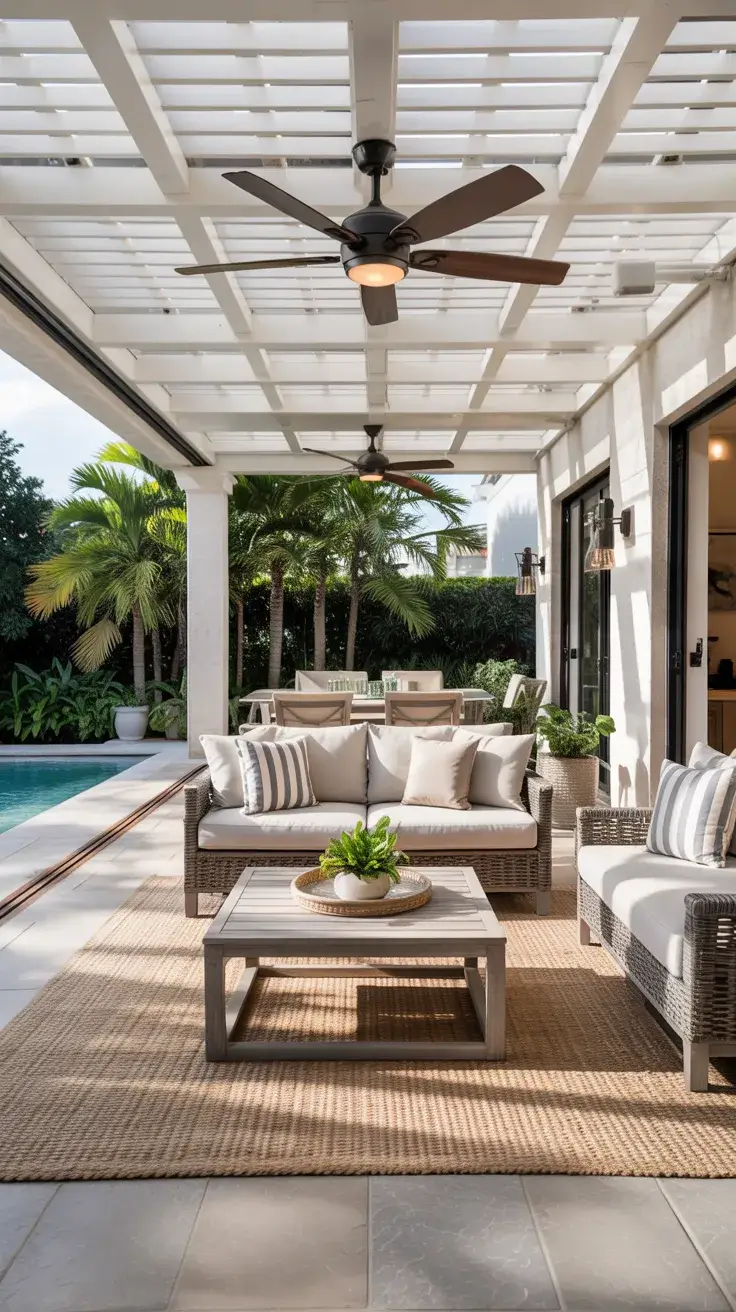
I would add air purification systems or built-in dehumidifiers for regions with high humidity, as these greatly improve indoor air quality during peak seasonal transitions.
18. Textural Continuity Between Inside And Outside
One of the defining characteristics of Indoor – outdoor living room 2026 design is seamless visual flow, and textures play a critical role in achieving it. When I approach these spaces, I blend materials like natural wood, stone, and woven textiles that connect the interior palette with exterior landscaping. Consistent tones create the illusion of one large unified environment.
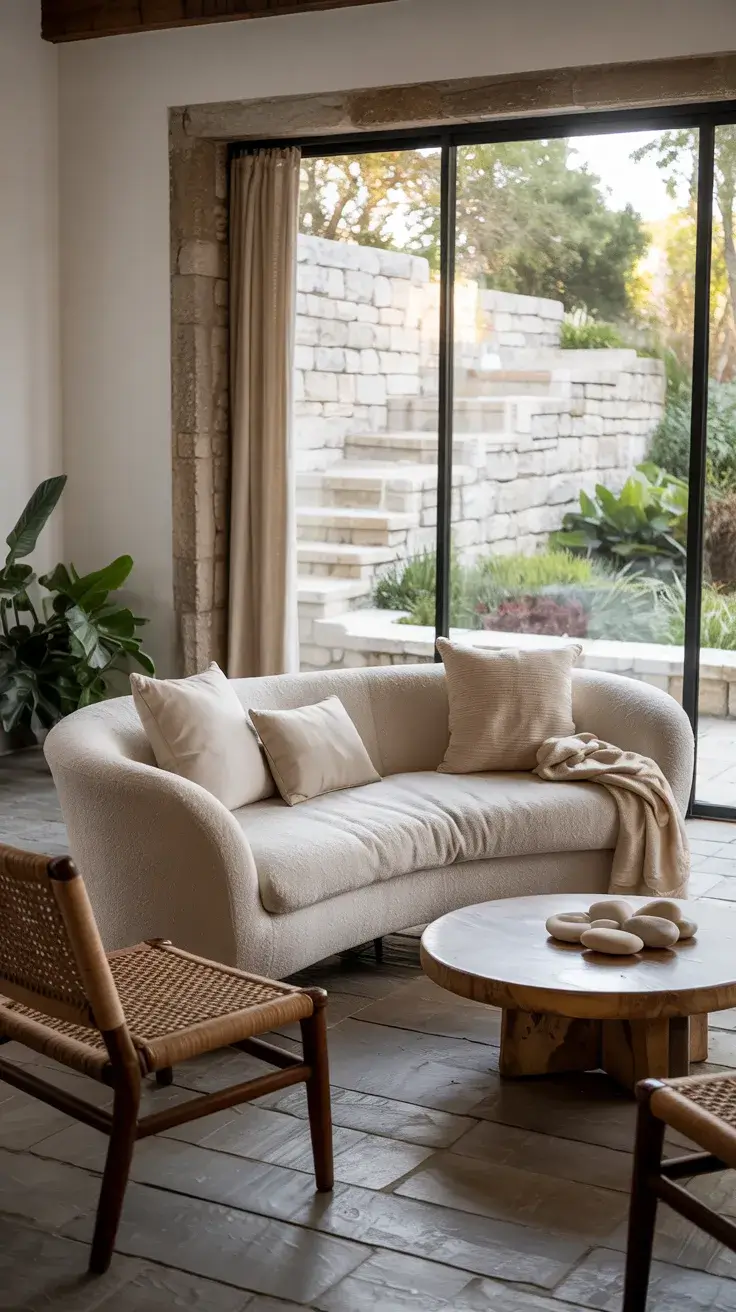
I typically incorporate rattan, teak, ceramic vases, boucle accents, and matte metals to bridge the textural gap. These materials are low-maintenance and look beautiful in both sunlight and ambient interior lighting. Furniture cushions and blankets in neutral tones further unify the look without overpowering the architecture.
In my opinion, texture continuity is what gives hybrid living rooms their inviting, harmonious feel. Well-known designers like Nate Berkus often highlight how tactile contrast elevates minimalist spaces, and I apply that same principle by mixing soft textures inside with durable ones outside.
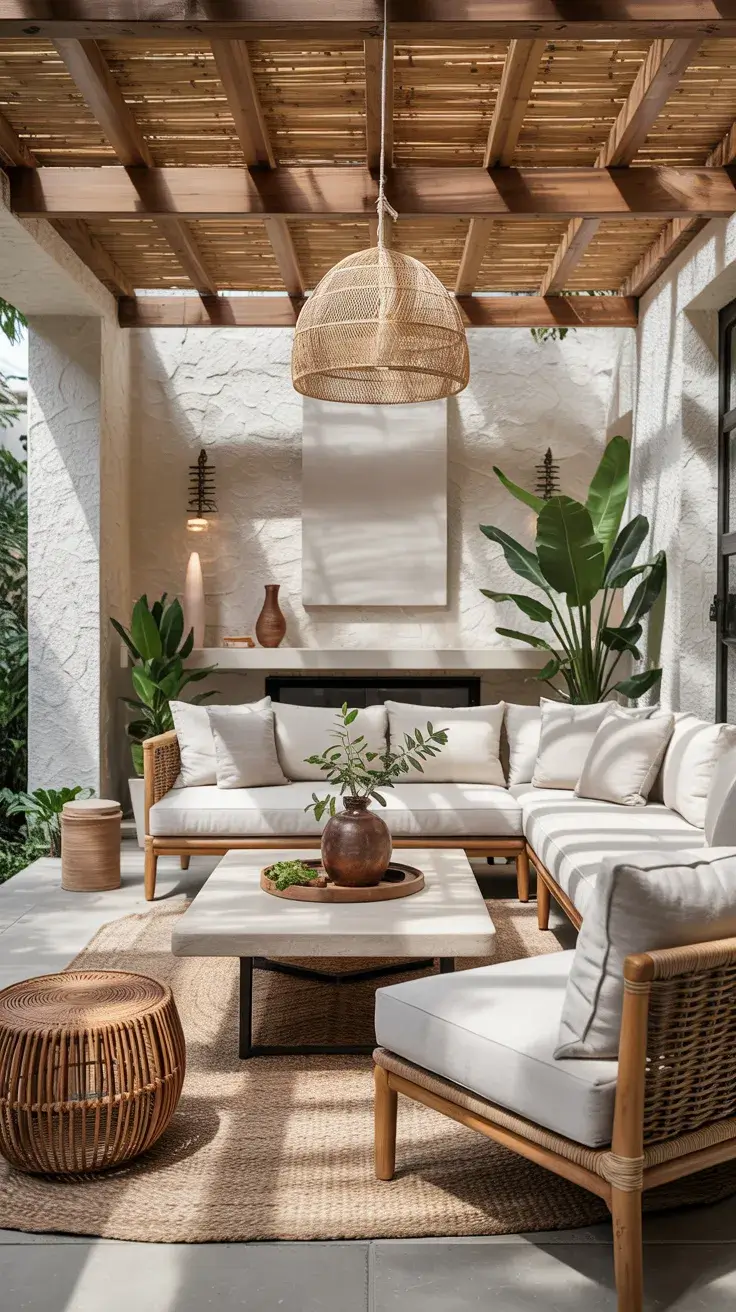
What I would add here is a thoughtful selection of outdoor-rated fabrics to ensure long-lasting performance without compromising the visual softness that ties both spaces together.
19. Modern Flooring Options For Connected Spaces
Flooring is one of the most impactful elements in an Indoor – outdoor living room 2026, as it visually and functionally connects the two spaces. I often choose porcelain pavers or continuous large-format tile because they perform exceptionally well in both indoor and outdoor settings. When the same flooring runs uninterrupted, the transition becomes smooth and visually expansive.
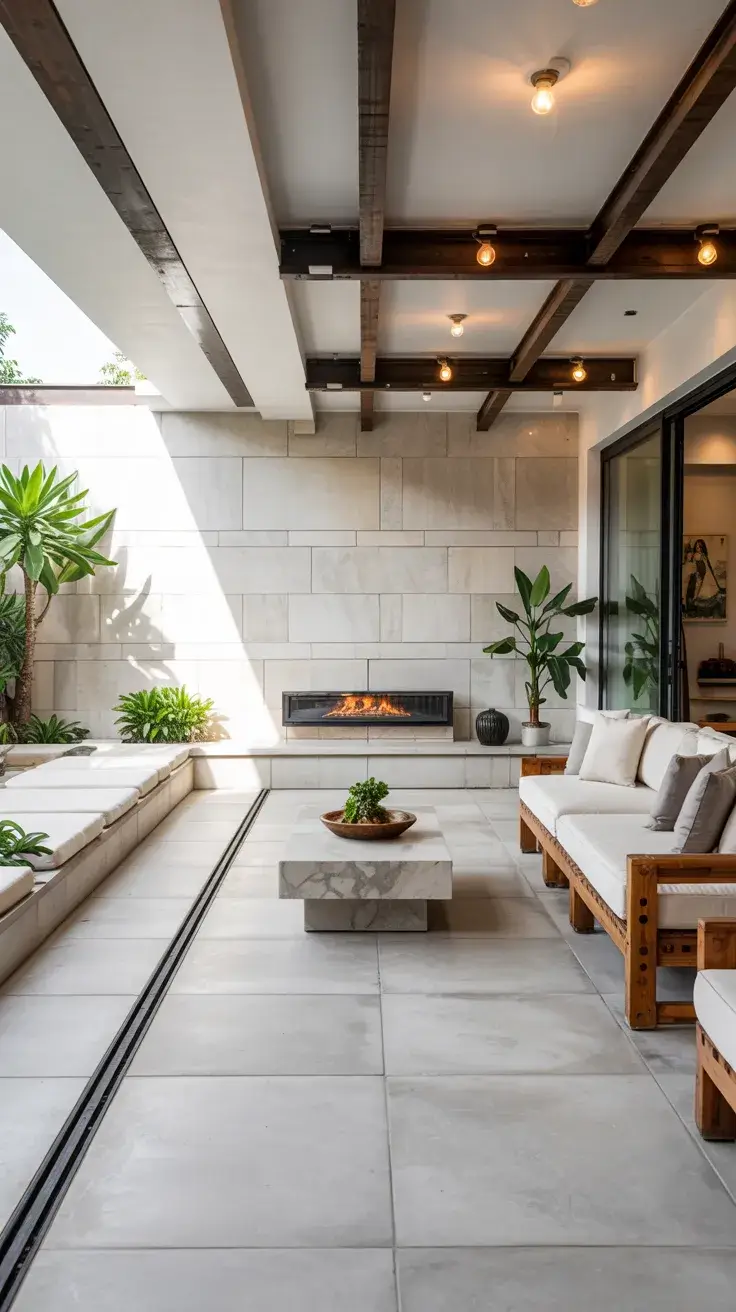
My preferred materials include textured porcelain tile, engineered hardwood designed for moisture resistance, and composite decking for exposed areas. These materials provide durability and withstand temperature shifts while maintaining a cohesive aesthetic. A flush floor threshold is essential because it eliminates tripping hazards and enhances the open flow feeling.
From my experience, homeowners appreciate flooring that is low-maintenance yet sophisticated. Industry articles in Dwell frequently emphasize that flooring continuity is one of the strongest design moves when merging two environments. I fully agree and always ensure the material chosen complements both the architectural style and the surrounding landscape.
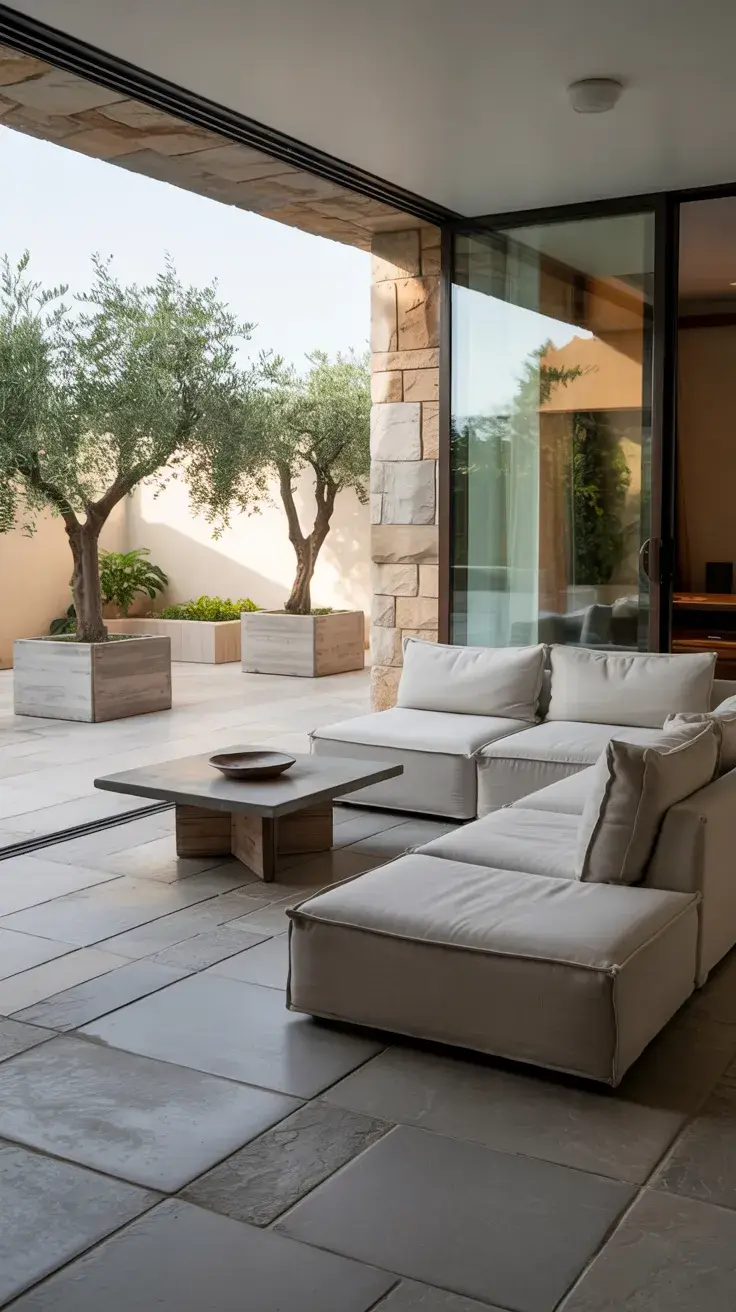
What I would add here is radiant floor heating for cooler regions, which significantly enhances comfort and elevates the luxury of the connected environment.
20. Statement Ceilings For Indoor Outdoor Rooms
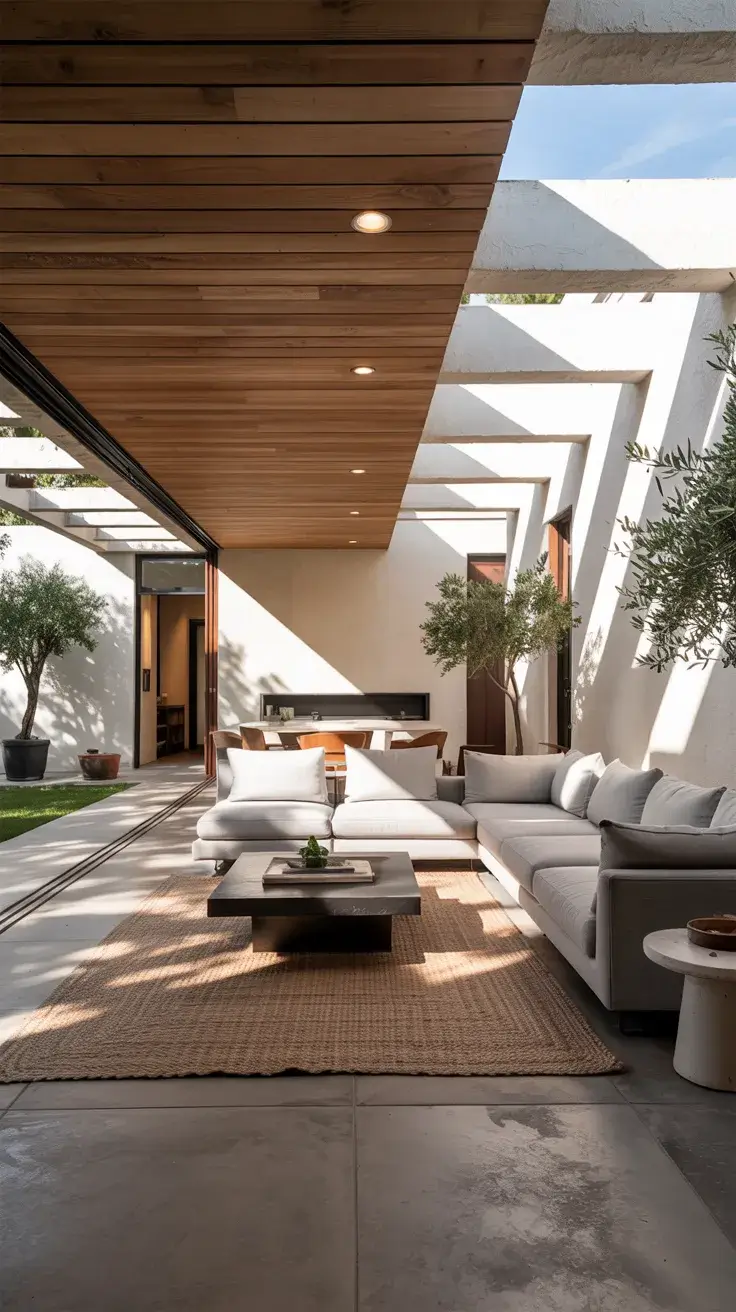
In many Indoor – outdoor living room 2026 designs, the ceiling becomes a defining architectural feature. I often extend ceiling materials—such as wood slats, beams, or smooth plaster—across both zones to visually unify the entire space. This continuity draws the eye outward and makes the hybrid living room feel larger and more cohesive.
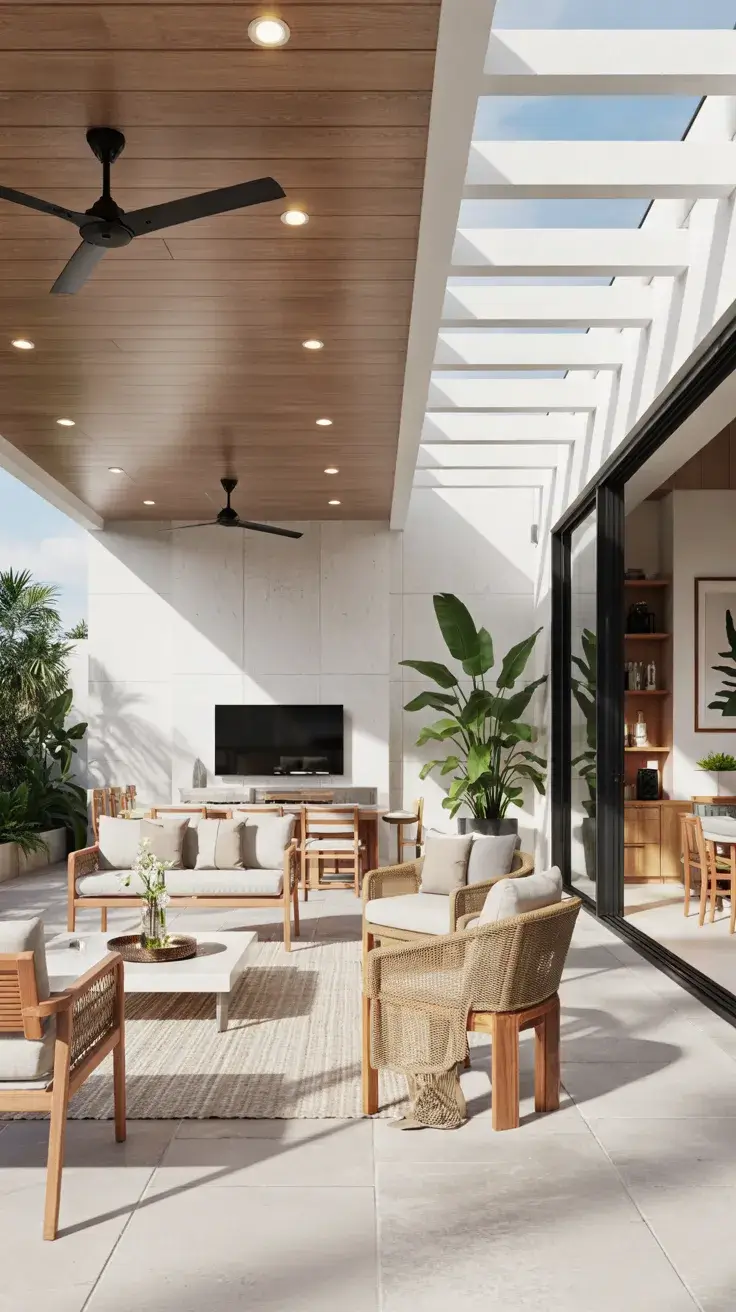
The elements I typically incorporate include recessed LED lighting, moisture-rated fans, skylights, or even integrated strip lighting. These additions help maintain ambiance day and night. Wood-paneled ceilings, in particular, create warmth and sophistication while transitioning beautifully into outdoor pergolas or covered patios.
From a personal standpoint, statement ceilings elevate the overall experience of the space. Many American interior designers agree that ceilings represent an underused canvas that can dramatically reshape the perception of a room. I’ve seen clients respond incredibly well to unexpected ceiling details that soften modern architecture and add refinement.
I would add acoustic materials or sound-absorbing treatments for homes in busy areas, as this enhances the comfort and serenity of hybrid living rooms.
21. Greenery Walls And Integrated Plant Displays
Greenery plays a vital role in an Indoor – outdoor living room 2026, creating a bridge between built structures and nature. I like to incorporate living walls, vertical gardens, or built-in planters to introduce organic softness and improve air quality. These features reinforce the concept of seamless indoor-outdoor flow and create a relaxing visual backdrop.
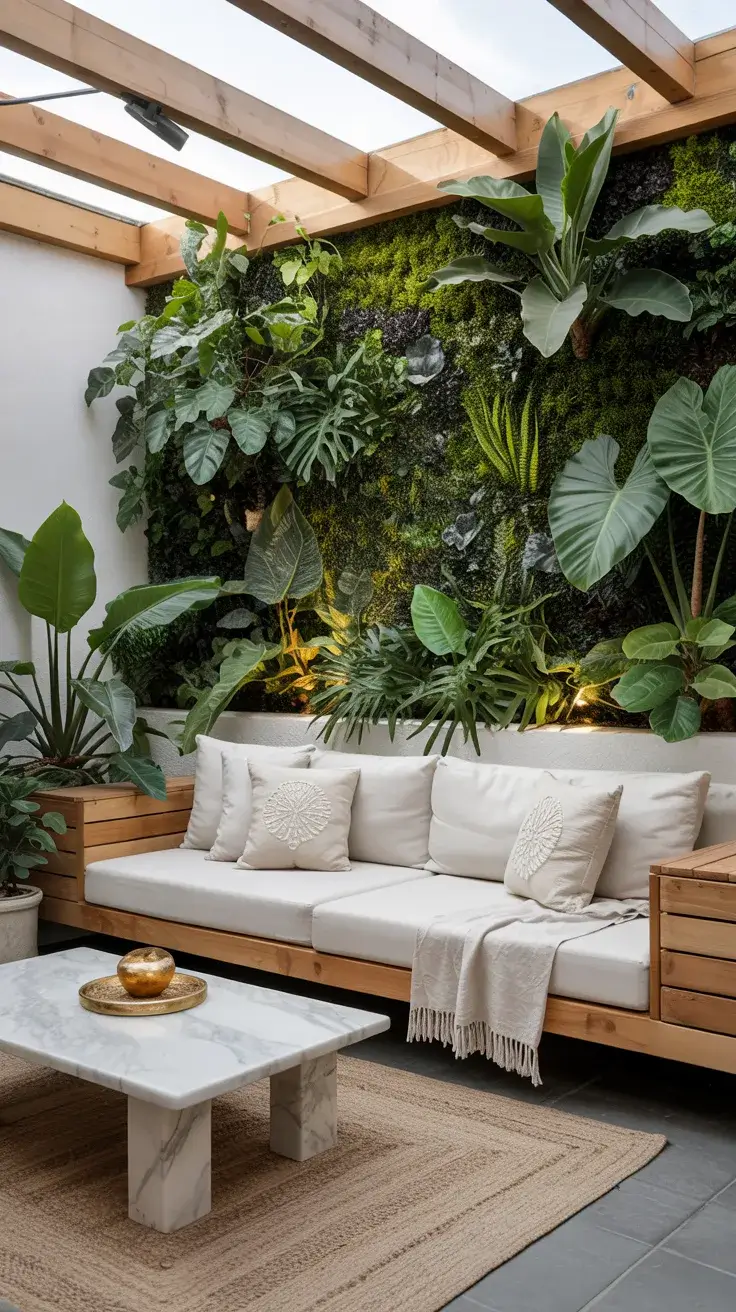
For plant selections, I rely on hardy species like ferns, philodendrons, snake plants, and tropical palms because they thrive in indirect light and transitional spaces. I also incorporate sleek planter boxes, modular greenery panels, and automated watering systems for easy maintenance. When placed near glass doors or transitional thresholds, these displays look stunning.
From my experience, greenery enhances both the mood and health of the environment. Publications like Elle Decor often highlight how biophilic design positively impacts wellbeing, and I always see clients gravitate toward spaces with lush botanical elements.
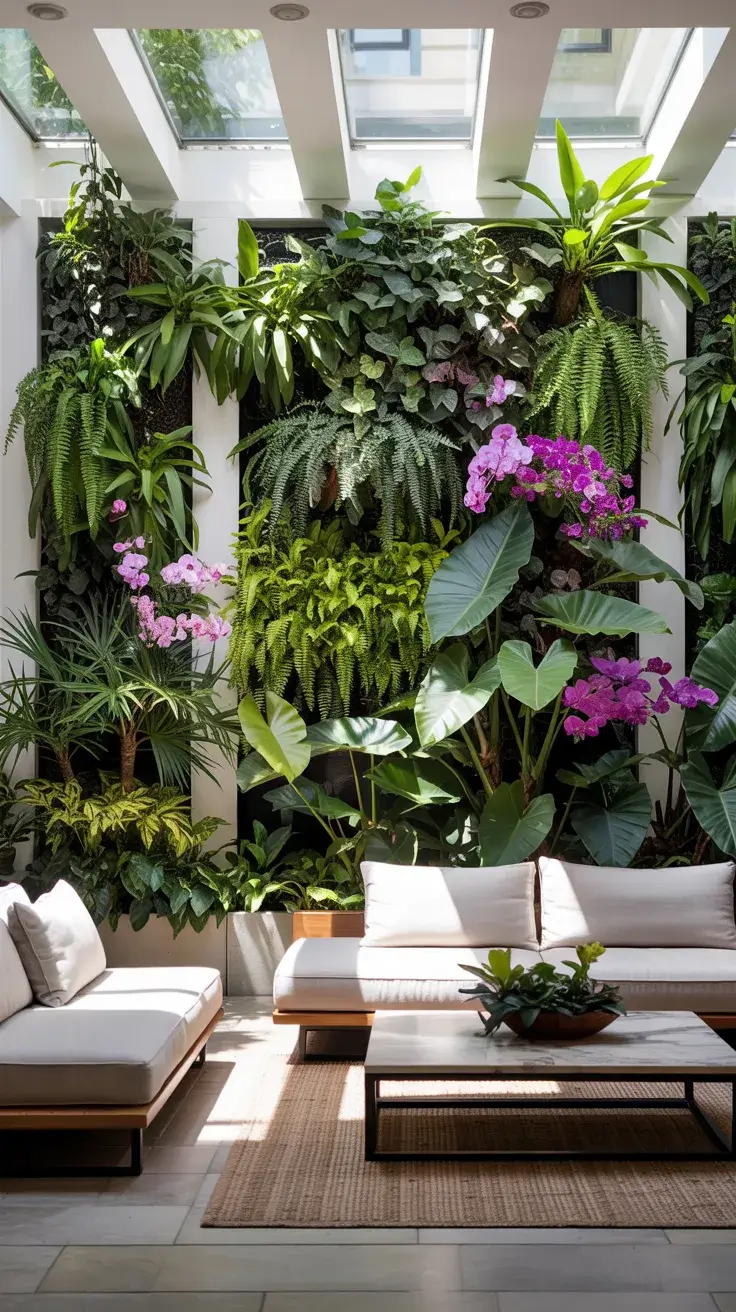
I would add integrated LED uplighting near the greenery to emphasize textures and add nighttime drama without overwhelming the natural beauty.
22. Water Features For Calming Transitional Areas
In an Indoor – outdoor living room 2026, water features bring an immediate sense of tranquility and balance to the transition between spaces. When I design these areas, I often incorporate narrow fountains, reflecting pools, or wall-mounted cascades that can be positioned near the threshold between indoors and outdoors. These elements introduce soothing movement and sound, helping the space feel serene and connected to nature.
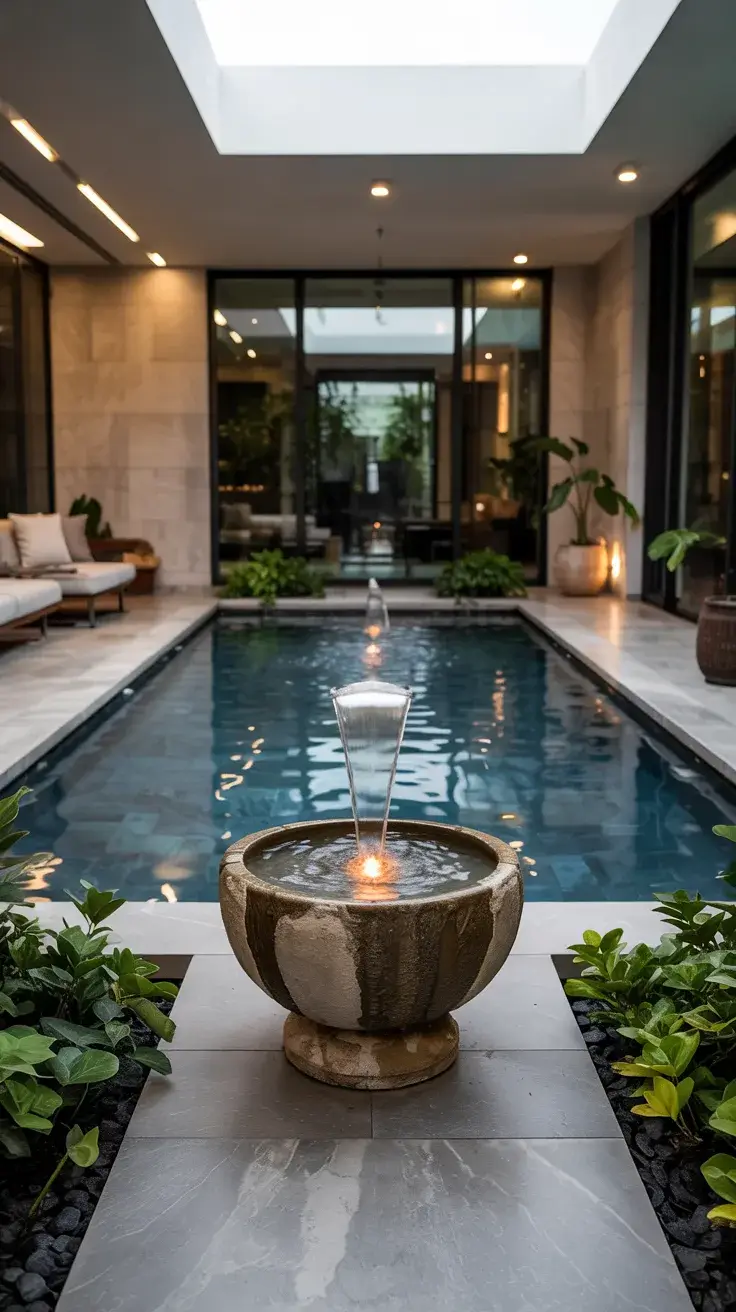
For materials, I typically use stone basins, matte-finish ceramics, and stainless steel spillways that complement modern architecture. Low-profile seating arranged near the water feature encourages relaxation, and moisture-resistant rugs ensure comfort without compromising durability. I also choose plants with soft foliage to echo the calming flow of water.
In my opinion, adding a water feature greatly enhances the sensory experience of hybrid living rooms. Many designers referenced in Veranda Magazine emphasize the psychological benefits of flowing water in transitional environments, supporting the overall wellness goals of contemporary design.
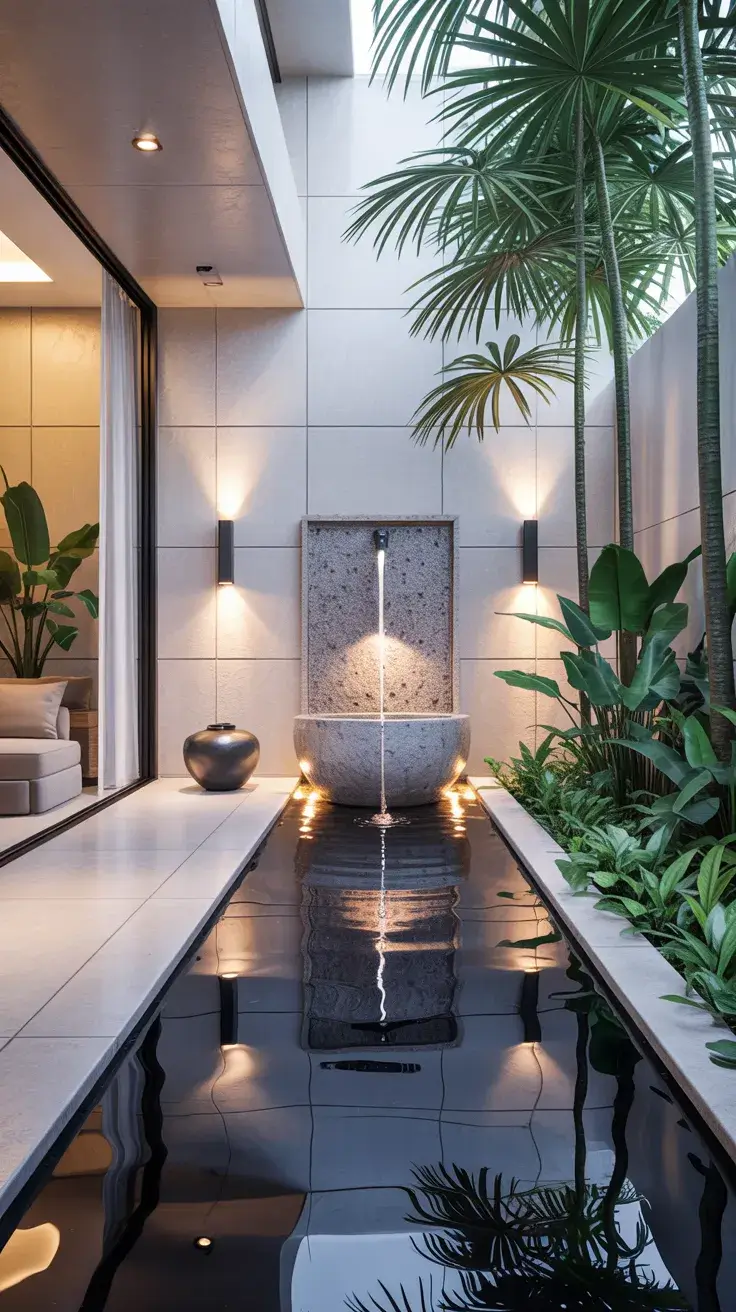
I would also add underwater LED lighting or subtle edge lighting to highlight the water movement during evening hours, deepening the calming ambiance.
23. Minimalist Furniture For Open Flow Living
A truly functional Indoor – outdoor living room 2026 benefits from minimalist furniture that keeps sightlines open and movement unrestricted. I gravitate toward clean-lined modular seating, streamlined coffee tables, and lightweight accent chairs that allow the space to feel airy. The fewer visual barriers, the more the room expands naturally into the outdoor environment.
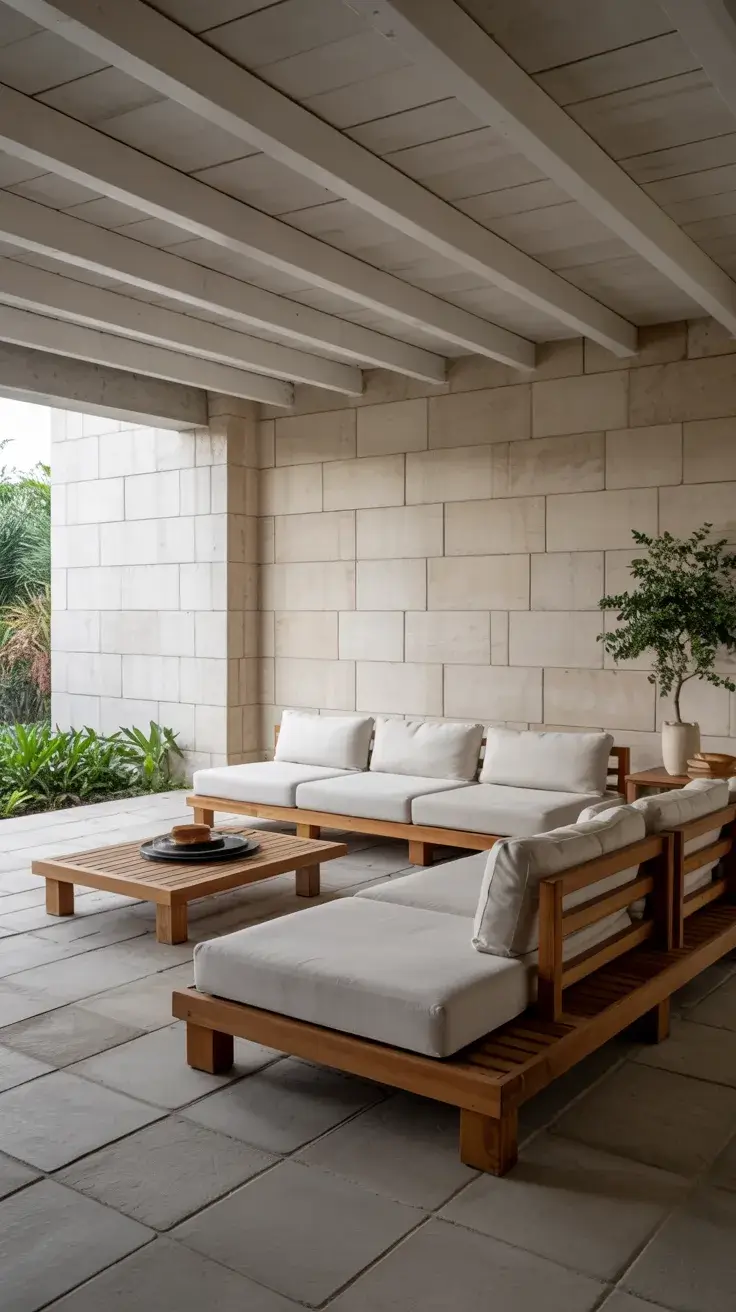
My preferred pieces include powder-coated metal furniture, teak frames, and low-profile sofas with outdoor-rated cushions. These choices work exceptionally well in hybrid climates and maintain a cohesive look between both spaces. A few sculptural accessories or a single statement piece help maintain interest without overwhelming the minimalist aesthetic.
From experience, minimalist furniture ensures the room feels uncluttered while still inviting. Architectural Digest often mentions that minimalist design improves functionality by reducing distractions, and I’ve observed that clients appreciate how open their living rooms feel when bulky furniture is eliminated.
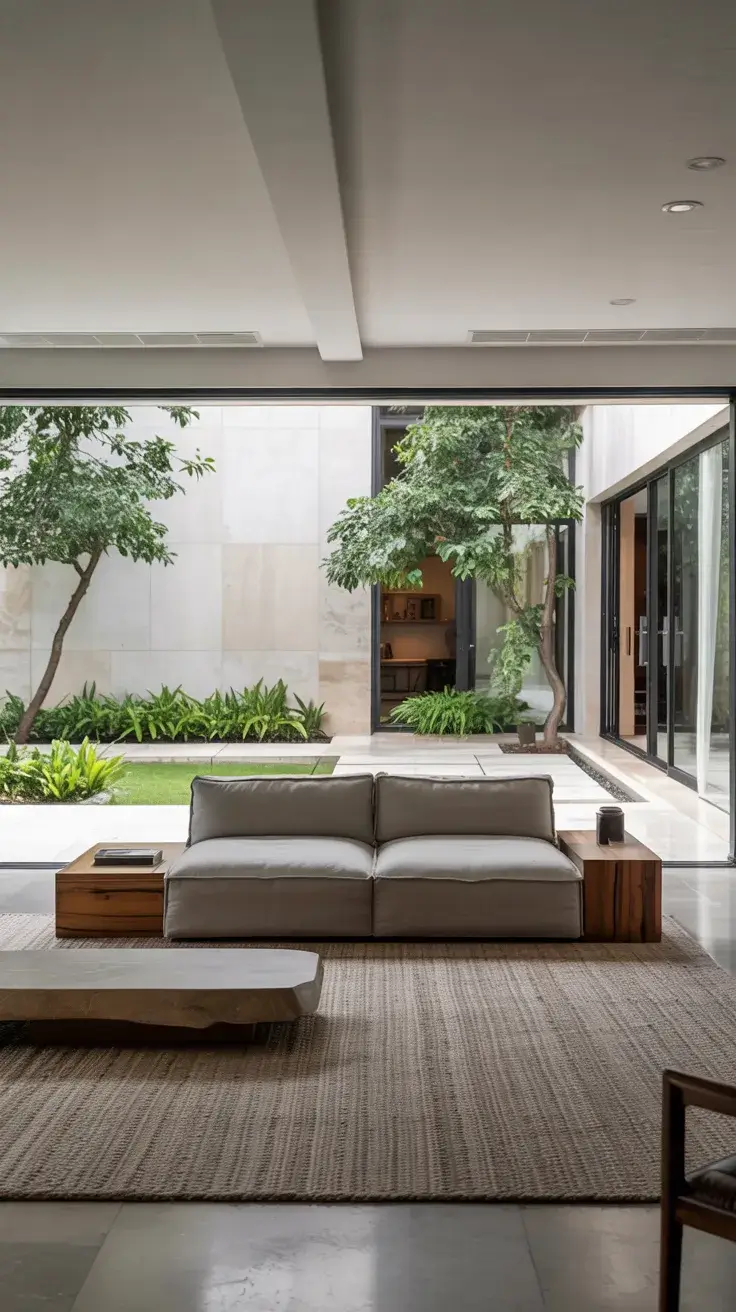
I would add a discreet storage bench or built-in shelving to keep the minimalist look clean while providing hidden functionality.
24. Ambient Lighting Designs For Day To Night Living
Lighting plays a transformative role in an Indoor – outdoor living room 2026, especially when the space must function equally well during the day and night. I always incorporate a layered lighting plan with recessed lights, pathway accents, and soft uplighting to maintain visibility and atmosphere. This helps the room remain cohesive even when natural light fades.
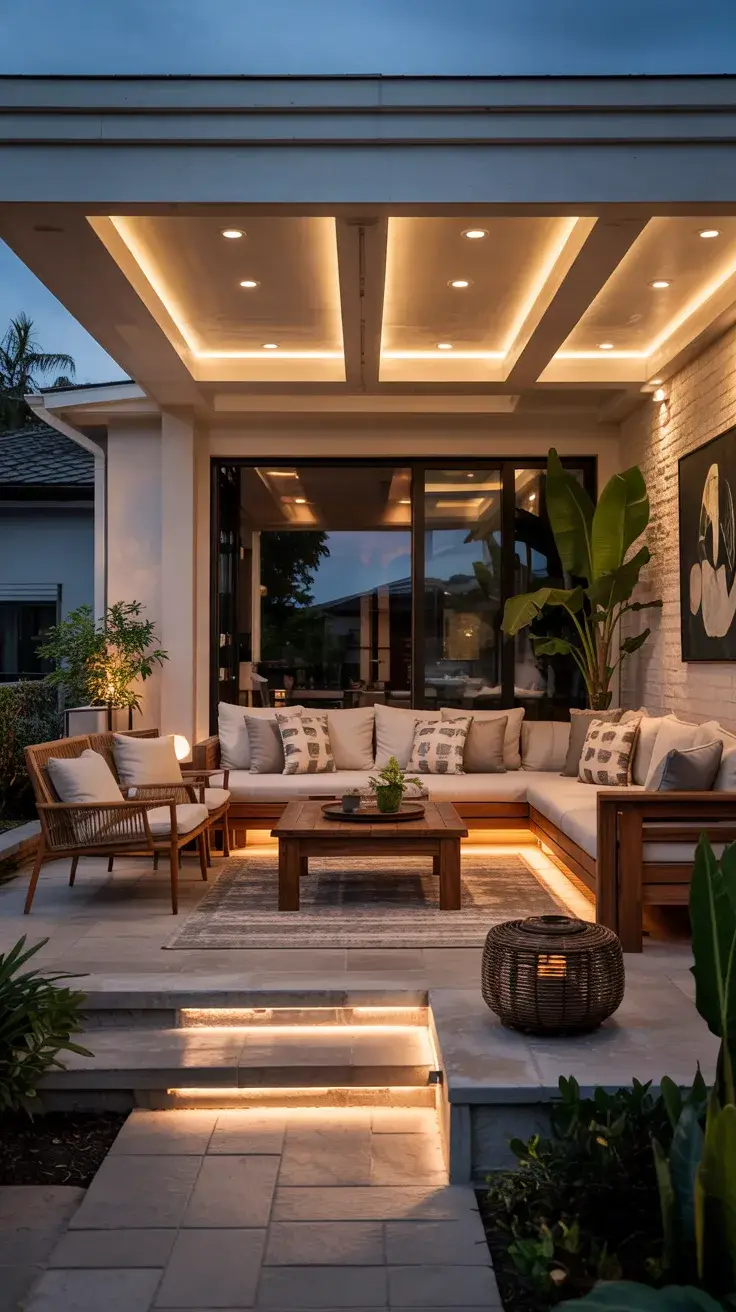
I often use warm LED fixtures, dimmable wall sconces, and integrated step lights that blend beautifully with the architecture. Outdoor-rated pendant lights under covered areas also help define functional zones, while solar-powered accent lights tie the interior palette into the landscape.
In my opinion, well-planned lighting dramatically enhances usability. Lighting experts regularly cited in Elle Decor emphasize that ambiance is just as important as illumination, and I agree completely. Carefully positioned fixtures make the hybrid living room feel curated and welcoming.
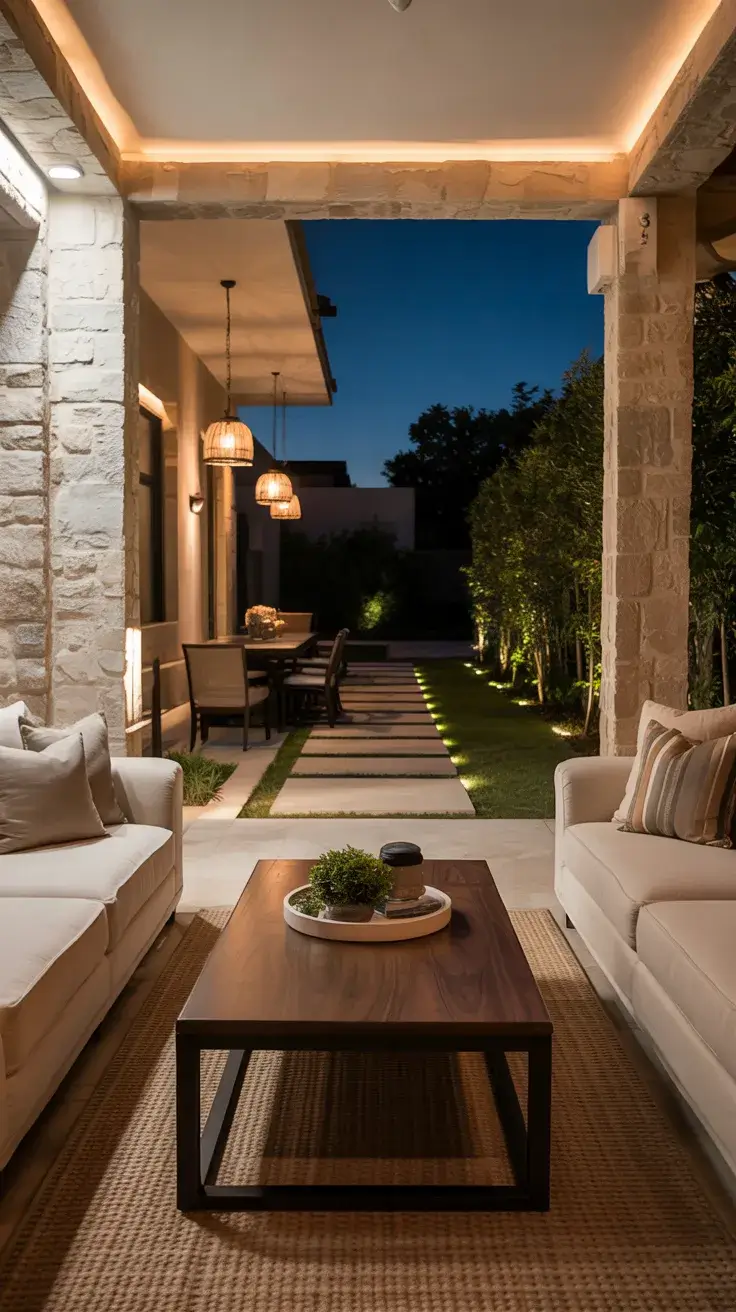
I would add motion-activated pathway lighting for safety and convenience, especially for homes with extended patios or multilevel outdoor spaces.
25. Privacy Solutions For Open Concept Living
Open layouts in an Indoor – outdoor living room 2026 are beautiful, but they require privacy solutions that don’t compromise the aesthetic. When creating these environments, I often use adjustable screens, frosted glass panels, or retractable shades that can be deployed as needed. These allow homeowners to maintain openness without sacrificing comfort.
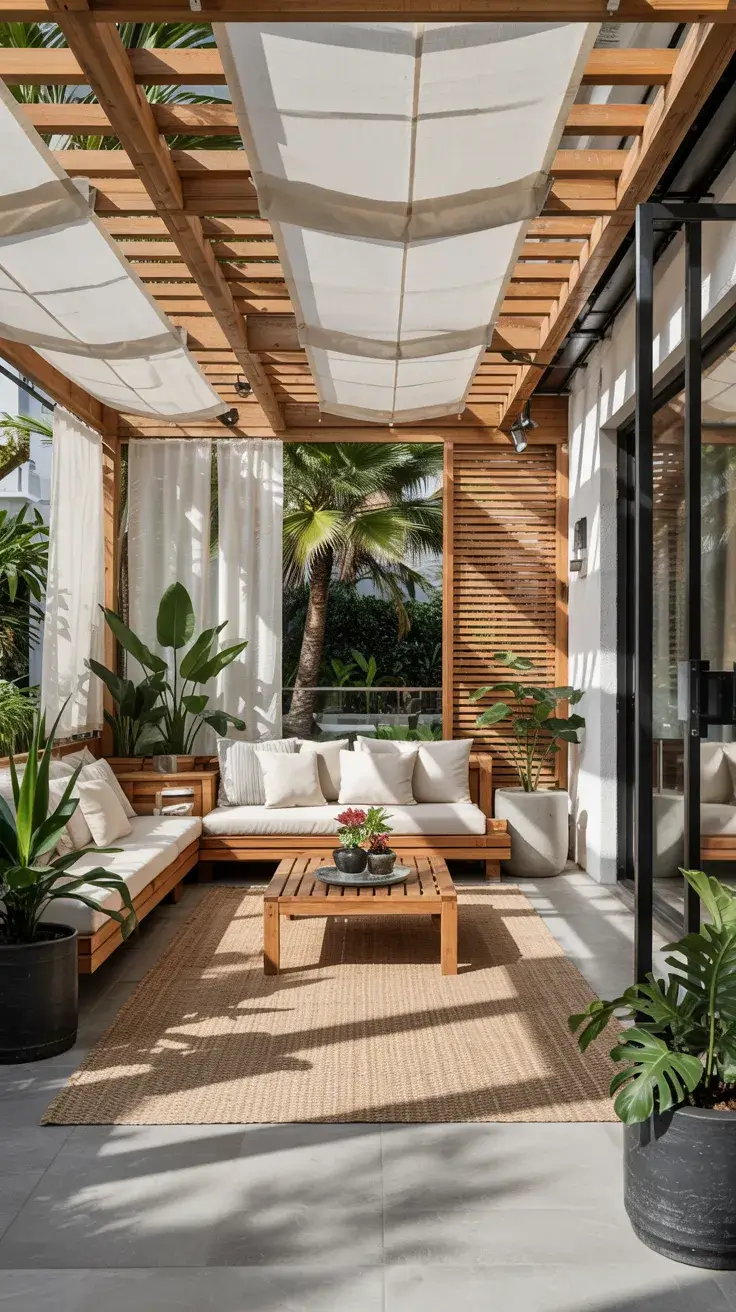
My preferred materials include slatted wood partitions, weatherproof textiles, and motorized blinds hidden in ceiling recesses. These elements provide flexibility and blend naturally with modern architectural lines. Outdoor-rated curtains also soften the space and create intimate zones when drawn.
From my perspective, privacy is one of the most overlooked parts of hybrid design. Designers interviewed in Dwell often stress that functional privacy preserves the comfort of open-concept living, and I fully agree based on client feedback.
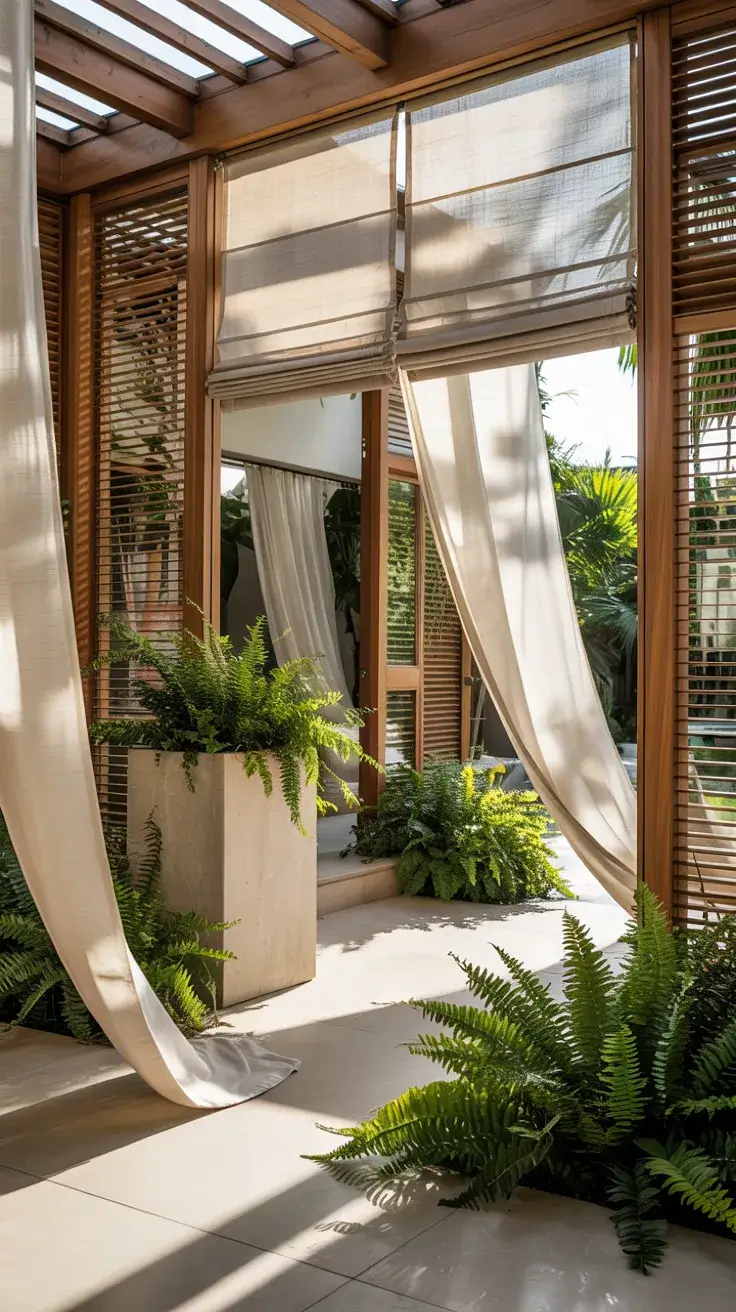
I would add landscape-based privacy solutions—such as tall greenery or built-in planter dividers—to enhance natural screening without adding visual heaviness.
26. Outdoor Entertainment Systems For Social Spaces
In an Indoor – outdoor living room 2026, entertainment features often anchor social gatherings. I like to incorporate weather-resistant audio systems, hidden wiring, and outdoor-rated projectors or displays that allow seamless media enjoyment. A thoughtfully placed entertainment zone encourages guests to flow between spaces naturally.
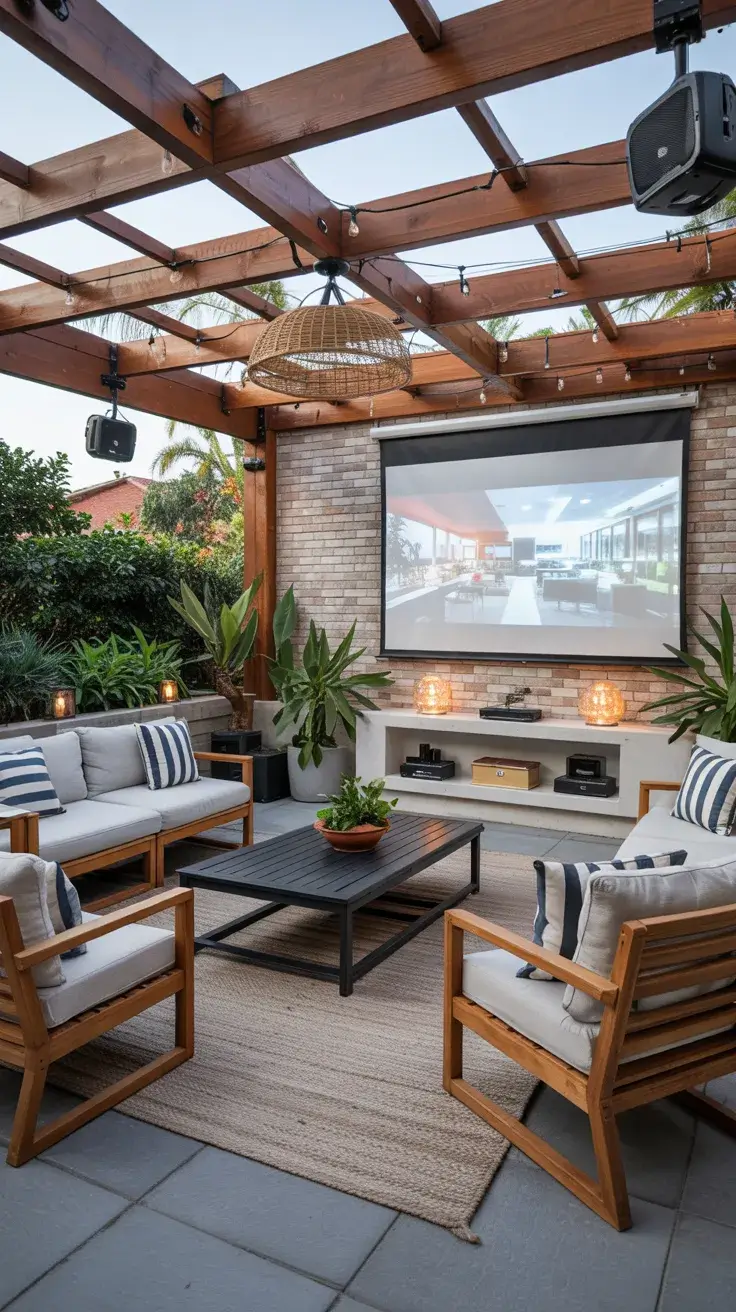
For equipment, I choose discreet speakers, projector screens that retract into architectural niches, and furniture layouts that promote conversation. Durable coffee tables, sectional seating, and modular ottomans support both casual lounging and group activities. These pieces transition easily between indoors and out, creating a consistent experience.
I’ve observed that entertainment systems greatly enhance the usability of hybrid living rooms. Experts from TechHive suggest prioritizing weatherproof and low-profile tech for outdoor setups, and I completely agree as it ensures longevity and aesthetics.
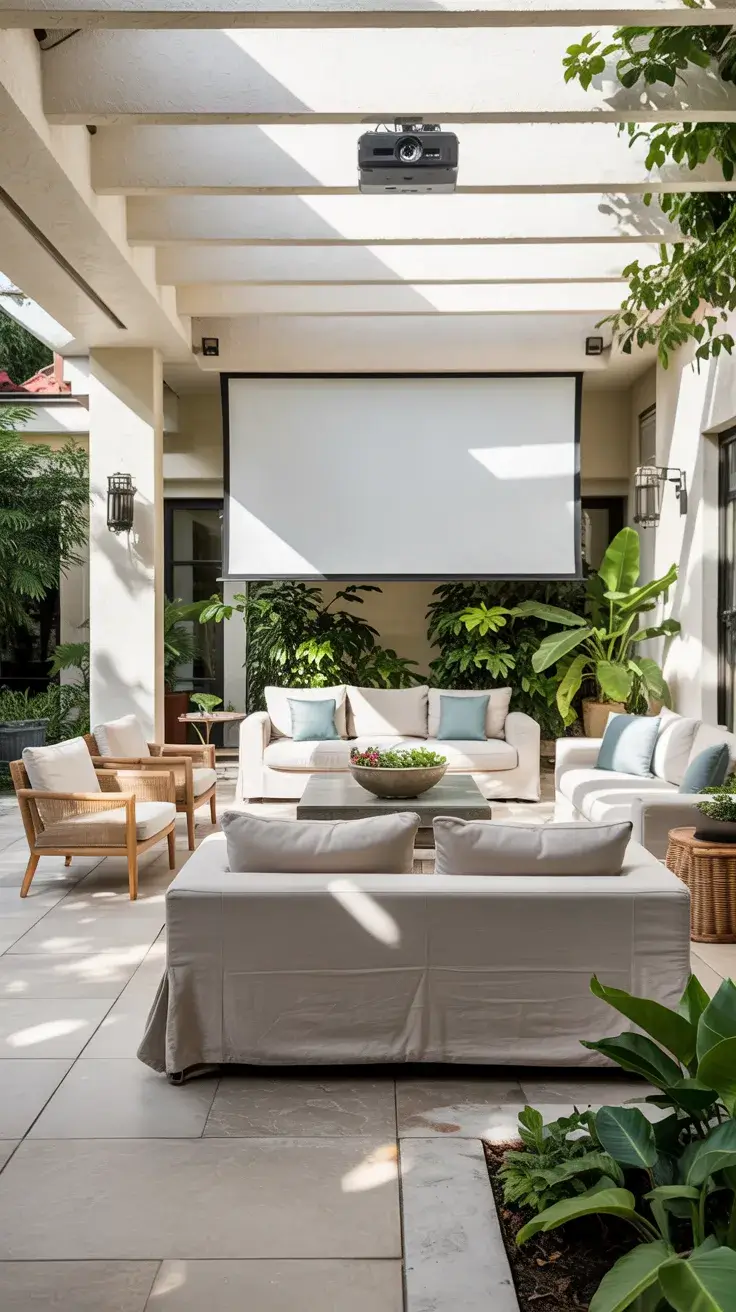
I would add acoustic treatments or directional speakers to control sound travel while maintaining high-quality audio in the designated entertainment zone.
27. Multi Purpose Furniture For Flexible Living
Flexibility defines the Indoor – outdoor living room 2026, and multipurpose furniture supports this adaptability beautifully. I prefer furnishings that transform effortlessly: modular sofas, expandable dining tables, and ottomans that double as storage. These allow the room to accommodate lounging, dining, work, and entertaining.
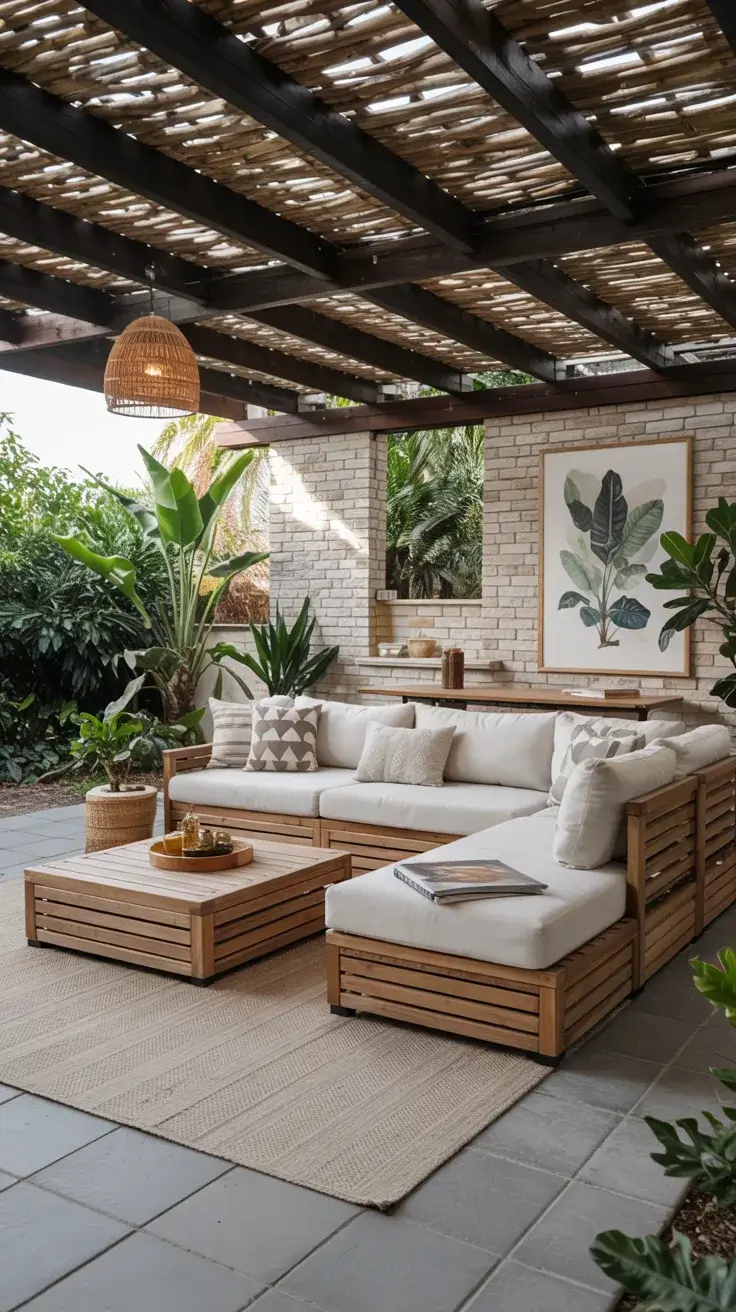
My go-to selections include weather-resistant modular sectionals, adjustable-height coffee tables, and stackable or foldable chairs. These pieces maintain design continuity while allowing homeowners to adapt the layout depending on the occasion. Lightweight materials ensure easy movement without sacrificing durability.
From experience, multifunctional furniture is one of the best investments for hybrid living rooms. Articles in Better Homes & Gardens often highlight how transforming pieces maximize square footage, and I see this play out in nearly every project involving smaller homes or active families.
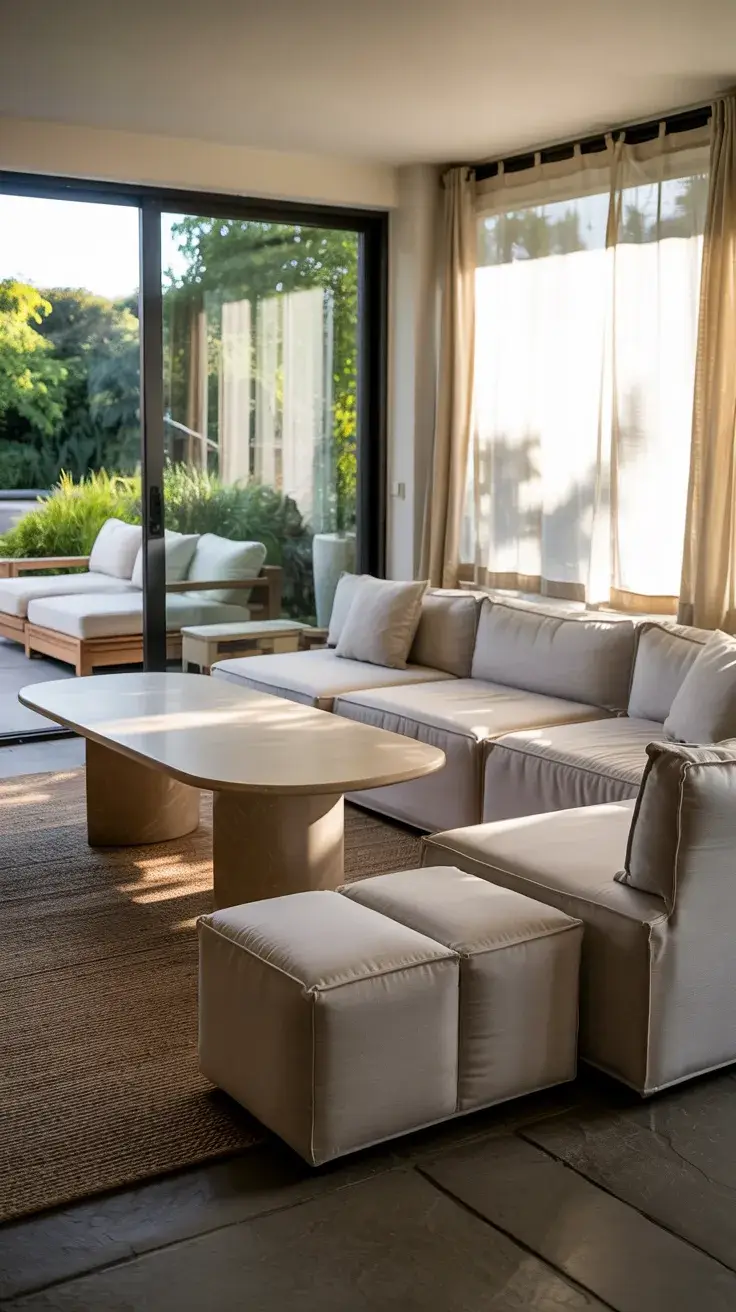
I would add custom built-ins along perimeter walls for even more functional storage without cluttering the open layout.
28. Natural Stone Accents For Organic Indoor Outdoor Rooms
Natural stone is a foundational material in the Indoor – outdoor living room 2026, grounding the design in earthy elegance. I frequently use stone accent walls, travertine surfaces, or slate-clad fireplaces to unify the interior with surrounding landscapes. These materials feel timeless and instantly elevate the atmosphere.
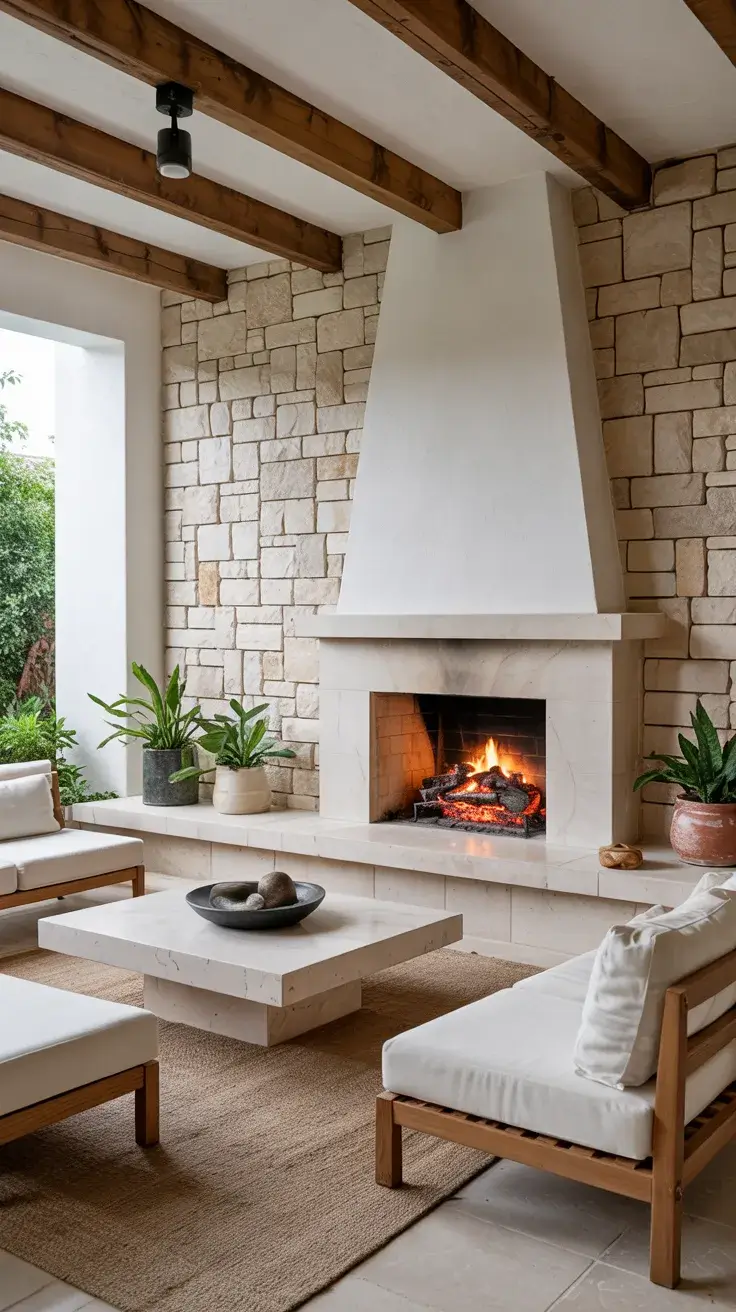
Common pieces I incorporate include stone benches, side tables, and planter bases. The textures pair beautifully with wood, metal, and neutral textiles, creating a sophisticated modern organic look. Stone also performs exceptionally well outdoors, making it a practical choice for visually connecting the two environments.
In my opinion, natural stone brings depth and authenticity to hybrid spaces. Many experts from Luxe Interiors emphasize that organic materials create a calming environment that blurs the line between indoors and outdoors.
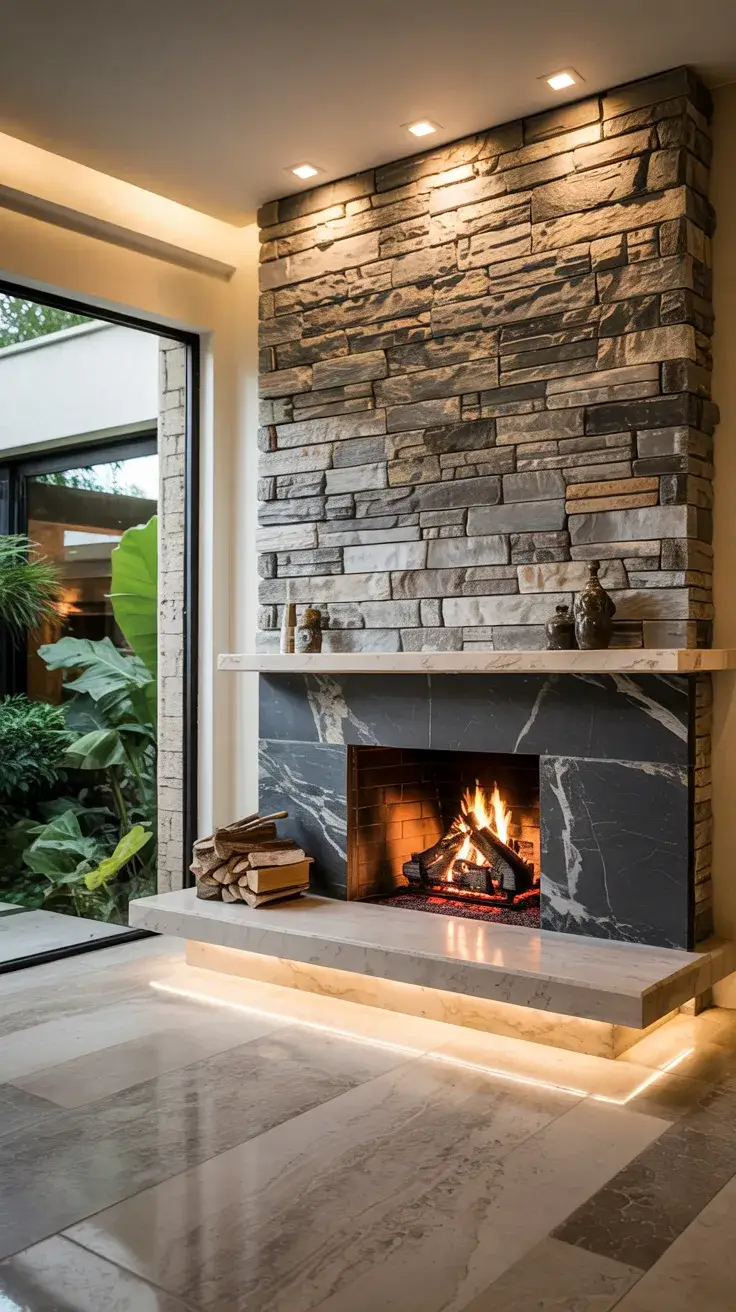
I would add subtle integrated lighting to highlight stone textures during evening hours, enhancing the architectural drama.
29. Outdoor Rugs And Textiles For Warm Transitions
In an Indoor – outdoor living room 2026, textiles are essential for softening the environment and creating a smooth emotional transition between spaces. When I design hybrid living rooms, I choose outdoor rugs with rich textures and muted tones that visually anchor seating areas while providing the warmth typically associated with indoor spaces. These textiles help define functional zones without interrupting the open flow.
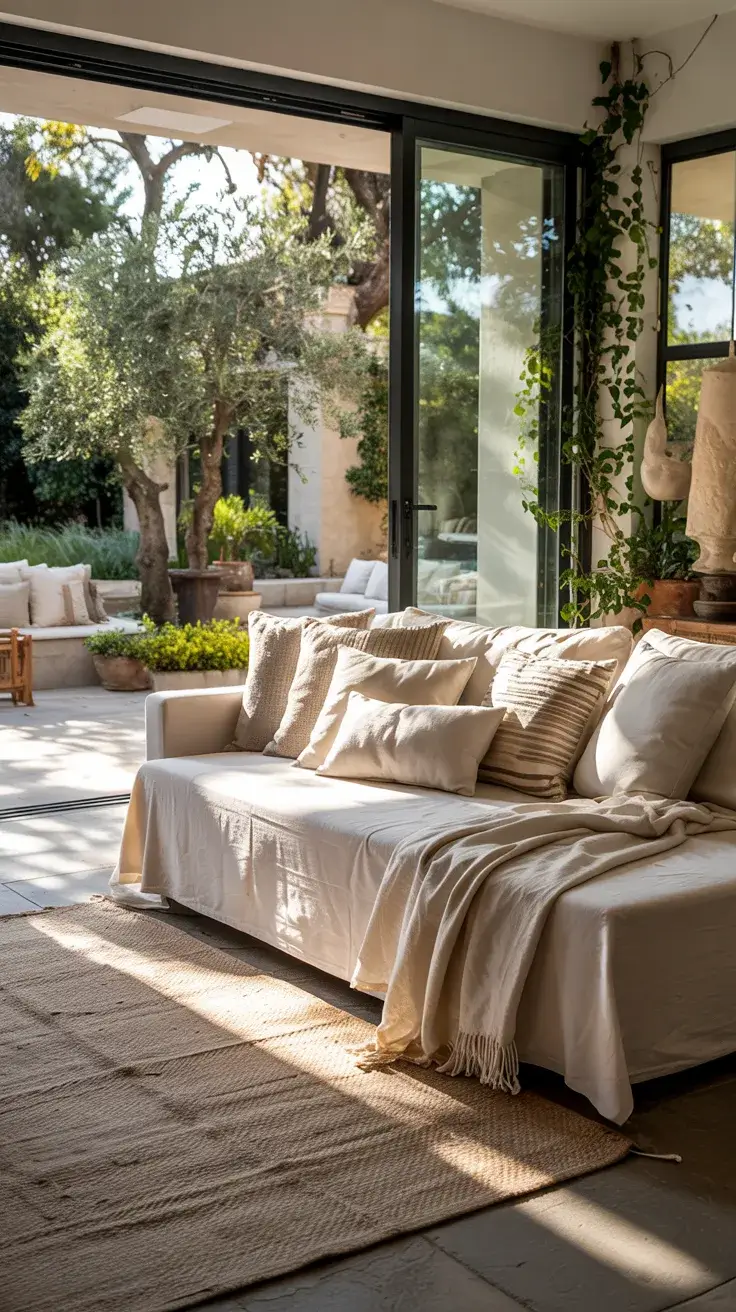
For materials, I prefer solution-dyed acrylic, polypropylene, and performance blends because they withstand moisture, sunlight, and heavy foot traffic. Layered throw blankets, outdoor-rated cushions, and tactile fabrics like woven knits or textured linen blends add dimension and consistency between the indoor and outdoor sections. I select patterns that complement natural materials such as stone, wood, and metal to maintain aesthetic harmony.
From my experience, incorporating textiles dramatically improves comfort and livability. Many designers referenced in House Beautiful point out that modern outdoor textiles rival indoor quality, allowing homeowners to achieve a luxurious yet durable look. I’ve also found that strategic placement of rugs helps visually extend the indoor color palette to the patio seamlessly.
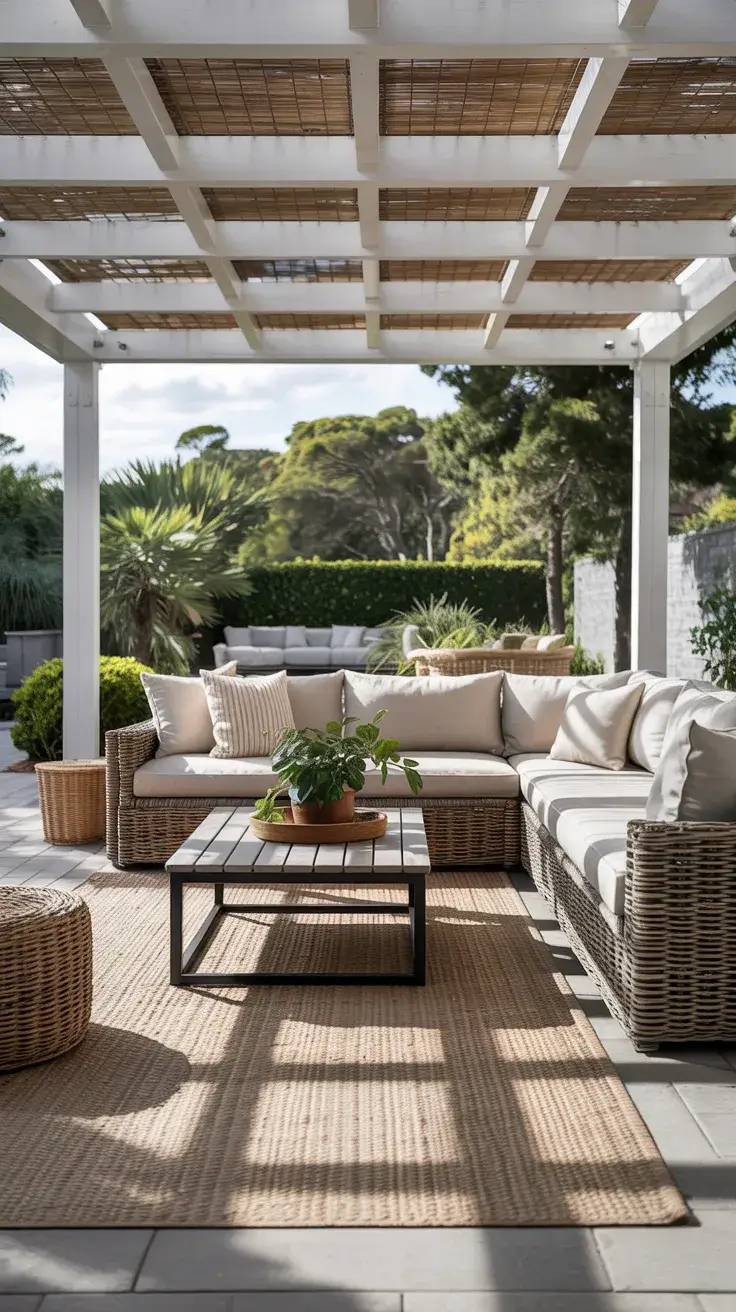
I would add more sculptural or bold-patterned accent pillows to inject personality into an otherwise neutral transitional environment, ensuring the space feels inviting and curated.
30. Eco Friendly Energy Solutions For Hybrid Spaces
Sustainability is a defining characteristic of an Indoor – outdoor living room 2026, and I always consider energy-efficient systems that support long-term performance. Solar panels, battery storage, and energy-efficient HVAC units help reduce the footprint of these connected spaces. I also integrate LED lighting and smart energy monitoring to maximize efficiency throughout the day.
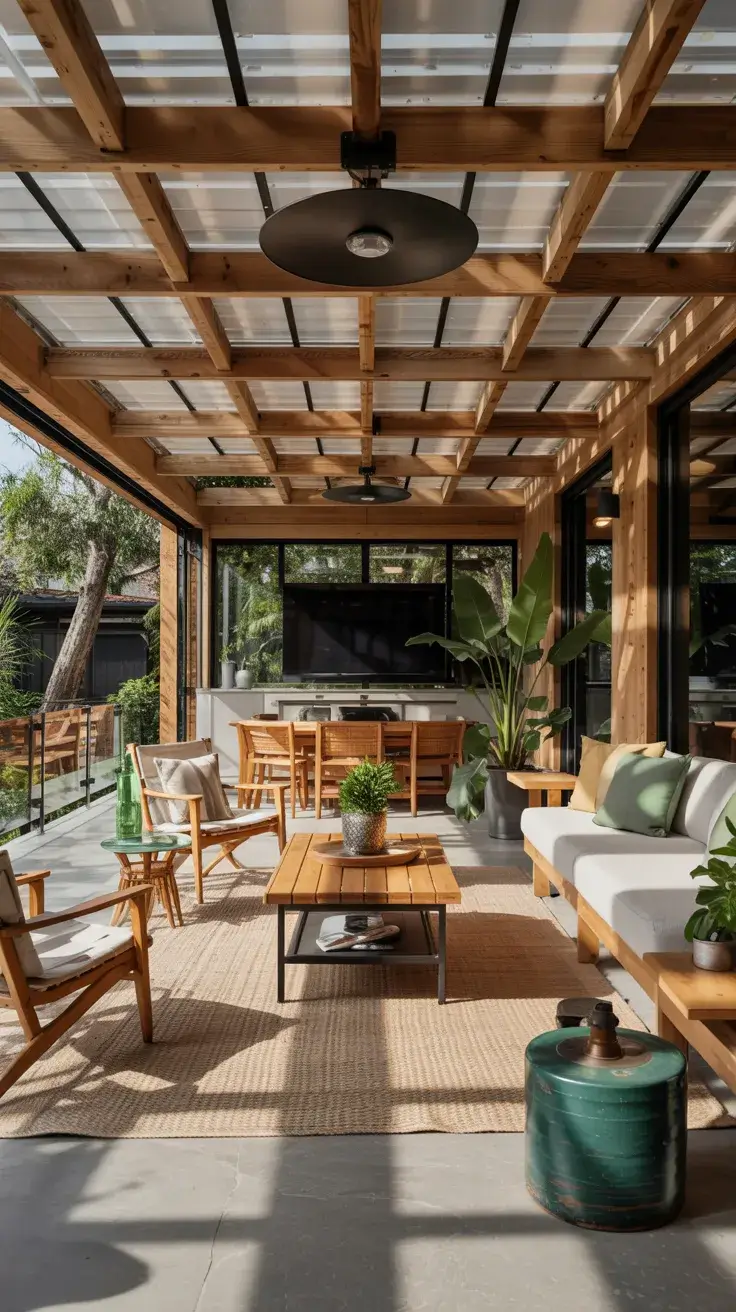
Materials matter as well. I choose low-VOC finishes, recycled composite decking, and sustainably sourced wood to complement the eco-friendly strategy. My lighting and mechanical selections focus on minimizing energy waste while enhancing the comfort of transitional areas. Window glazing and insulated panels also play major roles in maintaining temperature without overworking climate systems.
Personally, I’ve noticed that clients appreciate how eco-friendly solutions lower ongoing utility costs while increasing home value. Publications like Green Builder Media often emphasize that sustainable design is no longer a trend but a standard, especially for homeowners building hybrid living zones.
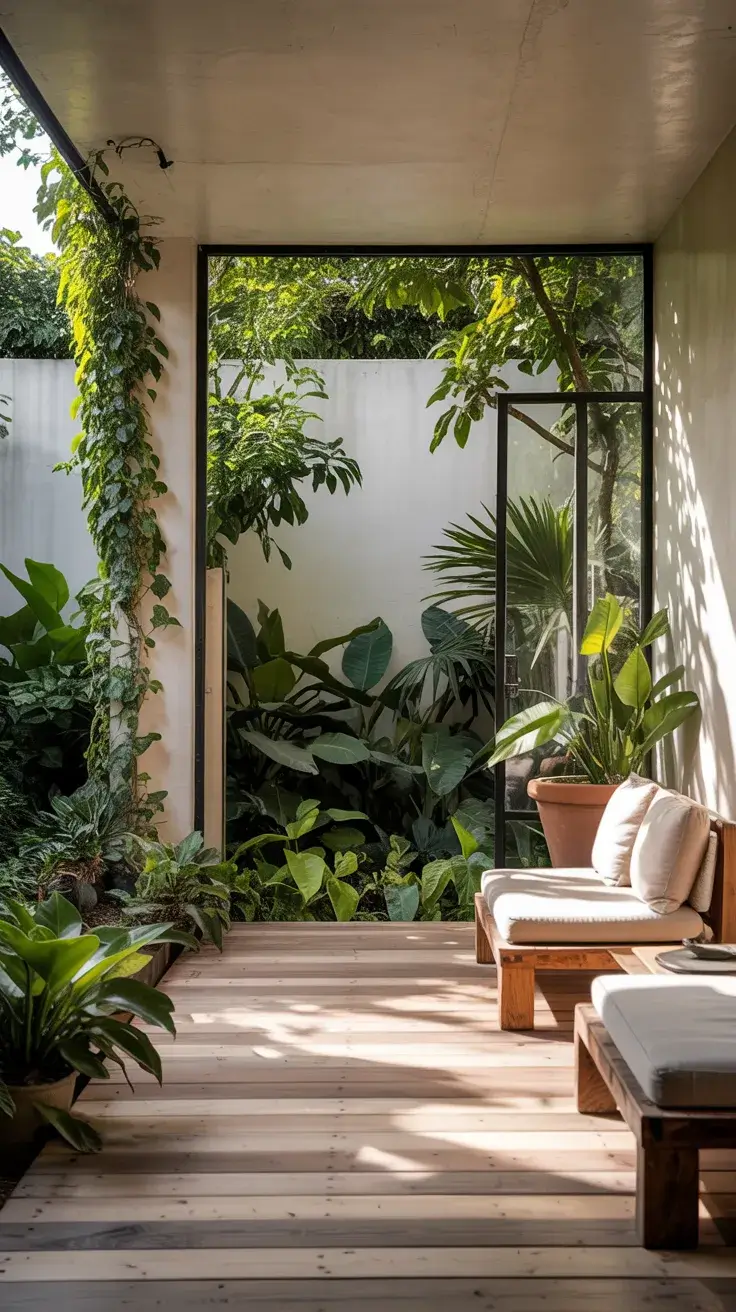
I would add rainwater collection systems for watering greenery walls or plant displays, as this integrates sustainability into everyday function.
31. Compact Indoor Outdoor Living Ideas For Small Homes
Designing an Indoor – outdoor living room 2026 for small homes requires creativity and multifunctionality. I often use sliding or bi-fold glass walls that completely open the living room to a compact patio or balcony, instantly doubling the perceived space. Even a narrow outdoor extension can feel spacious when integrated thoughtfully with the indoor layout.
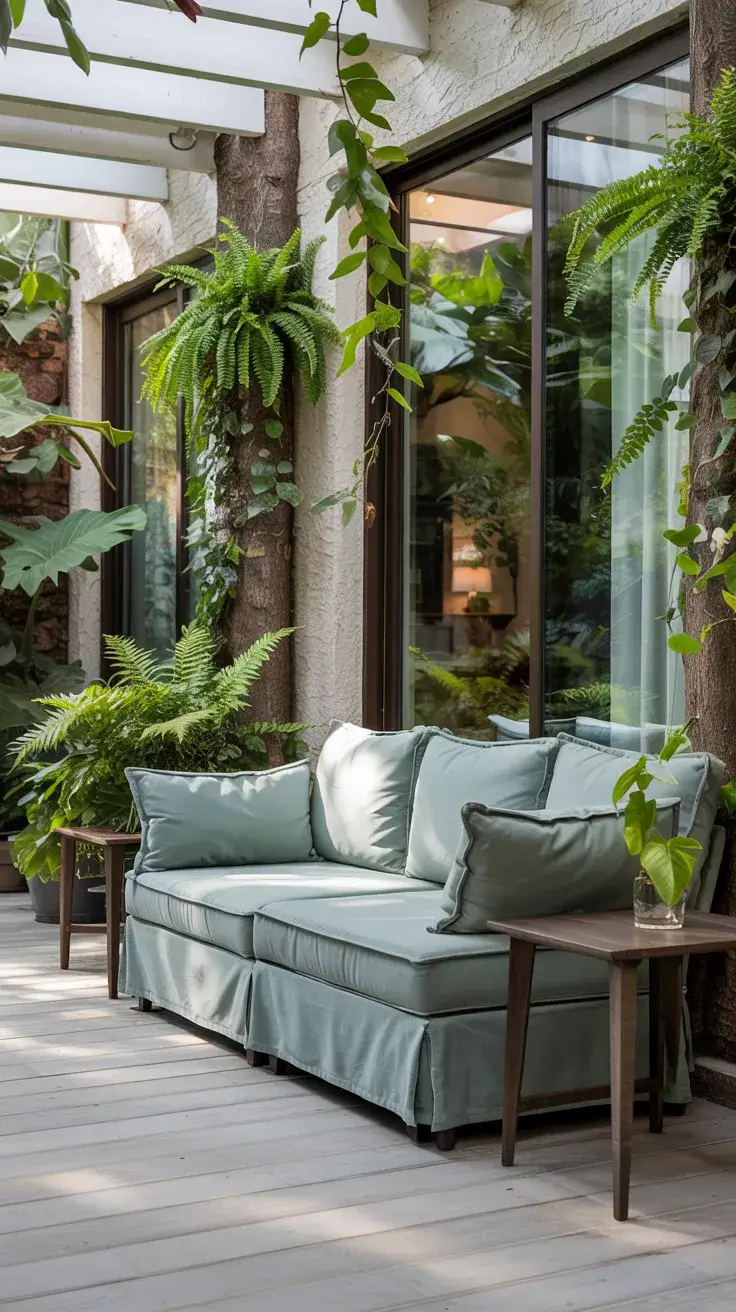
For furnishings, I choose foldable chairs, slimline tables, and modular seating that can shift roles depending on the activity. Vertical storage, wall-mounted planters, and built-in benches make the most of limited square footage. I also rely on a consistent color palette across both areas to visually expand the environment and avoid segmented zones.
In my professional experience, small homes benefit deeply from hybrid layouts because they create a breathable, flexible atmosphere. Experts featured in Real Simple often highlight that maximizing openness is the key to making small spaces feel larger, and I’ve seen this principle validated repeatedly.
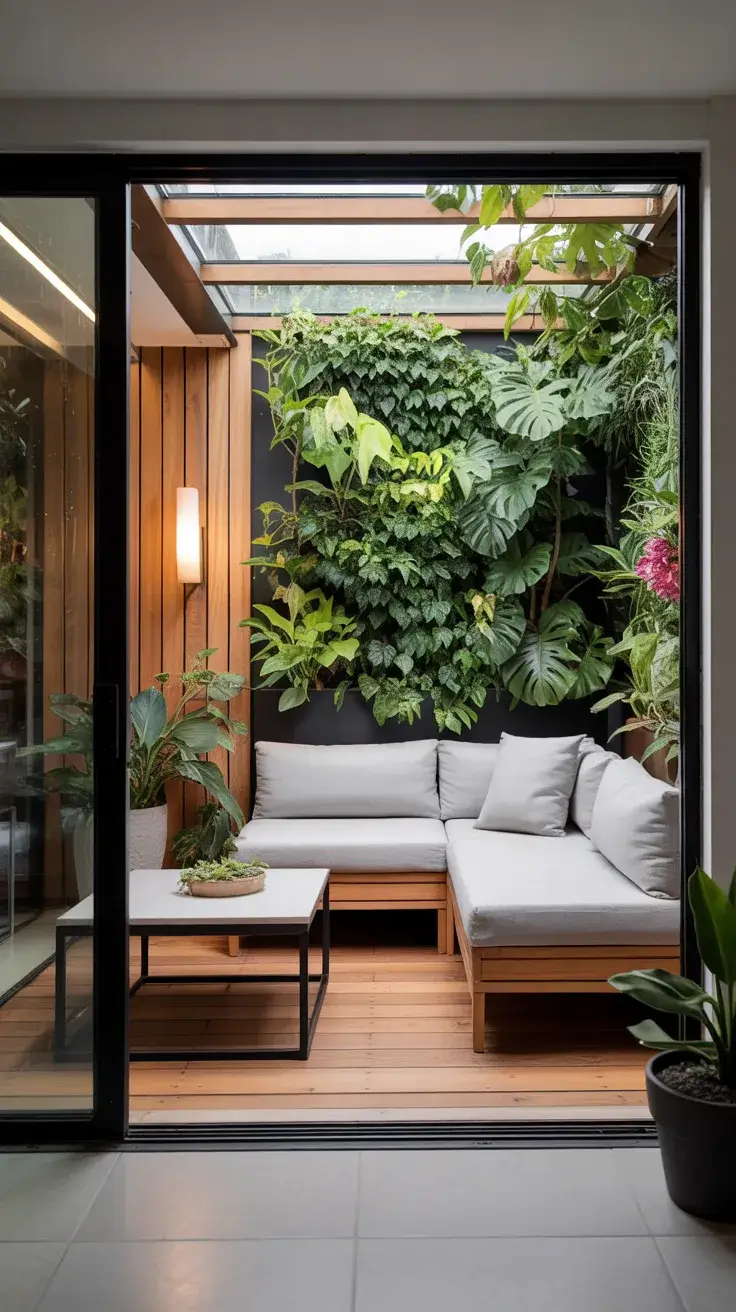
I would add mirrored surfaces or reflective décor elements inside the room to amplify natural light and extend the visual depth of tight layouts.
32. Luxury Indoor Outdoor Living Room Inspirations
Luxury in an Indoor – outdoor living room 2026 stems from thoughtful details, elevated materials, and seamless technology. I design these spaces using expansive retractable glass walls, high-end stone surfaces, custom millwork, and tailored furniture layouts. The result is a sophisticated environment where indoor refinement flows effortlessly into outdoor leisure.
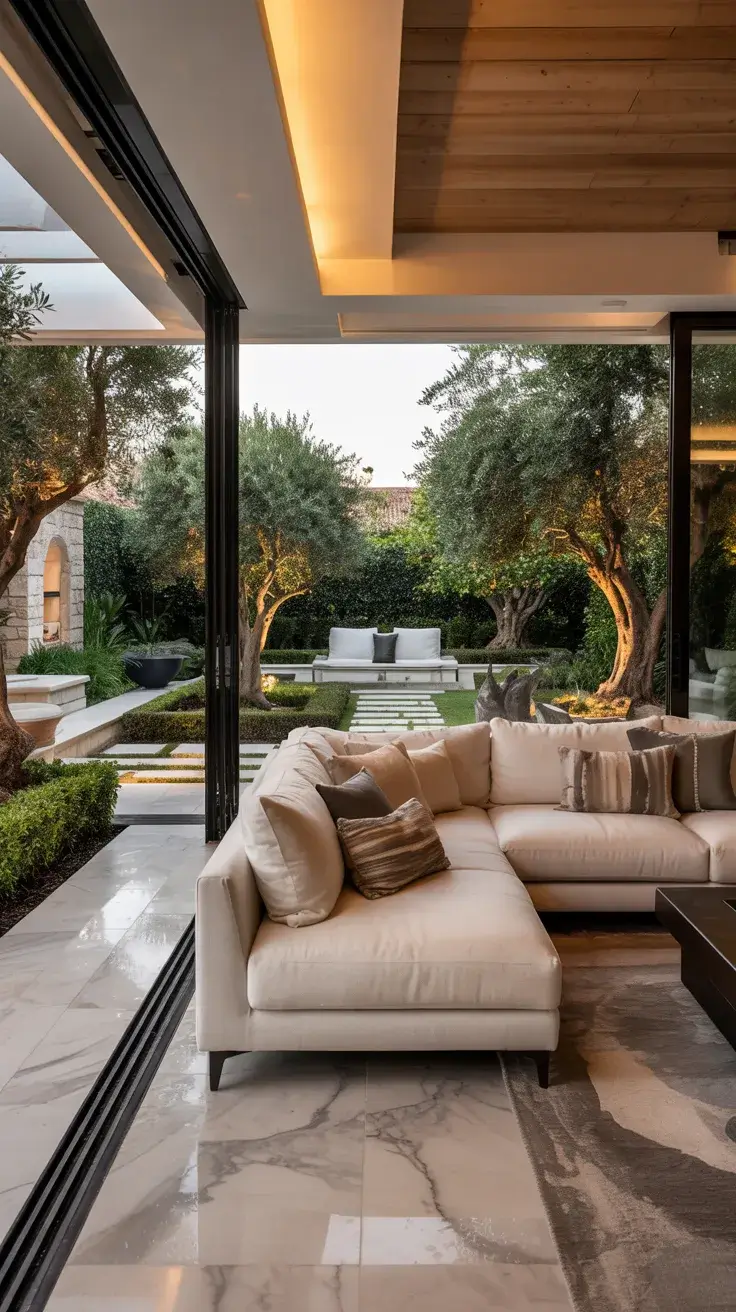
For materials, I favor marble accents, textured wood ceilings, designer furniture, and premium outdoor fabrics. High-performance lighting systems, integrated audio, and concealed climate solutions add invisible comfort. Fire features, water elements, and lush landscaping complete the luxurious ambiance while reinforcing harmony between spaces.
From my perspective, luxury is achieved through cohesion and craftsmanship. Publications like Luxe Interiors + Design frequently showcase hybrid living rooms where every detail contributes to an elevated lifestyle experience. I have learned that symmetry, quality finishes, and curated décor are essential to creating timeless luxury.
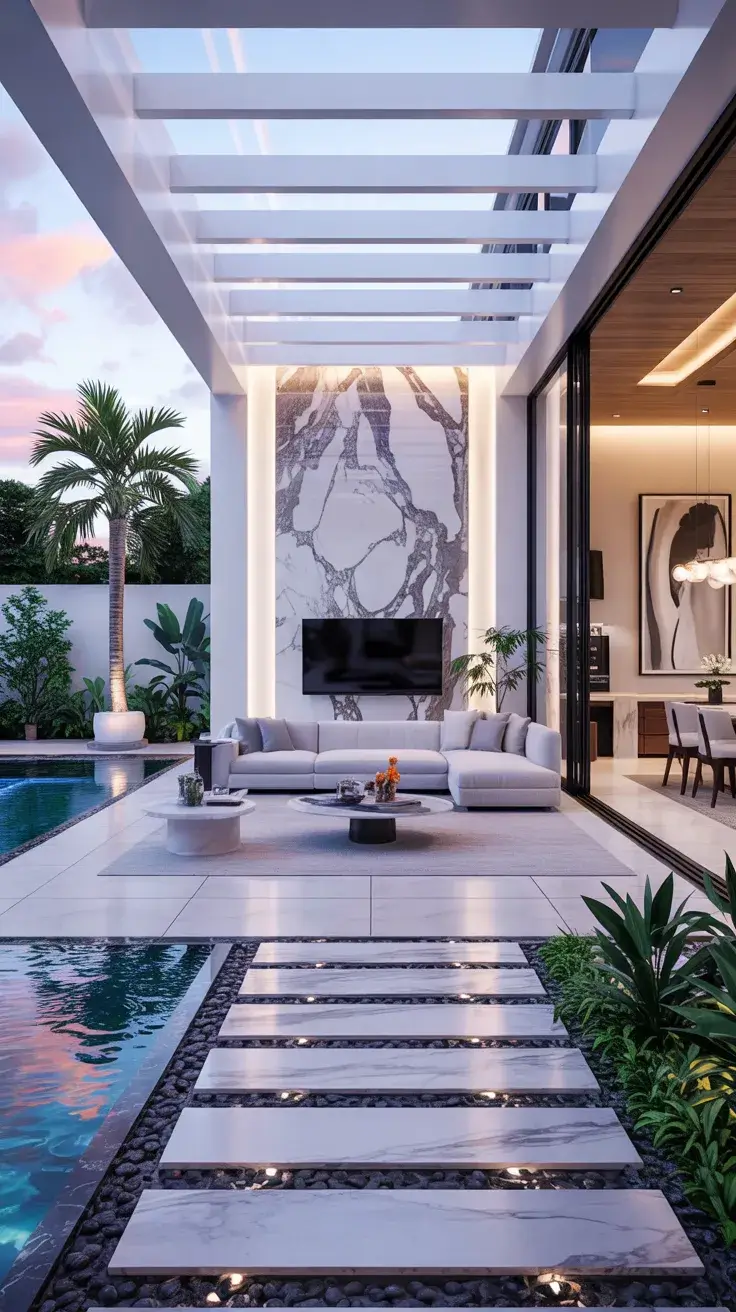
I would add bespoke built-ins—such as a custom bar, sculptural shelving, or a recessed media wall—to elevate both functionality and aesthetics.