When homeowners look for fresh Hallway renovation ideas 2026, they often wonder how to make small spaces feel bigger, brighter, and far more functional. I always begin by asking myself what problems the hallway currently has—is it too dark, too narrow, too cluttered, or simply outdated? In this article, I will walk through practical and stylish solutions that answer these questions while helping readers envision a modern hallway that aligns with 2026 design trends. By exploring each concept in detail, I hope to inspire real, actionable transformations that elevate daily living.
1. Elegant Entryway Transformations
Transforming an entryway is one of the most effective ways to refresh the entire home, and in 2026 this trend emphasizes soft elegance and functionality. When working with Hallway renovation ideas 2026, I focus on creating a welcoming impression through warm lighting, cohesive décor, and practical layouts. The goal is to shape an entryway that feels open and inviting while still anchoring the stylistic identity of the home. I often recommend neutral tones, refined finishes, and layered textures to create a sophisticated first impression.
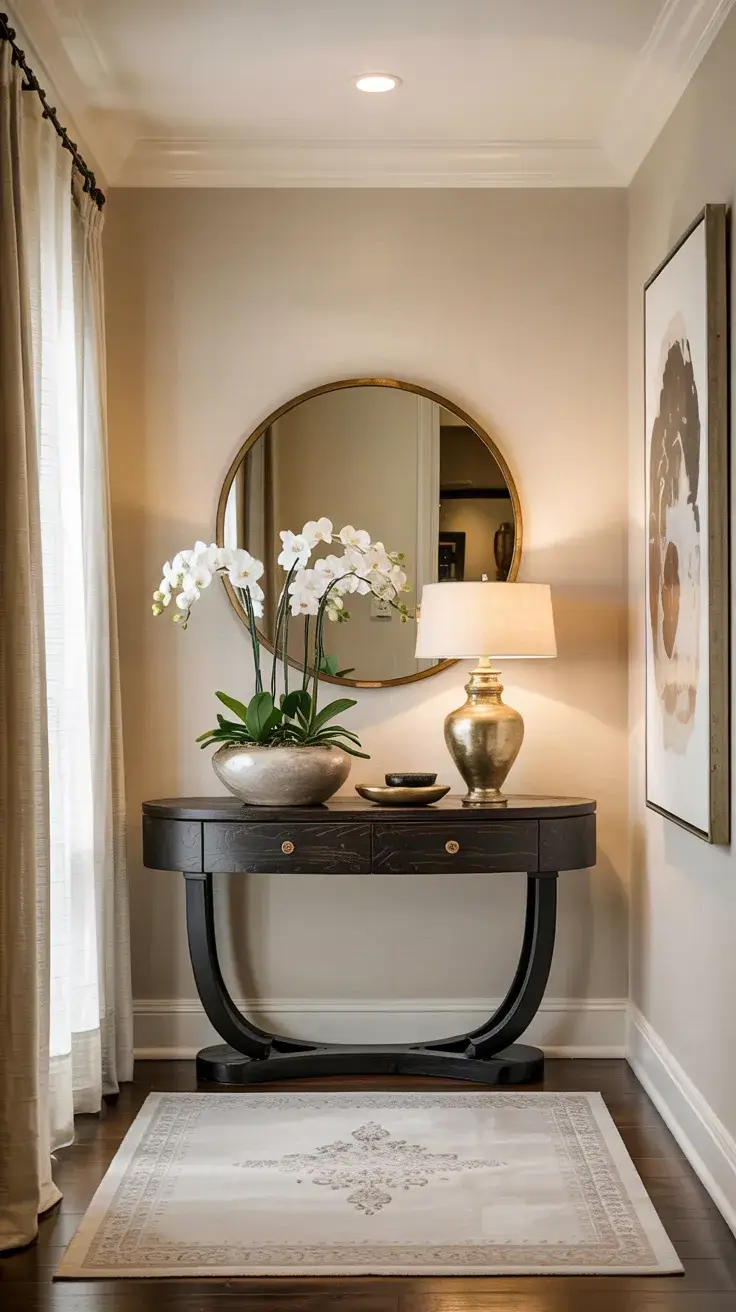
For furniture and décor in elegant entryways, I typically choose slender console tables, rounded mirrors, and decorative storage baskets that keep the area clean yet stylish. These pieces contribute to a polished look while still serving daily needs like holding keys, mail, or seasonal accessories. I also find that adding subtle metallic accents—such as brass or matte black hardware—elevates the aesthetic without overwhelming the space.
In my experience, an elegant entryway works best when it reflects balance. For example, designers at House Beautiful have noted that well-placed lighting and understated décor tend to create the most welcoming results. I agree, and I often apply this principle when advising clients who want sophistication without clutter.
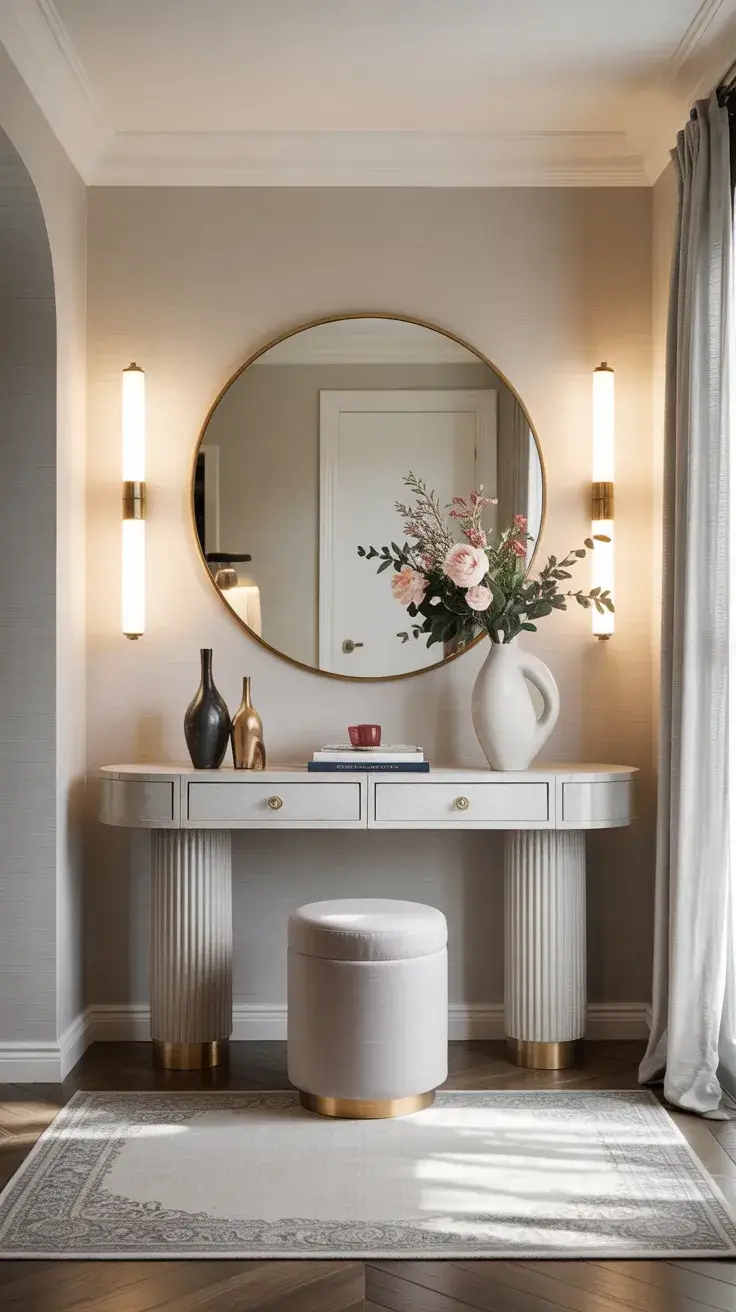
I would add a small floral arrangement or organic décor to enhance the natural warmth of the space while maintaining elegance.
2. Modern Minimalist Hallway Concepts
Minimalism continues its strong presence in Hallway renovation ideas 2026, especially for homeowners seeking a clean and timeless look. I always start with the architecture of the space, assessing how simple lines and open visual areas can highlight the hallway’s structure. Modern minimalist hallways rely on quiet confidence—where restraint and clarity shape the design rather than decorative excess.
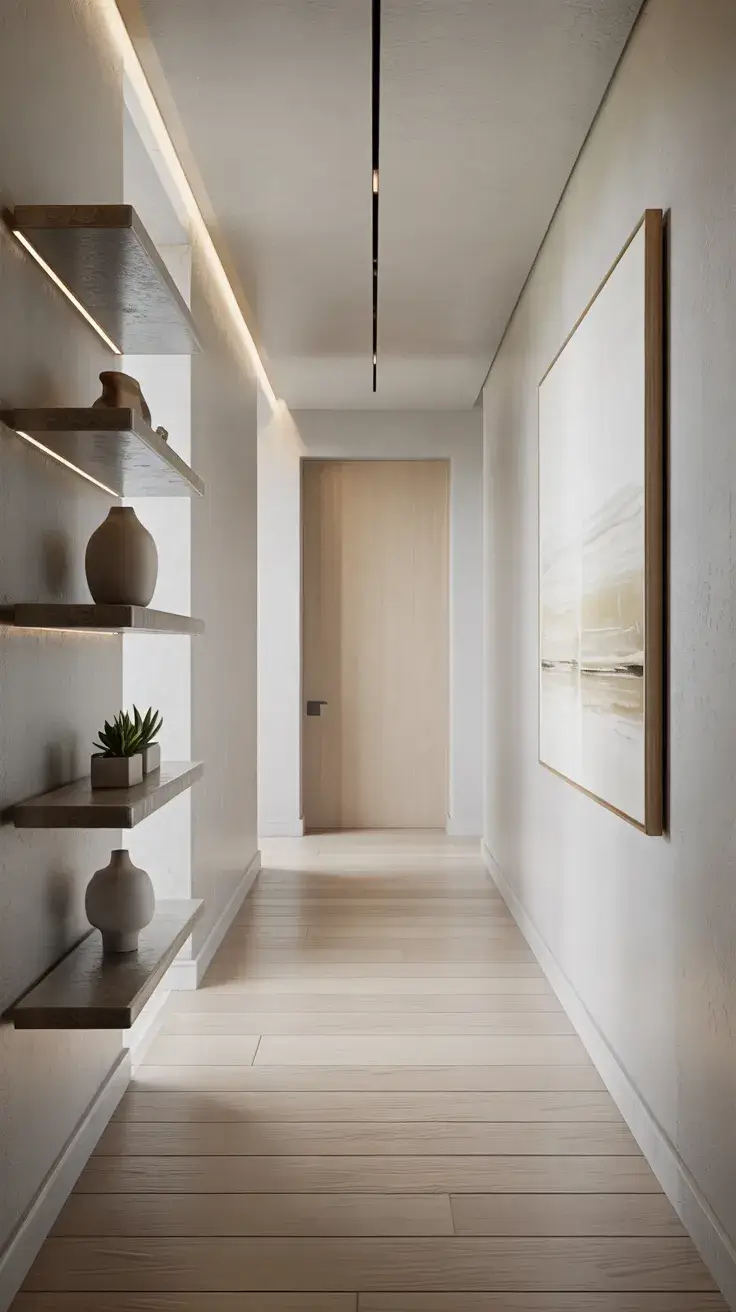
Furniture in a minimalist hallway should be purposeful and light. I typically incorporate slimline storage, floating shelves, or built-in seating that reduces visual weight. Neutral palettes such as white, sand, and charcoal work beautifully here, creating a sense of calm and order. The absence of unnecessary décor allows the textures and proportions to stand out on their own.
From my professional standpoint, minimalism works best when the user embraces consistency. Renowned designers at Architectural Digest emphasize that minimalism must remain functional—nothing should be added unless it enhances everyday use. I apply this idea in my work by guiding clients toward pieces that are both practical and visually subtle.
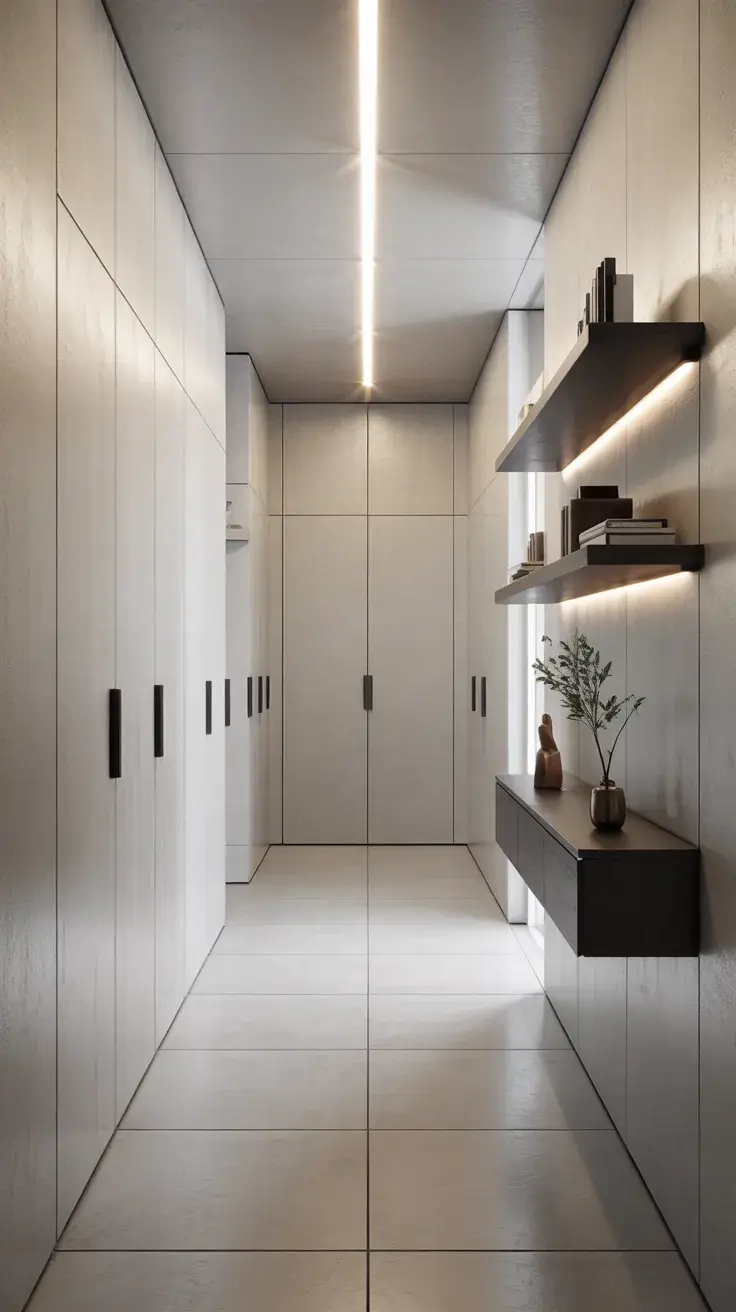
I would also refine this section with suggestions for subtle linear lighting, which enhances the minimalist mood while maintaining functionality.
3. Smart Storage Solutions For Narrow Spaces
When dealing with narrow areas, smart storage becomes a leading theme in Hallway renovation ideas 2026. I generally begin by examining vertical and underutilized spaces, as these often present the best opportunities for creating hidden or compact storage. Narrow hallways can feel restrictive, so I aim to introduce storage that blends seamlessly with the architecture.
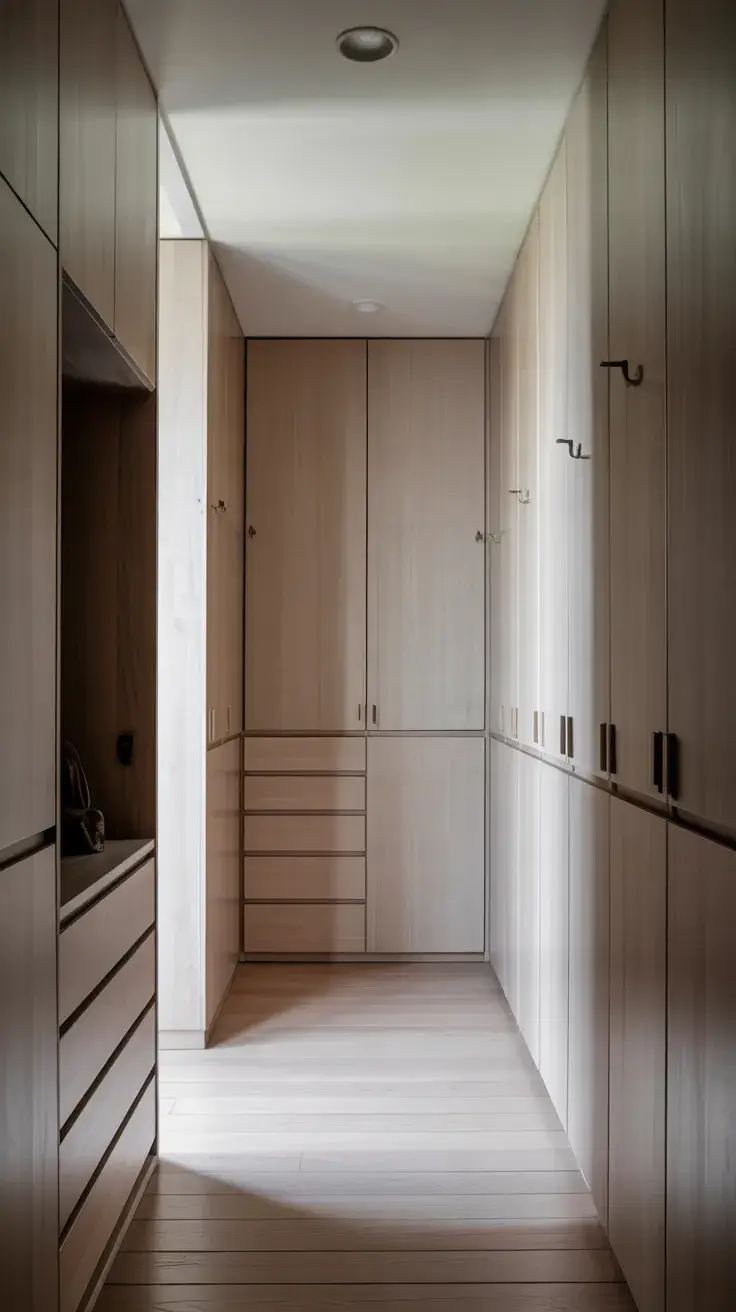
I frequently recommend slim cabinets, wall-mounted organizers, and built-in compartments that maximize space without creating visual clutter. Hooks, floating shelves, and shallow drawers are also incredibly useful in keeping essentials accessible. Each storage piece should support tidiness and efficiency while maintaining a streamlined aesthetic.
Through experience, I’ve learned that homeowners appreciate small hallway solutions that simplify daily life. U.S. interior experts like Emily Henderson often highlight the importance of multifunctional furniture in confined areas. I apply this guidance when designing narrow halls by selecting items that serve multiple purposes without intruding into the walkway.
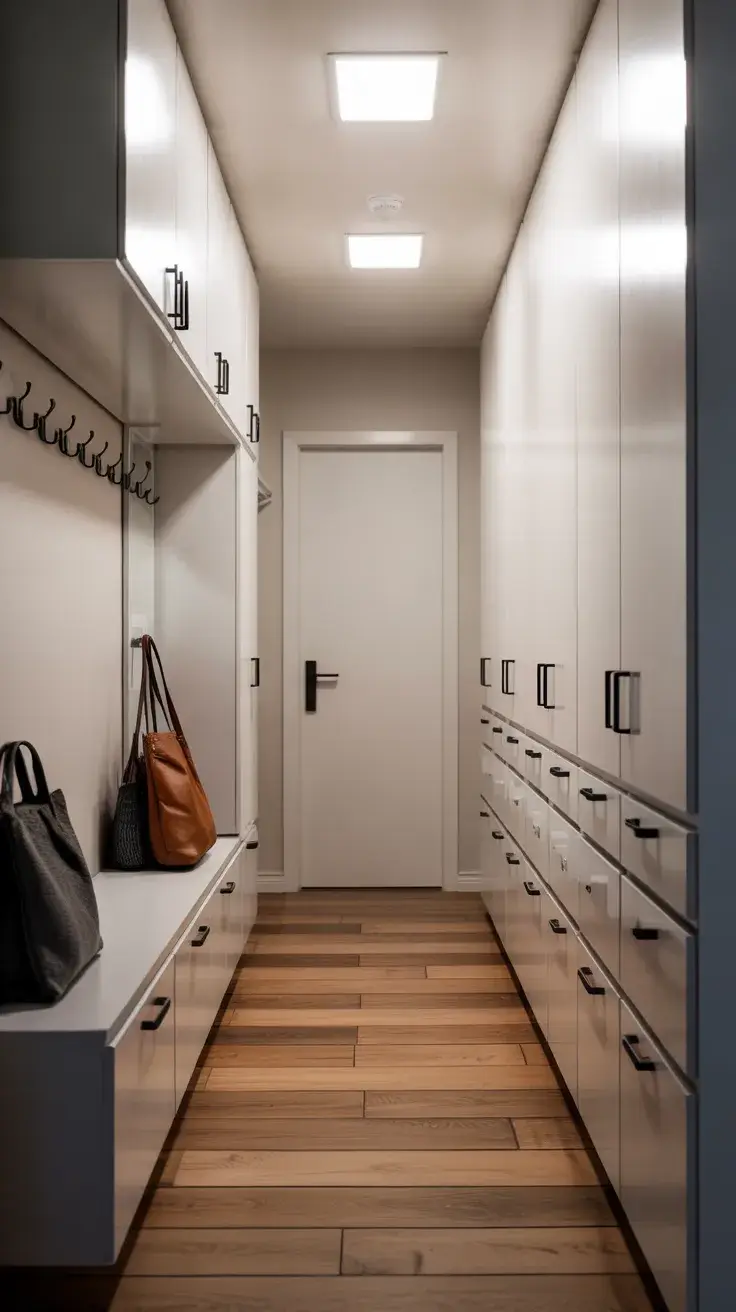
A great addition to this section would be examples of concealed storage—such as recessed cabinets—to fully utilize wall depth.
4. Bright And Airy Hallway Lighting Ideas
Lighting is one of the most transformative elements in Hallway renovation ideas 2026, and I always prioritize it when refreshing any interior. A bright hallway instantly feels more spacious, cheerful, and functional. Whether natural or artificial, lighting determines the overall atmosphere and usability of the space, especially in areas that lack windows.
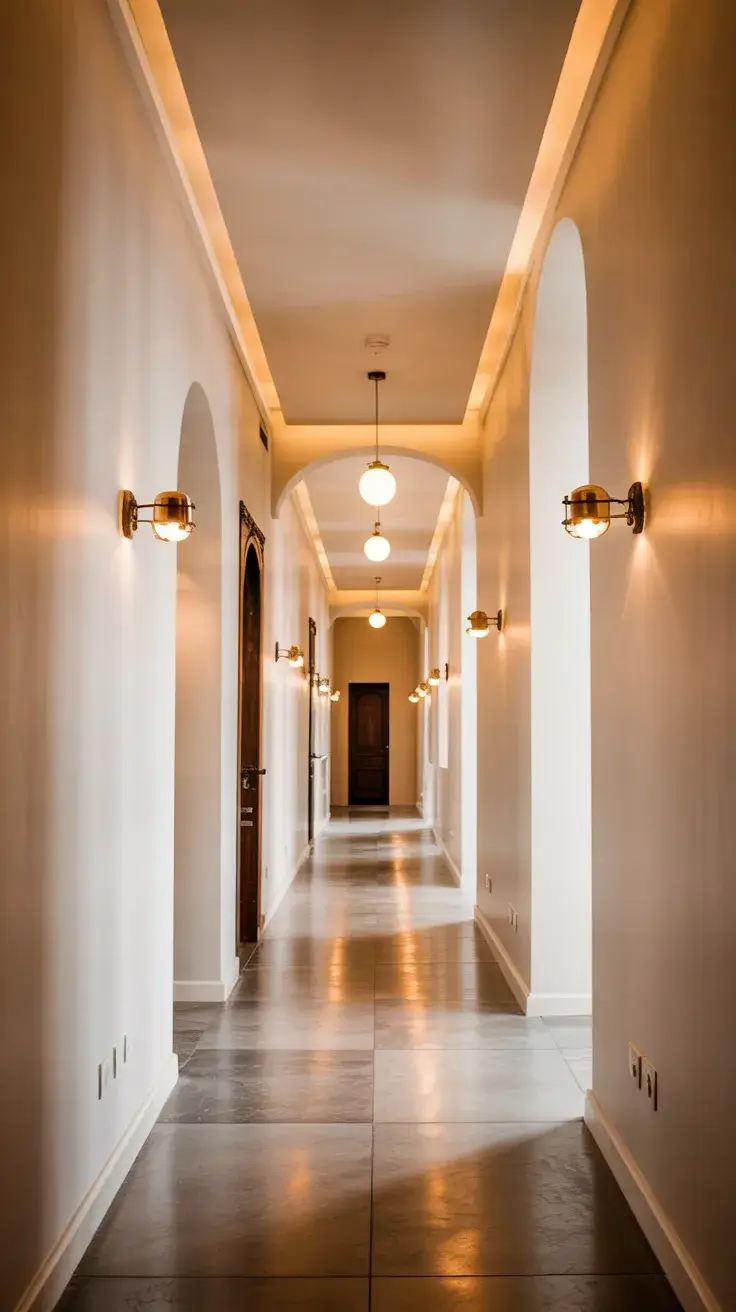
For lighting fixtures, I typically opt for layered solutions—ambient ceiling lighting paired with sconces or accent lighting. Soft LED strips, glass pendants, and warm overhead fixtures can dramatically improve visibility and mood. Each piece contributes to a radiant, cohesive environment that supports both daily routines and evening ambience.
From my perspective, maximizing brightness is essential for hallways since they often serve as transitional zones. Experts in lighting design frequently stress the importance of color temperature, suggesting warm-white LEDs for comfort and clarity. I follow this advice in most hallway projects since it enhances both the décor and architectural features.
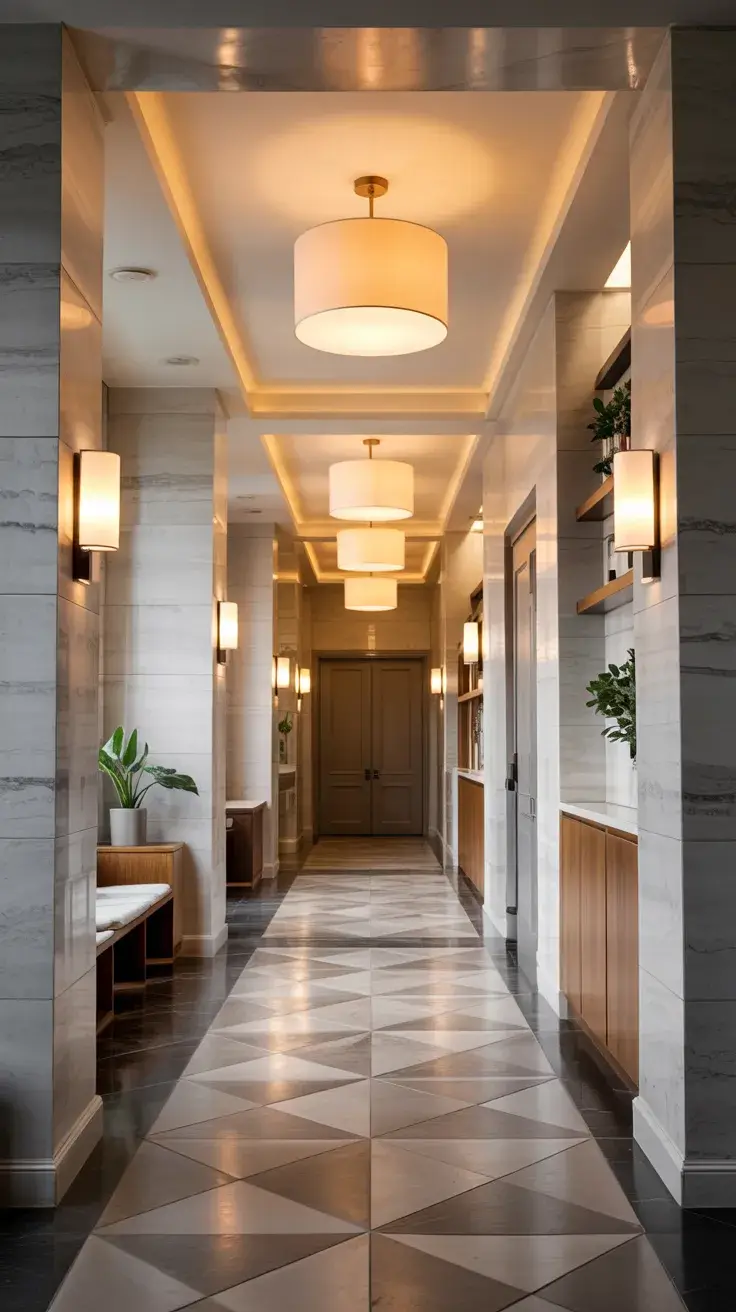
I would also consider adding floor-level guide lights for nighttime navigation, which increases safety without overwhelming the design.
5. Trendy Wall Paneling For 2026 Hallways
Wall paneling plays a major role in Hallway renovation ideas 2026, adding depth, texture, and personality to otherwise simple spaces. When planning paneling, I evaluate the hallway’s dimensions to ensure the pattern enhances its proportions rather than overpowering them. Modern trends include slatted wood, wainscoting, and geometric 3D options that highlight the architectural appeal of the home.
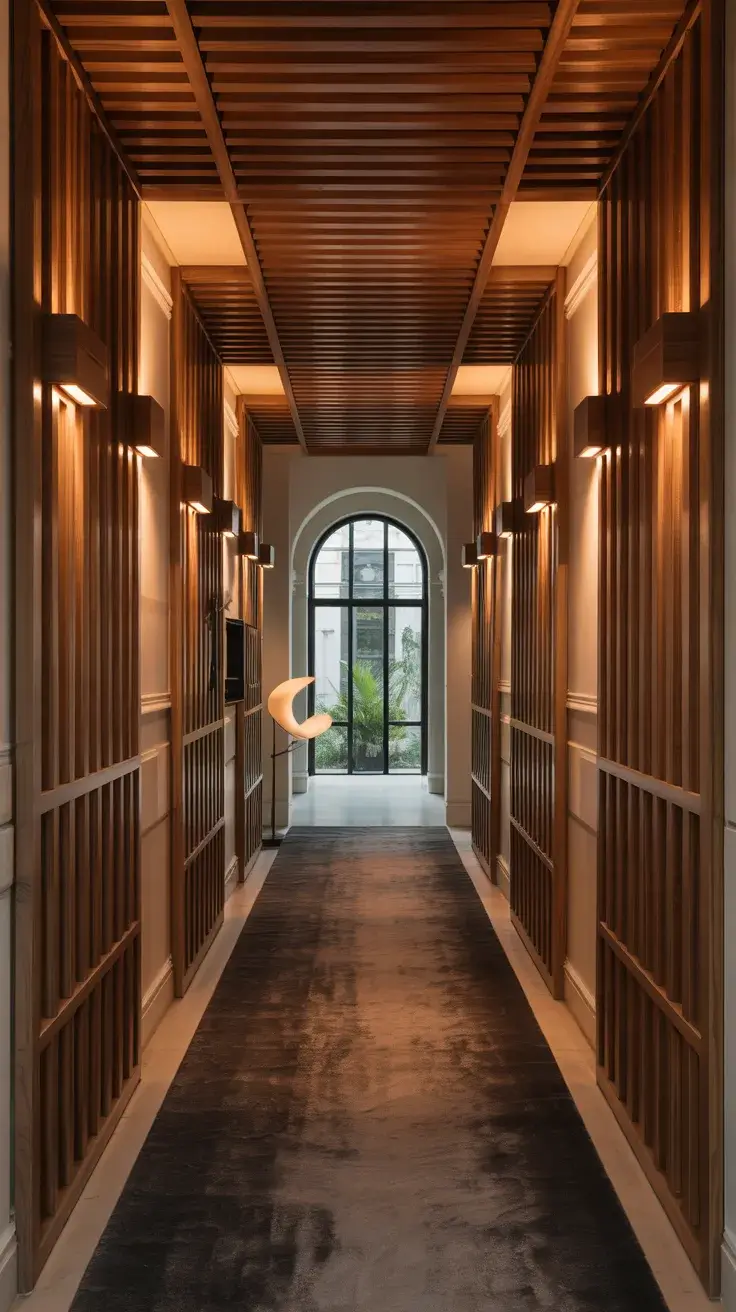
The materials used in wall paneling can significantly impact the overall look. I often choose materials like natural wood, MDF, or composite panels depending on the budget and desired aesthetic. Each type offers distinct advantages, from warmth and acoustic benefits to easy maintenance. The right paneling style can instantly elevate the hallway, making it appear more refined and intentional.
Professionally, I’ve seen increasing demand for bold, character-rich paneling, and many U.S. designers agree that textured walls are becoming a key focal point in modern homes. When used thoughtfully, paneling becomes both decorative and functional.
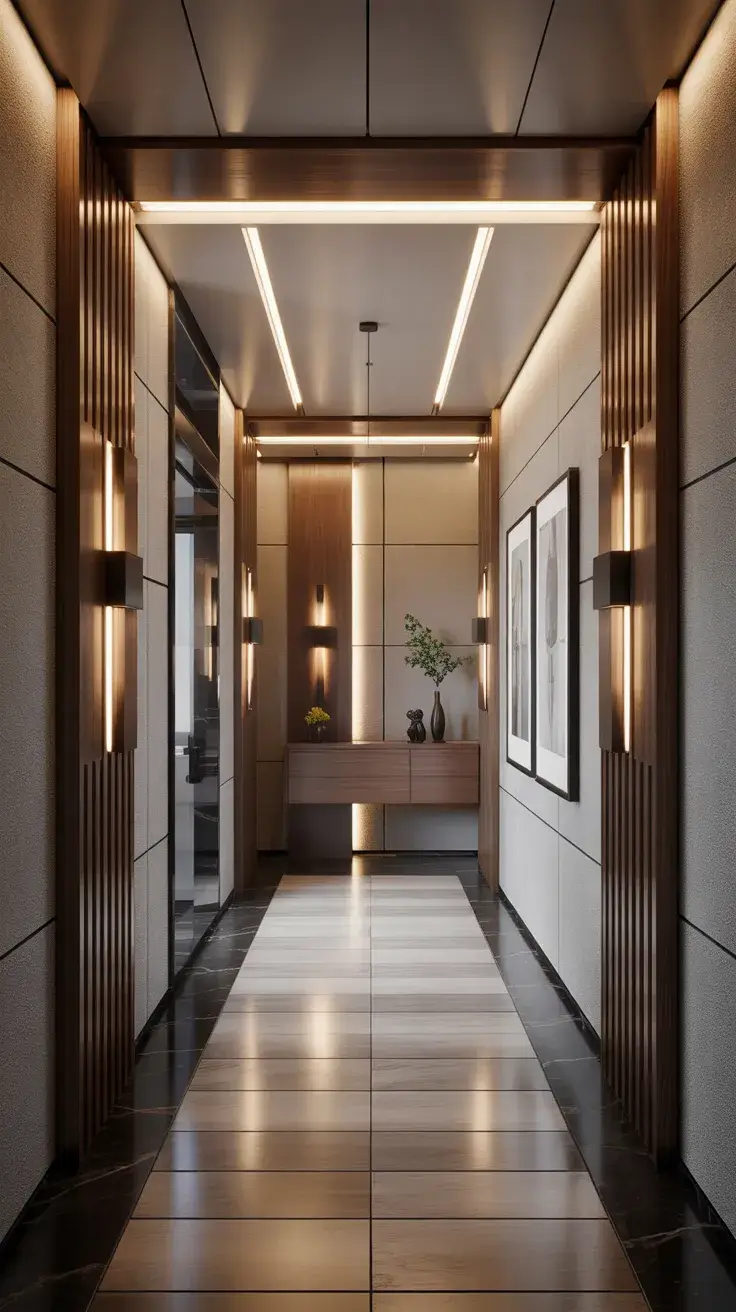
If anything should be added here, I’d suggest incorporating accent lighting to highlight the textures and patterns of the paneling.
6. Eco Friendly Hallway Renovation Materials
Sustainable design is at the forefront of Hallway renovation ideas 2026, shaping how homeowners approach renovation materials. I always begin by reviewing eco-friendly alternatives like reclaimed wood, low-VOC paints, and recycled flooring. These materials help reduce environmental impact while providing the same level of quality and aesthetic appeal as traditional options.
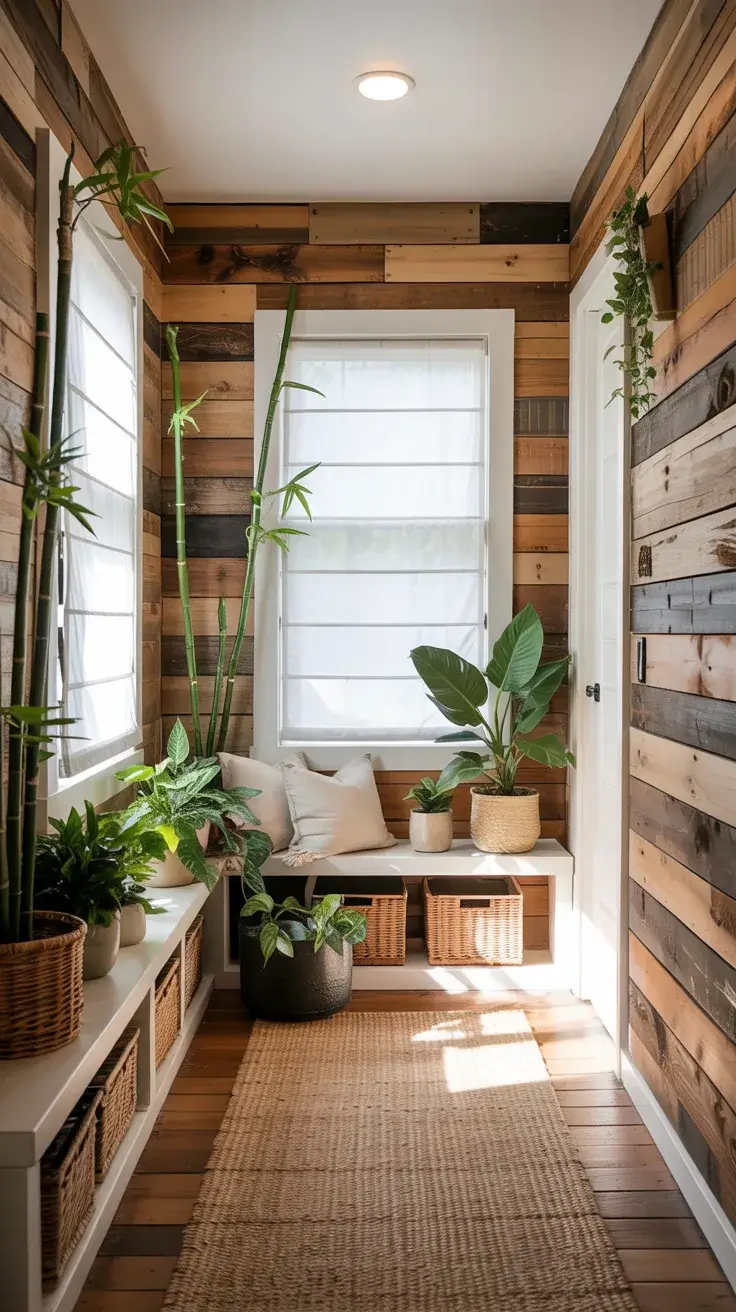
In terms of specific furnishings and décor, I often choose natural fibers, bamboo accessories, and durable organic textiles. These items contribute to a cleaner indoor environment and typically age gracefully, offering long-term value. Choosing earth-friendly materials also adds warmth and texture to the hallway, making it feel more inviting.
From experience, I’ve seen how clients increasingly prioritize sustainability. Publications like Elle Décor frequently encourage using renewable and non-toxic materials in home renovations. I follow these principles to ensure hallways are both stylish and environmentally responsible.
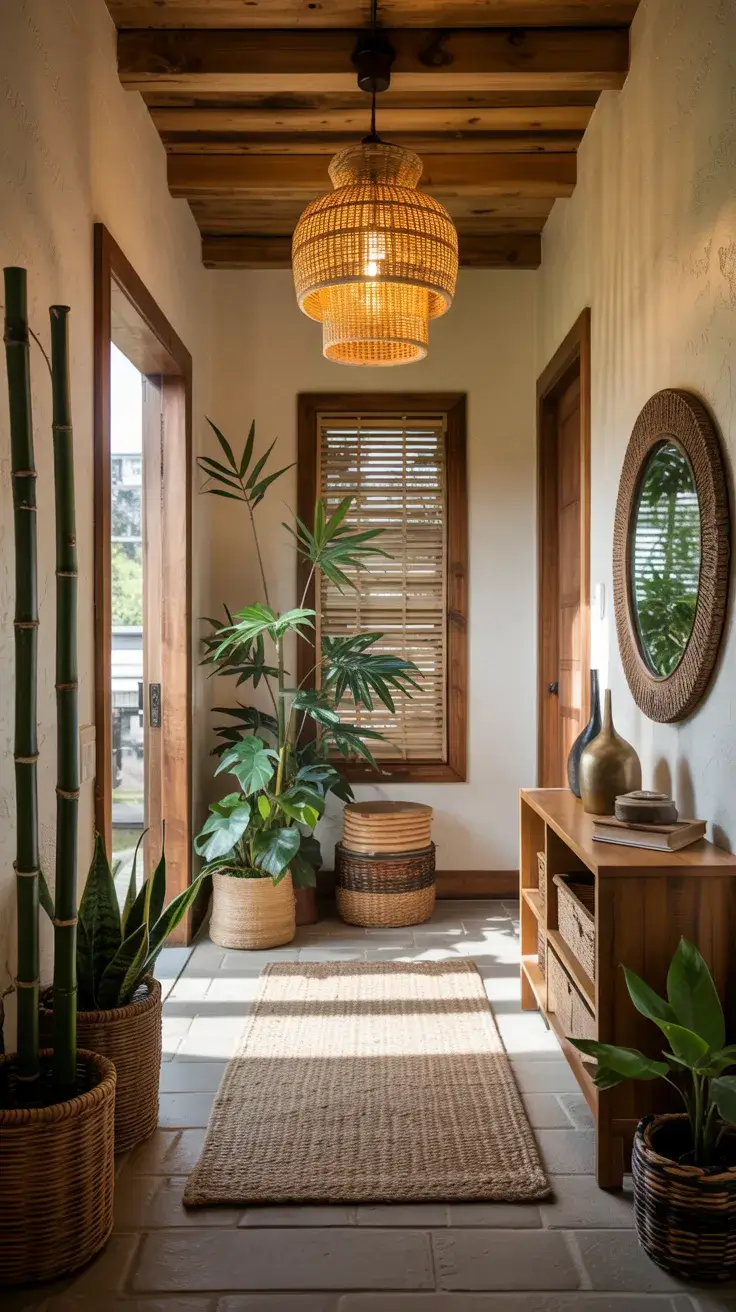
I might also suggest adding plants, which enhance air quality and complement natural eco-friendly finishes.
7. Space Enhancing Mirror Placement Ideas
Mirrors are one of the most effective tools in Hallway renovation ideas 2026, especially when trying to make compact or dark hallways look larger. I typically begin by deciding which wall will provide the best reflection—whether capturing light sources, doorways, or open spaces. Thoughtful placement can visually expand the hallway and enhance brightness without requiring structural changes.
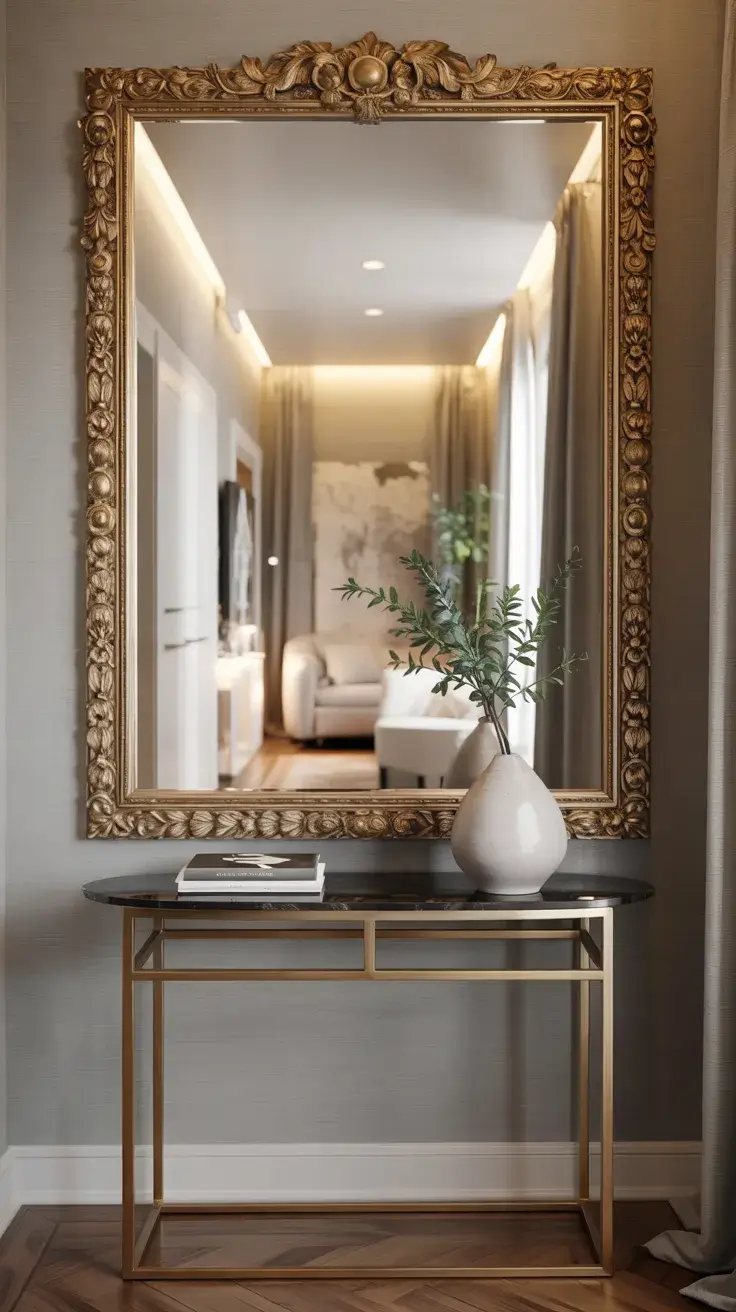
When selecting mirrors, I look for styles that align with the home’s aesthetic—arched frames for elegance, frameless panels for minimalism, and oversized formats for dramatic impact. Mirrors also double as décor, offering both function and visual appeal. They create a sense of depth and openness that benefits even the smallest corridors.
In my practice, I often reference expert advice from interior stylists who recommend positioning mirrors across from natural light whenever possible. This simple technique increases illumination and makes the hallway feel more inviting.
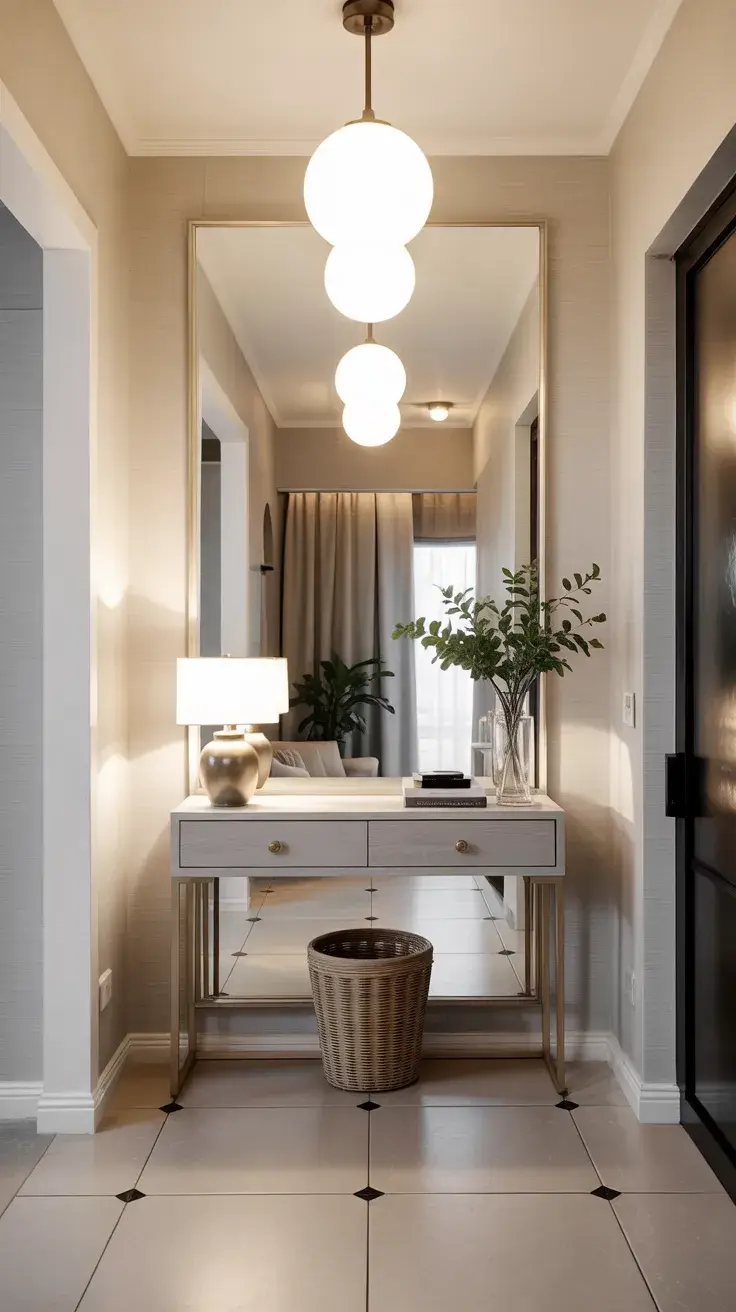
Nothing additional is strictly necessary here, though adding a console table beneath the mirror could complete the look and improve functionality.
8. Contemporary Flooring Options For Hallways
When selecting modern flooring as part of Hallway renovation ideas 2026, I always begin by evaluating durability, texture, and visual impact. Hallways are high-traffic areas, so the flooring must not only look stylish but also withstand daily wear. I often gravitate toward materials like engineered hardwood, luxury vinyl planks, or large-format porcelain tiles, all of which offer a clean, modern aesthetic while remaining highly functional.
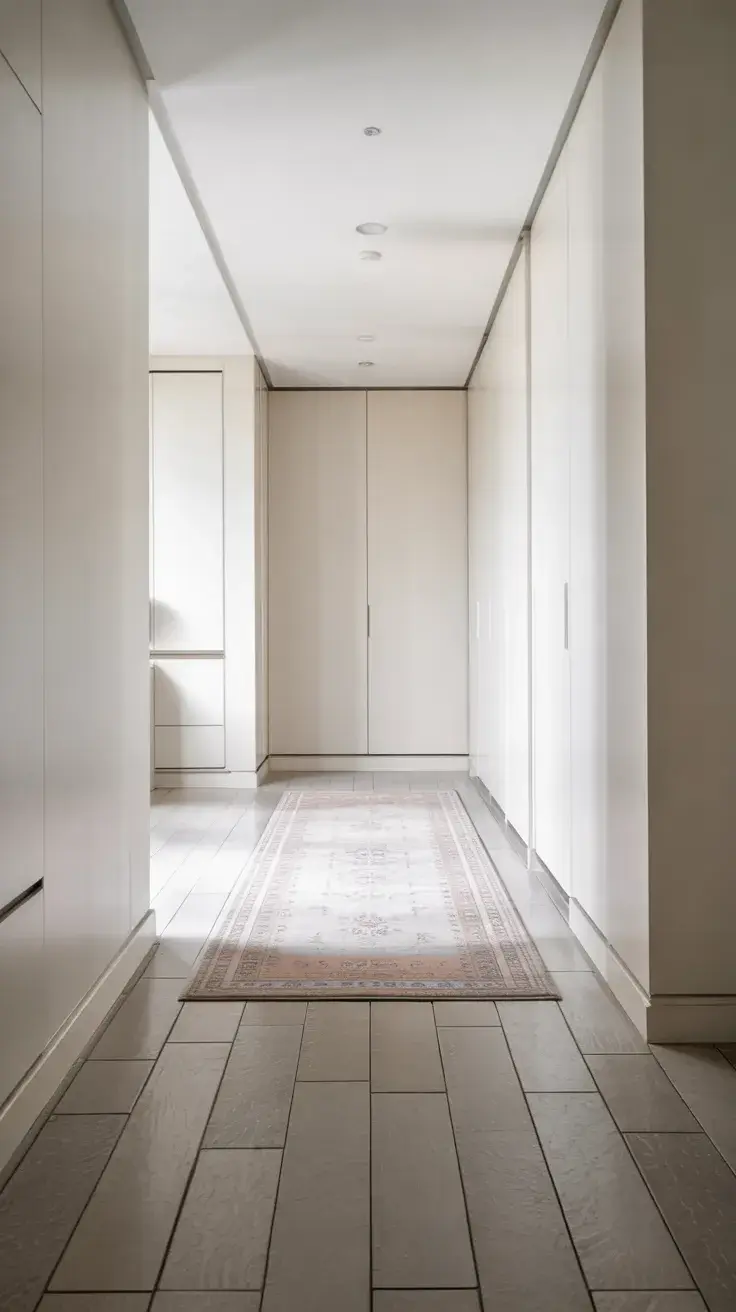
In terms of specific elements, I prefer flooring with subtle grain patterns, matte finishes, or soft color variations to create a cohesive flow throughout the home. Engineered wood adds warmth, vinyl offers exceptional durability, and porcelain tiles introduce a sophisticated edge. I also consider transitions and baseboards, as these details frame the flooring and contribute to the overall design quality.
Professionally, I’ve found that homeowners appreciate flooring solutions that balance longevity with visual appeal. Many U.S. design experts agree that low-maintenance materials are becoming essential in busy households. I apply that advice when guiding clients toward flooring choices that keep their hallways looking fresh for years.
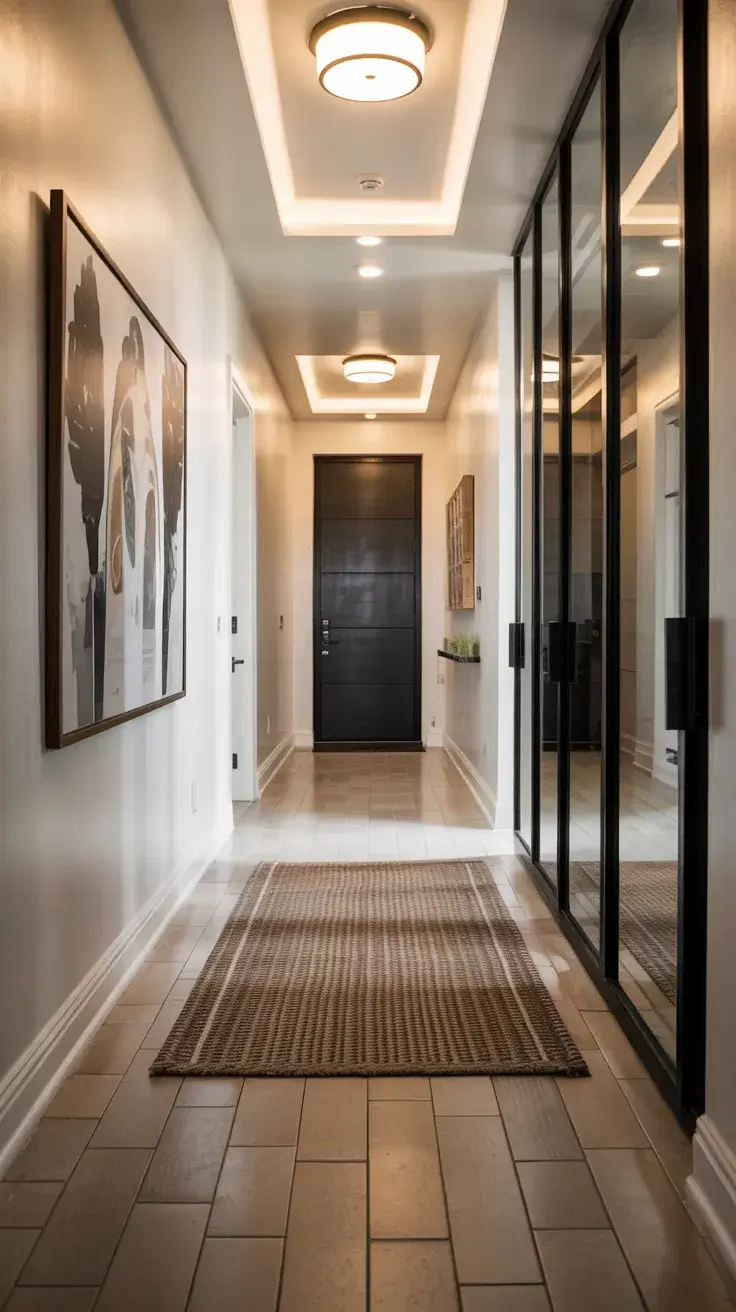
For this section, I would also suggest adding area runners that complement the flooring and enhance comfort underfoot.
9. Creative Color Palettes For Modern Hallways
Incorporating color is one of the most enjoyable parts of Hallway renovation ideas 2026, and I always start by assessing the natural light and the surrounding rooms. Modern hallways thrive on soft neutrals, muted earth tones, and gentle pastels that create a soothing, harmonious flow. These shades help the hallway feel brighter and more spacious, especially in homes with limited natural light.
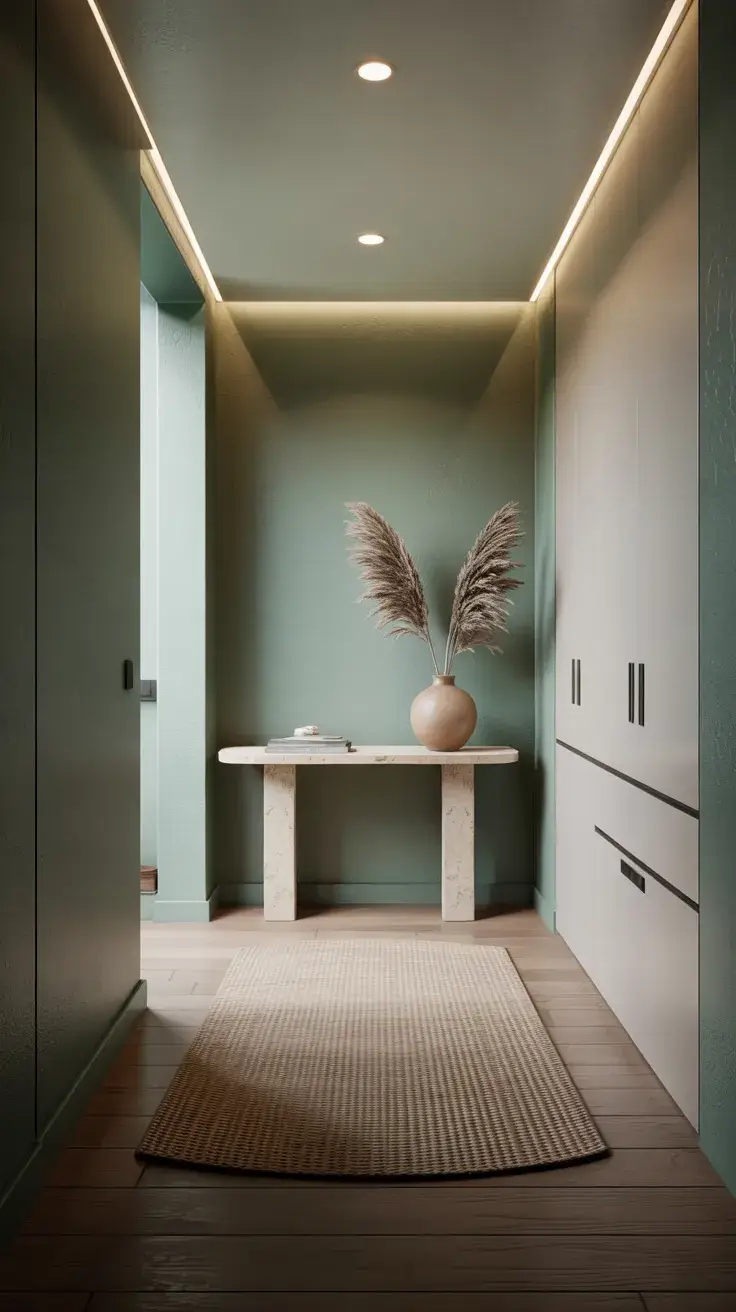
I frequently recommend colors such as warm beige, clay, sage green, and soft charcoal. These tones pair beautifully with contemporary materials and modern lighting. Accent walls or strategic color blocking can also add depth and interest without overwhelming the space. The right palette creates a balanced visual journey through the home.
In my experience, color should enhance the mood rather than dominate it. Well-known interior stylists in the U.S. suggest that hallways benefit most from calming hues that unify the surrounding décor. I follow that guidance to create modern, cohesive transitions between rooms.
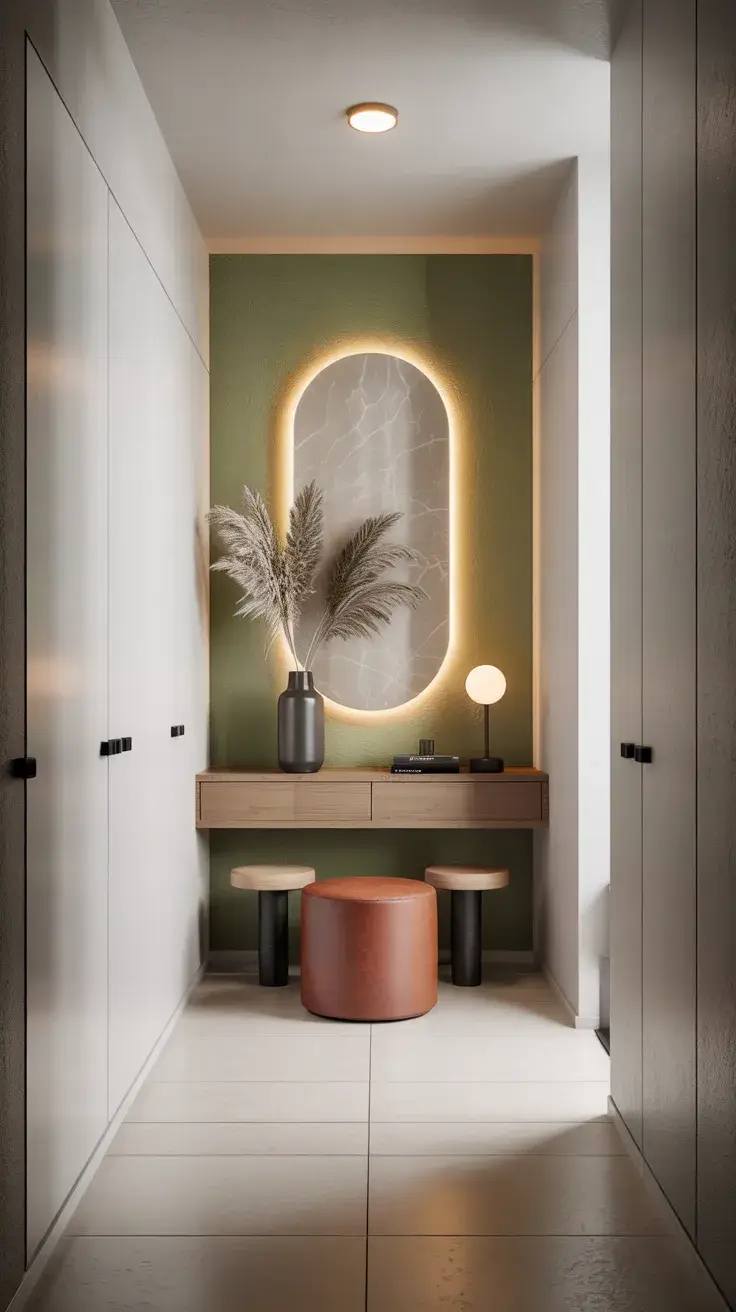
I might also add metallic accents or textured finishes to complement the selected color palette and add dimension.
10. Stylish Hallway Bench And Seating Ideas
Seating is an underrated yet essential element in Hallway renovation ideas 2026, especially in entryways where people commonly sit to remove or put on shoes. I always begin by determining which type of bench best suits the available space: open-leg benches for airiness, built-in benches for storage efficiency, or cushioned benches for added comfort. A well-chosen bench instantly enhances both function and style.
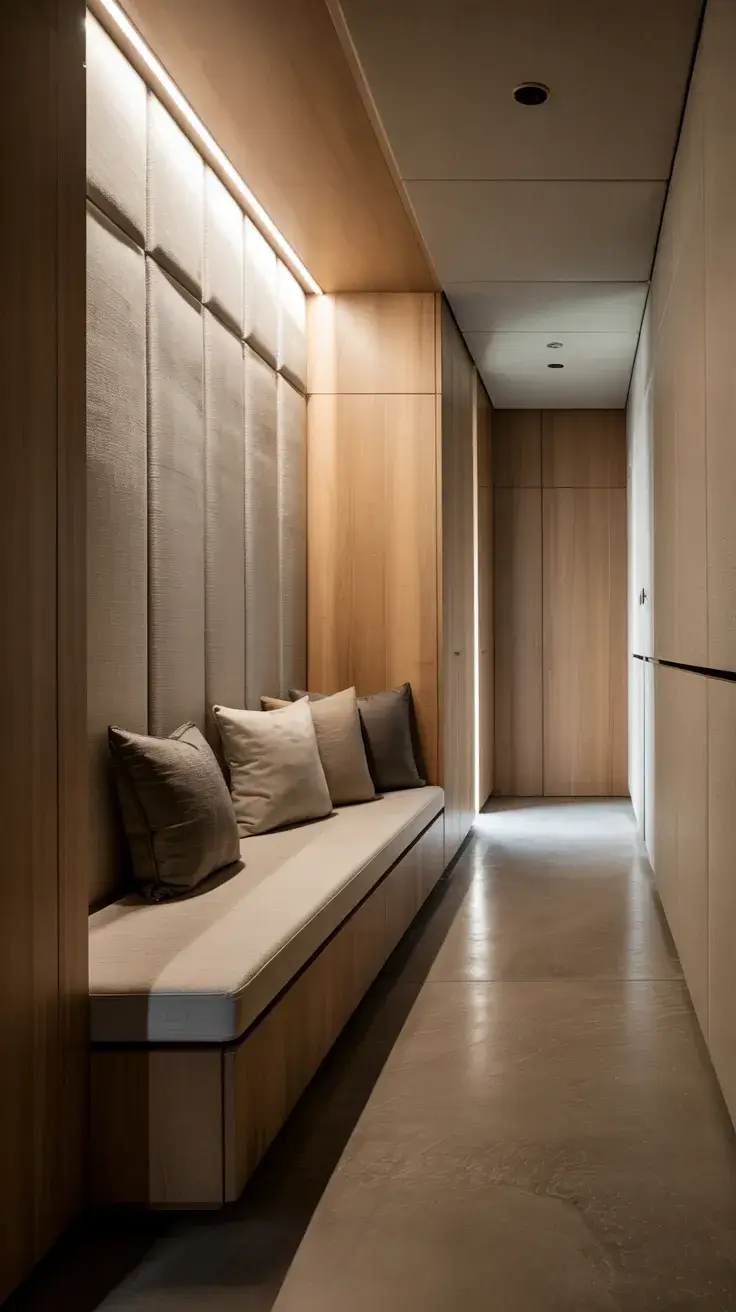
I often include benches upholstered in durable fabrics, wooden benches with hidden compartments, or sleek metal-framed designs. Storage benches help keep shoes and accessories organized, while decorative benches can introduce character and warmth. Pairing the bench with soft textiles like throw pillows adds a personal touch.
In my work, I’ve found that benches with integrated storage tend to be the most practical for busy households. American designers often highlight multifunctional furniture as a top trend, especially for compact living spaces. I apply this advice when designing hallway seating that is both comfortable and purposeful.
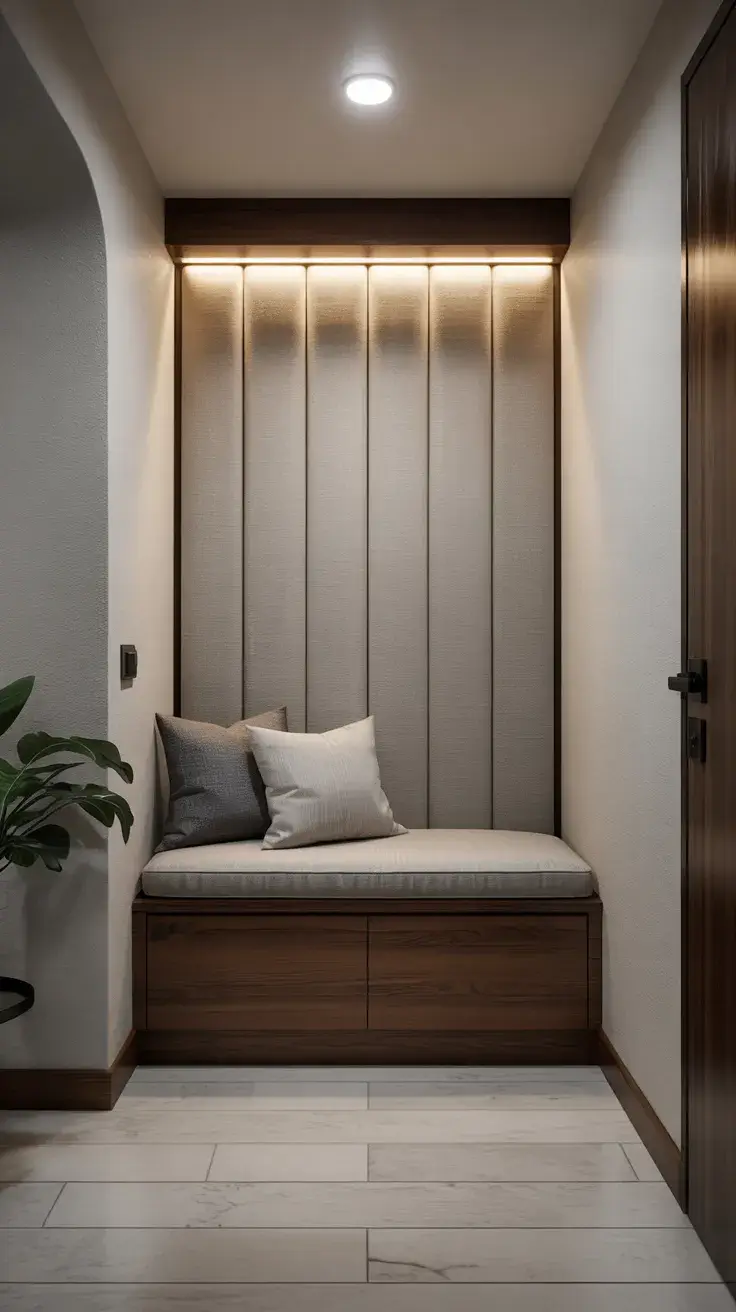
If needed, I would add a wall-mounted coat rack or artwork above the bench to complete the composition.
11. Functional Entryway Coat And Shoe Storage
Coat and shoe storage plays a crucial role in Hallway renovation ideas 2026, particularly in homes that struggle with clutter near the entrance. I typically begin by assessing vertical space, as this area is often perfect for tall cabinets, hooks, and shelving units. A functional entryway system directs traffic flow and keeps everyday items easily accessible.
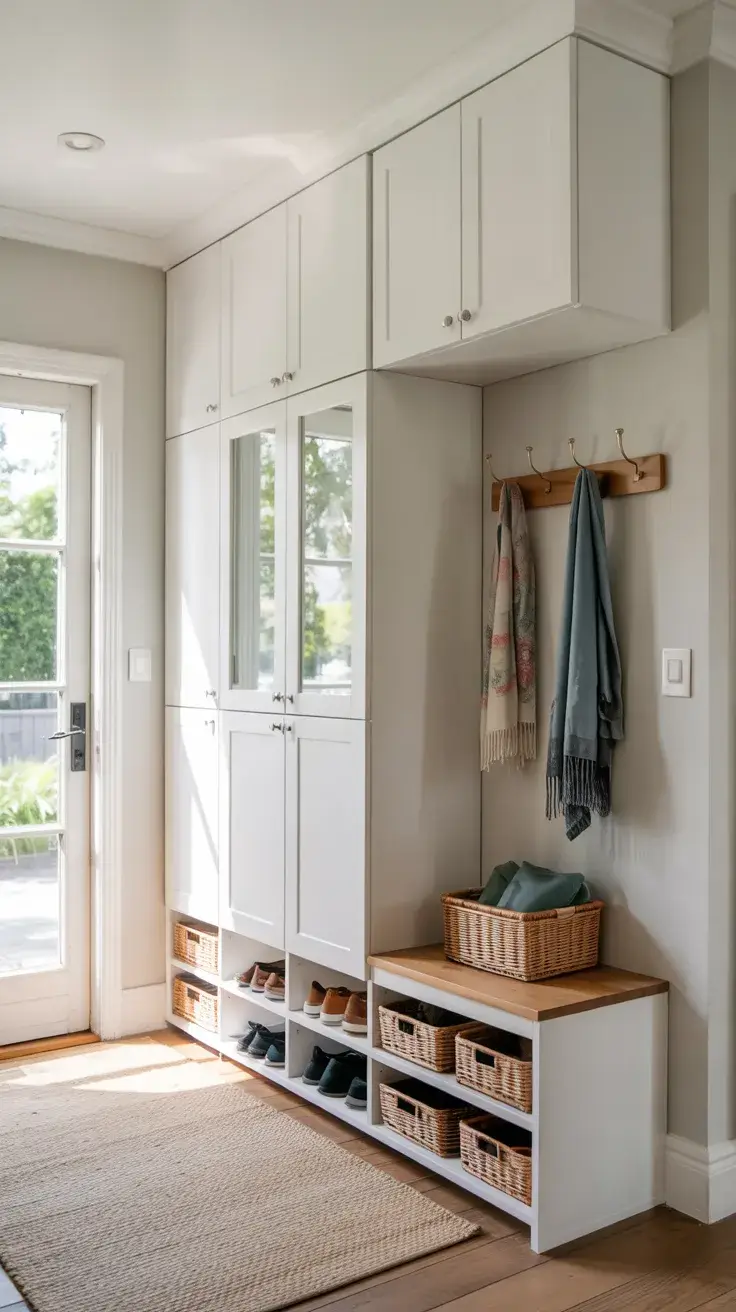
My preferred storage solutions include wall-mounted hooks, tall wardrobes, cubby systems, and open shelves. Shoe cabinets with tilt-out drawers can save valuable floor space, while baskets and trays help organize smaller items. The goal is to ensure everything has a designated place while still complementing the interior design.
Professionally, I’ve learned that families appreciate storage systems that are simple to use and easy to maintain. Well-known home organization experts emphasize that streamlined storage can dramatically improve daily routines. I incorporate this guidance by choosing systems that balance convenience with style.
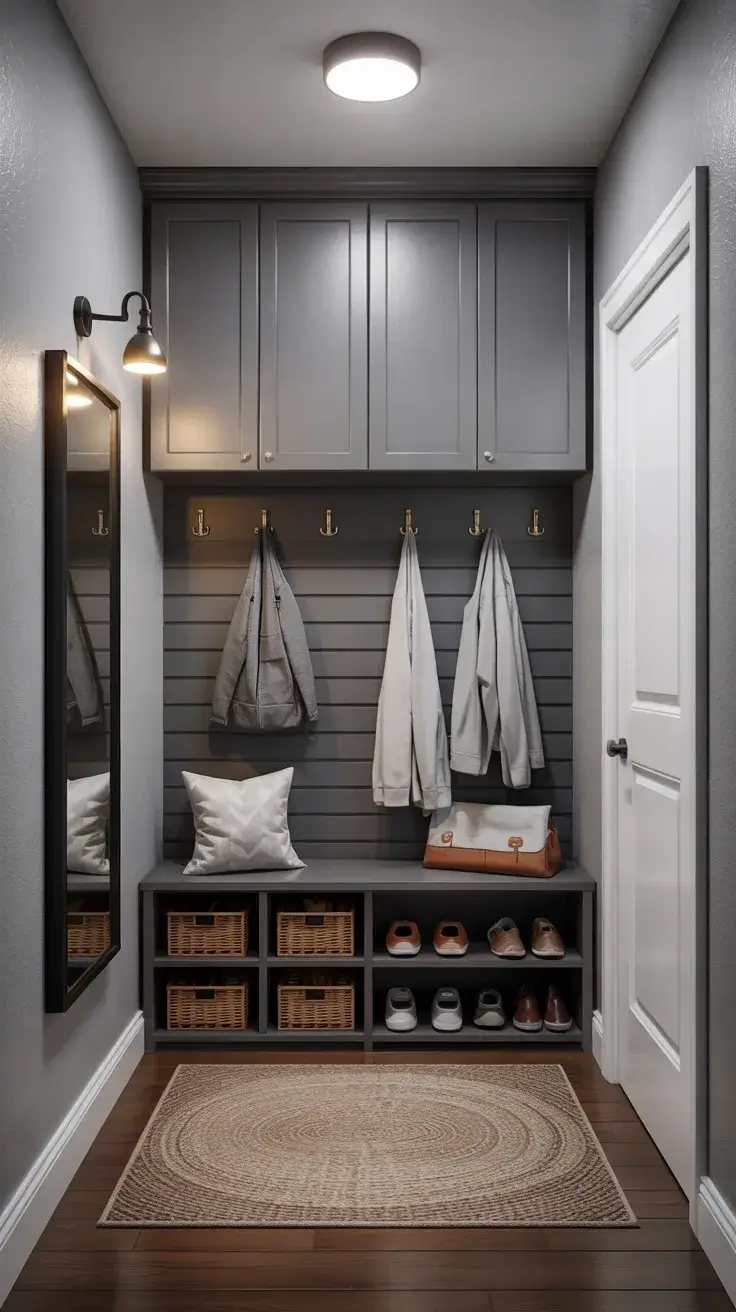
I would also suggest incorporating a small bench or stool to make the entryway more functional and user-friendly.
12. Hallway Décor Ideas For Small Apartments
Designing décor for small apartments is a major part of Hallway renovation ideas 2026, and I always start by maximizing perceived space. I prioritize décor items that bring brightness and clarity without overwhelming the narrow footprint. Clean lines, reflective surfaces, and lighter color choices help small hallways feel more open.
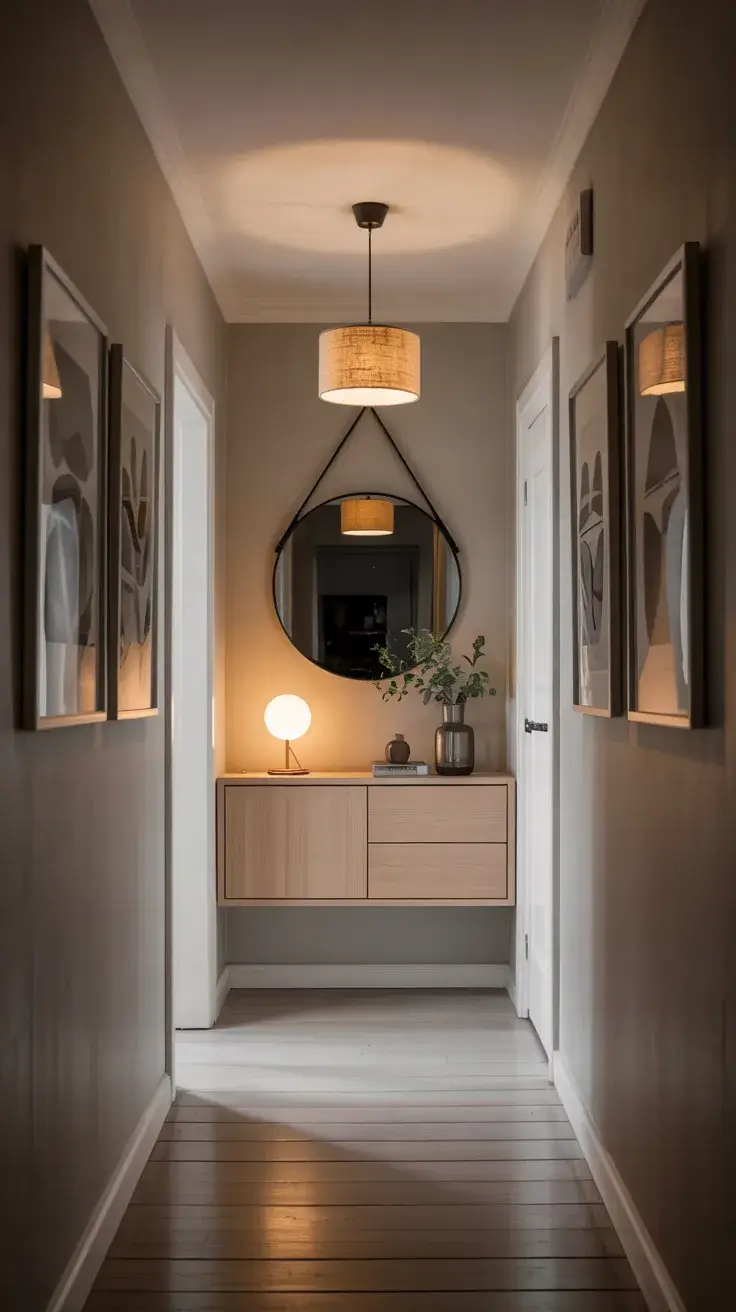
I generally incorporate slim wall art, floating shelves, compact pendant lighting, or greenery. These items enhance visual appeal while preserving walkway space. Mirrors and metallic accents work particularly well in small apartments because they amplify light and create depth. The décor should complement the homeowner’s lifestyle without adding clutter.
Based on my professional experience, small apartments benefit greatly from multifunctional design principles. Many U.S. design publications advise using vertical décor to draw the eye upward and give the illusion of height. I follow this advice to make small hallways appear more spacious.
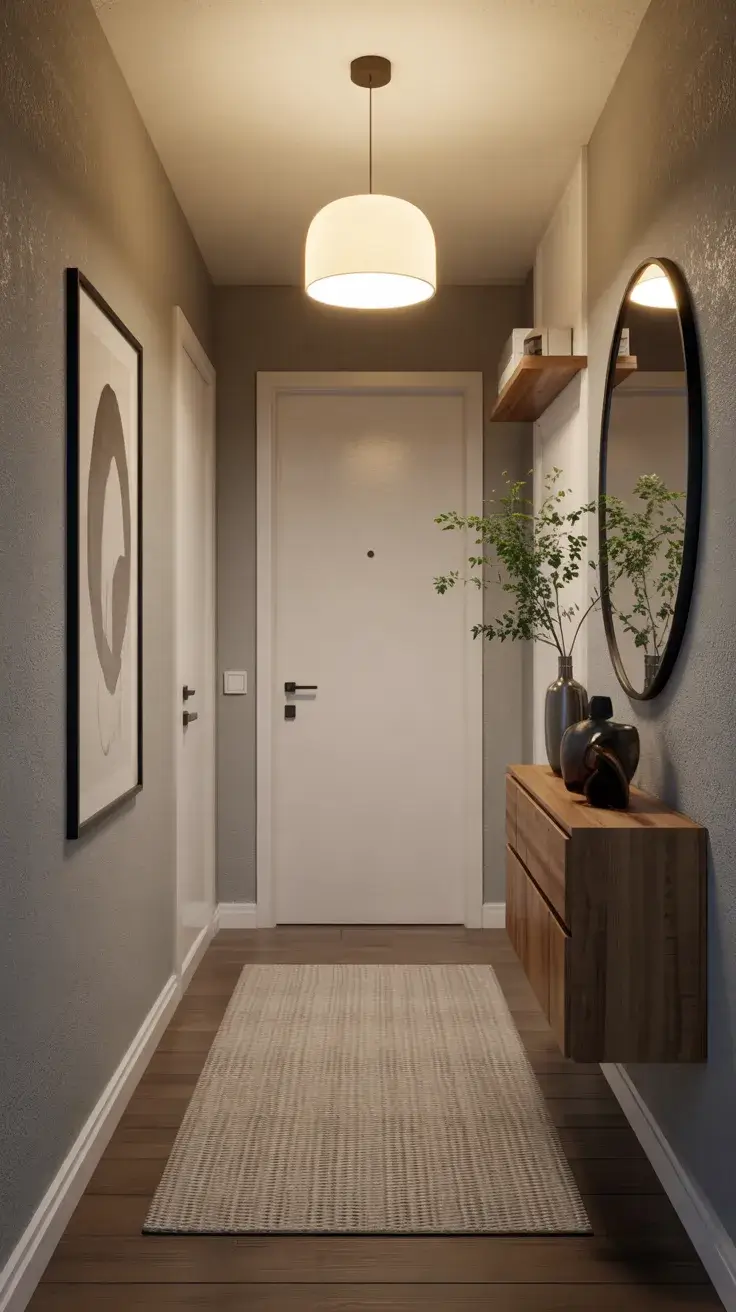
I might also add a runner rug to elongate the space visually and create a cozy atmosphere.
13. Luxurious Textures For Upscale Hallways
Luxury textures have become a defining feature of Hallway renovation ideas 2026, especially for homeowners seeking a richer, more refined aesthetic. I usually start by choosing tactile materials such as velvet, marble, silk blends, or natural stone. These textures introduce depth and sophistication, turning an ordinary hallway into a statement space.
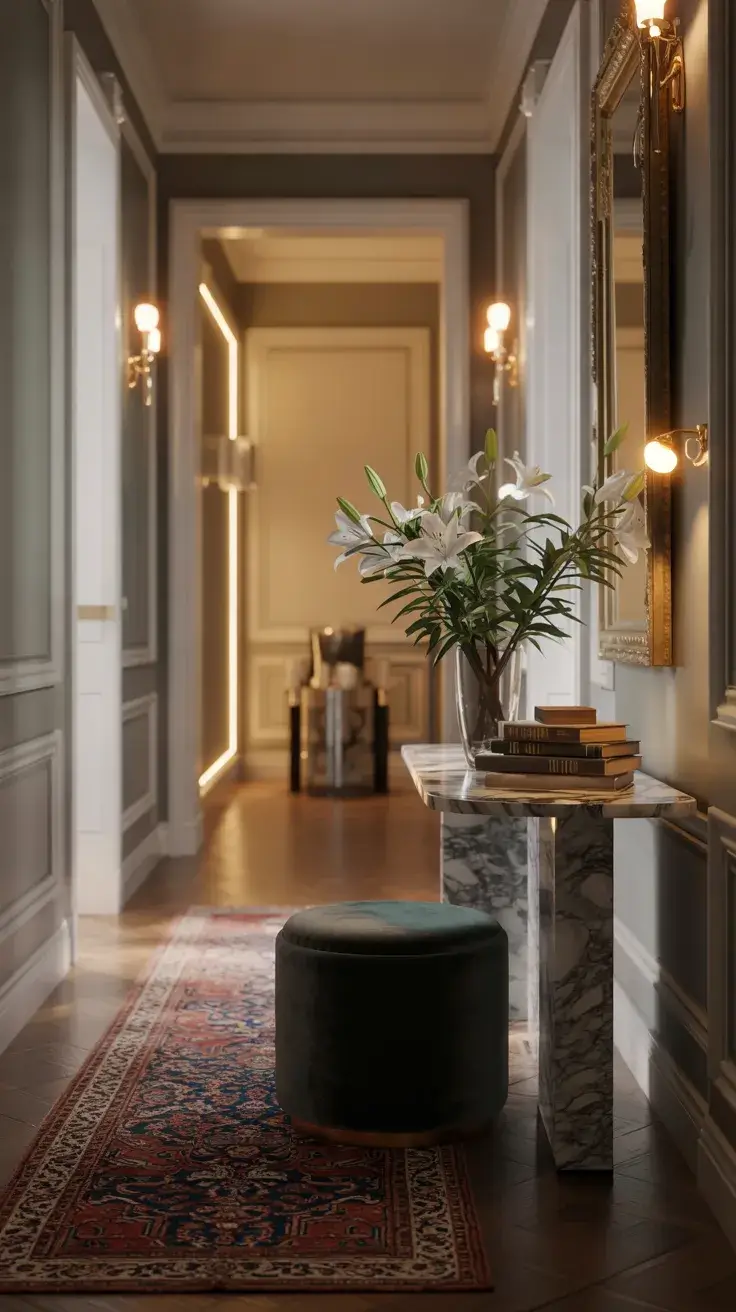
Furniture and accessories play an important role in achieving upscale texture. I often select marble console tables, velvet benches, sculptural vases, and gold-accent hardware. Layering textures—such as pairing a soft runner with stone flooring—creates balance and a curated look. Every piece should feel intentional and elegant.
From my perspective, luxurious design succeeds when it avoids excess. Many designers agree that upscale hallways should incorporate texture subtly rather than heavily. I follow this principle by choosing a few standout elements instead of overwhelming the space.
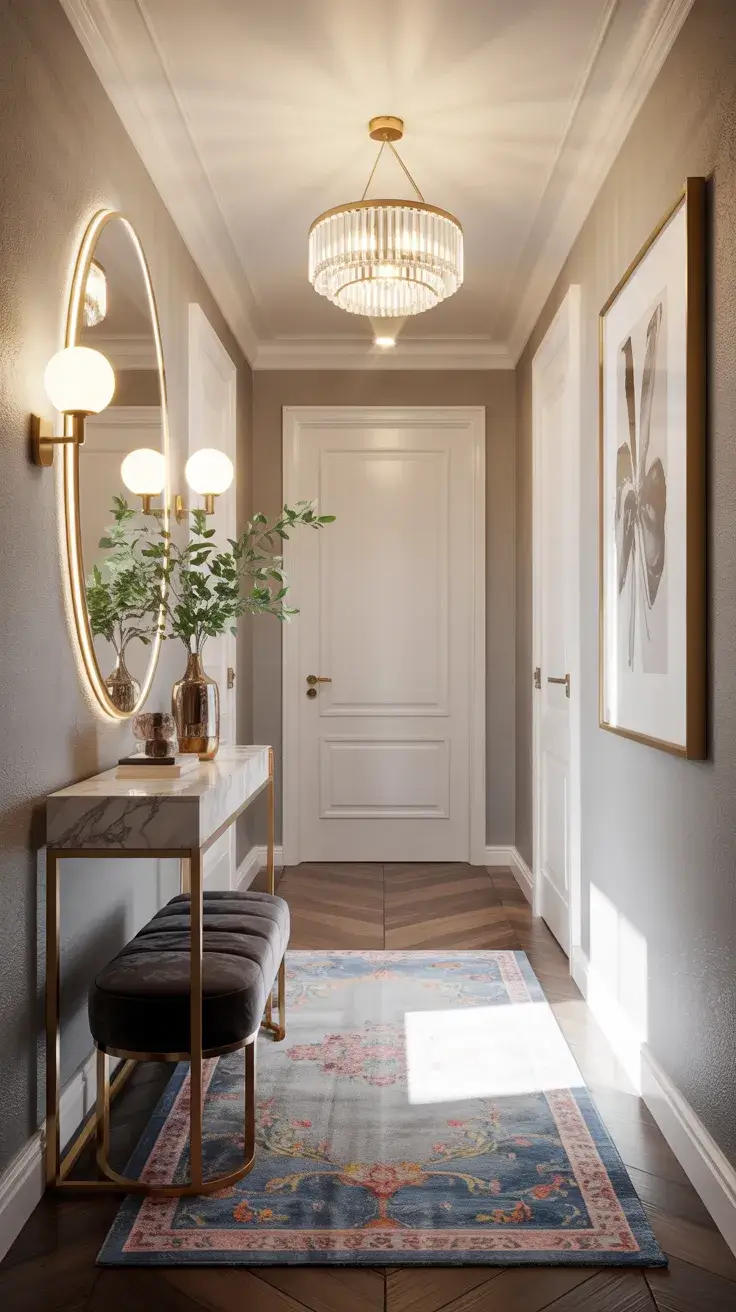
To enhance this section, I would also consider adding soft ambient lighting to highlight the rich textures.
14. Multilevel Hallway Design Inspiration
Multilevel hallway designs are an exciting part of Hallway renovation ideas 2026, transforming what could be a simple passageway into a striking architectural feature. I begin by examining staircases, platforms, and ceiling variations to determine how to emphasize height differences and transitions. Multi-level layouts naturally offer opportunities for creative visual storytelling.
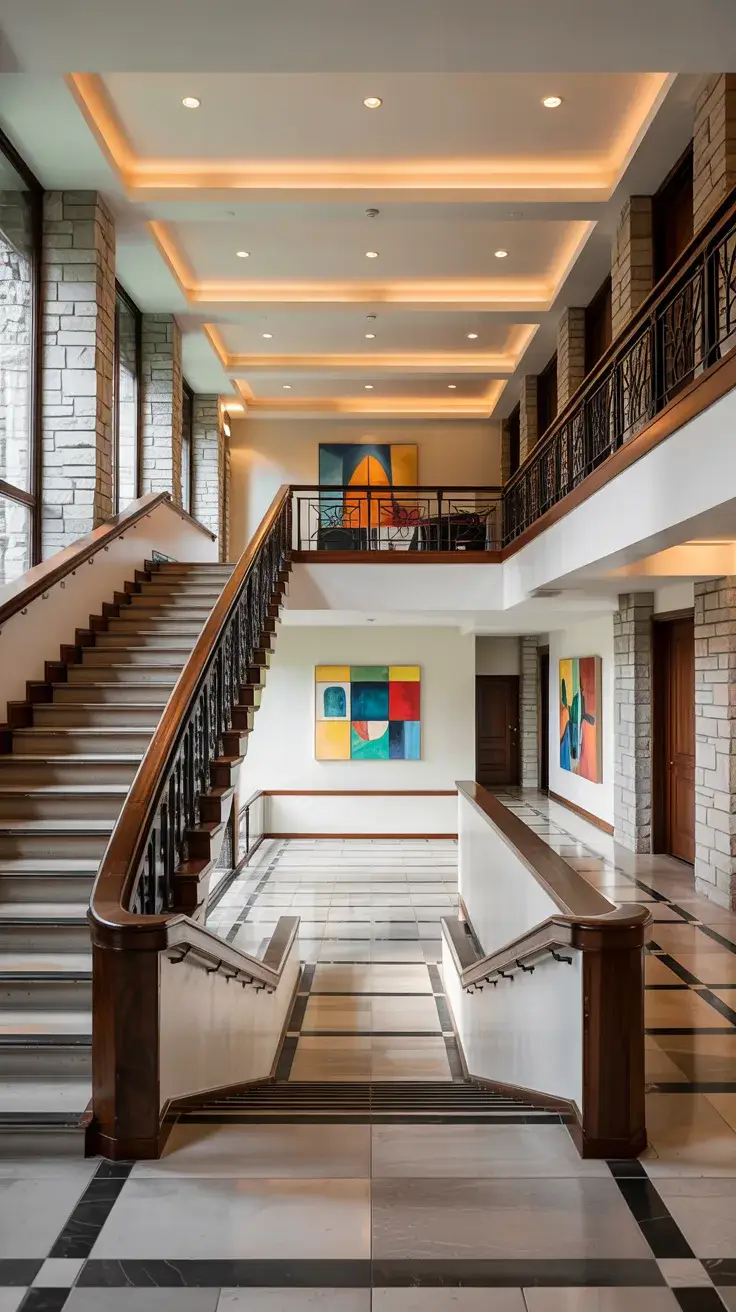
For design elements, I often suggest open stair railings, sculptural lighting, tiered wall décor, or contrasting flooring materials. These features help emphasize the shifts between levels and make the hallway feel dynamic. Adding lighting along steps or platforms also increases safety while adding appeal.
Professionally, I find that multilevel hallways offer some of the best opportunities for design innovation. Many architectural experts point out that transitional spaces can become focal points when treated with intention. I apply this thinking when designing hallways that bridge multiple levels in a visually engaging way.
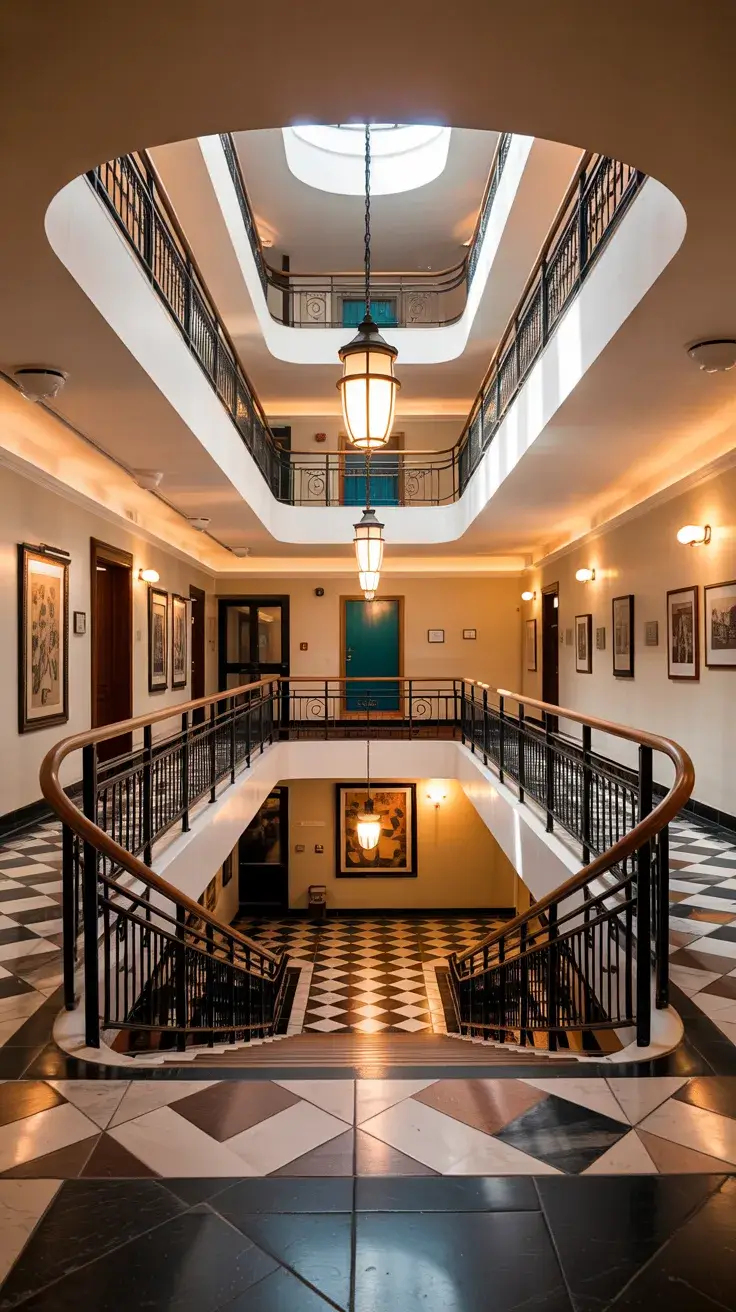
I might also add greenery or artwork to guide the eye along the elevation changes and create cohesiveness.
15. Innovative Doorway And Trim Updates
I’ve found that updating doorways and trim is one of the quickest ways to modernize a hallway. For 2026, designers favor minimalist door casings, soft curves, and slimline trims that visually elongate the corridor. I often choose matte finishes because they help light travel evenly, giving the hallway a cleaner and more contemporary appearance. These updated architectural lines create a subtle but impactful foundation for the rest of the interior.
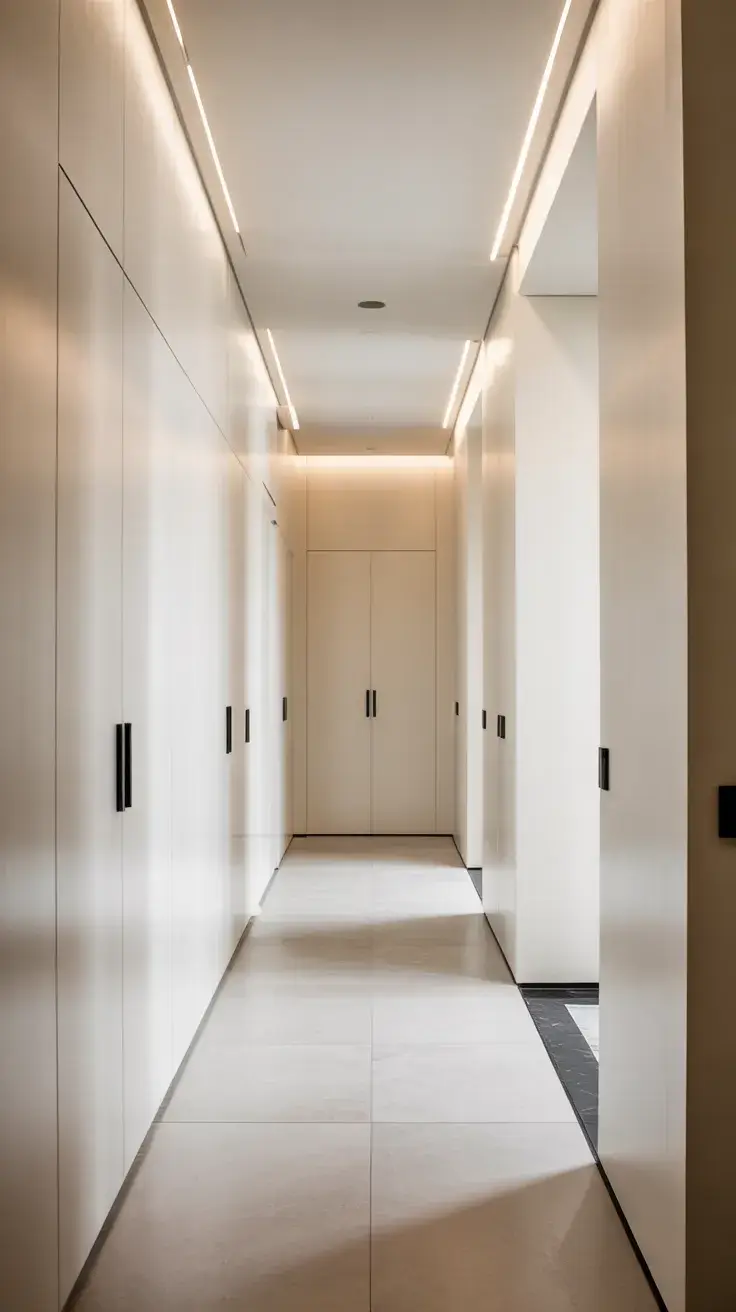
When I select materials, I prefer narrow-profile MDF trims, flush doors with hidden hinges, and soft-neutral paint tones for continuity. These elements collectively enhance structure without overwhelming visual space. Choosing lightweight, neutral-colored trims also reduces clutter, letting the hallway appear wider and more inviting.
From personal experience, applying recommendations from designers like Studio McGee—who often emphasize simplified door profiles—helps preserve timelessness while still embracing modern trends. I’ve followed similar principles in many renovation projects, leading to consistent client satisfaction.
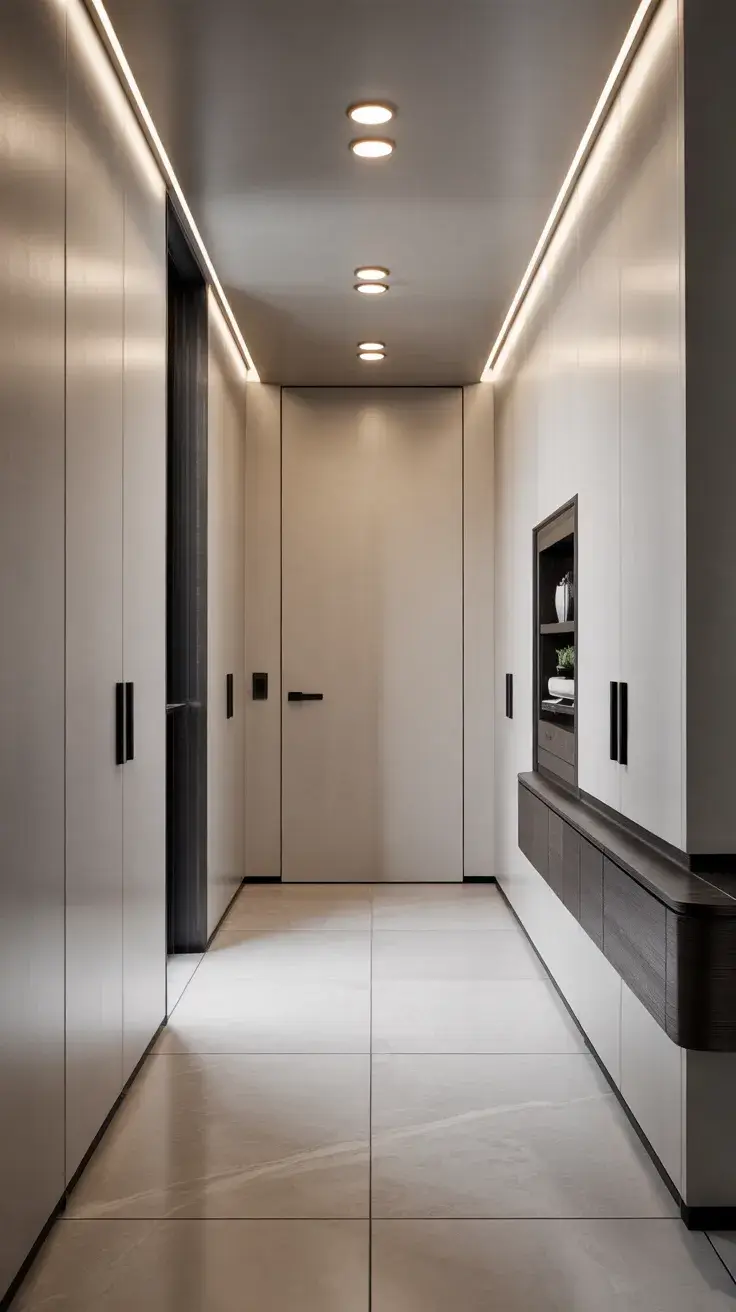
I would also add recessed LED trim accents to highlight transitions and create a luxurious, modern visual appeal. This subtle touch elevates the doorway as a design feature rather than simply a passage.
[Midjourney prompt added later in prompt section]16. Artistic Accent Walls For Hallways
To elevate long or narrow hallways, I often incorporate an artistic accent wall that draws the eye and makes the space feel curated. For 2026, textured microcement, gradient paints, and geometric wood paneling are trending. These finishes create depth and dimension, instantly transforming a boring stretch of wall into a contemporary focal point.
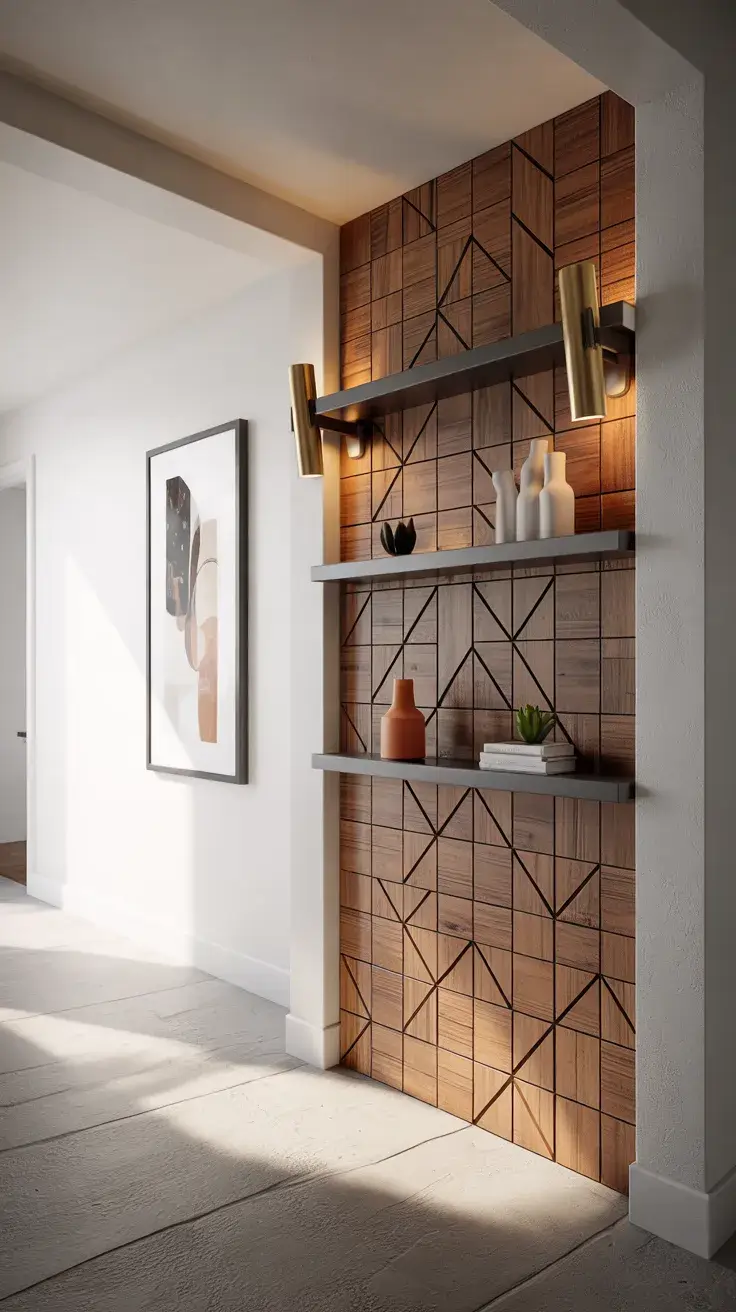
I usually recommend including wall-mounted narrow shelves, sculptural sconces, or abstract framed art to complement the accent texture. Choosing pieces with slim profiles prevents clutter while enhancing visual interest. In narrow hallways, vertical-oriented artwork helps elongate the space, improving the overall balance.
In my own projects, I draw inspiration from designers like Kelly Wearstler, who repeatedly stresses the power of contrast and texture in small spaces. Implementing such principles, I’ve achieved accent walls that feel luxurious without overwhelming the hallway’s proportion.
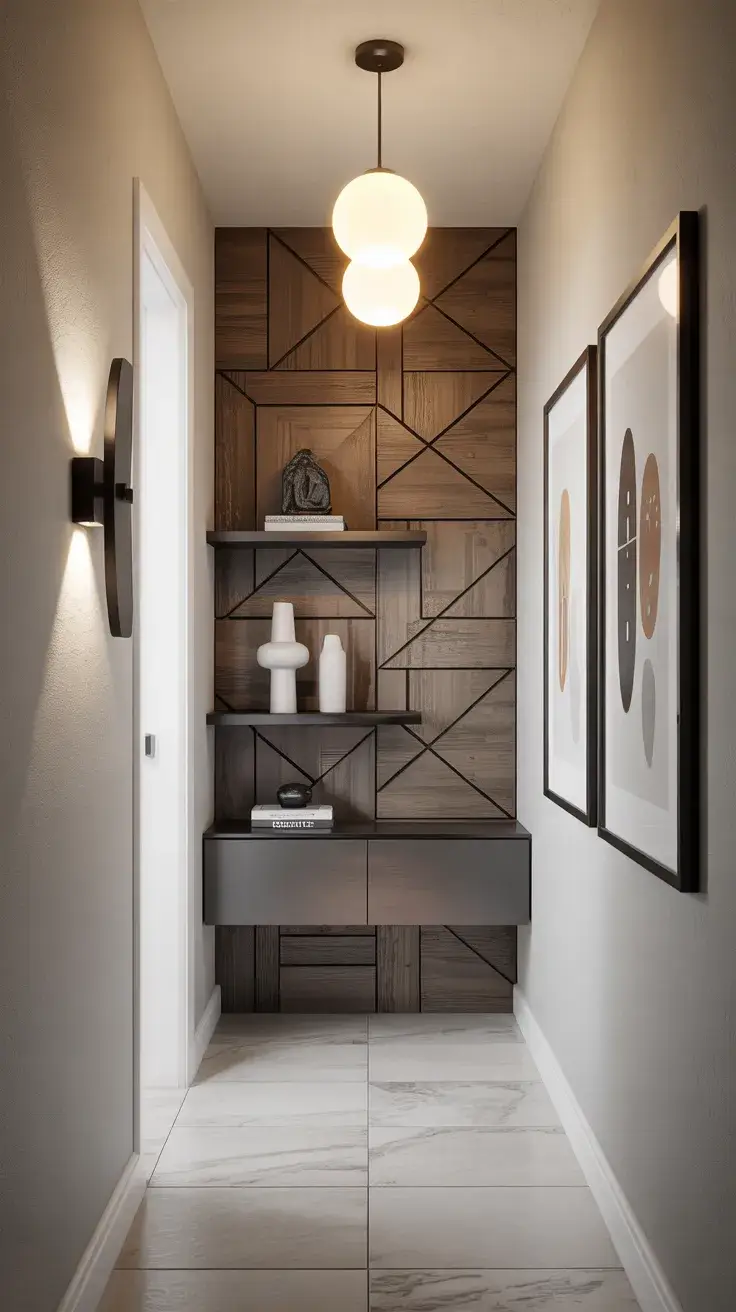
If I were expanding this section further, I might include advice on coordinating adjacent walls and flooring to ensure harmony between the accent wall and the rest of the hallway.
17. Hallway Runner Trends For 2026
This year’s hallway runners lean toward sustainable fibers, warm neutrals, and subtle geometric patterns that support both modern and classic interiors. I’ve noticed that textured runners—such as woven wool or jute blends—perform well in high-traffic areas while contributing softness underfoot. The geometry helps define directionality, guiding movement through the corridor.
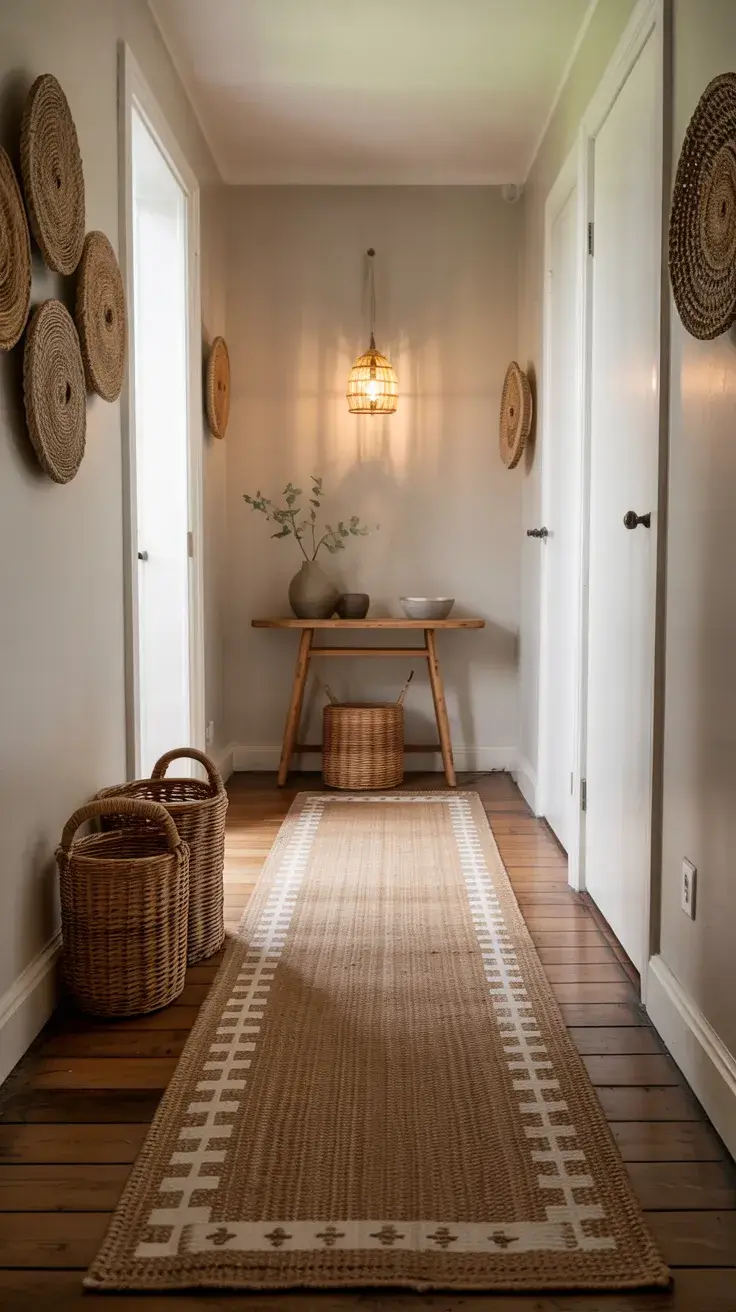
I tend to choose runners with anti-slip backing and soft gradients that won’t visually shorten the space. Complementing them with matching baskets or natural-material décor creates flow and ties the hallway into the home’s broader design narrative. Durable materials are essential, especially in homes with children or pets.
Personally, I recommend following insights from Scandinavian designers who emphasize natural textures and simplicity. Their approach helps maintain a calm, clutter-free atmosphere, even in transitional areas like hallways.
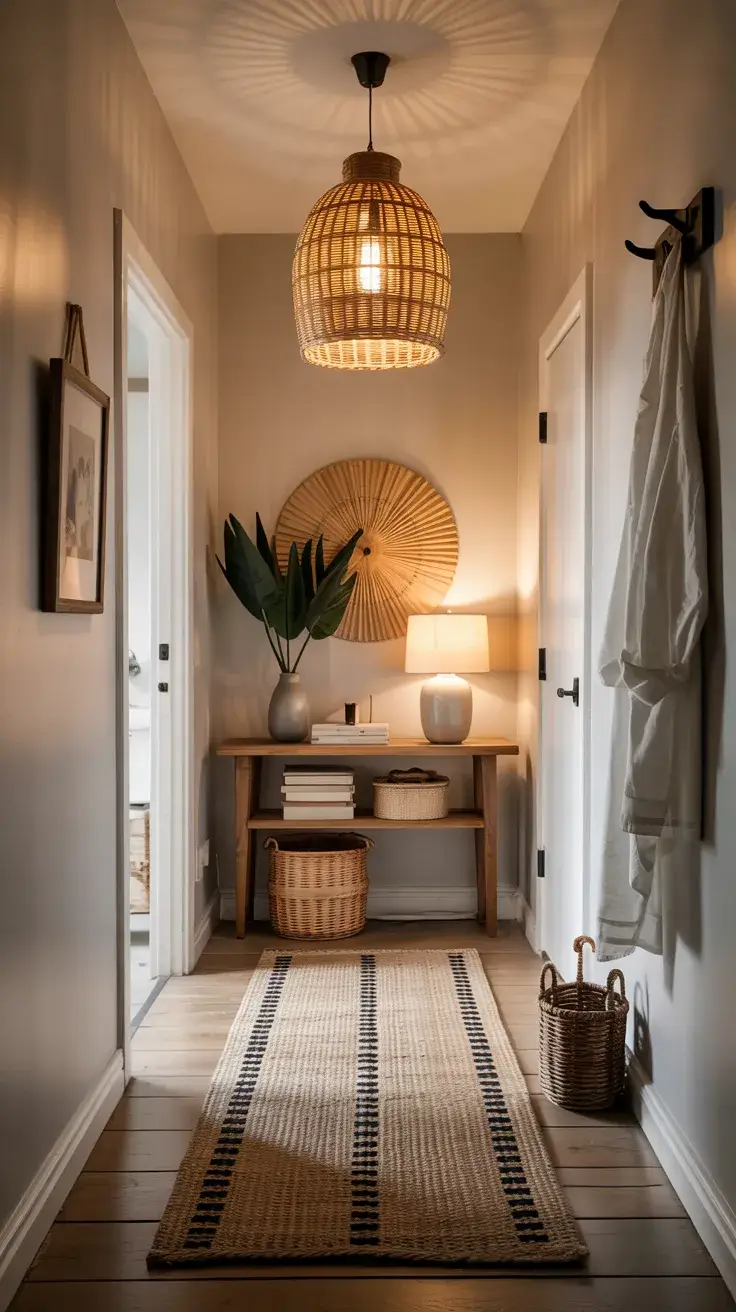
One additional element worth mentioning is layering a hallway runner with subtle LED baseboard lighting to highlight texture and deepen the visual effect.
18. Subtle Hallway Ambient Lighting Concepts
Ambient lighting sets the tone for the entire hallway, and in 2026, subtle illumination takes precedence. I regularly implement concealed LED strips along ceilings, under trims, or within wall recesses to create a soft, inviting glow. This prevents harsh shadows and highlights architectural beauty without drawing attention to the lighting source itself.
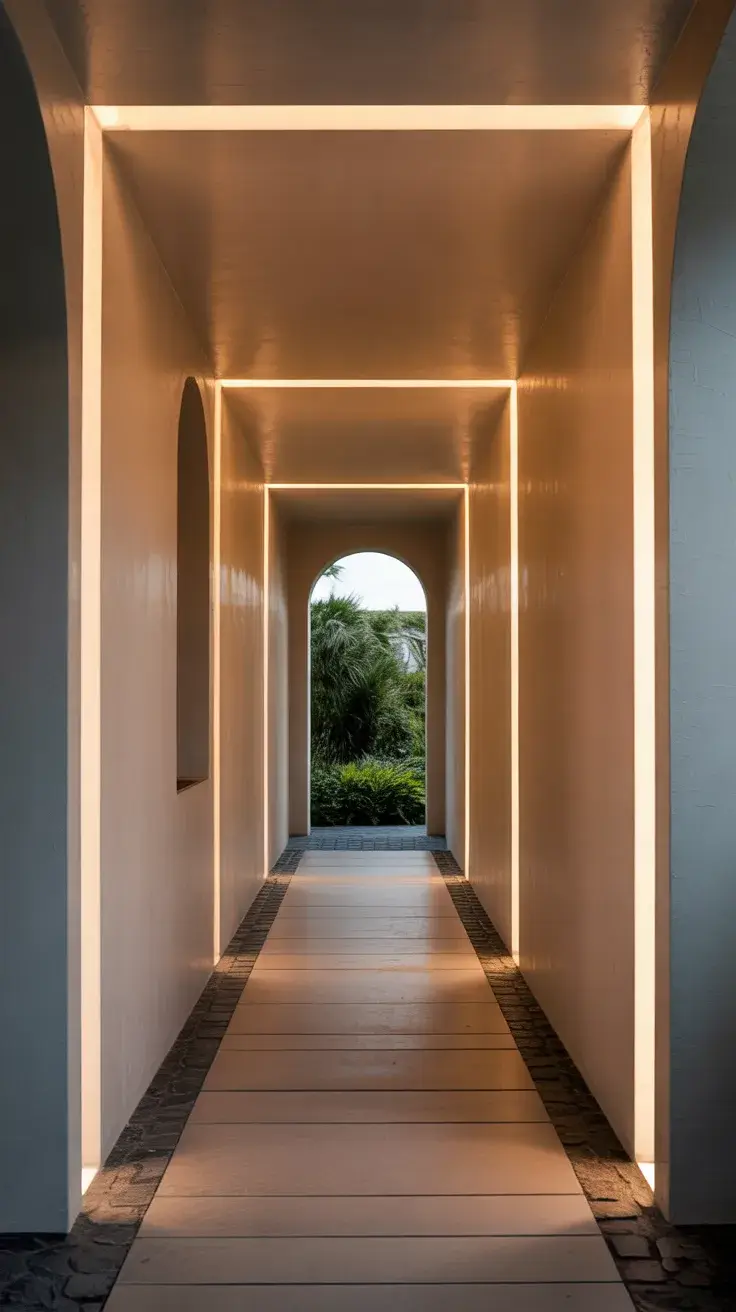
Selecting the right fixtures matters greatly. I often use wall washers, opal diffusers, and motion-sensor lighting for added energy efficiency. Choosing warm white tones keeps the hallway welcoming, while layered lighting offers functional versatility for both day and night.
Drawing from U.S. lighting experts, such as those featured in Architectural Digest, I’ve learned that the key to excellent ambient lighting is balancing brightness and warmth. Incorporating dimmable systems ensures adaptability throughout the day.
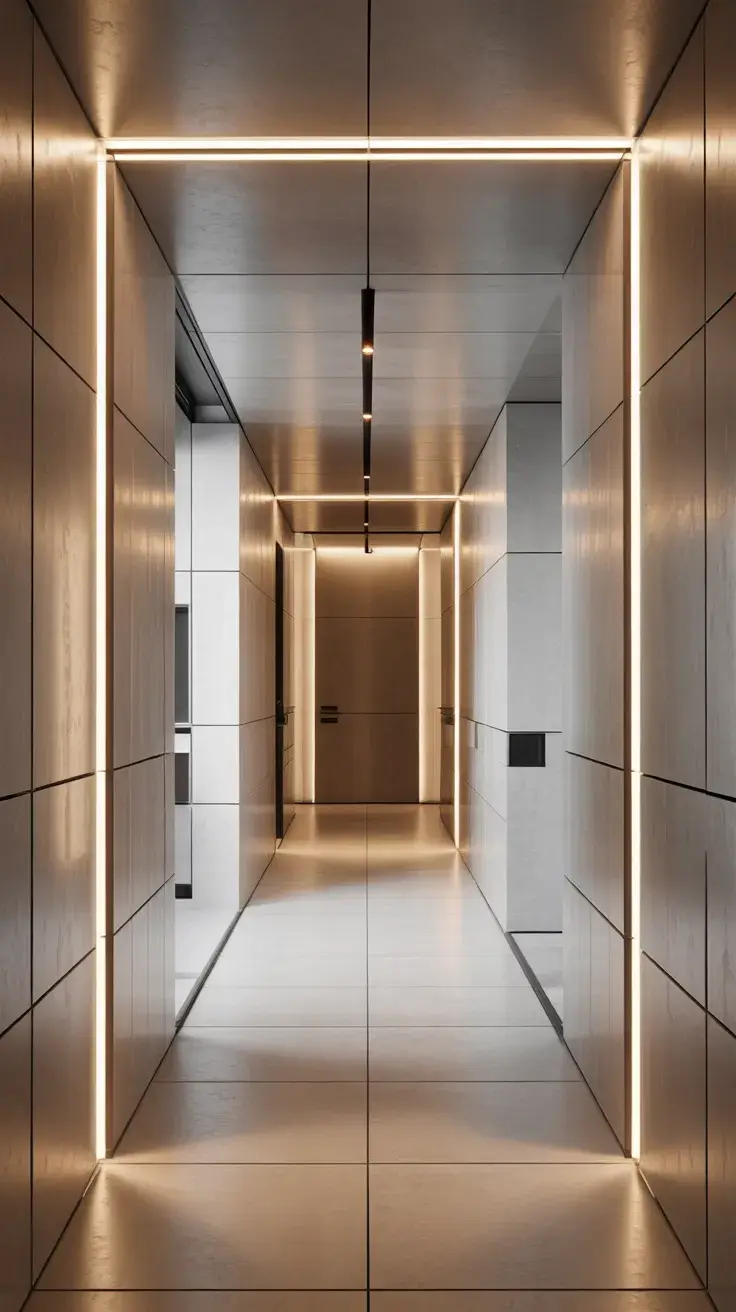
If expanding, I might incorporate advice on pairing ambient lighting with accent lighting to create depth and dimension.
19. Modern Hallway Built In Cabinetry Ideas
Built-in cabinetry is one of the most practical Hallway renovation ideas 2026, offering concealed storage while maintaining sleek lines. I typically design cabinetry that fits flush with the walls to avoid visual bulk, using matte laminate or natural wood fronts for a clean, modern feel. Vertical handles or push-to-open systems keep the aesthetic minimalist and functional.
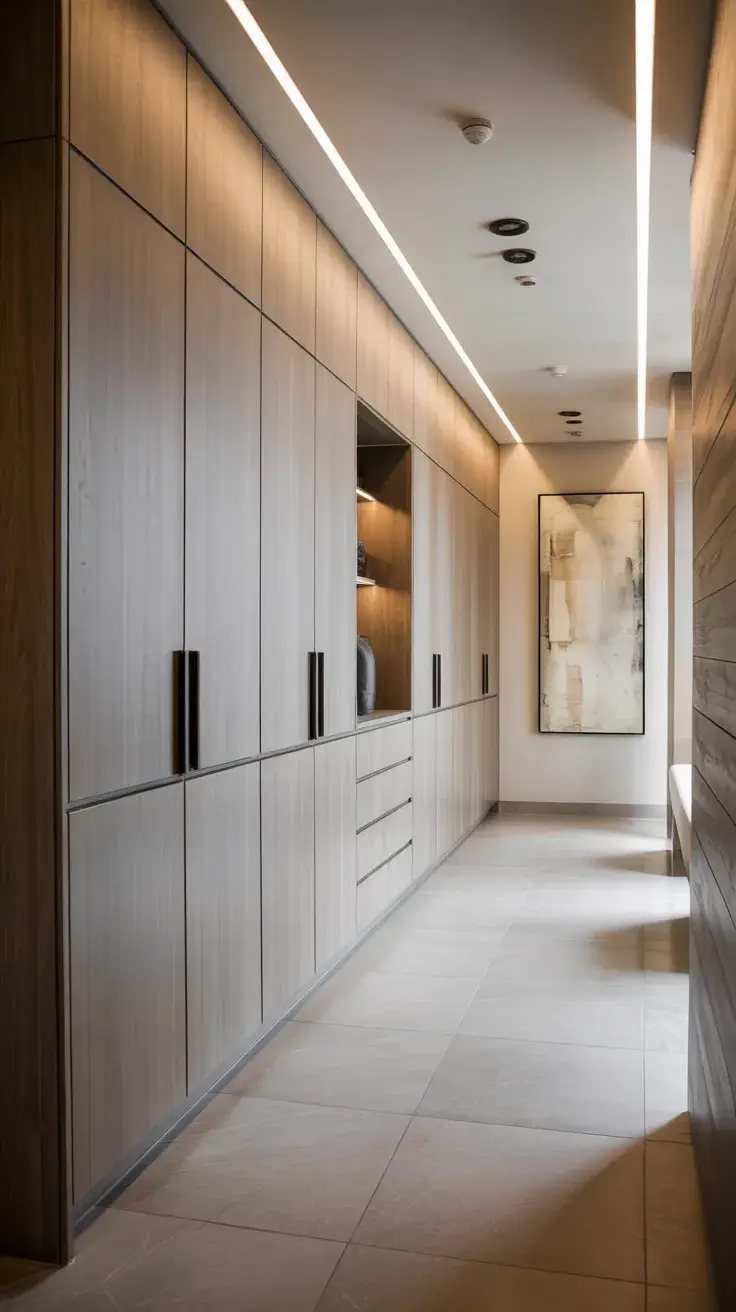
Inside the cabinetry, I recommend adjustable shelving, integrated charging drawers, or pull-out shoe racks to maximize efficiency. Every inch of space counts in a hallway, so customizing interior organization makes a huge difference. Soft-close mechanisms add comfort and improve durability.
Based on my professional experience, built-ins significantly reduce clutter, creating a more luxurious and intentional hallway environment. Designers like Nate Berkus also emphasize that functional storage is key to maintaining a visually refined living space.
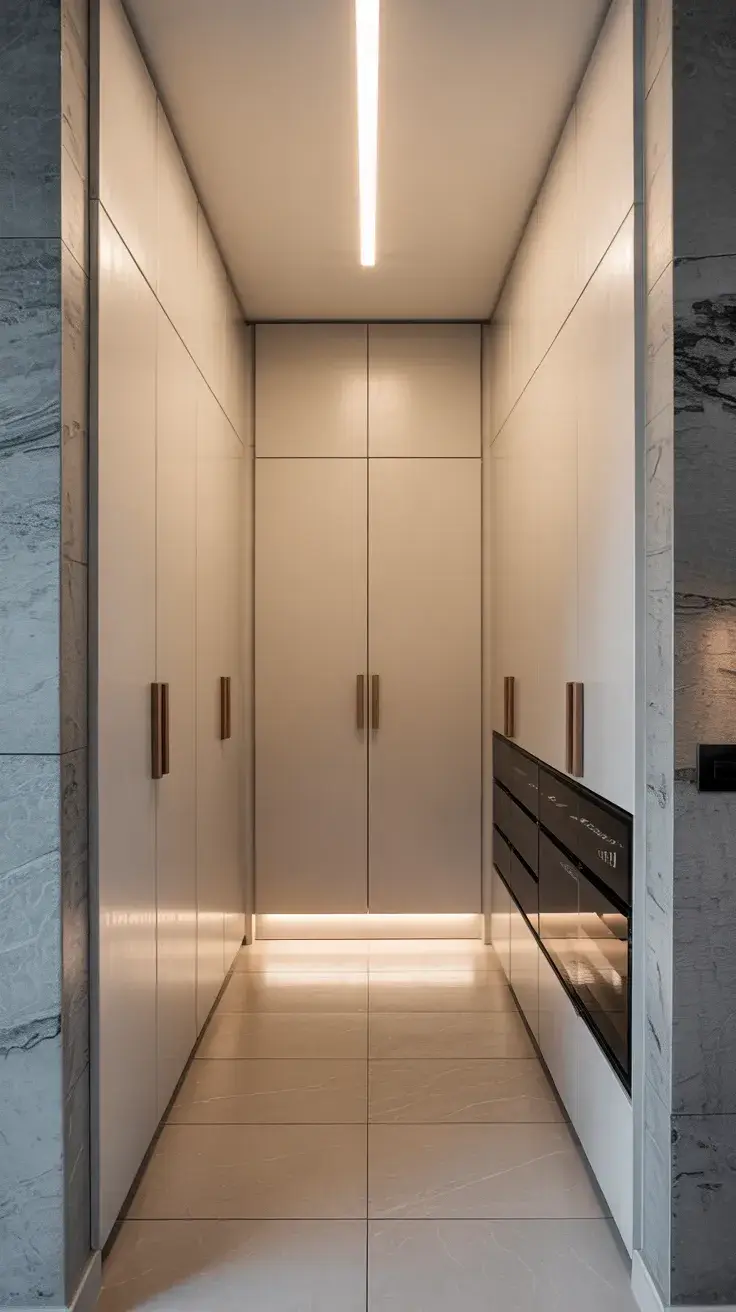
I would add integrated lighting inside the cabinetry for a high-end look and improved usability.
20. Scandinavian Inspired Hallway Renovations
Scandinavian design remains a top trend for 2026, especially in hallways where simplicity and brightness are essential. I often choose whitewashed walls, pale wood tones, and streamlined décor. This combination helps reflect natural light, making hallways appear more spacious and inviting.
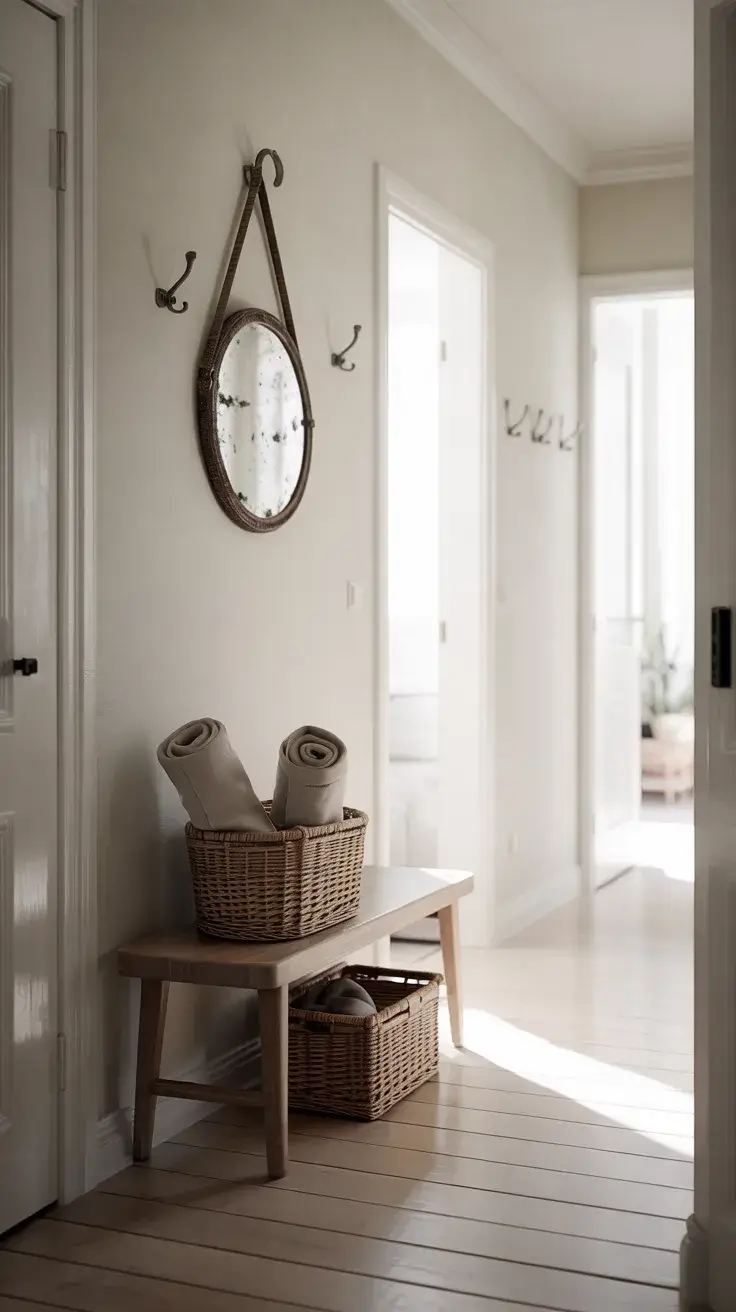
For furnishings, I prefer simple wooden benches, woven baskets, and minimalistic coat hooks. These pieces are functional yet harmonious, supporting the Scandinavian design principle of “beauty in simplicity.” Natural fabrics and neutral tones enhance warmth without adding unnecessary visual noise.
I’ve always enjoyed following design insights from Scandinavian stylists like Frida Ramstedt, who highlights the importance of scale and proportion. Applying these ideas prevents overcrowding in tight hallways while still achieving a cozy, welcoming aesthetic.
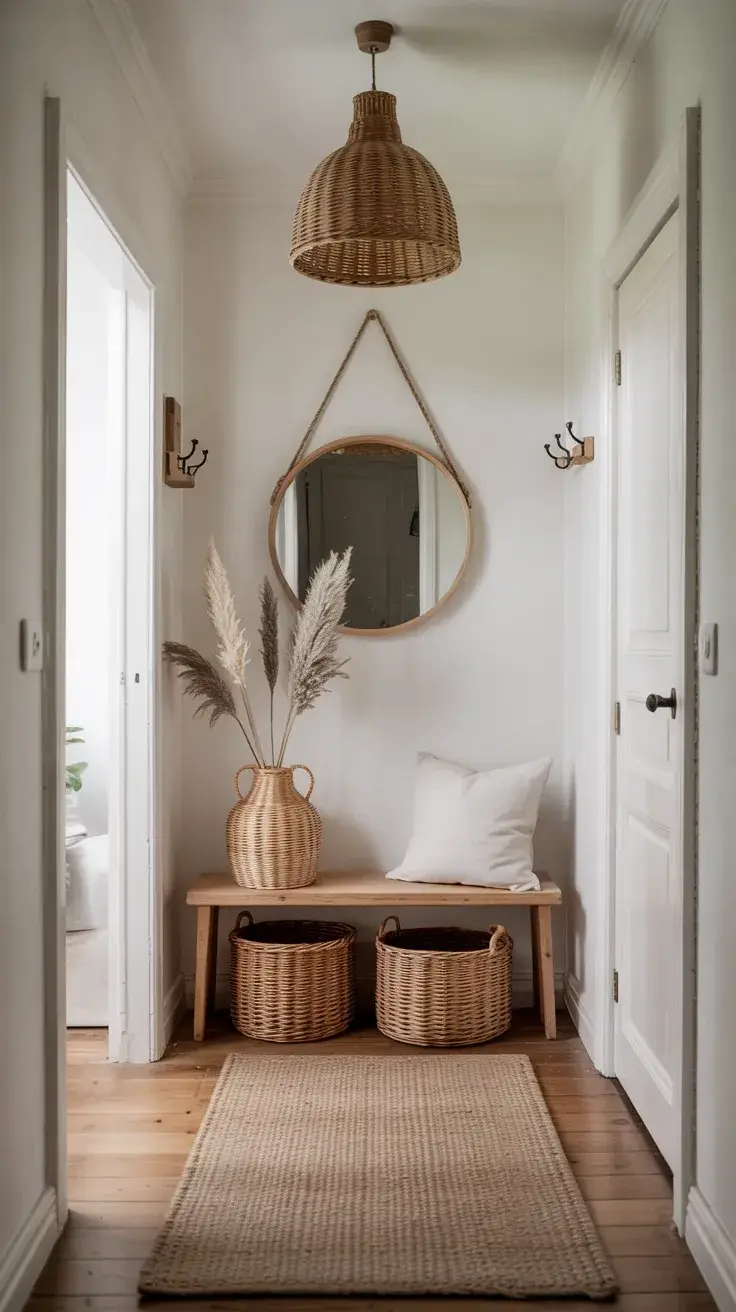
To complete this section, I’d add a large round mirror to reflect light and create a sense of openness.
21. Maximalist Hallway Styling Inspiration
In contrast to minimalism, maximalist hallway design embraces bold color, pattern layering, and expressive décor—perfect for homeowners who love statement interiors. I enjoy using deep jewel tones, patterned wallpapers, and eclectic furniture to energize the hallway and give it personality.
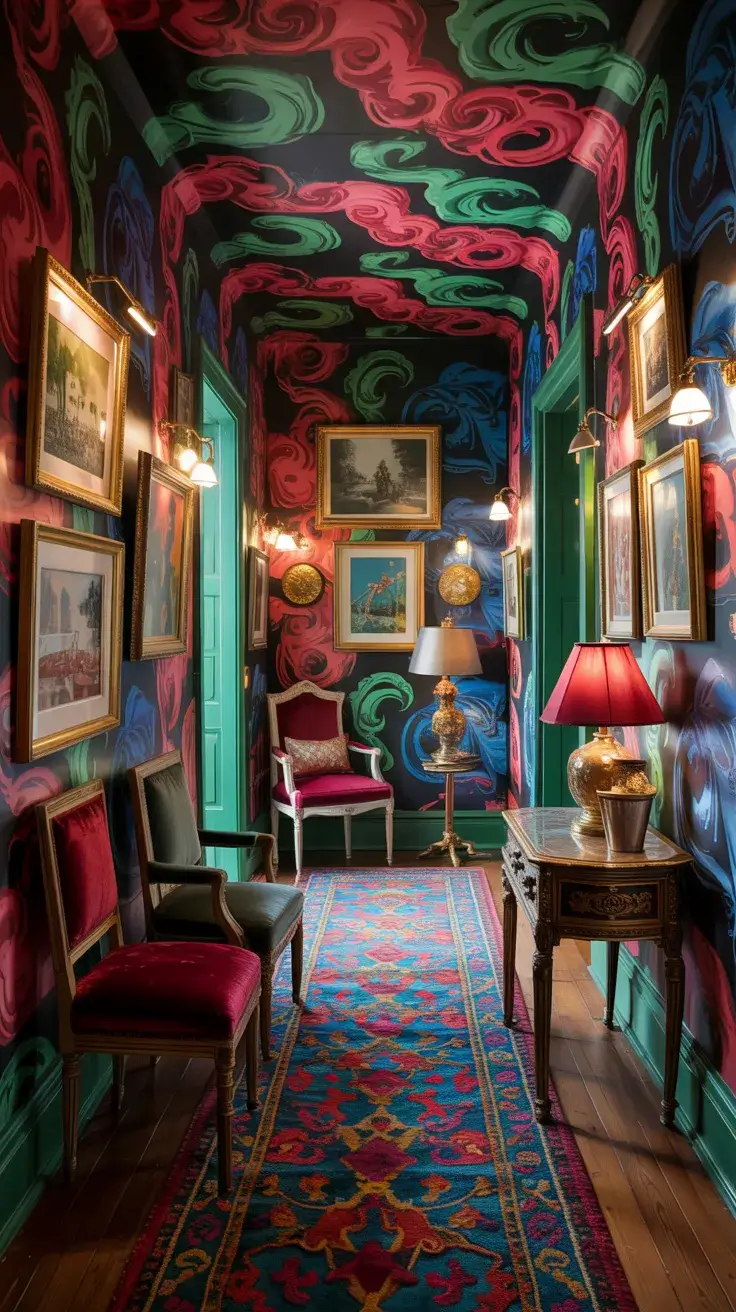
I typically mix vintage pieces with contemporary art, pairing them with patterned runners and sculptural lighting. This blend creates a curated, gallery-like atmosphere. Choosing consistent undertones (warm or cool) helps unify the vibrant elements.
My experience aligns with advice from interior designers featured in House Beautiful, who say that maximalism works best when anchored by a repeated element—such as a color or motif. This maintains cohesion even in bold spaces.
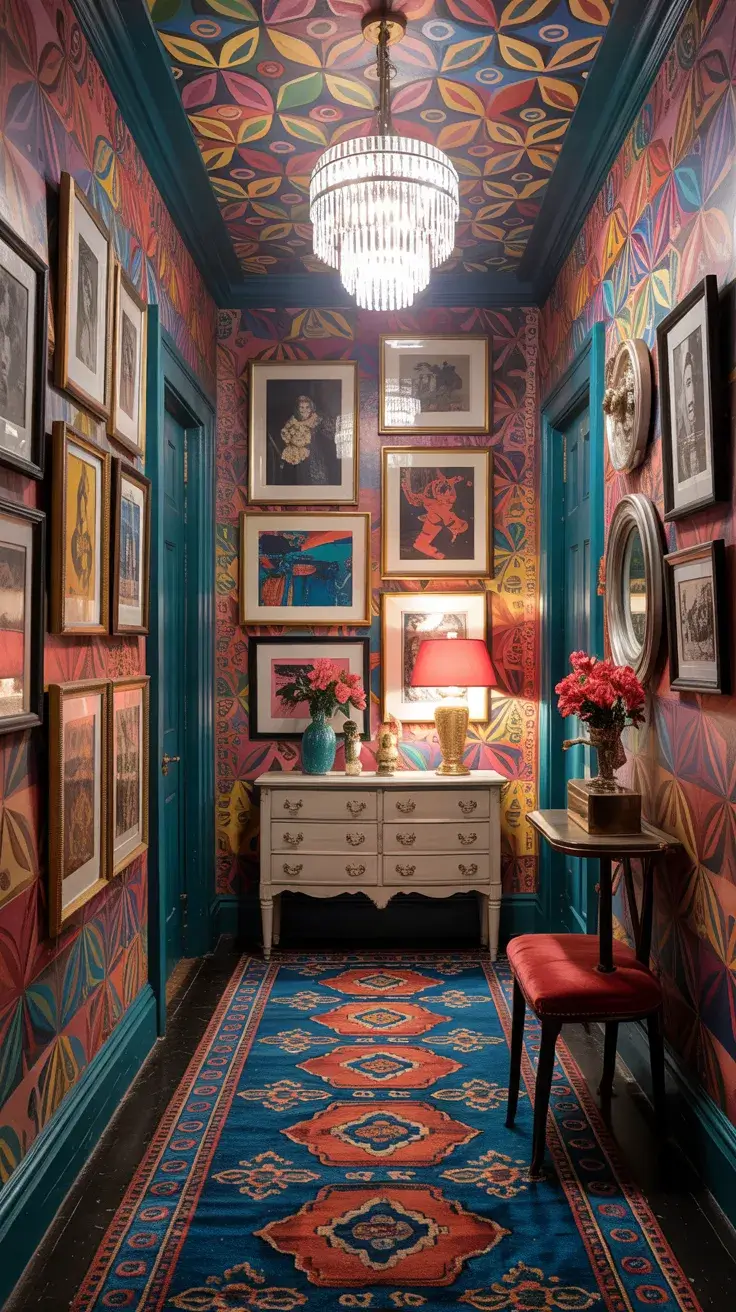
I would enhance this idea by adding high-gloss paint or metallic accents to amplify depth and dimension.
22. Sleek Metal And Glass Elements In Hallways
In 2026, I’ve noticed that metal and glass accents are becoming essential for creating refined and contemporary hallways. When I incorporate these materials, the space instantly feels brighter, more open, and more architectural. Glass panels, slim metal frames, and reflective accents help draw light deeper into the corridor, giving even compact hallways a sophisticated, airy feel.
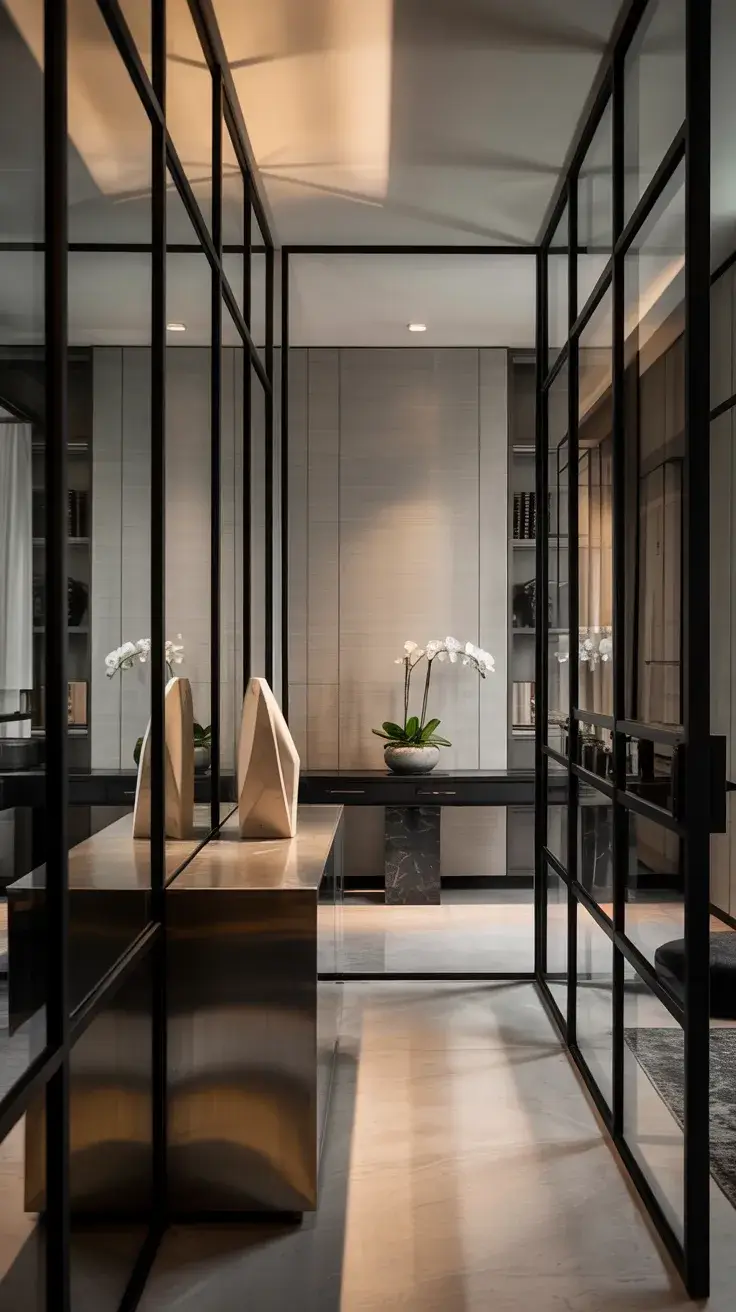
I often use black steel-framed glass partitions, brushed metal hardware, and slim console tables with metal bases. These pieces add structure and elegance without overwhelming the narrow proportions of a hallway. Glass doors or panels can also visually extend the space while ensuring privacy when needed. Metal accents—especially in matte black, champagne gold, or brushed nickel—tie the aesthetic together with a modern edge.
From my experience, referencing advice from designers featured in Architectural Digest, mixing metal finishes can work beautifully if done in controlled amounts. I’ve applied this principle in various projects, ensuring the space feels curated rather than chaotic.
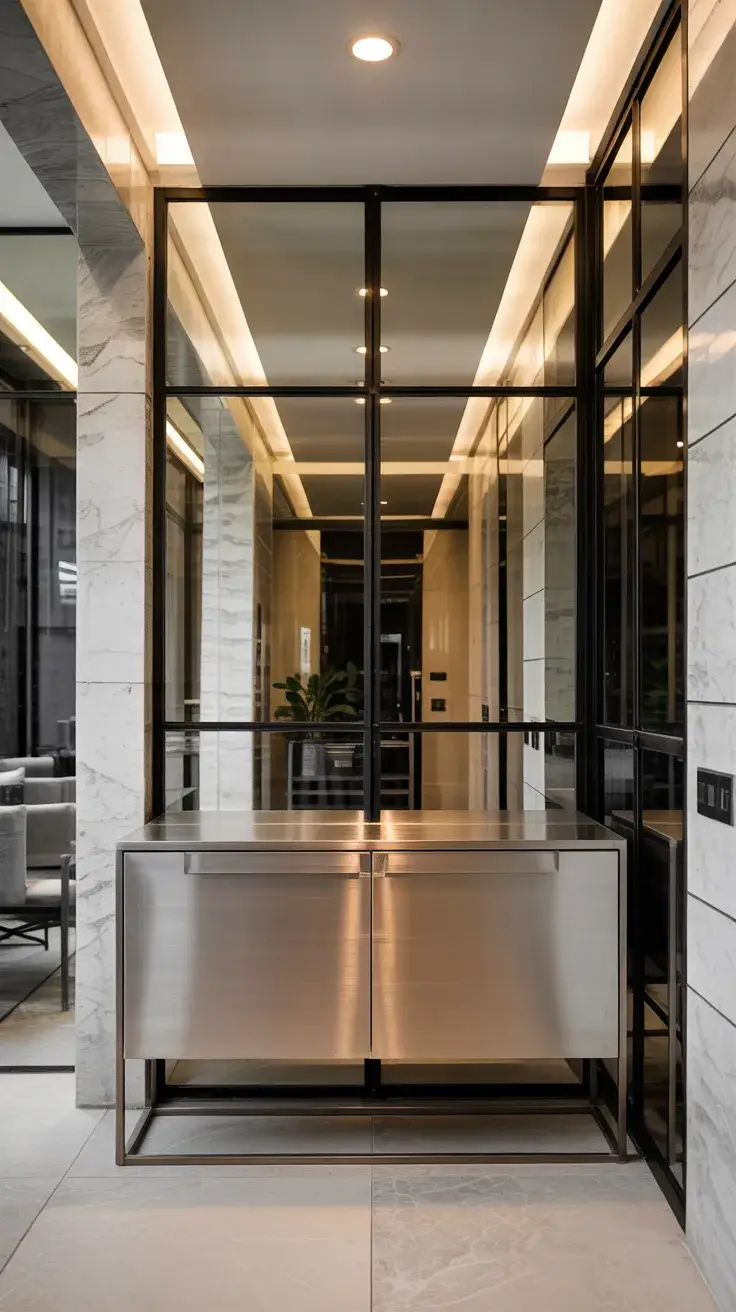
To refine this section further, I would include built-in LED lighting along metal trim lines to highlight the architectural geometry.
23. Natural Wood Accents For Warm Hallways
Incorporating natural wood elements is one of my favorite ways to create warmth and softness in a hallway. For 2026, light oak, walnut, and textured wood slats dominate modern interiors. I’ve used wooden ceilings, wall slats, and simple bench seating to add organic character while keeping the space functional and calm.
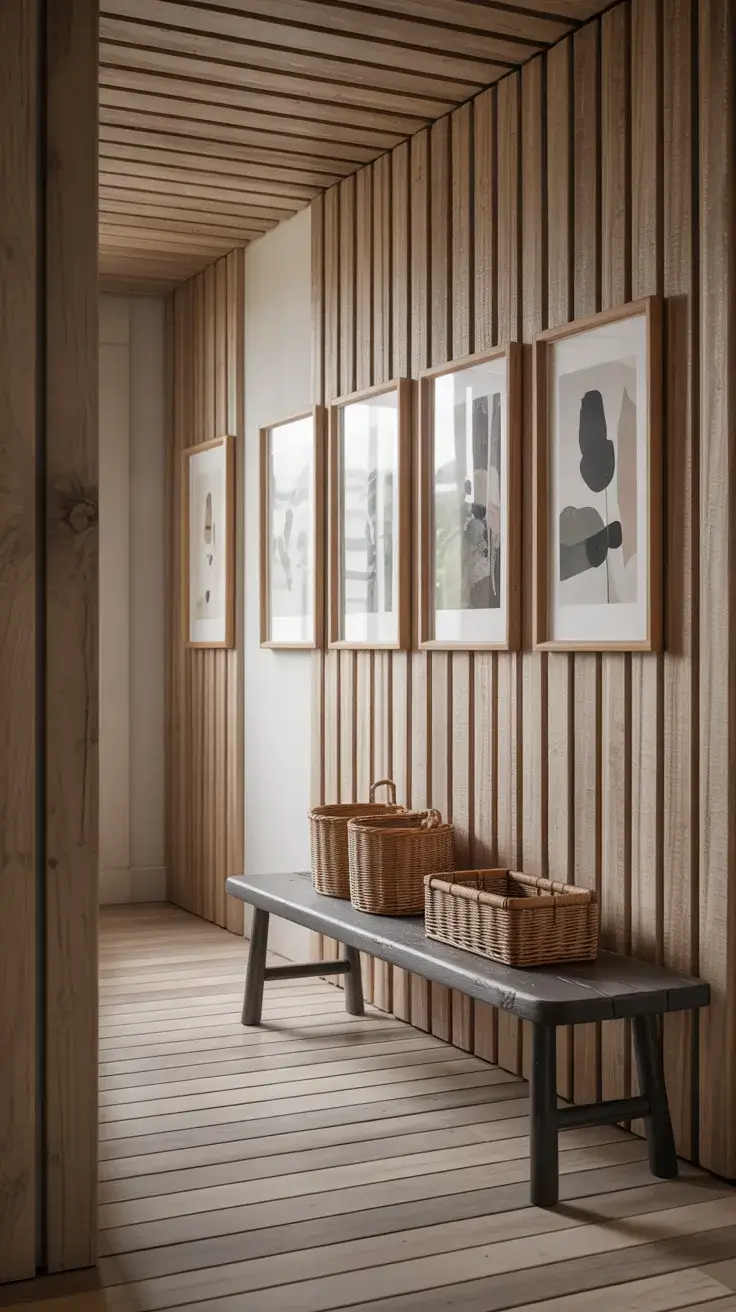
When selecting pieces, I usually pick a slim wood console, woven storage baskets, and warm-toned frames to maintain a cohesive natural palette. These elements offer practicality while adding visual warmth that contrasts beautifully with neutral walls. Wood slat feature walls, in particular, improve acoustic comfort and visual depth.
Personally, I often draw inspiration from Japanese and Scandinavian design principles, where natural materials are used to create tranquility. I’ve found that adding a wood-framed mirror or soft-hued wood flooring completes the look beautifully.
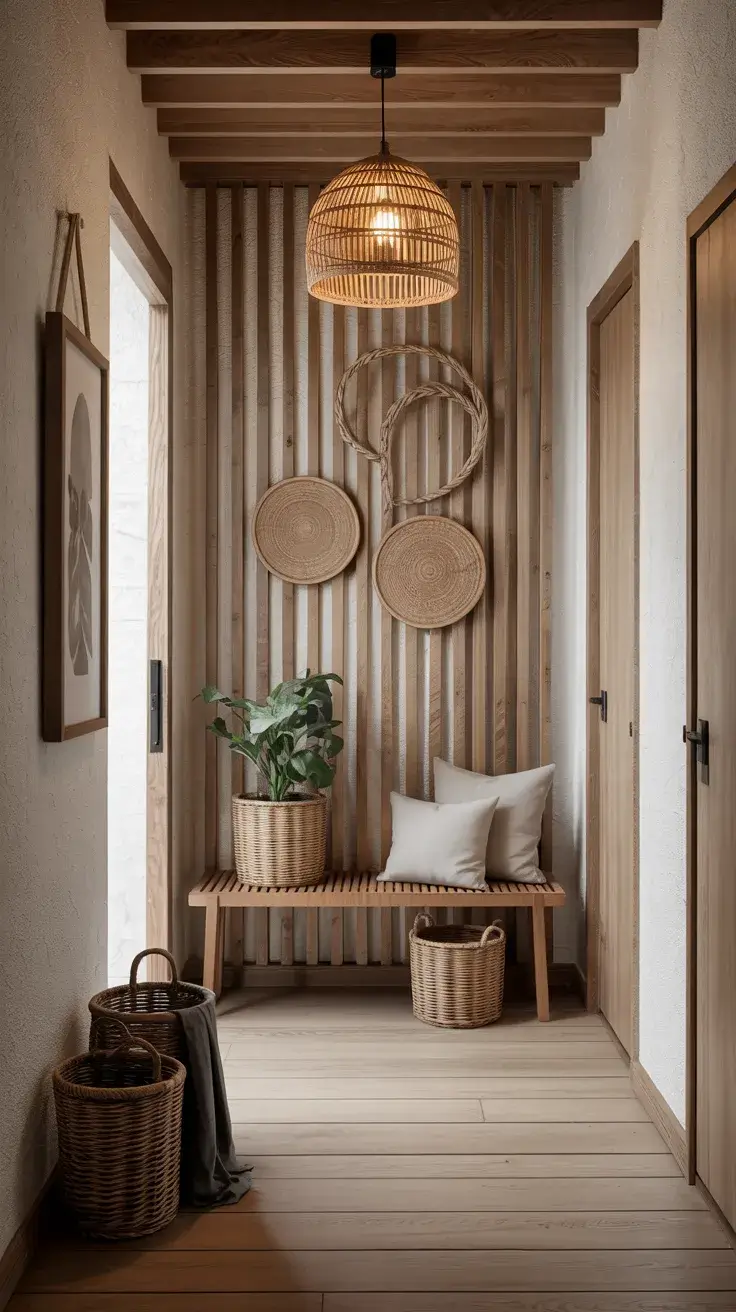
If expanding this section, I might add recommendations on pairing wood accents with earthy textiles to enhance comfort.
24. Compact Hallway Organization Strategies
Compact hallways require smart organization, and in 2026, multifunctional solutions are key. I frequently integrate floating shelves, slim storage cabinets, and hidden compartments to keep the area tidy while maximizing every inch. These strategies prevent clutter, ensuring the hallway remains open and visually appealing.
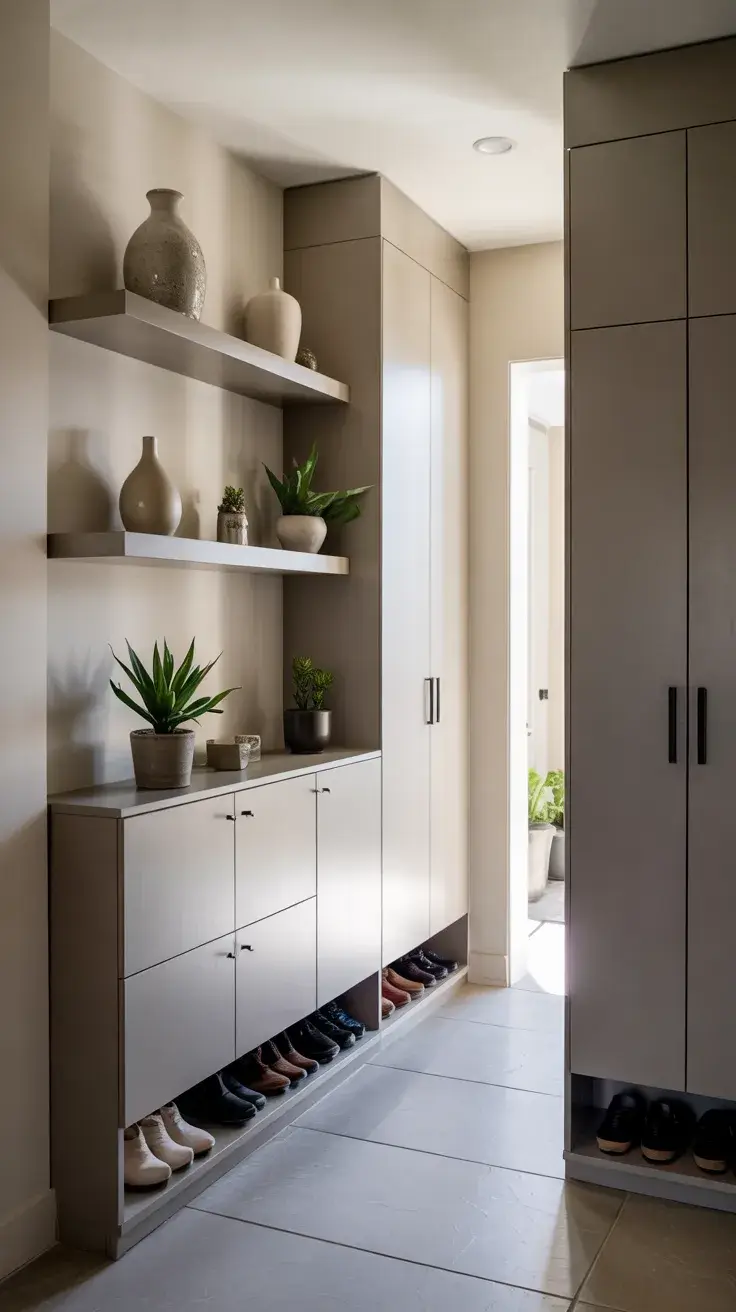
I often choose storage benches, wall-mounted hooks, vertical shelving units, and narrow shoe drawers. Their slim profiles make them ideal for tight spaces, and keeping items elevated helps maintain a cleaner floor line. Using cohesive materials—like matte finishes or warm-toned wood—ensures organization blends seamlessly with the décor.
Drawing from expert advice in Real Simple magazine, I’ve learned that organizing vertically is especially useful in narrow spaces. I’ve applied that guidance in many homes, achieving both efficiency and harmony.
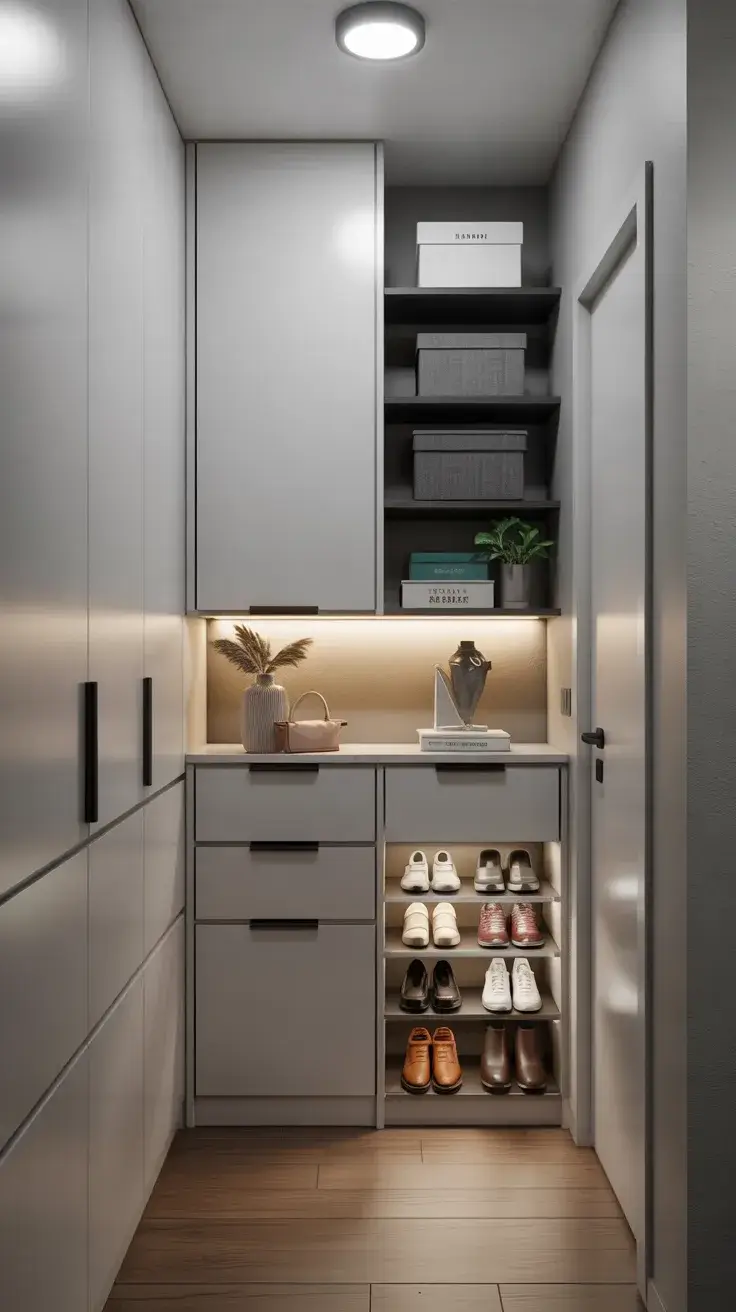
I would also include labeled baskets or concealed storage to maintain long-term organization and reduce visual noise.
25. Futuristic Hallway Tech Integration
Tech-forward hallways are one of the most exciting Hallway renovation ideas 2026. I’ve incorporated motion-activated LED lighting, smart climate sensors, and built-in touch-free switches to create convenient and high-tech transitional spaces. These upgrades make hallways safer, more energy-efficient, and more interactive.
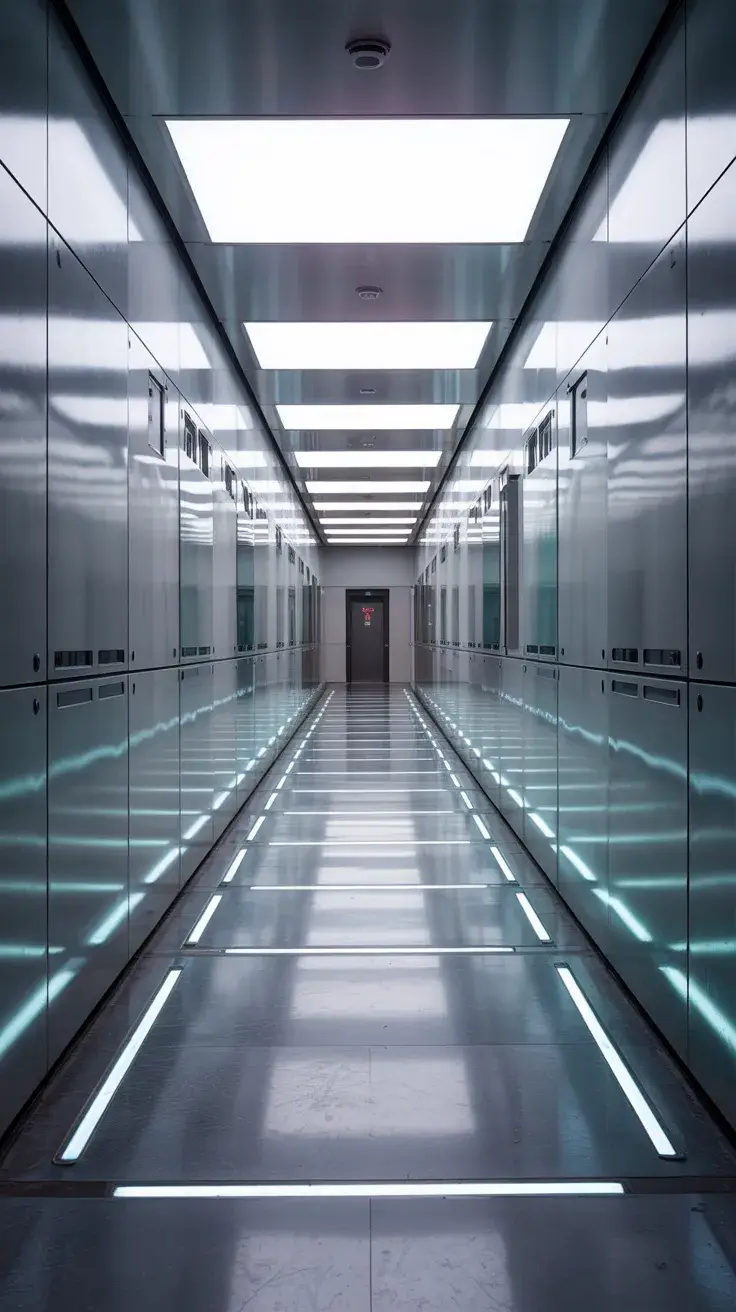
Some of the smart items I frequently recommend include integrated floor path lights, hidden charging hubs, automated door sensors, and digital art frames (with screens set to static modes to avoid glowing displays). These additions offer both function and modern appeal, elevating even small hallways into smart hubs.
From my experience and according to Smart Home magazine, the key to successful tech integration is subtlety. Technology should blend into the architectural structure, not dominate it. I’ve achieved the best results by concealing wiring and embedding devices into walls or cabinetry.
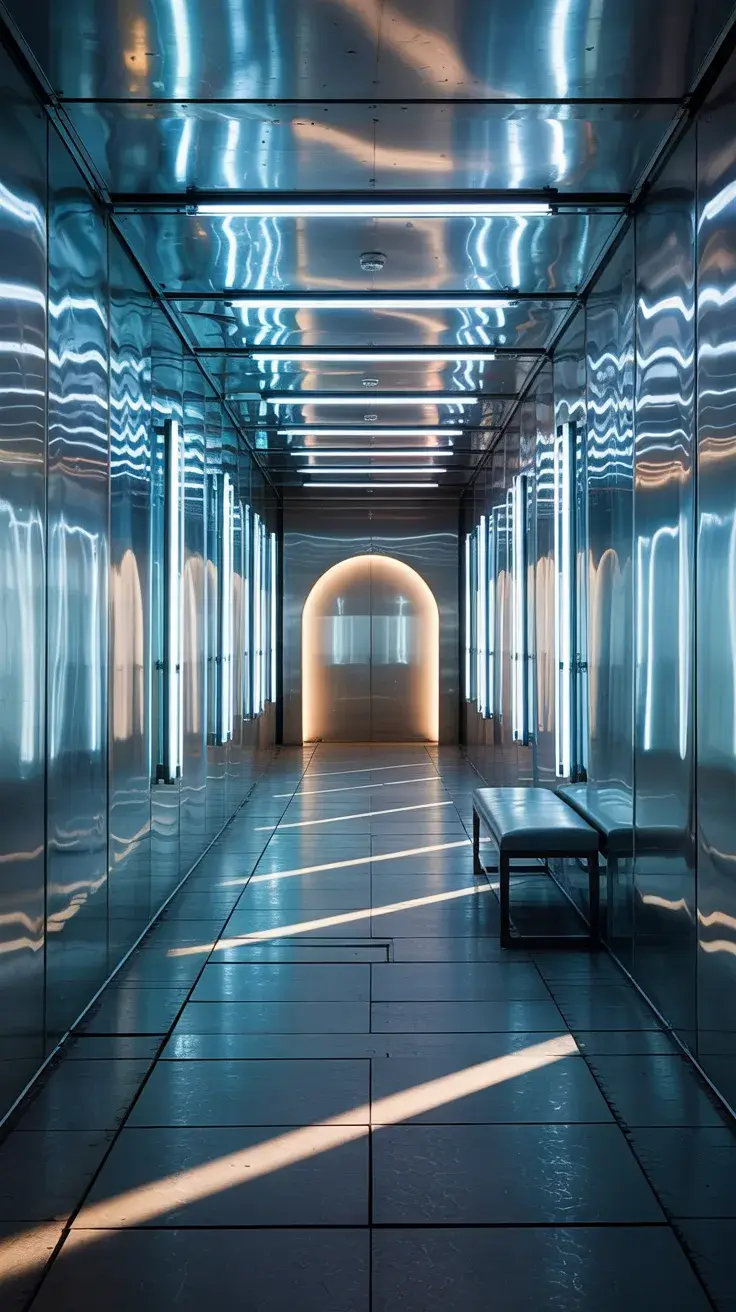
To enhance this section, I would add smart ambient scent diffusers that activate upon entry for a luxurious touch.
26. Earth Tone Hallway Styling Ideas
Earth tones continue to rise in popularity, and I often turn to them when creating serene, grounded hallways. Warm clay, olive green, beige, taupe, and muted terracotta help generate a natural, comforting atmosphere. These tones are especially effective in 2026 designs that emphasize wellness and calm living.
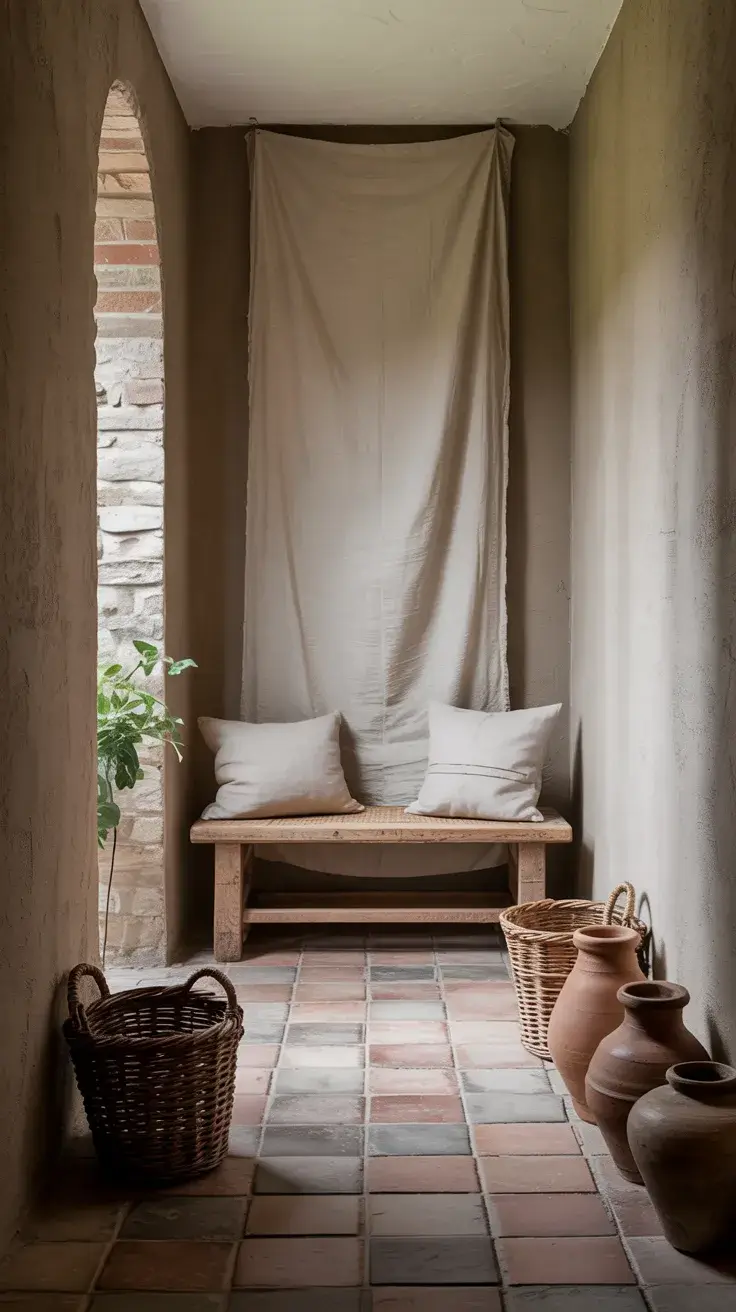
For furniture and décor, I select woven baskets, clay pots, rustic benches, and textured linen runners. These items enhance the organic feeling and support a cohesive palette. Stone-textured planters and matte ceramics work beautifully as subtle accents without overwhelming the small space.
Inspiration often comes from designers like Amber Lewis, who masterfully combines earthy palettes with modern textures. Applying similar principles ensures the hallway feels refined yet relaxed.
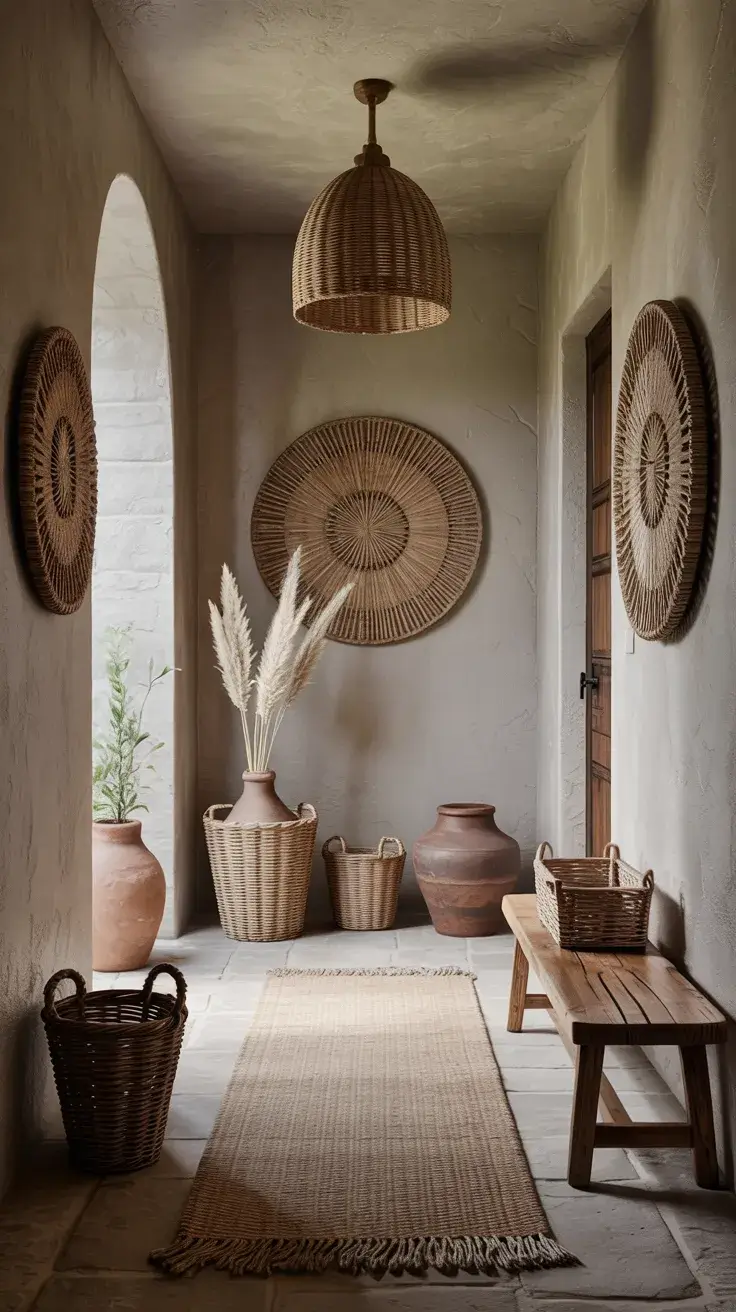
I might also add soft wall lighting or fabric-textured paint to enhance the natural, grounded mood.
27. Hallway Plant Displays And Greenery Ideas
Greenery remains one of the most versatile enhancements for hallways in 2026. I personally love using plant displays to bring freshness and life into narrow corridors. Whether I select tall plants, wall-mounted planters, or cascading greenery shelves, the result is always brighter and more inviting.
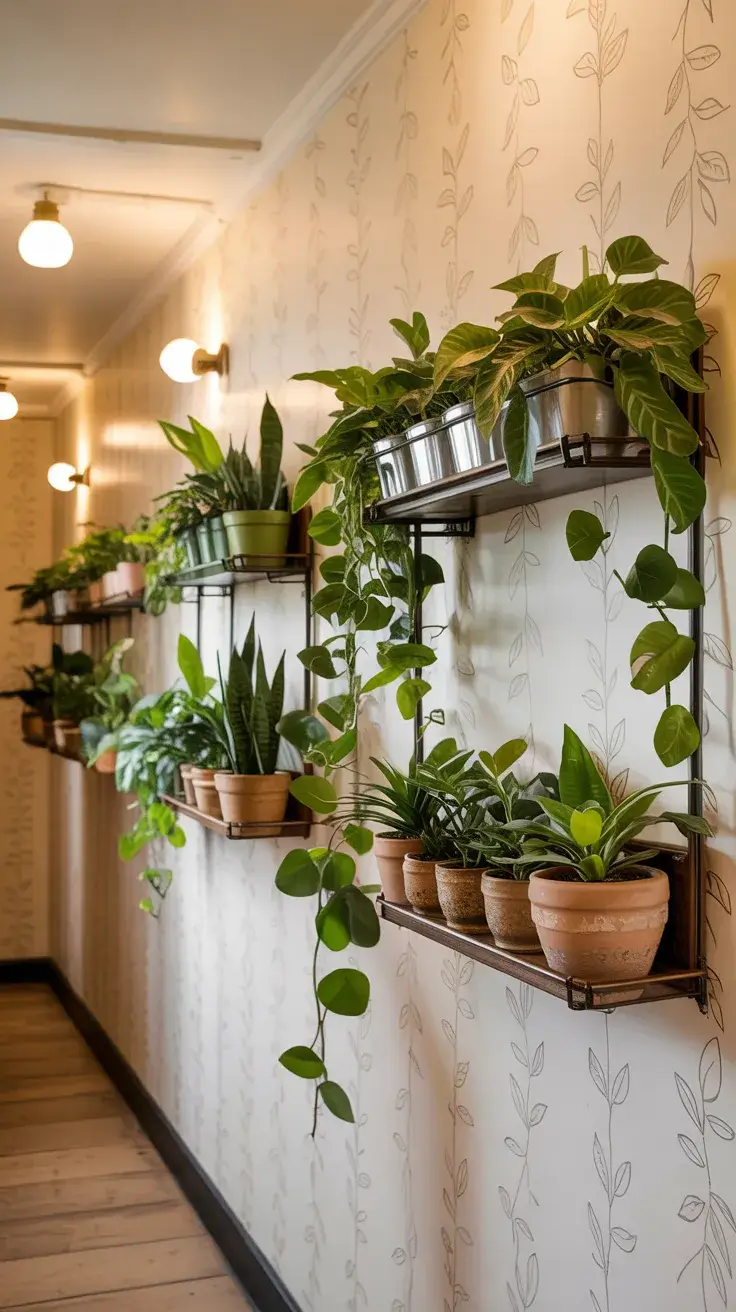
I typically choose low-light plants such as snake plants, pothos, ZZ plants, or ferns—varieties that thrive without constant sunlight. Pairing them with natural woven pots or minimalist ceramic planters balances function and aesthetic. Using wall-mounted or hanging planters helps keep the walkway clear while still adding vibrant energy.
In my experience, following recommendations from Better Homes & Gardens on indoor plant selection ensures longevity and easy maintenance for clients. Plants also improve air quality, making them a practical addition beyond aesthetics.
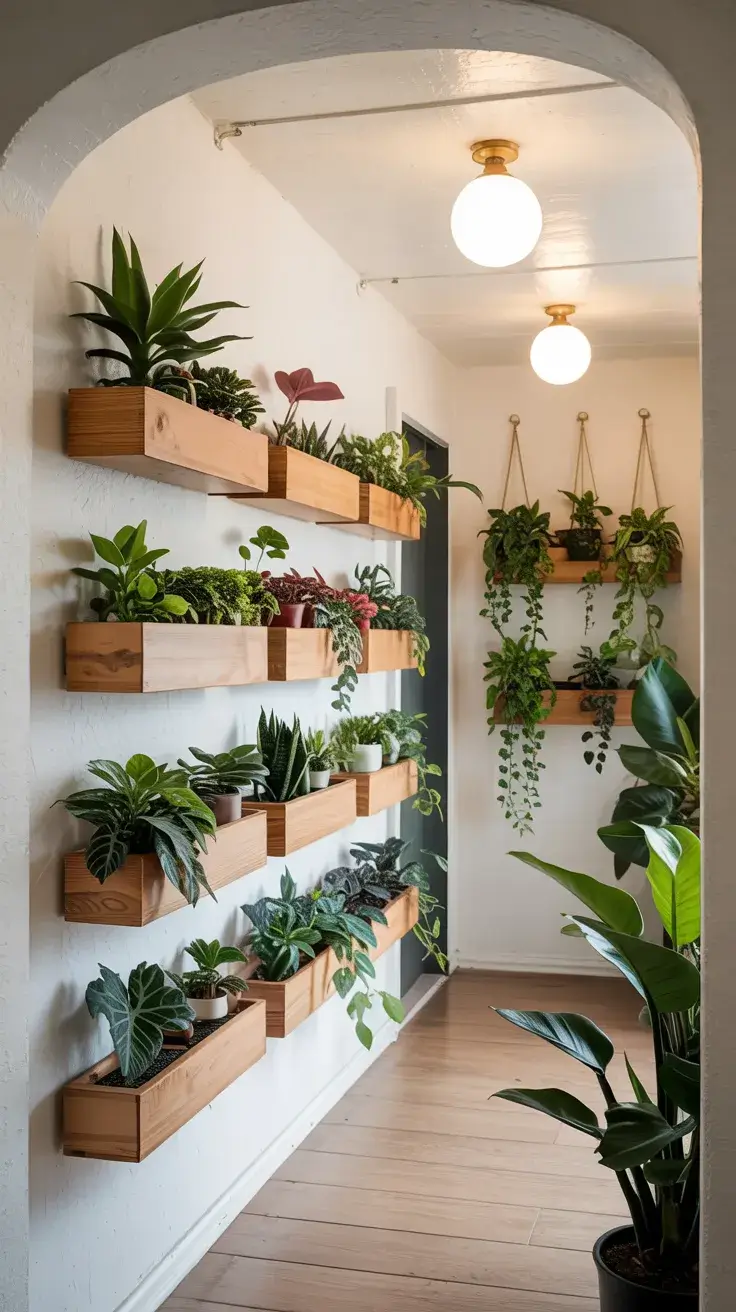
One more element worth adding is built-in plant shelves with integrated LED grow lights for hallways lacking natural light.
28. Vintage Inspired Hallway Renovation Concepts
Vintage elements can elevate a hallway by adding timeless charm. I enjoy mixing retro materials such as aged brass, patterned wallpaper, and antique mirrors. These touches bring character to the space and connect modern interiors with classic influences. A carefully curated vintage piece can become the centerpiece of the hallway.
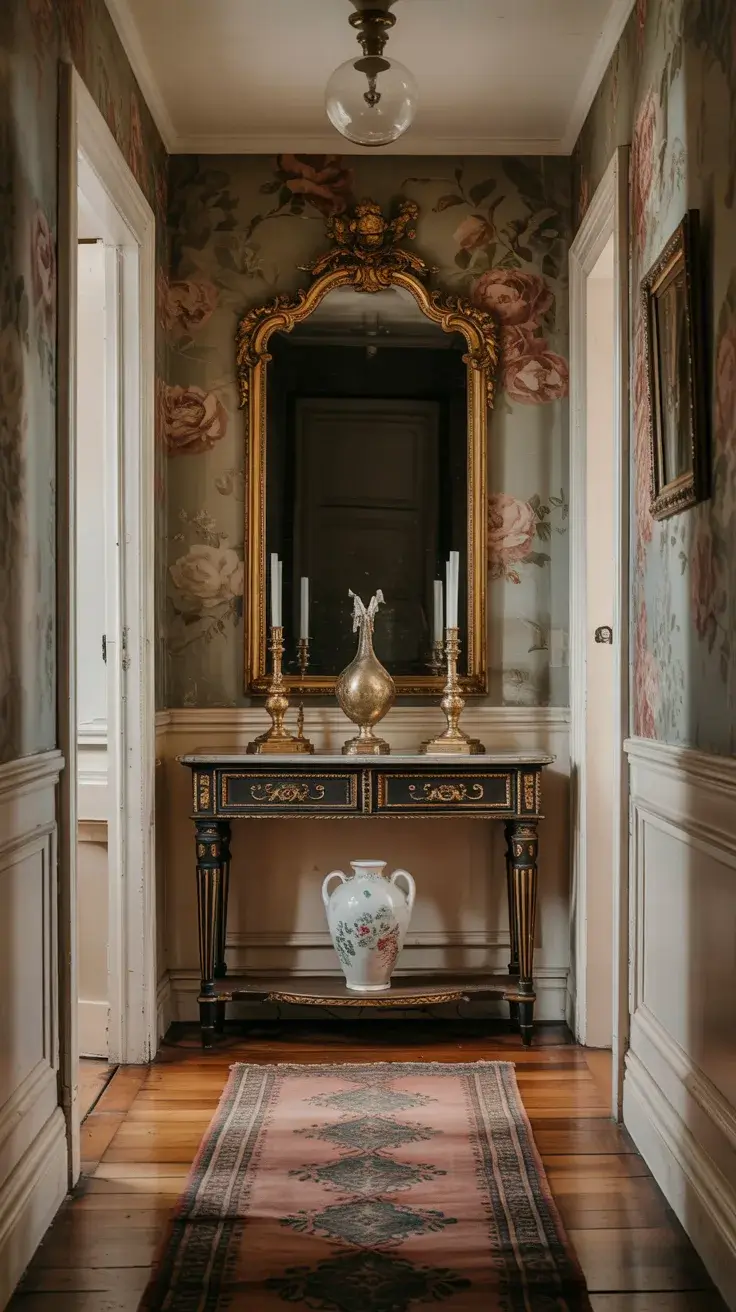
Furniture like narrow vintage consoles, carved wooden frames, and ornate coat racks infuse personality without overwhelming scale. Patterned floor tiles or retro runners complete the aesthetic, grounding the hallway in a nostalgic yet stylish atmosphere.
I’ve taken cues from design publications like Elle Decor, which often highlight the impact of a single historical element in transitional spaces. Incorporating even one authentic vintage piece can transform a hallway from simple to sophisticated.
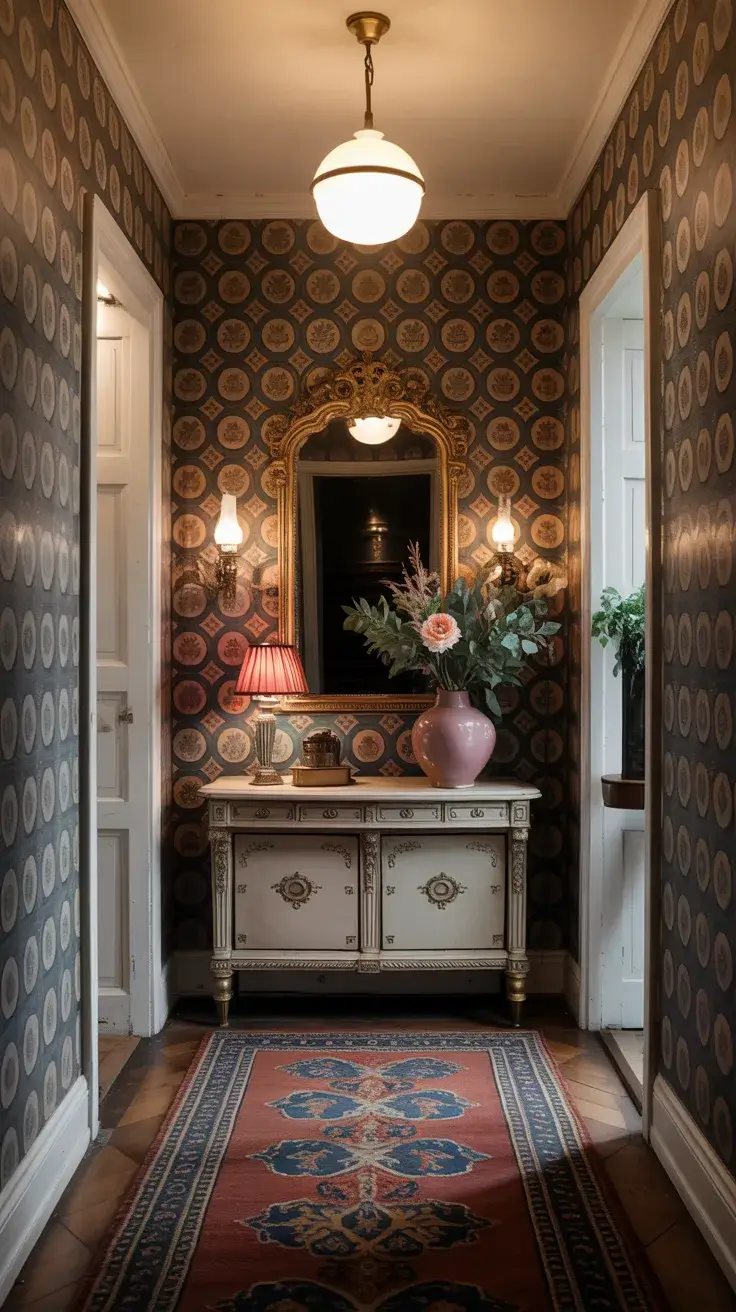
To further enrich this section, I would add vintage-style pendant lighting or warm-toned sconces to enhance the nostalgic ambiance.
29. Soft Neutral Hallway Design Themes
Soft neutral palettes continue to dominate Hallway renovation ideas 2026, especially for homeowners who prefer calm, timeless interiors. I often use shades of ivory, warm beige, soft greige, and pale sand tones to create a serene visual flow. These colors brighten narrow corridors and help the hallway feel more airy and welcoming. When combined with natural textures, the look becomes both refined and effortless.
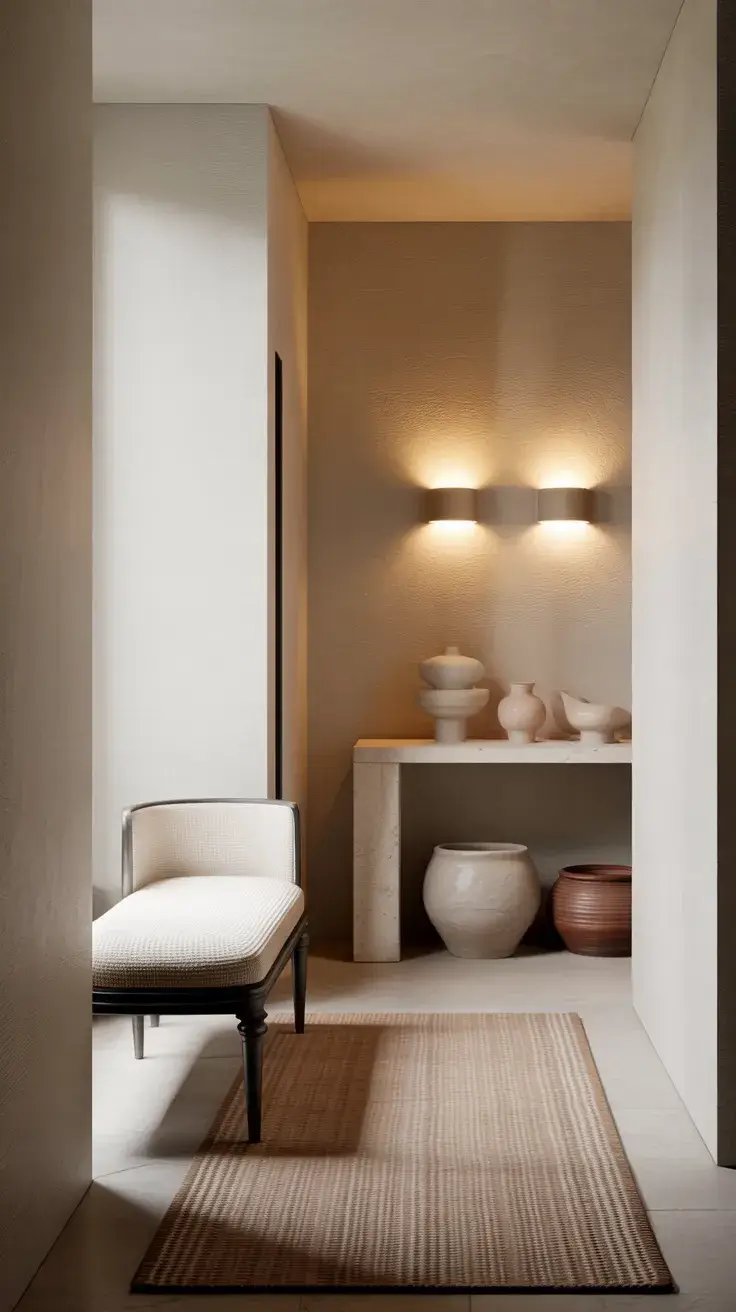
For furnishings, I typically incorporate upholstered benches in light fabrics, textured neutral rugs, and matte ceramic vases. These pieces add depth without overwhelming the subtle color scheme. Framed monochrome artwork, soft wall sconces, and smooth matte finishes reinforce the quiet elegance of the design. Decorative items are kept minimal to preserve openness.
In my experience, this theme works exceptionally well in homes with open floor plans, where neutral tones unify all connecting areas. Designers featured in Architectural Digest often emphasize that neutrals help small spaces feel larger, which aligns perfectly with hallway design needs. I’ve found that layering tones—light to medium neutrals—provides balance and sophistication.
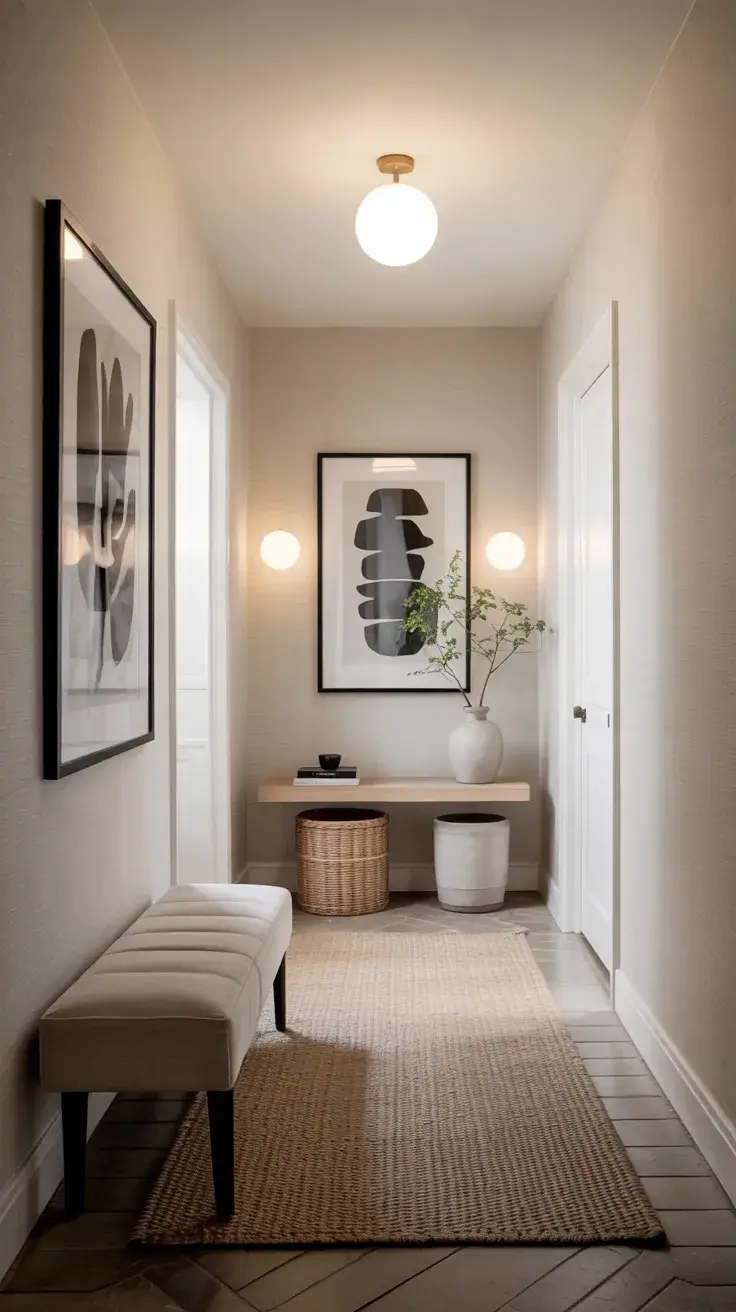
If I were to enhance this concept further, I would add textured wall panels or linen wallpaper to enrich the neutral palette without adding visual clutter.
30. Statement Lighting Fixtures For Hallways
Statement lighting remains a powerful way to elevate a hallway, and in 2026, I’m seeing sculptural forms, oversized pendants, and artistic sconces take center stage. I love using lighting as a functional piece of art. It not only illuminates the space but also defines personality and style from the very first step into the home.
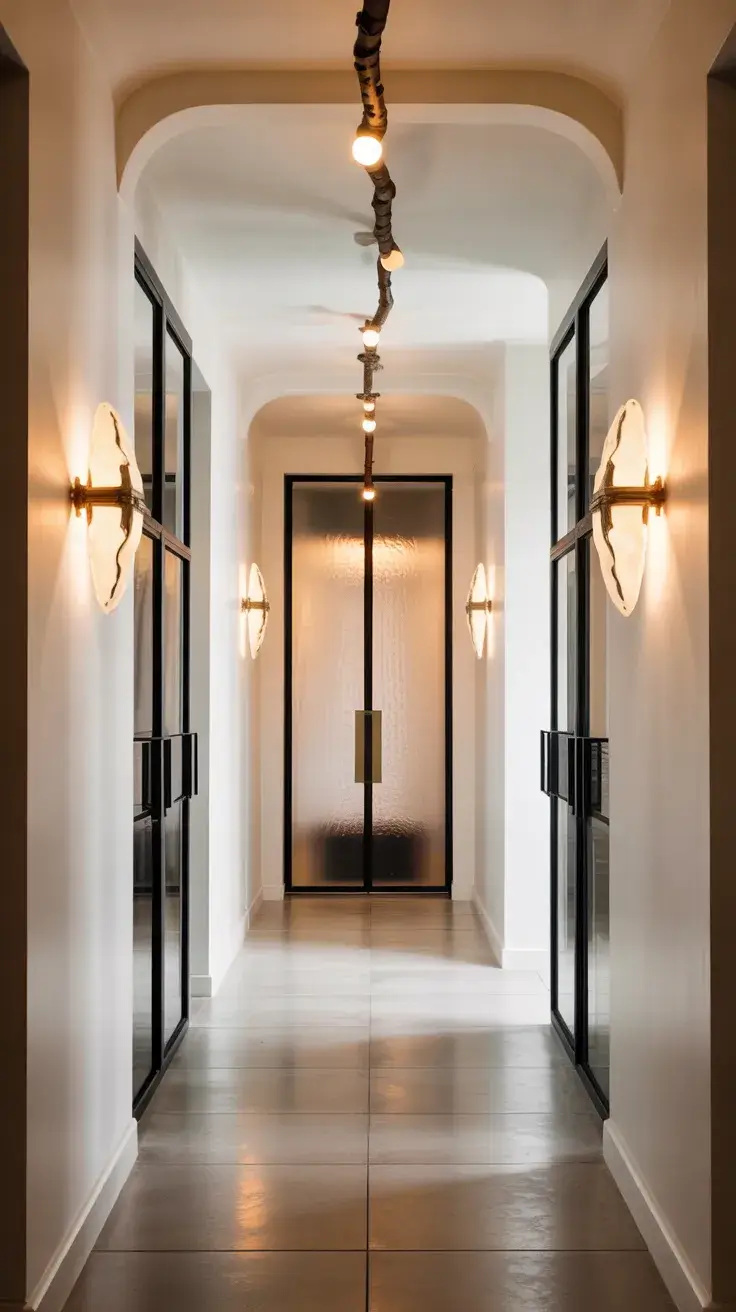
I often select elongated pendant lights, asymmetrical wall sconces, and soft-diffused LED fixtures to achieve a striking yet harmonized look. Materials such as frosted glass, brushed brass, or matte black metals work beautifully in modern interiors. These fixtures create depth and help guide movement through the hallway.
From my own projects and recommendations from lighting designers in the U.S., choosing a proportionate fixture is essential—too large becomes overwhelming, too small loses its impact. I’ve learned that centered placement and adjustable brightness make statement pieces both functional and visually stunning.
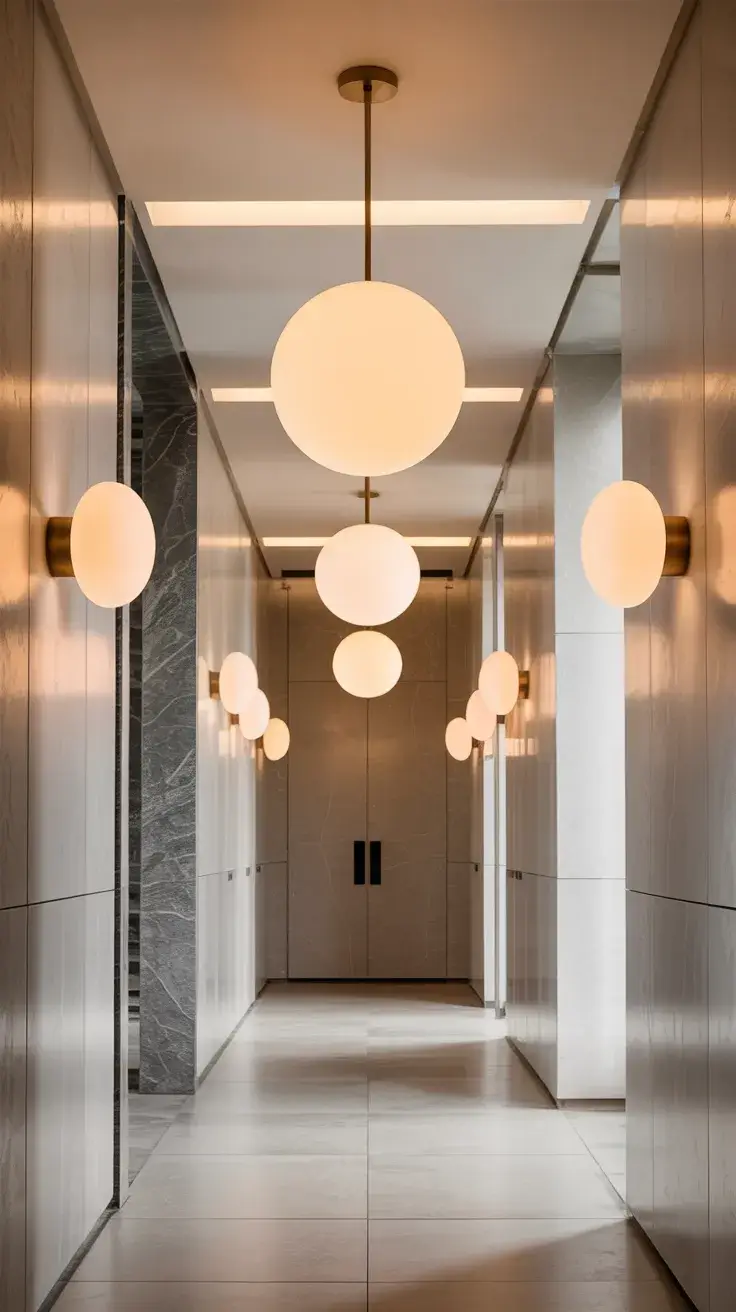
To finish this section, I’d recommend pairing statement lighting with clean ceiling lines to avoid competition and maintain a refined appearance.
31. Creative Hallway Artwork And Gallery Ideas
Hallways are the perfect place to showcase personal style through artwork. In 2026, I’ve embraced gallery-style displays with mixed media pieces, curated photo grids, and modern sculptural art. These features turn transitional spaces into intimate storytelling zones and help define the home’s artistic character.
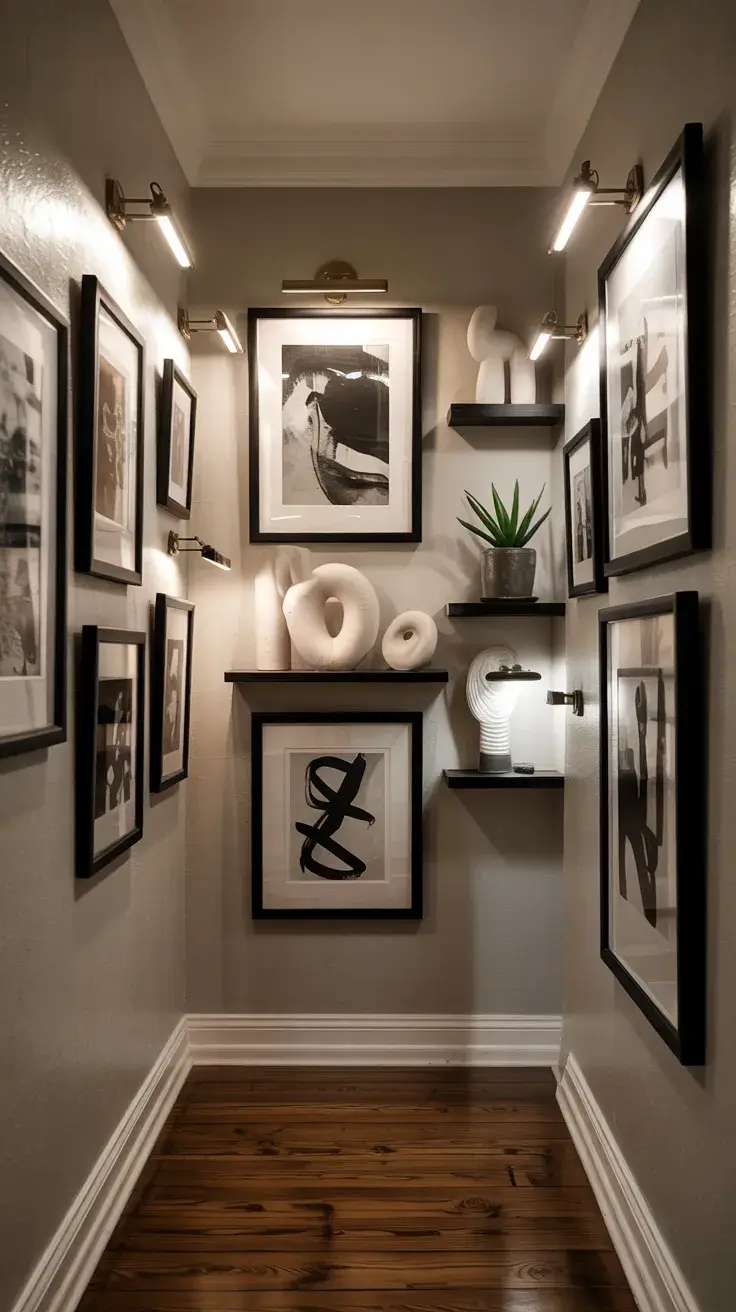
I typically select thin-frame modern artwork, abstract prints, or black-and-white photography, arranging them in symmetrical or salon-style layouts. Floating shelves with small décor pieces can add variety without clutter. Using consistent framing materials ensures the gallery wall feels cohesive rather than chaotic.
Personally, I find inspiration from museum installations and interior stylists who emphasize balance and negative space. Applying these principles helps prevent overcrowding and keeps the hallway visually comfortable. Clients appreciate how artwork can transform a simple walkway into a curated design moment.
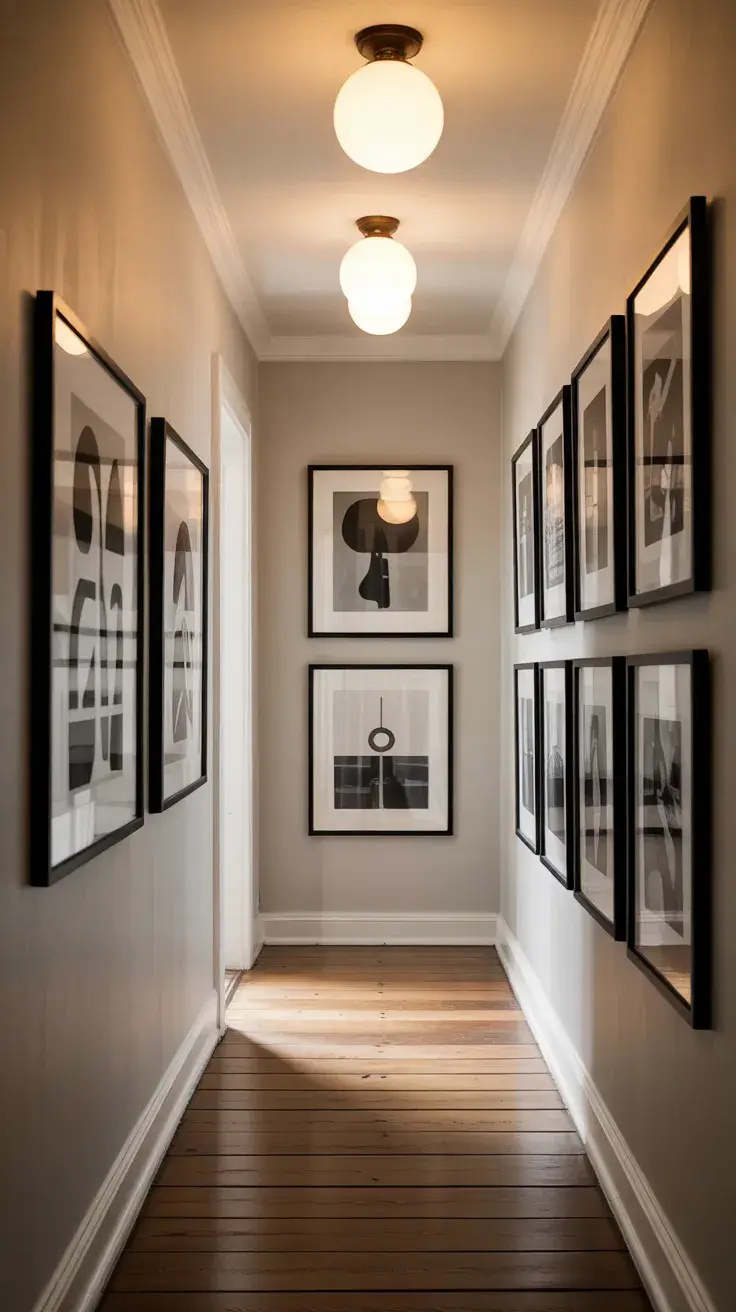
To elevate this idea further, I would include directional picture lighting to highlight artwork and create a gallery-like atmosphere.
32. Hallway Renovation Ideas For Open Floor Plans
Open floor plans blur boundaries, making hallways feel less defined, so I focus on subtle architectural and décor cues to designate the space. In 2026, I often use partial partitions, area rugs, or ceiling detail changes to subtly shape an open hallway without closing off the layout. This maintains airiness while giving the hallway a sense of purpose.
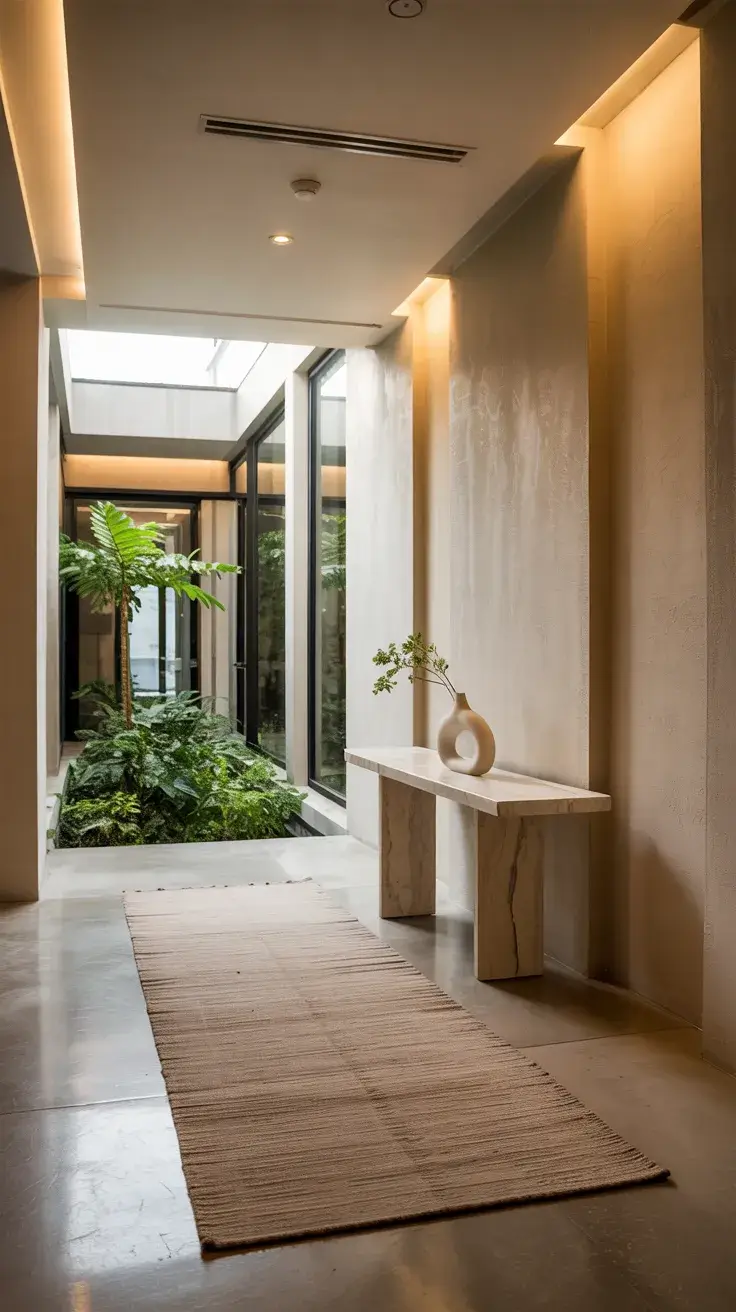
Furnishing these spaces requires thoughtful selection. I choose slim consoles, wall-mounted accents, and narrow runners that visually differentiate the hallway from adjoining spaces. Soft lighting transitions—such as cove lights or recessed fixtures—help guide movement and create spatial hierarchy. Using a cohesive color palette helps tie the areas together while still defining each zone.
From my professional experience and guidance from interior planners in major U.S. design publications, zoning is essential in open layouts. Even subtle cues such as vertical slats or a change in flooring direction can clearly outline a hallway.
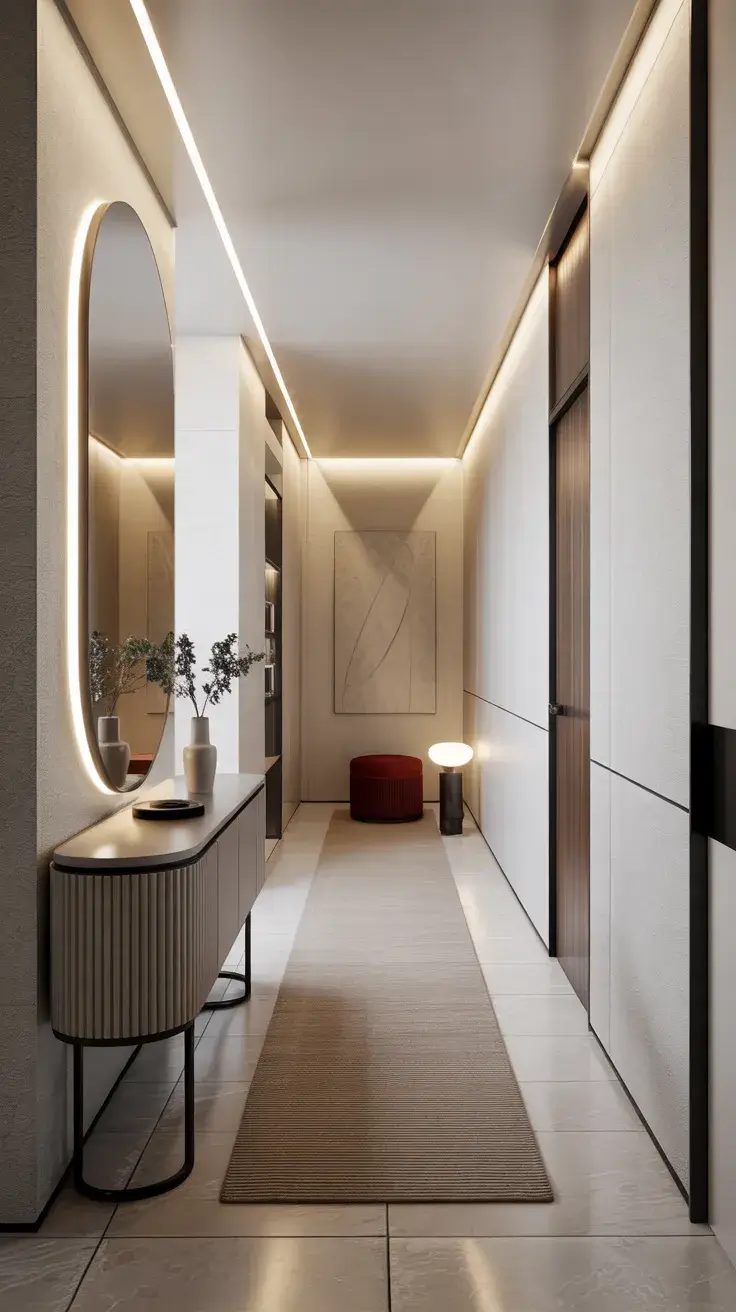
To improve this section further, I’d add built-in architectural details like shallow niches or textured wall panels to reinforce the hallway boundary in an elegant way.