What will define the most innovative and beautiful front yard landscaping ideas 2026 Why are homeowners shifting toward cleaner aesthetics, sustainable choices, and designs that balance beauty with climate resilience In this article, I will explore the most influential trends shaping front yard design in 2026, sharing professional insights, practical reasoning, and personal experiences that help each idea feel both inspirational and achievable.
1. Modern Minimalist Front Yard Design
I approach modern minimalist front yard design by focusing on clean structure, purposeful greenery, and open space. In 2026, this trend continues to evolve toward uncluttered layouts that use geometry and balance to create a striking first impression. I often rely on neutral hardscaping, like smooth concrete or porcelain pavers, combined with subtle greenery that reinforces the calmness of a minimalist aesthetic without overwhelming the space.
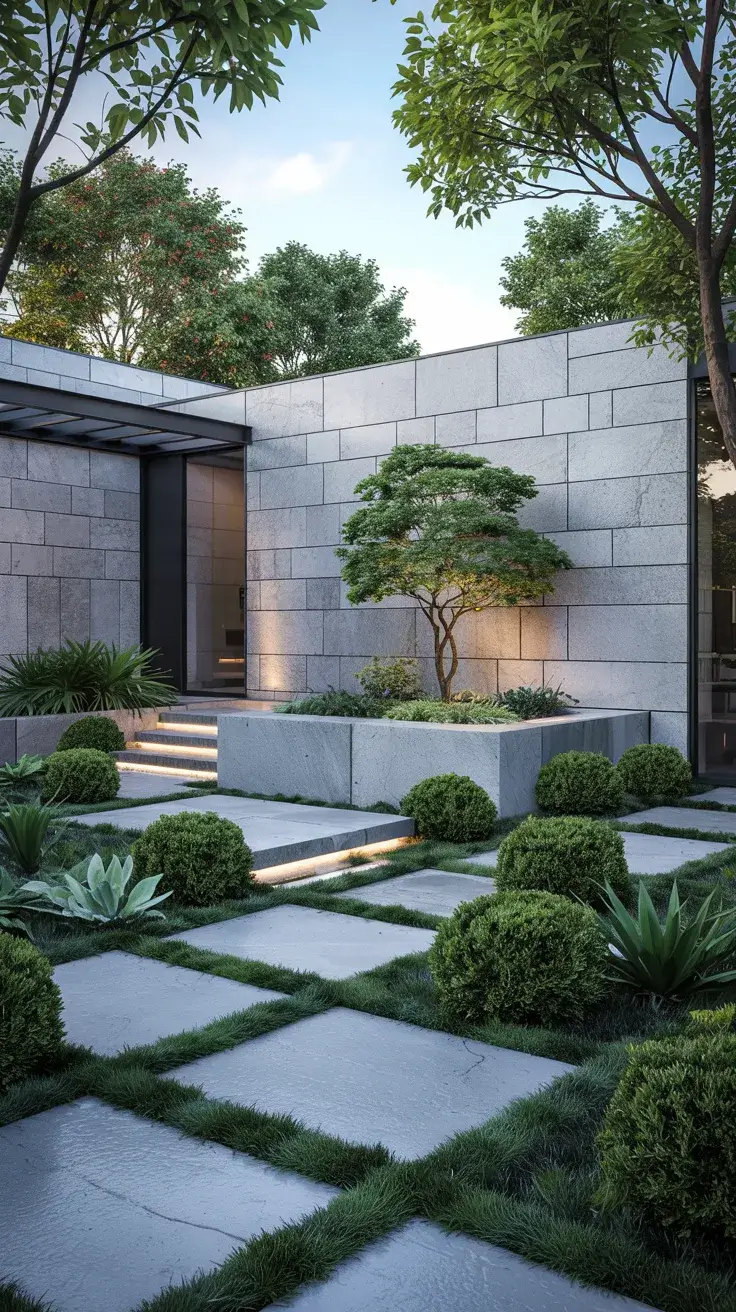
When I specify design elements, I choose linear pathway stones, low clipped shrubs, architectural planters, and a restrained color palette. These components help maintain simplicity while ensuring the yard feels intentional rather than empty. I incorporate outdoor benches, sculptural pots, and integrated ground lighting to emphasize form and shadow; each addition must have a clear function and contribute to the clarity of the design.
From my experience, this approach appeals especially to homeowners seeking a low-clutter lifestyle. As designer Emily Henderson notes in many of her outdoor styling guides, simplicity often brings the strongest visual impact when done with discipline. I’ve seen this proven repeatedly in my projects where clients embrace the peace that minimalist design provides.
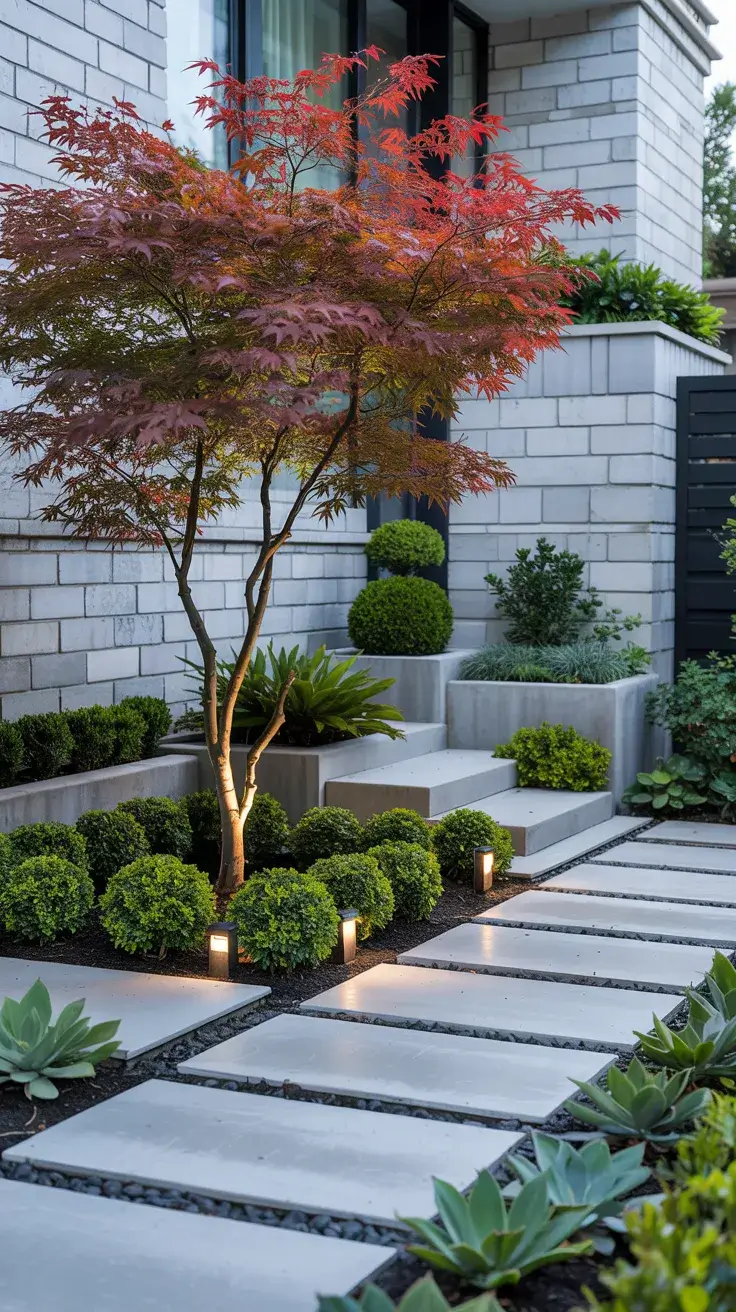
To enhance this section, I would also include a subtle water feature or a single sculptural tree to anchor the composition without disrupting the minimalist structure.
2. Eco Friendly Native Plant Landscaping
When designing eco friendly front yards, I prioritize native plants because they naturally adapt to local climates and support healthy ecosystems. In 2026, homeowners increasingly choose species that reduce water usage while creating a lush, welcoming atmosphere. I typically begin with mixed layers of shrubs, perennials, and groundcovers that evolve beautifully with the seasons.
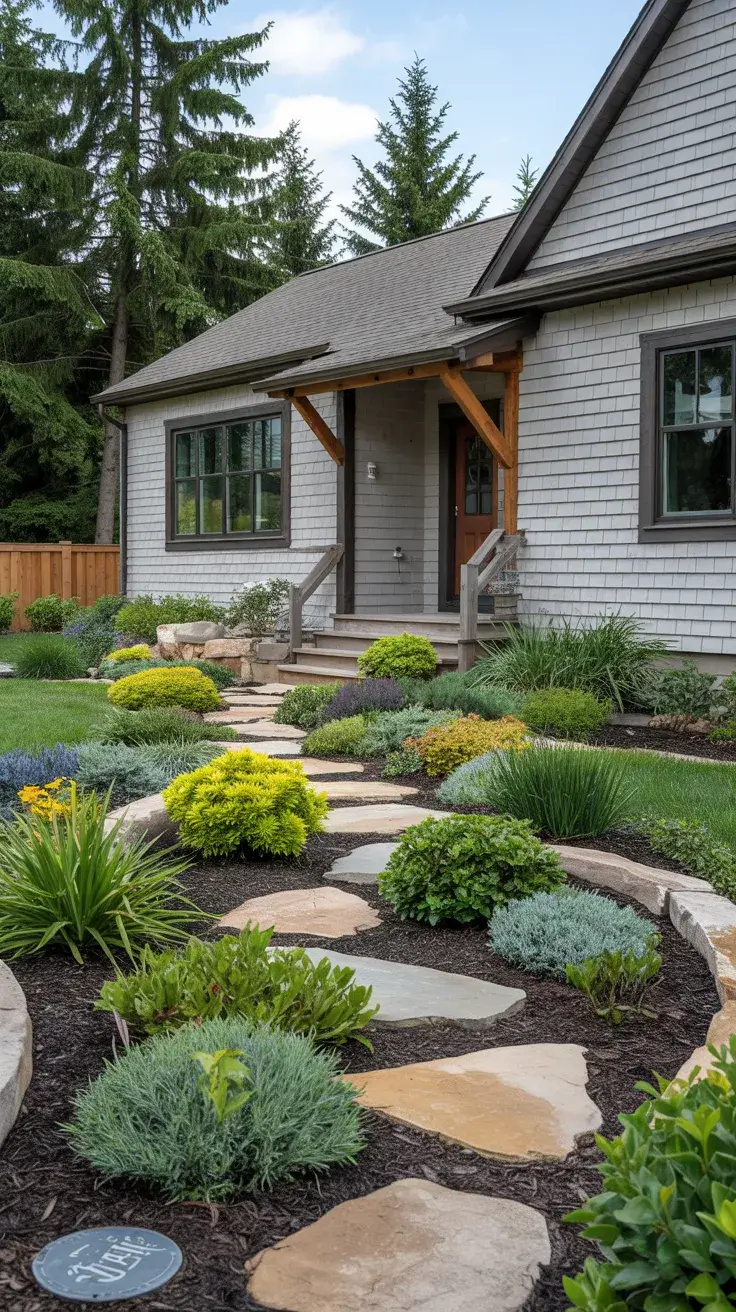
Every element I select plays a role in sustainability. Native grasses soften pathways, flowering shrubs attract pollinators, and hardy perennials create volume without demanding high maintenance. I integrate mulch beds, rain-absorbing swales, and natural stone borders to support soil health and encourage water absorption.
In my experience, native landscapes feel more alive and expressive than traditional lawns. Publications like Garden Design Magazine frequently highlight the long-term benefits of native plantings, from biodiversity to improved soil structure. I have watched front yards flourish simply by replacing imported, thirsty plants with regional alternatives.
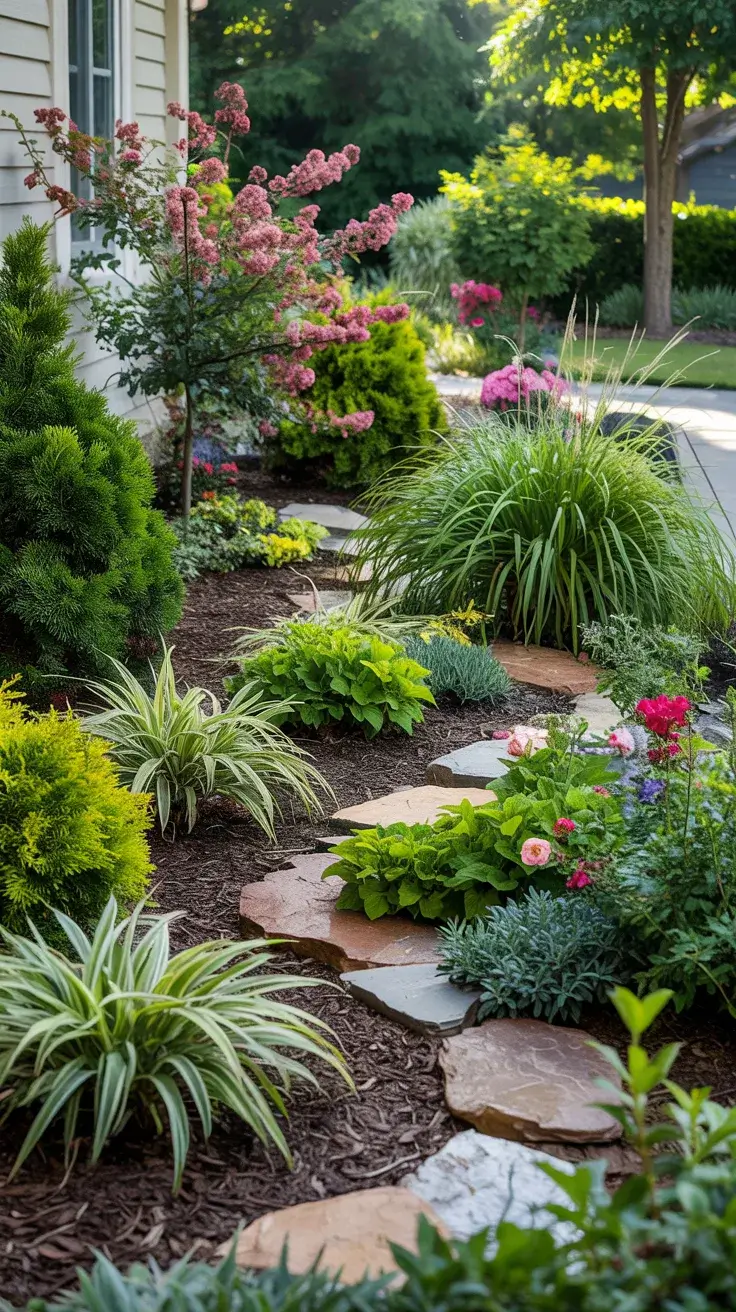
For this section, I would also add interpretive signage or small markers identifying plant species, which can increase homeowner connection and educational value.
3. Low Maintenance Front Yard Concepts
When creating low maintenance front yards, I focus on designs that remain beautiful with minimal intervention. In 2026, these concepts rely heavily on durable materials, perennial plantings, and simplified layouts. I often start by reducing the lawn footprint, which instantly cuts down on weekly care.
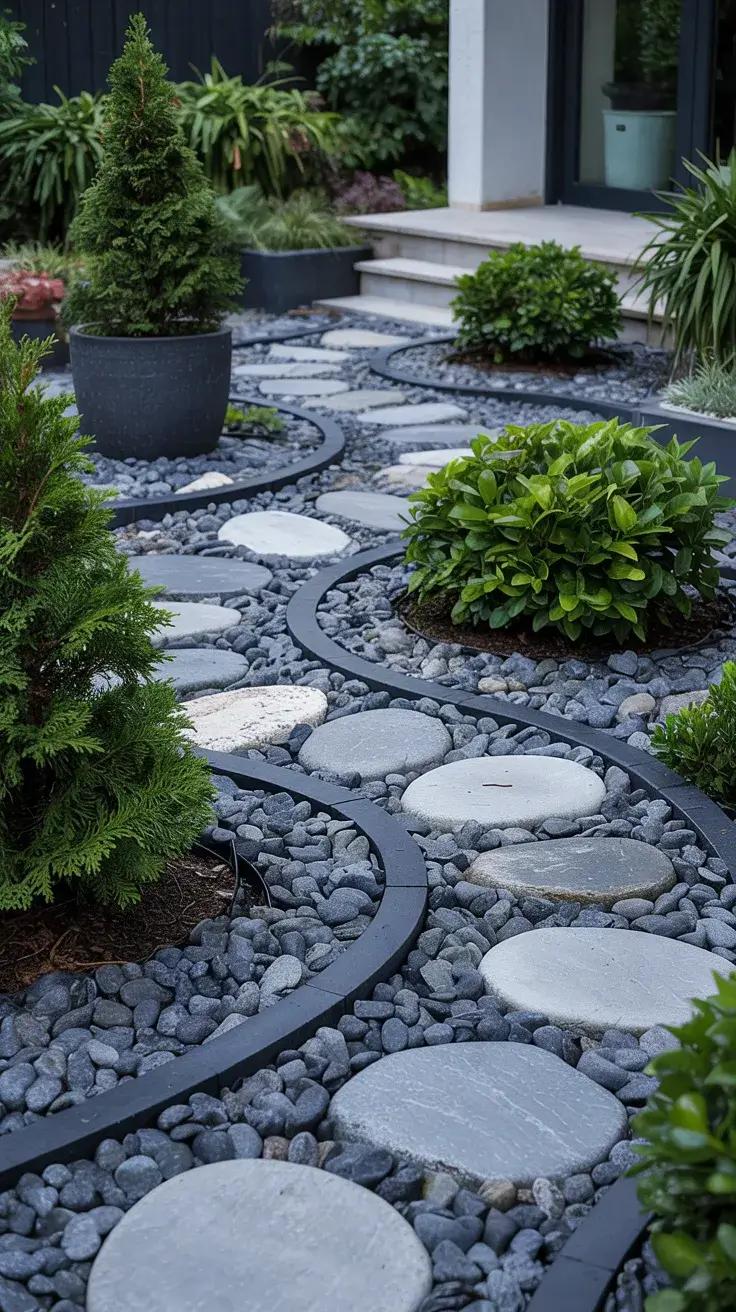
The items I include typically consist of gravel beds, hardy shrubs, potted evergreens, and slow-growing groundcovers. I also choose metal or composite edging, stone pathways, and automated lighting systems that require almost no upkeep. These features allow homeowners to enjoy visual appeal without seasonal overload.
From my experience, many clients appreciate the freedom that low maintenance design provides. Landscape professionals often recommend using xeric plants and evergreen structure to keep yards attractive year-round. I agree fully, having seen dramatic improvements in both function and appearance when busy homeowners transition to simplified landscapes.
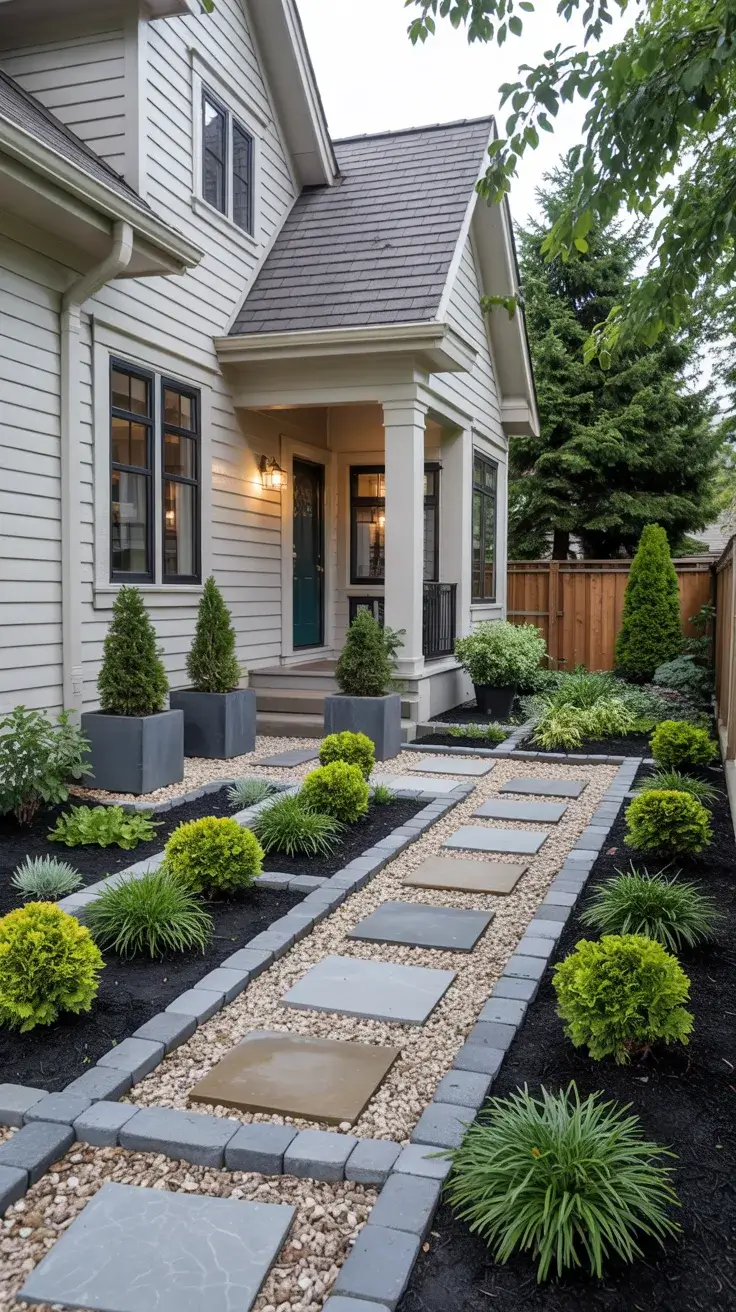
To further improve this concept, I would add modular seating or decorative boulders to enrich the design without adding tasks to the maintenance routine.
4. Smart Irrigation Solutions For 2026
I approach smart irrigation by designing systems that adjust watering schedules automatically based on climate conditions. In 2026, technology such as app-controlled drip lines and weather-responsive sprinkler systems has become a core component of efficient front yard landscaping. These systems allow me to optimize plant health while saving water.
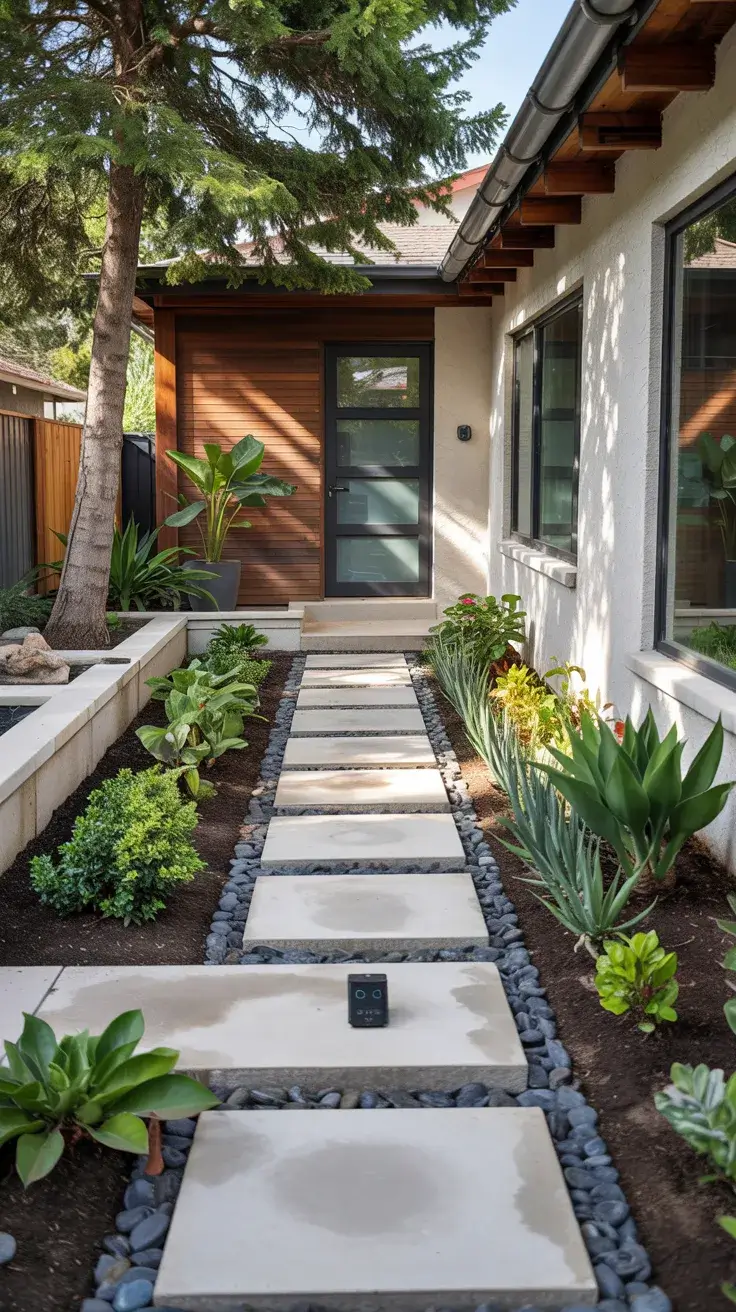
Each item I integrate serves a purpose: moisture sensors prevent over-watering, underground drip lines reduce evaporation, and smart controllers tailor watering to temperature and soil changes. I also design irrigation zones so that drought-tolerant plants receive less while moisture-loving plants get exactly what they need.
As someone who frequently revisits clients’ properties, I’ve witnessed the remarkable improvements that come from adopting smart irrigation. Experts at the EPA’s WaterSense program emphasize how dramatically water waste can be reduced with updated systems. My clients regularly see healthier plants and lower utility bills as a result.
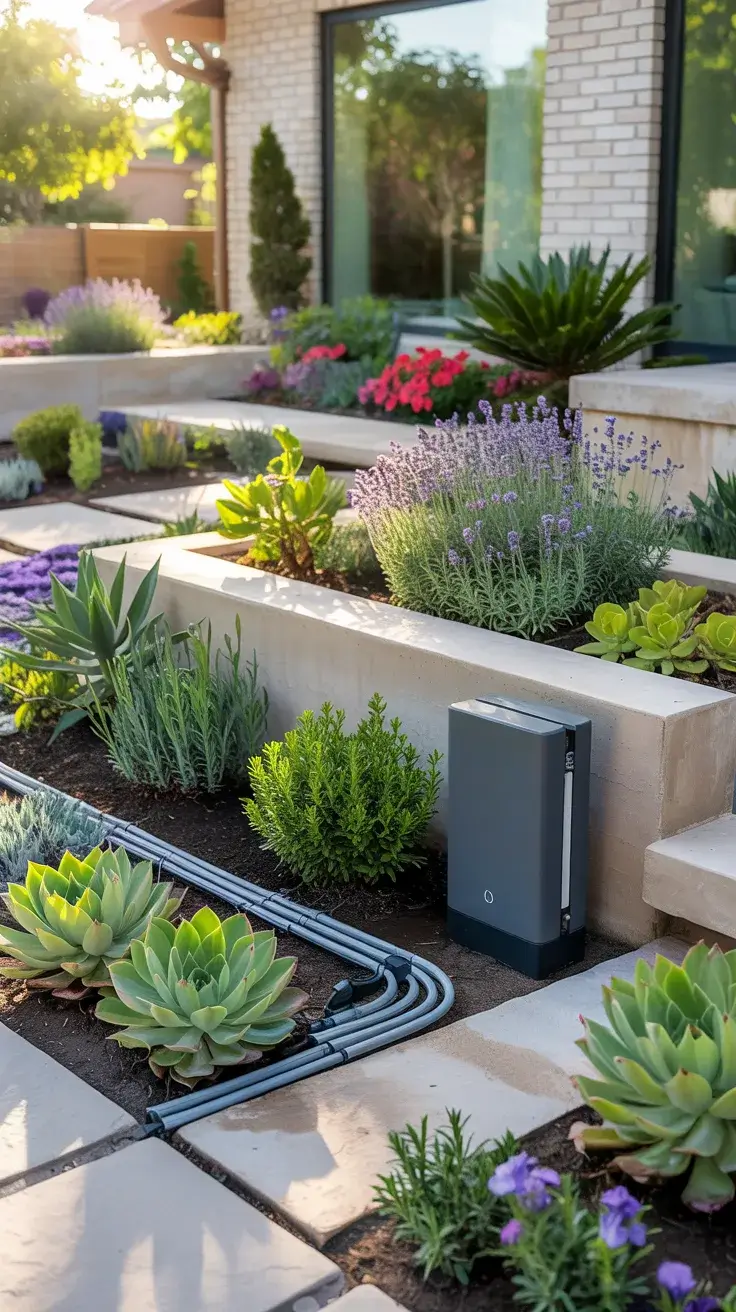
To complete this section, I would add a rainwater harvesting barrel or cistern to further enhance the system’s efficiency and sustainability.
5. Drought Tolerant Landscape Ideas
Drought tolerant design has become essential in 2026 as climate conditions continue to shift. When I plan these landscapes, I select resilient plants that maintain beauty with minimal watering. I often use gravel mulch, elevated beds, and sculptural desert-inspired arrangements to create a vibrant yet water-smart yard.
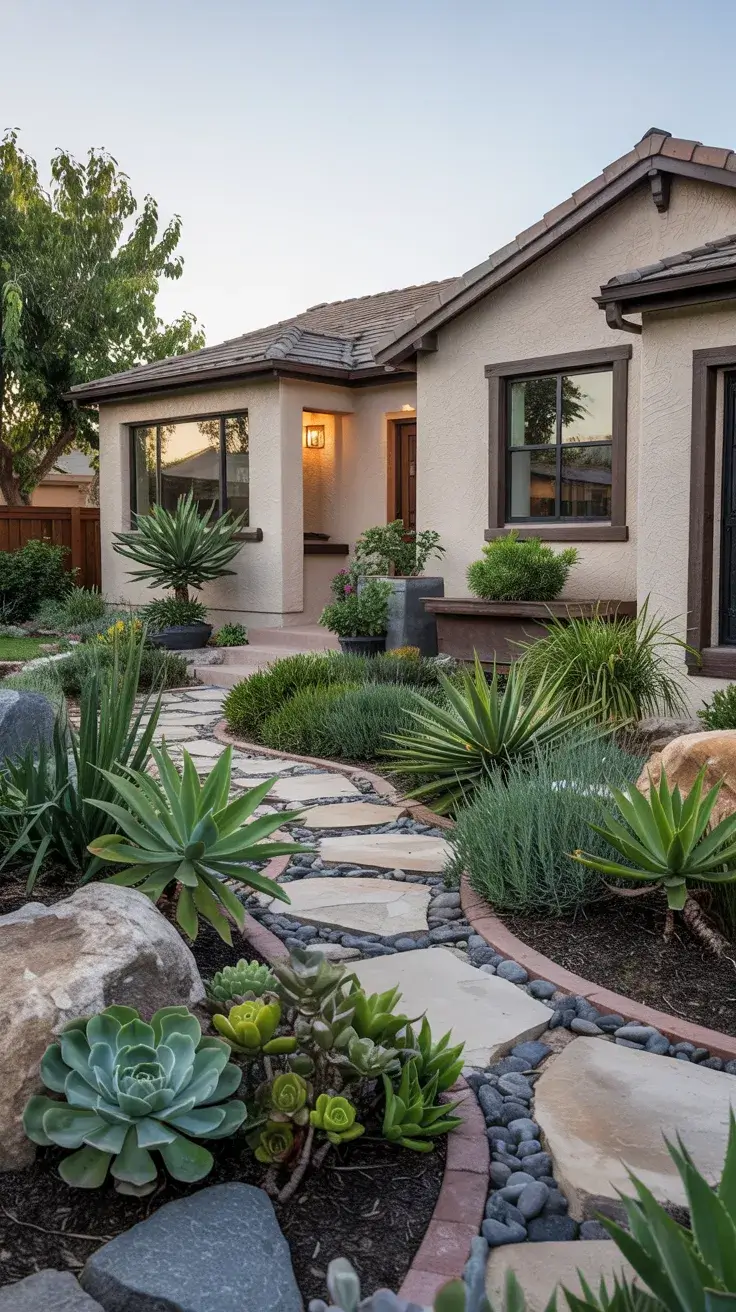
The elements I include usually feature succulents, ornamental grasses, lavender borders, and stone groupings. These components all work together to create texture and contrast while supporting low water consumption. I also incorporate permeable pathways that help retain moisture in surrounding soil.
Professionally, I’ve found that drought tolerant yards often surprise homeowners with their richness and depth. Designers from Architectural Digest have highlighted how Mediterranean and Southwestern influences continue gaining popularity due to both beauty and practicality. I’ve personally seen these landscapes thrive even during long hot seasons.
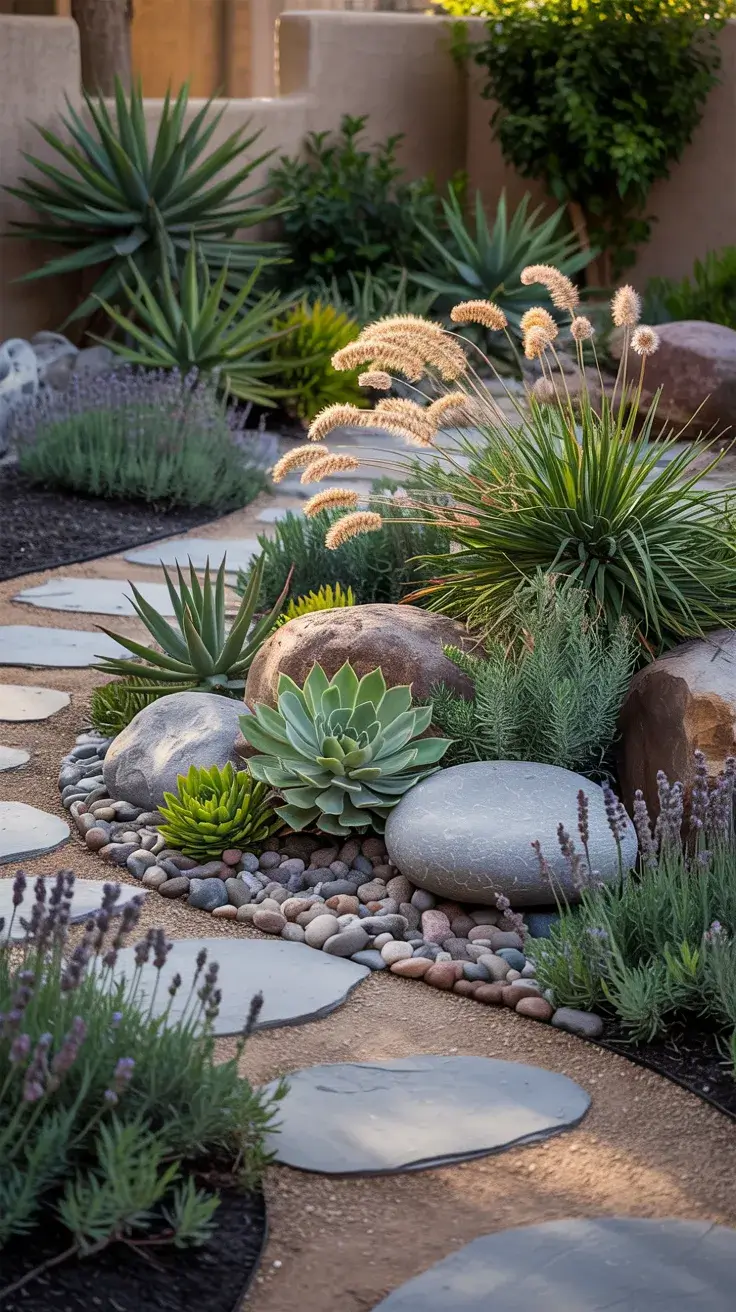
To improve this block, I would add solar-powered uplighting to accentuate sculptural plants and hardscape contours at dusk.
6. Sustainable Gravel And Stone Yard Designs
Sustainable gravel and stone yards allow me to design visually dynamic spaces with reduced water usage and exceptional durability. In 2026, these landscapes increasingly incorporate mixed stone textures, geometric pathways, and layered gravel beds to create dimension without high upkeep. This style is ideal for homeowners wanting a modern and eco-friendly yard.
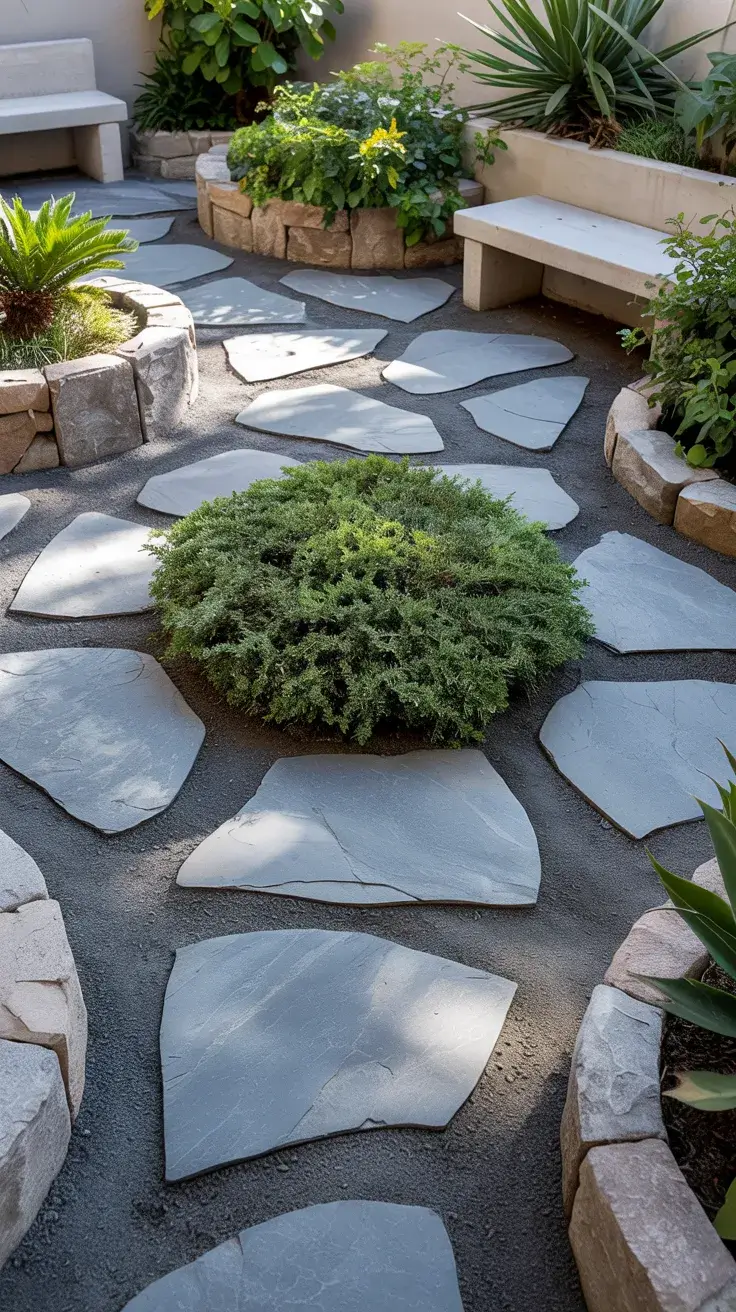
When choosing materials, I combine river rock, decomposed granite, slate pavers, and contrasting gravel colors. I add raised planters, desert shrubs, and metal edging to give structure and balance. Furniture pieces like concrete benches or powder-coated steel planters complement the hardness of the materials and make the yard feel curated.
In my experience, this approach is both artistic and sustainable. Experts at Sunset Magazine recommend gravel and stone landscapes for their longevity and adaptability in dry climates. Many of my clients appreciate how these yards remain attractive year-round regardless of rainfall.
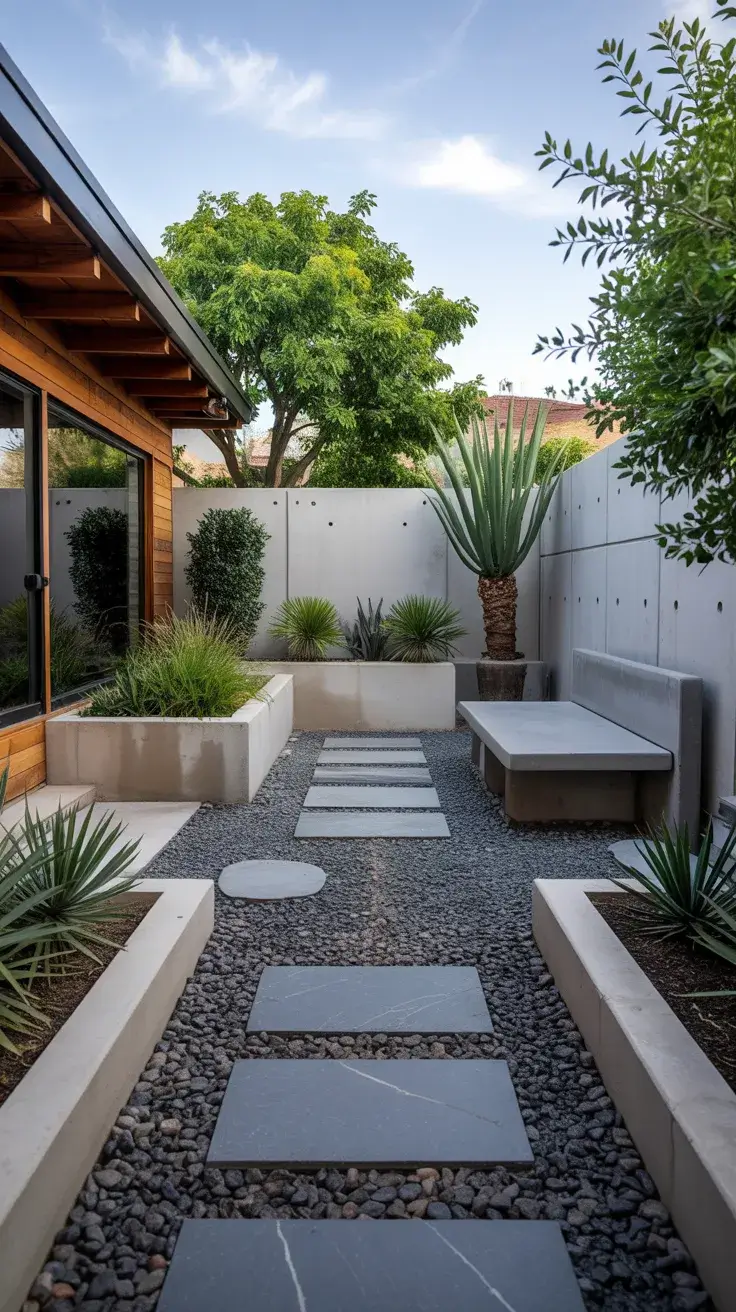
To complete this design, I would incorporate a stone water bowl or birdbath to add a subtle organic counterpoint to the harder textures.
7. Front Yard Pollinator Garden Ideas
Designing pollinator gardens allows me to create front yards that are both beautiful and ecologically beneficial. In 2026, these gardens rely on layered plantings that bloom throughout the seasons to attract bees, butterflies, and hummingbirds. I start by selecting nectar-rich flowers, flowering shrubs, and herbs that thrive in full sun.
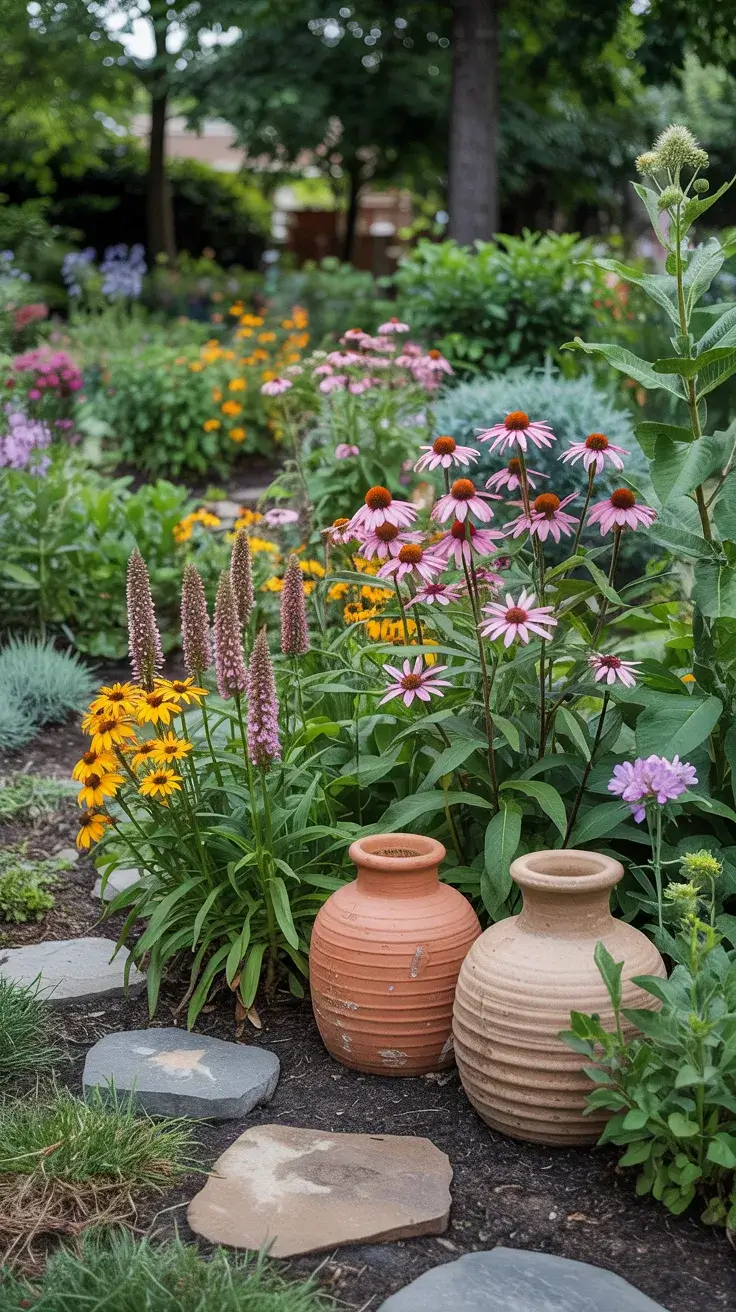
I arrange cone flowers, milkweed, bee balm, sage, and butterfly bushes in drifts to guide pollinators naturally across the yard. Stone paths, clay pots, and rustic edging complete the space while maintaining an inviting appearance. I may also add shallow water dishes or small rock features that provide resting areas for pollinators.
From my experience, pollinator gardens energize a front yard like few other designs. Organizations like the Xerces Society consistently recommend diverse native plantings to support struggling pollinator populations. I’ve watched these gardens transform the rhythm of a yard, bringing movement and life throughout the day.
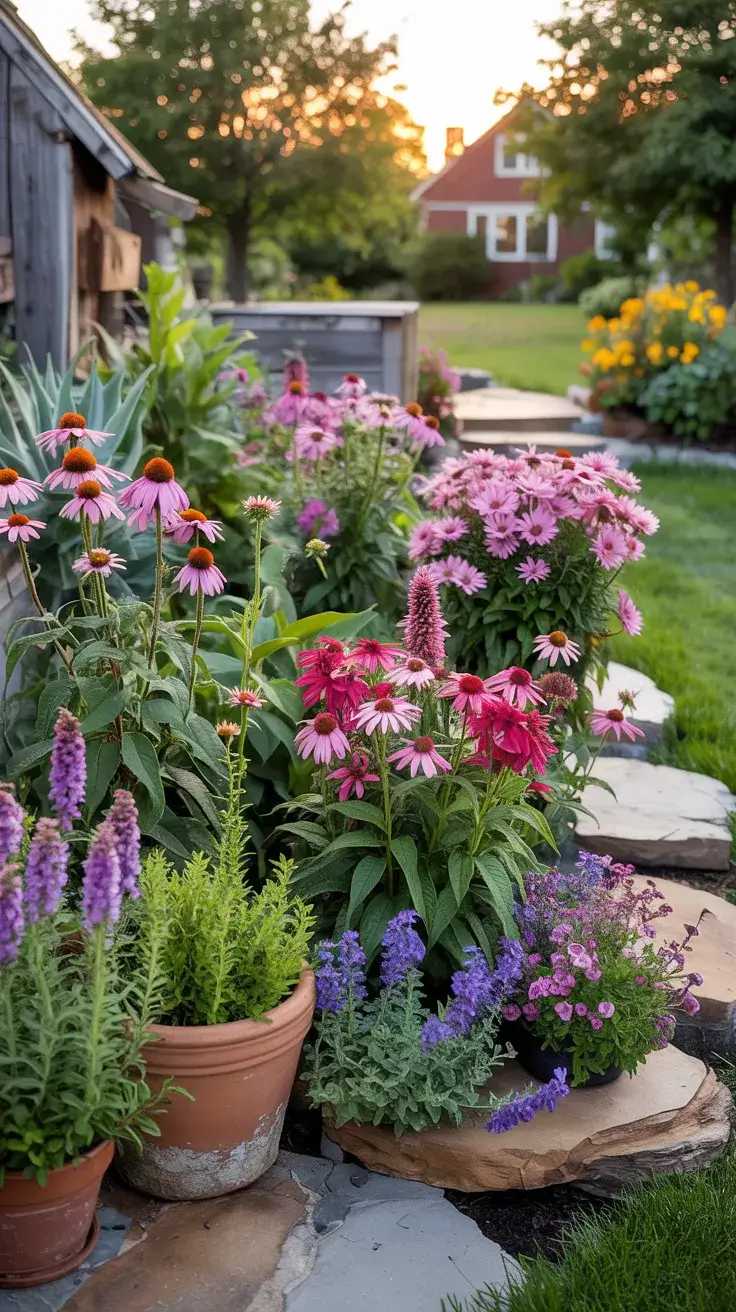
To enhance this section, I would include a low wooden trellis or archway covered with climbing vines to add height and visual interest.
8. Climate Resilient Planting Strategies
When planning climate resilient planting strategies, I focus on species that can adapt to unpredictable temperatures, inconsistent rainfall, and harsher seasonal transitions. In 2026, this approach has become essential for maintaining healthy front yards long-term. I prioritize plants with deep root systems, high drought tolerance, and the ability to recover quickly from stress. This ensures the landscape remains attractive even during extreme weather.
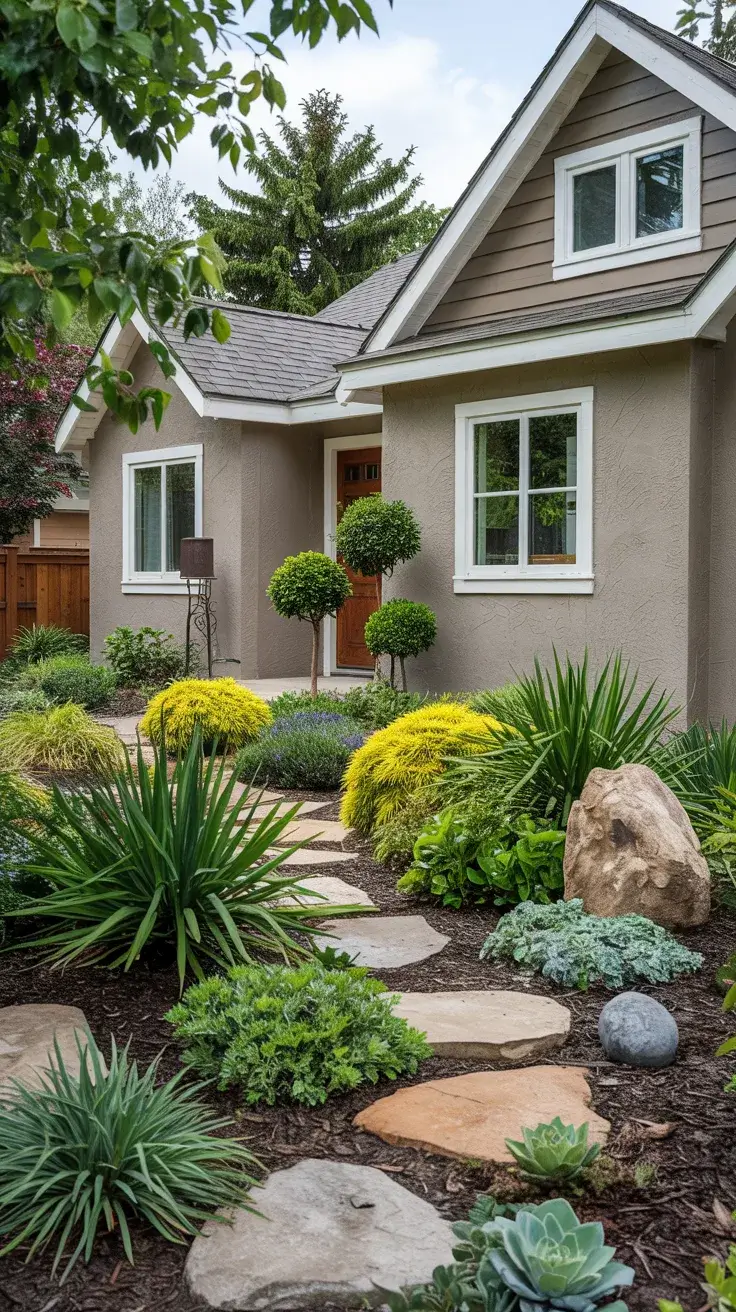
The elements I include usually consist of resilient shrubs like rosemary and dwarf yaupon holly, heat-adapted perennials, and ornamental grasses that thrive in fluctuating conditions. I often pair these with organic mulch layers, permeable soil mixes, and strategic placement based on sun exposure. Each plant is chosen not only for resilience but also for its ability to contribute visually to the overall design.
In my experience, climate conscious landscaping helps homeowners avoid costly replacements and maintenance headaches. Experts from horticultural programs in California and Arizona frequently emphasize the importance of choosing climate-adapted species now rather than later. I’ve seen yards remain lush and vibrant even in difficult seasons because these principles were applied from the start.
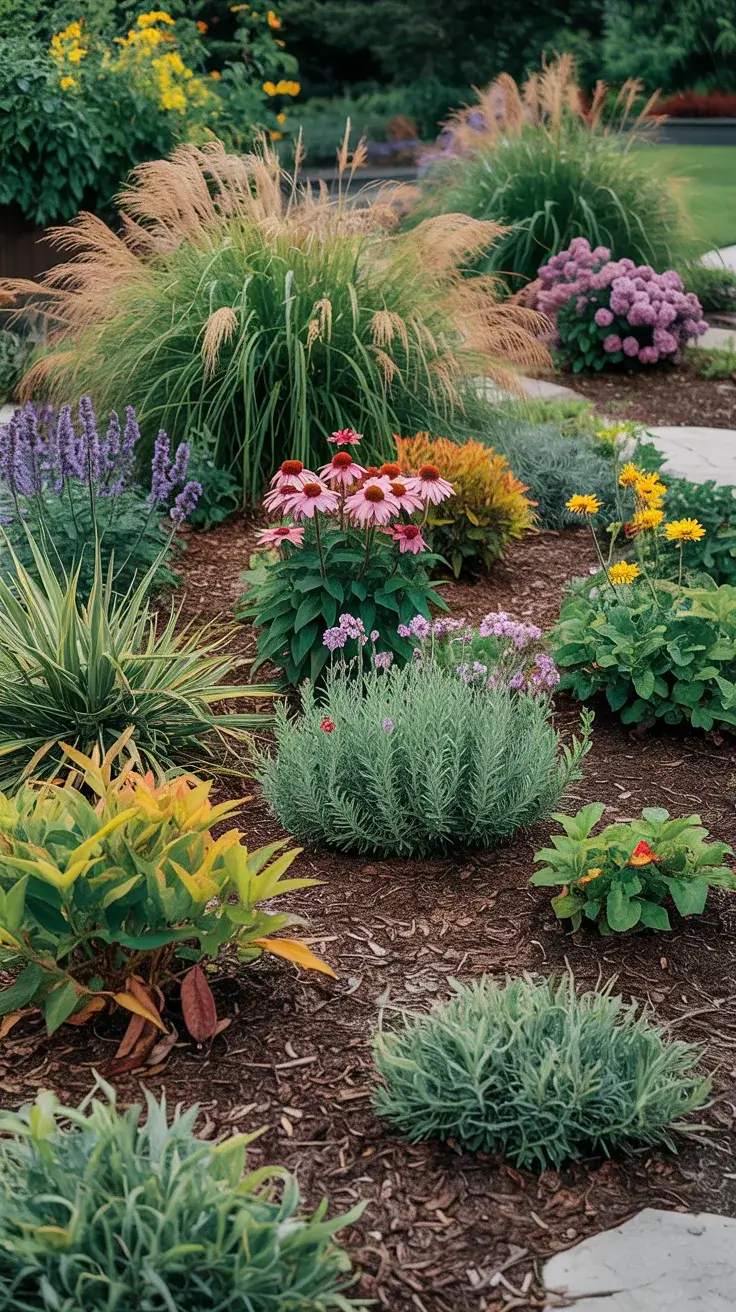
To further strengthen this section, I would add a few evergreen species for winter stability and ensure a mix of textures to prevent the design from feeling too utilitarian.
9. Contemporary Front Walkway Ideas
Designing contemporary walkways gives me the opportunity to create a welcoming and stylish entry that enhances the entire front yard. In 2026, modern walkways incorporate geometric patterns, mixed materials, and subtle lighting. I often design paths that gently guide visitors toward the home while blending seamlessly with surrounding landscaping.
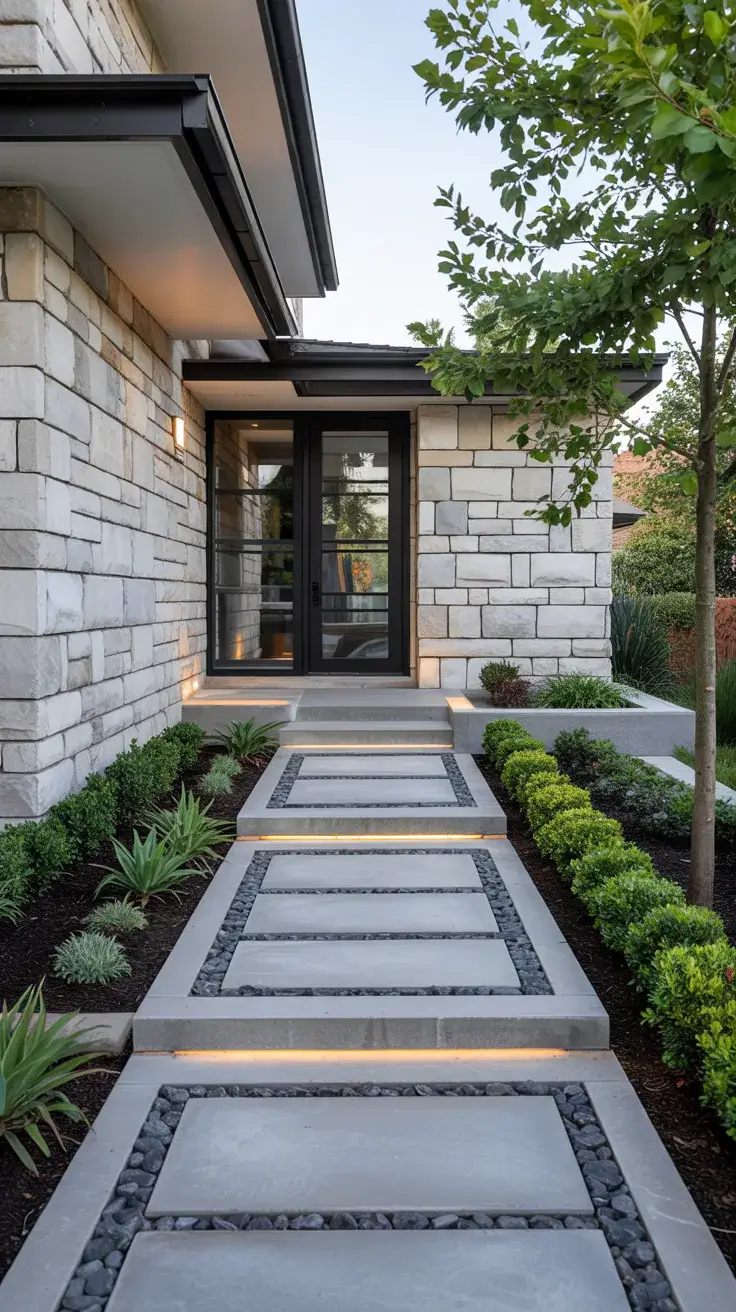
The materials I choose may include porcelain pavers, modular concrete slabs, gravel inlays, and natural stone borders. I also integrate LED step lighting, minimalist railings, or sculptural edges to elevate the design. Every component is selected for both visual appeal and practical functionality, ensuring the walkway feels safe and cohesive.
From my experience, a well-designed walkway significantly improves curb appeal and sets the tone for the rest of the property. Publications like Architectural Digest often highlight how the path to the front door acts as a visual introduction to the home. I’ve seen even modest properties feel more upscale after updating the walkway with contemporary solutions.
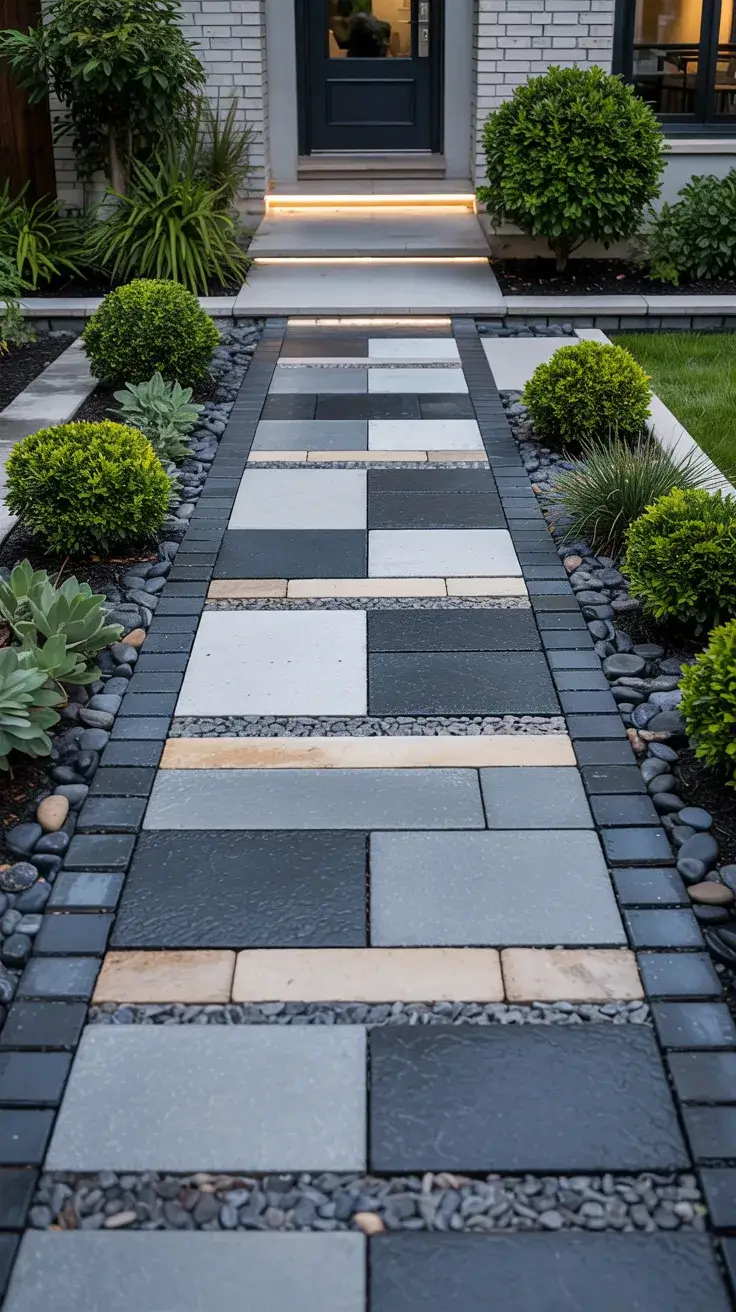
To enhance this section, I would consider adding a few planted pockets alongside the path, filled with low shrubs or seasonal blooms to soften the geometry.
10. Front Yard Lighting Trends For 2026
Front yard lighting trends in 2026 focus on subtle illumination that enhances architectural features and landscaping without overwhelming the space. I like to design layered lighting plans that include pathway lights, uplighting for trees, and integrated fixtures around steps or borders. This creates a warm, cohesive atmosphere in the evening hours.
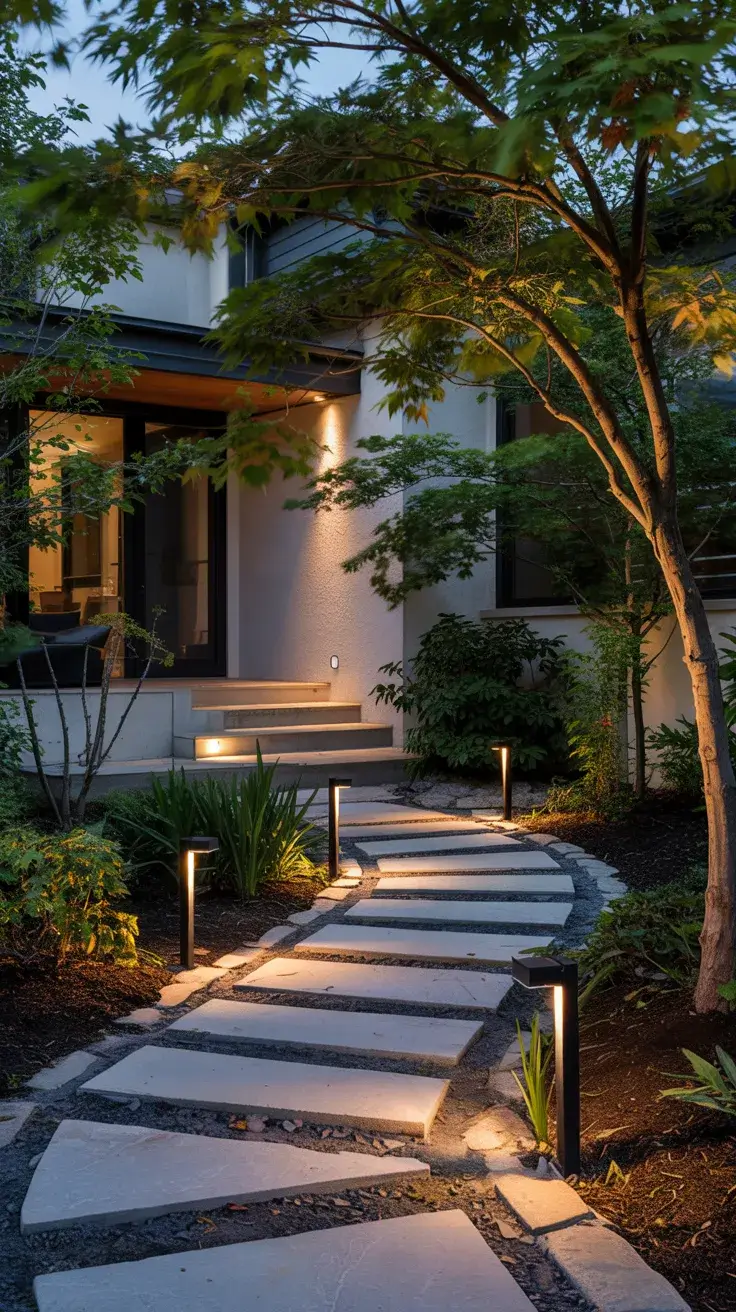
The components I select include solar-powered fixtures, low-voltage LED lights, slim bollards, and recessed step lighting. These choices support energy efficiency while delivering modern aesthetics. I also use dimmable systems to adjust brightness, allowing the yard to look inviting without unnecessary glare.
From my professional perspective, lighting is one of the most transformative elements in front yard design. Outdoor Living Magazine has repeatedly emphasized how thoughtful illumination improves safety, curb appeal, and night-time enjoyment. I’ve watched clients fall in love with their homes all over again once proper lighting is installed.
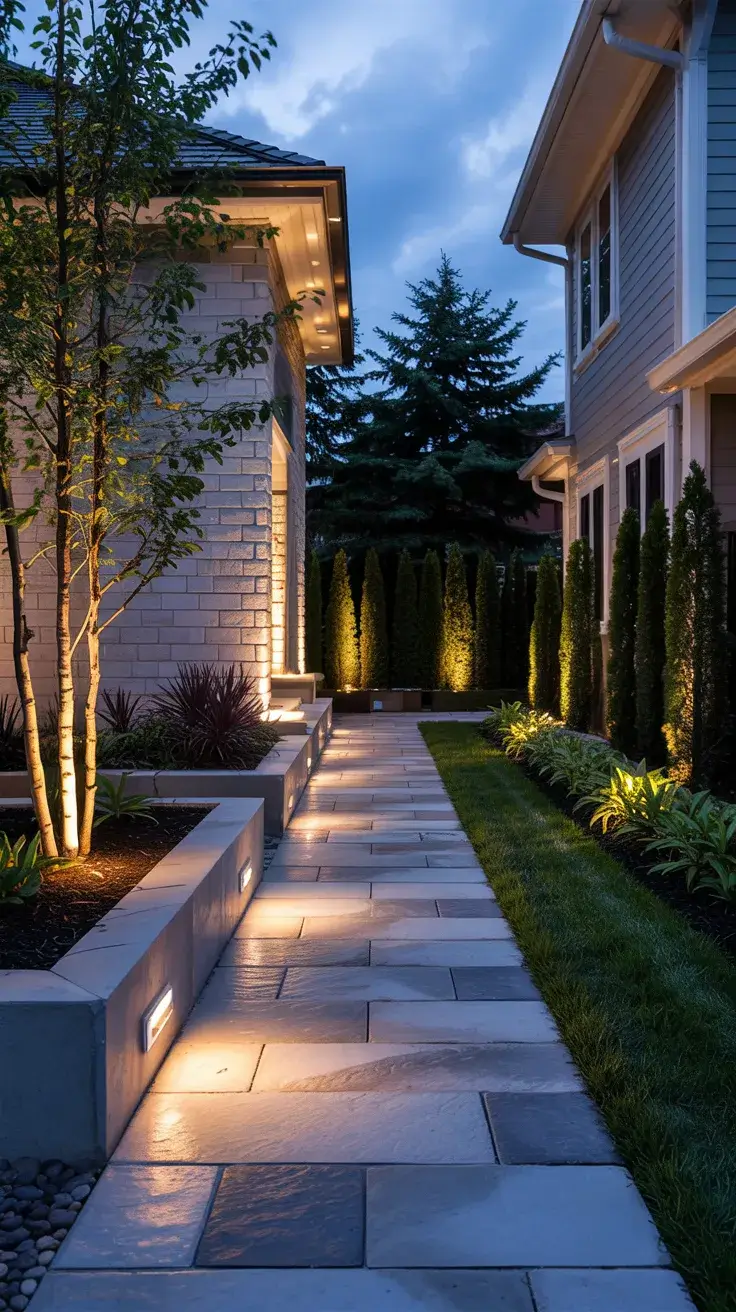
To improve this section even further, I would add accent lighting for key plants or water features, making the landscape feel dynamic and layered after sunset.
11. Vertical Gardening For Small Front Yards
Vertical gardening allows me to maximize greenery in compact front yards while keeping the space open and organized. In 2026, this trend continues to rise as homeowners seek creative ways to add lushness without overwhelming limited outdoor areas. I often use living walls, narrow trellises, or stackable planters to introduce texture and height.
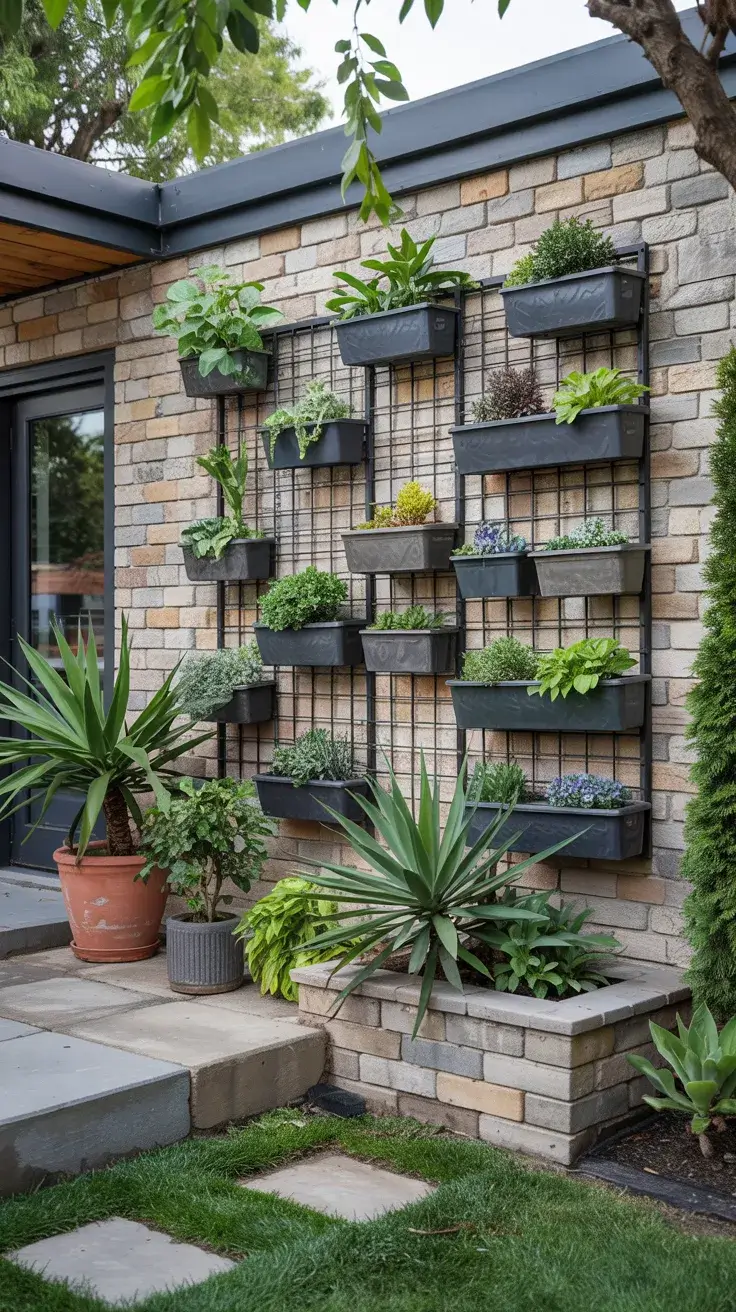
The items I include range from modular wall planters and vertical herb towers to slim climbing frames adorned with vines. I choose materials like powder-coated steel, cedar, or modern composite panels because they’re durable and visually clean. These structures hold lightweight plants such as ferns, trailing succulents, compact grasses, or annual flowers that provide bursts of color.
In my own projects, vertical elements instantly elevate small yards, giving them depth and personality. Design professionals from Better Homes & Gardens frequently highlight vertical gardening as one of the smartest solutions for urban homes. I’ve seen these additions help homeowners enjoy greenery even when space is extremely limited.
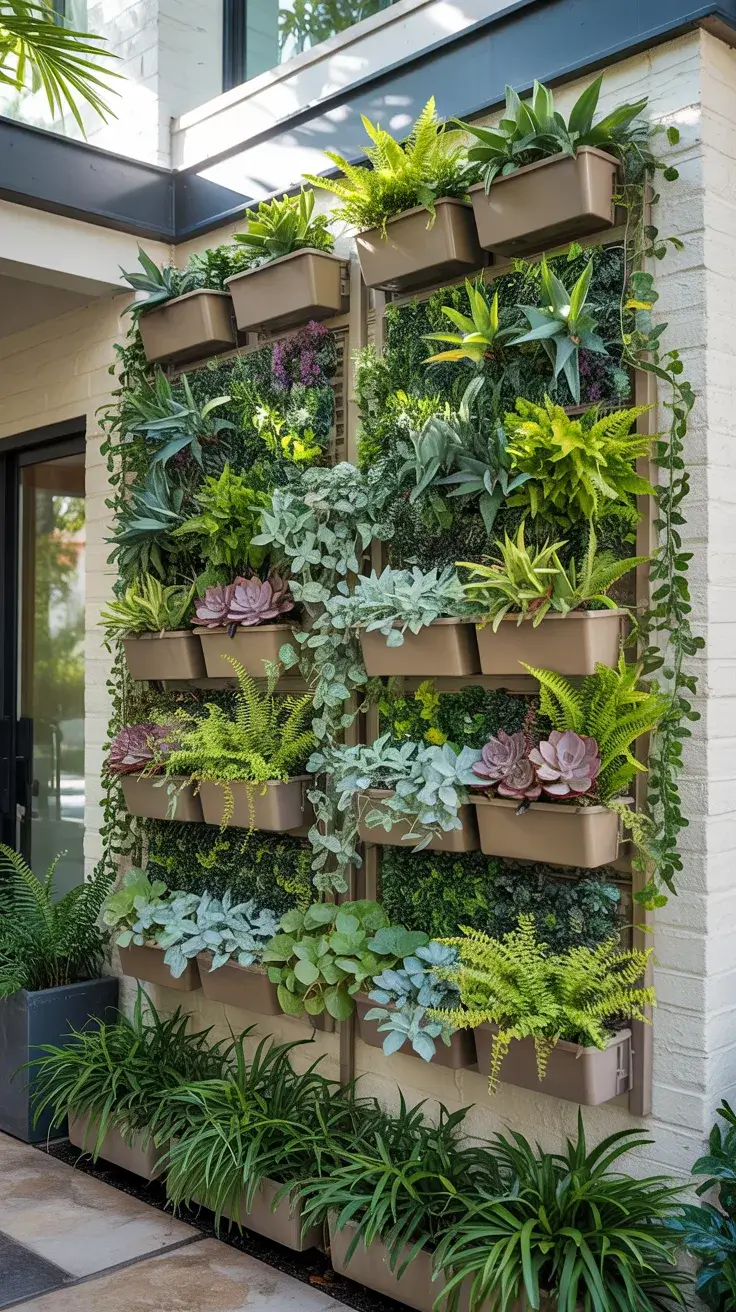
To complete this section, I would add a drip irrigation line attached to the vertical unit to ensure consistent watering without oversaturating the lower levels.
12. Front Porch Landscaping Inspiration
When designing front porch landscaping, I focus on creating harmony between the home’s architecture and the natural elements leading up to the entrance. In 2026, this means softer plant lines, curated pots, and a mix of decorative textures. I aim to frame the porch so it feels like a transition zone between indoors and outdoors.
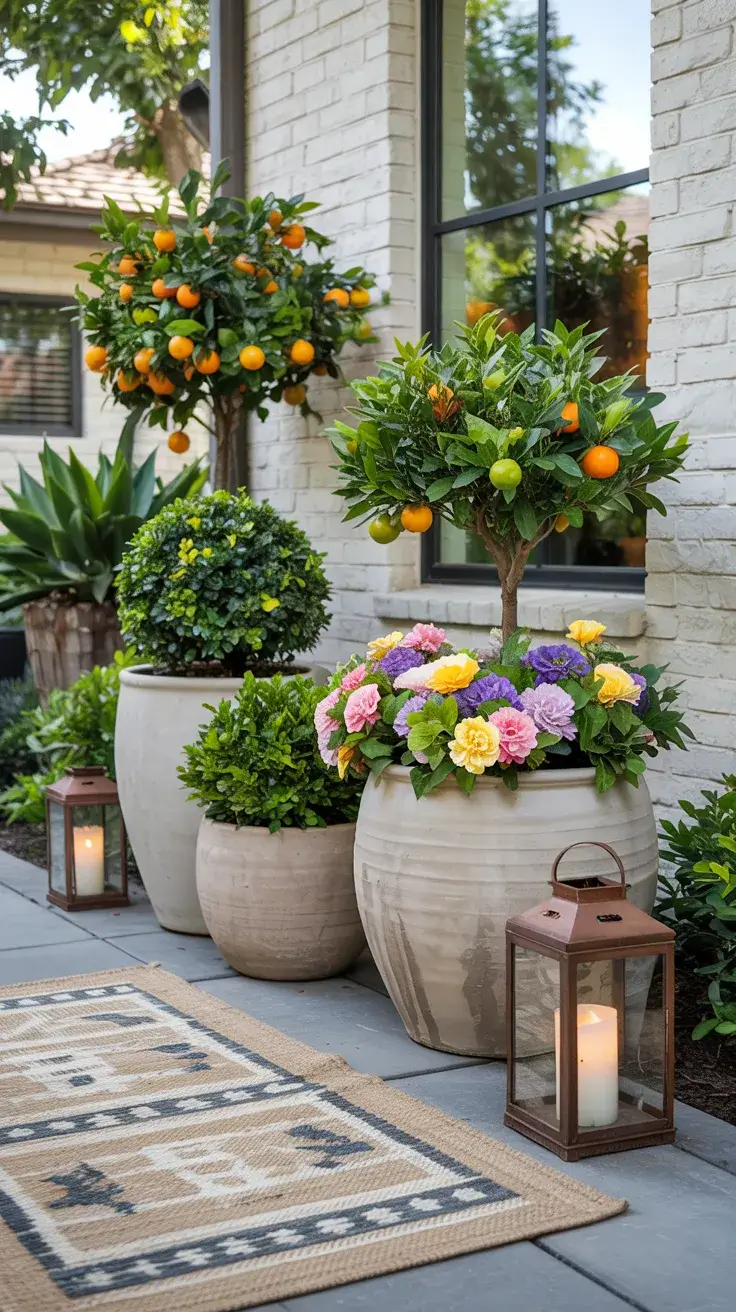
I typically include oversized ceramic planters, layered flowers, compact shrubs, porch-friendly trees like dwarf citrus, and woven baskets filled with seasonal plants. Furniture additions may include a minimalist bench, lantern-style outdoor lights, and textured outdoor rugs to add warmth. Each element must complement both the porch size and the overall design style of the home.
From my experience, front porch landscaping plays a major role in how welcoming a home feels. Well-known designers such as Shea McGee often stress how layering planters and adding structured greenery transforms even small porches into inviting spaces. I’ve seen homeowners instantly increase curb appeal simply by refreshing their porch landscape.
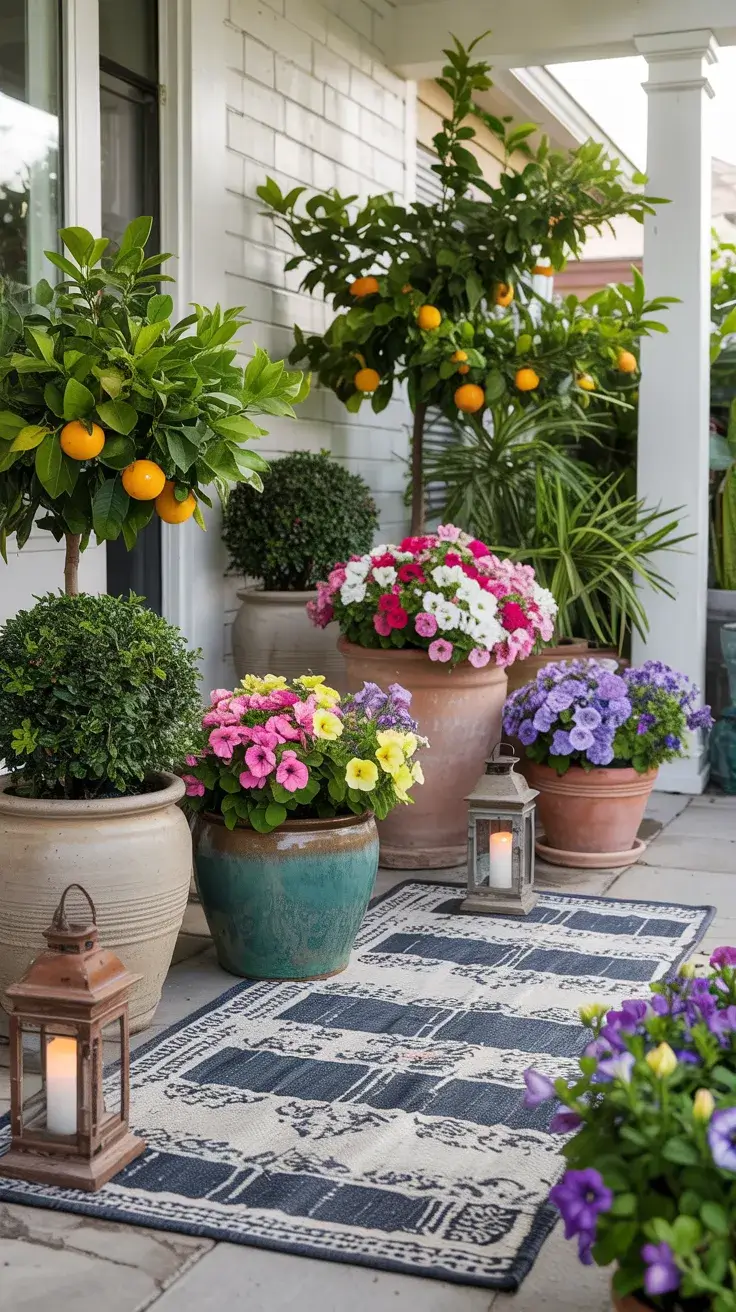
To enhance this section further, I would add hanging planters or sconces that balance the vertical space around the entry.
13. Color Rich Seasonal Plant Combinations
When designing color rich seasonal plantings, I strive for combinations that shift beautifully throughout the year. In 2026, vibrant, layered schemes are particularly sought after. I plan combinations that maintain interest across spring blooms, summer growth, fall tones, and winter structure, ensuring the front yard feels dynamic year-round.
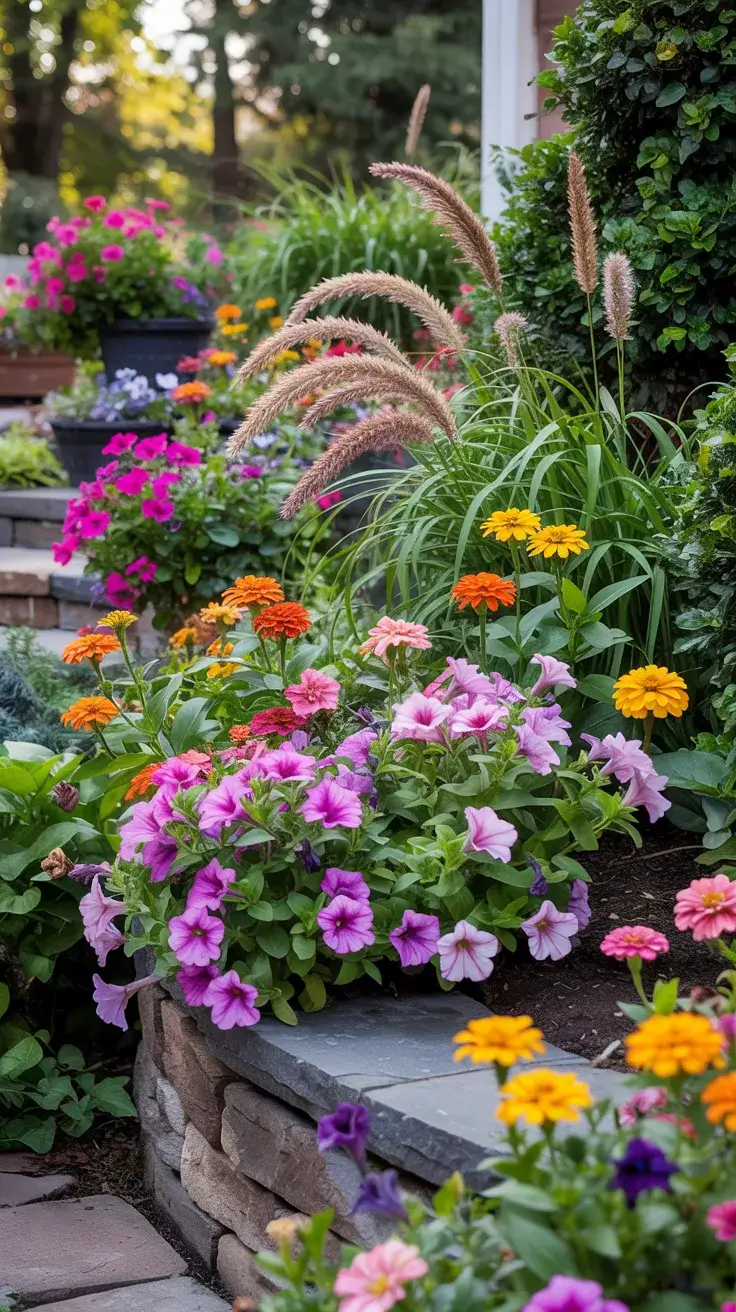
The components usually include annuals for bright color, perennials for continuity, flowering shrubs for structure, and ornamental grasses for movement. I mix colors intentionally—contrasting purples with yellows, pairing deep greens with pastel blooms, or adding red foliage for boldness. Each grouping is arranged to ensure balanced height, texture, and repetition.
From my experience, homeowners love the sense of seasonality this strategy brings. Garden experts at the University of Georgia’s horticulture department note that intentionally layered plant combinations maintain appeal throughout the year without constant replanting. I’ve found that even small front yards benefit greatly from carefully planned color transitions.
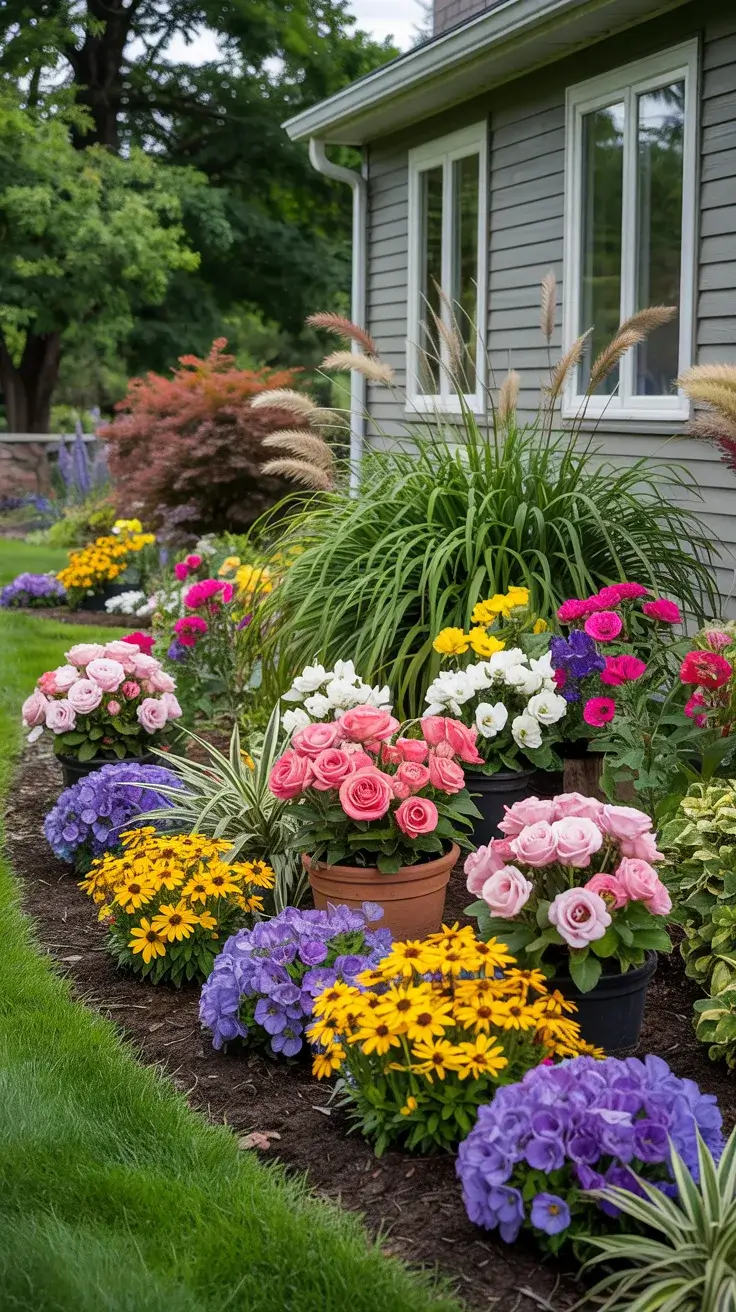
To round out this section, I would add a few evergreen varieties to ensure the design retains structure during winter months.
14. Edible Landscaping For Front Yards
Edible landscaping blends beauty with practicality, letting homeowners enjoy fresh produce right from their front yards. In 2026, this trend has grown rapidly as more people seek sustainable ways to integrate food production into residential spaces. I design these yards to look polished and ornamental, not like traditional vegetable gardens.
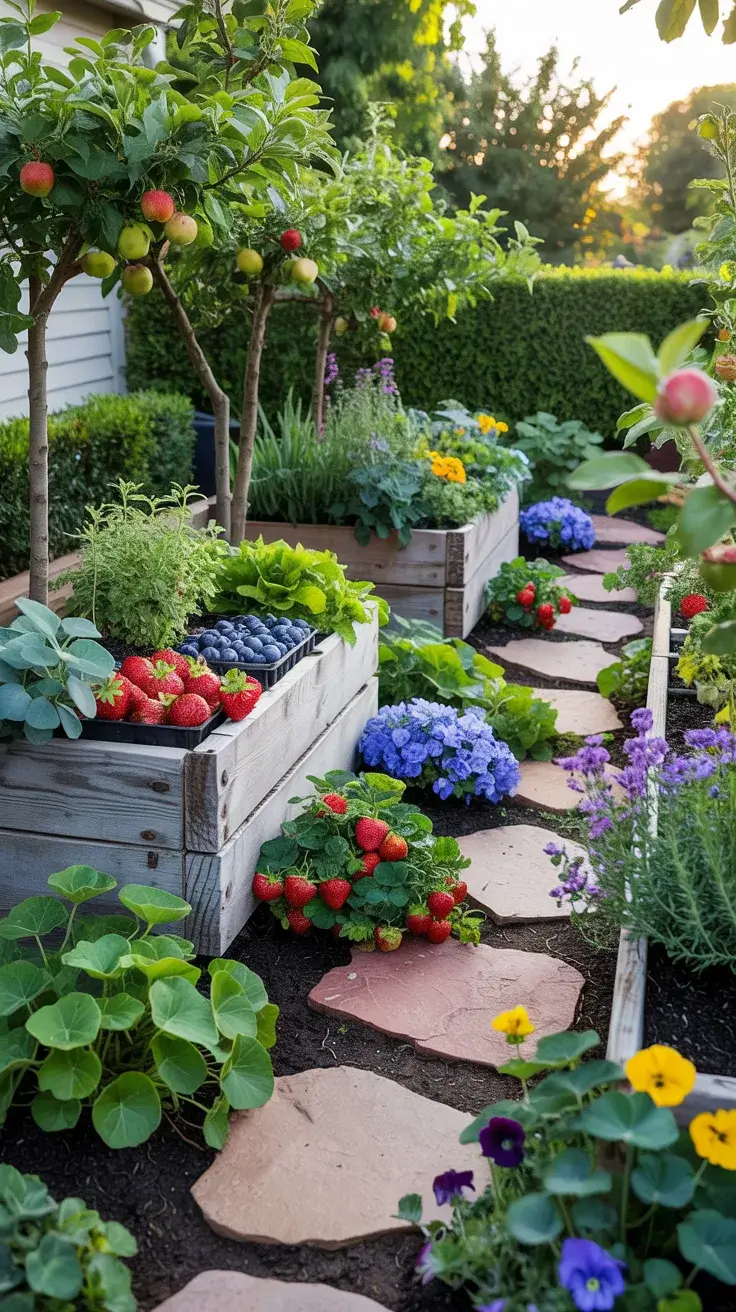
I often include raised beds, berry bushes, fruit trees like dwarf apples or figs, and herbs arranged in decorative clusters. I also combine edible flowers such as nasturtiums or calendula to add brightness. The key is to integrate these elements seamlessly with shrubs, ornamental grasses, and structured pathways so the yard remains elegant.
Professionally, I’ve seen edible landscapes transform homeowners’ lifestyles. Publications like Modern Farmer encourage blending edible plants with ornamental design for healthier living and increased biodiversity. My clients often tell me how rewarding it feels to harvest food the moment they arrive home.
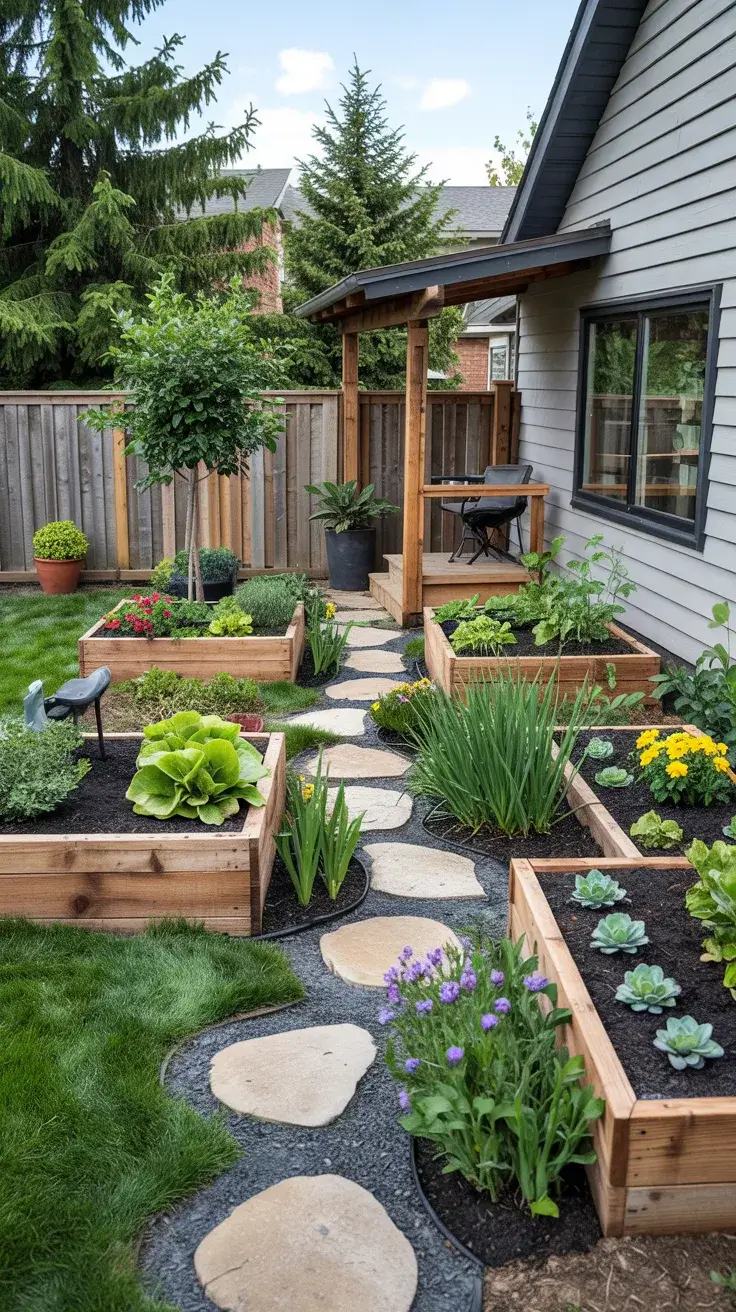
To enhance this section, I would add irrigation lines dedicated to raised beds to ensure consistent moisture for produce-heavy plants.
15. Water Feature Trends For Modern Yards
I’ve noticed that modern front yards in 2026 prioritize sleek water features that work as calming visual anchors. When I design spaces like this, I focus on low-profile fountains or reflective pools that complement minimalist architecture rather than distract from it. These elements create movement and sound, making the yard feel more inviting and helping define pathways or entry points.
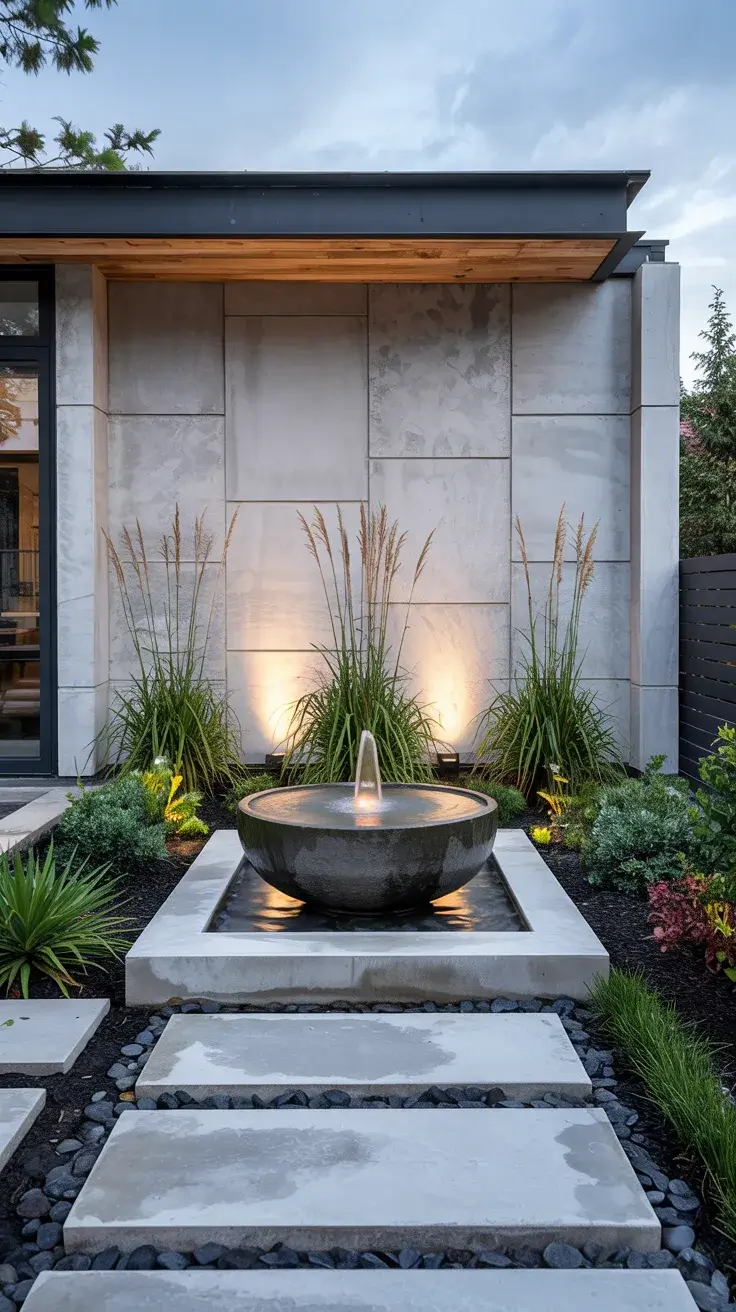
In terms of components, I tend to choose matte concrete basins, geometric fountains, or narrow cascading walls. These pieces harmonize well with gravel beds, tall grasses, and LED uplighting. I include these features because they elevate even small yards, add dimension, and introduce a natural element to balance hardscapes.
From my experience, designers interviewed by Architectural Digest often recommend incorporating sustainable recirculating systems to reduce water waste, and I fully agree. In many projects, I’ve seen these systems make long-term care easier and more budget-friendly.
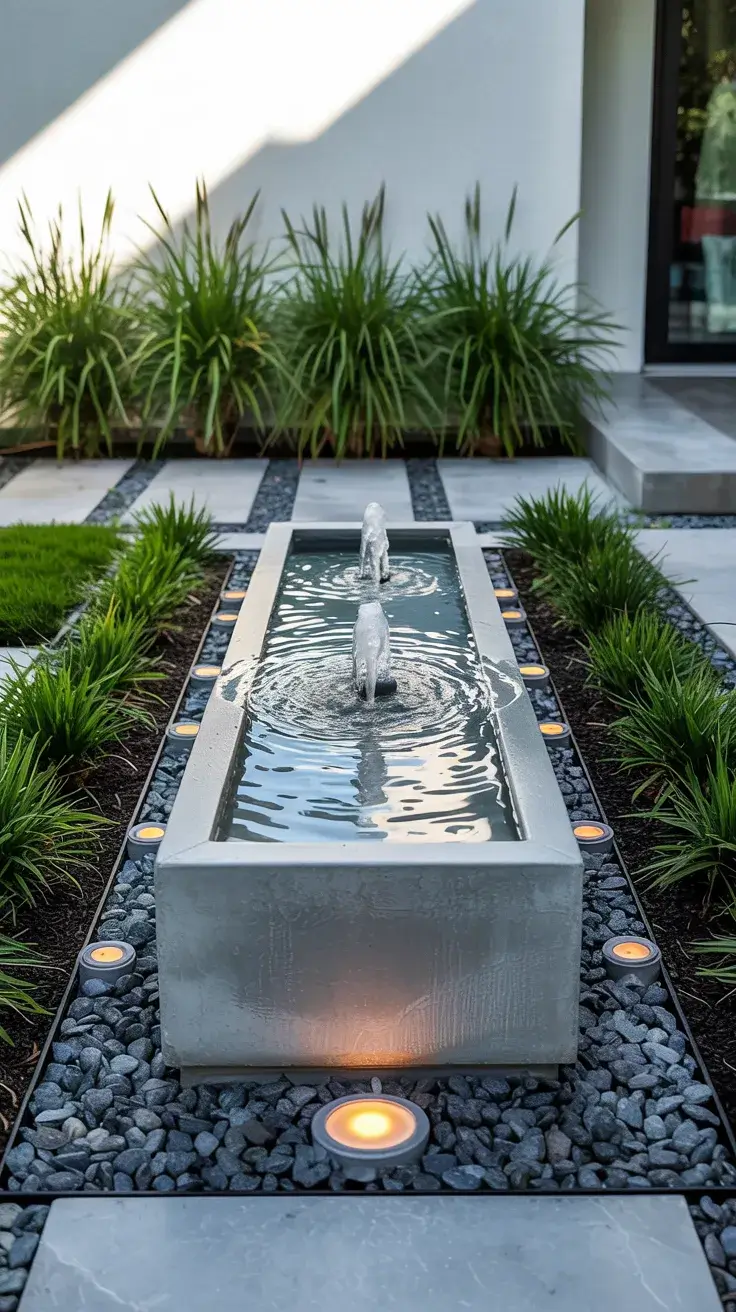
Before finalizing this type of design, I always assess whether accent lighting or extra plant groupings might be needed to highlight the water feature at night and deepen the visual impact.
16. Naturalistic Landscaping With Wild Grasses
When I create naturalistic landscapes, I focus on flowing textures and soft shapes that mimic untouched meadows. This approach has become one of the strongest front yard landscaping ideas 2026, especially for homeowners seeking low-maintenance beauty. Wild grasses blend seamlessly into both contemporary and rustic home styles and create an organic, serene environment.
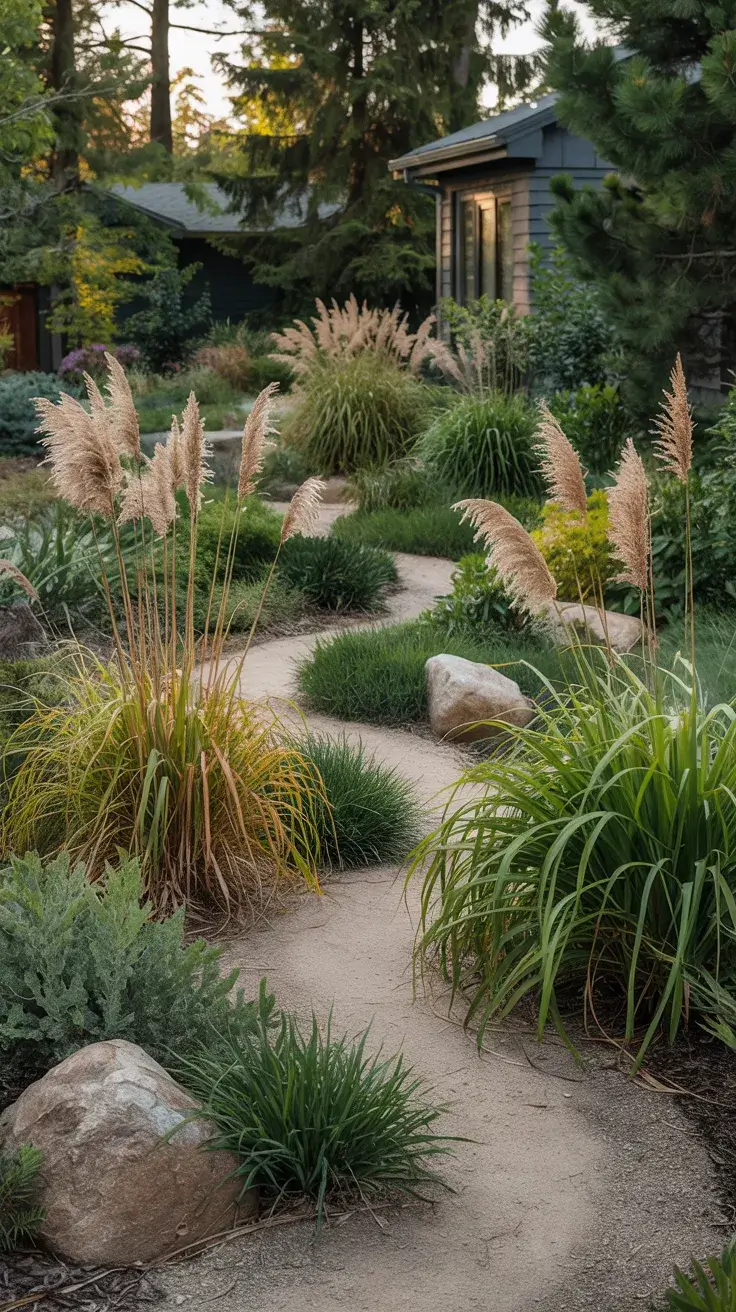
I usually work with species like switchgrass, feather reed grass, and little bluestem. Their varied height and movement provide depth, while gravel or mulch paths help create structure. I add boulders or weathered stone edging to give balance and prevent the design from feeling too free-form.
Professionally, I’ve found inspiration in the work of renowned landscape designer Piet Oudolf, who favors plantings that look beautiful year-round. His advice to “design with the plant’s full life cycle in mind” has shaped how I approach these naturalistic yards.
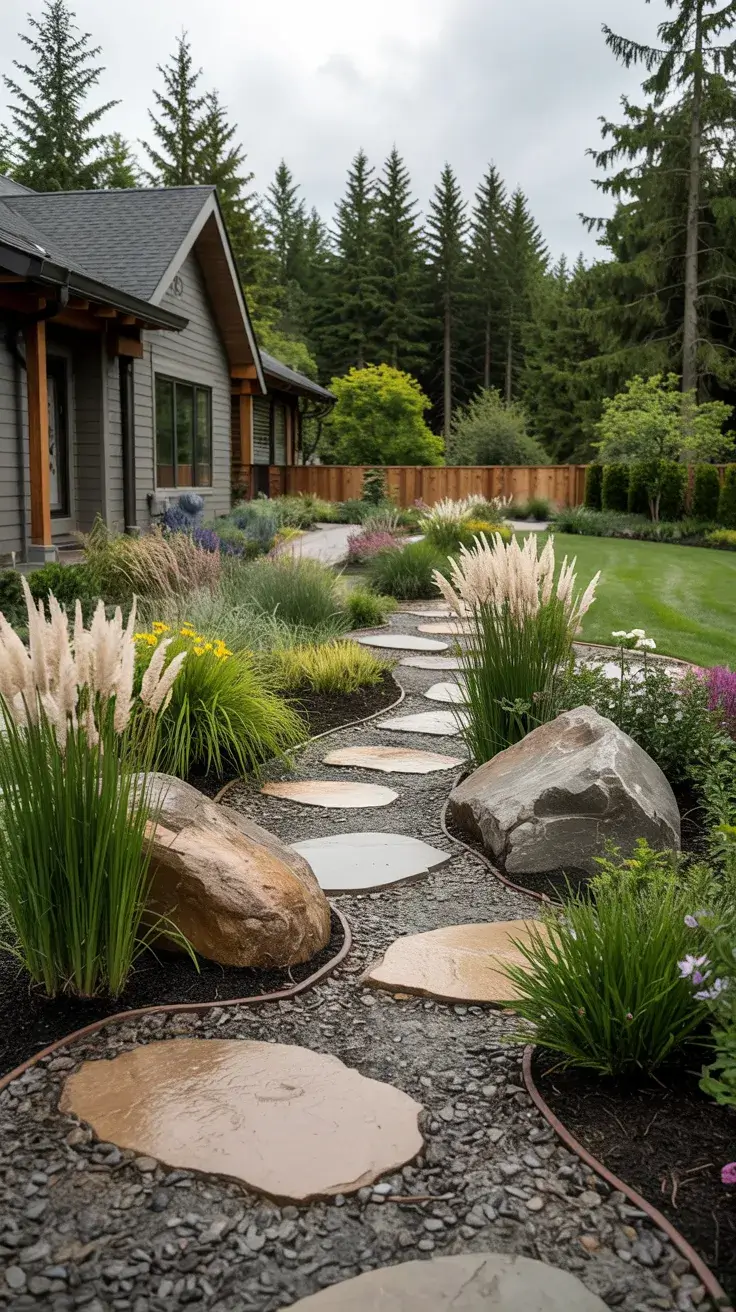
In some cases, I add small flowering perennials or low-lying shrubs to ensure seasonal color without detracting from the calm, wild aesthetic.
17. Front Yard Privacy Landscaping Ideas
When homeowners want privacy without installing a tall fence, I design layered landscaping that screens views while still feeling open and stylish. In 2026, privacy solutions are leaning toward natural, plant-based barriers that improve aesthetics rather than conceal the yard abruptly.
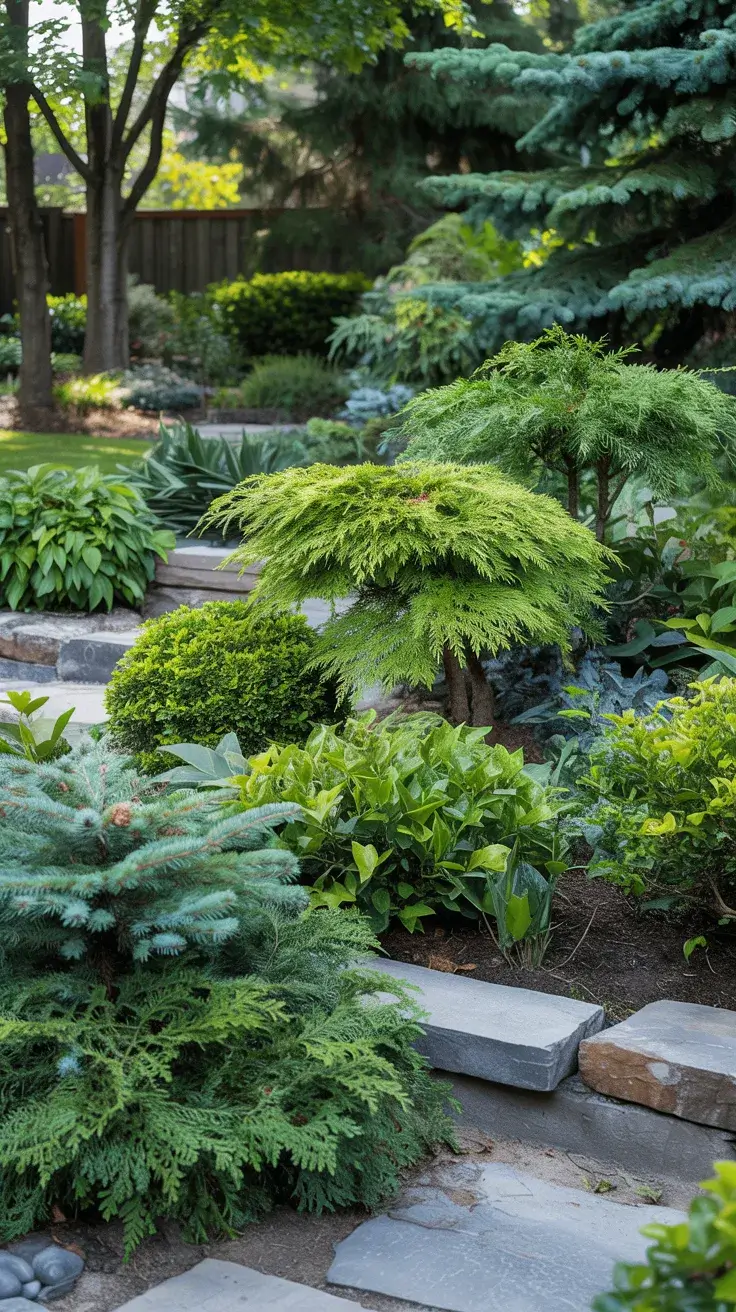
I rely on evergreen shrubs, ornamental trees like Japanese maples, and hedges trimmed into soft forms. These elements frame the entryway and create subtle separation from the street or neighbors. I often pair them with stone borders or planter walls that provide structure and height variation.
In practice, I’ve learned that privacy landscaping performs best when airflow and light are preserved. Experts from Better Homes & Gardens often note the importance of choosing plant varieties suited to the home’s climate zone to ensure long-term success. I follow this approach consistently because it minimizes future maintenance issues.
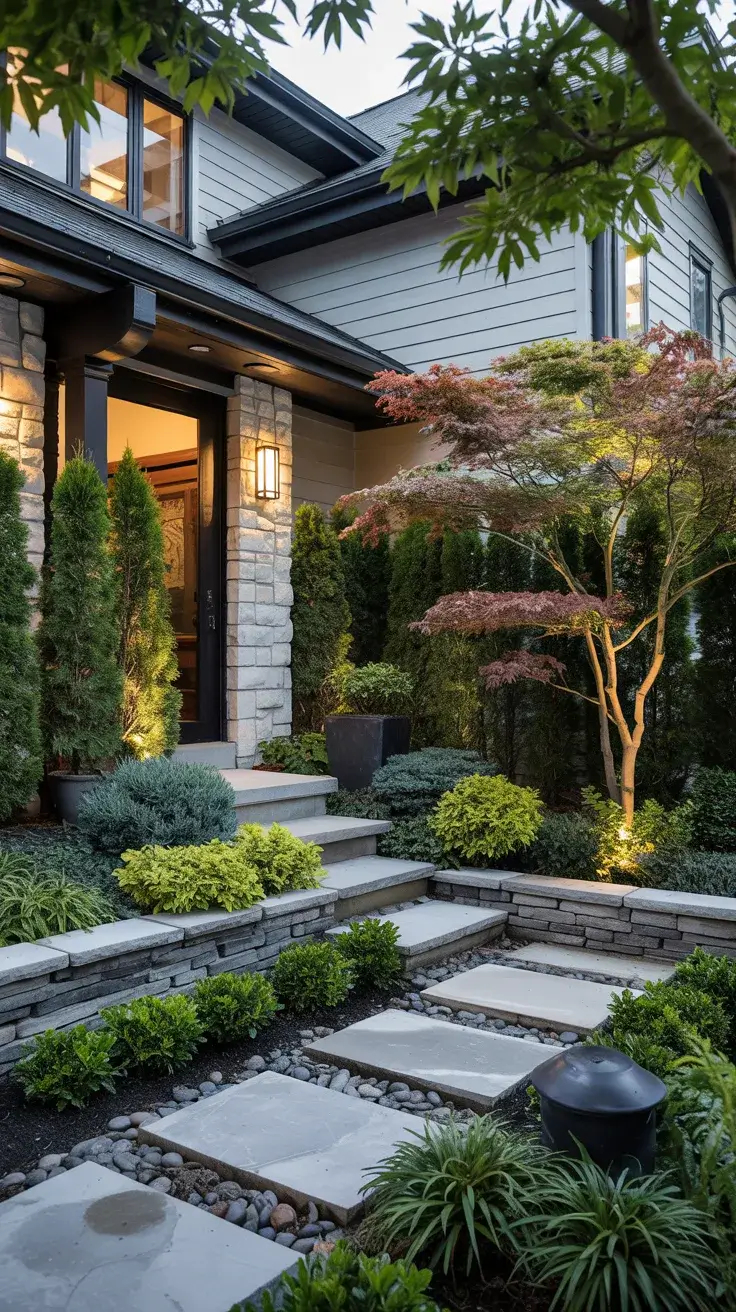
If the area still feels open, I sometimes add trellises with climbing vines or low pergola structures to enhance screening while keeping the look inviting.
18. Symmetrical Front Yard Design Concepts
Symmetry remains one of the strongest front yard landscaping ideas 2026, especially for traditional and modern homes that benefit from clean visual order. When I design symmetrical yards, I focus on balance from the walkway to the entry door, creating a sense of harmony that instantly boosts curb appeal.
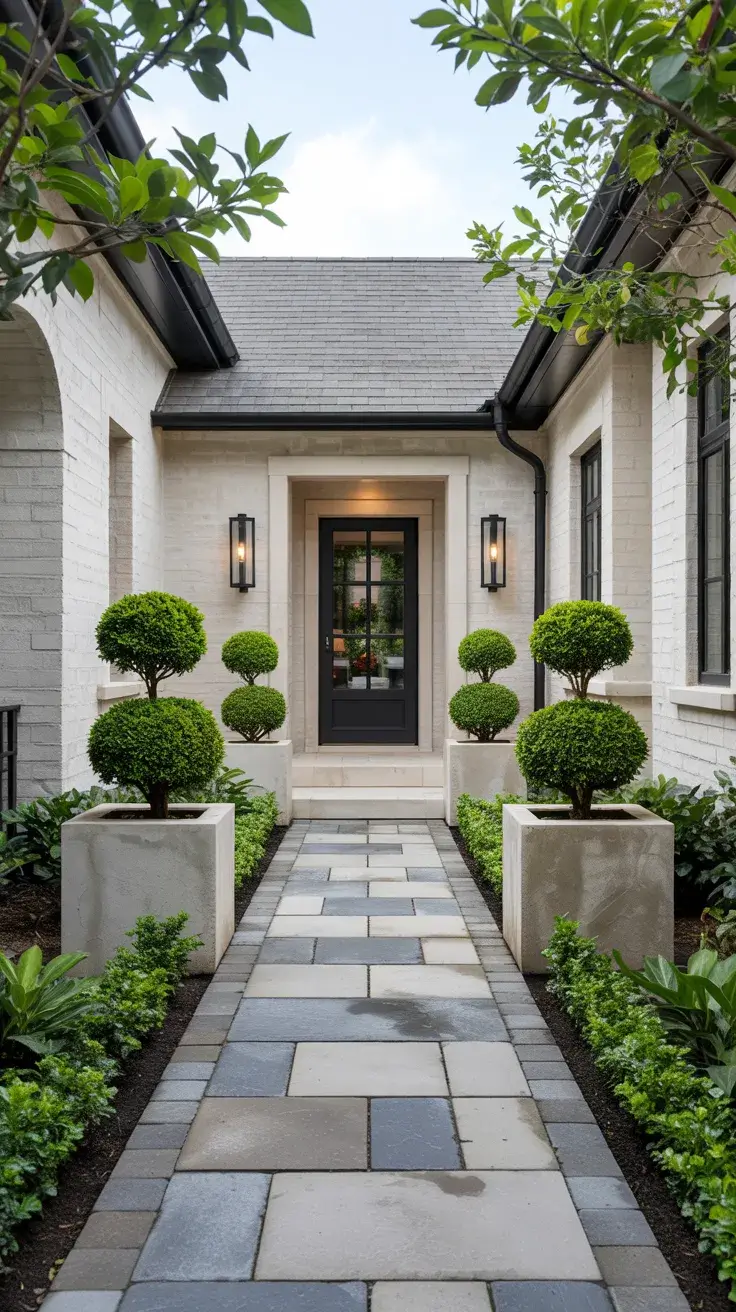
My go-to elements include paired planters, mirrored garden beds, and matching lighting fixtures. I often use geometric shrubs—such as boxwood or dwarf holly—as they maintain structure throughout the year. A centered pathway adds a sense of arrival and reinforces the overall layout.
From my experience, symmetry works best when the home’s architecture naturally supports it. Designers interviewed by Martha Stewart Living often mention that symmetry should feel intentional, not forced. I’ve followed this principle for years, adjusting plant shapes and colors to maintain cohesion.
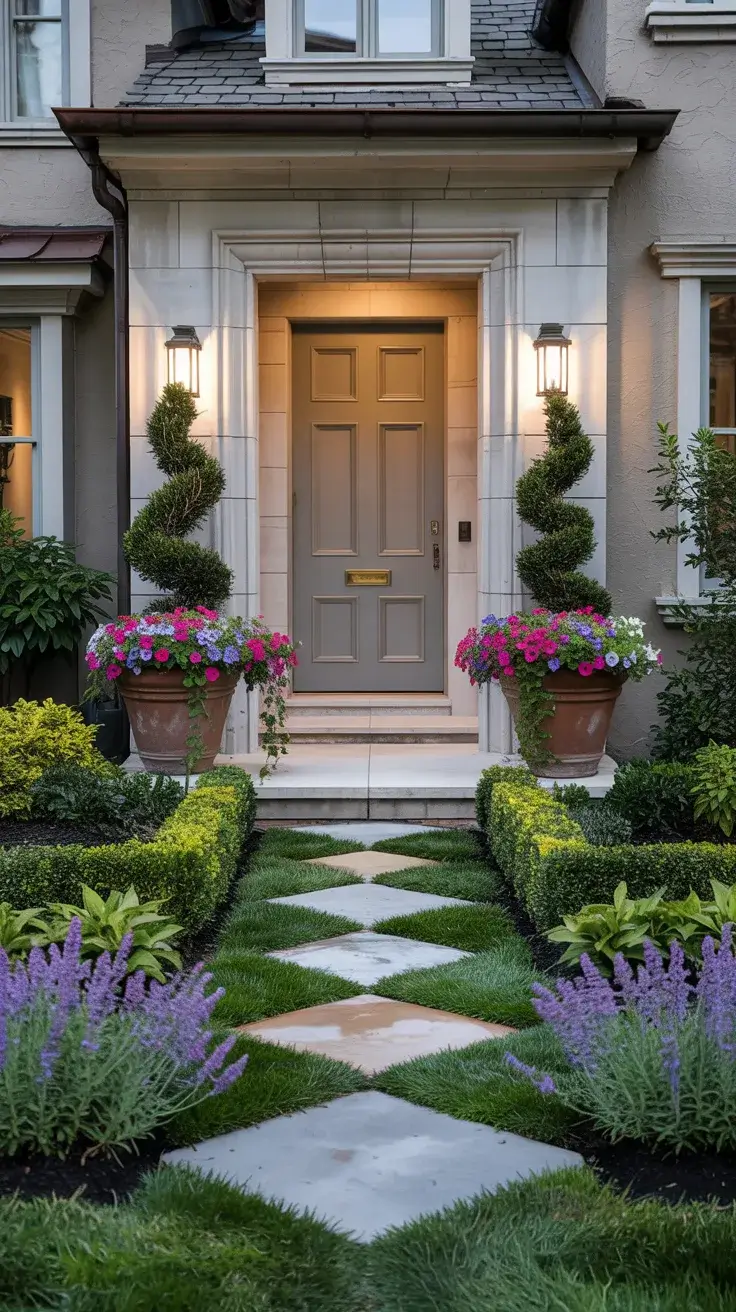
When needed, I add seasonal flowers or linear hardscaping to emphasize the symmetry and prevent the design from feeling overly formal or static.
19. Modern Cottage Garden Front Yard Ideas
I enjoy designing modern cottage gardens because they allow for charm and personality while still feeling updated. In 2026, this hybrid style blends structured pathways with lush, whimsical plantings that appear effortless yet curated. This approach suits homeowners who want color and softness without creating a cluttered yard.
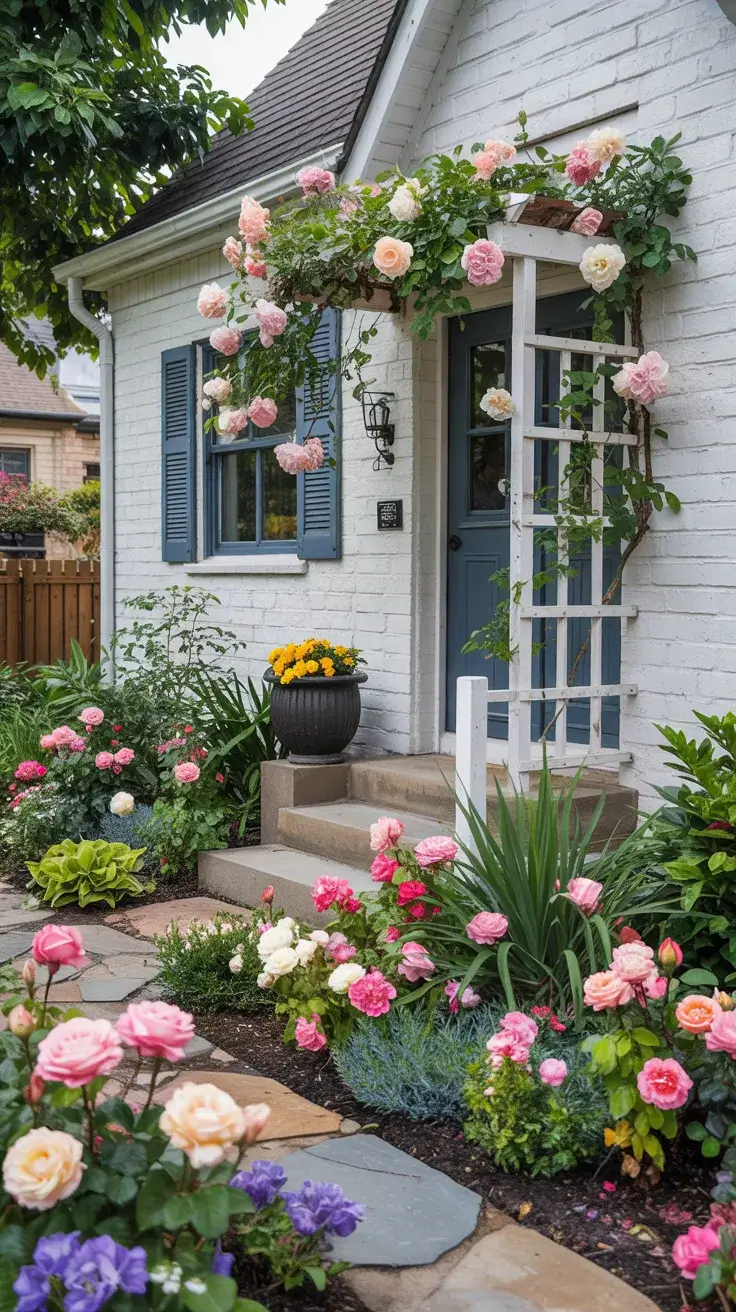
I typically mix flowering shrubs, perennials, and climbers like roses or clematis. Stone or brick walkways keep everything grounded, while painted wood elements—such as benches or trellises—add character. I rely on layered heights to evoke that classic cottage feel while fitting into modern aesthetics.
Over time, I’ve learned from garden stylists at Country Living that the key to a successful cottage garden is controlled abundance. I follow their advice by selecting plants that bloom at staggered times to maintain appeal throughout the year.
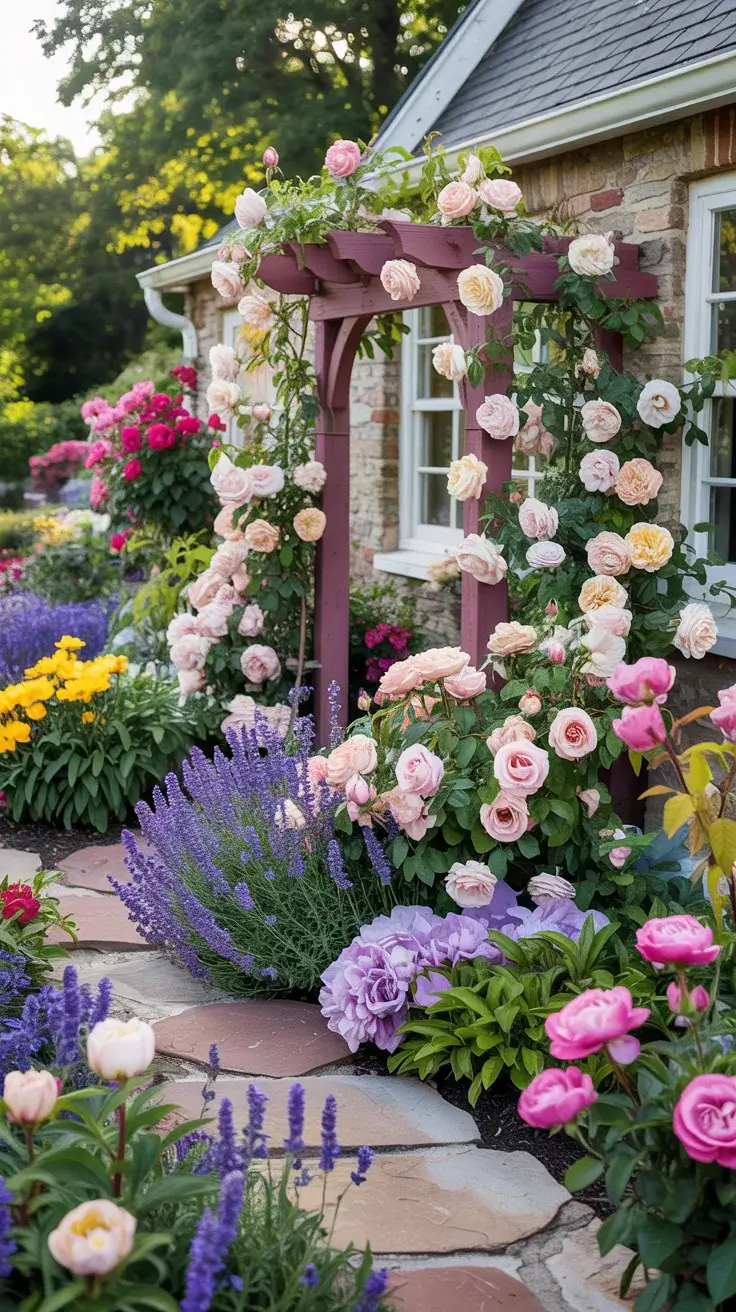
Sometimes I enhance these gardens with vintage-style lighting or potted herbs near the entry to make the space feel more personal and fragrant.
20. Landscaping Ideas To Boost Curb Appeal
When I focus on curb appeal, I start by assessing the home’s architecture and identifying what should be highlighted or softened. In 2026, designs that blend functionality with visual impact are essential, and small changes often make the biggest difference.
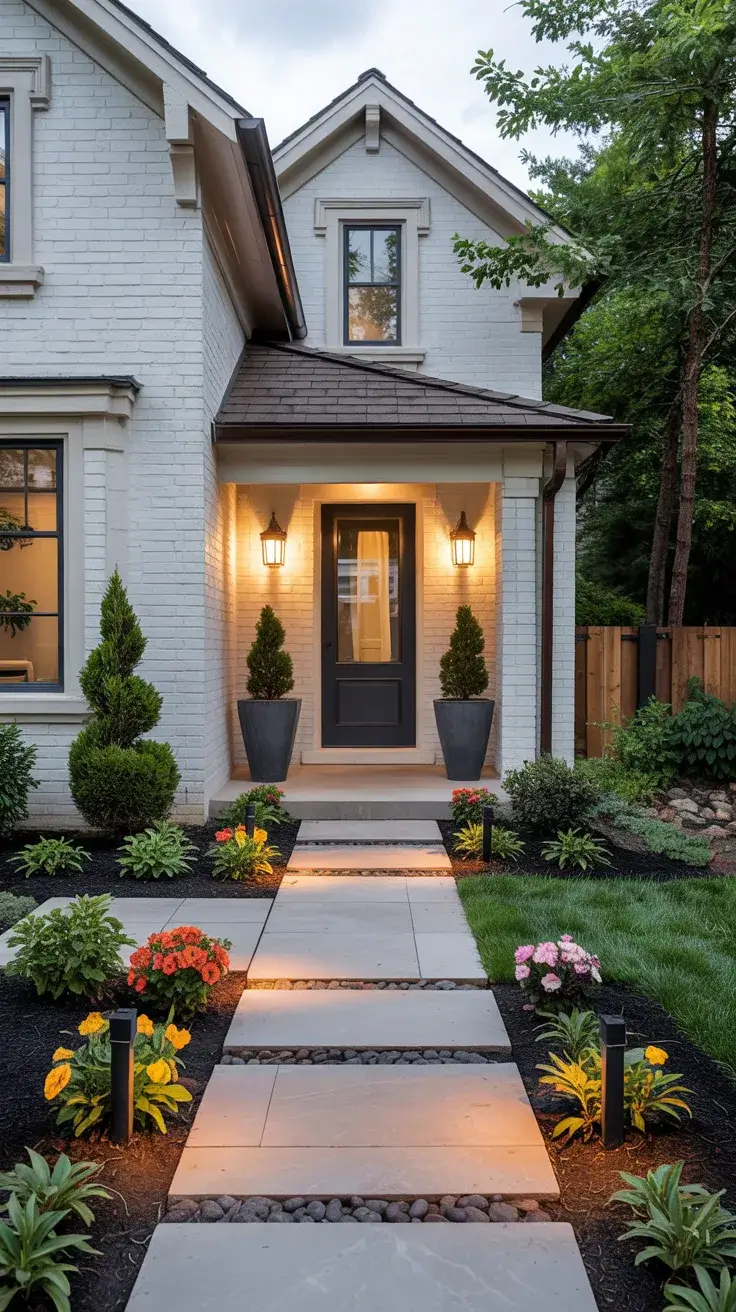
I often incorporate pathway lighting, contrasting mulch, clean-lined borders, and foundation plantings that transition smoothly into lawn areas. A combination of evergreen shrubs and seasonal color tends to produce the strongest curb appeal. A new mailbox, updated house numbers, or modern planters can also transform the entrance.
Real estate professionals frequently note that front yard improvements can raise home value significantly. I’ve seen this firsthand while preparing homes for sale—simple refreshes often impress buyers before they even step inside.
If a yard feels incomplete, I recommend adding edging, accent lighting, or additional color through flowering plants to create a more polished look.
21. Front Yard Hardscape Trends For 2026
Hardscaping has become a central part of front yard landscaping ideas 2026, especially as homeowners seek durability and architectural interest. When I design these spaces, I focus on blending natural stone with modern materials to create outdoor rooms that feel intentional and lasting.
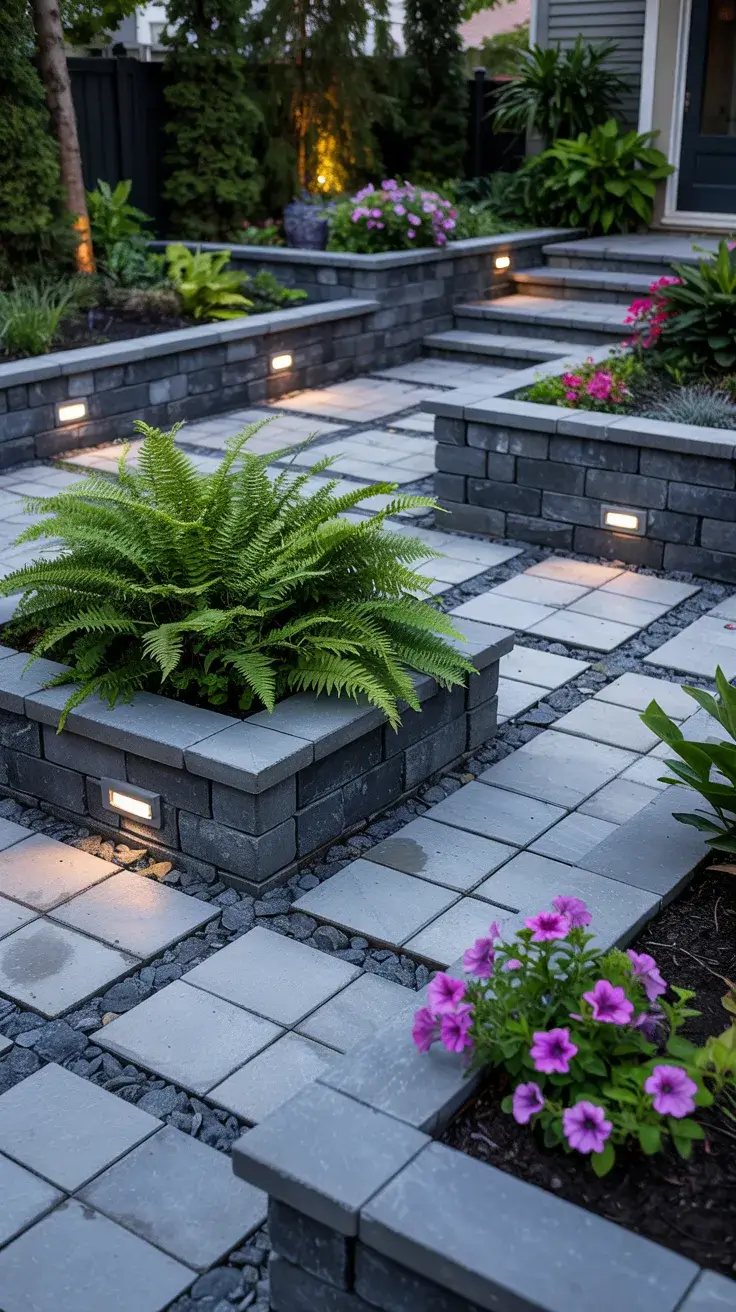
I often use porcelain pavers, textured concrete, or warm-toned stone slabs for pathways and entry pads. Retaining walls, seating edges, and raised planter boxes help shape the yard and make it more functional. I choose these items because they withstand weather changes and give the home a clean, finished appearance.
Based on insights from landscape architects featured in Sunset Magazine, strategic lighting built into hardscaping dramatically improves nighttime curb appeal. I agree completely—lighting transforms simple paths into striking design features.
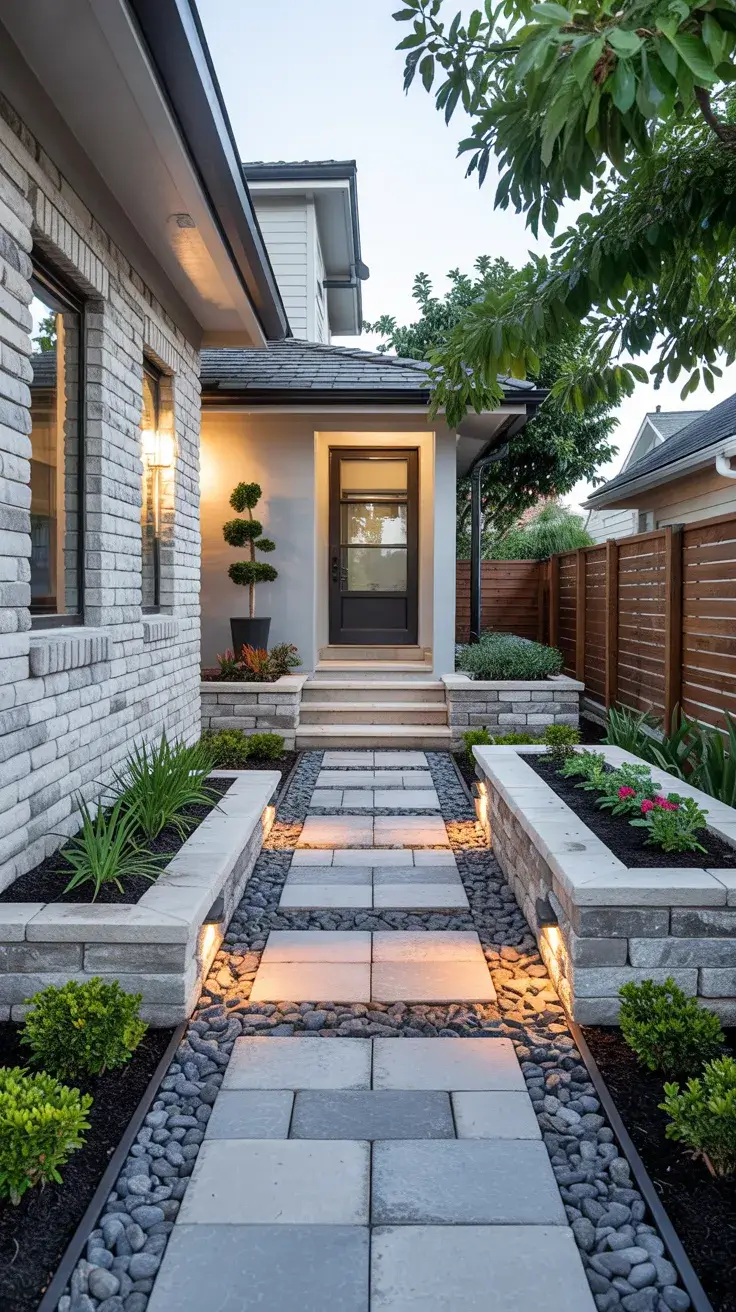
If needed, I add gravel accents, built-in planters, or low walls to give the space more depth and cohesiveness.
22. Low Budget Front Yard Transformation Ideas
When I work with homeowners looking for budget-friendly updates, I focus on changes that create maximum visual impact with minimal investment. In 2026, affordability does not mean compromising style; instead, it means being intentional with materials, plant choices, and layout. Simple upgrades like refreshed mulch, repainted planters, or trimmed borders can dramatically transform a front yard without requiring a complete overhaul.
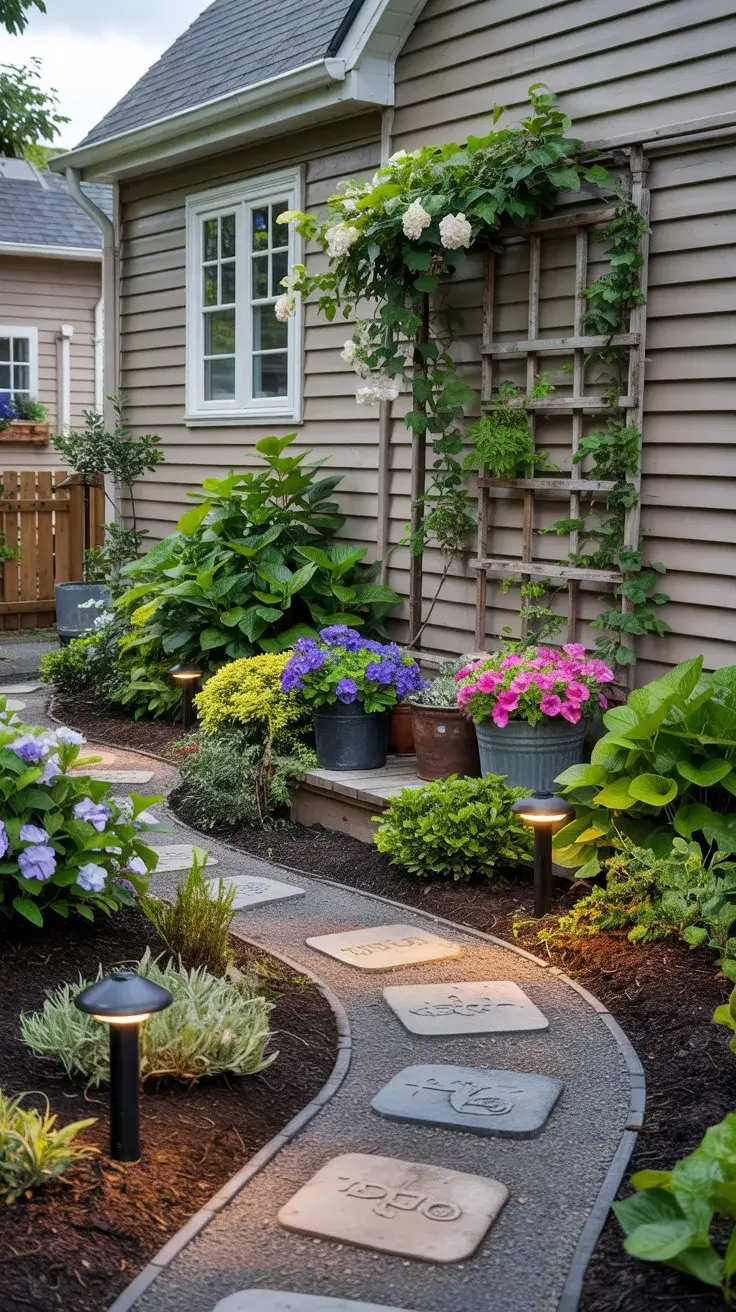
I typically rely on cost-effective materials such as gravel pathways, repurposed stepping stones, or lightweight composite edging. For plantings, I choose hardy perennials, drought-tolerant shrubs, and native grasses that thrive with little maintenance. Solar-powered pathway lights are another affordable addition that instantly elevates curb appeal while staying eco-friendly.
In my experience, even small DIY improvements can feel professionally executed when approached thoughtfully. Experts from Better Homes & Gardens often highlight the value of cohesive color palettes in budget landscaping, and I’ve found this approach very effective in tying all elements together.
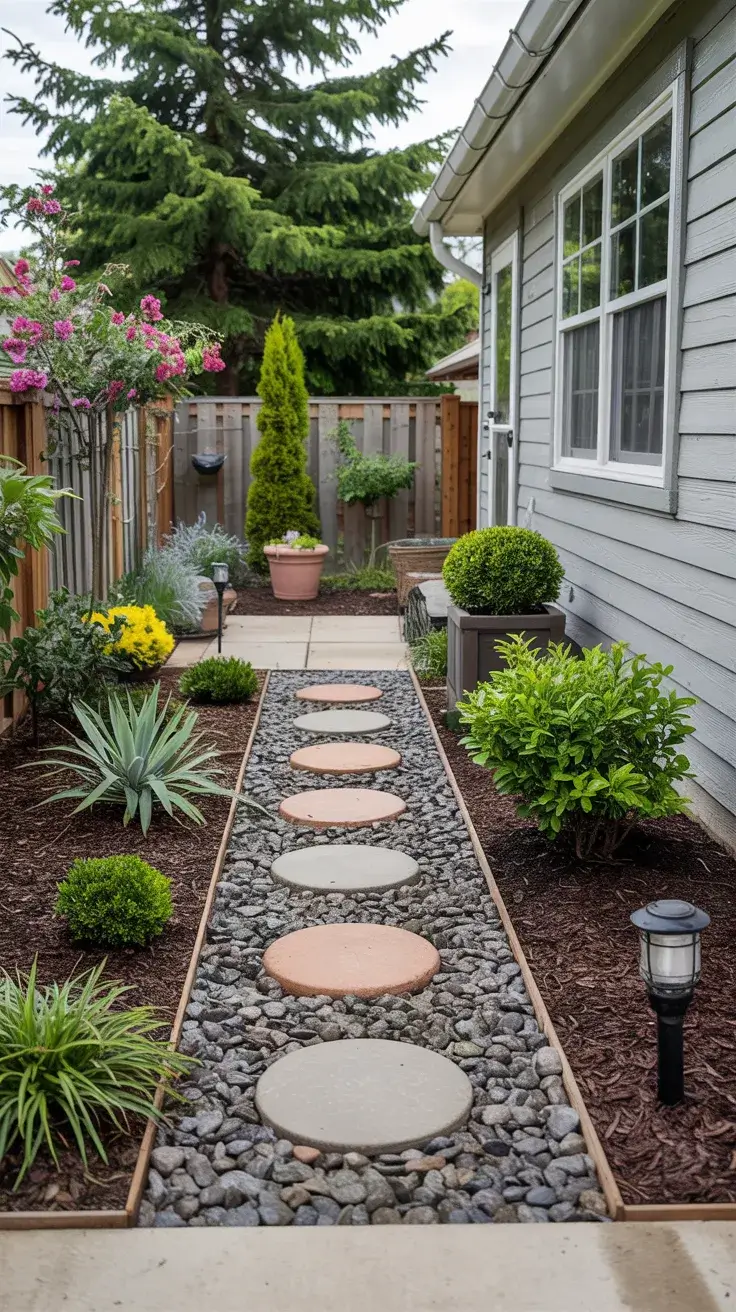
Sometimes, when the yard still appears incomplete, I add container gardens near the entry or a simple trellis with fast-growing vines to fill empty vertical space without exceeding the budget.
23. Multi Level Front Yard Terracing Ideas
Multilevel terracing is one of the most practical front yard landscaping ideas 2026 for sloped properties. When I design terraced yards, I prioritize retaining structures that stabilize the slope while also creating usable planting zones. The result is a dynamic, tiered landscape that adds architectural interest and increases functionality.
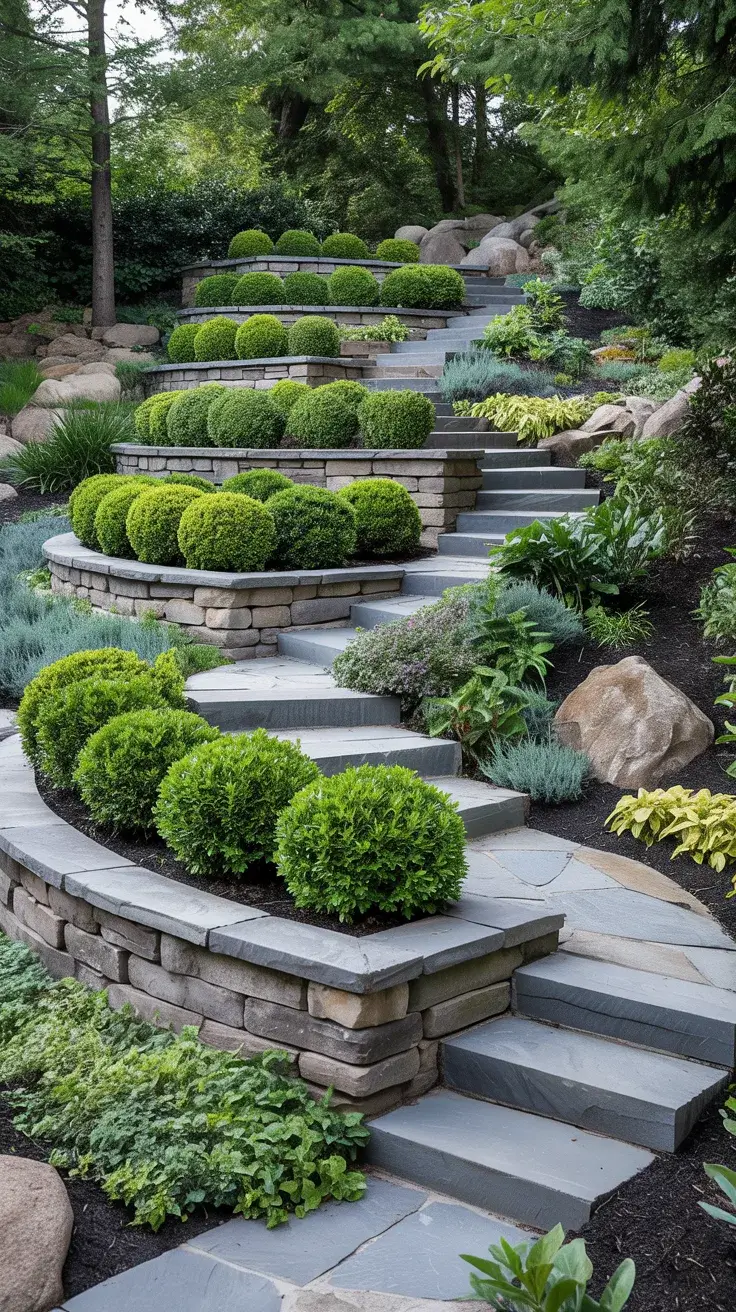
I typically work with stone retaining walls, concrete blocks, or timber borders to create multiple levels. Each tier can feature different plant groupings—groundcovers on lower levels, shrubs in the middle, and ornamental trees toward the top. I also incorporate stairways or stepped pathways to ensure smooth navigation between levels.
Professionally, I’ve seen terracing dramatically reduce erosion issues, which is often confirmed by landscape architects cited in Fine Gardening Magazine. Their recommendation to integrate proper drainage systems has shaped how I construct these designs to ensure long-term stability.
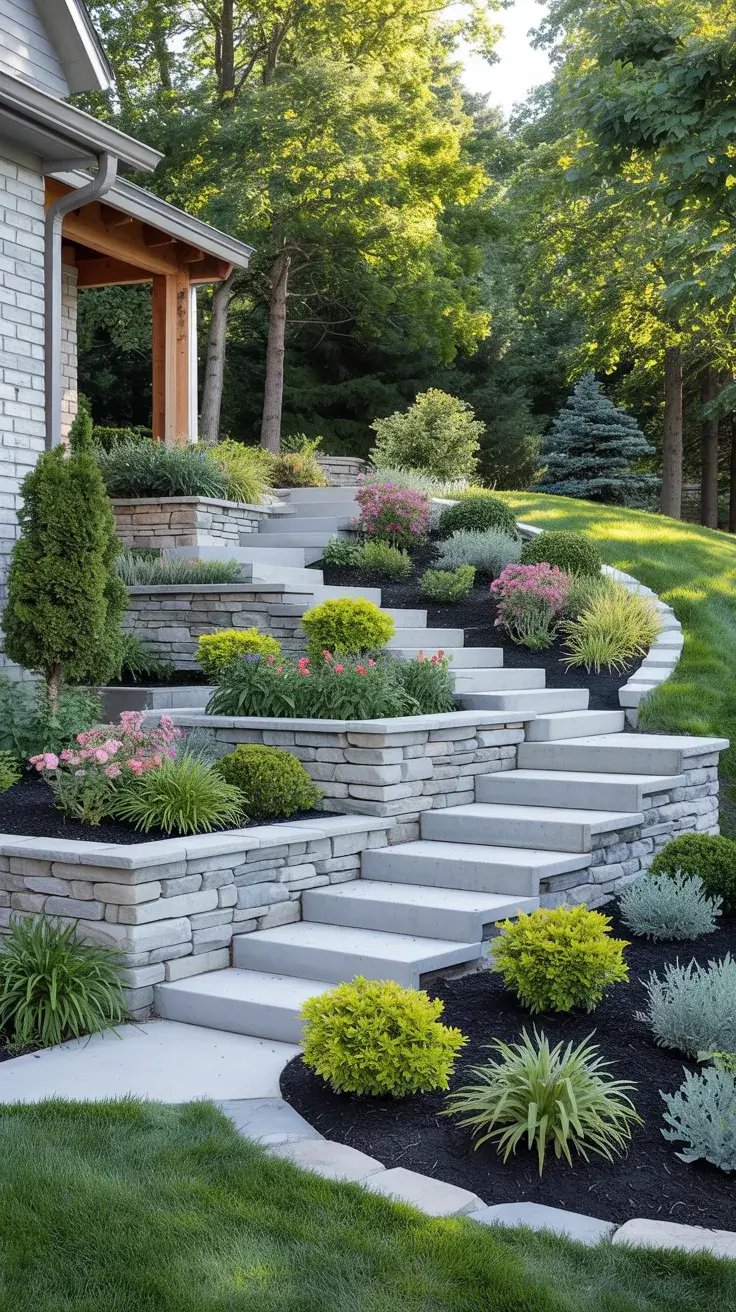
If a terraced yard feels too rigid, I sometimes introduce curved retaining walls or mixed textures, such as gravel and stone, to soften the overall look.
24. Modern Driveway Border Landscaping
Driveway borders are gaining attention as key focal points in front yard landscaping ideas 2026. When I design these spaces, I prioritize clean edges and structured plantings that frame the driveway without overwhelming it. Borders help soften hard surfaces and create a smooth visual transition from the driveway to the yard.
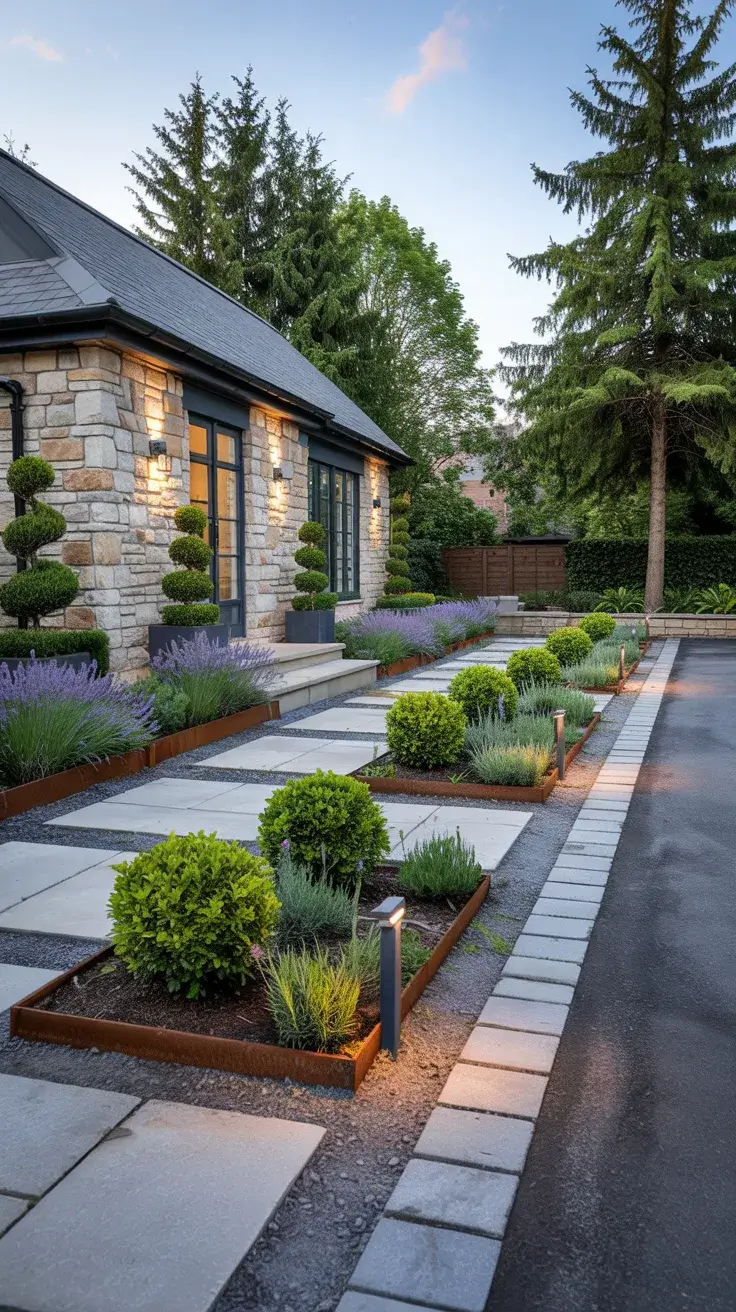
I commonly use linear plantings such as boxwoods, liriope, lavender, or low ornamental grasses. Stone edging or metal landscape borders add crisp separation, while uplighting creates evening appeal. These elements work well because they remain neat year-round and enhance the driveway’s overall geometry.
From my experience, driveway border landscaping works especially well when the plant height is controlled to avoid obstructing vehicle visibility. Many designers featured in Real Simple emphasize planting varieties that stay compact without frequent pruning, and I fully support this recommendation.
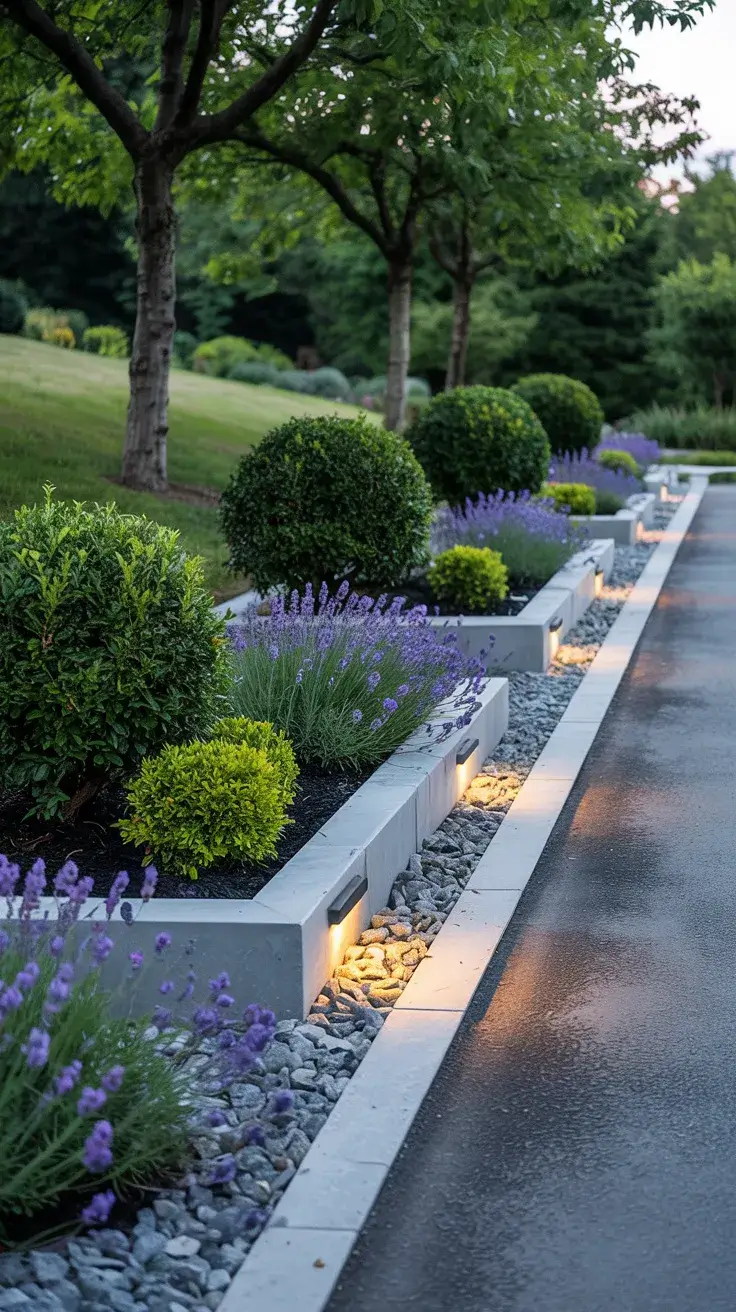
If a design feels too minimal, I might add boulders, decorative gravel, or seasonal flowers near the entry point to introduce color and texture.
25. Evergreen Landscaping For Year Round Appeal
Evergreens provide consistency, and in 2026, they are essential for homeowners wanting a yard that looks polished in every season. When I design evergreen-focused landscapes, I select species that maintain their structure, color, and density throughout the year. This approach works particularly well for clean, modern aesthetics.
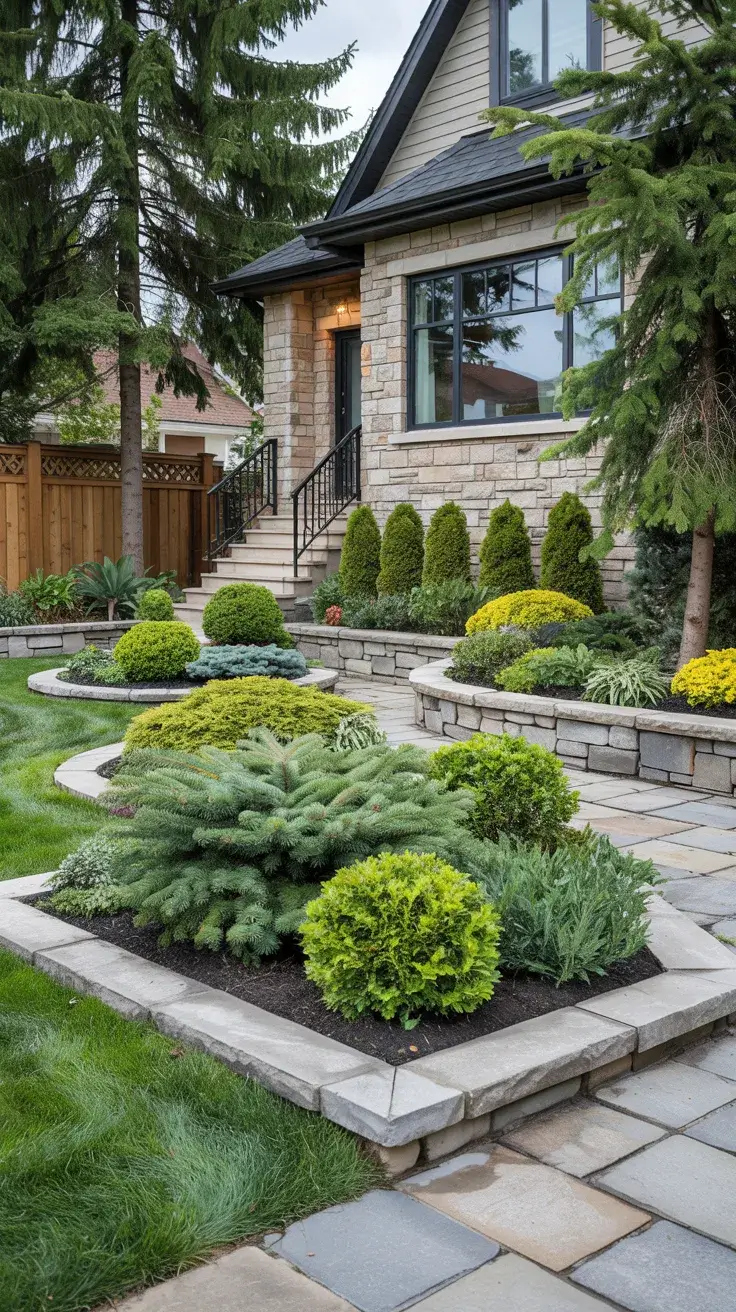
My preferred choices include boxwoods, dwarf spruces, junipers, and hollies. I often combine them with ornamental grasses or perennials for seasonal interest, but the evergreens serve as the backbone of the design. Hardscape accents like stone borders or gravel beds help frame these plants for a more sculpted look.
In my experience, evergreen landscapes require strategic spacing to allow for future growth while preserving shape. According to recommendations published by Landscape Architecture Magazine, avoiding overcrowding is essential for preventing disease and maintaining symmetry. I apply this guidance consistently in every project.
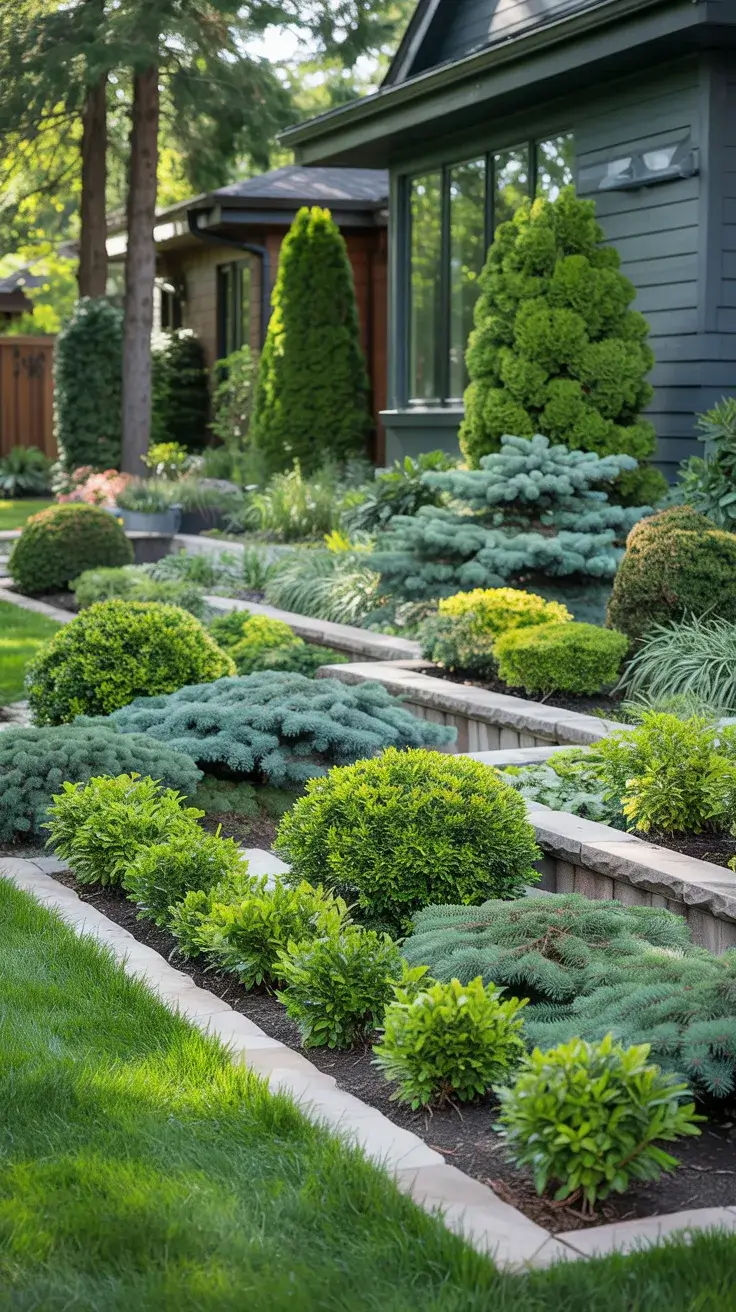
If the yard feels too monochromatic, I add plants with varying shades—from deep greens to soft blue tones—to create subtle depth.
26. Contemporary Rock Garden Front Yard Ideas
Contemporary rock gardens offer a minimalist yet striking aesthetic that aligns perfectly with front yard landscaping ideas 2026. When I create these spaces, I focus on sculptural stones, varied gravel textures, and low-maintenance plantings that emphasize form over color. This design approach works especially well for dry climates or modern homes.
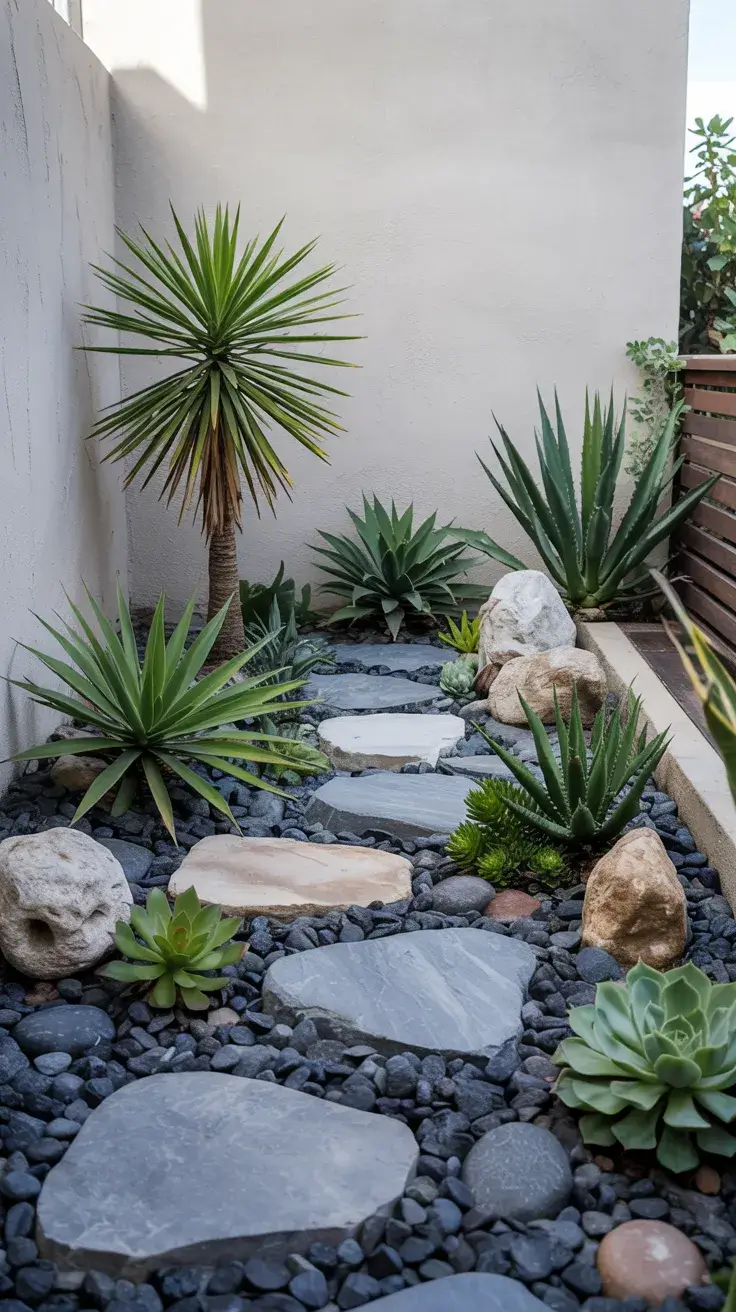
I often use river stones, basalt columns, or angular granite pieces arranged to form visual focal points. Succulents, yucca, and drought-tolerant grasses complement the stones while maintaining a clean and architectural appearance. I include these elements because they require minimal watering and contribute to a long-lasting design.
Over the years, I’ve been influenced by desert-inspired landscapes showcased in Dwell Magazine, particularly their emphasis on negative space. Following this principle, I leave intentional open areas to prevent visual clutter and highlight each stone’s shape.
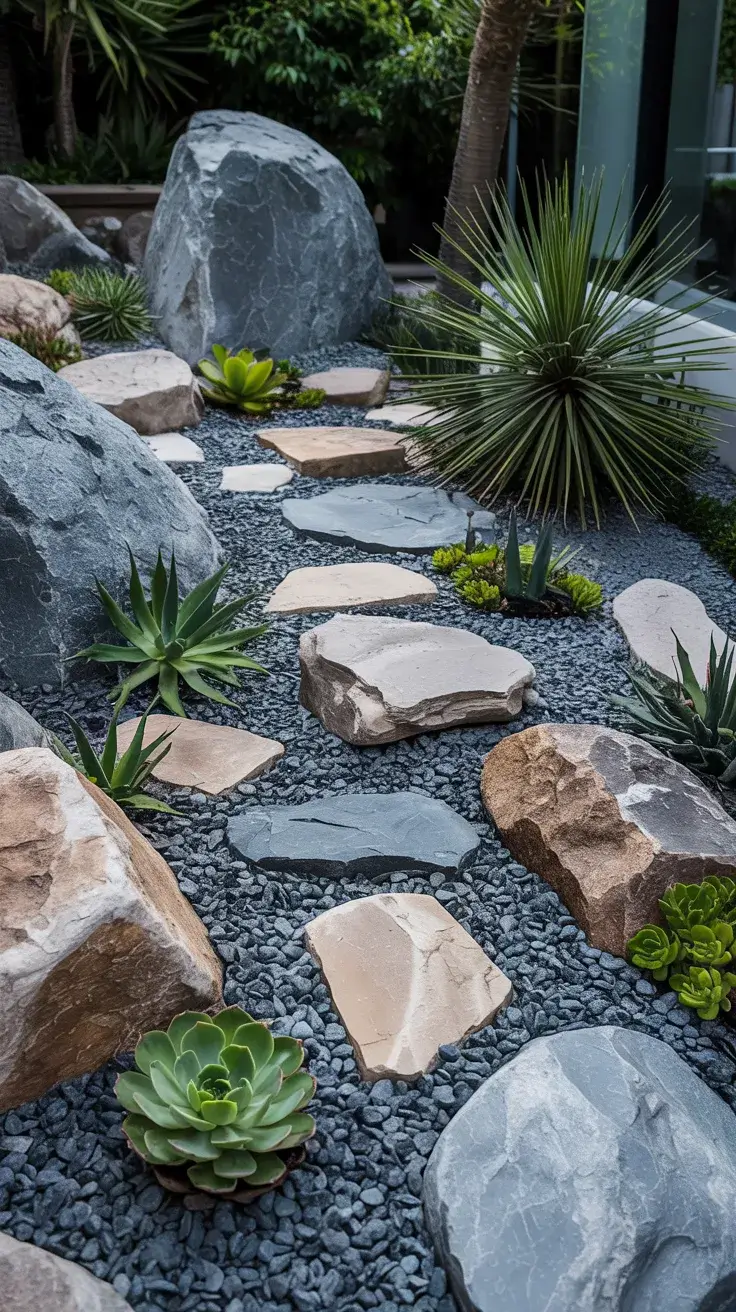
If the rock garden feels too stark, I sometimes incorporate wooden accents or a single flowering shrub to introduce warmth without disrupting the modern style.
27. Front Yard Landscaping For Small Homes
Designing for small front yards requires maximizing every inch without overwhelming the space. In 2026, compact landscaping emphasizes vertical elements, smart hardscaping, and plant selections that create depth. When I design these yards, I focus on simple layouts that feel open, balanced, and visually engaging.
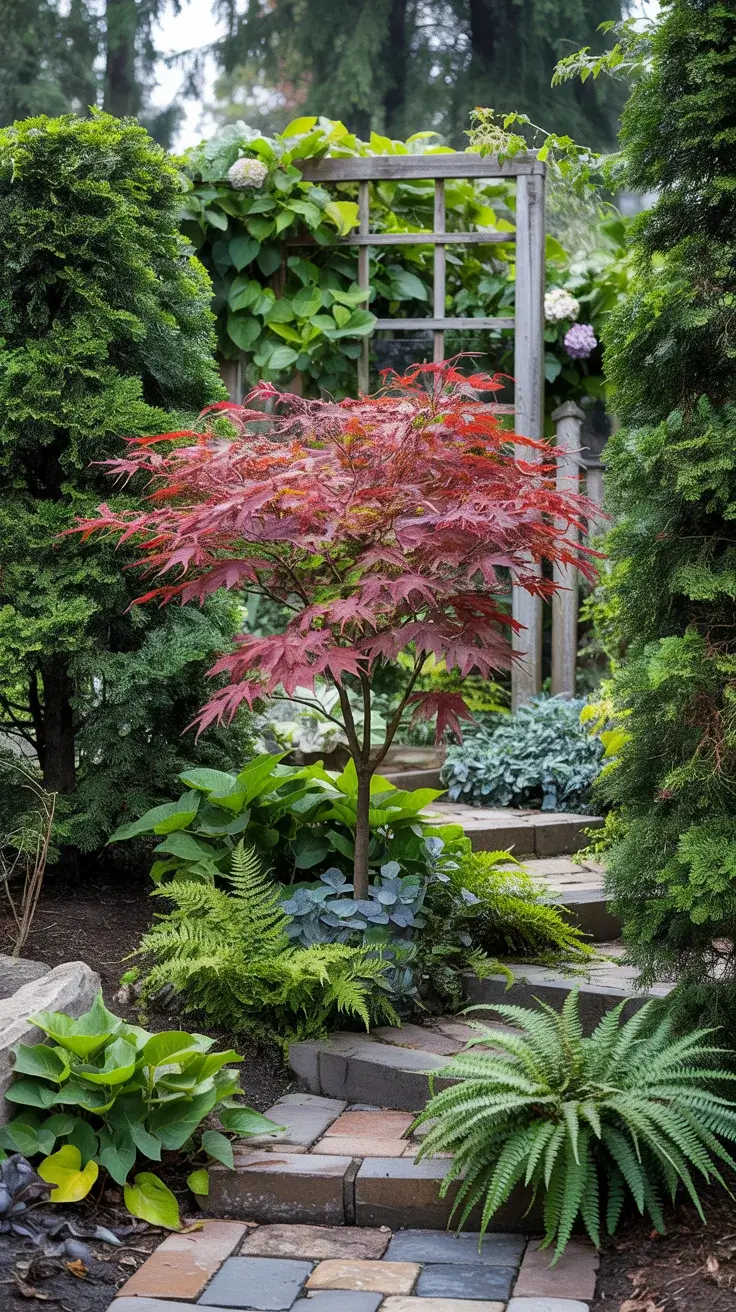
I typically use narrow shrubs, small ornamental trees, and layered plantings that guide the eye upward. Paver pathways, gravel strips, and floating steps help visually widen the space. Wall-mounted planters or slender trellises are also practical additions that add height without consuming square footage.
Based on my experience and insights from HGTV landscape experts, small yards benefit most from limiting plant variety to avoid a busy look. I apply this advice by selecting a cohesive palette with repeating shapes and textures.
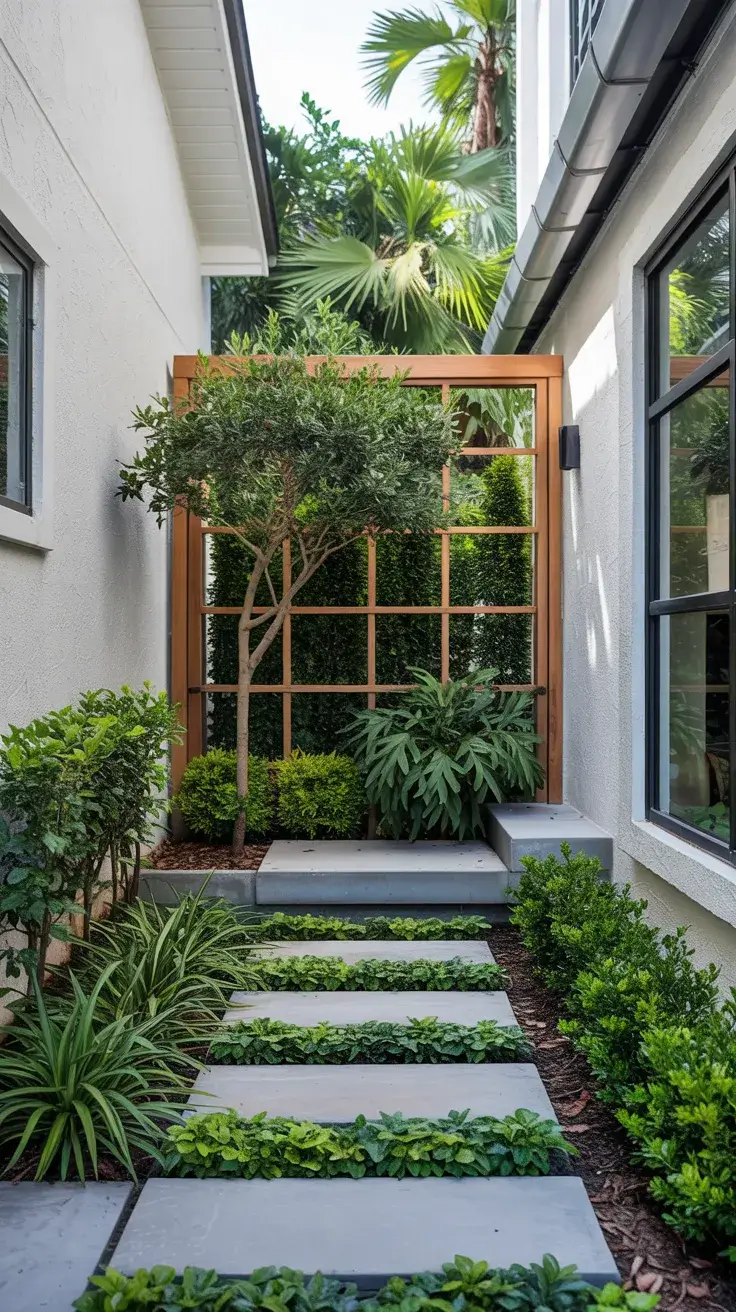
If a space still feels tight, I add mirrors or reflective garden décor to expand the visual field subtly.
28. Smart Home Integration In Outdoor Spaces
Smart home integration has become a defining feature of front yard landscaping ideas 2026, especially for homeowners who want convenience and enhanced security. When I design smart front yards, I focus on technology that aligns aesthetically with the landscape rather than standing out awkwardly.
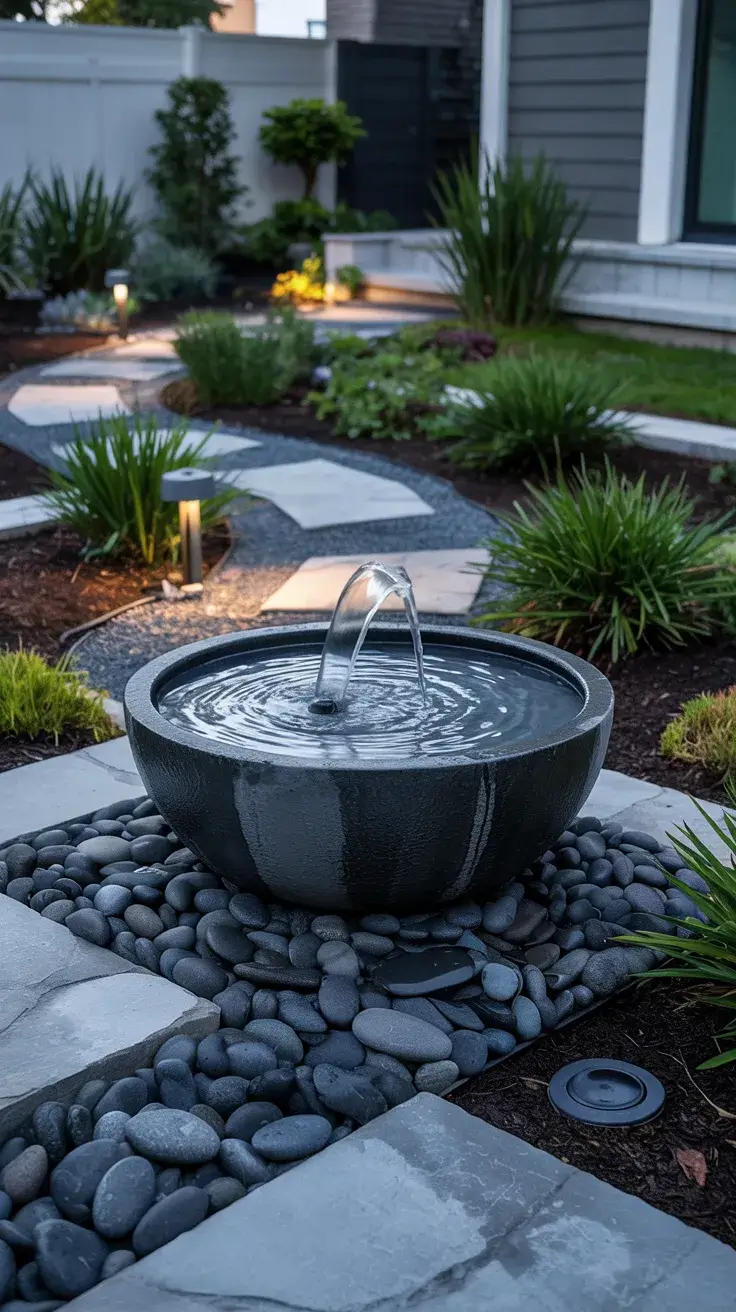
I often incorporate wireless irrigation systems, motion-activated pathway lights, smart soil sensors, and app-controlled water features. These devices help maintain the yard efficiently while ensuring the landscape adapts to weather changes automatically. I also choose discreet fixtures that blend into plant beds or hardscapes.
In my experience, clients appreciate the long-term savings created by smart watering systems. Industry professionals highlighted in Wired Magazine recommend pairing sensors with native plants for maximum efficiency—a strategy I use frequently to conserve water and reduce maintenance.
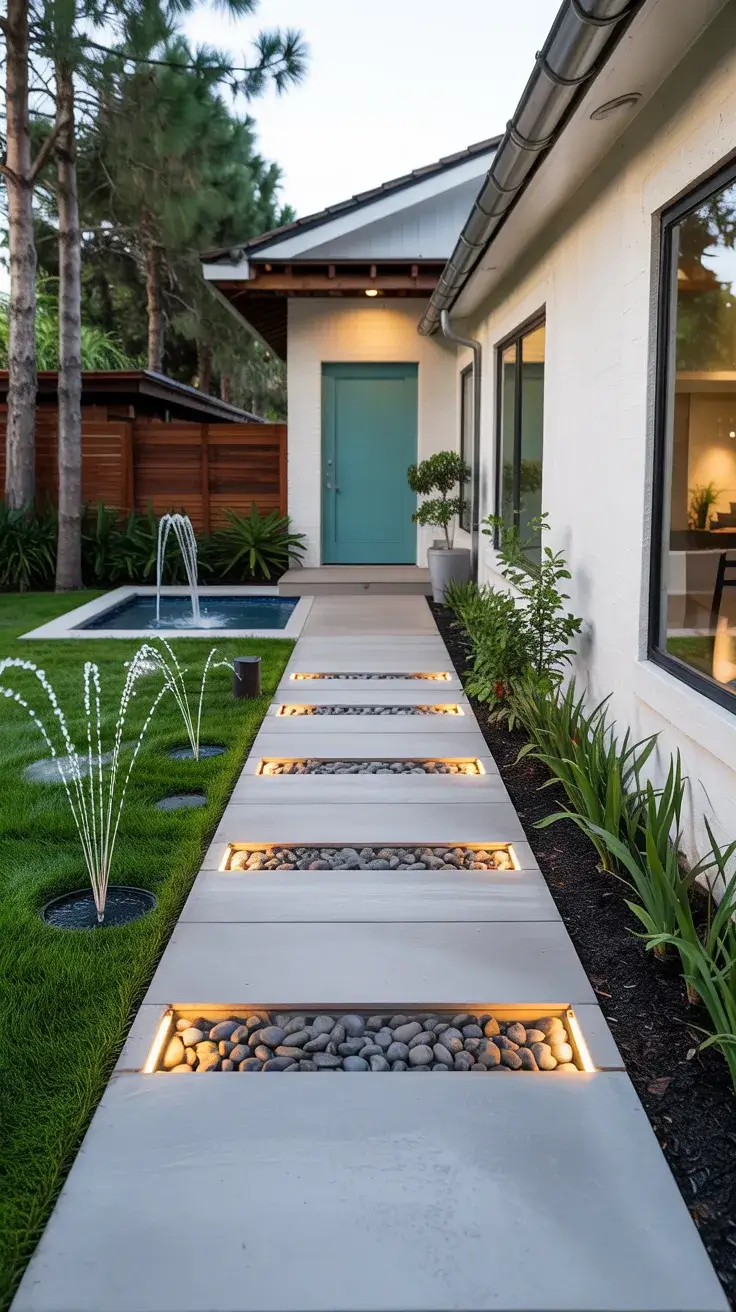
If needed, I integrate hidden power sources or underground wiring to keep the landscape clutter-free and visually seamless.
29. Color Themed Front Yard Garden Designs
Color-themed gardens have become a standout direction in front yard landscaping ideas 2026, especially for homeowners who want a cohesive and artistic outdoor aesthetic. When I design these spaces, I begin by selecting a dominant color family and using it as the foundation for the entire landscape composition. This approach provides clarity, harmony, and a polished look that instantly enhances curb appeal.
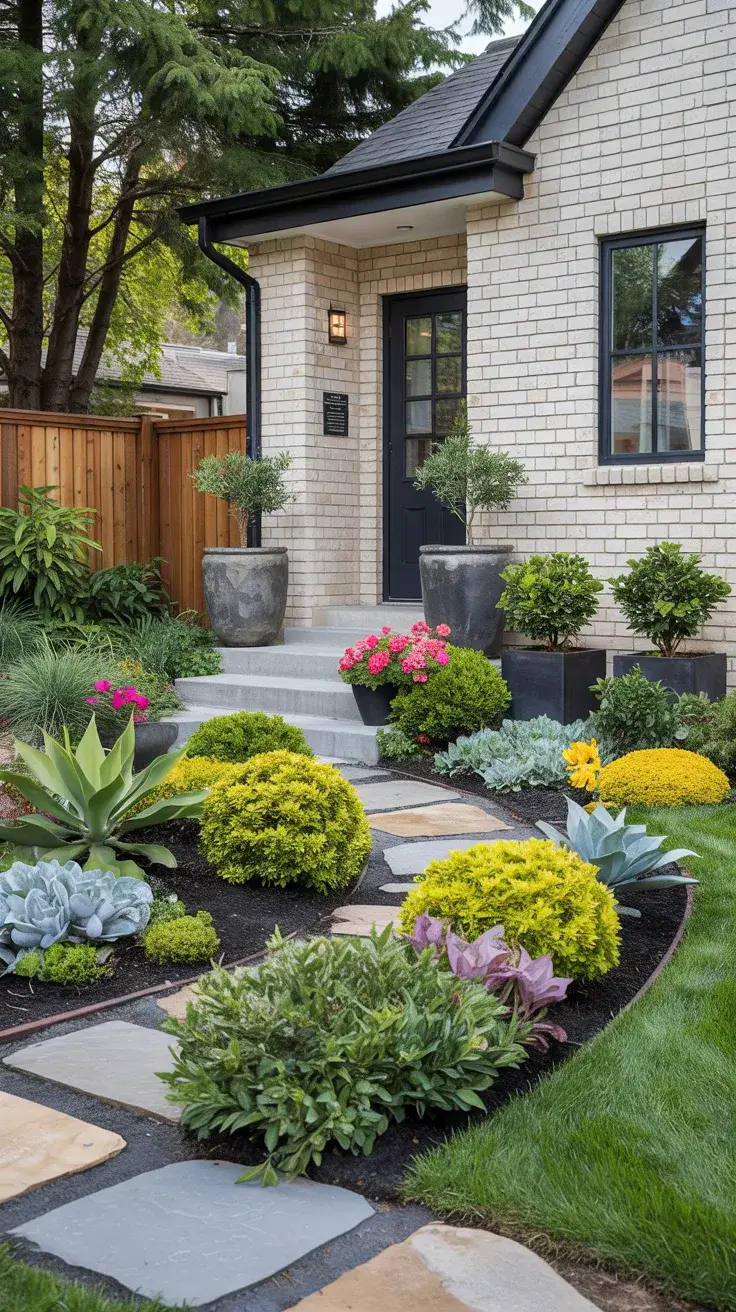
I typically work with palettes such as cool blues and purples, soft pastels, or warm sunset tones. Each color family guides the selection of flowering perennials, shrubs, and accent foliage. I also incorporate planters, mulch tones, and stone materials that support the palette while keeping the design unified. This makes every detail feel intentional and refined.
Over the years, I’ve seen color-themed gardens recommended by editors at Better Homes & Gardens, who highlight their ability to simplify plant choices while creating high visual impact. Following this professional guidance, I’ve found that repetition of hues across the yard helps prevent a chaotic look.
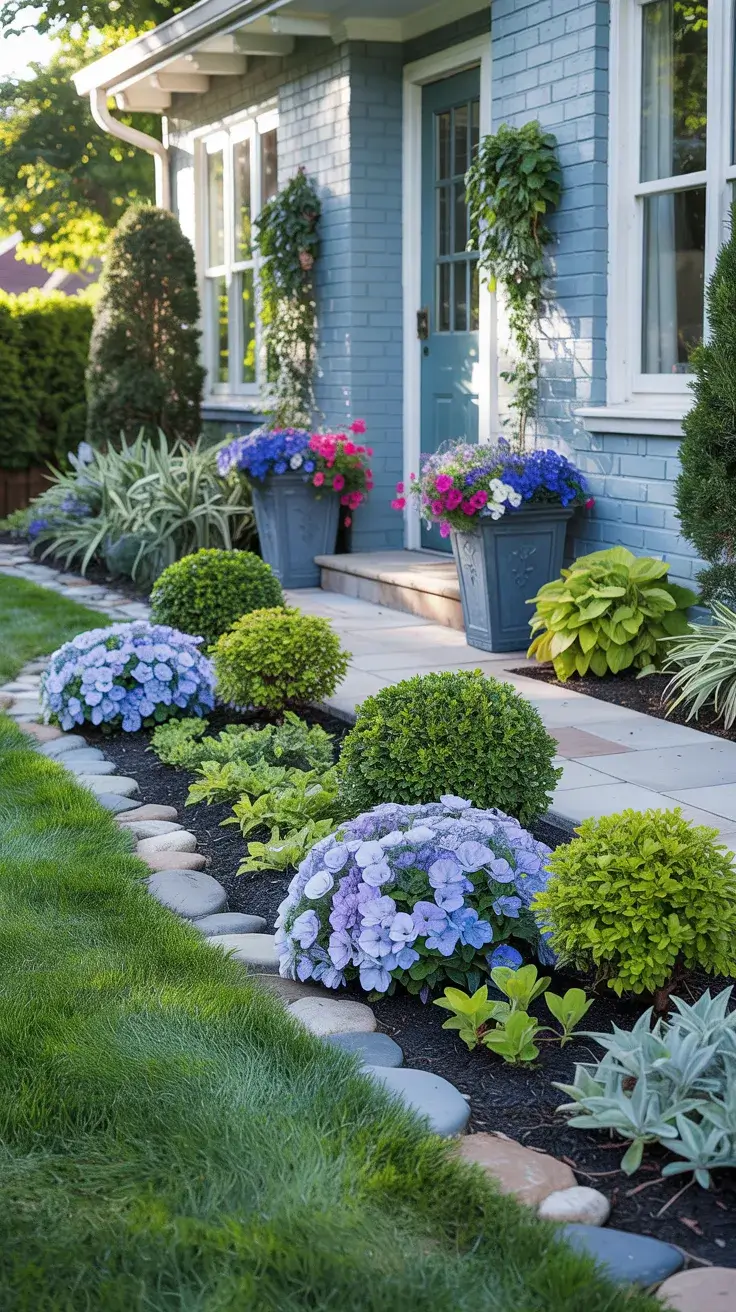
If a yard appears too monochromatic, I usually add neutral elements—such as silvery foliage, natural stone, or deep green evergreens—to balance the palette and enhance contrast.
30. Wildlife Friendly Front Yard Landscaping
Designing wildlife-friendly landscapes has become increasingly popular, and in 2026, homeowners continue embracing yards that support birds, pollinators, and beneficial insects. When I create these spaces, I focus on natural plant groupings, water access points, and habitat-building elements that all contribute to a thriving ecosystem.
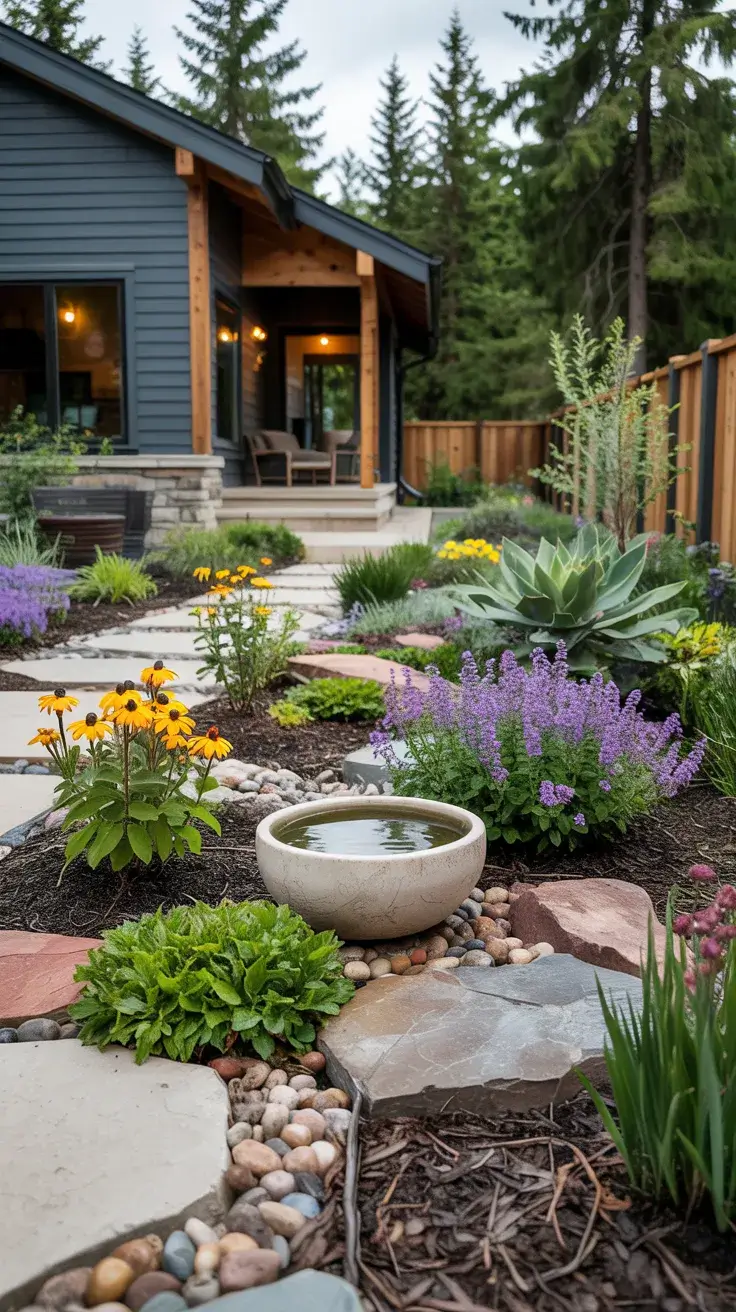
I often work with native plants, flowering shrubs, berry-producing bushes, and pollinator favorites such as coneflowers, asters, and milkweed. Small water bowls, rock piles, and hollow logs provide shelter and drinking spots for wildlife. I choose these items because they create an inviting and ecologically responsible landscape while still offering visual beauty.
Professionally, I often reference advice from the National Wildlife Federation, which encourages using native plantings to support local species. I’ve followed this guideline for years, and it consistently results in healthier, more resilient front yard habitats.
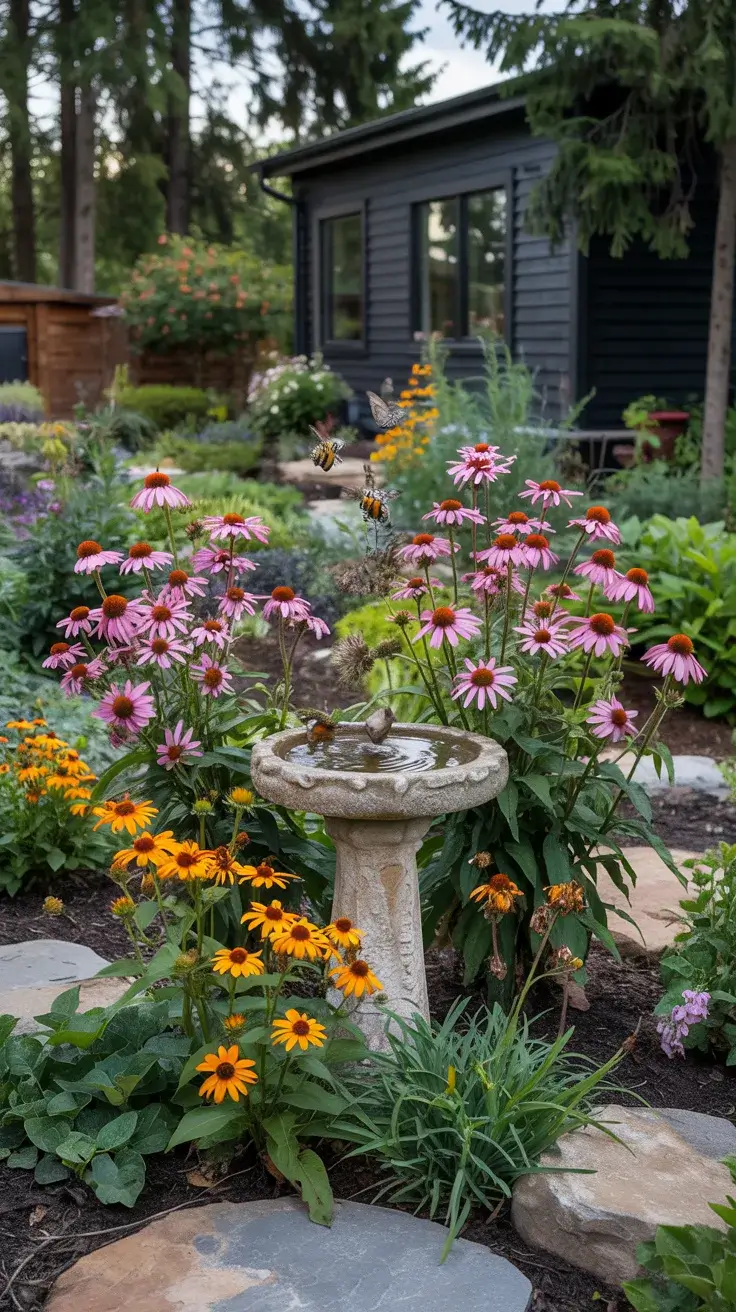
If the yard requires additional interest, I sometimes incorporate birdhouses, bee hotels, or low flowering groundcovers that create movement and color without overwhelming the design.
31. Luxury Front Yard Design Inspirations
Luxury landscapes in 2026 emphasize sophistication, balance, and a seamless blend of natural and architectural elements. When I design high-end front yards, I focus on spacious layouts, premium materials, and curated plant selections that evoke elegance from the moment a guest arrives.
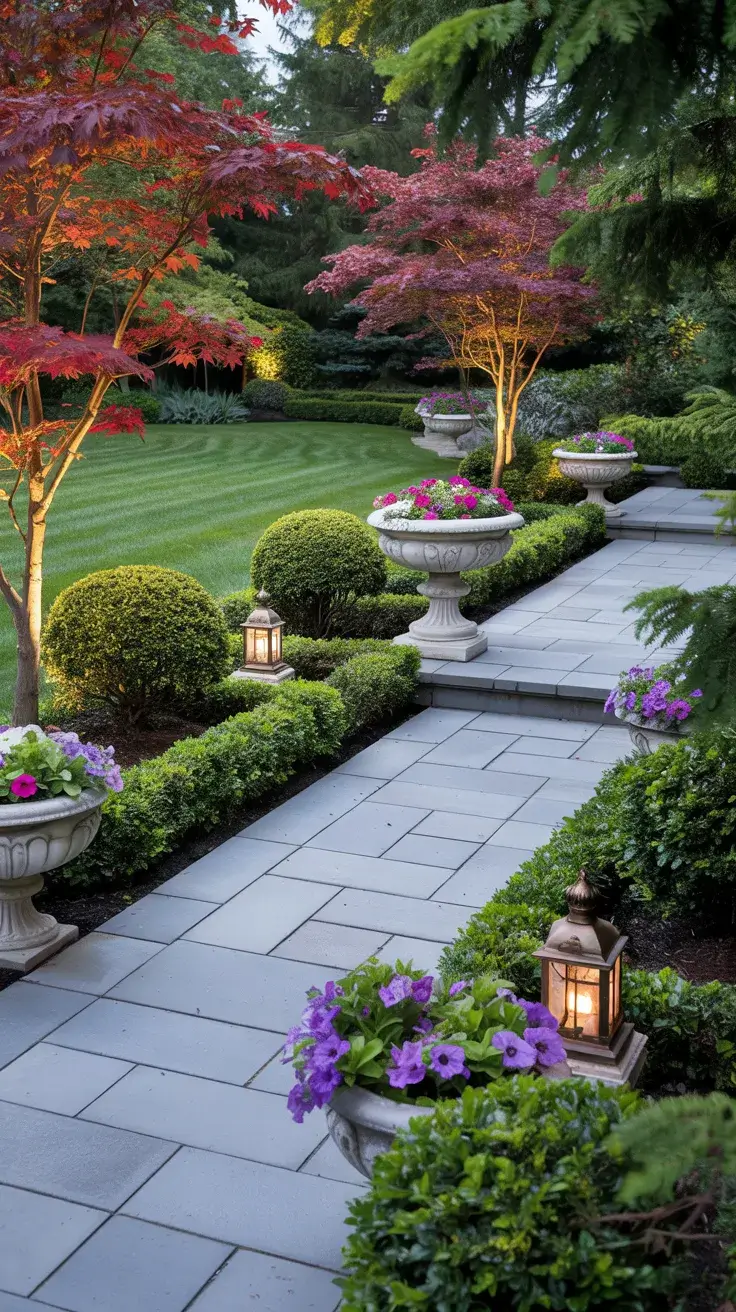
I typically include wide stone walkways, sculpted hedges, ornamental trees, and custom lighting fixtures. High-quality materials such as marble accents, limestone slabs, or handcrafted planters elevate the overall feel. I also incorporate sculptural topiaries or statement water features to anchor the design and create a luxurious first impression.
My perspective aligns with leading landscape architects featured in Luxe Magazine, who emphasize proportion and material quality as the foundation of luxury landscaping. This principle has guided many of my projects, ensuring each detail contributes to a cohesive upscale experience.
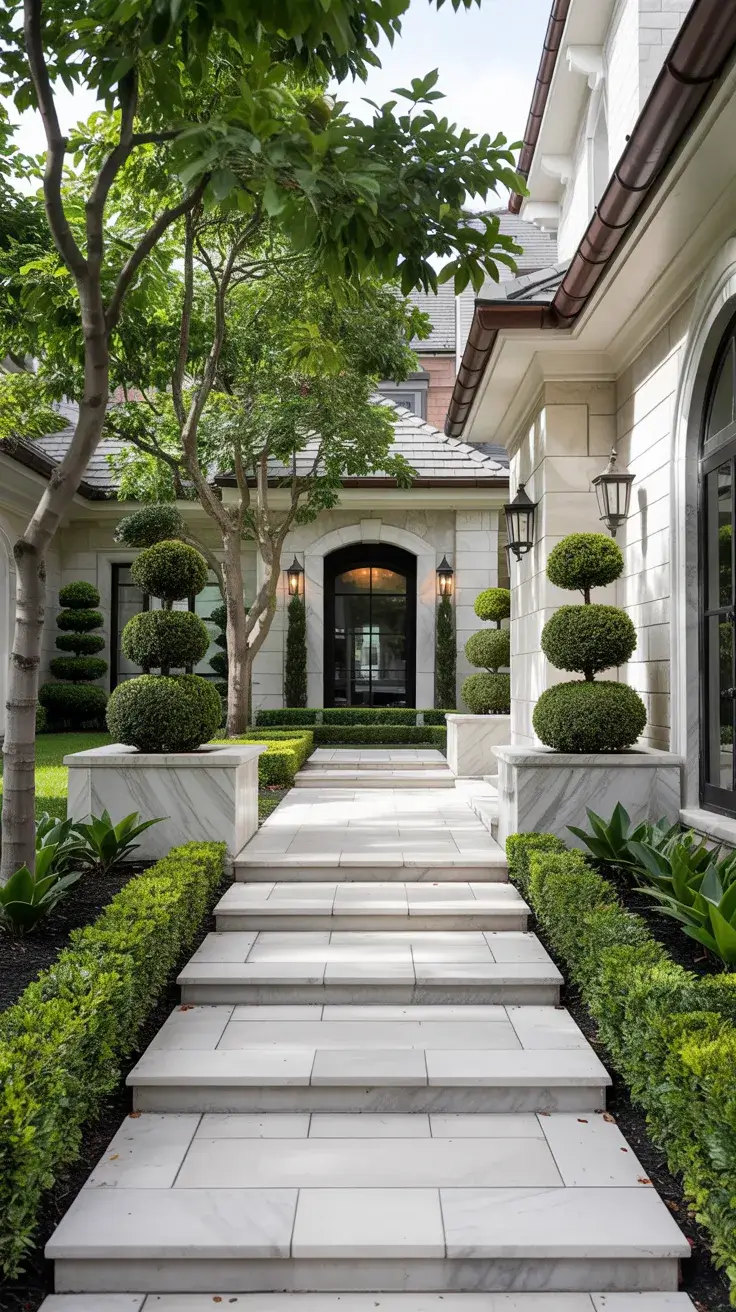
If I want to add further sophistication, I introduce symmetrical flower beds or minimalistic seating niches that enhance both beauty and functionality.
32. Front Yard Landscaping Ideas For New Builds
For new construction homes, front yard landscaping in 2026 focuses on establishing structure, enhancing architectural features, and building a foundation for long-term growth. When I design for new builds, I prioritize layouts that highlight the home’s exterior while ensuring the yard matures beautifully over time.
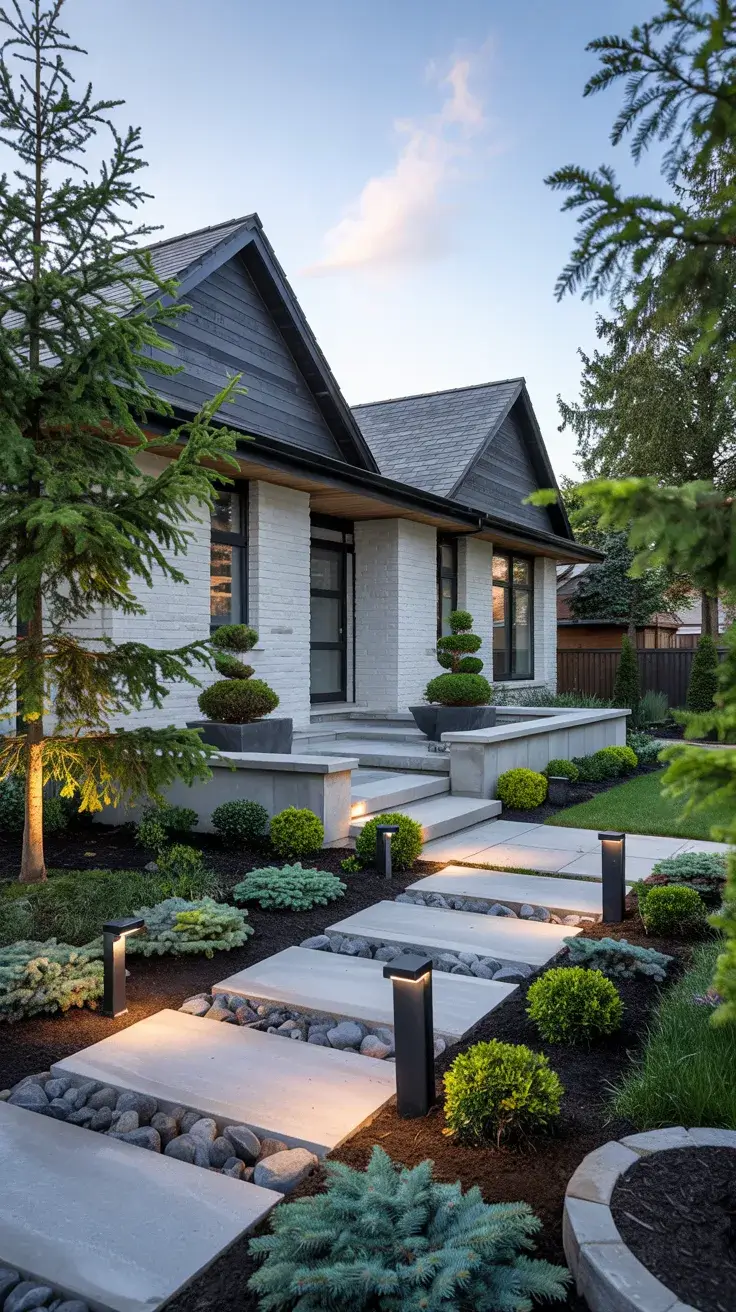
I often begin with foundational elements such as young ornamental trees, evergreen shrubs, and clean hardscape lines. These items give the landscape an immediate sense of presence while allowing room for future expansion. Modern lighting, simple pathways, and gravel or mulch beds help define zones and make the home feel complete from day one.
Professionally, I’ve found that new builds benefit greatly from phased planting strategies, a concept often recommended by landscape experts in Architectural Digest. This approach allows homeowners to expand or enhance their yard gradually without compromising the initial design.
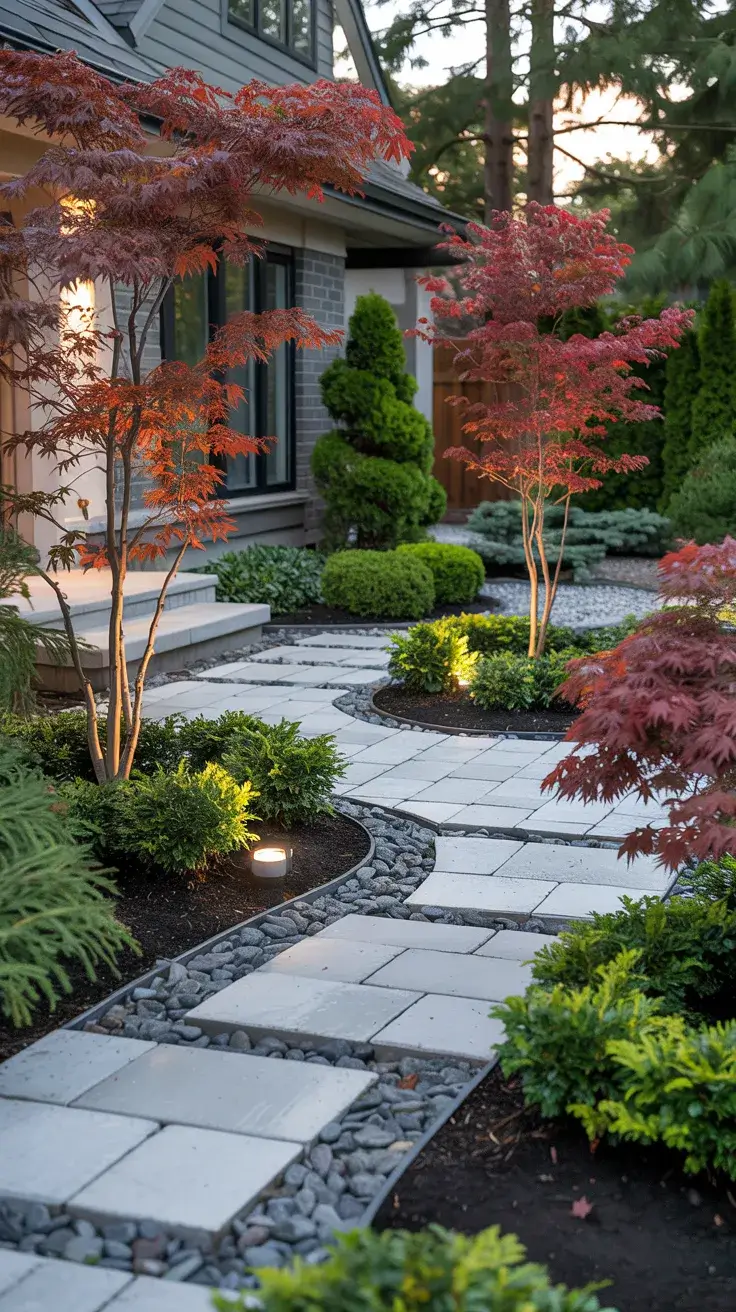
If the yard still feels sparse, I add seasonal flowers or low-maintenance perennials to introduce color and softness until the long-term plantings fully mature.