Designing a modern backyard in 2026 brings endless ways to create comfort, beauty, and function for the entire family. In this article, I explore fresh solutions and Family backyard layout ideas 2026 that bring harmony to outdoor living while answering a key question many homeowners ask: How can we maximize every inch of our outdoor space to serve both everyday life and special occasions? I also take a close look at spaces that encourage connection, creativity, and long-term value for homes of any size.
As I move through each layout idea, I explain the design choices, the furnishings that make these spaces functional, and the professional reasoning behind them. Whether you want a quiet retreat, a place for children to explore, or an entertainment hub, these Family backyard layout ideas 2026 provide practical inspiration grounded in real experience and design expertise.
Let’s explore the most effective and inspiring directions shaping modern family backyards today.
1. Modern Family Backyard Layout Concepts
A modern family backyard in 2026 focuses on multifunctional spaces that balance beauty and practicality. When I design a contemporary layout, I aim for open zones that flow naturally yet serve different needs throughout the day. Clean lines, natural textures, and well-organized structures make a backyard feel intentional, allowing families to enjoy morning coffee, afternoon play, and evening relaxation seamlessly in one cohesive space. Integrating sustainable materials and smart planning gives the area a sense of longevity and flexibility.
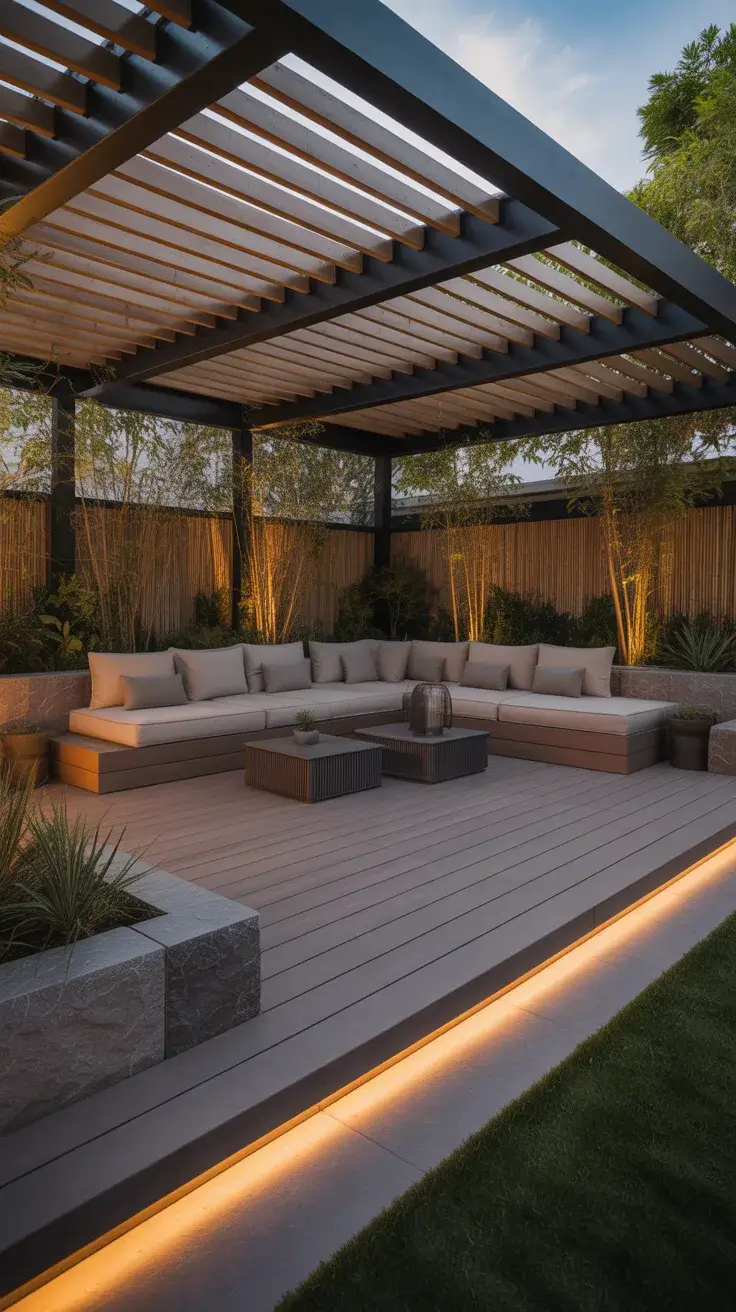
When selecting elements, I often incorporate modular patio furniture, sleek pergolas, durable composite decking, and weather-resistant textiles. Each piece plays a role in shaping a visual rhythm and effortless functionality. For example, modular seating helps families reconfigure the space depending on how many people they host. A pergola adds height and dimension while offering partial shade, creating a perfect blend of comfort and architectural interest.
From my experience, incorporating distinct focal points dramatically improves a modern backyard layout. Designers at Architectural Digest frequently emphasize the power of symmetry and uncluttered zones to elevate even compact yards. I find that introducing two to three strong visual anchors helps the space feel grounded without overwhelming it.
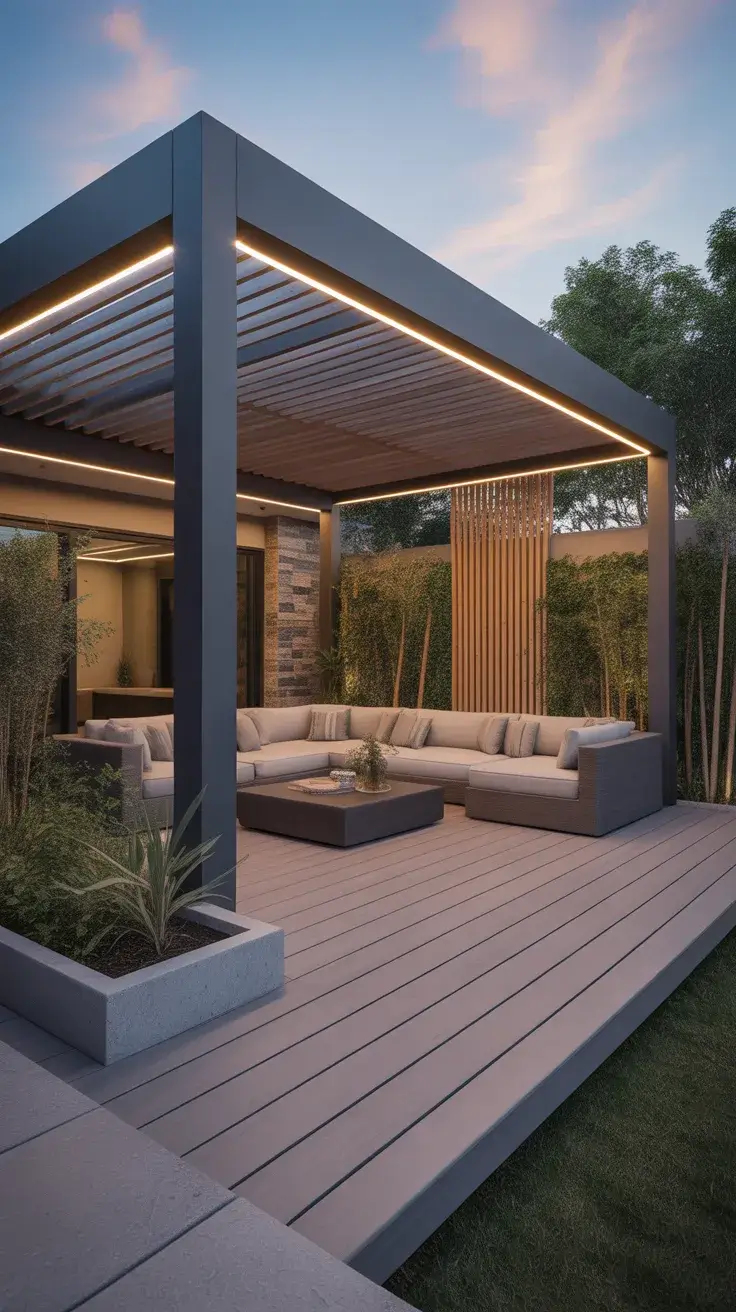
To refine this section further, I would add more emphasis on lighting design, particularly subtle LED strip lights and low-profile fixtures that enhance evening usability and atmosphere.
2. Functional Zones For Everyday Family Living
When planning functional zones for a family backyard, I focus on making sure each area supports daily routines without wasting space. A well-designed layout defined by thoughtful boundaries lets parents relax while kids play nearby. By dividing the yard into activity areas, families gain more flexibility and comfort without feeling confined. Zones might include lounging, dining, gardening, and play areas that connect through visual consistency.
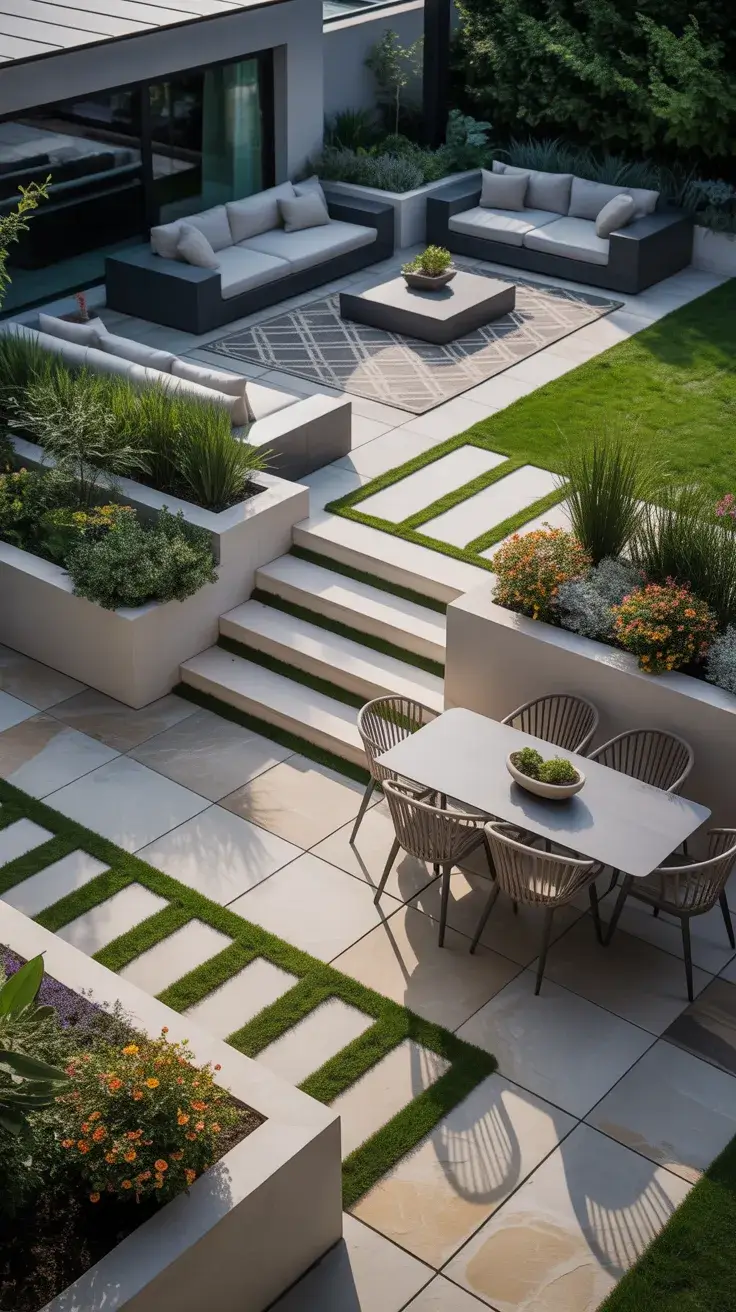
I typically add outdoor rugs, planters, and strategically placed furniture to organize these zones naturally. A cushioned seating set can define a lounge area, while a durable dining table anchors the outdoor cooking and eating section. Raised beds or container gardens create a charming transition between adult and kid zones. These elements visually guide movement while keeping the backyard organized and harmonious.
Professionals at Better Homes & Gardens often recommend adding partial dividers such as low fencing or tall planters to mark individual spaces without closing the yard off completely. I’ve found that these subtle boundaries create a sense of order while allowing families to supervise children easily and interact freely.
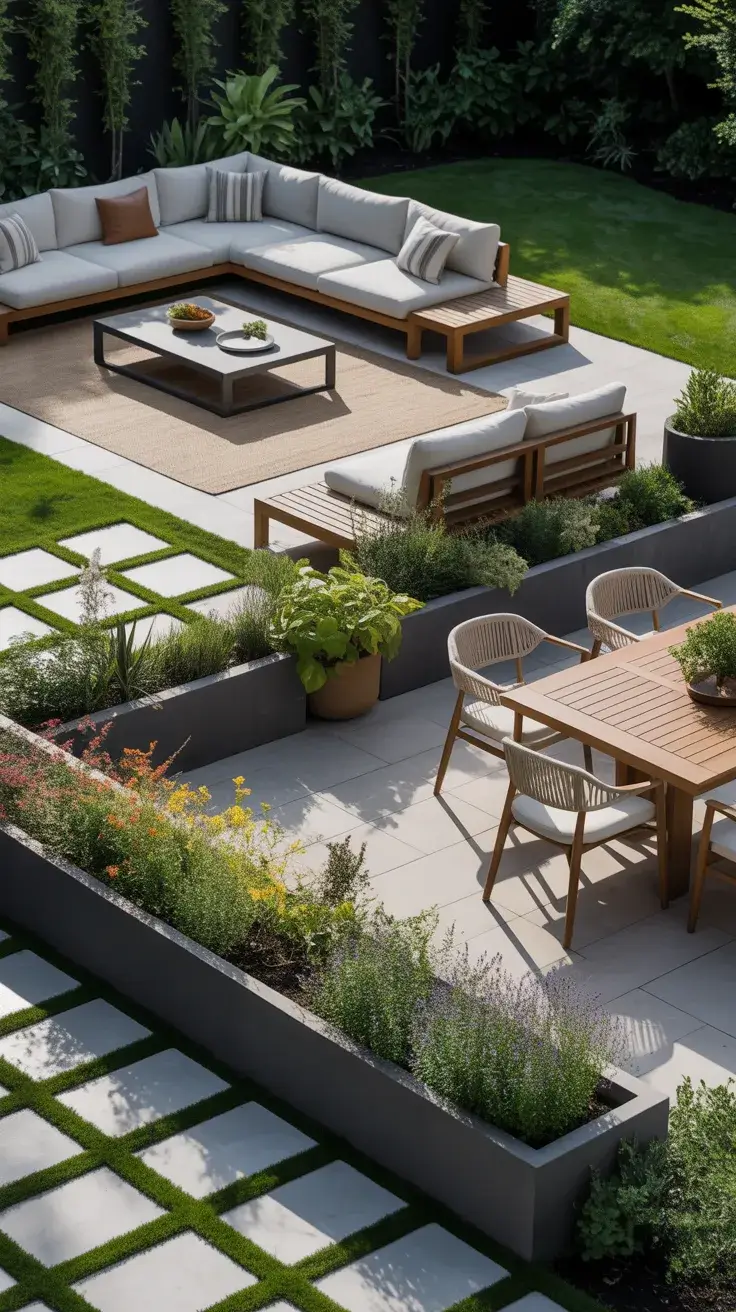
To strengthen this section, I might include ideas for adjustable elements like movable screens or foldable furniture that allow seasonal or event-specific flexibility.
3. Outdoor Kitchens For Year Round Entertaining
An outdoor kitchen dramatically enhances a family backyard by turning mealtime into a shared outdoor experience. When I design these spaces, I prioritize durability, layout efficiency, and weather protection. In 2026, many families favor kitchens with built-in grills, counters for food prep, and small refrigerators to minimize trips indoors. These features allow outdoor cooking to feel as refined and convenient as an indoor setup.
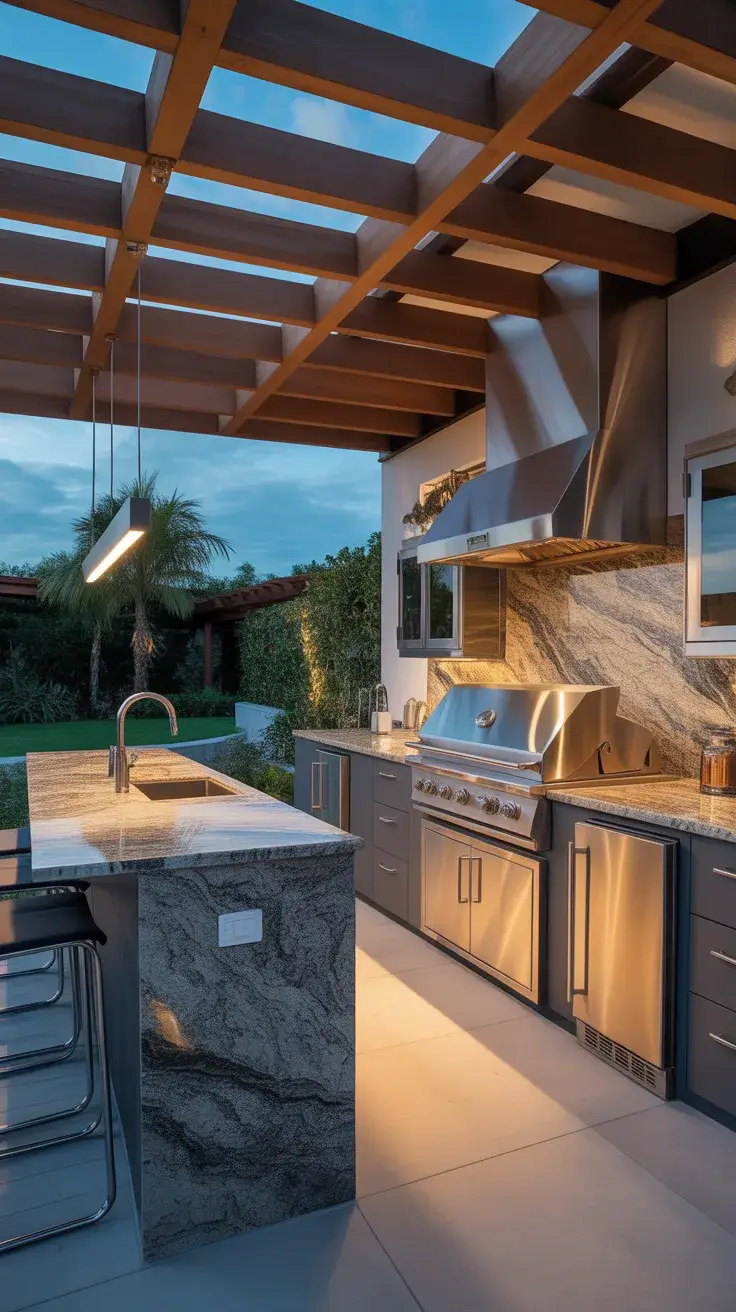
I choose stainless steel appliances, stone or concrete countertops, and cabinetry designed for moisture resistance. Adding a pergola or roof extension shields the area from sun and light rain, making it usable throughout the year. I also like integrating bar seating, which becomes a natural gathering spot during parties and family dinners. Task lighting placed under cabinets or counters ensures nighttime functionality.
Based on insights from top outdoor living designers, having zones for prep, cooking, and serving helps maintain efficiency and cleanliness. I’ve personally found that including a dedicated storage area for utensils and dishware reduces clutter and makes the kitchen more enjoyable to use.
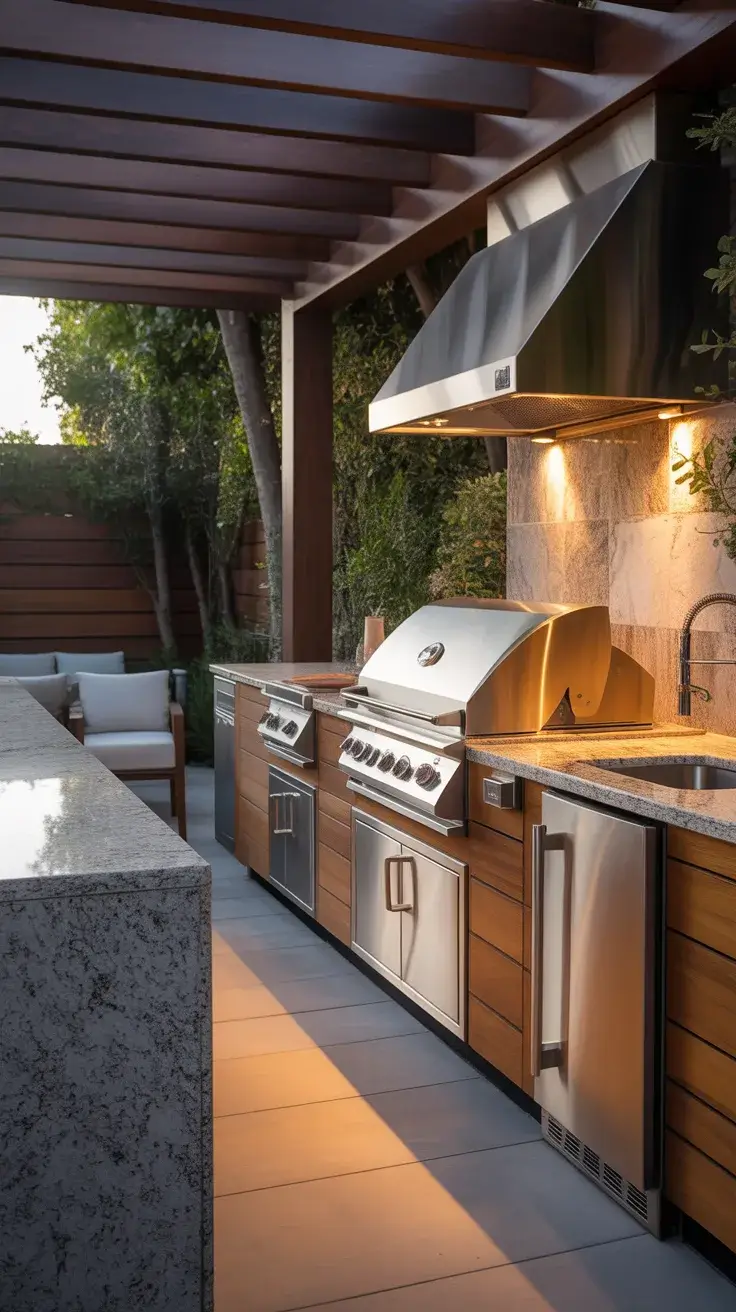
If expanding this section, I would add recommendations for energy-efficient appliances and concealed waste bins to keep the area clean and sustainable.
4. Cozy Fire Pit Spaces For Family Nights
A fire pit area brings warmth and atmosphere to a family backyard. I often set up these spaces as intimate zones where families can gather for conversations, marshmallow roasting, or relaxed evenings outdoors. Circular or square layouts both work well, depending on the yard’s geometry, and adding gravel or stone underneath helps define the space visually and functionally.
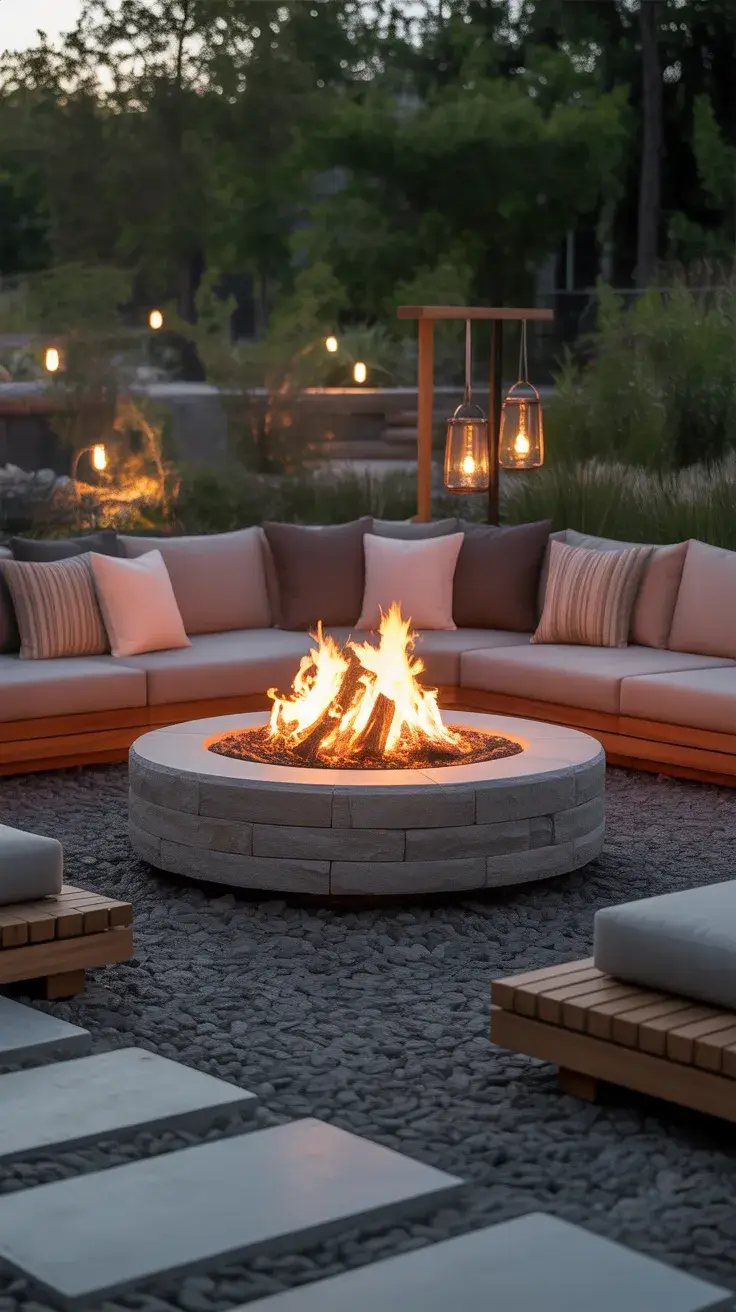
I include deep outdoor lounge chairs, built-in benches, or weatherproof sectional seating around the fire pit. Adding soft outdoor cushions, lanterns, and side tables creates comfort and convenience. Stone or metal fire pit designs offer durability and visual appeal, and I usually select materials that complement the home’s exterior. A low retaining wall or raised planter nearby enhances the sense of enclosure.
From my experience and recommendations by Sunset Magazine, prioritizing safety clearances and wind direction is essential when positioning a fire feature. I’ve also found that including wood storage or a dedicated spot for tools keeps the area tidy and ready for spontaneous family gatherings.
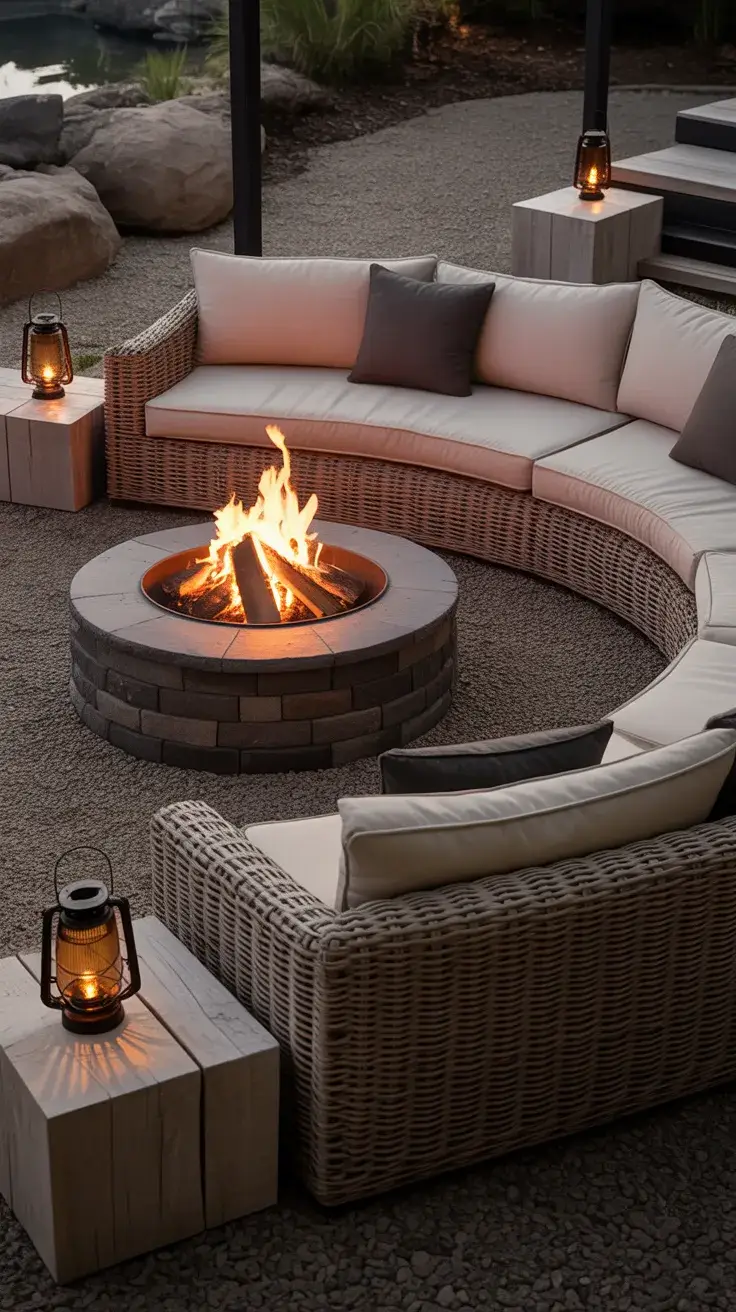
If I expanded this section, I would add insight into integrating propane fire bowls for homeowners who prefer low maintenance and smokeless warmth.
5. Multi Level Decks For Dynamic Backyard Flow
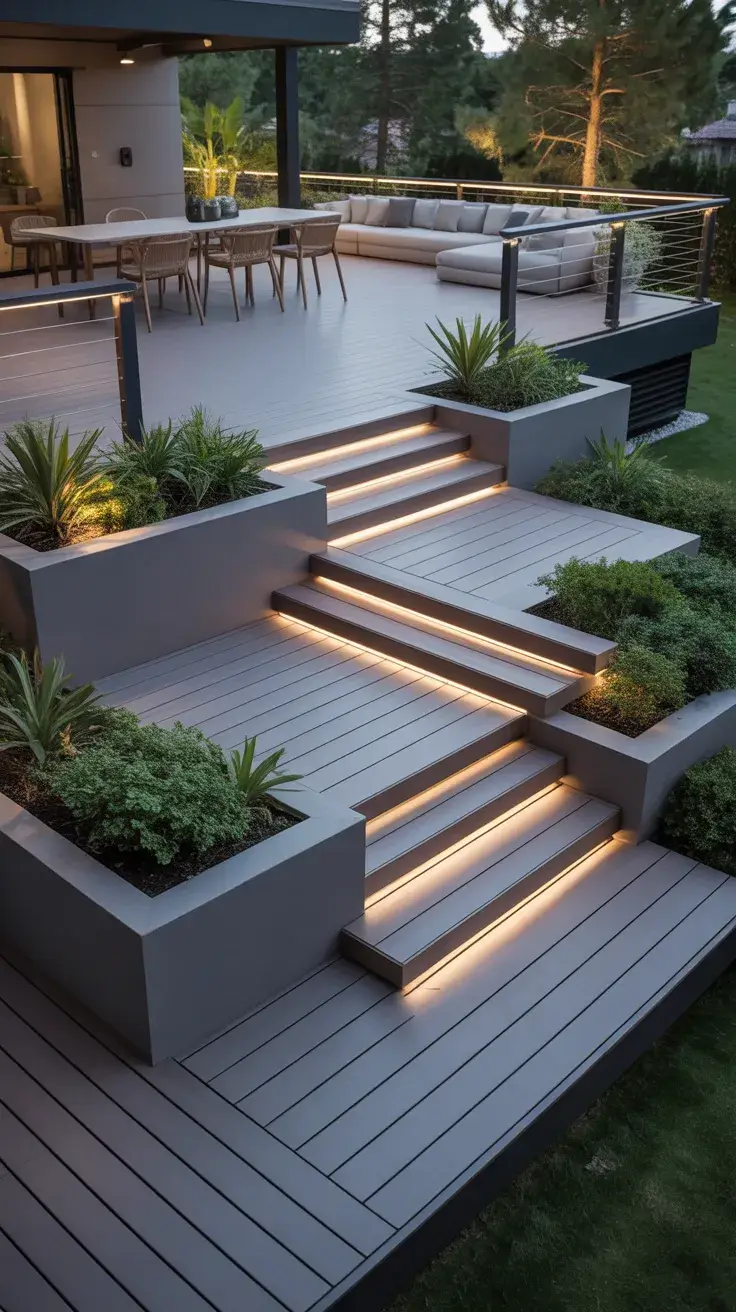
A multi level deck adds architectural interest and smooth transitions between different backyard areas. When designing tiered spaces, I consider how each level will serve the family. The upper level might be for dining, the midsection for lounging, and the lower area for play. This layering creates depth, enhances usability, and makes the yard feel larger than it is.
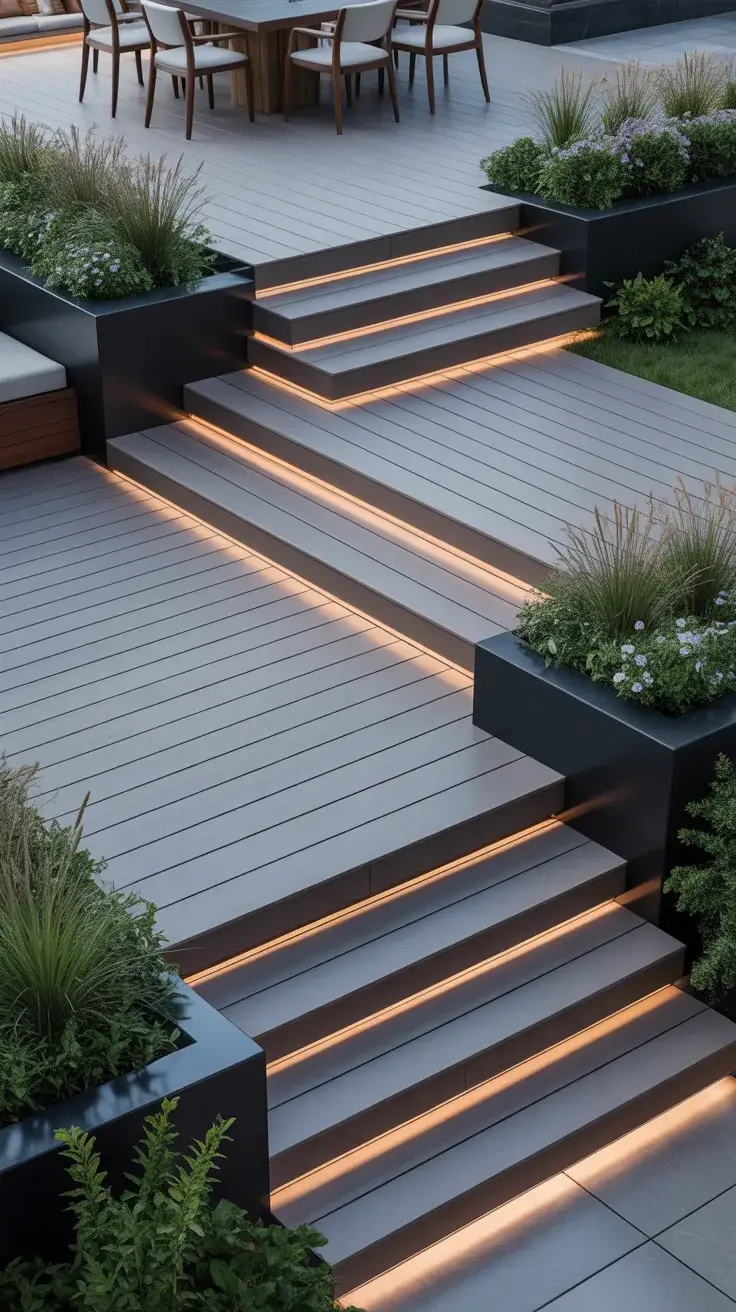
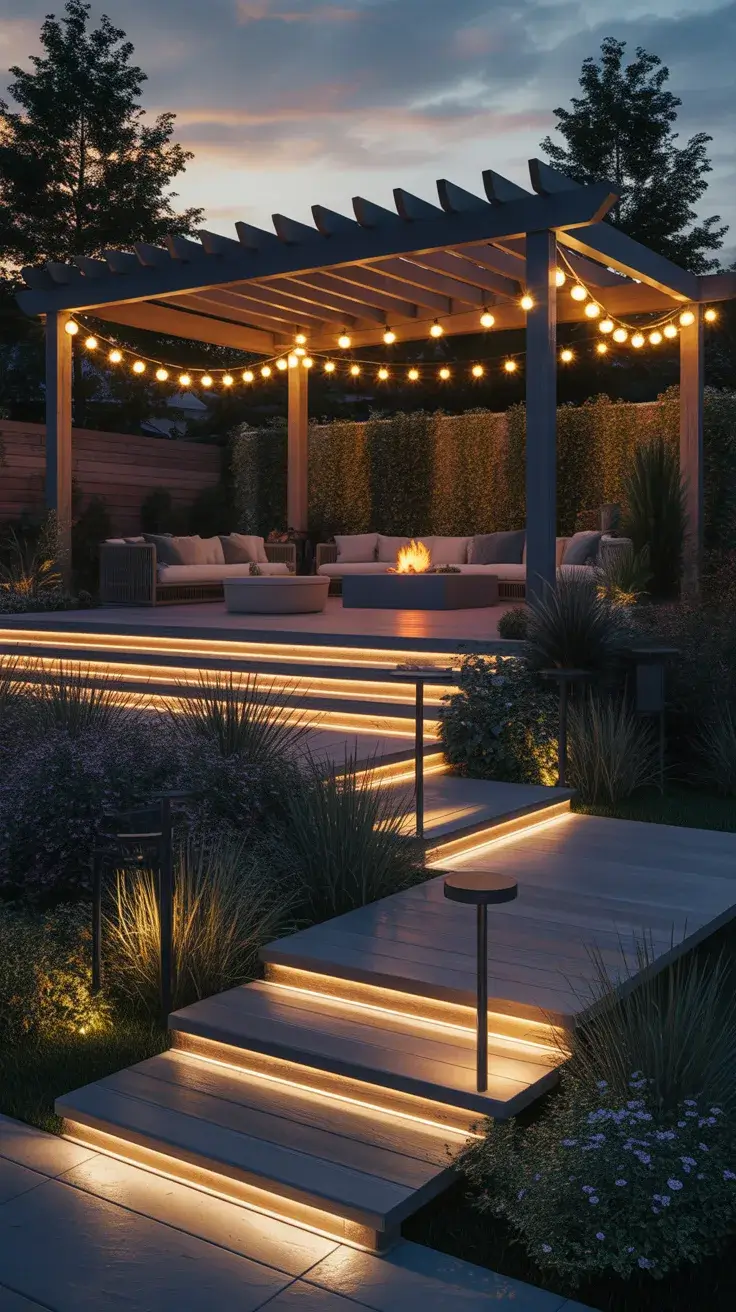
For materials, I typically use composite decking due to its longevity and low maintenance. I pair it with metal or wooden railings based on the home’s style. Wide steps double as extra seating during gatherings, and built-in planters help soften the edges of each level. Outdoor lighting integrated into the steps elevates safety while adding ambiance at night.
Designers at House Beautiful often highlight the importance of flow between levels. I agree wholeheartedly; I’ve found that gentle transitions and consistent materials unify the entire structure. Multi level decks also work beautifully in sloped yards, eliminating the need for costly excavation.
If adding more content, I would discuss weatherproof storage under the upper deck for maximizing functionality.
6. Kid Friendly Play Areas With Safety Design
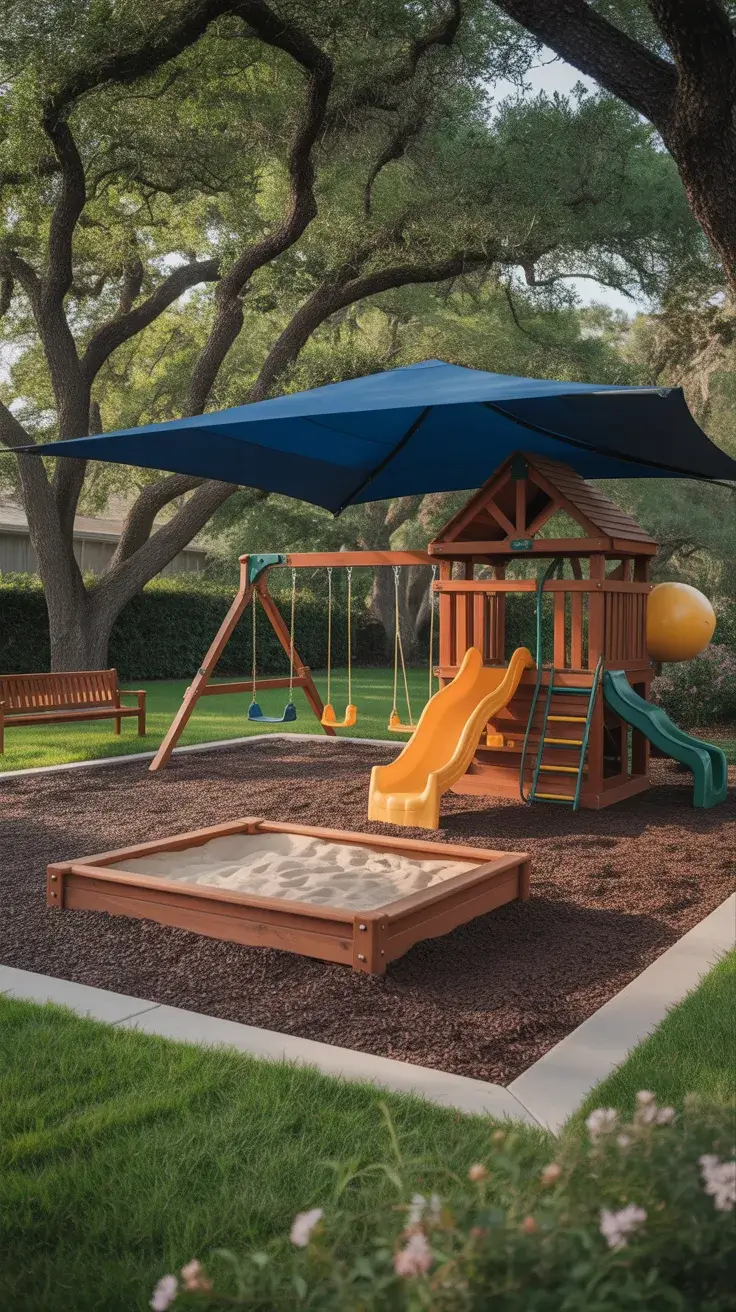
Creating a kid friendly play area is essential for families seeking an outdoor retreat everyone can enjoy. When planning these spaces, I focus on soft surfaces, visibility from adult zones, and stimulating yet safe play structures. Thoughtful placement ensures children can explore freely while staying within sight. Play zones should invite movement, creativity, and sensory experiences.
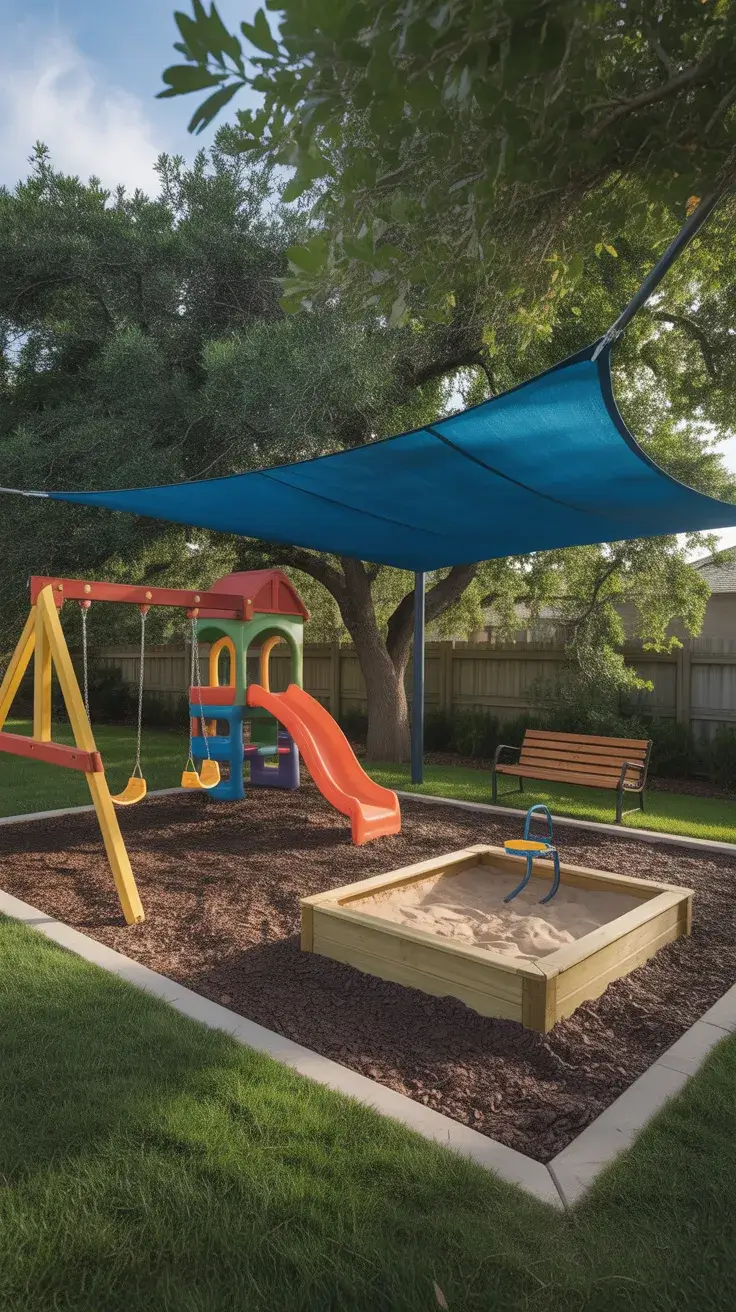
I often include rubber mulch, grass, or artificial turf as ground coverings. Swings, climbing frames, and small slides offer physical activity, while shaded sandboxes or water tables encourage creative play. Low fencing or raised planters help subtly outline the play zone. I also integrate benches nearby so parents can sit comfortably while supervising.
Child safety experts recommend rounded edges, sturdy anchoring, and materials free from harmful chemicals. I follow these guidelines closely and find that families appreciate the peace of mind. Experience has shown me that adding shade solutions like canopies prevents overheating and prolongs outdoor play.
To expand this section, I would suggest incorporating sensory elements such as musical panels or natural wood balancing beams to support motor development.
7. Smart Storage Solutions For Outdoor Gear
Smart storage is essential in a family backyard because it reduces clutter and improves daily convenience. When designing outdoor storage systems, I often incorporate built-in benches with hidden compartments, vertical shelving, or compact sheds that blend into the landscape. These solutions make it easy to organize toys, cushions, tools, and seasonal décor.
I choose weatherproof materials like resin, treated wood, or metal cabinets, ensuring longevity and easy maintenance. Hooks and pegboards help keep items visible and accessible, while labeled bins simplify organization for the entire household. Storage benches placed near play zones or dining areas create practical drop points that support seamless outdoor living.
Outdoor design experts frequently emphasize that good storage systems directly improve backyard usability. I completely agree; I’ve seen families enjoy their space much more when everything has a designated place. In my experience, incorporating lighting into sheds or cabinets enhances evening accessibility.
If expanding this section, I would add advice on using modular shelving systems that can grow with the family’s evolving needs.
8. Backyard Gardens That Encourage Family Activities
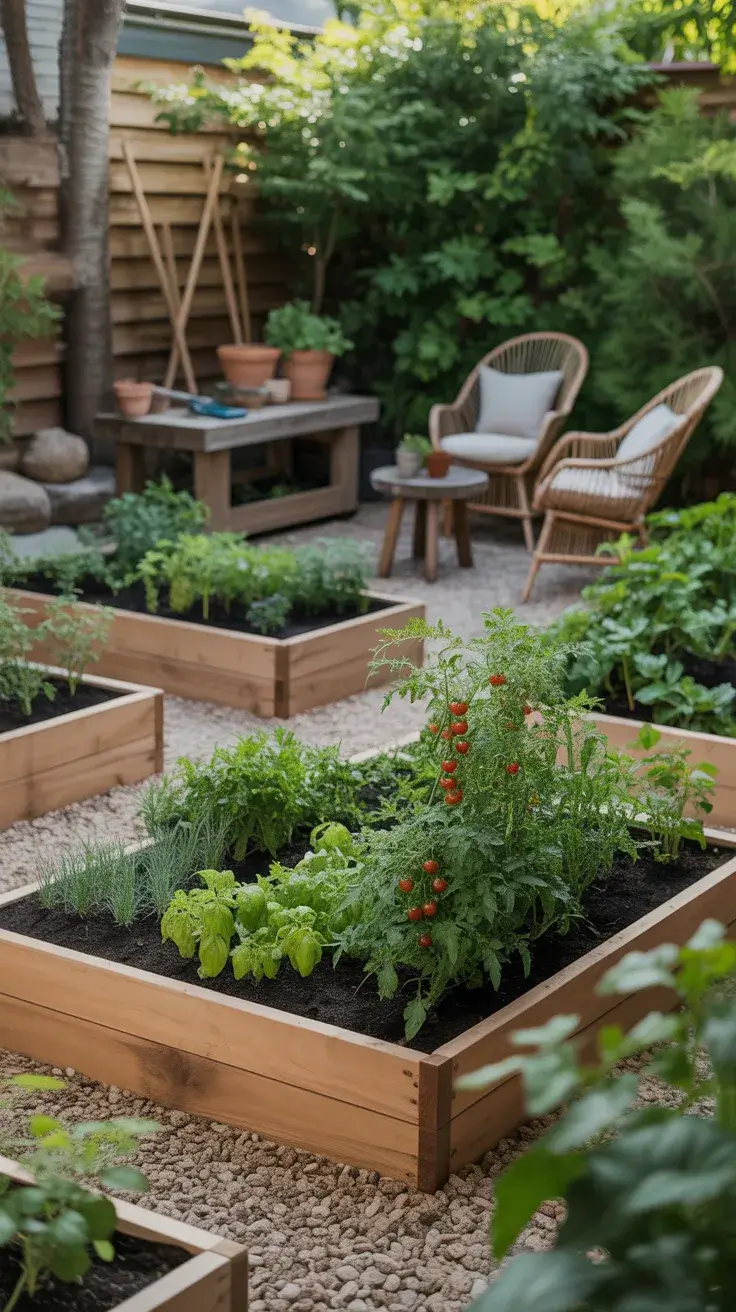
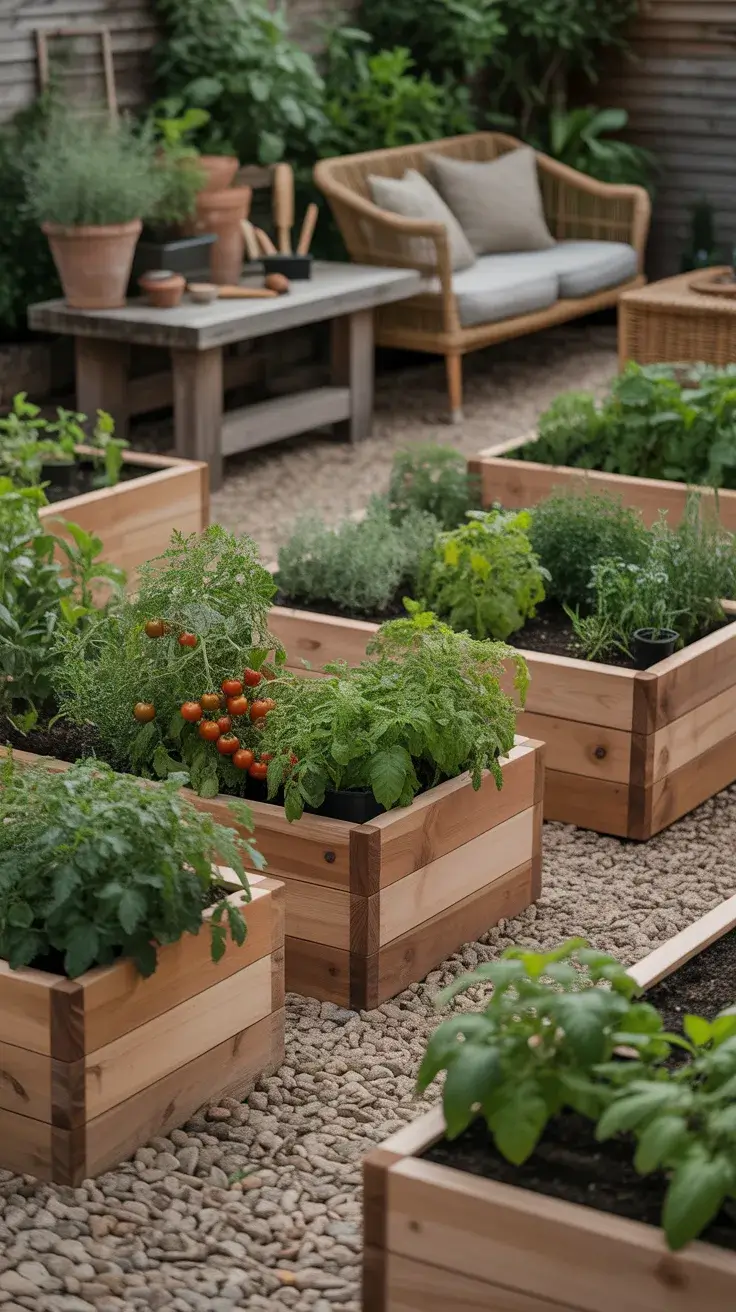
A family-focused garden encourages connection, curiosity, and time outdoors. When I design these gardens, I prioritize accessibility and interactive elements that everyone can enjoy. Raised beds, edible plants, and simple pathways help families explore gardening together while keeping the space welcoming and organized. I find that gardens designed for hands-on experiences foster creativity and teach children valuable lessons about plant care and sustainability.
In these gardens, I typically add raised planters made of cedar or composite materials, comfortable seating nearby, and a mix of vegetables, herbs, and flowering plants. Including a potting table keeps tools accessible and creates a dedicated spot for repotting and seasonal tasks. Small gravel or stone pathways offer easy movement and structure, making the garden feel both functional and calm.
Many landscape experts across the US recommend integrating native plants to reduce maintenance and support local wildlife. I’ve seen this approach create healthier, more vibrant gardens with less upkeep. Families appreciate when their garden thrives naturally with minimal intervention.
To enhance this section further, I would include ideas for vertical trellises or climbing frames, which add height and visual interest while maximizing planting space.
9. Spacious Lawn Designs For Games And Gatherings
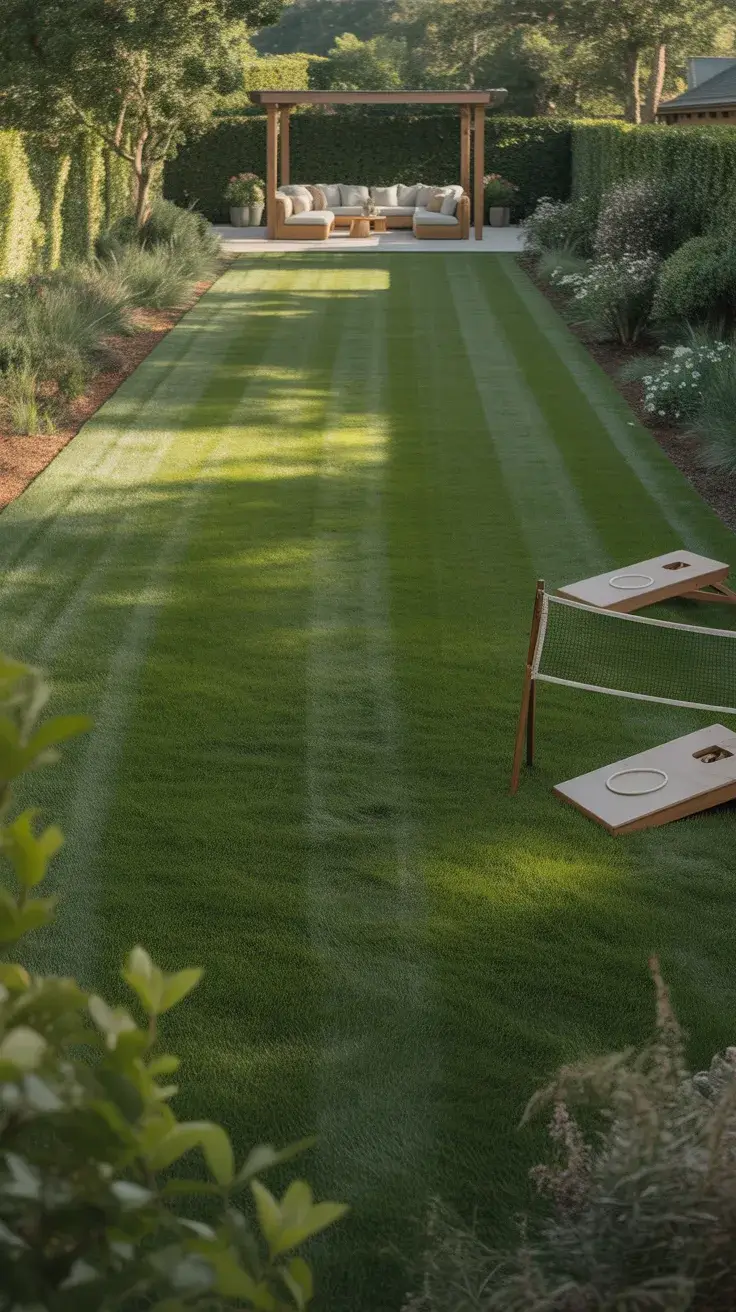
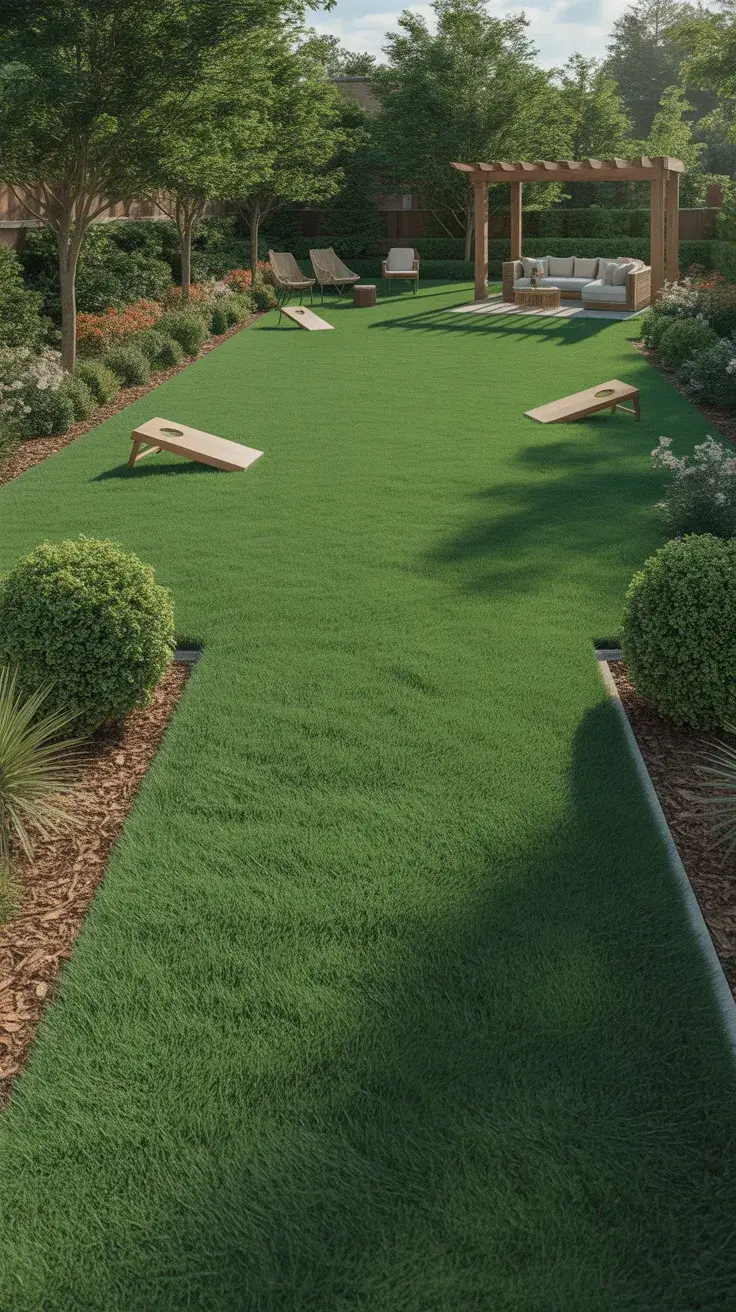
A spacious lawn often becomes the heart of a family backyard, providing room for games, gatherings, and casual relaxation. When I plan an open lawn area, I consider how the space will be used daily—running, playing, hosting picnics, or setting up temporary sports activities. A well-maintained lawn also creates visual balance and serves as a soft transition between more structured backyard zones.
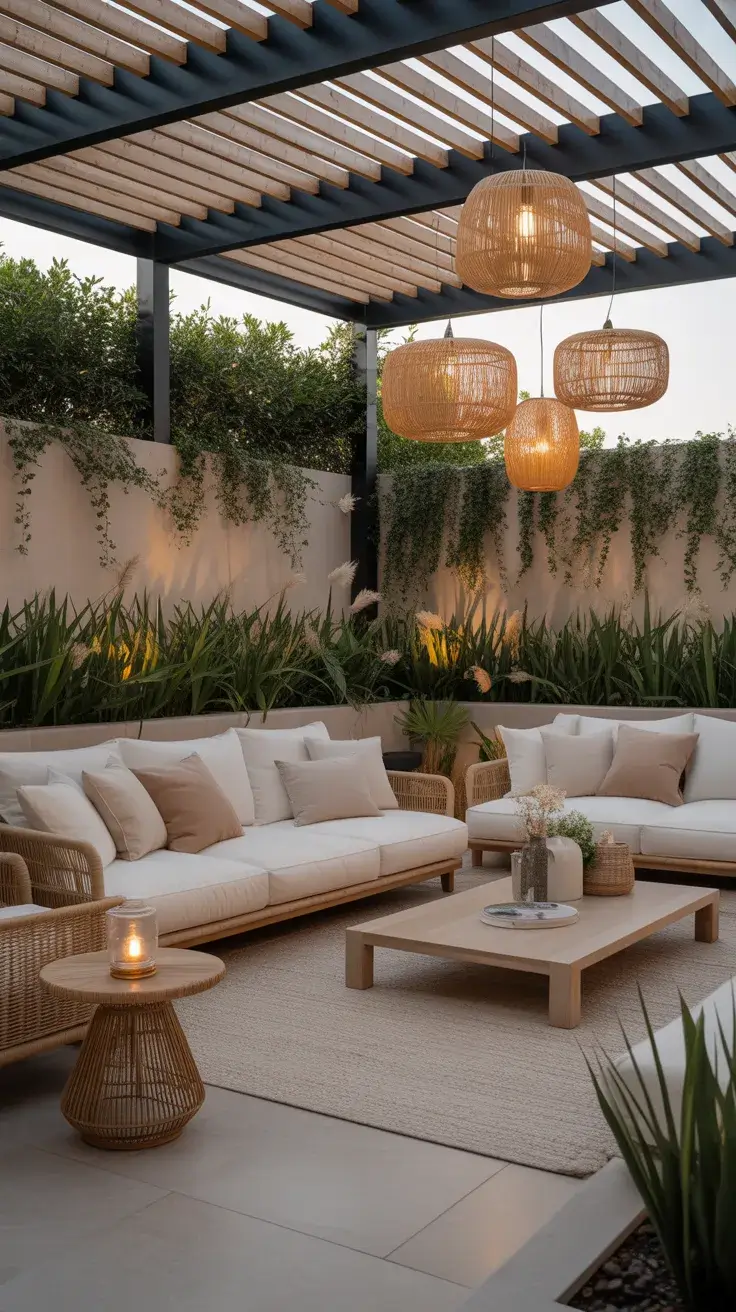
I select hardy grass varieties or high-quality artificial turf depending on climate and maintenance goals. Surrounding the lawn with low shrubs or ornamental grasses creates a natural frame without limiting movement. I often include portable game equipment, such as cornhole boards or a foldable volleyball net, which families can store easily when not in use. Outdoor benches or a simple pergola nearby provide shaded rest areas.
Design professionals frequently highlight the importance of proper drainage and soil preparation before installing a lawn. I follow this guidance closely because a healthy foundation prevents patchiness and reduces maintenance in the long term.
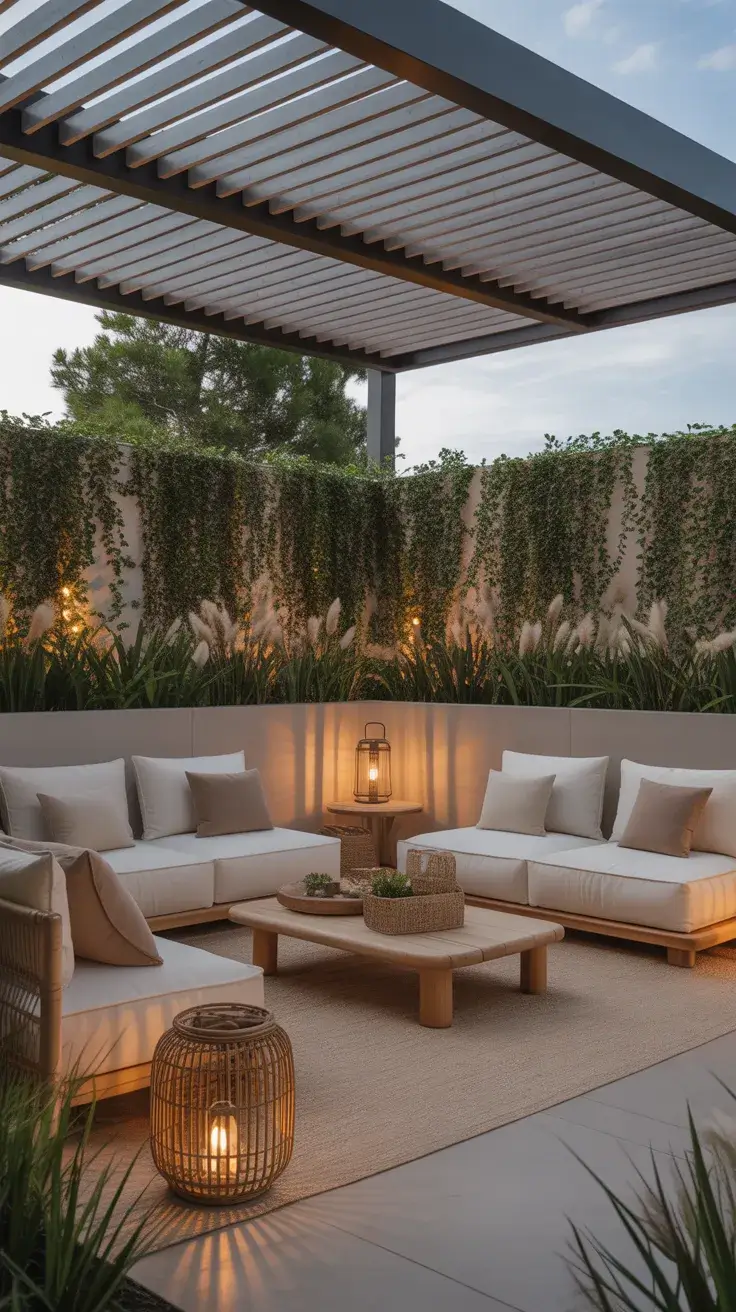
If I expanded this section, I would add suggestions for integrating subtle landscape lighting around the lawn to support evening family activities.
10. Relaxation Lounges For Parents And Adults
A relaxation lounge gives parents and adults a place to unwind while still enjoying the backyard’s energy. When designing these quiet retreats, I aim to create a soothing environment with layered textures, comfortable seating, and gentle shade. These lounges can sit close to the home or in a more secluded corner, depending on privacy needs.
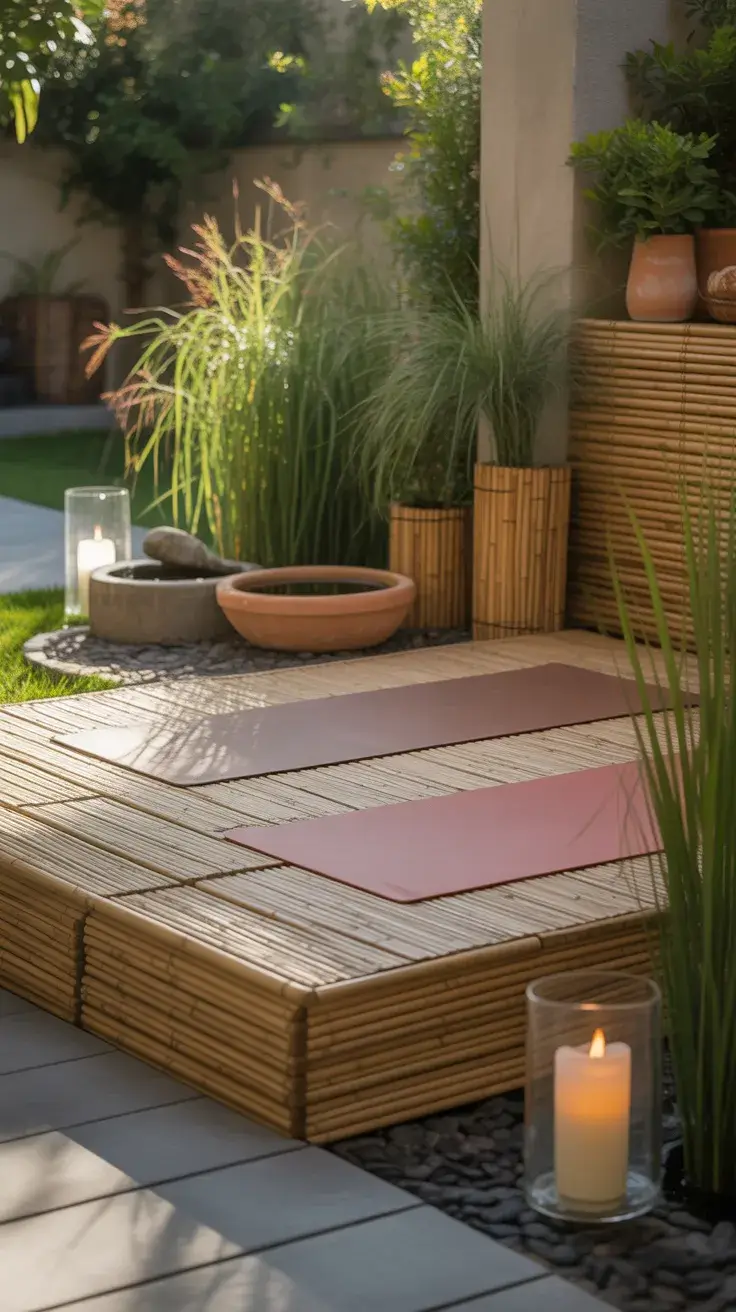
I like to incorporate deep cushioned outdoor sofas, weatherproof loungers, and side tables for essential convenience. Soft neutral textiles paired with warm wood or rattan accents create a calming and sophisticated look. Adding a pergola, retractable shade sail, or tall planters helps define the space and offer privacy. Candles, lanterns, and minimal décor maintain a serene atmosphere without clutter.
Well-known outdoor living designers often suggest incorporating natural elements such as stone or greenery to enhance relaxation. I’ve followed this advice many times and seen firsthand how much it elevates the sensory experience.
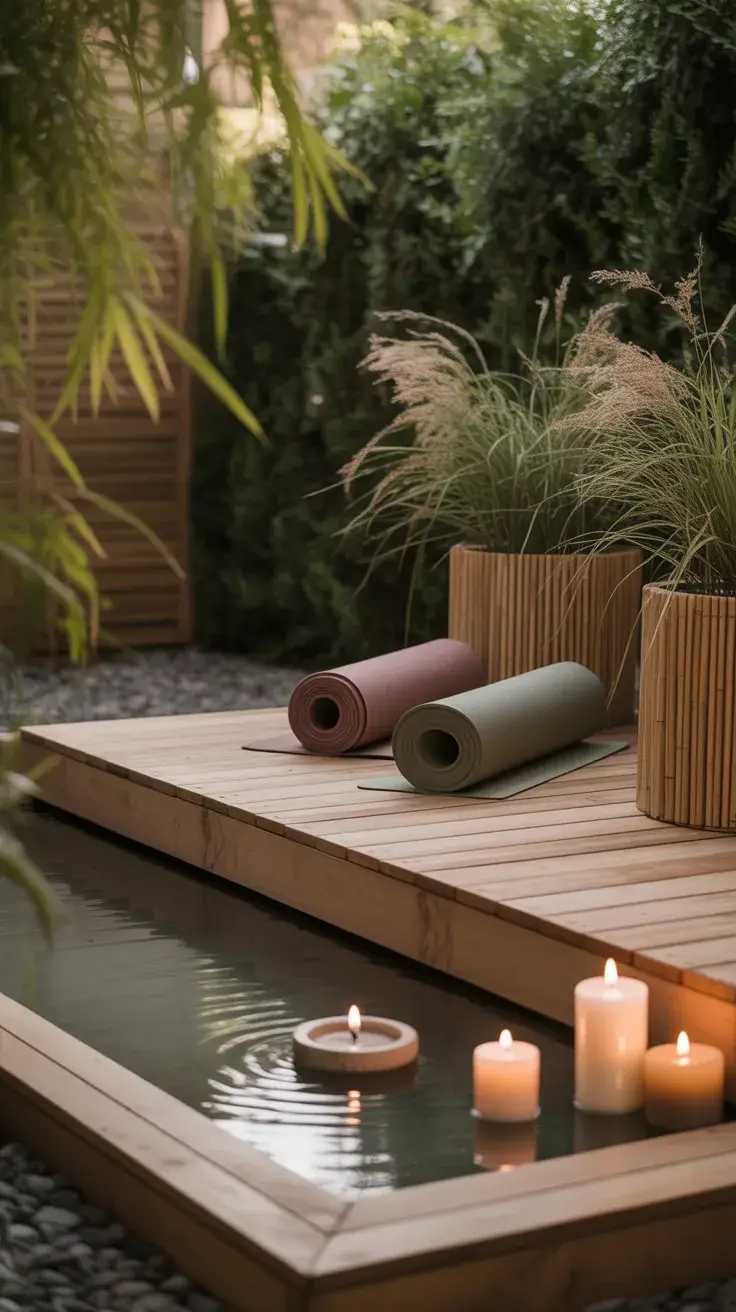
To increase the comfort of this section, I would consider adding a small water feature nearby, as the gentle sound enhances relaxation.
11. Wellness Retreat Corners For Mindful Living
Wellness retreat corners bring calm and introspection into a lively family backyard. When designing these areas, I focus on creating a sanctuary where adults can meditate, stretch, or practice yoga. A quiet corner with natural textures and soft lighting offers a soothing escape without requiring much space.
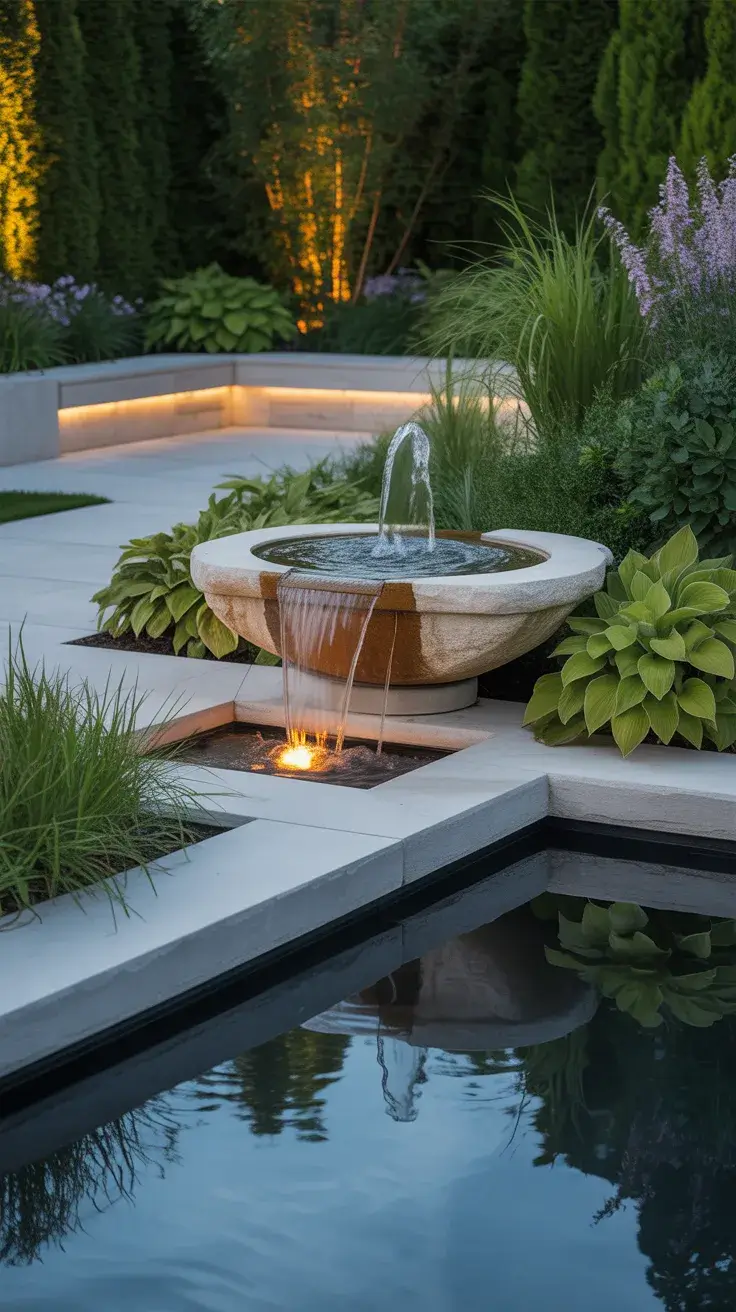
I incorporate elements like a flat deck platform or stone patio for stability, paired with outdoor cushions, yoga mats, and a small storage bench for accessories. Surrounding the area with tall grasses, bamboo, or potted trees reinforces the calming feeling. Accessories such as wind chimes, candles, or a simple fountain contribute to a peaceful ambiance.
Design publications often recommend using muted colors and organic materials to support mental clarity. I’ve found that homeowners appreciate how these subtle design choices create an environment where they can recharge quickly during busy days.
If adding more content, I might suggest integrating a privacy screen or lattice panel to increase the retreat-like atmosphere.
12. Backyard Layouts With Integrated Water Features
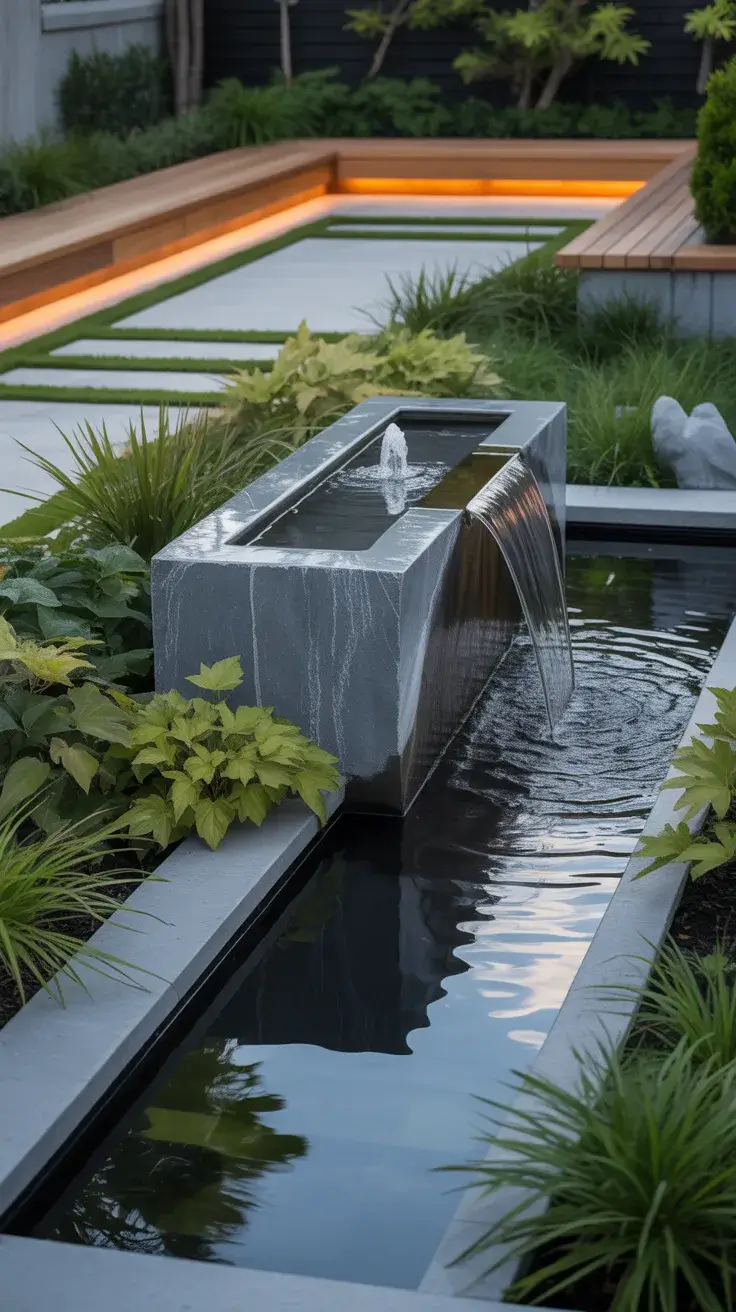
Integrated water features bring movement and serenity into a family backyard. When I design these elements, I consider how the sound, scale, and visual flow will complement daily activities. Whether it’s a small pond, cascading fountain, or modern reflecting pool, water elements instantly elevate the atmosphere and anchor the design.
I choose durable materials like stone, concrete, or metal depending on the style of the home. Surrounding the water feature with seating or flowering plants draws attention and encourages families to gather around it. Lighting placed beneath or around the water enhances nighttime beauty and makes the feature usable in the evenings.
Experts from landscape design magazines often highlight the cooling effect of water in hot climates and its ability to mask neighborhood noise. I’ve experienced this benefit myself in many backyards, where even a small fountain transforms the entire sensory feel of the space.
If expanding this section, I would also recommend adding wildlife-friendly features such as bird-safe baths or shallow edges that support local ecosystems.
13. Creative Pathways That Connect Outdoor Zones
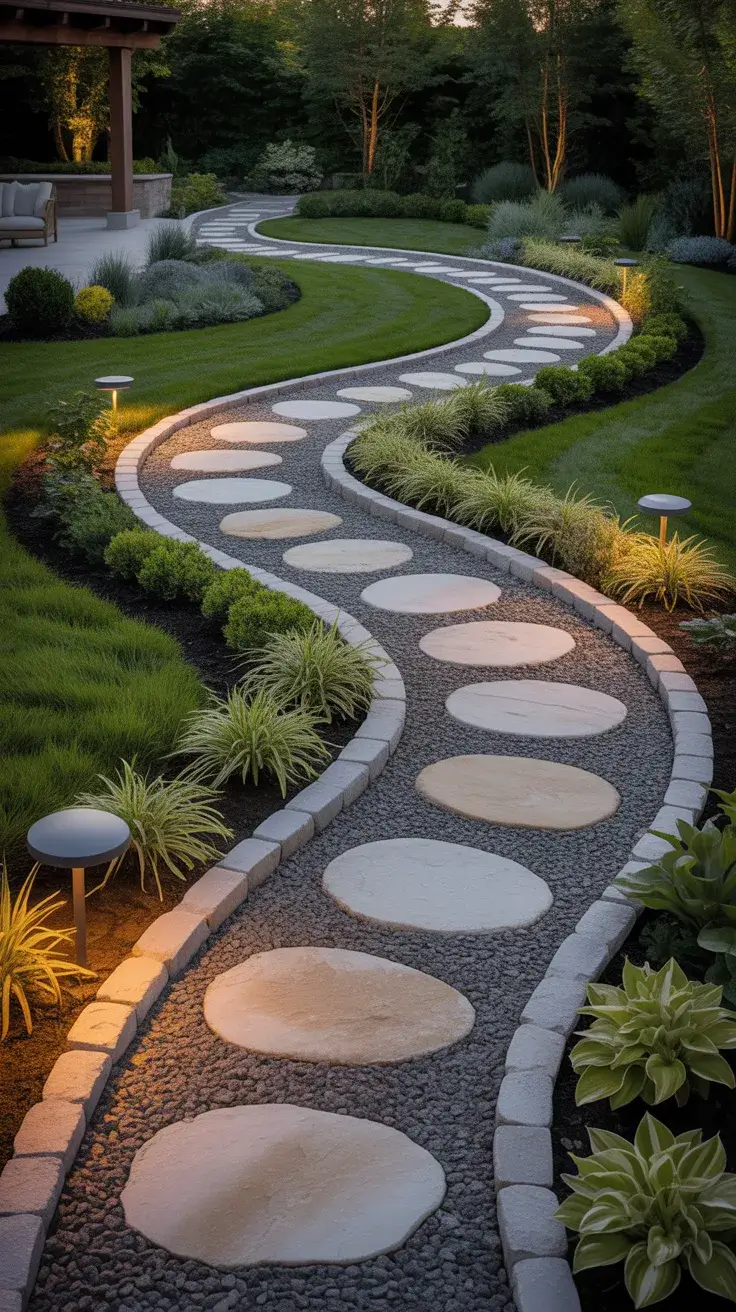
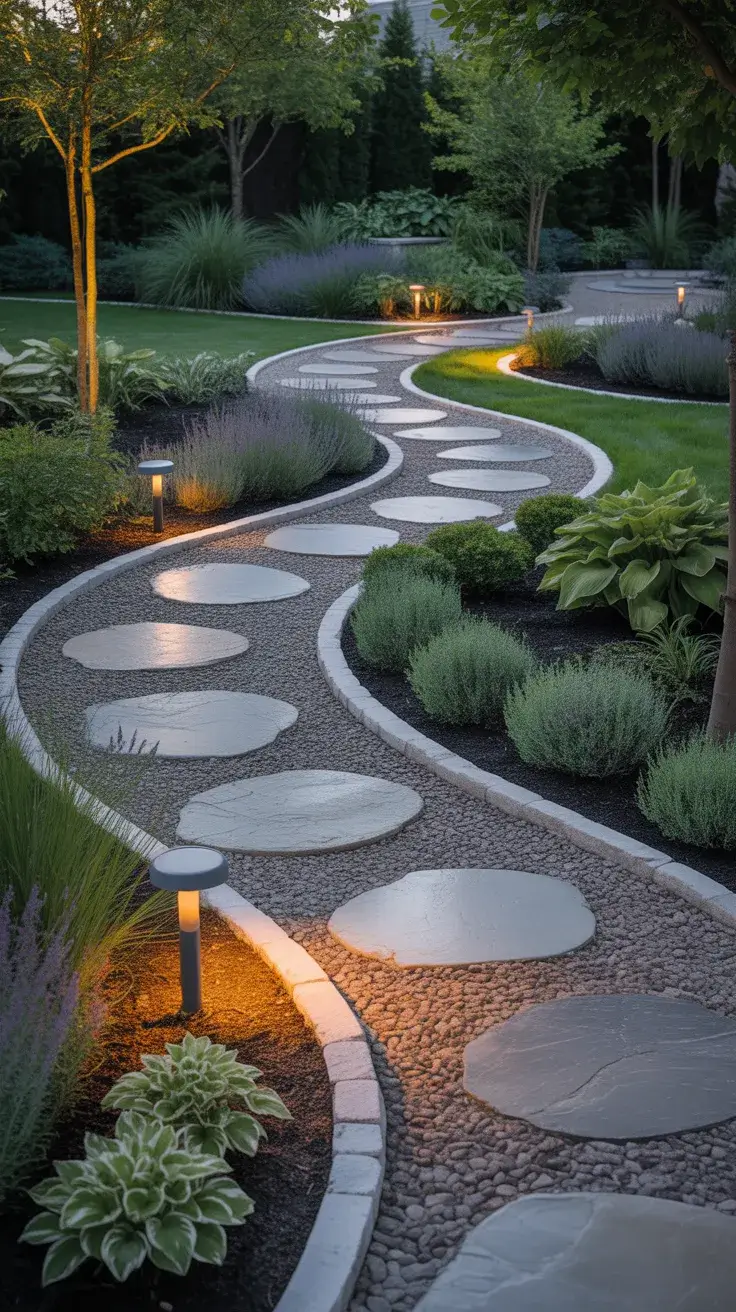
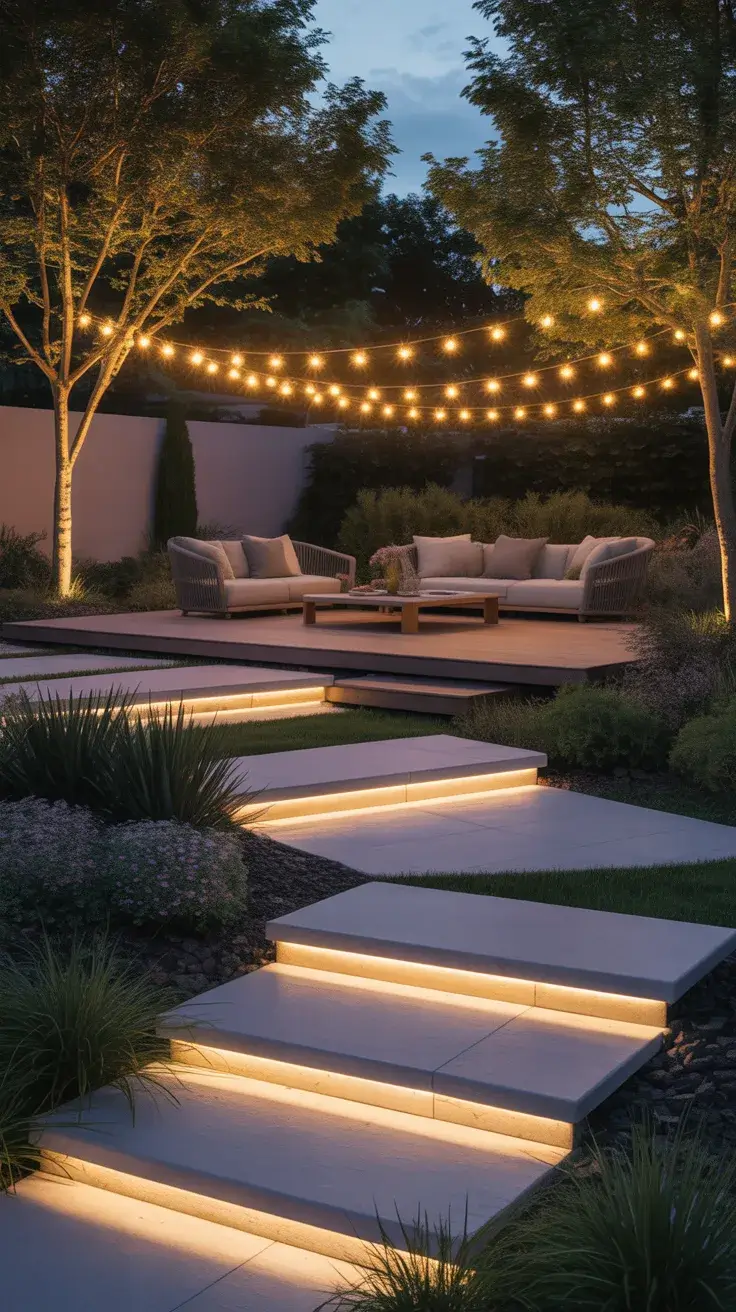
Creative pathways help unify backyard zones while guiding movement naturally. When designing pathways, I focus on comfort, flow, and visual impact. Curving lines create a sense of discovery, while straight paths offer structure and direction. Choosing the right material helps set the tone—whether casual, elegant, or modern.
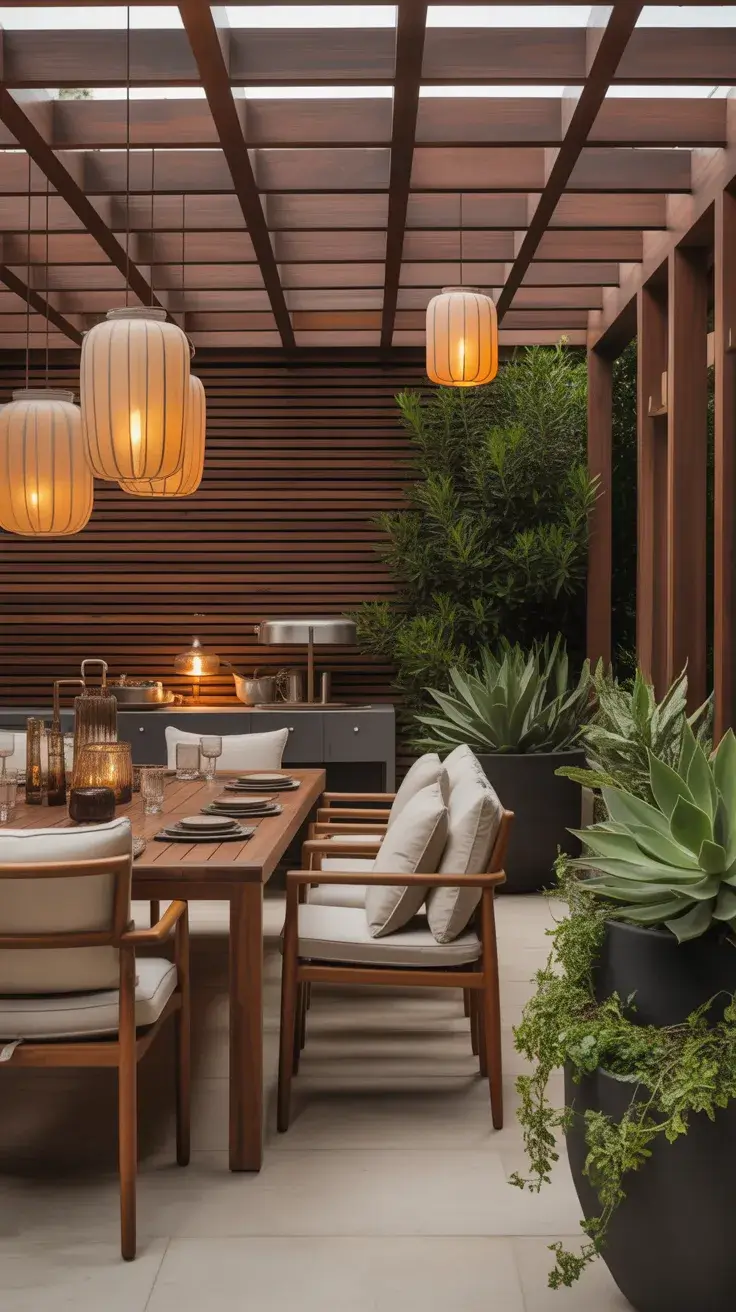
I often use gravel, stepping stones, pavers, or stamped concrete depending on the yard’s style. Bordering the pathways with low plants or solar lights keeps them visible and safe after sunset. Wider paths near high-traffic areas and narrower ones near garden corners ensure comfortable navigation. A subtle change in texture or pattern can signal transitions between zones.
Design experts frequently suggest coordinating pathway materials with patio or deck finishes to create visual consistency. I follow this advice and find it improves both beauty and practicality.
To enhance this section further, I might add recommendations for incorporating rain-permeable materials that support sustainable drainage.
14. Dining Areas Designed For Family Meals Outdoors
Outdoor dining areas bring families together for meals in a relaxed setting. When crafting these spaces, I consider comfort, shade, and proximity to the kitchen. A well-placed dining area anchors the backyard and makes outdoor meals feel effortless and inviting.
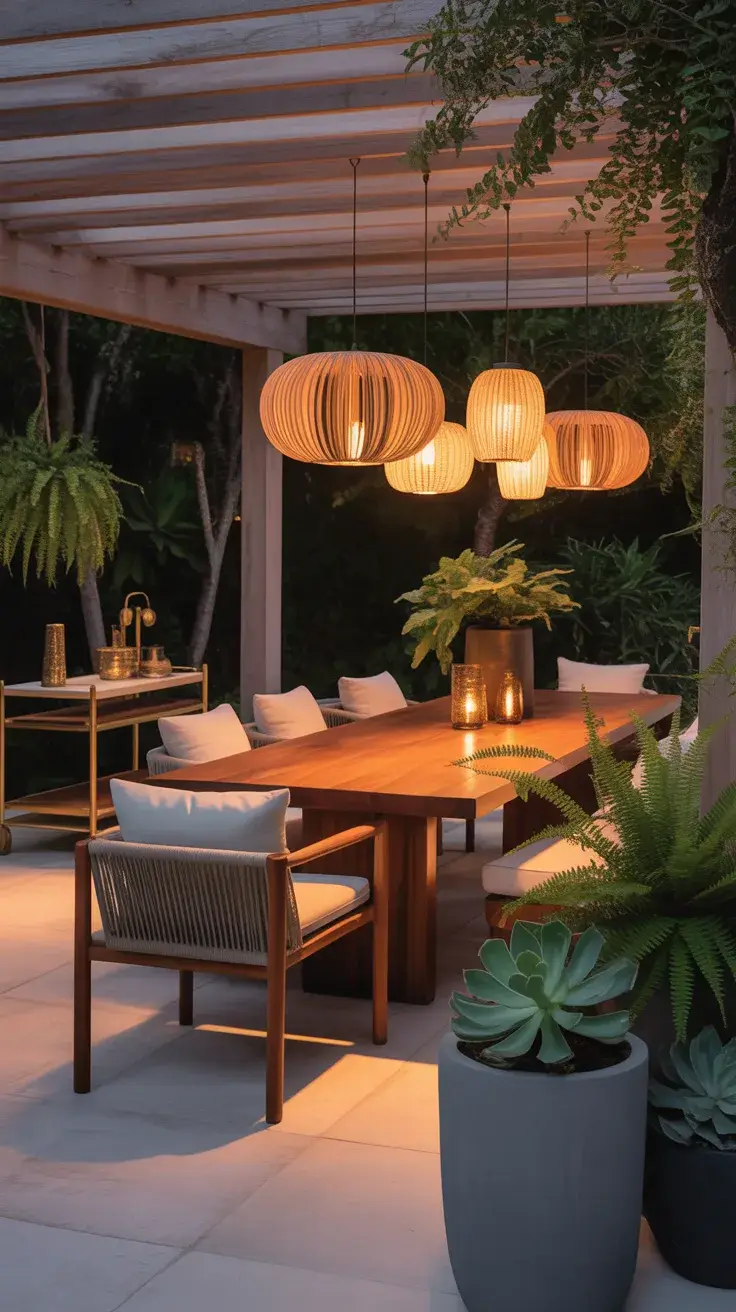
I often select a sturdy dining table made from teak, aluminum, or composite materials for weather resistance. Comfortable chairs with cushions, ambient lantern lighting, and an overhead pergola or umbrella make the area functional in all seasons. Adding an outdoor buffet table or serving cart increases convenience during gatherings.
Magazines like Garden Design often highlight the importance of good lighting and durable textiles for outdoor dining. I’ve seen how these thoughtful details extend the usability of the space well into the evening. Families appreciate how a well-designed dining zone becomes a natural hub for celebrations and everyday meals.
To improve this section even further, I might suggest integrating a built-in bench or banquette for additional seating and softer aesthetics.
15. Backyard Lighting Ideas For Evening Ambiance
I always recommend treating backyard lighting as both a design tool and a source of comfort. In 2026, layered illumination is especially popular, allowing families to extend time outdoors long after sunset. When I design a lighting layout, I focus on zones: pathways, seating areas, landscapes, and functional corners. Soft ambient lighting not only elevates the atmosphere but also supports visibility and safety without overpowering the natural charm of the backyard.
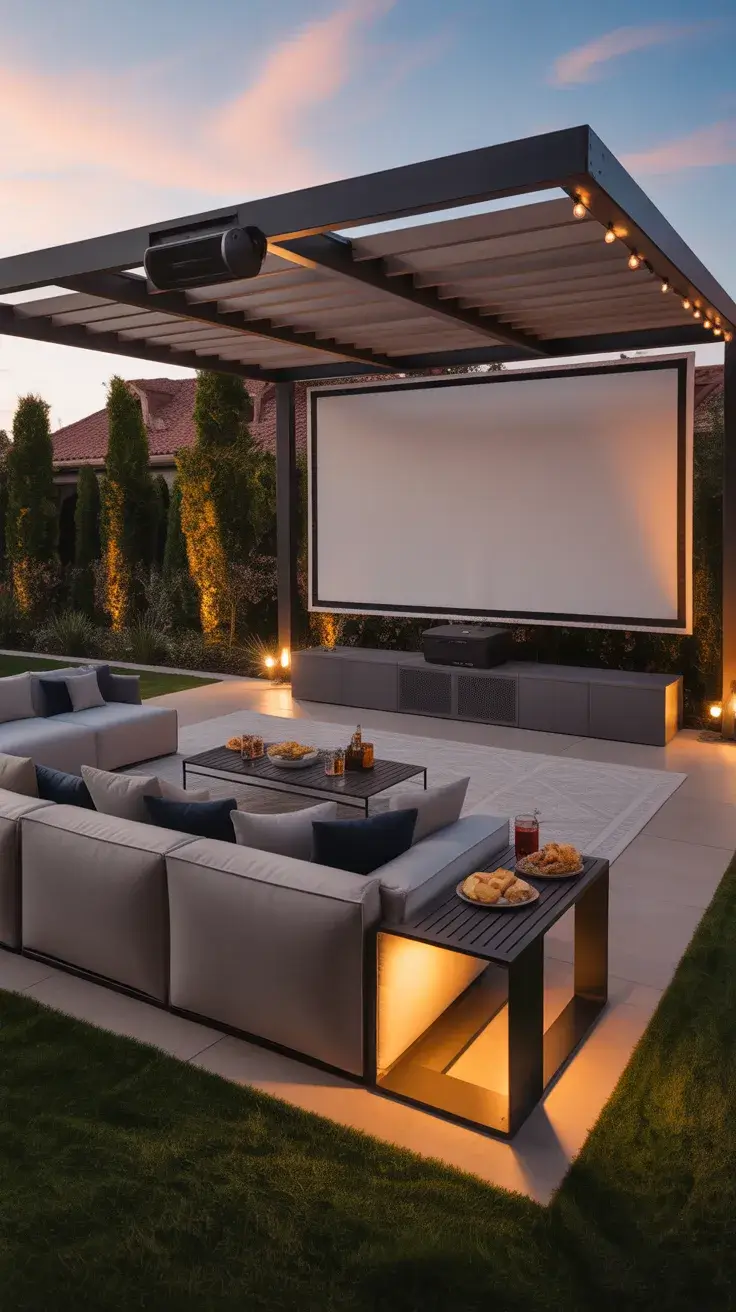
When selecting light fixtures, I include warm LED string lights, solar-powered ground lamps, subtle deck lighting, and adjustable wall sconces. Each plays a role: string lights create a cozy canopy effect, solar lights offer environmentally friendly illumination, and sconces add architectural depth. I also use concealed LED strips under benches or steps because they visually expand smaller spaces and reduce shadows.
In my experience, balance is key. A well-lit backyard feels inviting rather than stark. Designers at Architectural Digest often note that lighting should mimic candlelight—warm, diffuse, and never blinding. I follow this principle closely, especially when planning family-friendly evening zones where glare can disrupt comfort.
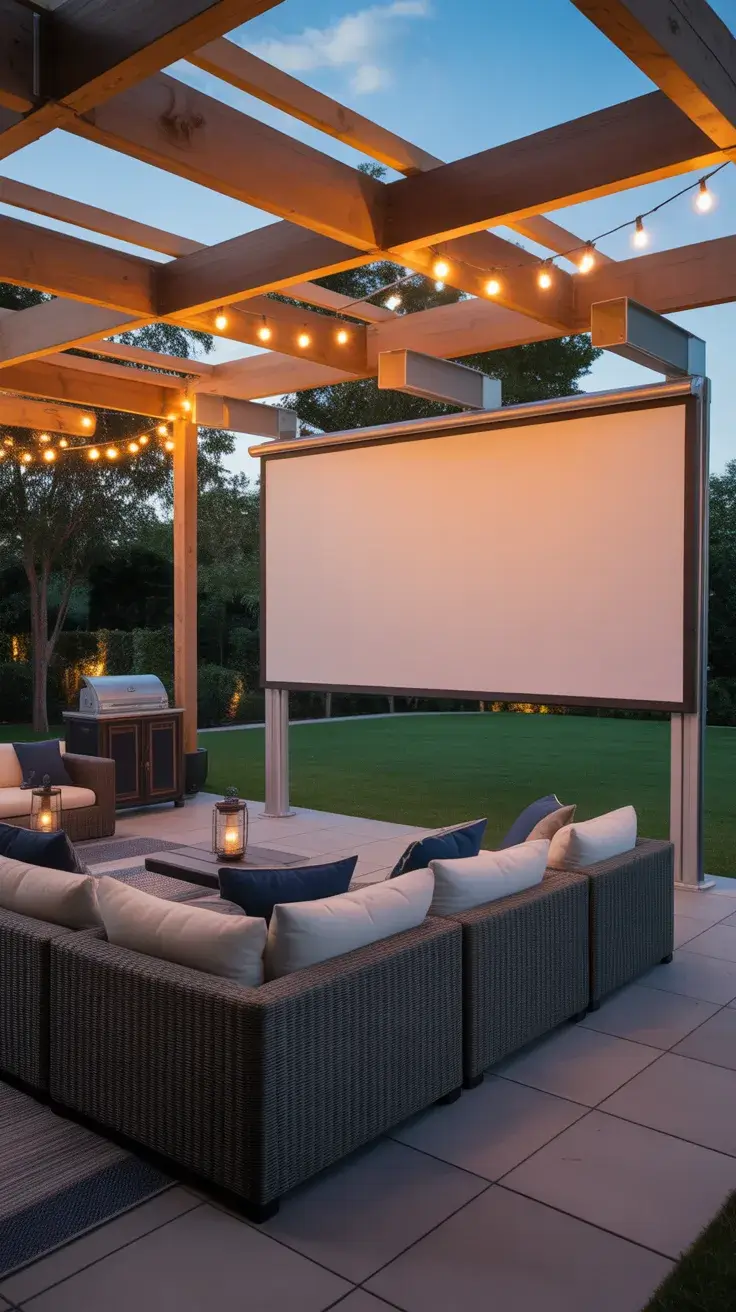
To enhance this section further, I’d emphasize the importance of dimmable systems. I find that twilight and nighttime moods differ, and having the ability to shift intensity adds sophistication and practicality.
16. Outdoor Screening Zones For Movies And Sports
Designing outdoor screening areas has become an exciting trend within Family backyard layout ideas 2026, especially as families look for alternatives to indoor entertainment. I like to create multi-functional spaces that support projection or large screens while blending smoothly with the landscape. Weather-resistant materials and covered structures make these setups reliable year-round.
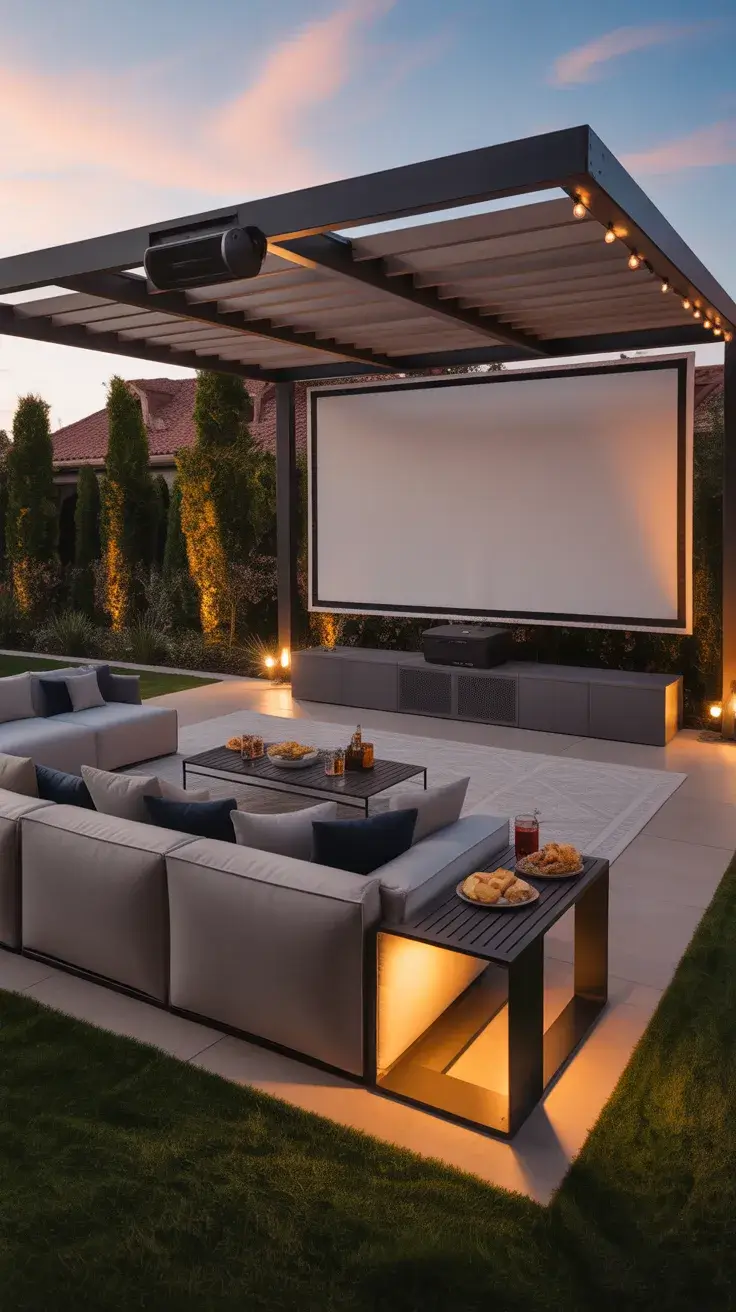
When selecting components, I choose retractable projector screens, built-in benches with waterproof cushions, side tables, and outdoor-rated speakers. I prefer neutral palette seating so the screen becomes the focal point. I also plan the layout to avoid glare by positioning the screen opposite indirect light sources. If there’s a pergola, I often mount subtle backlighting for comfort.
From my perspective, comfort defines a successful outdoor theater. I take cues from well-regarded designers like Bobby Berk, who emphasizes layered seating to accommodate different viewing preferences. Adding poufs, modular sofas, or lounge chairs makes the space flexible for both movie nights and sports events.
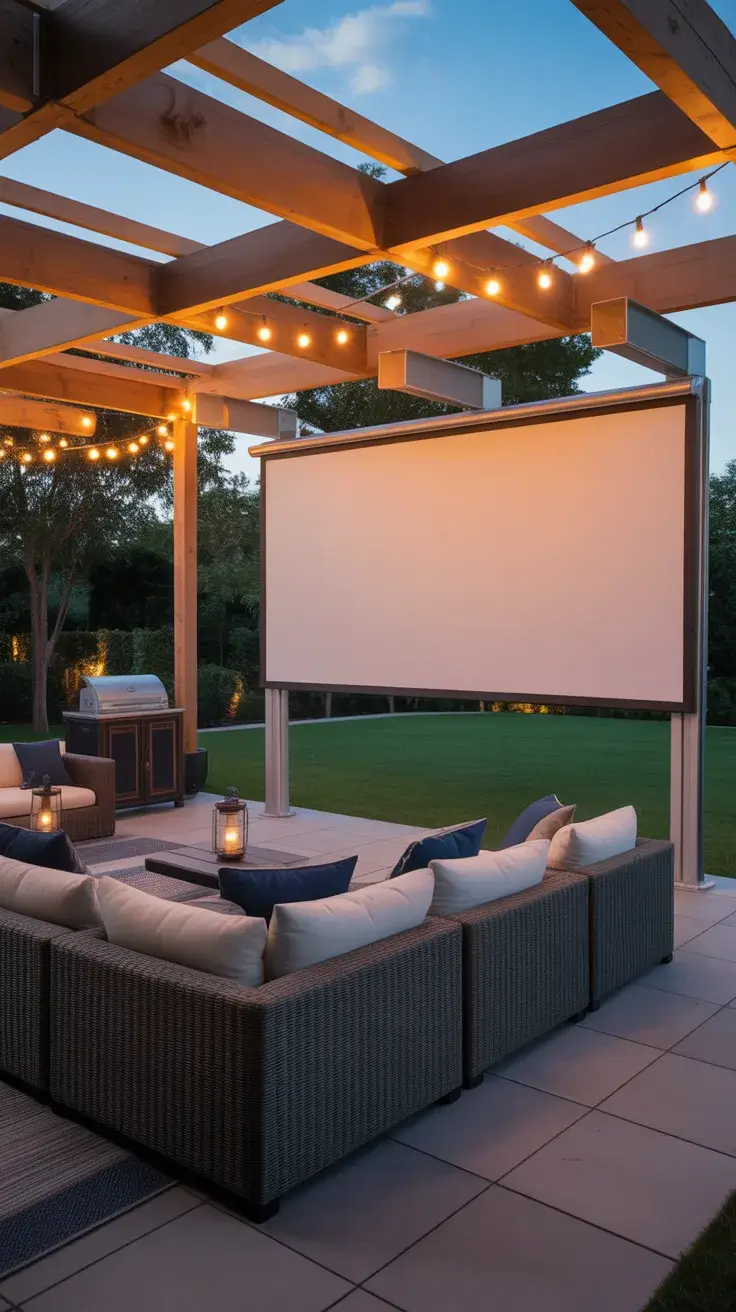
One thing I often add is storage for cables and projector equipment. Even in covered spaces, organization matters. A small built-in cabinet or weatherproof chest keeps everything accessible yet protected.
17. Vertical Garden Walls For Small Backyards
Vertical gardens help families with limited outdoor space achieve lush, functional greenery. When designing these walls, I consider sunlight direction, plant types, and the overall flow of the yard. A vertical installation can act as a visual centerpiece or a natural privacy barrier, enhancing both beauty and utility.
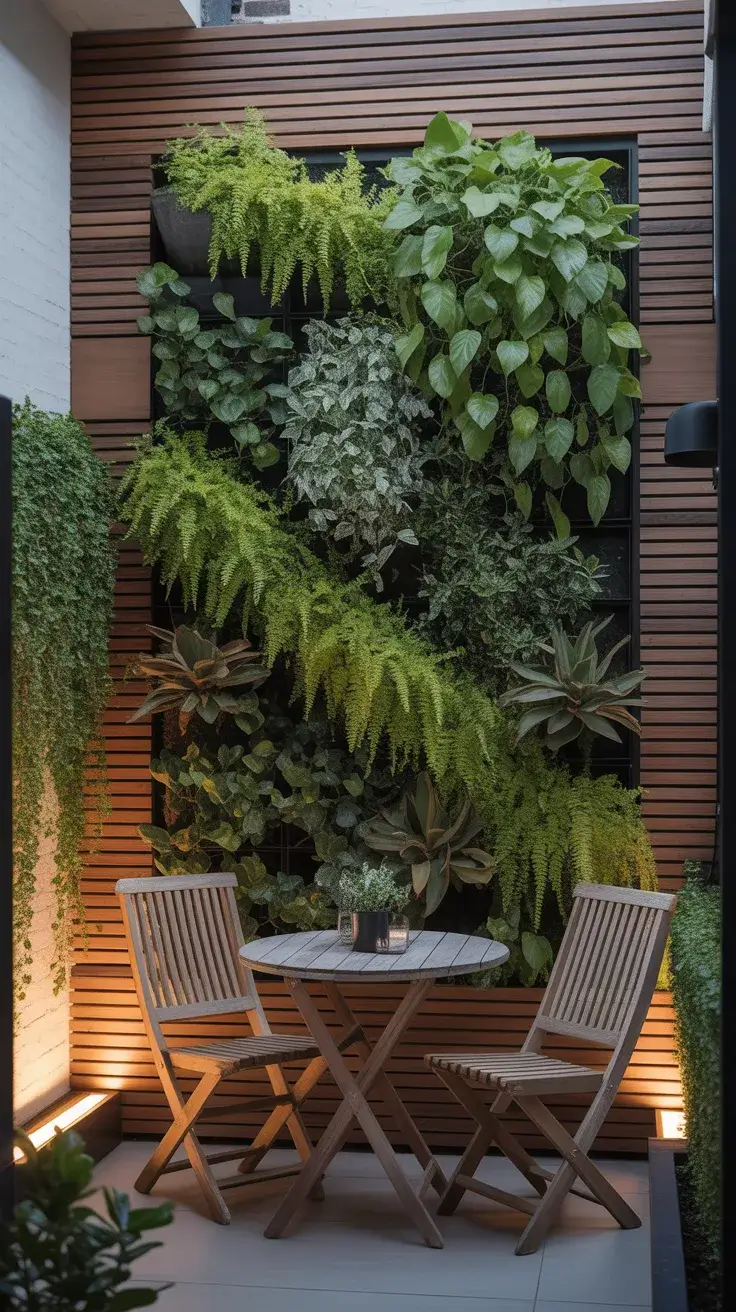
For materials, I often use modular planting panels, steel trellises, or wooden slat frames. These allow for herbs, succulents, climbing vines, or flowering plants. I also like incorporating automatic drip irrigation because it maintains plant health with minimal effort. Furnishings near the wall should remain simple—bistro tables, slim benches, or compact planters—to avoid overcrowding.
In my experience, vertical gardens boost the feeling of spaciousness. They draw the eye upward, making compact yards appear more open. Garden experts at Better Homes & Gardens often recommend mixing textures and greens for dimension, and I follow the same principle: pairing glossy leaves with matte and trailing varieties creates a balanced vertical composition.
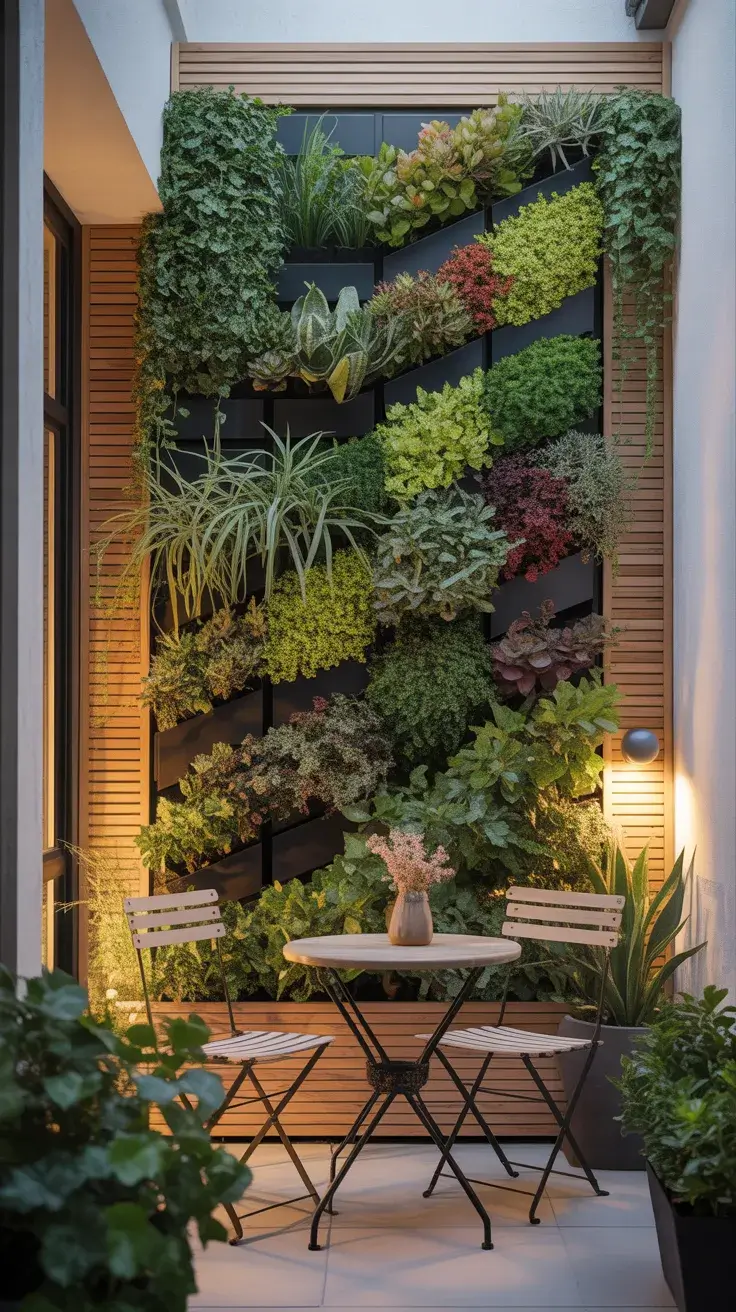
Here, I would also add low-maintenance LED uplighting at the base. It highlights the wall at night and turns a functional garden into a focal evening feature.
18. Pet Friendly Layout Ideas For Active Families
When designing Family backyard layout ideas 2026 for families with pets, I focus on durability, safety, and zones that support activity. I begin by mapping clear pathways and open play areas. Soft turf, non-toxic plants, and secure fencing help maintain a stress-free environment for both pets and owners.
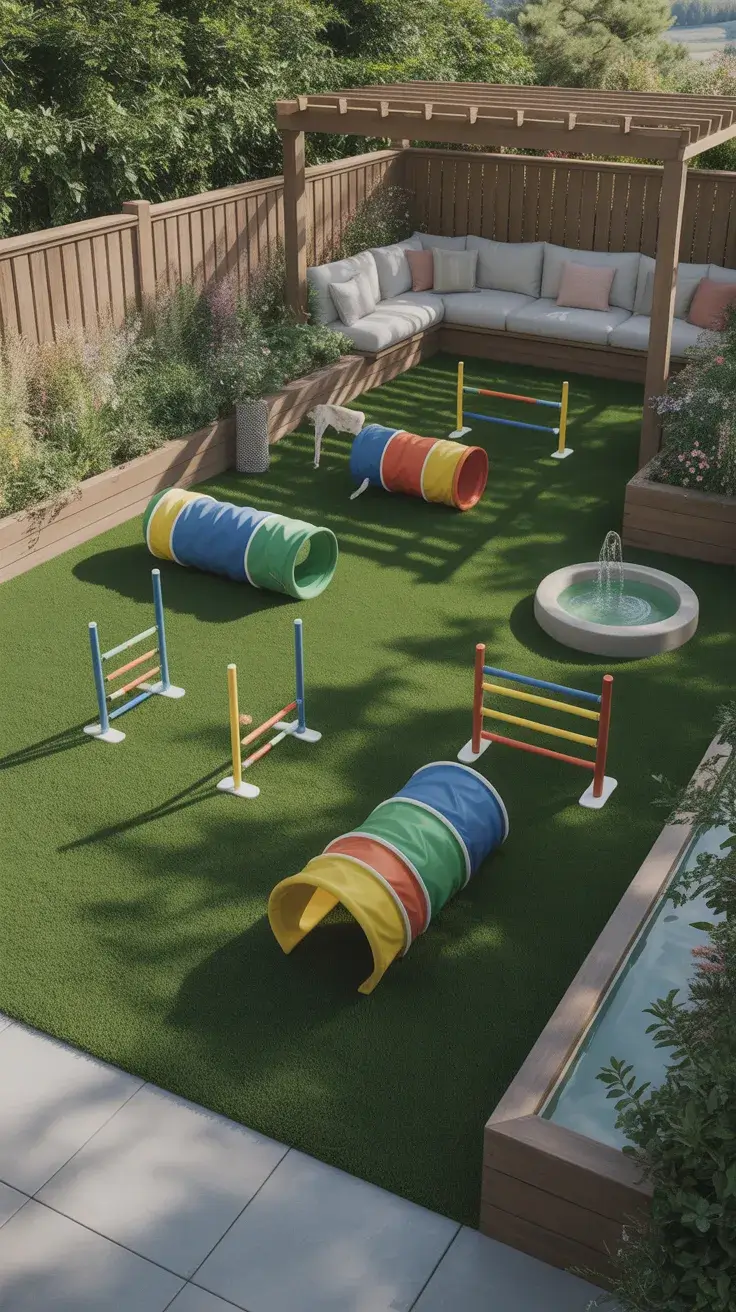
I select elements such as shaded rest corners, splash basins, agility obstacles, and pet-safe ground cover. Elevated planters protect delicate plants from curious paws. I also incorporate storage benches for toys and grooming supplies. Choosing scratch-resistant surfaces ensures longevity and reduces maintenance.
From my experience, pets thrive when the yard offers stimulation and structure. Trainers frequently highlight the value of varied textures—wood chips, stone paths, and grass patches—to keep pets engaged. I implement this idea whenever possible, especially for high-energy breeds.
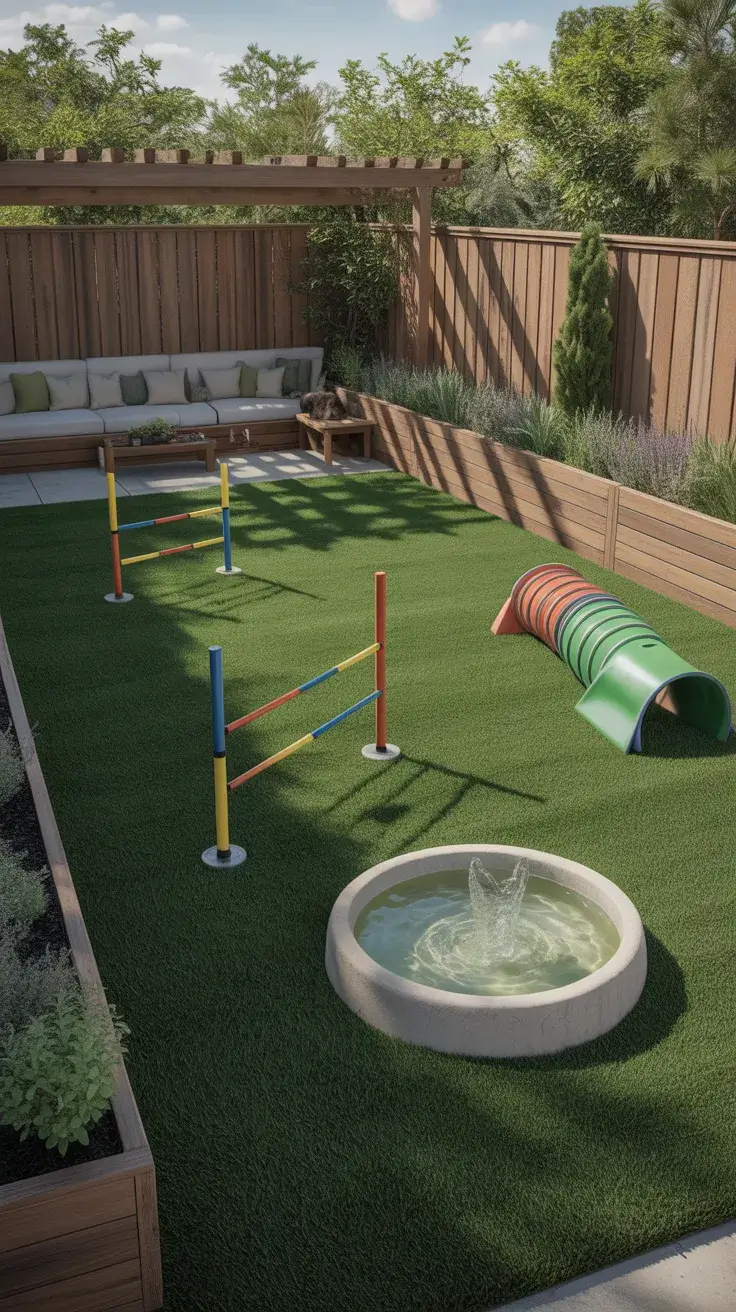
Something often overlooked is odor-control landscaping. Adding fragrant, pet-safe herbs like lavender enhances the yard and naturally freshens the environment, so I’d include that in this section.
19. Backyard Office Nooks For Remote Work Comfort
Outdoor office nooks gained major momentum in 2026 as more families embraced hybrid work. I design these spaces to provide privacy, shade, and ergonomic comfort. Whether built under a pergola or within a small pavilion, the goal is a peaceful environment that separates work from leisure.
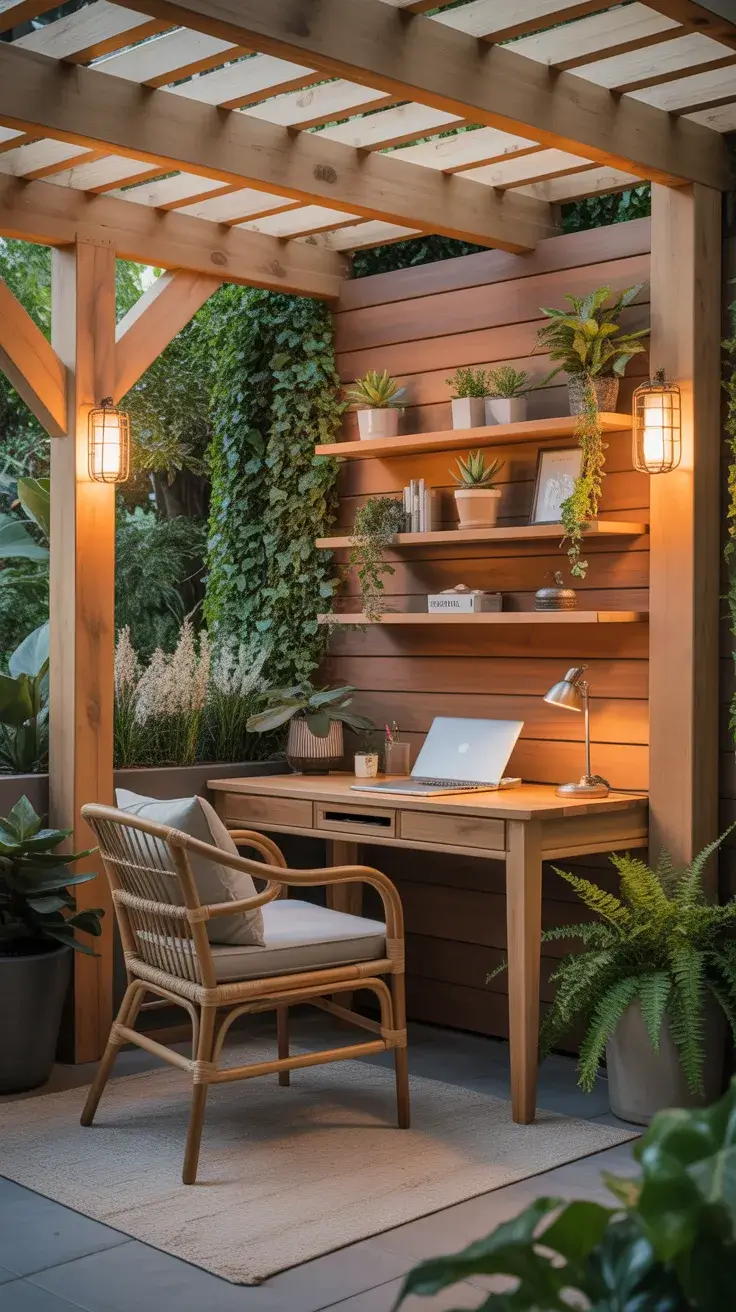
I incorporate weather-resistant desks, supportive chairs, side shelves, and ambient lighting. Plants soften the workspace, while portable heaters or fans ensure year-round usability. I also include USB-charging stations and cable-management solutions to keep the setup clean.
I’ve found that clients appreciate nooks that feel like retreats rather than extensions of their indoor office. Designers at Dwell often emphasize natural materials—bamboo, cedar, rattan—and I follow suit because they create warmth and reduce visual fatigue. With these materials, the workspace feels calming and connected to nature.
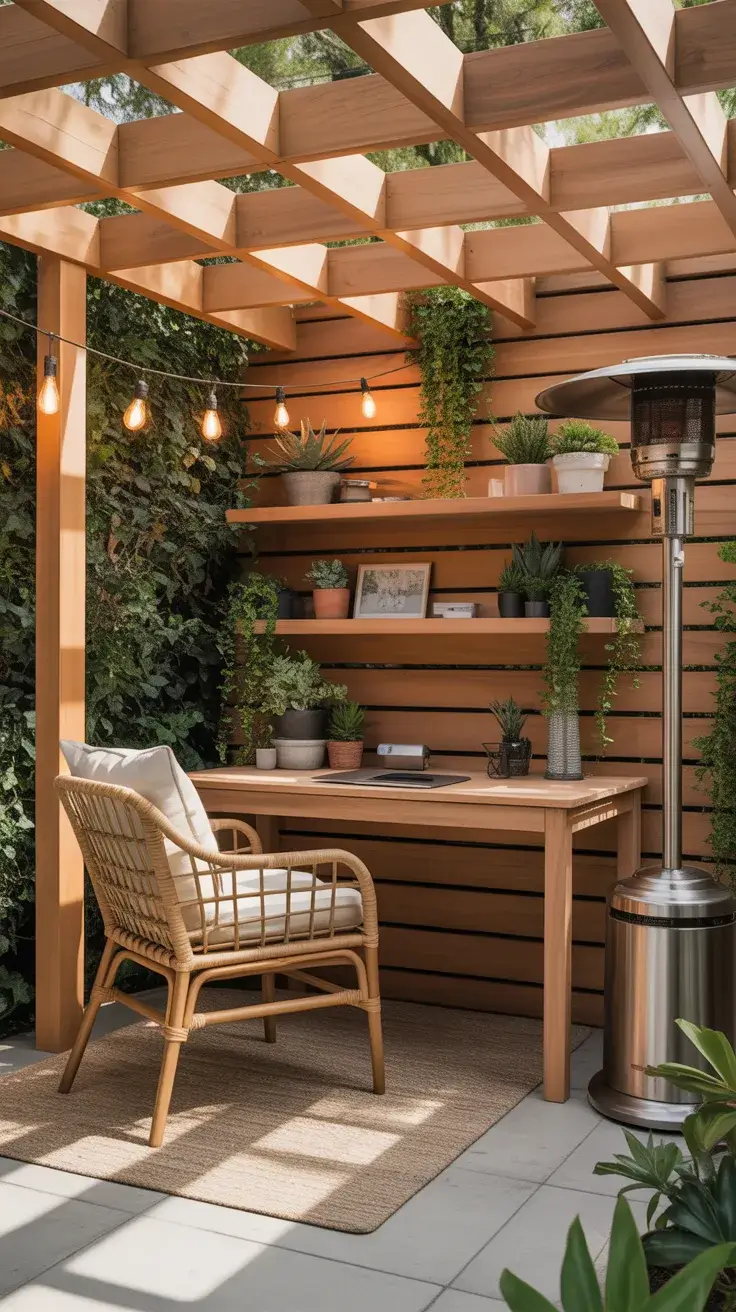
One detail I would add is retractable shading. Adjustable side screens or curtains help control light and temperature, enhancing comfort throughout the day.
20. Covered Patio Concepts For All Weather Use
Covered patios are essential in many Family backyard layout ideas 2026, offering protection from sun, rain, and even light wind. When I plan these patios, I consider roof structure, airflow, and how the area integrates with the rest of the yard. A well-designed cover provides year-long usability without compromising the outdoor feel.
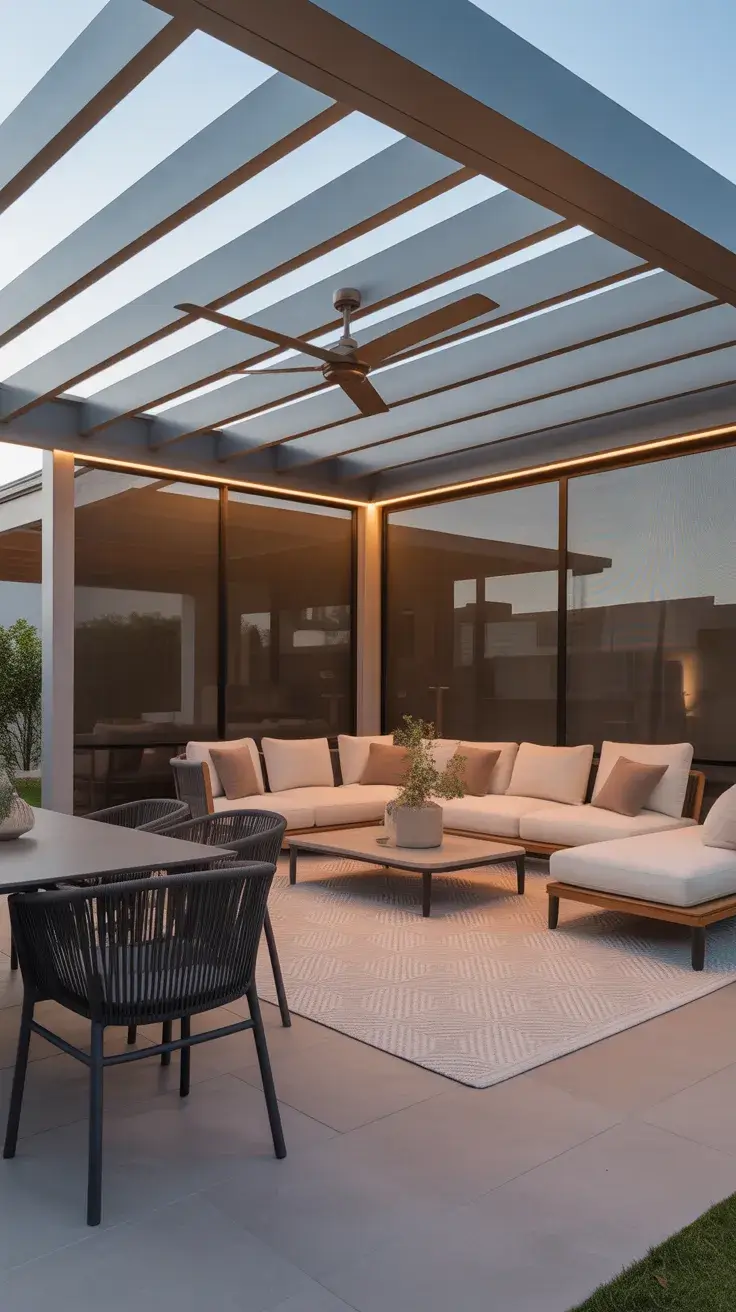
I use pergolas, metal awnings, or insulated roof panels depending on climate conditions. To furnish the space, I choose durable sofas, weather-treated dining sets, and outdoor rugs that define separate zones. Ceiling fans, heaters, or built-in LED lights help create a comfortable environment.
From experience, covered patios work best when the transition between indoor and outdoor spaces feels seamless. Many professionals recommend continuing interior color palettes outdoors for visual unity. I prefer warm neutrals paired with textured fabrics to maintain sophistication and durability.
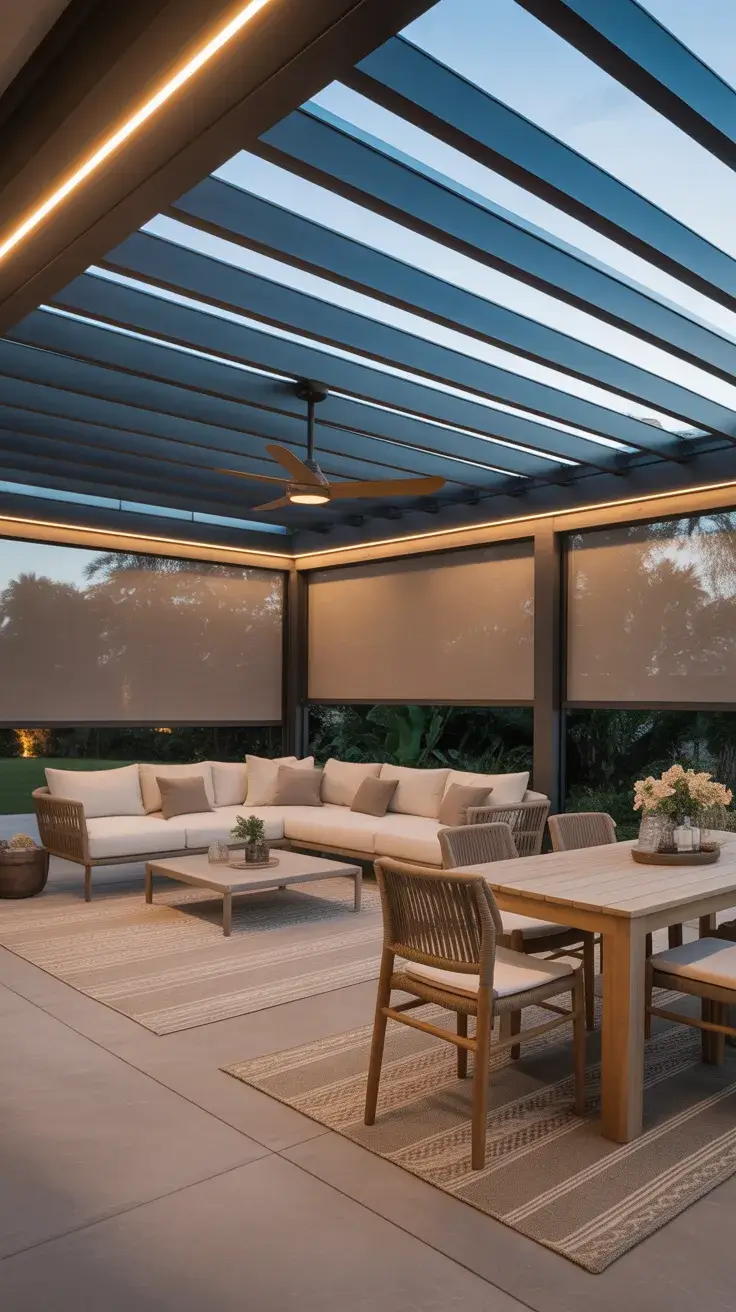
I often add retractable side screens to protect against seasonal winds, improving usability during transitional weather.
21. Eco Friendly Backyard Layouts For Sustainable Living
Sustainability plays a major role in modern backyard planning. I like to design layouts that support low water usage, natural biodiversity, and minimal waste. Families are becoming more conscious about environmental impact, and eco-friendly setups offer long-term aesthetic and functional benefits.
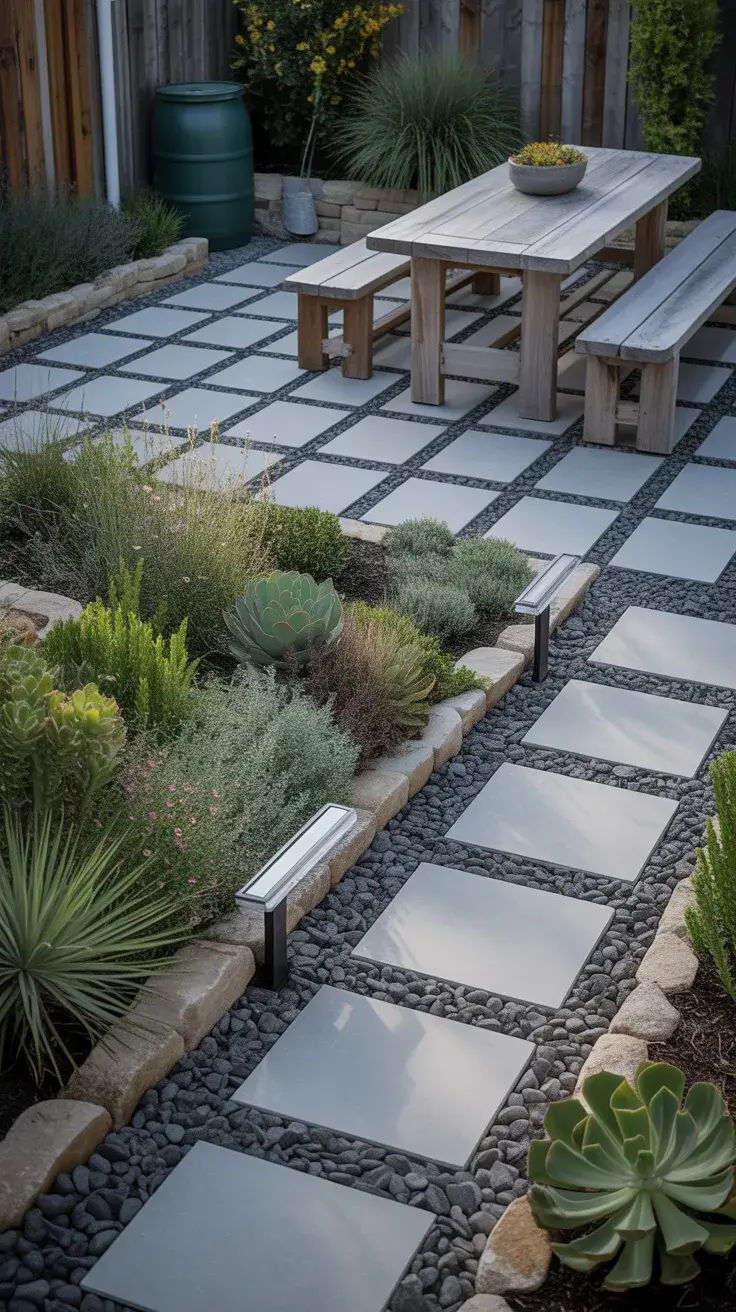
For materials, I choose recycled composite decking, permeable pavers, rain barrels, and solar lighting. Plant selections include drought-tolerant varieties, native species, and pollinator-friendly arrangements. Furniture made from reclaimed wood or recyclable metals ties the look together while supporting sustainability goals.
Personally, I’ve seen families respond enthusiastically to sustainable elements when they understand the long-term payoff. Landscape specialists often highlight that reducing lawn space significantly cuts water use, so I integrate gravel gardens or ground-cover alternatives whenever possible.
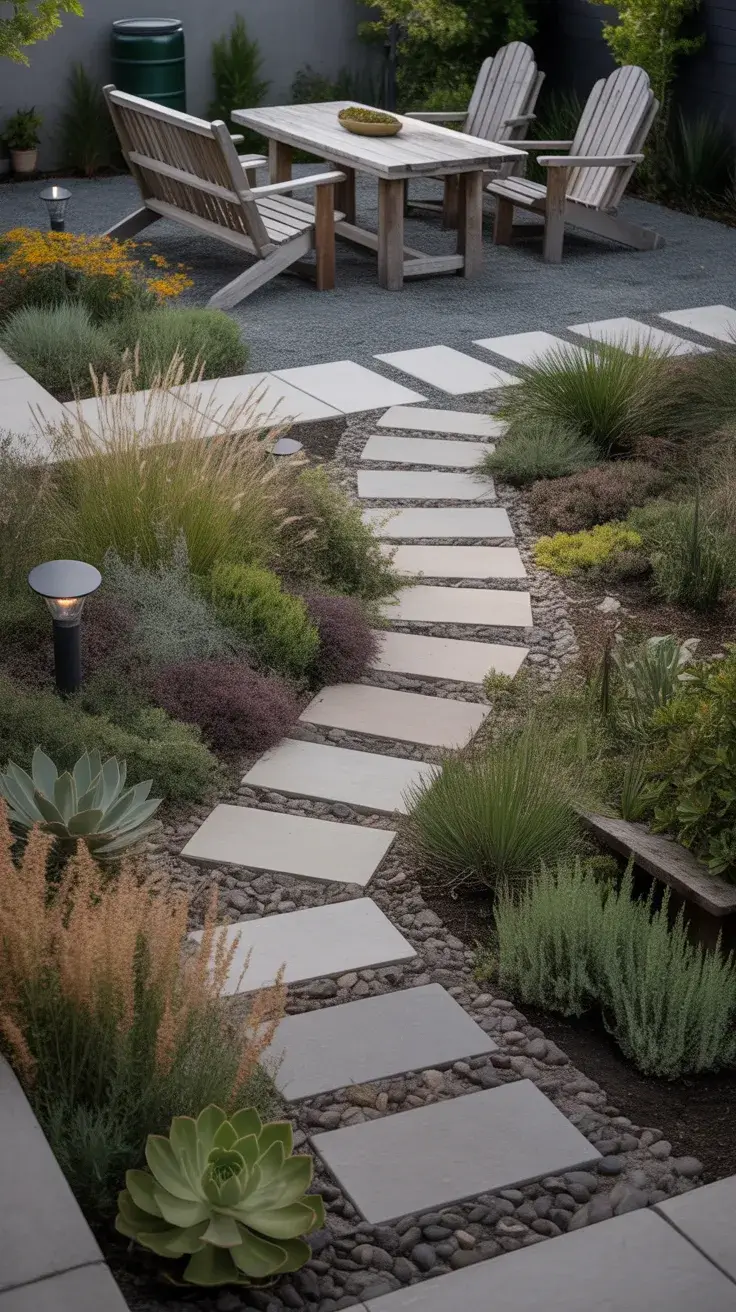
To enhance this section, I would add edible garden pockets. They increase self-sufficiency and create meaningful family activities around harvesting and seasonal planting.
22. Multi Purpose Sheds For Hobbies And Storage
When I design multi-purpose sheds within Family backyard layout ideas 2026, I focus on structures that serve both function and lifestyle. These sheds are no longer simple storage units; they are hybrid zones for crafting, fitness, gardening, or personal retreats. I make sure the interior layout flows with natural light, proper ventilation, and efficient zoning for various tasks. A well-planned shed becomes a valuable extension of the home, offering organization and versatility for the whole family.
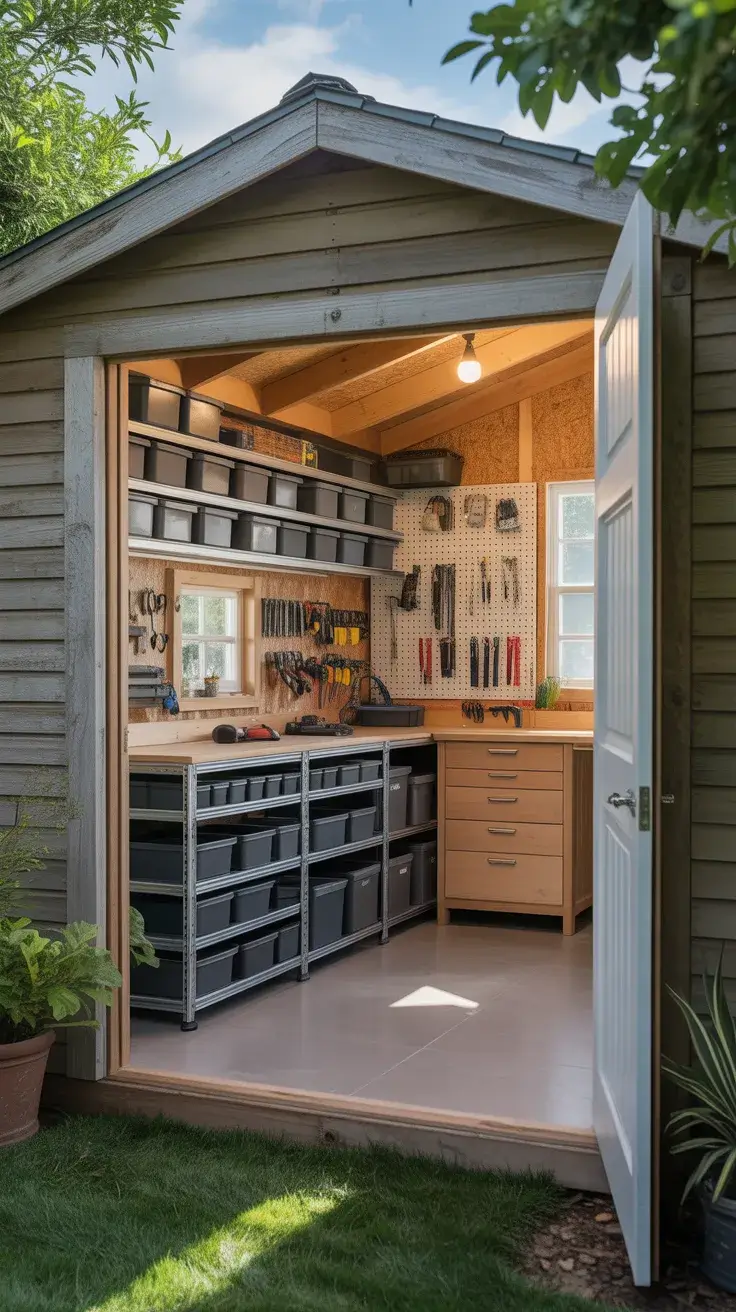
Inside the shed, I include modular shelving, wall hooks, compact workbenches, and storage cabinets. Multi-use flooring, such as rubber tiles or sealed wood, supports different hobbies without wearing out quickly. If the shed doubles as a creative space, I add pegboards, magnetic strips, and rolling carts to ensure everything has a defined place. I also consider insulated walls and energy-efficient windows to maintain year-round comfort.
From my experience, multi-purpose sheds thrive when they feel personalized yet tidy. Many designers suggest using vertical space aggressively to prevent clutter, and I follow that advice by installing tall shelving and overhead racks. This keeps the central area open for movement and makes the shed feel larger than it is.
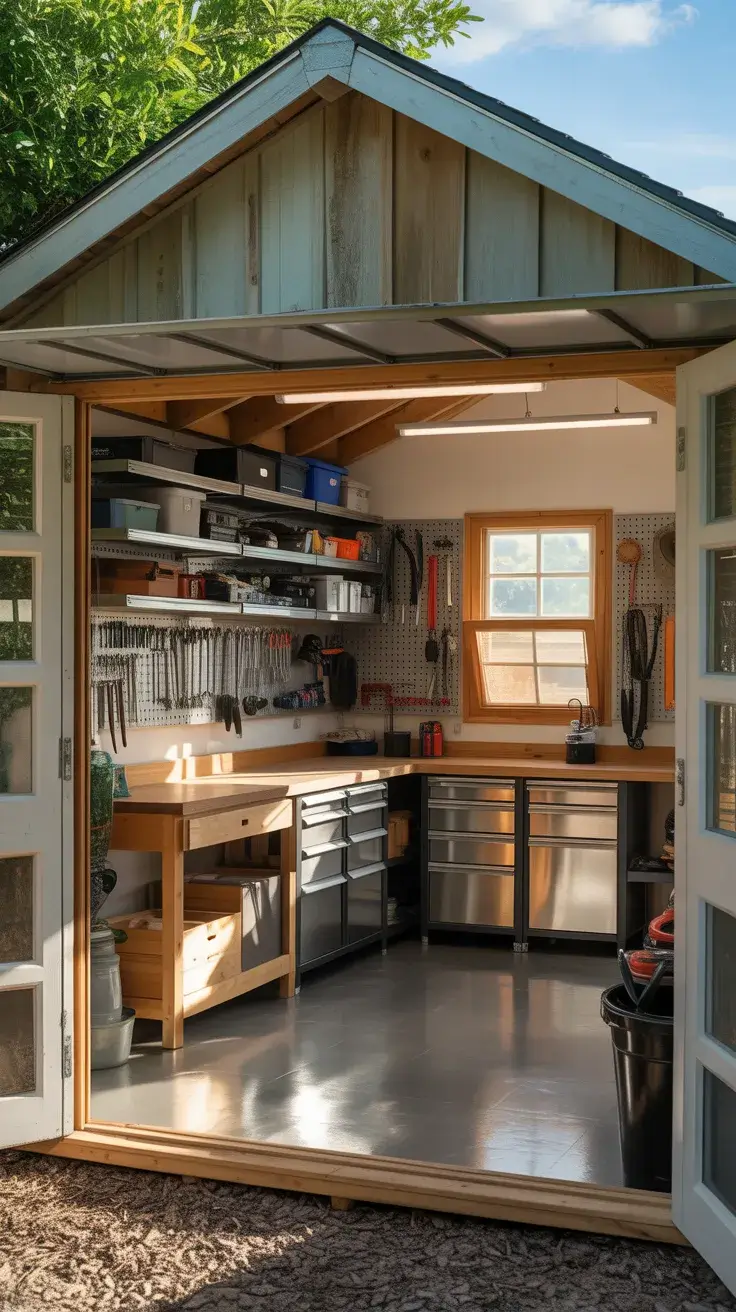
I would also add exterior lighting and a small awning to improve accessibility in the evenings and during rainy weather.
23. Playful Backyard Layouts For Teen Activities
Designing spaces for teenagers requires understanding their need for independence, social interaction, and creativity. In 2026, backyard layouts for teens often blend lounging zones, activity areas, and flexible setups that evolve as interests change. I prioritize open layouts that allow teens to gather with friends while still remaining within the comfort of home.
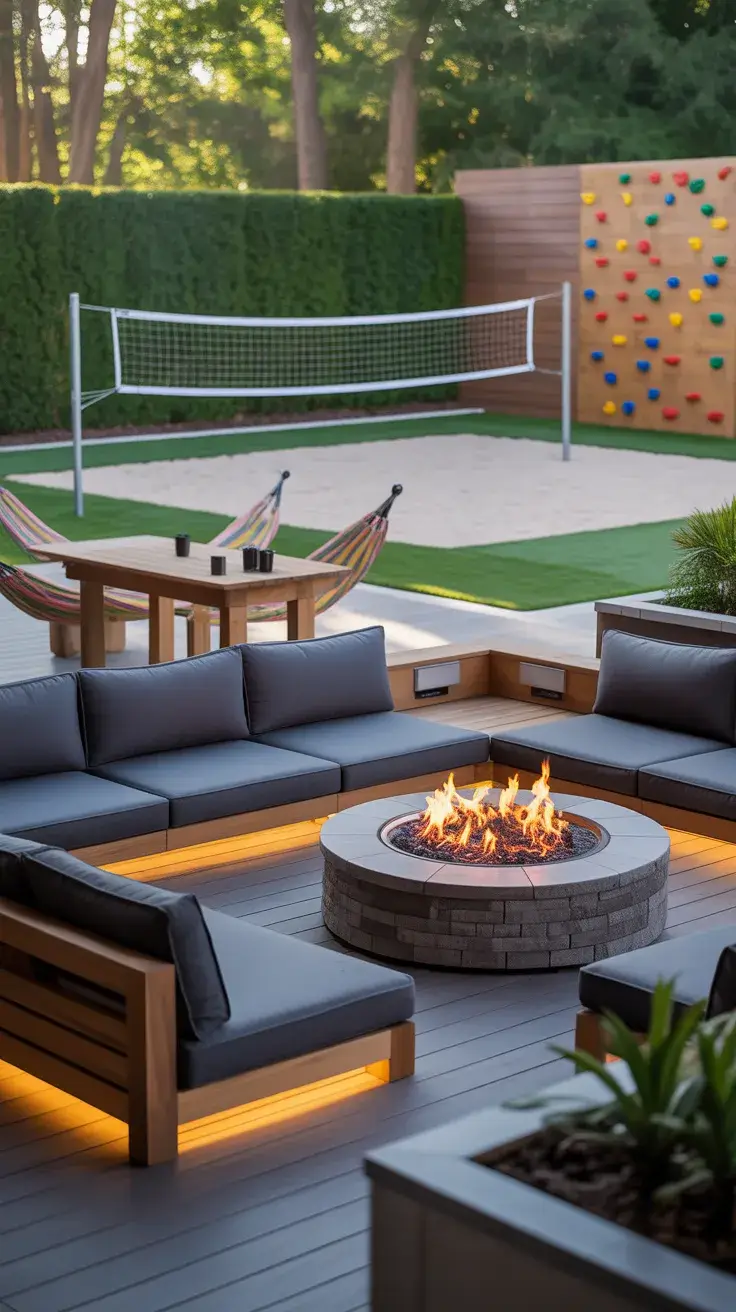
Furniture and features I select include modular outdoor sofas, small fire pits, portable game tables, and relaxation hammocks. I also love integrating sports nets, climbing walls, or mini half-court areas for active teens. Durable, easy-clean fabrics and weather-resistant materials ensure longevity even with heavy use. Outdoor rugs help define hangout zones without imposing rigid structure.
In my experience, teens appreciate having a space that feels uniquely theirs. Design experts often highlight the importance of incorporating color subtly—throw pillows, planters, and LED strip lights—to create a fun but mature vibe. I follow that approach because it offers visual interest without overwhelming the landscape.
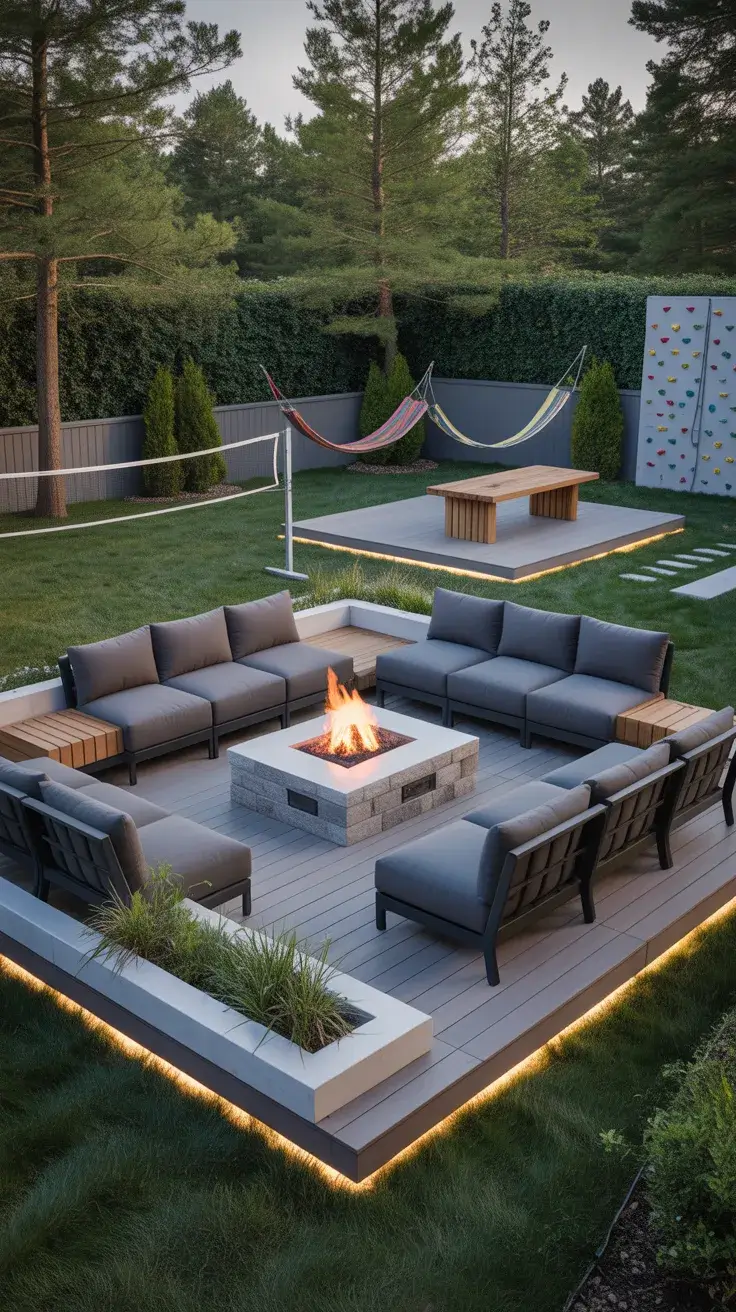
I’d also recommend adding power outlets for charging devices, as teens often bring music players or projectors into the outdoor space.
24. Backyard Fitness Zones For Active Families
Fitness zones have become a core component of many Family backyard layout ideas 2026. I design these areas to encourage movement while blending aesthetically into the yard. Whether it’s a small workout corner or a fully equipped outdoor gym, I ensure the layout supports safety, comfort, and durability. Soft surfaces, shade, and proper spacing are all critical in avoiding injury and improving usability.
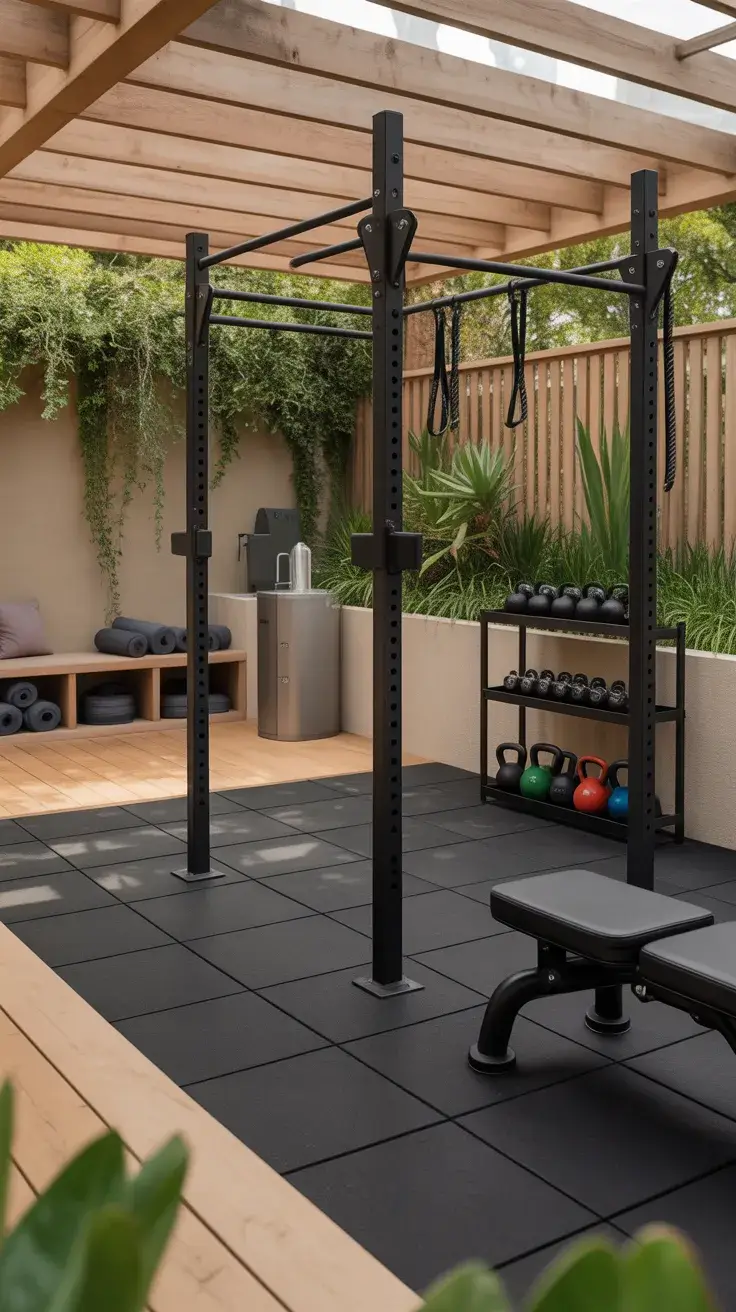
I typically incorporate rubber paving, adjustable benches, free-weight racks, resistance bands, pull-up bars, and space for yoga or stretching mats. If space allows, I include weather-resistant cardio equipment such as stationary bikes or rowing machines. Storage cubbies keep accessories organized, while shade sails protect users from direct sun.
From my professional experience, families stay more consistent with outdoor fitness when the space feels inviting. According to several wellness publications, visual cues—like defined workout zones and clear pathways—improve motivation. I agree wholeheartedly and use landscaping borders or paving patterns to mark off sections.
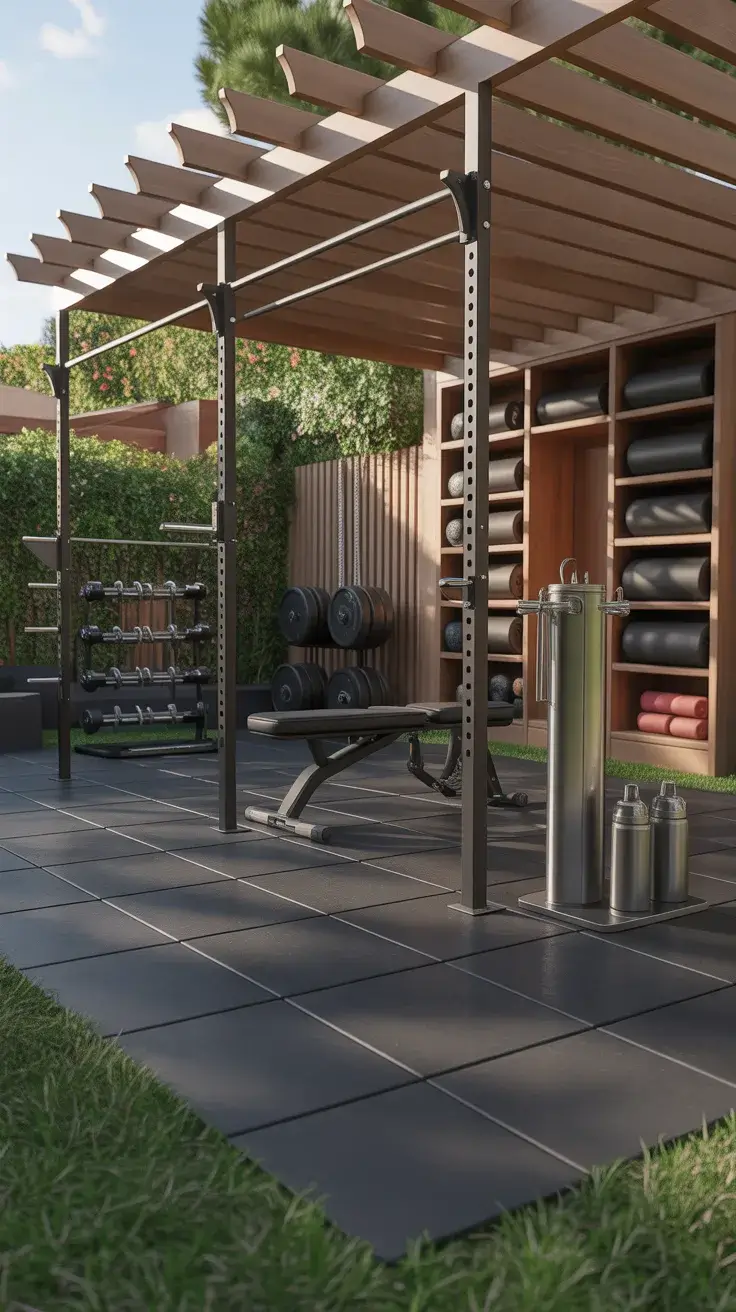
I would also add a hydration station or outdoor water dispenser to support longer workout sessions.
25. Smart Tech Integration For Modern Outdoor Living
Smart technology continues to transform how families interact with their outdoor spaces. When planning layouts, I integrate devices that enhance convenience, safety, and entertainment. Smart irrigation, automated lighting, and app-controlled features help streamline daily routines while adding a modern touch.
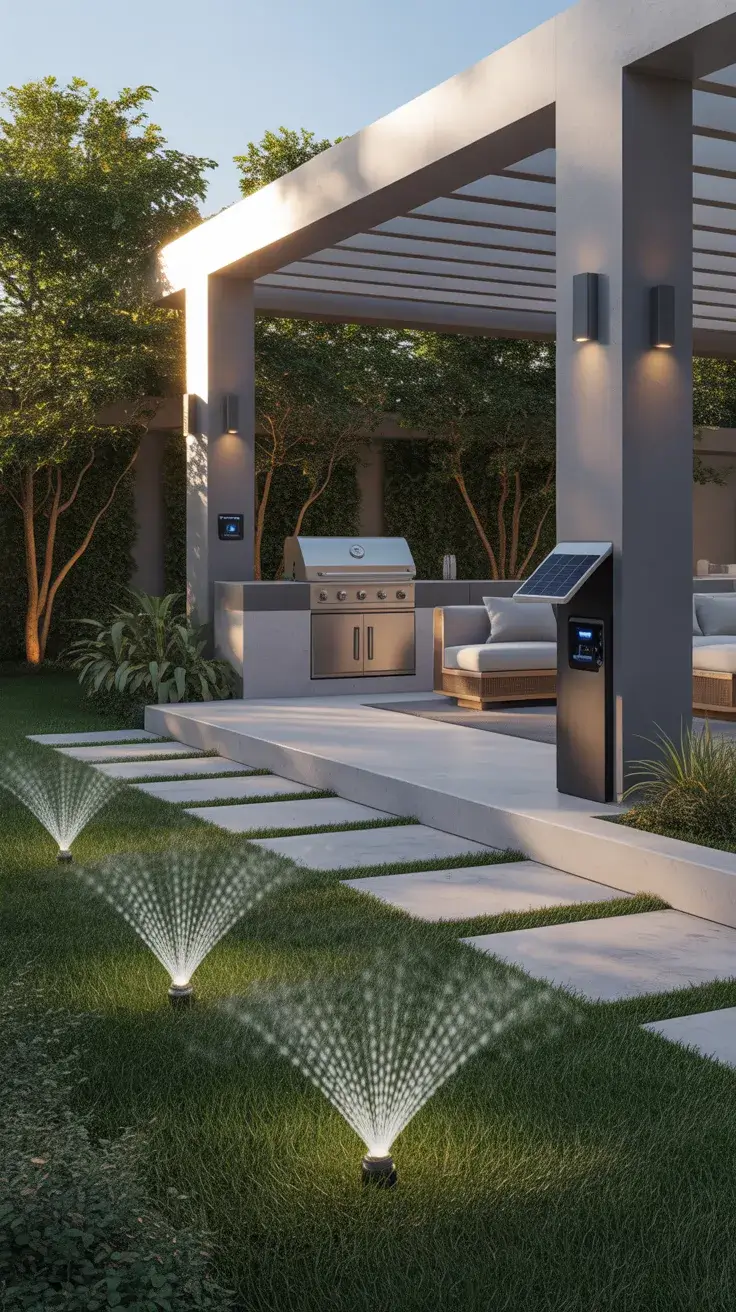
The items I include most often are motion-sensor path lights, programmable sprinklers, outdoor Wi-Fi boosters, smart grills, and weatherproof speakers. I also like integrating hidden cable systems to maintain a clean aesthetic. Smart thermostatic heaters and ventilation systems work beautifully in covered patios or office nooks.
In my experience, families benefit from systems that operate quietly in the background. Many experts recommend focusing on automation rather than complexity, and I agree—simple interfaces ensure long-term usability. For example, smart lighting routines can adjust automatically at sunset, making the backyard feel alive without any manual input.
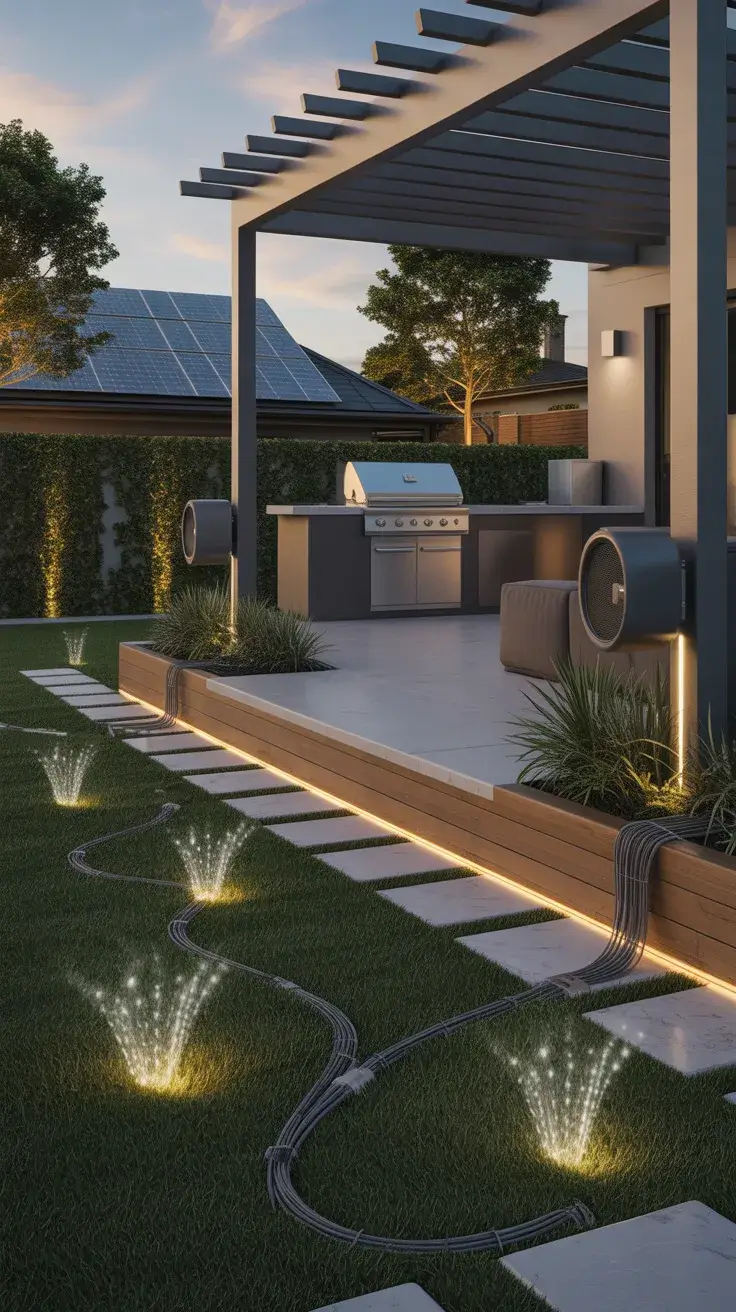
I would further enhance this section by adding solar-powered charging stations to reduce energy consumption.
26. Seasonal Planting Layouts For Year Round Appeal
Seasonal planting keeps backyards visually dynamic throughout the year. I begin by mapping zones that shift naturally with temperature and light changes. This approach creates a balanced, ever-evolving landscape that feels alive in every season. Layering plants with different blooming cycles ensures constant visual interest.
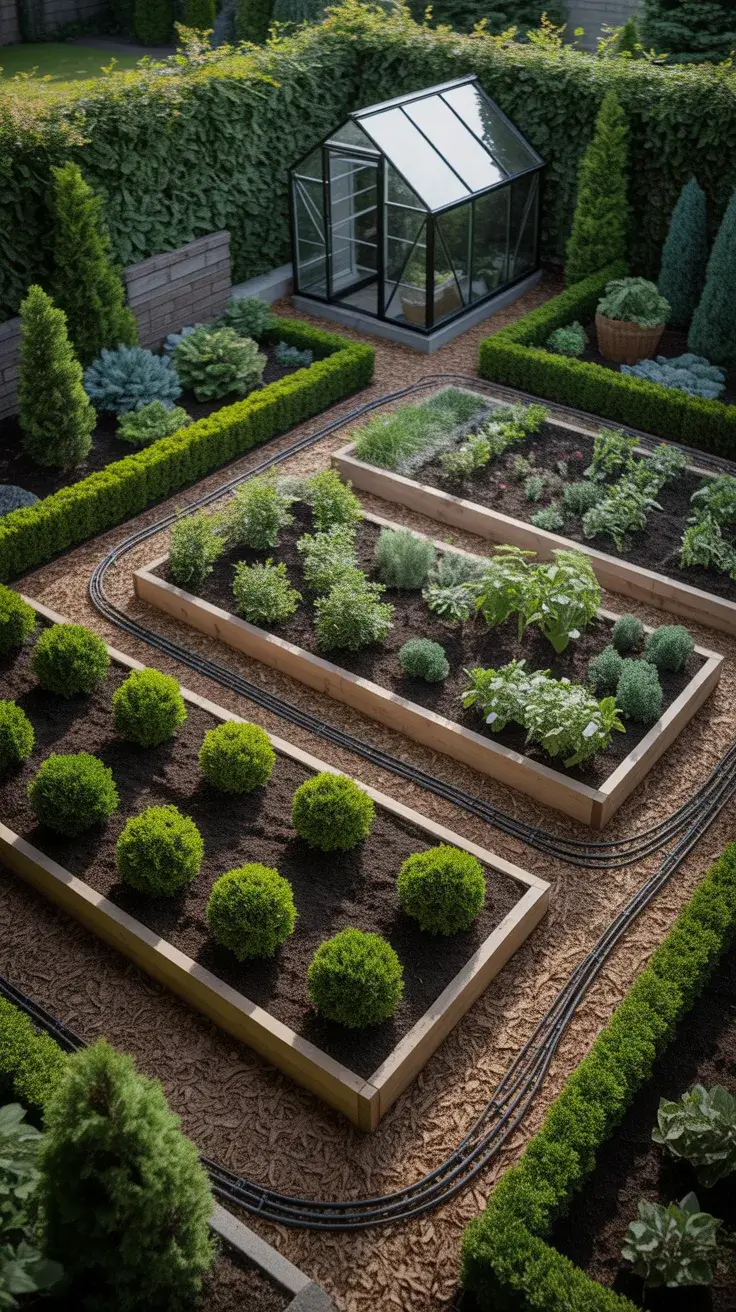
When selecting greenery, I use spring bulbs, summer perennials, fall foliage shrubs, and evergreen structures for winter. Raised beds, planter boxes, and border gardens help divide the space and make maintenance easier. I also include mulch and drip irrigation to support plant health year-round.
Personally, I believe that seasonal gardens help families appreciate nature’s rhythm. Gardening publications often encourage using local plant varieties to reduce upkeep and improve resilience, something I incorporate in every project. This strategy reduces water waste and strengthens the ecosystem.
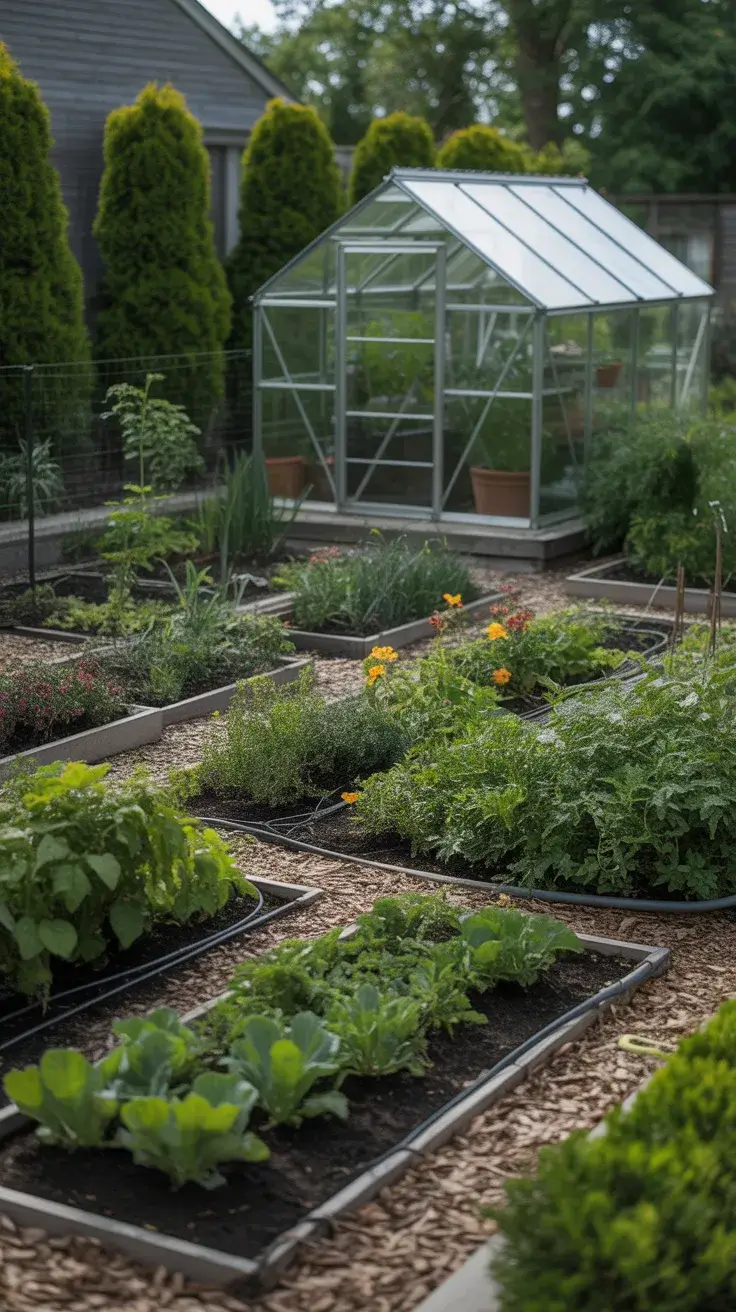
One idea I’d add is a small greenhouse or cold frame so families can enjoy seedlings and herbs even during colder months.
27. Backyard Privacy Strategies For Family Comfort
Privacy is essential in modern backyard design, especially in suburban neighborhoods. I approach privacy not as a barrier, but as an opportunity to add texture, height, and structure. Whether through natural elements or architectural screens, the goal is to create a comfortable oasis without feeling closed off.
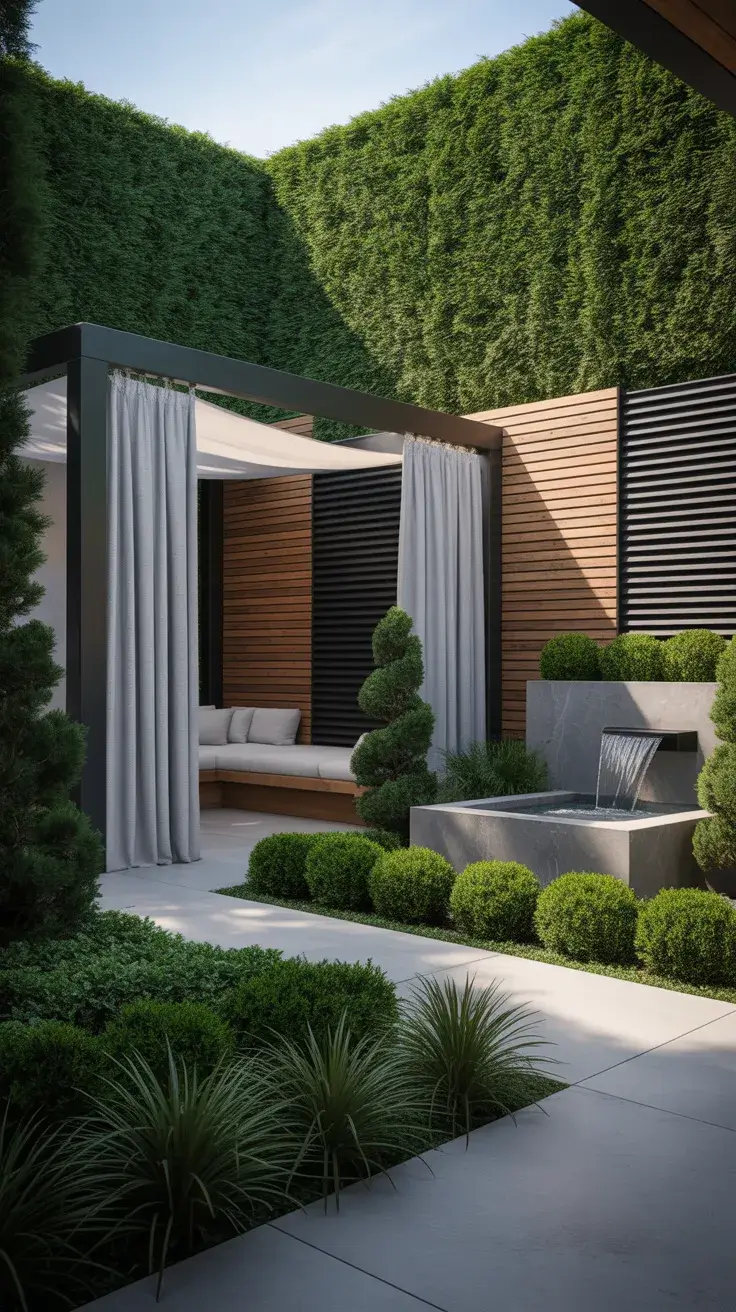
I often use tall hedges, pergolas with side drapes, timber slat walls, and decorative metal panels. Planters with evergreen shrubs provide softness, while lattice frames support climbing vines. For seating zones, I add partial walls or trellises that shield views but maintain airflow.
From my experience, privacy works best when layered. Many designers emphasize mixing heights—short, medium, and tall elements—to achieve a natural, visually appealing effect. I follow this advice, especially when designing around patios or family seating areas.
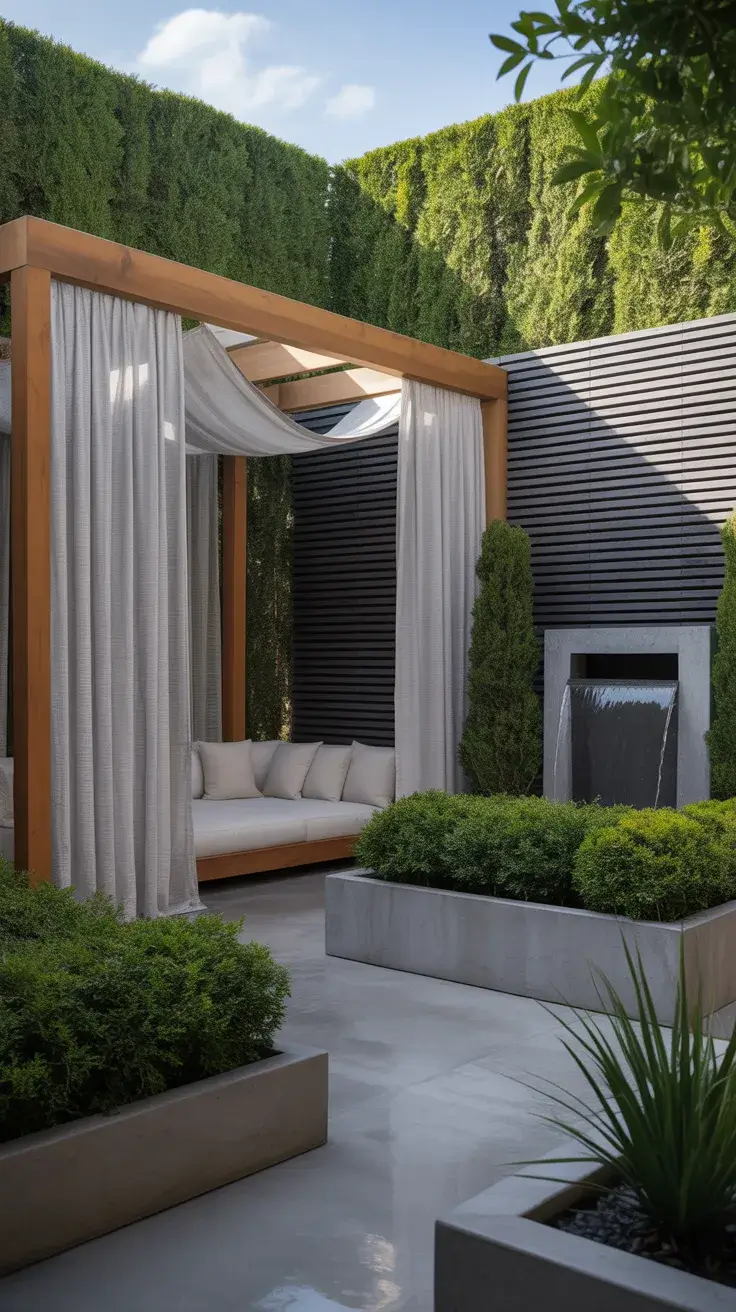
To expand this section further, I’d add acoustic panels or water features to reduce noise and create a more peaceful environment.
28. Small Backyard Layout Ideas With Big Impact
Small backyards can feel expansive when designed with intention. I prioritize multifunctional furniture, visual layering, and strategic sightlines to maximize space. Clear pathways, raised planters, and compact seating arrangements help maintain openness while adding personality.
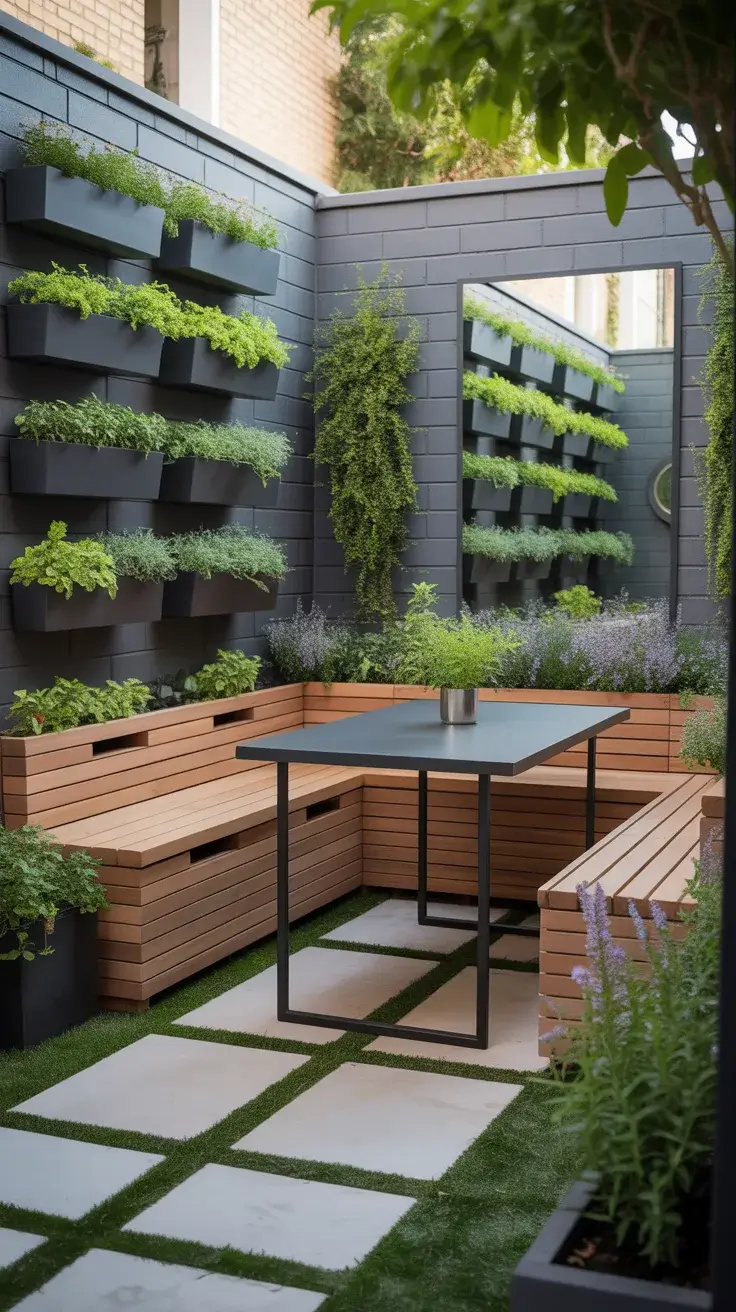
I choose foldable chairs, narrow benches, wall-mounted shelves, and space-saving bistro tables. Reflective materials like mirrors or light-colored pavers enhance brightness and depth. Vertical planters and slim lighting fixtures also help lift the design visually.
In my experience, cohesion is everything in small yards. Experts often advise limiting the number of materials and colors to avoid visual clutter. By using consistent textures and shades, I create a setting that feels harmonious and larger than it is.
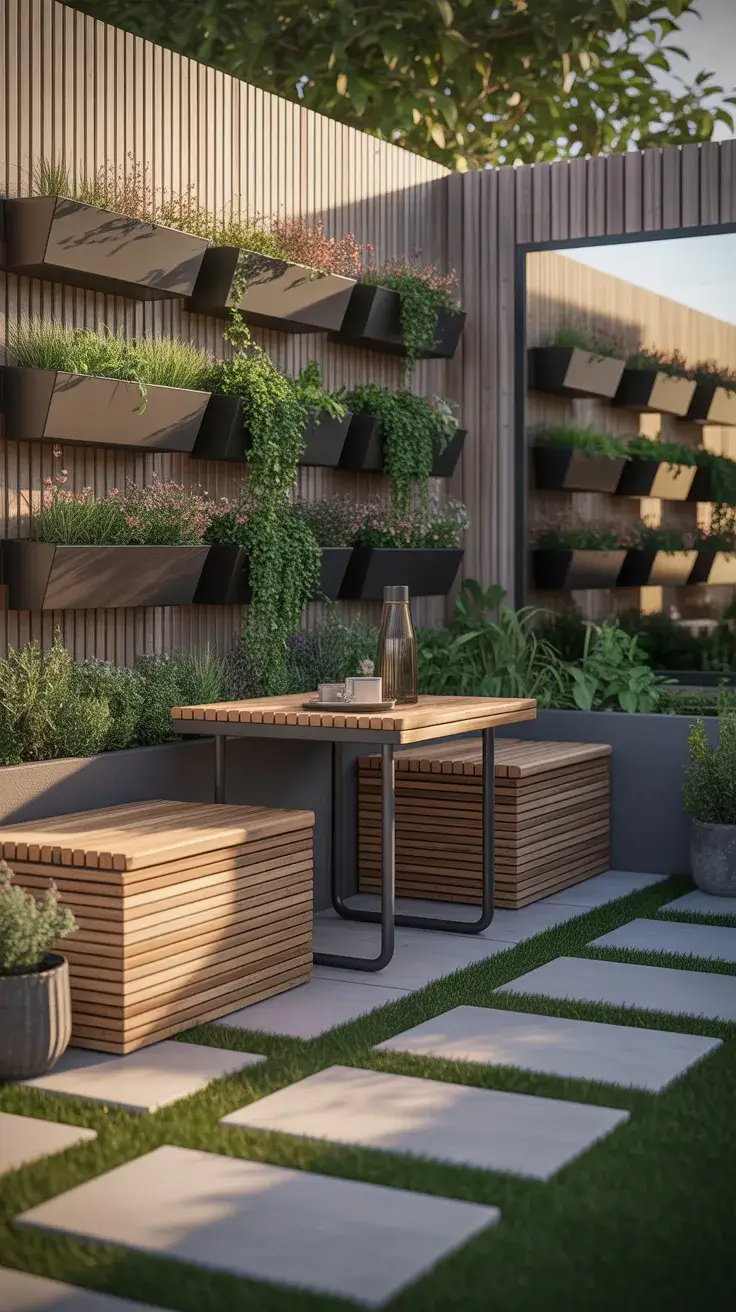
I would also include hidden storage compartments under benches to keep the space tidy and efficient.
29. Large Family Backyard Layouts For Big Gatherings
Designing spacious layouts for large families requires balancing flow, comfort, and multifunctionality. I approach these backyards as interconnected zones—dining, lounging, play, and cooking areas—ensuring each one complements the others without feeling crowded. In Family backyard layout ideas 2026, open layouts with smooth transitions are especially valued, giving big groups room to move freely while still feeling connected.
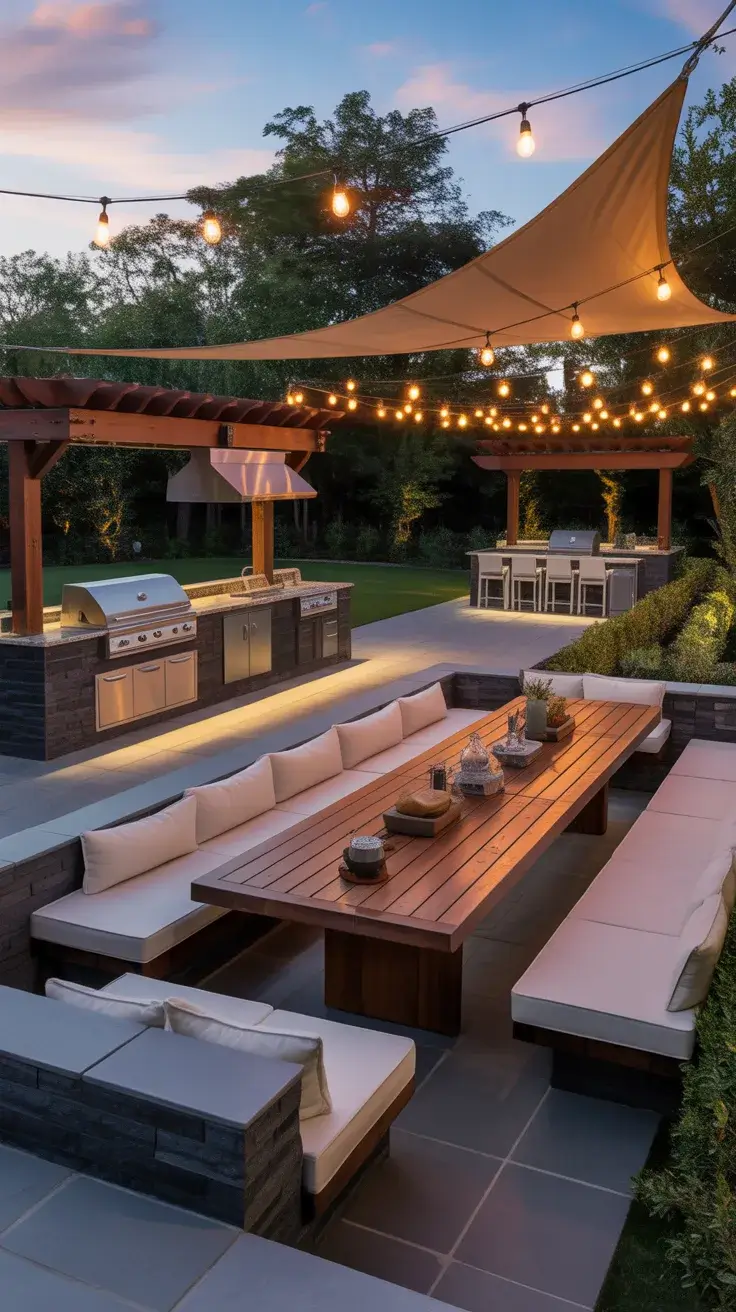
For furnishings, I choose long dining tables, sectional outdoor sofas, built-in benches, generous shade structures, and durable outdoor kitchens. I also add wide pathways and strategically placed lighting so movement feels natural during evening gatherings. A designated grill station with prep space helps streamline cooking, while large rugs help define social zones without restricting flexibility.
From my experience, the most successful large-family backyards incorporate seating variety. Experts often note that combining lounge chairs, benches, and movable stools accommodates different ages and preferences. I follow this principle closely because comfort determines how long gatherings last and how enjoyable they feel.
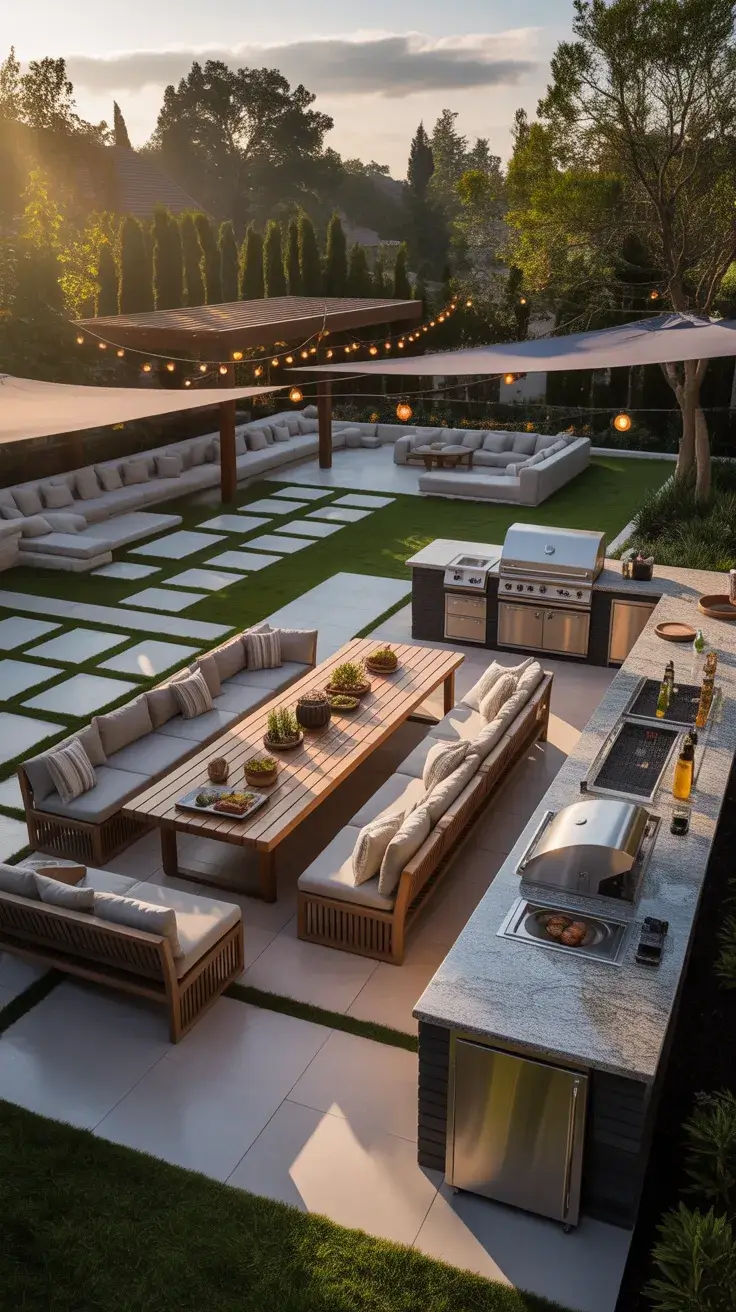
I would also add an outdoor drink station or buffet counter to reduce indoor traffic and keep the flow efficient during big events.
30. Backyard Pool And Splash Zone Concepts
Pools and splash zones continue to be a favorite in Family backyard layout ideas 2026, offering families both relaxation and recreation. I design these areas with safety, zoning, and aesthetics in mind. Clear sightlines, non-slip surfaces, and shade structures help create a secure setting suitable for all ages. I also ensure the pool integrates with the landscape so it feels like a natural part of the backyard rather than an addition.
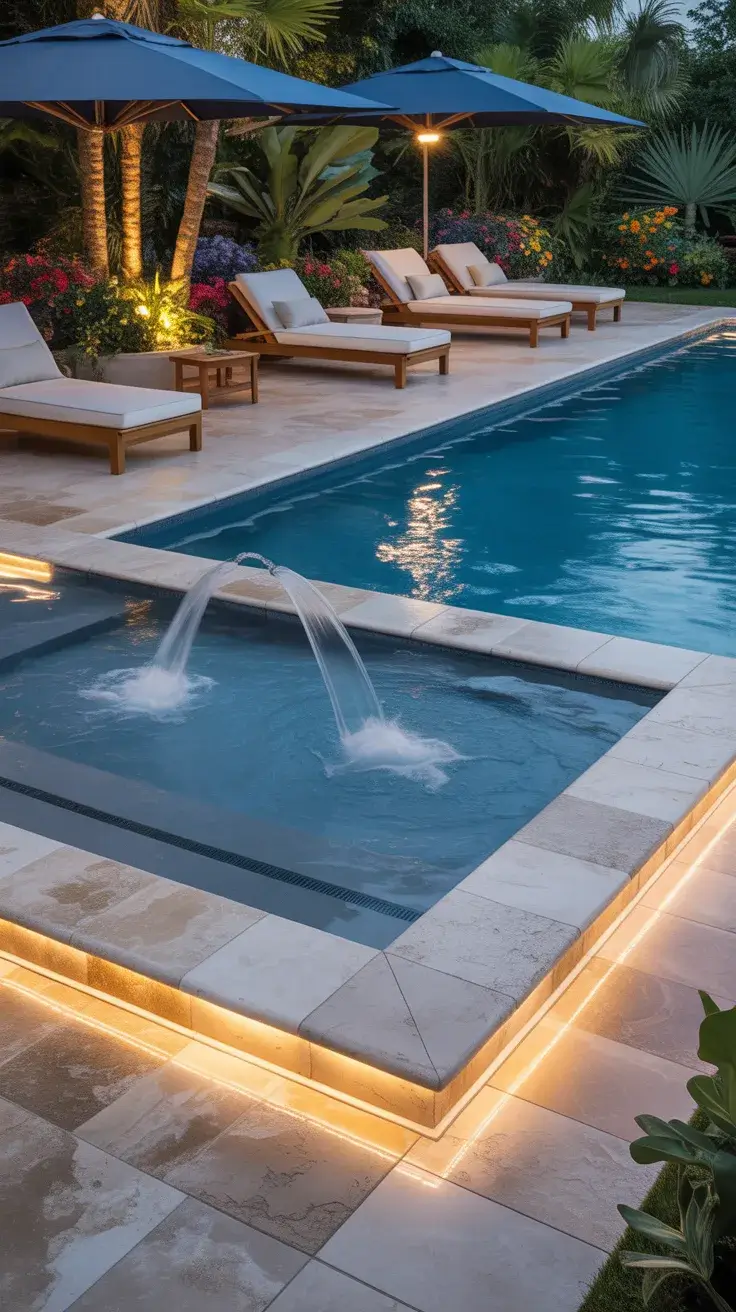
I like incorporating shallow splash zones, tanning ledges, built-in seating, and surrounding lounge areas. Furnishings often include adjustable loungers, waterproof side tables, and large umbrellas. Textured pavers reduce slips, while poolside planters add softness to the hardscape. A nearby outdoor shower or rinse area is also extremely practical.
In my experience, families appreciate when water features are paired with comfort. Industry professionals often mention that shaded areas dramatically increase usability, so I always include pergolas, sails, or cabanas. These structures protect from UV exposure while offering a resort-like feel.
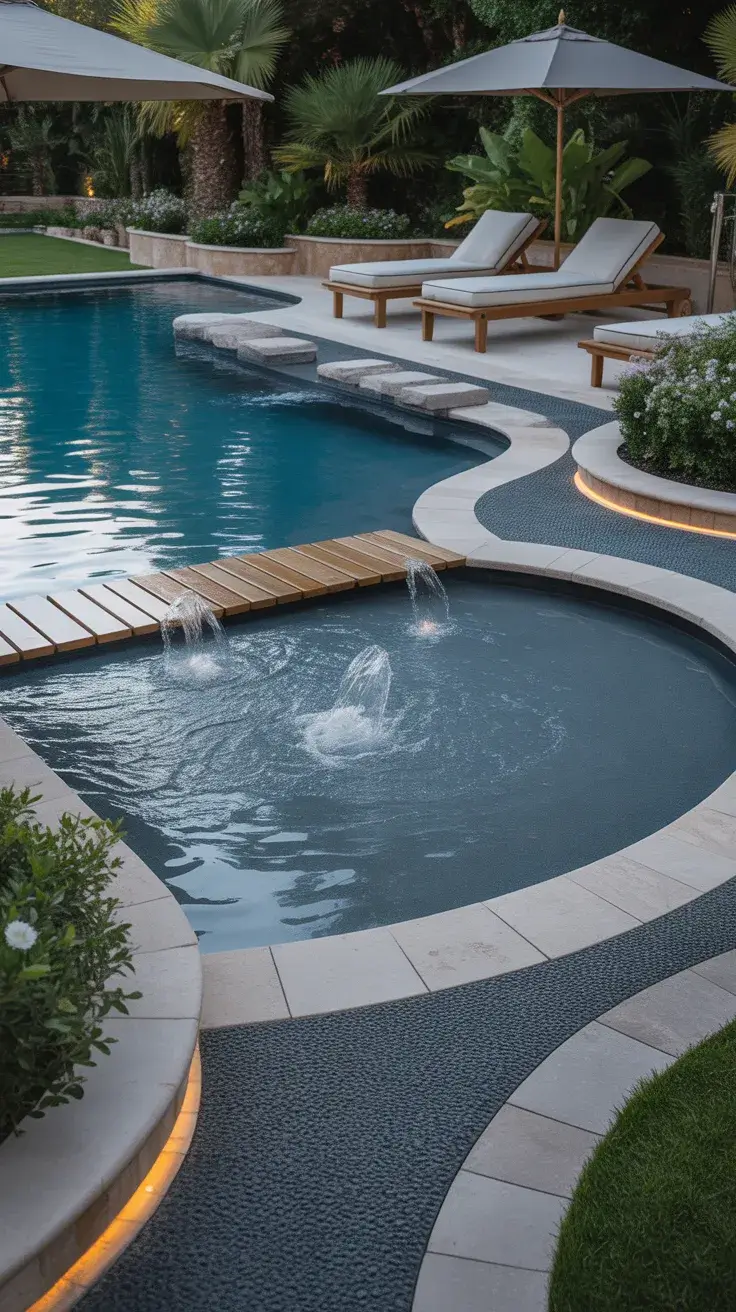
I would also add subtle LED underwater and perimeter lighting for nighttime enjoyment and increased safety.
31. Outdoor Art And Decor Zones For Personal Expression
Outdoor art zones bring personality into backyard layouts, allowing families to express creativity and style. I design these spaces as curated corners or integrated pathways where sculptures, wall art, or custom installations can shine. Good lighting and thoughtful placement turn these decor elements into focal points that elevate the entire outdoor experience.
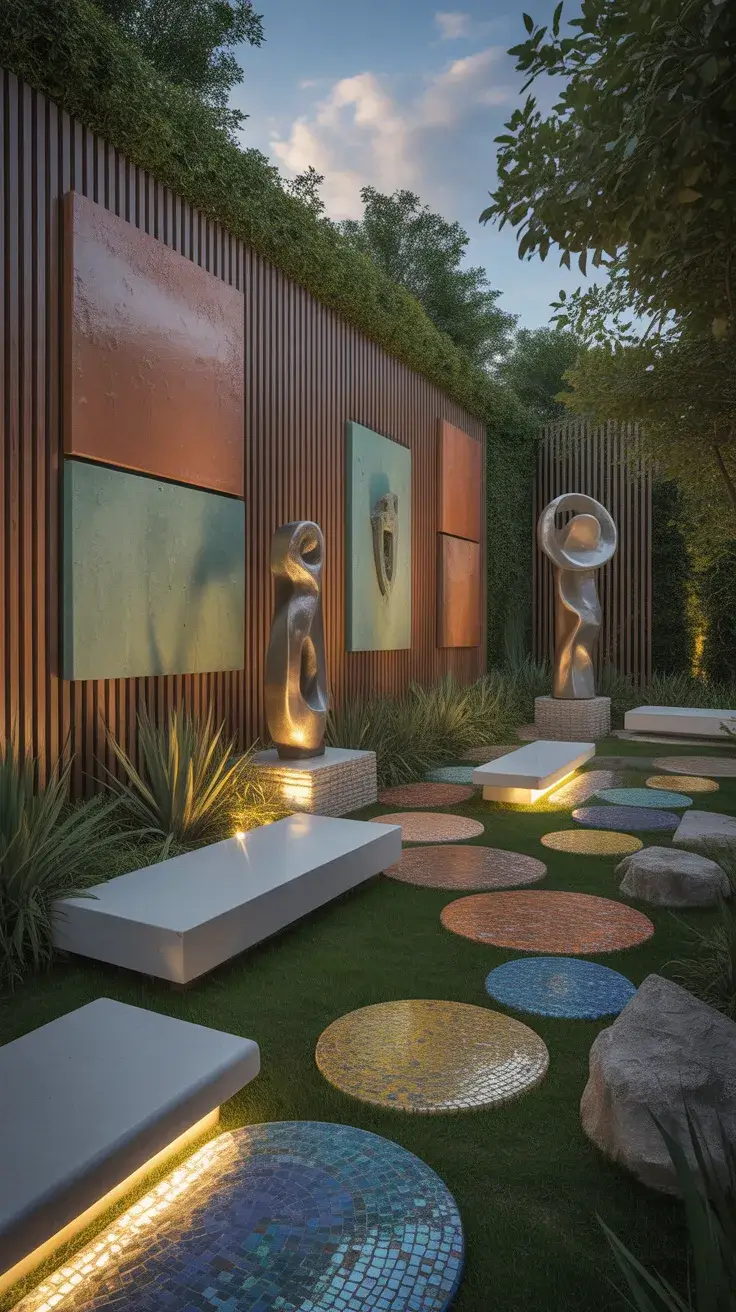
For decor components, I use weather-resistant sculptures, metal or ceramic wall pieces, mosaic stepping stones, and custom planters. Seating such as small benches or accent chairs encourages people to pause and enjoy the artwork. Textured backdrops—like stone walls or wooden slats—help frame each decorative element beautifully.
Personally, I believe outdoor art works best when it feels both intentional and harmonious with the landscape. Many designers emphasize mixing natural materials with contemporary pieces to create balance. I follow this idea because it keeps the space modern without feeling out of place.
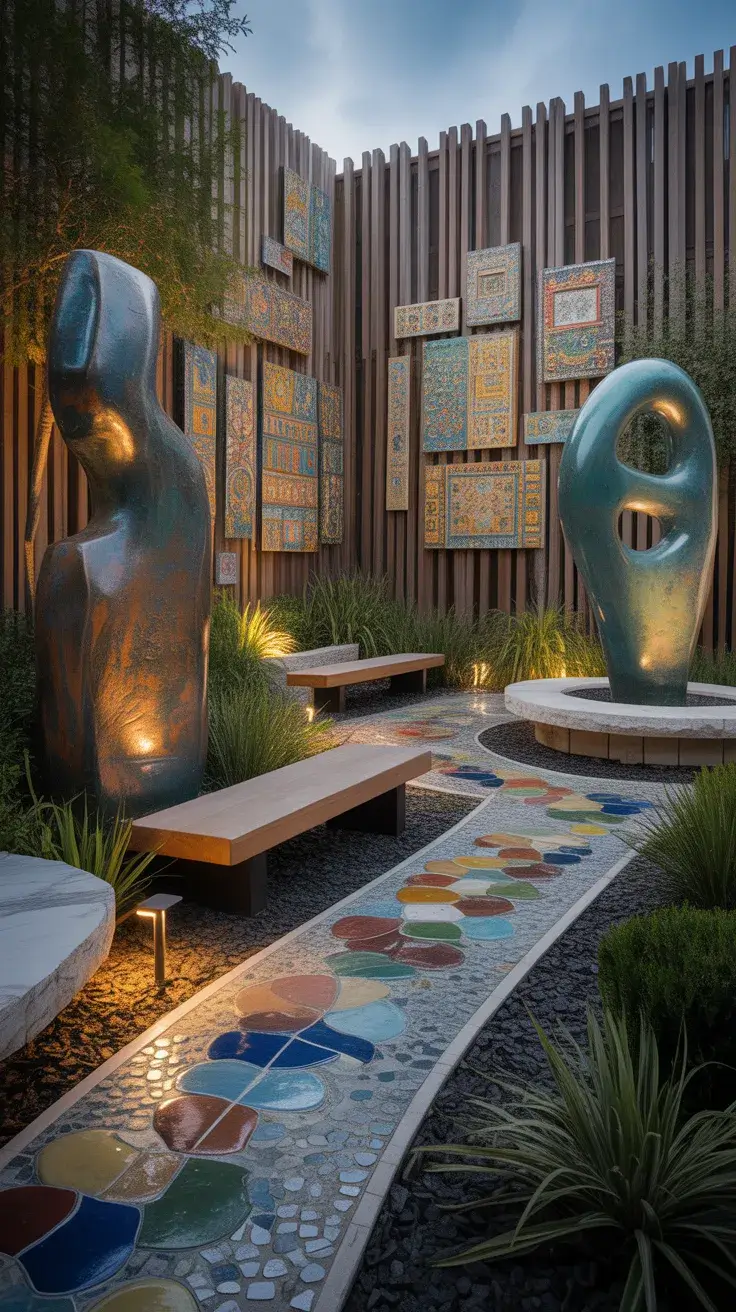
To enhance this section, I’d add integrated spotlights or uplighting so artwork remains visible and dramatic even after dusk.
32. Low Maintenance Backyard Layouts For Busy Families
Low-maintenance design has become essential for families seeking beautiful yards without constant upkeep. I approach these backyards with simplicity, durability, and automation in mind. Clean lines, hardy plants, and long-lasting materials all help create spaces that remain attractive with minimal effort.
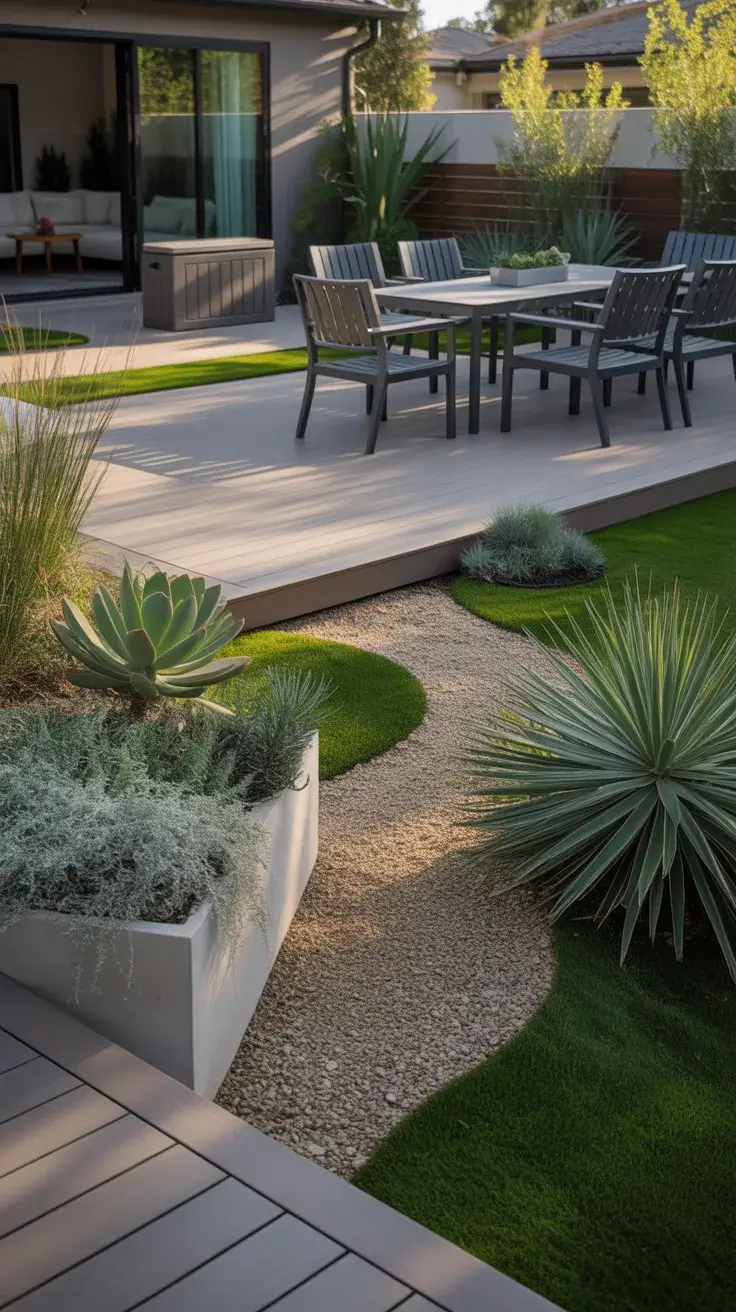
I often use composite decking, gravel paths, artificial turf patches, self-watering planters, and drought-tolerant greenery. Furniture choices lean toward aluminum, treated wood, or resin, all of which hold up extremely well outdoors. Automatic irrigation and minimalistic layouts reduce weekly care significantly.
From my experience, families appreciate when every design decision helps reduce chores. Publications like Better Homes & Gardens often highlight the value of selecting native plants because they thrive without extra attention. I incorporate this strategy to ensure longevity and seasonal consistency.
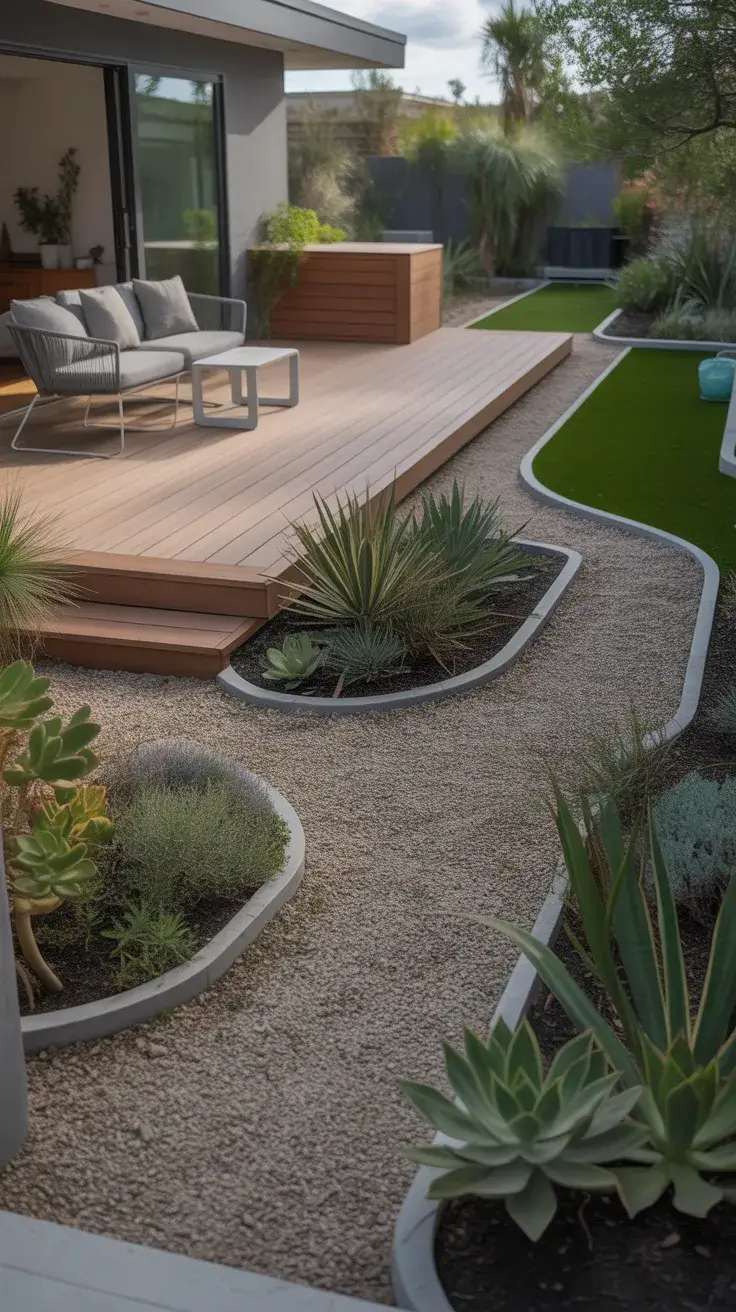
I would also include simple storage solutions like deck boxes or wall hooks to keep the yard clutter-free year-round.