When planning a modern renovation, many homeowners search for the most innovative bathroom mirrors ideas 2026 to refresh their interiors and improve functionality. What makes mirrors so influential in shaping the look and feel of a bathroom? And how do the newest technologies and trends transform traditional design into something far more impactful? In this article, I will explore advanced features, updated aesthetics, and practical solutions that elevate everyday routines while enhancing visual comfort.
I will look at how lighting, materials, shapes, and smart integrations affect not only beauty but also user experience. These design ideas help maximize available space, increase convenience, and create a unique atmosphere. With the right mirror, a bathroom can shift from ordinary to unforgettable.
As someone who has observed interior design trends evolve over the years, I find that mirrors are becoming multifunctional architectural elements rather than simple reflective surfaces. I will share observations, expert insights, and my own professional approach to implementing each concept.
Let’s dive into this collection of curated inspirations and discover which mirror trends are poised to dominate bathroom mirrors ideas 2026.
1. Smart LED Bathroom Mirrors For 2026
In 2026, smart LED bathroom mirrors stand out for their impressive blend of function and ambiance, giving the space a polished and high-end aesthetic. I often incorporate LED mirrors because they provide controlled lighting that enhances grooming routines and complements the overall interior. With integrated dimming features, color-temperature adjustments, and energy efficiency, these mirrors make bathrooms feel more personalized and user-friendly.
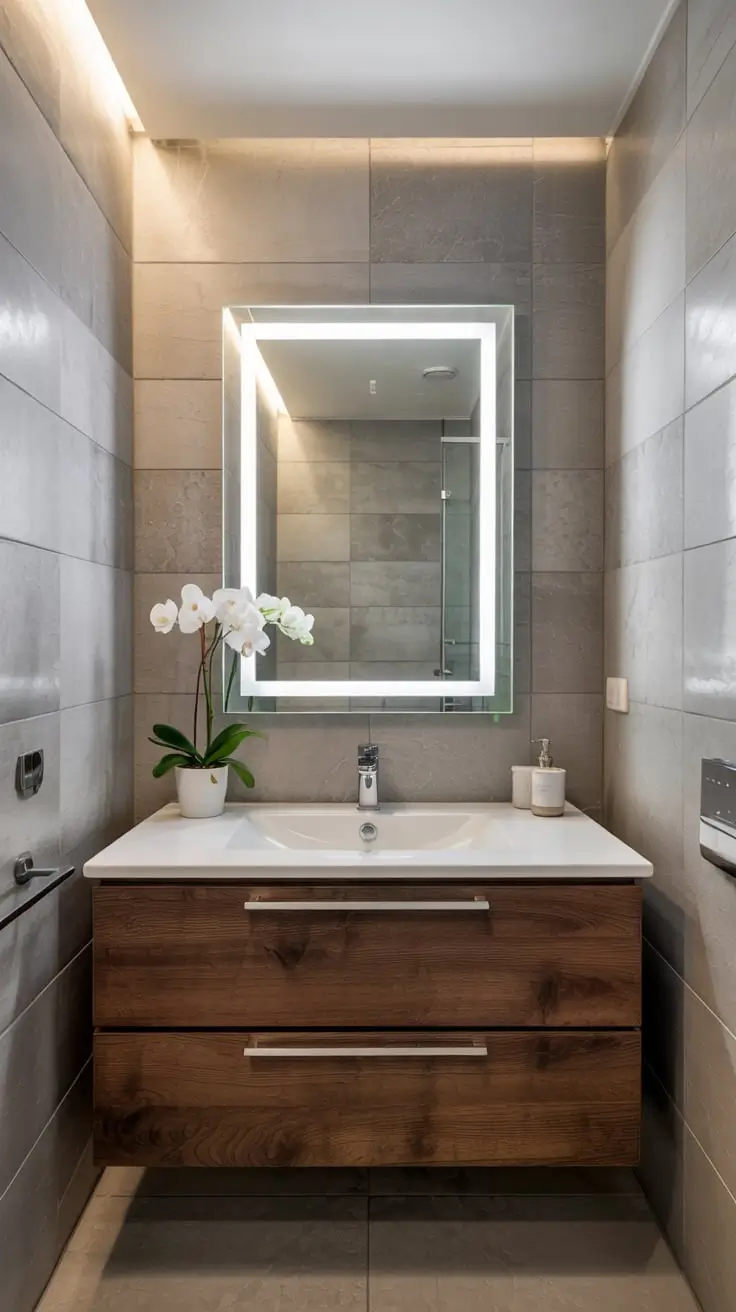
When selecting items for this setup, I typically include wall-mounted LED mirrors with adjustable lighting, a floating vanity to emphasize the glow, and matte tile surfaces that help diffuse illumination evenly. Each element supports the mirror’s functionality while creating a clean, modern environment. The combination of warm and cool LED options also allows users to adapt the space to suit different activities throughout the day.
From my experience, clients appreciate how these mirrors improve visibility without causing shadows. Many designers, including industry leaders quoted in Architectural Digest, highlight the importance of layered lighting in achieving natural-looking reflections. I fully agree—these innovations help create both comfort and visual clarity.
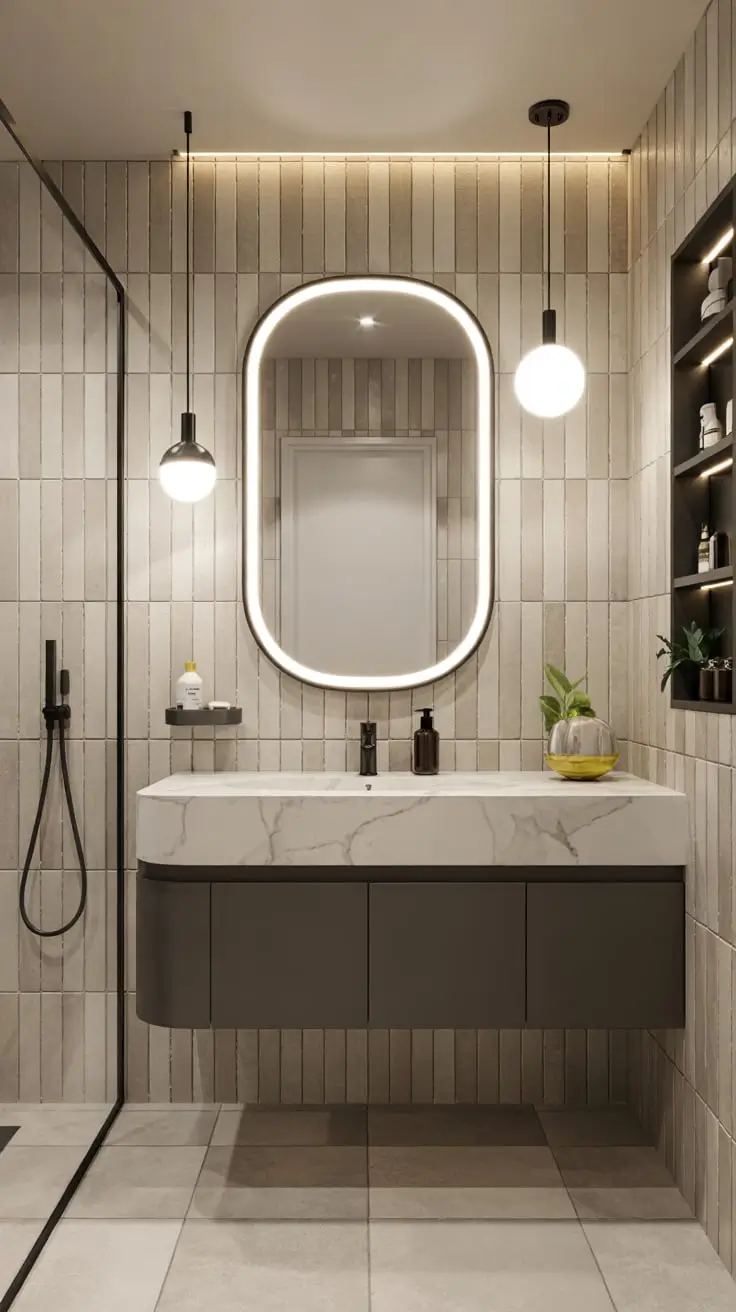
To strengthen this section further, I would also discuss integrating motion sensors or built-in storage lighting features, as these additions enhance accessibility and reduce clutter.
2. Backlit Mirror Designs For Modern Bathrooms
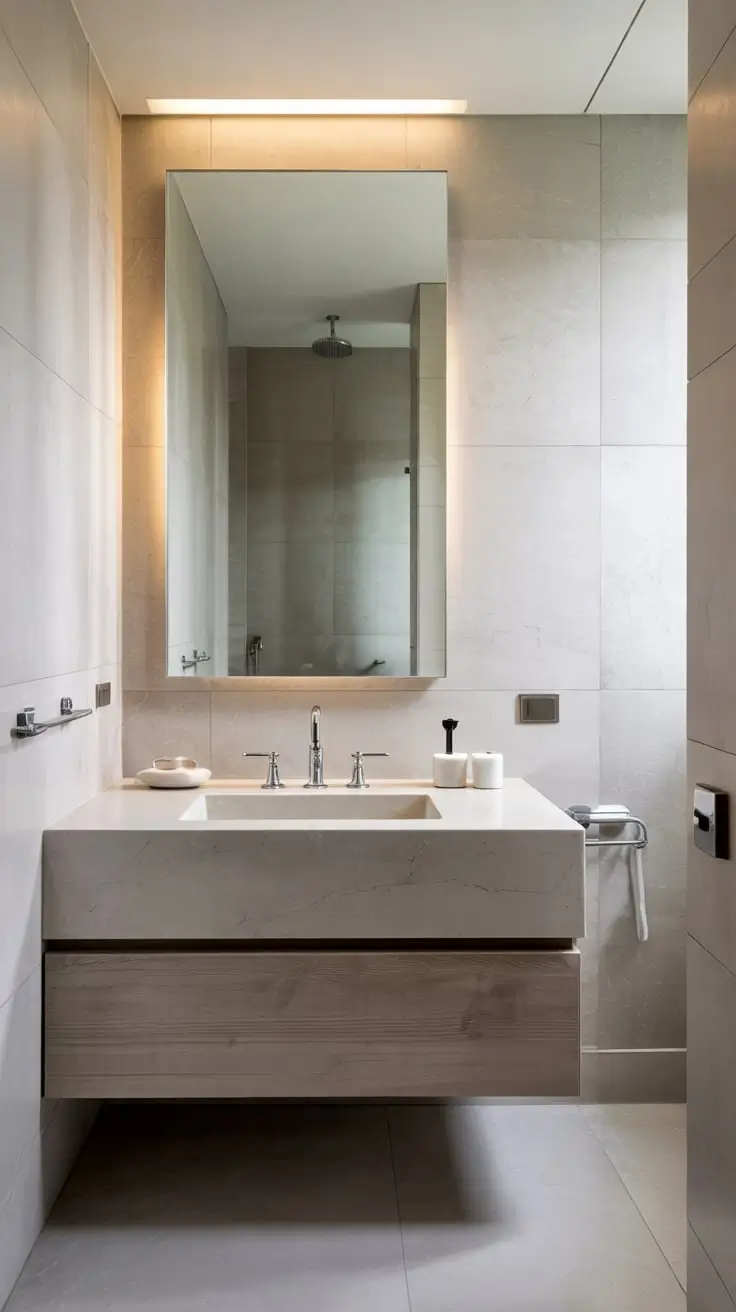
Backlit mirrors create a soft halo of illumination that instantly enhances mood and sophistication, making them a staple in modern bathroom design. I find them especially effective in rooms where architectural lighting is limited or where a subtle glow can elevate minimalistic interiors. The ambient lighting they provide adds depth and highlights surrounding textures without overwhelming the space.
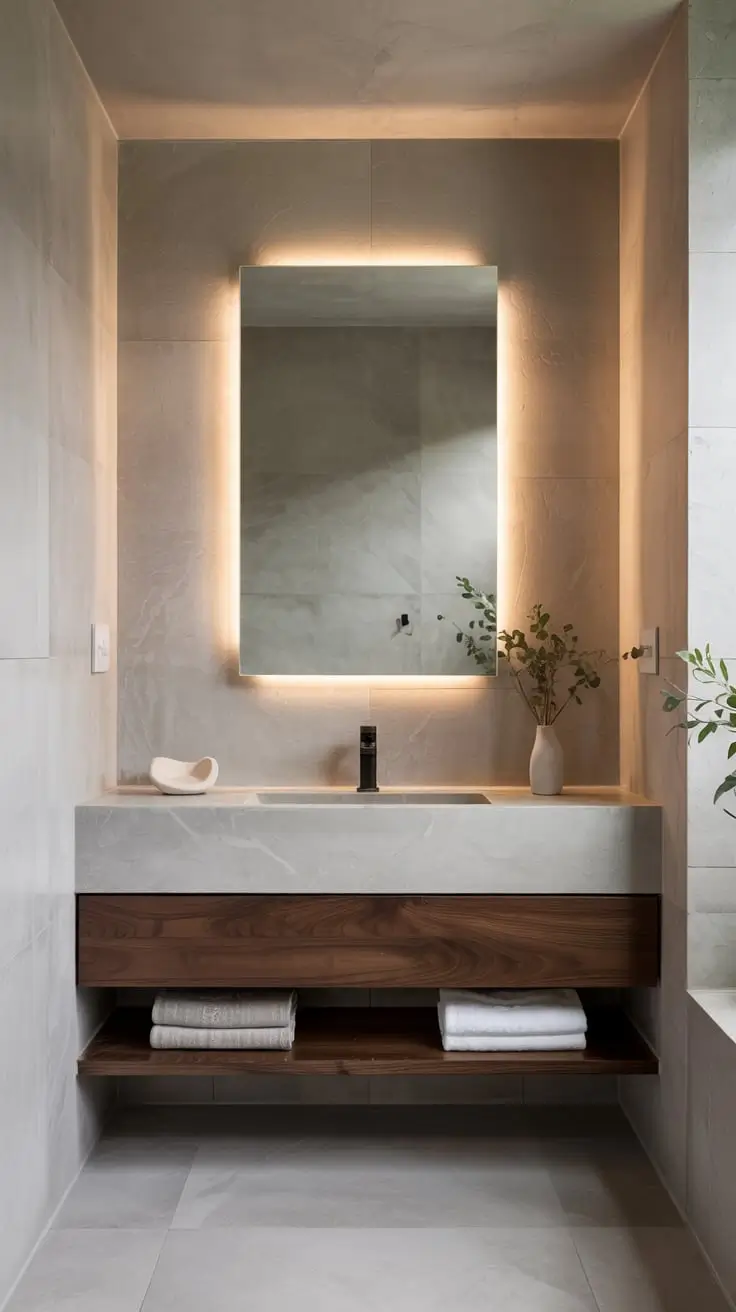
In designing a bathroom with backlit mirrors, I might pair them with stone or microcement walls that catch the light beautifully. Simple vanities, clean countertops, and streamlined fixtures allow the backlit feature to stand out. The warm back glow also complements natural materials like wood, balancing contemporary and organic elements.
Professionally, I prefer backlit mirrors because they diffuse light evenly and reduce glare—an advantage frequently mentioned in design reviews from outlets like Dezeen. Their seamless integration allows homeowners to enjoy both form and function. I’ve personally seen them transform smaller bathrooms by creating the illusion of added space.
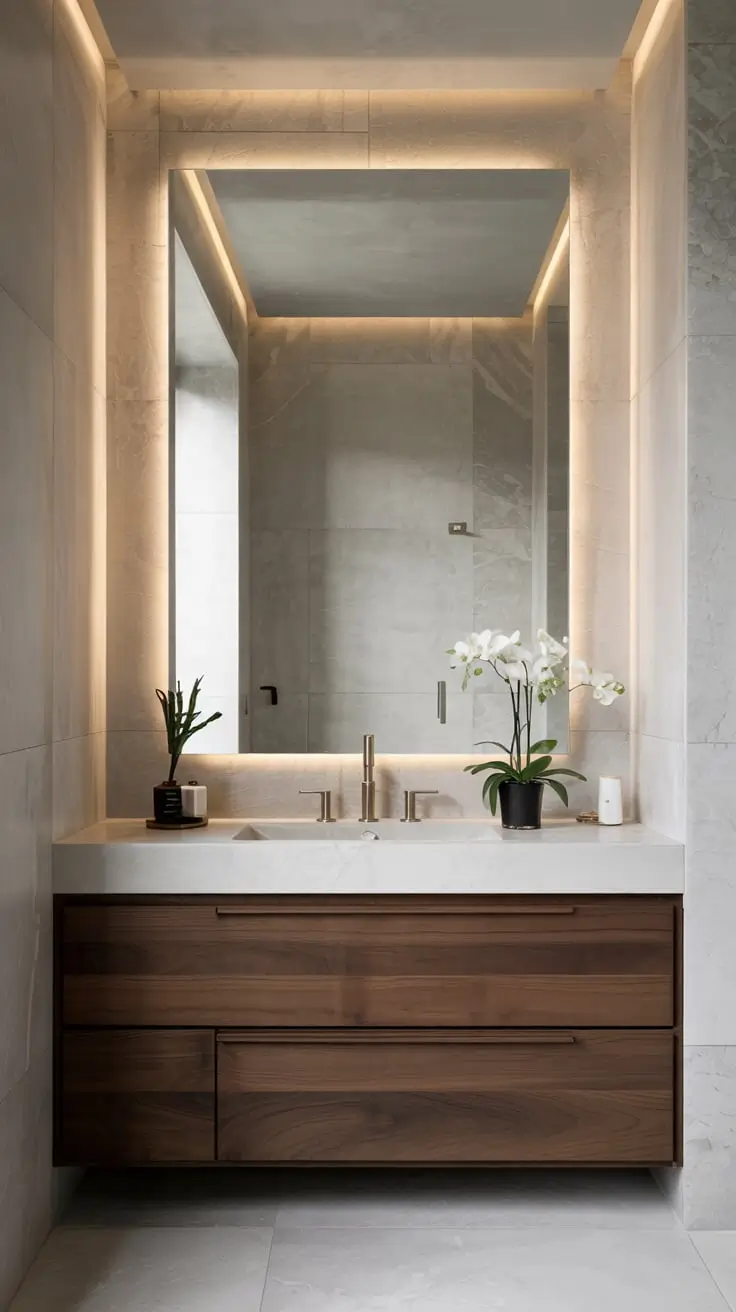
What could complete this concept is the addition of indirect ceiling lighting to complement the backlit mirror and create an immersive lighting scheme.
3. Frameless Minimalist Mirror Styles
Frameless minimalist mirrors appeal to those seeking clean lines and simplicity in their bathrooms. I use them when I want the space to feel open and uncluttered because they integrate effortlessly into almost any design style. Their sleek, uninterrupted surface helps highlight the surrounding architectural elements while maintaining a calm and airy look.
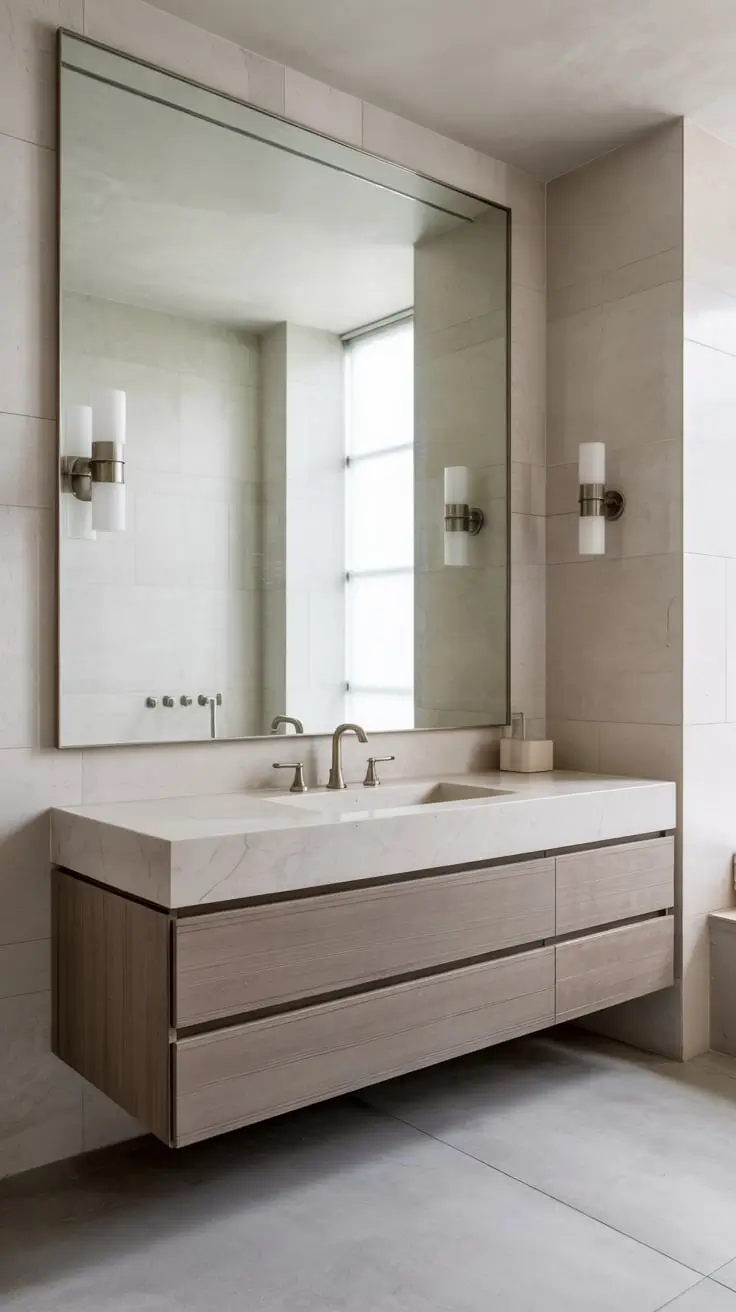
When building this design, I often combine frameless mirrors with floating vanities, minimal hardware, and neutral color palettes. The absence of decorative frames places focus on textures such as stone, ceramic, or matte finishes. A frameless mirror also works well with linear wall sconces positioned on either side to provide balanced illumination.
From my professional experiences, frameless designs are frequently praised for their versatility. Elle Decor often emphasizes how minimalist elements can modernize a space without overwhelming it, and I fully agree. They are timeless, budget-friendly, and ideal for both small and large bathrooms.
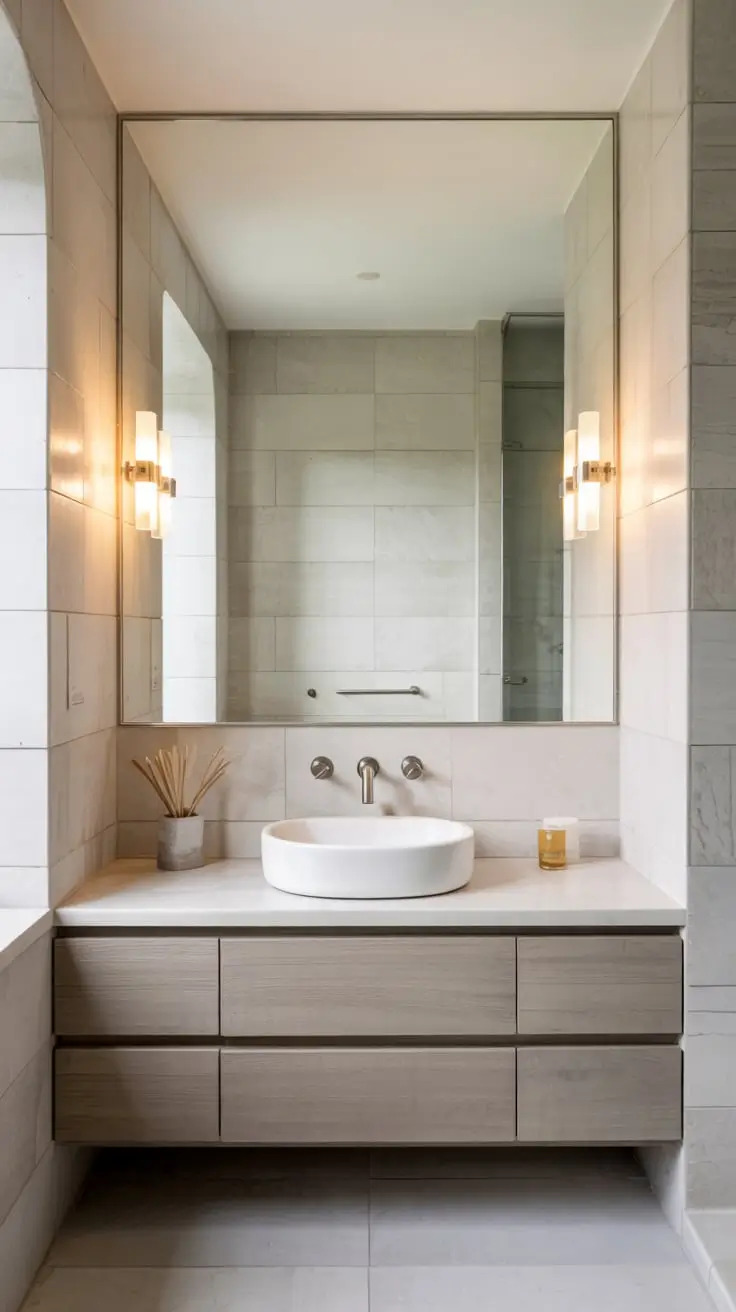
If expanding this concept, I would include anti-corrosion coatings or beveled edges for enhanced durability and refinement.
4. Oversized Statement Mirrors For Spa Appeal
Oversized mirrors create a luxurious spa-like feeling by expanding visual space and reflecting more natural light. I choose them when the goal is to bring grandeur and serenity into the bathroom. Their ability to visually double the room makes them particularly beneficial in compact spaces or bathrooms lacking windows.
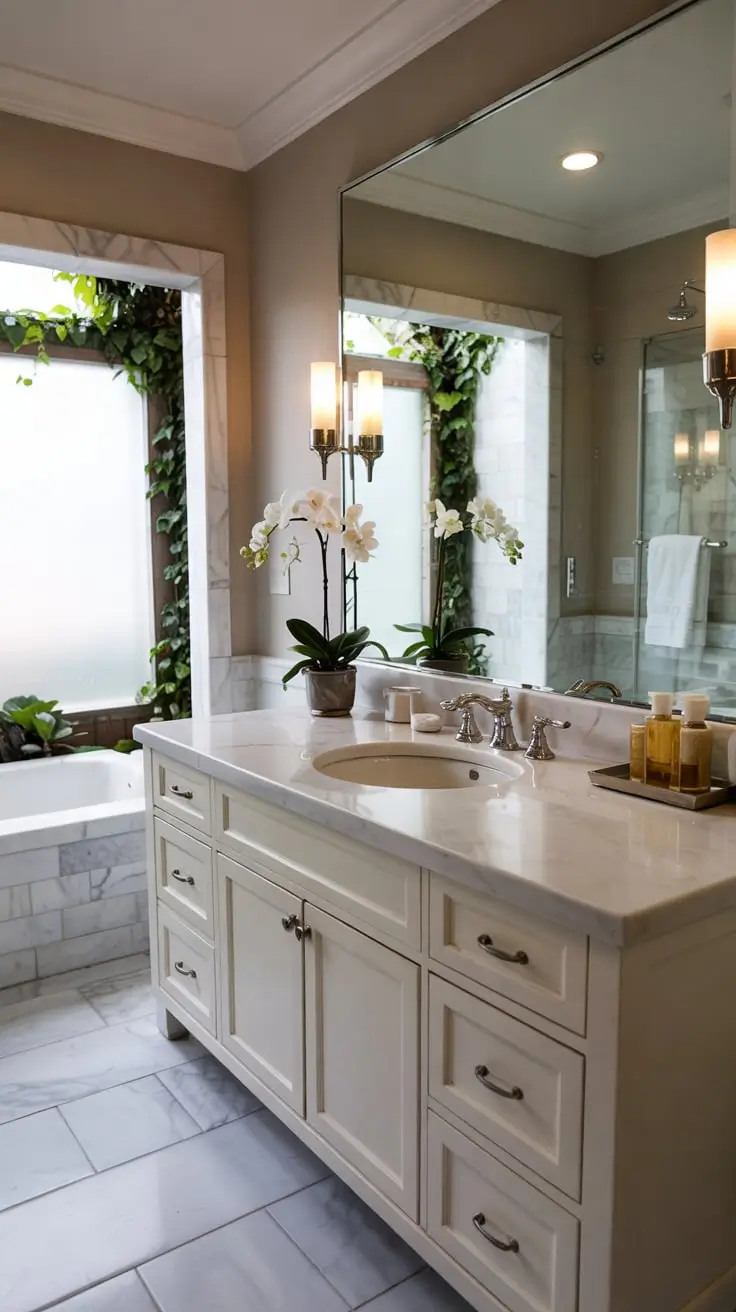
In designing with oversized mirrors, I incorporate wide vanities, tall storage units, and soft neutral palettes to maintain harmony. Natural materials like marble or quartz pair beautifully with a large reflective surface. The scale of these mirrors allows them to become the focal point of the bathroom, reducing the need for excessive decorative elements.
I’ve installed this style in many renovation projects, and the effect is always transformative. Designers interviewed by House Beautiful often recommend oversized mirrors to achieve a “spa retreat” atmosphere, and I’ve found this advice consistently reliable.
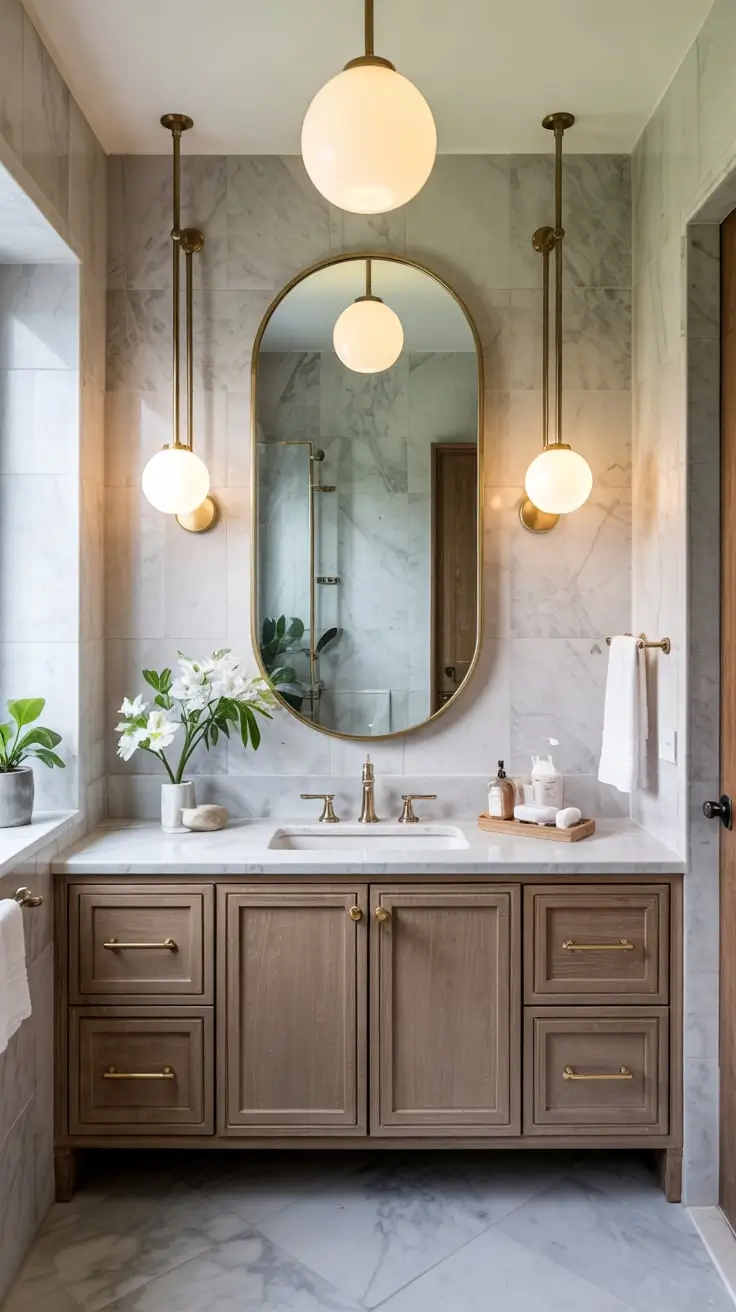
Additional enhancements could include integrated shelf lighting or minimalist framing to help define the mirror’s presence without disrupting its expansiveness.
5. Organic Shaped Mirrors For Soft Aesthetics
Organic-shaped mirrors bring a gentle, sculptural quality to bathroom spaces, helping soften the rigid lines often associated with modern interiors. I enjoy using them to introduce visual movement and uniqueness. Their fluid silhouettes contribute to a more welcoming and artistic environment.
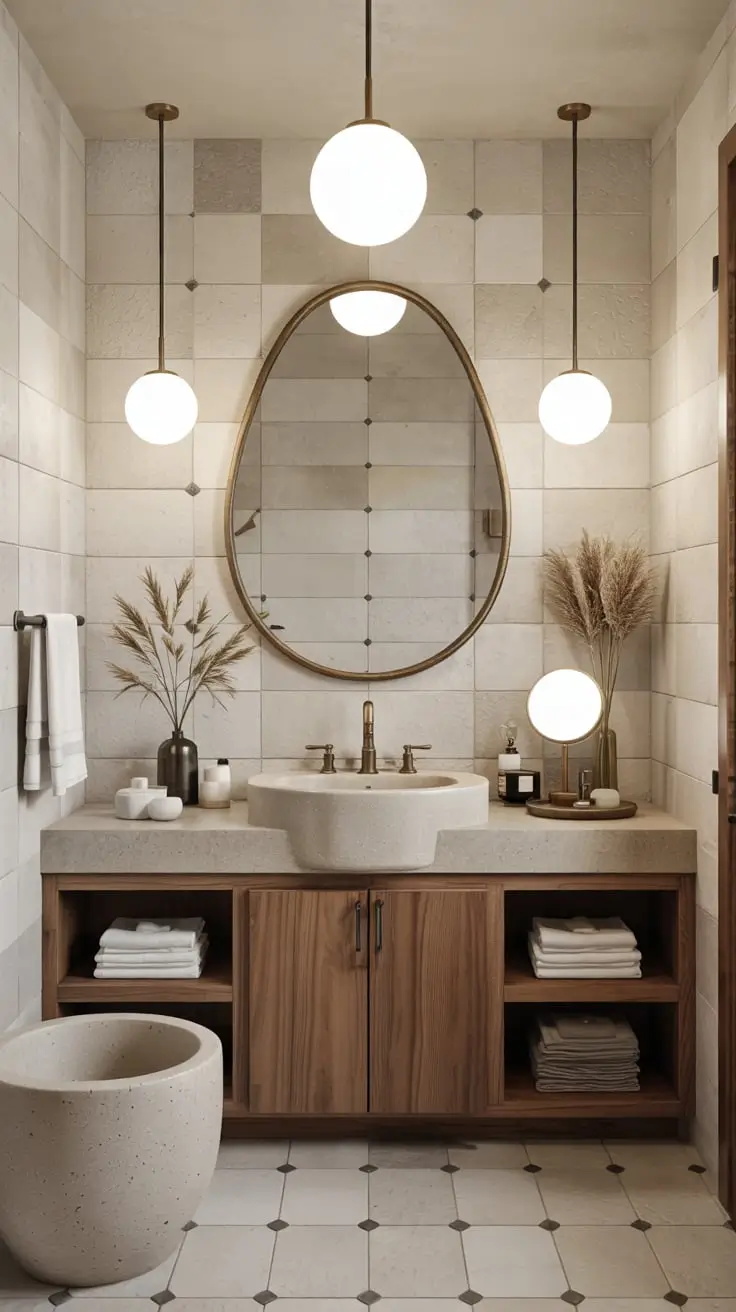
To complement these mirrors, I typically select natural stone countertops, warm metals, and curved furniture pieces like rounded vanities or arched shelving. Soft lighting enhances their shape and reinforces the calm, organic atmosphere. These elements together create a harmonious, nature-inspired aesthetic.
From a professional standpoint, organic designs are increasing in popularity due to the growing interest in biophilic interiors. Many design publications highlight how unusual mirror shapes act as subtle statement pieces without overwhelming the room. I’ve noticed clients appreciate the sense of individuality they bring.
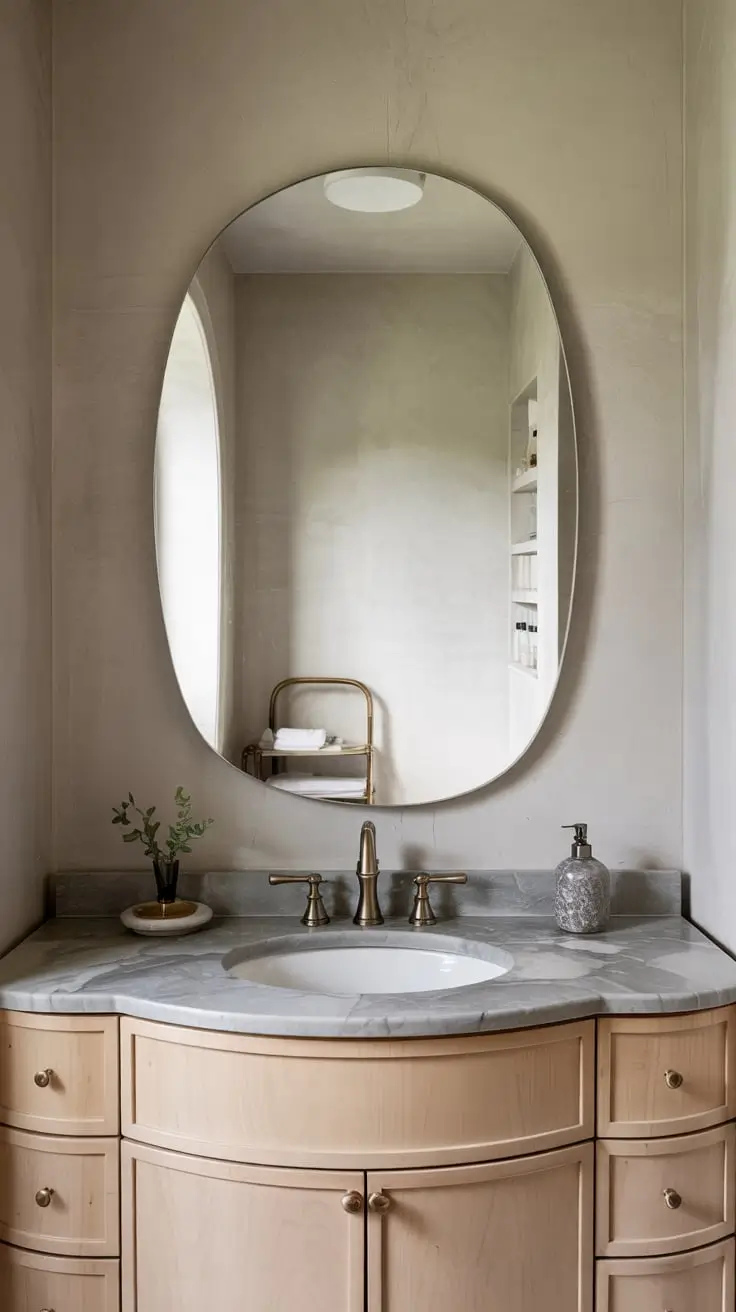
To expand this idea, I might include textured walls or soft-toned paint finishes that highlight the mirror’s silhouette.
6. High Tech Touchscreen Bathroom Mirrors
Touchscreen mirrors combine luxury with cutting-edge technology, offering features such as weather updates, integrated speakers, and adjustable lighting. I prefer using them in high-end renovations where convenience and modernity are top priorities. These mirrors help streamline morning routines and enhance the overall user experience.
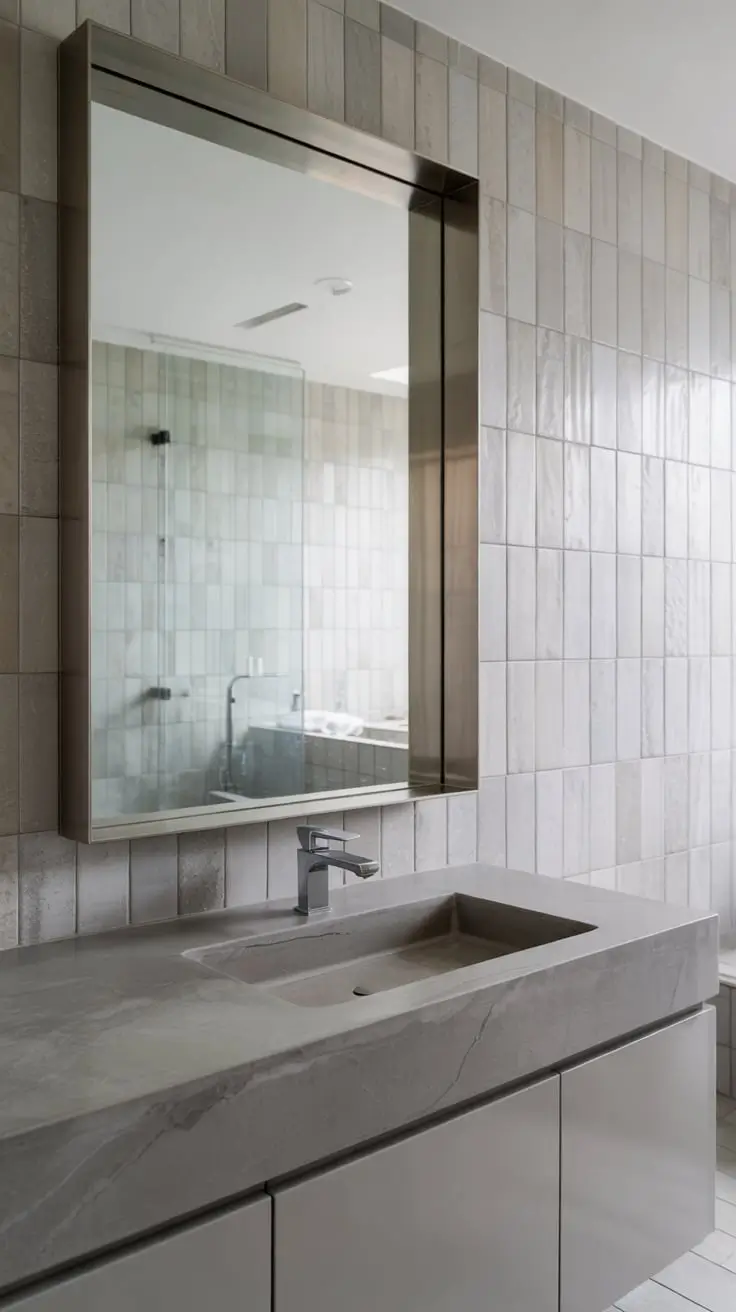
When I incorporate touchscreen mirrors, I pair them with sleek cabinetry, hidden storage, and polished surfaces to reinforce the futuristic feel. Stainless steel fixtures and minimalistic décor help maintain a clean aesthetic, ensuring technology remains the focal point. Lighting temperature controls and smart integrations amplify the mirror’s value.
My clients often ask about smart bathroom upgrades, and touchscreen mirrors deliver some of the most noticeable improvements. Industry experts featured in design reports frequently reference smart mirrors as essential elements of next-generation bathrooms, and I’ve seen firsthand how much they elevate functionality.
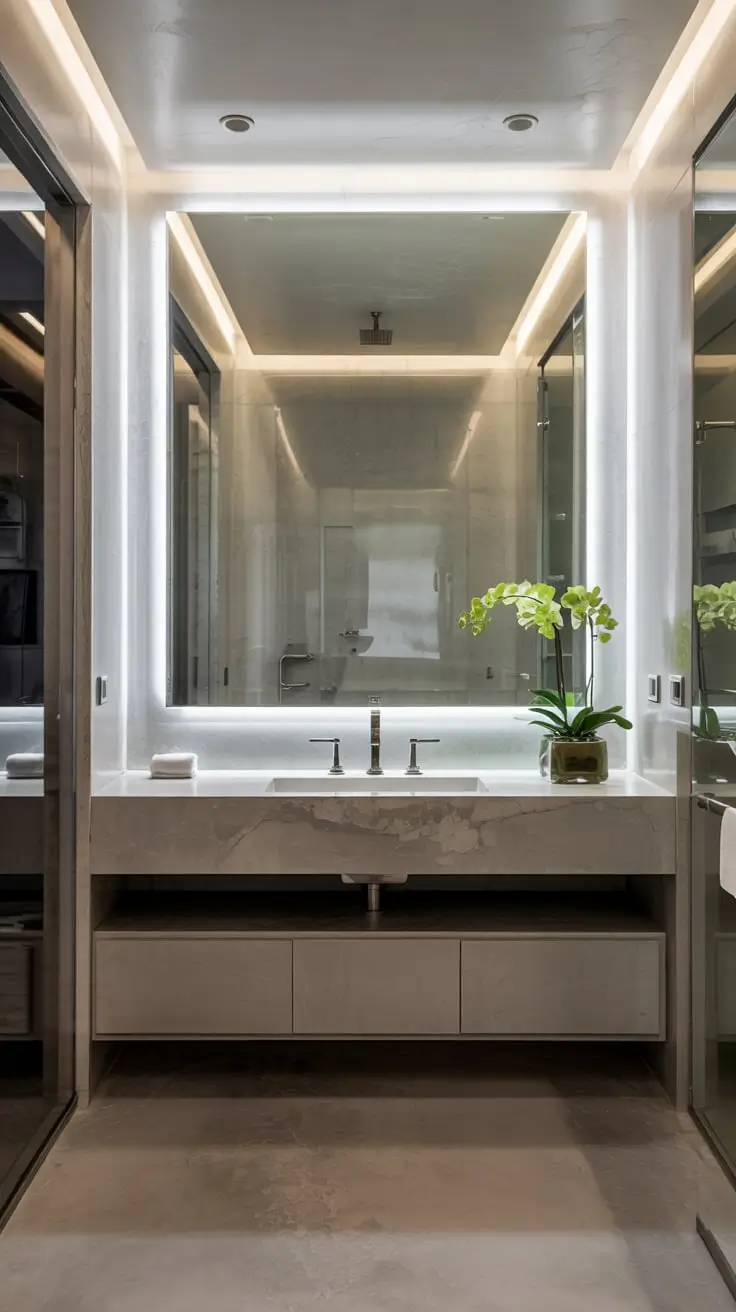
To refine this concept further, I might integrate voice control compatibility or incorporate flush wall mounting to achieve an even sleeker finish.
7. Anti Fog Mirror Innovations
Anti-fog mirrors are incredibly practical for daily use, especially in bathrooms with limited ventilation. I recommend them often because they ensure clear visibility immediately after showers, preventing delays in grooming routines. Their built-in heating technology is discreet yet highly effective.
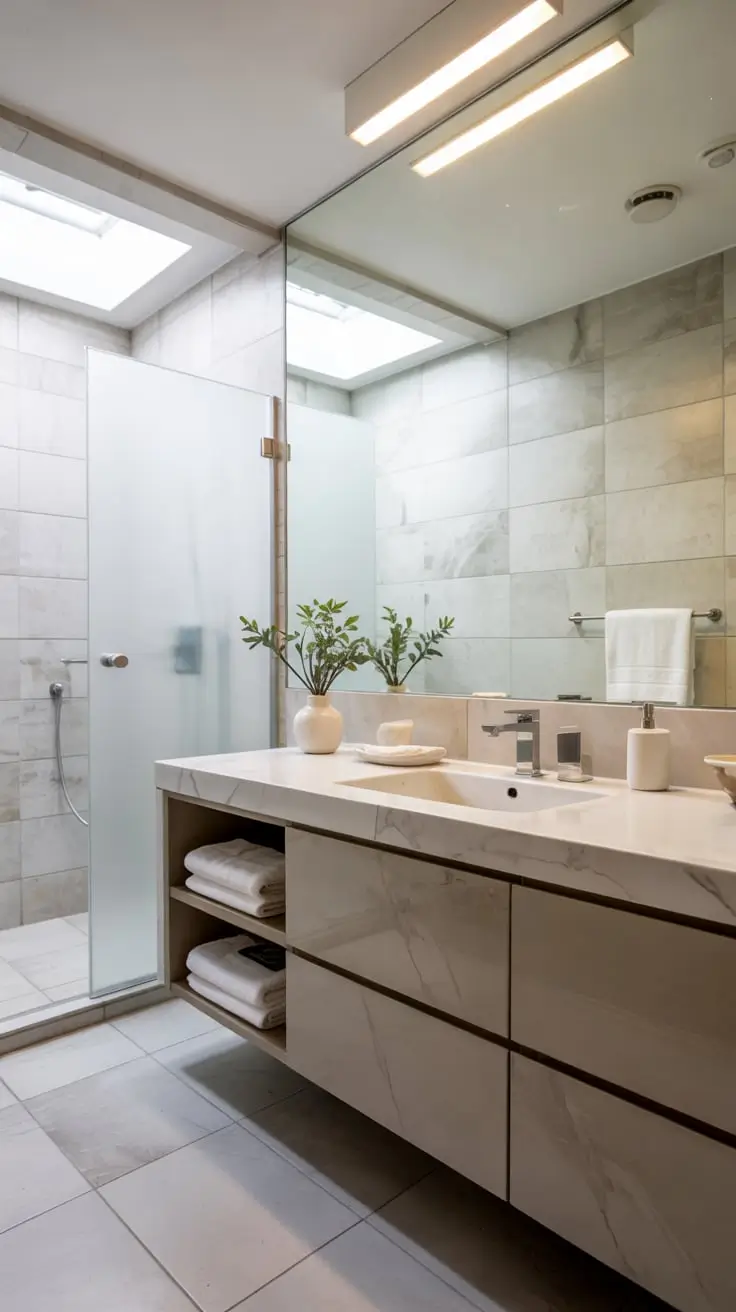
When designing a bathroom around anti-fog mirrors, I typically include efficient ventilation, moisture-resistant finishes, and well-placed task lighting. These elements together enhance functionality and maintain comfort. Pairing the mirror with a streamlined vanity and organizational accessories helps support a clutter-free environment.
In my professional experience, anti-fog innovations reduce frustration and improve usability—especially in shared bathrooms. Many product reviews emphasize their reliability and convenience, and I’ve found that clients especially appreciate not having to wipe the mirror repeatedly.
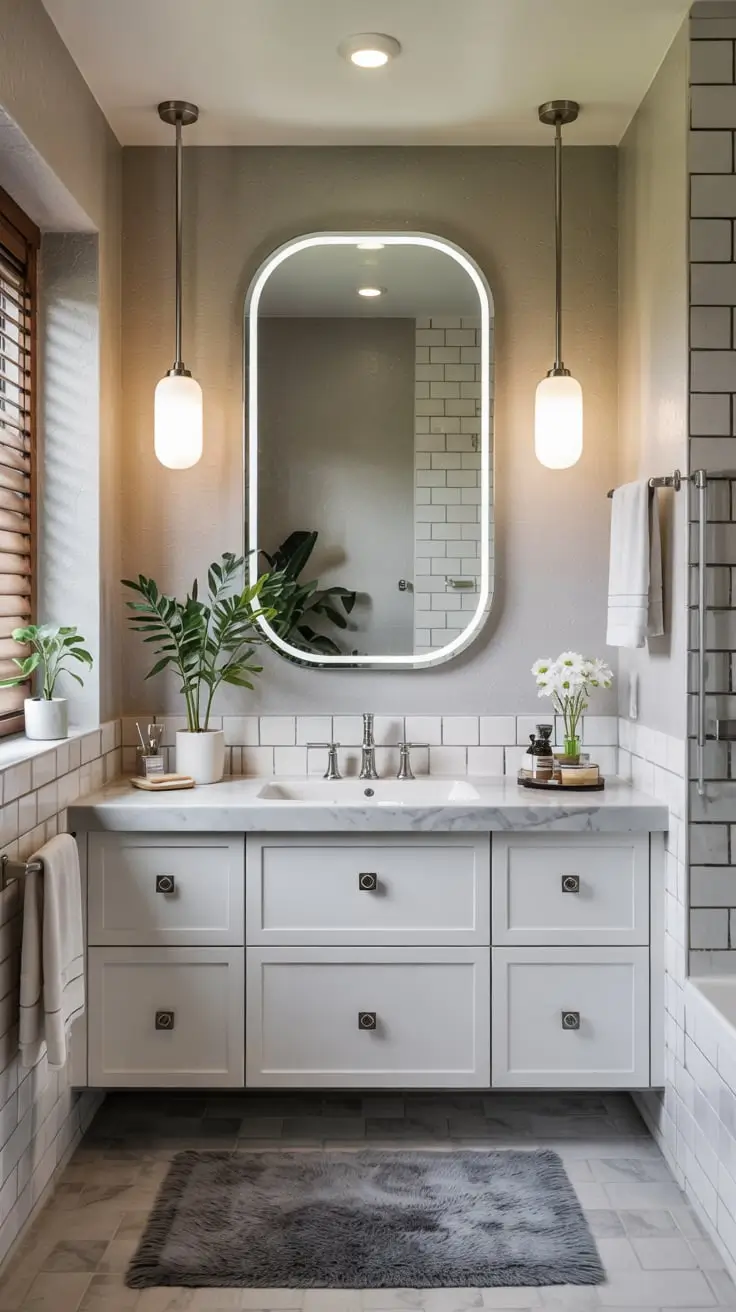
To complete this design idea, I might add humidity-resistant paint or a ventilation upgrade to further support moisture control.
8. Space Saving Mirror Cabinets For Small Bathrooms
In compact interiors, space-saving mirror cabinets offer both practicality and aesthetics, making them one of the smartest choices within bathroom mirrors ideas 2026. I often use these cabinets to maximize vertical storage while maintaining a streamlined look. Their dual-purpose nature helps small bathrooms feel more organized and visually balanced, reducing clutter and improving overall flow.
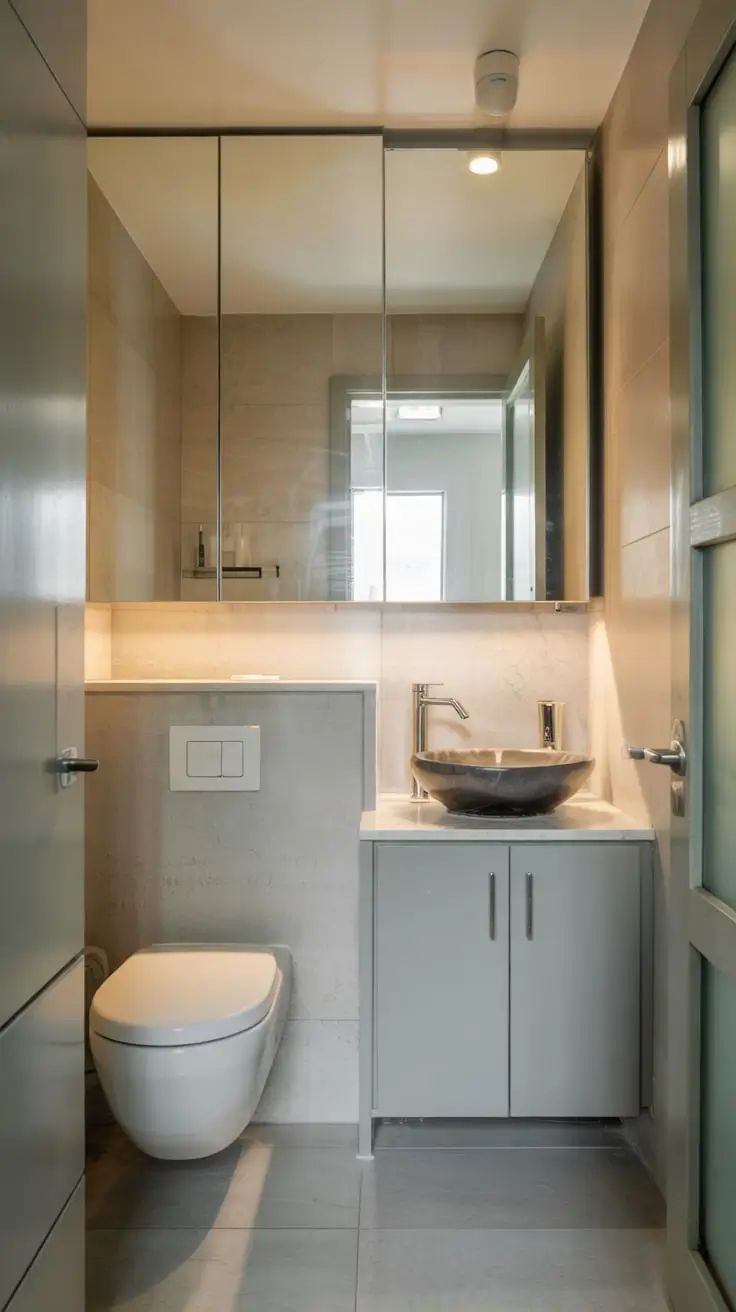
When designing with mirror cabinets, I carefully select shallow-depth models to avoid overwhelming the space. Soft-close doors, built-in LED lights, and adjustable shelving enhance function without sacrificing style. I also prefer pairing these with narrow vanities and wall-mounted fixtures to keep the bathroom feeling open and efficient.
From my experience, mirrored cabinetry significantly improves daily routines by keeping essentials easily accessible while blending seamlessly into the design. Many interior experts from publications like Dwell highlight the importance of multifunctional furniture in small bathrooms, which aligns perfectly with this approach. I’ve seen this solution dramatically transform spaces that previously felt cramped.
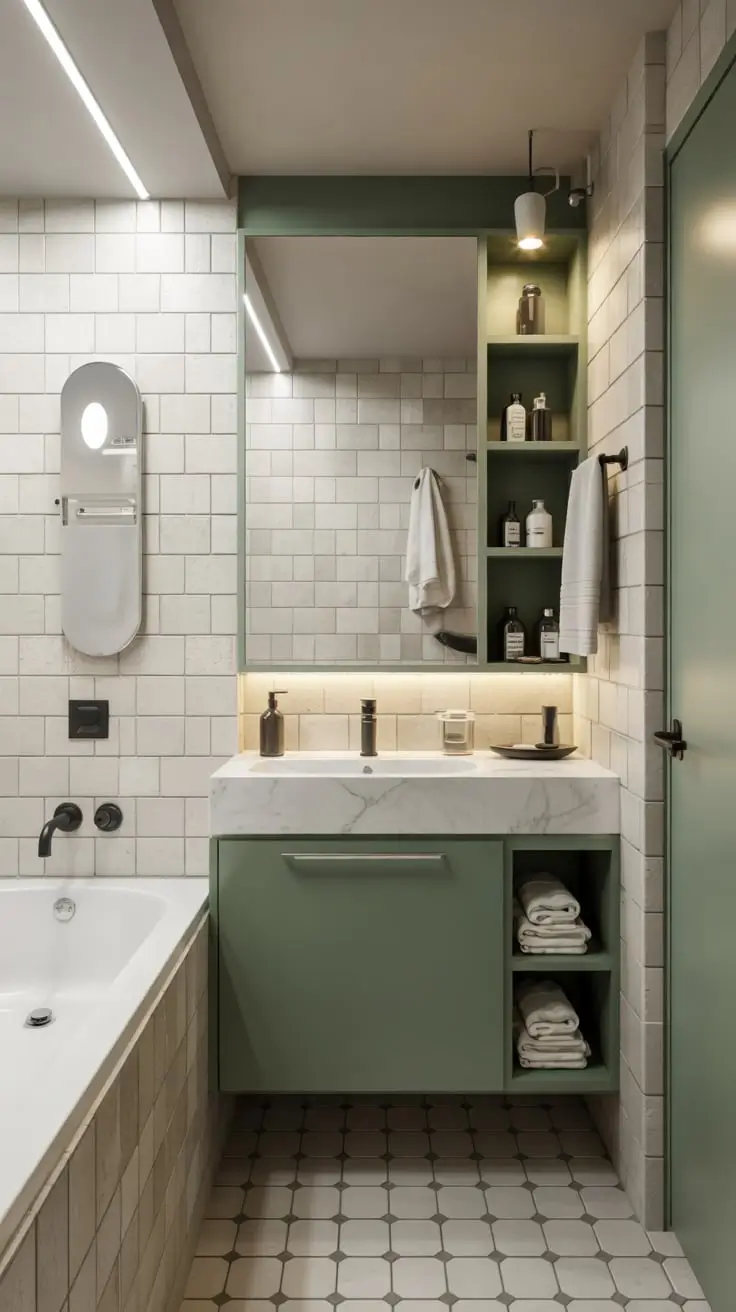
Additionally, I would consider integrating a demister pad or interior lighting to further improve comfort and usability for homeowners who rely on clear visibility and organized storage.
9. Dual Vanity Mirror Ideas For Shared Spaces
Dual vanity mirrors help streamline shared bathroom arrangements by allowing two users to prepare simultaneously without feeling crowded. I recommend this solution in family homes or primary suites where flexibility and convenience are essential. This concept enhances the functionality of the room while contributing to a well-balanced layout.
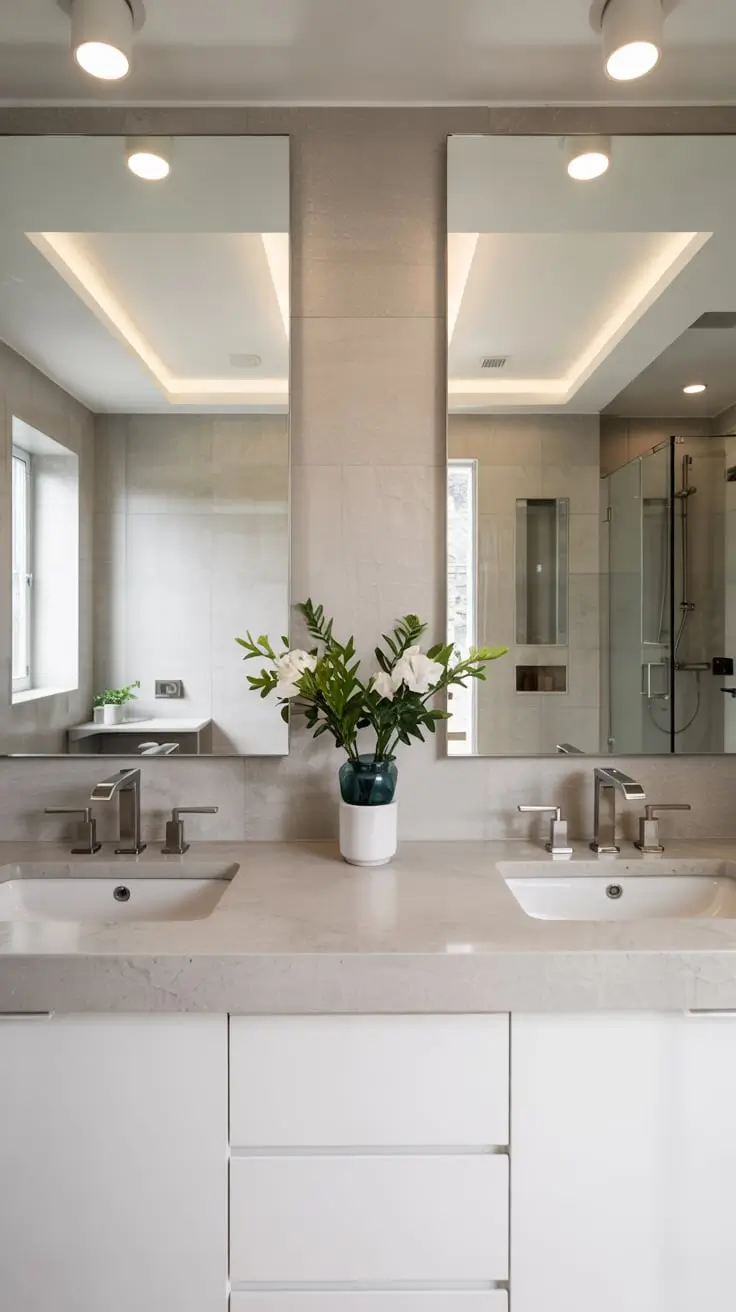
When creating dual vanity setups, I typically select either two identical mirrors or one extended mirror to maintain symmetry. Complementary lighting, double sinks, and ample countertop space complete the arrangement. I also incorporate matching fixtures to ensure design consistency and clean lines throughout the bathroom.
Professionally, I’ve found that dual mirror setups reduce traffic during morning routines and help couples maintain personal space. According to design insights published in House Beautiful, symmetry in bathroom layouts often leads to better visual balance, which aligns with my own results across remodel projects.
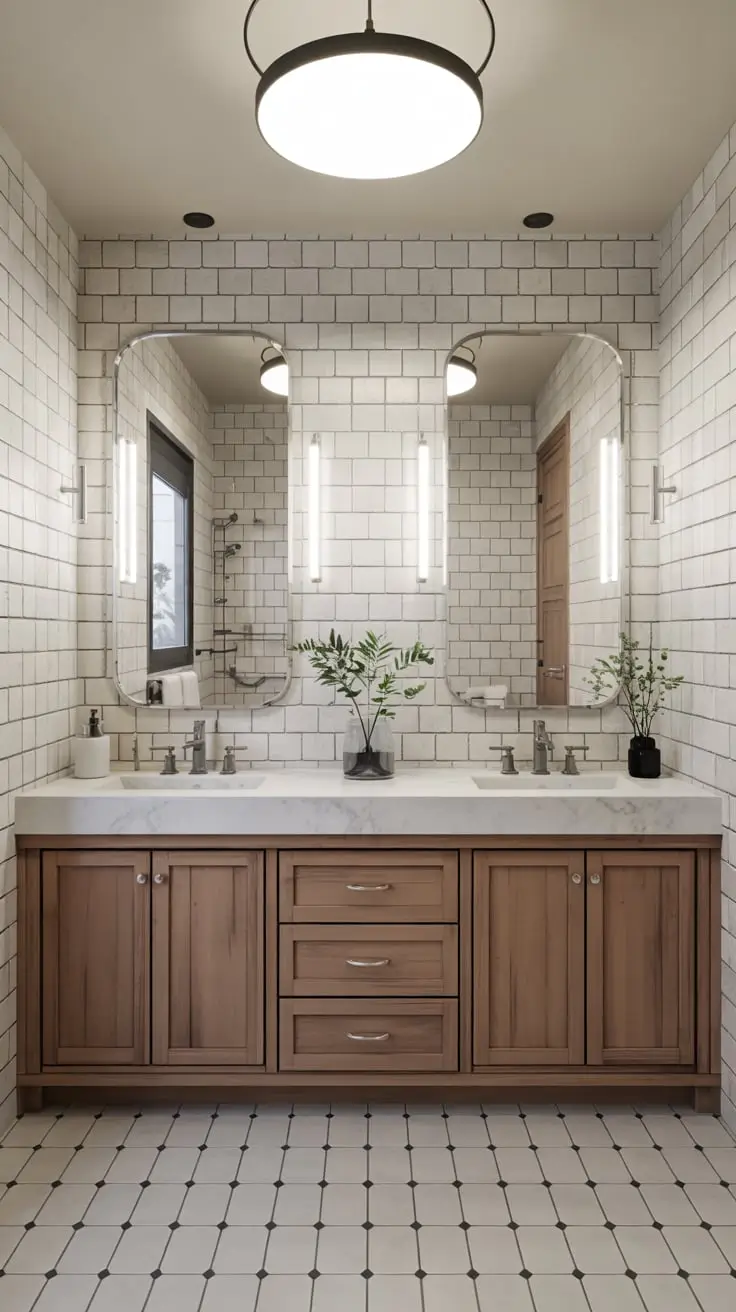
If expanding this idea, I might add recessed shelves between mirrors or install dimmable lighting to give users more personal control over visibility.
10. Circular Mirrors For Contemporary Bathrooms
Circular mirrors bring softness and modernity to bathrooms that lean toward contemporary aesthetics. I use them often because their rounded silhouette breaks up the angular lines commonly found in cabinetry and tilework. This creates a more harmonious and visually appealing environment, especially in smaller or narrow spaces.
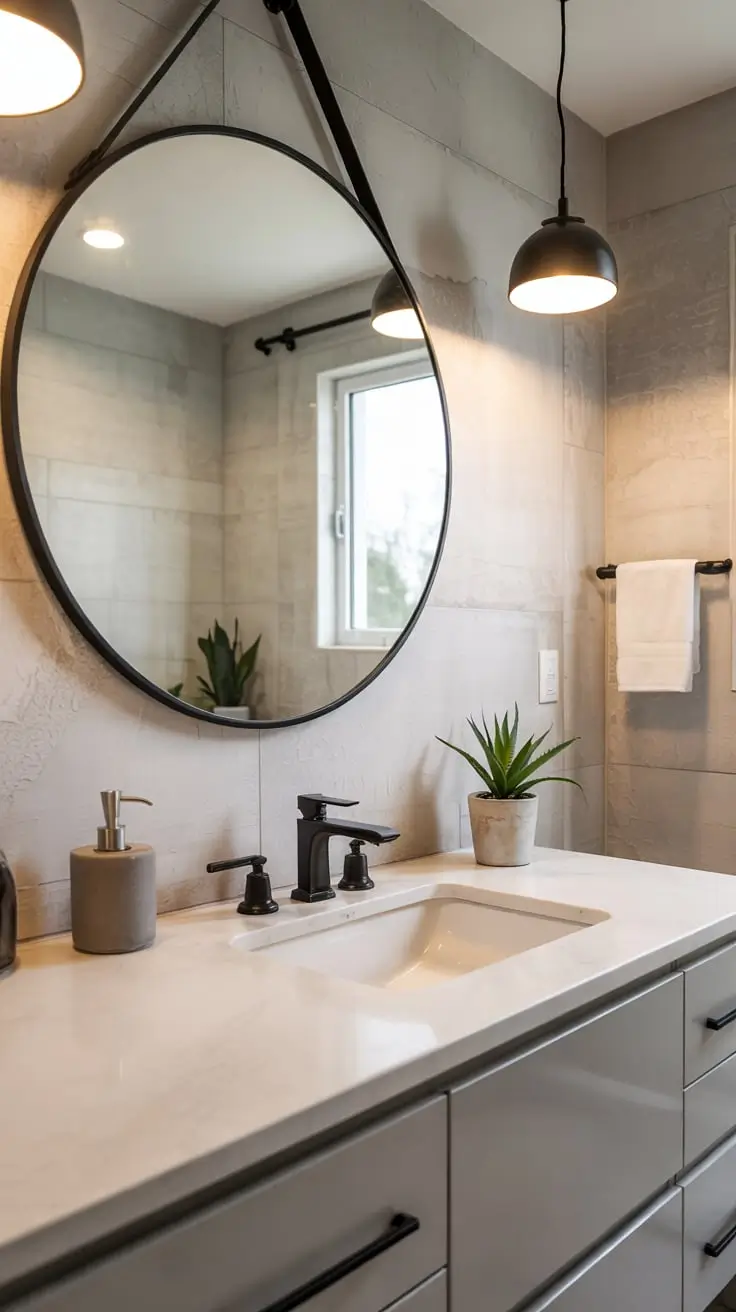
To design around circular mirrors, I might incorporate floating vanities, matte black faucets, and textured walls to enhance contrast. The curved shape pairs beautifully with organic materials like stone or wood, producing a calming and approachable atmosphere. Pendant lights on either side of the mirror can add both style and practical illumination.
In my experience, circular mirrors tend to work exceptionally well in modern and Scandinavian-inspired bathrooms. Editorial features from Elle Decor frequently highlight round mirrors as a design staple for contemporary homes, and I’ve repeatedly seen their versatility and impact firsthand.
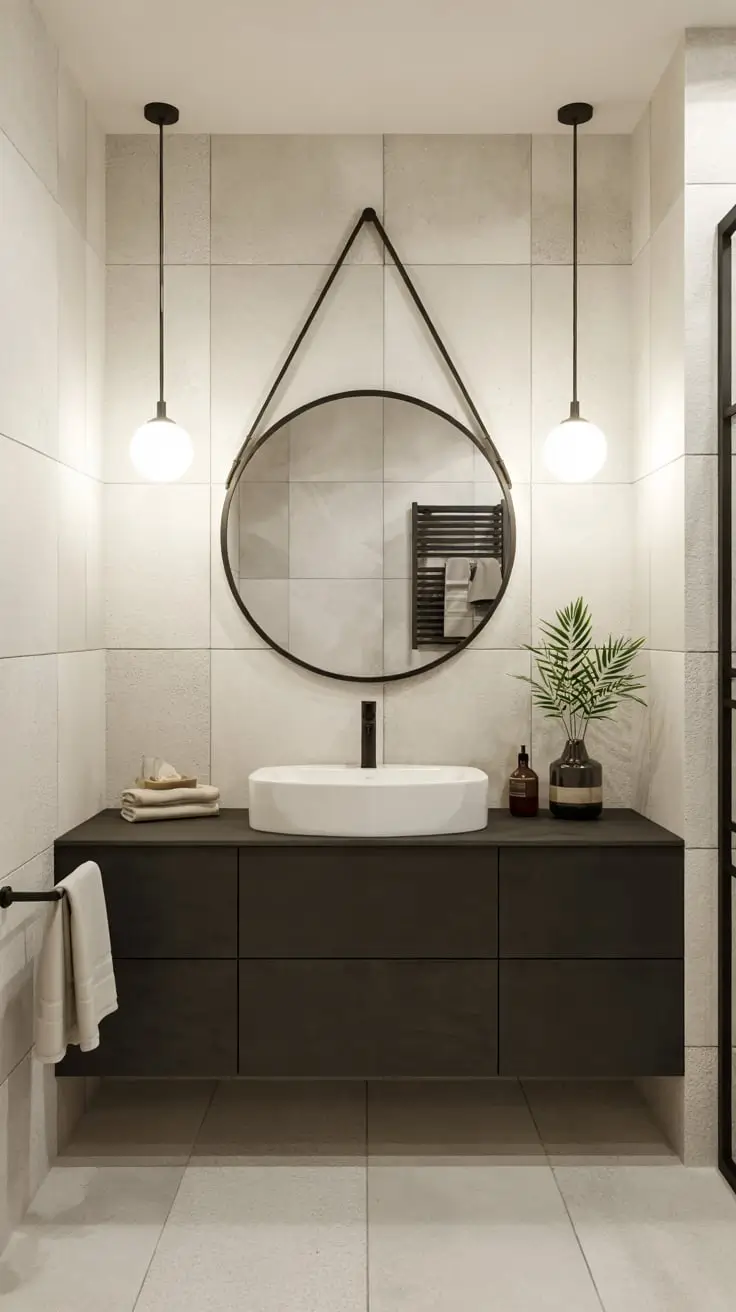
For added refinement, I might include subtle LED backlighting or a thin metal trim that elevates the mirror without detracting from its simplicity.
11. Pivot And Tilt Mirror Designs
Pivot and tilt mirrors offer exceptional adjustability, making them practical for users of varying heights and needs. I find them especially useful in bathrooms where customization is valued, as the movable brackets allow for flexible angles and improved visibility. Their functionality supports a more ergonomic and comfortable grooming experience.
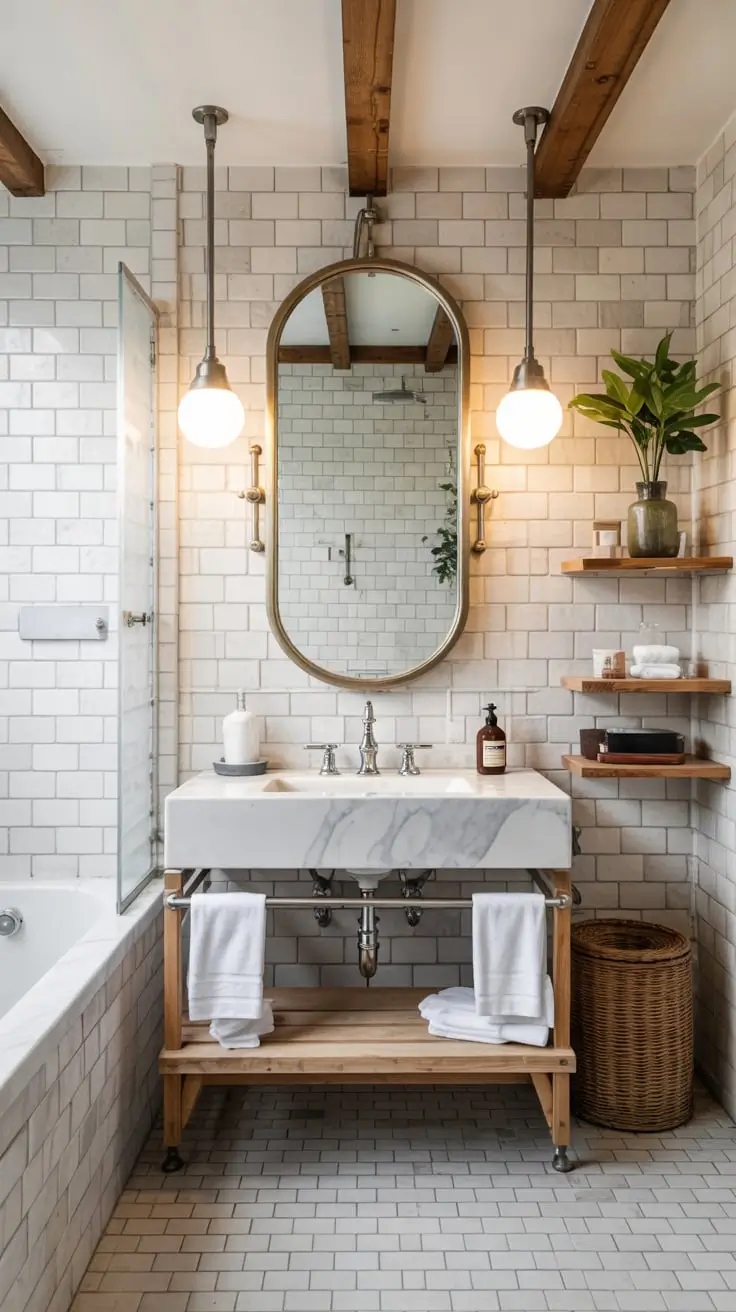
When I design with pivot mirrors, I choose models with secure metal brackets, often in finishes like brushed nickel or matte black. These complement both traditional and modern interiors. Pairing them with classic subway tiles or textured wall finishes enhances their timeless character. I also install adequate task lighting to ensure the mirror performs well regardless of the angle.
Over the years, I’ve seen pivot mirrors recommended by leading designers for their blend of elegance and practicality. They are frequently praised in industry publications for their adaptability, and I personally appreciate how they effortlessly serve multiple users while adding a subtle architectural element to the bathroom.
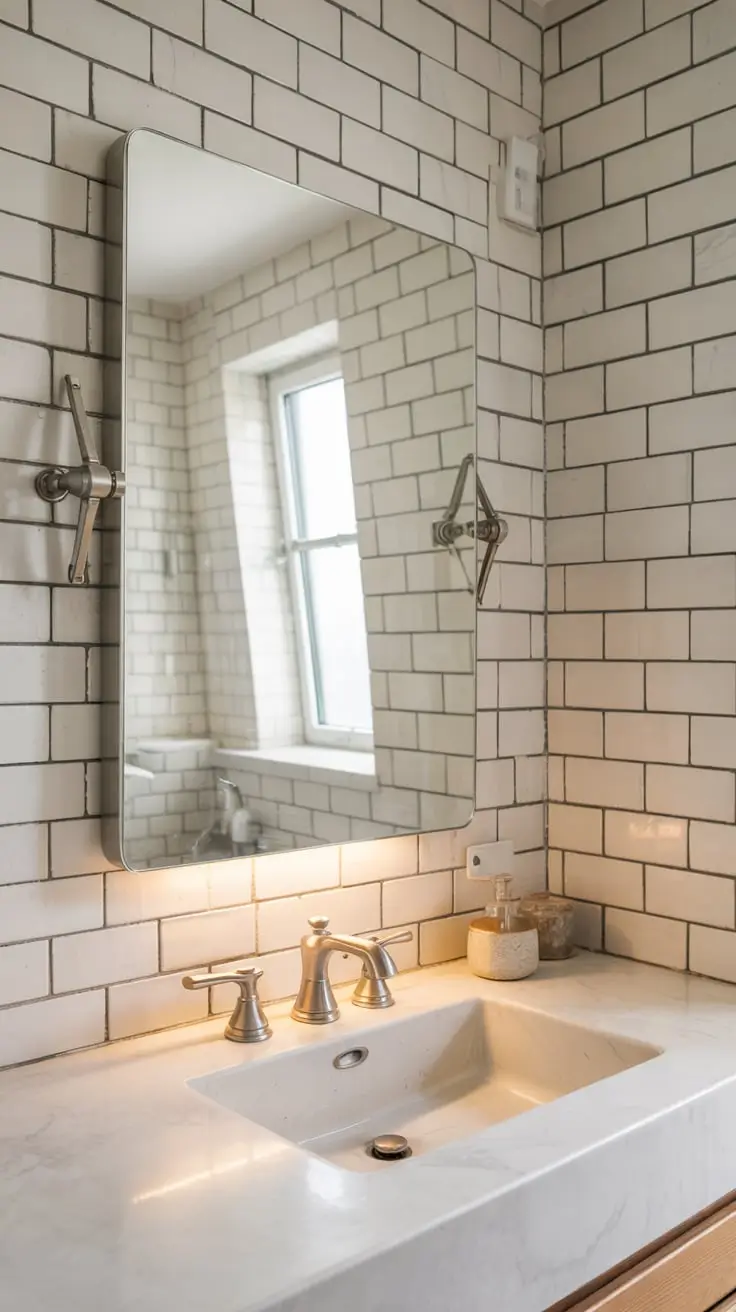
As an enhancement, I might include a matching wall-mounted magnifying mirror or supplementary side lighting to ensure the space remains functional and well-balanced.
12. Textured Frame Mirrors For Added Depth
Textured frame mirrors introduce dimension and character to bathrooms that may otherwise feel flat or overly minimal. I enjoy incorporating them into designs where visual depth is needed, as the texture helps draw the eye and adds personality. This approach aligns well with evolving bathroom mirrors ideas 2026, which favor tactile and expressive finishes.
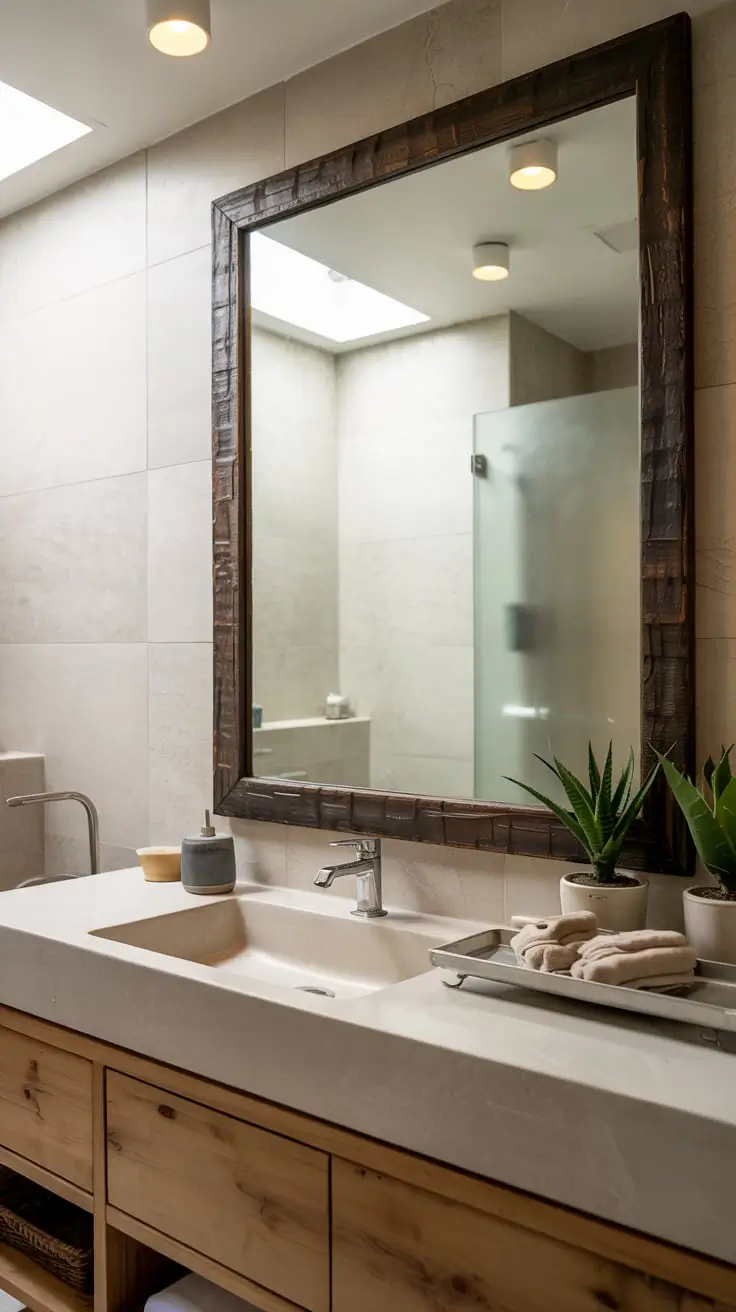
When selecting textured mirrors, I gravitate toward materials like reclaimed wood, ribbed metal, stone, or woven rattan. These frames pair well with smooth surfaces such as polished tiles, creating rich contrast. Complementary accessories—like matching trays or cabinetry hardware—help tie the design together.
Professionally, I’ve found that textured frames work especially well in transitional and rustic modern bathrooms. Designers featured in Architectural Digest often emphasize the impact of mixing textures for visual interest, and I share this viewpoint based on my own project outcomes.
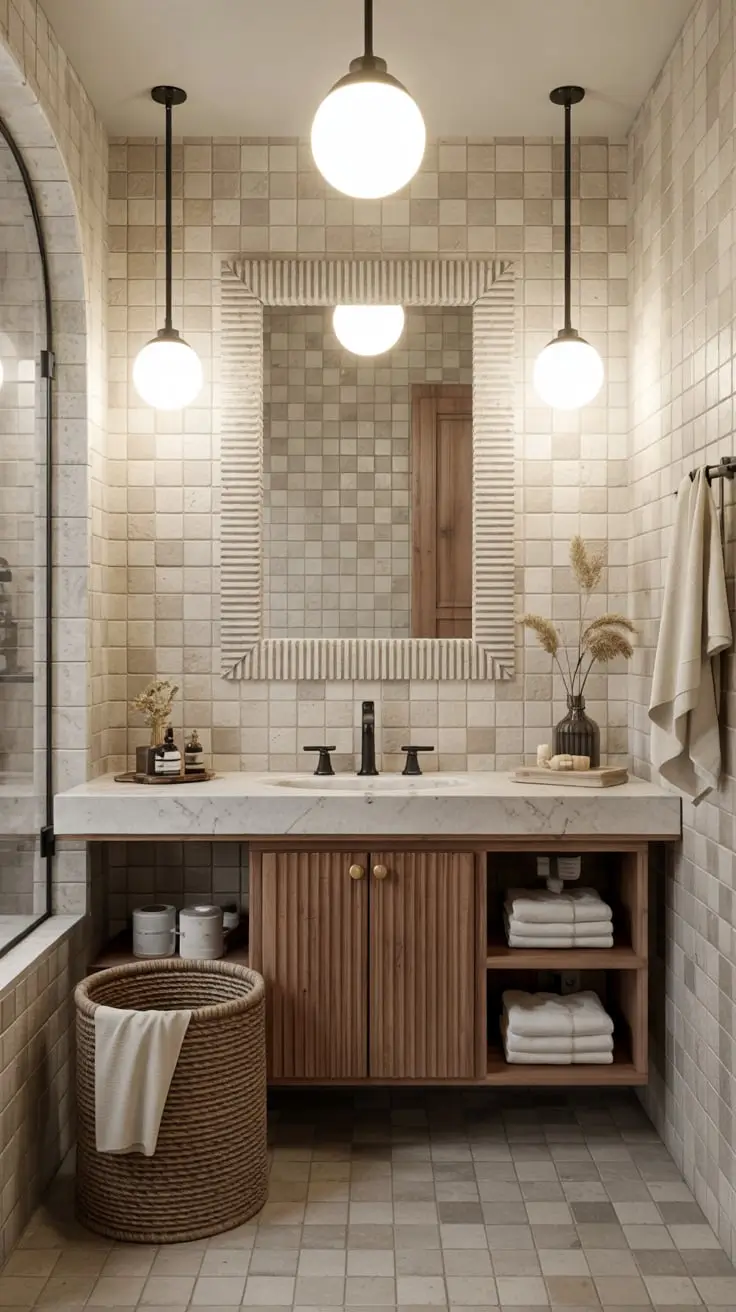
To complete this section, I might recommend adding a textured backsplash or artisanal tile to reinforce the depth and character introduced by the mirror.
13. Gold Finish Mirrors For Warm Luxury
Gold-finish mirrors elevate bathroom aesthetics by infusing warmth, elegance, and a sense of luxury. I choose them when I want to create a refined atmosphere with subtle glamour. Their warm metallic tones complement a wide range of materials and color palettes, making them highly versatile.
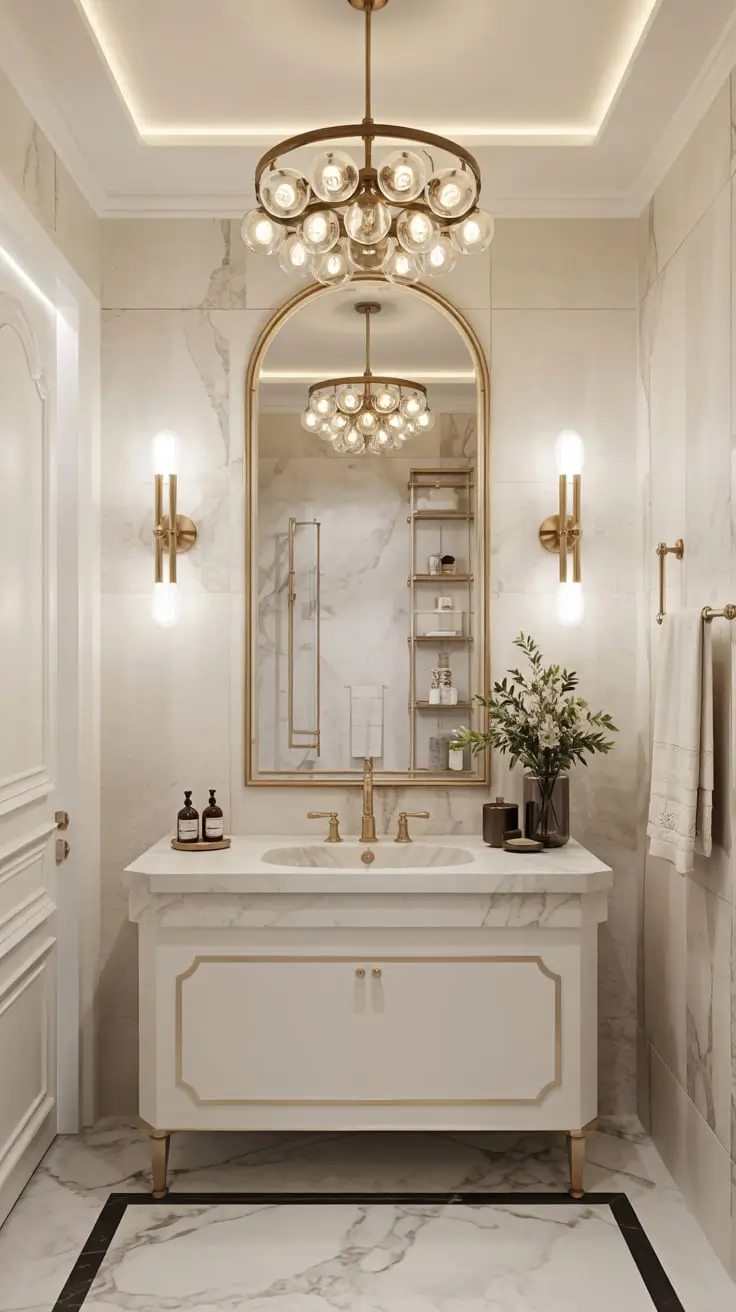
In outlining a design with gold mirrors, I typically pair them with marble surfaces, soft lighting, and warm neutral tones. Gold also coordinates beautifully with brushed brass fixtures, creating cohesion across the bathroom. Soft textiles and understated décor help maintain balance so the gold finish can shine without overwhelming the space.
My experience aligns with leading design magazines, which consistently highlight gold accents as a major trend for modern bathrooms. I’ve seen gold-finish mirrors dramatically elevate otherwise simple layouts, adding richness and a polished appearance.
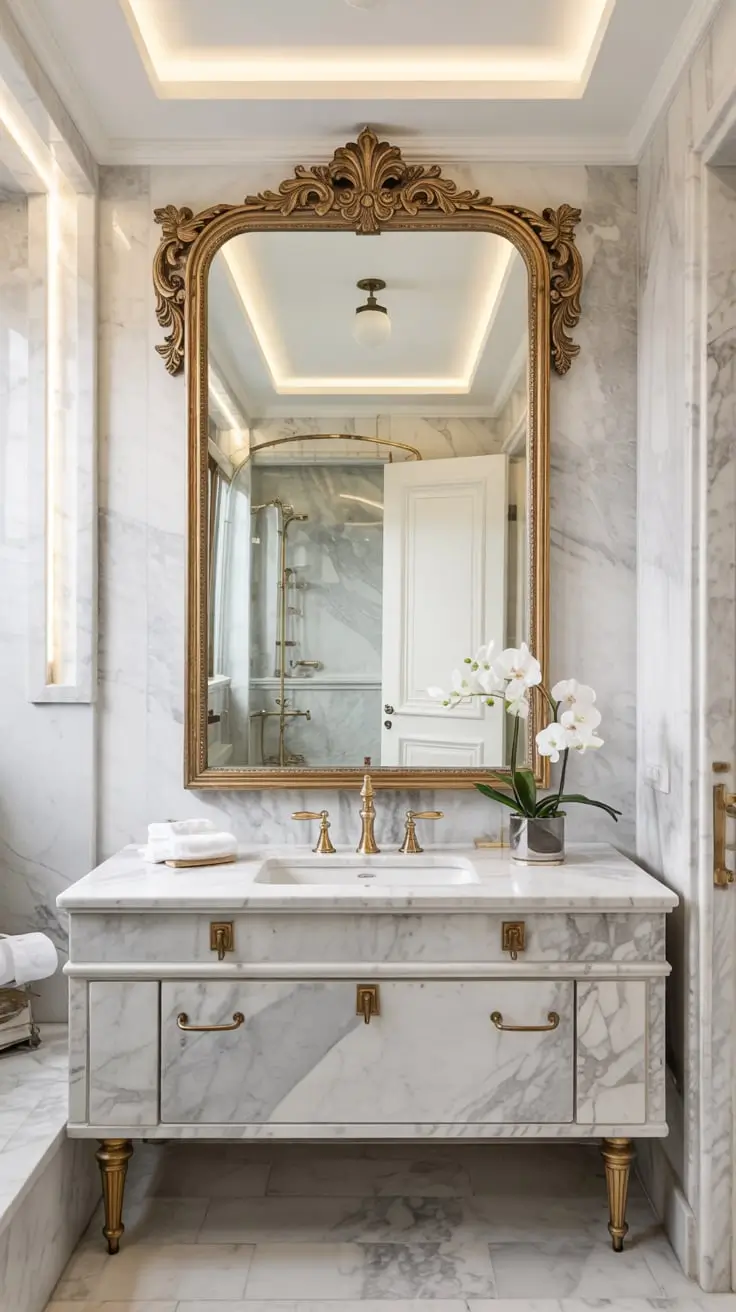
To expand this idea further, I might incorporate gold-edged lighting or modest golden hardware to echo the mirror’s warm tones throughout the room.
14. Black Frame Mirrors For Bold Contrast
Black frame mirrors bring bold contrast to bathrooms that need definition and visual structure. I use them when designing modern, industrial, or monochrome interiors because they provide crisp outlines that ground the space. Their clean lines and dramatic presence make them central design elements.
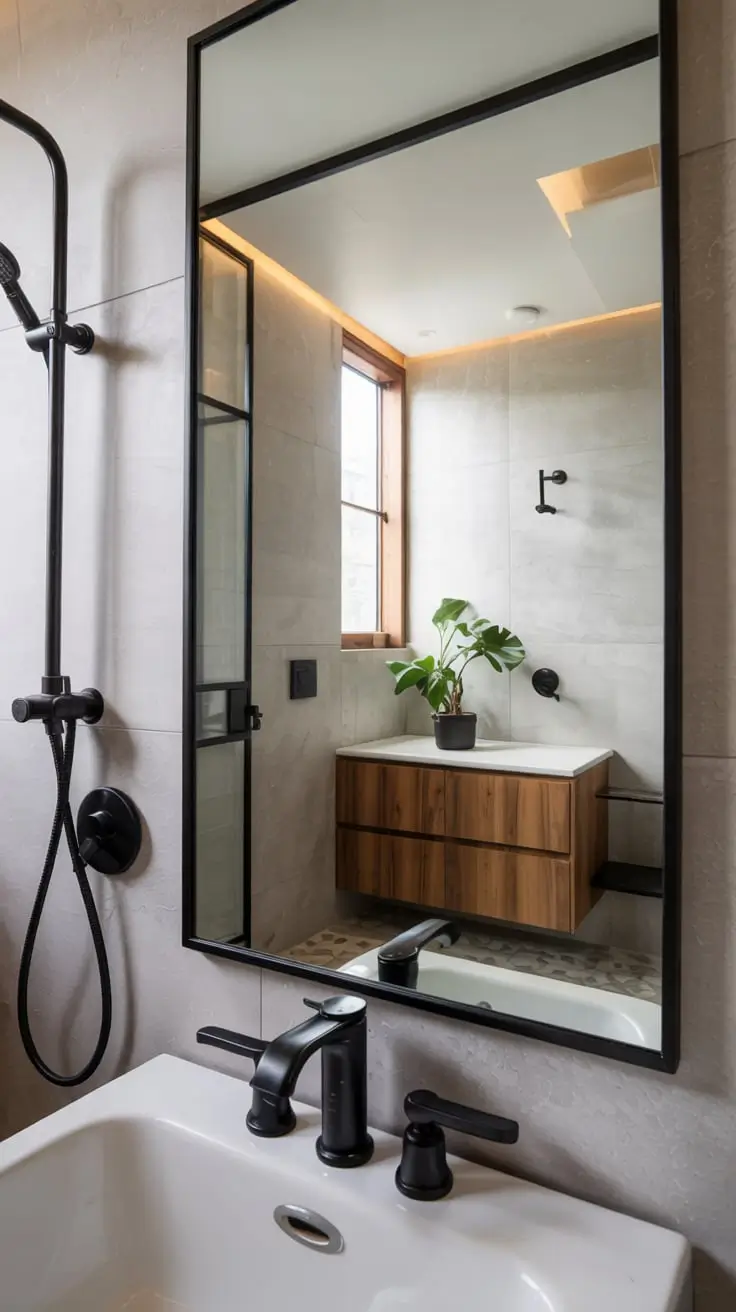
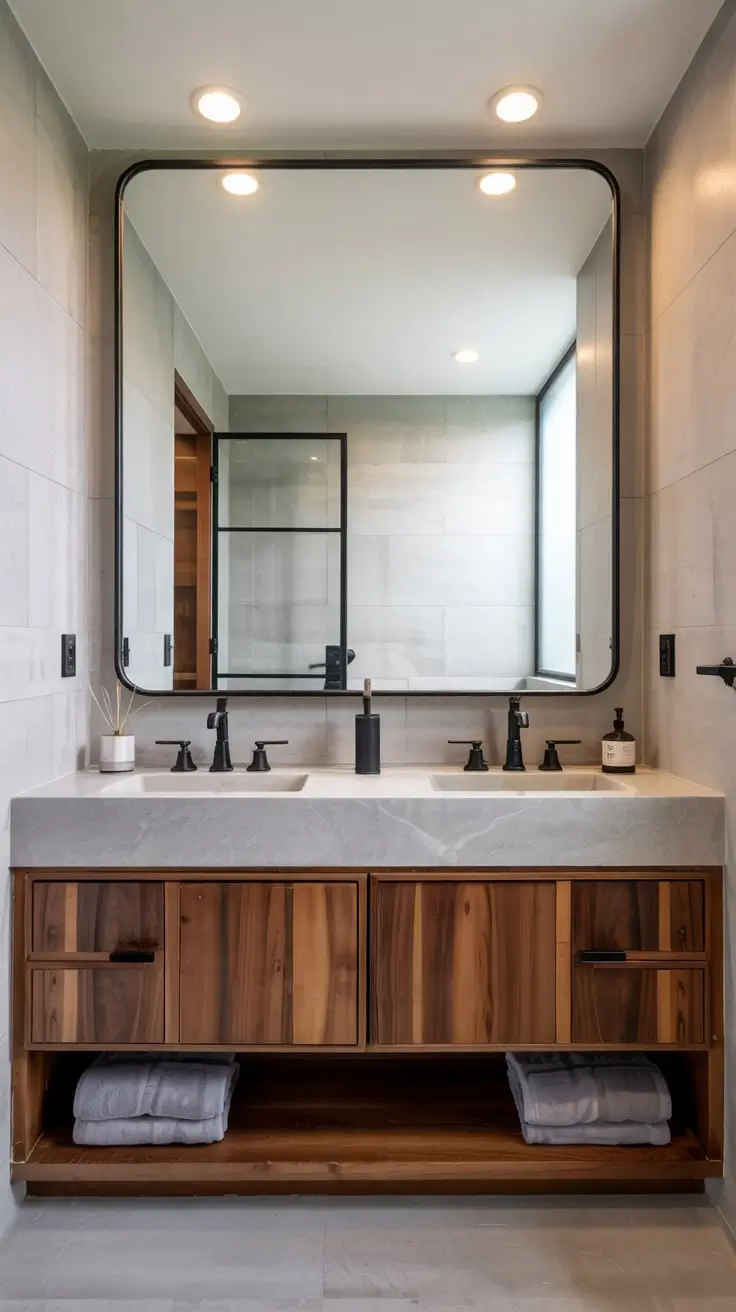
To complement black-framed mirrors, I often incorporate matte black fixtures, textured tiles, and warm wood cabinetry to soften the contrast. The interplay of dark frames with lighter walls or countertops creates a stylish, high-impact look. Ambient lighting helps ensure the room retains softness despite the strong visual lines.
Professionally, I appreciate how black framing enhances the architectural feel of a bathroom. Design experts frequently recommend black accents to add depth and dimension, and I have seen firsthand how effectively they modernize nearly any interior.
If expanding this concept, I would add mixed-metal accessories or soft backlighting to keep the space from feeling too stark while maintaining its contemporary edge.
When homeowners search for the most forward-thinking bathroom mirrors ideas 2026, I often notice they are looking for more than simple reflection—they want functionality, atmosphere, and a seamless integration with modern design. How do we choose mirrors that elevate daily routines while complementing the overall aesthetic? And what trends will truly define 2026 bathrooms? In this article, I’ll explore solutions that combine innovation, practicality, and style so readers can confidently select concepts that match their space and lifestyle.
As interior design evolves, so do bathroom technologies, finishes, and spatial strategies. The following ideas represent what I believe will dominate 2026: smarter lighting, eco-minded materials, sculptural silhouettes, seamless storage, and advanced usability. These concepts reflect both industry insights and my own experience designing spaces that prioritize comfort and convenience. Let’s dive into the most impactful bathroom mirrors ideas 2026 shaping modern homes.
15. Floating Mirrors With Ambient Lighting
Floating mirrors with ambient lighting create an elevated, hotel-like effect that instantly transforms any bathroom. When I integrate these mirrors into a design, I appreciate how the soft backlighting enhances depth, eliminates harsh shadows, and contributes to a calming glow. The wall-mounted mirror appears weightless, allowing even small bathrooms to feel more open and sophisticated. This design also helps accentuate textured walls, marble backsplashes, or matte finishes, making the entire room feel more refined.
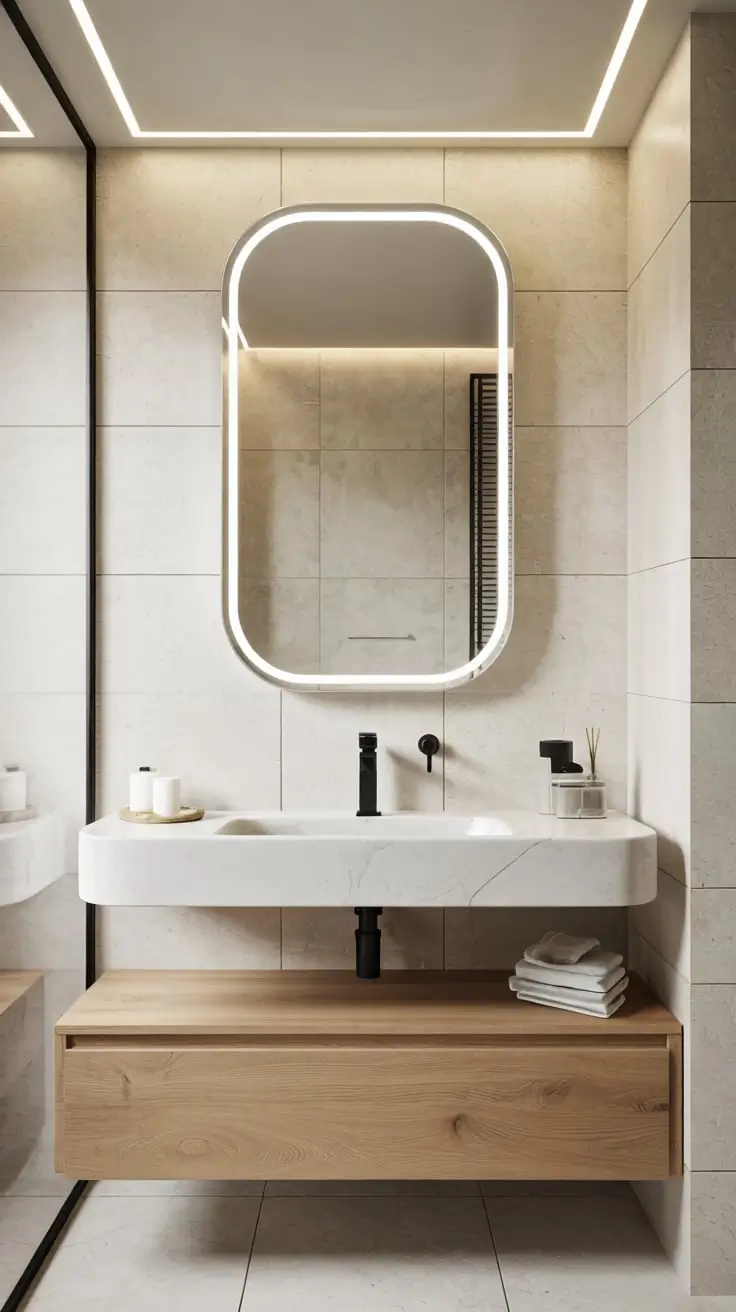
The supporting elements of this setup—LED strips, sleek vanities, and minimalist shelving—play a key role in its functionality. I typically pair these mirrors with floating vanities and hidden wiring to maintain a clean, architectural aesthetic. Neutral palettes, such as soft taupe or warm gray, complement the diffused illumination beautifully. Integrated dimmers offer full control over lighting levels, turning the mirror into a multifunctional focal point ideal for grooming, ambiance, or nighttime use.
In my experience, clients often describe floating mirrors as “transformative” because they blend mood lighting with daily practicality. Professionals at Architectural Digest frequently emphasize how indirect lighting improves bathroom usability and expands perceived space—a guideline I follow when creating restful, spa-like atmospheres. I’ve personally found that nighttime illumination from these mirrors enhances comfort and reduces reliance on overhead lights.
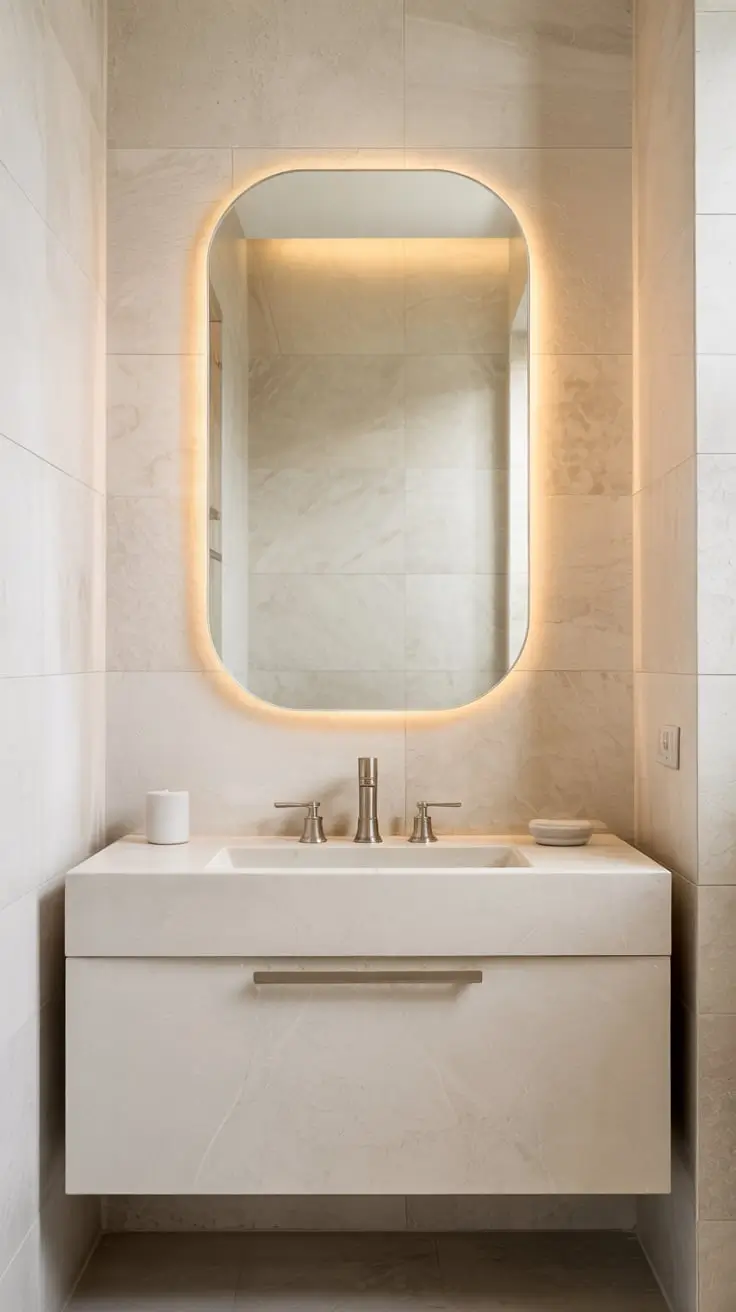
To complete this section, I would also recommend specifying high-quality LED technology with adjustable warmth levels so users can shift between bright task lighting and ambient glow depending on their preferences.
16. Smart Magnification Mirrors For Grooming
When I install smart magnification mirrors in a bathroom, I aim for a balance between precision and aesthetics. These mirrors typically include adjustable magnification levels, touchless controls, and LED task lighting, making grooming far more efficient. For 2026, the trend leans toward mirrors that integrate into the main vanity setup rather than being added as separate pieces. This creates a streamlined look while offering professional-grade clarity for makeup, shaving, and skincare.
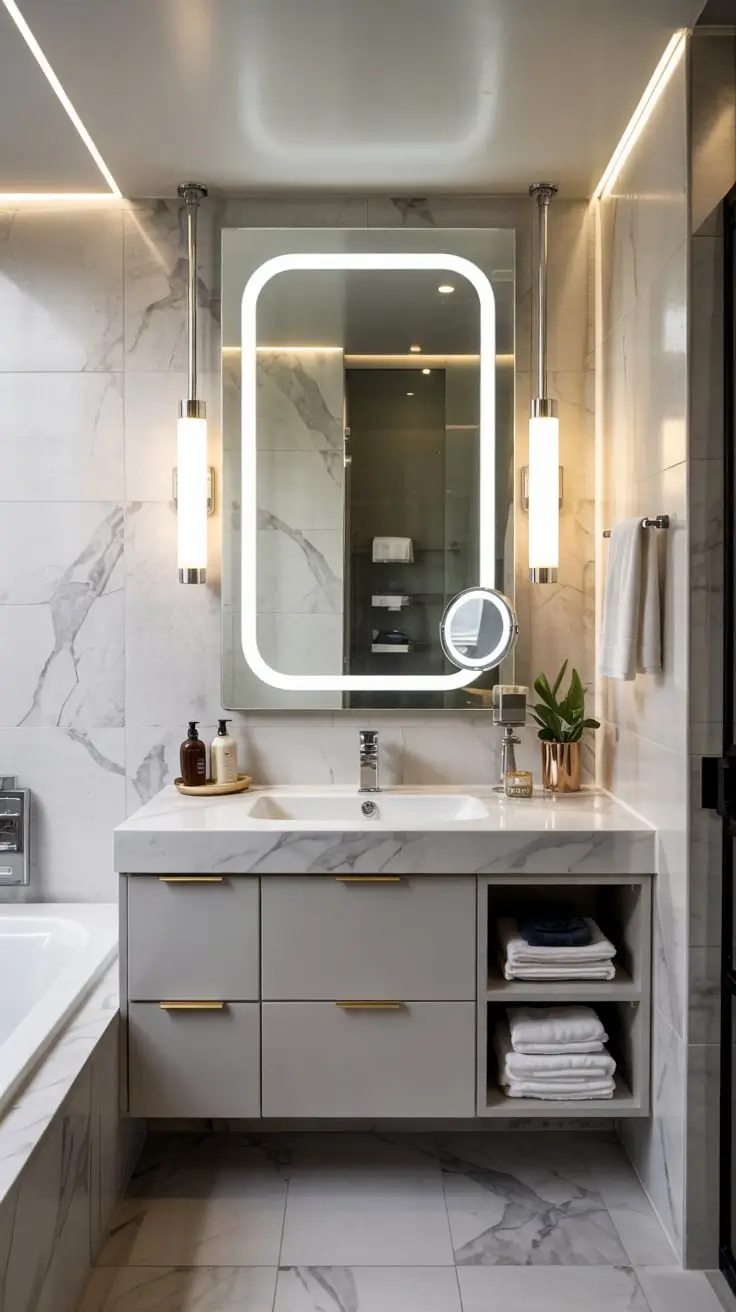
I often use these mirrors alongside sleek vanities, modern faucets, and storage drawers designed for grooming tools. The lighting must be bright but soft enough to mimic natural daylight, and I prefer edge-lit designs that avoid creating hard shadows on the face. When placed near a primary mirror, these magnification mirrors can retract or fold away to maintain a clutter-free layout.
Professionally, I appreciate smart magnification mirrors because they eliminate the need for separate tabletop units. Industry experts such as those featured in House Beautiful highlight the importance of accurate, natural-tone lighting for detailed grooming, which aligns with my own design philosophy. This technology ensures clients achieve the best possible visibility without overwhelming the bathroom design.
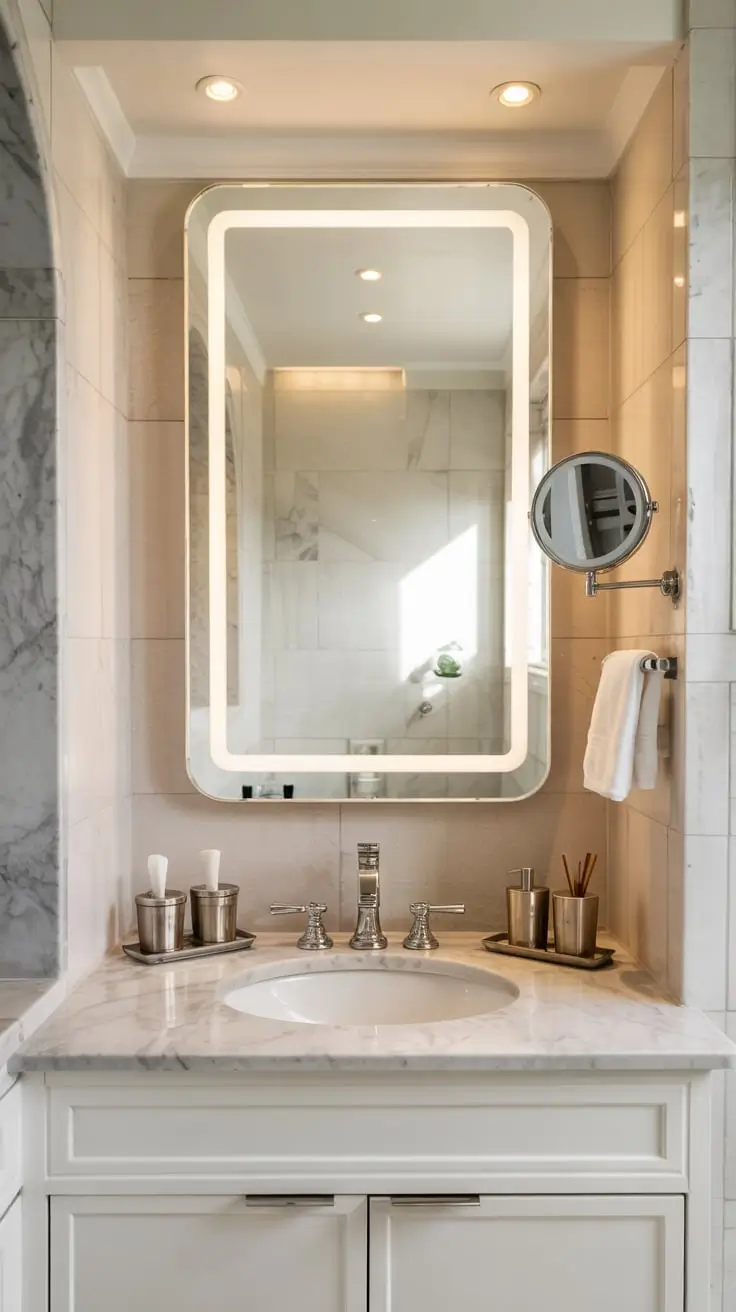
For this section, I would add recommendations for sleek, wall-mounted styles with adjustable arms to ensure ergonomic positioning for all users.
17. Rustic Wood Frame Bathroom Mirrors
Rustic wood-framed mirrors add a warm, natural touch to modern bathrooms, blending organic texture with contemporary layouts. When I use these mirrors, I notice how they instantly soften stark interiors, especially those featuring stone, concrete, or cool-toned tiles. The wood frame becomes a grounding element that introduces warmth and character. This design works exceptionally well in farmhouse, transitional, and modern organic interiors.
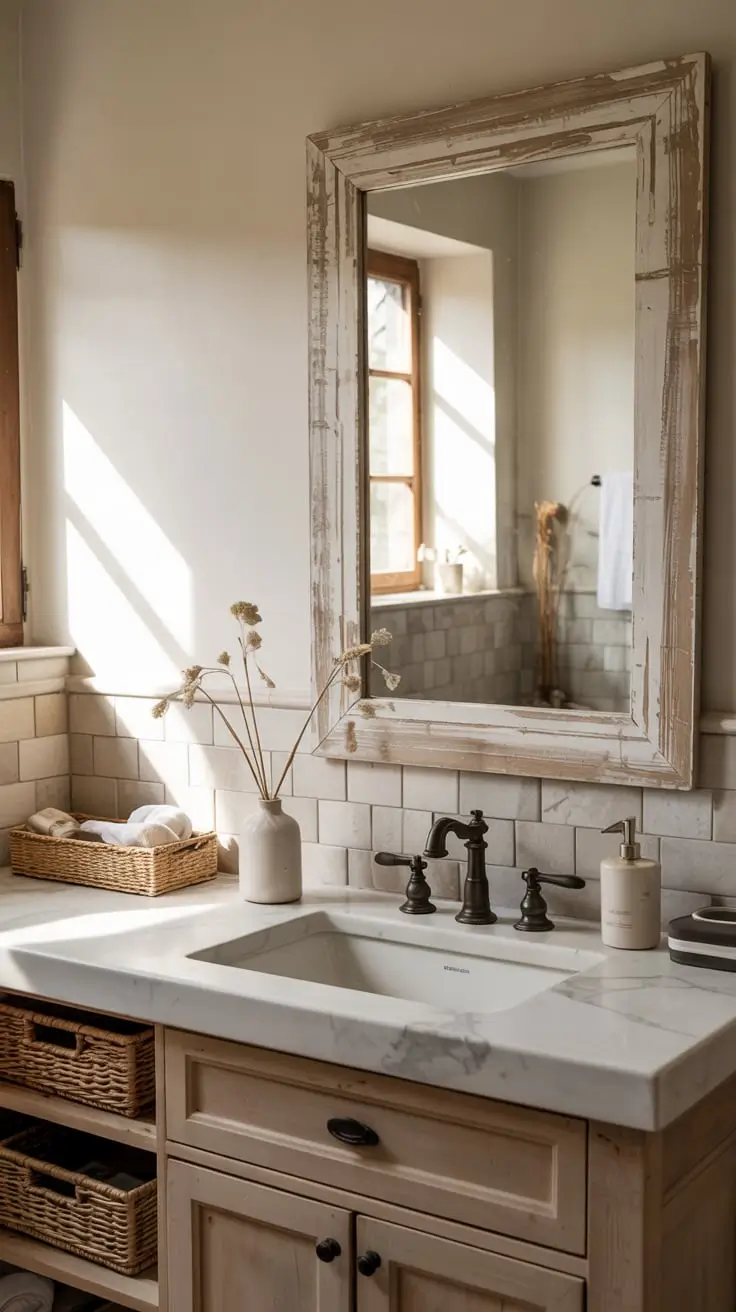
In creating these setups, I pair rustic mirrors with natural-grain vanities, matte black hardware, woven baskets, and soft neutral textiles. The goal is to maintain harmony between organic and modern elements. Depending on the wood tone—light oak, walnut, or reclaimed timber—the mirror can shift the entire color palette of the room. I prefer pairing warm wood with creamy tile or limestone to create a cohesive, inviting environment.
From my experience, clients appreciate rustic wood mirrors for their timeless appeal. Many U.S. interior designers, particularly those featured in publications like Better Homes & Gardens, recommend adding natural materials to maintain balance in minimalist bathrooms—a principle I frequently apply. These mirrors age beautifully, and their texture stands out even more under natural or soft artificial light.
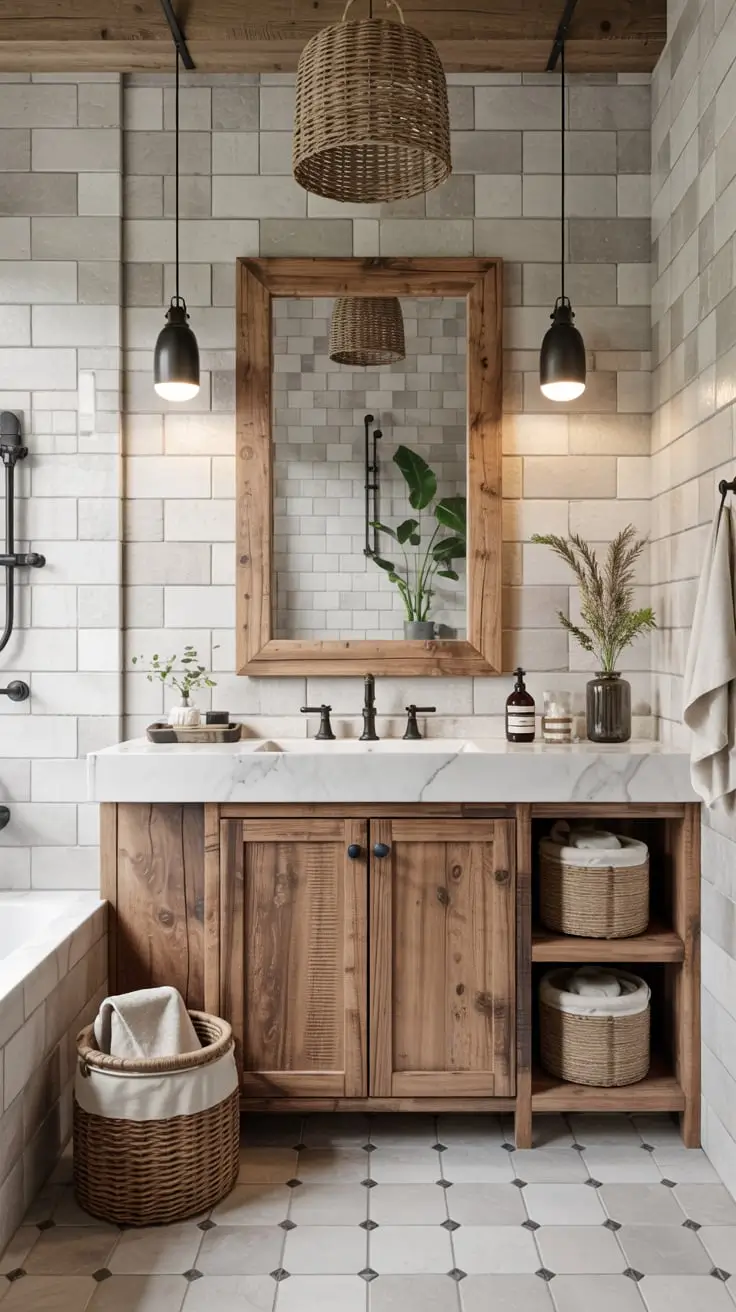
To enhance this section further, I would recommend incorporating moisture-resistant wood finishes to ensure long-term durability in humid spaces.
18. Full Wall Mirrors For Expansive Feel
Full-wall mirrors dramatically expand the perception of space, which is why I often use them in compact or narrow bathrooms. These mirrors reflect light, deepen visual dimensions, and make the layout feel almost double its actual size. By covering an entire wall, the mirror becomes an architectural element rather than just an accessory, offering an ultra-modern look that feels clean and open.
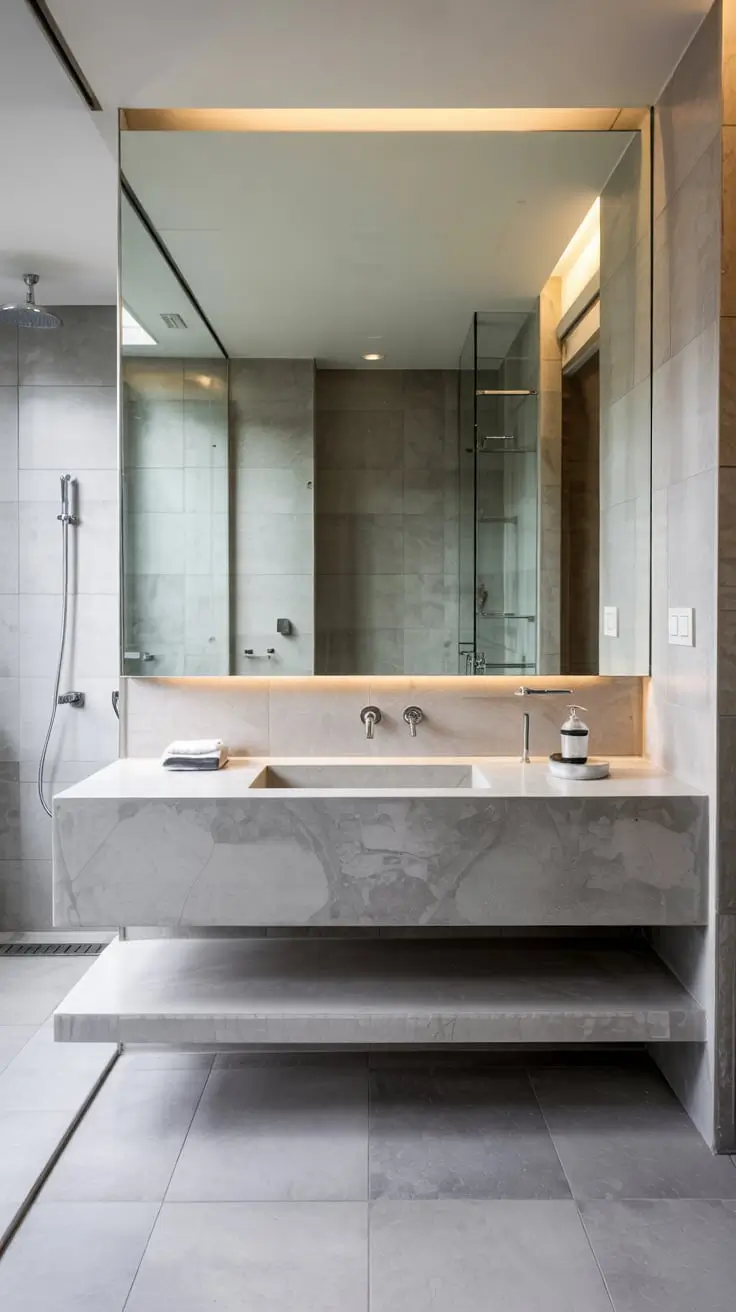
When designing with full-wall mirrors, I typically choose simple vanities, sleek faucets, and large-format tiles to match the expansive aesthetic. Minimalist lighting—either recessed ceiling lights or subtle LED strips—ensures the reflection remains uncluttered. If the bathroom includes a walk-in shower with clear glass, the full-wall mirror enhances the sense of continuity and openness.
Professionally, I find this approach especially effective for windowless bathrooms. Experts at Elle Decor often highlight the benefits of reflective surfaces in brightening dim spaces, and I’ve applied this knowledge successfully in many projects. Clients are often surprised by how significantly the room transforms with just one design change.
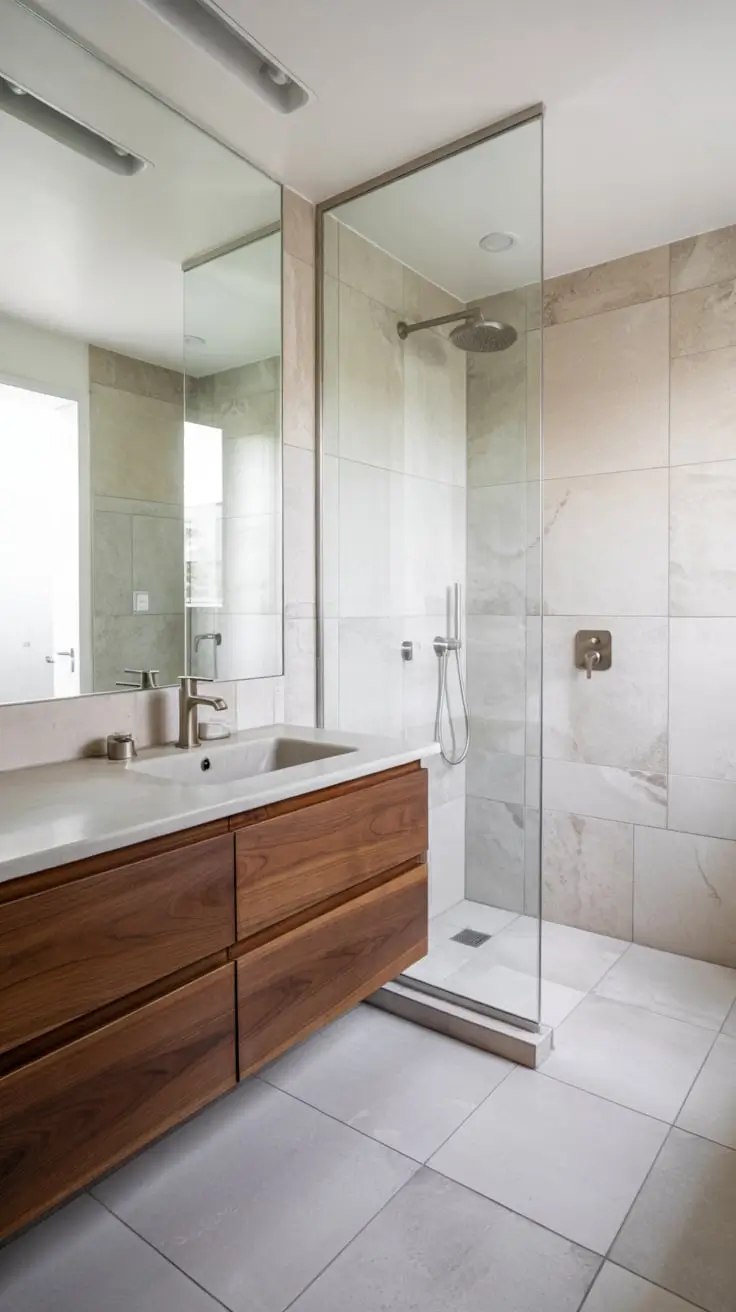
To strengthen this concept, I recommend incorporating anti-fog coatings or segmented panels to simplify cleaning while maintaining the seamless appearance.
19. Mirrored Medicine Cabinets With LED
Mirrored medicine cabinets with LED lighting combine storage and style in a way that I find incredibly practical for everyday use. These cabinets allow homeowners to hide clutter behind sleek mirrored doors while benefiting from soft, even illumination for grooming tasks. For 2026, I anticipate more integrated designs that recess cleanly into the wall, creating a flush, architectural surface.
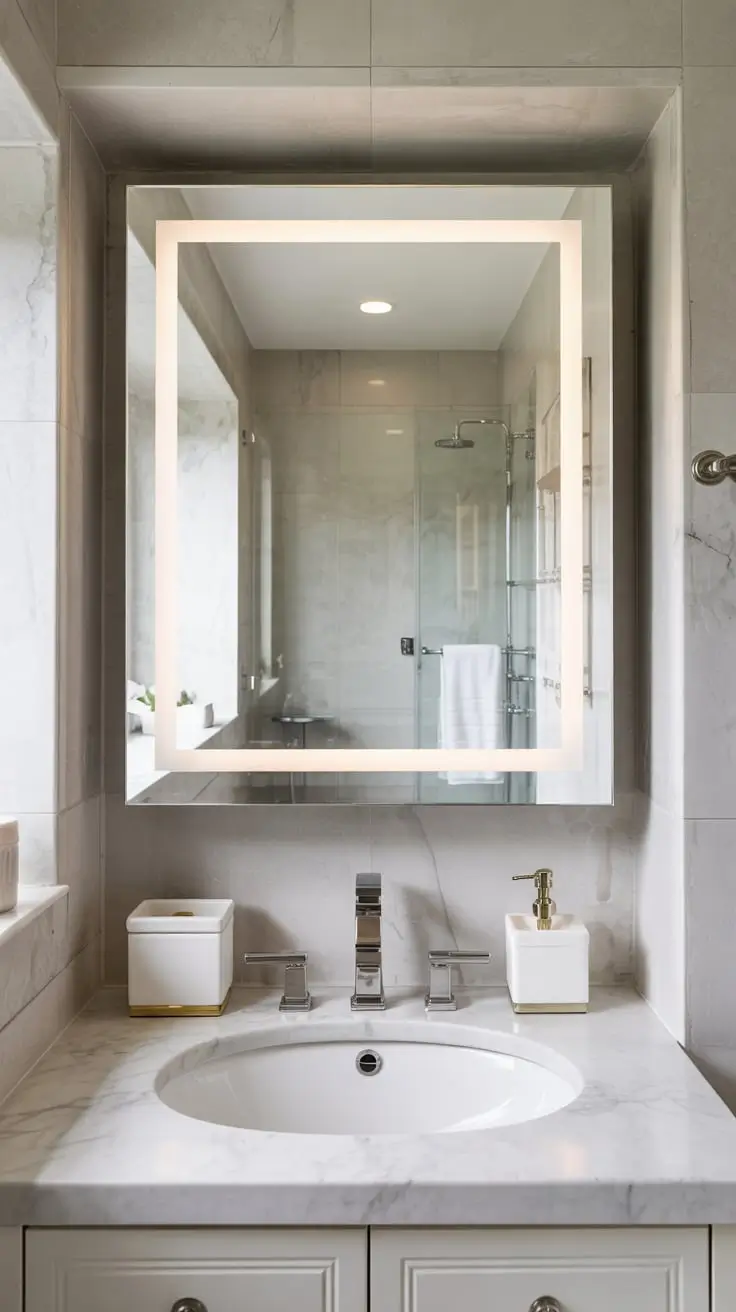
In planning these installations, I include organizational shelves, adjustable interior lighting, and quiet-close doors. Soft, perimeter LED lighting enhances visibility without overpowering the room. Paired with modern fixtures, quartz countertops, and neutral color palettes, the cabinet becomes a subtle but valuable feature that maximizes both space and usability.
From my perspective, mirrored medicine cabinets are among the most functional upgrades a bathroom can receive. Interior design sources such as HGTV often emphasize the importance of smart storage solutions—guidance I strongly agree with. These cabinets help maintain visual order, especially in shared bathrooms where multiple people need daily access.
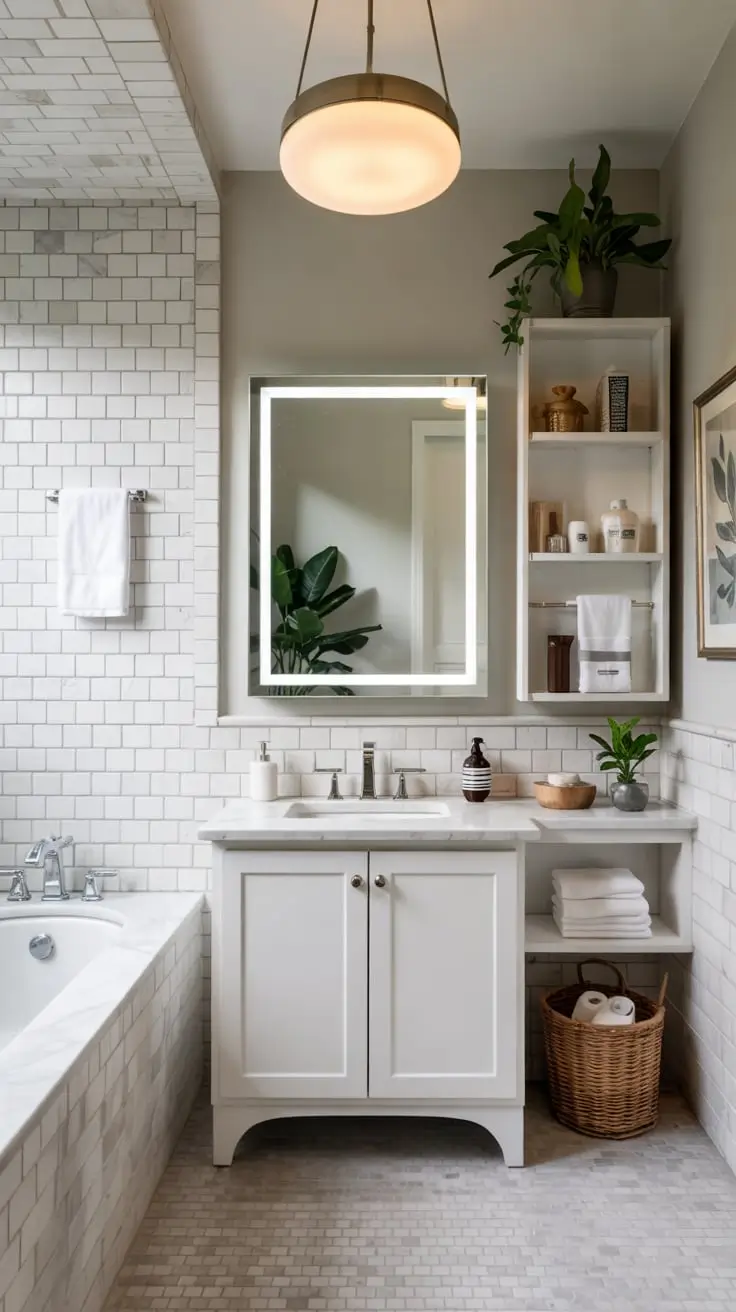
To enhance this section further, I would suggest exploring mirrored cabinets with built-in charging ports to support electric toothbrushes or grooming tools.
20. Sculptural Mirrors As Artistic Focal Points
Sculptural mirrors introduce artistry and distinctive shapes into the bathroom, transforming a utilitarian feature into a design statement. When I incorporate these mirrors, I use them to break the monotony of rectangular forms and add visual intrigue. Organic curves, asymmetrical silhouettes, and multi-panel structures can instantly elevate the interior, making the bathroom feel curated and expressive.
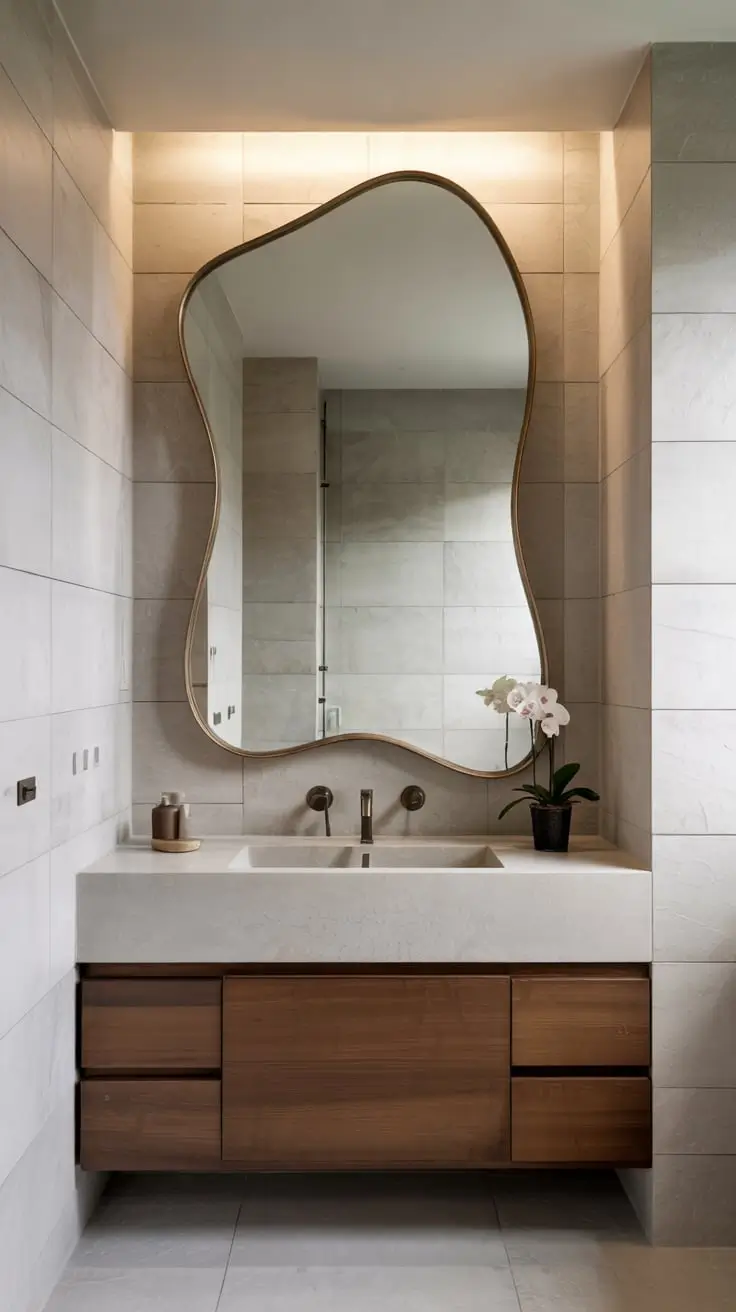
I typically combine sculptural mirrors with minimalist vanities, soft lighting, and understated materials so the mirror remains the room’s focal point. Accessories such as brushed metal trays, ceramic vases, or textured towels help complete the composition without overwhelming the artistic feature. The goal is to let the mirror define the personality of the bathroom.
From my professional experience, sculptural mirrors resonate with clients who appreciate contemporary art and design. Architectural Digest frequently highlights bathrooms that incorporate unconventional mirror shapes to achieve a gallery-inspired look, and I’ve seen firsthand how this enhances both style and atmosphere. These mirrors feel unique and modern while still supporting practical daily functions.
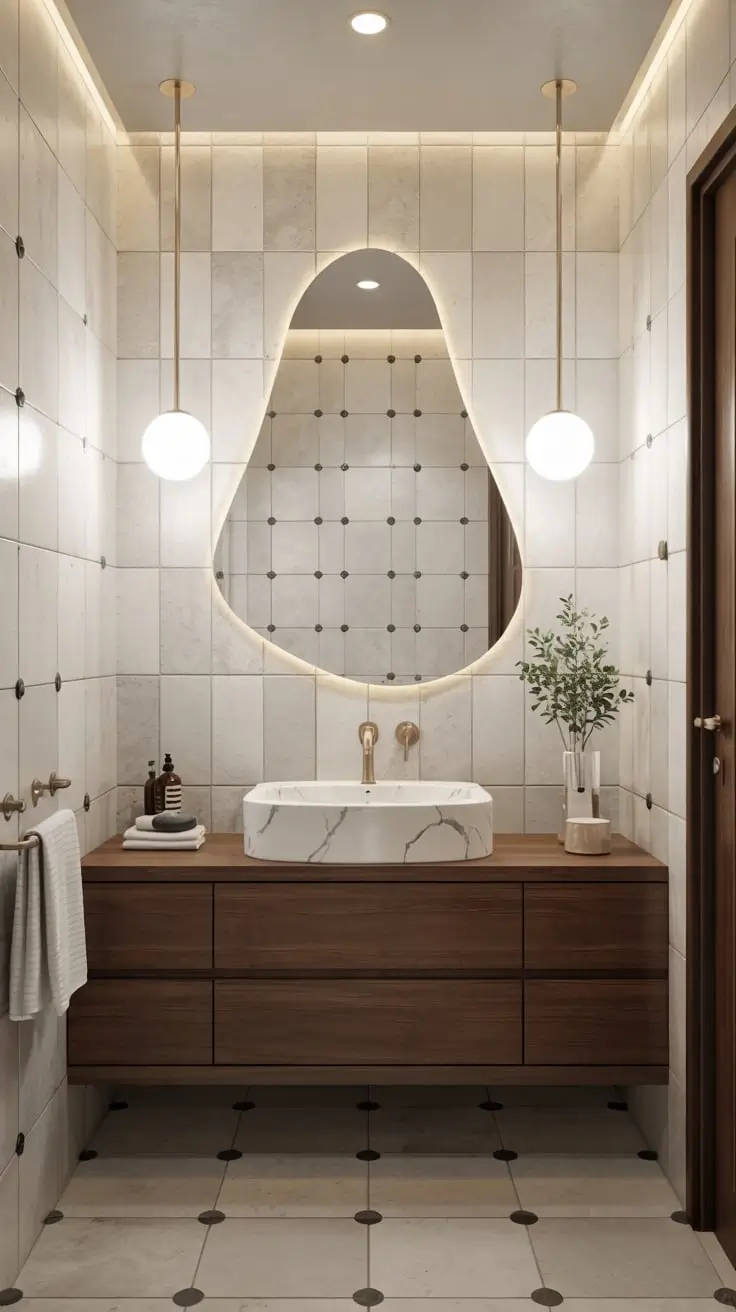
For additional refinement, I would consider adding soft edge lighting or mounting hardware that allows the mirror to appear slightly suspended.
21. Slim Profile Mirrors For Sleek Interiors
Slim profile mirrors offer a clean, elegant aesthetic that fits perfectly with minimalist and modern bathrooms. When I select these mirrors, I prioritize ultra-thin frames or frameless designs that create a sleek, uninterrupted look. They work exceptionally well in bathrooms emphasizing simplicity, linear geometry, and uncluttered surfaces. These mirrors provide a subtle presence while supporting bright, balanced illumination.
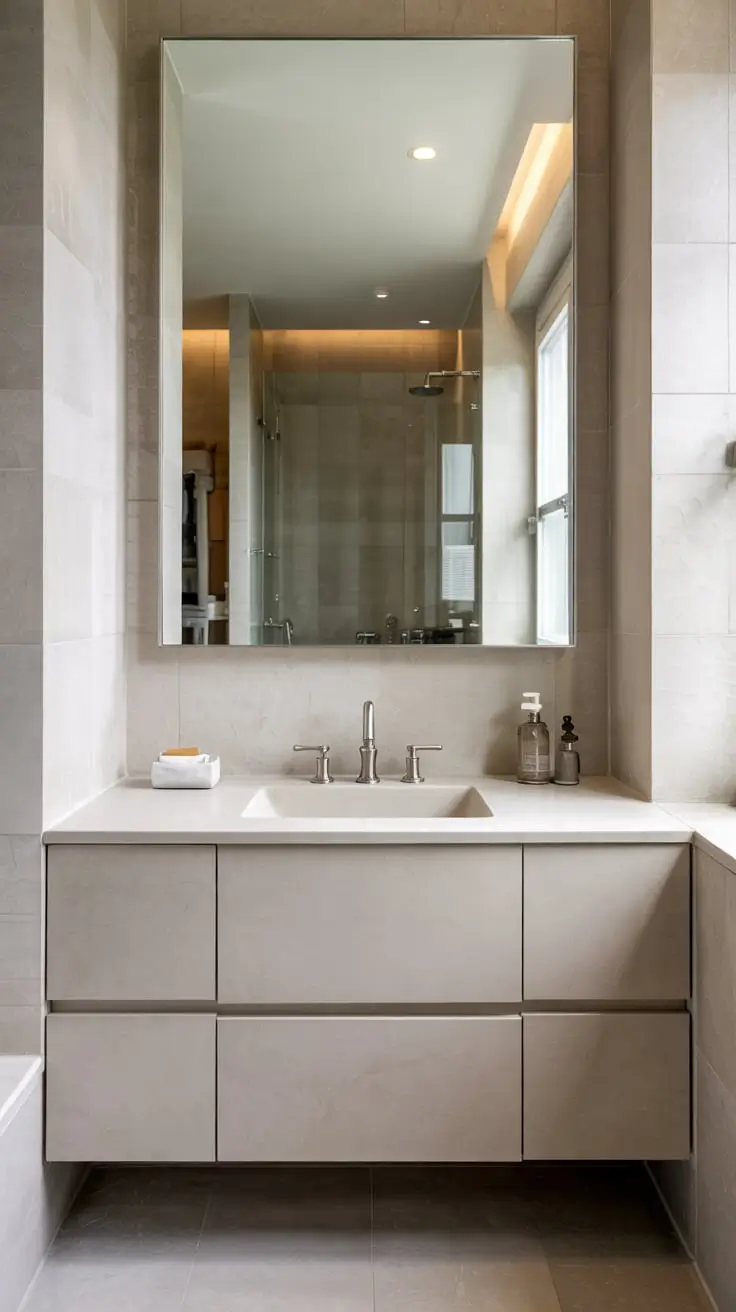
To complement these mirrors, I incorporate floating vanities, polished fixtures, and streamlined storage solutions. Matte finishes or soft natural tones enhance the mirror’s modern appeal. I also prefer installing LED edge lighting or overhead sconces that accentuate the mirror’s simple geometry without detracting from its minimalism.
Personally, I find slim profile mirrors ideal for clients seeking a refined interior without unnecessary ornamentation. Designers featured in Dwell magazine often recommend reducing visual noise in compact bathrooms, a principle that aligns perfectly with these mirrors. Their understated elegance contributes to a peaceful, contemporary environment.
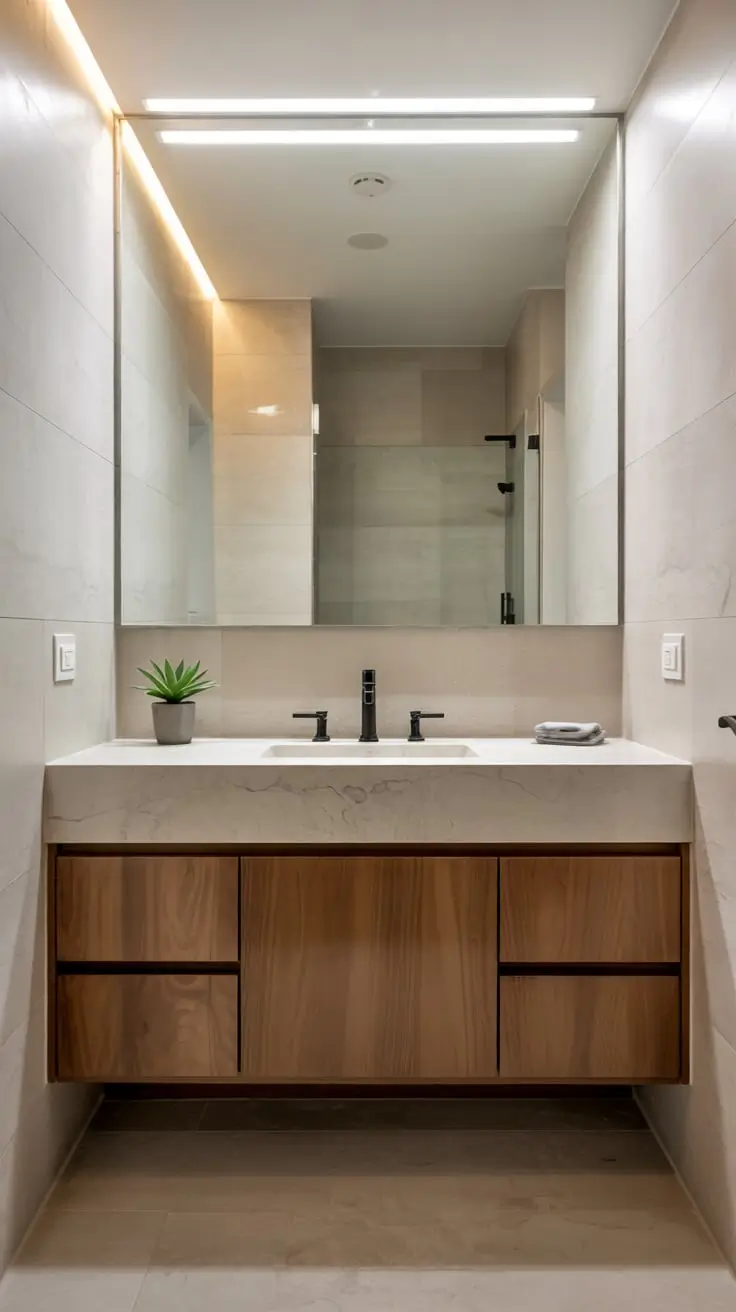
To strengthen this section, I would suggest adding anti-corrosion coatings and high-quality reflective glass to maintain clarity and longevity.
22. Color Changing LED Mirror Concepts
Color-changing LED mirrors are quickly becoming one of the most exciting bathroom mirrors ideas 2026 because they allow homeowners to adjust ambiance instantly. When I incorporate these mirrors into a project, I enjoy how their customizable lighting shifts the entire room’s atmosphere, from energizing cool tones in the morning to warm, relaxing hues at night. This adaptability helps create a spa-like experience, making the bathroom feel more personal and immersive.
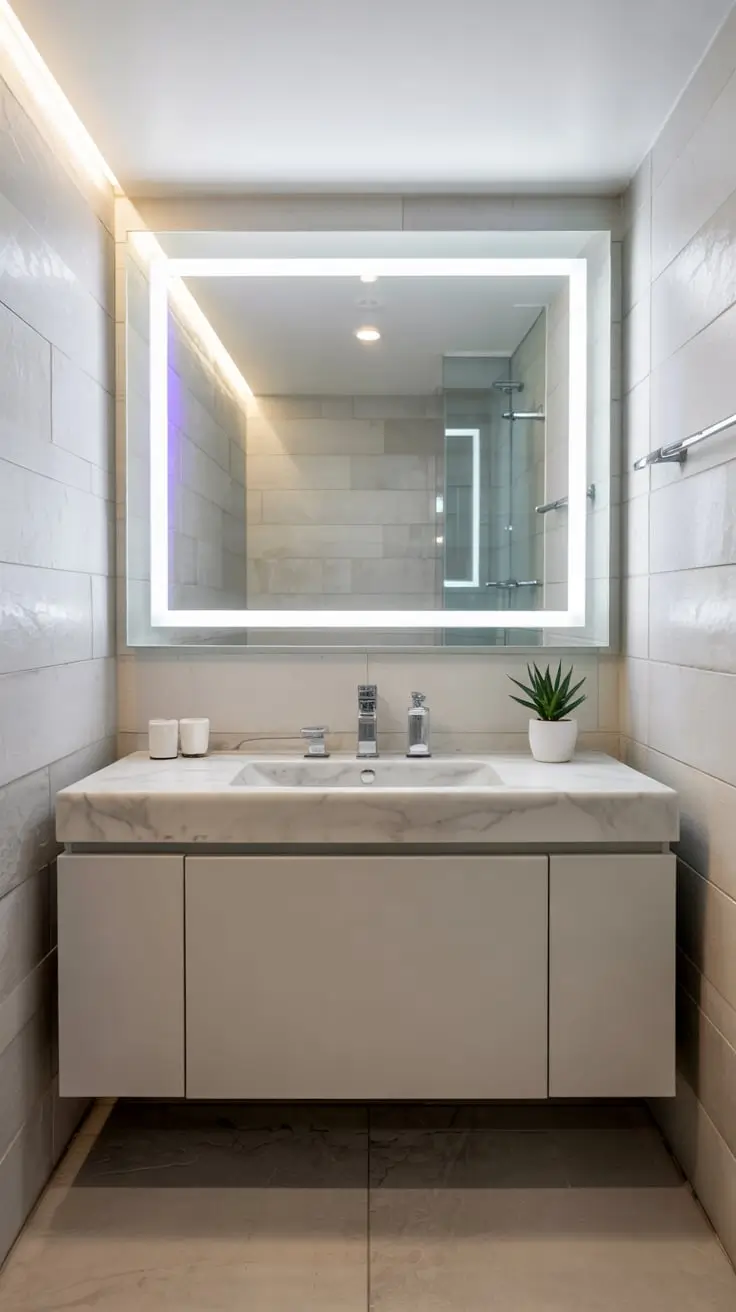
I typically pair these mirrors with clean, modern elements such as floating vanities, polished hardware, and smooth tile surfaces. The LED system is often integrated around the mirror’s perimeter or embedded behind frosted glass for a soft gradient effect. Additional features like dimmers or preset lighting modes enhance practicality while maintaining a sleek, futuristic aesthetic. The surrounding décor stays minimal so the color transitions remain the focal point.
In my experience, clients appreciate the emotional versatility that color-changing mirrors bring to their daily routines. Many U.S. designers featured in Elle Decor emphasize lighting temperature as one of the most influential factors in bathroom design, and I apply this principle when selecting LED technology that supports both task lighting and ambiance. These mirrors help craft an environment that adapts to mood, weather, and time of day.
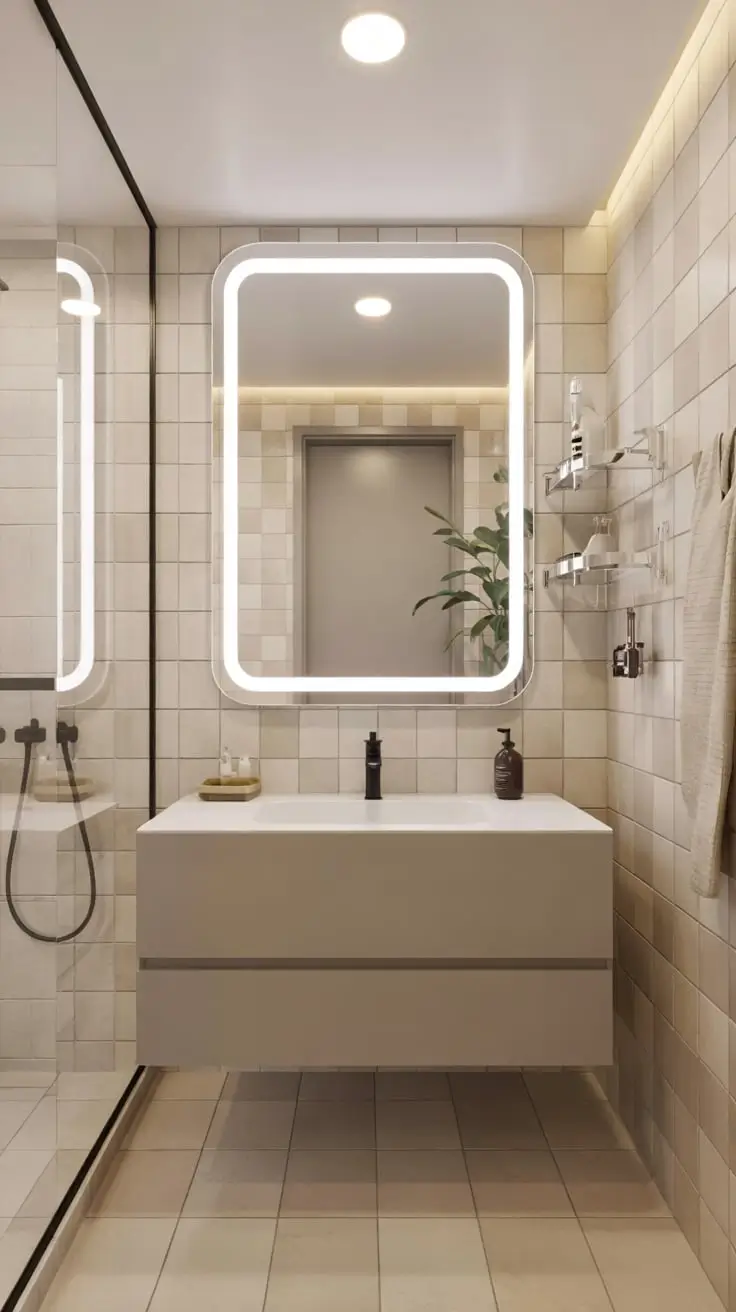
If I were to add anything to this section, it would be the recommendation to use high-efficiency LEDs with long life spans to ensure both sustainable operation and consistent color accuracy.
23. Sustainable Eco Friendly Mirror Materials
Sustainable mirror materials are gaining major momentum as homeowners increasingly prioritize environmental responsibility. When I include eco-friendly mirrors in a design, I look for recycled metals, responsibly sourced wood, low-emission glass, or frames made from biodegradable composites. These mirrors prove that sustainability can coexist with style, and they often become standout features in modern or organic-inspired bathrooms.
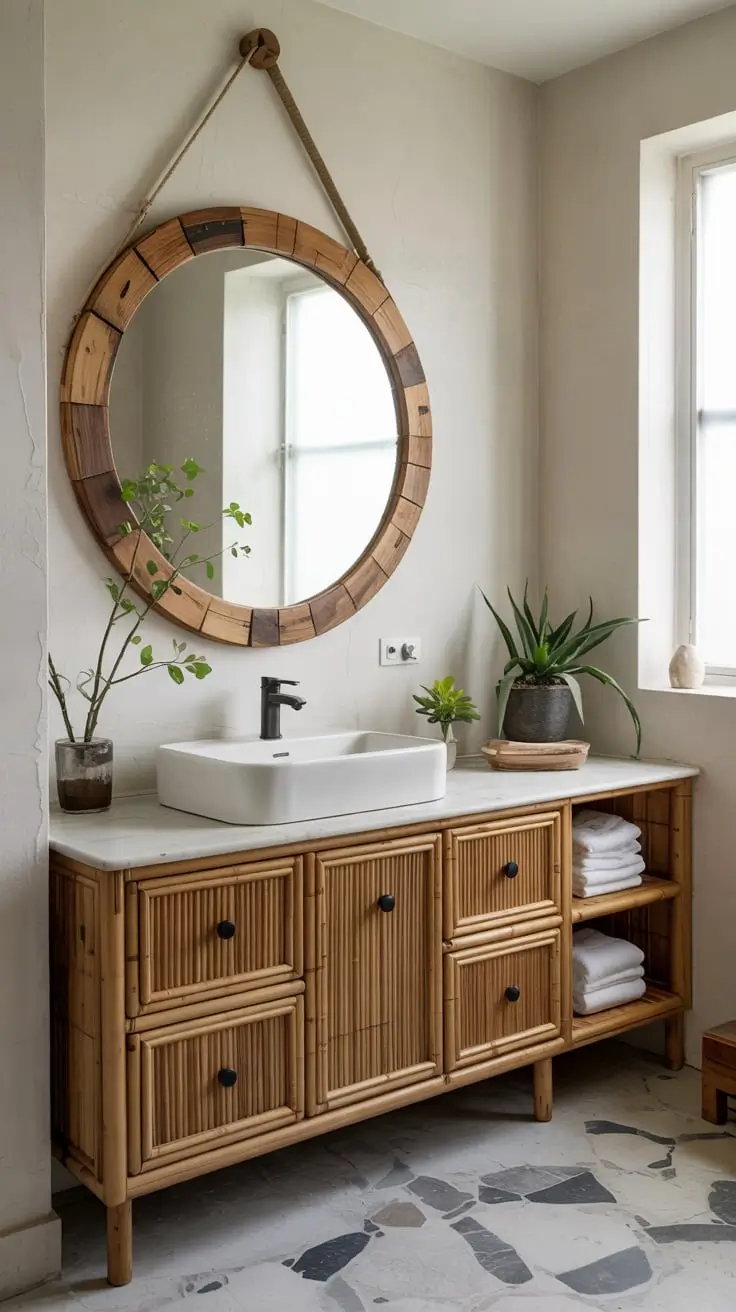
I usually pair sustainable mirrors with complementary materials such as bamboo cabinetry, limewash walls, terrazzo tile, or low-VOC paint finishes. The intention is to create a cohesive, earth-conscious design palette. Hardware in brushed nickel or matte black can reinforce the natural aesthetic while maintaining durability. When choosing the mirror itself, I make sure the manufacturer uses non-toxic adhesives and energy-efficient production methods.
Professionally, I’ve seen sustainable mirrors resonate strongly with clients who value both design and environmental impact. Leading publications like Architectural Digest frequently highlight the shift toward greener homes, and I’ve relied on similar insights when helping clients make responsible material choices. These mirrors offer long-term durability and a visual richness that only eco-conscious craftsmanship can deliver.
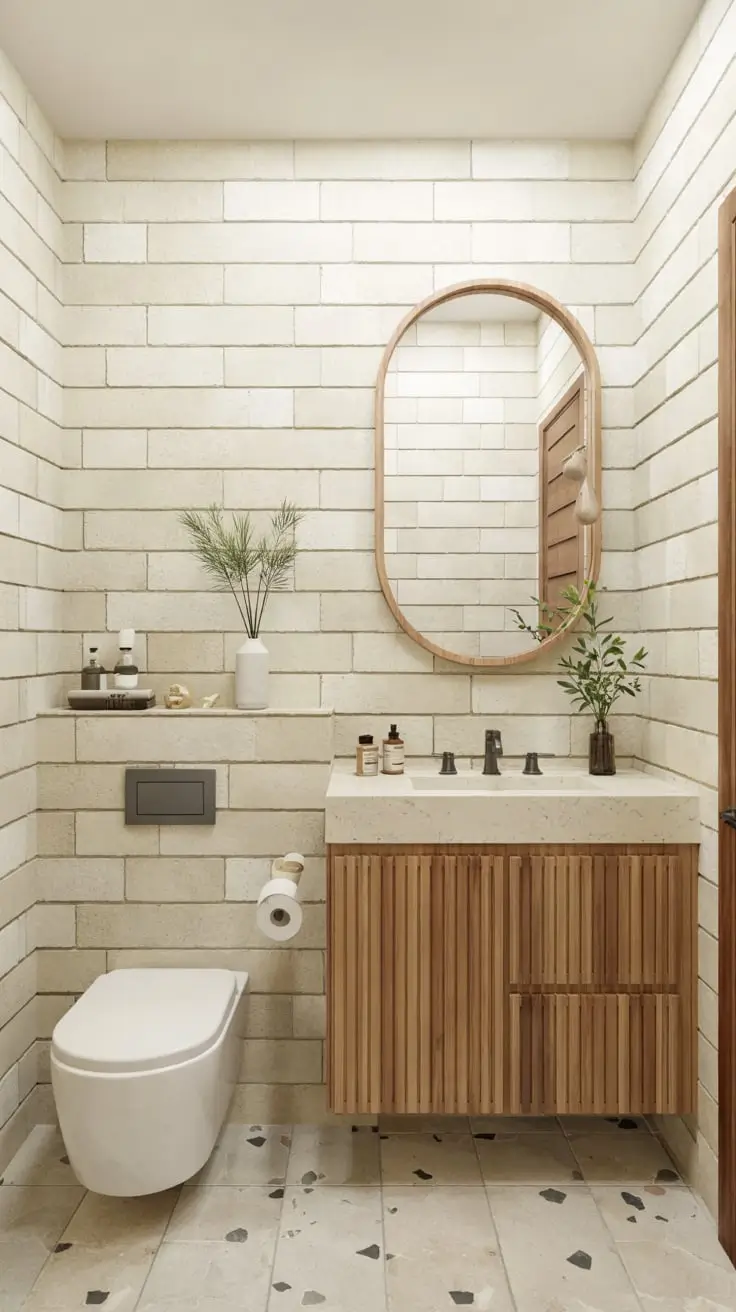
One additional point I would include is the benefit of selecting mirrors with certifications such as FSC, Cradle to Cradle, or Greenguard to ensure authentic sustainability—not just marketing claims.
24. Fogless Shower Mirror Designs
Fogless shower mirrors solve one of the most persistent bathroom frustrations: steam buildup during showers. When I recommend these mirrors, I value their practicality and how seamlessly they integrate into shower layouts. Whether they use heating elements, hydrophilic coatings, or advanced ventilation placement, these mirrors provide clear visibility even in high humidity, making grooming tasks more efficient.
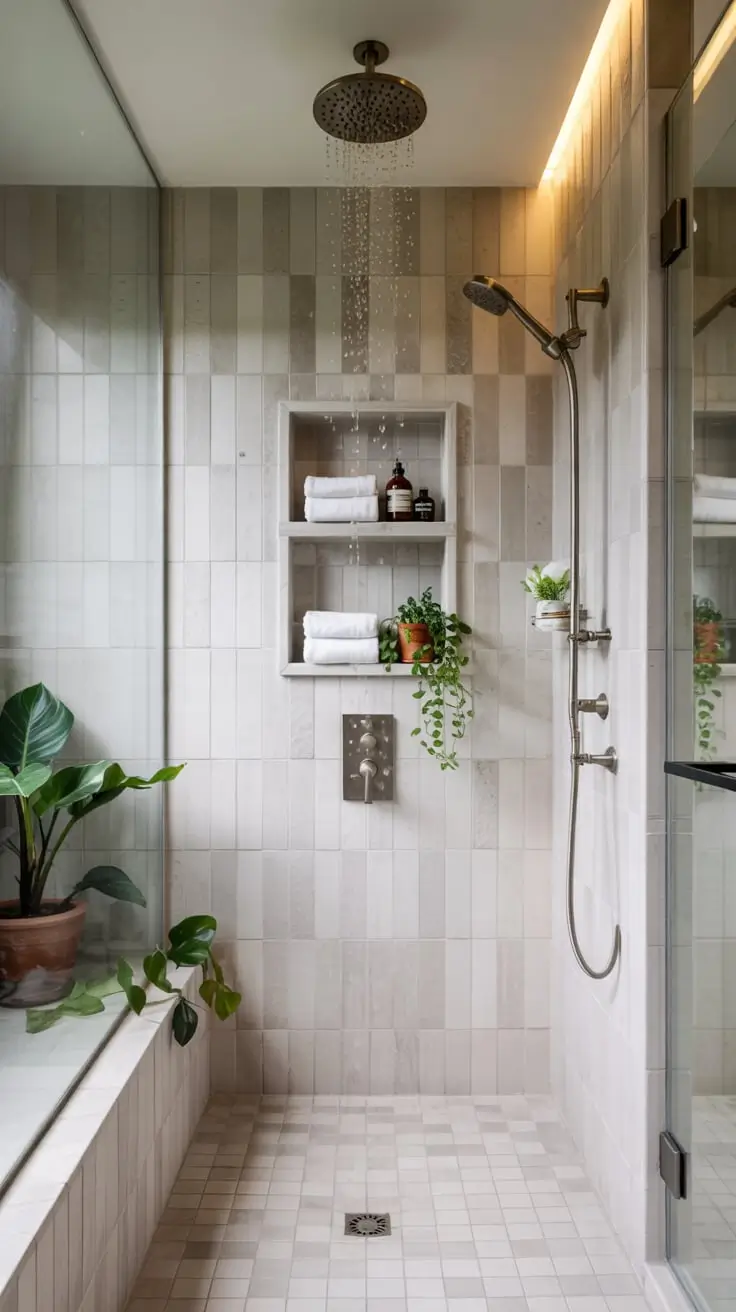
I often incorporate fogless mirrors into walk-in showers with tiled niches, rainfall showerheads, and subtle ambient lighting. Their design usually features clean, compact edges that enhance the shower’s architectural lines. I prefer using materials that resist moisture and corrosion, such as stainless-steel trim or frameless glass. Pairing them with slip-resistant flooring and built-in shelving helps establish a fully functional, spa-like shower environment.
From personal experience, fogless mirrors significantly improve usability for clients who shave or apply skincare products in the shower. Experts featured in House Beautiful often note the importance of user-friendly bathroom innovations, and fogless mirrors exemplify how simple technology can elevate daily routines. They also reduce the need for chemical sprays or manual wiping, minimizing maintenance.
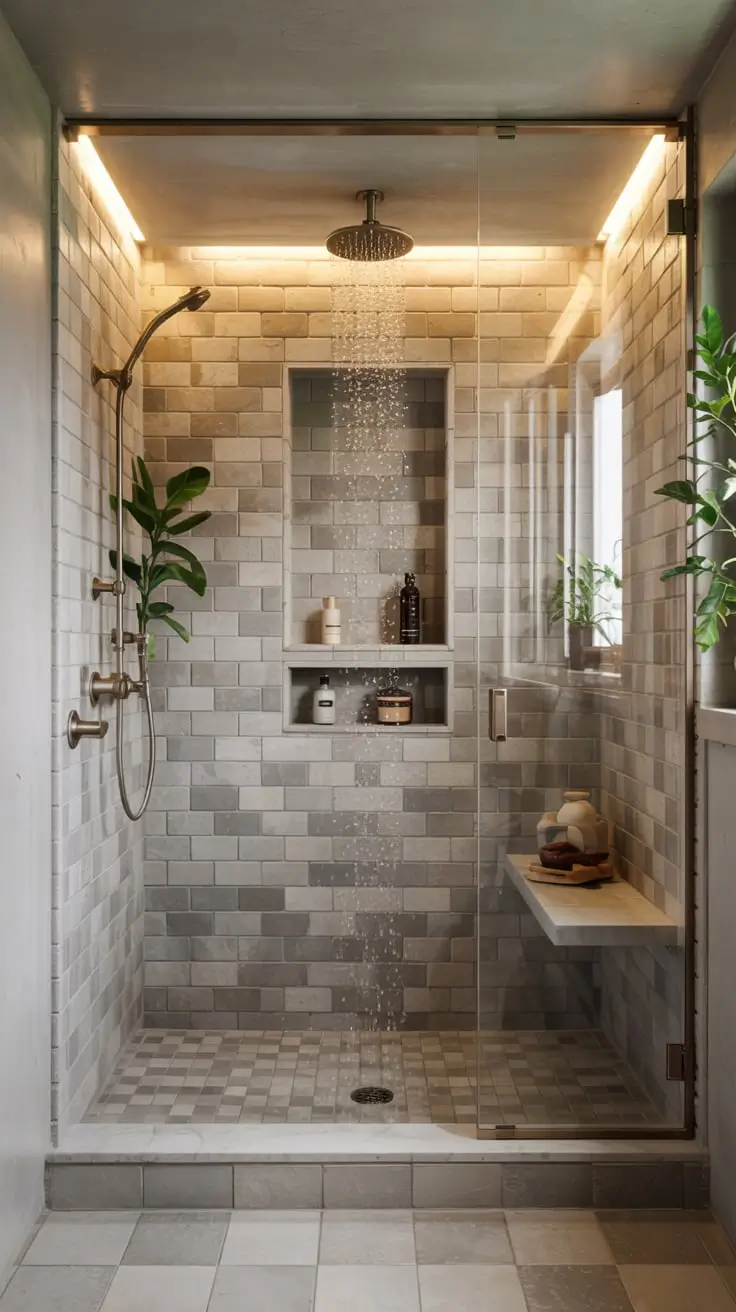
To strengthen this section, I would recommend selecting models with integrated anti-fog heating pads for consistent clarity, especially in larger or enclosed showers.
25. Industrial Style Metal Frame Mirrors
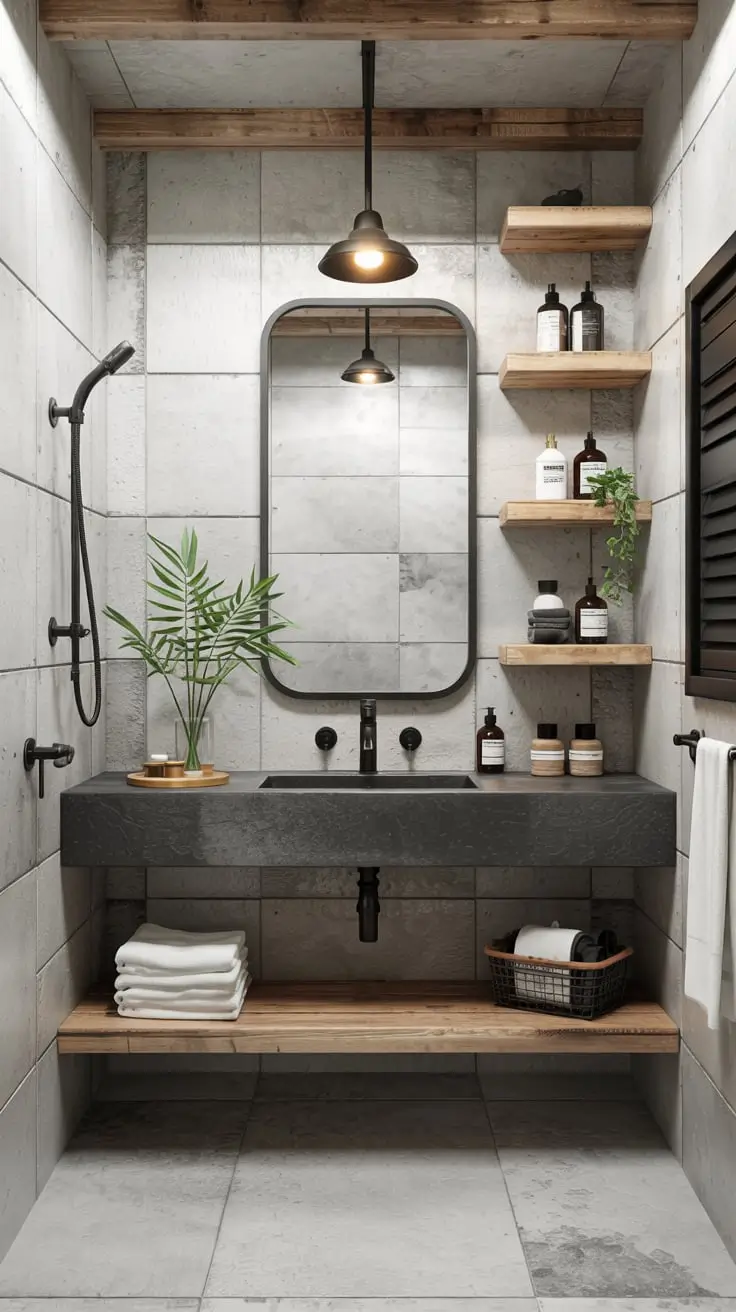
Industrial-style metal-framed mirrors bring rugged sophistication to modern bathrooms. When I integrate these mirrors into a design, I appreciate their strong visual presence and how they balance sleek surfaces with raw texture. Blackened steel, brushed iron, or textured metal frames help create a loft-inspired aesthetic while maintaining durability. These mirrors pair especially well with exposed piping, concrete finishes, or vintage industrial lighting.
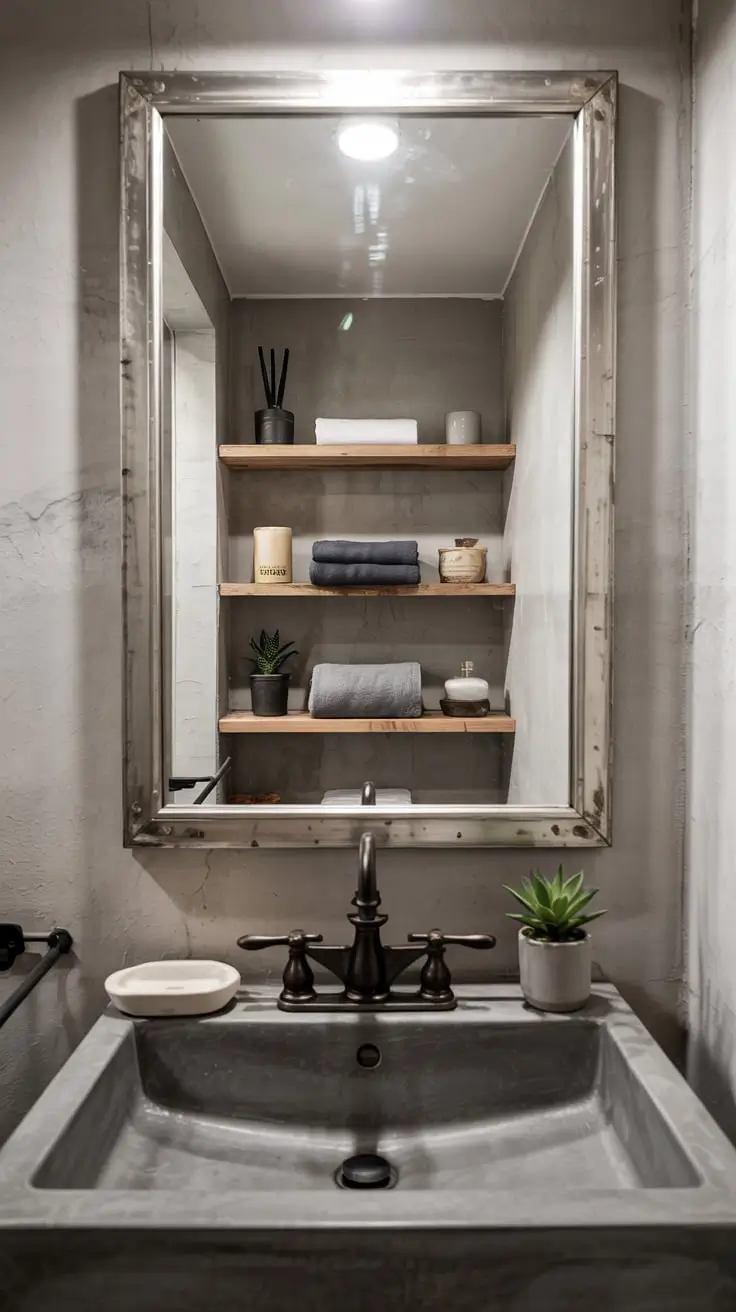
To complete the industrial look, I incorporate elements such as matte black faucets, open shelving, large-format floor tiles, and reclaimed wood accents. The metal-framed mirror becomes a central statement piece that enhances the room’s geometry and structure. I often use warm Edison-style bulbs (non-glowing in renderings), concrete countertops, or wire-frame accessories to create a cohesive environment with layered textures.
Professionally, I’ve found that industrial mirrors appeal strongly to homeowners who want bathrooms with character and bold lines. Designers highlighted in Dwell often emphasize mixing metals and contrasting surfaces to achieve depth, which aligns with my own approach. These mirrors are not just stylish; they are built to withstand everyday wear and moisture.
If I were to extend this section, I would include recommendations for powder-coated finishes that resist humidity and retain color over time.
26. Mirrors With Integrated Storage Solutions
Mirrors with integrated storage offer a clever way to maximize space, especially in compact bathrooms. When I design with these mirrors, I prioritize hidden compartments, sliding doors, or recessed shelving that keeps the countertop clean. These multifunctional mirrors combine practicality with a streamlined aesthetic, making them ideal for modern homes where organization is essential.
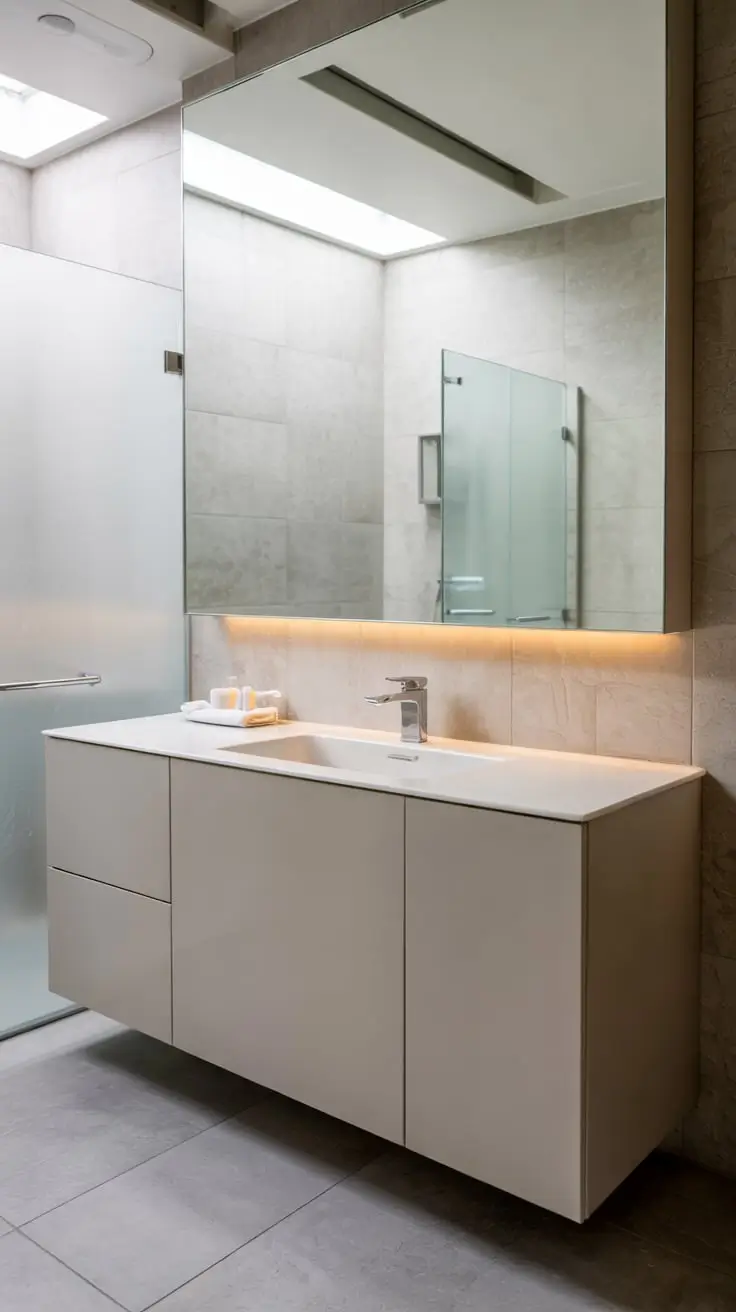
I often place these mirrors above floating vanities or minimalist cabinetry to maintain an uncluttered look. The storage solution might include adjustable shelves, magnetic organizers, or soft-close mechanisms. Materials like matte metal, frosted glass, or seamless wood veneers pair well with the mirror’s sleek edges. The design must be both functional and elegant so that the storage aspect feels integrated—not bulky.
From my experience, mirrors with built-in storage significantly reduce visual clutter and help clients maintain a more harmonious bathroom environment. Experts from HGTV frequently highlight the importance of vertical storage in maximizing small spaces—a rule I follow closely. These mirrors support daily routines while enhancing the room’s design coherence.
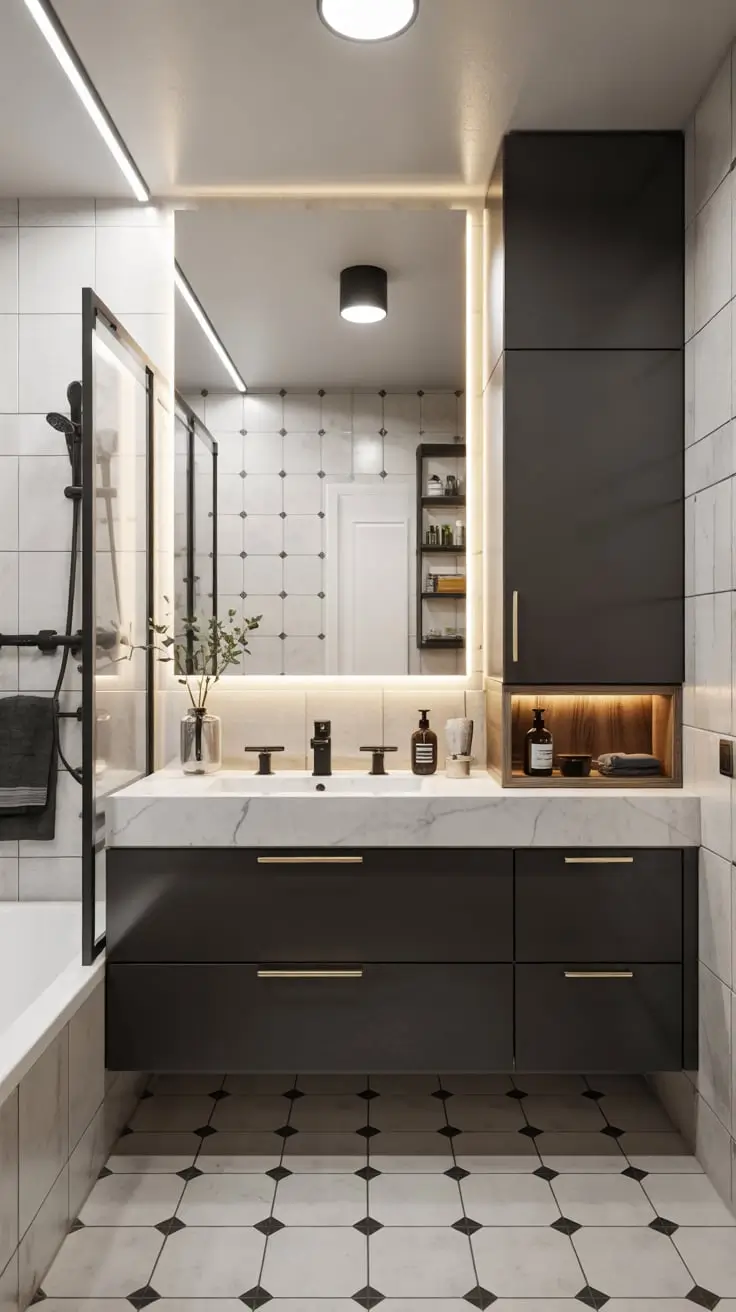
If expanding this section, I would mention the benefits of LED lighting incorporated around the storage mirror to provide better visibility for cosmetics and grooming tools.
27. Art Deco Inspired Geometric Mirrors
Art Deco geometric mirrors bring glamour and structure into bathroom interiors. When I use these mirrors, I focus on their bold symmetry, metallic finishes, and sculptural silhouettes. Their distinctive shapes—sunbursts, arches, layered rectangles—instantly elevate the room with a sense of vintage luxury. These designs bridge 1920s elegance with the clean geometry popular today.
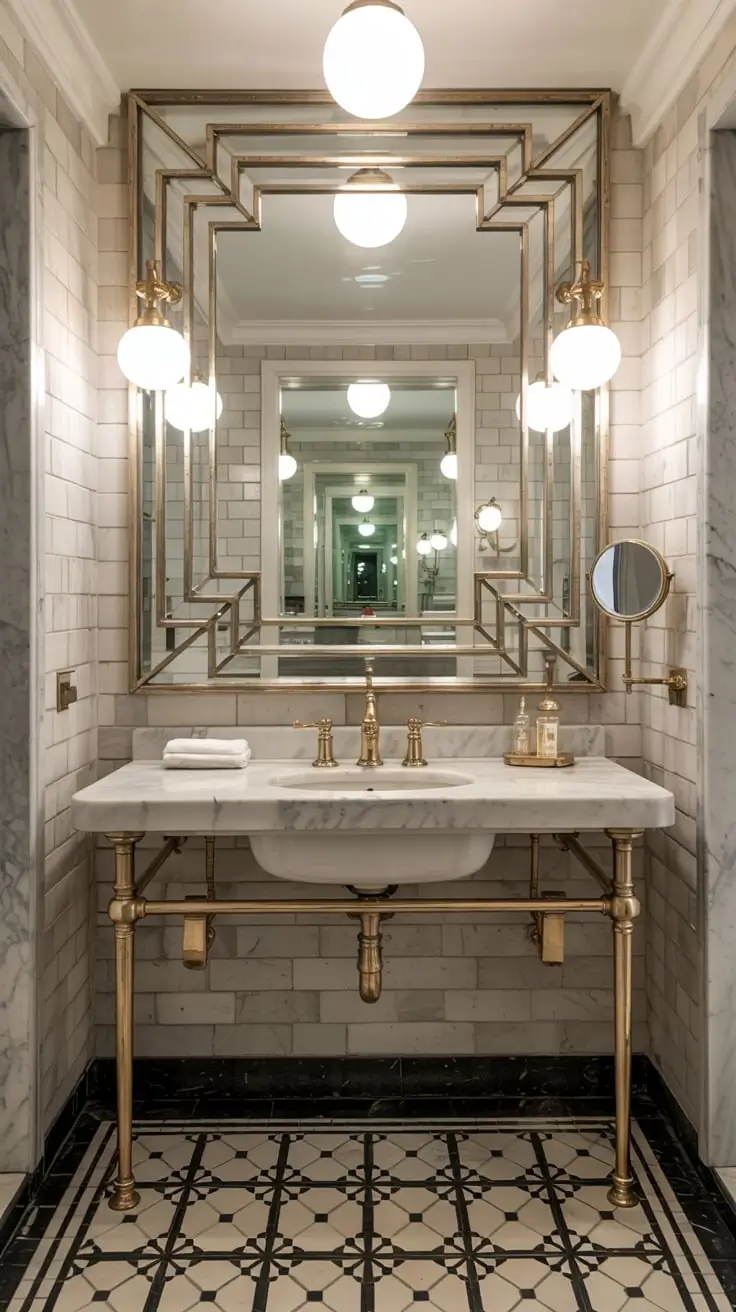
To complement these mirrors, I incorporate satin brass fixtures, marble countertops, patterned tile flooring, and soft globe sconces. The contrast between shiny metal and rich stone helps create the striking look Art Deco is known for. Accessories such as geometric trays or ribbed glass jars enhance the theme without overwhelming the space. The mirror remains the centerpiece that ties the entire design together.
Professionally, I find Art Deco mirrors perfect for clients seeking a blend of drama and sophistication. Interior designers cited in Vogue Living often emphasize the enduring appeal of Deco geometry, particularly in bathrooms where statement pieces deliver high impact. These mirrors reflect light beautifully and add a nostalgic charm that feels refreshing in contemporary interiors.
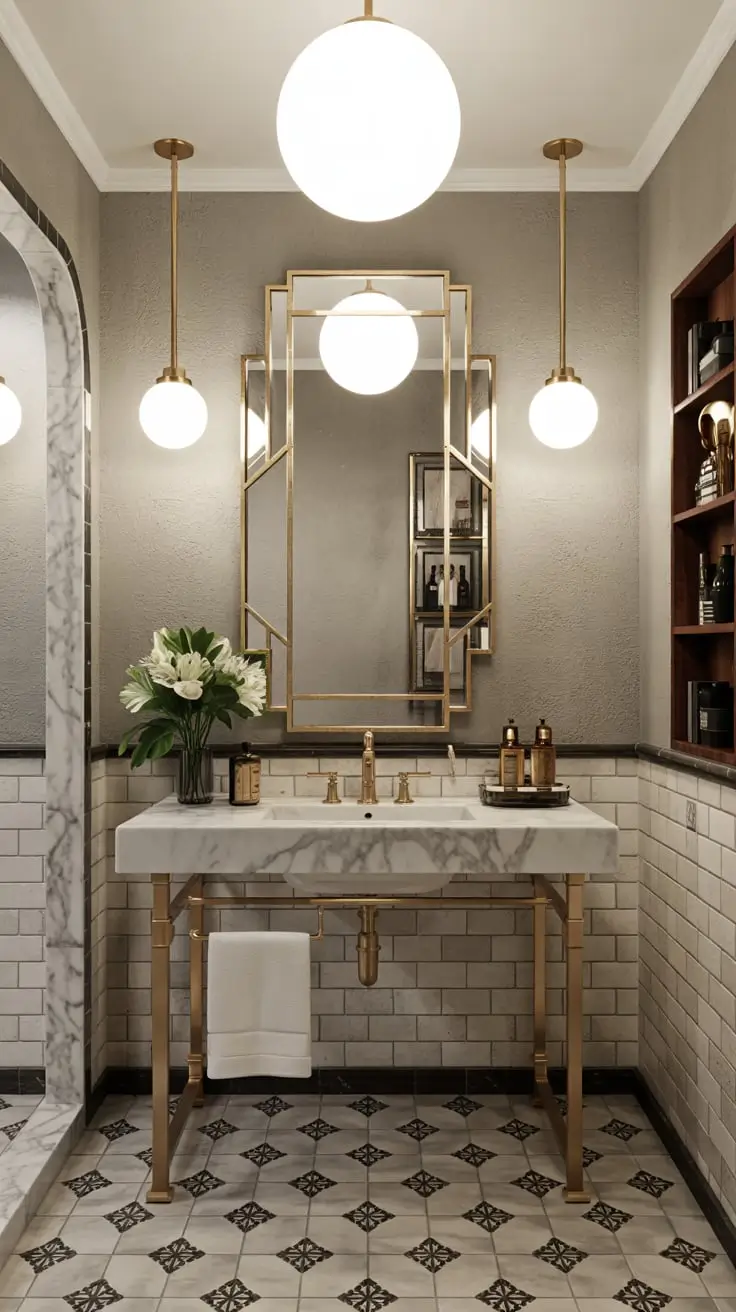
For added depth, I might recommend pairing these mirrors with textured wall panels or gemstone-inspired tiles for a heightened Deco effect.
28. Bluetooth Enabled Bathroom Mirrors
Bluetooth-enabled mirrors introduce smart convenience into everyday bathroom routines. When I install these mirrors, I appreciate how they integrate hands-free audio, weather updates, and voice-assisted features while keeping the design sleek. These mirrors typically include touchless controls, built-in speakers, and LED lighting, making them both functional and futuristic.
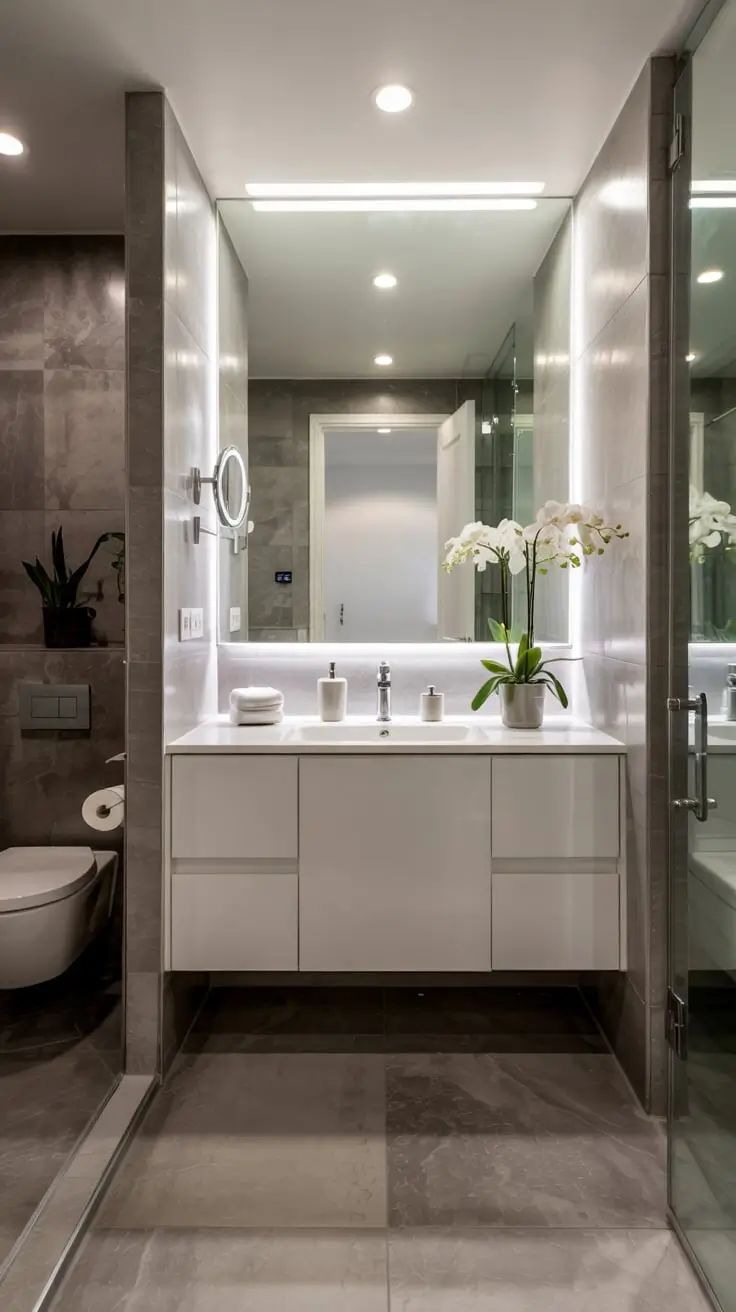
I usually combine them with modern vanities, seamless storage, and minimalistic décor so the technology feels natural within the room. The mirror’s interface is subtle, and the hardware is often embedded behind glass to maintain a smooth, uninterrupted surface. Paired with clean tile lines, brushed metal fixtures, and soft ambient lighting, the mirror becomes a central tech hub without appearing cluttered.
From my perspective, Bluetooth mirrors significantly improve morning routines. Many U.S. tech-forward designers recommend integrating audio features in wet spaces to enhance relaxation and multitasking—advice I’ve incorporated into several projects. These mirrors give clients the flexibility to listen to podcasts, music, or instructions while getting ready.
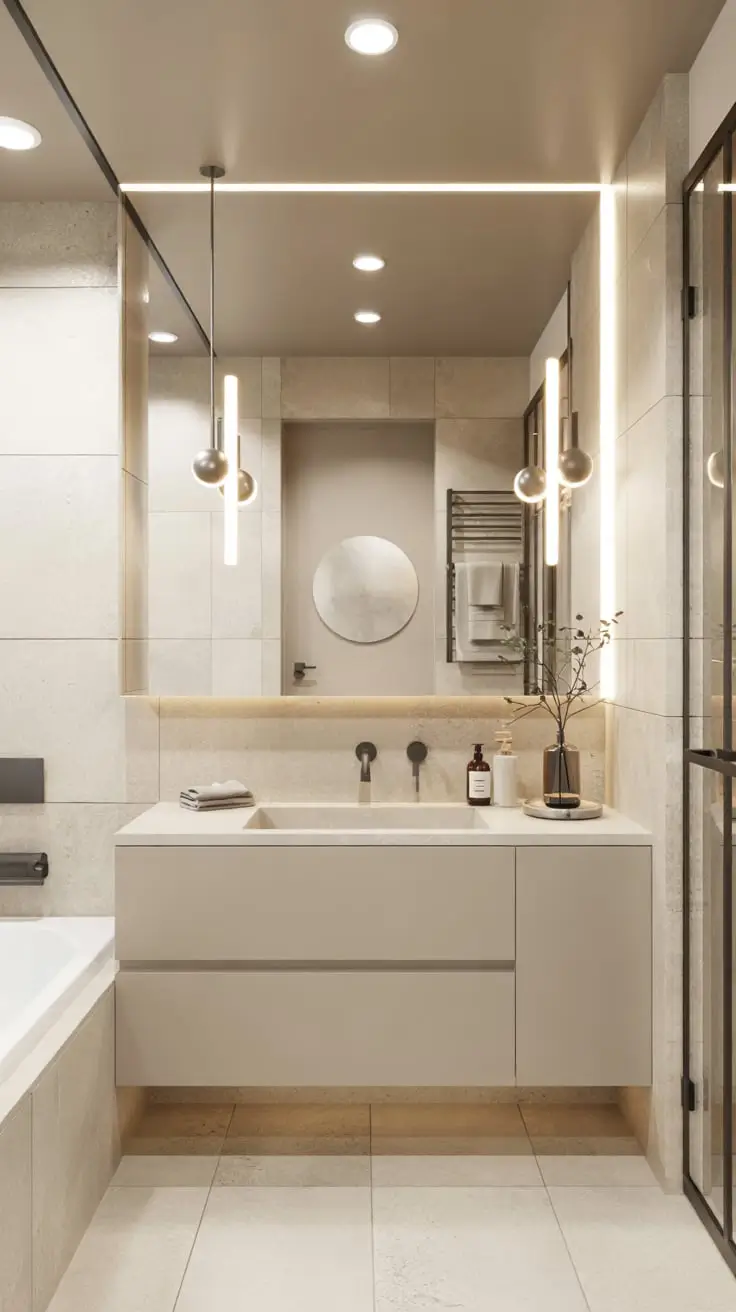
For this section, I would also add the recommendation to choose moisture-resistant speaker grills and models with robust waterproof ratings to ensure longevity.
29. Smart Motion Sensor Mirror Lighting
Smart motion sensor mirror lighting has become one of the most innovative bathroom mirrors ideas 2026, offering touch-free convenience and enhanced energy efficiency. When I incorporate these mirrors into my projects, I appreciate how seamlessly they activate as someone enters the space, creating a soft, welcoming illumination. This feature is especially valuable during nighttime use, providing guided lighting without disturbing the entire household.
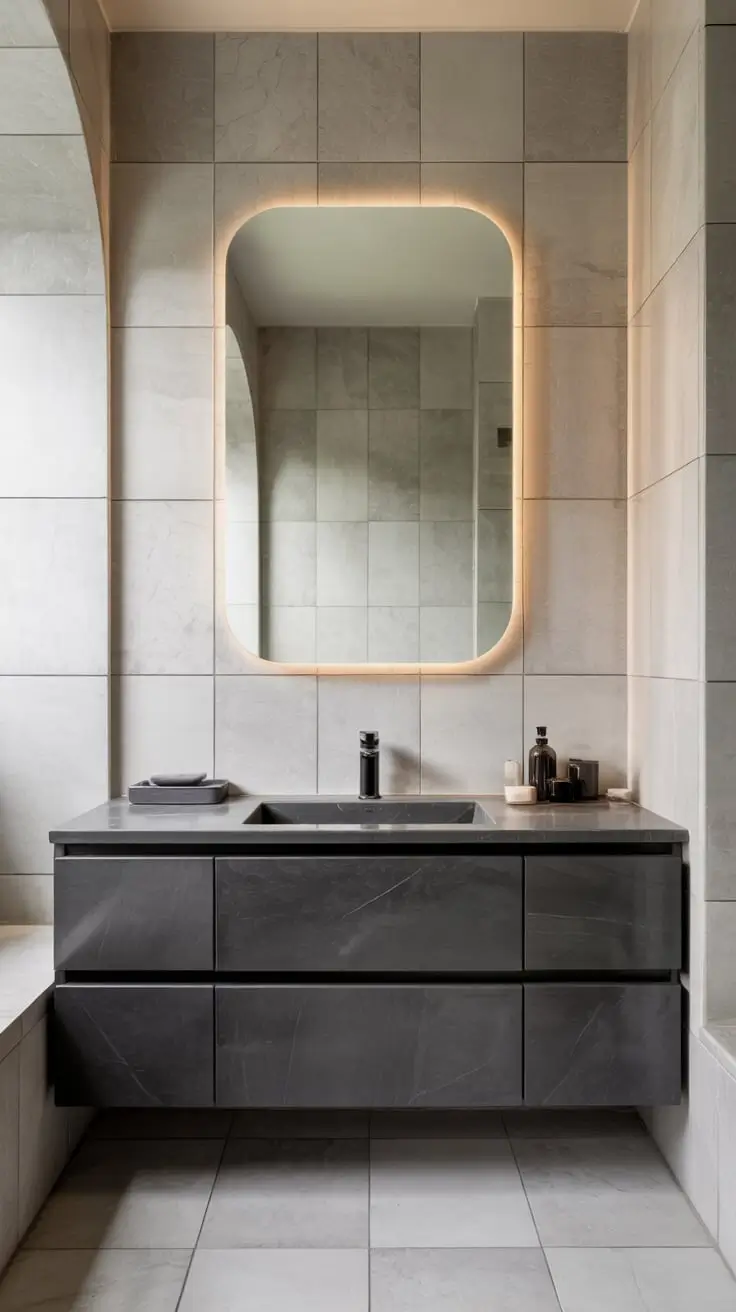
I typically pair motion-activated mirrors with minimalist vanities, matte finishes, and soft-neutral tilework to support the modern aesthetic. Sensor placement is strategically planned to ensure responsiveness while preventing unnecessary activation. LED strips integrated into the mirror’s frame create balanced lighting ideal for grooming, while recessed ceiling lights maintain overall even illumination. This setup is clean, functional, and visually appealing.
In my experience, clients particularly value the hygienic benefits of reducing touchpoints in the bathroom. Many experts referenced in Architectural Digest highlight contactless fixtures as rising essentials in modern home design, and these mirrors align perfectly with that trend. They not only improve daily convenience but also contribute to long-term efficiency through reduced electricity use.
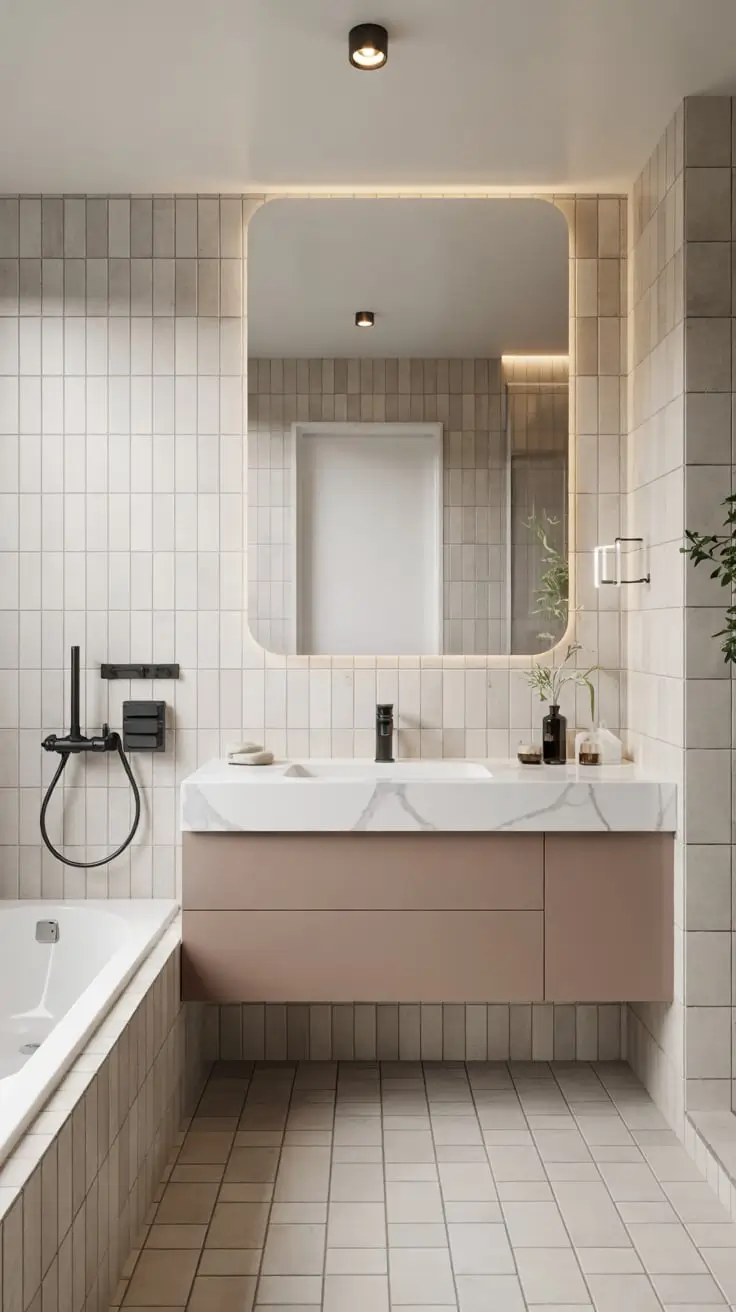
To refine this concept further, I recommend pairing these mirrors with dimmable settings or adjustable warmth tones to provide full control over brightness and mood.
30. Coastal Inspired Light Wood Mirrors
Coastal-inspired light wood mirrors bring a breezy, serene feel to the bathroom, making them a refreshing addition among bathroom mirrors ideas 2026. When I use these mirrors, I focus on designs crafted from bleached oak, ash, or driftwood finishes that echo the calming tones of the shoreline. These mirrors soften the space and help create a relaxing, beach-inspired retreat, even in urban homes.
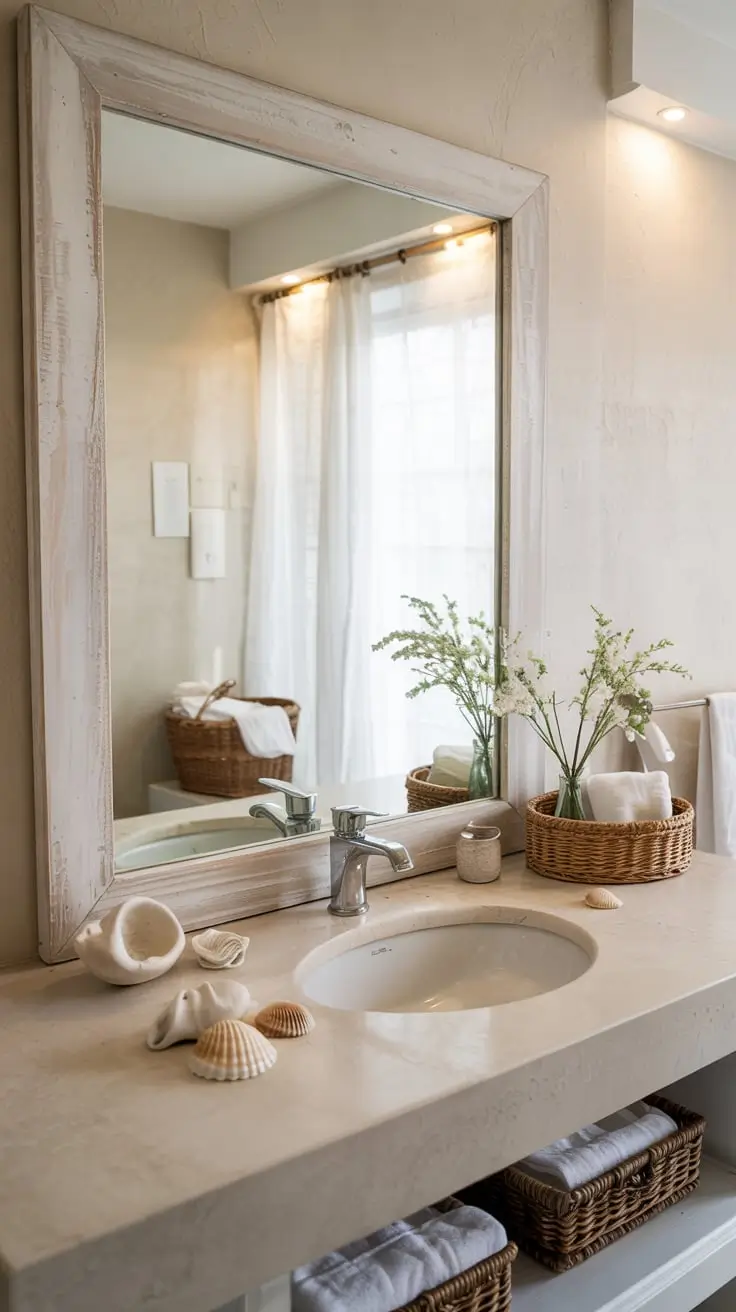
I typically integrate these mirrors with soft white or sand-colored palettes, natural stone countertops, and light-textured woven accessories. Matte nickel or brushed gold hardware supports the gentle warmth of the wood. To maintain the calming look, I use soft, diffused lighting around the mirror, combined with airy features like linen curtains, coastal artwork, or seashell-inspired décor elements.
Professionally, I find coastal design highly effective for clients seeking a soothing, spa-like atmosphere. Editorials from Coastal Living often emphasize the emotional benefits of light wood tones in bathroom design, and I apply this by maintaining visual simplicity and natural textures. These mirrors offer an inviting, organic feel that works beautifully in both large and small bathrooms.
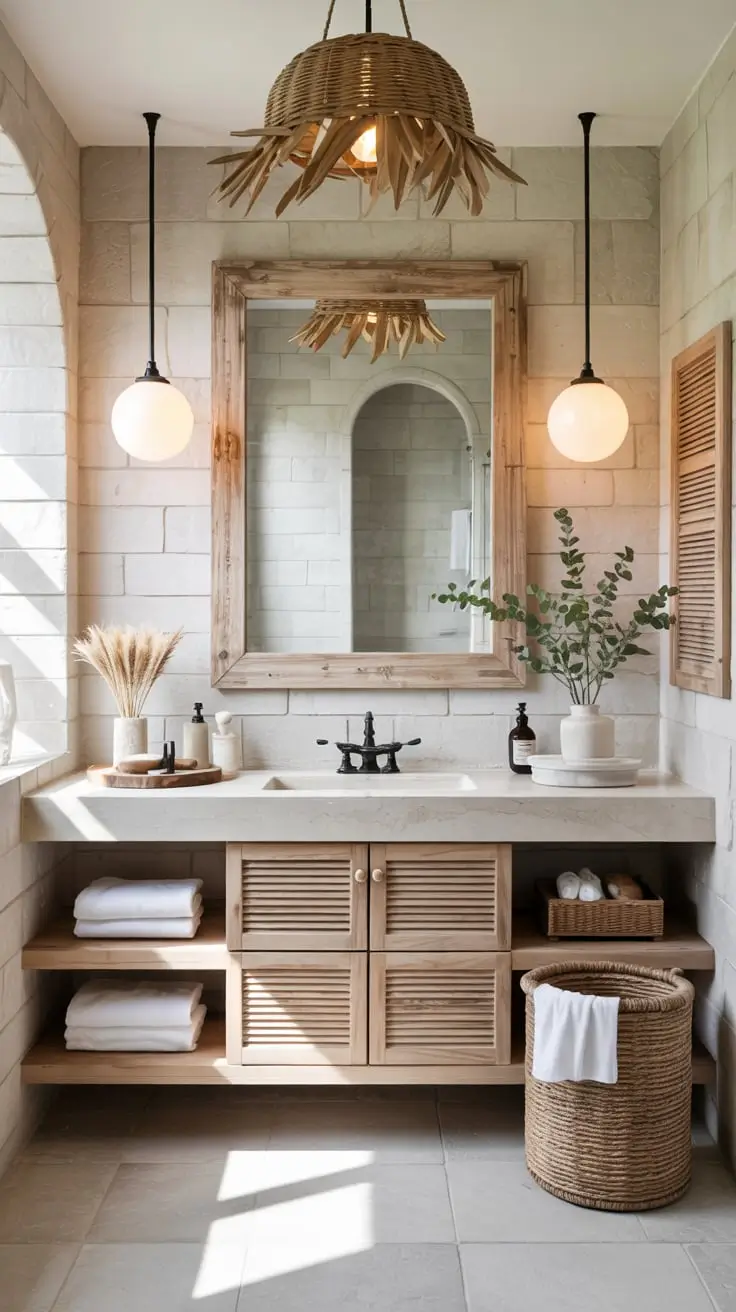
If expanding this section, I would recommend moisture-resistant wood treatments to maintain longevity and prevent warping in humid environments.
31. Frameless Edge Lit Mirror Trends
Frameless edge-lit mirrors represent the height of modern minimalism and are a staple in bathroom mirrors ideas 2026. When I incorporate these mirrors, I admire their seamless appearance and how the diffused light softly wraps around the edges, creating a floating effect. Their clean silhouette works beautifully in contemporary or luxury bathroom interiors, offering a refined look that minimizes visual distractions.
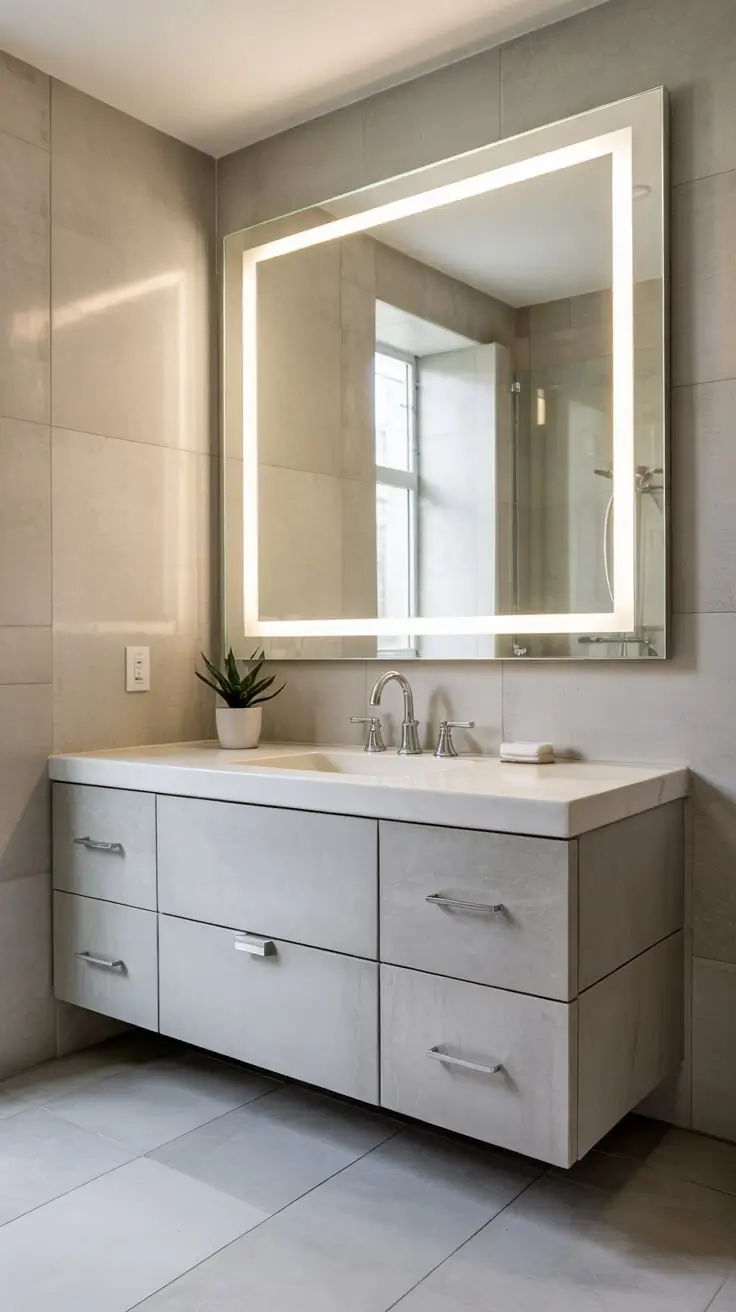
To complete the design, I pair these mirrors with sleek floating vanities, polished fixtures, and streamlined architectural details. The edge lighting provides balanced illumination without harsh glare, which is especially helpful for grooming tasks. Neutral wall colors such as alabaster, greige, or pale stone tones help emphasize the mirror’s soft glow. These mirrors are versatile enough to complement both warm and cool color palettes.
From my professional perspective, frameless edge-lit mirrors are among the most requested upgrades for homeowners seeking a high-end aesthetic. Interior design experts in Dwell often highlight them as essential elements for modern luxury baths due to their clean geometry and ambient lighting quality. I’ve used them in many renovations where clients wanted simplicity without sacrificing functionality.
To improve the section further, I would suggest incorporating smart dimming features or touch-sensitive controls that allow for customizable lighting temperatures.
32. Luxury Marble Frame Bathroom Mirrors
Luxury marble-framed mirrors elevate bathrooms into true statement spaces, making them one of the most elegant bathroom mirrors ideas 2026. When I select these mirrors, I prioritize natural stone frames crafted from Carrara, Calacatta, or Nero Marquina marble, as each brings its own texture and richness. These mirrors instantly add sophistication and pair especially well with upscale interior styles.
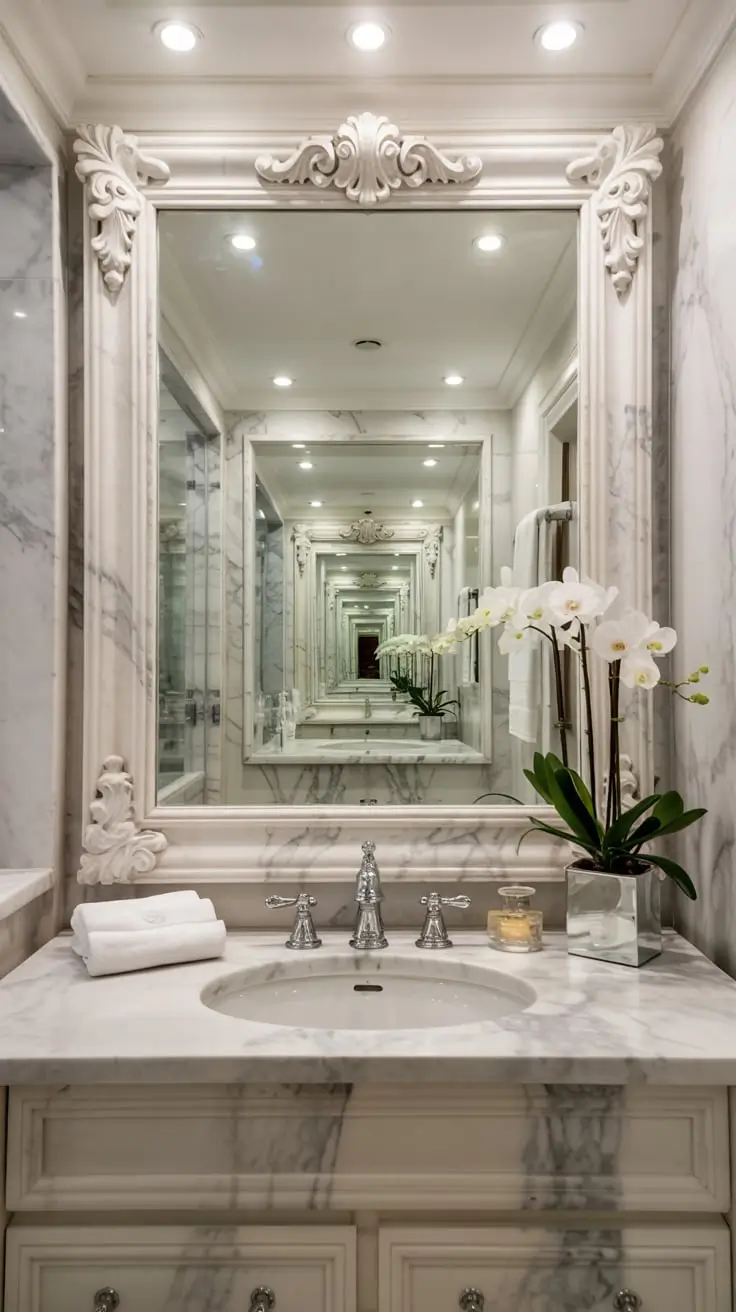
I typically integrate marble-framed mirrors into bathrooms featuring stone countertops, polished metals, and high-end fixtures. The mirror often becomes the focal point, complemented by warm LED lighting, premium faucets, and soft textiles. The natural veining of the marble adds depth and artistry, ensuring the room feels luxurious yet timeless. Polished or honed finishes can shift the aesthetic toward modern or classic elegance.
From my experience, clients who choose marble-framed mirrors value both durability and artistic character. Several U.S. interior design professionals recommend using marble accents to establish a high-end look, and I find this advice particularly relevant in bathroom spaces where materials must withstand moisture. Marble-framed mirrors bring a sense of permanence and beauty unmatched by synthetic options.
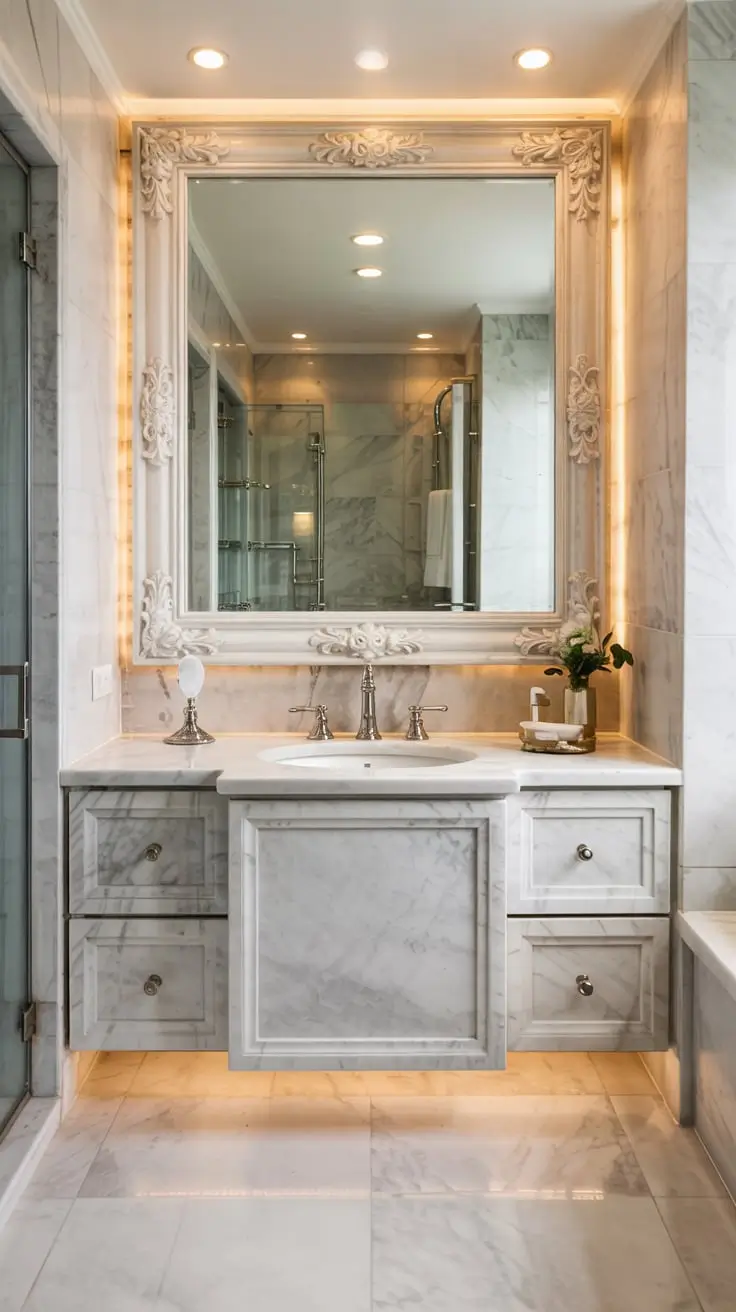
If refining this section, I would emphasize the importance of sealing marble regularly to preserve its natural finish and prevent water stains or discoloration.